Cangshan Mountain, Erhai Lake, and Me: A 15-Day Slow Living Journal and Practical Guide in Dali
Cangshan Mountain, Erhai Lake, and Me: A 15-Day Slow Living Journal and Practical Guide in Dali
Preface: A Spontaneous Journey into a Martial Arts Dream
Sometimes, the best trips are the ones you never plan. Dali was exactly that—a place that stumbled into my life by accident. I didn't read a single travelogue, didn't research any guides. From the moment I decided to go to booking my ticket, it took just one week.
They say Taureans are control freaks who want every detail sorted before a trip. But this time, I threw that habit out the window. Maybe it's because the name "Dali" itself carries the martial arts aura of The Demi-Gods and Semi-Devils, giving me the sudden courage to roam the world like a sword-wielding wanderer.
To be honest, before I arrived, I knew almost nothing about Dali. No longing, no expectations, not even any preconceived notions. The only images in my mind were "Cangshan Mountain" and "Erhai Lake." Once I got there, I realized—yes, that's really all there is: the mountain, the lake, and the old town of Dali. But strangely enough, this ancient city held an entire 15 days of my experiences and stories. That's the magic of travel: the same me, in different landscapes and among different people, starting a completely different story.
This travelogue isn't so much a day-by-day log as it is a journal of 15 days of slow living. I'll take you through my daily life in Dali by location and mood. At the end, I'll share practical tips on accommodation, transportation, and food.
Landmark Check-In: The Three Pagodas of Chongsheng Temple

Recommended visit time: 3 hours
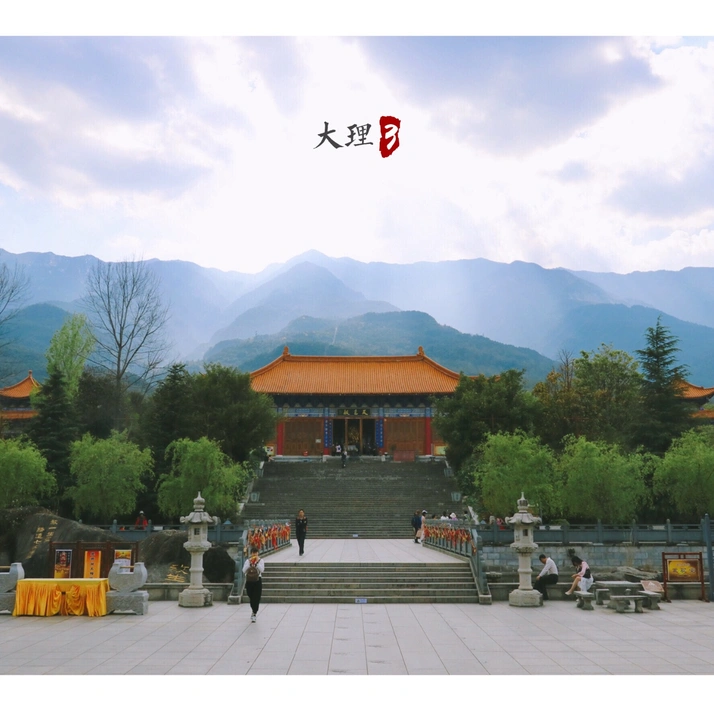
Chongsheng Temple sits at the foot of Cangshan Mountain, northwest of Dali's old town. If you have enough time, you can combine it with the Cangshan cable car for a full-day excursion.
Ticket Tips
- Discounted tickets are available on Mafengwo or Meituan, but you need to purchase them at least 2 hours in advance.
- Follow the "Dali Tourism Service" WeChat account for packages that include hotel pickup and drop-off, plus a free electric cart ride in the old town. Buy tickets at least half an hour ahead.
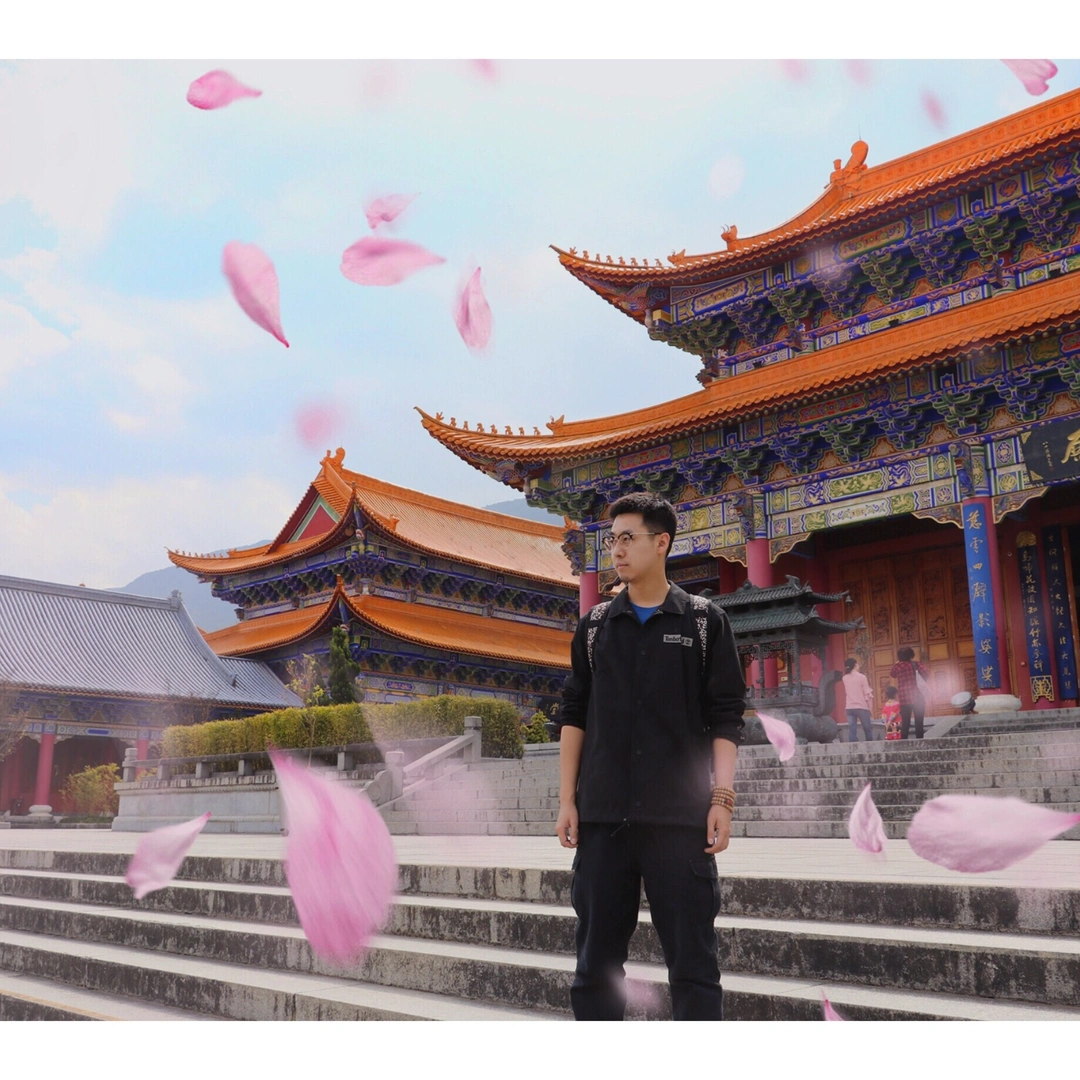
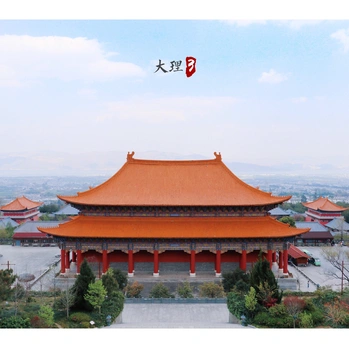
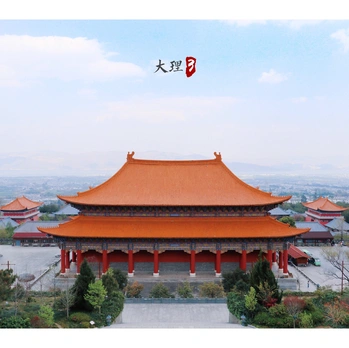
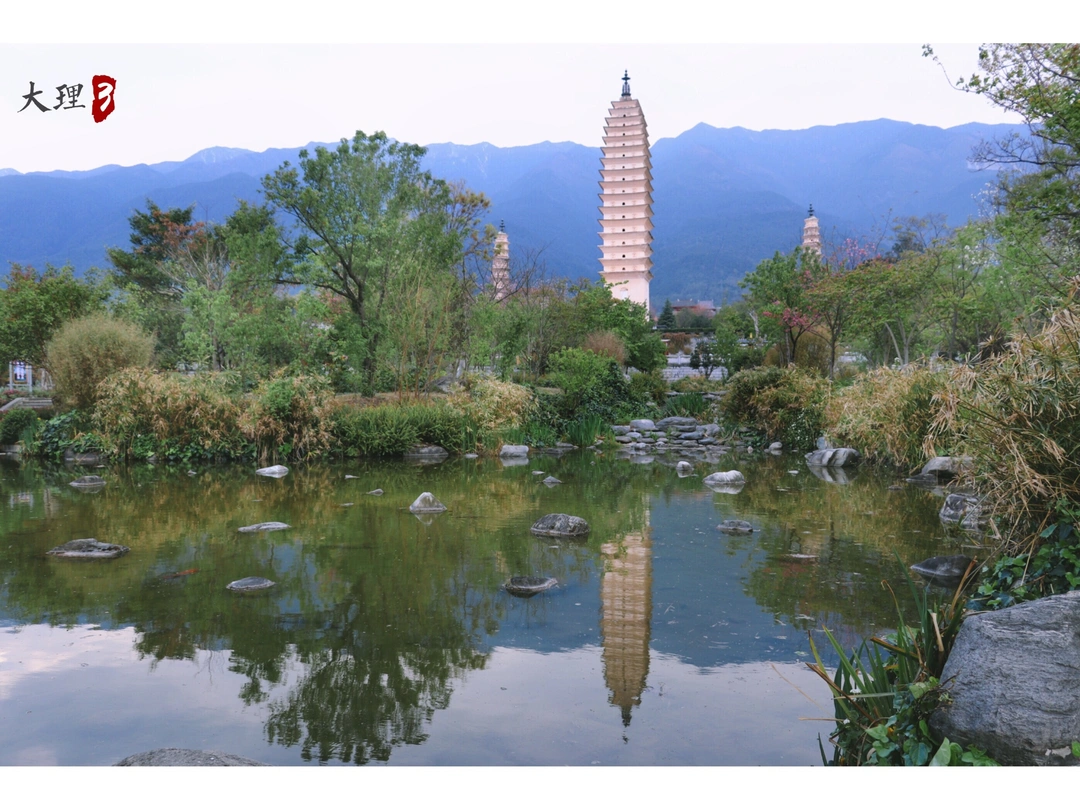
The Tianlong Temple from The Demi-Gods and Semi-Devils is actually Chongsheng Temple in real life. The Three Pagodas are Dali's most iconic landmark—Buddhist stupas containing a wealth of sutras and cultural relics, symbolizing Dali's reputation as a "Land of Literature." As a 5A-rated scenic spot, it naturally became my first stop after dropping my bags and taking a short nap.
My route: take the electric cart to the temple at the top, then walk downhill back to the pagodas, enjoying the scenery along the way. If you're tired or short on time, you can ride the cart back the same way. Worth noting: the south gate of the scenic area leads directly to the Three Pagodas Reflection Park, the best spot for photos. Unfortunately, I was too pressed for time to go.
At the scenic area, I met a fellow traveler driving an Infiniti. Since he missed his return shuttle, he kindly gave me a ride back to my hotel and recommended an authentic Yunnan restaurant—an unexpected blessing on the road.
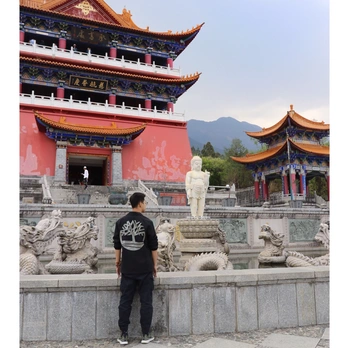
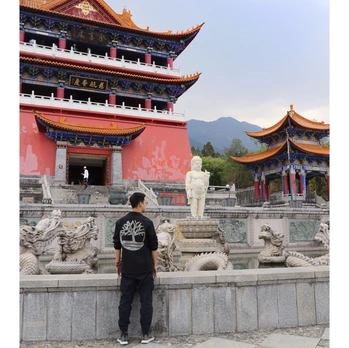
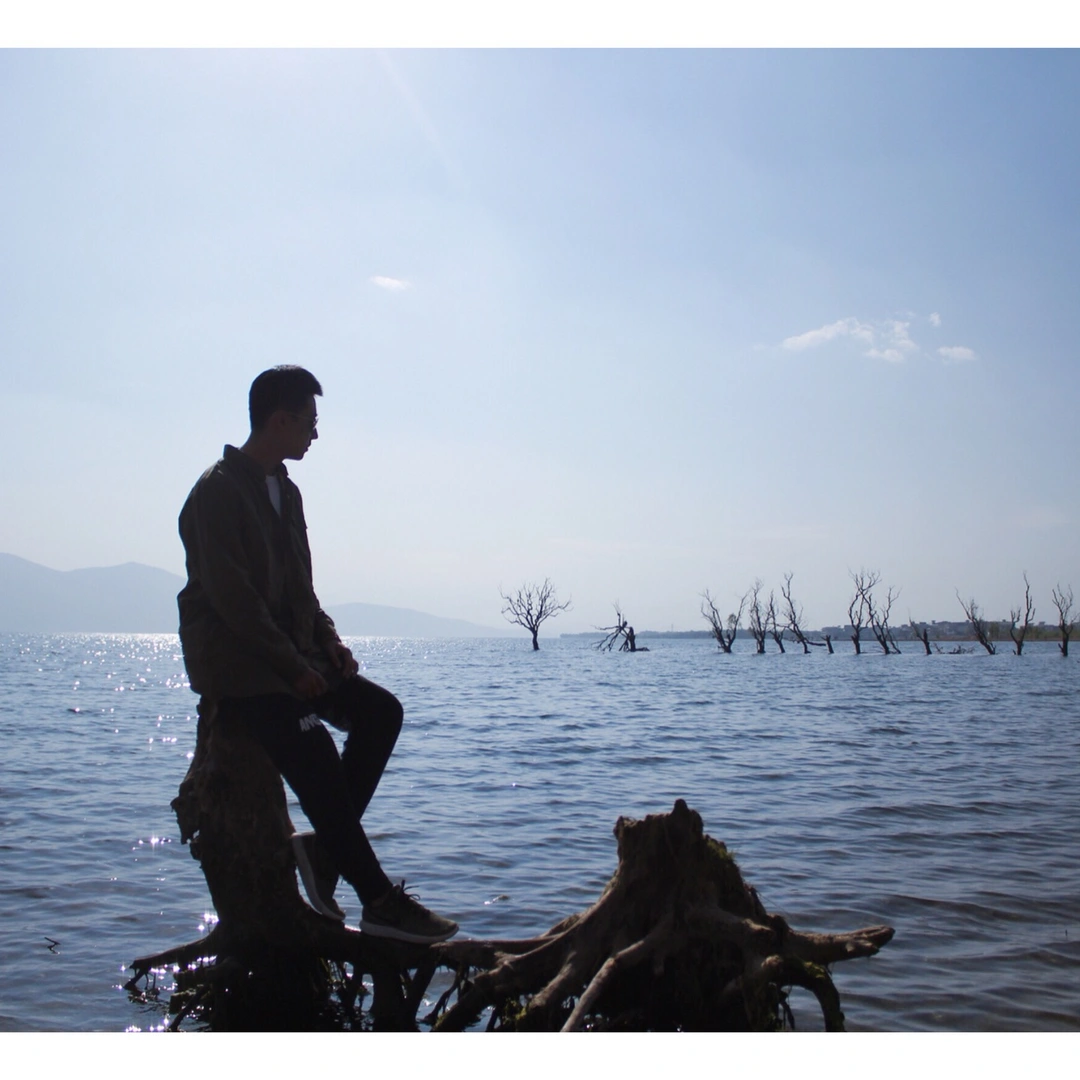
As for photos—I wanted to capture the ethereal, sword-wielding charm of a Dali prince from the martial arts novels. Turns out, that's way harder than it looks.
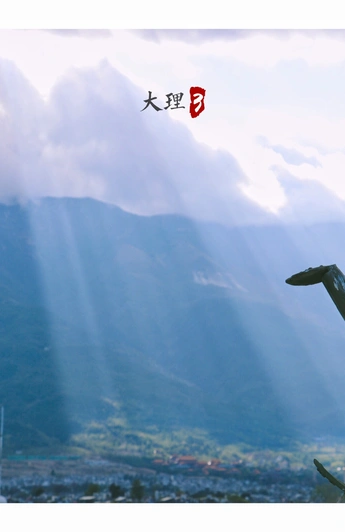
At the foot of Cangshan Mountain, you can see the Tyndall effect every day—that beam of light cutting through the air like a stage spotlight. The interplay of light and shadow is so beautiful it feels like you're walking through the Forbidden City.
Erhai Lake: A Lyre Without Strings—A Day Trip Around the Lake
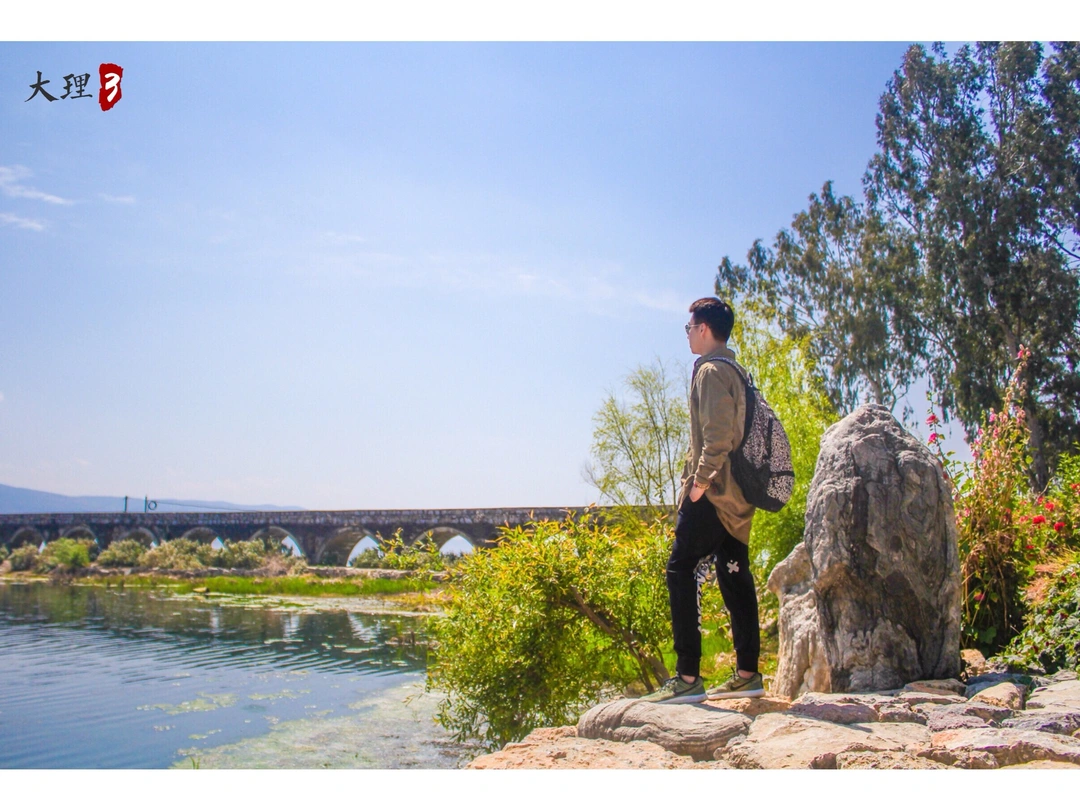
In my opinion, Erhai Lake is the most worthwhile place in Dali. It doesn't have the grandeur of Namtso or the endless horizon of Qinghai Lake, but it has a unique artistic temperament. To put it gently, it's a gentle beauty that lingers in your heart; to put it bluntly, it's a "pretentious paradise" for white-collar hipsters. The glass balls and white tables that girls dream of, the jeeps that guys love—yes, it's over-the-top, but you'll enjoy every minute of it.
Ways to Explore the Lake
- Hire a private car, join a group, book a photo tour, or rent a bike—take your pick.
- I chose a jeep photo tour and found the best value-for-money option on Mafengwo (with a 20 yuan discount for app orders).
As luck would have it, the driver, Xiao Jiang (why not Old Jiang?), was the same age as me, also based in Beijing, and had a natural talent for self-entertainment. The two girls in our group turned out to be from my hometown—meeting 2,000 kilometers away, we almost cried tears of joy. Add a laid-back guy from the southeastern coast, and the five of us set off on our journey around the lake.
Highlights Along the Way
Xizhou Ancient Town: More古朴 (rustic and ancient) than Dali's old town, though commercialized to some extent. Yan's Grand Courtyard didn't appeal to me, but you can decide based on your interests. There's a bulldog named "Tianzhu" (Heavenly Pearl) who's a minor internet celebrity, and its companion is a cat named "Chequ" (Giant Clam Shell).
Shuanglang Ancient Town: The rumored birthplace of the glass balls and white tables. Unfortunately, they were repairing the sewage pipes when we visited, so we couldn't enter the town itself—only took distant shots from a high point. Yang Liping's Sun Palace and Moon Palace are built on Shuanglang's peninsula, with Nanzhao Style Island to the south, reminding me of the TV show Running Man.
Xiaoputuo (Little Putuo Island): Supposed to have seagulls, but where were they?
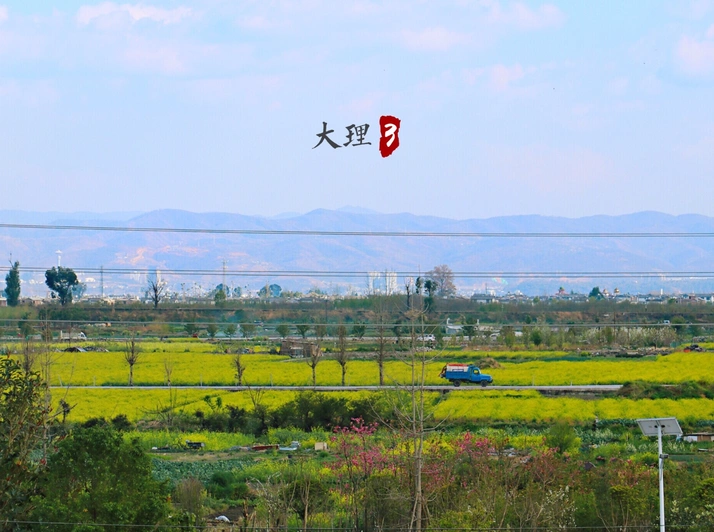
Haidong (East Shore): The perfect spot for photos of the road along Erhai Lake. As for how my photos turned out—see for yourself.
Beyond the day trip around the lake, I highly recommend walking from Dali's old town to the nearest Caicun Pier in the late afternoon (4:00–7:00 PM). Since Dali is on a plateau, the evening sun is less harsh, making for a more leisurely experience. It's about a 40-minute walk, or you can rent a bike or e-scooter.
Cangshan Mountain: An Everlasting Painting Without Ink—Jizhao Nunnery and Dali University
Actually, the original line goes: "Cangshan Mountain is an everlasting painting without ink; Erhai Lake is a lyre without strings." But I deliberately switched the order—proof that Cangshan ranked lower than Erhai in my heart.
The usual ways to explore Cangshan are by cable car, horseback, or hiking. The longest cable car is the Ximatan (Washing Horse Pond) Cable Car, which is said to reach the summit, but it's pricey, and I heard there's nothing spectacular at the top anyway. It happened to be under maintenance when I was there, so I didn't go up.
My Recommendation: Dali University + Jizhao Nunnery
Dali University (recommended 2–3 hours): Located halfway up Cangshan Mountain, southwest of the old town. If you want a panoramic view of the old town or Erhai Lake, this is enough—no need to spend a hundred yuan on a cable car. The campus also offers a burst of youthful energy and beautiful scenery. If you're lucky enough to visit during cherry blossom season, count yourself blessed. Even without cherry blossoms, Lover's Lake is enough to lift your spirits. With Cangshan at its back and Erhai at its feet, this campus is unbeatable.
Take bus C2 from Cangshan Gate in the old town.
Jizhao Nunnery: A nunnery famous for its vegetarian meals. 20 yuan per serving, and if you leave any leftovers, you have to kneel for the duration of an incense stick. The line is long, the food is home-style and quite good. I recommend arriving before noon, then visiting the nearby Gantong Temple afterward.
Dali Old Town: A Tale of Day and Night
Dali's old town has four gates: South Gate (Land of Literature), East Gate (Erhai Gate), West Gate (Cangshan Gate), and North Gate (Three Pagodas Gate). The pedestrian center is Wuhua Tower, the heart of the old town.
By Day: Art and Everyday Life
The old town is full of cozy inns and cafes with character, plus countless cats and dogs. On Renmin Road, the Tang Coffee Inn has a rooftop terrace that's a peaceful oasis in the midst of the bustle.
The Bed Sheet Factory Art District: Most tourists won't come here, but art lovers will fall in love. Cafes, bookstores, art pieces, studios—I never expected Dali to have such a strong artistic vibe, reminiscent of Beijing's 798 Art Zone.
Sanyue Street (March Street): Head west from Cangshan Gate and you'll find it. In the midst of this artsy, hipster travelogue, this market feels a bit too down-to-earth.
By Night: Wine and Song
When night falls, the old town comes alive. This is a place for drinking, listening to music, and shopping. Painters with their easels, heartfelt singers, wandering writers, laid-back travelers, and all kinds of cats, dogs, and mice—everything is vibrant.
The best time to explore the old town is indeed at night—not too hot, not too cold. From Fuxing Road to Renmin Road to Foreigner Street, the lights are bright. After dinner, stroll past the small bars, and when a singer catches your ear, step in for a drink—that's the classic example of slow living.
My favorite was Renmin Road. I wandered it almost every night. On a rainy night, Dali's old town, stripped of its crowds, became more subdued and even more enchanting.
About Accommodation: Lanlin Hotel
I stayed at the Lanlin Hotel, which has an unbeatable location: the front door faces Yuer Road, opposite Yuer Park and the Sifang Street supermarket; turn left and you're 50 meters from the pedestrian street; the back door leads to Foreigner Street; and it's close to the bar street on Renmin Road. The hotel consists of several courtyard complexes, beautifully designed in Bai ethnic style. I felt like I was living in a garden every day. I started in the Ze Courtyard and was later upgraded to the Yi Courtyard, where my room had a view of Cangshan Mountain. The facilities were very new—five-star recommendation.
Breakfast offers both fully self-serve options and semi-self-serve Yunnan specialties like rice noodles and grilled rice cakes (kao'erkuai).
About Transportation: From Beijing to Dali
Round-Trip Flights
 There are only two direct flights from Beijing to Dali, both early in the morning: Air China at 6:25 AM and China Eastern at 6:40 AM. To catch the Air China flight, I got up at 3:00 AM and left for the airport—a grueling 4-hour flight. The return flights are more reasonable: Air China at 11:20 AM and China Eastern at 7:00 PM.
Airport Transportation
Outside the airport, turn right to find the airport bus, which goes to Dali Railway Station (in Xiaguan city center) and Dali's old town. The airport express to the old town costs 25 yuan, and to the railway station 15 yuan. You can book through the "Dali Tourism Service" WeChat account, or just buy a ticket when you board. Buses depart according to flight schedules, so you're guaranteed a seat.
Return trip tip: Leave at least 3 hours early, as traffic can be heavy.
Local Transportation
- Bus C2 in the old town: connects Dali University, Cangshan Gate, and Caicun Pier.
- Self-service electric cart: 3 yuan per ride.
- All tickets purchased through "Dali Tourism Service" include one free ride on the self-service cart or electric shuttle.
- Many hostels rent bicycles and e-scooters.
About Food
First Night's Shared Meal: The restaurant recommended by the Infiniti traveler. It had a group deal on Meituan for under 50 yuan per person, and the food was good.
Dali Specialties: Grilled milk fan (kao ru shan), grilled milk cake (kao ru bing), and cold noodles with shredded chicken. Grilled milk fan has a yogurt-like flavor—a must-try street snack.
Crossing-the-Bridge Rice Noodles: First, a large ceramic bowl supposedly heated to 200°C is brought to the table. Then you add the main ingredients, side dishes, and rice noodles. The noodles come in two thicknesses: thick ones are chewier, thin ones are firmer. My bowl cost 28 yuan.
Jizhao Nunnery Vegetarian Meal: 20 yuan, home-style flavors, worth a try.
Other Recommendations: Stuffed tofu (baojiang doufu, reportedly featured on A Bite of China), durian mango pancakes (liumang banji), and various southern fruits.
Flower Cakes: Strongly recommend Jiahua brand flower cakes. They're flaky and not too sweet. Freshly made ones are best, but the packaged or gift-box versions are easy to take home.
Epilogue: Dali Can Hold Your Dreams, But Not Your Ambitions
The background music for this travelogue is Ideal at Thirty (Lixiang Sanxun). It happened to be my 30th birthday this month, and I was flooded with emotions. I chose this song not because it's particularly good, but because it hit a nerve. Dali's old town is a gathering place for folk singers, so a folk song as background music felt just right.
As I said before, Dali can hold my dreams, but not my ambitions. So, I'll obediently return to Beijing. But this spring, Dali's old town held my story.
Key Takeaways
- Best Season: Spring for cherry blossoms, autumn for pleasant weather.
- Must-Visit Spots: Erhai Lake loop, Three Pagodas of Chongsheng Temple, Jizhao Nunnery, Dali University.
- Money-Saving Tip: Buy tickets in advance through "Dali Tourism Service" for free pickup and electric cart rides.
- Transportation Advice: Leave for the airport 3 hours early to avoid traffic.
- Accommodation Recommendation: Lanlin Hotel—perfect location, Bai ethnic style.
- Food Must-Tries: Grilled milk fan, Crossing-the-Bridge Rice Noodles, flower cakes, Jizhao Nunnery vegetarian meal.
Dali is a place that makes you slow down, quiet down, and let go. If you're thinking of taking a spontaneous trip, just come—Cangshan Mountain, Erhai Lake, and I are all waiting for you.
You should also read:
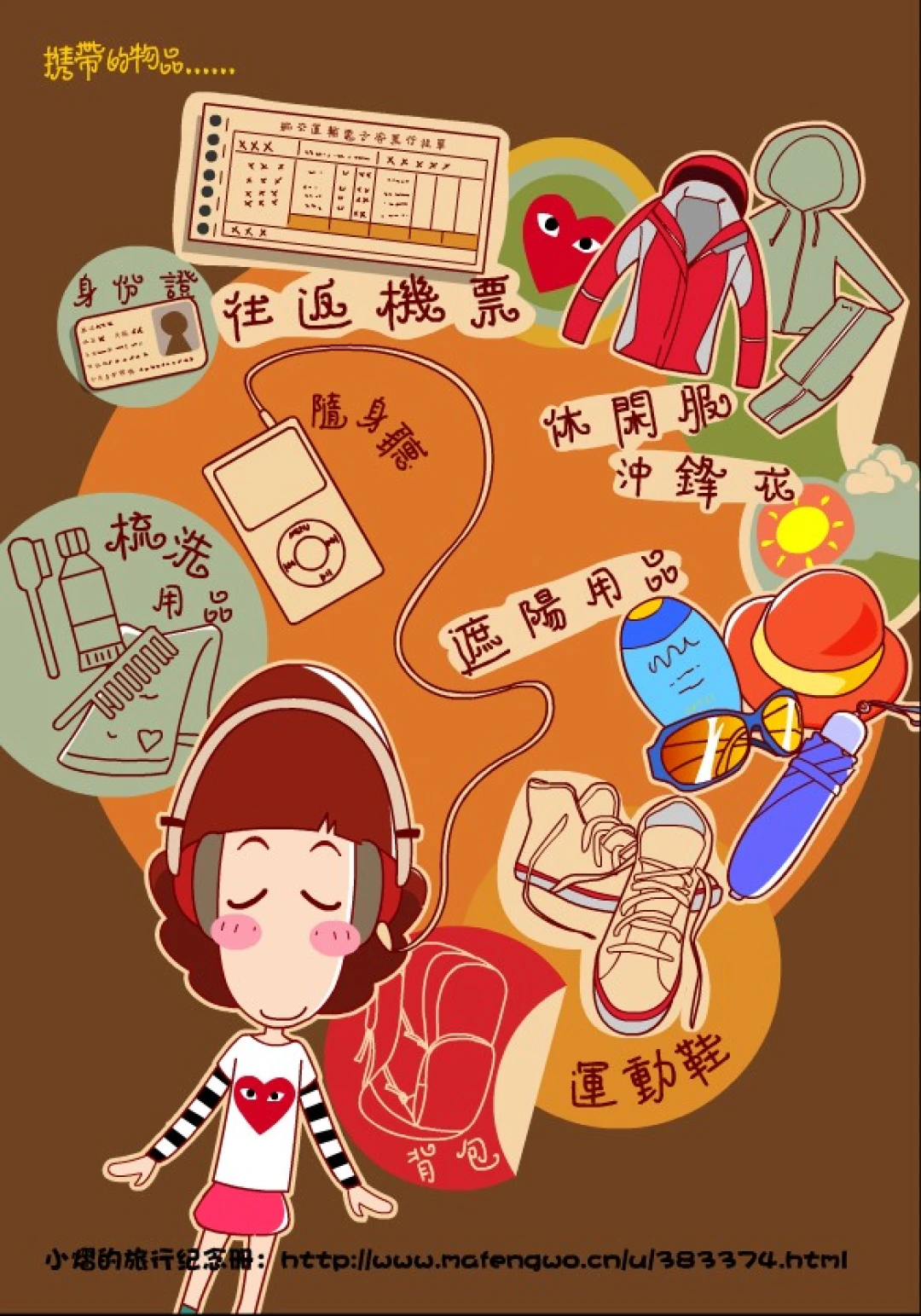
Dreamland – Lijiang: A Talking Comic Travel Guide
Dreamland – Lijiang: A Talking Comic Travel Guide Prologue: When Lijiang Takes Root in Your Heart Some places leave a mark on you forever. They're like an old song on repeat, suddenly playing in your mind on an ordinary afternoon. For me, Lijiang is that…
Continue reading...
Yunnan Travel Mastery: From Beginner to Pro-Level Player – A Complete Guide
Yunnan Travel Mastery: From Beginner to Pro-Level Player – A Complete Guide "Either travel or read, but your body and soul must be on the road." This quote has been repeated countless times, but very few people truly manage to be "on the road" and…
Continue reading...
Solo in Yunnan: A Wanderer’s Guide to the Land of Eternal Spring
Solo in Yunnan: A Wanderer’s Guide to the Land of Eternal Spring There’s something magical about traveling alone. No compromises, no schedules to keep, no one to please but yourself. I’ve been on the road for nearly three months now, and not once have I…
Continue reading...