Yunnan Travel Mastery: From Beginner to Pro-Level Player – A Complete Guide
Yunnan Travel Mastery: From Beginner to Pro-Level Player – A Complete Guide
"Either travel or read, but your body and soul must be on the road." This quote has been repeated countless times, but very few people truly manage to be "on the road" and "travel with insight." Yunnan, the province famously known as "South of the Clouds," attracts tens of millions of visitors every year. Yet most of them just skim the surface, snap photos for their social media feeds, and return home with nothing but a nine-grid photo collage for their朋友圈 (WeChat Moments).
Today, we're not talking about those cookie-cutter travel guides. Instead, we'll see Yunnan through the eyes of a "pro-level" player. You'll discover that the same destination can offer radically different experiences depending on how you approach it.
Beginner Level: The "Introductory Course" in Lijiang and Xishuangbanna
For first-time visitors to Yunnan, Lijiang and Xishuangbanna are the easiest choices. These destinations are well-developed, easy to get to, and heavily commercialized—you can soak up Yunnan's "flavor" without doing much homework.
Lijiang: More Than Just Romance, It's a Way of Life
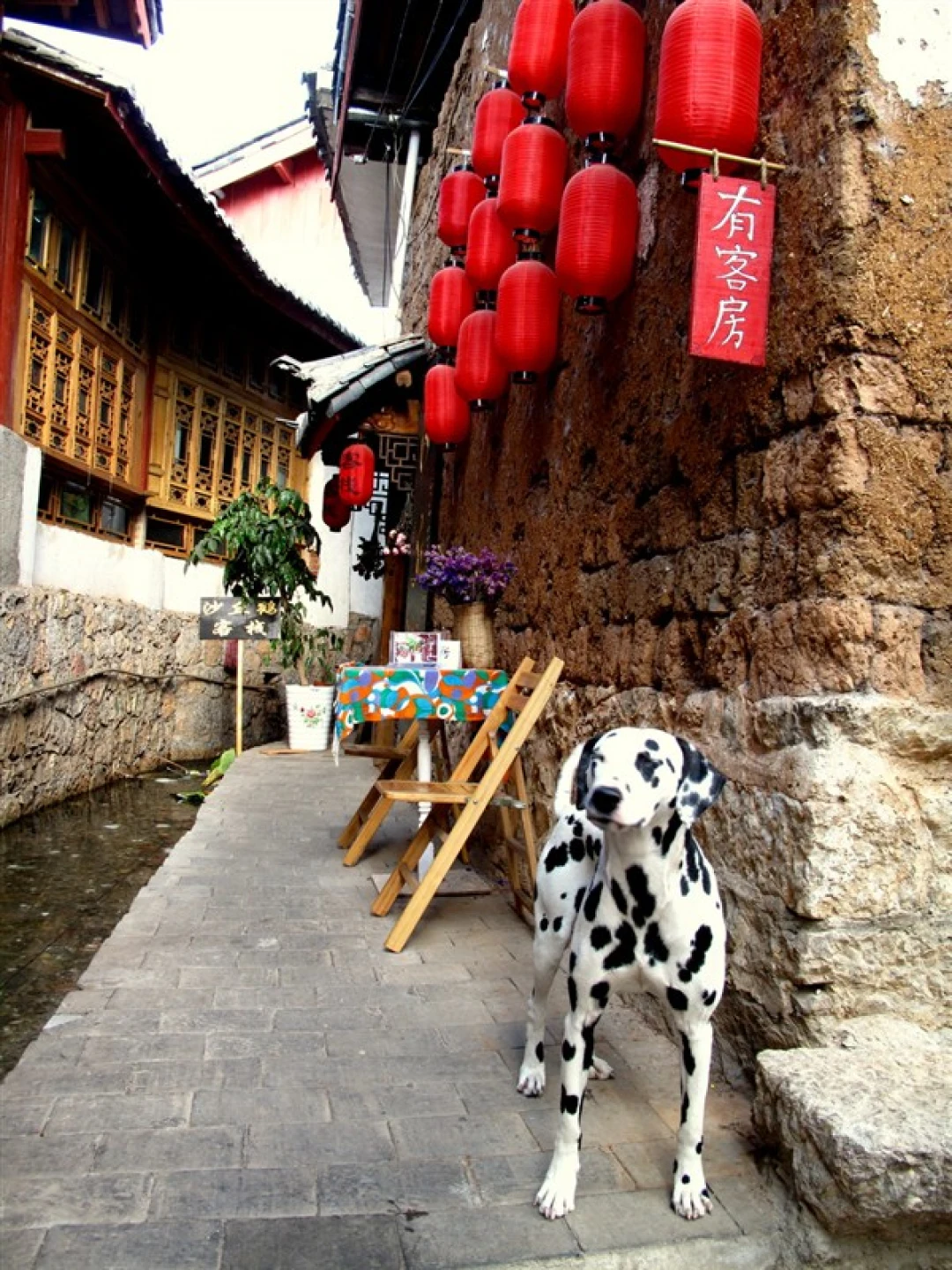
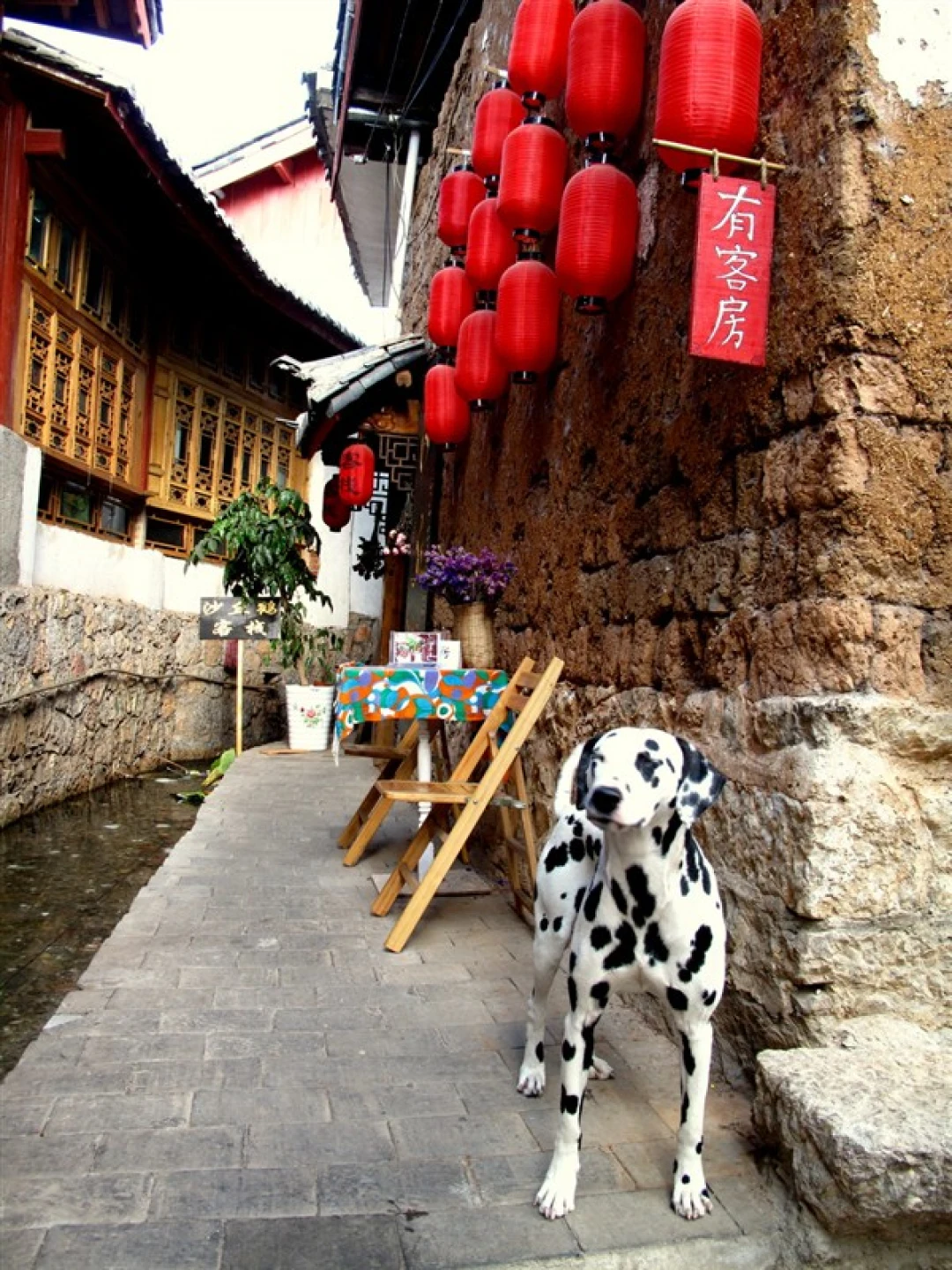
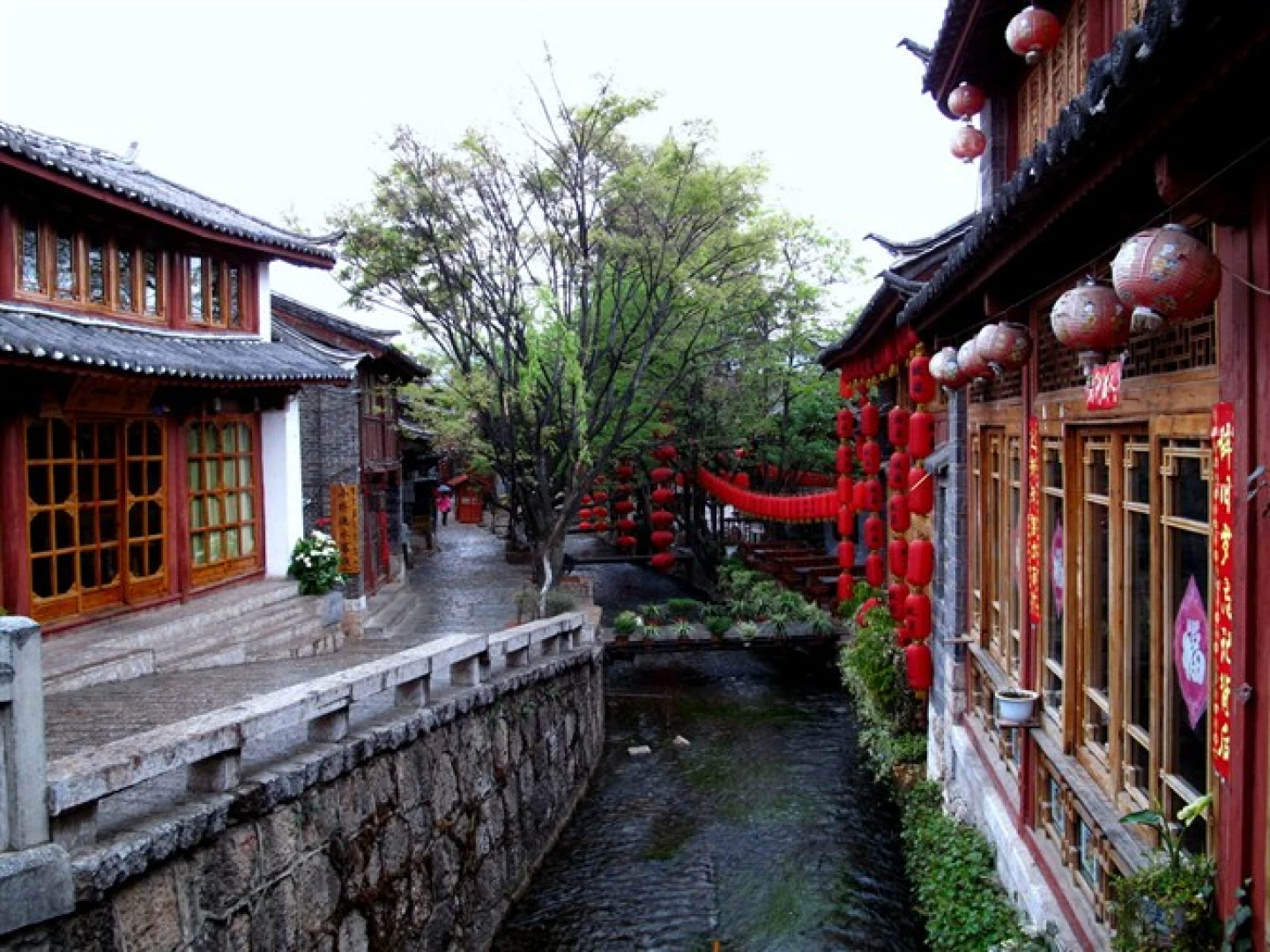
Bridges over flowing streams, ancient Naxi music, cobblestone streets—that's the A-side of Lijiang. Bars, folk songs, and romantic encounters—that's the B-side. What truly makes Lijiang captivating is its "slow to the bone" rhythm of life.
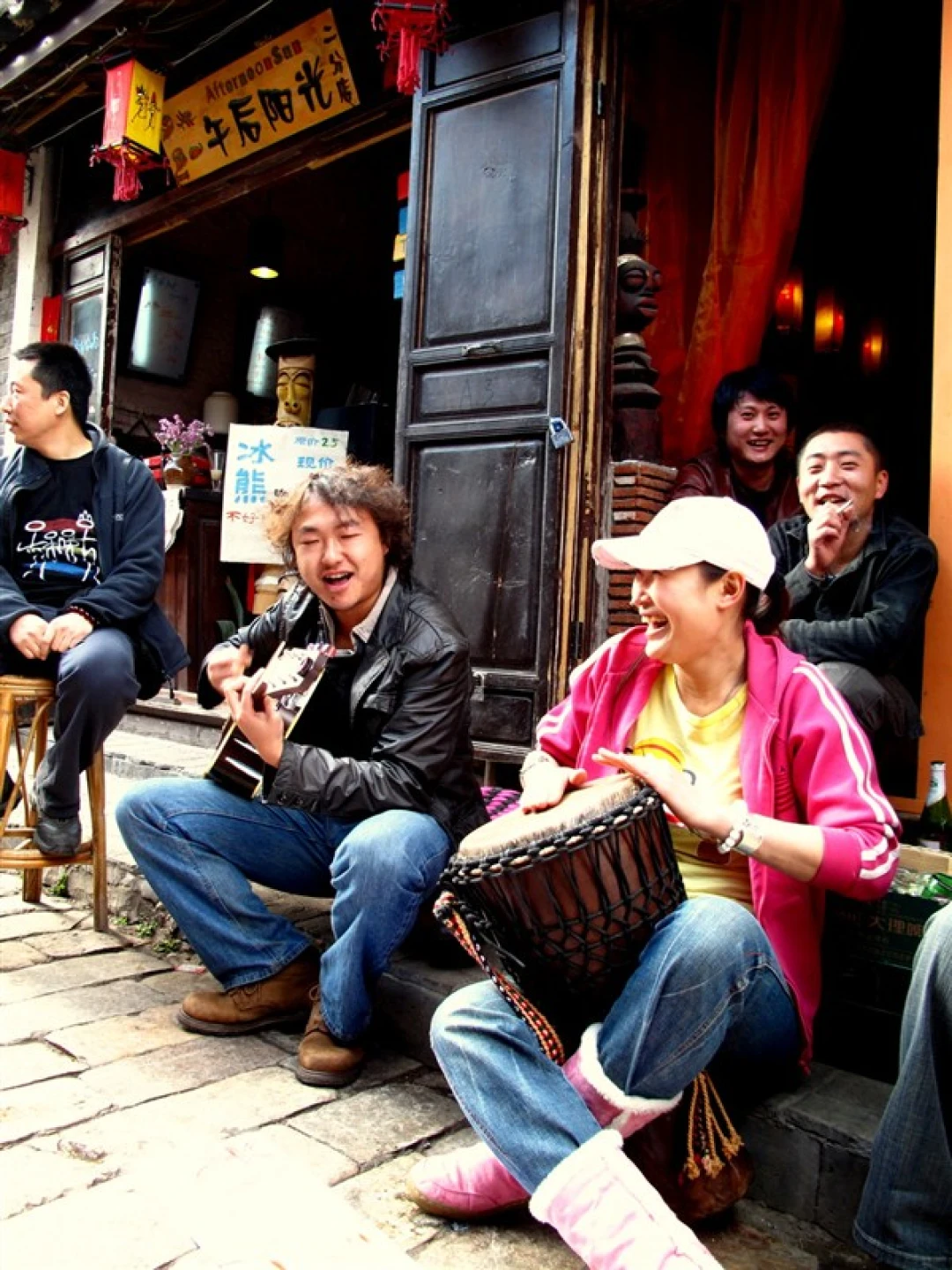
Picture this morning: You push open the wooden door of your guesthouse, sunlight floods the courtyard, you sip your coffee while gazing at the distant Jade Dragon Snow Mountain. Then you wander leisurely into the ancient town, listening to hand-drum artists pounding out rhythms in Sifang Street, hunting for a handmade silver trinket in a tucked-away shop. As evening falls, you slip into a small bar, order a glass of Feng Hua Xue Yue (Wind, Flower, Snow, Moon) beer, and listen to a resident singer strumming a cover of Chengdu or South Mountain South—this is the right way to experience Lijiang.
A little insider tip for Lijiang:
Never go during Golden Week or school holidays! At those times, Lijiang is packed with people, busier than a vegetable market. Food and accommodation become ridiculously expensive—you're basically paying to suffer. The smart move is to pick a short holiday, like Qingming Festival or Dragon Boat Festival, or just "skip class" for a few days (if you're a student). I went during Qingming once with four classmates, sharing a room. Food, lodging, and bar hopping cost us less than 100 RMB per person per day. If you went during National Day, you'd be lucky to get by on 300 or 400 RMB.
Xishuangbanna: Tropical Vibes, But Don't Expect Too Much

To be honest, I've never quite understood why so many people flock to Xishuangbanna. As one of the earliest developed tourist areas in China, it's become so "mature" that it feels a bit greasy. The scenery? It's basically a taste of tropical rainforest and Dai ethnic culture. Compared to places like Vietnam or Myanmar, the value for money isn't great. Of course, if you happen to be there during the Water Splashing Festival, it's a fun experience—though you'll probably get soaked so thoroughly that even your own mother wouldn't recognize you.
Intermediate Level: The "Advanced Path" of Trading Effort for Scenery
If you've outgrown Lijiang's bars and Xishuangbanna's night markets, and you're willing to endure some fatigue to see truly stunning landscapes, congratulations—you've entered the "intermediate player" tier. At this level, you're interested in names like Luoping, Yuanyang, Tengchong, and Lugu Lake.
Luoping: The "Rapeseed Flower Paradise" Endorsed by China's Most Beautiful Places
Many people might hear the name Luoping for the first time, but among geography enthusiasts, it's a household name. Years ago, China National Geographic published a special issue called China's Most Beautiful Places, ranking the country's most beautiful mountains, ancient towns, deserts, and more. Making the list was incredibly difficult—even Mount Tai, the most revered of the Five Great Mountains, didn't make it. Yet Luoping had two attractions simultaneously selected: China's largest rapeseed flower fields and the Jiulong Waterfall.
The rapeseed flowers in Luoping bloom from late February to early March, peaking around the end of February. My advice: at the end of winter break, come back to Kunming three days early, then take a bus to Luoping. Three days gives you plenty of time. The Jiulong Waterfall has ten tiers, which is extremely rare in China. Standing in front of it, with the mist hitting your face, the sheer power is something you have to experience to believe.
Yuanyang Rice Terraces: The "Color Palette" of a Light Magician
The Yuanyang Rice Terraces, also known as the Hani Rice Terraces, are one of China's three great terraced landscapes. Several ethnic groups live here—Hani, Yi, Dai—with the Hani being the most numerous, hence the name. The most magical moments are at sunrise and sunset, when sunlight slants across the water-filled fields, creating ever-changing colors—red, gold, blue, purple—like a palette tipped over by God.
Photography tip:
The Yuanyang terraces are incredibly easy to shoot "masterpieces" on. The key is to catch the golden light half an hour before and after sunrise and sunset. Find a high vantage point, set up your camera, and when the light hits the water, just fire away. Also, if you get the chance, learn about the Hani people's "Hundred Families Feast." Imagine a long banquet stretching down an entire street in an ancient town—what a scene that would be!
Dongchuan Red Land: God's Palette
Dongchuan is home to the world's second-largest red land. Many travelers from Guangdong travel thousands of miles just to see this place, which hikers call "God's Palette." Red soil, green crops, white clouds—the color contrast is so intense it looks unreal. If you're a photography enthusiast, this place is worth a dedicated trip.
Advanced Level: The "Ultimate Challenge" for Pro Players
For those truly seasoned "pro-level" hikers who have thoroughly explored Yunnan, all the places mentioned above are just "kid stuff." In their minds, Yunnan is about the Shangri-La Great Circumambulation, the Chacha Route, the Gaoligong Mountains, and the Three Parallel Rivers.
Shangri-La Great Circumambulation: One of the World's Top Ten Hiking Routes
Not long ago, an international ranking of the world's top ten hiking routes was released. Only one route from China made the list: the Shangri-La Great Circumambulation. This trail is mainly around Meili Snow Mountain and takes about 15 days to complete. Everyone who has done it speaks highly of it—even those who turned back halfway praise the route.
The main peak of Meili Snow Mountain, Kawagebo, remains an unclimbed virgin peak. In the 1990s, a joint Chinese-Japanese expedition attempted to summit, but all members perished, adding a layer of mystery to the mountain. And the cover of the classic book China's Most Beautiful Places features a photo of Meili Snow Mountain—a testament to its beauty.
Yubeng: If You Can't Go to Heaven, Go to Yubeng
There's a saying among hikers: "If you can't go to heaven, go to Yubeng." The journey to Yubeng is grueling. From the nearest road, you have to hike for at least six hours, almost entirely uphill, with an elevation gain of over a thousand meters. You'll weave through dense forests, but every bit of effort is worth it—you get up close to Meili Snow Mountain and can visit the Sino-Japanese mountaineering base camp.
In Yubeng, there's a small elementary school with few children, but some selfless young people volunteer there as teachers, staying anywhere from six months to two or three years. Due to the remote location and lack of supplies, the volunteer teachers sometimes can't even shower for weeks. Many kind-hearted hikers bring things for the children and teachers—a book, a pen—all carried in on foot for six hours.
The Chacha Route: The Toughest Road into Tibet
The Chacha Route, from Chawalong to Chayu, is known as the most difficult of the seven main routes into Tibet. It's not easy to take good photos here, but the experience is intense. Some hike, some bike, and there are even solo female hikers trekking through the Gaoligong Mountains. For these people, the only part of Yunnan worth visiting is the northwest—Bingzhongluo, the Gaoligong Mountains, Shangri-La. This is the real Yunnan.
Final Thoughts
Yunnan is vast—vast enough that you could spend a lifetime exploring it. From Lijiang's bars to Yubeng's snowy peaks, from Luoping's rapeseed flowers to Shangri-La's prayer wheels, each level offers different scenery, and each style of play brings different insights.
Beginners seek the buzz, intermediates chase the views, and advanced players pursue a state of mind. No matter what stage you're at, the most important thing is to set out. Because only by setting out can you find your own Yunnan on the road.
Let me leave you with this: Don't wait until you're old to travel, because by then you might regret—why you didn't take a few more steps when you were young.
You should also read:

Solo in Yunnan: A Wanderer’s Guide to the Land of Eternal Spring
Solo in Yunnan: A Wanderer’s Guide to the Land of Eternal Spring There’s something magical about traveling alone. No compromises, no schedules to keep, no one to please but yourself. I’ve been on the road for nearly three months now, and not once have I…
Continue reading...
God’s Abandoned Palette: A Self-Drive Journey Through Yunnan’s Dongchuan Red Land
God’s Abandoned Palette: A Self-Drive Journey Through Yunnan’s Dongchuan Red Land Travel has never been about reaching some distant geographic coordinate. It’s about encountering, along the way, the version of yourself buried beneath the rubble of daily routine. During this May Day holiday, I finally…
Continue reading...
Cloud Travelogue · Dali of Wind, Flowers, Snow, and Moon: A Three-Day, Two-Night Journey of a Free Spirit
Cloud Travelogue · Dali of Wind, Flowers, Snow, and Moon: A Three-Day, Two-Night Journey of a Free Spirit I am a cultured female foodie with a touch of rogue charm. I slung on my backpack, took my lover's hand, and set off on a spontaneous…
Continue reading...