Solo in Yunnan: A Wanderer’s Guide to the Land of Eternal Spring

Solo in Yunnan: A Wanderer’s Guide to the Land of Eternal Spring
There’s something magical about traveling alone. No compromises, no schedules to keep, no one to please but yourself. I’ve been on the road for nearly three months now, and not once have I felt lonely. Every day brings a new face, a new story, a new flavor of life. And yes, I’m that traveler who plans obsessively—the one whose handwritten maps and meticulously crafted itineraries have been photographed, photocopied, and even hand-copied by fellow wanderers. Some have even abandoned their own plans to join me.
But let me tell you: the best moments are never the ones you plan. They’re the ones you stumble into. So here’s my guide to Yunnan—not just the sights, but the soul of this extraordinary province.
The Art of the Pre-Trip Obsession
Before I set foot anywhere, I dive deep into preparation. It’s not about controlling the journey; it’s about freeing myself to be spontaneous later. Here’s my ritual:
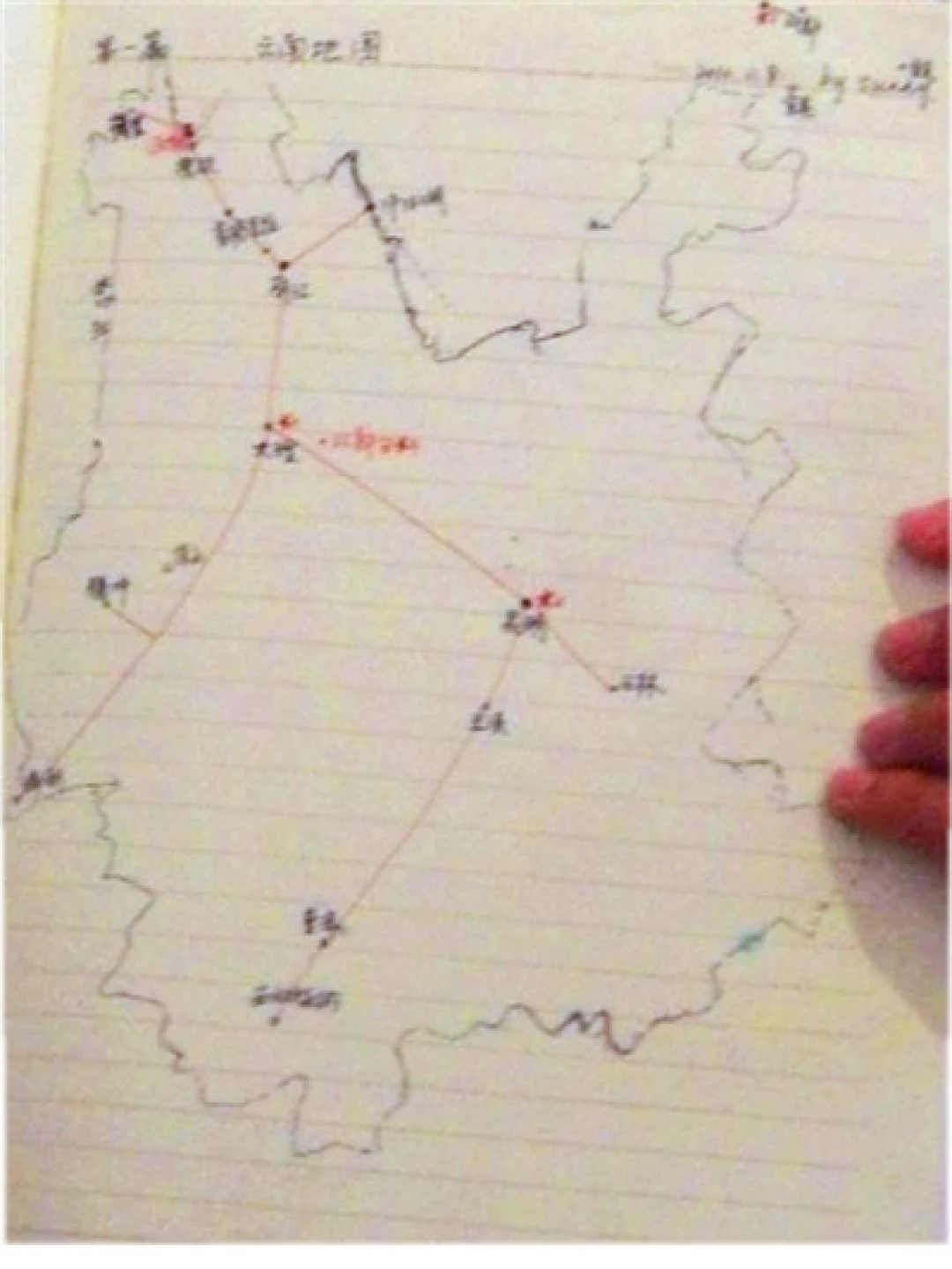
Hand-Drawn Maps
I sketch a map of every province I visit, marking the cities I intend to explore. It’s old-school, yes, but there’s something about putting pen to paper that locks geography into my brain. No backtracking, no wasted time.
Curating the Must-Sees
Once I know my destinations, I research what speaks to me—not just the famous spots, but the hidden corners. For instance, I trekked to the sacred waterfall at Meili Snow Mountain because I heard that circling it three times could purify your soul. Whether or not it worked, the journey itself was transformative.
Accommodation Research
If a city has nothing that excites me, I skip it entirely. When I do settle on a place, I hunt for hostels and guesthouses. I’m a budget traveler at heart, so I rely on resources like the China Youth Hostel directory and TripAdvisor for reviews. But honestly? The best recommendations come from locals once you arrive.
Foodie Reconnaissance
 Let’s be real: travel is 50% eating. I scour Dianping for top-rated local eats, but I always cross-reference with hostel owners and fellow travelers. Personal taste is subjective, but a good tip is a good tip.
Transportation Logistics
I map out airport-to-hotel routes, bus schedules, and taxi fares. In Kunming, for example, a taxi from the train station to the city center costs 40 yuan, but the bus is just 1.5 yuan. For a budget traveler like me, that kind of intel is gold.
Chengdu: Where the Heart Finds Its Rhythm
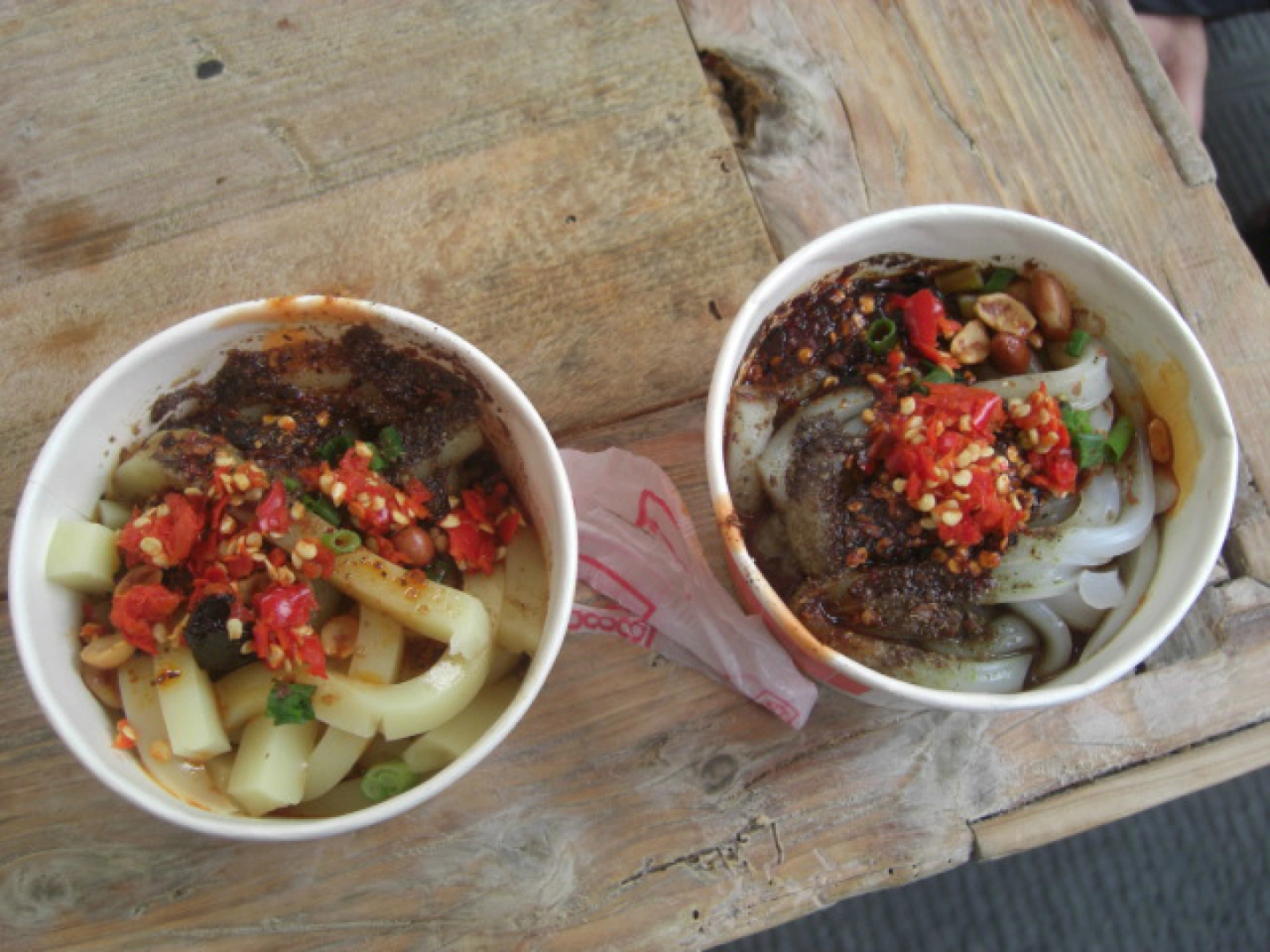
I spent three days in Chengdu, and it was a whirlwind of spice and soul. I visited Jinli Ancient Street twice—once wasn’t enough for the “Heartbreaking Cold Noodles” (yes, they live up to the name) and the vibrant bars, street snacks, and cultural walls. Kuanzhai Alley was a different beast: boutique cafes, a chocolate shop where a single piece costs tens of thousands of yuan (I stood outside, inhaling the aroma like a pauper at a feast), and an atmosphere that begged you to linger.
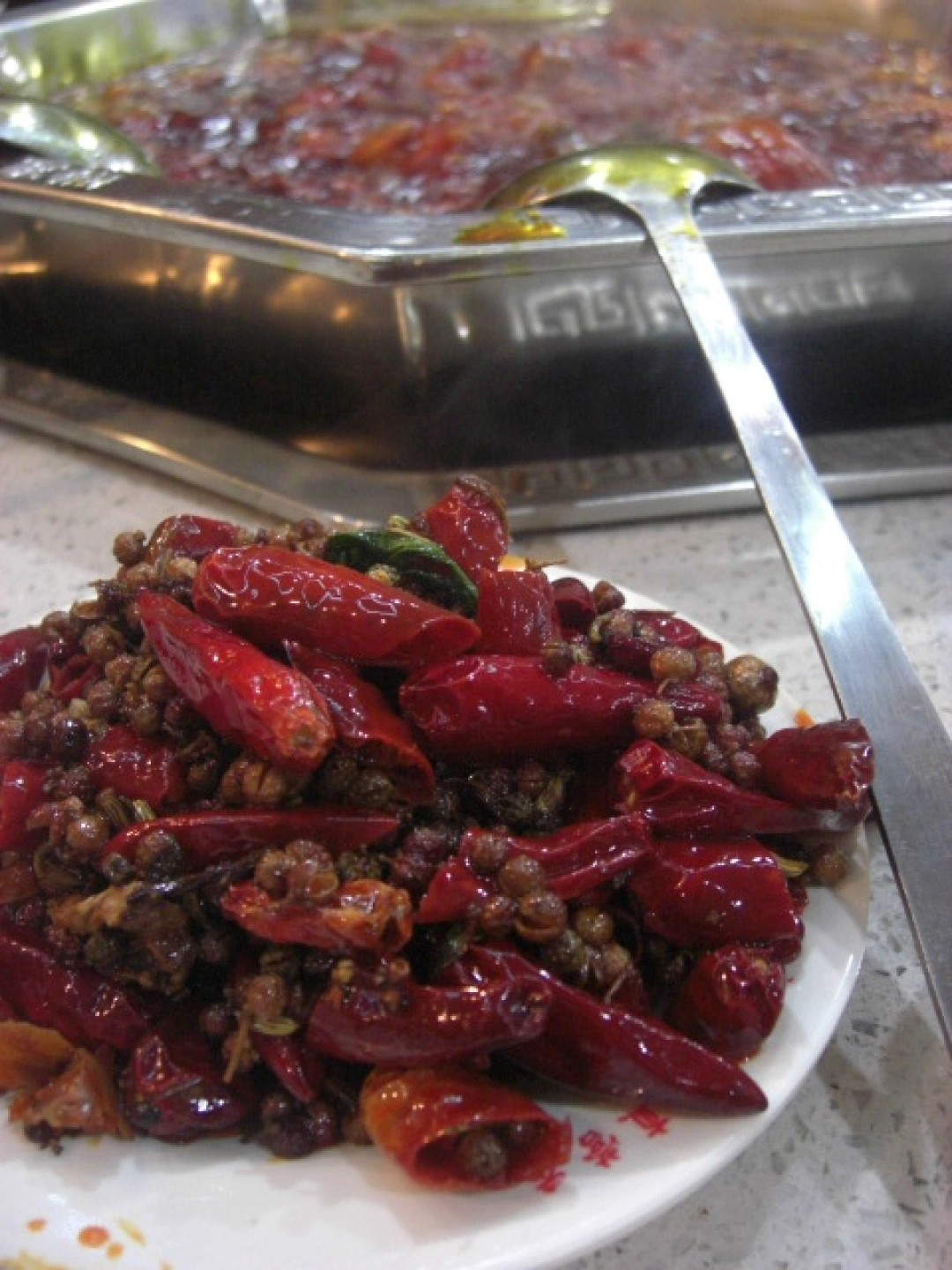
Spring Road? I took one look and walked away. Instead, I planted myself in a Starbucks for four hours, writing. Three straight days of hotpot and skewers with a local friend who refused to let me leave without a proper spice baptism. The photo I took of that bubbling pot still makes me salivate.
Kunming: The Disappointing Gateway
On November 21st, I boarded the train from Chengdu to Kunming, my heart full of romantic visions. They evaporated the moment I stepped off. Kunming struck me as chaotic and grimy. I’d planned three days; I wanted to leave immediately.
Where I Stayed
I checked into the Camel International Youth Hostel, conveniently located near Nanping Pedestrian Street. The staff, however, seemed to reserve their warmth for foreigners. No slippers provided—a rookie mistake on my part. The Dajiaoshi Youth Hostel, I later learned, is better, but they’ve been known to claim “no vacancies” to Chinese callers during peak seasons. Avoid.
What to See (and Skip)
 - Green Lake Park: A modest pond that hosts Siberian gulls in November. Nice, but not a destination. - Golden Horse and Jade Rooster Archways: Just two gates. The only magic is when their shadows align at sunset. Underwhelming. - Western Hills Forest Park: Climb to Dragon Gate for a panoramic view of Dianchi Lake. Worth the 30 yuan entry. - Daguan Park: Famous for its couplet. That’s it. - Yunnan Nationalities Village: 15 ethnic groups in miniature. 70 yuan. - Golden Temple: Built by Wu Sangui. Spring camellias bloom here. 15 yuan. - World Horti-Expo Garden: A relic of the 1999 Expo. 100 yuan. - Stone Forest and Jiuxiang: Above-ground and underground karst landscapes. Overpriced at 200 yuan each.
Food Finds
- The “Bridge” rice noodles from the famous Qiaoxiangyuan chain? Overrated. Stick with local versions from street stalls.
- Street-side grilled rice cakes and corn are divine. The corn is so sweet you’ll swear it’s candied.
- Jiahua Bakery sells egg tarts for 1 yuan. Stock up.
- The “toilet-themed” restaurant in the Wangfujing basement is a photo op, not a meal.
- Nanping Street’s Zhouhuang Cantonese restaurant is a gem. And the milk tea at the adjacent Haoledi KTV? Best I’ve ever had.
Pro tip: When buying fruit, clarify the unit. I laughed for a day after being quoted 3 yuan per liang (50 grams) for strawberries.
Kunming, I’m sorry, but you’re the most disappointing city I’ve visited. If not for a friend there, I’d have fled sooner.
Dali: Where the Wind Whispers Poetry
Dali was everything Kunming wasn’t. “Wind in the mountains, flowers in the valleys, snow on the peaks, moonlight on the lake”—the old saying captures it perfectly.
Getting There
From Xiaguan, take bus 8 to the ancient town (1.5 yuan). Taxis cost 40 yuan.
Where to Stay
 I recommend the Four Seasons Youth Hostel for its social vibe and solo-traveler bulletin board. The rooms are basic, but the camaraderie is unmatched. The Sanyou Hostel is reportedly better, but I never found it.
Must-Do Experiences
- Shuanglang: My absolute favorite. Take bus 2 to Nanguocheng, then transfer to a Shuanglang-bound bus (40-minute intervals, 1.5-hour ride). Stay at Haidi Life Youth Hostel, right on Erhai Lake. You can see the entire lake and Cangshan Mountain from your bed. The breakfast includes fresh milk, and the family-style dinners (12 yuan per person) are legendary. Every night at 8:30, they screen a light comedy. Don’t miss it.
- Yuji Island: A 20-yuan boat ride takes you past Sanbao’s house, painter Zhao Qing’s overpriced inn (1,200 yuan a night), and Yang Liping’s unfinished villa. Two hours round trip.
- Stargazing on Erhai: Sit by the lake with new friends, sharing stories under a canopy of stars. This was my nightly ritual.
- Three Pagodas: 190 yuan for entry? I took a photo at the gate and left. Rent a bike from the old town to reach it.
- Xizhou: White ethnic architecture and culture. A longer bike ride from the pagodas.
- Butterfly Spring: No butterflies, even in season. Skip it.
- Cangshan Mountain: Negotiate a package through your hostel—60 yuan for entry, round-trip cable car, and transport. The 13-kilometer Cloud Walking Path is the safe route; straying off can be deadly. Allow 4 hours by cable car, 8 on foot.
- Honglongjing Bar Street: Perfect for afternoon coffee and sunbathing. Dali’s sun is brutal—sunscreen, hat, sunglasses, and umbrella are non-negotiable.
- Foreigner Street: The Tangchao bar is the largest but not the best. Try Boreboluomi on Renmin Road instead.
Food Highlights
- Zaihuishou Chicken Silk Rice Noodles on Renmin Road: Life-changing.
- Xizhou Baba (a flaky stuffed flatbread) from a cart at Caicun Wharf: The rose-flavored one is sublime.
- Papaya Chicken and Fish: A Bai ethnic specialty at most restaurants.
- Roasted Milk Fan (grilled cheese curd): Too sweet for some. Try it anyway.
- Meizi Wine (sweet plum liqueur): Even non-drinkers will love it.
- Fruit: Everything is absurdly sweet. Eat as much as you can.
Lijiang: The Melancholy Beauty
Lijiang is a paradox. It’s stunningly beautiful—crisscrossed with canals, draped in willow trees, and crowned by the Jade Dragon Snow Mountain. But it’s also a tourist machine, where every second shop sells the same mass-produced souvenirs and the soundtrack is a relentless loop of “Little Apple.” Yet somehow, the magic persists.
Getting There
From Dali, take a bus (3 hours, 80 yuan) or a train (2 hours, 34 yuan). The train station is 20 minutes from the old town by bus 4 or 18 (1 yuan).
Where to Stay
 I stayed at the Old Town Inn, a quiet courtyard guesthouse near Sifang Street. The owner, a Naxi grandmother, served me tea every morning and told me stories of the town before tourism. For a social scene, try the Mama Naxi Hostel—it’s legendary among backpackers.
Must-Do Experiences
- Wander the Old Town at Dawn: Before the tour buses arrive, Lijiang is a ghost town of cobblestone alleys and flowing water. This is the real Lijiang.
- Black Dragon Pool Park: The iconic postcard view of Jade Dragon Snow Mountain reflected in the water. Free entry if you arrive before 7 AM.
- Mu Palace: The former residence of the Mu chieftains. 60 yuan. Worth it for the gardens alone.
- Lion Hill: A steep climb to a pagoda overlooking the entire old town. 50 yuan, or find a free vantage point at one of the hilltop cafes.
- Shuhe Old Town: A quieter, less commercialized version of Lijiang, 4 kilometers north. Take bus 6 or rent a bike.
- Jade Dragon Snow Mountain: The main attraction. Book tickets in advance—only 10,000 visitors are allowed per day. The package (entry, cable car, and bus) costs 380 yuan. The cable car to 4,506 meters is breathtaking, but altitude sickness is real. Bring oxygen and go slow.
- Tiger Leaping Gorge: One of the deepest gorges in the world. A 2-day hike that will humble you. Buses from Lijiang cost 50 yuan. Stay at the Halfway Guesthouse for the best views.
- Lugu Lake: A 4-hour bus ride (100 yuan) to a pristine lake shared with Sichuan. The Mosuo matriarchal culture is fascinating. Stay on the Yunnan side for better infrastructure.
Food Highlights
- Crossing-the-Bridge Noodles (a Yunnan classic): The version at the old town branch of the famous Qiaoxiangyuan chain is decent but touristy. Try the smaller joints on Wuyi Street instead.
- Naxi Grilled Fish: Spicy, crispy, and served on a sizzling plate. Find it at the night market near Sifang Street.
- Baba (Naxi flatbread): Both sweet and savory versions. The sweet one with brown sugar and sesame is a breakfast staple.
- Yak Yogurt: Thick, tangy, and sold from carts. A perfect palate cleanser after all the spice.
- Pu’er Tea: Lijiang is full of tea houses offering free tastings. Don’t buy from the first one you visit—sample several and negotiate.
Nightlife
- Sifang Street: The epicenter of Lijiang’s bar scene. It’s loud, commercial, and full of drunk tourists singing karaoke. Avoid unless you’re in that mood.
- Xinhua Street: Quieter, with more intimate bars and live folk music. Try the “Dali Bar” for acoustic sets.
- Wuyi Street: A hidden gem with small, artsy bars frequented by locals and long-term travelers.
Final Reflections
Yunnan is not a place you visit; it’s a place you surrender to. It will frustrate you (Kunming), enchant you (Dali), and leave you breathless (Lijiang). It will test your patience with its crowds and reward you with moments of profound solitude.
Traveling alone here taught me something: loneliness is a choice. On the road, every stranger is a potential friend, every meal a shared story, every sunset a collective gasp. You just have to be open to it.
So pack light, plan loosely, and let Yunnan work its magic. The best memories are the ones you never wrote down.
Practical Tips for Solo Travelers: - Always carry toilet paper. Public restrooms rarely have it. - Download offline maps before you arrive. Mobile data can be spotty in the mountains. - Learn basic Mandarin phrases. English is not widely spoken outside tourist areas. - Bargain respectfully at markets. A smile goes further than aggression. - Trust your instincts. If a place feels off, leave. - Stay hydrated. The altitude and spice will dehydrate you faster than you think. - Most importantly: say yes to unexpected invitations. The best adventures are unplanned.
Happy wandering.
You should also read:
Big Bear and Little Cat Explore China: [A Self-Guided Tour of the Shangri-La Region: That Sky, So Blue It Feels Unreal!]
Big Bear and Little Cat Explore China: [A Self-Guided Tour of the Shangri-La Region: That Sky, So Blue It Feels Unreal!] Prologue: Why Shangri-La? In September 2011, my friend and I followed the Yunnan-Tibet Highway into the Greater Shangri-La region. Six days of travel, without…
Continue reading...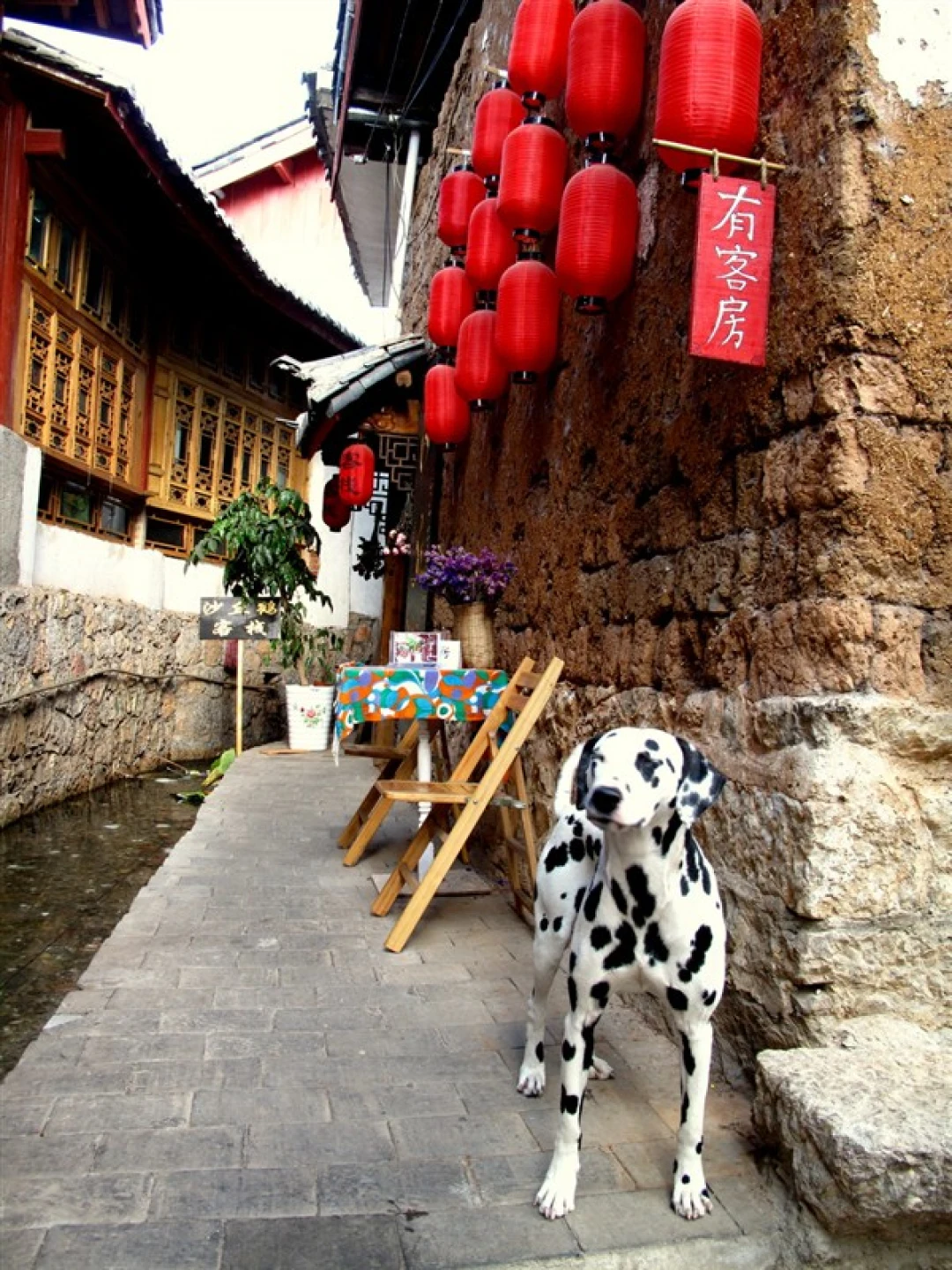
Yunnan Travel Mastery: From Beginner to Pro-Level Player – A Complete Guide
Yunnan Travel Mastery: From Beginner to Pro-Level Player – A Complete Guide "Either travel or read, but your body and soul must be on the road." This quote has been repeated countless times, but very few people truly manage to be "on the road" and…
Continue reading...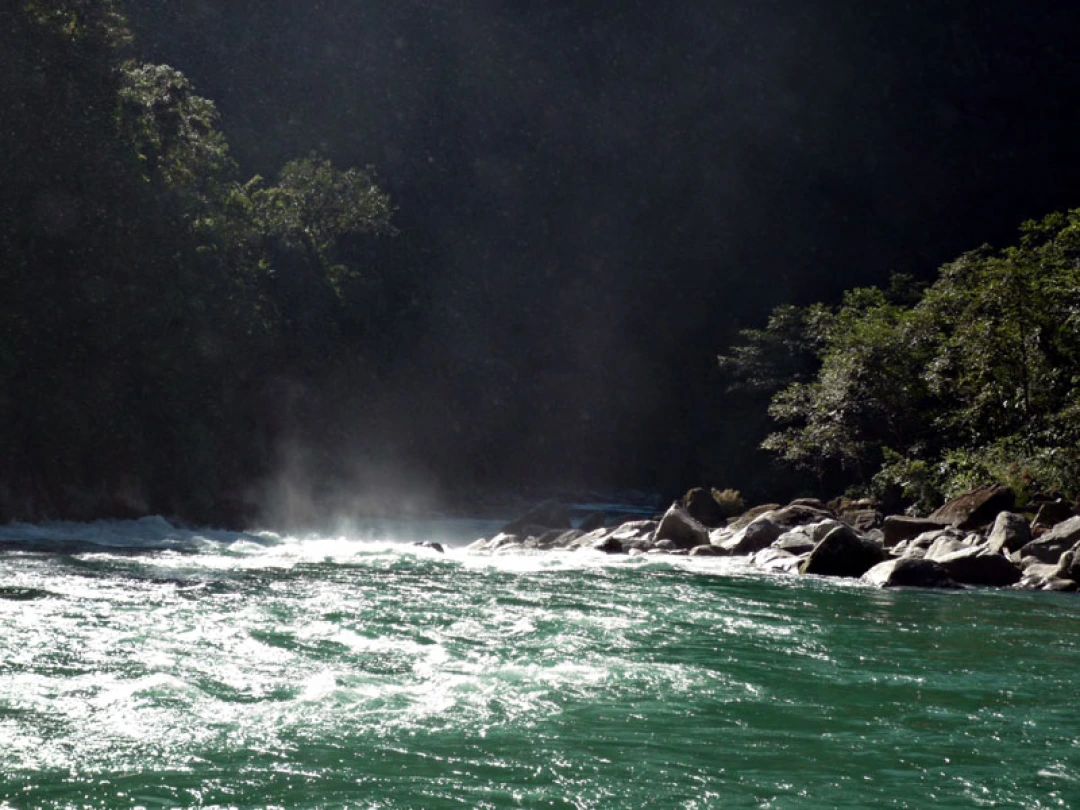
Into the Hidden Valley: A Solo Journey Through the Mysterious Dulong River
Into the Hidden Valley: A Solo Journey Through the Mysterious Dulong River Deep in the northwestern corner of Yunnan Province, tucked away from the modern world, lies a place that feels like a secret whispered among mountains. The Dulong River Valley is not just a…
Continue reading...