Chasing the Shapes of the Wind in Early Autumn Dali: A Romantic Escape Between Cangshan Mountain and Erhai Lake (With Practical Guide)
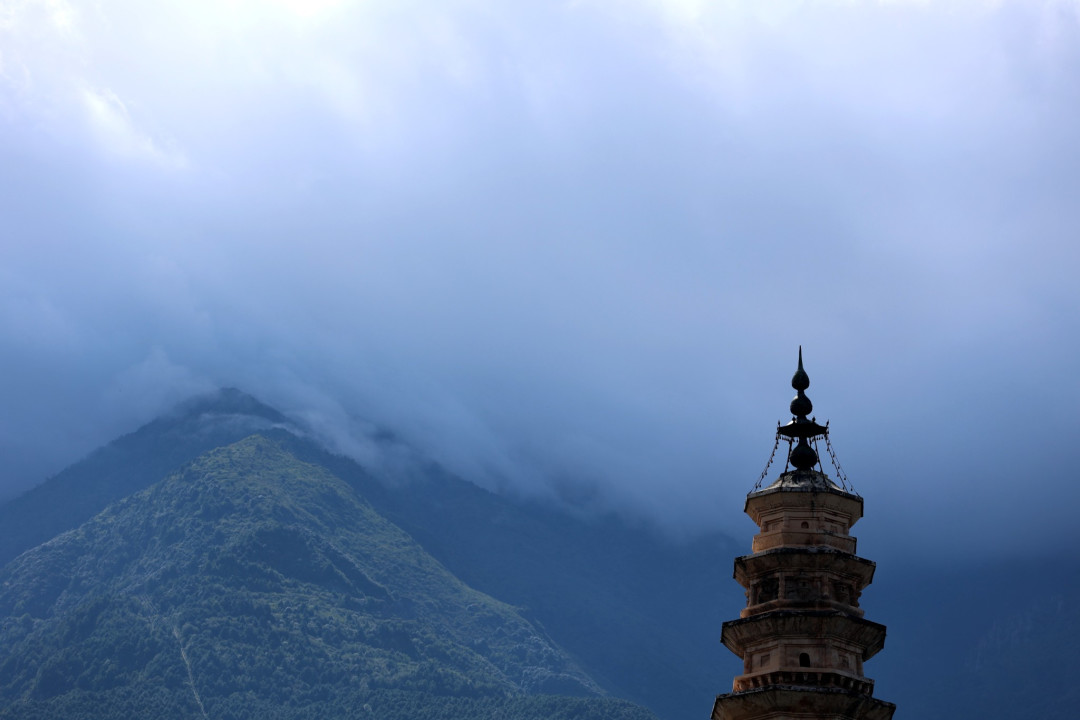
Chasing the Shapes of the Wind in Early Autumn Dali: A Romantic Escape Between Cangshan Mountain and Erhai Lake (With Practical Guide)
Every year on my birthday, I like to give myself a special gift. This year, that gift was called "Dali." I'm a little embarrassed to admit this is already my third time setting foot in Yunnan. My previous trips to Lijiang and Pu'er were solo adventures, but this time, I had someone by my side—my partner.
Before we left, we went back and forth between Dali and Shangri-La. When my partner heard I wanted to go to Shangri-La, he quietly ordered oxygen canisters online and said with a wry smile, "I'm scared of altitude sickness, but if you want to go, there's no choice." In the end, we chose Dali. We didn't want the National Day holiday to be too exhausting. We wanted to leave early and return early, to avoid the crowds... In short, countless excuses ultimately led to this trip.
In late September and early October, Dali still retains the lingering warmth of summer. The couple trees by Erhai Lake hadn't yet turned red, the rice fields in Xizhou were just starting to yellow, but the Cangshan Mountains were as hot as summer. Before leaving, I prepared a packed guide: photo spots, posing tips, food maps, clothing thickness recommendations... But when we actually got there, we realized the crowds were overwhelming. All those carefully planned check-in points became fleeting clouds. In the end, we simply let go of our expectations, wandered around, took photos casually, ate until we were about 80% full, and felt surprisingly at ease.
Itinerary Overview: Five Days, Four Nights, Three Days of Fun
We departed from Hangzhou, transferred through Nanjing by high-speed rail, then flew to Dali. Round trip took five days, with three actual days of sightseeing. The pace was relaxed, perfect for couples or families.
- Day 1: Hangzhou → Nanjing (high-speed rail) → Dali (flight), overnight at Caicun Village
- Day 2: Cangshan Mountain → Jizhao Nunnery → Chongsheng Temple → Explore the Ancient City
- Day 3: Erhai Lake West Coast cycling → Xizhou Ancient Town → Explore the Ancient City
- Day 4: Erhai Lake East Coast (Ideal Land) → Fengyangyi Village → Explore the Ancient City
- Day 5: Dali → Hangzhou (direct flight)
For accommodation, we spent the first two nights at Caicun Village along the Erhai Lake ecological corridor, convenient for sunrise views and cycling. For the last two nights, we moved near the south gate of Dali Ancient City to experience the city's nightlife.
First Glimpse of Erhai Lake: Sunrises and Starry Skies, a Romantic Introduction
We arrived in Dali at nine in the evening on the first night. To start cycling the West Coast route early the next morning, we booked a guesthouse in Caicun. It wasn't a front-row lake-view room, but at least we could catch the sunrise.
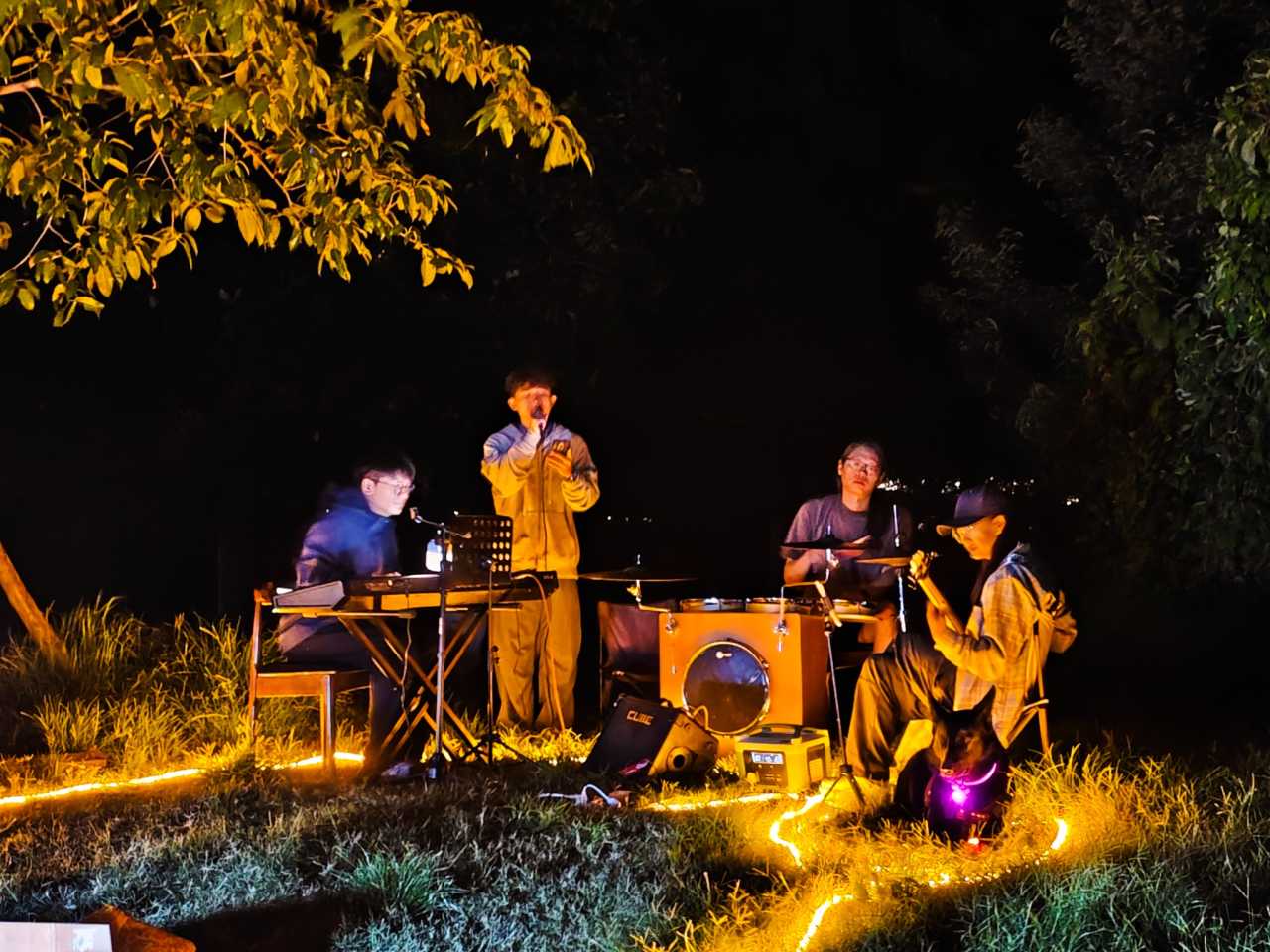
At night, the Erhai Lake ecological corridor has no streetlights, minimizing light pollution. Looking up, you could see a sky full of stars. From the grass, the sound of guitar playing and singing drifted over from time to time. This is the romance Dali is supposed to have!
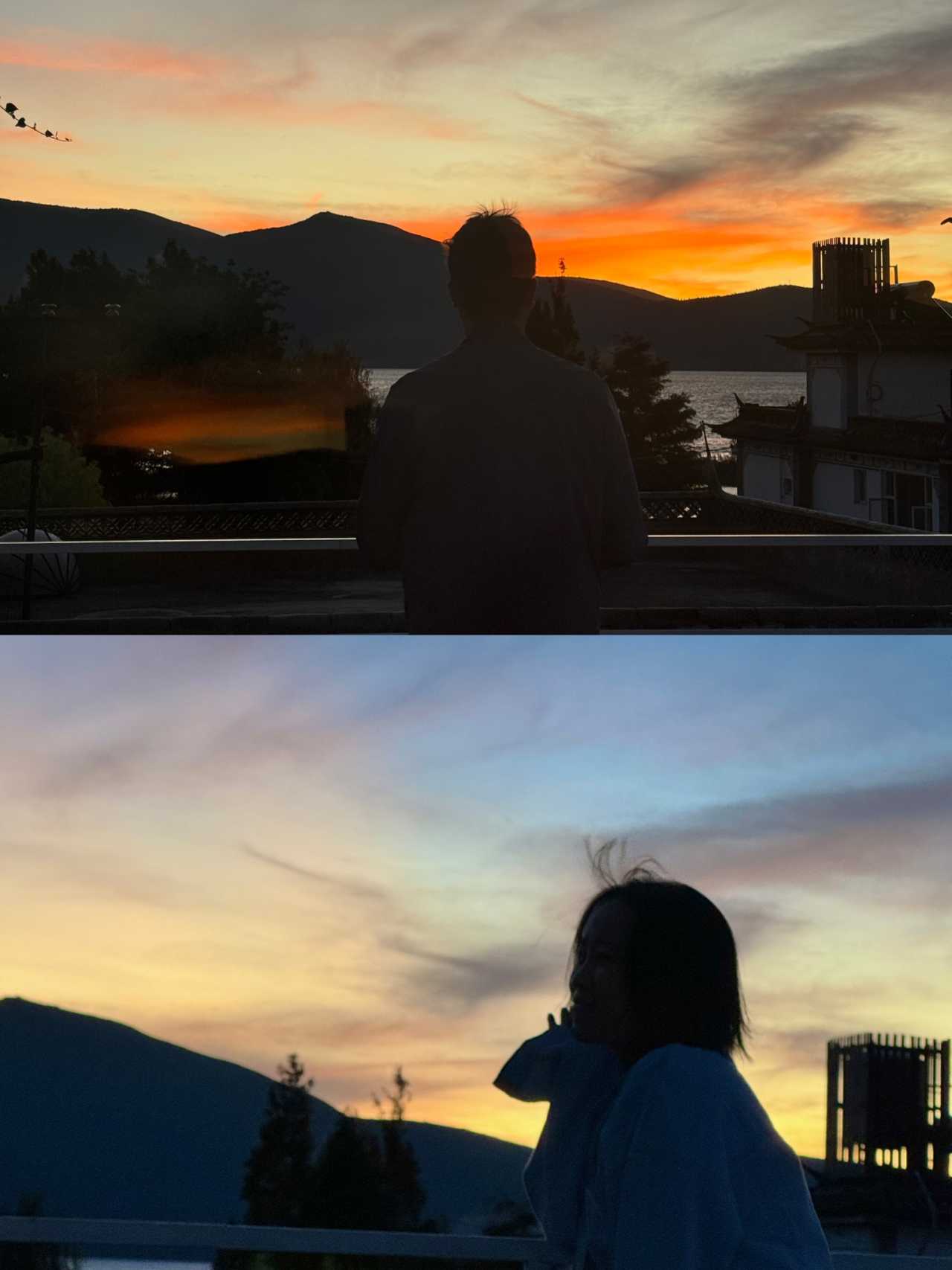
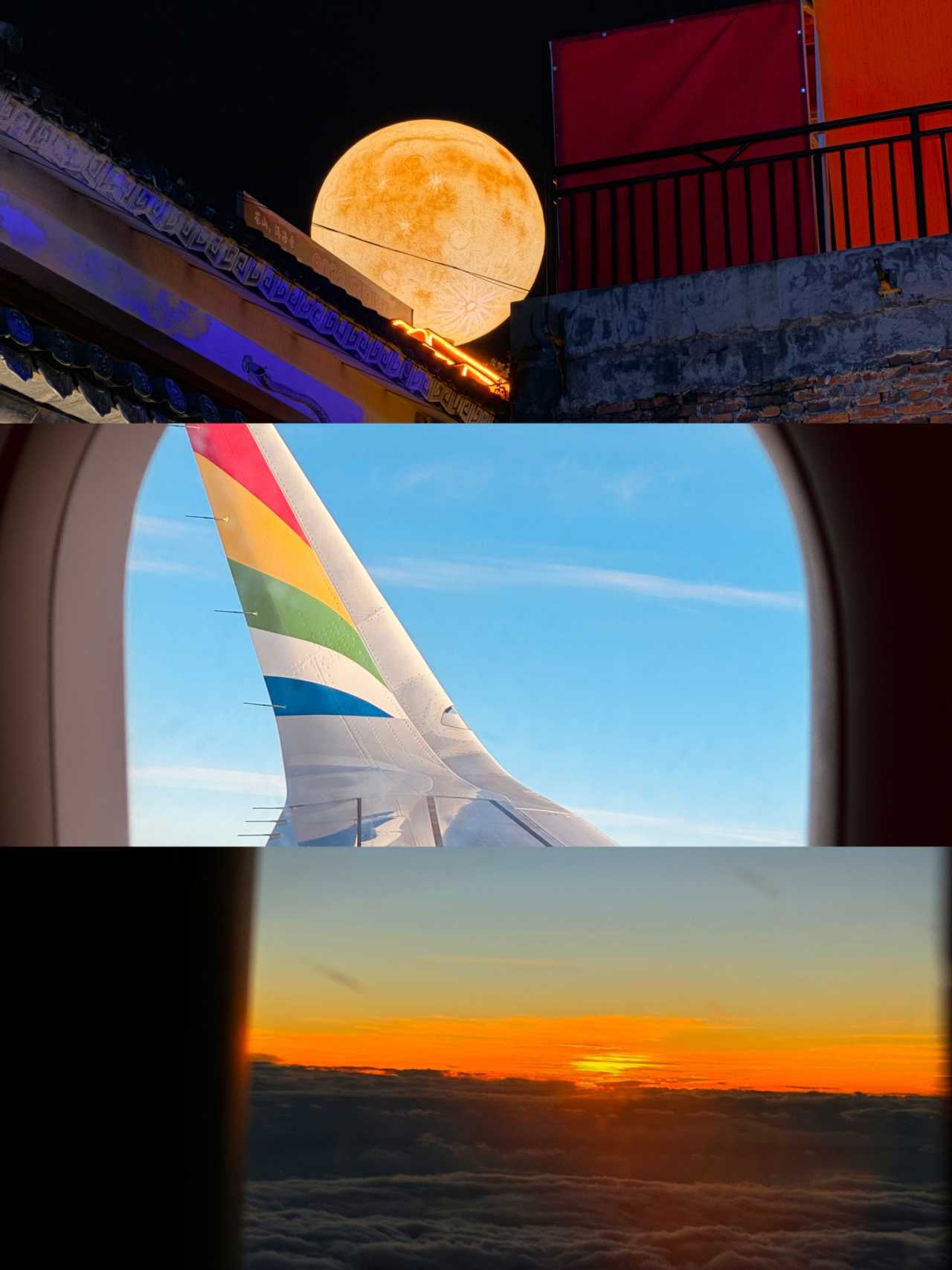
The next morning, just after six, I was awakened by the wind off Erhai Lake. I threw on a jacket, walked to the terrace, and watched the sky gradually turn orange-red. In a daze, I realized: I'm really at Erhai Lake.
Cangshan Mountain: Cursing the Climb, But Worth Every Step
How could you come to Dali and not visit Cangshan Mountain? Although most people focus on circling Erhai Lake, as a landmark of Dali, we decided to dedicate a day to Cangshan and Chongsheng Temple.
Cangshan National Geopark has three cable car routes: Gantong Cable Car (purple line), Ximatan Cable Car (green line), and Zhonghe Cable Car (blue line). They're connected horizontally by a "Jade Belt Cloud Path," so you can take one cable car up and another down.
We chose the Gantong Cable Car because we heard it was the least strenuous and that the currently popular "Jizhao Nunnery" was nearby. Reality slapped us hard.
Friendly Reminder: From the ticket office to the cable car entrance, you have to climb a set of beginner-level steps. The cable car ride takes about 20 minutes. After getting off, if you want to reach the observation deck on the Jade Belt Cloud Path, you still have to climb over 2,000 steps—steep, and classified as medium to high difficulty. My partner's smartwatch heart rate shot up to 150+, and several people along the way were cursing as they climbed.
We chose to first climb the main path to the observation deck, then take the small path down to see the "Zhenlong Chess Game" and "Qingbi Stream." This was relatively easier. From the observation deck, overlooking the Cangshan Grand Canyon, the view was so magnificent it made us forget our exhaustion.
After coming down the mountain, we rested at the "Wild Duck Pond Valley Coffee" near the exit. The prices were reasonable for a scenic area, and the coffee beans were good quality. Later, when we wanted to buy souvenirs in the ancient city, we realized the prices here were actually more affordable.
Jizhao Nunnery: Only Fresh Flowers, No Incense
From the Gantong Cable Car entrance, turn left and go uphill to reach Jizhao Nunnery. The path is gentle but long—it took a full half hour to climb. If you weren't a devoted temple lover, you'd really be discouraged—especially since we had just climbed Cangshan Mountain and our legs were still shaking.
But the moment we arrived, everything was worth it. Jizhao Nunnery is called the "Most Beautiful Buddhist Nunnery." The courtyard is filled with succulents, planted in the ground like cabbages, growing freely. No incense is burned here; only fresh flowers are offered, and the whole nunnery is filled with a clean floral scent.
The most popular attraction is its vegetarian meal, 20 yuan per serving. The queue stretched from the dining hall all the way to the backyard prayer hall. We arrived during the lunch rush, so we ended up sitting on the steps and flower beds with our bowls, but we still ate with great relish.
Don't leave right after eating. There's a popular photo spot in the back garden—hydrangea flower walls and walls covered in succulents. Every corner is so exquisite you can't help but press the shutter.
Chongsheng Temple: Three Pagodas Reflected, Electric Carts Are a Lifesaver

After coming down from Cangshan, we took a taxi directly to the Chongsheng Temple Three Pagodas scenic area. The front part of the area features the three pagoda structures, while the back part is Chongsheng Temple itself. The walking distance is significant. I strongly recommend buying a combo ticket that includes admission and a round-trip electric cart ride (100 yuan per person), which also comes with a free guided tour. Following the guide around saves your legs and lets you learn about the temple's history and customs. If you walk back on your own, not only is it tiring, but without the commentary, it wouldn't feel much different from any other temple.
Cycling Around Erhai Lake: 20 km/h, Just Right
Since we were staying on the West Coast route for the first two nights, we could ride electric scooters along the ecological corridor right from our doorstep. At first, my partner rented a "Harley-style" two-person scooter to take me. After half an hour, we realized it was heavy and expensive, so we switched to single-person electric scooters. After getting used to it, I could already reach 20 km/h—because that's the maximum speed.
Rental Tips: - Single-person electric scooters or shared bicycles are good for short rides - If you can't ride an electric scooter and need to carry someone, choose a "Snoopy" two-person scooter—its center of gravity is as stable as a baby's rocking chair - Not recommended: the two-person "Harley electric scooter." It starts at 30 yuan and is heavy
During the ride, I encountered a little dog with a name tag around its neck that followed me the whole way. Clearly, it was a seasoned beggar for treats. Starting from Caicun Village, the route had few people and beautiful scenery. The "Palm Tree Avenue" lined with towering palms was incredibly photogenic. When we reached the "Lonely Tree" near the Panxi S-bend, it was already packed with tourists taking photos, so we decisively gave up.
Xizhou Ancient Town: The Rice Field Wind, Blowing Through Social Media
By the time we cycled from the ecological corridor to near the covered bridge, our butts were sore. After the S-bend, the crowds thinned noticeably, and the scenery started to look the same. We found a random village entrance and took a taxi to Xizhou Ancient Town.
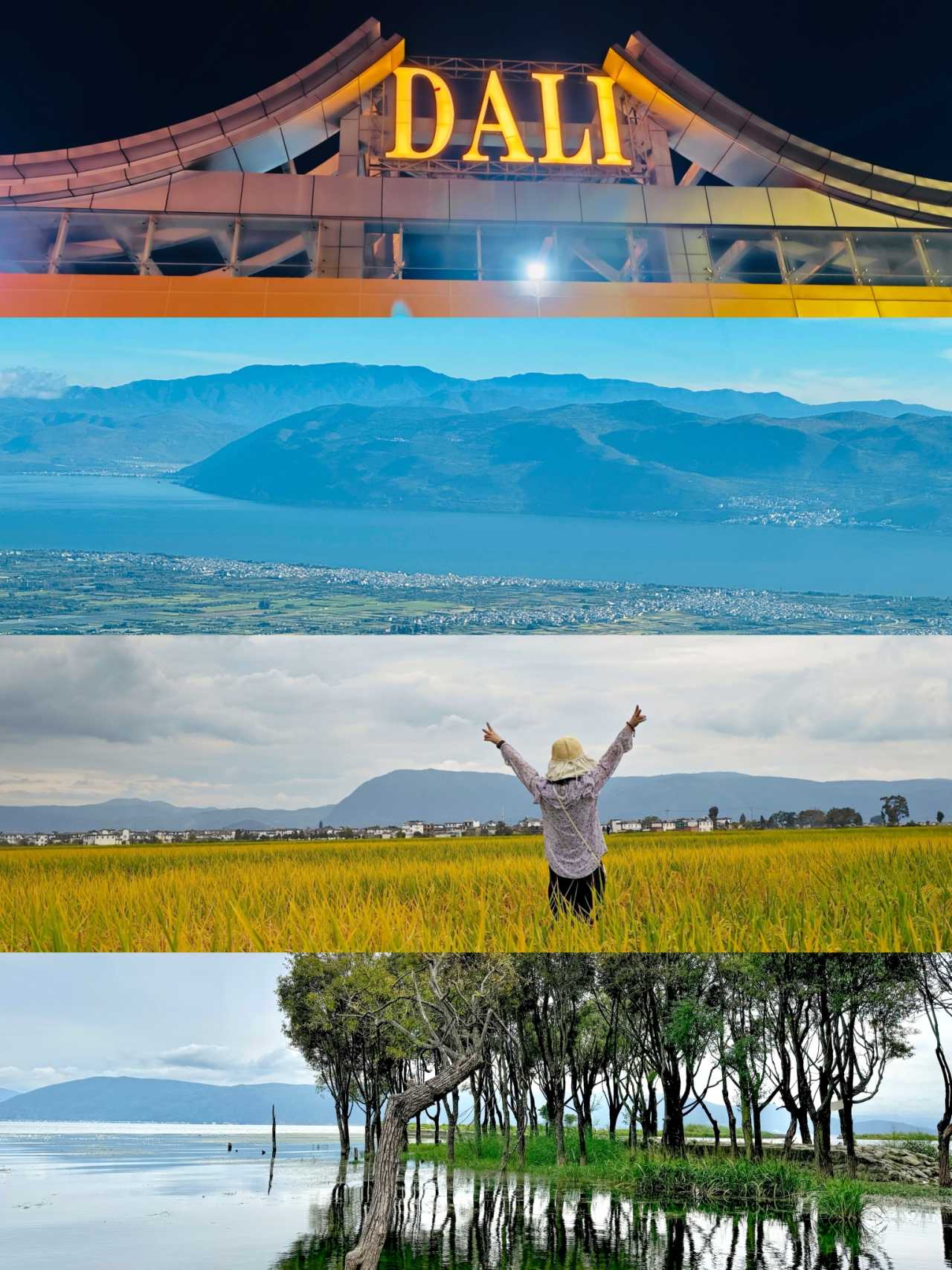
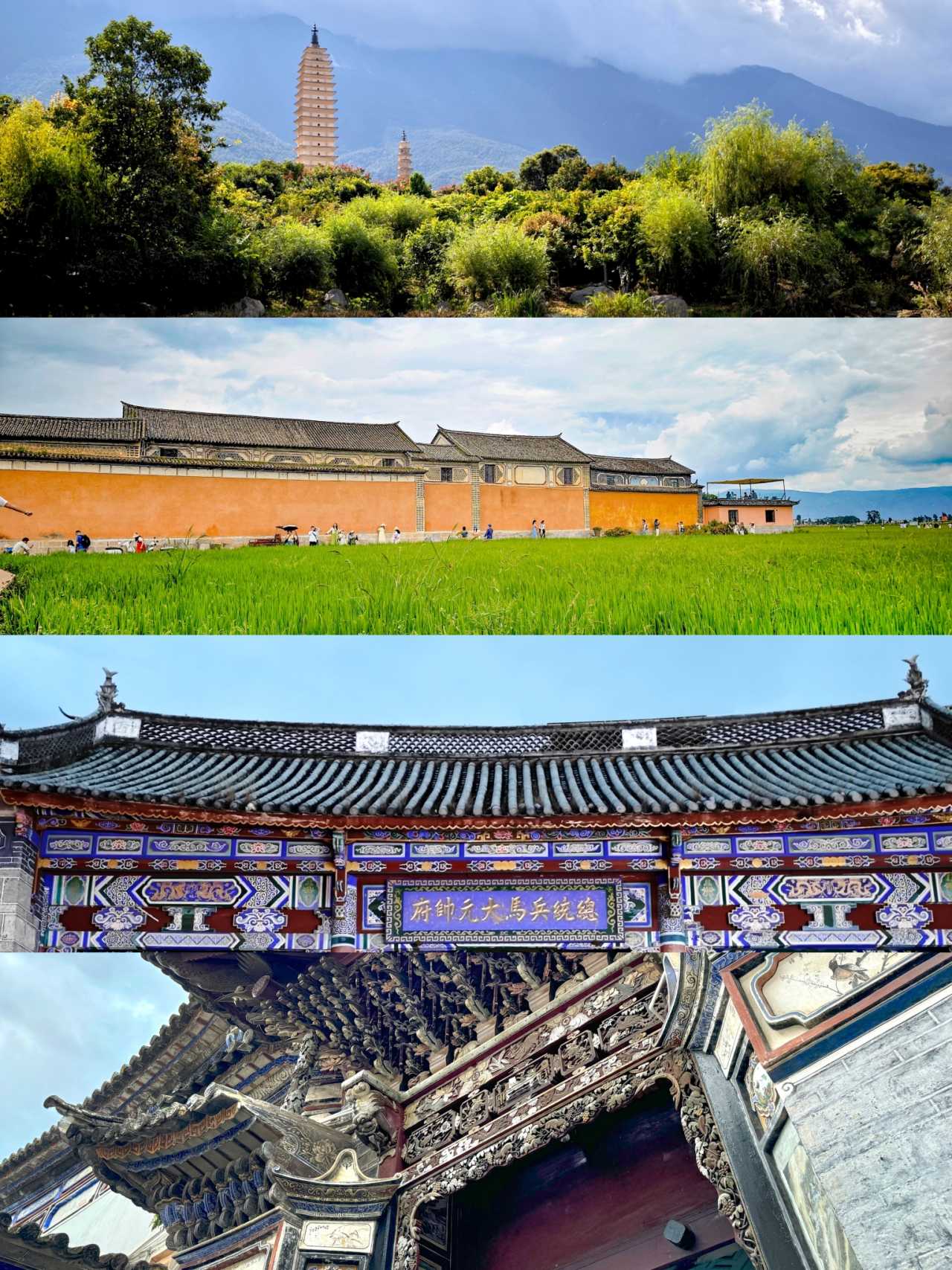
Xizhou isn't big. Starting from Sifang Street, we wandered and snacked our way through. Stuffed tofu, grilled milk fan—the flavors were similar to what you'd find in the ancient city. The main reason to come to Xizhou is to see the rice fields and drink coffee. On September 30, it was overcast with occasional showers, and the crowd was moderate. My partner teased me: "You came all this way just to take a photo of a rice field? Couldn't you do that at Liangzhu in Hangzhou?" Sure enough, travel is about going from a place you're tired of to a place other people are tired of.
However, the Bai ethnic residential architecture in Xizhou is definitely worth seeing. The color schemes are carefully matched, with low saturation, somewhat like a Morandi color palette—very pleasing to the eye.
Ideal Land: A Budget Santorini
On October 1, National Day, it started pouring in Dali. The number of tourists dropped noticeably. We only visited the nearest spot on the East Coast route: "Ideal Land." This is a man-made attraction in a Santorini-inspired style. Entry is free, but the popular photo spots require a ticket, which isn't cheap, so we didn't go in.
The "Intangible Cultural Heritage Art Museum" at the highest point of the area was a pleasant surprise. Its new Chinese architectural style created a striking contrast with the white buildings. The museum sells cultural and creative products. A 30-yuan "Jiama" rubbing print was of much better quality than the wholesale stuff in the ancient city.
Fengyangyi Village: Go to a Windy Place
As a fan of the TV drama "Go to a Windy Place," I still went to Fengyangyi Village. But I don't recommend it on a rainy day—the stone paths and yellow mud mean you'll get your shoes covered in mud in no time. The main road is a single straight street lined with stalls selling trinkets, along with various stills from the drama and related merchandise. I didn't go into the "Windy House" (Youfeng Xiaoyuan); the afternoon tea set was over 200 yuan, and with the rain, I had no interest in staying long.
Dali Ancient City: Eat, Drink, and the Later It Gets, the Livelier
All our eating and drinking over the three days was in the ancient city. Wuhua Gate (South Gate) is the most magnificent and bustling. Cangshan Gate (West Gate) faces the Sanyue Street market. Three Pagodas Gate (North Gate) has a local food market. Erhai Gate (East Gate) is good for shopping and dining.
The most impressive memory was the Dali Catholic Church, near the West Gate. It's off the beaten path but stunning. The Bai ethnic wooden structure technique combined with Western church architecture is truly unique. You can photograph the building, but not the interior.
The schools in the ancient city must not have evening study sessions—it's too noisy! Dali's pharmacies also understand tourist needs well. More than one pharmacy sells both "hemorrhoid cream" and "oxygen canisters that can be reimbursed through medical insurance." It seems tourists getting "hot" (上火, a TCM concept) is the norm.
Food Collection: Tested and Approved
Dali's slightly sour and mildly spicy flavors were right up my alley. All tested and approved!
Jizhao Nunnery Vegetarian Meal: 20 yuan per serving. Queue for over an hour, but after climbing Cangshan Mountain, any food tastes good.
Zui Liuli (Renmin Road): A private kitchen restaurant with long queues. Recommendations: Old Lady Potatoes (Laonai Yangyu) – mashed potatoes with local pickled mustard greens, sour and spicy and incredibly delicious; Passion Fruit Fish (Baixiangguo Yu) – sliced carp cooked in a passion fruit broth, very sour; Water Spinach (Shuixing Yanghua) – a freshwater lake wild vegetable, tender and fresh; Black Three Minced (Hei San Duo) – minced pork, great with rice.
Sifang Street Restaurant (Xizhou): Affordable Yunnan cuisine in a private courtyard. Old Lady Potatoes, Five Flowers Stir-fried Eggs (Wu Duo Jinhua Chao Jidan) – made with various edible flowers, braised pork—every dish was a hit.
Shuxia Xiaoguan (Huguo Road): The best cross-bridge rice noodles! Their signature wild mushroom rice noodle set meal, plus a serving of stuffed tofu, is enough for two people and feels very ceremonial.
Yunxi (Fuxing Road): Cross-bridge rice noodles. Sit on the second floor to enjoy the view of Cangshan Mountain while eating. Their signature cross-bridge rice noodles with crispy roasted pork. The noodles aren't as chewy as at Shuxia Xiaoguan, but the broth is pork bone stock—not bad.
Street Stalls: Mixed pea jelly (Ban Wandou Fen) from a stall next to Dali No. 1 Primary School (only does student business); Feifan Youtiao (extraordinary fried dough sticks, you can add anything, free refills on soy milk); Hand-rolled Erkuai (rice cake) from an old grandmother at the entrance of Fengyangyi Village (like a big dumpling, generously filled); Freshly baked flower cakes from an old grandfather in Caicun Village (tastes great).
Strange Fruits: August Fruit (Bayue Guo) – more seeds than flesh; Fire Gourd Fruit (Huocan Guo) – very sour; Sugar Apple (Shijia Guo) – forgot the taste. Just give them a try.
Practical Guide: Three-Day Itinerary
Day 1 (Yellow Route): Depart from Caicun Village → Take a taxi to Gantong Cable Car on Cangshan Mountain → Hike to Jizhao Nunnery → Descend Cangshan Mountain → Take a taxi to Chongsheng Temple Three Pagodas → Take the bus to Sanyue Street Station (Cangshan Gate)
Day 2 (Purple Route): Depart from Caicun Village → Ride an electric scooter to the Covered Bridge → Take a taxi to Xizhou Ancient Town → Take a taxi back to Caicun Village

Day 3 (Red Route): Depart from Dali Ancient City → Take a taxi to Ideal Land in the East Coast area → Take a taxi to Fengyangyi Village → Take a taxi back to Dali Ancient City
About Tickets: Gantong Cable Car admission + round-trip cable car combo ticket: 108 yuan per person. For Chongsheng Temple, it's recommended to buy the admission + round-trip electric cart combo ticket, which allows you to join a free guided tour for individual visitors.
About Circling Erhai Lake: The West Coast route is an ecological corridor where only public rental vehicles are allowed. The East Coast route runs alongside the road, and the scenic spots are far apart, so renting a car or hiring a driver is recommended.
About Accommodation: Guesthouses in Caicun Village cost 500+ yuan per night during National Day, but around 200 yuan on regular days. Guesthouses near the south gate of Dali Ancient City offer better value for money, with branded bedding and toiletries, plus smart toilets and audio equipment.
Final Thoughts
As I finished writing this travelogue, our family's big Golden Retriever, who had been with us for over five years, crossed the Rainbow Bridge. He was abandoned during the pandemic year, passed through several homes, and was finally adopted by our family. When he left, he was full of ailments. We hugged each other and cried. Thank you for your companionship, for healing our family. I hope the Rainbow Bridge has no pain, only his favorite ham sausages and yogurt.
In your next life, come back to Dad's home.
May life in our different worlds continue to be beautiful.
October 2024, in Dali, my birthday wish...
You should also read:

Cloud Travelogue · Dali of Wind, Flowers, Snow, and Moon: A Three-Day, Two-Night Journey of a Free Spirit
Cloud Travelogue · Dali of Wind, Flowers, Snow, and Moon: A Three-Day, Two-Night Journey of a Free Spirit I am a cultured female foodie with a touch of rogue charm. I slung on my backpack, took my lover's hand, and set off on a spontaneous…
Continue reading...
Golden Luoping: A Romantic Encounter with Sunshine and Seas of Flowers
Golden Luoping: A Romantic Encounter with Sunshine and Seas of Flowers Introduction: The Third Time's the Charm Some landscapes are destined to be seen at the right moment. For me, that was exactly the case with Luoping's rapeseed flowers. On February 22, 2011, the Luoping…
Continue reading...
A Spiritual Journey to Lugu Lake in Lijiang: Experiencing the Legend of the Kingdom of Women! (Reproduction and Hotlinking Prohibited)
A Spiritual Journey to Lugu Lake in Lijiang: Experiencing the Legend of the Kingdom of Women! (Reproduction and Hotlinking Prohibited) Off-road自驾, food, hotel and民宿 reviews, Featured Traveler, Tank 300 owner, 200,000 km of self-driving experience. WeChat: y01294987 Ninglang Yi Autonomous County 2010.11.08 · 7 days…
Continue reading...