Chasing the Sun in Yunnan: A Place for Daydreaming
Chasing the Sun in Yunnan: A Place for Daydreaming
When the north is swept by biting winds and heavy snow, there are always those who quietly pack their bags and head southwest. Their destination isn't the beaches of Sanya—it's Yunnan, a place where winter still means brilliant sunshine. To be honest, this is already the fifth time Zhaxi Gang and Honghaier have driven to Yunnan. They've checked off all the classic spots long ago, but after digging deeper into Yunnan's geography and cultural landscapes, they've uncovered a fresh batch of hidden gems: Yuanmou Earth Forest, Yunnan Yi, the coffee villages of Lujiangba, Tengchong's Xiongjia Village, Mangshi's Chudonggua Village, the Dai New Year, Weishan Ancient Town... These names, strung together, form the route for "Chasing the Sun in Yunnan: A Place for Daydreaming."
Yuanmou Earth Forest: An Ochre Epic Carved by Time
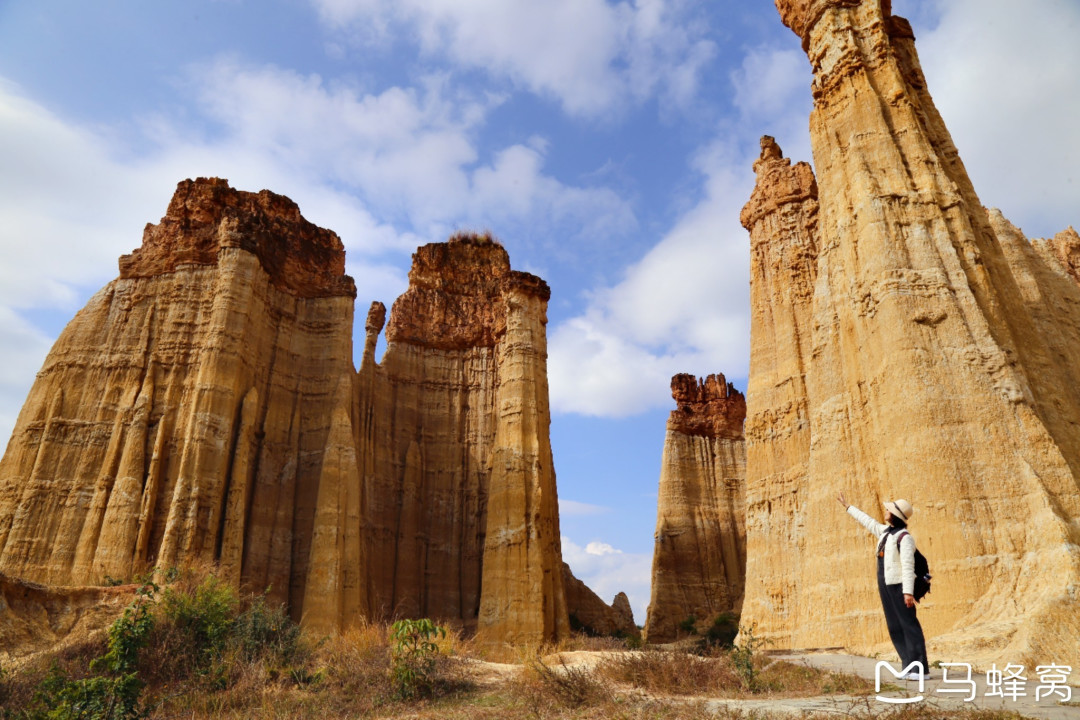
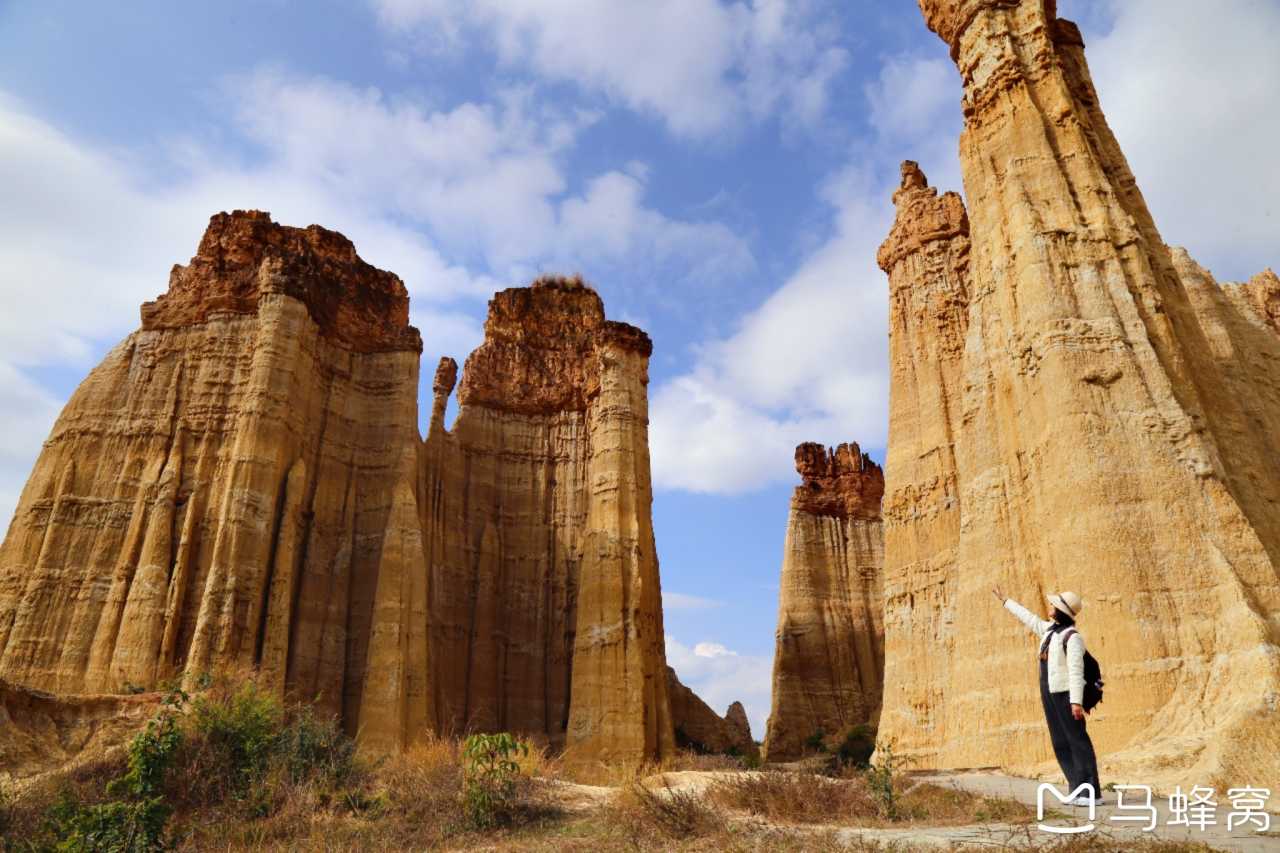
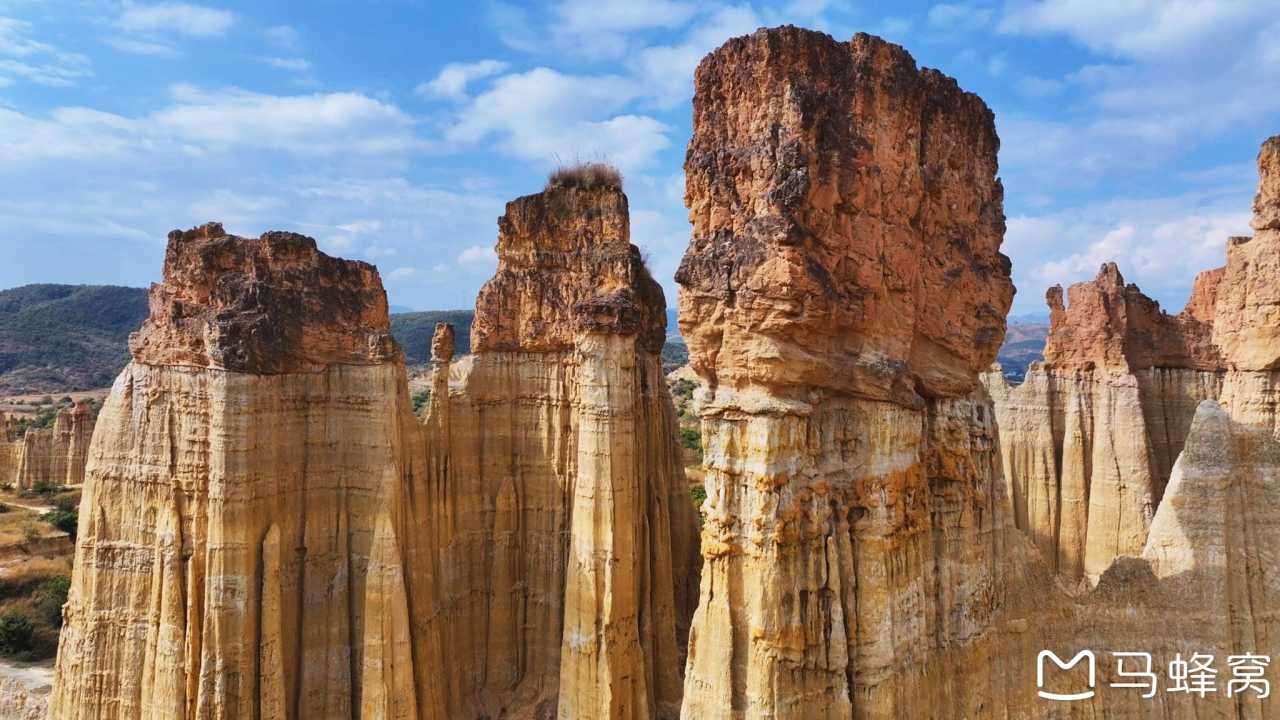
Walking through the Yuanmou Earth Forest, you can't help but feel a deep reverence for time and the forces of nature. This isn't just an ordinary geological feature—it's a "forest" sculpted by millions of years of wind and rain, formed from compacted sand and clay in bizarre, otherworldly shapes.
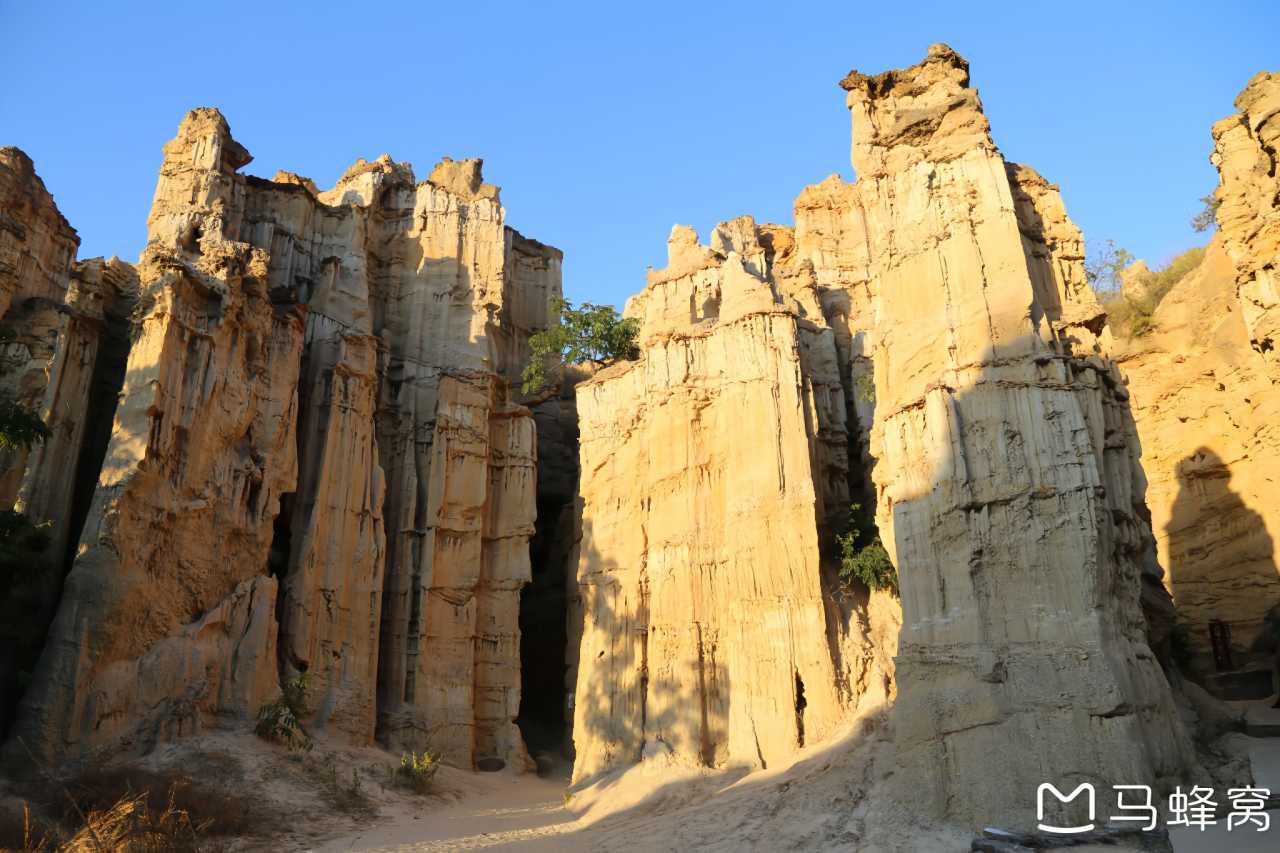
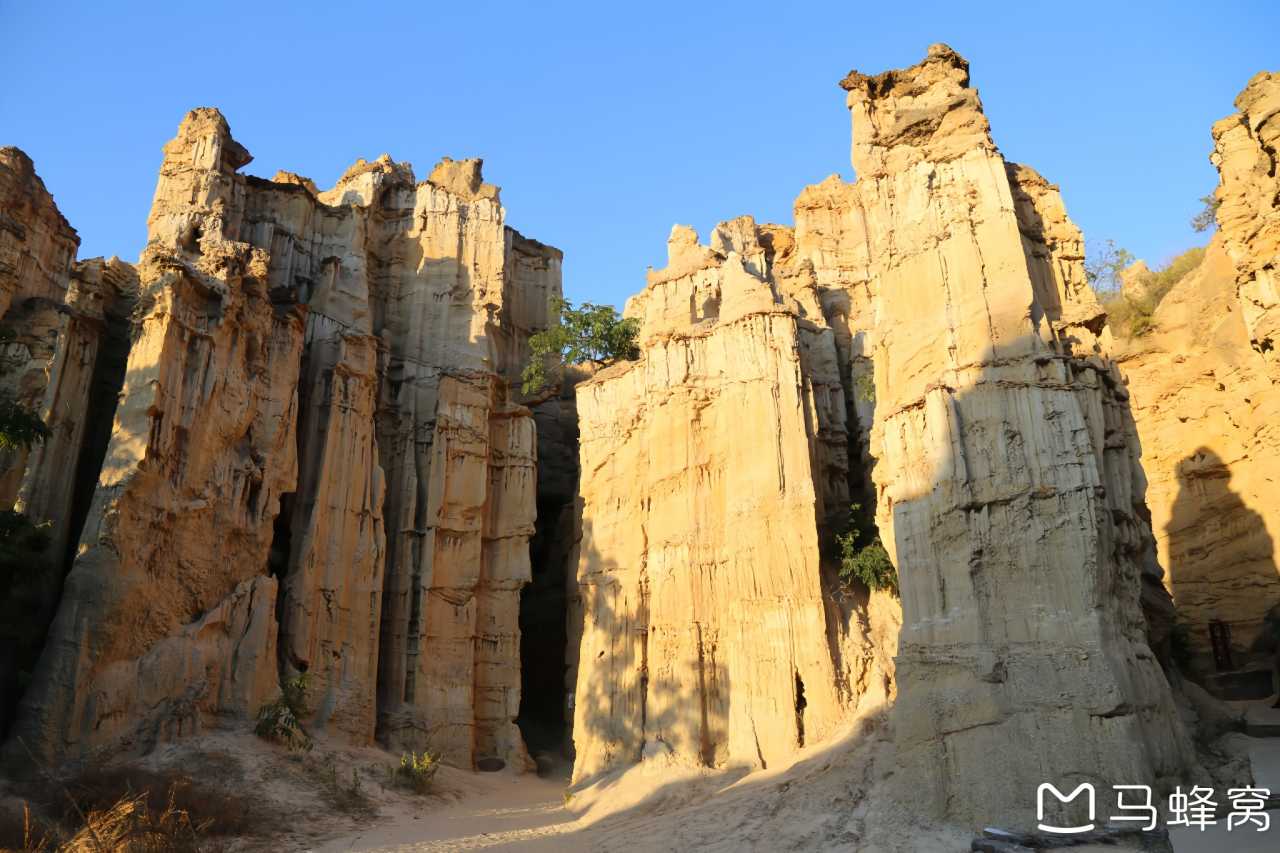
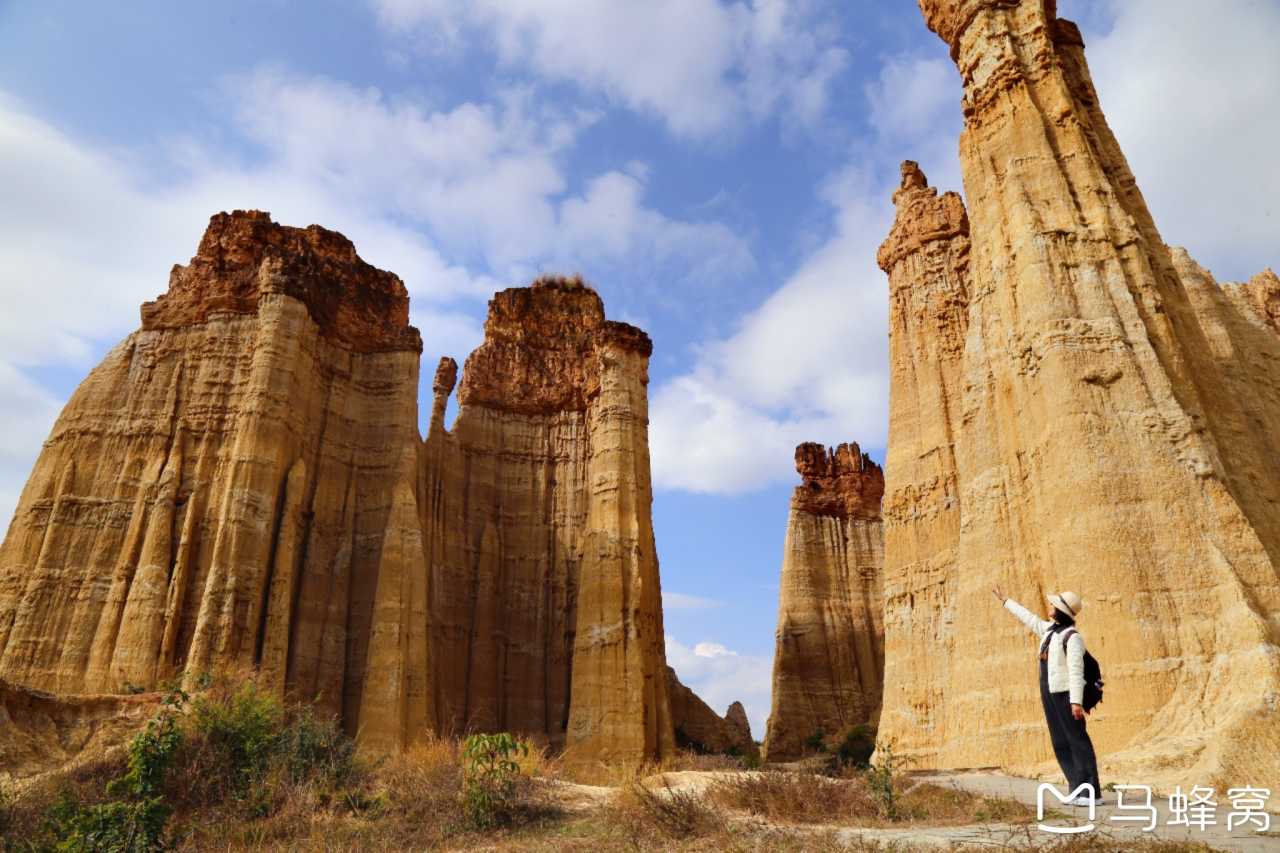
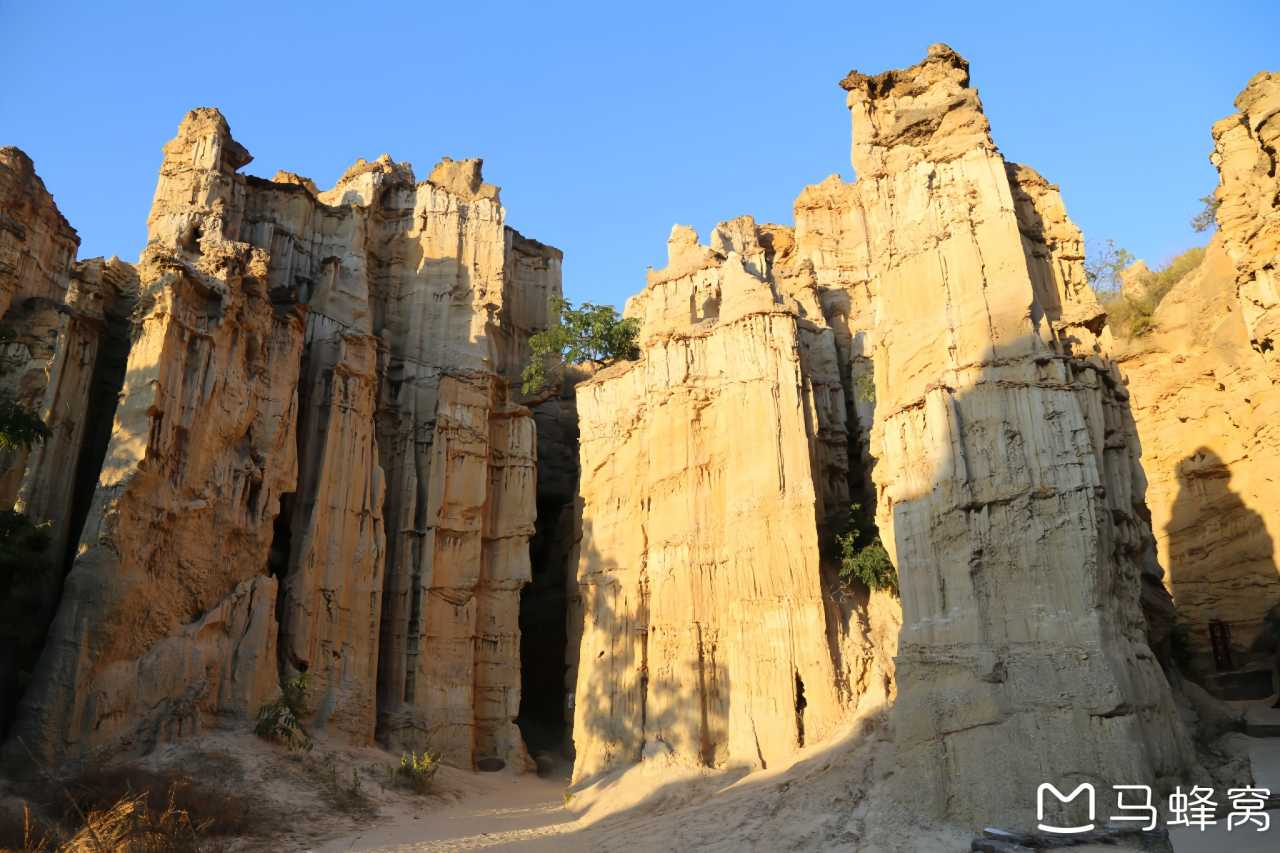
Wumao Earth Forest is grand in scale, resembling the ruins of an ancient castle from a distance, its stark beauty heightened by shifting light and shadow. Step inside, and you feel as though you've wandered into the remains of a forgotten civilization. The most striking sight is "Piercing the Sky"—a towering pillar of earth that rises high into the air, as if trying to stab through the blue. Even more magical is "Golden Light Piercing the Hole," a fleeting moment when the sun aligns perfectly, sending a single golden beam through the earth pillars.
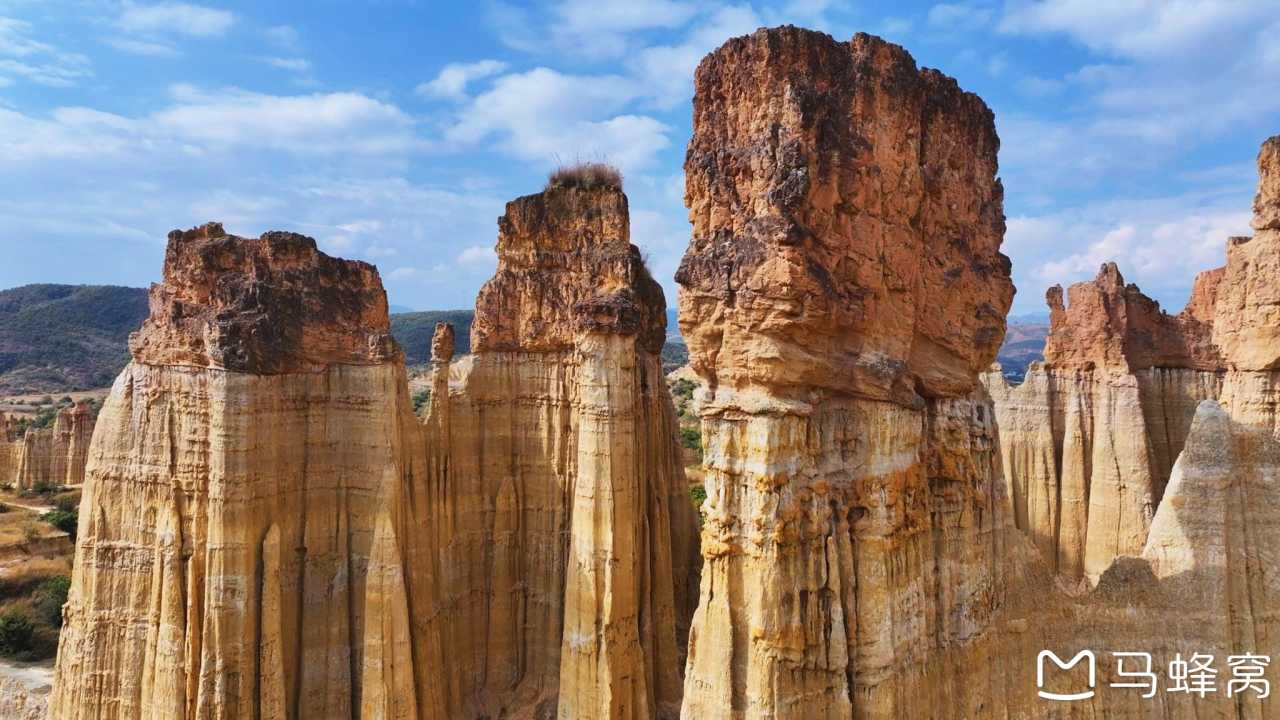
Xinhua Earth Forest (Langbapu Earth Forest) is even more fantastical. Here, the pillars are a riot of colors—purplish-red at the top, gray in the middle, yellow near the base, with patches of brownish-red and off-white. Under the sun, they look like a dreamy palace. The cone-shaped pillars reach up to 27 meters tall, with some resembling peaks or snow-capped mountains, like a scene straight out of Journey to the West. Over 50 films and TV shows, including The Promise and Riding Alone for Thousands of Miles, have been shot here. At dusk, the sunset paints the scene in even more magical hues.
Practical Tips: - Wumao Earth Forest: admission 60 RMB/person, half price for those over 60; shuttle bus 10 RMB/person - Best viewing time: 4:00–5:30 PM, when the sunset light is at its best - Langbapu Earth Forest: admission 50 RMB/person; shuttle bus 20 RMB/person - Note: The earth forest is a "see it before it's gone" attraction—wind and rain erosion have left some pillars dangerously unstable
Daydreaming by Erhai Lake: Every Season's Splendor for That Vast Clarity
The sky is a flawless blue, and Erhai Lake is a deep, profound blue. The dawn redwoods hold up flames of fiery color, burning quietly against the azure backdrop. It turns out that every season's brilliance and decline are all for the sake of that vast, crystalline clarity. Sitting by Erhai Lake, doing nothing but daydreaming—this might be the most luxurious indulgence a trip to Yunnan can offer.
Yunnan Yi: The Place That First Bore the Name "Yunnan"
Did you know? There's a place in Yunnan called Yunnan Yi, and it's the very first place to have been called "Yunnan"!
Weathered earthen walls, silent old houses. Yunnan Yi has quietly laid out two thousand years of history along its long, flagstone-paved streets. This was once a vital post station on the ancient Southern Silk Road, bustling with merchants and the jingle of camel bells. Now, its glory days are gone, but the weight of history it has settled into leaves every visitor in awe.
Tengchong Binglang River: A Misty Paradise on Earth
In the early morning, the Binglang River valley in Tengchong is shrouded in a sea of clouds. The layered mountains seem to be gently embraced by flowing mist. The clouds drift slowly with the wind, sometimes spilling over ridges, sometimes gathering in valleys. Peaks of varying heights peek through the cloud cover, appearing and disappearing in ever-changing forms—a scene like a poem or a painting, a true earthly paradise.
Mangshi's Chudonggua Village: A Thousand Years of the De'ang People
Chudonggua Village in Mangshi is the only concentrated settlement of the De'ang people in China. With a population of just over 20,000, this ethnic group has preserved a unique way of life and cultural traditions.
Step into a century-old stilt house, and you'll hear a soft "swish, swish" sound—an elderly De'ang woman is intently weaving brocade. Few young people know the craft anymore, but she keeps weaving, producing just an inch a day. She weaves a thousand years of history, inch by inch, into the fabric. When she smiles, her teeth are pitch black—the blacker, the more beautiful. After a thousand years, the "lacquer-tooth" tradition still lives in the mouths of De'ang elders.
The Dai New Year: A Shared Spring for All Ethnicities in Mangshi
Attending a Dai New Year celebration for the first time was an exhilarating experience.
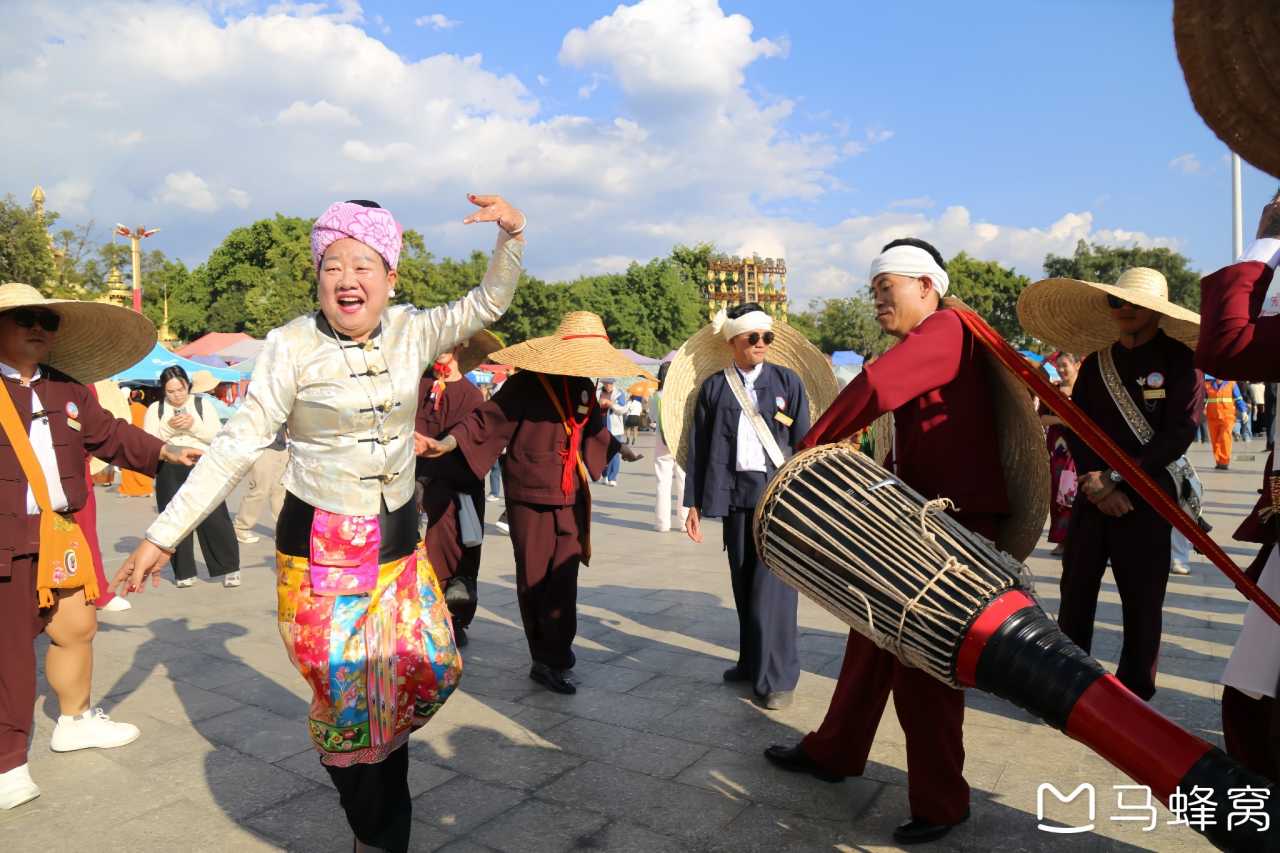
Banana leaves were laid out in long rows, laden with bamboo tube rice, grilled fish, and water-splashing rice cakes. De'ang sour tea, Jingpo "ghost chicken," Dai-style lemongrass grilled fish... one long table, and you could taste the flavors of several mountains. As night fell, the peacock dance on stage had barely ended when the Lisu people's three-stringed lute started up again. Performers from various villages, dressed in their ethnic finery, joined hands in a circle as the show closed. Down below, we joined hands too, dancing the Gaguang dance.
It turns out the Dai New Year isn't just for the Dai—it's a shared spring for all the ethnic groups in the Mangshi basin. On the square in Mangshi, people mingled without distinction, sharing the warmth of the long tables and moving to the same drumbeat as they welcomed the new year!
Menghuan Silver Pagoda and Golden Pagoda: Not for Faith, Just for Beauty
We visited the Menghuan Silver Pagoda and the Menghuan Grand Golden Pagoda again—not out of religious devotion, but simply for their beauty.
The Silver Pagoda is pure and pristine, gleaming white against the blue sky like a giant jade carving. The Grand Golden Pagoda sits atop the mountain, resplendent in gold, its wind chimes tinkling under the eaves. What's amusing is the space between the two pagodas, filled with women having their photos taken, dressed in traditional Dai attire, blooming before the cameras. The scenery of this era isn't just the pagodas—it's also these women, capturing their beauty in light and shadow.
Weishan Ancient Town: More Authentic than Dali, Quieter than Lijiang

"Famous Weishan is known to all the world, birthplace of Nanzhao with a history that flows." Dali's Weishan is the ancestral home of the Yi people.
Weishan Ancient Town is more authentic than Dali and quieter than Lijiang—a living, breathing "ancient town"! Here, you can stroll through old streets, sample local snacks, soak in the cultural heritage of Nanzhao, find a straw mat, brew a cup of tea, and simply "sit" and enjoy life—this is the dream of many visitors.
Yunnan Cuisine: Beauty and Challenge Hand in Hand
Yunnan's food is abundant, and some of it is downright peculiar.
"Hand-Grabbed Rice" is a pure feast for the eyes and the palate. A bamboo tray serves as the plate, your fingers as chopsticks. Colorful ingredients are spread on banana leaves like blooming flowers. You're not just eating food—you're savoring the mountains, waters, and time of colorful Yunnan.
Tasting "Olive Sa" (a raw pork salad), however, requires a bit of courage. Minced raw pork is mixed with the juice squeezed from wild mountain herbs, revealing a hidden sweetness beneath. That courage, perhaps, is the very charm of Yunnan cuisine.
Itinerary Highlights: A 25-Day, 4,200-Kilometer Sunlit Journey
This road trip departed on December 15, 2025, and returned on January 8, 2026, spanning 25 days and covering over 4,200 kilometers. Here are the highlights from the first few days:
Day 1: Mianyang – Ya'an – Xichang (566 km)
Arriving in Xichang in the afternoon, we headed to Jianchang Ancient Town. This town, first built in the 20th year of the Hongwu reign of the Ming Dynasty (1387), has survived wars, floods, and earthquakes, repeatedly destroyed and rebuilt. Now open to the public for free, it's a national 4A-level tourist attraction.
The most striking feature is the Huangge Tree clinging to the city wall—its exposed roots reaching down to the ground, a testament to its incredible vitality. Entering the ancient town through the southern Datong Gate, we followed South Street straight to the Four-Pillar Archway, where four streets intersect in a cross shape, forming nine lanes and eighteen alleys.
In the evening, we headed to Wangyue Avenue east of Qionghai Lake, using a drone to capture the sunset over the lake. That night, we stayed at the Home Inn·Huayi Select Hotel—great location, excellent value for money.
Day 2: Xichang – Panzhihua – Yuanmou Wumao Township – Yuanmou (365 km)
We had lunch at "Yijia Restaurant" in Wumao Township, but the food quality was disappointing—a 48 RMB portion of stir-fried beef was as tough as wood, and the owner insisted, "That's how we've always cooked it."
At 3:30 PM, we entered Wumao Earth Forest Scenic Area. We took the electric cart to the Photography Square and admired the panoramic view from the observation deck. Following the boardwalk deep into the earth forest, we got up close to the strange pillars and formations. Safety note: it's best to stay well back from the observation deck railings, as the earth pillars can collapse at any time.
Day 3: Yuanmou – Xinhua Township – Dayao (110 km)
We hesitated outside the Langbapu Earth Forest scenic area all morning, finally deciding to enter only at 11:00 AM when the weather cleared. The scenic area includes Zones 1, 2, 3, and 4, with the main walking path stretching nearly 6 kilometers. It's recommended to take the shuttle to Moon Bay Square and then explore on foot. Zones 3 and 4 contain the highlights of Langbapu Earth Forest, with their vivid colors looking like a dreamy palace under the sun.
In the afternoon, we had a 10 RMB bowl of tomato and fried egg noodles at the visitor center—generous portions, fresh and flavorful. By evening, we arrived in Dayao County and checked into the Dayao Pangye Hotel, which was clean, tidy, and great value.
Day 4: Dayao – Shiyang Town – Guanglu Town – Xiangyun (200 km)
In the morning, we visited Shiyang Ancient Town, which has been a center of salt production since the Han Dynasty, flourishing because of it. The most astonishing sight was the salt-drying shed—a thatched structure used to dry salt, a method Zhaxi Gang had never seen before.
Inside the Shiyang Confucian Temple stands a bronze statue of Confucius, cast during the Kangxi reign of the Qing Dynasty. It stands 2.3 meters tall and weighs over 3 tons, making it the largest bronze statue of Confucius in the world.
In the afternoon, we went to Yao'an Guanglu Ancient Town, which has a unique "hui" (return) character layout. It preserves the Longhua Temple (a Tang Dynasty national treasure), the Military and Civilian Governor's Mansion (a Yuan Dynasty government office), and other historic sites. Longhua Temple was first built during the Tianyou reign of the Tang Dynasty, over a thousand years ago, with the existing structures dating from the Ming and Qing styles. It is a key national cultural heritage site.
Final Thoughts: Yunnan's Sunshine Is the Best Cure for Everything
A 25-day road trip, 4,200 kilometers of road—from the stark beauty of the Yuanmou Earth Forest to the exuberance of the Dai New Year in Mangshi; from the tranquil depth of Weishan Ancient Town to the misty paradise of Tengchong—every inch of Yunnan tells a different story.
But what I miss most is the sunshine that's everywhere. It spills over the earth forest, leaving ochre shadows that linger in the mind. It shines on Erhai Lake, letting the dawn redwoods burn quietly against the blue sky. It warms the De'ang elder's loom, weaving a thousand years of time, inch by inch, into the cloth.
So when winter comes, pack your bags and head to Yunnan to chase the sun. Find a spot to sit down, brew a cup of tea, daydream a little, and let your mind wander. After all, life is short—stealing a half-day of leisure is perhaps the greatest happiness of all.
Summary of Practical Tips: - Best season: December to February, with abundant sunshine and pleasant weather - Transportation: Self-driving is recommended for flexibility and freedom - Accommodation: In Xichang, try the Home Inn·Huayi Select Hotel; in Dayao, the Pangye Hotel - Admission: Wumao Earth Forest 60 RMB, Langbapu Earth Forest 50 RMB, half price for those over 60 - Cuisine: Hand-grabbed rice, olive sa (raw pork salad), clay pot rice, chicken rice noodles - Notes: The earth forest landscape is fragile—please prioritize safety; respect local customs in ethnic minority areas
You should also read:
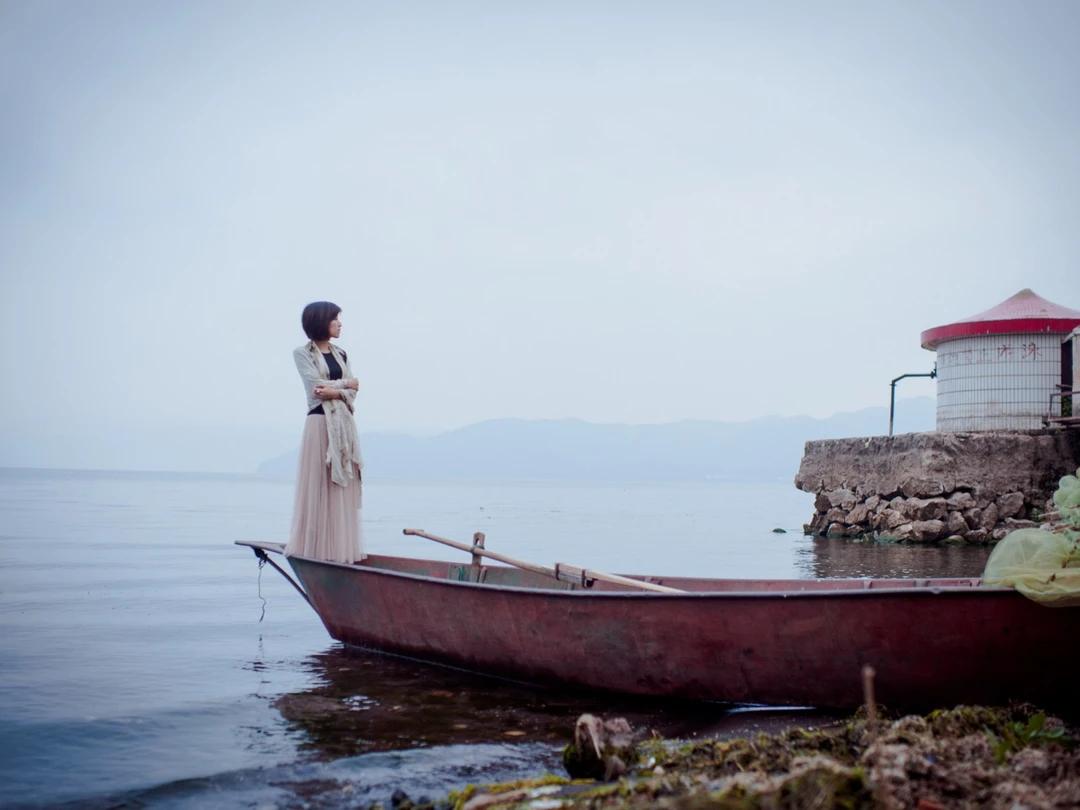
Memories of Yunnan: Finding Another Life at the Edge of Mountains and Clouds
Memories of Yunnan: Finding Another Life at the Edge of Mountains and Clouds Sometimes, travel isn't about reaching a distant destination—it's about finding the version of yourself that everyday life has worn away. In the autumn of 2013, I set off on a journey through…
Continue reading...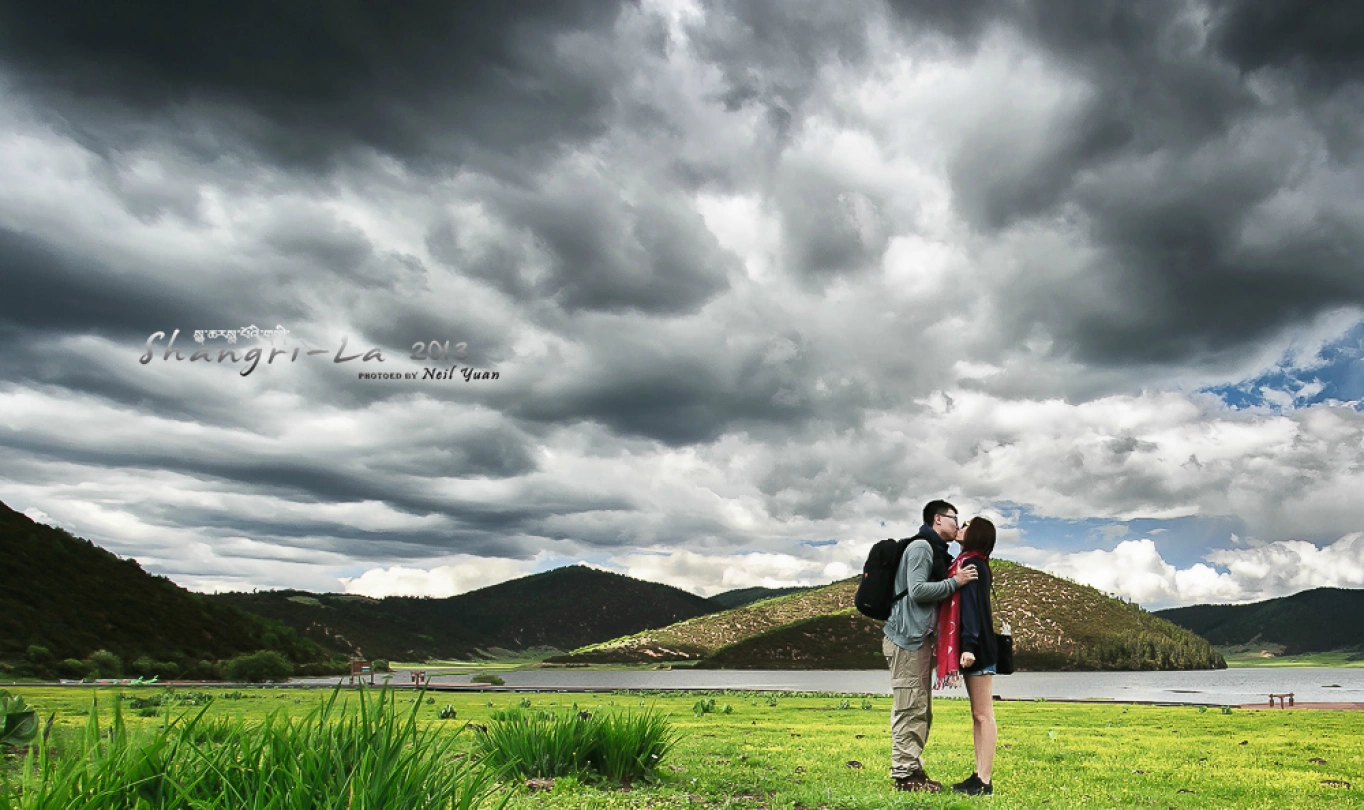
Through My Eyes, I'll Show You Yunnan: A 9-Day Deep Dive into Lijiang, Lugu Lake, and Shangri-La
Through My Eyes, I'll Show You Yunnan: A 9-Day Deep Dive into Lijiang, Lugu Lake, and Shangri-La Some trips are destined to happen long before you set off. In June 2013, carrying love in my heart, I finally set foot on the land that had…
Continue reading...
The Call of Colorful Yunnan: An 11-Day Heartfelt Journey – From Beijing Through the Dreamlike Corridor of Northwest Yunnan
The Call of Colorful Yunnan: An 11-Day Heartfelt Journey – From Beijing Through the Dreamlike Corridor of Northwest Yunnan Setting Off: A Heart Ready to Go Anywhere The rapeseed flowers of Wuyuan had just finished their April bloom when my restless heart began stirring again.
Continue reading...