Chasing the Wind | A 9-Day, 8-Night Yunnan Journey: Dali Chapter — A Mountain-and-Lake Pilgrimage Through Wind, Flowers, Snow, and Moonlight
Chasing the Wind | A 9-Day, 8-Night Yunnan Journey: Dali Chapter — A Mountain-and-Lake Pilgrimage Through Wind, Flowers, Snow, and Moonlight
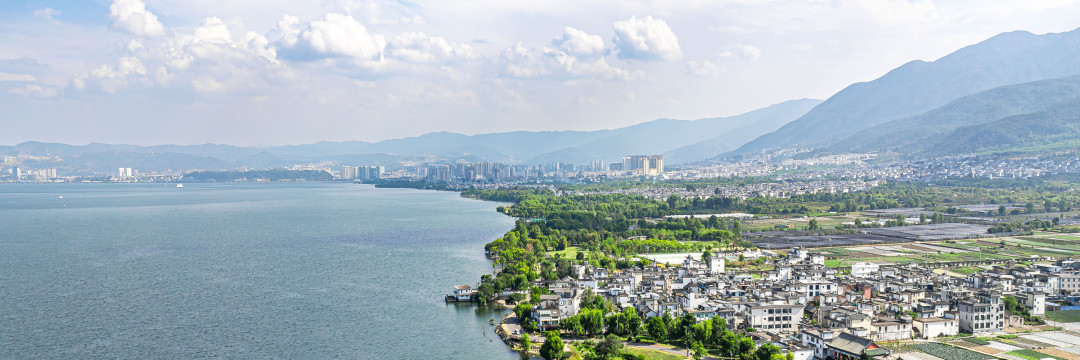
In April, the wind in Yunnan sweeps down from the Cangshan Mountains toward Erhai Lake, carrying the crisp, gentle chill unique to the high plateau. As the plane cut through the clouds and I caught sight of that impossibly blue expanse of water through the window, I knew this long-awaited journey through Yunnan had truly begun.
Flying directly from Shanghai to Dali, the moment I stepped off the plane at Fengyi Airport, I wasn’t met with the humid heat I’d imagined, but with the bracing freshness of the "Xiaguan Wind." The car rental desk was right in the airport parking lot. Thanks to a government-corporate discount I’d snagged on Xianyu (a secondhand marketplace) and the convenience of one-way drop-off with Yihai Rent-a-Car, the value proposition for this road trip was unbeatable. Over the next 9 days and 8 nights, this Tesla Model Y would carry me 1,500 kilometers, from Dali to Kunming, and then on to Xishuangbanna — a journey spanning western and southern Yunnan.
First Glimpse of Dali: The Wind Over Yunxiang Mountain, the Bustle of March Street, and the Night of the Ancient City
Yunxiang Mountain: Standing at the Highest Point, Understanding the Xiaguan Wind
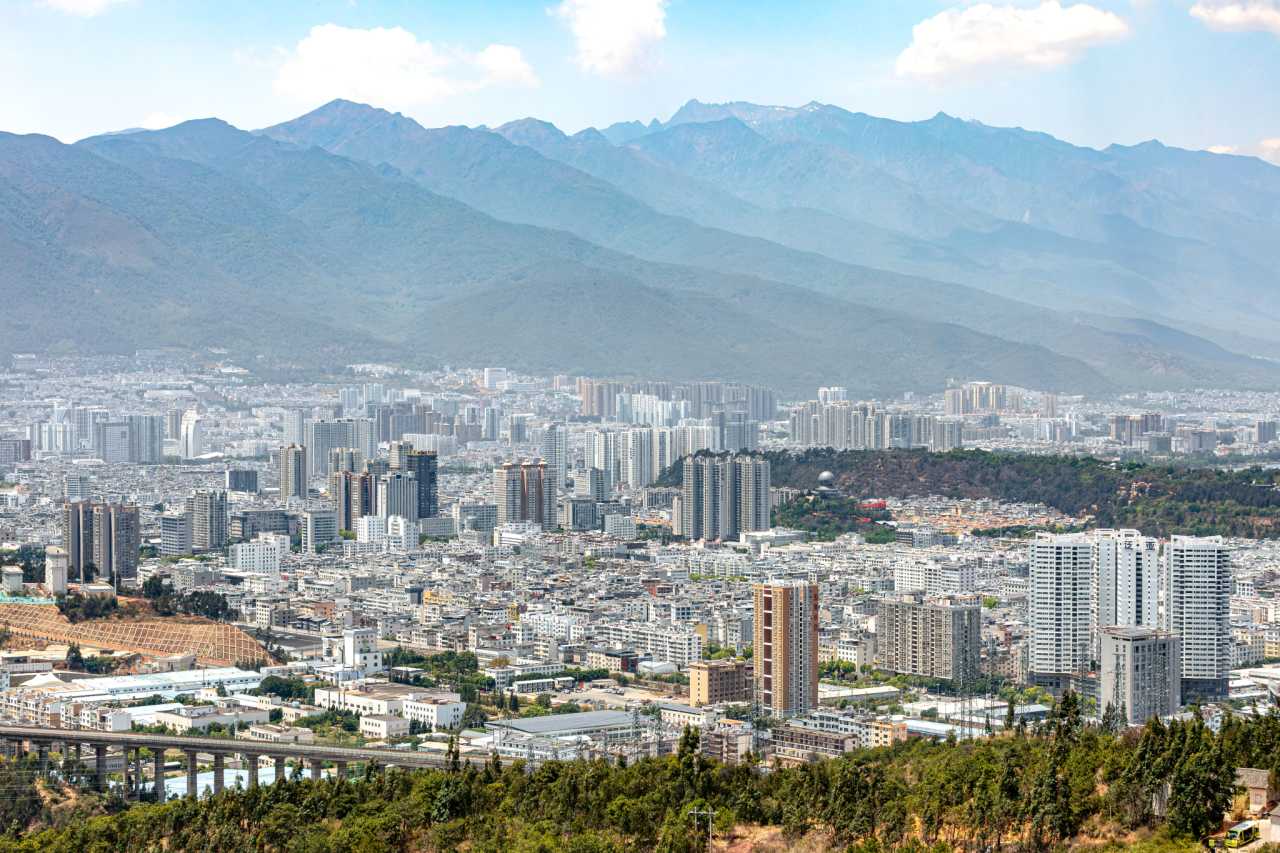
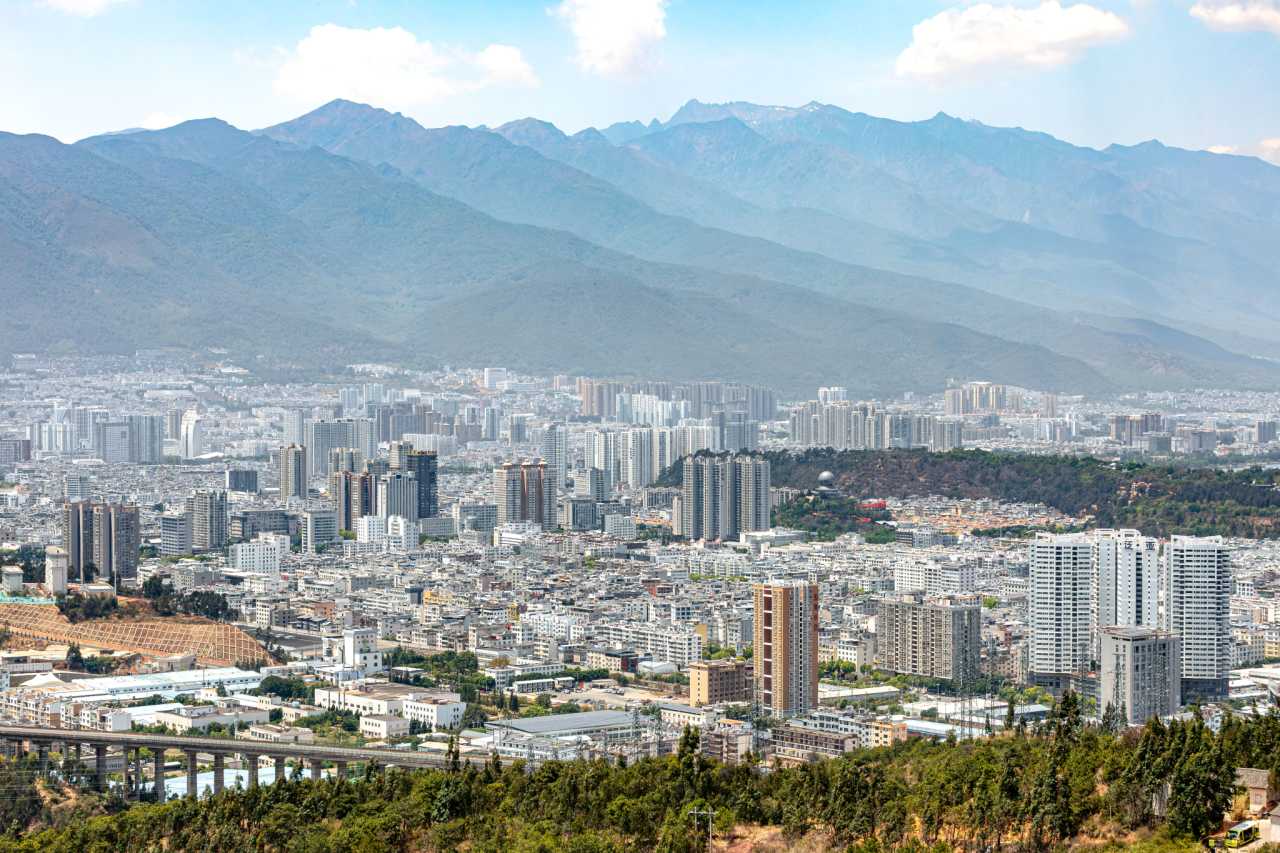
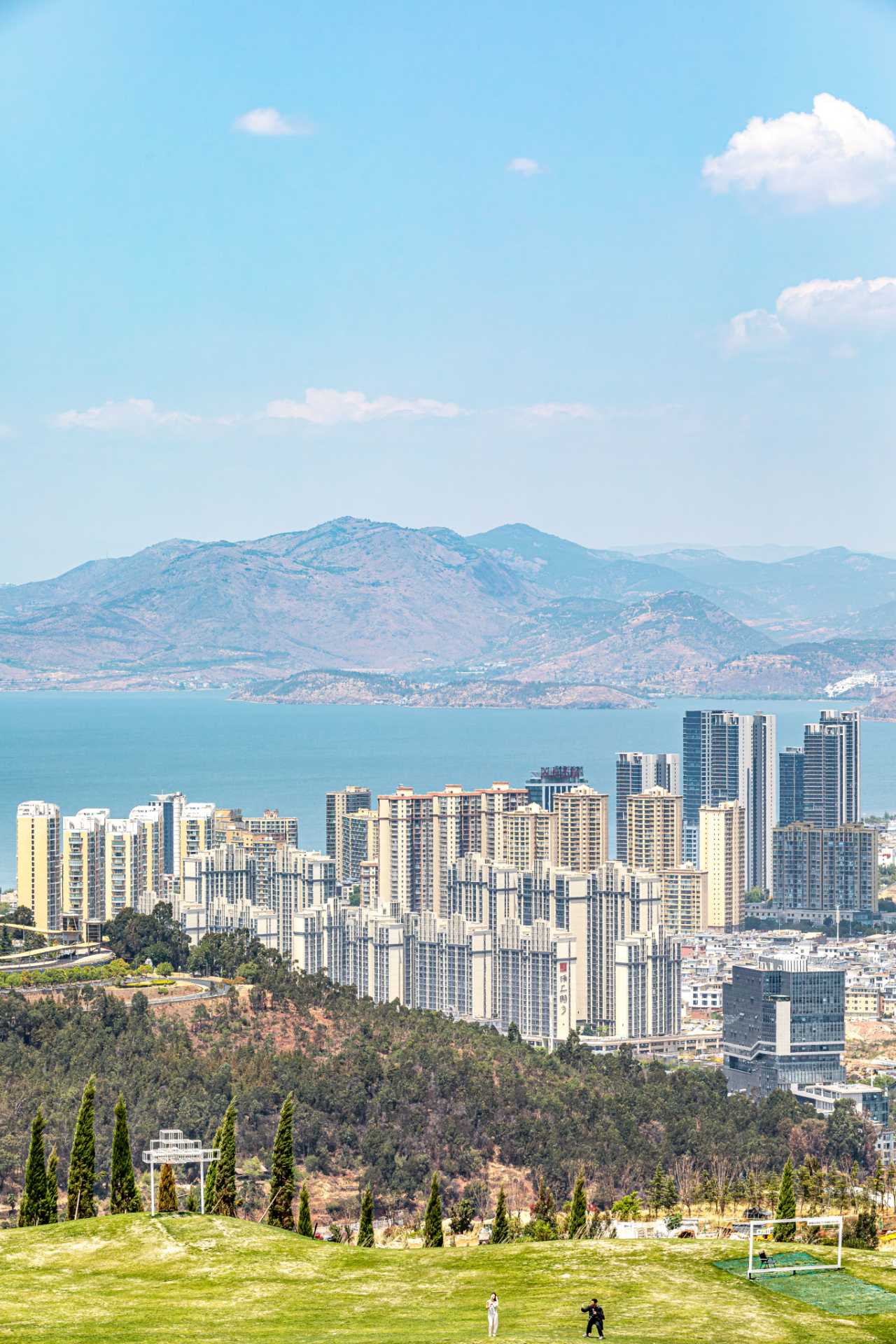
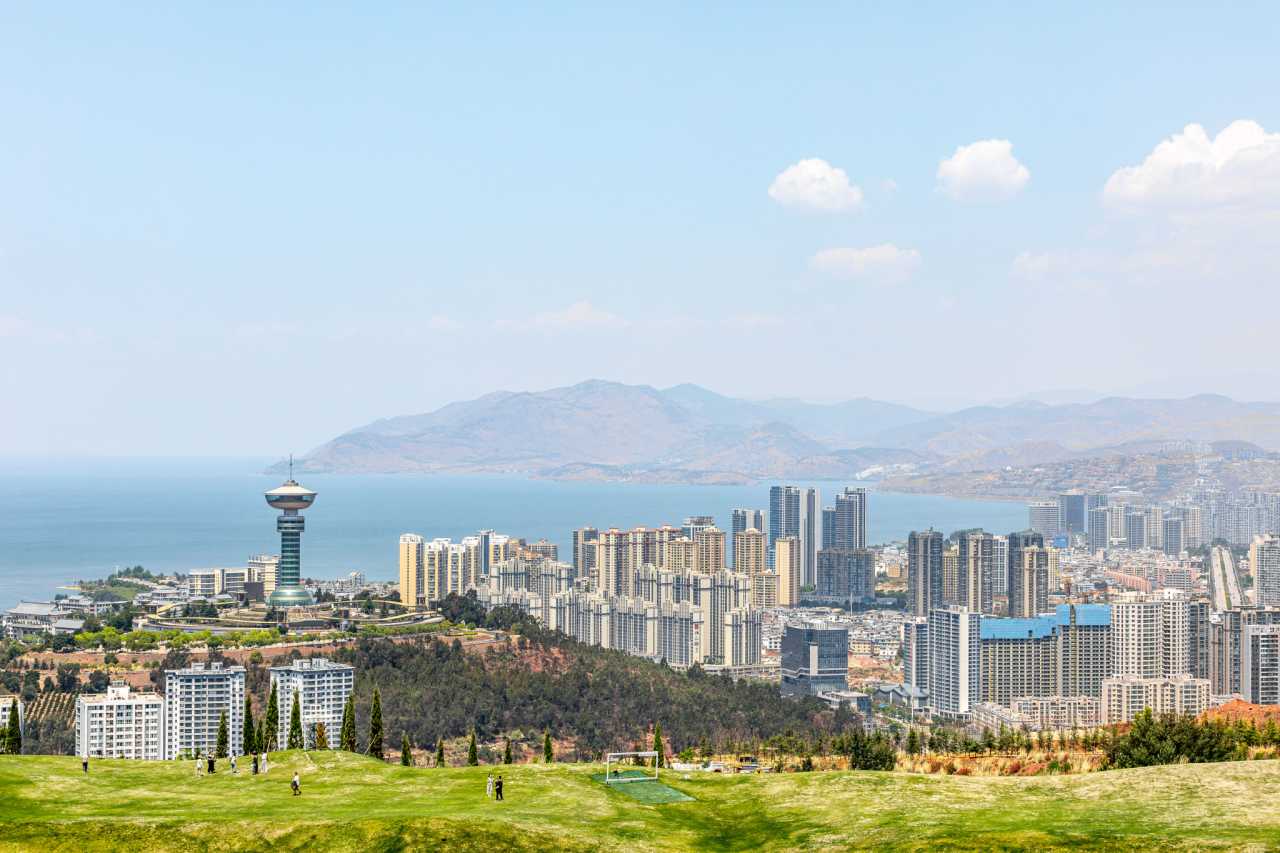
On the way to the hotel, passing through the Xiaguan district, I made a spontaneous detour to Yunxiang Mountain. At an elevation of 2,188 meters, this vantage point offers the best panoramic view of the entire Xiaguan city area. The parking lot at the Luge Theme Park offers 20 minutes of free parking — just enough time to walk to the observation deck and take in the unobstructed vista of the southern shore of Erhai Lake.
The Cangshan Mountains stood like a screen, Erhai Lake like a mirror, and the city like an unfolding scroll. Standing there, I finally understood the true meaning of "Xiaguan Wind" — it howled down from the mountains with the raw force of the plateau, whipping my clothes and hair, yet also blowing away the weariness of the journey.
Cang'er Avenue: A Glimpse of the Most Beautiful Road
Known as "Dali's Most Beautiful Scenic Road," Cang'er Avenue stretches from the foot of the Cangshan Mountains in the west to the shores of Erhai Lake in the east. Through a telephoto lens, the nineteen peaks of the Cangshan range stretched endlessly behind me, while the vast, shimmering blue of Erhai Lake lay ahead. Along the entire road, tourists with cameras and professional travel photographers vying for business were everywhere, all trying to capture the perfect shot of this road leading straight to the lake.
March Street Market: The Lively Hustle of a Millennium-Old Street
My first day in Dali coincided with the second day of the lunar month, which meant it was market day on March Street. On the 2nd, 9th, 16th, and 23rd of each lunar month, this ancient street outside the Cangshan Gate of the old city comes alive with vendors and shoppers. Every year, from the 15th to the 21st of the third lunar month, the March Street Ethnic Festival is held here — the most important celebration for the Bai people.
Stalls and scaffolding were already set up along Hongsheng Road in preparation for the upcoming festival. I wandered from March Street all the way to the Cangshan Gate of the ancient city, my eyes feasting on dried goods, fresh fruit, local produce, handmade crafts, secondhand treasures, and unique snacks. The prices were heartwarmingly affordable — local seasonal blueberries were sold by the pound for less than half the price in Shanghai.
"A thousand years of gathering on one street, one street gathering for a thousand years." This ancient saying found its most vivid expression in that moment.
Dali Ancient City: Pure and Relaxed First Encounters
Walking into the ancient city through Cangshan Gate, I found the Xizhou Yangji Crispy Baba (a type of stuffed flatbread) on Pingdeng Road. Its humble storefront belied its status as a long-standing internet-famous spot. The baba, baked fresh on the spot, has a golden, crispy crust and comes in sweet and savory varieties. Taking a bite of the sweet one, the filling of rose jam and brown sugar melted in my mouth — sweet without being cloying, with a lingering floral aftertaste.
Fuxing Road is the north-south axis of the ancient city. As dusk fell, I strolled in the gentle breeze, buying a piece of grilled milk fan (a local cheese snack) and pairing it with a cup of Qilin Big Mouth Tea. My mood lightened with every step. I ducked into Yuer Garden — a Bai-style garden named by the renowned scholar Ji Xianlin. It's a peaceful oasis amidst the bustle, preserving the traditional landscape aesthetics of Dali and well worth a visit.
As night fell, I walked south from Bo'ai Road out through the South Gate of the ancient city. The lights bathed the mottled, bluish-grey city wall in a warm, golden glow, and the gate tower stood silently in the twilight. Heading north along Fuxing Road, I passed the brightly lit City God Temple, its vermillion archway soaring high, strings of lanterns illuminating the upturned eaves one by one. At the very center of the ancient city stood the majestic Wuhua Tower, the intersection of Fuxing Road and Foreigner Street, and the highest point of the old town.
On this first night, everything felt fresh and new. Meeting Dali's ancient city for the first time, my heart was pure and relaxed. The evening breeze brushed against the grey-blue walls, the warm light of lanterns softened the streets, and the bluestone slabs underfoot glistened faintly. Carrying the joy of this first encounter, I drank in the night scenery, the ancient charm, and the vibrant life of the city, storing it all in my heart and memory.
Heading for Cangshan and Erhai: From Mountain Tranquility to Lakeside Comfort
Cangshan Gantong Cable Car: A Convenient Choice
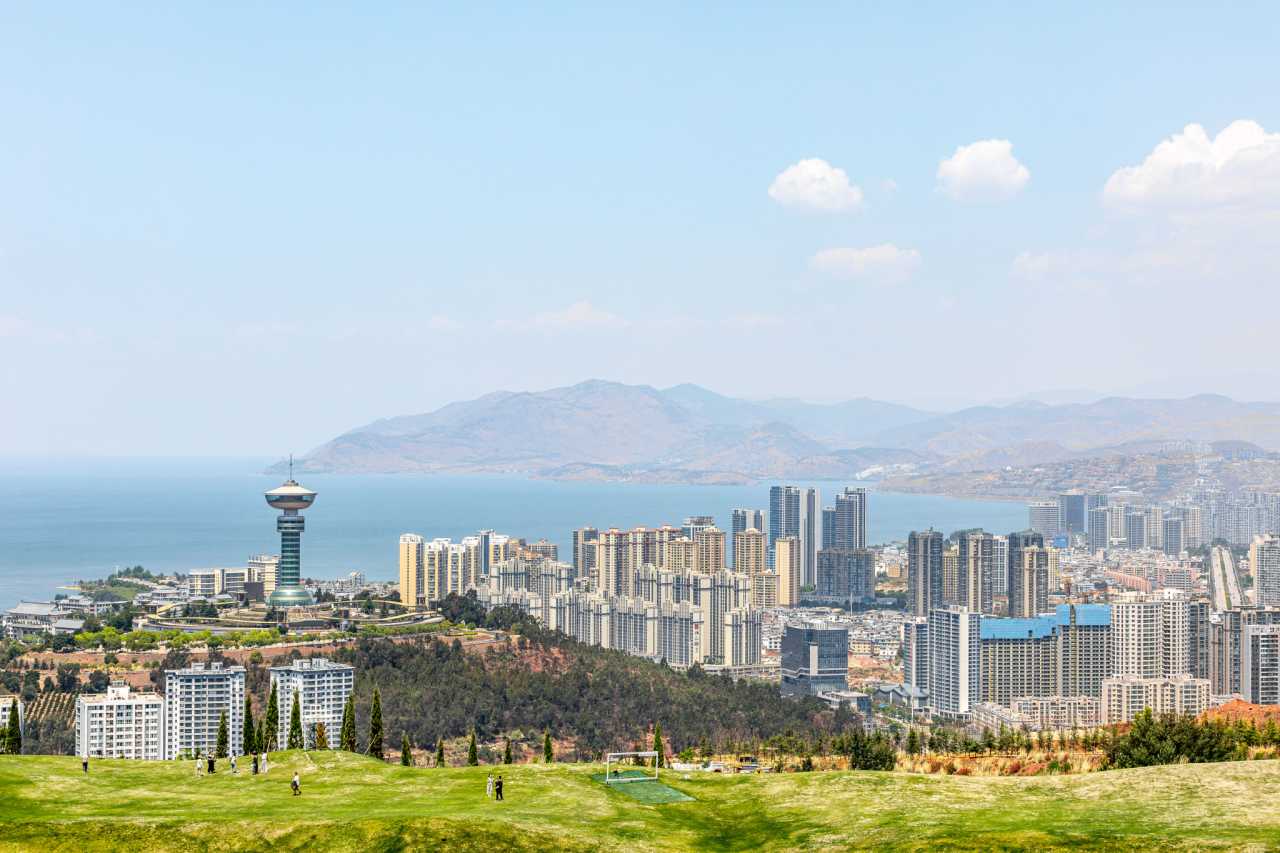
On my second day in Dali, the goal was to get up close to both the Cangshan Mountains and Erhai Lake. Cangshan has three cable cars: the Zhonghe Cable Car, an open-air double chairlift, is relatively less traveled; the central Ximatan Cable Car is the most famous, the only route reaching the highest peak; and the Gantong Cable Car is the easiest and most hassle-free option.
After careful consideration, I chose the Gantong Cable Car. Although the queue at the cable car station was endless, and I waited half an hour to board, and the attractions at the top — the "Zhenlong Chessboard" and the "Qingbi Stream" — were also crowded, the moment I stood on the mountain and looked down at Erhai Lake, it was all worth it.
Jizhao Nunnery: A Moment of Zen Deep in the Cangshan Mountains
Exiting the cable car station, I followed the signs and walked slowly uphill. Half an hour later, the Jizhao Nunnery, hidden in the pine-shaded depths of the Cangshan forest, appeared before me. "Feel and then comprehend, in stillness and illumination" — this ancient nunnery, far from the worldly clamor, was surrounded by peaceful vegetation. The courtyard was filled with plump, thriving succulents in pots, and the grey-tiled, green-shaded yard was serene and elegant.
Even though it was past one in the afternoon and visitors were coming and going, the sense of Zen wasn't diminished. For twenty yuan, I had a simple vegetarian meal, sitting on a long bench by a stone table. It was light, clean, and a perfect way to steal a moment of leisure in the midst of a busy day.
West Erhai Eco-Corridor: Exploring the Lake by E-Scooter
Leaving the Flower and Bird Market, I decided to drive my car into the narrow alleys near Erhai Lake. Trusting my self-proclaimed good driving skills, I navigated the tiny, single-car-width lanes of the guesthouse district until I finally found a parking spot just a few steps from the lake. Opening the car door, the lake breeze hit my face — my Erhai adventure had officially begun.
The West Erhai Eco-Corridor stretches from Yangnanxi in the south to Taoyuan Pier in the north, nearly 50 kilometers long. Outside vehicles are not allowed; you can only rent bicycles, e-scooters, or take a sightseeing bus. I chose to start my journey from Chongyi Village, avoiding the wildly popular, overcrowded internet-famous spots like Longkan Pier and the Panxi S-Bend.
Walking on the wooden boardwalk along the shore, the wetlands were lush with vegetation, and the reeds swayed in the breeze. Looking up, the village of Wenbi on the opposite shore was beautifully scattered across the hillside. When I got tired of walking, I rented an e-scooter. Although the price of 40 yuan per half hour was exorbitantly high, the freedom to stop and go as I pleased made it worth it for the ease and convenience.
Passing by the Xindi Cafe near Sansheng Island, this internet-famous cafe with a front-row view of Erhai Lake had its windows crowded with people taking photos. Continuing on, near Caicun Pier, I saw groups of round, fluffy "little ducks" everywhere on the shore — I later looked it up and found out they were little grebes, one of the most common resident birds of Erhai Lake. In April, most of the northern migratory birds had already begun their journey home, but a few reluctant black-headed gulls were still playing among the water plants with the little grebes.
The one-and-a-half-hour e-scooter rental cost a total of 120 yuan. It wasn't cheap, but it was the only way to leisurely take in the mountain and lake scenery of the west shore in a single afternoon.
Dali Ancient City: First Taste of Wild Mushroom Hotpot
After nightfall, I returned to the ancient city for my first wild mushroom hotpot in Yunnan. April in Yunnan hasn't yet entered the rainy season, so fresh wild mushrooms aren't available yet; the ones served are mostly frozen. For the average tourist, though, the difference in taste might not be that noticeable. Since I was there, I simply settled in and quietly savored this authentic Yunnan flavor.
From West Shore to East Shore: Xizhou's Countryside, Shuanglang's Waterfront
Dali Yiyun Hotel: A Morning Where Mountains and Lake Reflect Each Other
The Yiyun Hotel, where I stayed for two nights, is hidden at the foot of the Cangshan Mountains, close to the Three Pagodas of Chongsheng Temple and March Street, yet tucked away in its own quiet corner. In the morning, sunlight streamed into the room from the eastern shore of Erhai Lake, waking me to a new day. The courtyard outside the room was bursting with flowers, and looking up, I could see the vast, shimmering expanse of the lake. Sitting quietly in the yard, with the mountains and lake reflecting each other, it was a scene straight out of a poem about spring, flowers, and the sea.
Haishé Park: A Peninsula of Solitude
Haishé Park is a long, narrow peninsula near Xizhou, surrounded by water on three sides, shaped like a tongue extending into Erhai Lake. The park has a daily visitor limit, so reservations are required in advance. At the entrance, two hundred-year-old banyan trees stand side by side, known as the "Couple's Tree," and were a filming location for the movie "Heart and Soul."
Walking deeper into the peninsula, at the end of a path shaded by dense trees, I was surprised to find a marriage registration office! Reaching the very tip of the peninsula, the view suddenly opened up — the entire vastness of Erhai Lake spread out before me. The distant Cangshan Mountains appeared and disappeared through a light mist, and the lake surface shimmered with rippling light. By noon, the sun had become intensely bright, so I turned back along the path I'd come, saying goodbye to this quiet peninsula that had felt like my own private world.
Xizhou Ancient Town: A Blessed Land of Countryside Charm

Compared to Dali's ancient city, Xizhou has less of the noisy commercialization and more of an ancient, tranquil, pastoral poetry. The streets are filled with small handicraft shops — tie-dye, antique embroidery, hand-painted pottery — each item less about mass production and more about the artisan's love for their craft.
The wheat fields outside the town are Xizhou's most iconic landscape. Vast, continuous fields spread out at the foot of the Cangshan Mountains, the wind creating waves of rippling green. Sitting by a window on the second floor of the Hill Garden Restaurant, I savored a fusion of Yunnan flavors while quietly watching the endless wheat fields outside — the worries of the world faded away, leaving only the peace of a beautiful moment.
"A blessed land of joy, worthy of this countryside, worthy of this journey, this scene."
Lake Mountain Cloud Hidden Guesthouse: English Elegance Meets Cangshan-Erhai Romance
Driving 30 kilometers from Xizhou to Shuanglang, after over half an hour stuck in traffic on the East Ring Road, I finally arrived at the Lake Mountain Cloud Hidden Guesthouse. Unlike the uniform white-walled, grey-tiled style of the west shore, the lakeside guesthouses in Shuanglang are more avant-garde and dynamic in design. This guesthouse faces the Cangshan Mountains and Erhai Lake directly, and its lakeside courtyard is meticulously landscaped, with a vibrant mix of flowers and plants, attracting many visitors taking photos.
The LOFT-style room I booked was on the third floor, filled with English-style charm. Opening the terrace door from the second-floor loft, the view was of sparkling water, and the evening breeze gently brushed my face. Unfortunately, the weather didn't cooperate; as dusk approached, the sky grew increasingly overcast.
Shuanglang Ancient Town: The Beauty and the Compromise of Being on the Water
I had long heard the saying, "Dali's beauty lies in Cangshan and Erhai, and the beauty of Cangshan and Erhai lies in Shuanglang." Shuanglang's charm comes from its intimate, water-hugging connection with Erhai Lake. But under a cloudy, overcast sky, without the sun's brilliance, the lake lost some of its crystal-clear sparkle, and even the distant Cangshan Mountains were shrouded in mist.
The small shops along the streets and the waterfront scenery, while each had its own character, lacked the breathtaking impact of my first encounter with Dali. At the end of the lakefront street, Yang Liping's Sun Palace is deeply embedded in the most lakeside part of Yuji Island — Shuanglang's most famous artistic landmark. As a native Bai person from Dali, Yang Liping has dedicated half her life to ethnic art.
That evening, I went to the Silver Rice Crossing Bridge Rice Noodles restaurant recommended by a friend. The elegant interior and the rich, fragrant stone-pot rice noodles were a perfect match. Delicious food is a great healer, and all the day's fatigue and listlessness melted away.
Three Cities in One Day: The Migration from Dali to Kunming

A Serendipitous Encounter
The breakfast before leaving Lake Mountain Cloud Guesthouse became unforgettable thanks to an unexpected encounter. In my first two days in Dali, I had already seen a vlog on Douyin (TikTok's Chinese counterpart) from a blogger I follow, "Happy the Former Flight Attendant," showing her traveling the west shore of Erhai with her parents. I never imagined this coincidence would follow me from the west shore to Shuanglang, from my phone screen into real life.
In the restaurant, I overheard familiar Shanghainese dialect. Turning around, I saw it was indeed her and her parents, also staying at this guesthouse. Surprised and delighted, I went over to say hello. Happy was just as bright and approachable in person as she was on camera. Two families of three, both from Shanghai, meeting by chance in a foreign land. When I learned they were heading home that day, and we were continuing on to the second half of our trip, we said our goodbyes right there.
Chuxiong: The Desolation of a Central Yunnan City
The drive from Dali to Kunming via the G56 Hangrui Expressway is about 360 kilometers and takes 4-5 hours. Yunnan's highways wind through the undulating red soil, weaving through countless tunnels, making it hard to maintain a speed of 120 km/h. The scenery on either side is mostly red soil covered in dense vegetation, lacking the majestic, towering snow-capped peaks of Xinjiang or western Sichuan.
I got off at the Chuxiong West exit to charge the car and took the opportunity to wander around the Yi Ancient Town. The shops along the street were deserted, with few people in sight, revealing the desolation and decline of this central Yunnan city. Once the car was fully charged, I didn't linger and continued my drive towards Kunming.
Kunming: A Century of Heritage by Green Lake
The last time I was in Kunming was 12 years ago on a group tour. Although this trip was just a stopover, the hotel I stayed at, the Green Lake Hotel, left a deep impression. Built in the 1950s as a state-run hotel, it carries over half a century of Kunming's urban memory. The writer Wang Zengqi once said, "Kunming is inseparable from Green Lake; without Green Lake, Kunming wouldn't be Kunming."
Green Lake's excellence lies not only in itself but also in the stylish literary and artistic neighborhoods surrounding it, as well as the numerous Republican-era historical buildings. Yunnan Normal University is the site of the former National Southwestern Associated University, and the Yunnan Military Academy is known as the cradle of Republican-era generals. I took a leisurely city walk on Wenlin Street and Wenhua Lane, passing bookstores filled with old books and small cafes wafting the aroma of coffee.
The BA Bakery near Green Lake cleverly blends traditional French baking with local Yunnan floral flavors. I bought some rose and cream cheese bread as supplies for the long drive ahead — the floral aroma was rich, and it was love at first bite.
Kunming's Old Street: A Waning Interest
By the fourth day of the trip, having seen so many different types of ancient towns, old streets, and night markets, I was starting to feel a bit of "temple fatigue." I took a distant photo of the iconic "Wine Glass Building" (a unique curved building) and then headed back to the hotel to rest up for the next leg: a 550-kilometer drive.
Epilogue: Dali Was Worth the Journey
The wind of Xiaguan, the flowers of Shangguan, the snow of Cangshan, the moon over Erhai.
Dali was worth the long journey, as beautiful as that first, quiet encounter. In four days and three nights, from the wind on Yunxiang Mountain to the tranquility of Haishé Park, from the wheat fields of Xizhou to the waterfront of Shuanglang, from the Zen of Jizhao Nunnery to the century-old heritage of Green Lake — every experience became a shining fragment of memory.
Kunming, where spring ends in the human world. Even though it was just a transitional stop, reuniting with it after 12 years, the spring scenery was still the same, and the years were peaceful.
The next stop is beautiful Xishuangbanna. In the minds of Shanghainese, it's a place where, for the older generation, passion and hardship intertwined in a bygone era — a second hometown. For another generation, it's a distant southern land, familiar and unknown, evoked by a famous song.
Joy has arrived, and the journey continues.
You should also read:

God’s Abandoned Palette: A Self-Drive Journey Through Yunnan’s Dongchuan Red Land
God’s Abandoned Palette: A Self-Drive Journey Through Yunnan’s Dongchuan Red Land Travel has never been about reaching some distant geographic coordinate. It’s about encountering, along the way, the version of yourself buried beneath the rubble of daily routine. During this May Day holiday, I finally…
Continue reading...
Two Girls' Graduation Trip: Dali and Shuanglang – A Poetic Farewell to Mountains and Sea
Two Girls' Graduation Trip: Dali and Shuanglang – A Poetic Farewell to Mountains and Sea Preface: Catching the Tail of Youth, Heading South During our senior year of college, my roommate and I – two girls studying in Beijing – decided to bid farewell to…
Continue reading...
Body in Hell, Heart in Heaven: A Pilgrimage Through Tiger Leaping Gorge — A Dialogue Between Heaven and Earth
Body in Hell, Heart in Heaven: A Pilgrimage Through Tiger Leaping Gorge — A Dialogue Between Heaven and Earth Introduction: When the Gorge Splits Open Beneath Your Feet Some say Tiger Leaping Gorge is the closest place on Earth to the border between "hell" and…
Continue reading...