Two Girls' Graduation Trip: Dali and Shuanglang – A Poetic Farewell to Mountains and Sea

Two Girls' Graduation Trip: Dali and Shuanglang – A Poetic Farewell to Mountains and Sea
Preface: Catching the Tail of Youth, Heading South
During our senior year of college, my roommate and I – two girls studying in Beijing – decided to bid farewell to our university days with an extended journey. We set off from Beijing, traveling south through Xiamen, Guangzhou, and Yangshuo, before finally reaching Dali, then moving on to Lijiang and Shuhe. The motivation behind this trip was simple: to be willful and free one last time before stepping into the real world.
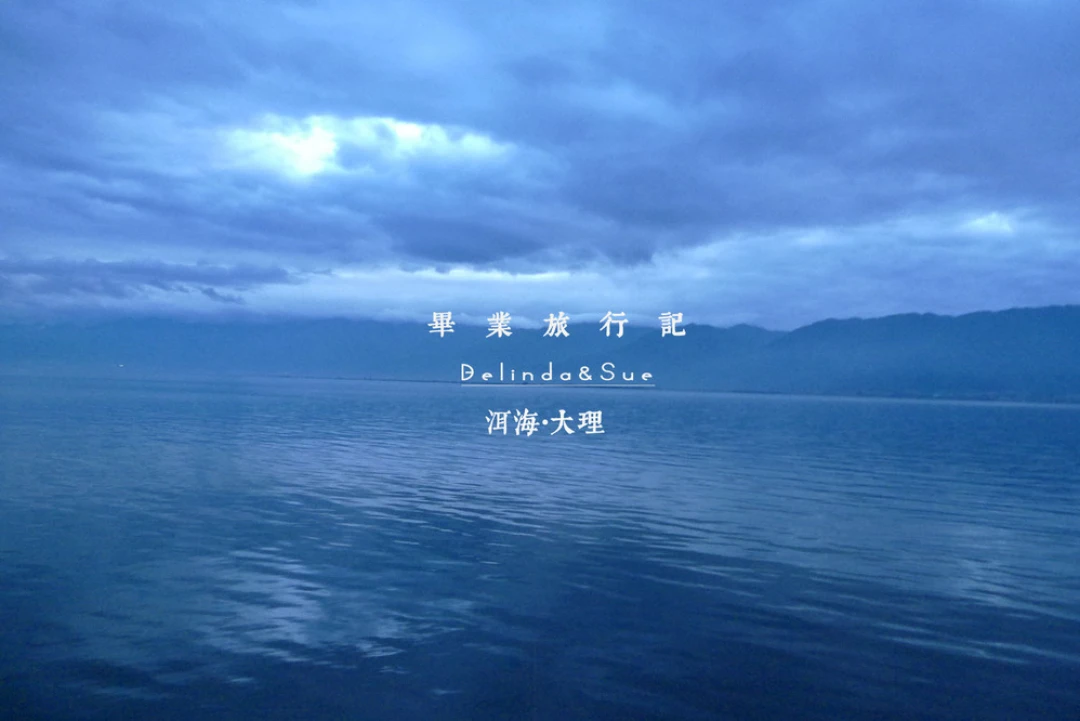
Dali was the stop we anticipated most. More precisely, it was a small fishing village called Dajianpang Village in Shuanglang Town, home to a youth hostel named "Haiti Life" (Sea and Earth Living). We chose it not because of Dali's ancient town fame, but because of a single photograph – a house facing Erhai Lake, with spring blossoms in full bloom.
Chapter One: Love at First Sight, Journey to Mountains and Sea
1.1 Just One Glance in the Crowd

Coincidentally, if I hadn't been idly browsing a Chinese ancient town website one day and accidentally clicked on this guesthouse by Erhai Lake, I might never have known such a place existed. The homepage featured a poem by Hai Zi – "Facing the sea, with spring blossoms" – paired with images of azure skies, pristine white clouds, the vast expanse of Erhai Lake, and Mediterranean-style rooms in blue and white. At that moment, my heart was captured.
You could say this Dali trip was largely driven by "Haiti Life." And when we finally arrived, we found it even more beautiful than the photos – because of the warm friends, the cozy atmosphere, and the slow-paced life that made you lose track of time.
1.2 Bumpy Roads for a Glimpse of Erhai
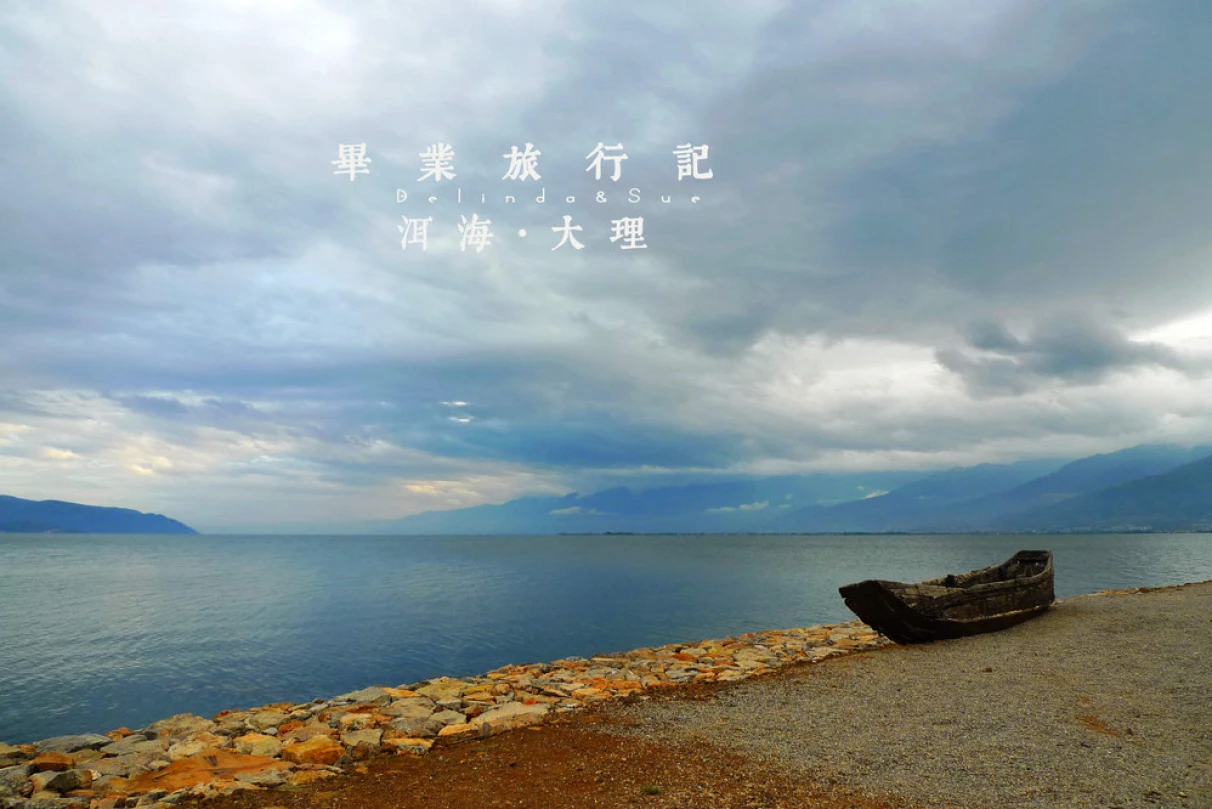
From Beijing to Dali, we endured an 18-hour train ride, a 5-hour bus journey, and another 2 hours on a minibus. By the time we got off near Shuanglang Town, our legs barely felt like our own. But the moment we looked up, the majestic sweep of Erhai Lake rushed toward us, and all our exhaustion vanished instantly.
We stood by the roadside, brimming with excitement. Just then, a kind-hearted man offered us a ride to the guesthouse. Later we found out he was a local police officer. And here's the twist – our first meal in Dali was actually hosted by the police station. A pot of fresh free-range chicken soup (土乌鸡汤), a plate of zucchini, and a dish of stir-fried beans with chili. Having barely eaten all day, I devoured two bowls of rice. That meal was so comforting it almost made me cry.
Unexpected encounters on the road are often the most precious gifts.
Chapter Two: Haiti Life, a Corner Untouched by the World
2.1 A Hidden Paradise
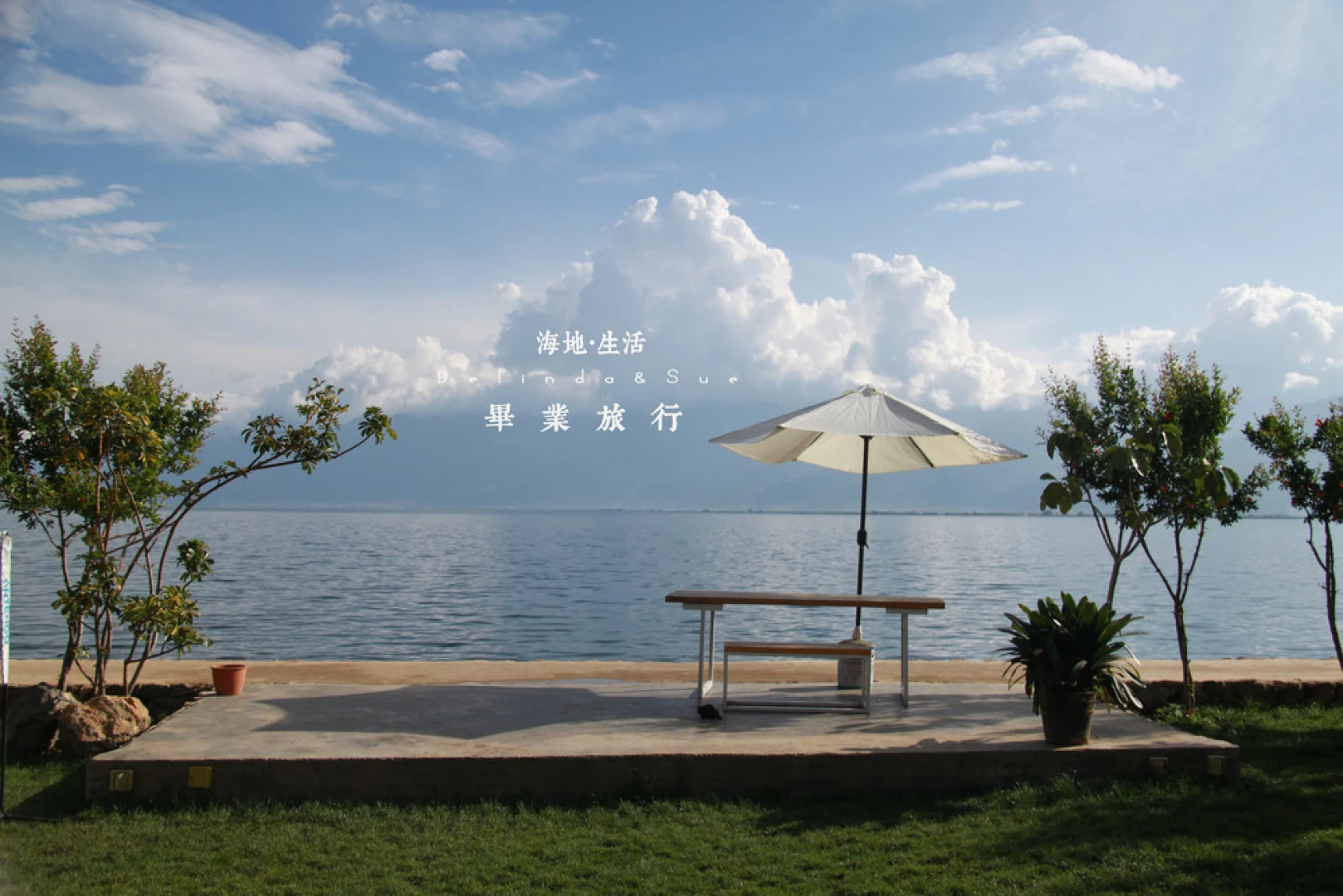
"Haiti Life" was truly hidden. We twisted and turned through countless narrow alleys before finally finding its entrance. But that seclusion made it all the more precious. As soon as we stepped inside, we saw blue-and-white buildings, a courtyard brimming with flowers, and the endless expanse of Erhai Lake. Time seemed to slow down here; even our breathing became gentler.
Our first night was in a lake-view suite costing 280 yuan. The room was small, but opening the window revealed Erhai Lake, with sunlight streaming in and rippling water glittering. We were beside ourselves with excitement, striking poses for photos – two girls in floral dresses, standing by the window, facing the sea, laughing like children.
2.2 Self-Service Living, Everyday Simplicity
Staying at a youth hostel meant doing everything ourselves. My roommate, a hardworking and kind-hearted girl, immediately set about doing laundry. I watched her, feeling that this scene was so real, so beautiful. We weren't here on vacation – we were here to live.
"I really want to live a simple, everyday life," I said to myself.
Everything here felt so free and authentic. No city noise, no work pressure – just sunshine, lake breeze, and a heart that had finally settled.
Chapter Three: Cycling Around Erhai, Meeting Scenery and Strangers
3.1 Setting Out at Dawn, Heading West
Early the next morning, we rented two bicycles and decided to cycle around Erhai Lake. Before leaving, we playfully adapted a line from Hai Zi's poem: "Chop wood, tend cattle, feed the fire, face the sea with spring blossoms." Later, when we saw a donkey grazing by the lakeside, we laughed and said, "The 'feed the fire' part – live scene!"
Erhai Lake was stunning, especially the newly paved lakeside road – smooth and picturesque. We pedaled fast, wind blowing through our hair, sunlight on our faces. That feeling of freedom was unforgettable. Unfortunately, it didn't last long. Soon the road turned into a bumpy dirt-and-gravel path that jarred our backsides. But even so, we didn't stop.
3.2 When Travelers Meet Fellow Travelers
On the road, we met a fellow traveler. He was an experienced backpacker who had been to many places and even hitchhiked to Tibet. The three of us rode together, exploring Erhai Lake and visiting Qinglu (a local art space). He was incredibly patient, putting up with our frequent stops for photos and sunscreen touch-ups, and eventually catching our "photo addiction" himself. Without him, this ride would have lost so much joy.
"There are things you'll never do in your life if you don't do them now," he said. We nodded, wholeheartedly agreeing.
Chapter Four: Market Day, Bamboo Baskets, and Muji Vibes
4.1 From Shuanglang to Wase, Bai People's Market Life
Cycling from Shuanglang to Wase Town, we stumbled upon a local Bai ethnic market. The market was lively – vendors selling vegetables, fruits, and handmade crafts. We wandered around like curious children, wanting to buy everything. I particularly wanted to buy a large bamboo basket to take home, but it was simply too big to carry.
In the end, we bought some fresh fruit and brought it back to share with everyone. That simple joy was something no luxury could replace.
4.2 Muji Yet Boundless
By Erhai Lake, I took a photo – a red and white backdrop with a solitary tree. Red and white are the colors of the Muji logo, which I love, so I called it "Muji Style." But really, Muji means "no brand," and boundlessness means no limits. The vastness of nature makes you see yourself more clearly. Isn't that reason enough to respect everything around us?
Chapter Five: Family Meals at Haiti Life – Strangers Can Be Close
Every evening, Haiti Life hosted a family-style dinner. A group of strangers – fellow travelers – would sit together, eat, chat, and share stories from their journeys. I particularly dislike the saying "Don't talk to strangers." Here, the distance between people could be very small. One meal was enough to make a friend.
We ate with the traveler we'd met, drank with wanderers from all over China, and talked about dreams with the hostel volunteers. That atmosphere made you feel like you weren't traveling alone, but part of a big family.
Conclusion: Back in Beijing, Heart Still by Erhai
Now I'm back in Beijing. Outside the window, the wind howls, and the gray sky is empty of clouds. As I organize this travelogue, I can't help but miss life at Haiti. I miss that brilliantly blue Erhai Lake, that chicken soup meal at the police station, that fellow traveler who cycled with us, those days of feeding the fire, washing clothes, and taking photos by the lake.
Was the Dali trip complete? Yes, it was. But I know my heart stayed there – in that place facing the sea, with spring blossoms.
Practical Tips
- Transportation: From Beijing to Dali, it's best to fly to Kunming first, then take a train or bus to Dali. From Xiaguan (Dali city) to Shuanglang, you can take a minibus or share a ride.
- Accommodation: Haiti Life requires advance booking, especially the lake-view suites. Book at least a month in advance during peak season.
- Cycling: Parts of the lakeside road are paved, but there are still dirt sections. Rent a mountain bike, and bring sunscreen and plenty of water.
- Market: The Wase Town market is held on specific days each week. Ask locals for the schedule to experience authentic local life.
- Mindset: Dali is for slow living. Don't rush your itinerary. Slow down, and you'll find the most beautiful scenery.
This travelogue is original content. Unauthorized reproduction is prohibited.
You should also read:
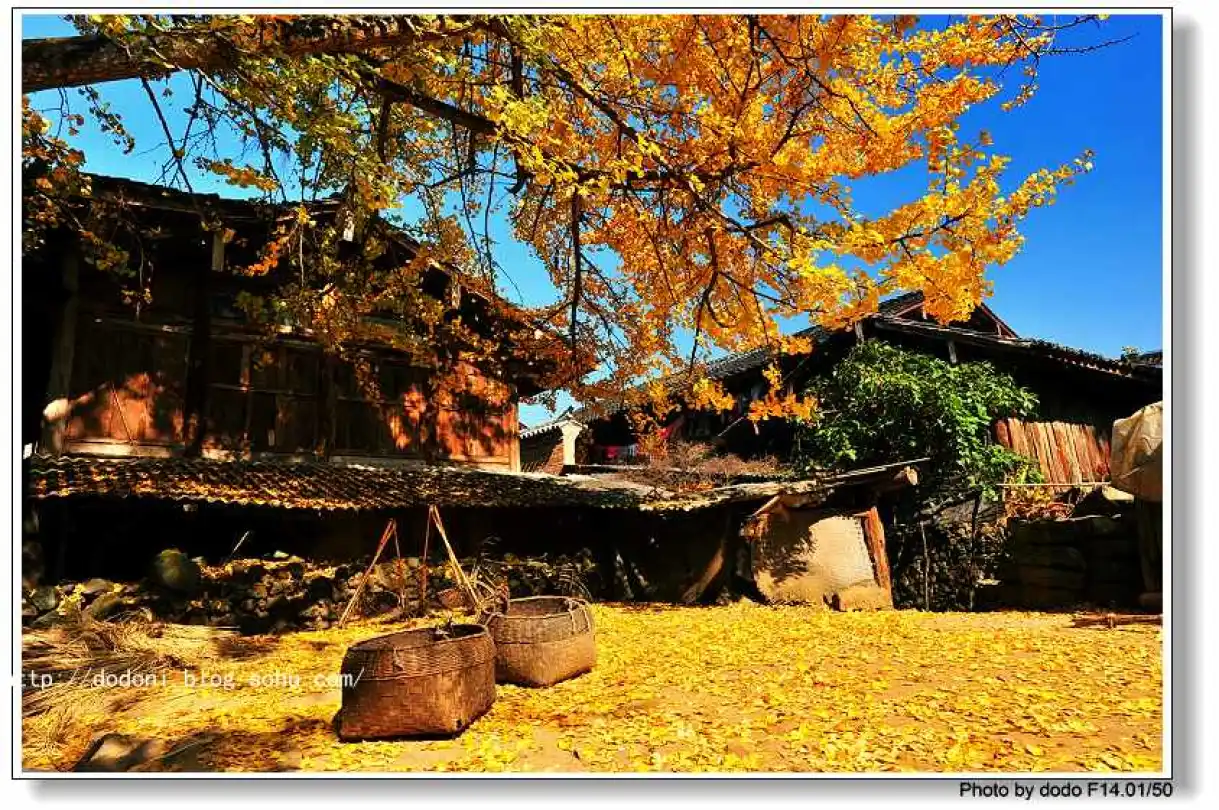
Golden Autumn: A Poetic Tapestry of Light and Shadow in Tengchong's Ginkgo Village
Golden Autumn: A Poetic Tapestry of Light and Shadow in Tengchong's Ginkgo Village A Belated Autumn Rendezvous Everyone harbors a dream about autumn somewhere in their heart. For me, that dream once belonged to Jiuzhaigou—that palette of colors hailed by the world as a "fairy-tale…
Continue reading...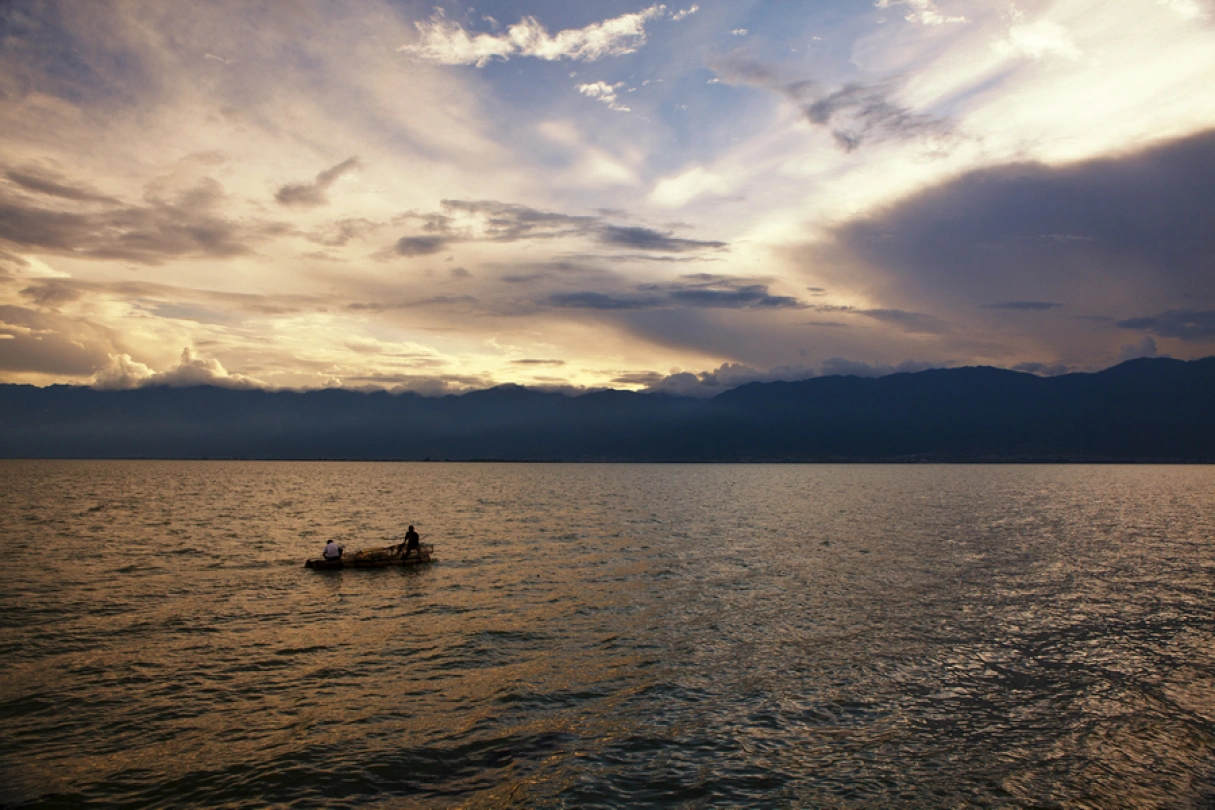
A Journey Through Shuanglang's Guesthouses: Finding Life as It Should Be on the Shores of Erhai Lake
A Journey Through Shuanglang's Guesthouses: Finding Life as It Should Be on the Shores of Erhai Lake Prologue: When Life Hits the Pause Button Have you ever had one of those moments? When the city's towering buildings press down on your chest, when you're swept…
Continue reading...
September: Finding Unexpected Warmth in Yunnan (Kunming, Dali, Shuanglang, Lijiang, Lugu Lake)
September: Finding Unexpected Warmth in Yunnan (Kunming, Dali, Shuanglang, Lijiang, Lugu Lake) Foreword: One Person's Journey, A Crowd's Story Before I set off, like every first-time solo traveler, I printed out a thick stack of travel guides and rehearsed countless possible scenarios in my head—getting…
Continue reading...