"Coffee in the Left Hand, Tea in the Right" | A 9-Day Journey Through Pu'er, Jingmai Mountain, Yunnan
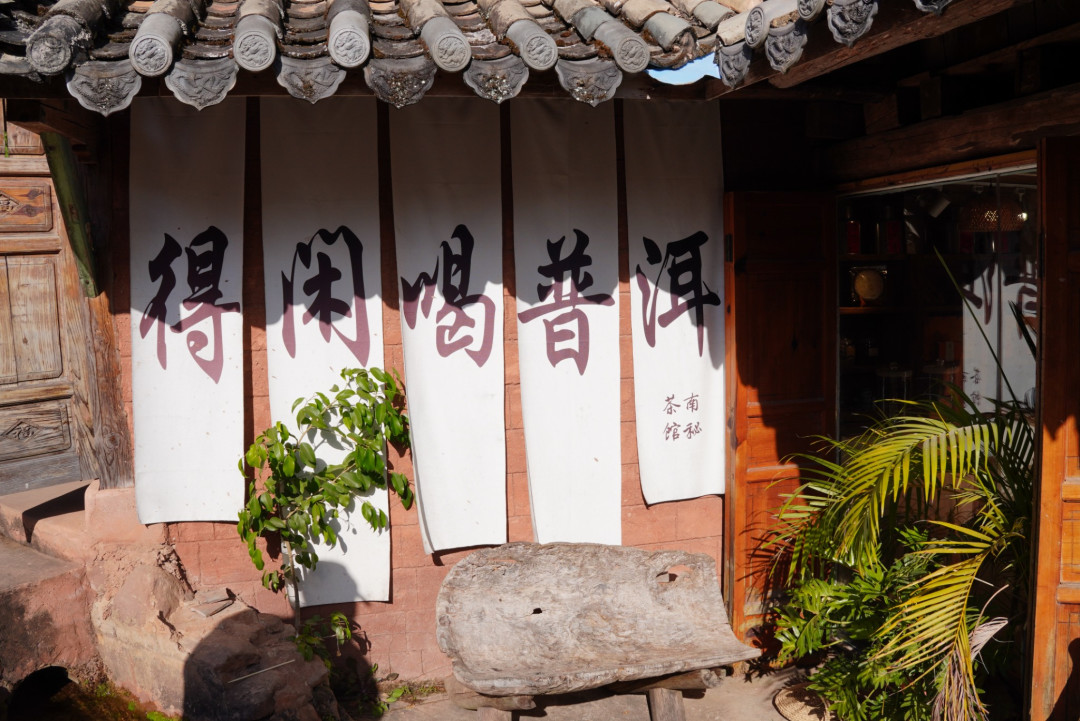
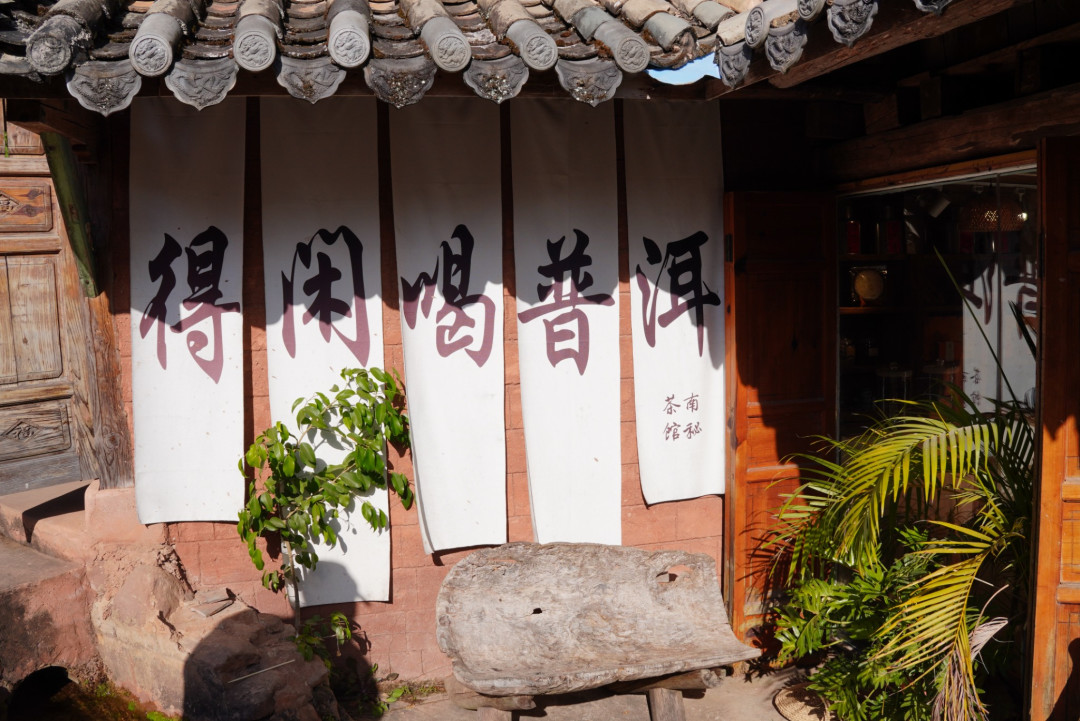
"Coffee in the Left Hand, Tea in the Right" | A 9-Day Journey Through Pu'er, Jingmai Mountain, Yunnan
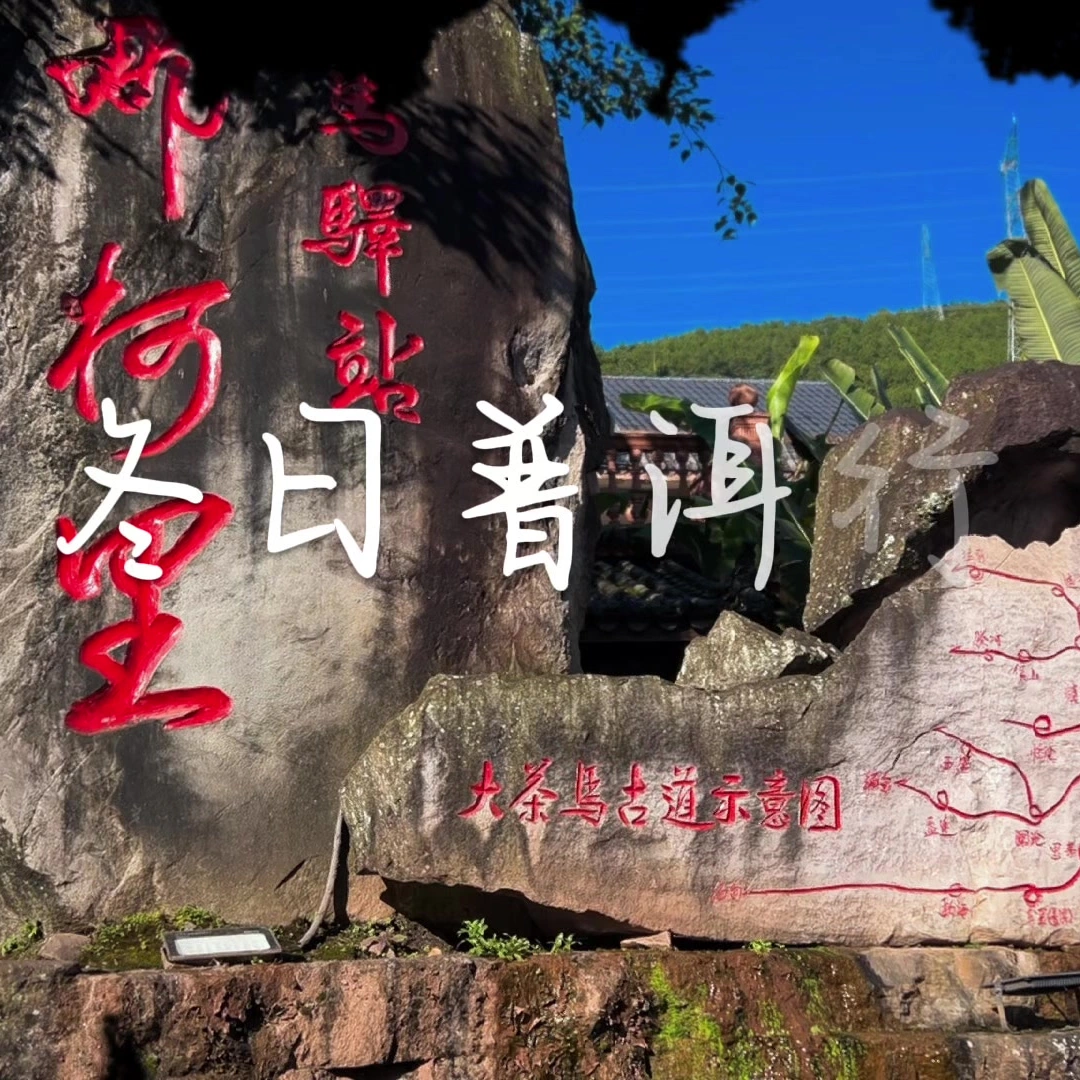
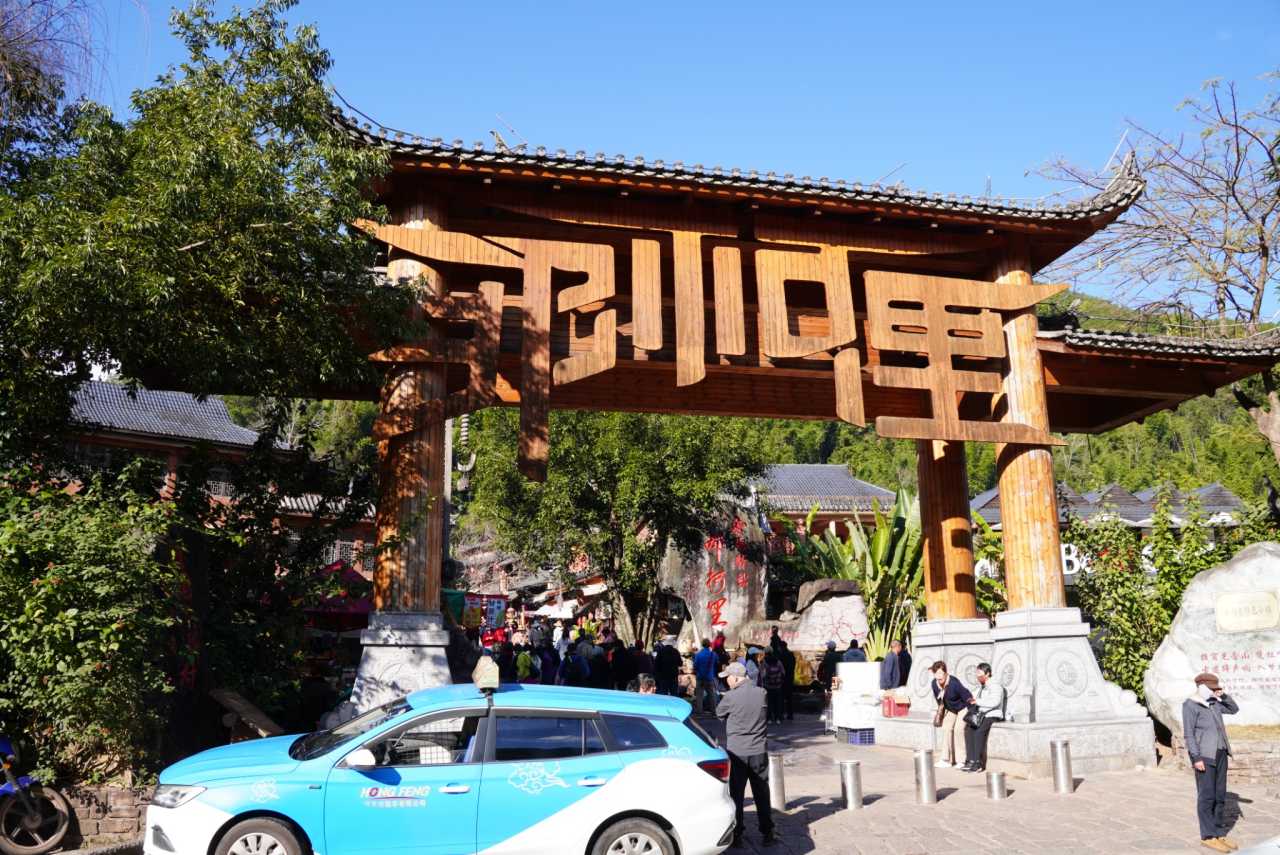
Pu'er Ancient Tea Horse Road Scenic Area
In recent years, more and more friends have been visiting Pu'er's Jingmai Mountain. I first developed a fond impression of this place after watching the film Coffee or Tea? (original Chinese title: 一点就到家), which felt both ancient and relaxing. That sealed the deal for this winter trip. Since I was already heading to southwestern Yunnan, I decided to also include the two small border towns of Menglian and Ximeng in my itinerary. To be honest, I had zero awareness of these two counties until I came across them while planning my trip. For the return journey, I chose Yuxi, a city I had never visited before—the hometown of Yunnan's famous cigarettes—mainly to finally see the legendary Ailao Mountain. So this Yunnan trip became a dialogue between nature and ethnic culture.
Route Overview
- Day 1: Shanghai → Kunming → Pu'er
- Day 2: Pu'er → Nakeli Ancient Town → Tea Horse Road Ruins
- Day 3: Pu'er → Daijia Alley / Simao Old Street → Beigui Coffee Manor → Jdian Coffee Manor
- Day 4: Pu'er → Jingmai Mountain
- Day 5: Jingmai Mountain → Menglian
- Day 6: Menglian → Ximeng → Pu'er
- Day 7: Pu'er → Yuxi
- Day 8: Yuxi → Ailao Mountain → Yuxi
- Day 9: Yuxi → Shanghai
Before You Go
Transportation
The destinations on this route are scattered, mostly small county towns not reachable by train. Since these are ethnic minority homelands, almost everything is up in the mountains with winding roads that can be tiring on foot, and the steep mountain roads aren't ideal for self-driving either. The gravel roads on Jingmai Mountain in particular—cars with low ground clearance will suffer. On Ailao Mountain, thick fog reduces visibility to under 10 meters, and the winding mountain roads really test your driving skills.
Weather
 As for the climate: late December brings cool mornings and evenings requiring a light down jacket. Usually by 10 AM when the sun is high, it starts getting warm, and a T-shirt is enough. Winter is dry—we had sunny weather every day, which was fantastic. UV rays are as strong as ever, so don't skimp on sunscreen.
Food
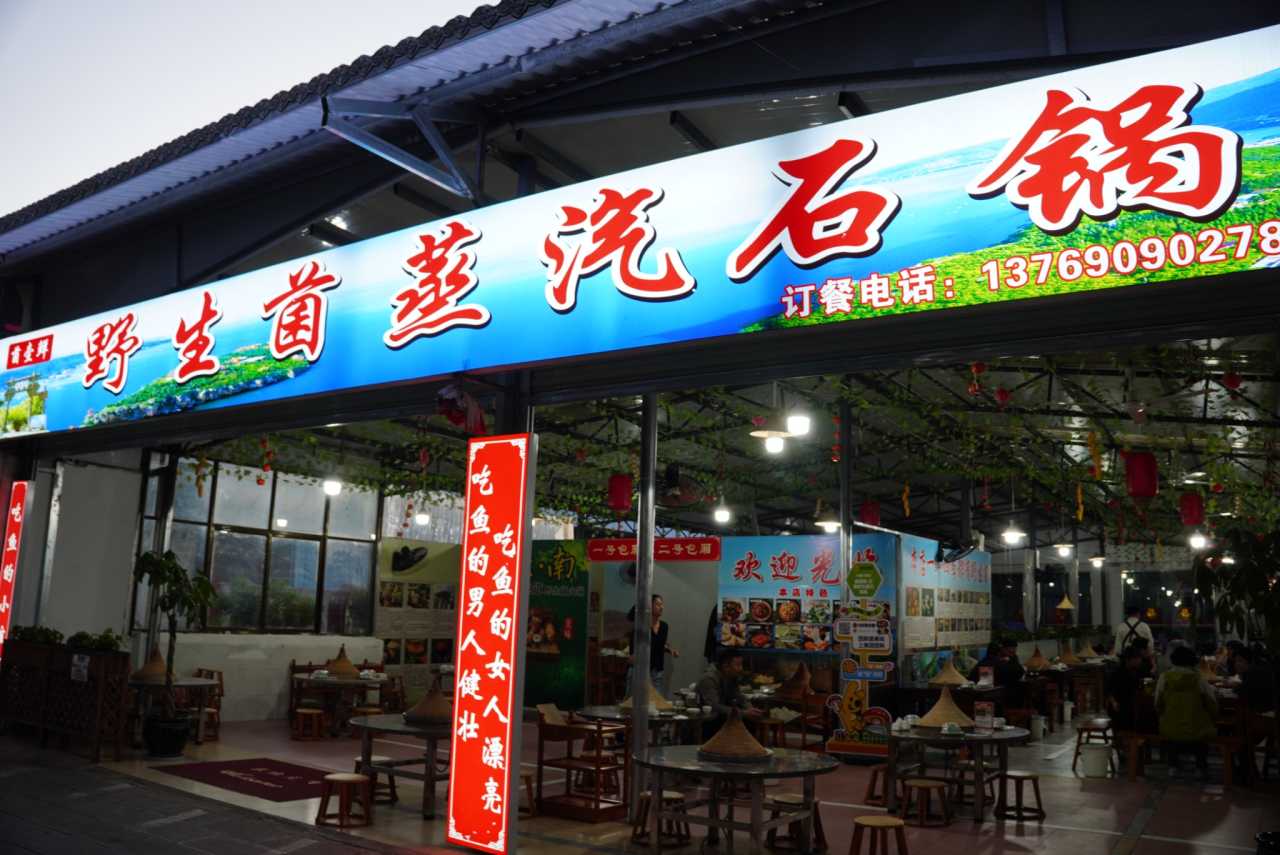
 The cuisine is predominantly Dai (Thai-related ethnic group), with sour and spicy flavors, especially in the mountain areas. However, Pu'er offers more variety since it's a tourist city. For fellow Southern travelers, I highly recommend the wild mushroom stone pot fish (野生菌石锅鱼). Coffee in Pu'er is generally of high quality—even the hotel breakfast coffee is wonderfully aromatic. Except for Jingmai Mountain, prices in other cities are quite reasonable and affordable.
Flights
- Outbound: Shanghai 08:10 → Kunming 11:50 (Juneyao Airlines)
- Return: Kunming 12:55 → Shanghai 15:50 (Juneyao Airlines)
- Cost: 1,750 RMB
Surprisingly, this round trip to Kunming was pricier than last year's Nujiang route (entering through Lijiang, exiting through Shangri-La), but the timing was decent.
Accommodation
1. Holiday Inn Express Pu'er Simao (Daijia Alley Branch) ⭐⭐⭐⭐⭐
Absolutely a five-star recommendation! Although it's a three-star hotel, it feels like four-star quality. Spacious rooms, comfortable bedding, new facilities, and just a 6-minute drive from downtown Daijia Alley. The hotel environment is beautifully arranged, and the breakfast rivals some local five-star hotels with great variety, including local Pu'er snacks. The coffee is incredibly fragrant, and they also offer free fruit peel tea, Pu'er tea, and white tea. The service is meticulous—the housekeeping staff noticed I wore glasses and left lens cleaning wipes on the desk for me. This is hands-down the best Holiday Inn Express I've ever stayed in. On Ctrip, they offer a 2-night package for under 300 RMB per night—an incredible price! We stayed three consecutive nights.
2. Lancang Barang Tea Soul Guesthouse ⭐⭐⭐
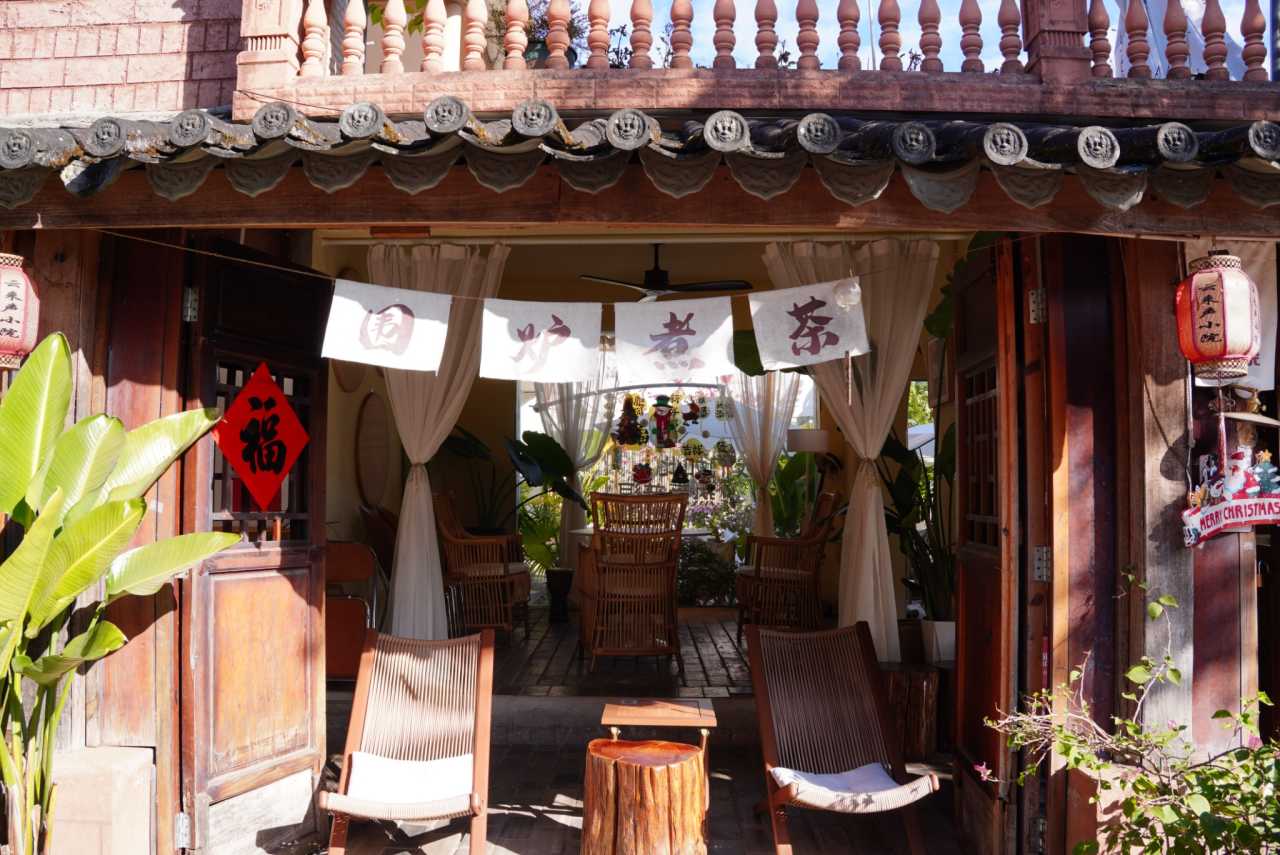
A guesthouse in Wengji Village on Jingmai Mountain. Its strength is location—it's the perfect spot in Wengji to watch the sunset. Of course, many guesthouses in Wengji have balconies for sunset viewing, but this one was developed early and secured a prime position. The rooms naturally can't compare to city hotels, but they're clean and tidy, perfectly fine for one night. I noticed not only Shanghai guests but also foreign visitors during my stay. They also sell tea—their ancient tree white tea has a distinct floral fragrance.
3. Menglian Tailanna Hotel ⭐⭐⭐⭐
The best hotel in Menglian. The location is a bit out of the way, but Menglian's town center is small—just a 5-minute drive. Rooms are spacious, facilities are new, service is good, and breakfast is abundant.
4. Zhe-Ka Hotel (Pu'er High-Speed Rail Station Branch) ⭐⭐⭐
Close to the high-speed rail station with shuttle service. It's under the Jinjiang Hotel Group, so standards are maintained. Rooms are large enough, facilities are new, but service and breakfast clearly don't match the Holiday Inn Express—understandable given the price of just over 200 RMB. As a transit hotel for catching an early morning train, it works fine. There's a cigarette counter in the hotel along with some local coffee brand products—handy if you don't have time to shop for souvenirs. I found this service quite thoughtful.
5. Jianguo Puyin Hotel (Yuxi Wanda Plaza Normal University Branch) ⭐⭐⭐⭐
Close to Wanda Plaza and Hongta Mountain attractions, though not in the city center. It features Chinese-style décor that's quite elegant. A new hotel with spacious rooms, complete facilities including a humidifier, plus a laundry room and dryer. Breakfast is also quite good—probably the second best on this trip. Great value at just over 200 RMB.
Day 1: Arriving in Pu'er
There are many high-speed trains from Kunming to Pu'er. I booked the 13:52 from Kunming Station arriving at 17:09. My flight landed 40 minutes earlier than expected, around 11:00, so I decisively changed to an earlier train at 12:52. But by the time we collected our luggage, it was already 11:45. Fortunately, Kunming Station isn't far from the airport (the South Station is farther). Our driver made it in 35 minutes and dropped us right at the station entrance—we had 10 minutes to spare before departure. To be safe, I'd recommend friends on similar flights stick with the 13:52 train for a more relaxed schedule, even if taking the metro.
This railway is part of the China-Laos Railway, terminating in Vientiane, Laos. It connects famous tourist cities like Vang Vieng and Luang Prabang in Laos with Xishuangbanna, Pu'er, Yuxi, and Kunming in China's Yunnan Province. It not only greatly boosts tourism but also serves as a key link for connectivity between China and ASEAN.
The train announcements on the way to Pu'er include Dai ethnic language, which sounds similar to Thai. The high-speed train arrived at Pu'er Station right on time at 17:00. In Yunnan's winter, the sun sets late. Stepping off the train, we were immediately enveloped by warm air, and looking up, we saw azure skies dotted with clouds—that familiar feeling was back.
That evening, we found a wild mushroom hotpot restaurant near our hotel. We ordered catfish (said to be from Yuxi)—the broth was thick, sweet, and delicious. The rule here is unlimited vegetables. The four of us ate for just 200 RMB—so satisfying!
Day 2: Retracing the Tea Horse Road
Nakeli, originally called "Maku Li" (Horse-Crying Village), was once a post station on the ancient Tea Horse Road. Traveling merchants had to rest at the "Rongfa Horse Inn" here. Caravans entering or leaving the inn had to cross a small river in front of it. After their long journeys, the horses would shed tears at the sight of the cool river water, hence the name "Horse-Crying Village." Later, the caravan leaders petitioned the imperial court to build a 20-meter-long covered bridge with five sections, and from then on, "Horse-Crying Village" was renamed "Nakeli."
We took a Didi (ride-hailing service) from Pu'er, arriving in 30 minutes. Today's Nakeli is a semi-commercialized ancient town with various coffee shops, tea houses, local specialty stalls, and artsy boutiques. But the Tea Horse Road culture is everywhere—the old artifacts and ancient buildings are well-preserved. The place isn't large; about two hours is enough to walk through it all.
For lunch, we found a caravan-style restaurant near the covered bridge and ordered some local wild vegetables we'd never tried before. The freshness of the ingredients made the meal. Especially recommended by the staff was "Jingang Vine" (金刚藤)—those white, slice-like pieces in the first soup photo. It has medicinal value but is rarely eaten because the spiny surface makes it difficult to process. Also, that unassuming fried mushroom dish was surprisingly fragrant.
Before leaving, I bought a sour papaya Americano at Beigui Coffee for 35 RMB—not cheap and just okay in taste. However, they have a beautiful backyard perfect for photos.
In the afternoon, we took a taxi back to Pu'er and visited the "Tea Horse Road Heritage Park." Pu'er is the starting point of the Tea Horse Road, and this park was built on the original site—a 4A scenic area. The 120 RMB ticket includes the electric cart and cable car. The official recommended route: take the electric cart to Dingbo Lake, watch the "Caravan Love Song" performance, ride the cable car to the highest point, visit the Caravan Museum, then walk down along the "Tea Horse Road," with two more electric cart rides along the way. There are quite a few steps—tiring on the legs. We took our time, stopping for photos, and spent about three hours learning many stories about how ancient caravans transported tea to foreign lands. Quite educational.
The park exit connects to the Tea Horse Ancient City, which isn't ancient at all—it's a commercial center built just a few years ago. It's filled with tea houses, coffee shops, and small stores, with a square hosting bonfire parties at night. It was quiet during the day, but supposedly lively after dark when the lights come on. We didn't stay that long, having dinner at the food court outside instead. With time still to spare, we decided to visit the Wuyi Agricultural Night Market for a digestive stroll.
The Wuyi Night Market is basically a roadside street lined with stalls selling vegetables and fruits. December is avocado harvest season. Pu'er is near Menglian, known as the "Home of Avocados," so prices are low. Zhaotong ugly apples were being sold by the truckload at reasonable prices—note that local units are in jin (Chinese pounds, 1 jin = 0.5 kg). The market also had custard apples, blueberries, strawberries, and some unidentifiable fruits, though prices weren't particularly cheap. I'd say they're not as affordable as fruits in Mengzi, probably because many of these fruits come from various parts of Yunnan and transportation to Pu'er drives up costs.
Day 3: Coffee Manor Day Trip
Pu'er is China's earliest coffee-growing base, but it's only become widely known in the last couple of years. This is mainly because during the pandemic, imported coffee couldn't enter the country, forcing buyers to source domestically. That's how places like Pu'er, Baoshan, and Lancang came into the spotlight. In fact, many domestic and international coffee brands already have plantations in these areas, and now these regions are developing their own specialty coffee brands. To promote Yunnan coffee and meet the growing demand for cultural tourism, coffee manors have been popping up in recent years.
Since we didn't have a car, we hired a Didi driver for the day—about 400 RMB for 8 hours and 100 kilometers. Due to the distance limit, we chose two coffee manors not far from the city: Jdian and Beigui.
In the morning, we asked our driver to take us to Daijia Alley for a quick look. Daijia Alley and Simao Old Street are two small roads facing each other. Daijia Alley is more stylish, with many small coffee shops, milk tea stores, and general stores. The buildings have some age, with graffiti on the walls and colorful paint—perfect for photo ops. The whole alley is very short; you can walk it in about 20 minutes. Across the street, Simao Old Street is much more traditional, mostly selling tea, with a few coffee shops and restaurants—also short and not many.
After eating rice noodles near Simao Old Street, we headed to our first coffee manor—Beigui Coffee. Our driver said this was one of the earliest manors developed in Pu'er and is relatively large. Beigui has done well commercially in Pu'er, with coffee shops in almost every popular tourist spot, including Kunming Airport (thank goodness—finally an alternative to Starbucks!).
The drive from Pu'er to Beigui Coffee Manor takes 30-40 minutes, with mountain roads toward the end. The scenery is expansive. There's a high platform where you can enjoy coffee while overlooking the surrounding mountains and coffee plantations. They also have a hotel with a few rooms that look nice. There's a large, two-story coffee house—the ground floor displays coffee beans from Yunnan and famous global origins, along with coffee merchandise for sale; the upper floor is a coffee classroom.
If you're not hiring a car, you could take the coffee manor shuttle bus, but you'd need to plan your timing carefully since the manors are far apart. The advantage is that solo travelers can join.
Beigui's coffee house is thoughtfully designed, clearly showing their commitment to promoting Yunnan coffee culture. It features not only their own manor's introduction but also profiles of other local coffee manor owners, many of whom are ethnic minority women. My favorite was the quote on their wall: "United in purpose, harmonious in coexistence" (和衷共济,和合与共)—the road to introducing Yunnan coffee to more people around the world is long and challenging.
The coffee house also sells coffee-related merchandise that makes great gifts. I bought a set of drip bags for my office colleagues—the roast date was very fresh, and everyone gave positive feedback about the aroma.
There was this thoughtful installation I really liked that helps you identify different coffee flavors—you could actually smell distinct floral and fruit notes.
If you buy their small-can coffee, you can add 10 RMB to experience pour-over brewing. You can either brew it yourself or have them do it. I bought a can of "Clouds Adorned with Flowers" (云上簪花) recommended by the staff, but afraid my technique would waste the beans, I asked them to brew it for me. It turned out quite good.
We spent about two hours there before heading to our next manor—Jdian Coffee, where we had a 3 PM coffee lecture booked. Jdian's manor isn't far from Beigui—about a 20-minute drive. Along the way, we noticed a strong, hard-to-describe smell—sour and slightly pungent. We later learned it was the smell of coffee beans undergoing fermentation.
Compared to Beigui's stylishness, Jdian is much more rustic, more like a coffee plantation and workshop. Their coffee lecture is free and very detailed, covering the past and present of Yunnan coffee comprehensively—perfect for those wanting to deepen their coffee knowledge. They hold two lectures daily; I booked the 3 PM afternoon session. Surprisingly, even in the off-season, there were over 30 people. The lecture includes a tour of the coffee nursery, coffee trees, coffee bean knowledge and processing methods, and finally a cupping session (separate registration required). The whole experience takes about two hours and is quite substantial.
The classroom is a bit rustic, haha.
Next to the classroom is the coffee processing area where sun-dried, washed, and honey-processed beans are all on display. Those terms I'd only ever seen on packaging finally came to life before my eyes, and I finally understood why they produce such different flavor profiles.
In the coffee nursery, we saw many coffee variety seedlings. According to the staff, it typically takes 25 years from introducing a new variety to large-scale cultivation. Yunnan farmers were initially reluctant to grow coffee, but when they learned that coffee beans are harvested in December—perfectly filling the gap in the tea harvest season—they started planting. Thanks to rising Yunnan coffee bean prices in recent years, more and more coffee farmers have joined in. Meanwhile, Jdian is helping farmers manage their coffee cultivation scientifically and systematically to improve quality and yield. Hearing all this, I had to give them a thumbs up! A big salute to all the hardworking people tirelessly promoting Yunnan coffee!
Coffee beans look like this—small, with red ones being ripe. I picked one to taste; it was surprisingly sweet, with very thin skin, almost no pulp, just the bean inside.
After the lecture, there was a Q&A session. Answering all questions correctly wins you a pack of drip bags—unfortunately, I got one wrong!
Behind the classroom is a coffee plantation where you can get up close to the coffee trees. There's also a "rustic" open-air coffee shop where you can order their coffee, which is quite good quality. Overall, if you don't mind the rustic style, I highly recommend it—it shows you what a coffee plantation really looks like!
Day 4: Jingmai Mountain's Winter Cherry Blossoms Are Stunning
Jingmai Mountain was one of the highlights of this trip. Since transportation is inconvenient, I hired a driver for three days and two nights, which also covered the subsequent Menglian and Ximeng stops. As we left Pu'er heading southwest, we passed through areas where wild elephants roam—no honking allowed. The closer we got to Jingmai Mountain, the warmer it became, and tropical vegetation started appearing.
The drive from Pu'er to Jingmai Mountain took about three hours. We arrived at our first stop—the sunrise and sea of clouds viewing platform—around noon. There's a Beigui Coffee shop there, so I bought a latte and had a makeshift lunch with the bread and fruit I'd brought. Although the sea of clouds had already dissipated, the view was expansive, the breeze was warm, and sitting on the platform was incredibly pleasant.
After that, we continued uphill. Winter cherry blossoms were blooming everywhere—the entire hillside was covered in pink, absolutely romantic! Our first village was Nuogan Ancient Village, a Dai settlement and the most commercially developed area on Jingmai Mountain. Tea houses, snack shops, and handicraft stalls lined the streets—staying here would be most convenient for tourists. There were also several shops renting Dai ethnic costumes.
Nuogan Ancient Temple sits in the village's central square on higher ground—a great spot for a panoramic view of the village. The village isn't large; two hours is enough to explore it.
Leaving Nuogan, we headed to our accommodation for the night—Wengji Ancient Village. They say Wengji is a thousand-year-old village that has preserved Blang ethnic culture relatively well. The village is built against the mountain, surrounded by rice paddies, tea forests, and woodlands. All the houses are traditional stilted buildings, quite different from Nuogan. There are many guesthouses here, almost all with balconies facing the sunset. Almost every household in Wengji is in the tea business, so they'll warmly invite you to taste their tea—no obligation to buy. Although the village is smaller than Nuogan, I found its level of commercialization just right.
Nuogan's most famous attractions are Wengji Ancient Temple and the Millennium Cypress Tree. The temples on Jingmai Mountain are all Theravada Buddhist, and Wengji Ancient Temple is no exception. Built into the hillside, the temple is small, delicate, simple yet dignified, surrounded by lush trees that complement it perfectly. Behind the temple stands a thousand-year-old cypress tree with a canopy that blocks out the sky—overflowing with ancient character. There's a platform at the temple that's perfect for watching the sunset. The entire ancient temple glows magnificently in the setting sun, creating such an atmospheric scene that it's become a popular photo spot.
Wengji Ancient Village has several famous coffee shops—Wild Duck Pond Valley, Wengji No. 31, and Beigui Coffee—all housed in local residential buildings, giving them a unique character. Only in Pu'er can you enjoy authentic pour-over and specialty coffee in such a mountain wilderness.
We happened upon a wedding celebration in the village. The Blang girls from our guesthouse were all dressed up beautifully—they said the whole village would attend, and the feast would last three days! They'd booked out an entire local guesthouse called "Under the Banyan Tree"—the restaurant there must be authentic!
After a full day, I made a cup of tea and sat quietly on the guesthouse viewing platform, watching the sun slowly sink behind the mountains, painting half the sky crimson.
Day 5: Farewell to Jingmai Mountain, First Glimpse of Menglian
In December, sunrise on Jingmai Mountain is around 7:50 AM. We left our Wengji guesthouse at 7:20, driving 10 minutes to the Manghong sunrise viewpoint. It's really just a small dirt slope—you climb up from a steep path next to the Octagonal Pagoda. Of course, if you're staying in Manghong, you can watch the sunrise from your guesthouse balcony. That morning, the clouds were thick, and the sun was slow to appear, causing some people to give up and leave. But just before 8 AM, the sun finally squeezed through a gap, thrilling us to no end.
The sea of clouds at sunrise was breathtaking—like a fairyland. It turns out the ancient poets weren't exaggerating; the scenes in landscape paintings really do exist. The rolling clouds, pure white and light as silk, silently drifted over the mountains, stretching endlessly.
After watching the sunrise, we visited the Octagonal Pagoda. It's the only remaining structure of an ancient temple complex, built during the Qing Dynasty as a Blang Buddhist pagoda of Theravada tradition. Apparently, the Blang people gather here for important festivals.
Across the road from the Octagonal Pagoda, the view of the sea of clouds was equally beautiful.
We got back in the car and headed toward Dapingzhang Ancient Tea Forest, stopping along the way at Princess Banyan Tree and Queen Bee Tree, both right by the roadside.
Princess Banyan Tree—no idea why it's called that, but it's unusual, like a curtain.
Nearby stood the Queen Bee Tree, covered in countless wild beehives. Speaking of which, I saw wild honey for sale in Wengji Village—200 RMB per kilogram, not cheap.
We finally arrived at Dapingzhang Ancient Tea Forest. How could you visit Jingmai Mountain without seeing the ancient tea forests? Jingmai is one of Yunnan's seven major ancient Pu'er tea forests, with a thousand-year history. There are actually two ancient tea forests on Jingmai Mountain; the other is Ailengshan Ancient Tea Forest near the Mangjing Tea Soul Platform, but it requires climbing, so we chose Dapingzhang with its flat paths. Our route was east entrance to west exit—no backtracking. The entire trail is about 5 kilometers and takes about two hours. There's also an electric cart for 15 RMB per person.
The Tea King Tree is estimated to be a thousand years old, with thick branches and lush foliage—very different from ordinary tea trees nearby. Truly remarkable.
Though called an ancient tea forest, there are many towering ancient trees besides tea plants. According to the introduction, this is the unique Blang method of tea cultivation—interplanting with forest trees. From afar, it looks like a forest; up close, it's a tea forest. In this forest, countless tree species serve as shelter for the tea plants, allowing them to resist pests and diseases naturally without any modern pesticides. This cultivation method, developed over a thousand years ago, demonstrates the wisdom of ancient people—working with nature rather than against it.
At the west exit stands Jingmai Grand Temple. Compared to the three previous ancient temples, this one is resplendent. It's an important venue for local villagers' festivals and daily rituals. From the Golden Pagoda, the view of Jingmai Mountain is quite pleasant.
Leaving Jingmai Mountain, we drove toward Menglian—China's avocado capital and a border town along National Highway 219. The road from Pu'er to Menglian is really terrible—mostly unpaved dirt roads. Thank goodness our hired driver was experienced. He said if we weren't in a hurry, we could take a detour through Lancang to Menglian, adding an hour but with much better roads.
Menglian is actually quite small, with most famous attractions clustered together for easy visiting. Our first stop was the Menglian Xuanfu Si (Menglian Pacification Office). Built during the Qing Dynasty, this was the local chieftain's residence, called "Hehan" in Dai language, meaning "Golden Palace." A quick tour gave us some insight into local ethnic minority history.
In Menglian's city center, the Nayun Bridge is a Southeast Asian-style structure that looks beautiful when lit up at night.
Menglian has three temples: Upper Temple, Middle Temple, and Lower Temple (Main Temple). We visited the Main Temple—an impressive building.
Menglian Golden Pagoda requires a 5 RMB cleaning fee—just a casual visit, nothing special.
Menglian maintains an average temperature of around 23°C year-round, truly a spring city. It's not only rich in avocados but also a source of specialty coffee beans. Many award-winning Chinese specialty coffees come from Menglian. Near the Main Temple, there's a specialty coffee street featuring many famous local coffee brands—don't miss it. I tried an avocado latte at Xingang Coffee—the avocado was sweet and creamy, the coffee rich and smooth—a fantastic combination. I wonder why it hasn't been promoted nationwide.
In the evening, we found a popular restaurant along the canal next to the Main Temple—that should be the food street. We ordered cold avocado salad and oil-drenched beef aorta—quite heavy flavors, predominantly sour and spicy, given Menglian's Dai culinary style. The avocado was as delicious as ever.
The Main Temple was brilliantly lit at night, offering a different kind of charm.
Day 6: Ximeng—The Mysterious Wa Culture
The drive from Menglian to Ximeng takes about two hours, both areas sharing a typical subtropical monsoon climate. Ximeng is home to the Wa people, with their distinctive terraced architecture harmonizing with the lush green mountains. Ximeng is also one of Yunnan's specialty coffee origins.
Mengsuo Longtan (Mengsuo Dragon Pool) is probably Ximeng's most famous scenic area, home to the renowned Longmoye Sacred Site. The origin of the Wa people is commonly traced back to the Sigangli myth. According to the Ximeng Wa interpretation, "Sigang" means "stone cave" and "li" means "to come out"—meaning "humans came out of a stone cave." Cattle hold an important place in Wa culture, with the tradition of "spearing cattle as a sacrifice to heaven." Ox heads symbolize wealth and good fortune, commonly used as architectural decorations. The wooden drum is a Wa musical instrument, believed to be a conduit to the divine, used for rituals and gathering the tribe. The Wa people have no universal written language, using objects, wood carvings, and notches to record events, count, or convey messages.
Mengsuo Longtan is a natural tropical rainforest freshwater lake, considered a sacred lake by the Wa people. Surrounded by lush green mountains and tranquil scenery, walking the full loop around the lake takes at least two hours. Most visitors only walk the 1,000-plus meters to the Longmoye Sacred Site.
"Longmoye" means "sacred place" in the Wa language. To enter the sacred site, you must climb 100 steps and traverse a rugged forest path. Before entering Longmoye, following local custom, you must wash your hands.
As we approached the valley, the number of ox heads along the path gradually increased, and the mysterious atmosphere grew denser. When we finally reached Longmoye Valley, the first sight left us exclaiming in awe...
You should also read:

God’s Abandoned Palette: A Self-Drive Journey Through Yunnan’s Dongchuan Red Land
God’s Abandoned Palette: A Self-Drive Journey Through Yunnan’s Dongchuan Red Land Travel has never been about reaching some distant geographic coordinate. It’s about encountering, along the way, the version of yourself buried beneath the rubble of daily routine. During this May Day holiday, I finally…
Continue reading...
Body in Hell, Heart in Heaven: A Pilgrimage Through Tiger Leaping Gorge — A Dialogue Between Heaven and Earth
Body in Hell, Heart in Heaven: A Pilgrimage Through Tiger Leaping Gorge — A Dialogue Between Heaven and Earth Introduction: When the Gorge Splits Open Beneath Your Feet Some say Tiger Leaping Gorge is the closest place on Earth to the border between "hell" and…
Continue reading...
Cloud Travelogue · Dali of Wind, Flowers, Snow, and Moon: A Three-Day, Two-Night Journey of a Free Spirit
Cloud Travelogue · Dali of Wind, Flowers, Snow, and Moon: A Three-Day, Two-Night Journey of a Free Spirit I am a cultured female foodie with a touch of rogue charm. I slung on my backpack, took my lover's hand, and set off on a spontaneous…
Continue reading...