Complete Guide to Family Travel in Japan: From Osaka to Tokyo, 12 Days Across Five Cities
Complete Guide to Family Travel in Japan: From Osaka to Tokyo, 12 Days Across Five Cities
Traveling abroad with children often comes with worries: itineraries that are too packed, kids getting too tired, and parents feeling overwhelmed. But Japan is a destination where both parents and children can find joy. From Universal Studios in Osaka to the deer in Nara, from the steam locomotives in Kyoto to Disneyland in Tokyo, and from the hot springs in Hakone to Mount Fuji—this route encompasses nearly all of Japan’s classic family-friendly experiences.
I spent a full five months planning this 12-day family trip to Japan, leading six families and 15 people from Osaka all the way to Tokyo, with stops in Kyoto, Nara, and Hakone. The entire journey focused on experiences and family fun—no rushing, no hassle. The kids had a blast, and the adults enjoyed themselves too. If you’re planning a family trip to Japan, this guide will definitely help you.
Why Japan Is the Top Choice for Family Travel
No long flights, no jet lag, a stable society, and public facilities that are extremely child-friendly—these factors make Japan an excellent choice for international family trips.
In Tokyo, Disneyland is every child’s dream; in Osaka, Universal Studios and the Ferris wheel bring excitement; Kyoto has steam locomotives that kids love; Nara has adorable deer; and Hakone offers hot springs and views of Mount Fuji. Meanwhile, moms can enjoy shopping in Shinjuku, Ginza, and Shinsaibashi.
Itinerary Overview: 12 Days Across Five Cities
August 13: Shanghai → Osaka (ANA Airlines, 18:50-21:30), check into Osaka Dai-ichi Hotel
August 14: Osaka Castle Park, Tenshukaku → Dotonbori food → Shinsaibashi drugstores → Umeda Ferris Wheel
August 15: Full day at Universal Studios Japan
August 16: Travel to Kyoto, check into Cuichuan Minshuku (traditional guesthouse) → Kyoto Railway Museum
August 17: Nara Park to feed deer → Kinkaku-ji (Golden Pavilion) → Kyoto Isetan
August 18: Shinkansen to Hakone → Yoshiike Hot Spring Hotel → Owakudani volcanic valley → Lake Ashi pirate ship → hot spring bathing
August 19: The Little Prince Museum, Hakone Glass no Mori Museum → Hakone Museum of Art → Travel to Tokyo Nishikasai Hotel
August 20: Tokyo DisneySea
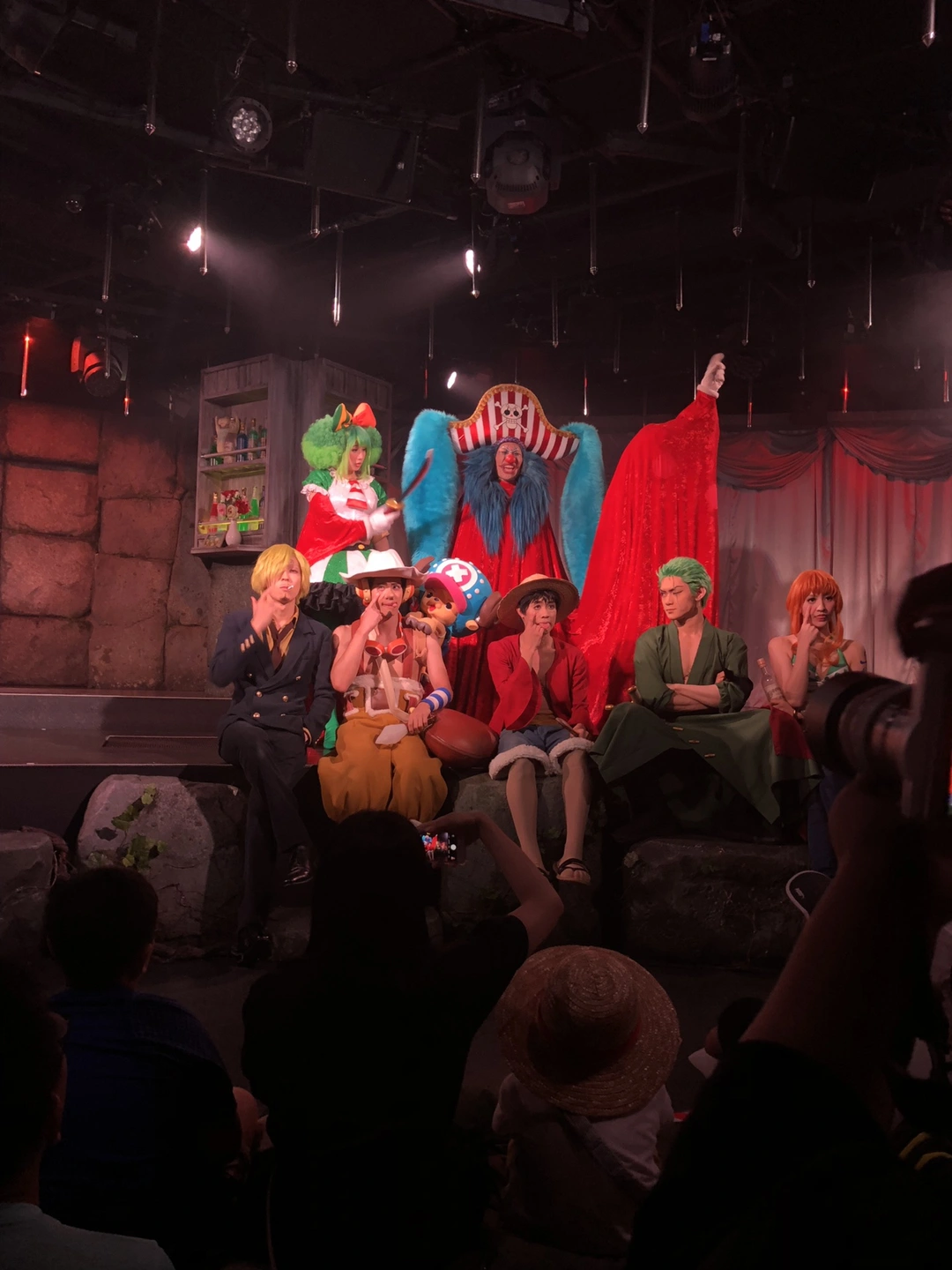
August 21: Split into two groups—girls go to Tokyo Disneyland, boys go to Ueno Park, National Museum of Nature and Science, Tokyo Tower, and One Piece Tower
August 22: Senso-ji Temple → Future水上巴士 (Future水上巴士, a uniquely designed water bus) → Odaiba Miraikan (National Museum of Emerging Science and Innovation) → Odaiba Outlet Mall
August 23: Ghibli Museum, Mitaka → Fujiko F. Fujio Museum (for boys) / Sanrio Puroland (for girls) → Shinjuku
August 24: Akihabara → Shinjuku → Haneda Airport → Shanghai (22:30-00:30)
Pre-Trip Preparation: Visas, Flights, Accommodation, and Tickets

Visas: Simplified Packages for Convenience
A personal tourist visa for Japan must be obtained through designated agencies. We chose a simplified package on Mafengwo, costing 399 RMB per person, with a 100 RMB discount for the second person. After using coupons, it came to about 280 RMB per person. Required documents include passport, photos, household registration booklet, an application form, and bank statements. Processing takes about 10 working days, and the visa is valid for three months. We recommend starting the application in mid-May.
Flights: ANA’s Five-Star Experience
After comparing options, we chose ANA Airlines—five-star service, exquisite meals, and pre-ordered children’s meals for the kids. Departing from Shanghai, flying into Osaka and out of Tokyo, the total for two adults and one child was 10,077 RMB. Both flights were overnight and on time, making the journey very hassle-free.
Accommodation: From Hotels to Guesthouses, Each with Character
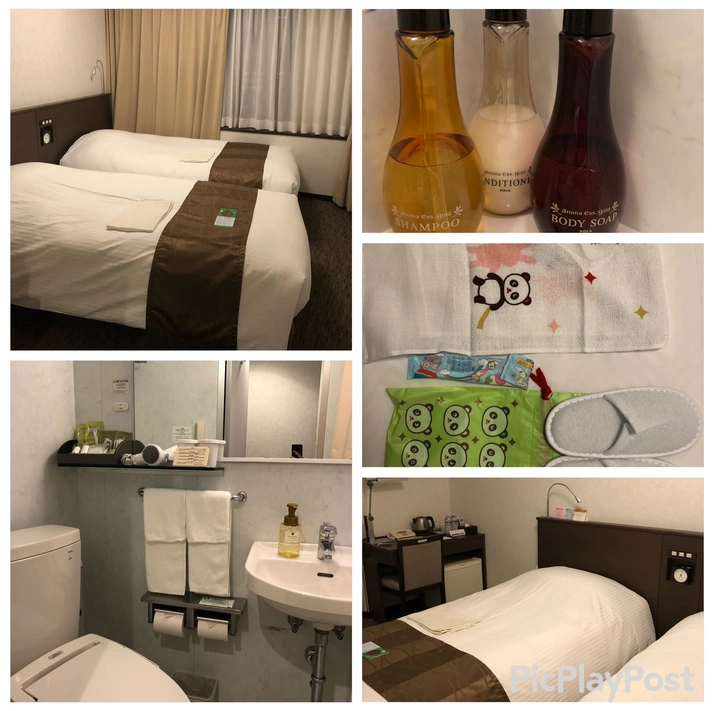
Osaka Dai-ichi Hotel: Near JR Osaka Station, with a FamilyMart convenience store downstairs. Rooms are small but well-equipped, with POLA toiletries and thoughtful children’s bath products.
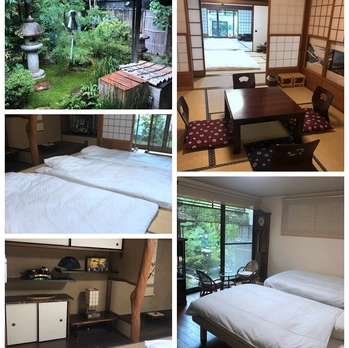
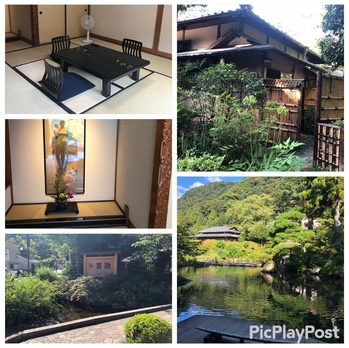
Cuichuan Minshuku in Kyoto: A traditional Japanese guesthouse booked on Airbnb, accommodating up to 16 people. It’s a 7-8 minute walk from Imadegawa Station. Clean tatami mats, a Japanese garden, and a century-old koi fish named “Momoko-chan.” The host, a friendly young man, met us at the subway station and recommended nearby restaurants and routes.
Yoshiike Hot Spring Hotel in Hakone: A long-established hot spring hotel with a huge garden. Both indoor and outdoor hot springs are available, with an excellent open-air bath experience.
Best Western Tokyo Nishikasai: Close to the subway station, across from a Matsumoto Kiyoshi drugstore, and offers a free shuttle to Disneyland (reservation required).
Hotel Rose Garden Shinjuku: Just 100 meters from Shinjuku West Station, with a FamilyMart nearby and a 15-minute walk to Shinjuku Station. The airport bus stop is at Washington Hotel, about a 10-15 minute walk away.
Note: Japanese hotel rooms are generally small. Double beds may be only 0.96-1.1 meters wide. Child policies vary: some hotels don’t allow children, some offer free extra beds for children under 3, and others allow children under 6 to stay for free without an extra bed. Always check the policy when booking.
Tickets: Book Early to Avoid Disappointment
Universal Studios Japan: Buying tickets and Express Passes on the official website is most cost-effective. Express Passes come in versions like Express 3, 5, and 7, where the number indicates how many attractions you can skip the regular line for. We bought Express 7 (XR Ride version).
Ghibli Museum, Mitaka: Tickets for the next month go on sale on the 10th of each month and sell out quickly. We recommend using a reliable ticket-buying service. There are four entry times daily (10:00, 12:00, 14:00, 16:00), and you must enter within 30 minutes of your designated time.
Fujiko F. Fujio Museum: Tickets also need to be purchased in advance but are less competitive. Ticket services charge about 10 RMB extra. Remember to exchange your Lawson convenience store receipt for the physical ticket at the counter.
Sanrio Puroland: Buying tickets in advance is cheaper than at the door.
Future水上巴士 (Future水上巴士): Designed by a famous Japanese manga artist, it looks like a futuristic battleship. The HOTALUNA model is better than the HIMIKO because passengers can enjoy the breeze on deck. Reservations are required.
Disney Tickets: Purchase on the official website, available in Chinese. One-day and two-day passes are offered, and you must specify the date.
Transportation: Complex but Efficient
Japan’s transportation network is extensive but can be confusing. We recommend using “乘换内案 (Hyperdia)” to plan routes and Google Maps for walking directions.
JR PASS (Japan Rail Pass): Ideal for round trips between Osaka and Tokyo. Since we flew into Osaka and out of Tokyo, a one-way ticket wasn’t cost-effective, so we didn’t buy it.
Osaka Amazing Pass: Valid only in Osaka, offering unlimited rides on subways and buses for a day, plus free entry to over 35 attractions.
Suica Card: Can be used on various types of transport, saving you from buying tickets each time. It can also be used at convenience stores. However, it cannot be used for Shinkansen, and only adult cards are available online. Children’s half-price tickets must be purchased at ticket vending machines.
Ticket-Buying Tips: On the ticket vending machine, find your destination station. The price next to it (e.g., “Nipponbashi 230”) shows the adult fare; the price in parentheses is for children. If you have trouble, press the call button, and a staff member will open a small window to help.
Internet and Communication: WiFi Does It All
Activate international roaming on your phone and rent a portable WiFi device. We rented “漫游超人 (Roaming Man),” which had good signal and long battery life, lasting a full day. Note: Foreigners are not allowed to buy SIM cards in Japan, so even if you buy one, you can only use data.
Osaka: Two Days in the Kansai Core
Arrival: Attention to Detail
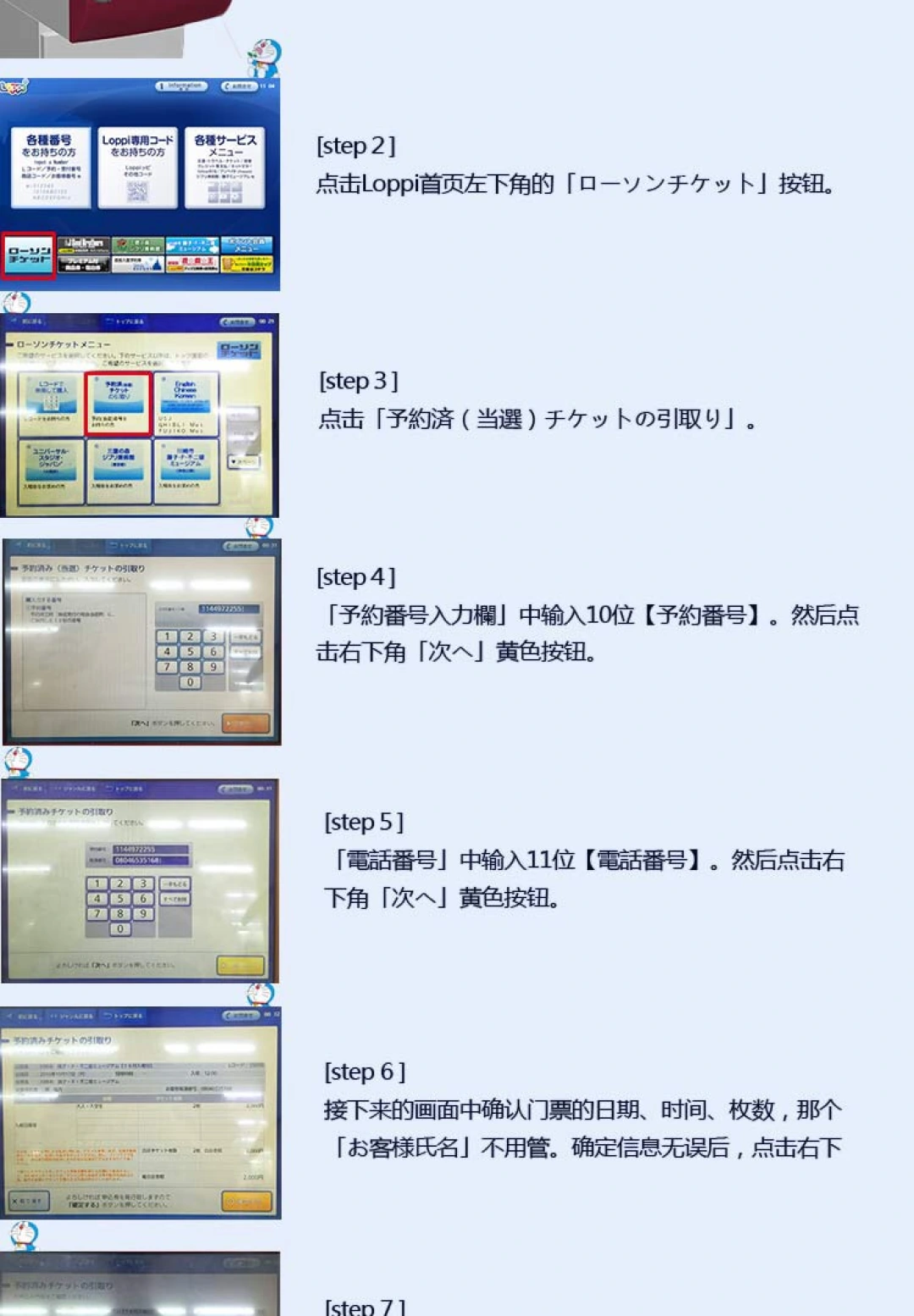
After arriving at Kansai Airport, we took the airport bus from the first floor. Staff helped organize luggage, neatly arranging it in the cargo hold to prevent shifting—a small detail that left a strong impression.
After checking into Osaka Dai-ichi Hotel, the room was surprisingly small, but the bathroom was spotless, as if newly renovated, with every detail immaculate.
Osaka Castle Park, Dotonbori, and Umeda
Using the Osaka Amazing Pass, we rode the御座船 (Gozabune boat) for free, enjoying the views of Osaka Castle Park. The exhibit on Toyotomi Hideyoshi’s life inside Tenshukaku used holographic projection, captivating the children.
Dotonbori is a “food lover’s paradise.” We recommend玄品河豚 (Genpin fugu, a pufferfish restaurant). We had lunch at an izakaya (Japanese-style pub), which offered a variety of dishes that were delicious.
In the afternoon, we shopped at drugstores in Shinsaibashi. Osaka’s drugstores are cheaper than Tokyo’s, and Matsumoto Kiyoshi is known for having the widest selection. We bought face masks, daily necessities, and medicated plasters, as well as Onitsuka Tiger shoes for the kids at great prices.
In the evening, we returned to Umeda and rode the Hep Five red Ferris wheel. From 106 meters high, we took in the night view of Osaka, with city lights stretching out before us.
Universal Studios Japan: The Wizarding World of Harry Potter
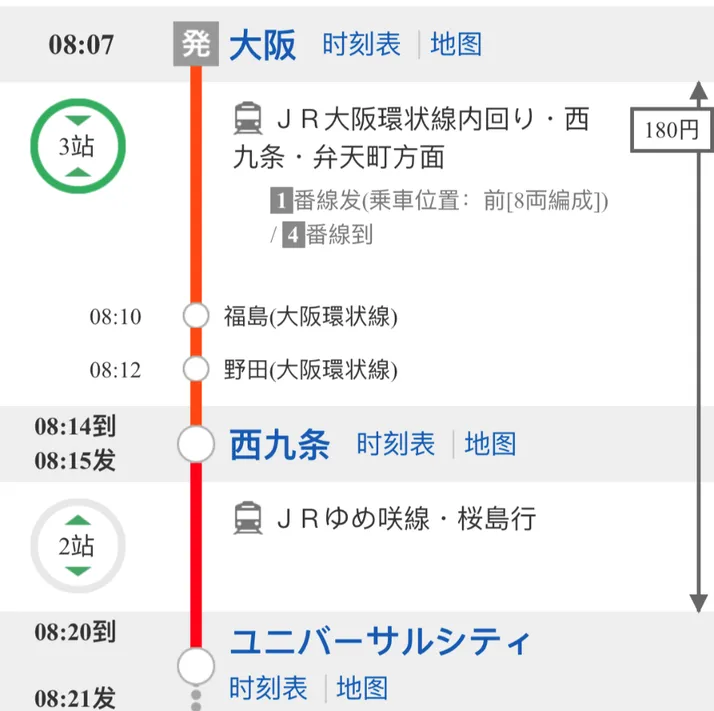
Universal Studios Japan is larger than Singapore’s. The best part is that many attractions have single-rider lines, allowing adults to take turns on popular rides.
The Wizarding World of Harry Potter is a must-visit area. Our Express Pass listed specific rides and times; scanning the QR code gave us access to the fast lane. We bought Express 7, which included Harry Potter and the Forbidden Journey, Flight of the Hippogriff, Despicable Me Minion Mayhem, and the XR Ride.
Kyoto: Family Time in the Ancient Capital
After checking into Cuichuan Minshuku, we visited the Kyoto Railway Museum in the afternoon. The kids were especially interested in the steam locomotives, which they could observe up close and even experience.
Feeding the deer at Nara Park was one of the most anticipated activities for the children. The deer were gentle and adorable, and the kids had endless fun feeding them deer crackers.
The Japanese garden at Kinkaku-ji was so peaceful it calmed the mind. In the evening, we explored Kyoto Isetan, experiencing the modern side of the ancient capital.
Hakone: Hot Springs and Mount Fuji
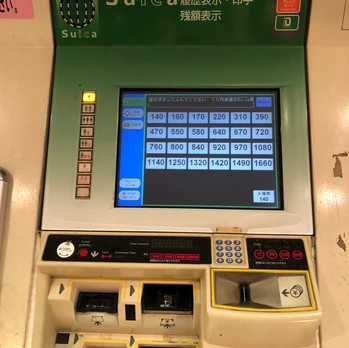
We took the Shinkansen from Kyoto to Hakone and checked into Yoshiike Hot Spring Hotel. In the afternoon, we visited Owakudani to see the volcanic valley, then took a pirate ship on Lake Ashi, with views of Mount Fuji in the distance.
In the evening, we soaked in the open-air hot spring, washing away the fatigue of the journey. The hot spring experience in Hakone allowed both adults and children to fully relax.
Tokyo: Disney, Science Museums, and the World of Anime
Disney: Dreams Come True

The Nishikasai Hotel offers a free shuttle to Disneyland, but reservations are required. To return from Disneyland to the hotel, take bus No. 9 to Kasai Station, then transfer to the Tozai Line (bound for Nakano) for one stop.
One day at Tokyo DisneySea wasn’t enough. The next day, the girls went to Tokyo Disneyland, while the boys visited Ueno Park, the National Museum of Nature and Science, and One Piece Tower at Tokyo Tower.
Odaiba: Future Technology
From Senso-ji Temple, we took the Future水上巴士 (Future水上巴士) to Odaiba, experiencing a voyage that felt like a futuristic battleship. The Miraikan (National Museum of Emerging Science and Innovation) amazed the kids with its interactive exhibits, keeping them engaged for hours.
Anime Pilgrimage
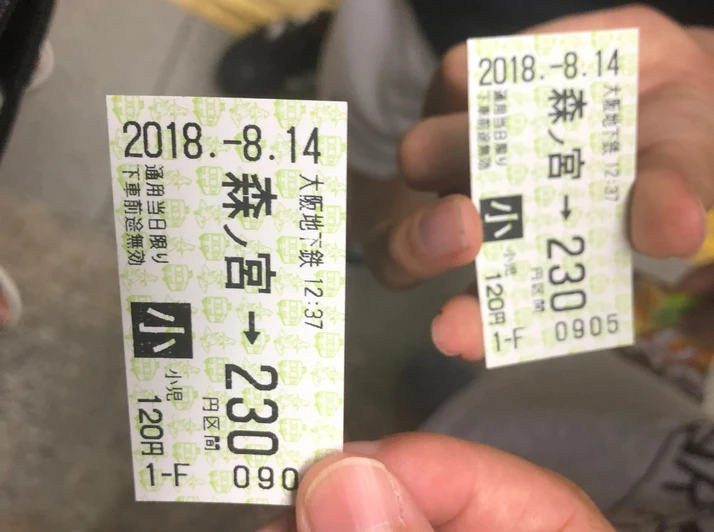
The Ghibli Museum in Mitaka is a pilgrimage site for anime fans. The Fujiko F. Fujio Museum thrilled Doraemon fans, while the girls had a wonderful time at Sanrio Puroland.
Akihabara is a paradise for anime and electronics, while Shinjuku is a hub for shopping and dining.
Conclusion: Five Key Points for Family Travel
- Plan Ahead: Prepare visas, flights, accommodation, and tickets well in advance, especially for popular attractions and Express Passes.
- Be Flexible with Transportation: Choose transportation passes based on your itinerary. Suica cards are convenient, but children need separate tickets.
- Choose Accommodation Wisely: Pay attention to child policies and select hotels that are convenient and well-equipped.
- Prioritize Experiences: Don’t rush through attractions. Let children enjoy themselves at Disney, science museums, and in nature.
- Details Matter: From children’s meals to toiletries, from maps to WiFi, every detail is worth careful preparation.
Twelve days of travel, 15 people’s laughter, and memories from five cities—a family trip to Japan is an experience every family should have.
You should also read:
Xishuangbanna Self-Drive Tour: Into the Tropical Wonderland at the Edge of the Sky (Complete Guide)
Xishuangbanna Self-Drive Tour: Into the Tropical Wonderland at the Edge of the Sky (Complete Guide) Introduction: A Dream Fulfilled Thirty Years Early Some journeys are destined to happen at a specific moment in time. For me, a self-drive trip to Xishuangbanna was originally the first…
Continue reading...
A Journey Through Time: The Earthen Forest of Yuanmou — April 2011 Chuxiong & Yuanmou Self-Drive Guide
A Journey Through Time: The Earthen Forest of Yuanmou — April 2011 Chuxiong & Yuanmou Self-Drive Guide Some journeys are destined to take root in your memory. In April 2011, I set out from Shuhe in Yunnan, heading north toward the Chuxiong Yi Autonomous Prefecture,…
Continue reading...
A 9-Day Yunnan Journey: From Lijiang to Dali to Tengchong – A Trip Toward Self-Reconciliation
A 9-Day Yunnan Journey: From Lijiang to Dali to Tengchong – A Trip Toward Self-Reconciliation Some say travel is simply going from a place you're tired of to a place other people are tired of. It stings to hear, but it's painfully true. Yet there's…
Continue reading...