Complete Guide to Summer Lotus Viewing in Puzhehei: Encounter a Lotus Feast Amidst Karst Landscapes
Complete Guide to Summer Lotus Viewing in Puzhehei: Encounter a Lotus Feast Amidst Karst Landscapes
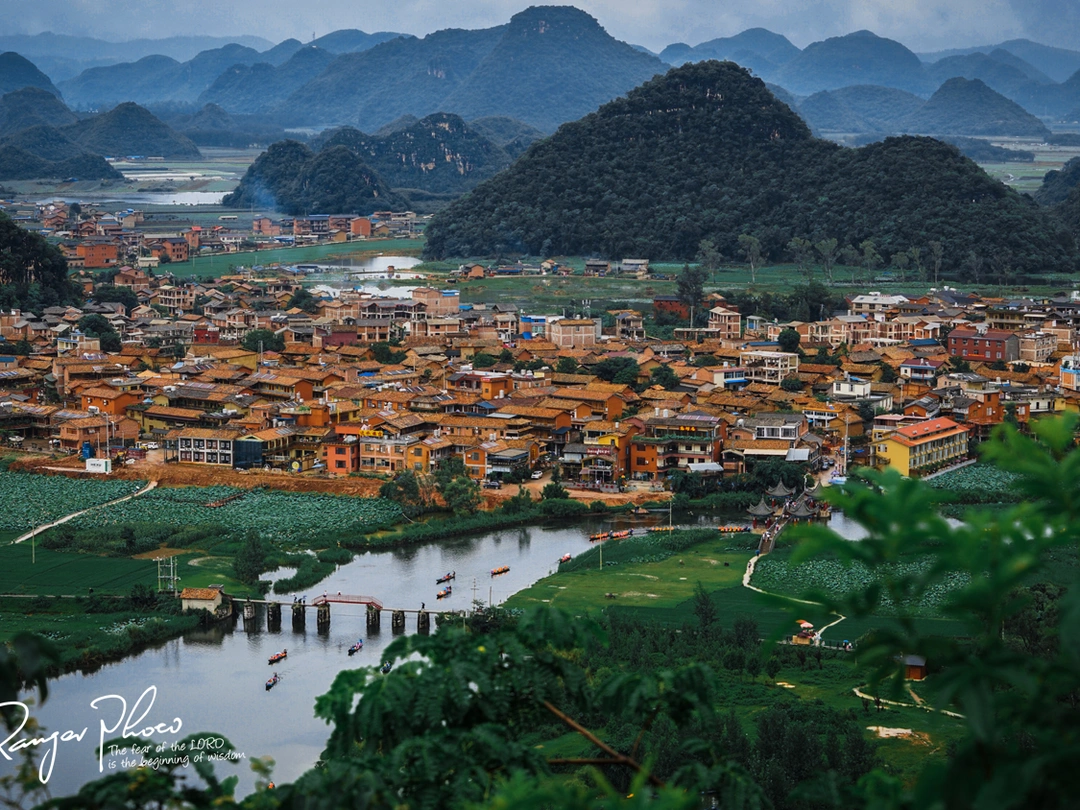
If you long for an untouched pastoral idyll and dream of witnessing the magnificent sight of "boundless green lotus leaves stretching to the horizon" in the height of summer, then Puzhehei in Wenshan, Yunnan, is a destination you simply cannot miss. This is not Jiangnan, yet it surpasses it—karst peaks dot the landscape like scattered pearls, dotted with countless lakes. The rustic charm of Yi ethnic water villages blends seamlessly with the elegant purity of lotus flowers, creating a living ink-wash painting that seems to breathe. Today, let me take you into Puzhehei and unlock the best ways to enjoy lotus viewing in summer.
Puzhehei: More Than Just Lotus—A Poetic Dwelling Amidst Mountains and Waters
The name "Puzhehei" carries an air of mystery and romance. In the Zhuang language, it is written as "Oengz Liuhdoz Lueg Canghngw," phonetically rendered as "Lushangge." This land lies within Qiubei County, Wenshan Zhuang and Miao Autonomous Prefecture, Yunnan Province, and features classic karst landforms. You may have heard of its six defining labels: "watery pastoral, lake-studded peaks, Yi water village, karst wetlands, lotus world, and migratory bird paradise." But when you truly step into this place, you'll discover that behind each label lies a moving story.


The beauty of Puzhehei is multidimensional. In the early morning, mist shrouds the peaks, and the lake surface is as still as a mirror. At noon, sunlight spills over thousands of acres of lotus ponds, where pink and white blossoms sway gently in the breeze. By evening, the sunset paints the sky crimson, and wisps of cooking smoke rise from village homes. All of this awaits your personal experience.
Where to Stay: Fairy Cave Village (Xianrendong Village) Is the Wise Choice
Many first-time visitors to Puzhehei instinctively choose Puzhehei Village as their base, since the scenic area shares the same name. But to be honest, Puzhehei Village's overall environment is far from ideal—its streets are somewhat cluttered, and facilities lag behind. Just 3.5 kilometers away, however, lies Fairy Cave Village (Xianrendong Village), which is truly the place to stay.
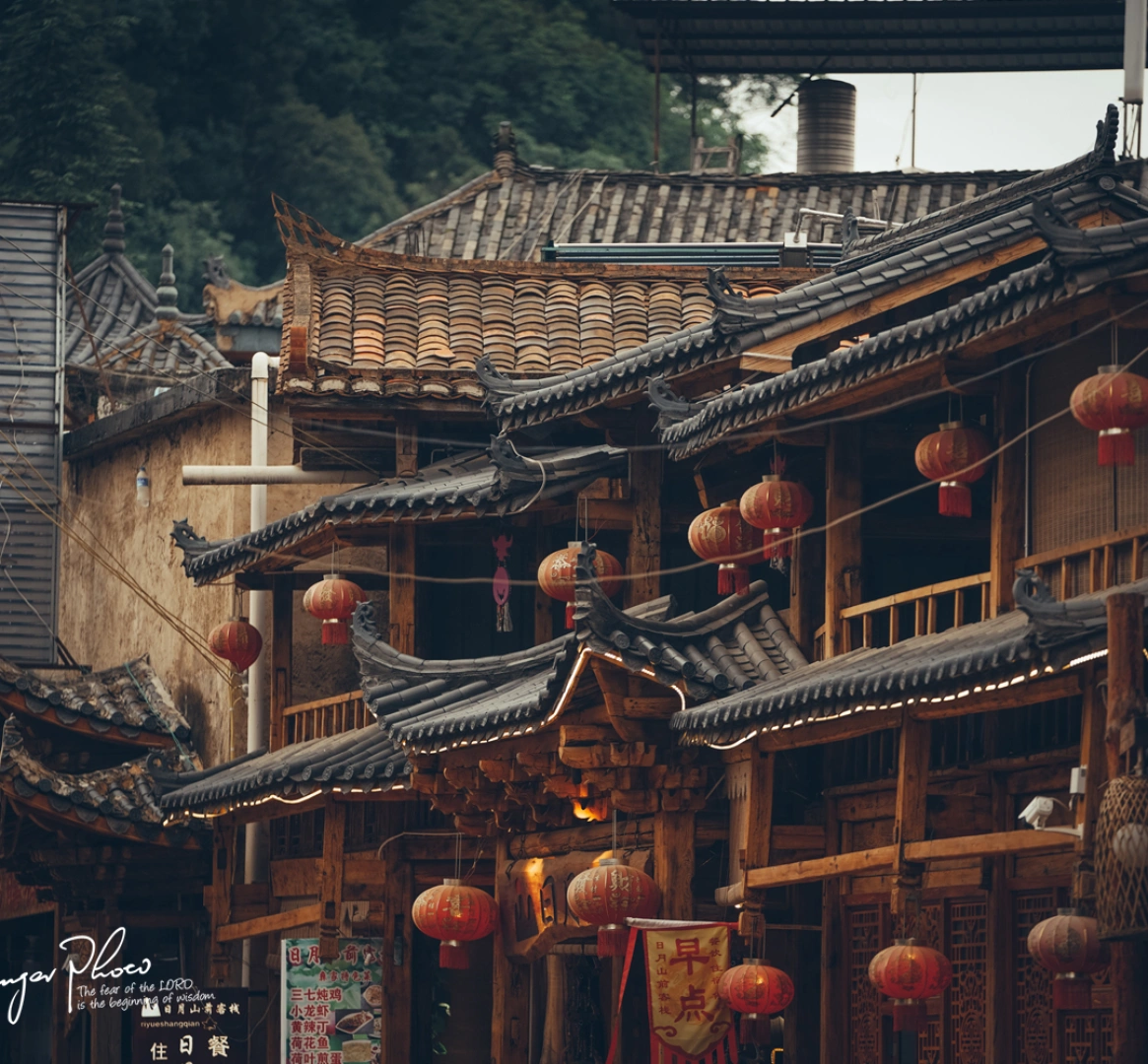
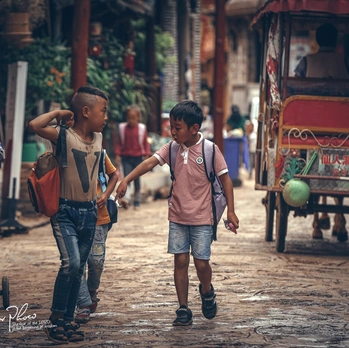
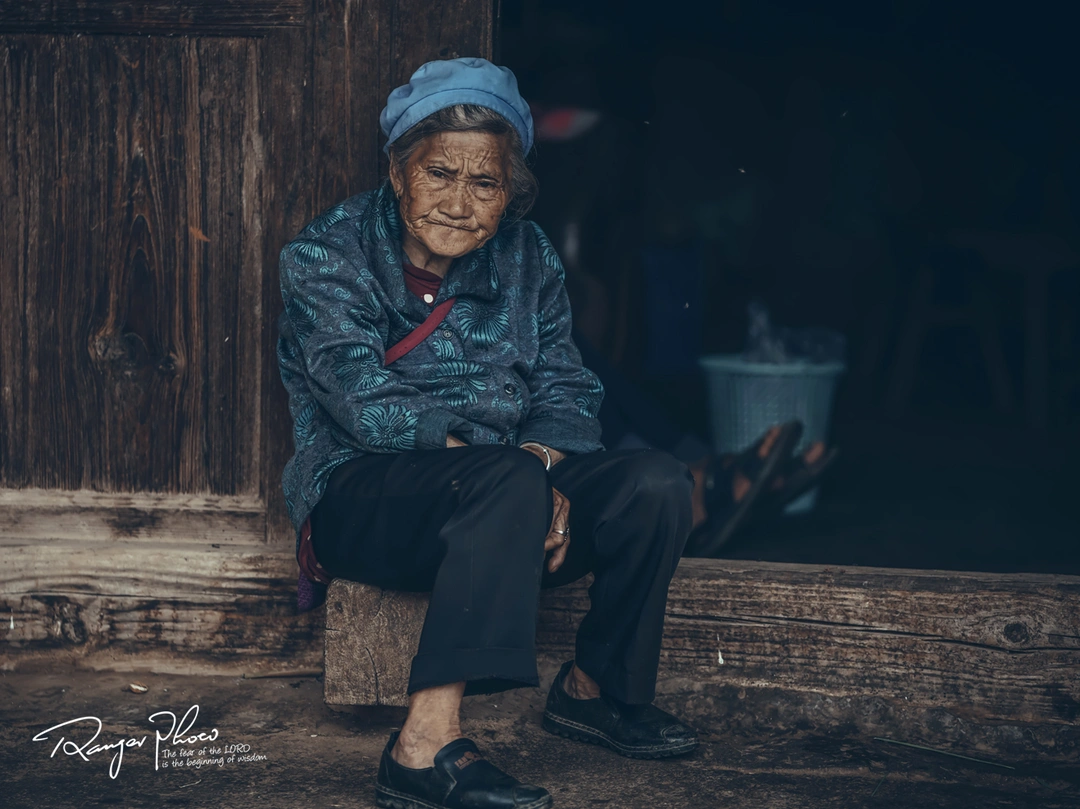
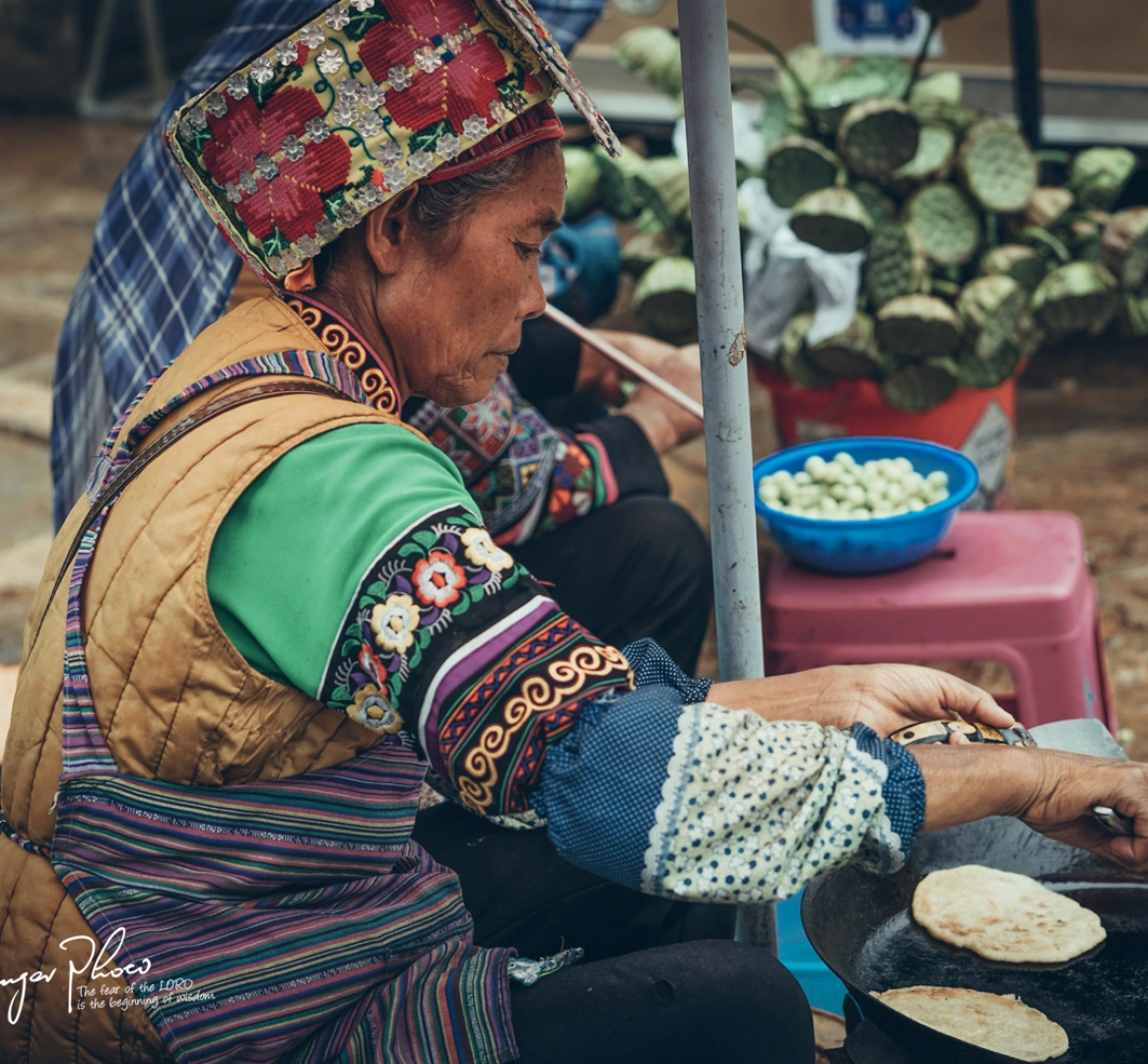
Fairy Cave Village is small; you can walk the entire village in about thirty minutes. Its narrow flagstone streets are lined with locally run restaurants and shops, brimming with the rhythms of daily life. As you stroll, you might encounter elderly women sitting at street corners, busily making a snack called "baba cake" (粑粑饼). This treat is made primarily from cornmeal and glutinous rice flour, baked until the outside is crispy and the inside soft and chewy, with a sweet and fragrant taste—especially appealing to those who enjoy southern Chinese flavors. If you pass by, do buy one to taste a slice of local life.
Horse-drawn carts occasionally trot through the village, with drivers enthusiastically asking if you'd like a ride to the "Flower Sea Base." This rustic mode of transport has become a charming feature of the village. When night falls, Fairy Cave Village transforms again—buildings along the streets are adorned with colorful lights, momentarily making you feel as though you've stepped into a commercialized ancient town in Jiangnan. At this point, find a bar, sit down with a drink, listen to music, or cheer with friends watching the World Cup—it's all good fun.
Flower Sea Base (Huahai Jidi): A Summer Rendezvous of Lotuses and Butterflies
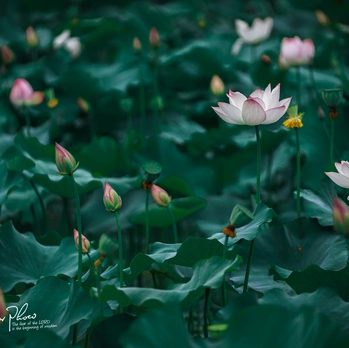
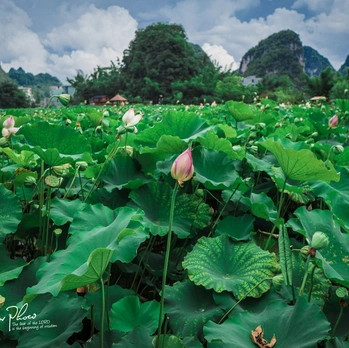
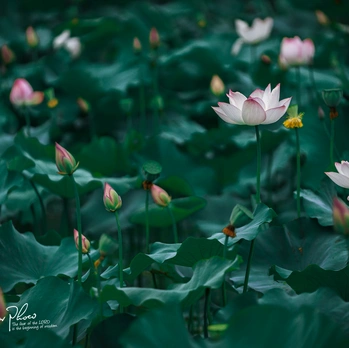
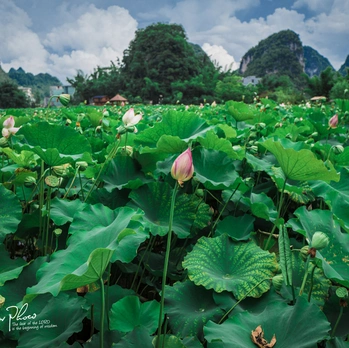
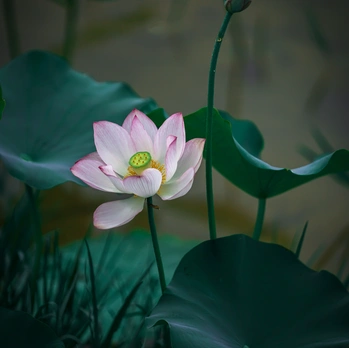
If summer in Puzhehei has a star, it is undoubtedly the lotus. And the best place to admire lotuses is the "Flower Sea Base" (花海基地). Although lotus ponds surround the village on all sides, most lotuses lack regular care and grow somewhat unruly, diminishing their visual appeal. The lotuses at Flower Sea Base, however, are specially cultivated for visitors and meticulously maintained. The peak blooming season runs from June to August each year. When you step into the base, a sea of pink greets your eyes—layer upon layer of lotus leaves, elegant blossoms standing tall, and a fragrant breeze that sweeps through the air.
But the charm of Flower Sea Base doesn't end there. Not far from the lotus ponds lies a large artificially planted garden of gerbera daisies (扶郎花). These flowers burst with vibrant colors—yellow, red, pink—blooming with passionate abandon. Even more delightful, you can spot various species of butterflies fluttering about the area. For city children, this is an invaluable natural classroom. However, the butterflies are not abundant, so observing them up close requires a bit of patience and luck.
If you're a photography enthusiast, the areas around Flower Sea Base still preserve some relatively rustic houses and livestock scenes. Those weathered walls, leisurely cattle and sheep, and hardworking villagers provide excellent material for human-interest shots. Pick up your camera, press the shutter, and you'll capture the most authentic rural life.
Green Dragon Mountain (Qinglongshan): Ascend for a Panoramic View of Puzhehei
Beyond lotus viewing, Puzhehei has another must-visit attraction—Green Dragon Mountain (Qinglongshan). Located in Puzhehei Village, you can reach it from Fairy Cave Village by horse-drawn cart or by renting an electric scooter in the village. Whichever mode of transport you choose, once you arrive at Puzhehei Village, you'll need to walk about one kilometer to reach "Green Dragon Dock" (青龙码头).
The dock is a gathering spot for tourists. Most people come here to experience the joy of boating and splashing water. Puzhehei's boat experience is unlike others—besides enjoying the scenery along both banks, when boats draw close, passengers grab pre-prepared buckets, fill them with water, and splash each other. This "water-splashing interaction" is a local tradition. Whenever boats approach, screams and laughter fill the air, creating a lively, joyous atmosphere.
Not far from the dock stands Green Dragon Mountain. The hill is not particularly tall; reaching the summit takes only about twenty minutes, with stone steps all the way, making it very safe. But the moment you stand at the top, everything you see makes every drop of sweat worthwhile—distant hills, winding rivers, scattered villages—all laid out before you in breathtaking splendor. If you're specifically here for photography, the summit is also an excellent spot for sunrise shots. The first rays of morning light falling on the karst peaks create a beauty that makes you forget all fatigue.
Puzhehei in the Rain: A Different Kind of Serenity
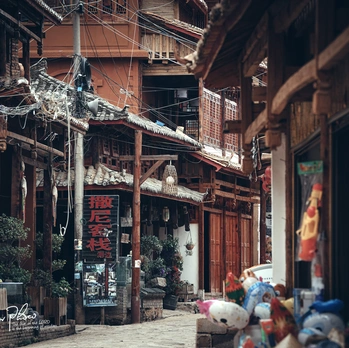
If you're lucky enough to encounter a rain shower, Puzhehei offers an entirely different experience. The village in the rain is exceptionally quiet, with far fewer vehicles passing through. The potted plants placed at inn doorways look especially vibrant after being washed by the rain. Walking on the wet, glistening flagstone streets, with Yiruma's "Kiss the Rain" playing through your earphones, watching the quiet, hazy street before you, you'll feel the whole world slow down.
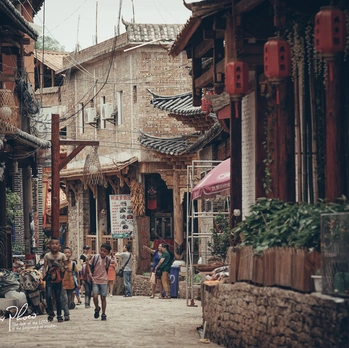
At such a moment, find a café under an eaves, order a cup of hot tea, watch raindrops patter on lotus leaves, and listen to the sound of rain tapping on the stones. That sense of contentment is something you can never experience on a sunny day.
Before You Leave, Don't Forget These Two Things
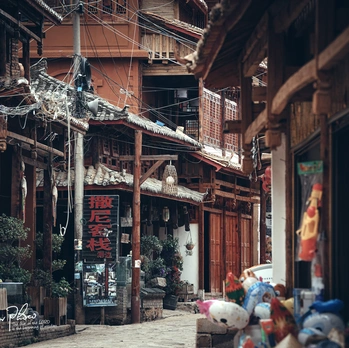
Before your Puzhehei trip ends, there are two things you absolutely must do. First, put on traditional Sani (撒尼) ethnic clothing and take a photo by the lotus pond or atop Green Dragon Mountain as a memento. Sani costumes are brightly colored and exquisitely crafted—wearing them makes you feel as though you've become part of this landscape. Second, try the local specialty—steamed lotus fish with lotus leaves (清蒸荷花鱼). This dish uses fresh lotus fish steamed with lotus leaves; the meat is tender and carries a subtle lotus fragrance—a true feast for the taste buds.
Practical Guide: Make Your Trip Easier
Finally, here's some practical information to make your Puzhehei journey smoother:
- Transportation: Puzhehei has a high-speed rail station. After exiting, you can use Didi (a ride-hailing app) to call a car. The ride from the station to Fairy Cave Village takes about 20 minutes and costs approximately 65 yuan.
- Accommodation: Highly recommended to stay in Fairy Cave Village. Facilities are complete, the village is beautiful, and you can explore it all on foot.
- Attractions: Flower Sea Base is about 3 kilometers from Fairy Cave Village. You can take a horse-drawn cart or a sightseeing vehicle for 5 yuan per person. Admission is 20 yuan.
- Vehicle Rental: Electric scooters rent for 20 yuan per hour. You can negotiate with the owner—50 yuan for an entire afternoon.
- Distances: Fairy Cave Village to Puzhehei Village is about 3.5 kilometers.
- Food: Steamed lotus fish with lotus leaves (清蒸荷花鱼) is highly recommended—you won't find it anywhere else.
Final Thoughts
The beauty of Puzhehei is not the kind that strikes you all at once; it's a lingering charm that requires slow savoring. It's like a poem that needs to be read with your heart, a painting that needs to be viewed with stillness. Whether it's the summer lotuses, the village in the rain, or the sunrise from the mountaintop, every moment is worth remembering.

So, if you're tired of the city's hustle and bustle, come take a walk in Puzhehei. Here, you'll discover that life can be this slow, this beautiful.
You should also read:
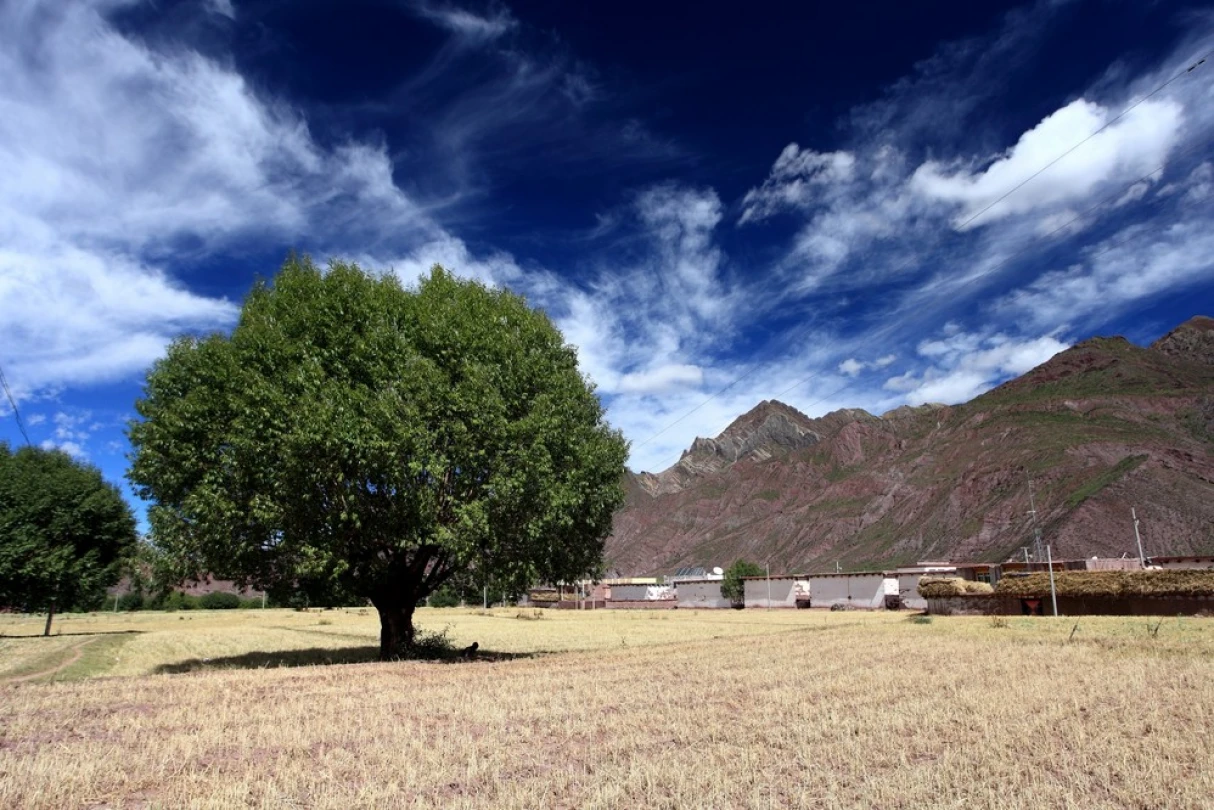
Big Bear and Little Cat Explore China: [A Self-Guided Tour of the Shangri-La Region: That Sky, So Blue It Feels Unreal!]
Big Bear and Little Cat Explore China: [A Self-Guided Tour of the Shangri-La Region: That Sky, So Blue It Feels Unreal!] Prologue: Why Shangri-La? In September 2011, my friend and I followed the Yunnan-Tibet Highway into the Greater Shangri-La region. Six days of travel, without…
Continue reading...
A Journey Through Time: The Earthen Forest of Yuanmou — April 2011 Chuxiong & Yuanmou Self-Drive Guide
A Journey Through Time: The Earthen Forest of Yuanmou — April 2011 Chuxiong & Yuanmou Self-Drive Guide Some journeys are destined to take root in your memory. In April 2011, I set out from Shuhe in Yunnan, heading north toward the Chuxiong Yi Autonomous Prefecture,…
Continue reading...
Dreamland – Lijiang: A Talking Comic Travel Guide
Dreamland – Lijiang: A Talking Comic Travel Guide Prologue: When Lijiang Takes Root in Your Heart Some places leave a mark on you forever. They're like an old song on repeat, suddenly playing in your mind on an ordinary afternoon. For me, Lijiang is that…
Continue reading...