Dali: A City You Can Visit Ten Times and Still Want More
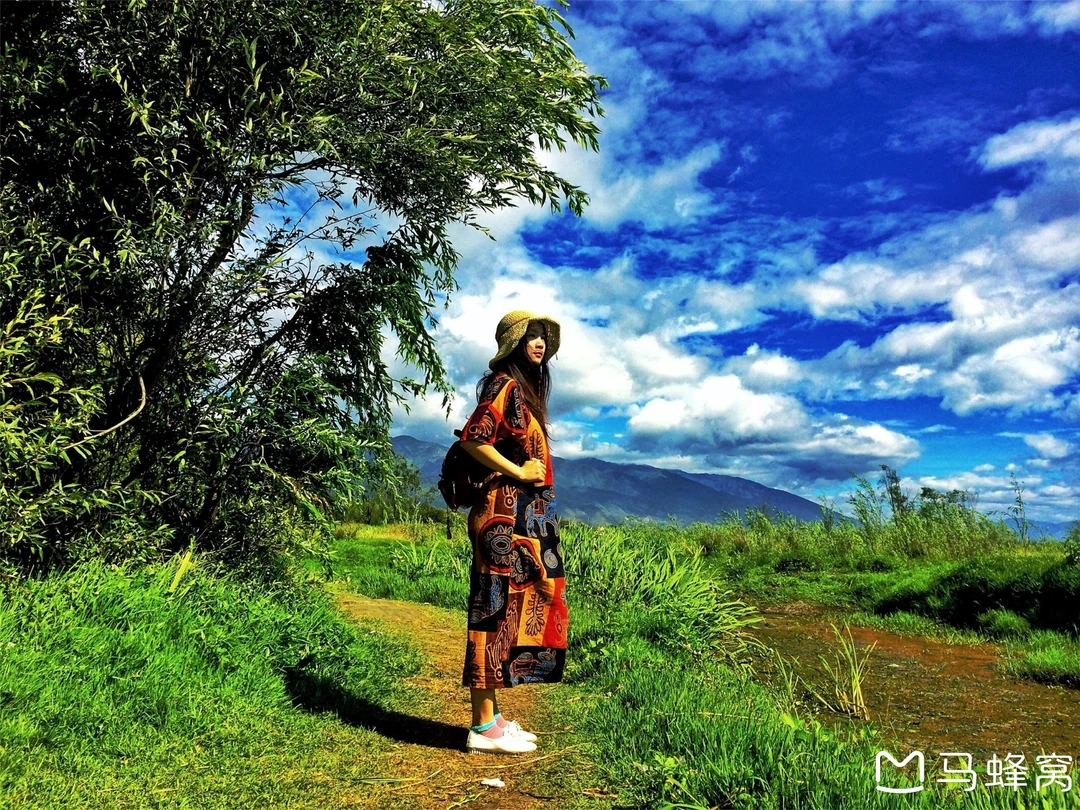
Dali: A City You Can Visit Ten Times and Still Want More
Prologue: A Belated Farewell That Never Really Ends
Some journeys are like seeds buried deep in memory, sprouting unexpectedly when you least expect them. In the summer of 2018, I wandered through Yunnan for 15 days — from Dali Ancient Town to the West Ring Road, from Xizhou Ancient Town to Nuodeng Ancient Village, then on to Shaxi and Lijiang. Time flies, but those stone-paved streets, those endless blue skies, and those strangers I met keep surfacing in my mind with the same regularity as a monthly paycheck — except paychecks grow slowly, while the intensity of those memories hits like a Siberian wind, turning cold in an instant.
But what truly haunts me isn't the Instagram-famous spots or the "must-visit" destinations hyped up in every travel guide. It's Dali's "ordinary" quality — the kind that settles into your bones and makes you feel at home. It doesn't dazzle, it doesn't flaunt. It's like a glass of warm water, slowly seeping into your life, so that in the middle of some sleepless night after you've left, you suddenly remember that abandoned boat by the Erhai Lake, drifting all alone.
Why Ten Visits to Dali Still Aren't Enough?
People often ask me, "What's so great about Dali?" My answer is simple: Dali's charm needs time to simmer.

If you give it just one day, it's an ordinary little town — an ancient city, a lake, a mountain range — no different from anywhere else. If you chase the crowds, it becomes a "photo-op destination" wrapped in Instagram filters. But if you're willing to pause — even just to sit by the roadside and eat a bowl of pumpkin porridge, watching locals walk by with bamboo baskets on their backs — you'll feel Dali's true magic. That "almost-but-not-quite" ordinariness is precisely the rarest luxury in our fast-paced urban lives.
When I recommend Dali to friends, I never send them retouched photos or wax poetic about its cultural heritage. I just say one thing: Go to Dali at least three times, and stay four or five days each time. Three times is barely enough; ten times is never too many. I say this without hesitation, because I know it's what many people feel — and also what many regret. There's never enough time, vacations are always too short, and wallets are always too thin.
From the Green Train to Dali: A Ritual of Lightness and Heaviness
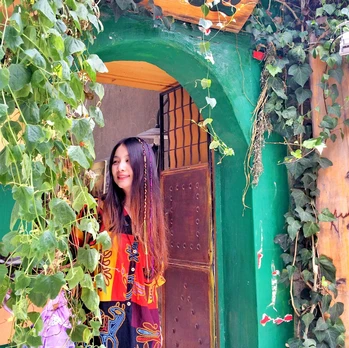
The journey often begins with a green train — the overnight service from Kunming to Dali, a favorite among travelers. Inside the carriage, some people stare out the window until their eyes go numb with excitement, others stay up all night eating instant noodles and refilling hot water, and people like me sway between sleep and wakefulness for the entire ride. At six or seven in the morning, the train finally pulls into Dali Station. Standing on the platform, I watch the green train clatter away into the distance, and suddenly its silhouette looks so bloated — while I carry only two backpacks: one for clothes, one slung across my body.
A station attendant walks over, assuming I missed my train. I casually say I left something on board, and he looks sympathetically into the distance. Actually, I didn't leave anything behind. I just suddenly realized that every time this train stops at a station, it empties out a batch of passengers. And every time I arrive somewhere new, I fill my backpack with memories and experiences. The train grows lighter; I grow heavier. Travel, I suppose, is just that kind of ritual that makes you feel absurdly poetic.
Strolling Through the Ancient Town: The "Square Street" in a Grid Pattern

Dali Ancient Town doesn't have a real "Square Street" (四方街), but its main thoroughfares — Renmin Road (人民路), Yuer Road (玉洱路), Fuxing Road (复兴路), and Yeyu Road (叶榆路) — form a neat "well" character (井) on the map. For directionally challenged people like me, every street in the old town feels like a square street, with bluestone paths branching out in all directions, each leading to a different kind of beauty.
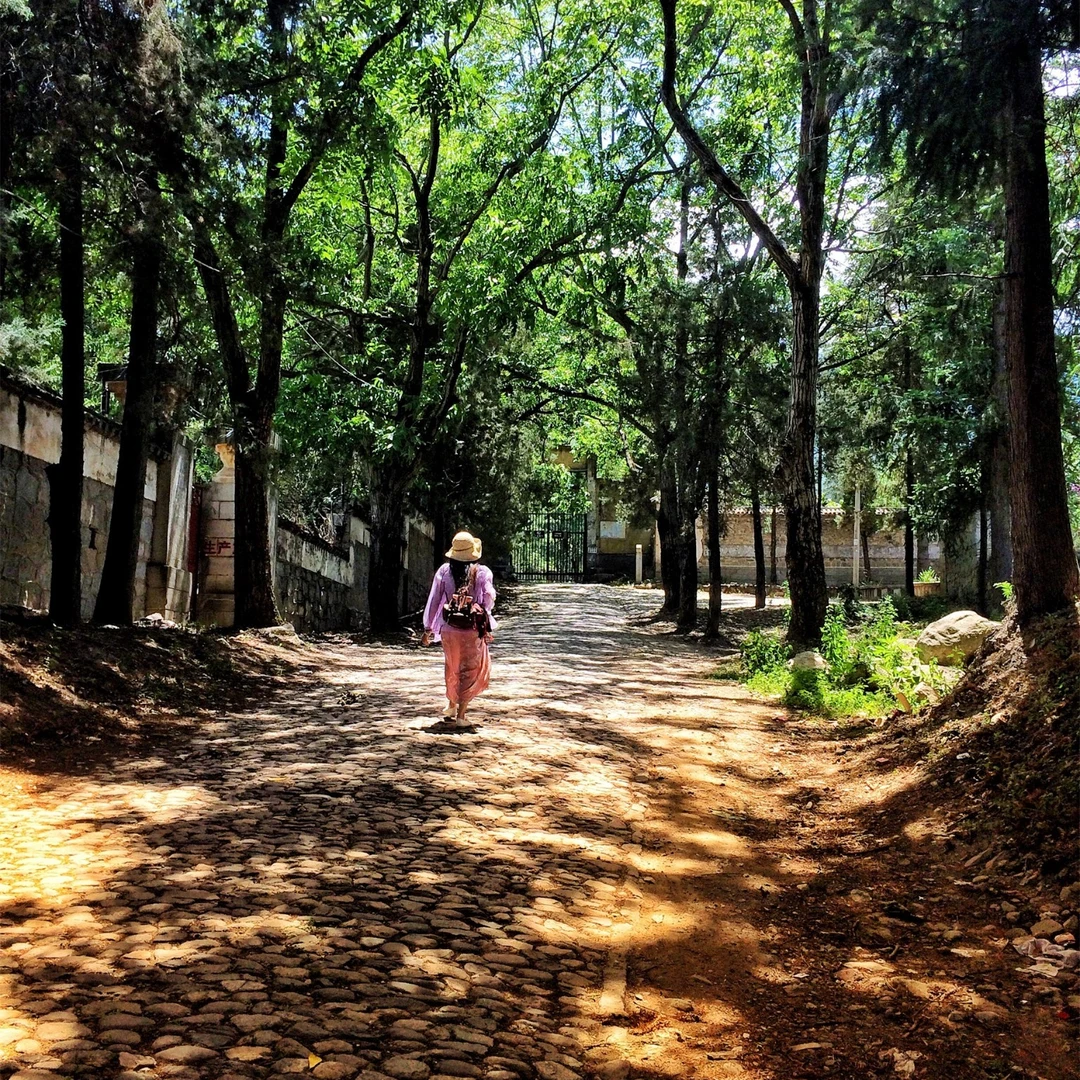
Renmin Road is the soul of the ancient town. By day, it's a vibrant commercial street lined with small shops brimming with goods. I know many of those trinkets come from Yiwu, China's wholesale capital, but I still browse with fascination — intellectual superiority can never fill the gap left by a lack of real-world experience. By night, Renmin Road transforms into a haven of small bars and pubs. I stepped into "Bird Bar" (鸟吧酒馆), where a folk singer with long hair and a short beard sang melancholic tunes with a raspy voice. In that moment, I envied the person on stage — not for their talent or coolness, but for their ability to immerse themselves completely in the music. That's a pure kind of happiness.
If you want to listen to music in peace, I recommend "Dali 99 Folk Bar" (大理99民谣吧) and "Bird Bar." If you're hoping to run into some big names, head to "September Bar" (九月酒吧), where the singers are often on the level of Zhou Yunpeng or Ma Xuesong — legendary figures in China's folk music scene.
Yuer Road and Fuxing Road are the main arteries of the old town, perfect for daytime strolls. Yeyu Road is relatively quiet, ideal for cycling. After walking these four streets, you'll know about one-tenth of the ancient town — yes, one-tenth. The remaining nine-tenths are hidden in the nameless alleys, the breakfast stalls by the roadside, and the local dialect spoken by residents.
The Ancient Town Market: A Fool's Private Joy

On my second morning, I headed to the market on Bo'ai Road (博爱路). This is my favorite part of any trip — visiting a local market first. Few tourists come here; the crowd is mostly locals. They carry bamboo baskets on their backs, walking with a steady, rhythmic sway as if humming a mountain song. I followed a group of elderly women for a while — they moved with the wind, their baskets gently bobbing.
In a corner of the market, a middle-aged couple was selling breakfast — pumpkin rice porridge and fried dough sticks. I bought a bowl, squatted by a low table at the roadside, and ate slowly, watching people pass by. A couple in their fifties sat down beside me, picked up their spoons, and ate in complete silence, their movements perfectly synchronized — decades of marriage had forged that默契 (unspoken harmony). I sat there for nearly an hour until the boss jokingly scolded me and sent me away — he was almost out of breakfast and ready to pack up. Before leaving, I bought his remaining three servings as an apology.
In this vibrant, noisy market, the chaos somehow calmed me down. There are things you'd never do in the city where you live, but in a faraway town, you do them without a second thought — like sitting on the ground and staring into space for forty minutes. It's meaningless, but it's a small, private joy.
The West Ring Road: Cycling, Cafés, and Movie Locations
The next day, I rented a small electric scooter. Starting from the north gate of the ancient town, I took Zhonghe Road (中和路) onto Yuehua Road (月华路), and within ten minutes I was on the West Ring Road (环海西路). To the right was the southern section, leading to Longkan Pier (龙龛码头); to the left was the northern section, packed with scenic spots — the Chaimiduo Life Farm (柴米多生活农场), Xizhou Ancient Town (喜洲古镇), the Haishe Ecological Park (海舌生态公园), and Butterfly Spring (蝴蝶泉). Across the lake was the East Ring Road (环海东路), home to Shuanglang Town (双廊镇), Yang Liping's hotel, Xiaopu Island (小普陀), and Nanzhao Style Island (南诏风情岛) — but the road was under construction at the time, so I skipped it.
I chose left. I rode through villages on clean roads under a sky that seemed frozen in place. At Caicun Pier (才村码头), I turned around and veered onto a small path. After a few hundred meters, I spotted several giant banyan trees, with a trail beside them leading to Erhai Lake. I left my scooter under a tree and walked to the end, where a seawall met a small pebble beach. In the distance, a building stretched out over the water, rising and falling like a pier or a café — I later learned it was the famous Dali Haishang 1969 Café (大理海上1969咖啡馆).
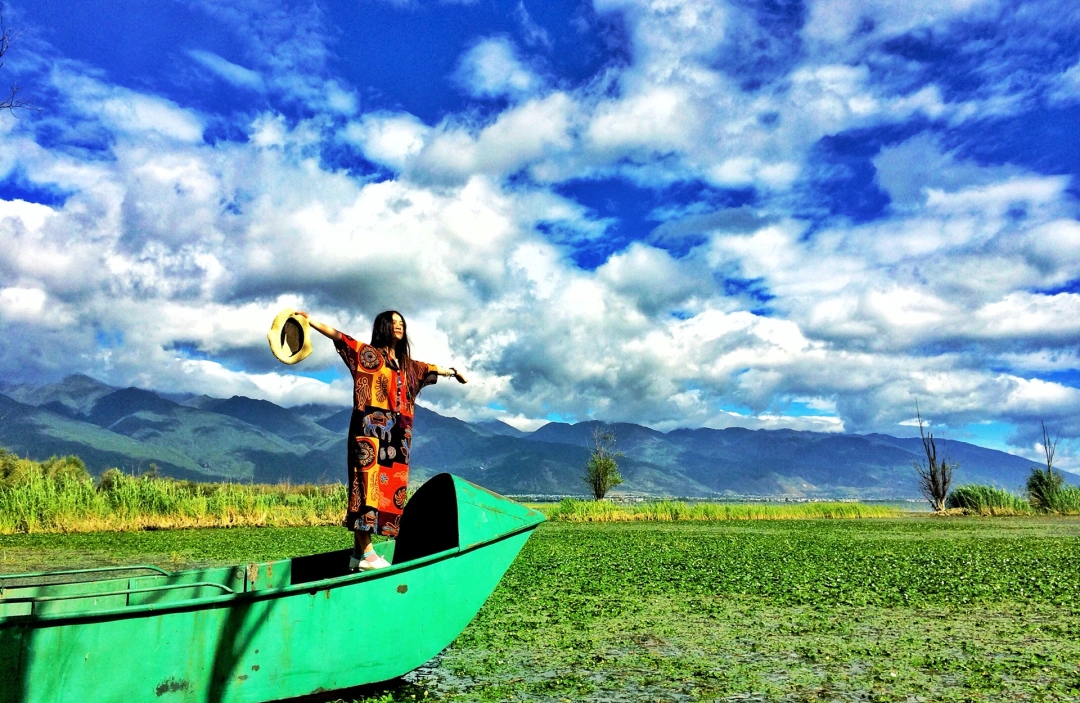
Turning back, I headed toward the Longkan Pier section. There, a field of yellow stretched out, with a single lonely tree standing in the middle. I decided to add some drama to my own story — sat there alone, and took a photo.
What drew me most to Longkan Pier were the filming locations for the movie Heart of the Road (心花路放). Huang Bo and Shen Teng had a fight here; Huang Bo rode a three-wheeled electric scooter; Xu Zheng played a major role. The "Wutong Inn" (梧桐客栈) and "Night Bar" (夜色酒吧) from the film are actually two real guesthouses — Zizai Inn (自在客栈) and Yundu Inn (云渡客栈). When I arrived, Zizai Inn wasn't open, and Wutong Inn was open but nearly empty. I could only wander outside, imagining the scenes from the movie: Huang Bo fighting Shen Teng at Zizai Inn, Yuan Quan accidentally dropping her phone from the second floor of Wutong Inn into Night Bar... I still can't figure out how she managed that!
Every Shot a Wallpaper: The "Tree Gentlemen" of the Northern West Ring Road
On the third day, I hit the northern section of the West Ring Road again. This time, I drove even slower. A few kilometers took me half an hour — not because the scooter was slow, but because the scenery forced me to stop.

On both sides of the road stretched vast grasslands and farmlands. In the distance, green peaks rose against low-hanging clouds that painted light-and-shadow stripes across the mountainsides. Wildflowers lined the path all the way to the small river, where dragonflies played tag. After a while, low woodland appeared, sparse at first, then growing denser. Through the gaps in the trees, sunlight and wildflowers swayed together.
What amazed me most were those crooked giant trees — every single one of them leaned toward Erhai Lake, as if in collective worship. Even if you asked a dozen dancers to strike the same pose, they couldn't achieve such elegance. These trees are a true wonder of nature. Unfortunately, my vocabulary is limited, so "wonder" will have to do.
I stopped several times and walked into the woods. On the tidal flats or seawalls, the trees stood in positions and created spatial arrangements that reminded me of the staging in Johnnie To's films — I wonder what philosophical questions these "Tree Gentlemen" discuss as they lean toward the lake, scattered in perfect disarray.
Final Thoughts: Dali's "Ordinariness" and "Extraordinariness"
Dali's ordinariness lies in how everything is "almost there" — almost stunning, almost bustling, almost perfect. But it's precisely this "almost" that makes it feel like an old friend. It doesn't try to impress you, but it makes you feel at ease.

Dali's extraordinariness lies in the time it demands from you. The first time you visit, you might only see the Instagram-famous spots. The second time, you start noticing the roadside flowers and tree shadows. The third time, you might spend an hour sitting in the market, just watching locals buy groceries. Every visit, Dali gives you a different answer.
So if you ask me whether Dali is worth visiting ten times, I'll say ten times still isn't enough. Because every time you leave, you feel like you've left something behind — not your luggage, but your heart.
Practical Tips: - Time: Stay at least 4–5 days each visit. Don't rush. - Transport: Renting an electric scooter to cycle the West Ring Road is the most freeing way to explore. - Must-dos: Visit the ancient town market, find a small bar for live music, and randomly stop on the West Ring Road to daydream. - Movie locations: Zizai Inn and Yundu Inn at Longkan Pier (from Heart of the Road) — perfect for film fans. - Hidden gem: Find a giant tree leaning toward Erhai Lake, sit beneath it, do nothing, and feel the shape of the wind.
Travel, in the end, is just a grand collection of rituals. And Dali is the place that makes you want to perform that ritual again and again.
You should also read:

Shuanglang: A Spontaneous Date with Erhai Lake — So Beautiful It Makes You Want to Elope
Shuanglang: A Spontaneous Date with Erhai Lake — So Beautiful It Makes You Want to Elope The Beginning: An Unplanned, Accidental Journey Some trips are meticulously planned; others feel like gifts quietly slipped into your lap by fate. On the eve of National Day in…
Continue reading...
Complete Guide to Fuxian Lake: A Yunnan Hidden Gem I've Visited Three Times – Ask Me Anything!
Complete Guide to Fuxian Lake: A Yunnan Hidden Gem I've Visited Three Times – Ask Me Anything! Why Fuxian Lake? If you ask me which place in China is worth visiting again and again, my answer isn't Lijiang or Dali – it's Fuxian Lake. In…
Continue reading...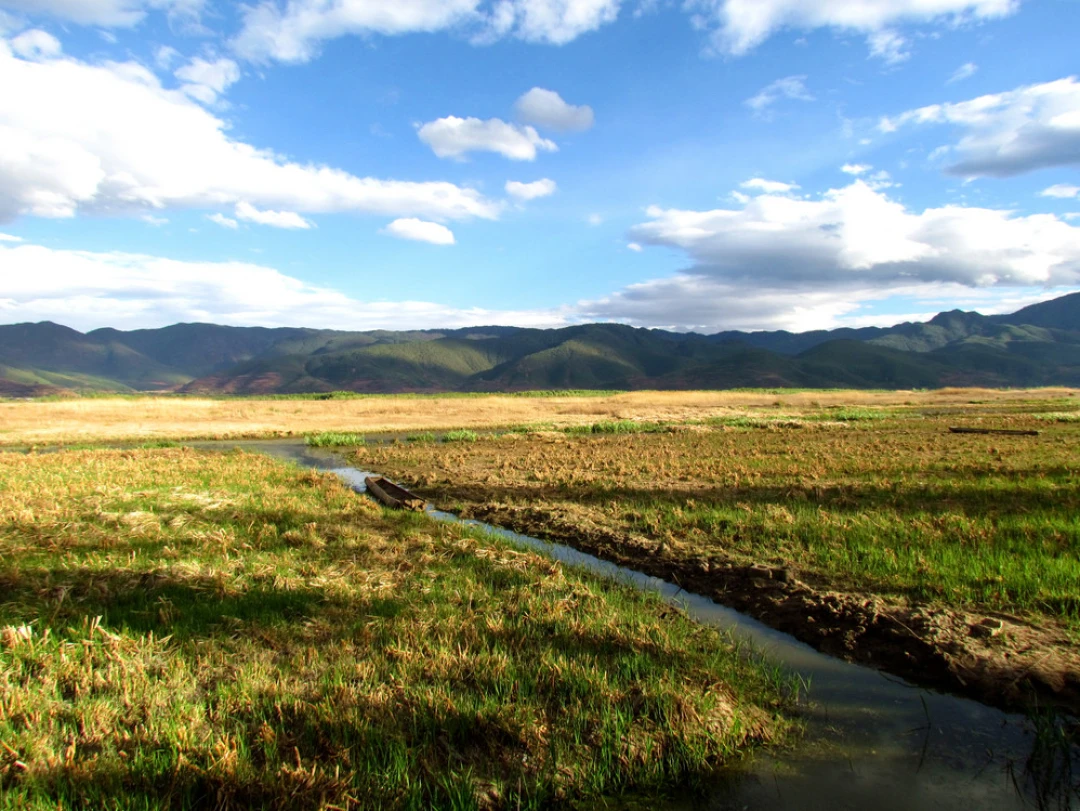
2012, Conquering Lugu Lake and Lijiang: A World of Azure and a City of Splendor
2012, Conquering Lugu Lake and Lijiang: A World of Azure and a City of Splendor Prologue: Three Guys on a Youthful Expedition Just after the May Day holiday in 2012, my buddies Hui Ge, Xiao Chen, and I—three strapping young men—shouldered our backpacks and set…
Continue reading...