Dali: A Veil Ceremony Between Cangshan Mountain and Erhai Lake – Saying Goodbye to Your 20s, Embracing the Unknown at 30

Dali: A Veil Ceremony Between Cangshan Mountain and Erhai Lake – Saying Goodbye to Your 20s, Embracing the Unknown at 30
Prologue: A Ritual for a Milestone Age
Thirty years old. It feels like an invisible threshold. Some dread it, some look forward to it, and some choose to mark this decade-spanning transition with a veil ceremony at the foot of Cangshan Mountain, on the shores of Erhai Lake.
My friend, whom I'll call "Ye," was one of those who chose to travel as a way to bid farewell to her twenties. And I – someone who had already crossed that thirty-year threshold long ago – became her witness and companion for this farewell ritual.
Our four days in Dali were more than just a trip; they felt like a conversation about time, growth, and self-discovery. The wind from Cangshan, the moonlight over Erhai, and the veil fluttering in the breeze all seemed to whisper a simple truth: No path in life is wasted. Every step counts.
Kunming: An Unexpected Stopover
The Detour from Guangzhou to Dali
It was September 2022, and the pandemic hadn't fully subsided. We set out from Guangzhou, originally planning to fly directly to Lijiang. But due to the pandemic policies at the time – our travel code couldn't show "Guangzhou" – we had to change our plans.
So Kunming became our transit point, and an unexpected highlight of the trip.
A Taste of Kunming: Steam Pot Chicken and Crossing-the-Bridge Noodles
After arriving in Kunming and dropping off our bags, our first mission was to hunt down the steam pot chicken (汽锅鸡) we'd been craving.
My obsession with this dish came from the writings of Wang Zengqi. This food-loving author's descriptions of Yunnan flavors always made my mouth water. Following our hotel owner's recommendation, we went to a restaurant called "Zhaofu Lou" (照福楼).
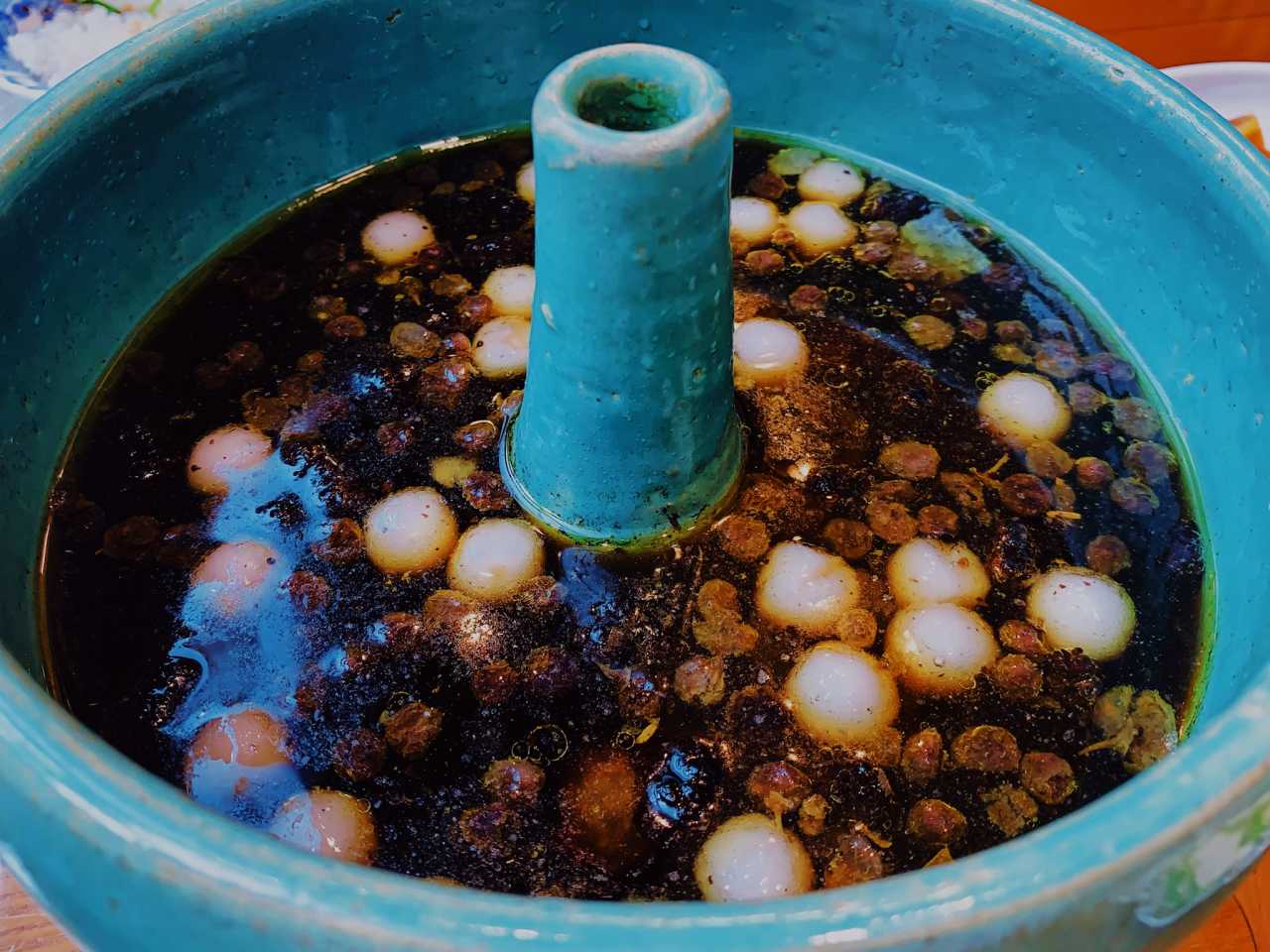
When the steaming pot of chicken arrived at the table, I was surprised to discover it was actually a soup! The real deal is steamed without adding a single drop of water – the steam condenses inside the pot to form the broth, slowly simmered with various herbs and mountain delicacies. Every mouthful was pure essence: the soup was clear yet rich, the chicken tender but not dry.
Even more delightful was the crossing-the-bridge noodles (过桥米线). The umami of that broth still lingers on my tongue. I downed three bowls before I could finally put down my chopsticks.
Kunming's Literary Corners
Well-fed and satisfied, we wandered through Kunming's old streets. The "Corner Building" (转角楼) there is a popular Instagram spot – two symmetrical buildings looking especially charming in the golden light of sunset.
The next day, we visited Wenlin Road (文林路). This is the snack street near Kunming's university district, brimming with youthful energy. The ginkgo trees along the road were just beginning to turn yellow, and I couldn't help imagining how the entire street would look carpeted in golden leaves in late autumn.
The most intriguing spot was a little alley called "Xiansheng Slope" (先生坡). Legend has it that during the Ming and Qing dynasties, students from all over the country would stay here before heading to the capital for the imperial exams. Later, notable scholars like Li Gongpu, Wen Yiduo, and Zhu Ziqing also lived in this area. Today, it hides a few stylish bookstores.
Elephant Bookstore (大象书店) was tucked away in an old residential courtyard, quiet as a secret hideout. There really was an elephant sculpture inside, which made us smile.
Rubber Bookstore (橡皮书店) captured my heart even more. Vintage decor, cute little trinkets, and a book exchange shelf built around a tree. Ye and I sat inside, half-joking: "When we retire, let's open a bookstore too. Not to make money – just as our secret sisterhood base."
Tea Time in Kunming
We stumbled upon a tea house on the street, and Ye said she wanted to go in. As Cantonese people, drinking tea is part of our daily routine.

We ordered two pots of tea, along with a plate of osmanthus cakes and sunflower seeds, and whiled away an entire afternoon there. The owner was incredibly hospitable – one pot could be steeped seven or eight times. We sipped and chatted, and before we knew it, evening had arrived.
Before leaving Kunming, I tried "霸王茶姬" (Ba Wang Cha Ji), a popular tea chain. Their camellia milk tea had a tea base so fragrant it was unforgettable – I even thought it surpassed "茶颜悦色" (Cha Yan Yue Se) from Changsha. Later, back in Guangzhou, I made a special trip to Tianhe district to relive that flavor, but it just wasn't the same.
Maybe some tastes are destined to be tied to specific places and specific people.
Dali: Poetic Living by Erhai Lake
Night in Shuanglang and Abao
From Kunming to Dali, the high-speed train takes only two hours. But getting to our guesthouse in Shuanglang required another hour-plus drive. We circled half of Erhai Lake before finally arriving at our destination around nine in the evening.
I'd heard that someone once proposed building a bridge across Erhai to connect the old town with the opposite shore, but the idea was ultimately rejected. And rightly so – a bridge cutting across the middle would have ruined the lake's pristine beauty. The journey may be long, but the scenery is worth it.
Our guesthouse had a dog named "Abao." At first glance, he seemed gentle and well-mannered, but once he got going, he was wildly energetic. We spent our first night in Dali sitting in front of the guesthouse, eating barbecue in the Erhai breeze, and playing with Abao.
On the morning we left Dali, I got up early to walk along the lake, taking Abao with me. We wandered, stopped, sat by the roadside to feel the wind, watching the endless lotus leaves and listening to the whispers of the breeze. In that moment, time seemed to slow down.
The East Lakeside Road: Breathtaking Beauty and Peril
The second day was overcast, but we still decided to rent an electric scooter and ride along the lake. Rent a car? No thanks – narrow roads, heavy traffic, roaring trucks, and we'd heard stories of people driving straight into the lake. We chickened out.
From Shuanglang, we followed the East Lakeside Road (环海东路) to Xingsheng Bridge and then back, circling half of Erhai Lake.
On the plateau, the sky was piercingly blue, the clouds thick and unmoving. At nearly 2,000 meters above sea level, the water was clearer, the sky bluer, and the weather far more unpredictable.

The Deadwood Forest (枯木林): A grove of trees standing in the water, their reflections perfectly mirrored on the clear surface, with tiny yellow flowers floating in the distance. The backlighting made for poor photos, but I could imagine setting up a beach chair here, or an open-air café, and just zoning out for an entire day.
Luwo Mountain (鹿卧山): Following a small path led us to a Taoist temple, where an elderly man sat, urging tourists to buy incense. This place had once been bustling with worshippers, but now it saw few visitors. I couldn't help thinking about all those forgotten mountain gods and earth spirits, and the culture slowly fading away.
Xiaoputuo Island (小普陀): This was a location featured in the TV drama "Rattan" (司藤) – a tiny island that could only fit one building, which housed the Guanyin Pavilion. I heard that in winter, seagulls from Siberia would come here to spend the season. Strangely enough, the locals would give these seagulls COVID tests and attach tracking tags.
Wenbi Village (文笔村): The road from here to Wenbi Village was a stunning coastal highway. The sea on the right, cliffs on the left, one curve after another – it felt like we might plunge into the water at any moment. Beautiful, but dangerous – rockfalls were common, and vehicles had been known to crash into the lake.
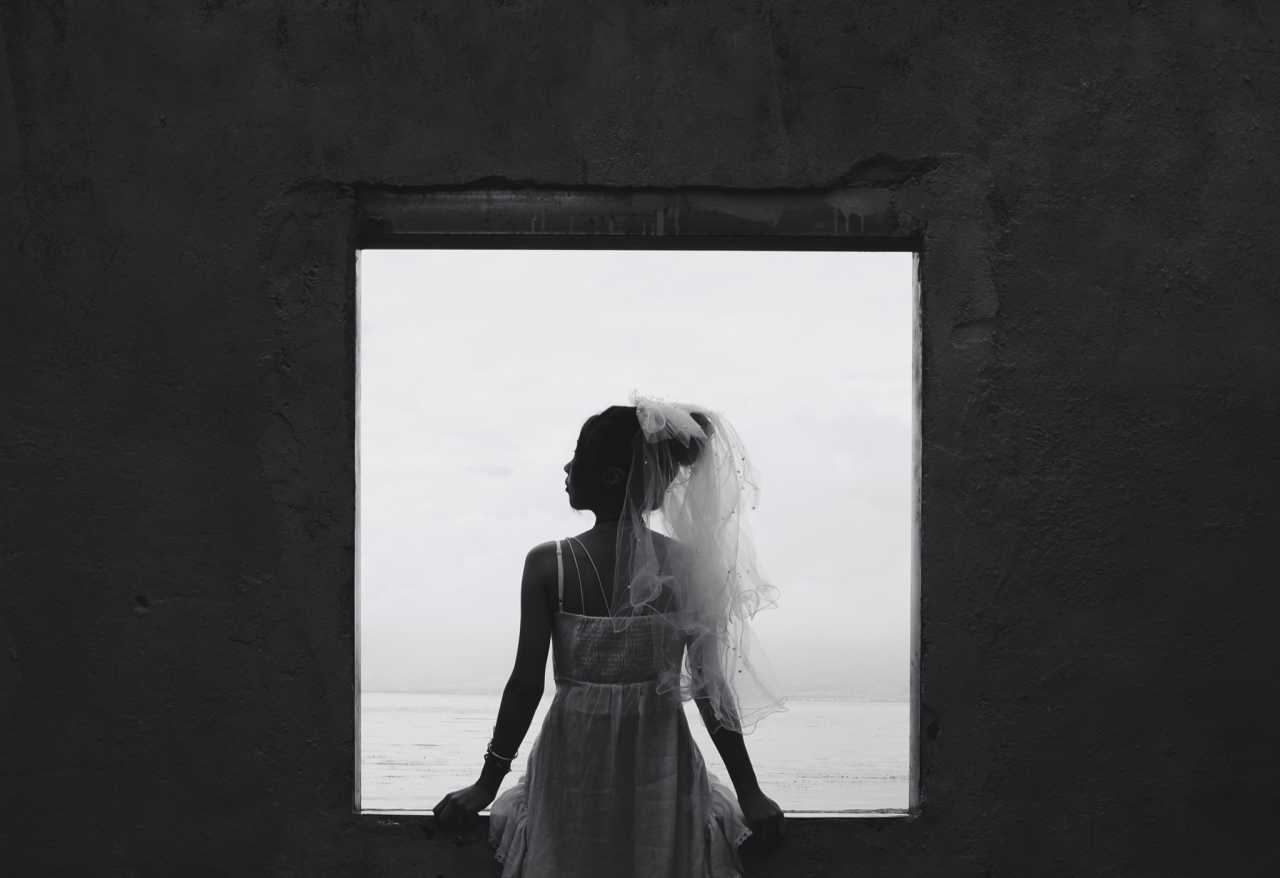
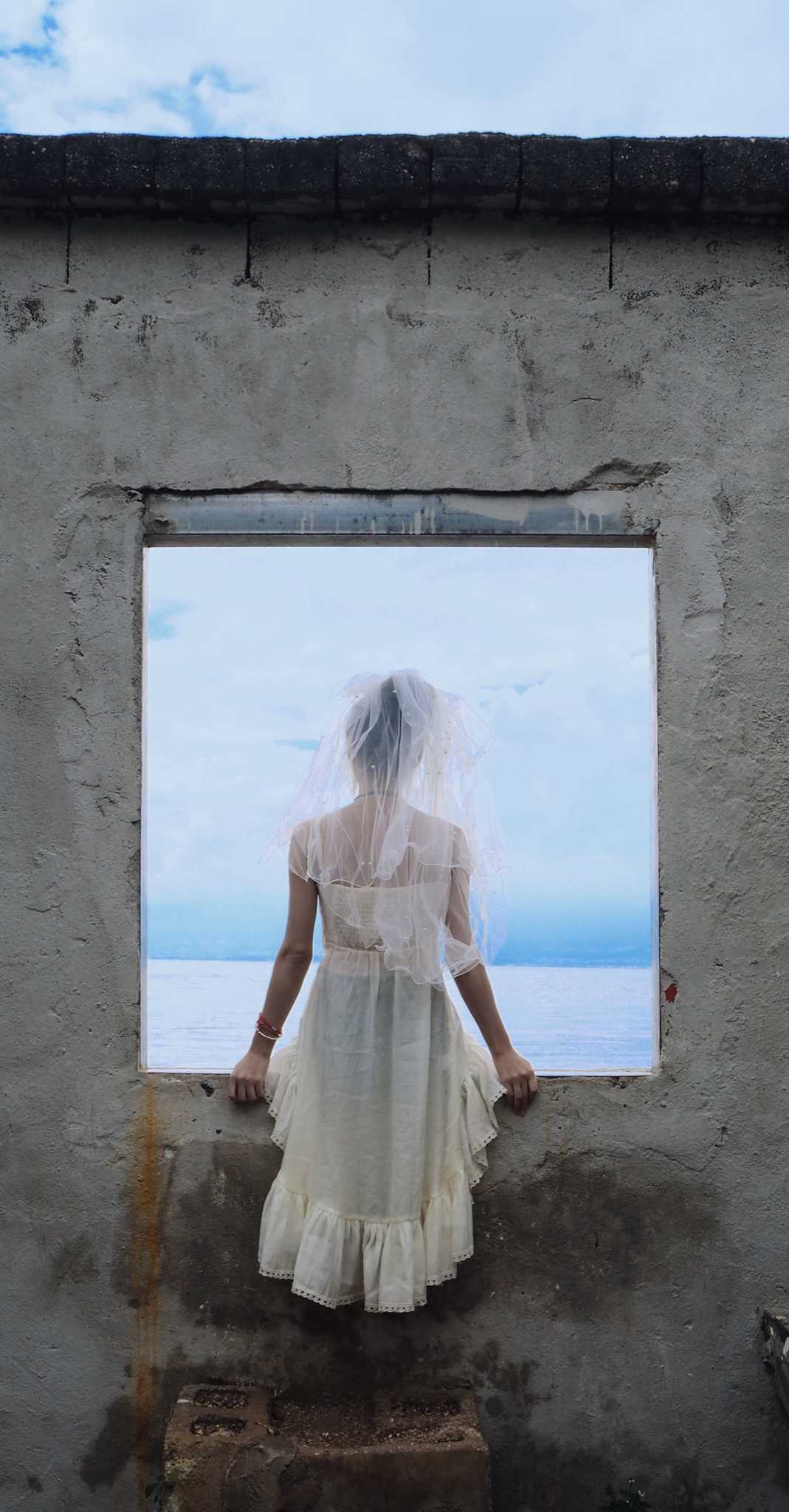
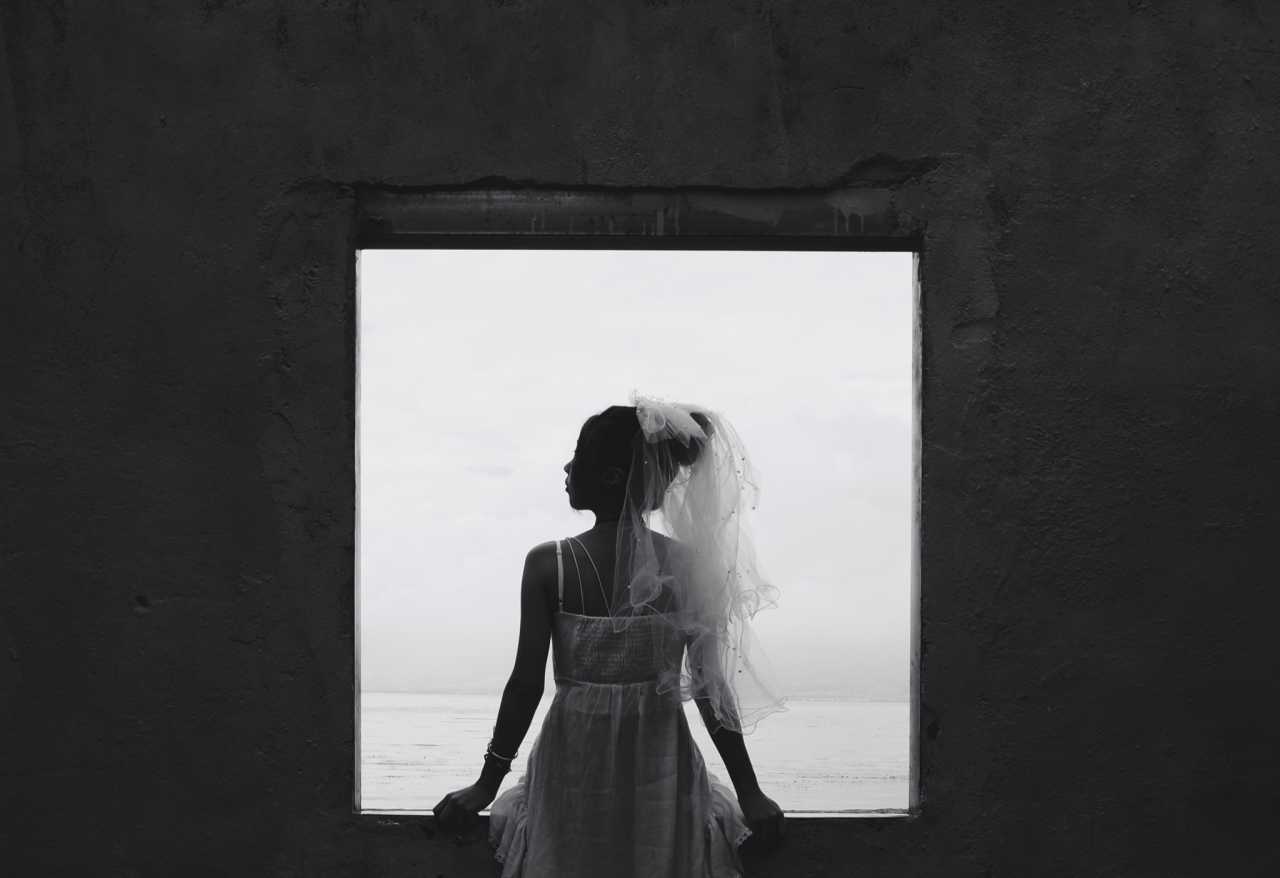
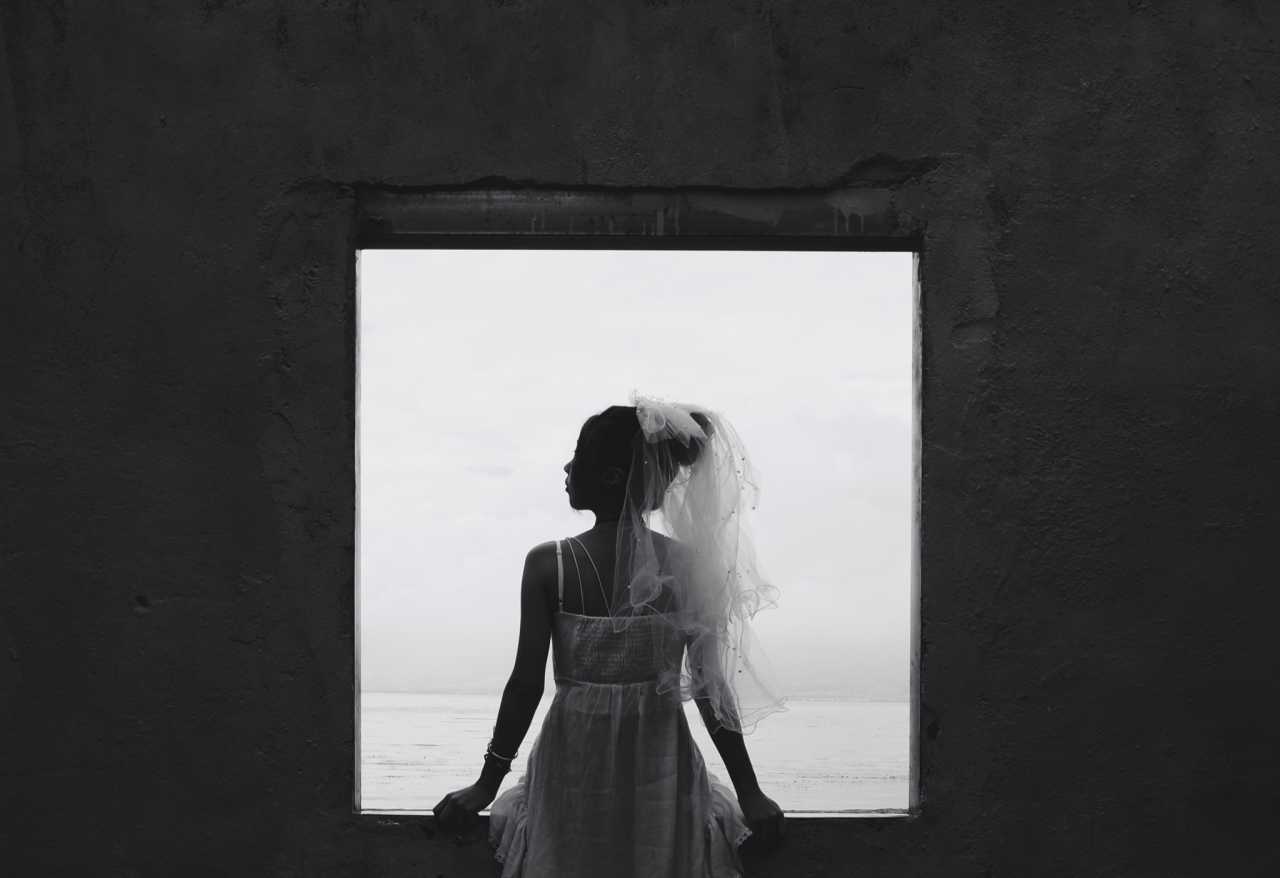
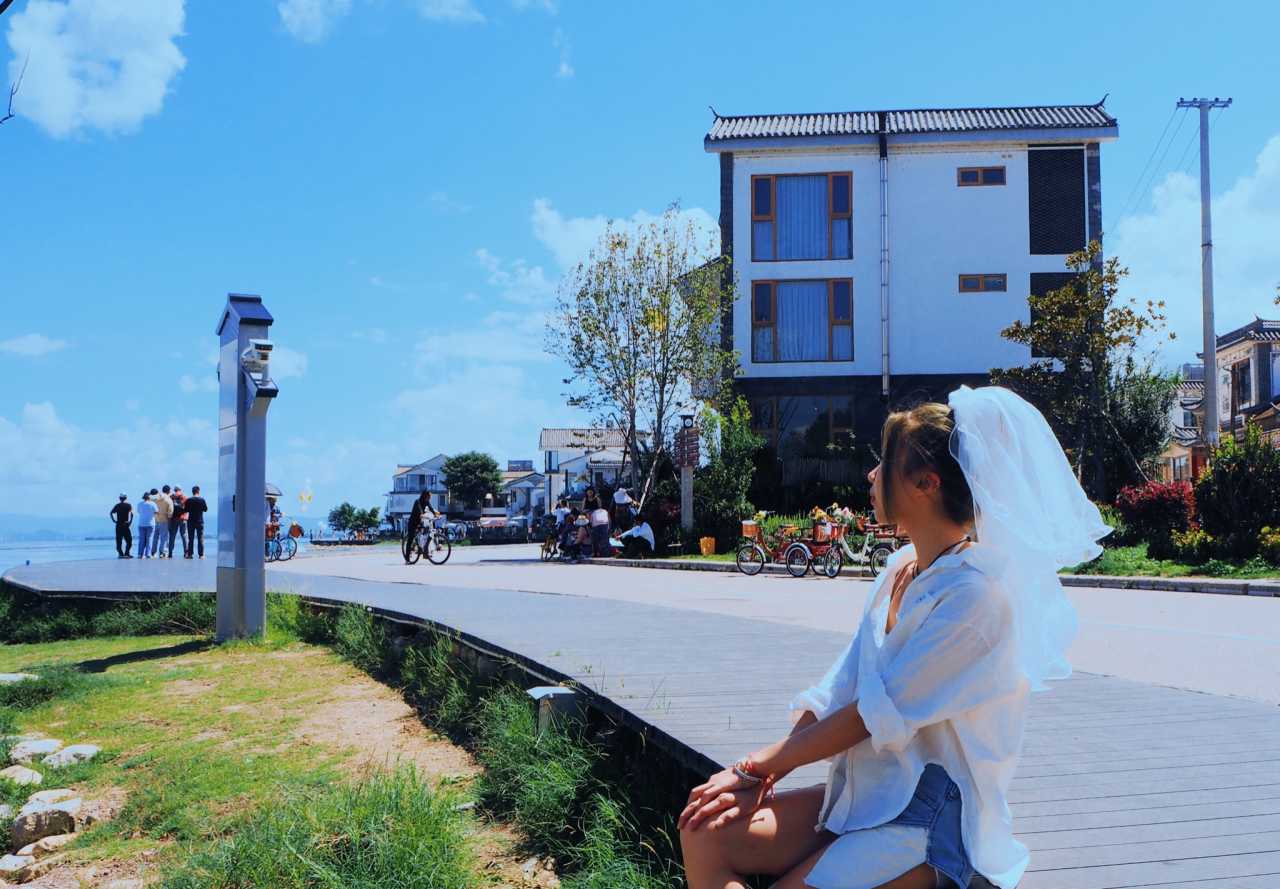
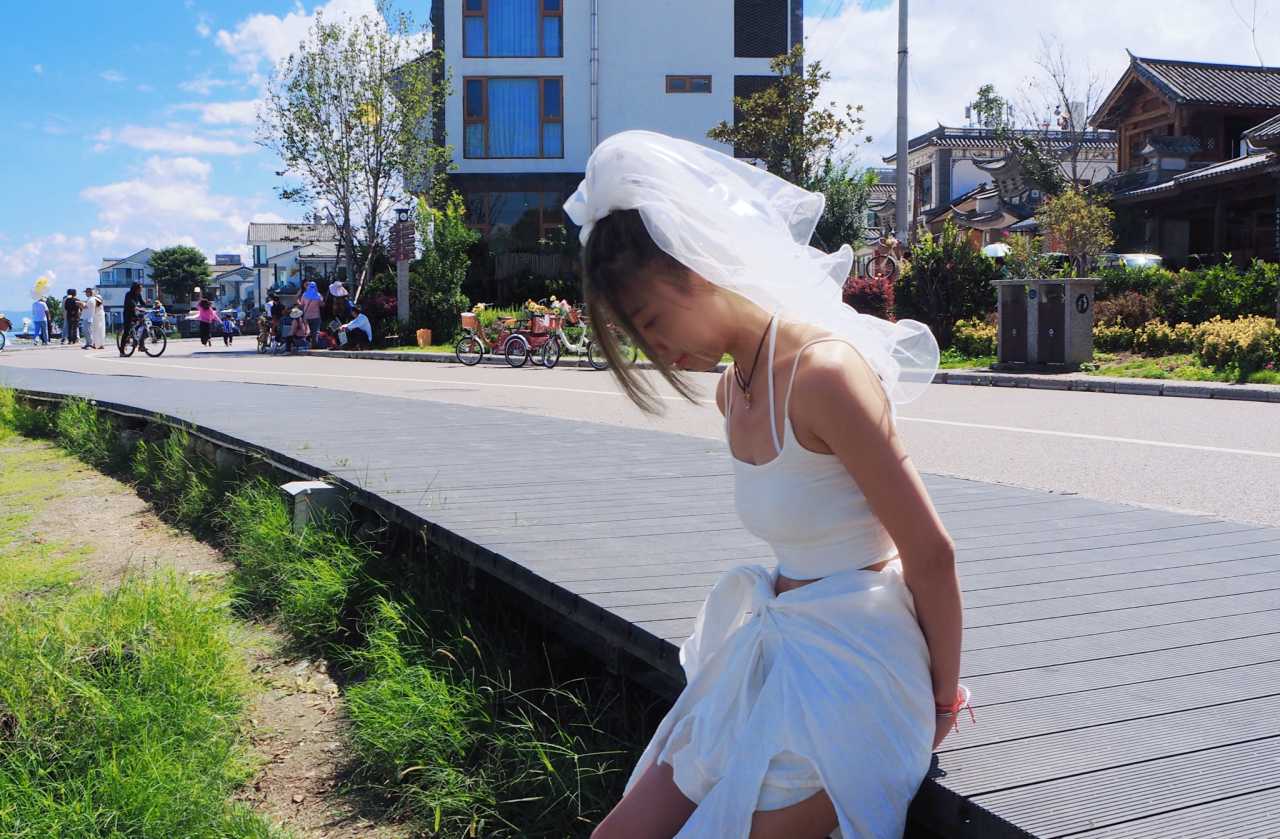
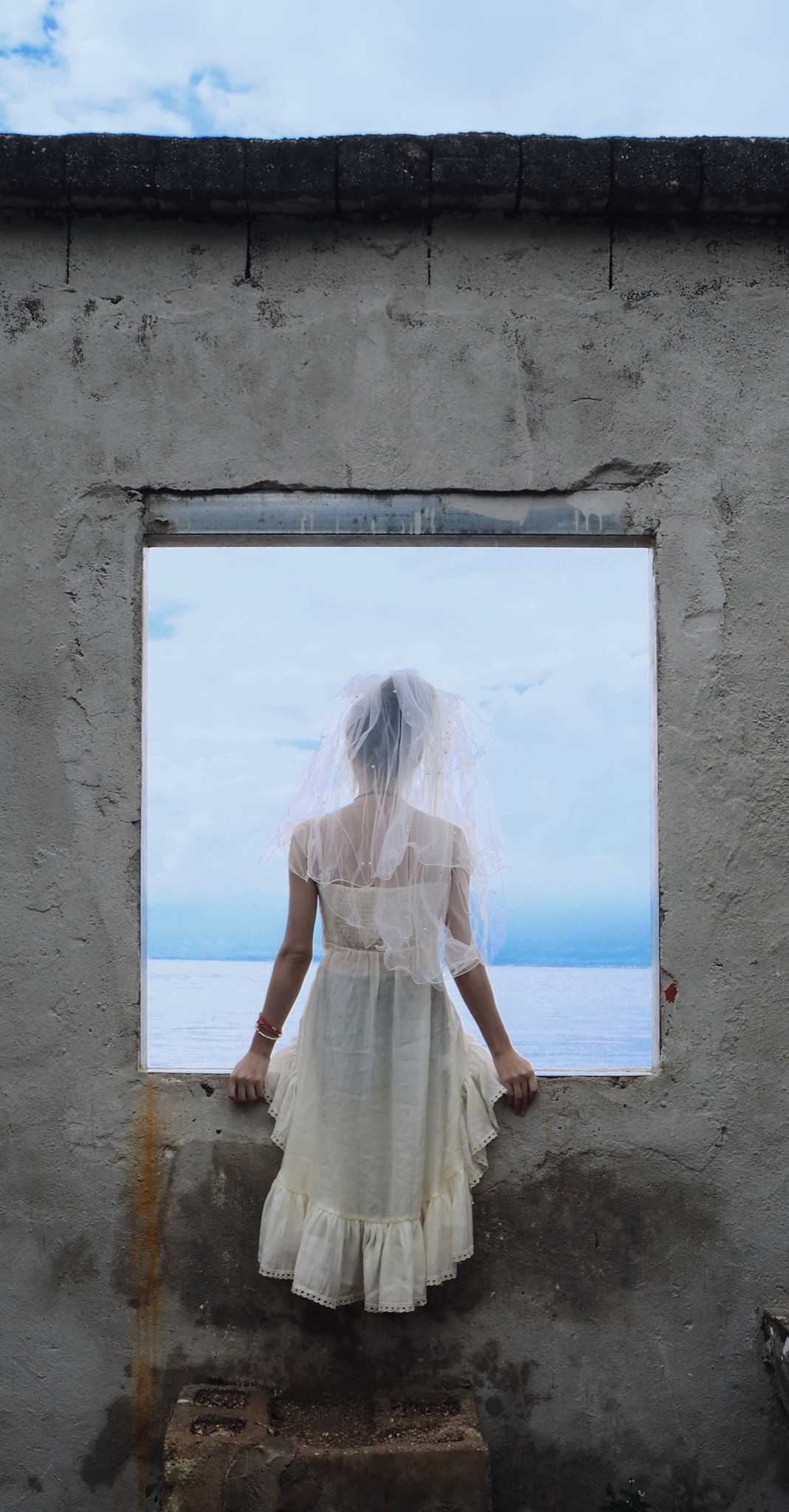
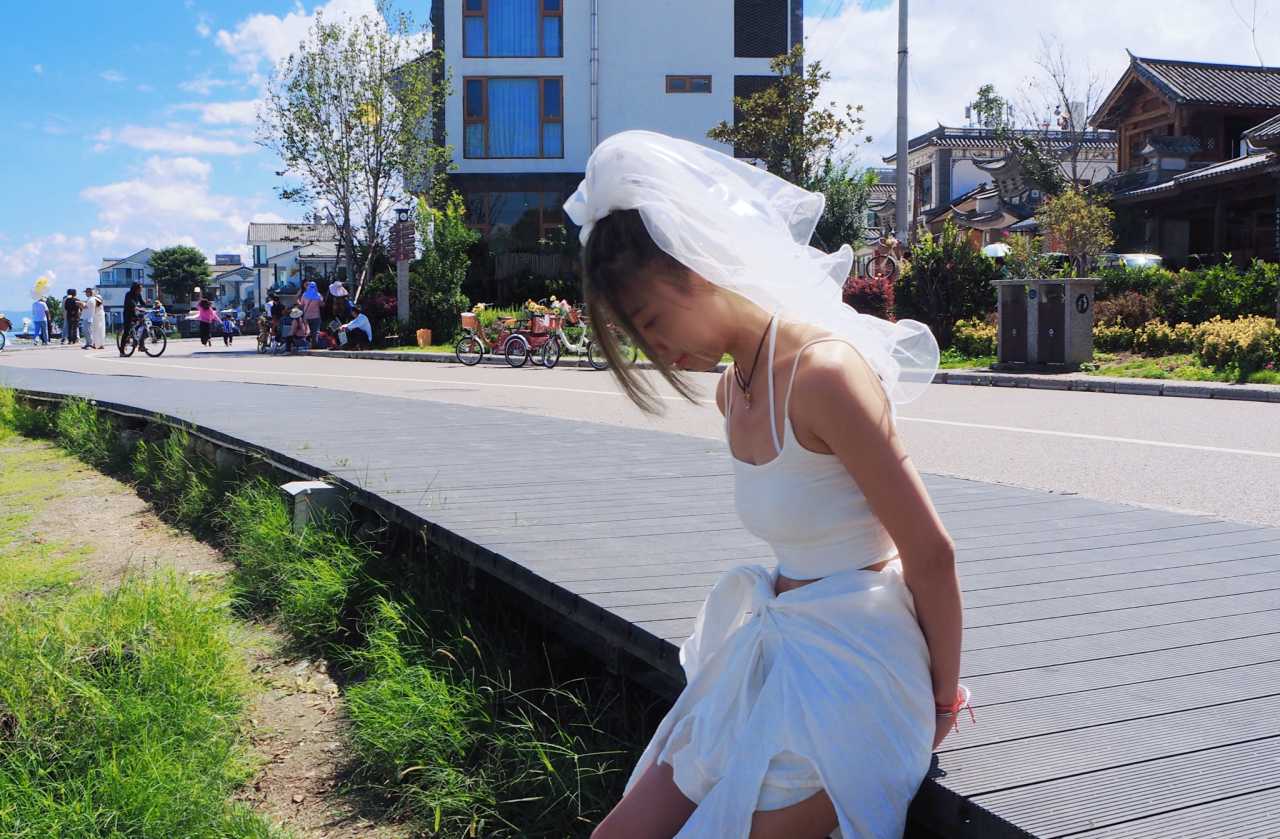
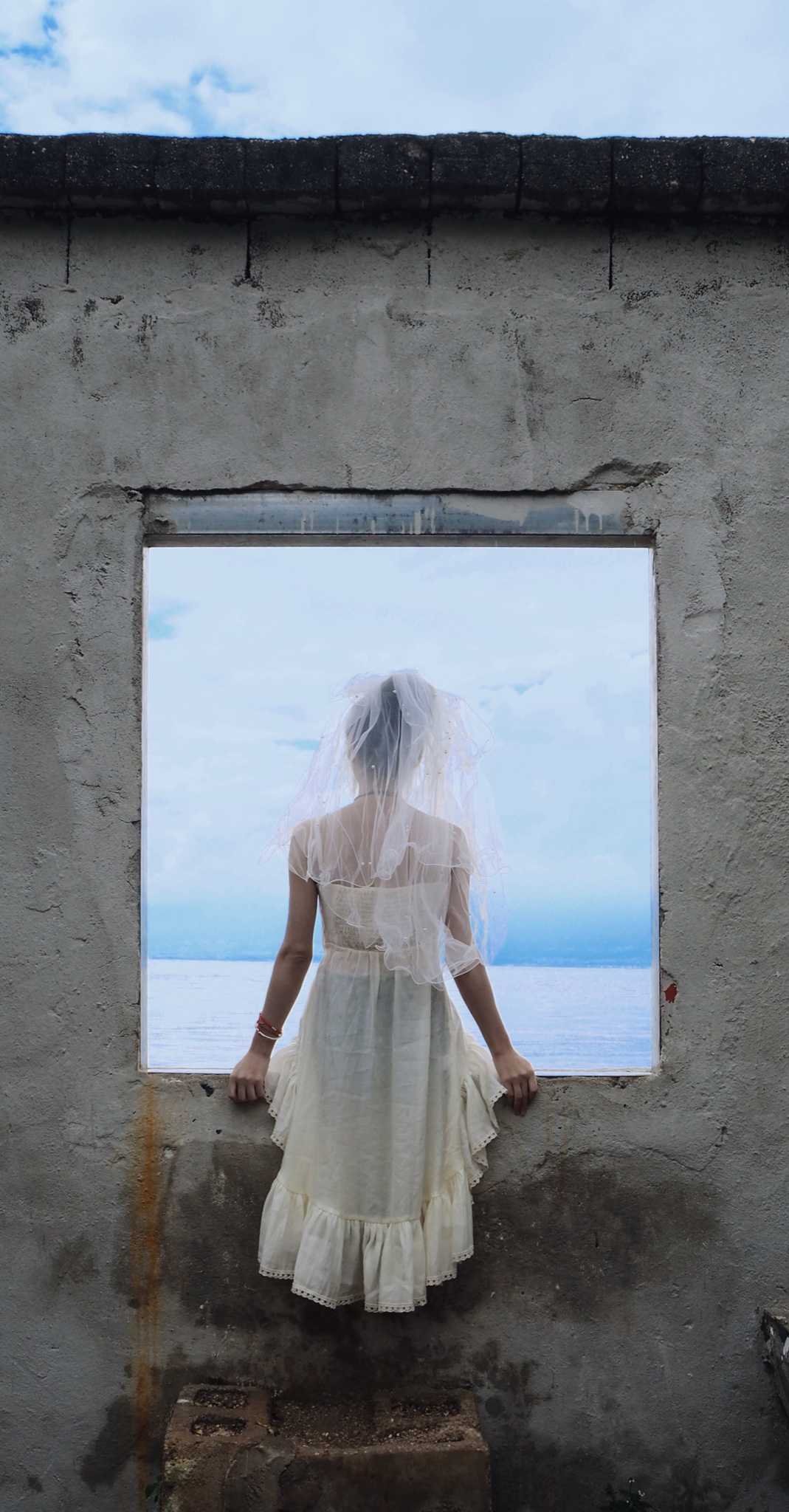
In Wenbi Village, we saw the "Sea Chapel" (海之礼堂), where many couples were taking wedding photos. Ye put on her veil and left her farewell ritual by the shores of Erhai.
Plateau Weather: Changeable as a Mood
As we left Wenbi Village, the sky in the distance had turned dark and menacing. On the plateau, clouds could be pure white one moment and storm-gray the next.

Before we could reach the next scenic spot, "Ideal State" (理想邦), the rain came pouring down. Strong winds, thunder, lightning, torrential rain – the plateau's weather turned fierce in an instant. We took shelter under the eaves of a building by the roadside and watched as a large truck skidded, spinning completely around. Thankfully, it didn't flip.
We waited from two in the afternoon until four, but the rain only eased slightly. We decided to head back. It rained all night, and we fell asleep quickly to the sound of the downpour.
Xizhou: An Ancient Town with Wind in the Wheat Fields
A Lucky Sunny Day
We woke up the next morning to rain still falling outside. We decided: if the rain didn't stop, we'd just explore Shuanglang; if it stopped, we'd hire a car and circle the lake.
When we woke again around nine, the sun was shining, the sky clear. Our driver said we were lucky – maybe so. But more importantly, we'd learned to accept the unpredictability of the weather and cherish unexpected blessings.
A Bai Minority Town and Tie-Dye
Our first stop was a traditional Bai minority town. In the past, the young men and women here weren't allowed to marry outsiders. That only changed after economic development opened things up. In the town, an old house had been converted into a tie-dye (扎染) museum, preserving the craft. All the inheritors were surnamed "Duan" – the same "Duan" as Prince Duan from "The Demi-Gods and Semi-Devils" (天龙八部). The coincidence made us smile.
The tie-dye technique was astonishing. After drawing a pattern, the fabric was bound in various ways, then dyed with pure plant-based dyes. When the knots were untied, the white patterns revealed the original uncolored cloth. The masterpieces were so intricate that the "tied" patterns looked almost more vivid than painted ones.
Xizhou Ancient Town: Memories of the Tea Horse Road
Xizhou has preserved many Bai-style residential buildings. Walking on the cobblestone streets felt like stepping back in time to the old Tea Horse Road trading town. Unlike the gentle charm of Jiangnan water towns, this ancient town had a sense of desolation: the sky felt low, the clouds thick, the mountains distant, and the wind from Erhai close at hand.
I'd heard that during the heyday of the Tea Horse Road trade, Xizhou had four major families – the Yan, Dong, Yang, and Yin clans – who formed the "Xizhou Gang" (喜洲帮). They traded mainly in tea and horses, traveling across the country and even overseas. I imagined those caravans, dusty and weary, traversing mountains, plains, forests, and deserts, sleeping in the open, battling bandits and raging rivers.
What touched me most in Xizhou was the "wind in the wheat fields." Rice paddies beside Bai buildings, rice paddies at the foot of the mountains, endless rice paddies stretching into the distance. At this time of year, the grain was ripe, the stalks still tinged with green.
Ye and I squatted by the paddies, carefully watching how the tourists ahead of us posed for photos and how the photographers framed their shots. Then we mimicked them as best we could and managed to take a few decent pictures.
Scenery Along the Way: The Covered Bridge, the Lonely Tree, and the Instagram-Worthy Road
The Covered Bridge: Secrets Hidden in the Arch
This was a broken bridge that didn't look like much at first glance. Later, we learned the trick: you had to crawl into the arch of the bridge. One person stands at the far end of the arch, the other shoots from the middle, framing the arch, the lake, and the trees in the water.
Squeezing into that arch in a narrow skirt was a bit of a struggle, but the result was worth it.
The Lonely Tree: It's Not the Tree That's Lonely
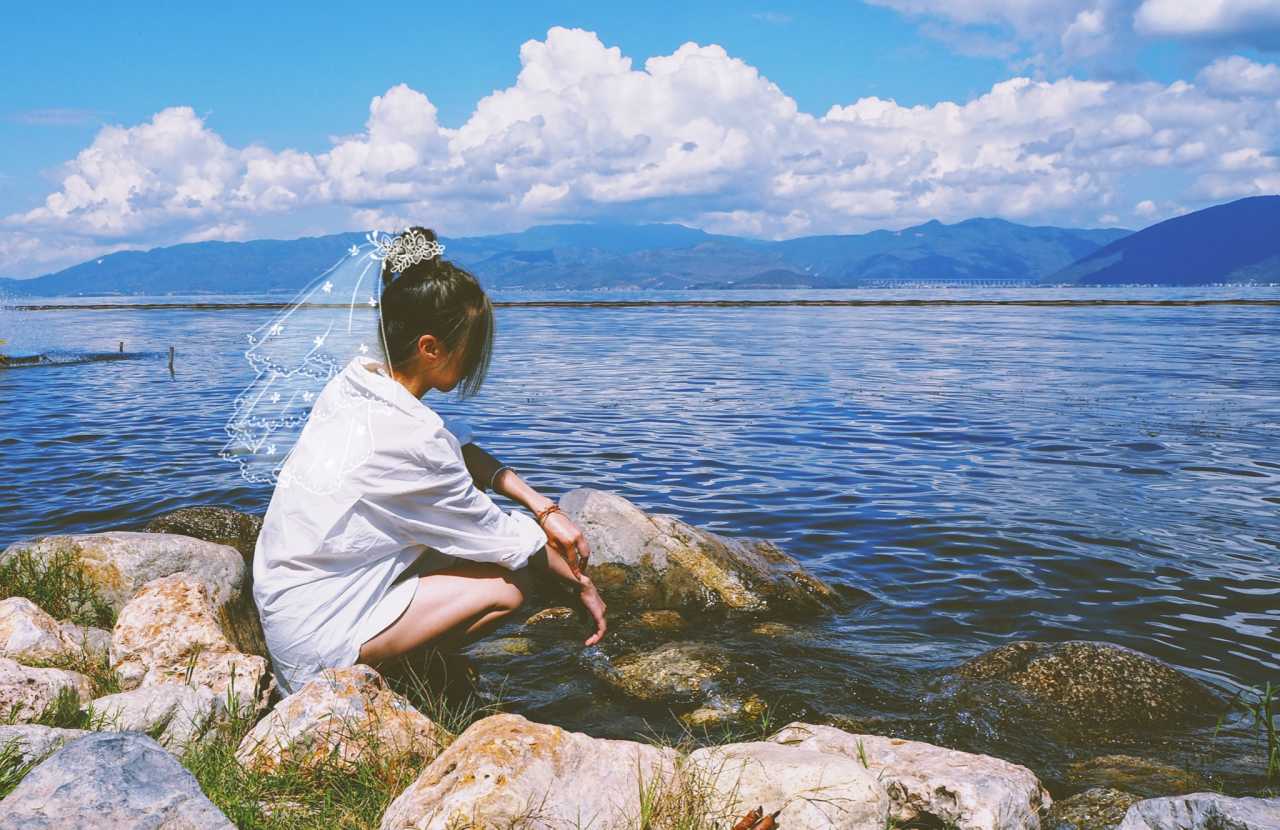
This tree was near the covered bridge. There were actually several trees, but this one had been dubbed "lonely," probably because of its towering, desolate appearance. Sitting under it, facing the deep blue lake and gazing at the distant mountains, it did feel solitary.
But I prefer to interpret it this way: It's not the tree that's lonely – it's the person. The girl who came to Dali alone, perhaps full of doubts about the future, perhaps overwhelmed by life, perhaps scarred by love. She sits under the tree, zoning out, emptying her mind, and then sets off again.
We are all passersby. We come in a hurry, capture a frozen moment, and leave in a hurry, never looking back. The lonely journey will eventually find company; the bustling gatherings will eventually disperse. Birth and death – we must face them alone. Loneliness is inevitable. Why dwell on it? Better to stride through life with grace.
The S-Curve Road and Hongsheng Road

The S-Curve Road (S弯公路) is a famous Instagram spot. Since cars aren't allowed, it's relatively safe. Come here at dawn to catch the sunrise. One popular spot can drive the entire village's economy – parking lots, restaurants, flowers, bike rentals, balloons, photo shoots – everything you could want.
Hongsheng Road (弘圣路) is a rolling road that leads straight to Erhai Lake in the distance. From a high vantage point, the road dips in the middle and rises again, stretching all the way to the water. Beautiful as it is, it's still a road for heavy trucks, so it's not recommended to go out of your way for a photo.
The Old Town and Tea: The Final Chapter of the Journey
Dali Old Town: Bustle at the Foot of Cangshan
Dali Old Town is bustling and highly commercialized. Nestled at the foot of Cangshan Mountain, the streets stretch out toward the peaks in the distance. I passed through quickly, buying a postcard to send to a friend. Wherever I travel, I make it a habit to send postcards – letting slow mail carry my thoughts.
Tea: The Soul of Yunnan
Ye and I both love tea. So do my father, my uncle, and my friend Lao Lin. Yunnan is the land of tea – how could we visit without buying some?
We didn't trust the tea sold at tourist spots, so we went to the factory-direct store of "Xiaguan Tuocha" (下关沱茶). Pu'er – familiar and well-loved – had a richer, deeper flavor. We each bought some to take home and savor slowly.
Epilogue: A Life Still Unfolding
On the morning we left Dali, I sat on the guesthouse balcony, letting the cool lake breeze wash over me. When the sun was out, it was hot; as soon as it rained, it felt like winter was coming – that's Dali weather for you.
I went downstairs to find Abao, who was romping through the flower bushes. Ye came to join us, and together – one person, one dog – we strolled along the edge of Erhai. The path was lined with vast stretches of lotus leaves. The sun wasn't too strong, the sky was partly cloudy, with patches of blue and white. There was the lake breeze, and there was shade from the trees.
In that moment, I suddenly understood: Thirty, forty – every stage of life has its own unique beauty. The vitality of your twenties is worth cherishing, but the turbulence of your thirties is equally worth anticipating.
A veil doesn't have to be reserved for weddings. It can be a blessing, a prayer, a wish for the future. Putting on the veil is a farewell to the journey behind you; lifting it is a welcome to the road ahead.
Either way, just keep looking forward. Whether in joy, anger, sorrow, or happiness – life is long, and the story is still being written.
Practical Tips:
- Best Season: September to November – clear weather, golden rice fields
- Transportation: Rent an electric scooter for the East Lakeside Road – stunning views, but be careful
- Must-Eat Foods: Steam pot chicken, crossing-the-bridge noodles, camellia milk tea from Ba Wang Cha Ji
- Must-Visit Spots: Xizhou Ancient Town, East Lakeside Road, Xiaoputuo Island
- Where to Stay: Guesthouses near Shuanglang along Erhai Lake – experience the lake day and night
- Things to Note: Plateau weather changes quickly – bring a jacket and rain gear. The lakeside road has many curves – drive with caution
You should also read:

Two Girls' Graduation Trip: Dali and Shuanglang – A Poetic Farewell to Mountains and Sea
Two Girls' Graduation Trip: Dali and Shuanglang – A Poetic Farewell to Mountains and Sea Preface: Catching the Tail of Youth, Heading South During our senior year of college, my roommate and I – two girls studying in Beijing – decided to bid farewell to…
Continue reading...
Body in Hell, Heart in Heaven: A Pilgrimage Through Tiger Leaping Gorge — A Dialogue Between Heaven and Earth
Body in Hell, Heart in Heaven: A Pilgrimage Through Tiger Leaping Gorge — A Dialogue Between Heaven and Earth Introduction: When the Gorge Splits Open Beneath Your Feet Some say Tiger Leaping Gorge is the closest place on Earth to the border between "hell" and…
Continue reading...
A Spiritual Journey to Lugu Lake in Lijiang: Experiencing the Legend of the Kingdom of Women! (Reproduction and Hotlinking Prohibited)
A Spiritual Journey to Lugu Lake in Lijiang: Experiencing the Legend of the Kingdom of Women! (Reproduction and Hotlinking Prohibited) Off-road自驾, food, hotel and民宿 reviews, Featured Traveler, Tank 300 owner, 200,000 km of self-driving experience. WeChat: y01294987 Ninglang Yi Autonomous County 2010.11.08 · 7 days…
Continue reading...