Dali and Lijiang: A Belated Romantic Journey, a Warm Family Reunion Across Three Generations
Dali and Lijiang: A Belated Romantic Journey, a Warm Family Reunion Across Three Generations
Five years ago, I missed a rendezvous with Cangshan Mountain and Erhai Lake. Back then, I had already booked my flights, mapped out my itinerary, and was brimming with excitement for a solo Yunnan adventure. But fate, like a mischievous storyteller, had other plans—my mother suffered a sudden subarachnoid hemorrhage, and I rushed back to the hospital overnight. Every reservation turned into a sigh. The民宿 (guesthouse) owner was understanding and refunded me in full, but the regret lingered like the ripples on Erhai Lake, spreading outward, never truly settling.
The following year, during National Day, I mustered the courage to try again. This time, it was news of my grandmother's critical illness. Once more, I had to say goodbye to Dali. Two missed opportunities left me wondering: Were Dali and Lijiang destined to be an unreachable spell?
Then, after three years of the pandemic, the little life beside me—my daughter—had grown from a swaddled infant into a kindergarten sprite. She always clutched a little dog plushie named "Huajinghan," insisting she wanted to take it to see the world. In that moment, I realized: Some dreams aren't meant only for your younger self. This time, I wouldn't be traveling alone.
So, three generations of my family—me, my husband, my daughter, and my mother—set out on that road the lyrics sing about: "Why not head west to Dali."
Setting Off: The Courage and Wisdom of May Day
Choosing to visit Dali and Lijiang during the May Day holiday sounds like asking for trouble. The weather forecast showed rain across Sichuan, Guizhou, and most of southern China, but Dali and Lijiang were predicted to be cloudy and sunny. To be safe, I asked a few local livestreamers, and they confirmed: Even if it rains this season, it's just brief showers, not the persistent drizzle of October.
As it turned out, this decision was right—except for the traffic.
We left Chengdu at 4:30 AM, perfectly dodging the April 30 departure peak and the May 1 exodus. The entire journey was on expressways with excellent road conditions. Even novice drivers needn't worry, though they should watch out for the rain and fog on the Nibashan Mountain section of the Yaxi Expressway and the double-spiral tunnels at Tuowushan.
But the moment we entered Dali, reality slapped me hard. In the ancient town, we were stuck in traffic for nearly two hours. Sitting in the driver's seat, staring at the deep purple line on my navigation screen, I had only one thought: If I had a second chance, I would never drive into the old town.
Later, our民宿 owner told me this May Day was relatively mild compared to the Spring Festival. From Caicun Village to the old town, the roads were jammed purple by afternoon.
I suggest Dali's ancient town learn from Lijiang: Build large parking lots on the outskirts and restrict vehicle access within the old town. Otherwise, narrow streets plus holiday traffic is a recipe for gridlock.
First Impressions of Dali: Bai Ethnic Flavors in a Deep Alley
After finally parking, I was dismayed to find the fee was 50 yuan per day. But the moment we walked into the deep, quiet alley where our民宿 was located, away from the crowds, all the frustration melted away.
We had booked blind—a place called "Mr. Deer," hidden in a serene, clean alley. Pushing open the door, a strong Bai ethnic atmosphere washed over us. Bougainvillea was everywhere, a signature plant here, with clusters of vibrant purple-red blooms spilling over the walls of nearly every guesthouse. Our room had a rooftop transformed into a small garden filled with succulents and flowers—exactly what had caught my eye.
Outside the room was a terrace. Pulling back the curtains revealed a courtyard full of plants. My mother, an avid succulent enthusiast, picked up a pot and examined it closely, her eyes shining with joy. At that moment, I felt all the traffic jams were worth it.
Dali Ancient Town: A Lazy Stroll Without an Itinerary
In Dali, I chose the freest way to travel—no itinerary, just going with the flow. Honestly, it was pure laziness, but laziness has its perks: Without preset expectations, every moment is a pleasant surprise.
In the old town, Bai-style buildings stand in harmonious disorder, with black tiles, white walls, and upturned eaves. Lining the streets are stalls selling handmade crafts—intricate embroidery, handwoven shawls, and trinkets made from local materials. As evening falls, the night market comes alive, with the aroma of grilled milk fan (roasted cheese curd), cold rice noodles, and flower cakes filling the air.
I especially recommend the grilled tofu—crispy on the outside, soft on the inside, bursting with flavor with every bite. As for the grilled milk fan, I just couldn't get used to it; the milky taste was too strong for me.
At the end of one alley, we found a tiny shop called "Coffee for Life." Its modest facade featured a wooden door and window frames carved with delicate patterns. A small blackboard hung outside, listing the day's recommended coffee and desserts in chalk. I found a seat by the window and watched the occasional passerby in the alley; time seemed to slow down.
Dali's nights are a different kind of beautiful. As the lights come on, the ancient town's streets and buildings are transformed into a dreamy spectacle. The民宿 owner was right: Dali is quiet during the day, but it truly comes alive at night.
Erhai Lake: Not a Perfect Blue Sky, But Still Beautiful
Sparse sunlight filtered through the clouds, gently scattering across the shimmering water. The lake stretched wide, merging with the sky. It wasn't the deep blue of winter, but it showed us its most authentic face.

My mother, 60 years old and visiting Dali for the first time, stood by Erhai Lake, gazing at the vast expanse. She said, "My heart feels so peaceful, as if Erhai can soothe all the pain and regret of a lifetime."
I didn't say anything. I just held her hand tighter.
Panxi S-Bend: A Cycling Paradise for Kids
We had planned to go to Caicun Village, but when I checked the navigation, it was already jammed red. On a whim, we decided to head to the网红 (internet-famous) S-Bend at Panxi Village. Honestly, I didn't have high hopes at first, but it turned out to be a paradise for children.
Panxi S-Bend is located in Yinqiao Town, Dali City, about 12 kilometers from the ancient town. It's part of the Erhai Lake ecological corridor. The S-shaped shoreline has become a hotspot for social media, with livestreamers broadcasting sunrises, coffee, and lake views. Apart from the crowds, there's really no downside.
Renting a bicycle costs about 10 yuan, though some require a deposit. My daughter insisted on being the driver, pulling her mom along the S-Bend, becoming the coolest kid on the entire boardwalk.
Xizhou: The Great Joy Town, Full of Surprises
Xizhou—the name itself sounds auspicious (it means "Great Joy"). This ancient town is steeped in Bai ethnic culture, famous for its well-preserved Bai residential architecture, rich farming traditions, and traditional handicrafts.
What surprised me most were the jacaranda trees. They stood in rows, forming a sea of purple flowers, as if the entire town was shrouded in a violet mist. The blossoms swayed in the breeze, releasing a faint fragrance, making you feel like you'd stepped into a fairy tale.
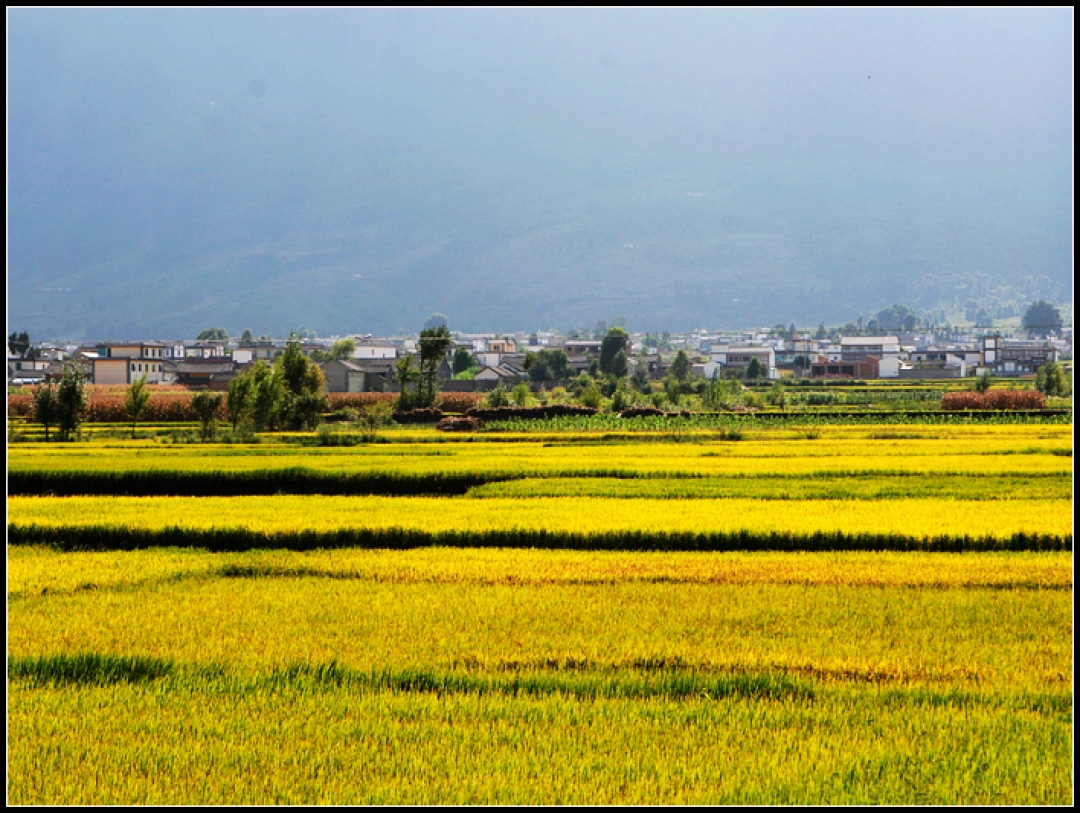
Xizhou's wheat fields were another highlight. Red-walled buildings, golden waves of wheat, the distant Cangshan Mountain, and artsy wheat-field coffee shops and a little train—all classic social media elements. But I was a bit puzzled: Isn't it early summer now? Why were the rice paddies still golden?
The little train was a bit of a trap. I bought the wrong ticket and ended up on a one-hour ride—long enough to go from Nanjing to Shanghai. The scenery along the way was nice, but the journey was just too long.
Xizhou's food is not to be missed:破酥粑粑 (crispy flaky pastry) with a crunchy exterior and soft interior; grilled yogurt, which suited my taste better than grilled milk fan; and a roadside barbecue that was absolutely incredible.
Shuanglang: A Surprise from the Guesthouse
Shuanglang was perfect—except for the traffic.
The民宿 staff contacted me early to help with parking and luggage, which warmed my heart. We stayed at a lakeside guesthouse on Yuji Island, with a small courtyard featuring a stunning bougainvillea tree. Wasn't this the dream yard? Facing the sea, with flowers blooming in spring.
With a cup of coffee, sitting in the guesthouse and slowly watching the lake, it was pure bliss. Across the water lay Nanzhao Island, facing Shuanglang's lakeside bar street. Even from our room, the view was a masterpiece.
At night, under bright lights, beneath a massive bougainvillea tree, gazing at the sea and listening to the waves, my mother began telling stories from the past. In that moment, time stood still.
Lijiang: An Unexpected Encounter Beneath the Snow Mountain
"Is that a snow mountain?" "It really is a snow mountain!"
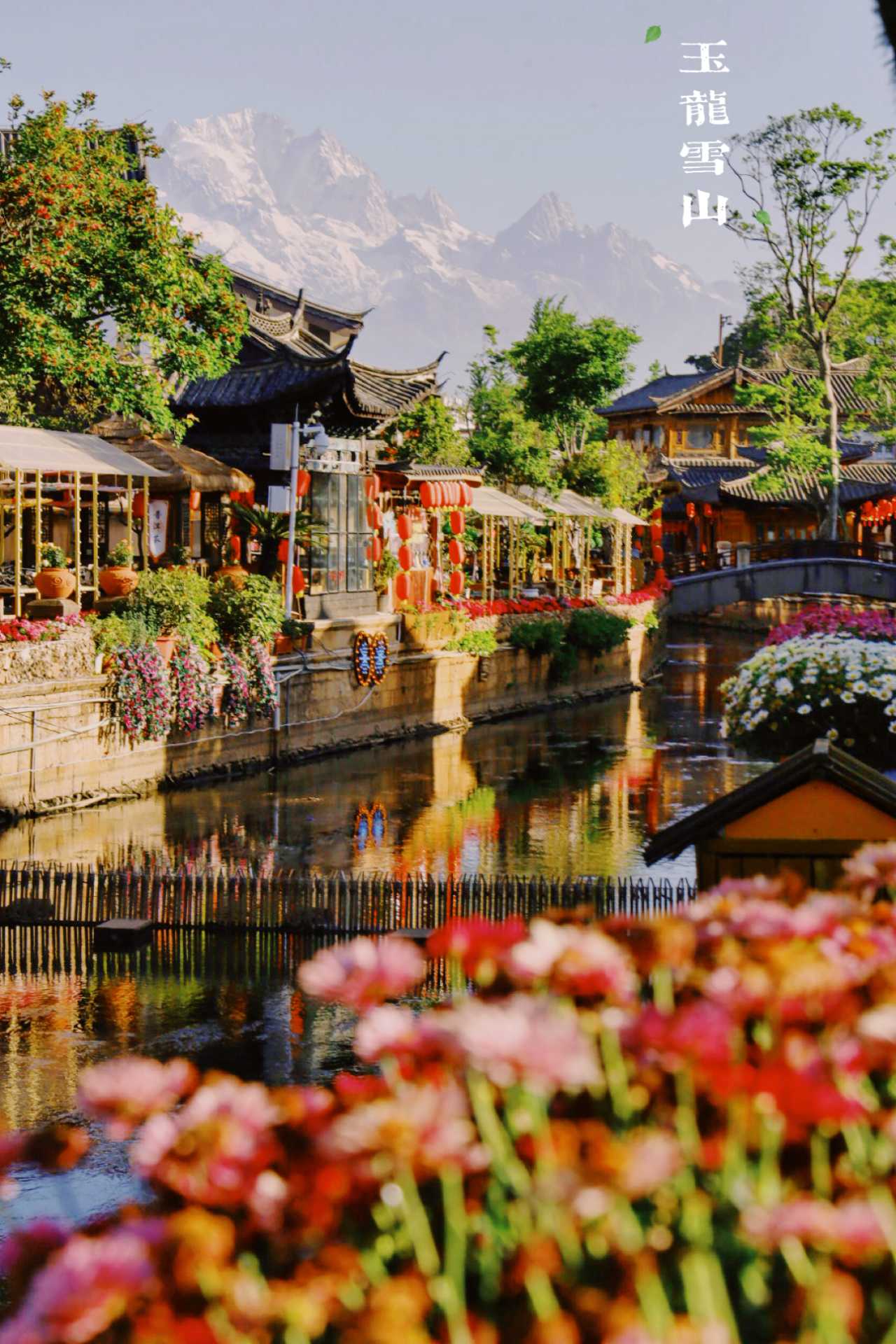
After confirming my eyes weren't deceiving me, I realized the towering, snow-capped peak visible right from the city was indeed Jade Dragon Snow Mountain. So the legend of an ancient town beneath a snow mountain was true. How lucky the people of Lijiang must be, able to see the snow mountain from their own rooftops.
Parking during May Day was a nightmare. The lot at the scenic area entrance was already full, so we parked two kilometers away on Jinxing Road. Fortunately, taxis were easy to find, and we reached the old town in ten minutes.
The民宿 owner was already waiting for us at the South Gate, helping with luggage, asking about our well-being, and enthusiastically introducing various attractions. It felt less like traveling and more like coming home.
The Umbrella Street: A World of Colorful Oil-Paper Umbrellas
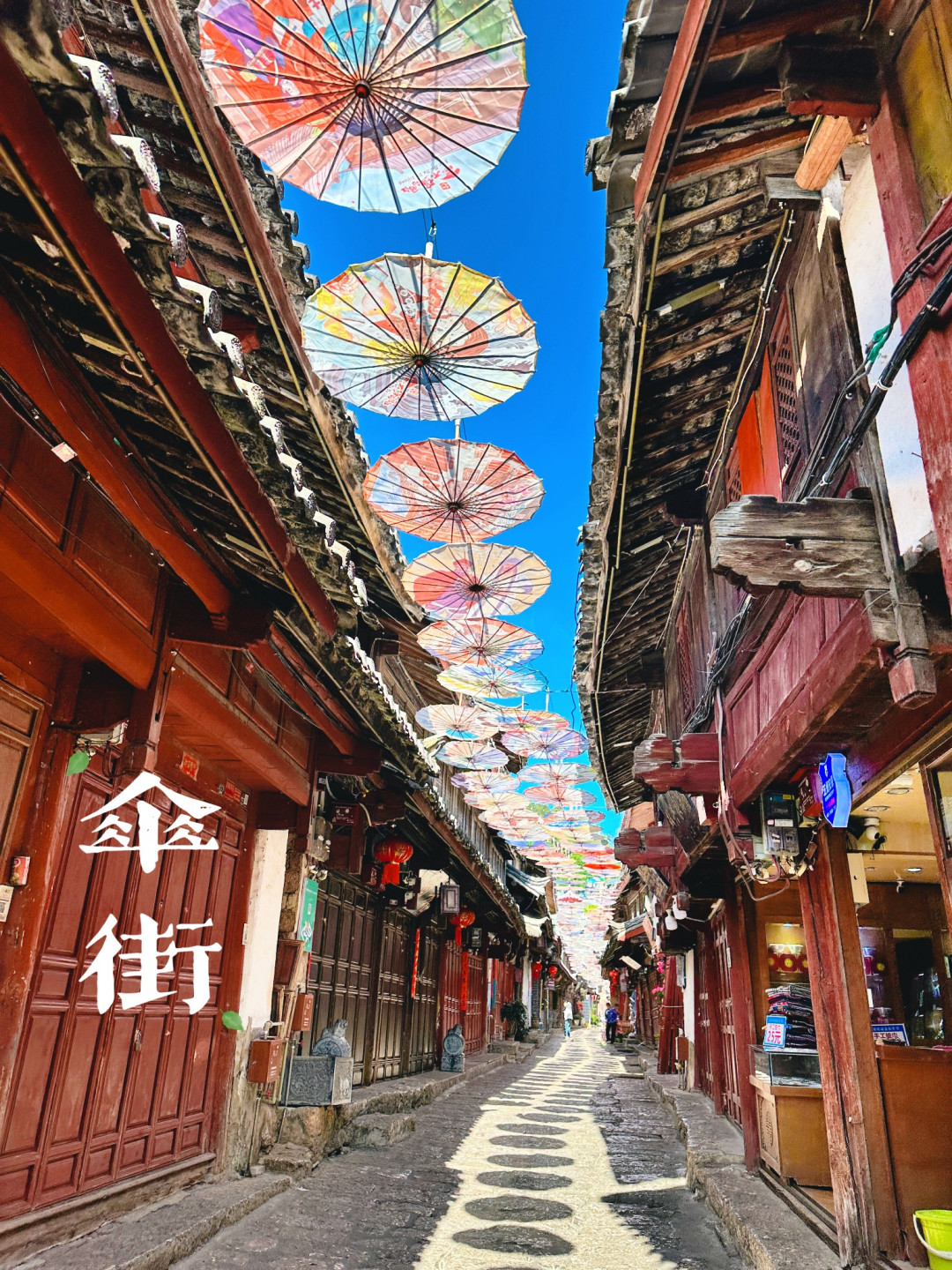
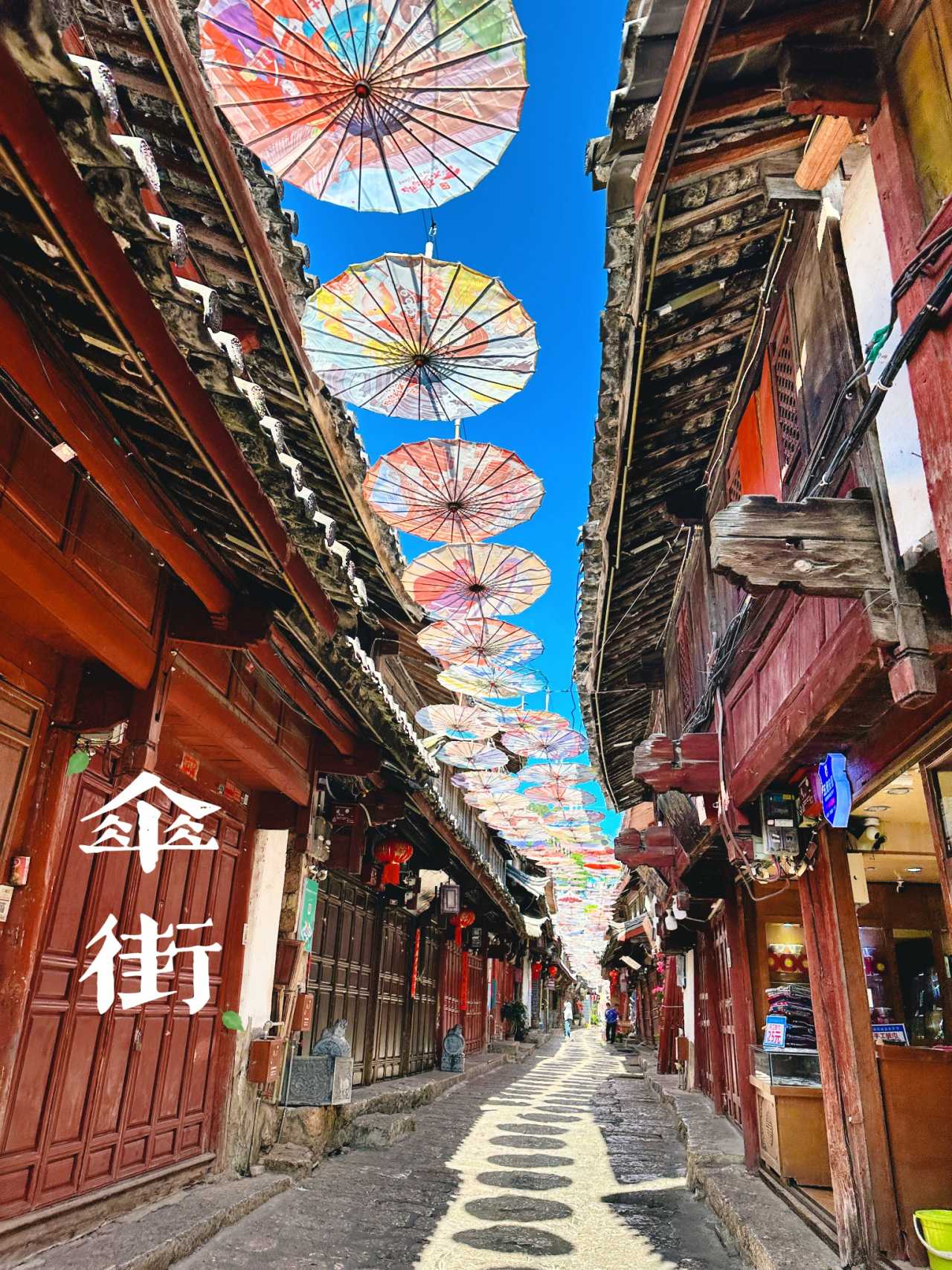
Our民宿 was right at the end of Umbrella Street. Sunlight streamed through the colorful oil-paper umbrellas, casting sharp rays of starlight onto the thousand-year-old stone floor.
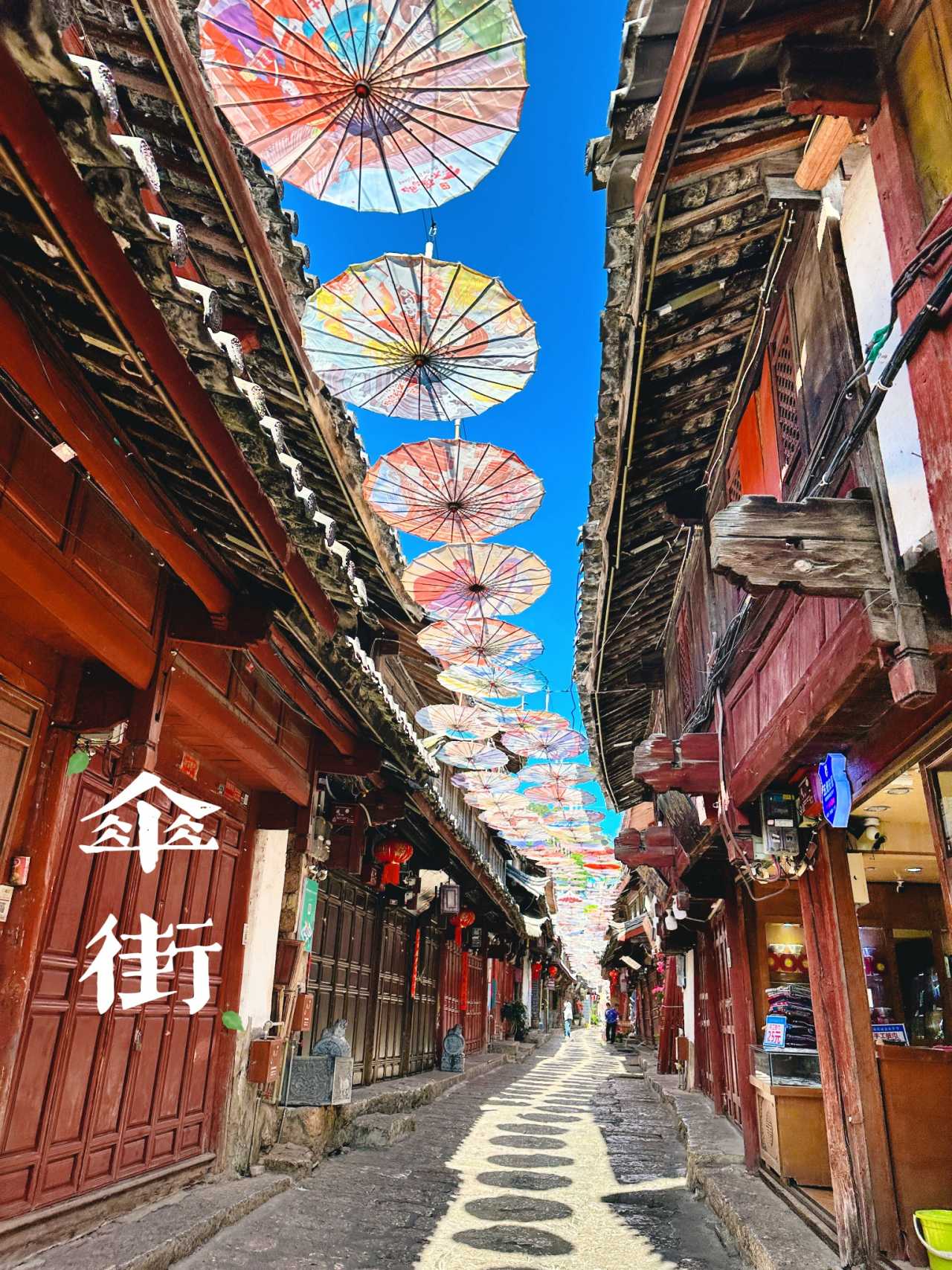
Suspended above the street were vibrant oil-paper umbrellas in every color, gently swaying in the breeze like blooming flowers or dancing butterflies. The light filtering through the gaps created dappled shadows, adding a lively splash of color to the ancient cobblestones.
Lining both sides of the street were small shops selling handmade crafts, local snacks, and specialty products. Here, you could find traditional Naxi clothing, hand-embroidered accessories, and crafts made from Dongba paper.
Costume Experience: 88 Yuan to Become a Little Tibetan Beauty
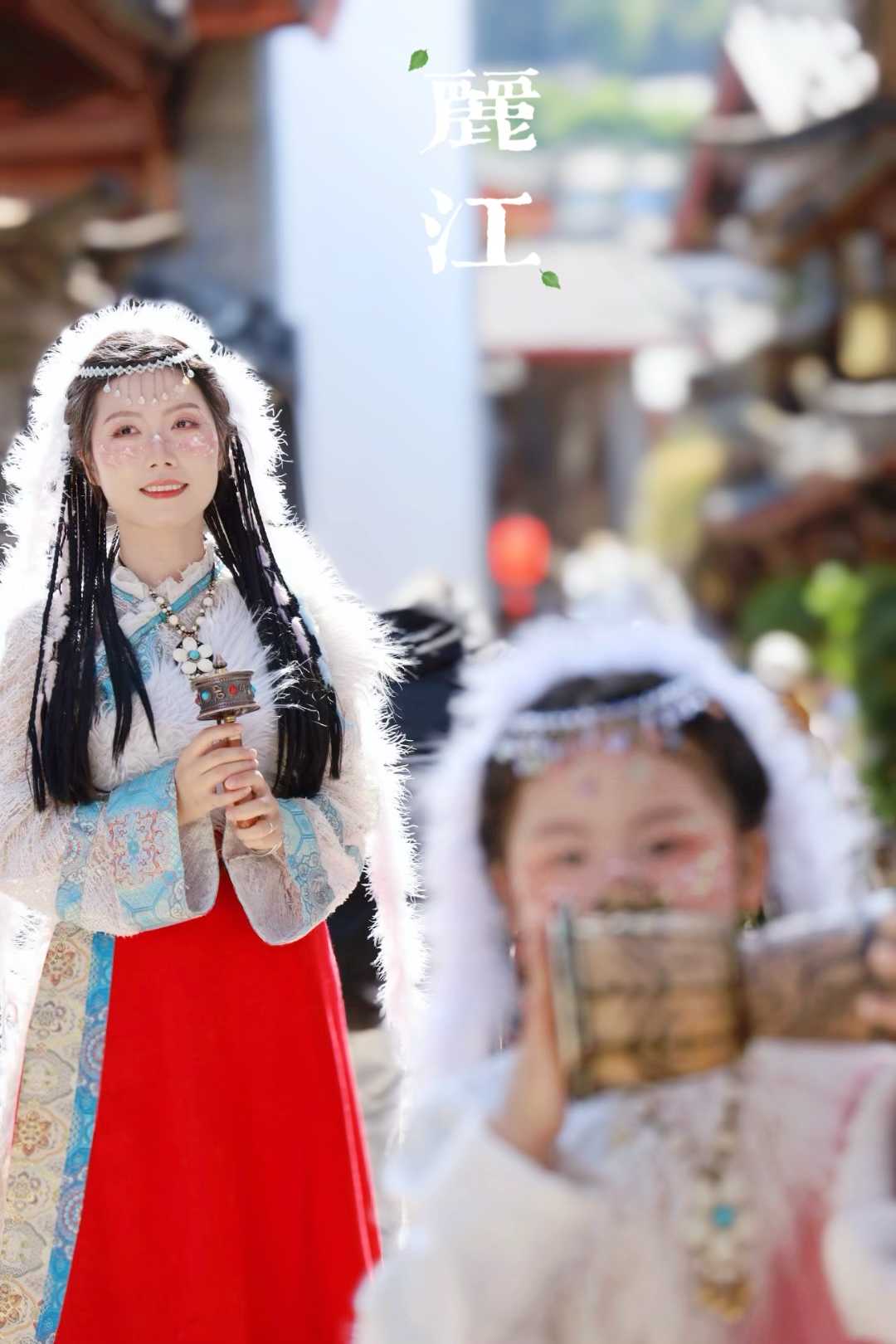
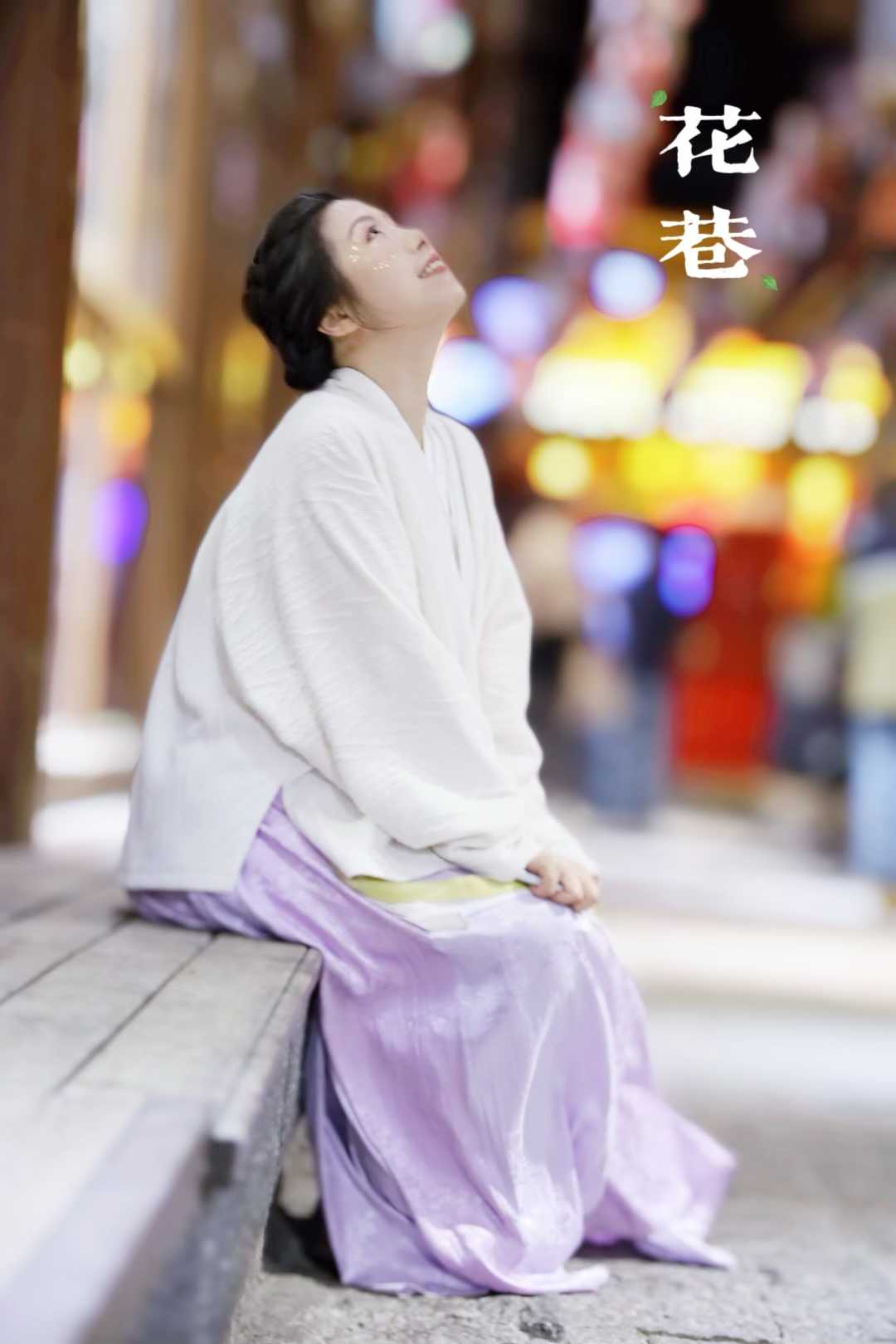
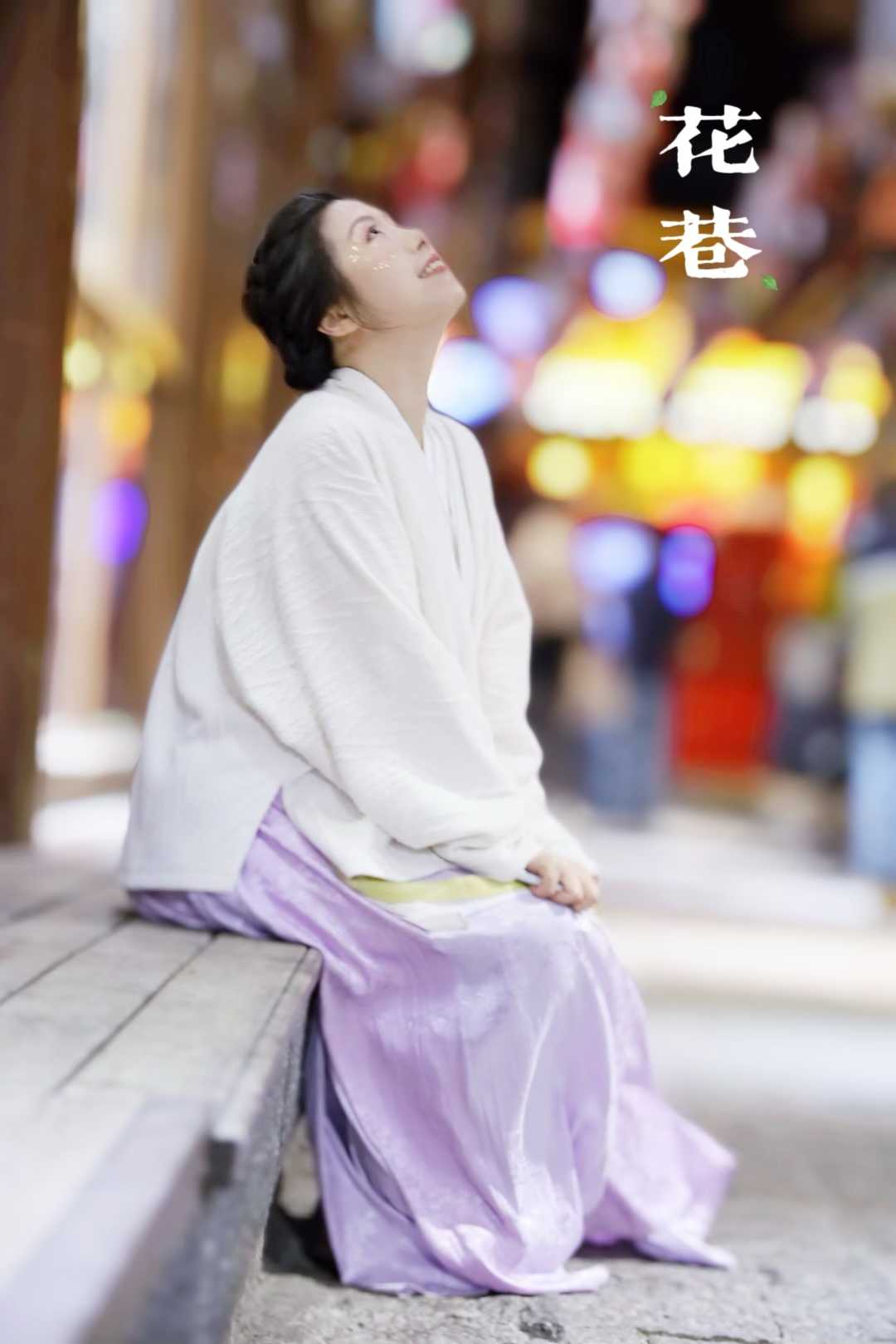
Lijiang's ancient town is full of shops offering costume and makeup services. For 88 yuan, you get a full makeover and costume rental, with no time limit. You can wander around taking photos and return the outfit whenever you're done.
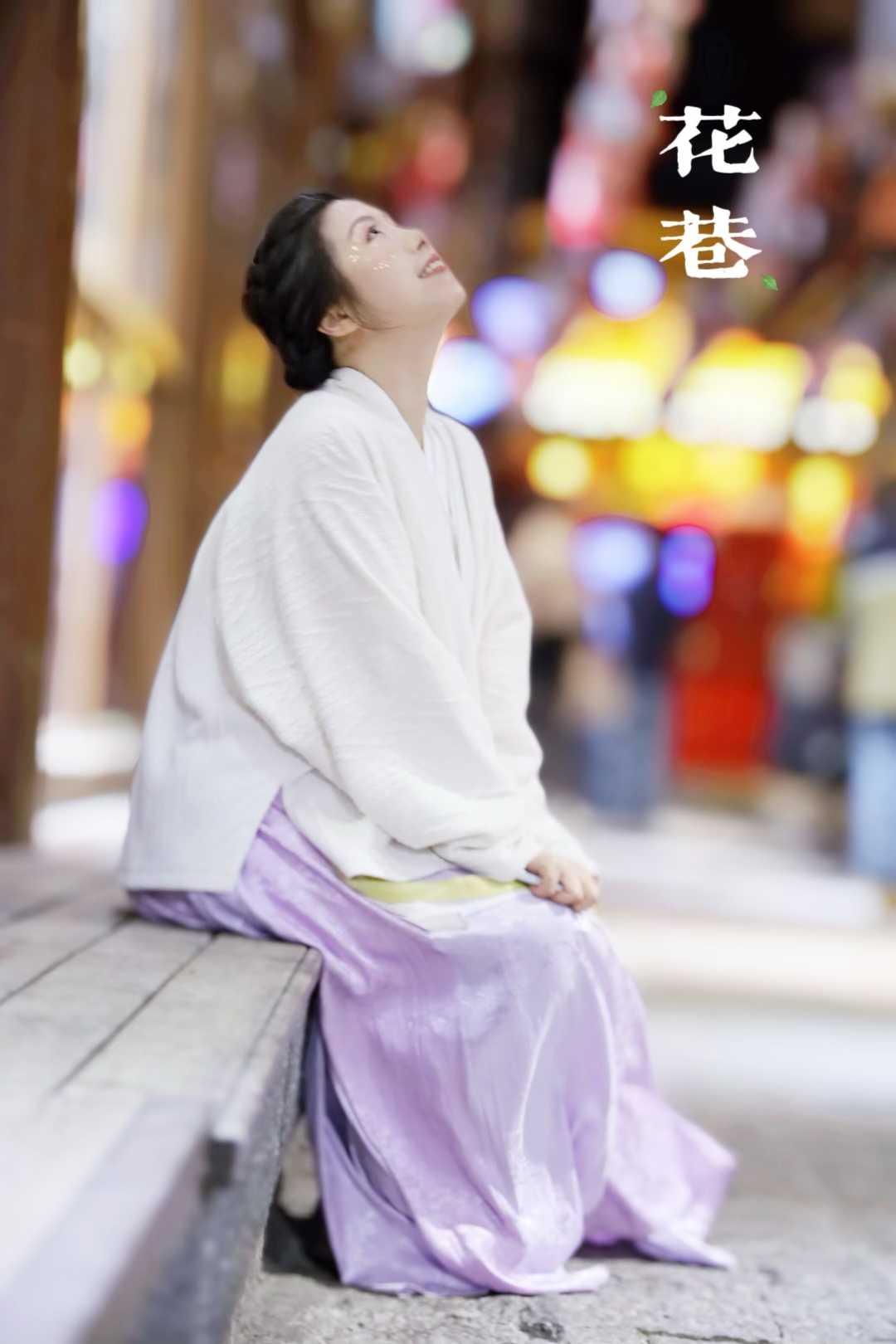
My daughter had always wanted to try a Tibetan costume, and this time her wish came true. Dressed in Tibetan attire, she ran through the ancient town. When she turned around, it was like a glimpse across a thousand years.
In summary: Doing it yourself costs just 88 yuan per person—totally worth it. If you're visiting Lijiang and have time, I highly recommend giving it a try. There are various costume options available—Tibetan, Miao, Yi, Uyghur, Bai, Naxi, and more. Photographer packages range from 198 to 598 yuan, but I personally think it's unnecessary; it feels too formal.
Sakura Restaurant: A Blossoming Social Media Hotspot
This is the famous Sakura Restaurant, known across China. Its location is unbeatable, next to Sakura Square and not far from Sifang Street. The ambiance is fantastic, but it's crowded with visitors. Sitting on the second floor offers a great view.
We only ordered some snacks and手抓饭 (hand-grabbed rice). The sakura-themed pastries were good, but the coffee was a letdown—68 yuan for an Americano, a bit pricey.
Some Tips for Dali and Lijiang
Getting There: The key to avoiding traffic during May Day is to travel against the flow of the "ChuanA" (Sichuan license plate) crowd. Leaving at 4:30 AM helped us avoid both the April 30 departures and the May 1 exodus. The entire route from Chengdu to Dali and Lijiang is on expressways with excellent conditions.
Budget: Driving saves on tolls. Accommodation in Dali and Lijiang averages 200 yuan per person per night, keeping the budget manageable. As long as you don't choose trendy网红 (internet-famous) guesthouses, you'll find clean, comfortable options, each with its own unique charm. For food and drink, as long as you avoid the main streets and Sifang Street, prices are reasonable—around 100 yuan per person per day.
Parking: Parking in Dali's ancient town costs 50 yuan per day; in Lijiang, it's 70 yuan per day. Prices are clearly posted.
Accommodation: I recommend choosing a guesthouse away from the main streets. This way, you can experience local culture while avoiding the noise.
Epilogue: Romance Will Find Its Way
Five years ago, I thought Dali and Lijiang were an unreachable dream. Five years later, I stood with three generations of my family by Erhai Lake and at the foot of Jade Dragon Snow Mountain.
Do I regret it? I regret not starting sooner. But regret is also a lesson from time—it reminds us that every choice in life is precious, and no dream should be postponed.
For me, Dali and Lijiang are no longer just travel destinations. They are a call to courage and action from deep within. If you, like me, have a dream you've been putting off, just go. Bring the people you love, or go alone—wait for the wind in Dali, bask in the sun in Lijiang.
Because romance, wind, flowers, snow, and moonlight—they will all meet you in the end.
You should also read:
A 9-Day Yunnan Journey: From Lijiang to Dali to Tengchong – A Trip Toward Self-Reconciliation
A 9-Day Yunnan Journey: From Lijiang to Dali to Tengchong – A Trip Toward Self-Reconciliation Some say travel is simply going from a place you're tired of to a place other people are tired of. It stings to hear, but it's painfully true. Yet there's…
Continue reading...
Dreamland – Lijiang: A Talking Comic Travel Guide
Dreamland – Lijiang: A Talking Comic Travel Guide Prologue: When Lijiang Takes Root in Your Heart Some places leave a mark on you forever. They're like an old song on repeat, suddenly playing in your mind on an ordinary afternoon. For me, Lijiang is that…
Continue reading...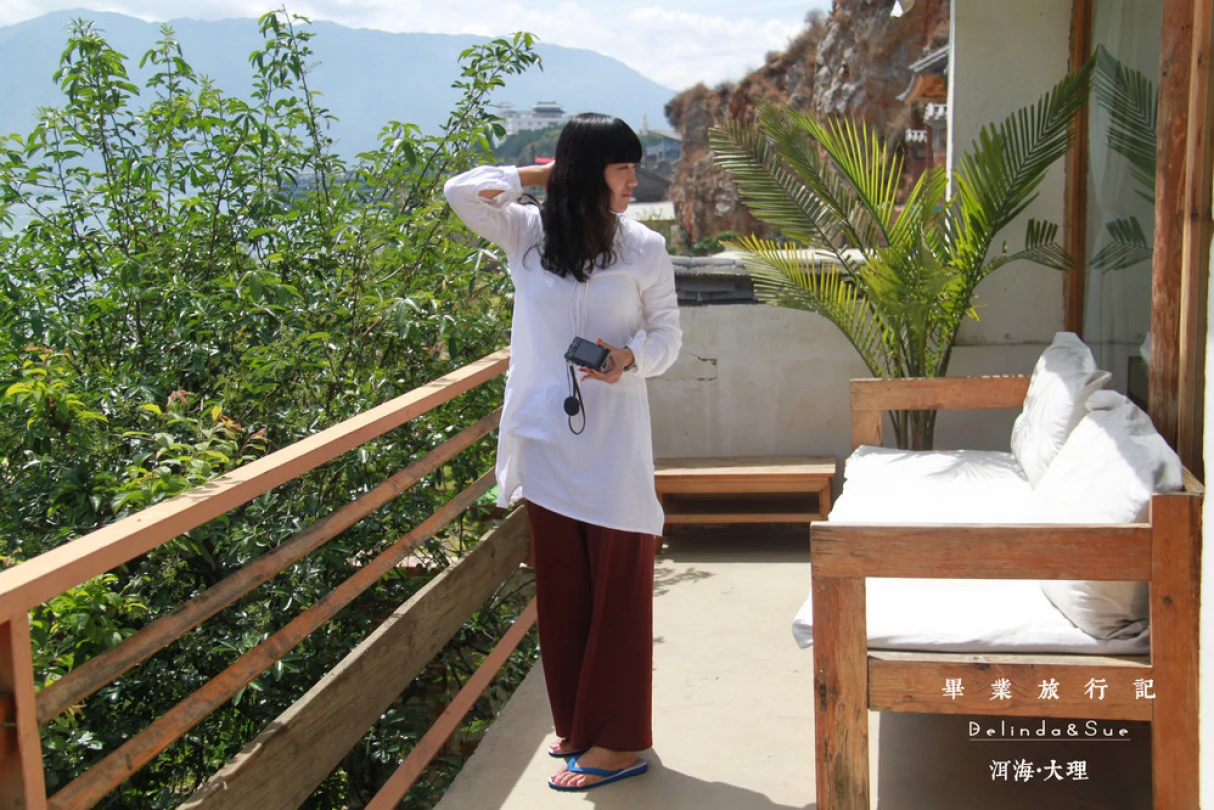
Two Girls' Graduation Trip: Dali and Shuanglang – A Poetic Farewell to Mountains and Sea
Two Girls' Graduation Trip: Dali and Shuanglang – A Poetic Farewell to Mountains and Sea Preface: Catching the Tail of Youth, Heading South During our senior year of college, my roommate and I – two girls studying in Beijing – decided to bid farewell to…
Continue reading...