Dali in December: When Winter Cherry Blossoms Meet the Cangshan Mountains, When the Paintbrush Encounters Erhai Lake
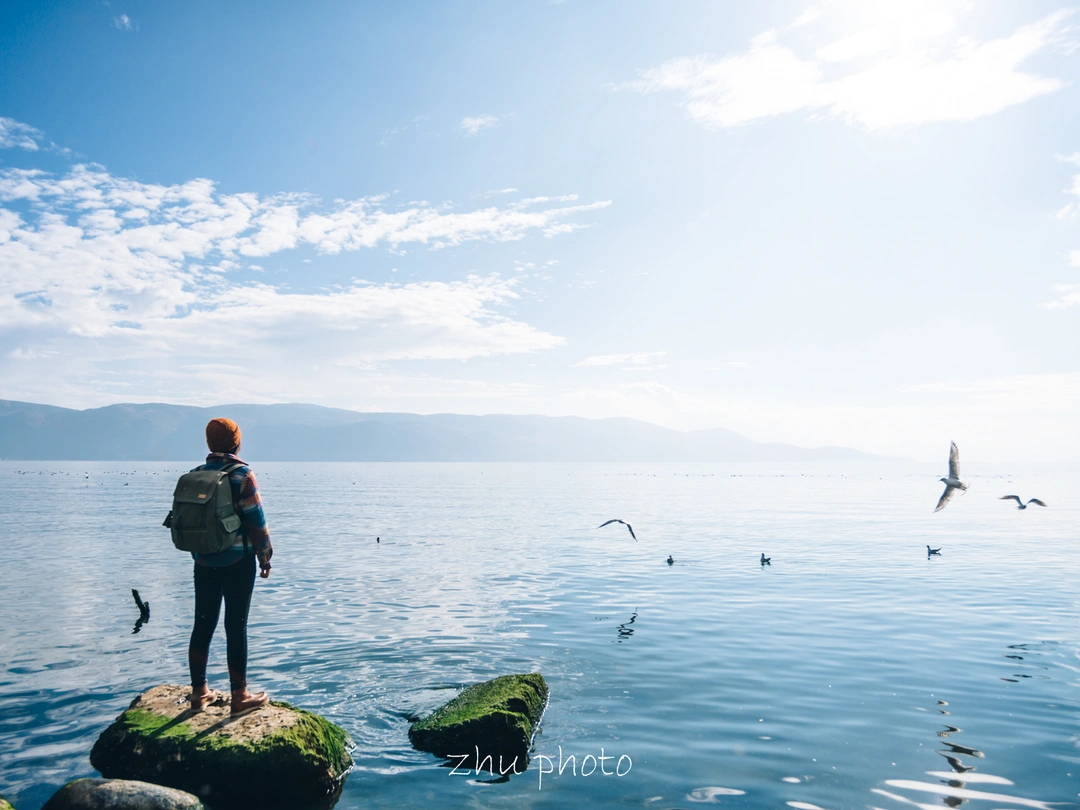
Dali in December: When Winter Cherry Blossoms Meet the Cangshan Mountains, When the Paintbrush Encounters Erhai Lake
Some trips don't need much planning. Just bring your paintbrush and camera, along with a heart that's ready to go with the flow — that's enough.
In mid-December 2018, my husband and I set foot on this land that countless people have sung praises of — Dali. Five days of travel, no tight check-in list, just slow strolls, eating and drinking, and those unexpected surprises that pop up along the way.
This trip cost us less than 2,800 yuan per person (including flights, accommodation, meals, and transportation), yet we gained an experience worth far more than that number. If you're looking for an off-the-beaten-path Dali trip, this travelogue might give you some inspiration.
First Impressions of Dali: A Slow Life Starting with a Bowl of 饵丝 (rice noodle strips)
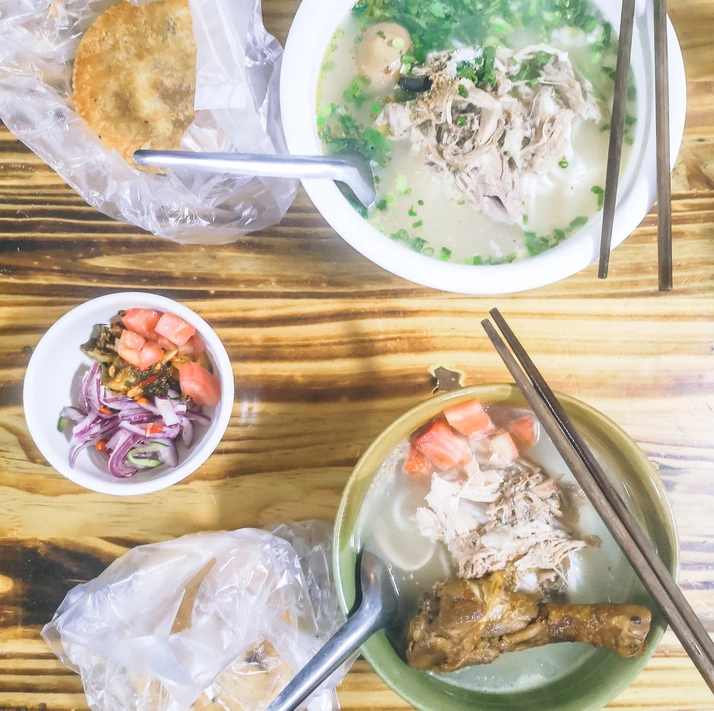
Weishan Braised Pork 饵丝 (Rice Noodle Strips): Love at First Bite

For our first meal upon arriving in Dali, we headed straight to Weishan Braised Pork 饵丝 (rice noodle strips) on Yu'er Road. This place has a solid local reputation — just like every city has a few "authentic" Zhou Hei Ya duck neck shops, there's more than one shop in Dali Old Town calling itself "Weishan Braised Pork 饵丝." The one we went to is at No. 389 Yu'er Road.
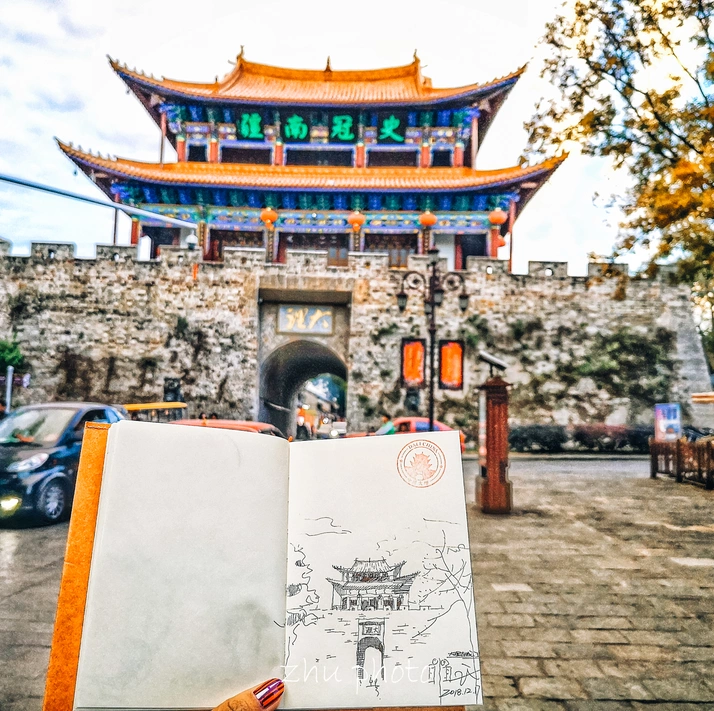
As for 饵丝 itself — call it noodles, but the texture is completely different. Made from rice, these noodle strips have a subtle sticky-chewy quality, kind of like... noodle-shaped glutinous rice cakes? Anyway, this unique texture is something you can only understand by tasting it yourself.
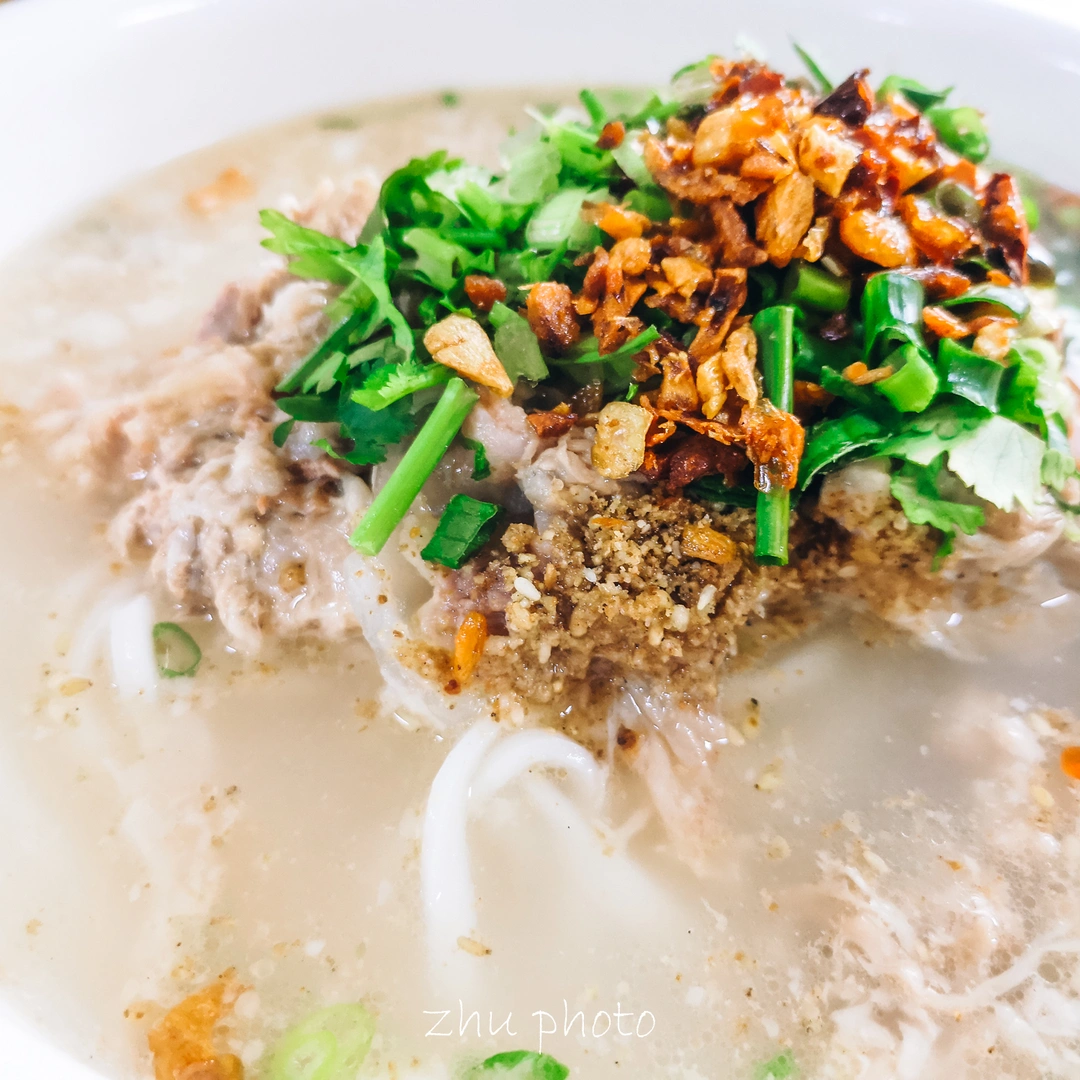
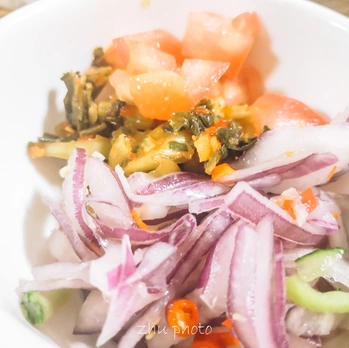
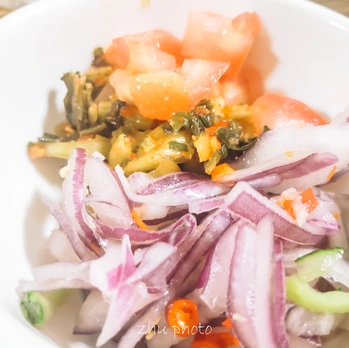
The broth is pure white and rich, the braised pork tender and flavorful. Pair it with a purple sweet potato pastry, add a braised chicken leg, and finish with a few scoops of free pickled vegetables from the self-service station — that feeling of sitting among the locals, slurping down a big bowl of hot soup noodles, is incredibly comforting.
Practical Info: - Address: No. 389 Yu'er Road, Dali Town - Price per person: 20 yuan - Recommendations: Braised pork 饵丝, braised chicken leg, pastry
Rent a Little Electric Scooter, Roam the Old Town
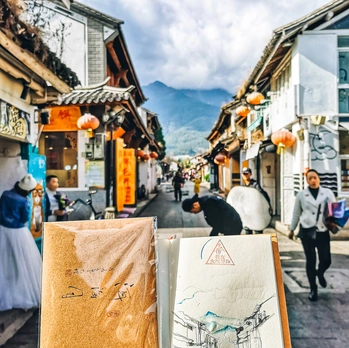
After eating our fill, we rented an electric scooter nearby. Dali Old Town is full of rental spots, with prices based on battery range. Since we were only planning to move around the old town that day, we went for the cheapest option — 40 yuan per day.
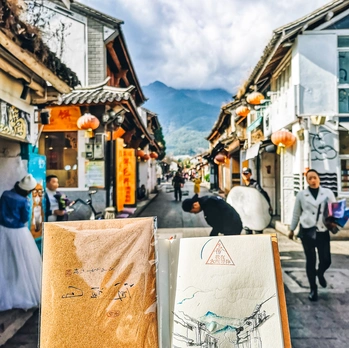
With that little scooter, the entire old town was ours.
The Double Life of Renmin Road: Art Studio by Day, Food Haven by Night
Hand-Painted Postcard Shop: Every Stroke Is a Scenery
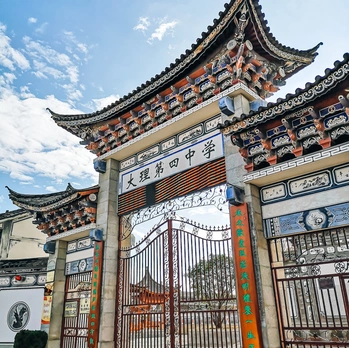
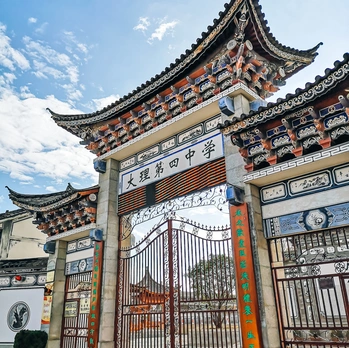
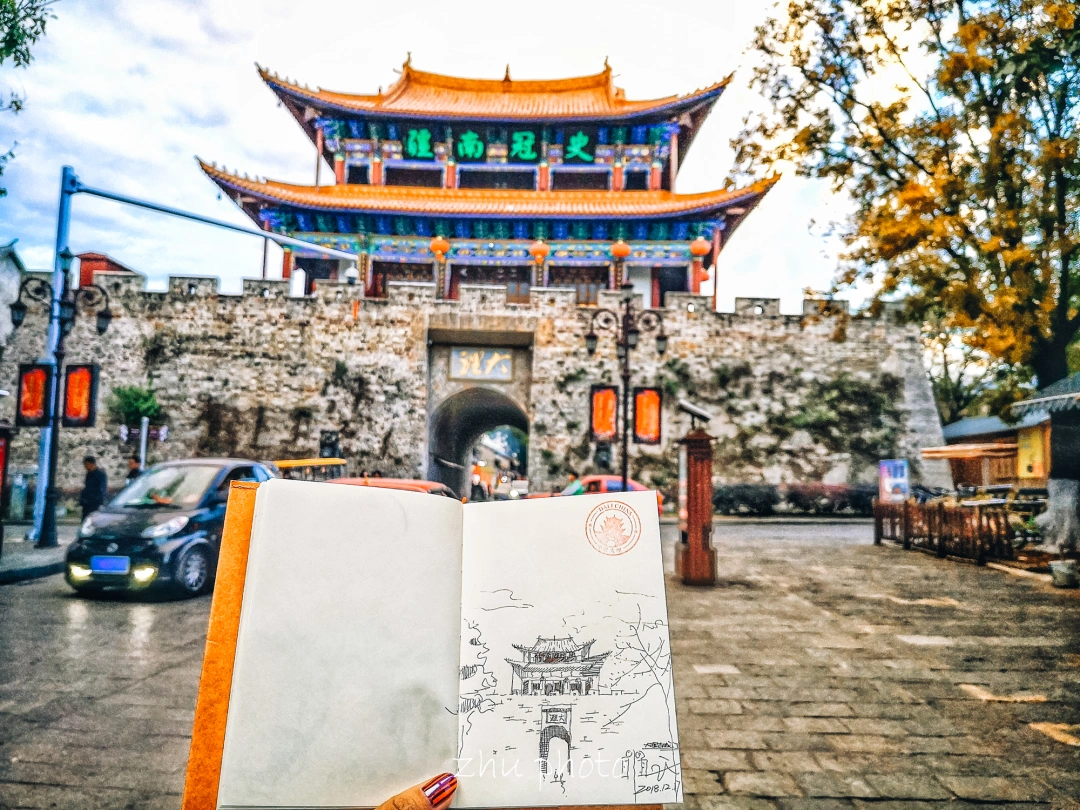
Heading west from Erhai Gate, you'll find Renmin Road. Renmin Road during the day is completely different from at night — most restaurants with live singers are closed during the day, the entire street is peaceful and quiet, with only the sound of students reading aloud from Dali No. 4 Middle School.
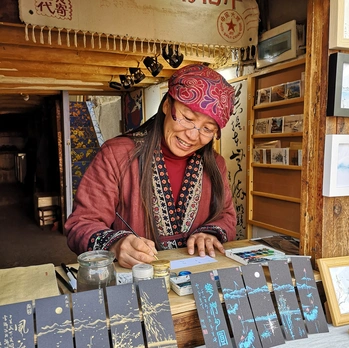
On this very street, I met a painter drawing hand-painted postcards. The scenes she painted — snow on the Cangshan Mountains, moonlight over Erhai Lake, wind from Xiaguan — stopped me in my tracks instantly.
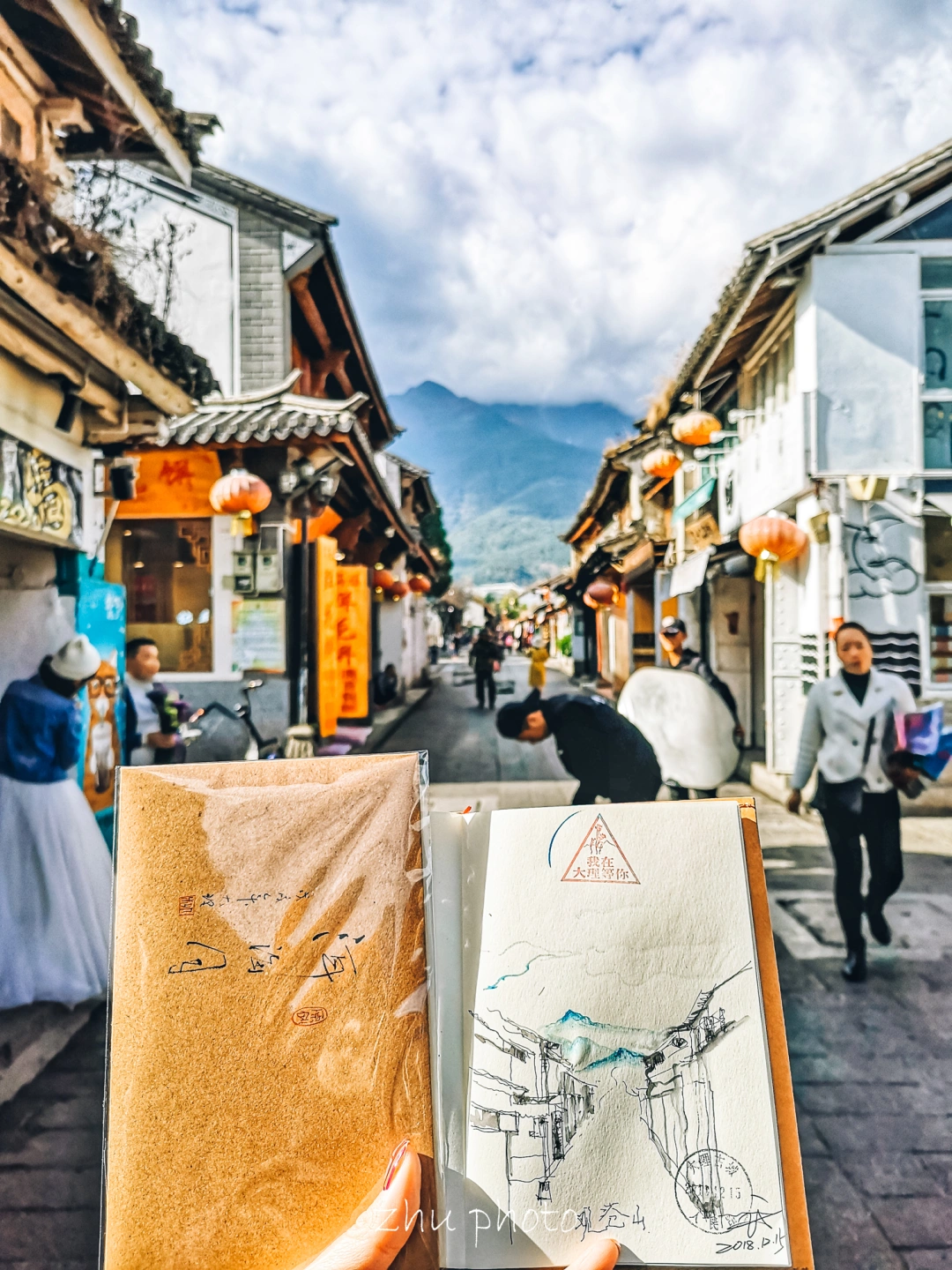
I sat across from her, watching her paint stroke by stroke, using the stamps she had prepared to leave marks on the paper. Finally, I couldn't resist anymore. I took out my own notebook and clumsily sketched the mountains, the road, the people before me.

Seeing how seriously I was drawing, the painter invited me into the shop behind her to continue. That's when I discovered the shop itself was decorated with paintings. It turned out the painter worked until 4 PM every day. After 4 PM, this little shop transformed into a grilled pork ribs restaurant — run by her friend, with the招牌 (shop sign) painted by the painter herself.
Two people, each keeping to their own "working hours," giving this little house two different faces — black and white.
Later, I mustered the courage to borrow her "Jingtai Blue" ink. While she took a smoking break, I used that touch of blue to add the finishing touch to the Cangshan Mountains in my sketchbook. Before leaving, I bought a one-of-a-kind postcard for 50 yuan. The painter wrapped it carefully in kraft paper, with a handwritten inscription and red stamp on it.
That was the most memorable stop of my trip.
"Looking Back" Cold Chicken Rice Noodles (凉鸡米线): A Name Funnier Than the Taste
Continuing on, I found the long-admired "Looking Back" Cold Chicken Rice Noodles (凉鸡米线). There are several branches just on Renmin Road alone.
To be honest, I always thought "cold chicken rice noodles" was made with a type of chicken called "cold chicken." Turns out... the rice noodles are served cold! Ha, what a mental leap that was.
We ordered one serving of cold chicken rice noodles and one serving of hot rice rolls. As it turned out, at a shop named "Cold Chicken Rice Noodles," the cold chicken rice noodles really are the best — slightly spicy, with a hint of sweet and savory flavor, very unique. But even though Dali in December is warmer than Beijing, eating cold food directly was still a bit challenging. Friends with sensitive stomachs should be cautious.

Luckily, my husband has an "iron stomach." When it comes to food issues, he always has my back.
Practical Info: - Address: No. 198 Renmin Road, Dali Town - Price per person: 15 yuan - Recommendations: Cold chicken rice noodles, braised items
The Smoke and Fire of the Food Market: The Most Down-to-Earth Dali Flavor
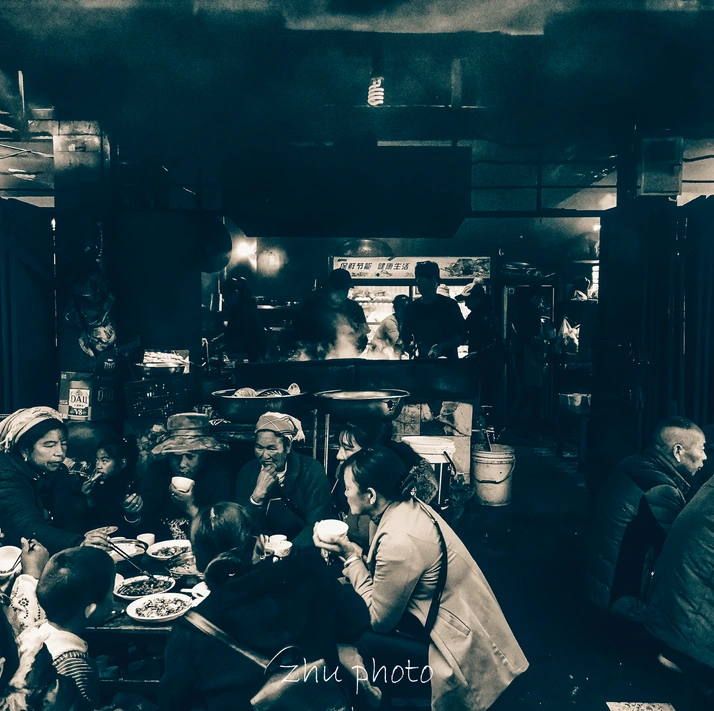
Dali Old Town Market

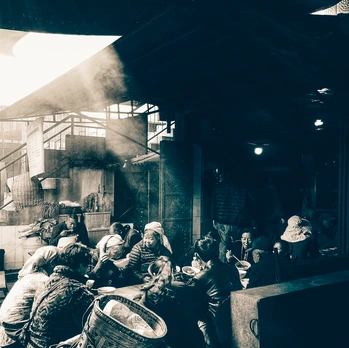
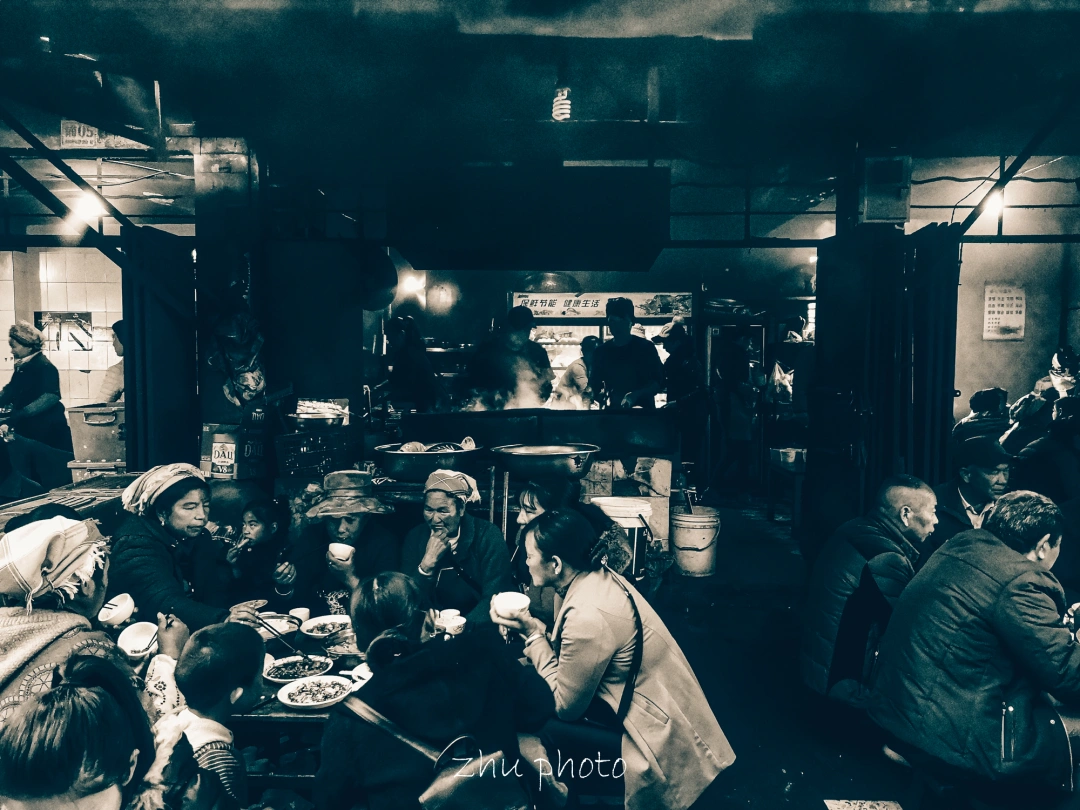
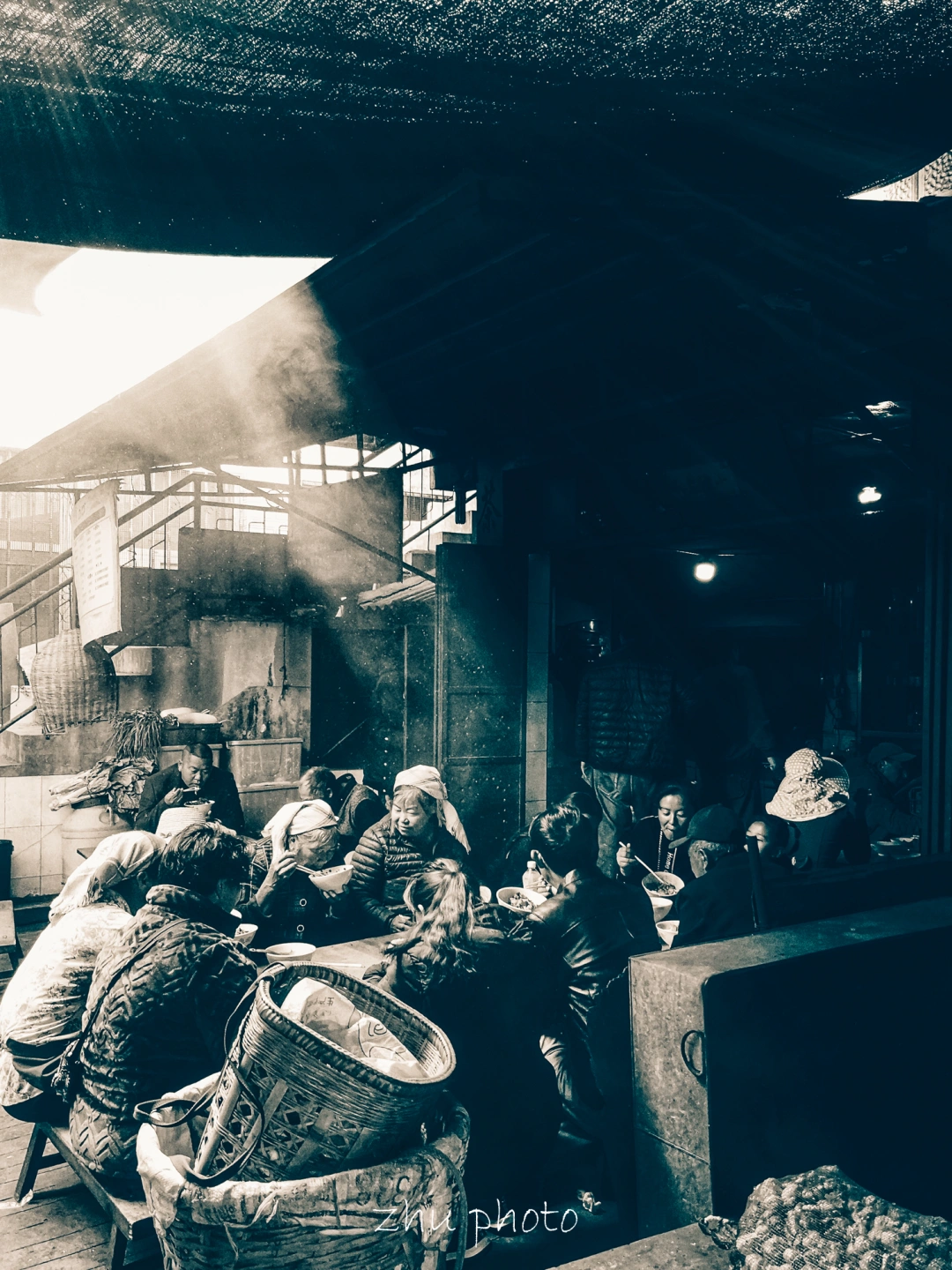
Leaving Renmin Road, we rode our scooter to the old town's farmers' market. The market had mostly vegetable stalls, along with many "kitchens" — thick with the atmosphere of everyday life.
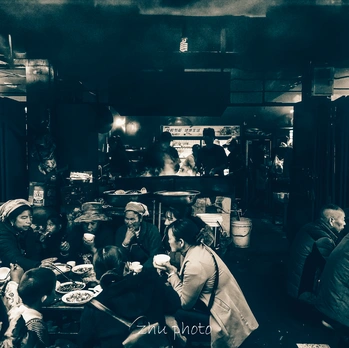
Our guesthouse owner specifically advised us: don't buy fruit from mobile fruit carts; if you want fruit, go to Sifang Street Supermarket or the farmers' market.
At the market, I bought something I'd never seen before — Buddha's hand (佛手). The taste... how to describe it? If you like lemon-scented soap water with a bit of spice, you might enjoy it. It was 15 yuan per jin (about 500g), and supposedly good for the throat. But honestly, I'd recommend figs instead — incredibly sweet, and only 8 yuan per jin.
At the first intersection east of the market entrance, there's a Li Ji 乳扇 (milk fan) specialty shop. 乳扇 is a Dali specialty snack, a dairy product very similar to cheese. Their rose-flavored 乳扇 is 17 yuan per jin, with one piece weighing about 150-200 grams. If you like it, you can buy it raw and cook it yourself at home.
Sweet Tooth Dessert Shop: A Social Enterprise That Doesn't Trade on Sympathy
This is a shop I particularly admire. The owner is American. Years ago, while traveling in Dali, he discovered that local deaf-mute people were struggling to make a living. So he opened this shop, teaching deaf-mute people how to make desserts. The story is touching, but that's not why I recommend it.
My reason is simple: the food is good.
Many social enterprises in China mainly promote the message of "disabled people have it so hard, be a good person and support them." But Sweet Tooth is different — it relies on quality. The tiramisu and chocolate cheesecake are the best I've had in China, bar none.
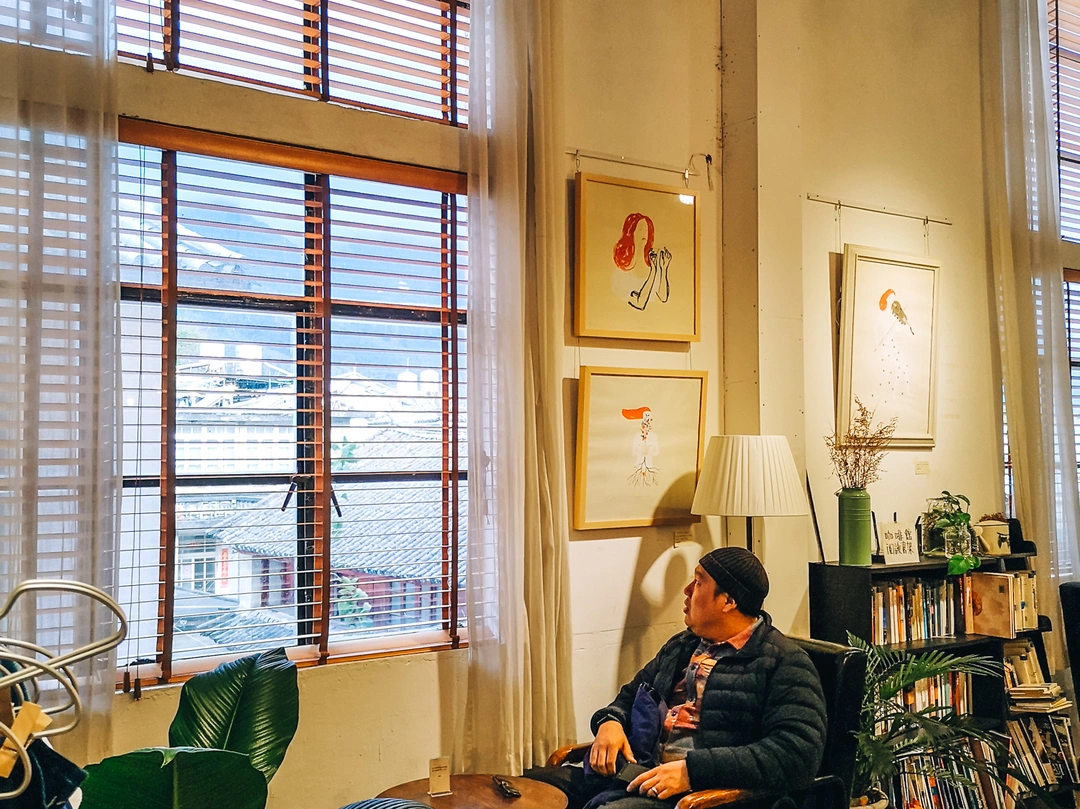
Their new location is at No. 79 Bo'ai Road. Sit down for afternoon tea, watch the passersby, and soak in Dali's slow pace of life. The tiramisu portion is generous — two girls can share one slice. The price might be a bit high by local standards, around 30+ yuan per dessert. The rose-flavored Dali local yogurt is 8 yuan per bottle, delicious, though I did get a bit of an upset stomach after drinking it...
Practical Info: - Address: No. 79 Bo'ai Road, Dali Town - Price per person: 50 yuan - Recommendations: Tiramisu, chocolate cheesecake
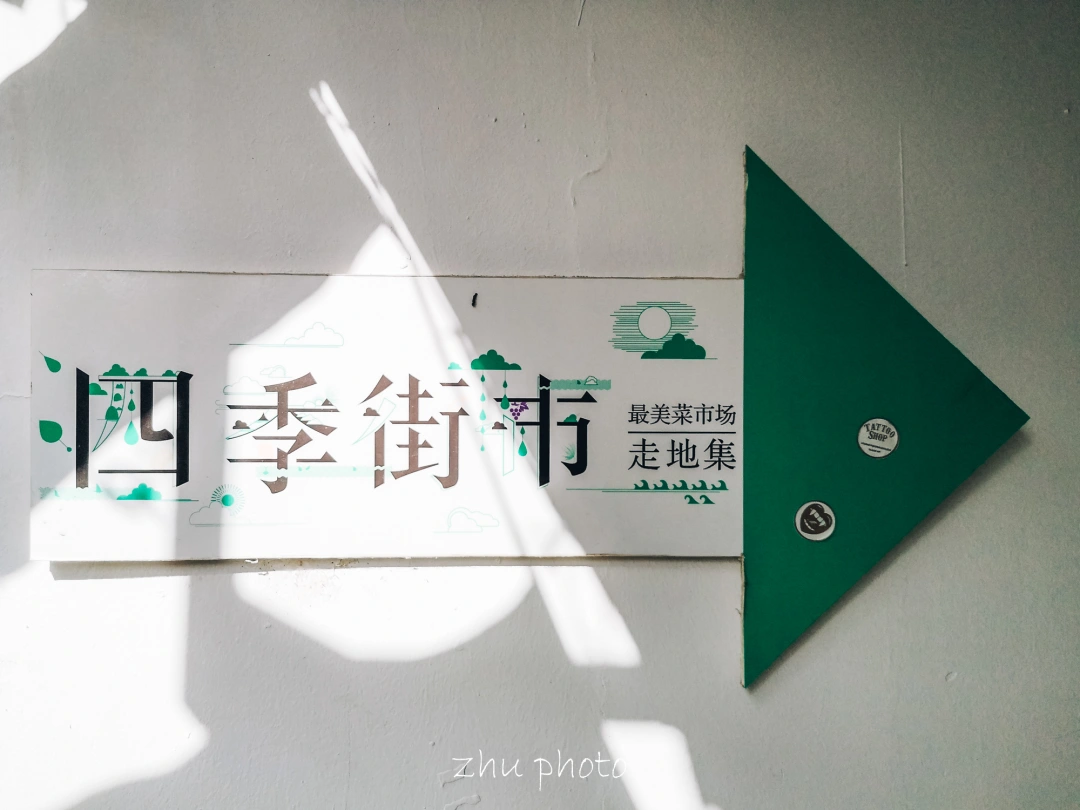
Four Seasons Street Market: The Most Beautiful "Wandering Market" in Dali's Utopia
If your trip includes a Saturday, don't miss the Four Seasons Street Market. This young market opened on April 30, 2018, with about 100 stalls opening simultaneously, celebrating a reverence for food.
The market happens once a week, and there are lots of young people. What Dali holds onto are people who love life. Xu Xiake wrote in his "Diary of Travels in Yunnan": "Goods from all 13 provinces arrive here without exception, and all the various Yi tribal goods also arrive without exception." And today's Four Seasons Street Market offers food, handicrafts, local products, vintage clothing — everything you could want.
I ordered a glass of purple carrot and apple juice from a young woman in a red apron at her fresh juice stall. One listen to her accent and I knew she was a fellow Beijinger. She said she'd been in Dali for four months, living here, using only organic fruits and vegetables.
As night fell, music began to play softly. These stall owners, still in their aprons, even gathered together to play shuttlecock kicking.
Practical Info: - Address: No. 197 Hongwu Road, Dali Town - Time: Every Saturday afternoon until night
When you see that wooden entrance, you've arrived. Park your scooter, walk through the wooden archway, and enter another world.
Backyard Western Restaurant: A Surprise with No Menu
After the market, we went to eat at "Backyard Western Restaurant." I'm usually not a fan of Western food, but this place — I absolutely, emphatically recommend it.
"Backyard" has no menu. The owner introduces the day's dishes, and diners choose from what's available. Usually there's steak, lamb chops, and salmon, each served with its own side.
My husband and I ordered one steak, one lamb chop, and a glass of their homemade craft beer. That lamb chop completely redefined my understanding of lamb chops — tender, no gamey taste, clearly marinated with a complex blend of spices. The steak was also thick and hearty.
The owner is Chinese, and her husband is the head chef. Because the wood-fired oven uses so much firewood and effort, they typically only make wood-fired pizza once a week. Currently, the restaurant is only open on Saturday, Sunday, Wednesday, and Friday evenings. For lunch, if you reserve with a group of at least six people, they can accommodate.
This couple, so in love with life, is truly enviable.
Practical Info: - Address: No. 197 Guangwu Road, Dali Town (right next to Four Seasons Street Market) - Hours: Saturday, Sunday, Wednesday, Friday evenings
West Ring Road Along the Lake: A Broken Beauty, the Real Erhai
The next morning, we went for another bowl of Weishan Braised Pork 饵丝, then rented an electric scooter with longer battery range and set off for Xizhou.
Due to relevant policies, many places around Dali were undergoing renovation or demolition. The navigation showed the provincial highway, but we wanted to experience Erhai Lake up close, so we cut through villages and alleys, turning onto the West Ring Road along the lake.
This was a cracked and broken road, with almost no one else traveling alongside us. But precisely because of this, we walked into the most authentic traditional Bai ethnic residential communities.
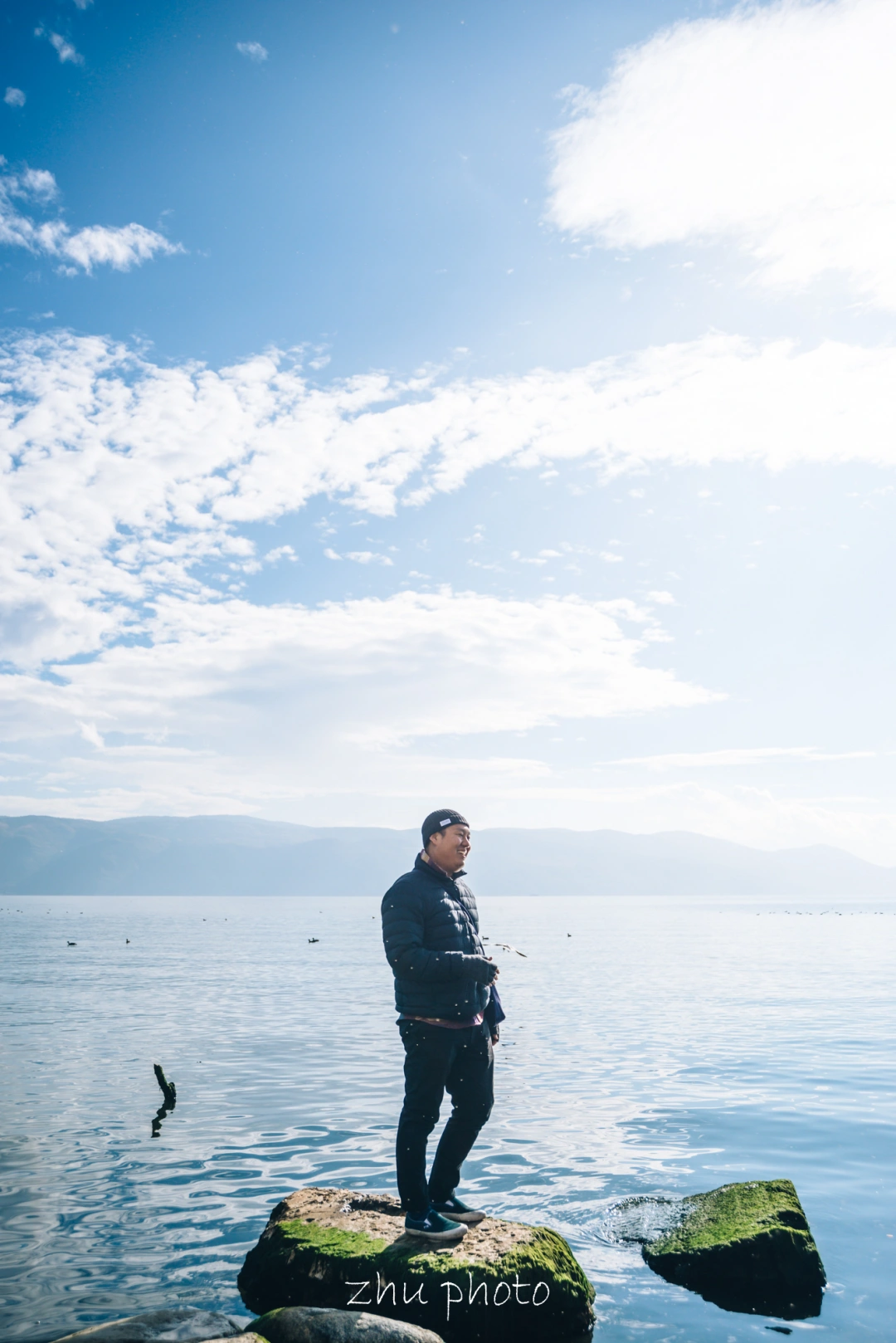
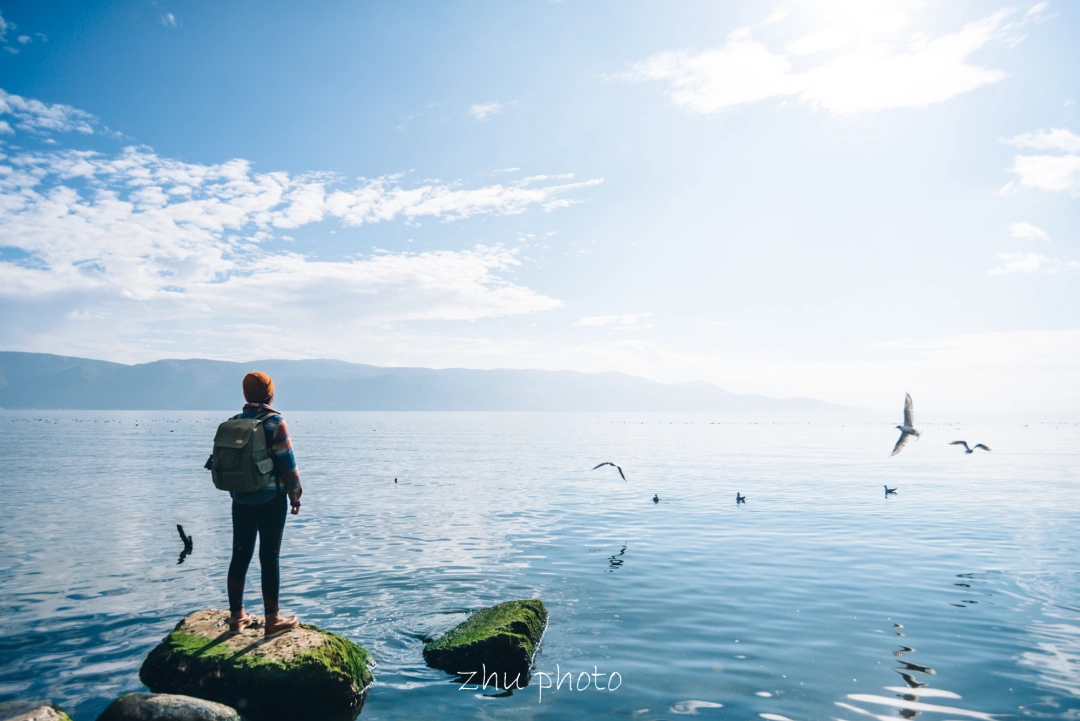
In December, large numbers of black-headed gulls migrate to Dali. When two local children tossed snacks to them, a huge flock of gulls took flight — a breathtaking sight.
There are many wetlands along the road. Be very careful when taking photos. There were reeds taller than a person everywhere, and most of the road was bumpy dirt track. It was really rough. So by the time we reached Haishe Park, I was already exhausted.
Haishe Park: The "Tongue" on Erhai Lake
Haishe Park is free to enter and open 24 hours. Someone at the entrance collects parking fees — 2 yuan per vehicle, no time limit. It's about a 300-400 meter walk from the parking lot to the entrance.
What left the deepest impression on me was the entrance itself. If you come early, when the light is right, that bamboo-lined path is stunning. On the left side, there's a "Kaiwu Collection," a small cultural plaza. The first floor has many cultural and creative shops, combining Xizhou's local Bai ethnic traditions into clothing and other daily items. The second floor houses the Dolphin A De Bookstore.
Lanxu also has a shop here. Lanxu is a hands-on tie-dye experience shop. If you're interested, you can search for their public account to add and book. Although I couldn't experience it myself due to feeling unwell, I later bought a beautiful tie-dye dress on Renmin Road.
Continuing forward, Haishe Park is shaped like a long tongue stretching into Erhai Lake. According to local historical records: "Qingsha Islet, three li long, narrowing from wide to thin as it extends into Erhai Lake, like a tongue, hence the name Haishe (Sea Tongue)."
At the very end, you'll find a famous "internet-famous" big tree, and the edge of the land where you could literally "step into" Erhai Lake with one foot.
Xizhou Town: A Living Museum of Bai Ethnic Architecture
From Haishe Park to Xizhou Town, the distance isn't far, but the road is terribly rough. I strongly recommend navigating directly to "Zhengyi Gate" — it's a bit of a detour, but much easier to travel.
We had lunch at Sifang Street Food Shop, and surprisingly, it was absolutely delicious. The shop has its own flower-brewed liquor, and if you like it, they can mail it home for you. The owner gives customers a small taste; buy it only if you like it.
That unassuming dish, "pickled vegetable stir-fried pork," became my husband's must-order dish for every meal on this trip. The braised items were a bit greasy, but the dipping sauce was astonishingly good — the owner said not all tourists can accept this sauce, but those who do generally find it incredibly tasty. We were the latter.
After the meal, I went looking for Alin's Crispy 粑粑 (flatbread). This place was featured on "A Bite of China." Enter through the "Hanlin" archway, walk a few dozen meters, and it's on the left. I bought one without egg, a rose-sugar 粑粑, as a post-meal dessert — unexpectedly delicious.
Bai Ethnic Houses: Stone Walls That Don't Fall
The Yan Family Grand Courtyard is right next to Sifang Street Food Shop. Although I was too tired to go inside, I still strongly recommend it. The main gates of traditional Bai ethnic houses are usually positioned at the northeast corner, mainly because Dali has lots of wind, and the prevailing wind is westerly. The gate cannot directly face the courtyard; it must be blocked by a wall, which is called a 照壁 (spirit screen wall).
The spirit screen wall, also called a "feng shui wall," may have paintings or inscriptions on it. For example, "Qin He Jia Sheng" represents the Zhao surname, "Qing Lian Yi Feng" represents the Li surname, "Gong Bu Jia Sheng" represents the Du surname, and so on. Flower beds are often built at the base of the spirit screen wall, forming a layout of "three rooms with one spirit screen wall" together with the main house and the two side buildings.
The main building of a Bai ethnic house typically faces east, with its back to the Cangshan Mountains and its face toward Erhai Lake. Most Beijing siheyuan (courtyard houses) are single-story, while Bai ethnic houses are generally two stories. A local saying goes: "Dali has three treasures — stone walls that don't fall."
The Yan Family Grand Courtyard is a "three rooms with one spirit screen wall" compound. After passing through the entrance hall, there's a large courtyard with "four rooms around a central skywell." The deepest rear courtyard features a Western-style villa. There's also a "Three-Course Tea" performance in the courtyard — first bitter, second sweet, third reflective — symbolizing the journey and true meaning of life.
Dali University: A Romantic Encounter Between Winter Cherry Blossoms and Camellias
On the third day, we rented a Niu electric scooter and headed to Dali University. Since the university sits on the high ground of the old town, ordinary electric scooters tend to burn out on the slope.
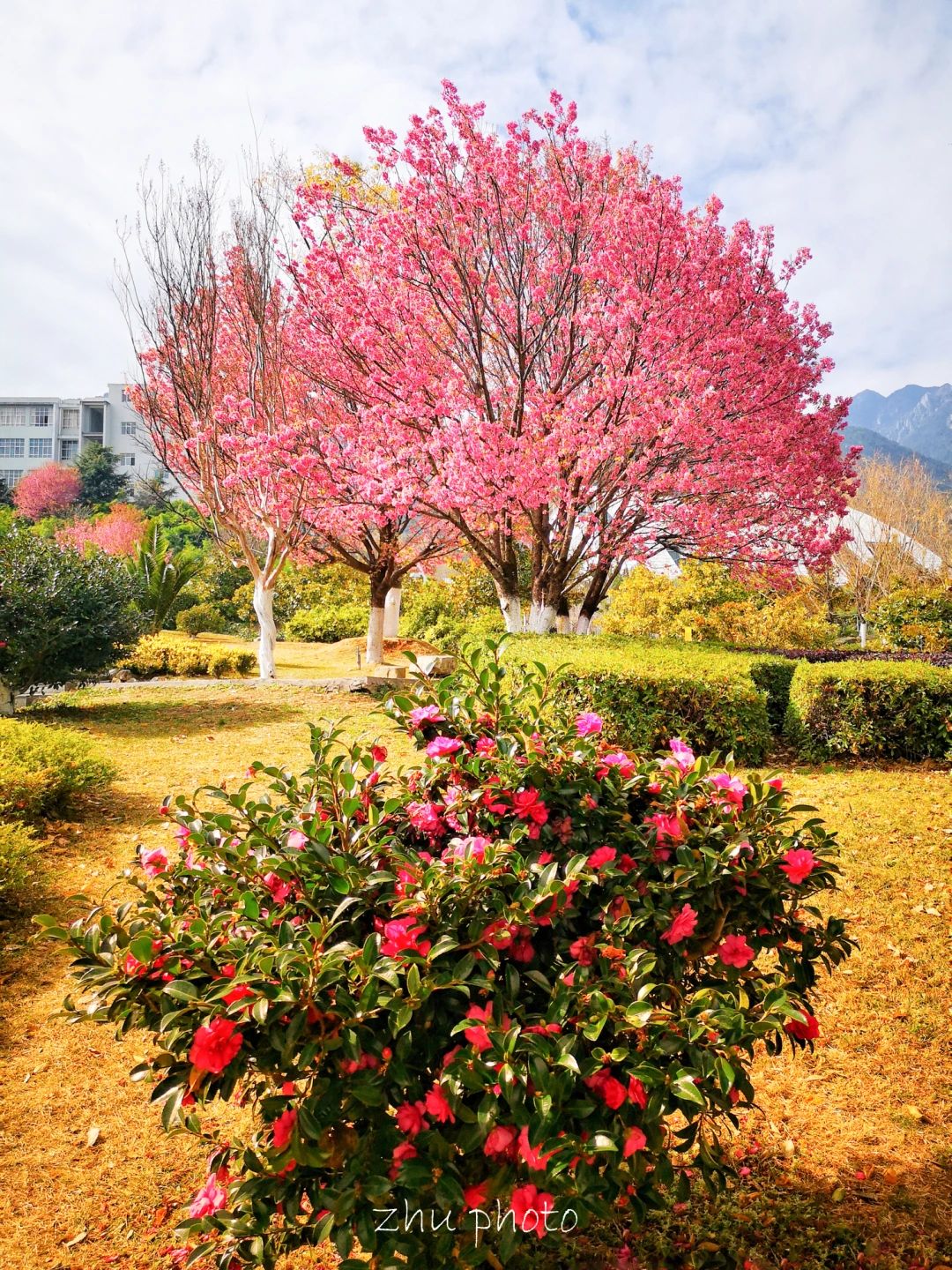
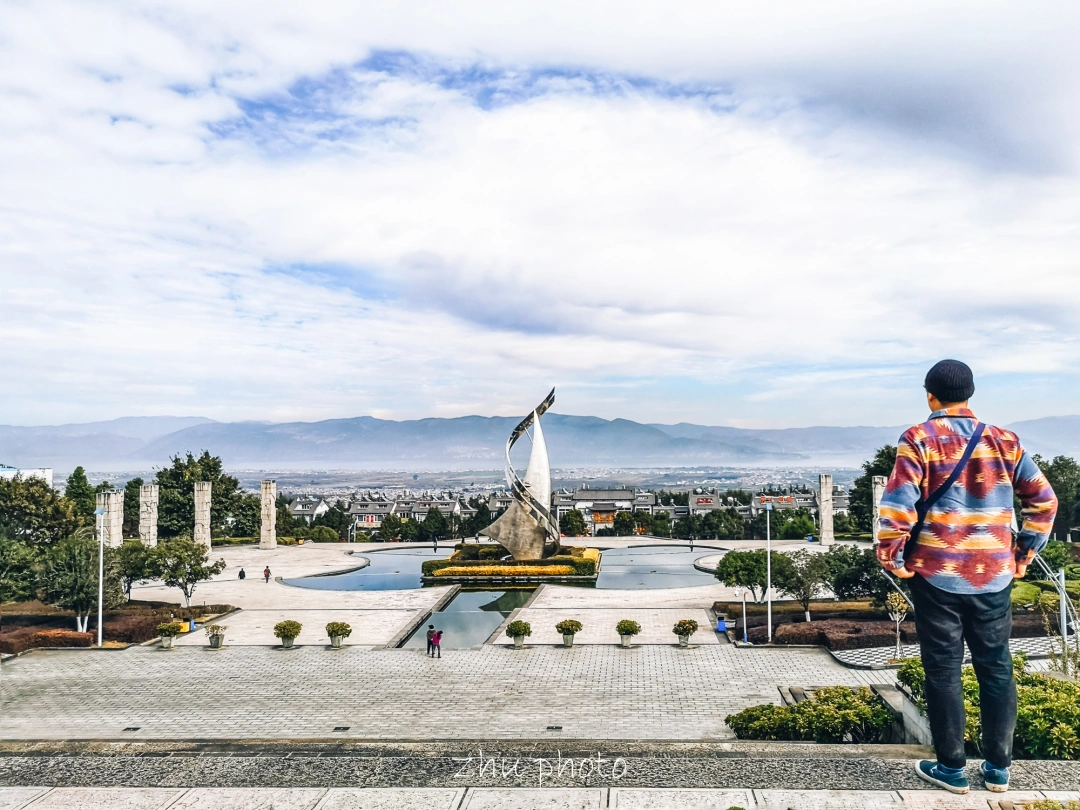
It was this slightly steep hillside that not only showed us Dali University adorned with blooming winter cherry blossoms, but also gave us a distant view of Erhai Lake from above, offering a different kind of beauty from a distance.
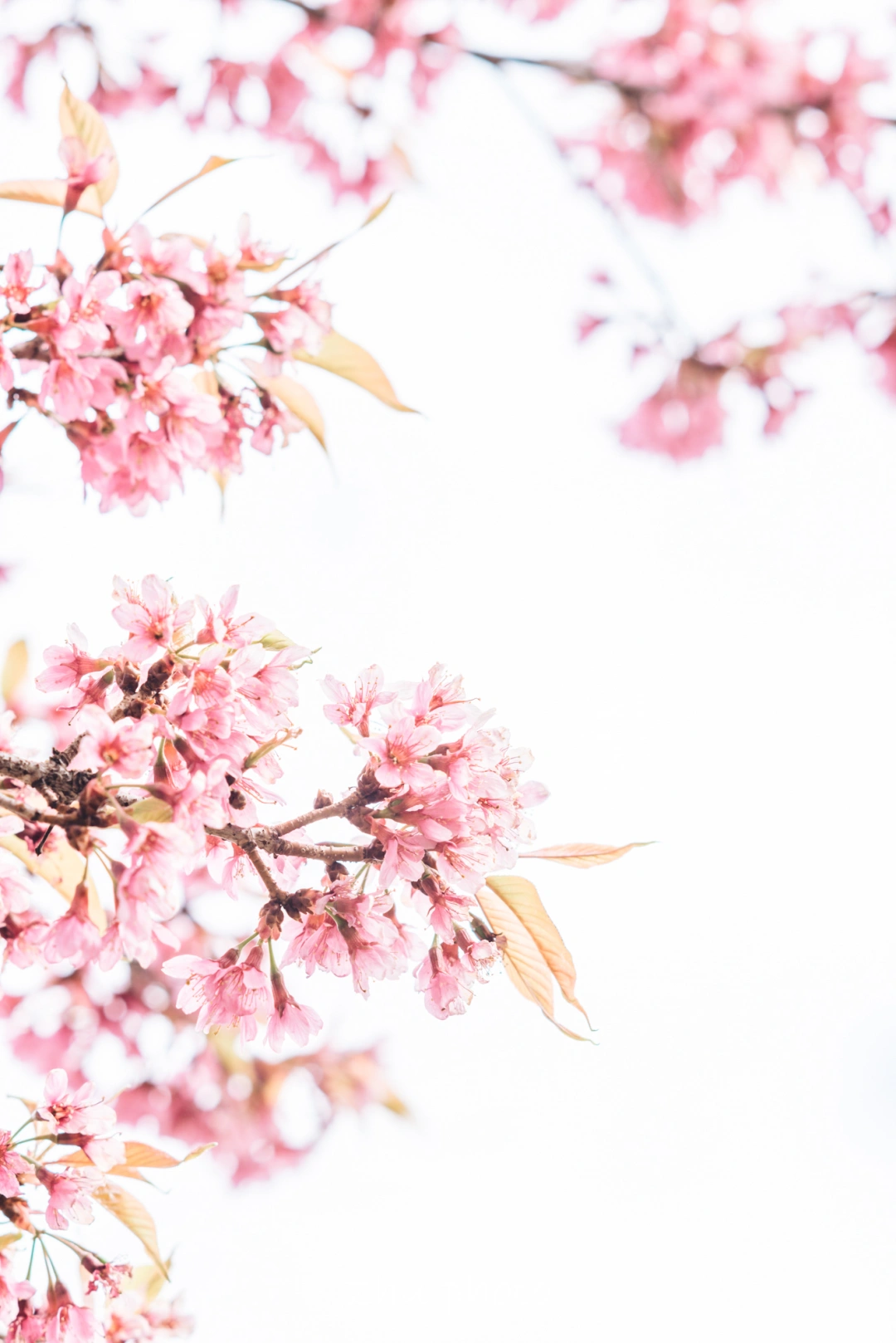
This was truly an unexpected surprise. Beijing had already entered winter, and Dali wasn't exactly warm and spring-like either, yet here were these gorgeous winter cherry blossoms in full bloom. It turns out that besides the world-famous Japanese cherry blossoms and the tourist-packed cherry blossoms at Wuhan University, Dali University in December also has these heart-melting touches of pink.
And the sight of winter cherry blossoms and camellias competing in beauty — that's something only Dali can offer!
Dali is the hometown of camellias. In "The Demi-Gods and Semi-Devils," Duan Yu says: "Dali has a famous variety of camellia called 'Eighteen Scholars,' the finest under heaven. One plant blooms with eighteen flowers, each a different color." And Ming Dynasty writer Feng Shike recorded in his "Record of Yunnan Camellias": "Dali camellias are the finest under heaven, with seventy-two varieties, larger than peonies, and at a glance they look like a blazing fire or brocade clouds, dazzling the sun and steaming the clouds."
Standing on the campus of Dali University, watching the winter cherry blossoms and camellias competing in full bloom, at that moment, I felt like I owned the entire Dali winter.
Final Thoughts: Another Way to Open Dali
Five days — not long, not short. We didn't go to those internet-famous spots to check in. We didn't rush to "complete" a travel list. We just wandered slowly, ate and drank, and recorded the Dali we saw with our paintbrushes and cameras.
If you ask me what Dali is most worth, I would say:
- Eat: Weishan Braised Pork 饵丝, "Looking Back" Cold Chicken Rice Noodles, Backyard Western Restaurant's lamb chops, Alin's Crispy 粑粑 — these down-to-earth flavors are the soul of Dali.
- Explore: Four Seasons Street Market, Kaiwu Collection at Haishe Park, Xizhou's Bai ethnic houses — these places hide Dali's culture and everyday life.
- See: Dali University's winter cherry blossoms and camellias, the black-headed gulls along the West Ring Road, the seamless sky and water of Erhai Lake — these scenes are emotions that a camera can't capture.
- Feel: The focus of the hand-painted postcard artist, the confidence of Sweet Tooth that doesn't trade on sympathy, the love of life shown by the Backyard Western Restaurant couple — these people and their stories are the most precious part of Dali.
In December, Dali's ginkgo leaves haven't all fallen, and the winter cherry blossoms are at their peak. If you want to come, bring your paintbrush and camera, and a heart ready to slow down.
Trust me — you'll fall in love with this place.
You should also read:

Entering Shangri-La, Meeting the Snow Mountain God—Meili
Entering Shangri-La, Meeting the Snow Mountain God—Meili Before setting foot on this land, I had pored over countless photos taken by seasoned travelers—those majestic snow-capped peaks, the azure skies, the prayer flags fluttering in the wind. They had already painted vivid images in my mind.
Continue reading...
A Journey Through Shuanglang's Guesthouses: Finding Life as It Should Be on the Shores of Erhai Lake
A Journey Through Shuanglang's Guesthouses: Finding Life as It Should Be on the Shores of Erhai Lake Prologue: When Life Hits the Pause Button Have you ever had one of those moments? When the city's towering buildings press down on your chest, when you're swept…
Continue reading...
September: Finding Unexpected Warmth in Yunnan (Kunming, Dali, Shuanglang, Lijiang, Lugu Lake)
September: Finding Unexpected Warmth in Yunnan (Kunming, Dali, Shuanglang, Lijiang, Lugu Lake) Foreword: One Person's Journey, A Crowd's Story Before I set off, like every first-time solo traveler, I printed out a thick stack of travel guides and rehearsed countless possible scenarios in my head—getting…
Continue reading...