Dali: Rediscovering the Poetry and Ease of Life Between Cangshan Mountain and Erhai Lake
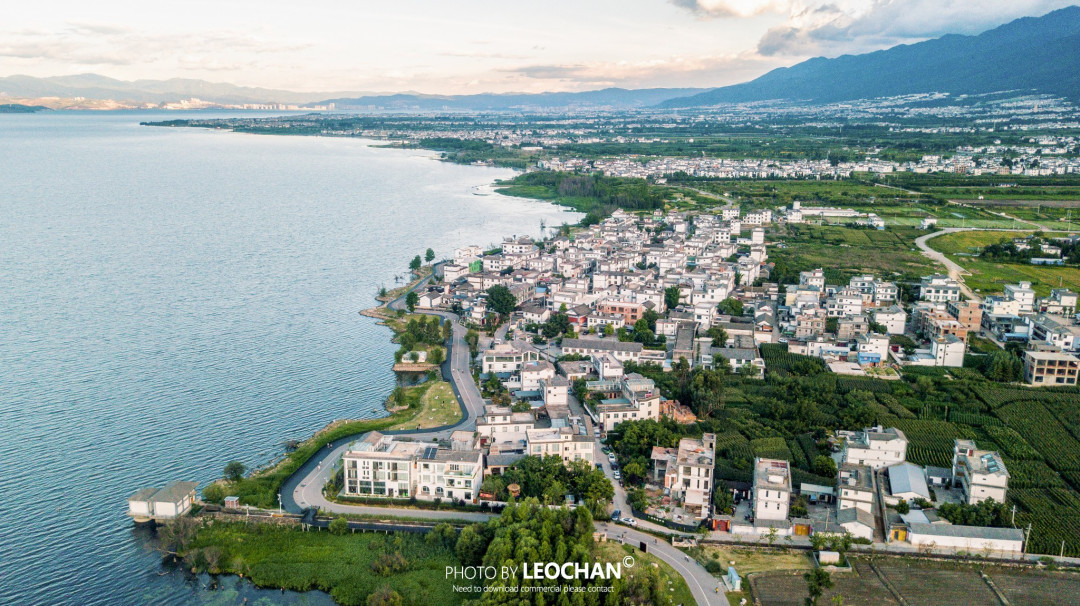
Dali: Rediscovering the Poetry and Ease of Life Between Cangshan Mountain and Erhai Lake
Have you ever had that moment? When the noise of the city has wrapped around you for too long, and you crave a spontaneous escape—somewhere that slows your breathing and lightens the weight on your mind.
For me, that place is Dali.
In late June 2023, the first summer after the pandemic, I saved my last "fly-anywhere" ticket for this city of "wind, flowers, snow, and moonlight." I planned to go solo, but just before departure, I stumbled upon a friend's social media post—H君 also wanted to visit Yunnan. A quick comment, an invitation, and the next day she said yes without hesitation. So two girls, four days, and a rental car later, we drew a circle around Erhai Lake—and etched a travel memory of freedom and healing.
Itinerary Overview: One Lap Around Erhai Lake, Just Right
Dali's charm lies half in the natural canvas of Cangshan Mountain and Erhai Lake, and half in the everyday烟火 (lived-in warmth) of Bai ethnic villages. The plateau's mild, cool climate makes it a year-round travel destination.
Our original plan circled Erhai twice—a bit rushed. Below is my refined "one lap around Erhai" version, perfect for those with limited time who still want a deep experience:
- Day 1: Pick up rental car at Dali Airport → East Erhai Road → Xiaoputuo (Little Putuo Island) → Shuanglang Ancient Town → Nanzhao Folk Island
- Day 2: Shuanglang Ancient Town → Xizhou Ancient Town → Three Pagodas of Chongsheng Temple → Panxi S-Bend
- Day 3: Cangshan Global Geopark → Dali Ancient Town
- Day 4: Drive to Kunming Airport to return car → Departure
Practical Tips: In June, you can wear short sleeves and skirts during the day, but UV rays are intense. Sunscreen, sunglasses, and a hat are essential. The vegetation is lush, and while mosquitoes are scarce, it's wise to bring insect repellent.
Dali Ancient Town and Yangren Street (Foreigner Street): Slow Time Starting with a Bowl of Rice Noodles
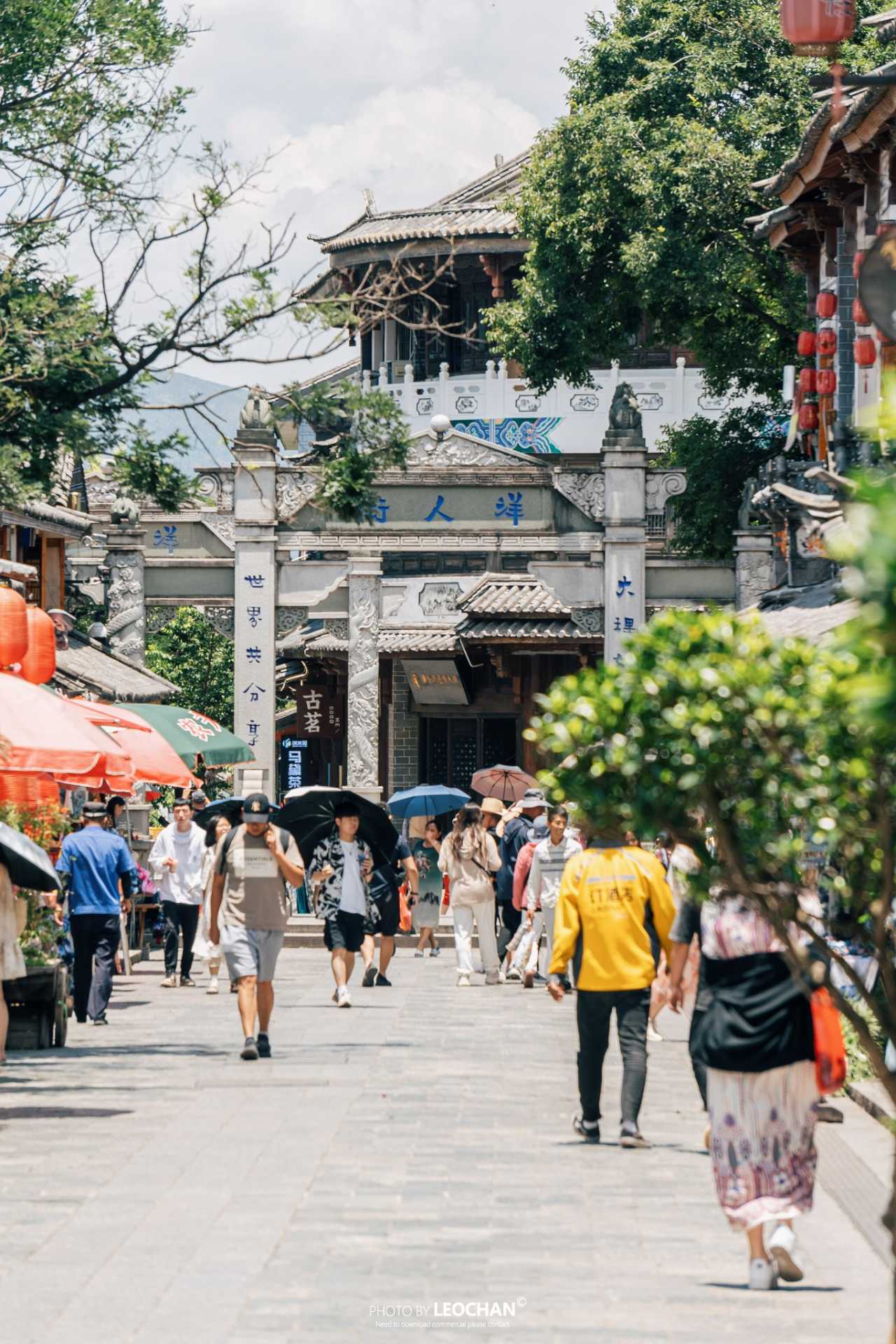
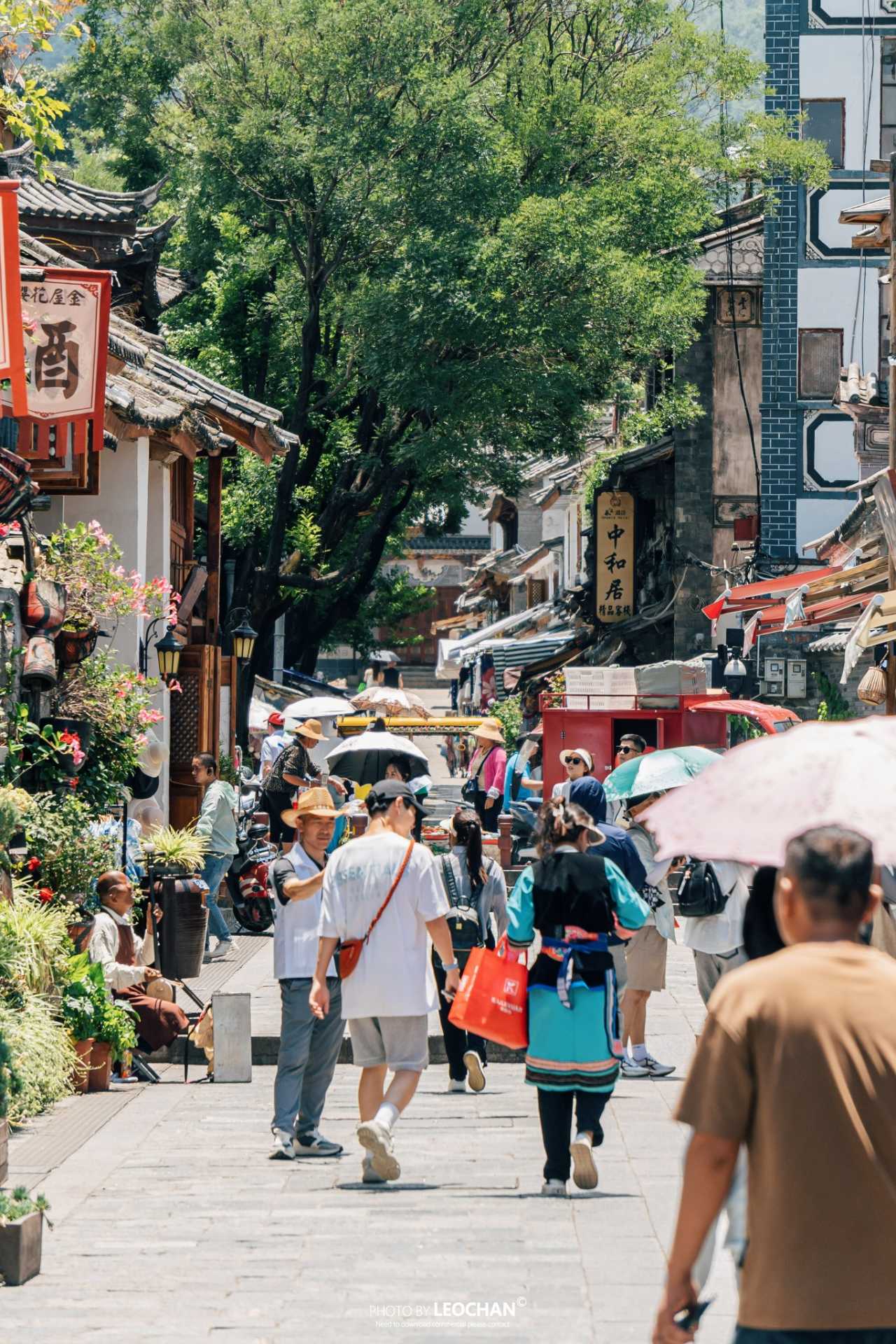
After picking up the car at the airport, we headed straight to our guesthouse near Dali Ancient Town. We dropped our bags and walked ten minutes into the ancient town. Cobblestone streets, Bai-style architecture, folk songs drifting from street corners—everything here tells you: slow down.

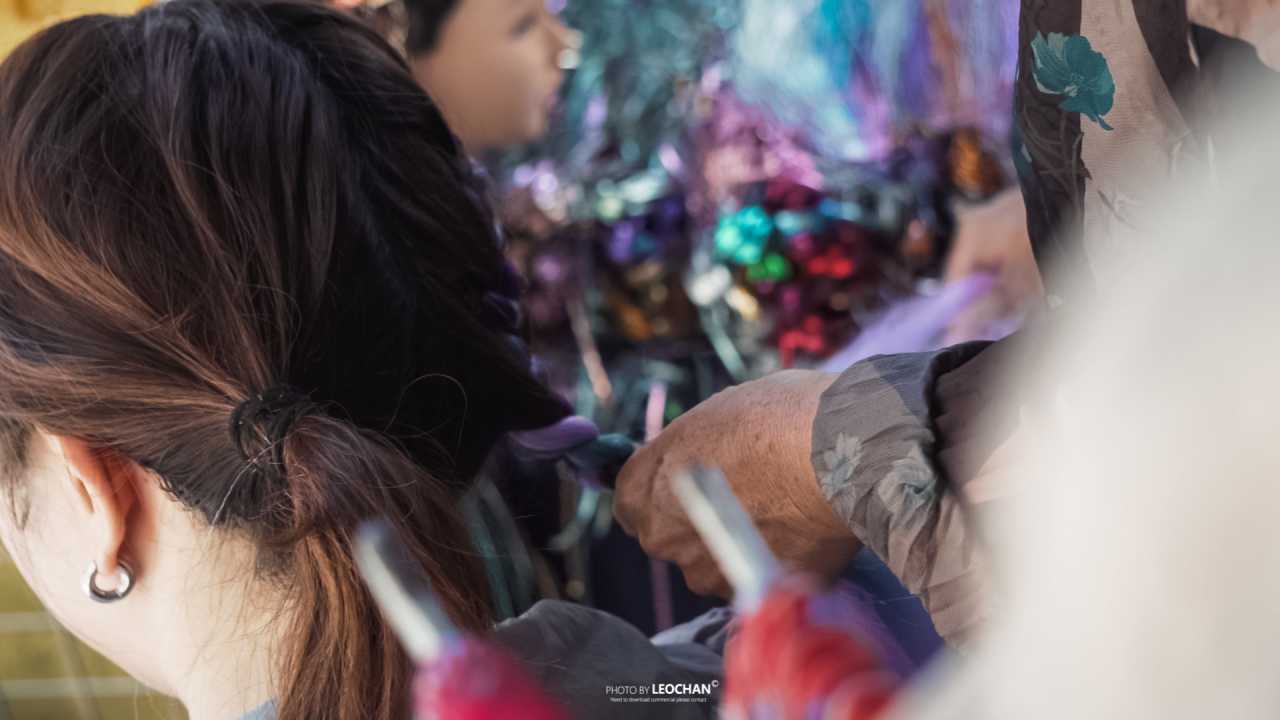
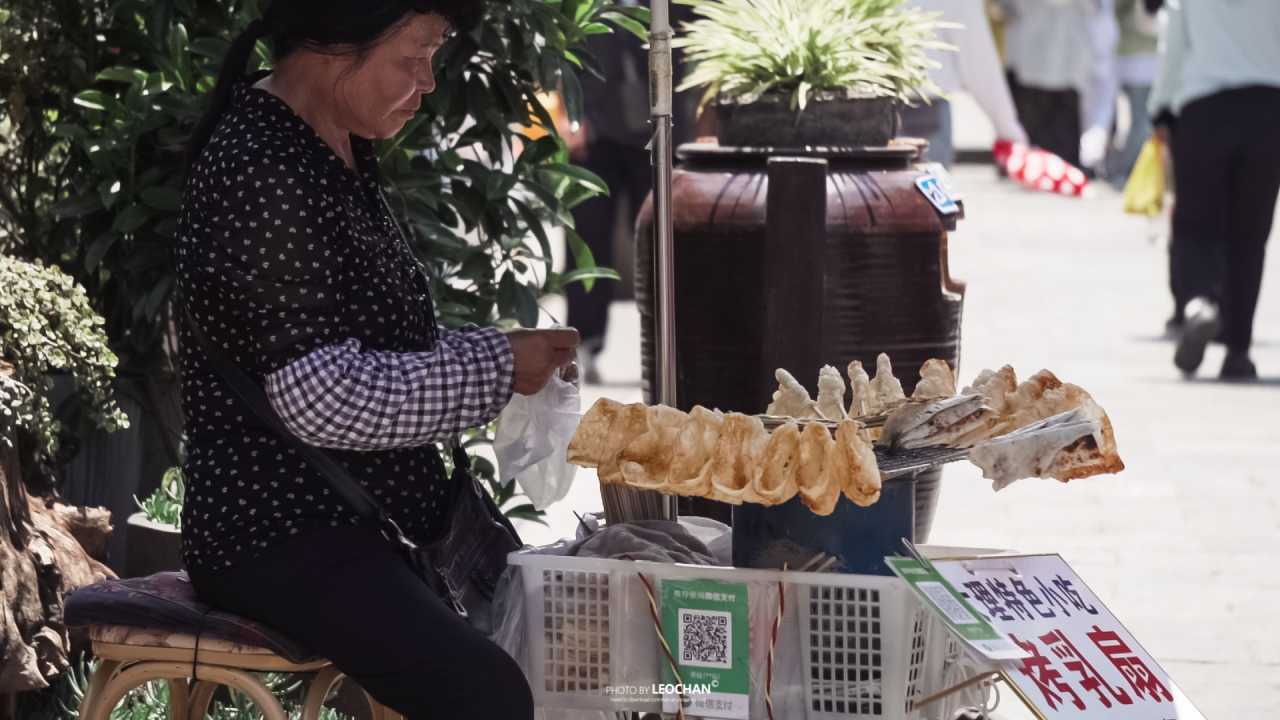
We had lunch at "一碗·云南味·传统过桥米线小吃集" (A Bowl of Yunnan Flavor: Traditional Crossing-the-Bridge Rice Noodles Snack Collection). The rice noodles were decent—generous ingredients but small portions, though authentic in flavor. Then we strolled to Yangren Street, named for the foreign tourists who once gathered here. After the pandemic, it's lost some of its blond-haired, blue-eyed crowd but gained a calmer, more local rhythm. H君 spent 40 yuan to get her hair braided with colorful threads. A street vendor's 乳扇 (milk fan, a grilled cheese-like snack) wafted a milky aroma. I tried a bite—personally found it a bit sour, not quite to my taste.
Cangshan Mountain: Riding a Horse Uphill and a Curious Encounter with "Huangpi"
Cangshan Global Geopark was one of the most unforgettable chapters of this trip. Spanning Dali, Yangbi, and Eryuan counties, it covers 519.9 square kilometers and is known as "the eaves of the world's roof"—because south of Cangshan, no mountain range reaches 3,500 meters.
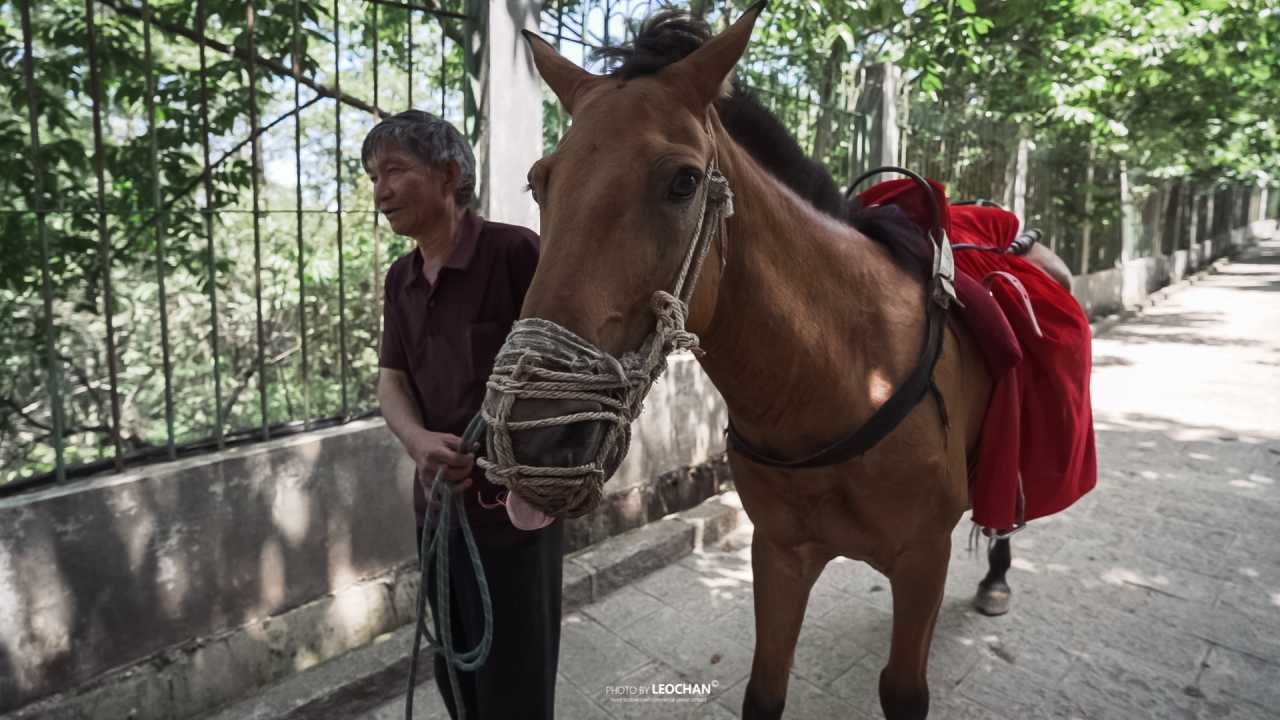
We stopped at a horse-riding stall. H君, who runs a pet brand, has a natural affinity for animals and chose the longest route without a second thought. The round-trip cost for two was over 1,000 yuan—not great value for money, but a unique experience.
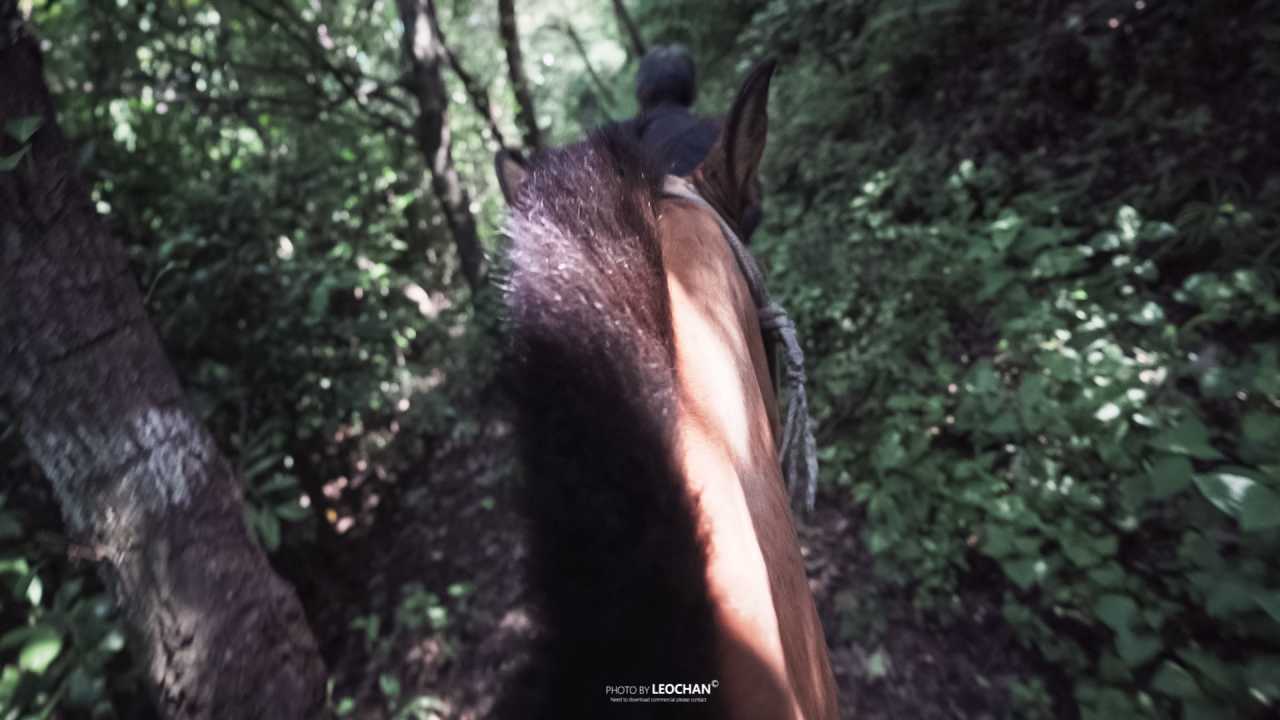
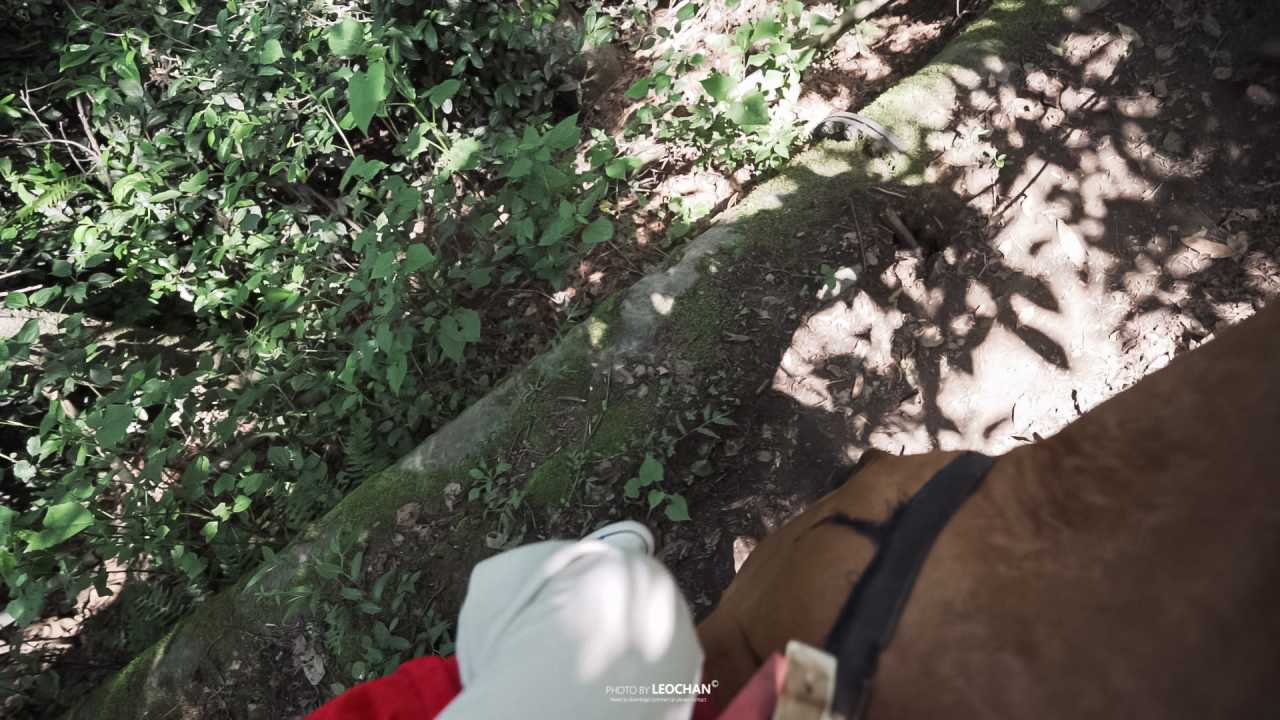
My horse was named "黄皮" (Yellow Skin)—a sleek-coated, muscular steed. The groom led us through forests, across streams, and even past a local cemetery (fine in daylight, but spine-chilling at dusk). Halfway up, Yellow Skin stubbornly refused to move near a stream. The groom sighed: "He's already run five trips today." At that moment, guilt washed over us—the horse was tired, and so were we.
After reaching the summit, we still had to walk 1.5 kilometers to the Seven Dragon Maiden Pools. Along the way, we spotted a few gray squirrels rummaging through trash bins, even carrying half a sausage. Human food attracts them, but that's not necessarily good. Through the branches, we glimpsed Erhai Lake—its surface shimmering like scattered silver. The mountain breeze brushed our faces, melting away our fatigue.
The Seven Dragon Maiden Pools were crystal clear. We washed some fruit by the water and rested for half an hour. As the sun began to set (sunset in Dali is after 7 PM), we hurried back, dreading the return ride past the cemetery. On the descent, I even dozed off on the horse and nearly fell off—my lack of fitness was embarrassing.
As we left, Yellow Skin turned to look at me, as if memorizing this 82-kilogram "heavy customer." I thought: Buddy, sorry for keeping you from your dinner grass.
Three Pagodas of Chongsheng Temple and Xizhou Ancient Town: Drone Shots, Rice Fields, and a Coffee Shop Afternoon
On day two, we drove to the Three Pagodas of Chongsheng Temple. We silently agreed not to go inside—just took some drone shots from outside. The pagodas stood quietly under a blue sky and white clouds, free to admire and already stunning enough.
Next, we arrived at Xizhou Ancient Town. This place preserves hundreds of Bai-style courtyard homes from the Ming and Qing dynasties, earning it the nickname "Museum of Residential Architecture." We tried to find a parking lot but accidentally drove into the rice field area. The road was terrifyingly narrow, but once we passed through the village path, a golden expanse of rice fields opened up—the iconic photo spot.
By the fields, locals were busy farming. A Bai woman passed by, flashed a peace sign at my camera, and photobombed me. The midday sun was brutal, so we ducked into a small café called "巷里咖啡" (Alley Coffee). The second floor offered a stunning view—the rice fields rippling like wheat waves. H君 picked up the shop's guitar and played, while I sipped an iced drink. An hour slipped by in no time.
In the ancient town, we tried 乳扇 (milk fan, pricier than at Yangren Street), 包浆豆腐 (stuffed tofu, average), and 喜洲粑粑 (Xizhou flatbread, similar to scallion pancakes). We passed a tie-dye fabric shop but didn't stop to ask prices. The biggest surprise was the filming location for the hit drama Meet Yourself—right near the rice fields, not crowded, and every shot looked like a movie still.
Panxi S-Bend: Sunset, Songs, and a Mobile Bar
Panxi S-Bend was the most "Instagrammable" stop of the trip. Parking cost 20 yuan until midnight. Electric scooters weren't allowed inside, so we rented bicycles (10 yuan per day) or shared e-bikes (15 yuan per hour). We chose e-bikes and rode over 30 kilometers for 30 yuan—but bicycles would have been cheaper and more photogenic.
The S-bend was packed with tourists, but the scenery was worth it. H君 and I took photos of each other from afternoon until sunset. As night fell, singers with guitars set up shop, and passersby sat by the shore, listening, drinking, and enjoying the breeze. There was even a "mobile bar"—a cart with a built-in bar counter, where a singer performed at ear-splitting volume. I wondered: Did the people on that cart actually find it relaxing?
By 10 PM, the wind had turned chilly, and we realized we hadn't eaten dinner. The only nearby option was "越烧越旺白族风味馆" (More Grilled, More Thriving Bai Ethnic Restaurant). The grilled fish was surprisingly delicious and affordable. Afterward, we drove in the dark to Shuanglang Ancient Town—Dali's environmental awareness is admirable, but the lack of streetlights was unnerving. We switched our headlights back and forth and finally made it safely to "大理禄阁别院客栈" (Dali Luge Bieyuan Inn).
Shuanglang Ancient Town and Xiaoputuo: Wild Mushroom Hotpot and Erhai Sunset
Shuanglang Ancient Town borders Jizu Mountain to the east and Erhai Lake to the west. It's one of the birthplaces of Bronze Age culture and Dali civilization. Our innkeeper was a local, and the courtyard—converted from a traditional Bai residence—was quiet and charming. We woke up around 9 AM to faint instrumental music. H君 guessed it might be a funeral; I preferred to think it was someone's morning practice.
We strolled along the lakeside road, passed a local market, and bought some figs. H君 said Dali is a fig-producing region, and they were indeed sweet. For lunch, we ate at "榕树下·百年庭院野生菌火锅" (Under the Banyan Tree: Century-Old Courtyard Wild Mushroom Hotpot). The staff washed our freshly bought figs, and a neighboring couple mistook them for a dish—a small, funny mix-up. The mushroom broth was rich, the house-brewed liquor smooth, and the bill came to just 65 yuan per person—great value.
In the afternoon, we continued circling the lake, passing Xiaoputuo (Little Putuo Island)—a small islet built during the Ming dynasty, enshrining Buddha and Guanyin. We admired it from the car without stopping. The East Erhai Road offered sweeping views, the lake glittering under the sun. Back at the inn, we borrowed two stools, grabbed snacks and the local specialties H君 had brought from Changsha, and sat by the lake to wait for sunset.
The sunset was beautiful—so beautiful it made you forget time. A drone hovered overhead, capturing the stillness. As night fell, lights came on, but there were few tourists. The post-pandemic recovery still has a way to go. Nanzhao Folk Island was nearby, but neither of us felt like visiting—some sights are best admired from a distance.
Accommodation and Food Recommendations
大理泊然精品民宿 (Dali Boran Boutique Guesthouse, near the ancient town)
- Located in a residential area, quiet and clean. A few minutes' walk to the ancient town, with nearby parking.
- Address: Group 9, No. 229, Dongmen Village Committee, Dali Town (if you can't find it, the owner can come out to meet you)
大理禄阁别院客栈 (Dali Luge Bieyuan Inn, Shuanglang Ancient Town)
- Run by locals, Bai-style courtyard. Parking available at the door, close to Erhai Lake.
- Address: Group 7, Changyu Village
Food List (per-person costs for reference)
- 一碗·云南味·传统过桥米线 (A Bowl of Yunnan Flavor: Traditional Crossing-the-Bridge Rice Noodles, inside the ancient town) — About 50 yuan per person. Authentic but small portions.
- 景傣民族餐厅手抓饭 (Jing Dai Ethnic Restaurant Hand-Grabbed Rice, near the ancient town) — About 70 yuan per person. 3-4 person set meals are generous; recommended: hand-grabbed rice platter.
- 越烧越旺白族风味馆 (More Grilled, More Thriving Bai Ethnic Restaurant, near Panxi S-Bend) — About 40 yuan per person. Grilled fish is a must-order—affordable and delicious.
- 榕树下·百年庭院野生菌火锅 (Under the Banyan Tree: Century-Old Courtyard Wild Mushroom Hotpot, Shuanglang Ancient Town) — About 65 yuan per person. Great service, fresh ingredients, and good house-brewed liquor.
In Closing: Three Things Dali Taught Me
On the fourth morning, we left at 7 AM and drove four hours to Kunming Airport. Returning the car went smoothly. H君 flew back to Changsha, while I stayed one more night. There wasn't much sadness in our farewell—because what this journey left behind was far more than what we said goodbye to.
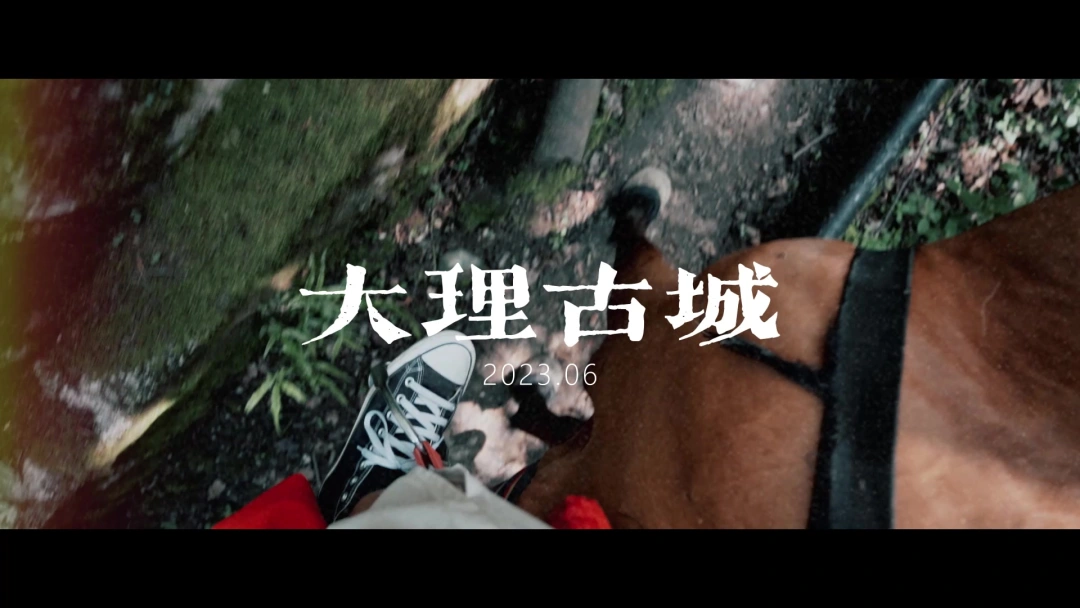
The first thing Dali taught me: Slow down, and you'll see the scenery. Riding a horse, sipping coffee, waiting for sunset—these seemingly "wasteful" moments are exactly what travel is about.
The second thing: Travel companions matter more than destinations. I'm grateful for H君's spontaneity and companionship, turning a solo trip into a shared memory.
The third thing: Dali is not an endpoint—it's a starting point. It reminds us that life isn't just about the grind ahead. There's also the wind of Cangshan, the shimmer of Erhai, and a heart willing to set out.
So yes—everyone should go to Dali at least once. Not for the check-in photos, but to feel the wind, as it sweeps across Erhai Lake and lingers among the peaks of Cangshan.
You should also read:

Body in Hell, Heart in Heaven: A Pilgrimage Through Tiger Leaping Gorge — A Dialogue Between Heaven and Earth
Body in Hell, Heart in Heaven: A Pilgrimage Through Tiger Leaping Gorge — A Dialogue Between Heaven and Earth Introduction: When the Gorge Splits Open Beneath Your Feet Some say Tiger Leaping Gorge is the closest place on Earth to the border between "hell" and…
Continue reading...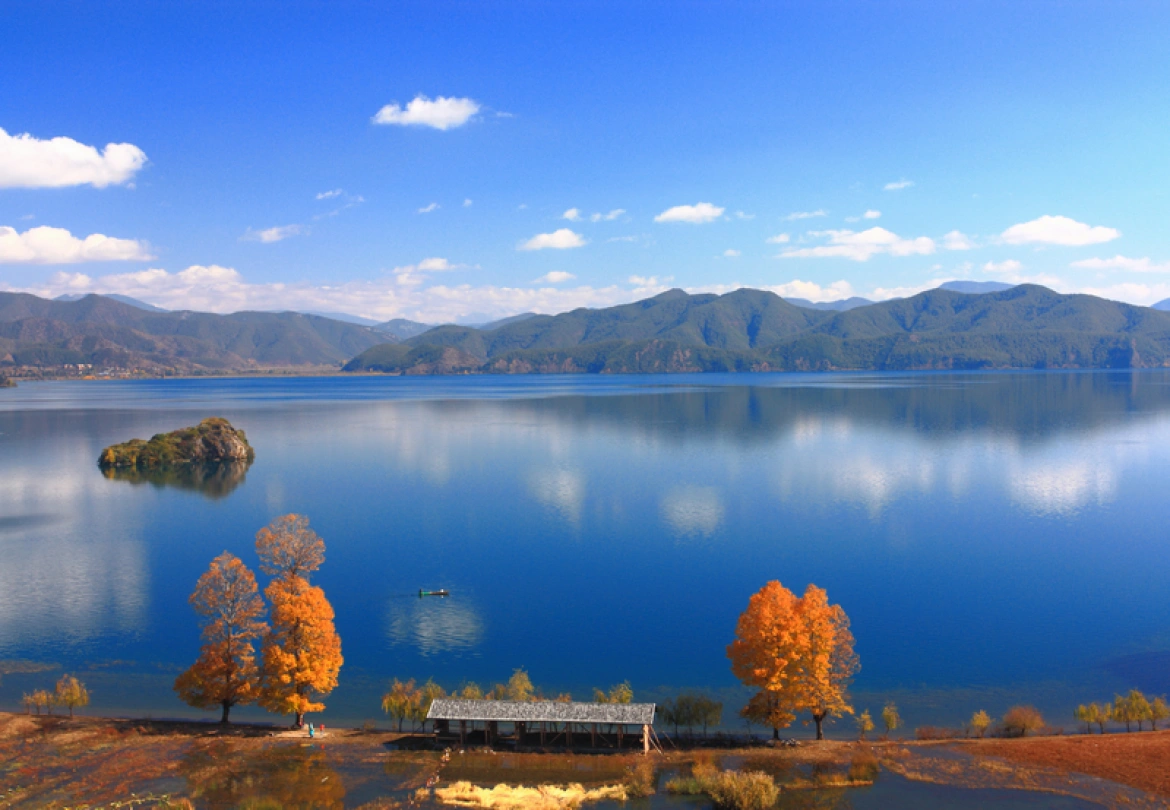
A Spiritual Journey to Lugu Lake in Lijiang: Experiencing the Legend of the Kingdom of Women! (Reproduction and Hotlinking Prohibited)
A Spiritual Journey to Lugu Lake in Lijiang: Experiencing the Legend of the Kingdom of Women! (Reproduction and Hotlinking Prohibited) Off-road自驾, food, hotel and民宿 reviews, Featured Traveler, Tank 300 owner, 200,000 km of self-driving experience. WeChat: y01294987 Ninglang Yi Autonomous County 2010.11.08 · 7 days…
Continue reading...
Hiking Around Lugu Lake: Measuring This Mysterious Highland Pearl on Foot
Hiking Around Lugu Lake: Measuring This Mysterious Highland Pearl on Foot Introduction: A Date with the Lake At the border between Yunnan and Sichuan provinces lies a highland lake embraced by mountains, embedded like a sapphire in the folds of the Hengduan mountain range. Here,…
Continue reading...