Hiking Around Lugu Lake: Measuring This Mysterious Highland Pearl on Foot
Hiking Around Lugu Lake: Measuring This Mysterious Highland Pearl on Foot
Introduction: A Date with the Lake
At the border between Yunnan and Sichuan provinces lies a highland lake embraced by mountains, embedded like a sapphire in the folds of the Hengduan mountain range. Here, there is no city clamor, no commercial hustle—only crystal-clear waters, the songs of the Mosuo people, and a winding trail along the lakeshore. If you're willing to measure it with your own two feet, you'll discover that the beauty of Lugu Lake goes far beyond the scenes on postcards.
Dragging my forty-something body along, I hiked about a third of the way around the lake. Had I been twenty years younger, I might have completed the full circuit. But even so, the landscapes along the way, the dogs I met by chance, and the fire pits in Mosuo homes have all left deep imprints on my memory. This article is both a guide to hiking around Lugu Lake and a personal recollection of slow travel.
Route Overview: Starting from Luoshui, Drawing a Circle

The complete hiking route around the lake goes like this: Luoshui — Lige — Xiaoluoshui Village — Dazui Village (Dazu) — Zuosuo — Caohai Bridge — Shankua Village — Sanjia Village — Luoshui. The total distance is about 50–60 kilometers (31–37 miles). If you're in good shape, you can finish it over 2–3 days. But if time is tight, or if you'd rather take it slow like I did, choosing one scenic section can still let you feel the soul of Lugu Lake.
Luoshui Village to Lige Village: A Two-Hour Lakeside Stroll
Starting from Daluoshui Village, walk along the lakeshore, and you'll find a faint trail. Even if there's no trail, no worries—along the banks of Lugu Lake, as long as you're willing, you can always find a place to set foot. Climb over a small earthen slope, and soon you'll reach the road. Shortly after passing the 81-kilometer marker, as you round a small ridge, the wooden houses of Lige Peninsula will come into view.
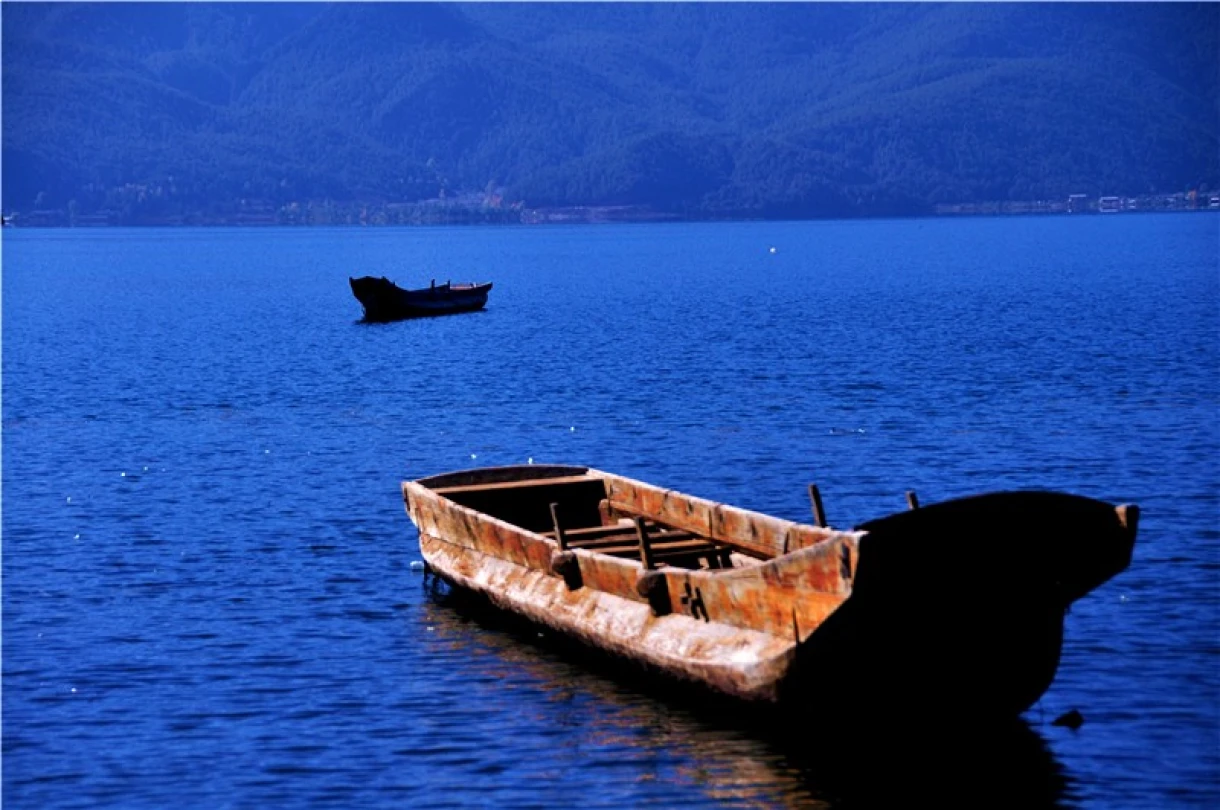
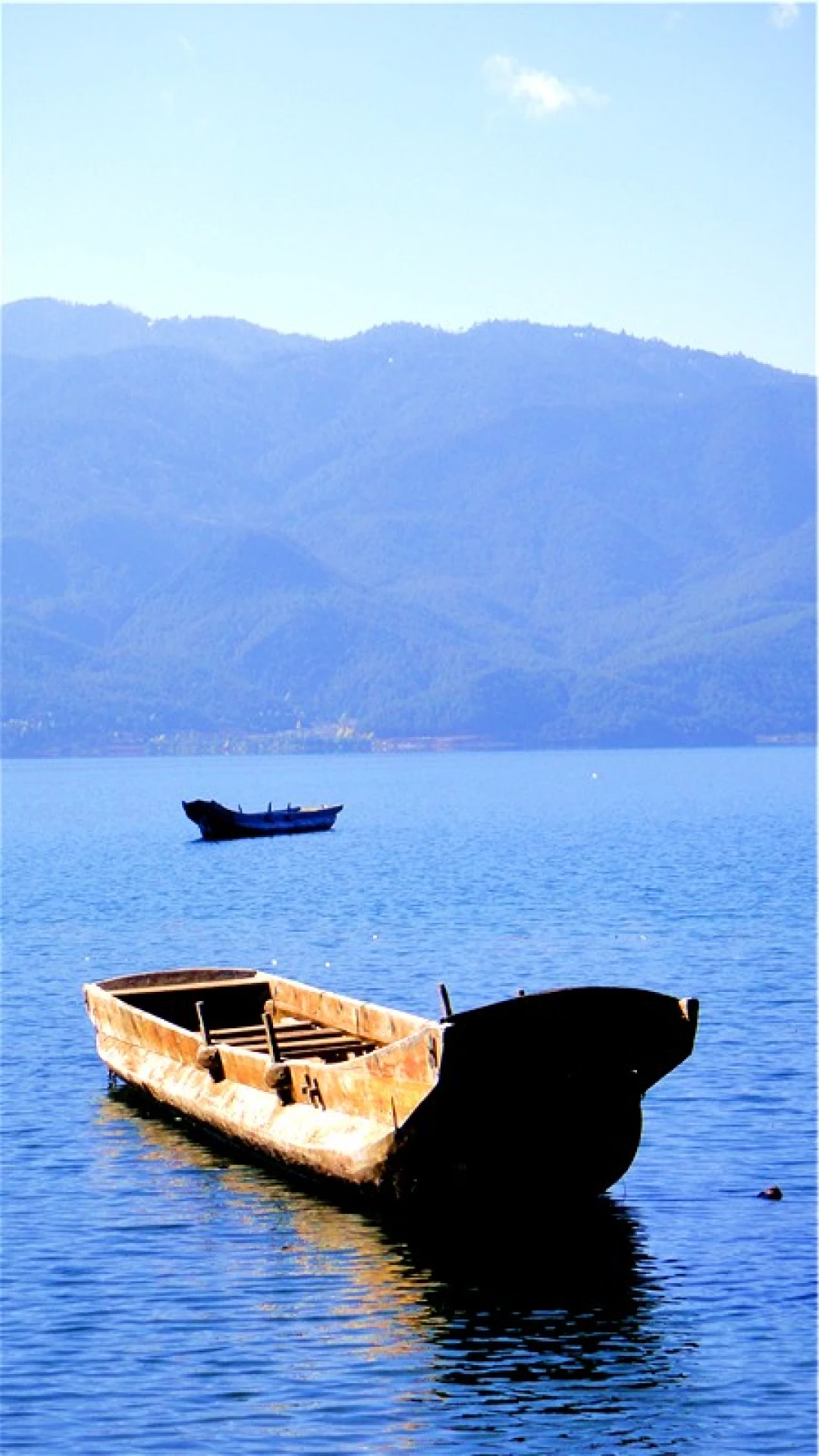
Beside the road, there's a stone wall inscribed with slogans about forest fire prevention. A path from this wall leads down to Lige Village. It's a dirt road, passable by vehicle, but standing here offers the best view of Lige—the entire peninsula stretches into the lake like an arm, with a few pig trough boats (traditional Mosuo canoes) floating on the water and snow-capped mountains in the distance.
The walk from Luoshui Village to Lige takes about two hours. If you set out in the early morning, you'll see mist hovering over the lake and seagulls circling around the boats.
Lige Village to Nisai Village: The Last 500 Meters of the Ancient Tea Horse Road
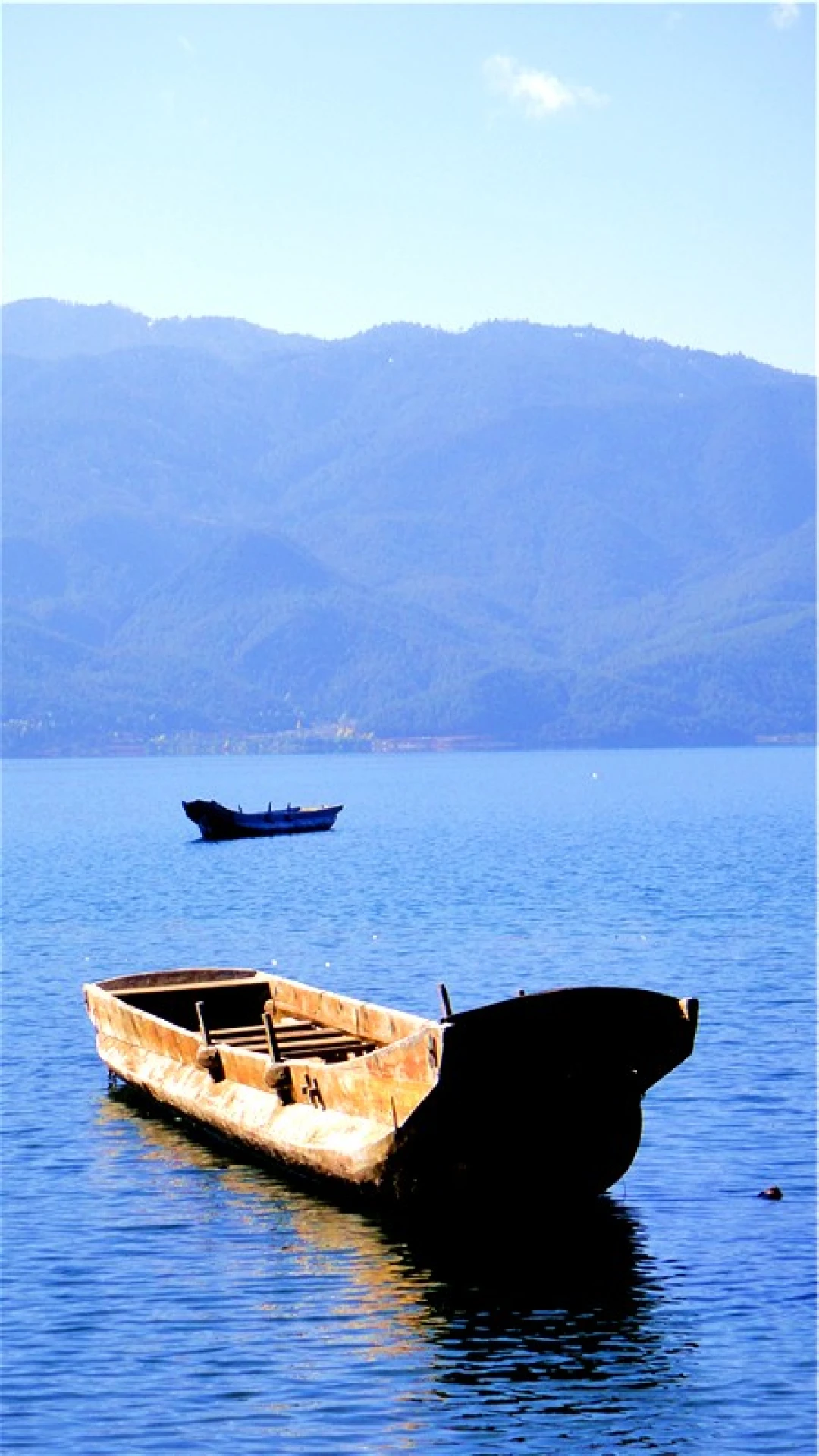
Lige Village has about 30 households, most of which are scattered along the lakeshore. A small path along the shore leads straight to Lige Island. On the island, there's a Mani pile (a stone cairn used in Tibetan Buddhist practice), slightly different from the ones in front of the village. Walk past the Mani pile, follow the path around a bend, and you'll see farmland with mud walls, their anti-livestock spikes still hung with withered grass.
At the end of the wall, cross the farmland behind it and head to the small slope on the opposite side. Look around to find the path. Then you'll walk along a distinct dry ditch, its exposed rocks cracked from years of being trampled by horses. This ditch was once part of the Ancient Tea Horse Road, a branch leading toward Sichuan, with no more than 500 meters (about 550 yards) remaining. Even today, local residents can still be seen driving their horses along this route.
The horse trail soon meets the road again. Cross the ridge, and the village ahead is Nisai Village, also known as Lise Village. The walk from Lige to Nisai takes about 30 minutes. A few trees stand by the lake, one solitary in the fields, and Nisai Island is right before you. The scenery here is the kind that makes you want to stop and just stare.
Nisai Village to Xiaoluoshui Village: Visiting the Only Private Substitute Teacher
Continue along the road—no shortcuts this time—and in about 30 minutes you'll reach Xiaoluoshui Village. Along the way, you'll spot Mani piles on the hillside by the lake. Stay on the road, cross two ridges, and you'll see the farmland of Xiaoluoshui Village.
Once in Xiaoluoshui, be sure to ask for the elementary school and look for Teacher Cao—he's the only private substitute teacher on this stretch of the lakeshore. You can eat and stay at Teacher Cao's home, and other villagers also offer accommodation. Payment is "pay as you see fit," generally a bit less than the rates at Luoshui Village. Additionally, as a courtesy, it's customary to bring a bottle or two of liquor and some brick tea as small gifts when visiting a Mosuo home. When you enter, don't make small talk—just place the gifts on the small platform above the fire pit. The host will usually invite you to sit in the honored spot above the fire. Politely decline and try not to sit there. The host will be pleased because you've respected their customs.
The village has no electricity, so candles are used at night. On a moonless night at Lugu Lake, with no light pollution, the stars are so bright they make you want to cry.
Xiaoluoshui Village to Dazu Village: Entering Sichuan Province
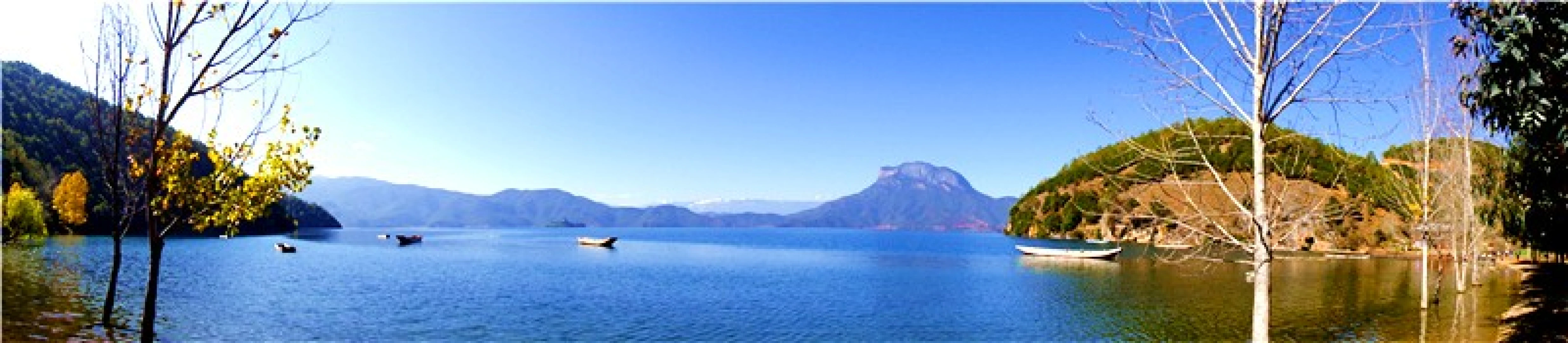
If you arrive at Xiaoluoshui Village early on your first day, you can continue to Dazu Village (also called Dazui) for the night. After leaving Xiaoluoshui, you'll mostly walk on the road. A couple of bends will bring you to Dazu Village in about an hour. Along the way, you'll see a Naxi prayer hall on the hilltop. The hall has been there for a long time, but the current structure was built about five or six years ago.
Dazu Village is already in Sichuan Province. The upper part of Dazu is home to over 800 Naxi villagers, who do not practice the Mosuo tradition of "walking marriages" (a form of matrilineal visiting relationship). The lower part of Dazu is still Mosuo. Tourism development has reached Dazu too, with inns, shops, and restaurants. The locals are honest and down-to-earth, and payment for farm stays is still "pay as you see fit." There are also three-wheeled carts available for rent if you don't want to walk. A ride to Lugu Lake Town, nearby villages, or Caohai typically costs around 10 yuan (about $1.40 USD) per trip.
Dazu Village to Caohai: The Last Chieftain's Widow and the Xifan People
The road beyond Dazu Village is quite good, making walking feel like a leisurely stroll. A side road cuts straight to the peninsula, while going straight leads to Lugu Lake Town.
From Lugu Lake Town, you can continue to Duoshe Village, where the widow of the last Mosuo chieftain lives. If you're interested, you can visit her. Though she is Han Chinese, her household follows Mosuo customs. Nearby, there's a Mosuo prayer hall. Not far ahead lies Caohai (Grass Sea) and Caohai Bridge. The villages around Caohai are inhabited by Tibetan people, who are referred to here as the "Xifan" people.
Caohai Back to Luoshui: Leisurely Boating in a Pig Trough Boat
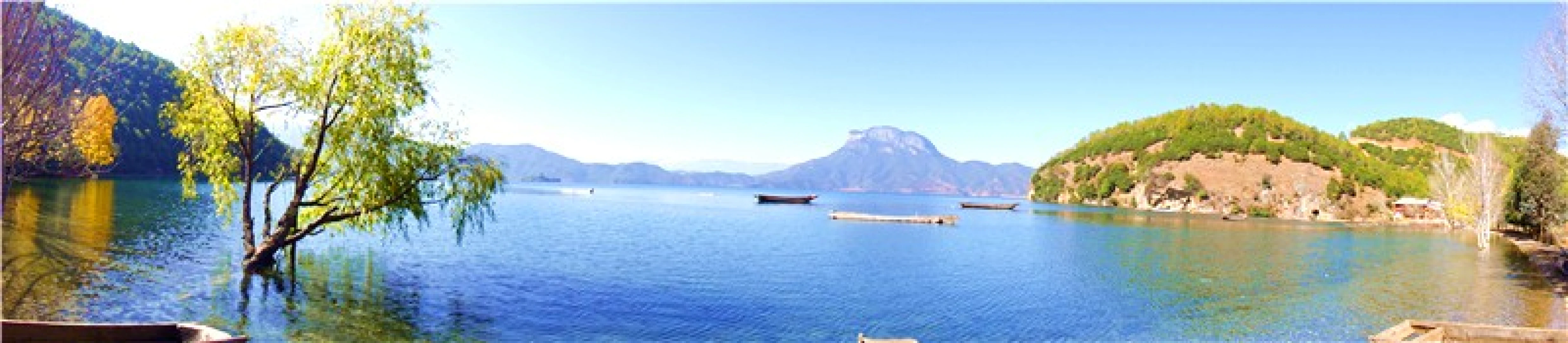
After visiting Caohai, don't continue past Caohai Bridge to complete the lake circuit, as there are few villages and long distances between them. Instead, from the Caohai Bridge side, you can pass through villages like Boshu, Wuzhiluo, and Bowa to reach Tubu Island, a peninsula jutting into the center of the lake—the best spot for a panoramic view of the entire lake. Then you can enjoy the pure pleasure of drifting on the water. Bargain with the locals to rent a pig trough boat (traditional Mosuo canoe) and go directly back to Luoshui Village. The price is around 80 yuan (about $11 USD) per boat, varying by season and weather. Each boat can carry 3–4 people.
If you're physically fit and prefer rustic, untouched scenery, you can choose to return to Luoshui via Shankua Village. This section is barely developed, and the roads aren't great, but the villages along the way are more natural and the scenery more beautiful.
Scenery and Stories Along the Way
A Lonely Dog
On the road from Lige to Wuzhiluo, there was a dog from Lige. I never learned its name, but it followed us all the way from Lige to Dazui Village, over 10 kilometers (6 miles). No matter how we tried to shoo it away, it wouldn't leave—it even helped us carry our tripod. Such a lonely dog! Maybe in its mind, we transient passersby were the most interesting company it had all day.
The Mosuo Fire Pit and Walking Marriages
In Daluoshui, I met a Mosuo man weaving cloth. He was married, not in a walking marriage. The Mosuo tradition of "walking marriages" is the most romanticized aspect of their culture for outsiders. But in reality, as times have changed, many Mosuo people have chosen to marry conventionally. Their fire pit culture, however, remains intact—when you enter a home, the host will invite you to sit above the fire pit, the seat of honor for distinguished guests. Remember to politely decline and try not to sit there; the host will be happy because you've respected their customs.
Wildflowers and Gesang Flowers
On the road from Daluoshui to Lige, wildflowers were in full bloom. Gesang flowers (a type of aster or cosmos) swayed in the breeze, and wild berries hung heavy on the branches. This season offers the most vibrant colors—the blue of the lake, the yellow of the grass sea, the white of the snowy mountains, and the pink of the gesang flowers—as if God had knocked over a palette.
Accommodation Recommendations: From Lake-View Rooms to Hostels
If you want to stay a few extra days at Lugu Lake like I did, here are some accommodation tips:
Daluoshui: I stayed above a bar called "One Love" (一家爱). The owner, Hong Bin, had just taken over the place and was very welcoming. The lake-view room cost 100 yuan (about $14 USD) and had a tatami mat—nice room with a good view, but the bathroom was shared.
Lige: I stayed three nights in Lige. The first night was at Lige Holiday Hotel, next to Colorful Lige (五彩里格) in Lige Bay. The decor was standard, but the room had heating—the only inn with heating—and cost 180 yuan (about $25 USD). The second night, I stayed at "Impression Legend" (印象传奇) on the island, which had a large terrace right over the lake for zero-distance lake contact, costing 240 yuan (about $33 USD). The third night, I stayed at the famous Zhaxi's (扎西家), popular among backpackers and cheap at 60 yuan (about $8 USD), though the room had a bit of a smell.
Hostels: Lige has two hostels—one called "Blossoms on the Path" (陌上花开) and the other the International Youth Hostel (国际青年旅社). Both are very cheap, under 100 yuan (about $14 USD) per night. I'd recommend staying at a hostel—clean and affordable. Just head to the island for photos.
Conclusion: The Slow Time of Lugu Lake
The beauty of Lugu Lake isn't about how many kilometers you cover; it's about how much time you're willing to spend feeling it. The scenery along the way, the chance encounters with dogs, the Mosuo fire pits, the starry nights, the morning seagulls—these are the gifts this highland pearl offers you.
If I were twenty years younger, I might have completed the full circuit. But now, dragging my forty-something body along, I only made it a third of the way around. Yet even so, those memories are precious enough.
If you go too, remember: bring a bottle or two of liquor and some brick tea as small gifts when visiting Mosuo homes; bring a heart willing to slow down, to feel the lake's tranquility and mystery. Lugu Lake won't disappoint you—as long as you're willing to measure it with your feet and feel it with your soul.
You should also read:
Lugu Lake: A Place Beyond Words
Lugu Lake: A Place Beyond Words Weibo: @CallMeXiaoMiao | WeChat: miaophoto This piece of writing stems from a trip I took during the May Day holiday in 2012. To be honest, when I first published this travelogue on Mafengwo, my attention to the craft of…
Continue reading...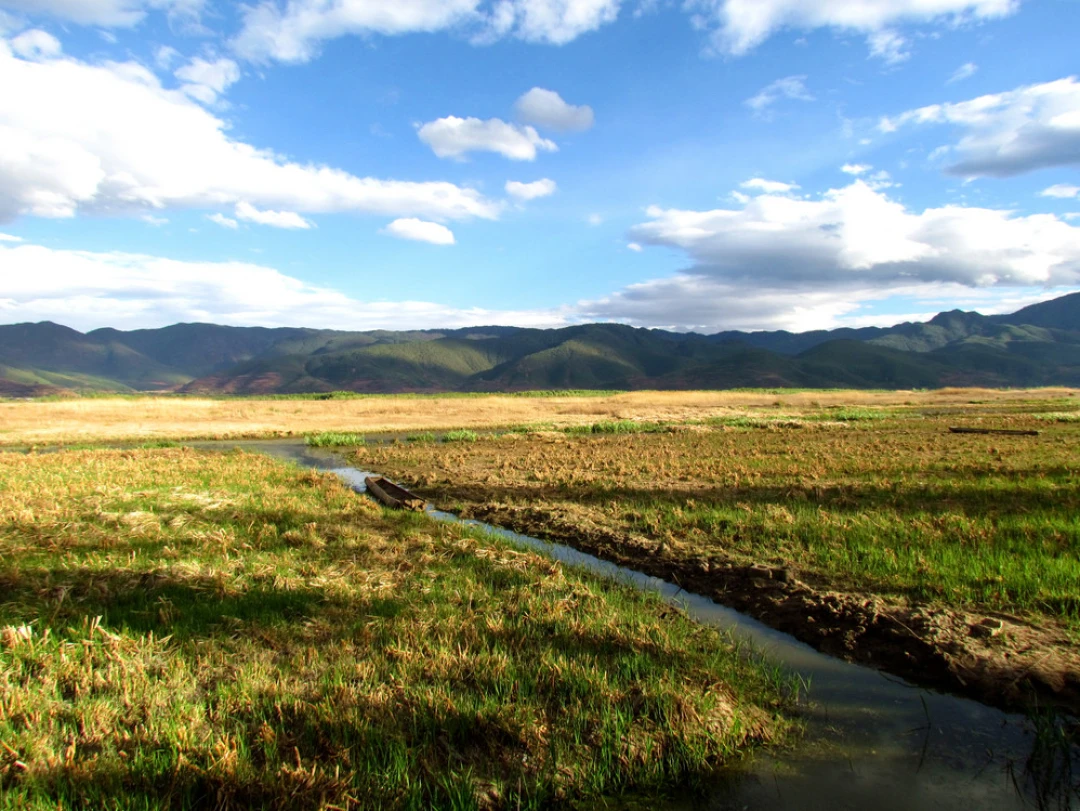
2012, Conquering Lugu Lake and Lijiang: A World of Azure and a City of Splendor
2012, Conquering Lugu Lake and Lijiang: A World of Azure and a City of Splendor Prologue: Three Guys on a Youthful Expedition Just after the May Day holiday in 2012, my buddies Hui Ge, Xiao Chen, and I—three strapping young men—shouldered our backpacks and set…
Continue reading...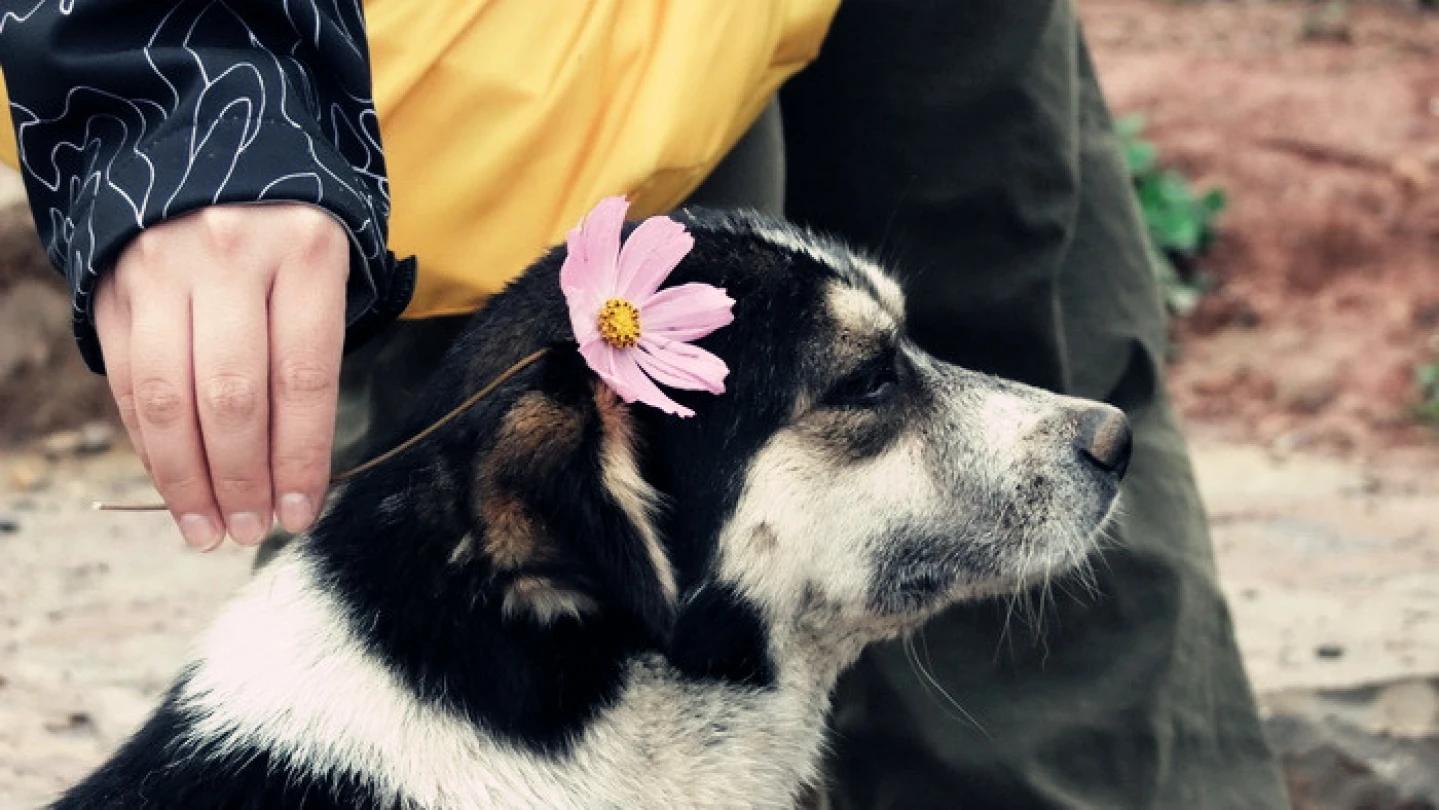
September: Finding Unexpected Warmth in Yunnan (Kunming, Dali, Shuanglang, Lijiang, Lugu Lake)
September: Finding Unexpected Warmth in Yunnan (Kunming, Dali, Shuanglang, Lijiang, Lugu Lake) Foreword: One Person's Journey, A Crowd's Story Before I set off, like every first-time solo traveler, I printed out a thick stack of travel guides and rehearsed countless possible scenarios in my head—getting…
Continue reading...