Dali Travel & Photography Guide | Sip a Cup of Wind, Flowers, Snow, and Moonlight — Drunk in Reality, Awake in Dreams (A Semi-Self-Drive Guide to Dali-Lijiang-Lugu Lake)
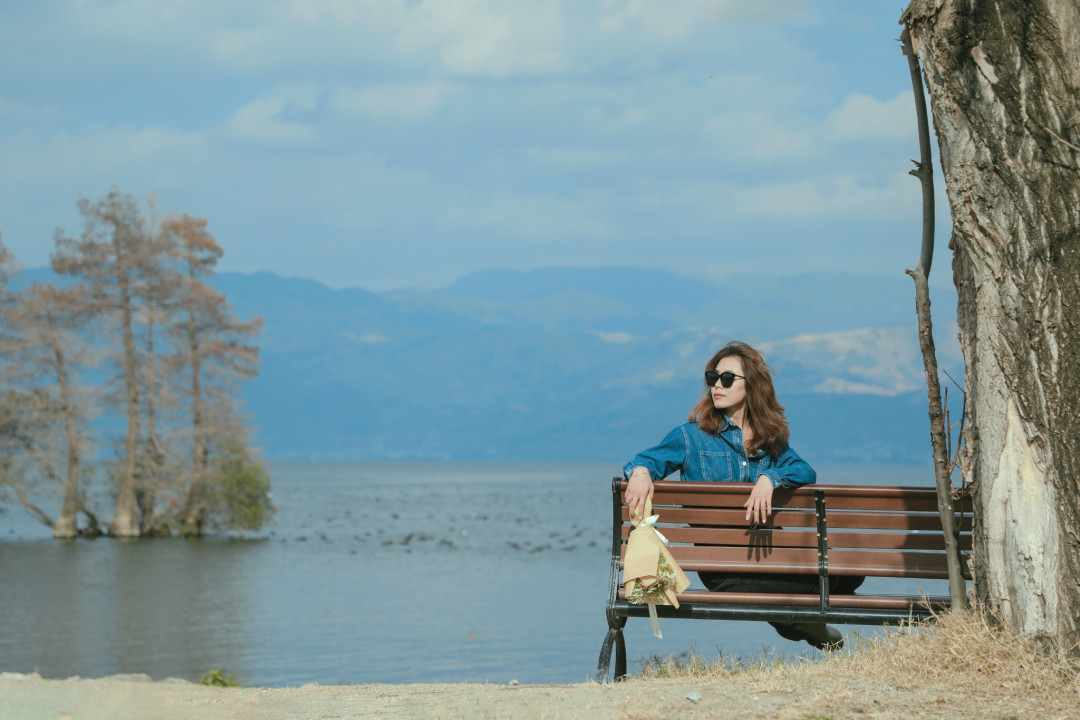
Dali Travel & Photography Guide | Sip a Cup of Wind, Flowers, Snow, and Moonlight — Drunk in Reality, Awake in Dreams (A Semi-Self-Drive Guide to Dali-Lijiang-Lugu Lake)
Preface: When Time Gains Weight
Have you ever, in a fleeting moment, suddenly felt the texture of time?
I have. Just a moment before I typed these words, I opened my laptop with my usual morning grumpiness and casually tore off a page from my calendar — oh, February 2022 was already half over. Then, "yesterday," with a barely audible "riiiip," was pushed back into the calendar box by "today." And in that very moment, as I pushed "yesterday" back and felt the box growing heavier, I truly touched time, felt its passage —
Time is as fragile as a sheet of paper — a gentle tear, and petals fall, the moon wanes. Yet time is as tough as a mountain — enduring wind and rain, it remains silent, day after day, quietly collecting everything.
Repetition, in a sense, is the destiny of time and the truth of life.
What time do you wake up each day? Which route do you take? How many pumps of syrup in your coffee? Which radio station do you listen to? We repeat our repetitions, and repetition subtly changes us. Just like this trip to Dali, Lijiang, and Lugu Lake — it was a repetition of past journeys: repeating the walk down a familiar street whose name I can't recall, repeating the gaze at a mist-shrouded mountain, repeating the appreciation of a calm, unruffled lake, repeating the sight of carefree red-billed gulls and mallards.
But within this repetition, isn't there hidden "newness"?
A new tea shop has opened on the ancient street, a thick layer of snow caps the top of Cangshan Mountain, couples by Erhai Lake no longer pose in wedding gowns for photos, and tourists boating on Lugu Lake no longer search for the "watery flowers" (a local aquatic plant)… Everything feels familiar, yet everything feels brand new.
If loneliness is the norm of life, then repetition is the deep imprint it leaves — like ripples spreading across a deep pool, seemingly the same, yet each one different.
Even if the same sun rises every day, it burns different fires in the sky when it sets. Even if the same wine is drunk every night, it brings different smiles and different states of drunkenness to each face. And what grows heavier in the calendar box is the weight of time, the weight of life.
Practical Info | Route & Tips
"Going out every Chinese New Year" has almost become my obsession. This time, from decision to departure, the gap was less than 24 hours. Add to that the headache-inducing weather, and all the itinerary and accommodation were booked on the go, as spontaneous as last year's Hainan trip. But precisely because of this spontaneity, in just one week, my friend Xiao Li and I experienced sunshine and rain, snow and clear skies, the sun, moon, and stars, surprises and scares — the whole gamut.
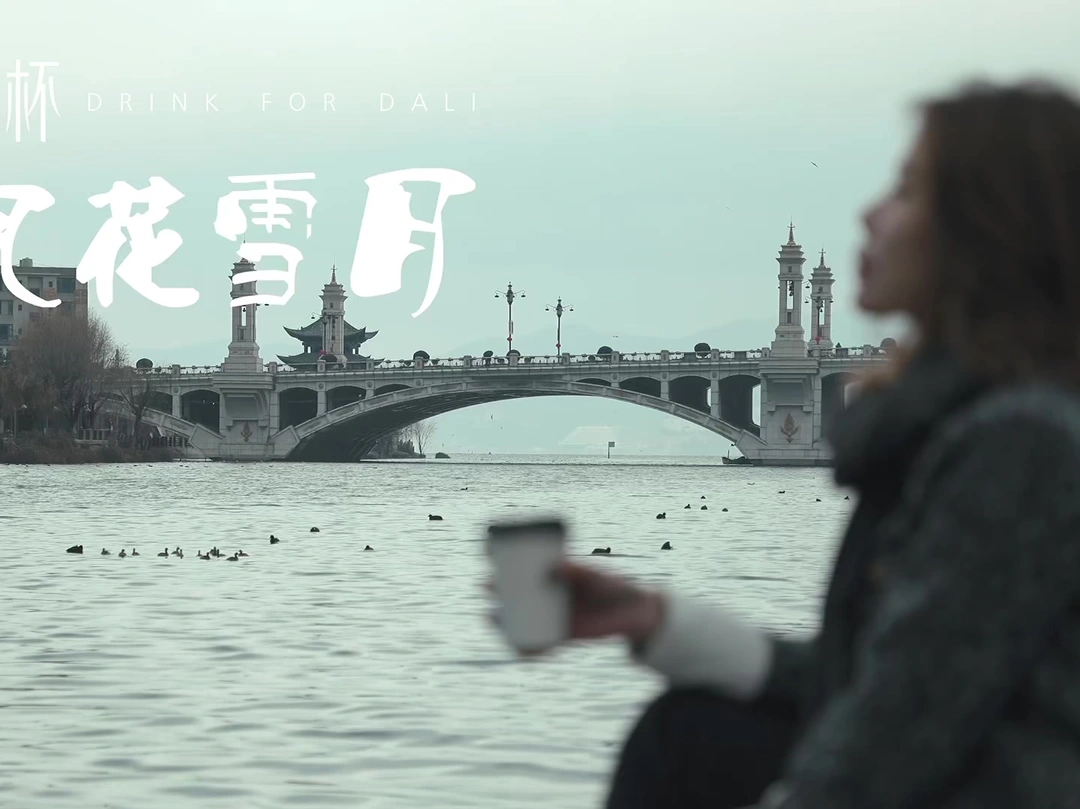
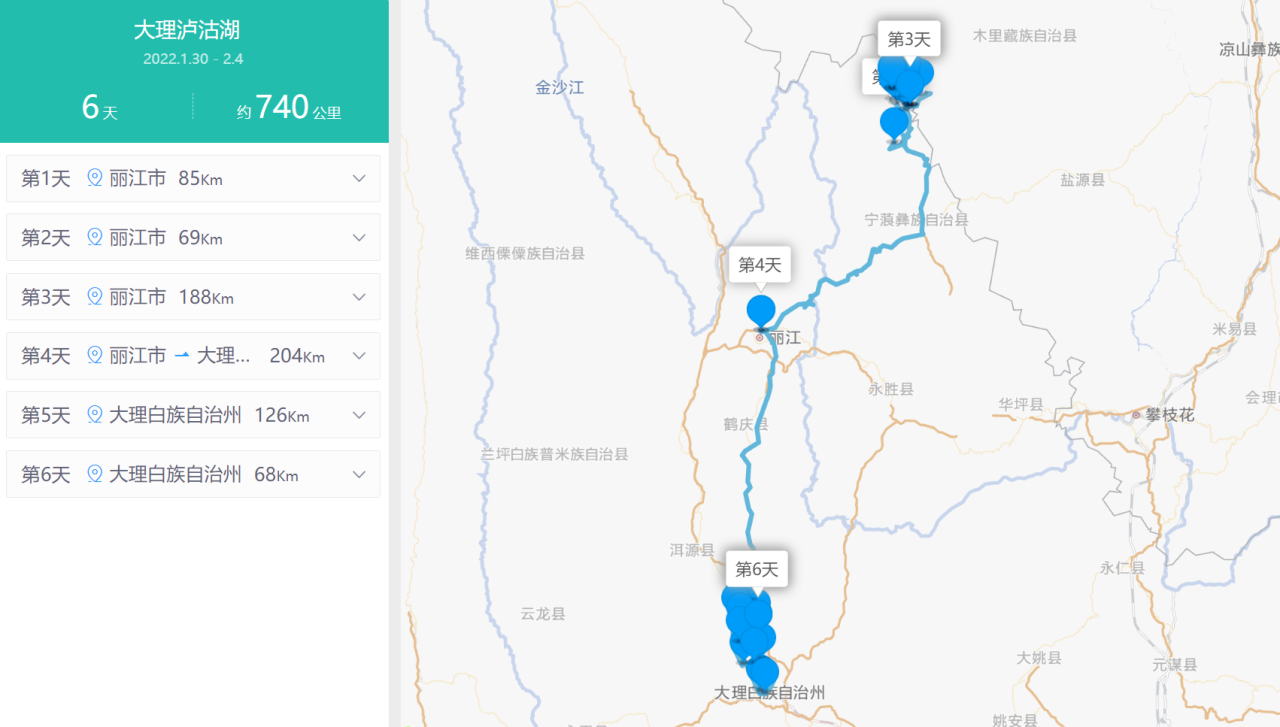
Itinerary Overview:
- Day 1: Wenzhou → Kunming (Accommodation: Quanji Hotel, Kunming Changshui International Airport)
- Day 2: Kunming → Lugu Lake (Rented car at airport, self-drive: Lugu Lake Viewing Platform → Daluoshui Village → Xiaoyu Dam Pier → Waku Love Lover's Beach Sunset → Homestay Stargazing) (Accommodation: Lugu Lake Muyu Homestay)
- Day 3: Lugu Lake counter-clockwise loop (Caohai (Grass Sea) → Goddess Bay → Dazu Village → Lige Viewing Platform → Lige Peninsula → Homestay New Year's Eve Dinner) (Accommodation: Lugu Lake Tingxia Island Hotel)
- Day 4: Lugu Lake (Chinese New Year's Day: watching the snow scenery) → Lijiang (Wandering the old town, viewing the panorama at Wangulou) (Accommodation: Lijiang Shuihua Huashen · Dashuiche Designer Hotel)
- Day 5: Lijiang → Dali (Rented car in Dali Ancient Town, counter-clockwise loop around Erhai Lake: Ancient Town → Xingsheng Bridge → Haidong → Wase) (Accommodation: Mao Xiaoyi · Silver Empire Seaview Inn)
- Day 6: Dali counter-clockwise lake loop (Wase → Luwo Mountain → Shuanglang Nymph Seaside Stay Afternoon Tea → Xizhou Ancient Town → Xiangyangxi Village Covered Bridge & Lonely Tree → Panxi Village S-Curve → Wase) (Accommodation: Mao Xiaoyi · Silver Empire Seaview Inn)
- Day 7: Longkan Pier Sunrise → Kunming → Wenzhou
Ticket Info: Lugu Lake adult ticket 70 RMB/person, half-price ticket 35 RMB/person; from November 1, 2021, to November 1, 2026, visitors from Zhejiang Province are exempt from ticket fees upon presentation of their ID card.
Day 1-2 | Brushing Snow to Seek Spring, Burning Lanterns to Extend the Day
One afternoon before departure, Xiao Li and I sat in a coffee shop, staring blankly at our phones.
"So, where are we actually going?" After considering weather, pandemic restrictions, flight prices, and other factors, I asked with vacant eyes.
"How about another trip to Sanya?"
"But the weather in Hainan… a beach without sun, you know." I scrolled through the icons of rain on my phone screen, frustration washing over me.
"Ah, if only Xishuangbanna didn't have the outbreak."
"How about giving in to me and going to Tibet to see the blue ice? It'll be cold, but so what." I shot him another hopeful look.
"The aftermath of Gannan — high altitude sickness and carsickness are no joke." We both simultaneously recalled the scenes from last year's Gannan trip — Xiao Li, after throwing up countless times, lying weakly on the hotel bed inhaling oxygen.
"You were fine on the Kunlun Mountains, how did a place like Lianbao Yeze take you down?"
"Blame those winding mountain roads!"
"Or, how about Western Sichuan? The Litang route." I checked the guide, saw phrases like "rugged mountain roads" and "the world's highest-altitude town," silently closed the page. "Not suitable for you."
"This is too hard…"
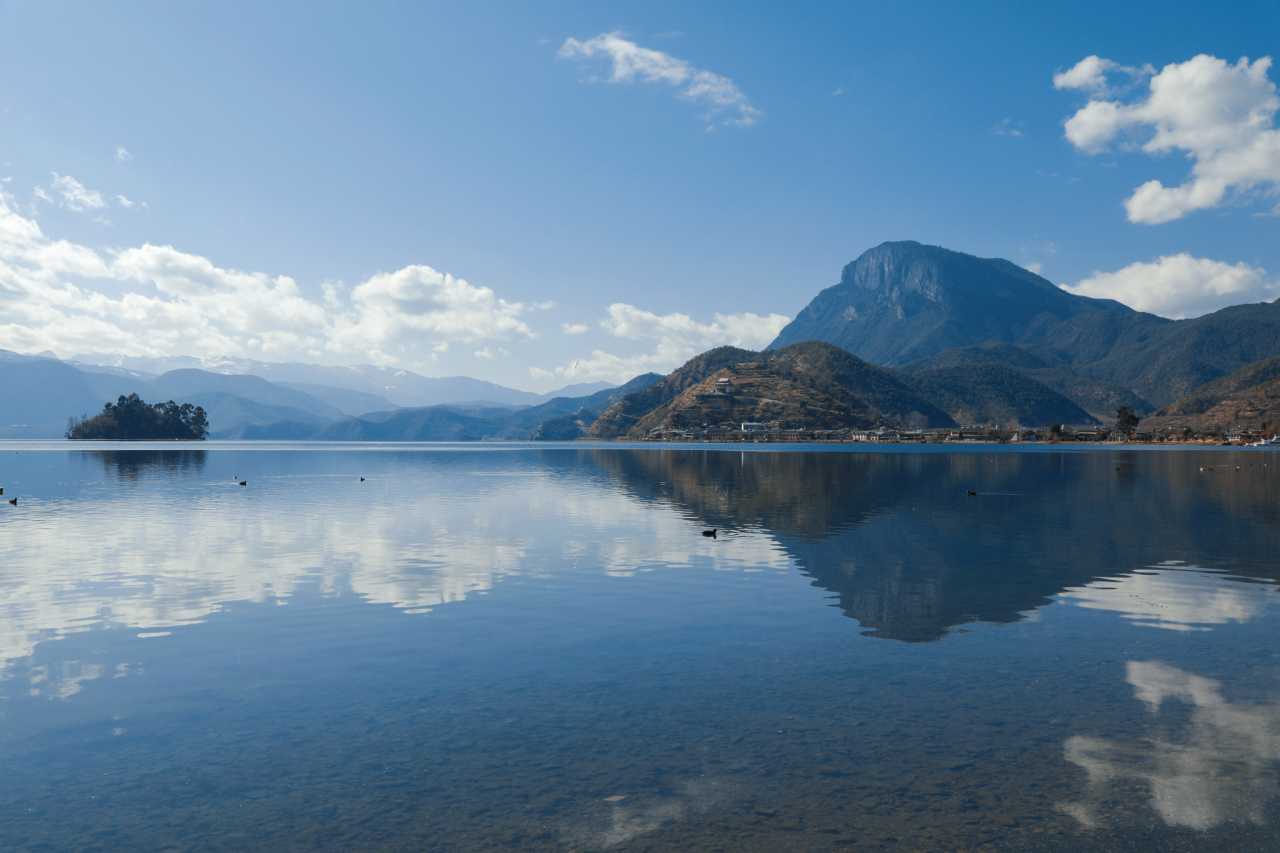
By the time the coffee was cold and finished, we still hadn't come to a decision.
It was the afternoon before departure, the eve of Chinese New Year's Eve, that we finally locked our sights on Dali and Lugu Lake.
"The weather isn't great, but whatever. As long as we can get out."
And so, we began this Yunnan trip, gambling our luck against the weather.
Given the hassle of getting in and out of Lugu Lake, we decided to fly directly from Wenzhou to Lugu Lake (with a transfer in Kunming) and then head south all the way to Erhai Lake, saving the time of backtracking.
According to plan, we were supposed to arrive at Lugu Lake by noon the next day. But just before departure, China Eastern Airlines suddenly notified us that the flight was delayed to the afternoon due to weather conditions.
Yet, when we opened the window the next morning — it was sunny and clear. What "weather reasons"? Could it be that the weather was too good to take off? I was speechless.
By the time the plane landed at Lugu Lake Airport, it was already 2:30 PM. I looked out the window and was immediately captivated — the distant mountains and the nearby lawns were all covered in a thick layer of silver snow. The moment my feet touched the soft, fluffy snow, all my previous frustration melted away. Children from the south are so easily pleased.
We picked up our rental car from the airport and raced against time towards Lugu Lake. As the altitude decreased, the snow by the roadside gradually disappeared. By the time we reached the Lugu Lake Viewing Platform, there was no snow left. I have a strong memory of this viewing platform — in May 2017, after a four-hour drive, the first glimpse of Lugu Lake was captured right here.
Time flies in an instant, thoughts swirl. Standing at the same angle, looking at the same lake, on a winter day four or five years later, it felt like yesterday and yet like years had passed. Journeys can be repeated, scenery can be repeated, but the state of mind is constantly changing.
Going out for the New Year, you might not always get good food, but you'll never miss a "closed door" meal. Starving, we wanted to grab a late lunch in Daluoshui Village, only to find that 90% of the shops were closed for the holiday. We finally found one to fill our stomachs, then started a clockwise loop around the lake.
Lugu Lake is a plateau fault solution-subsidence lake, the third deepest freshwater lake in China. It's located at the border between Yanyuan County in Sichuan and Ninglang County in Yunnan, under the joint administration of the two provinces. The main ethnic groups living around the lake are the Mosuo, Yi, and Pumi people. In the Naxi Mosuo language, "Lu" means mountain gully, and "Gu" means inside, so "Lugu Lake" means "the lake in the mountain gully."
The lake loop is 68 km, with a lake surface elevation of 2690 meters, surrounded by green mountains. Gemu Goddess Mountain, at over 3700 meters, towers over the lake, while the 4-kilometer-long Houlong Mountain wedges into the lake's center, forming a horseshoe shape. In Mosuo mythology, Gemu Goddess Mountain is the incarnation of the Gemu Goddess, and Houlong is a male mountain god. They were once lovers who, after transforming into mountains and islands, gaze at each other across the lake during the day and "walk" (a traditional Mosuo practice) to spend the night together. The lake's shoreline is winding, with 17 beaches and 14 bays, and scattered within the lake are 5 full islands, 3 peninsulas, and 1 causeway-connected island, creating a uniquely rich landscape.
Xiaoyu Dam | Enjoying a Slice of Tranquility
Leaving Daluoshui Village, it wasn't long before we reached Xiaoyu Dam along the Ninglu Highway. I originally just wanted to take a casual stroll, but I ended up finding the day's slice of peace.
Colorful pig-trough boats were moored by the lakeshore. Red-billed gulls and wild ducks came and went, came and went, creating layers of ripples that set the boats gently swaying and spinning, as if dancing to a soft, melodious tune. Locke Island, standing alone in the lake's heart, became one of the few spectators, quietly listening and watching, letting the winter wind wrinkle its skirt as it may.
Libai Lover's Beach | Harvesting an Afterglow Sunset
Seeing the sun sinking lower, we headed north along the Ninglu Highway, crossed the Sichuan-Yunnan border, and then headed towards Goddess Bay, planning to catch the sunset. But after checking the remaining distance and the sunset time, we gave up the "struggle" and chose to wait at the Waku Pier near Libai Lover's Beach for the second-to-last sunset glow of the lunar year.
Lugu Lake has two Lover's Beaches: the Luoshui Lover's Beach on the Yunnan side of the western lake is good for watching the sunrise, while the Libai Lover's Beach on the Sichuan side of the eastern lake is good for watching the sunset. What they have in common is that both beaches gather many red-billed gulls and wild ducks, and the trees by the lake grow in pairs, hence the name "Lover's Beach."
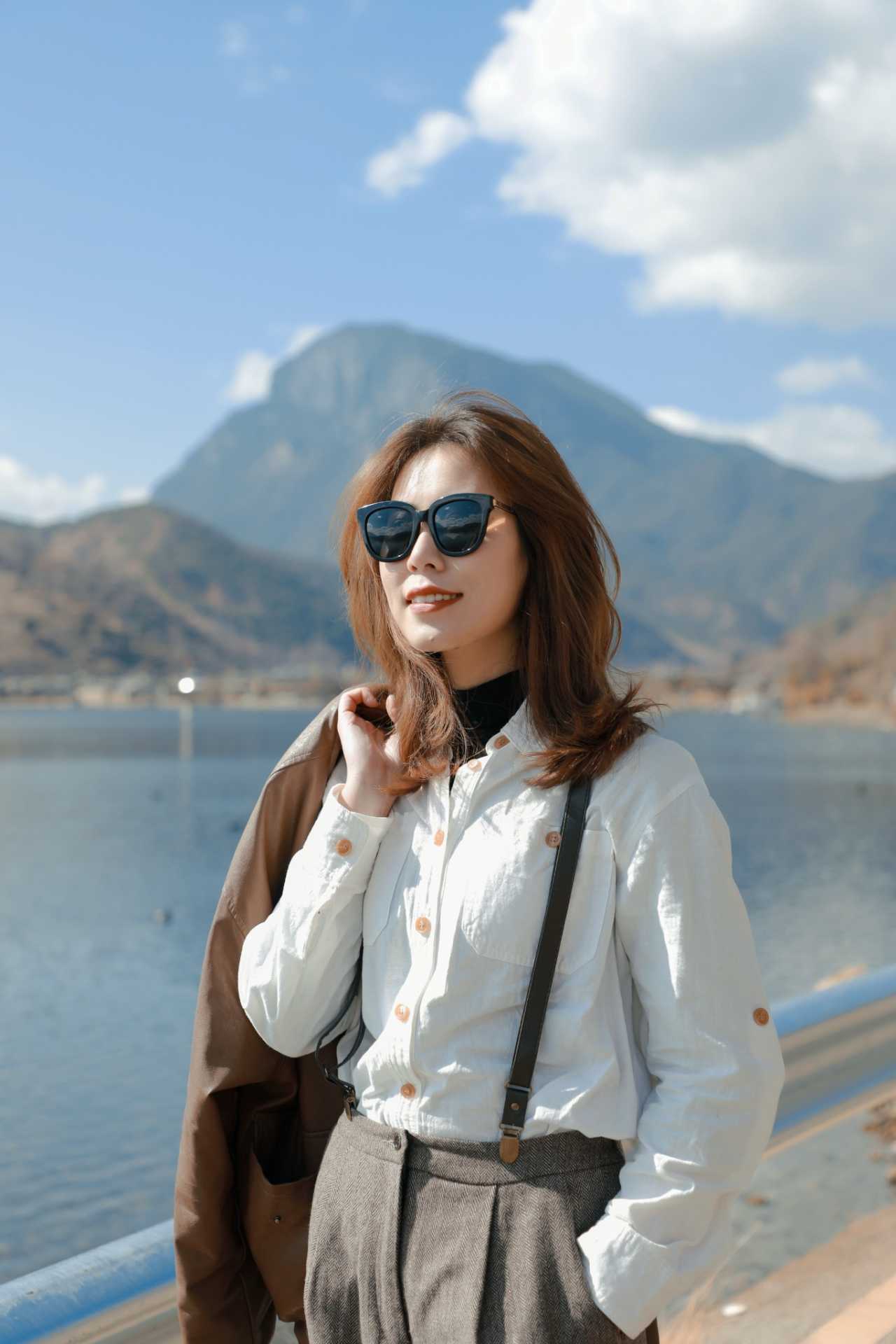
The sun, moon, and stars possess an almost mystical power. Not only are they endlessly fascinating, but they also make you forget the way home. By the lakeside after dusk, the wind was biting cold, yet the sun on the other side of the mountain burned fiercely, spilling its afterglow across the sky and onto this tender, loving world. At this moment, the shimmering golden surface of the lake seemed to be weaving a dream of moonlight filling the west tower.
Travel is sometimes very interesting: the more you don't bring something, the more you'll need it. This time, thinking the wide-angle lens was too bulky, I deliberately left it behind — and then I encountered a starry sky. Luckily, I borrowed a tripod from the homestay and managed to take a few fleeting shots of the Lugu Lake starscape.
At midnight, Xiao Li and I "crawled" out of our room into the empty courtyard and stared blankly at the sky. As our eyes adjusted to the darkness, the stars above became clearer and brighter, and even the Milky Way began to take shape. This starry sky wasn't as stunning as the one in Zhangye, as romantic as the one in Hemu, or as breathtaking as the one in Yubeng. But because it hung over the eve of the New Year, it carried a touch more melancholy and anticipation — we couldn't see our homeland as far as the eye could reach, yet we looked up at the same starry sky.
Day 3 | Harmonizing with the Light, Unfurling with the Times

The first thing I did when I opened my eyes in the morning was pull back the curtains to check the weather — as expected, it was overcast. I got up grudgingly and began today's counter-clockwise lake loop.
Caohai (Grass Sea) | Searching for a Dream of Flying Catkins
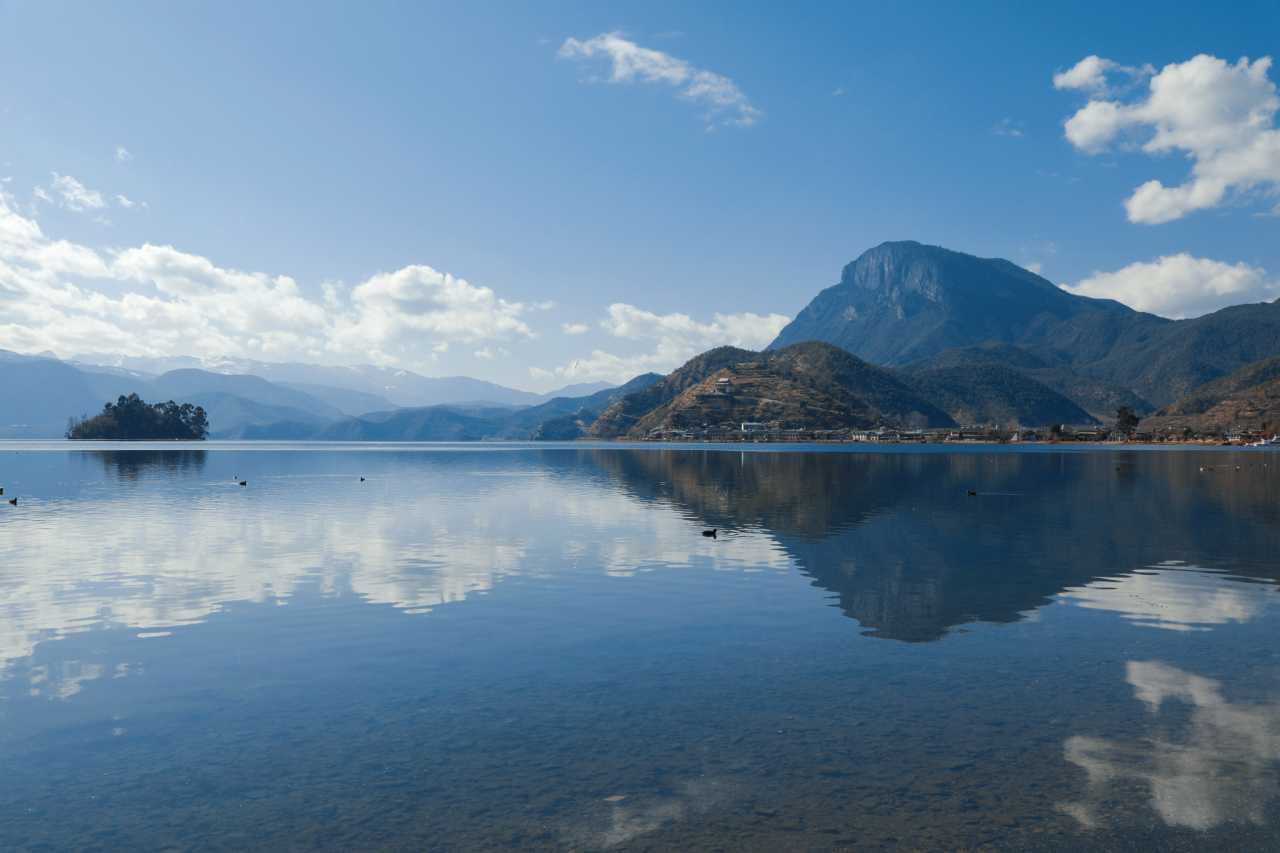
Lugu Lake's Caohai consists of four grass seas of varying sizes, two in Sichuan and two in Yunnan. The "Caohai" we commonly refer to is usually the one located on the southeast side of Lugu Lake, near the "Walking Marriage Bridge" within Sichuan territory. Due to years of sediment buildup in the lakebed, the water is shallow, and the reeds are dense. When the wind blows, they surge like waves, hence the name "Caohai" (Grass Sea). It is praised as the "Plateau Aquatic Plant Exhibition Hall" and the "Biological Grand View Garden."
Boating through it, the reeds form walls, the waterways are intricate, cool breezes blow, and water birds play, creating the illusion of "having fun and returning late by boat, mistakenly rowing into the depths of the lotus flowers."
It takes about half an hour to drive from Langfang Village to Caohai. We had prepared well for warmth and wanted to go boating, but when we arrived at the Caohai Pier, we found few tourists, the boats were docked, and the shops were closed. Looking up at the sun, which seemed to be "hiding its face behind a pipa," I felt resigned — this gloomy weather would hardly allow me to relive the old dream of flying catkins from four years ago.
Walking Marriage Bridge | Attending a Date of Ancient Tradition
Extending through a third of the Caohai reeds is a wooden bridge about 300 meters long — the Walking Marriage Bridge. As the only bridge on Lugu Lake, it is not just a place for Mosuo men and women to date, but also carries the unique and profound Mosuo culture.
The Mosuo people practice the "Walking Marriage" custom, where "men do not marry, and women do not wed." "Walking Marriage" in the Mosuo language is called "sese," meaning "walking back and forth," vividly describing a marriage relationship where partners meet at night and part at dawn: men and women live permanently in their own matrilineal families, with the man "walking" to maintain the relationship and ensure the continuation of the lineage.
Here, Mosuo men are called "Azhu," and women are called "Axia." During the day, adult men and women express their feelings at gatherings through dance and song. After nightfall, the "Azhu" crosses the Walking Marriage Bridge to reach the "Axia's" "flower room." Traditionally, he would ride a horse, but he couldn't enter through the front door; instead, he had to climb through the window. He would then hang his hat or other items outside the door to signal that he was on a date and had to leave before dawn.
This "Walking Marriage" is not chaotic, nor is it promiscuous or group marriage. It is a form of monogamy distinct from other ethnic groups. Even today, over 70% of Mosuo men and women still practice this tradition.
Goddess Bay | More Than Just a Sunset
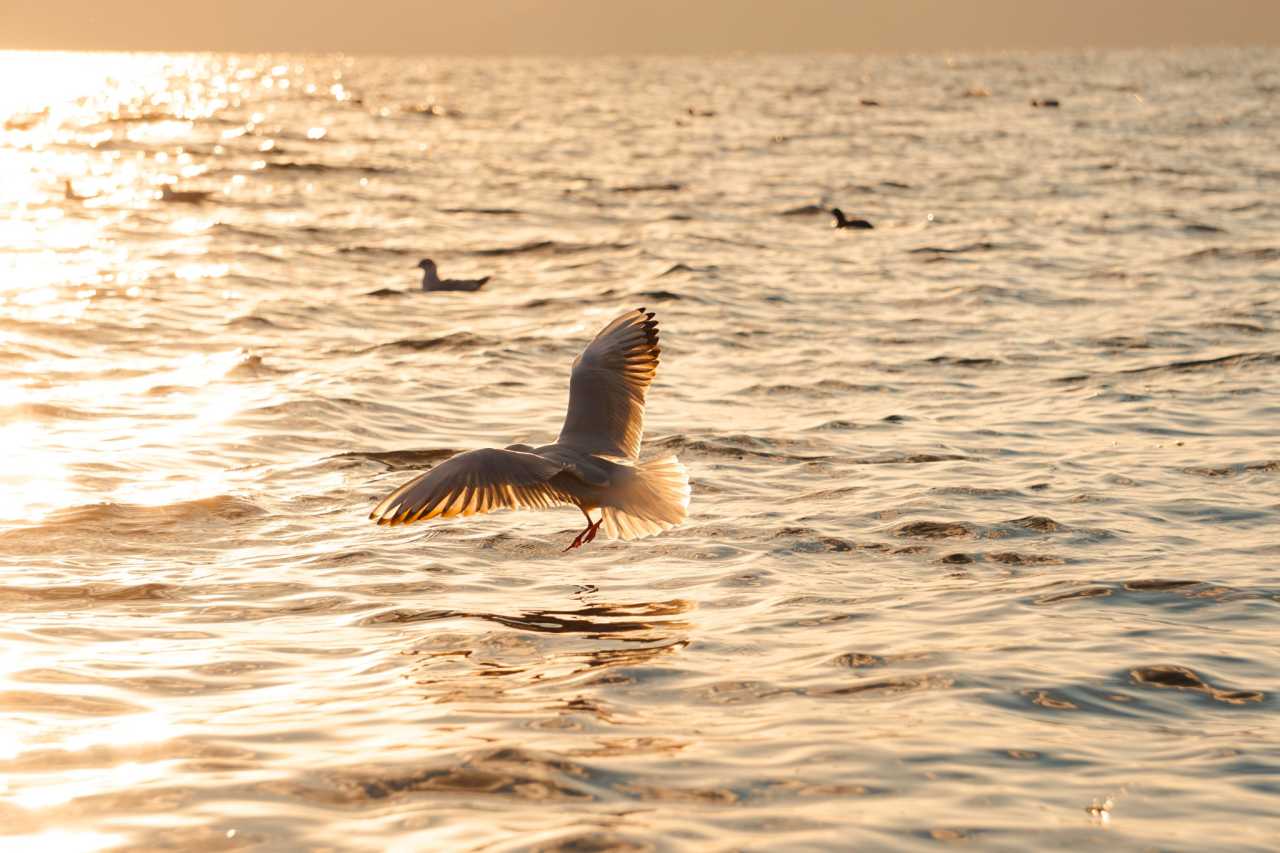
Goddess Bay gets its name because it directly faces Gemu Goddess Mountain. Due to a large population with the surname Zhao, it is also known as "Zhao Family Bay." Some say this is the best spot on Lugu Lake to watch the sunset — watching the sun slowly disappear behind Gemu Goddess Mountain, leaving a patch of drunken crimson. But given the weather and our route, we just took a quick look during a brief moment when the sun "showed its face."
Dazu Village | More Than Just Intoxication
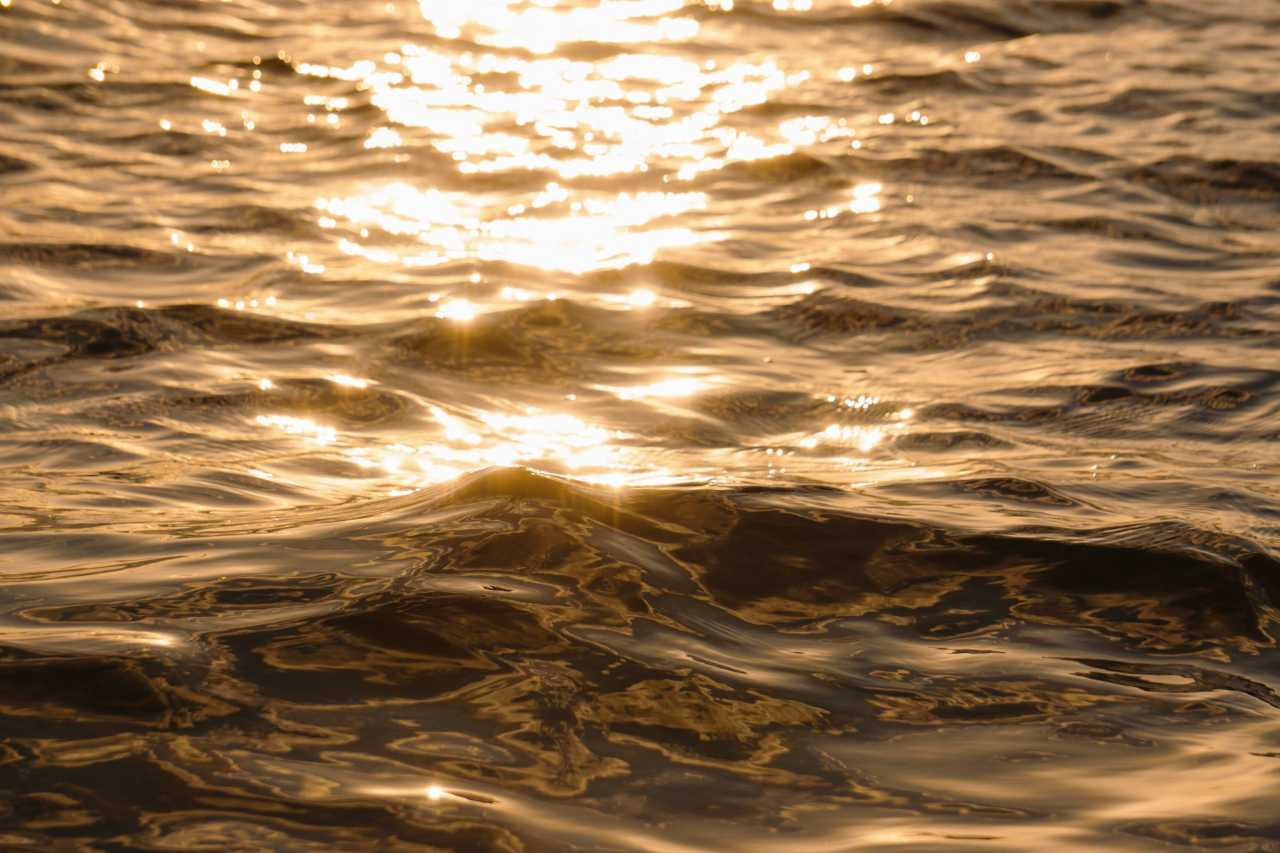
Dazu Village is located on the northeast side of Lugu Lake. It's the only Naxi ancient village on the Sichuan side of the lake, adjacent to Xiaoluoshui Village in Yunnan. It is said that the people living here originally were descendants of soldiers from the Lijiang Mu Family Mansion. After the Mu Mansion collapsed due to war, they never returned to Lijiang. Today, the entire village is inhabited by Naxi people who practice both Tibetan Buddhism and the Dongba religion.
We hadn't intended to linger, but after having lunch there, we saw the sun finally come out and decided to wander around the waterfront Dazu Pier. Compared to the bustling Daluoshui Village and the ostentatious Lige Peninsula, this place is reserved and low-key. The warm afternoon sun draped a lazy coat over everything — red-billed gulls frolicked with the guests on the boats, and tiny lights shimmered on the lake's surface, making one sigh: Whose jade plate was shattered, turning into millions of silver fish flipping across the lake?
We just crouched by the lakeside, staring blankly without any purpose or thought, watching the clouds roll and unroll, watching the wooden boats sway, watching the ducks dive and surface… until our backs were covered in a thin layer of sweat from the sun, and only then did we reluctantly leave.
Lige Peninsula | More Than Just "Without Strife"
Lige Village is located on the northern Yunnan side of Lugu Lake, nestled at the foot of Gemu Goddess Mountain. It is surrounded by water on three sides — east, west, and south — forming "Lige Bay" with Lige Peninsula at its core. Its unique geographical location gives it a distinctive landscape of lake and mountains. When the weather is clear, the mirror-like surface of the lake reflects the rolling mountains and scattered houses, giving it a feel of a "paradise beyond the world." But "feeling" is just a feeling after all. Stepping into it, you'll find that the once "strife-free" peninsula has become increasingly commercialized — lively enough, but lacking tranquility.
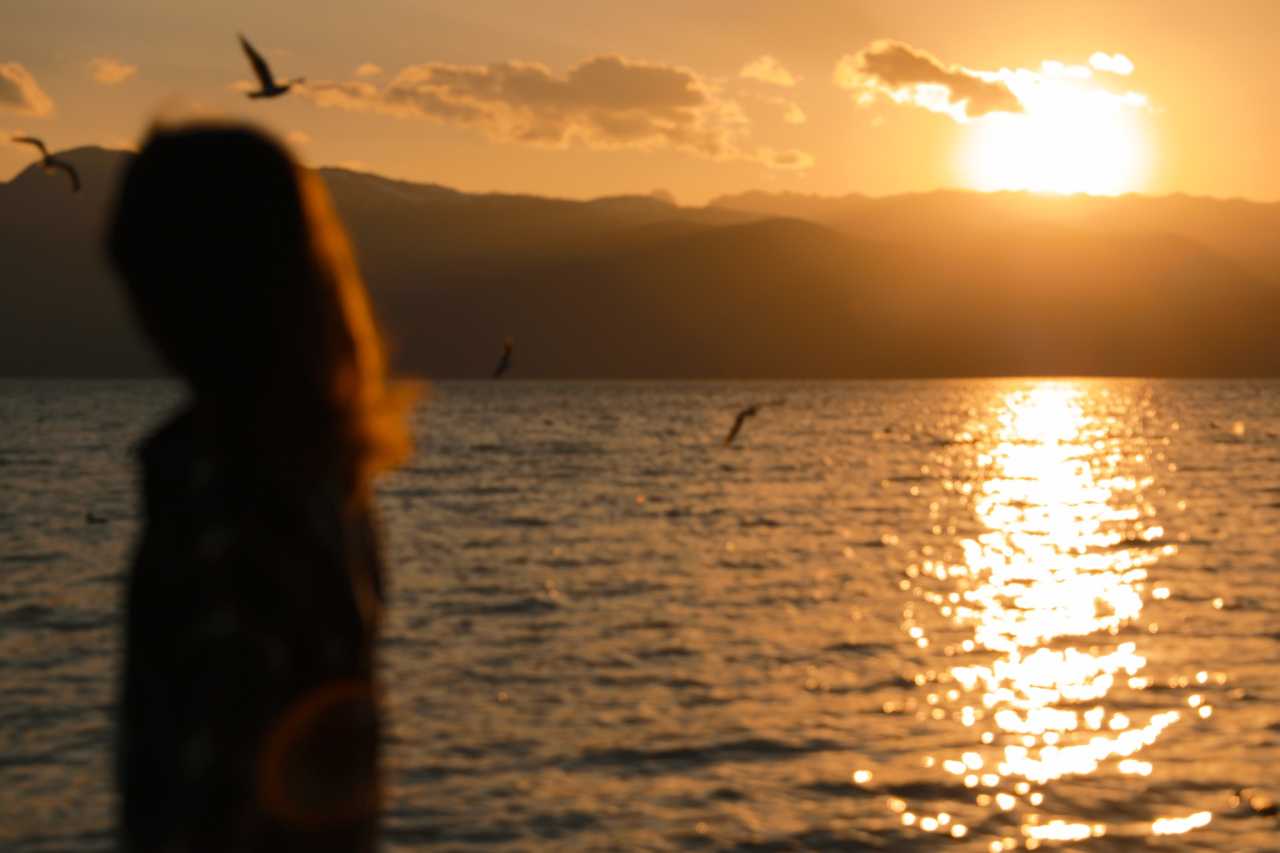
Tips: You can see the full view of Lige Peninsula from the Lige Viewing Platform. To reach the peninsula, you can walk down a small path next to the viewing platform or drive into Lige Village, park, and then walk onto the peninsula.
With New Year's Eve on our minds, we headed straight back towards our homestay after leaving Lige Peninsula. At dusk, we sat around a steaming hot pot, sipping some wine. Outside the door, Goddess Mountain was blushing under the sunset glow. In our ears was the familiar opening monologue of the Spring Festival Gala. My heart felt empty, yet also full to the brim — it must have been filled with memories and hopes.
Day 4 | Snowy Solitary Village, the Old Man of the Mountain Intoxicates Me
I had thought that coming to Yunnan for the Spring Festival would offer some escape from the cold, but instead, I witnessed one heavy snowfall after another. Standing on the homestay balcony, looking at the mist-shrouded Lugu Lake, it was like watching a dynamic ink wash painting. I reached out to catch a few snowflakes. Instead of feeling cold, I felt a strange warmth — this must be the magic of the New Year's auspicious snow.
As we drove along the winding mountain road back towards Lijiang, the snowfall gradually changed from "like scattering salt in the air" to "like willow catkins blown by the wind," weaving densely, flying wildly, almost as if trying to envelop and devour everything in heaven and earth.
What we didn't expect was that this joy and wonder would also be accompanied by fright —
Because the heavy snow came so suddenly, and our car didn't have snow chains, our journey was difficult from the start: pushing the car in the snow, crawling up slopes at low speed, stopping and starting. Just as we passed a bridge and thought the snow-covered section was almost over, the car suddenly seemed possessed, completely out of control, veering towards the cliffside. The driver frantically turned the steering wheel, and in a flash, the wheels spun violently, sending the car straight into the mountainside.
Sitting in the back, I was looking at my phone the whole time and didn't experience that roller-coaster feeling firsthand. It was only when I got out of the car and saw the tire tracks on the ground and the dented front bumper that I felt a delayed sense of fear — my heart must be as wide as the Pacific Ocean.
Luckily, besides Xiao Li and me, the other passengers in the car were all guys. They helped push the car, change the tire, and call for roadside assistance. Fortunately, the car didn't hit the engine or any other critical parts, so it was safe to drive. After this scare but no real harm, we continued our journey to Lijiang.
According to the original plan, we weren't going to stop in Lijiang but head straight to Dali. However, Xiao Li was suffering from carsickness after the "Lining Eighteen Bends" (a famously winding road). Seeing my usually tough friend turn into a weakling, we decided to stay a night in Lijiang and head to Dali the next day.
It's strange, but every time Xiao Li and I travel alone together, something happens to her health: gastroenteritis in Chiang Mai, seasickness at Gouqi Island, a sudden bout of gastroenteritis in Hainan, severe altitude sickness and carsickness in Gannan. But whenever there are more than two people in the group, she's perfectly fine — our "jinxed CP" status is firmly sealed.
I thought that since I had already visited Lijiang Old Town a few times, there was nothing new to see. But the moment my feet touched those narrow, uneven stone-paved streets, I realized: even if you walk the same street repeatedly, there's a difference between a few minutes ago and a few minutes later, let alone the years that have passed between our visits.
It was the first day of the lunar new year, and with the pandemic, many shops were closed. We aimlessly wandered into a deserted alley. Only the sun was there, generously and almost ingratiatingly pouring out its warmth: "It's so quiet here. Can you stay and chat with me?"
Xiangyang's House (A café) | Waiting for a Gentle Breeze
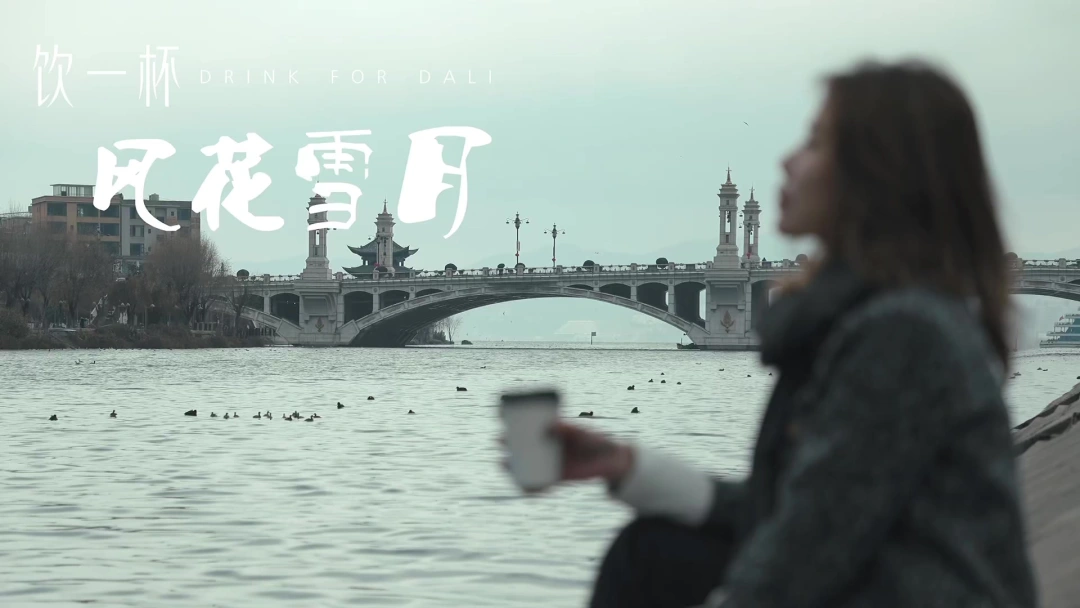
Tired from walking, we randomly picked a coffee shop to go into, not realizing it was the quite popular "Xiangyang's House" on a certain social media platform. There was only one couple inside having afternoon tea. I found a seat by the window, where I could be bathed in the sun — after being deprived of it for so long, I always want to get close to it.
Maybe my arrival interrupted their private conversation, maybe the girl had taken enough photos, or maybe the wind picked up — anyway, the couple left while the steam was still rising from my cup of black tea. So, I became the only customer in the shop — the only one waiting for the sun, letting the wind blow, the only one enjoying the panoramic view of the ancient town.
Wangulou (Ten Thousand Ancient Towers) | Taking in the Panorama of the Ancient Town
Coming out of Xiangyang's House, the sky was already tinged with color. I had planned to walk back to the homestay. When I got near the Big Waterwheel, I happened to look up and was instantly captivated by the Jade Dragon Snow Mountain peeking out in the distance. I couldn't move my feet. For someone obsessed with snow-capped mountains, the scene before me, while not breathtakingly stunning, was still a delightful surprise. I immediately turned around and, holding onto the hope that "maybe I can see the golden glow on the mountain," hurried towards the highest point of Lijiang Old Town — Wangulou.
Tips: On the way to Wangulou, you'll pass two popular viewing platforms: Dongba Viewing Platform and "A Corner Somewhere" (a café/pavilion). But if you want to see the full panorama of Lijiang with Jade Dragon Snow Mountain in the background, Wangulou is recommended for its wider, unobstructed view.
Written at the End | Drunk in Reality, Awake in Dreams
Seven days. From Lugu Lake to Dali, from snowy mountains to Erhai Lake, from starry skies to sunrises. We experienced sunshine and rain, snow and clear skies, as well as thrills and surprises.
Some say travel is about going from a place you're tired of to a place others are tired of. But I think travel is more like a series of conversations with oneself — finding novelty in repetition, discovering the unfamiliar in the familiar, and reigniting passion in the midst of fatigue.
The wind, flowers, snow, and moonlight of Dali, the ancient town's烟火 (fireworks/atmosphere) of Lijiang, the serene depth of Lugu Lake — each place is like a cup of wine, making you drunk in reality and awake in dreams.
And time, cup by cup, quietly settles, slowly ferments, and eventually brews into the most precious memories of our lives.
May we all find unrepeatable joy within the repetitions of our lives.
You should also read:
Dreamland – Lijiang: A Talking Comic Travel Guide
Dreamland – Lijiang: A Talking Comic Travel Guide Prologue: When Lijiang Takes Root in Your Heart Some places leave a mark on you forever. They're like an old song on repeat, suddenly playing in your mind on an ordinary afternoon. For me, Lijiang is that…
Continue reading...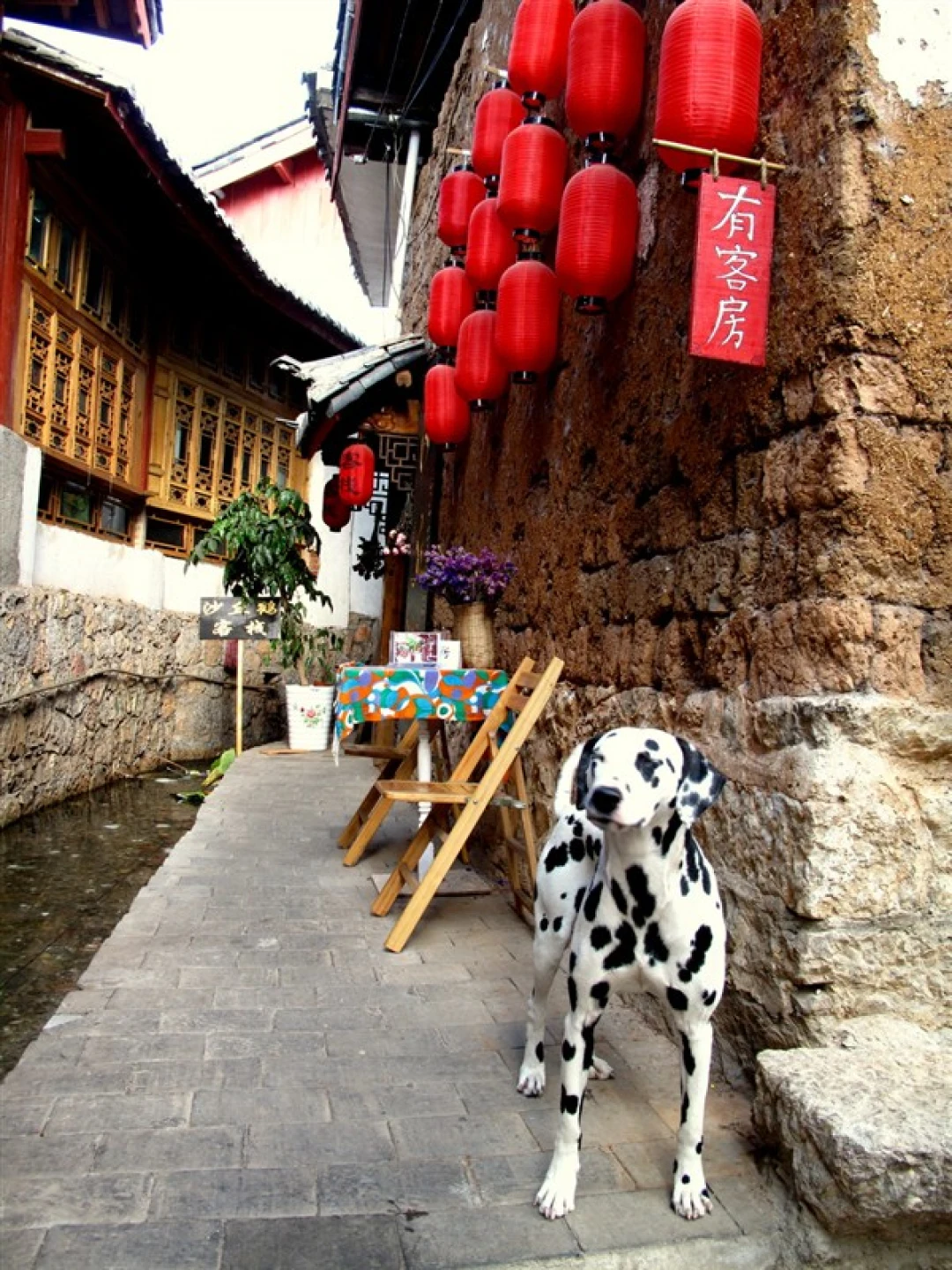
Yunnan Travel Mastery: From Beginner to Pro-Level Player – A Complete Guide
Yunnan Travel Mastery: From Beginner to Pro-Level Player – A Complete Guide "Either travel or read, but your body and soul must be on the road." This quote has been repeated countless times, but very few people truly manage to be "on the road" and…
Continue reading...
Solo in Yunnan: A Wanderer’s Guide to the Land of Eternal Spring
Solo in Yunnan: A Wanderer’s Guide to the Land of Eternal Spring There’s something magical about traveling alone. No compromises, no schedules to keep, no one to please but yourself. I’ve been on the road for nearly three months now, and not once have I…
Continue reading...