Dali's "Lazy Days" Itinerary: Three Days of Leisurely Living Amidst Wind, Flowers, Snow, and Moonlight
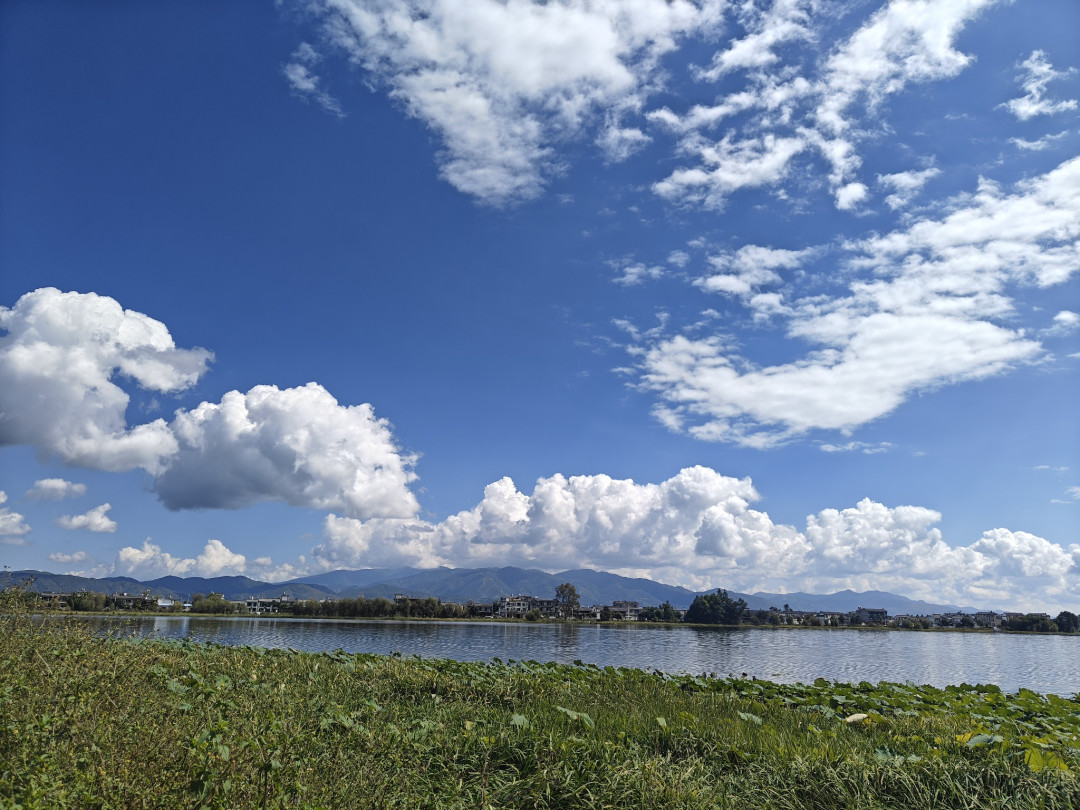
Dali's "Lazy Days" Itinerary: Three Days of Leisurely Living Amidst Wind, Flowers, Snow, and Moonlight
Prologue: A Slow Journey Drifting with the Wind
Some say Dali is the perfect place to "just be." Not giving up, not sinking into apathy—but dialing life's rhythm down to its slowest setting, letting the wind carry you forward, letting the sunlight decide your next direction.
Three days on the road, with no elaborate itinerary, no must-visit checklist. Just a rented electric scooter, a pair of comfortable shoes, and a heart willing to go with the flow. From the morning light on Erhai Lake to the bonfire in the old town at dusk, from the lively bustle of the market to the quiet warmth of a vegetarian meal in a hidden alley, this journey felt like time wrapped in a gentle breeze. Every step held the freedom of traveling alone.
Day One: From Lijiang to Dali, a Spontaneous Move
A Nostalgic Ride on a Double-Decker Train
At eight in the morning, I hopped on Bus No. 18 from Lijiang to Dali. The sky was overcast, but I was hoping for good weather in Dali—after days of dry air in Lijiang that left my nose bleeding, I desperately needed some humidity to heal.
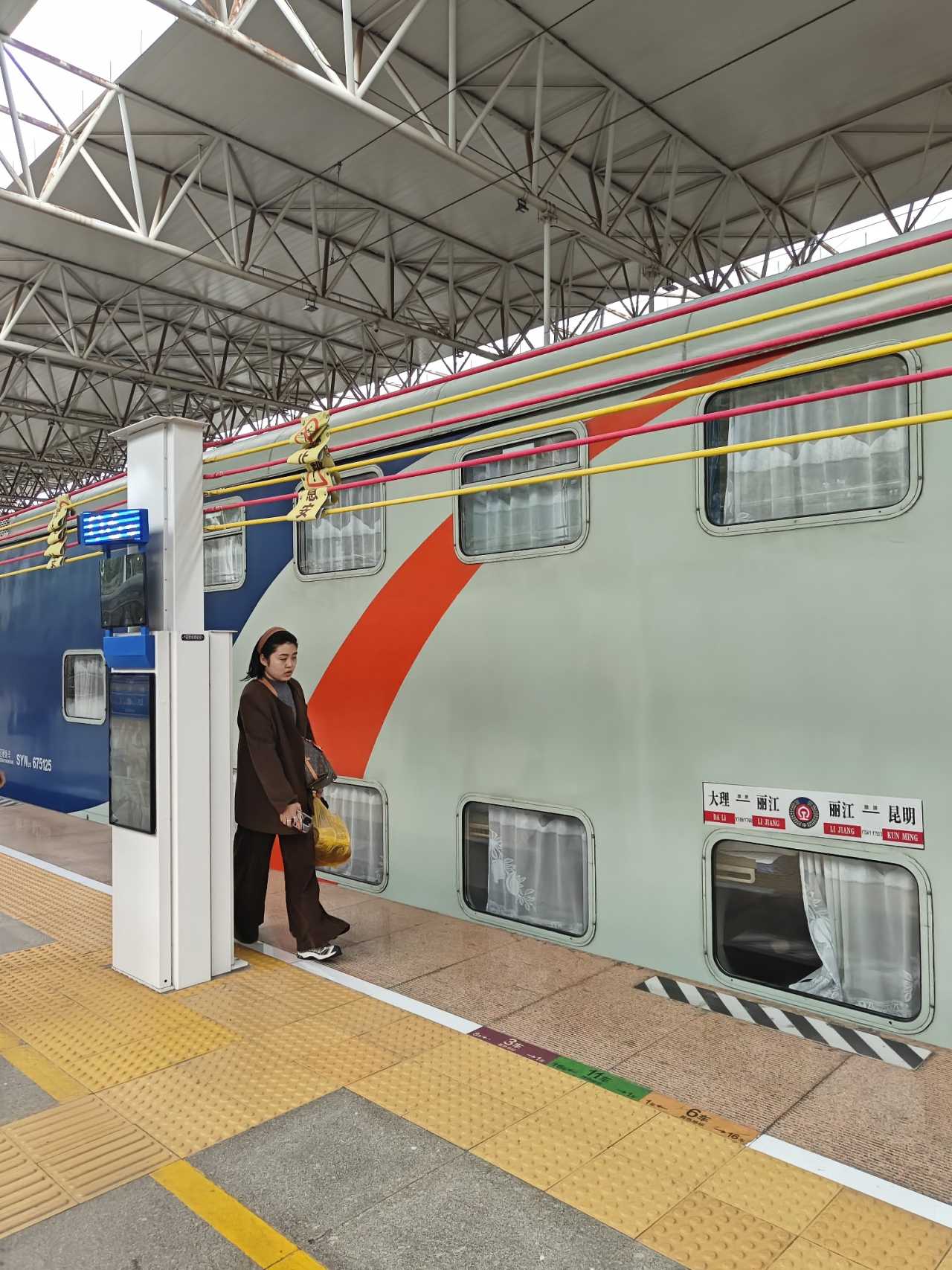
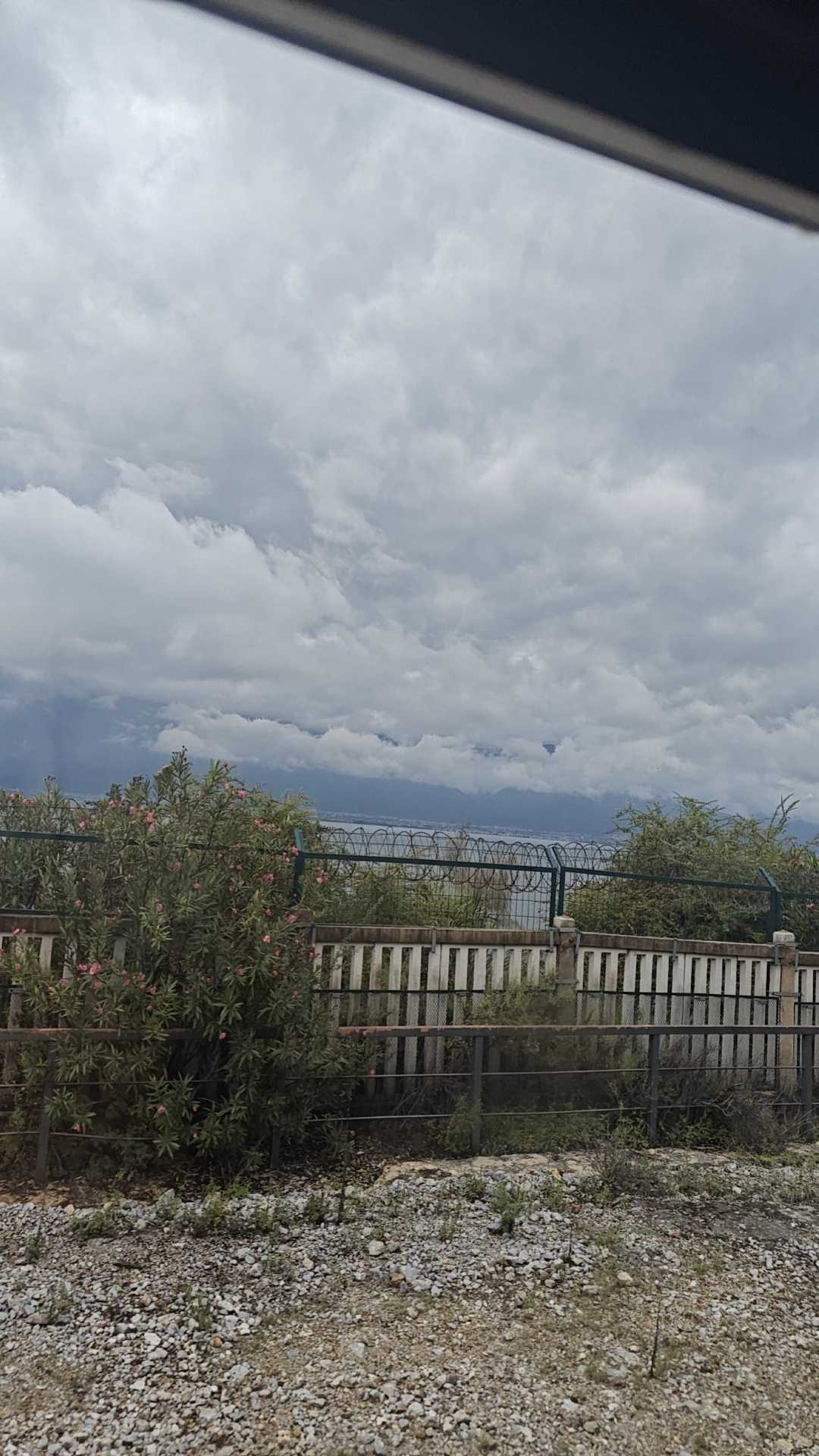
What I didn't expect was a double-decker train. A mix of soft sleepers and hard sleepers, a three-hour ride, and a price so cheap it was tempting. These old-school double-decker trains used to run all the way to Kunming, but now that the high-speed rail is built, they only cover short distances. The carriage even had a viewing bar. Through the window, from Lijiang to Heqing and then to Dali, the mountains appeared and disappeared in the mist.
Sitting on the train, watching the scenery change bit by bit, I remembered my grandmother riding a similar train eighteen years ago. Times change, but some things stay the same—like this slow way of traveling, like the anticipation of reaching your destination.
An Unexpected Hiccup in the Old Town
When I arrived at Dali Station, the sky suddenly opened up with rain. Dragging my luggage into the old town, I found the hotel I'd booked—only to discover there was no air conditioning. The owner was gaming, and the bed was a wooden plank nailed directly to the frame. It creaked with every move. After a half-sleeping, half-waking night, I decided first thing in the morning to switch to a guesthouse—45 yuan a night, hoping it would be a good place.
The new guesthouse owner hadn't woken up yet. I left my luggage on the balcony and noticed my clothes still smelled of last night's cigarette smoke. The sun was shining—hoping it would chase away those unpleasant odors. I cleared my mind and got ready to start the real exploration.
Day Two: Cycling Around Erhai Lake, a Symphony of Wind and Freedom
Caicun Pier: A Glittering Surprise
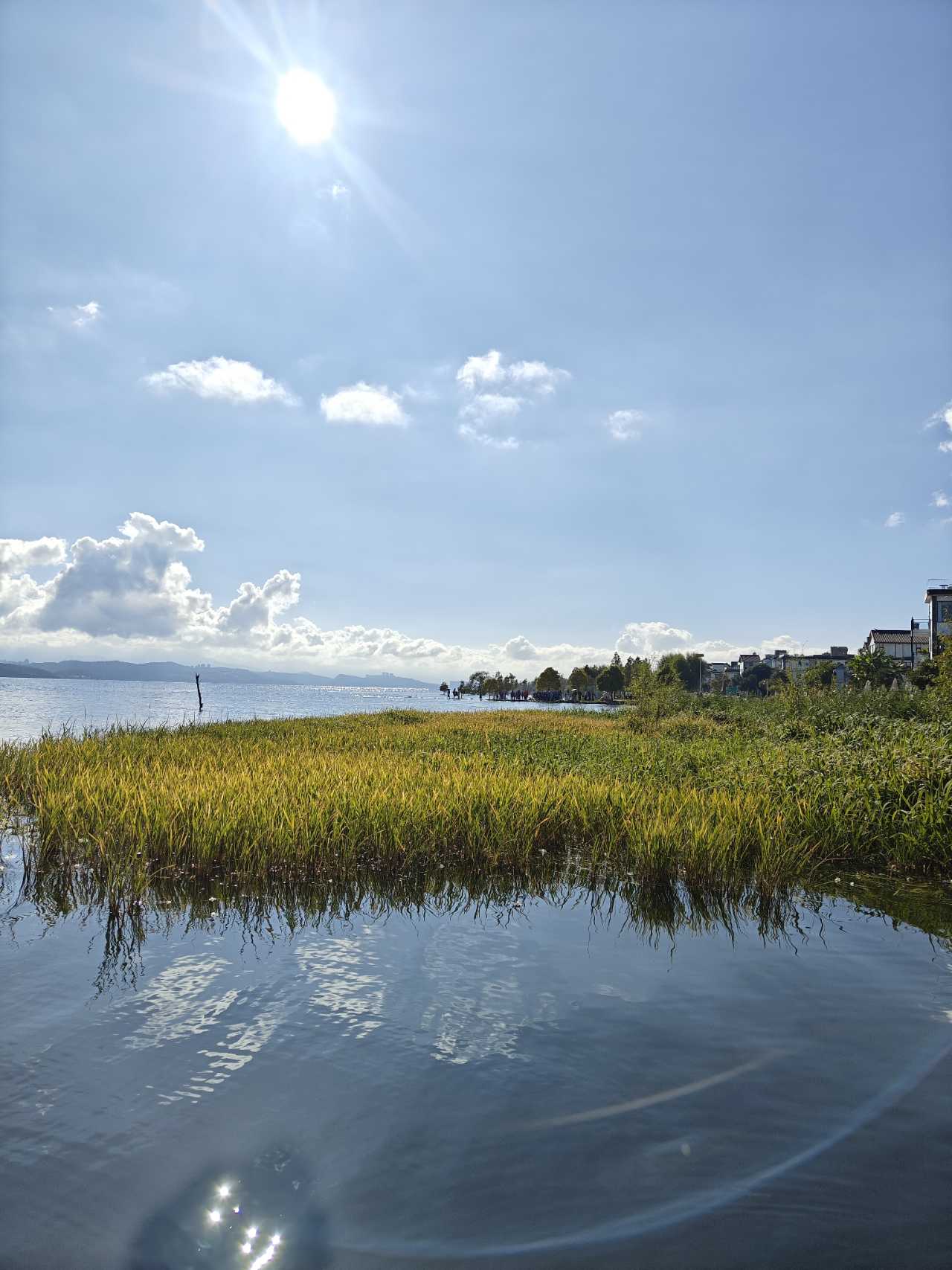
I put on a thermal shirt in the morning, moved my luggage to the new guesthouse, and headed out to rent an electric scooter. Today was finally clear, the sun warming my skin.
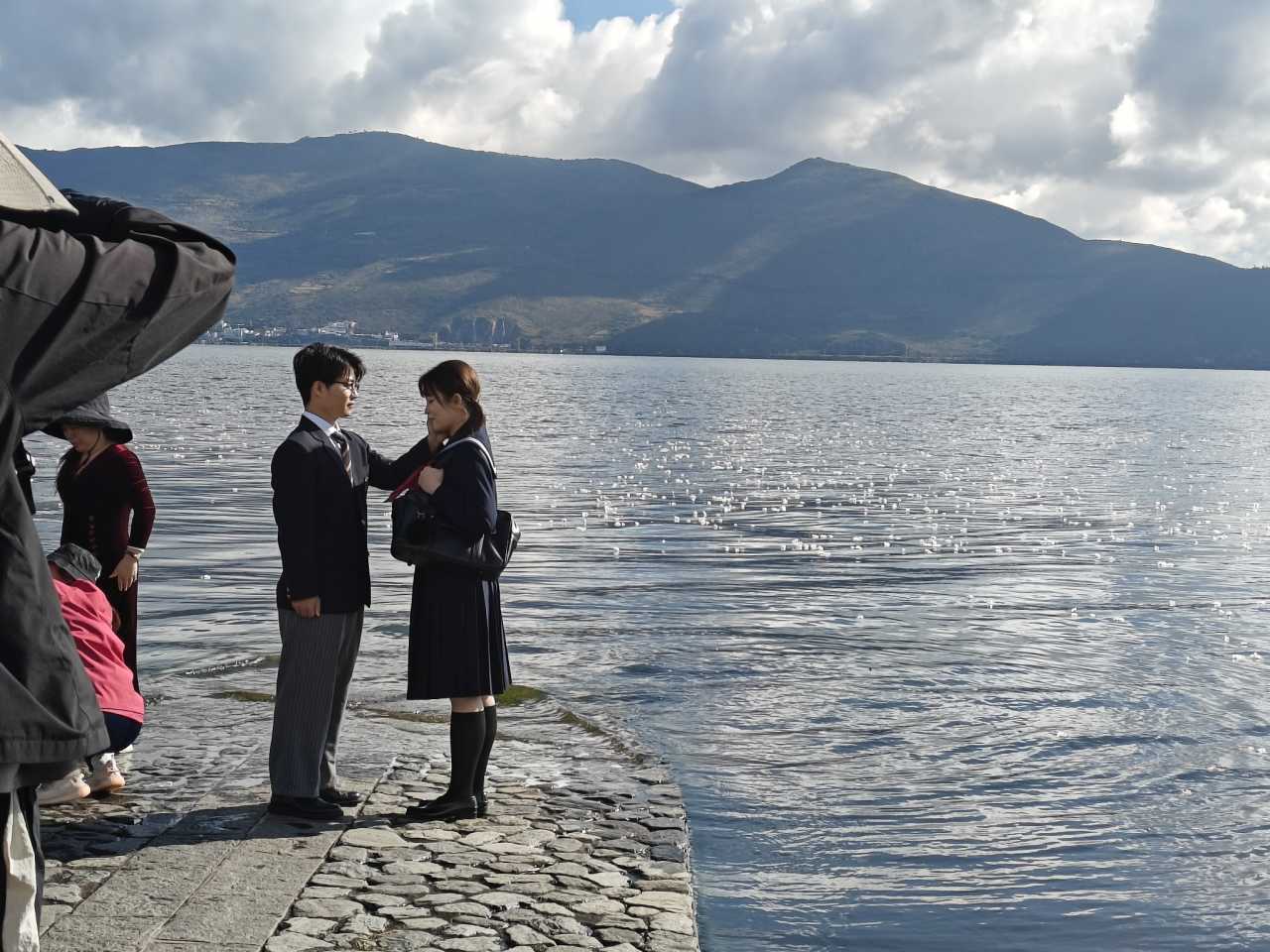
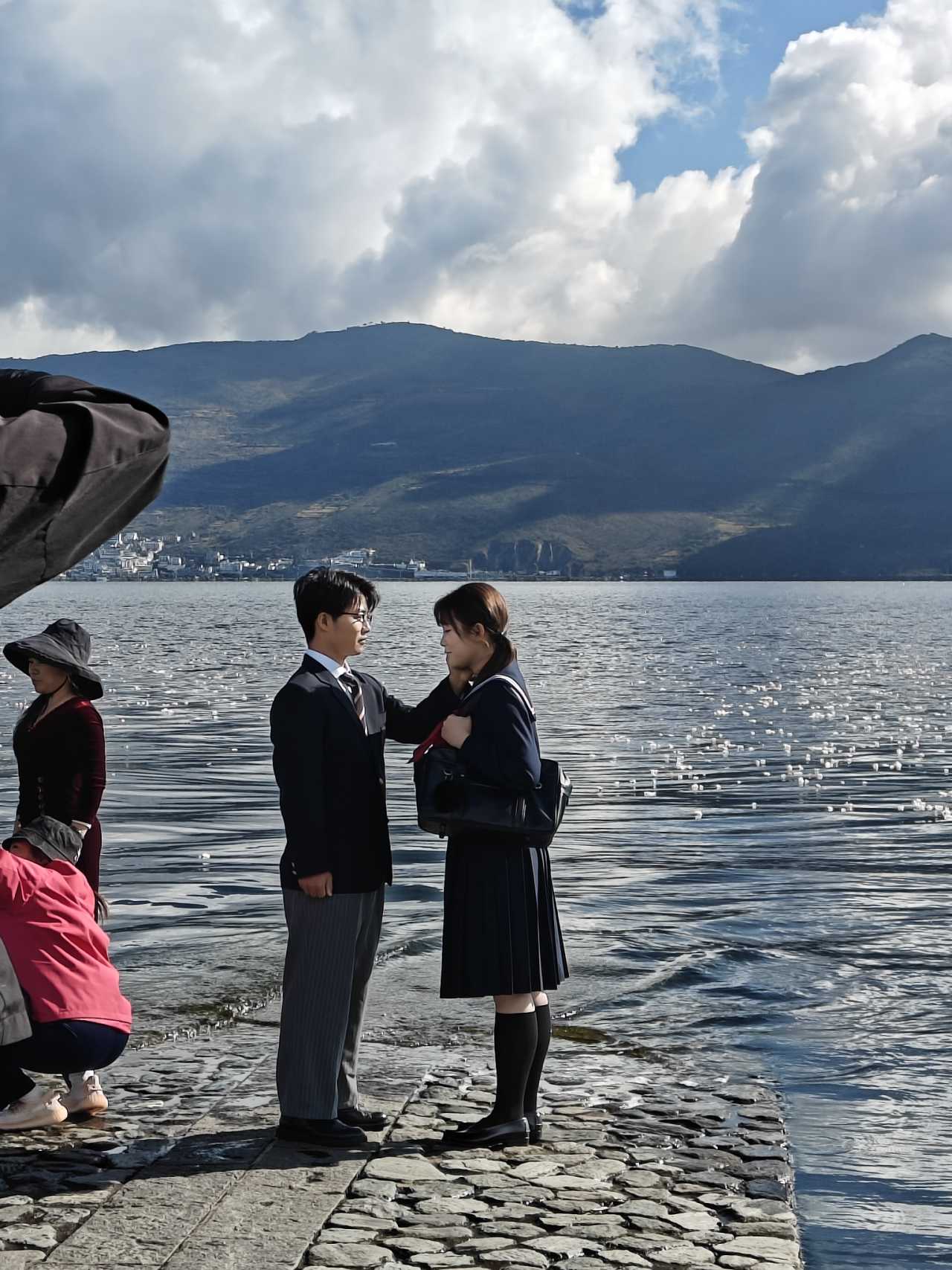
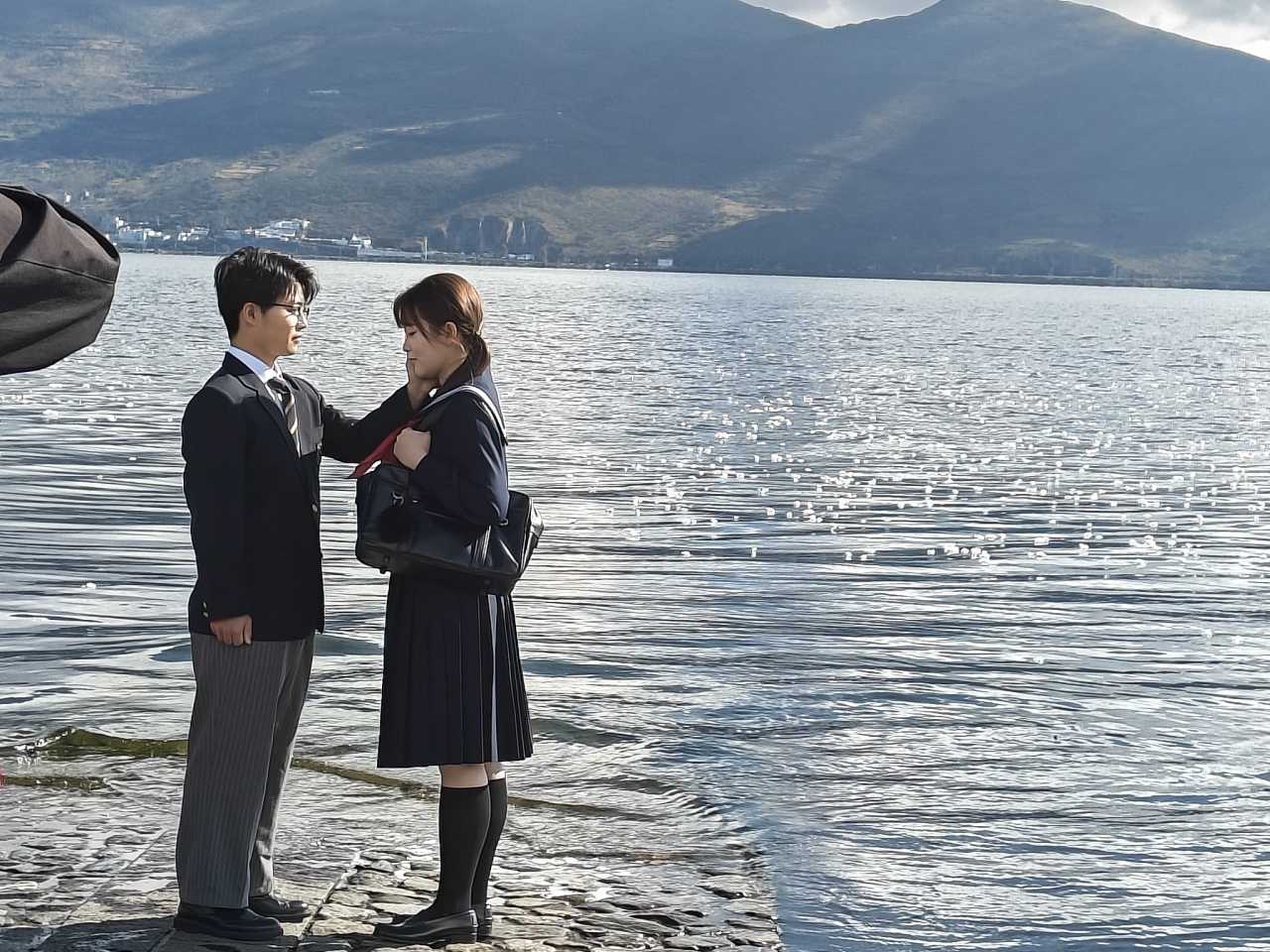
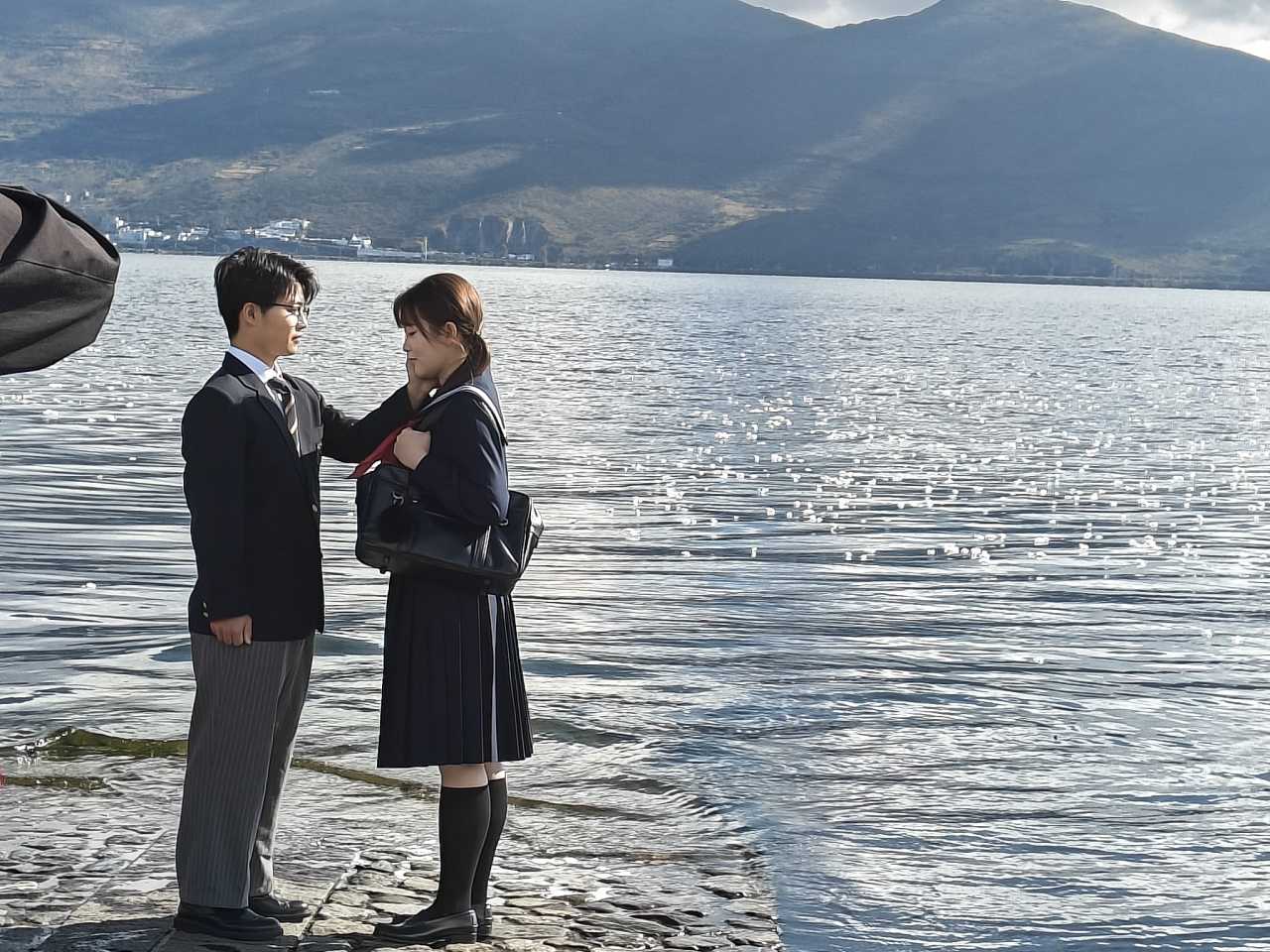
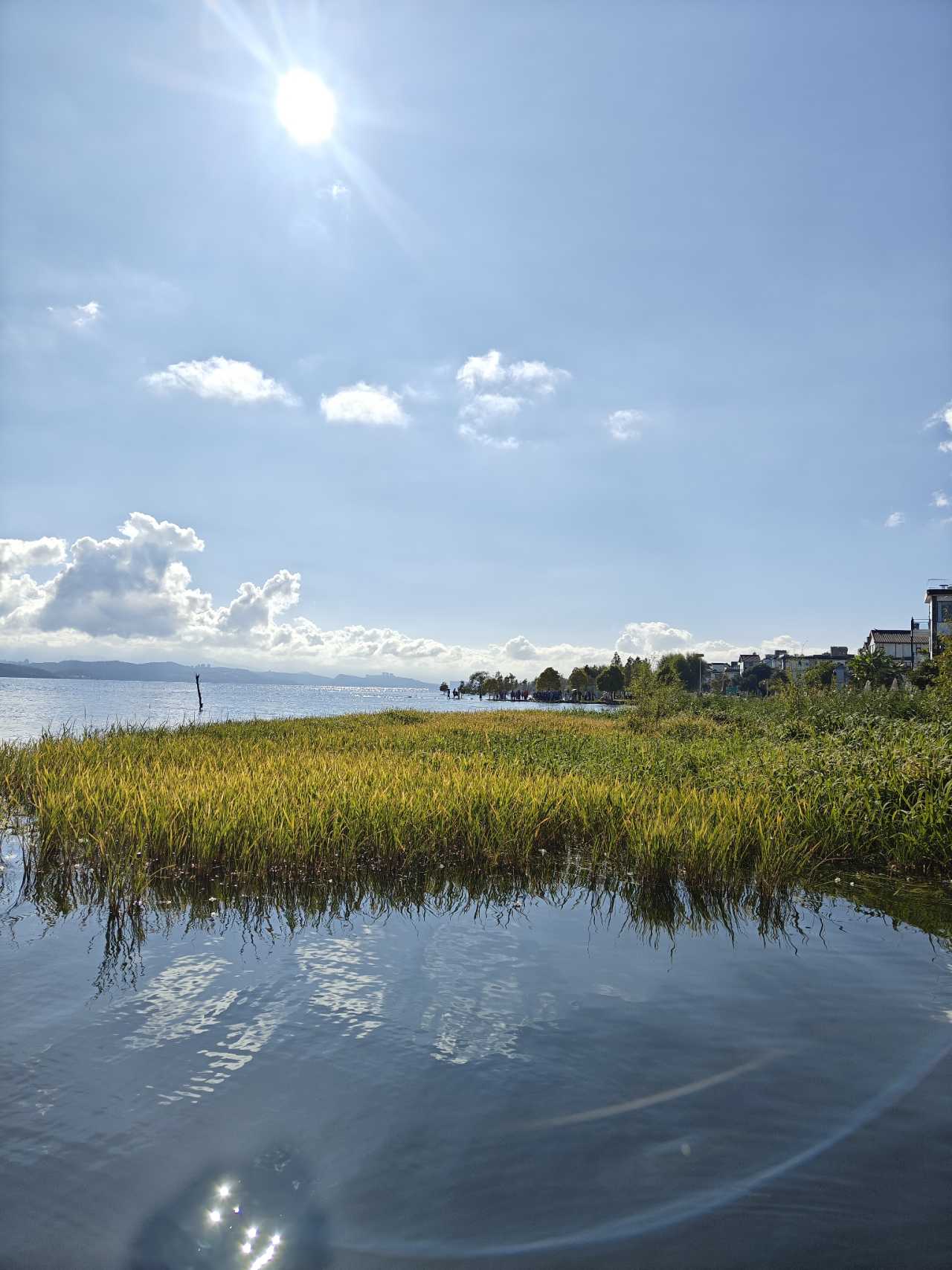
I rode to Caicun Pier, with Shuanglang on the opposite shore. Erhai Lake on a sunny day was like a mirror, shimmering with ripples as the wind passed. On the water floated "water hyacinth" (a local aquatic plant), which locals turn into a dish. Many people were taking photos by the shore—a couple in Japanese-style outfits posed beautifully.
Locals were burning incense by the pier, probably a Bai ethnic tradition. As I stopped to let them pass, two dogs chased me, barking fiercely. Luckily, the scooter was fast enough to escape.
Chicken Broth Rice Noodles in Caicun: Warmth in the Everyday
At Caicun Pier, I found a small shop called "Gesanghua Guoqiao Rice Noodles" (Gesanghua Crossing-the-Bridge Rice Noodles) and ordered a bowl of chicken broth rice noodles. The broth was rich, reportedly slow-cooked from a whole chicken, warming and flavorful. The noodles were chewy and springy, with plenty of toppings. There was even water for 0.1 yuan—a real bargain.
But the chicken meat had a slightly processed taste, lacking the freshness of freshly cooked poultry—a small disappointment. Still, sitting at the shop's entrance, watching the passing tourists and soaking in Dali's street-side atmosphere, this bowl of noodles was worth trying.
Cycling Tips: Slow Down to See the Scenery
When renting an electric scooter to explore Erhai Lake, you have to keep your mindset relaxed. Don't grip the handlebars too tightly, worrying about everything. As long as you stay calm and don't break any rules, you'll probably be fine. Stay alert, avoid crowded areas, and follow the small paths along the shore. That way, you can take in the rice paddies and lake views while feeling safe.
Riding alone, I sometimes felt a bit uneasy. But I remembered cycling with friends before—having company was definitely more reassuring. Still, being alone has its own freedom: stop whenever you want, go whenever you want, without having to compromise for anyone.
An Encounter at the Foot of Cangshan Mountain: A Bai Wedding

Near the Three Pagodas of Chongsheng Temple, I spotted a high-altitude meadow on Cangshan Mountain. I wanted to ride up, but the slope was too steep for the scooter. As I hesitated, I heard music in the distance. Walking closer, I realized someone was holding a wedding.
Bai weddings are fascinating. A流水席 (continuous buffet-style feast) was set up in the courtyard, with villagers of all ages helping out. I stood by the roadside watching, when an old farmer walked over with a glass of wine, smiling, "Where are you from, guest? Come have a drink!" That kind of simple warmth touches your heart. I didn't actually go and eat, but this chance encounter with everyday life was more flavorful than any tourist attraction.
Shuanglang's Wind and the Exhaustion of the Highway
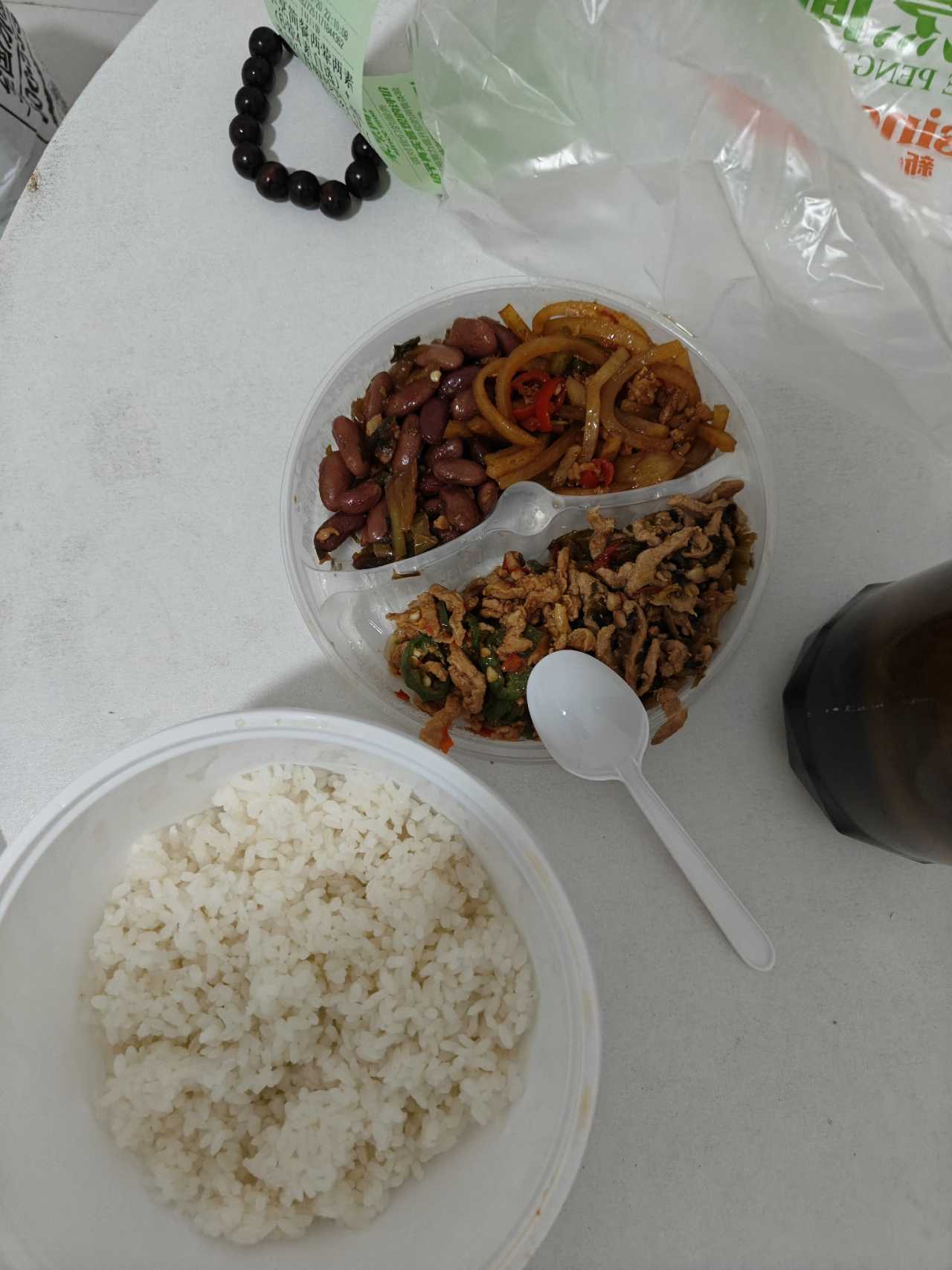
I continued riding to Shuanglang, but the wind gave me a headache, so I didn't go further. Heading back along the national highway, I stopped at a roadside market for some food. Stir-fried potatoes with meat—a bit fishy, but it filled my stomach.
On the way back, my hat almost fell into Erhai Lake. I caught it just in time. After riding seventy or eighty kilometers in a day, I was exhausted and just wanted to lie down. Back at the guesthouse, I washed my clothes, ordered two portions of braised dishes, and ate slowly, resting bit by bit.
Day Three: The March Street Market, a Feast of a Thousand-Year-Old Bazaar
Market Guide: From the Archway to the Foot of Cangshan Mountain
I woke up and decided to visit the March Street Market. Passing through the archway inscribed with "A Thousand Years of Gathering at One Street," the market at the foot of Cangshan Mountain was already buzzing with noise. Over seven hundred stalls spread out along the slope, filling the 60,000-square-meter market area with lively chaos.
Just inside the entrance, I was drawn to resin-sealed mushroom fridge magnets. The scent of pine mingled with the simulated patterns of matsutake mushrooms. An auntie in a blue cloth headscarf smiled and explained they were made from last year's dried mushrooms. The prices were fair—no haggling needed.
From the silverware stalls came the rhythmic "ding-ding" of hammers, as an elderly Bai craftsman chiseled butterfly patterns into silver blanks. A民国-era (Republican era) silver box with a camellia lock, a delicate silver tea-leaf pendant—each piece showed true craftsmanship.
Around the corner, tie-dye fabric swayed like blue-and-white waves. An artist from Zhoucheng said the blue was boiled from indigo plants, the white bleached by Cangshan's water. The skirts and fabrics held traces of sunlight and handwork—every piece a unique work of art.
The Scent of Medicine and Food: A Feast for the Senses
The aroma of herbs drifted through the crowd. On the thousand-year-old "Medicine Street," notoginseng, gastrodia, Tibetan cordyceps, and northeastern ginseng were neatly arranged. A vendor who had been in business for 36 years could name each of his 800-plus medicinal varieties as if they were old friends.
The food section was the most aggressive with its smells. The wok of Yongping-style braised chicken (黄焖鸡, huangmen ji) flew through the air, the aroma of free-range chicken sizzling in oil at 180°C. A local named Mr. Yang said, "If you haven't eaten braised chicken, you haven't really been to March Street." Fried milk fan (炸乳扇, zha rushan) curled in the oil, its sweet dairy scent mixing with freshly squeezed corn juice at five yuan a cup. There were also colorful sticky rice, pea jelly, and savory sesame pancakes—an endless parade.
At the coffee stall, a long line formed for samples. The vendor from Zhukula Coffee introduced their ancient coffee beans, while training institutes discussed collaboration. Fresh-cut flowers were ten yuan a bunch—you could achieve "flower freedom" here. New crafts like bodhi fruit carving and comic portraits on wooden boards stood alongside traditional tea leaves and tobacco sticks. E-commerce livestreams pointed cameras at Nuodeng ham and tangerines, filming nonstop.
Local Favorites: Hidden Gems in the Market
I wandered into a side lane and found locals doing their shopping here. Pork dumplings were plump, with a chewy wrapper and fresh, firm filling—carrying the rich flavor of local pork. The red chili oil broth was spicy and appetizing. One bite, and the soup exploded in your mouth, the heat and meat blending perfectly.
Pea jelly (豌豆粉, wandou fen) was also a must-try. Silky smooth, with a complex seasoning: the spiciness of chili oil, the crunch of crushed peanuts, the freshness of cilantro—each bite offered a different taste. The heat was just right, the aroma strong—a very authentic Yunnan street snack.
Rose Wine at Dusk
As dusk settled, I sat at a stall with a sign reading, "You say forever, I'll pour the wine." A bamboo ladle scooped up rose wine that reflected the sunset over Cangshan Mountain. Behind me, the crowd still surged, brewing the thousand-year-old market's烟火气 (everyday warmth) into something even richer.
Day Four: Lazing Around the Old Town, the Last Slow Day
From Argument to Letting Go: Travel as Self-Healing
On the last day, I had no plans. Waking up, I remembered an argument with a friend the night before, and felt a knot in my chest. But then I thought: everyone has their own life. Why get hung up on small things? Agree to disagree. Forgive yourself, and forgive others.
The Last Hours in the Old Town
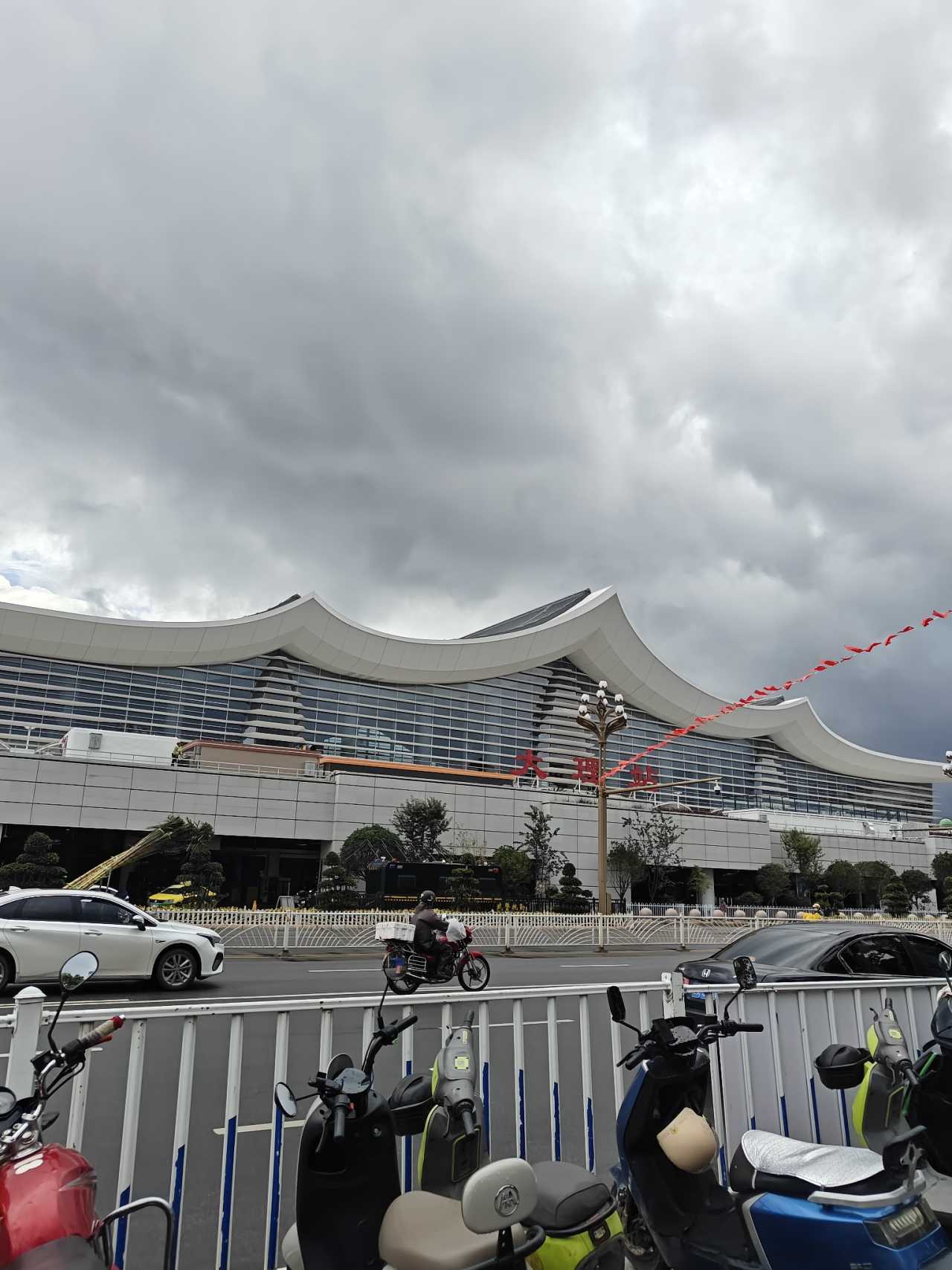
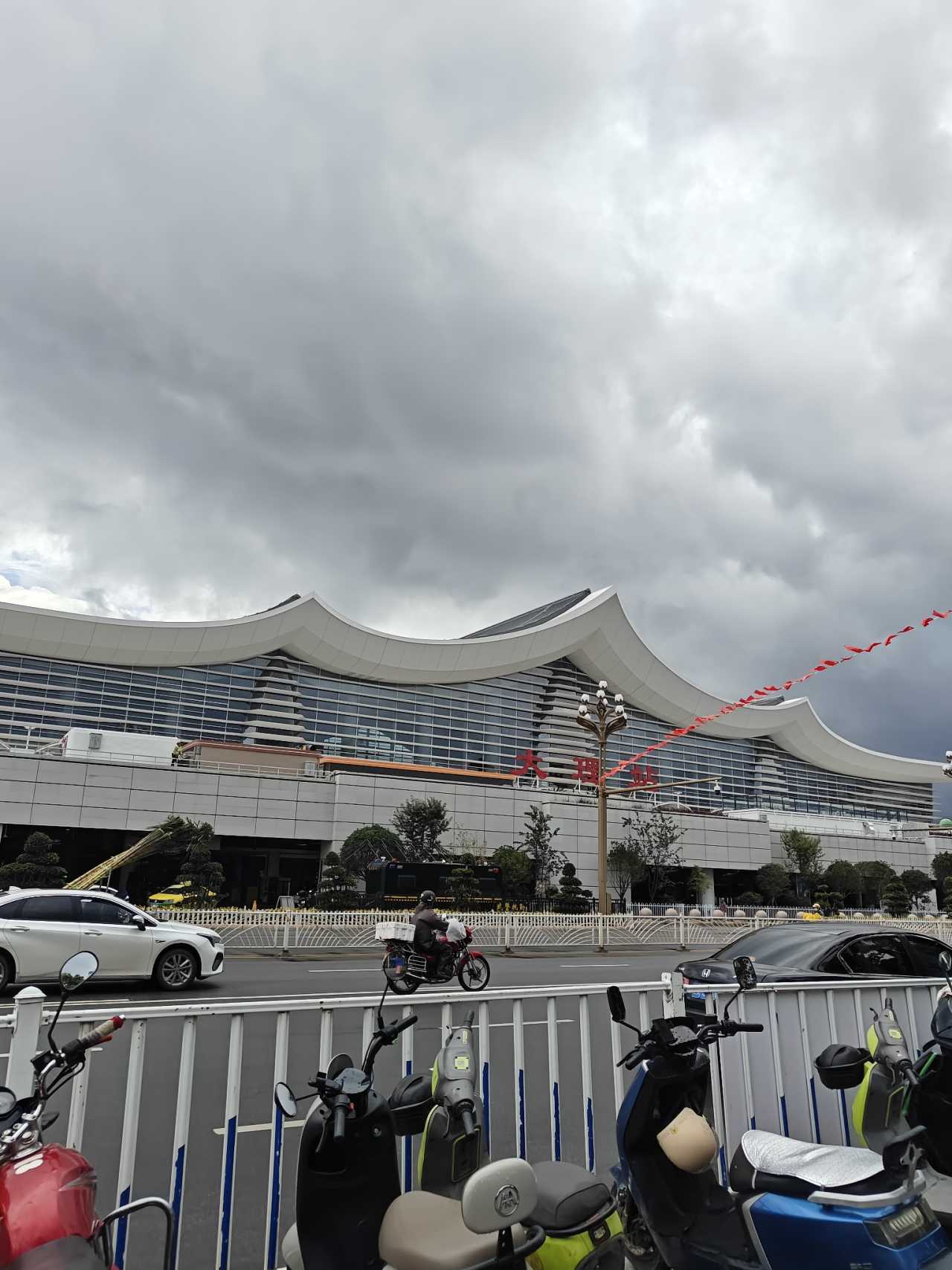
I walked from the center of the old town to the Werner Hotel. My phone battery died, so I found a place to charge. Around five in the afternoon, I headed to Dali Station to catch the train home.
I had one last meal in the old town, as if putting a period on this trip. I remembered eating here during Chinese New Year—the same flavors, but a different state of mind.
Night Walk: Bonfire Party and Unexpected Surprises
At 7:30 in the evening, full and happy, I hopped on a free electric scooter to see the night view. The old town was filled with foreign tourists—Malaysians, Hong Kongers, Thais, Koreans, Japanese—all converging here, each searching for their own version of Dali.
The liveliest spot was the bonfire party in front of the Marshal's Mansion. Crowds three layers deep surrounded the square. Latecomers could only stand on tiptoes, peeking through gaps. Interestingly, the "fire" wasn't real—it was a set of flame-simulating devices, their warm orange-red light flickering believably, actually safer and more dynamic than real fire.
The light reflected on smiling faces. Tourists from all over followed Bai traditional melodies, holding hands and trying to dance the "绕三灵" (rao san ling, a local folk dance). Children wove through the crowd, their laughter mixing with the music under the night sky. Even those who couldn't squeeze into the inner circle swayed gently to the beat, soaking in the energy.
At night, Wuhua Tower was even more magnificent, its red-and-yellow outlines glowing under the lights. Nearby, on Bar Street, European-style buildings hosted Chinese traditional dance music. In Da Bing's Little House, a singer played quietly, a stark contrast to the noisy bars outside.
Epilogue: Three Things Dali Taught Me
Three days in Dali—not luxurious, but it packed the quiet, the liveliness, and the laziness of the place into my memory.
First, slow down, and you'll see the scenery. No need to rush from sight to sight, no need to check off a list. Walk slowly along the bluestone paths, watch the succulents on old eaves basking in the sun, sip a warm cup of rushan tea (milk fan tea) at a corner shop, sit on the city wall at dusk and watch the sunset paint the tiles gold and red. These seemingly useless moments are the most precious part of travel.
Second, everyday life hides the truest living. The bargaining at the market, the chicken broth rice noodles at a street stall, the herbs and food at March Street—these ordinary details are more flavorful than any tourist spot.
Third, traveling alone can be perfectly fine. No need to worry about someone else's pace, no need to compromise on preferences. Stop when you want, go when you want. Sometimes you might feel a bit lonely, but this freedom is something no company can replace.
The wind in Dali is still blowing. And I've already tucked this time into my heart.
Tips: - Transportation: The double-decker train from Lijiang to Dali is cheap and nostalgic—worth experiencing - Accommodation: The old town has many budget-friendly guesthouses, ranging from 45 to 100 yuan per night. Book in advance - Cycling: Rent an electric scooter to circle Erhai Lake. Remember to bring a helmet and sunscreen. Protect yourself from the wind - Market: March Street Market is held on the 2nd, 9th, 16th, and 23rd of each lunar month. The busiest time is 10:00 AM to 2:00 PM - Food: Cold chicken rice noodles, chicken broth rice noodles, braised chicken (huangmen ji), pea jelly (wandou fen), and milk fan tea (rushan cha) are all worth trying - Bonfire Party: Free performances every night in front of the Marshal's Mansion, starting around 7:30 PM
You should also read:

Take Me to the Distance: Ten Days in Yunnan, a Poetic Journey Through Our Youth
Take Me to the Distance: Ten Days in Yunnan, a Poetic Journey Through Our Youth Prologue: Setting Off, Just to Be Together Some trips are planned for ages, yet always lack that final spark of spontaneity. We were students, with a tight budget but limitless…
Continue reading...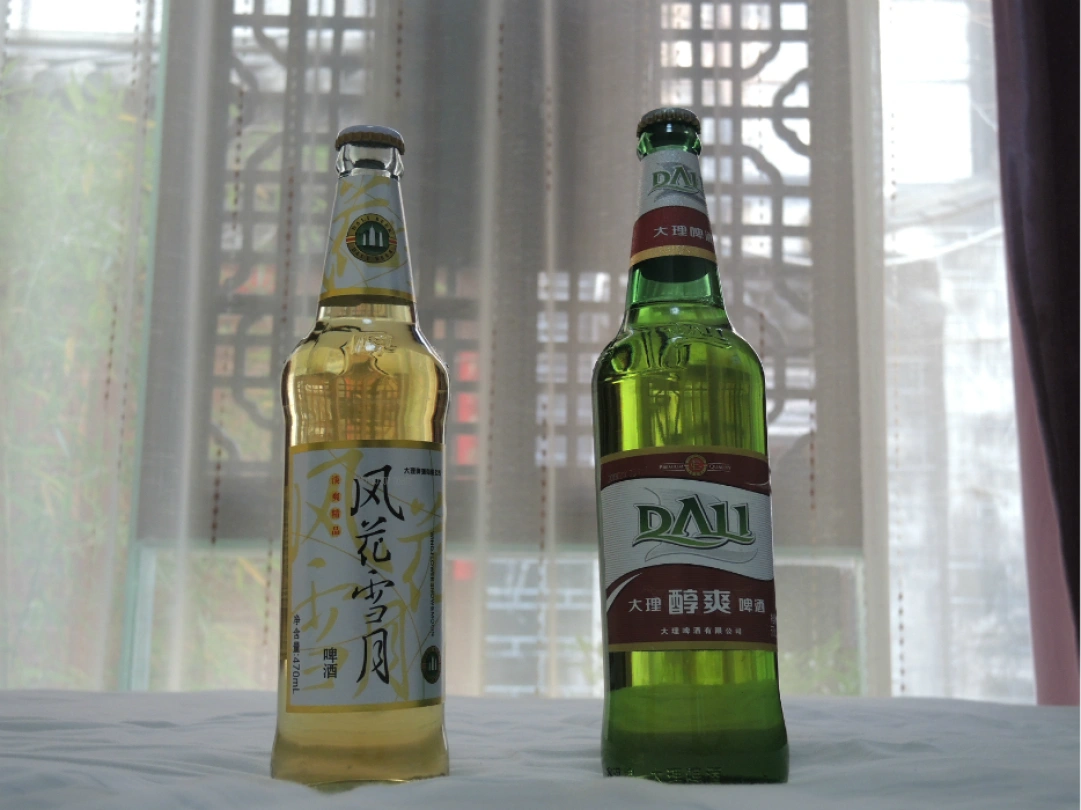
Drunk on Dali's Wind, Flowers, Snow, and Moon — A Stroll Through the Clouds (Part 2) [Food Guide to Shuanglang, Xiaguan, and Xizhou in Yunnan]
Drunk on Dali's Wind, Flowers, Snow, and Moon — A Stroll Through the Clouds (Part 2) [Food Guide to Shuanglang, Xiaguan, and Xizhou in Yunnan] Prologue: A Journey That Leaves Your Heart Behind There are some places you have to see with your own eyes…
Continue reading...
Never Stop Walking: A Solo Journey Through Yunnan – 19 Days of Wandering Through Lugu Lake, Lijiang, Shangri-La, Dali, Shuanglang, and Kunming
Never Stop Walking: A Solo Journey Through Yunnan – 19 Days of Wandering Through Lugu Lake, Lijiang, Shangri-La, Dali, Shuanglang, and Kunming Weibo / WeChat Official Account ID: Fan Nuan Backpacking far and wide, with good wine always by my side The land of colorful…
Continue reading...