Dancing with the Wind: A Romantic Escape Through Dali and Lugu Lake
Dancing with the Wind: A Romantic Escape Through Dali and Lugu Lake
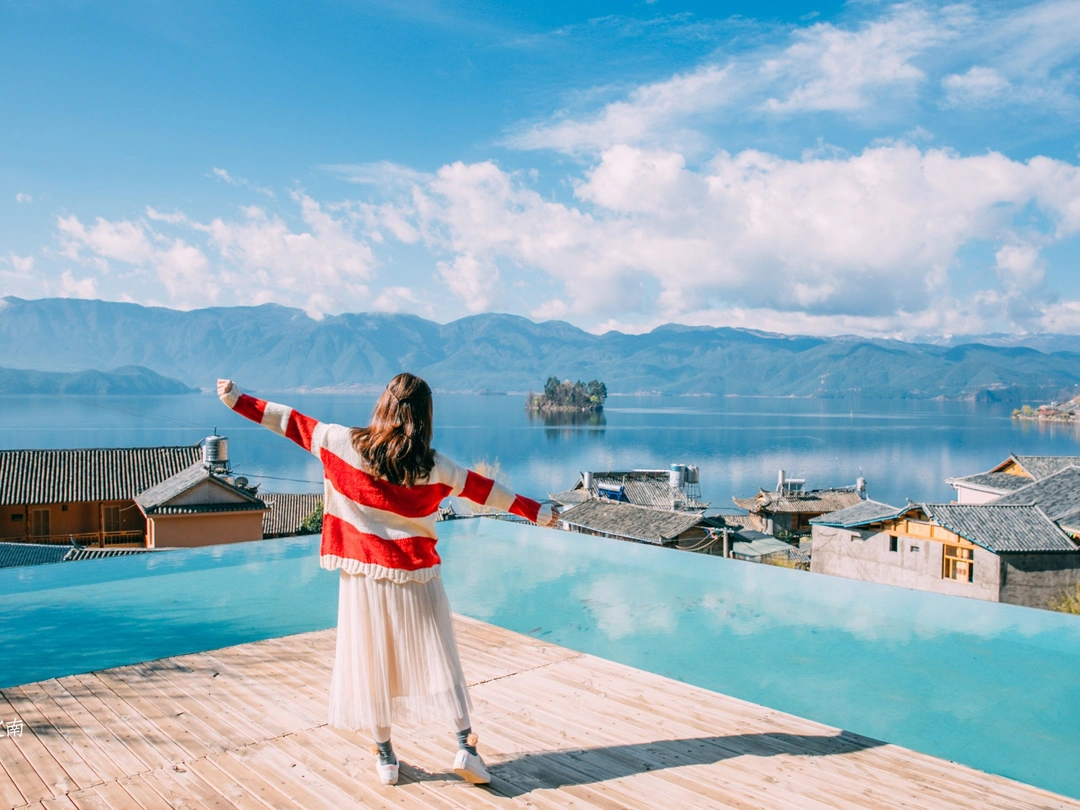
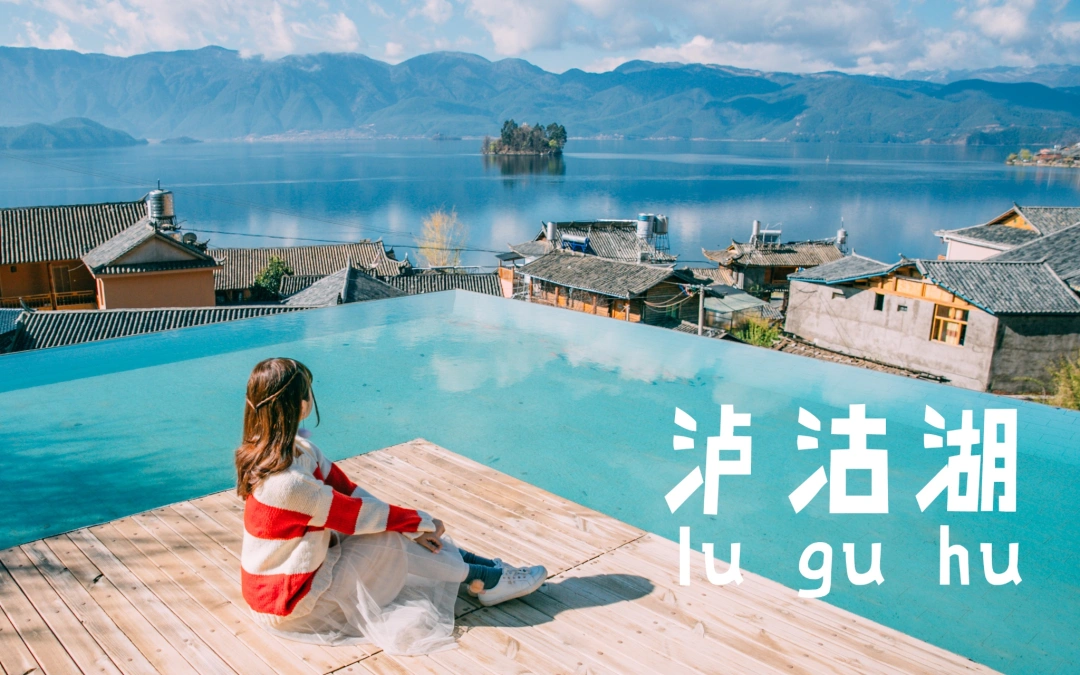
There's something magical about a place that whispers promises of a slower, gentler life. I once told my partner that when we grow old, we should retreat to Dali or Lugu Lake to spend our remaining years. He laughed, questioning why I was planning so far ahead. But that's the thing about breathtaking landscapes—they don't just captivate you; they make you dream of belonging to them forever.
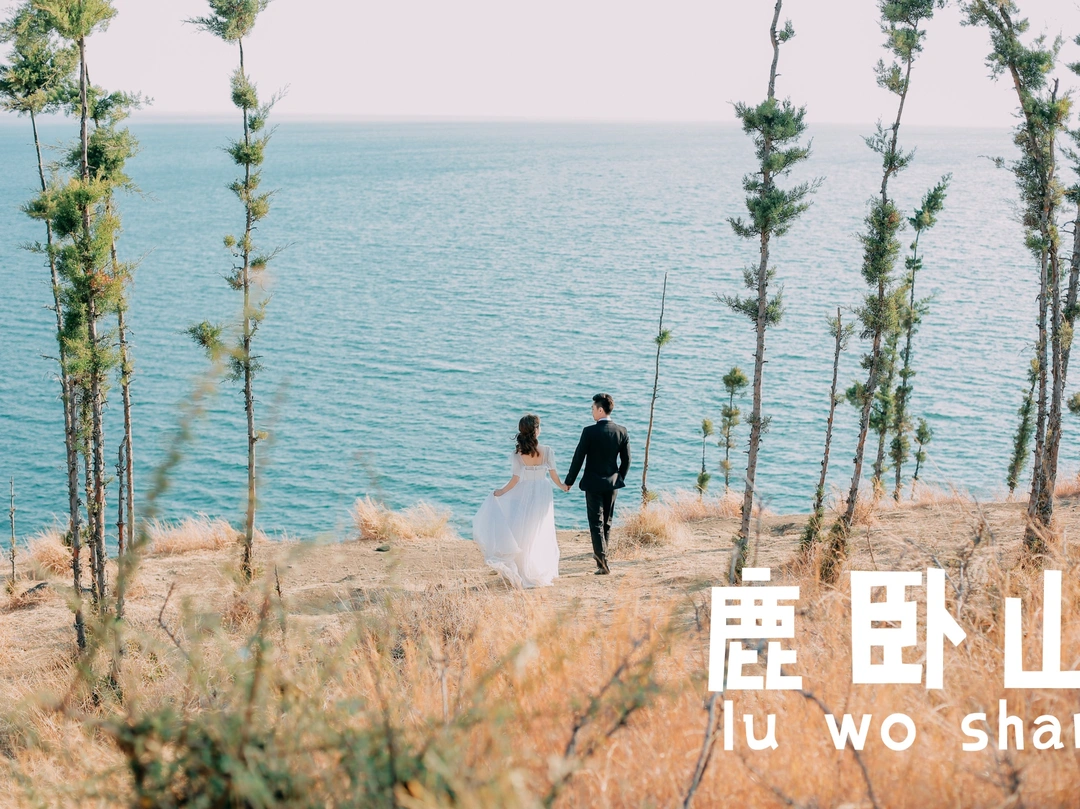
So we packed our bags, grabbed a wedding dress, and returned to Yunnan—the land where clouds drift lazily and the wind carries secrets from one lake to another.
The Enchanting Embrace of Lugu Lake
Where Prayer Flags Whisper at Luyuan Cliff

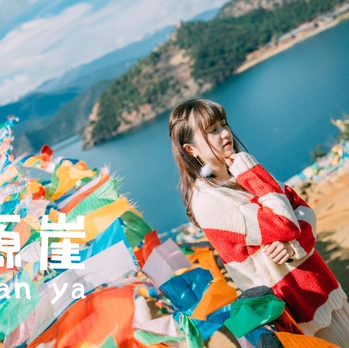
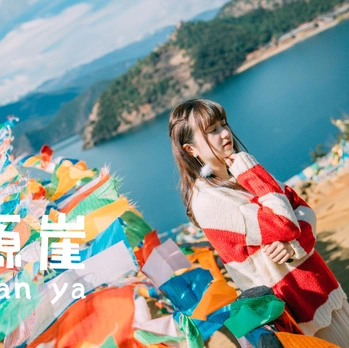
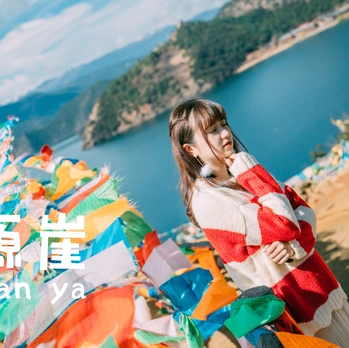
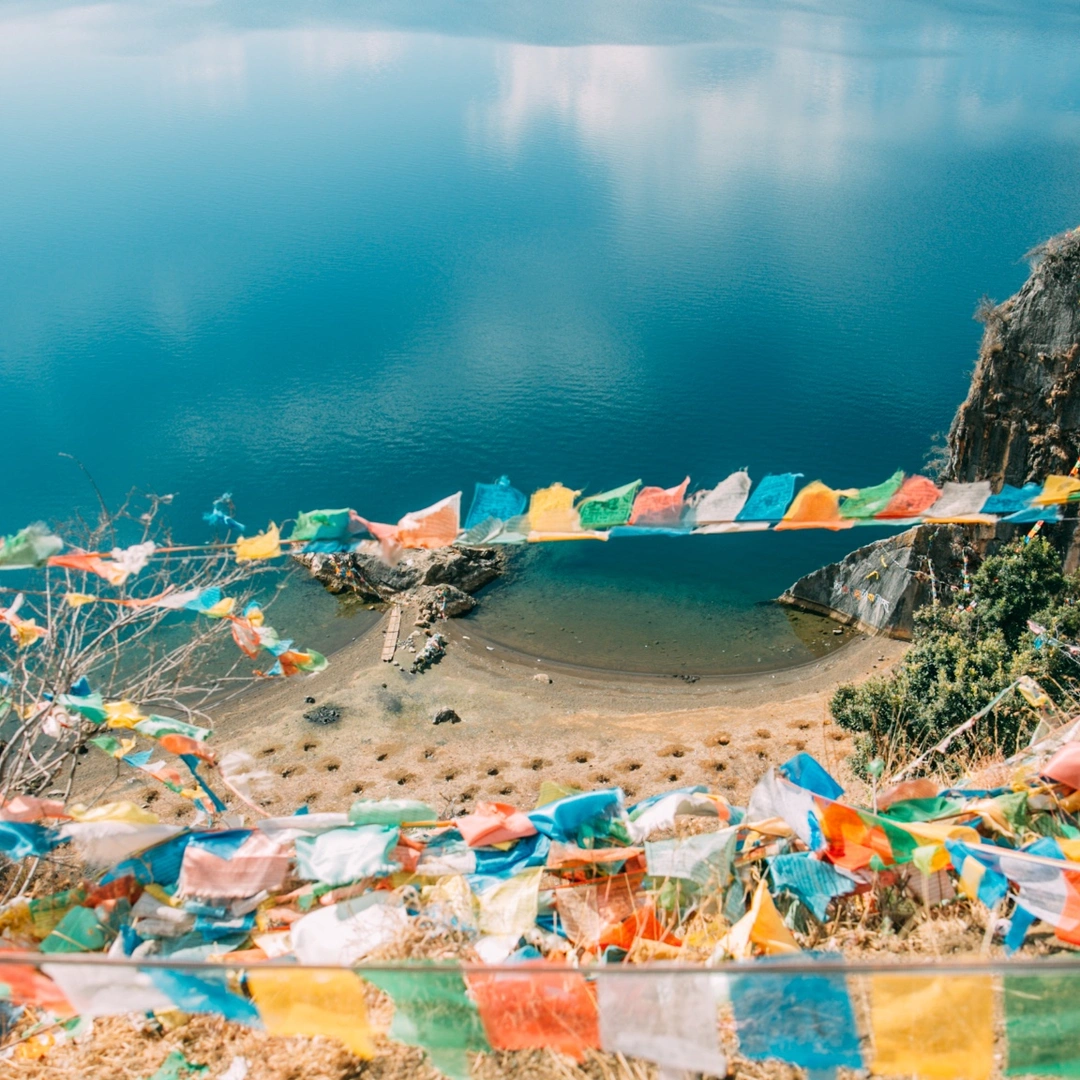
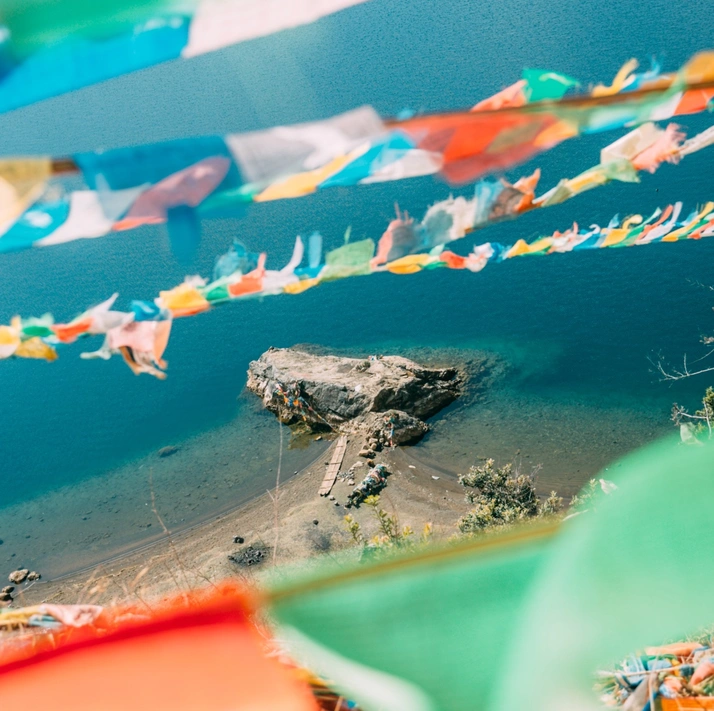
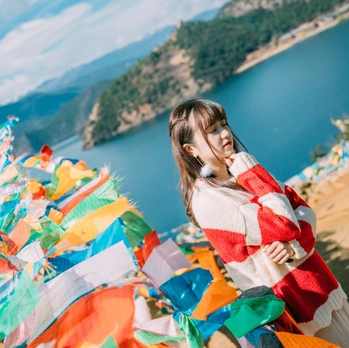
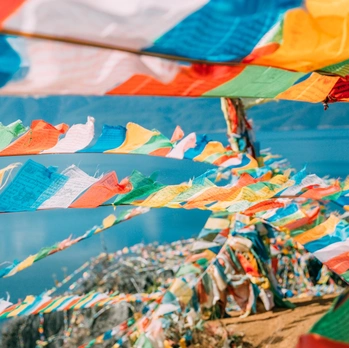
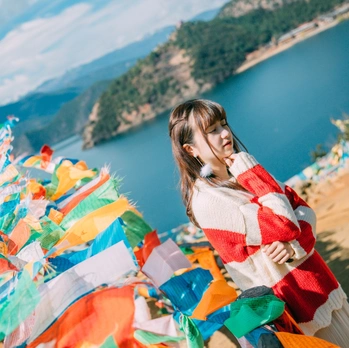
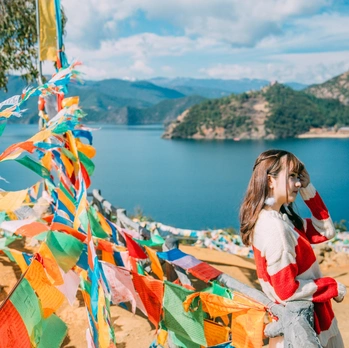
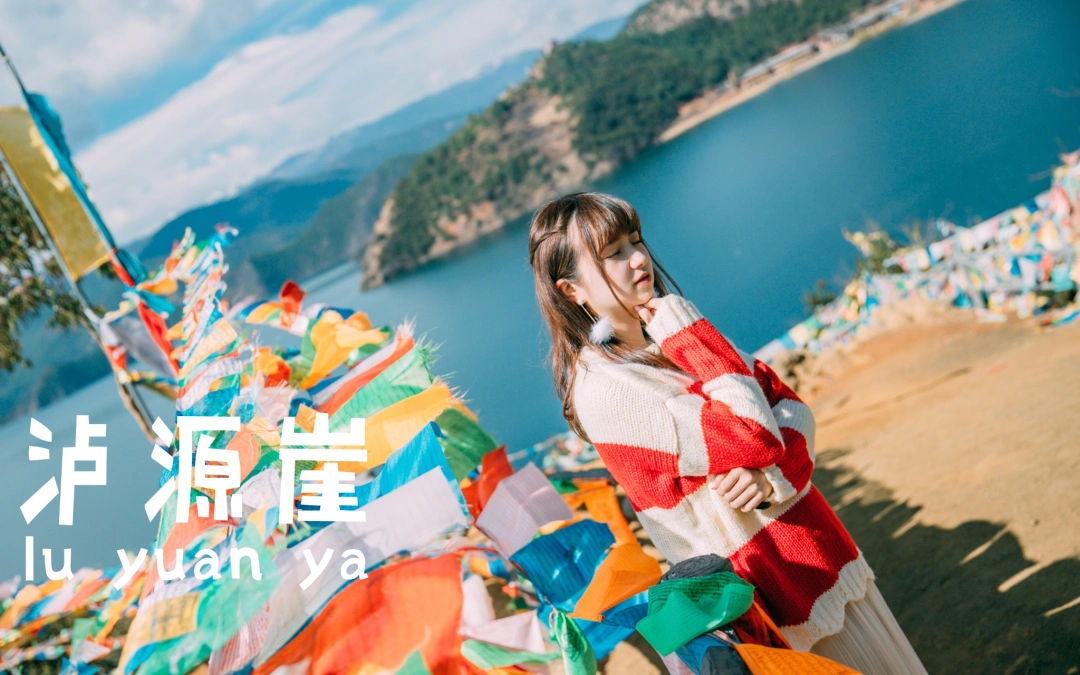
Our journey began at Luyuan Cliff, the very source of Lugu Lake. Here, groundwater emerges gently from the earth, and a towering stone cliff stands sentinel over the water. The hillside is draped in colorful prayer flags, each one emblazoned with Tibetan script—a testament to the hopes and blessings of the local people.
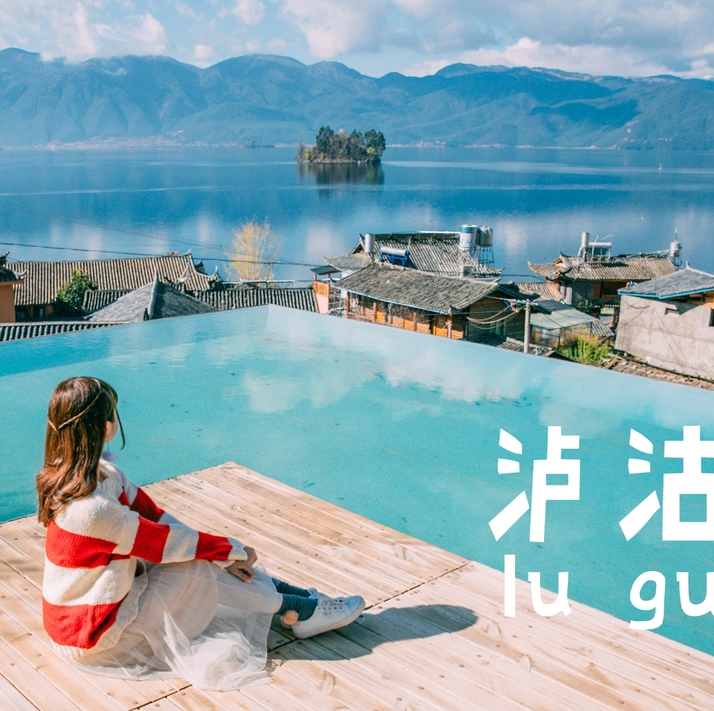
We parked by the roadside and climbed a short slope. It was deceptively easy; a few strides and we were at the top. But the difference in elevation brought a dramatic shift—a fierce wind that set the flags snapping like whips. Yet that very wind brought the landscape to life, transforming an otherwise stark cliff into a canvas of fluttering color.
From this vantage point, the opposite shore of Lugu Lake unfolded before us. The sky was scrubbed clean, the water mirrored its clarity, and the entire scene felt like a painting come alive.
My personal photographer—let's call him Fanfan—was in his element. We've finally mastered the art of capturing those candid, wind-swept shots where hair dances but doesn't obscure the face. Click, click, click—the camera sang.
The lake surface sparkled as if someone had scattered pearls across the water. It was barely past ten in the morning, and the sun was still climbing. In these parts, sunrise doesn't arrive until nearly eight, so the light played hide-and-seek, shifting with each passing minute until the sun reached its zenith and the shimmering spots faded away.
A Serendipitous Encounter at Dabeihailuo Temple
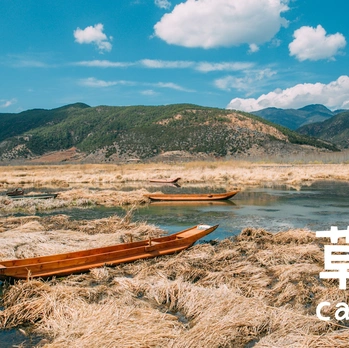
Not far from Luyuan Cliff, we stumbled upon Dabeihailuo Temple, also known as Luoshui Temple. Perched on a peninsula, it commands an unobstructed view of the lake. Built through the collaboration of philanthropists and locals, it has become a sacred space for prayer since its consecration.
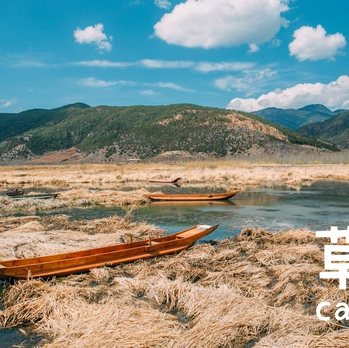
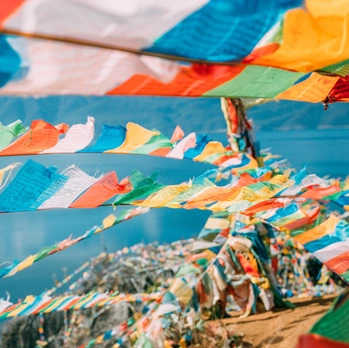
Don't underestimate Lugu Lake's elevation of 3,000 meters. Climbing the stone steps left us breathless. The main temple lay further ahead, but we decided to conserve our energy and turned back. Even so, the place was adorned with prayer flags, strung between trees and draped over slopes—each one carrying the silent wishes of the Lugu Lake people.
I asked Fanfan to photograph me peeking through a gap in the flags. Suddenly, a kind-hearted local woman appeared. "Let me help," she said, gently lifting a flag so I could fit into the frame. Clearly, she had some experience with tourists and their photo obsessions.
The Soul of Lugu Lake: Fish in Water, Clouds in the Sky
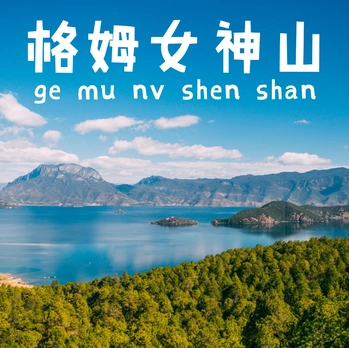
I always knew I'd return to Lugu Lake. It was where my travel journey first began years ago, and something about this "Oriental Daughter Kingdom" kept calling me back. It's not just the beauty—it's the stories woven into the fabric of this land.
The Mosuo people, who mostly live along the lakeshore, still practice their matriarchal marriage traditions. The famous "Walking Marriage Bridge" is their most iconic landmark. But here, you'll also find Naxi and Pumi communities, all coexisting peacefully. Lugu Lake's inclusiveness gives it a richness that goes beyond scenery.
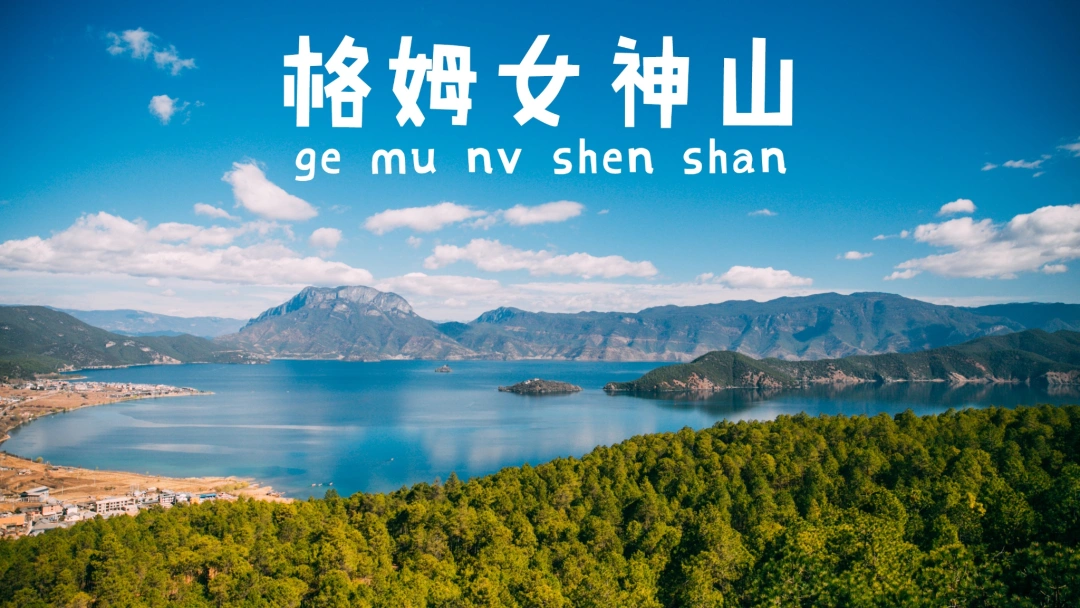
Sunlight poured down, painting the lake in mesmerizing hues. From a distance, the water was a deep, contemplative blue. Up close, it was crystal clear. The shoreline traced elegant curves, while the surrounding mountains stood guard like protective shells. Scattered villages dotted the lakeside, where locals farmed and harvested, living in harmony with the seasons.
Here, clouds drift slowly, horses amble lazily, and everything moves at a pace that feels almost forgotten elsewhere.
Two Lover's Beaches, One Shared Romance
Lugu Lake straddles Yunnan and Sichuan provinces. Our driver loved announcing, "Now we're in Sichuan!" and moments later, "Back to Yunnan!" The lake boasts two Lover's Beaches—one in each province—but the Yunnan side is said to be more enchanting.
A large stone marker identifies the spot. The beach is covered in pebbles, and the clear water laps gently against them. You can see tiny aquatic plants swaying beneath the surface. The water is icy cold; standing barefoot at the edge would be refreshing, but for the environment's sake, it's best to resist the temptation.
A massive tree leaned toward the lake, its bare winter branches reaching out as if to touch the water. Beneath it sat a long bench—perfect for summer shade, but on this day, it became our impromptu photo prop. One tree, one lake, one person—simple, yet perfect.
Nearby, flowers had begun to bloom. They resembled cherry blossoms, though in Yunnan, most cherry trees bear deep pink flowers. These were pale, almost white—a rare and delicate sight.
The Iconic View of Lige Peninsula
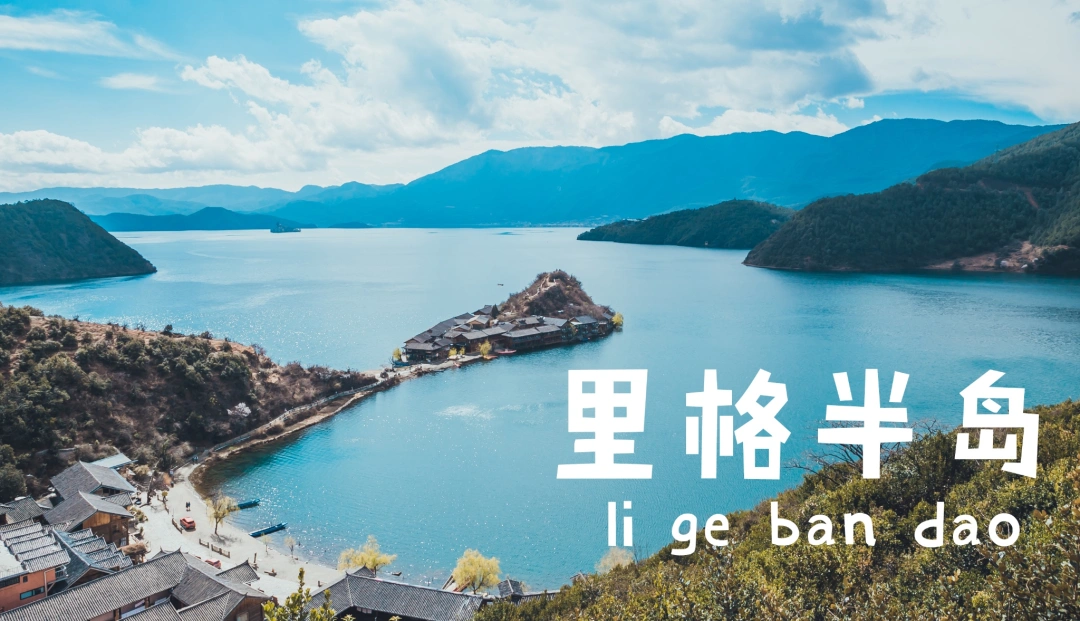
The Lover's Beach isn't far from the Lige Peninsula observation deck. We'd passed by the evening before, only to find it swarming with tour groups. But this morning, we had the place almost to ourselves.
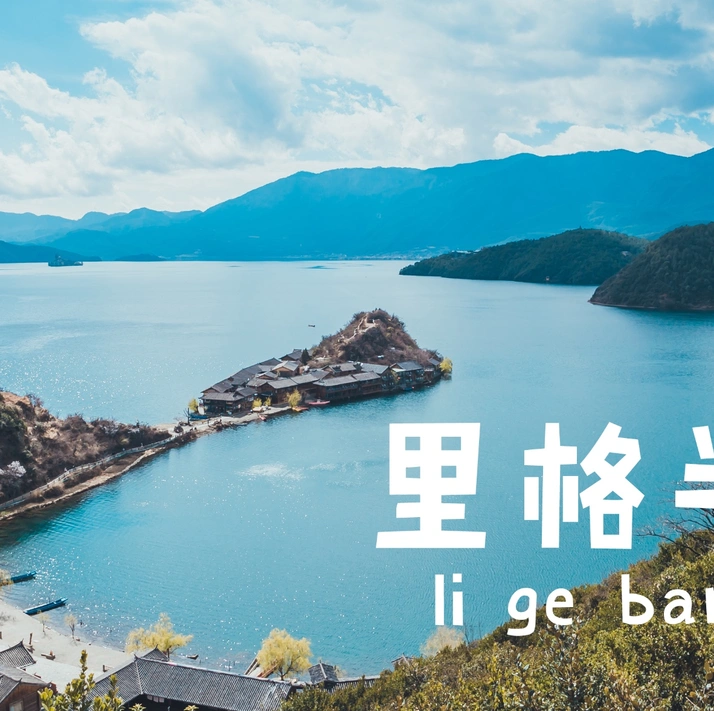
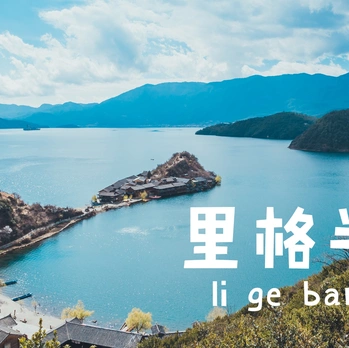
This is the spot to capture Lugu Lake's heart-shaped silhouette. The peninsula, connected by a narrow causeway, curves gracefully into the lake. Surrounded by water on three sides, it boasts an enviable location, with lakeside guesthouses and a small boat dock.
Morning light creates a bit of backlighting, making the surface shimmer white. Afternoon or evening would be ideal for photography. But even so, the view was breathtaking.
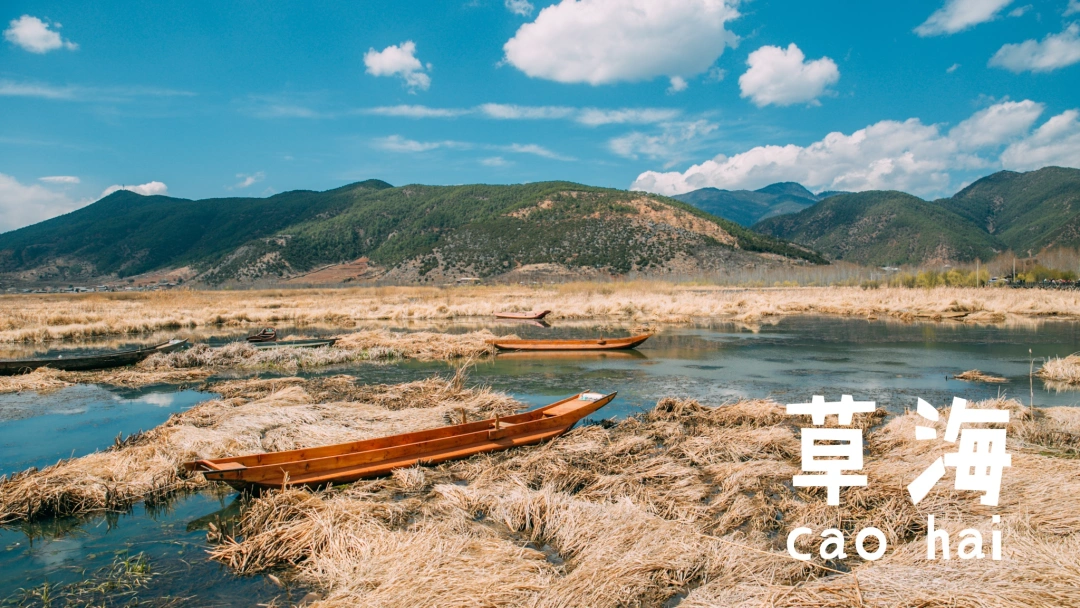
The beauty of a lake circuit is that every turn reveals something new. Fishermen casting nets, weathered wooden boats bobbing on the water, seagulls resting on the prows, and distant mountains stretching into the horizon. If I were a painter, I'd capture this harmony on canvas.
A Culinary Adventure: Steam Stone Pot Fish
No trip to Lugu Lake is complete without trying the region's specialty—steam stone pot fish. The unique Yunnan grass hat serves as the lid, and the fish is steamed inside a massive stone pot. It's a feast for both the palate and the eyes.
Our host took us to pick a medium-sized fish. After cleaning and preparation, the stone pot was sterilized with steam. Then came the array of seasonings: ginger, garlic, chili oil, dried chilies, and cilantro—all ready for us to mix according to our taste. The fish was placed in the pot with mineral water, the grass hat sealed it, and within minutes, the aroma filled the air.
The principle is simple: high-temperature steam cooks the fish, while the grass hat locks in heat and absorbs any unwanted odors. The result? Incredibly tender, flavorful fish.
Goddess Bay: A Hidden Sanctuary

If we hadn't visited Goddess Bay, we might never have known such a tranquil haven existed on Lugu Lake. Famous for its sunsets, the bay is cradled by mountains on three sides, creating a natural shelter. Wooden boats drifted lazily on the calm water, swaying gently in the breeze. It was the perfect place to simply sit and daydream.
Tour groups rarely venture here. Only a handful of travelers park their cars, snap a few photos, and continue on their way. The boats, painted in shades of green, yellow, pink, and even Tiffany blue, lined the shore. Some were weathered and worn, having completed their duties; others awaited new passengers.
As the sun hid behind clouds, it generously offered us "Jesus light"—those ethereal beams that seem to touch the earth with divine grace. The Tyndall effect lasted through the evening, casting a golden glow over everything.
From Lugu Lake to Dali: The Journey Continues
A Morning at Lugu Lake: Seagulls and Sunrise
Our final morning at Lugu Lake began early. We wanted to catch the sunrise from the dock near our guesthouse. The sky was still dark when we arrived, but gradually, bands of orange and pink began to paint the horizon.
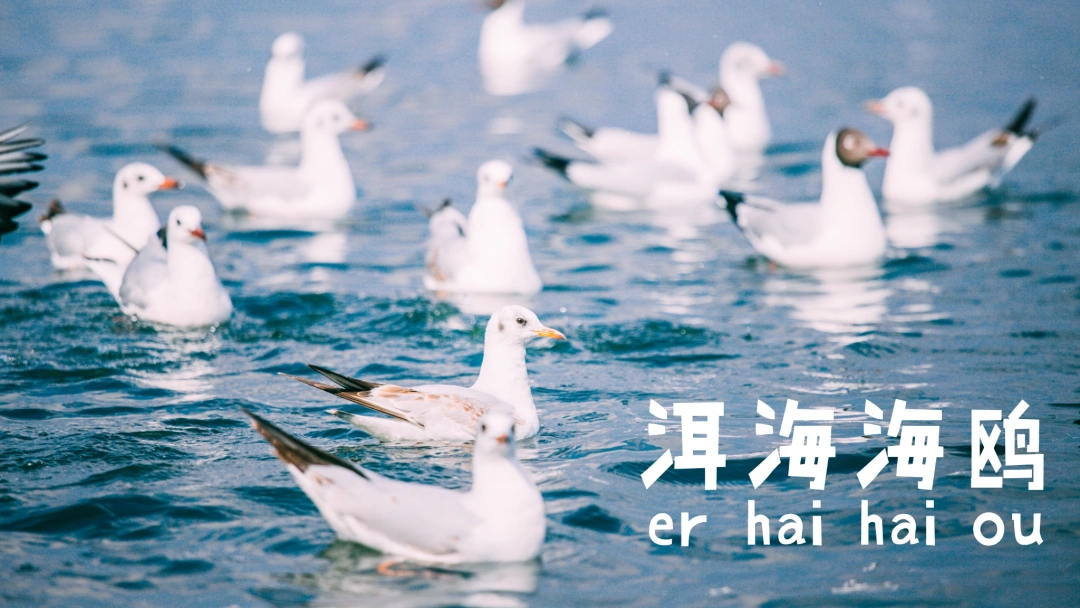
Seagulls had gathered at the water's edge, waiting for tourists to toss them breadcrumbs. They rose and fell in synchronized waves, their white wings catching the first light. A fisherman paddled his wooden boat across the still water, creating ripples that mirrored the clouds above.
This was the Lugu Lake I had dreamed of returning to—not just a postcard image, but a living, breathing world where every moment felt sacred.
The Road to Dali: Mountains, Clouds, and Endless Fields
Leaving Lugu Lake was bittersweet, but the journey to Dali offered its own rewards. The winding mountain roads took us through terraced fields and tiny villages. Farmers worked the land, their movements unhurried and deliberate. Children waved as we passed. Dogs napped in the middle of the road, forcing our driver to slow down and honk gently.
We stopped at a viewpoint overlooking a valley. Below us, a river snaked through the landscape, its waters reflecting the brilliant blue sky. The air was thin and crisp, carrying the scent of pine and earth.
Somewhere along the way, we crossed from Sichuan back into Yunnan. The landscape changed subtly—the houses took on a different architectural style, the crops shifted from corn to rice, and the accents of the locals softened.
Dali: The Old Town and Its Timeless Charm
By late afternoon, we arrived in Dali. The old town is a maze of cobblestone streets, traditional Bai-style houses with flying eaves, and canals that run alongside the roads. Bougainvillea cascaded over whitewashed walls in shades of fuchsia and coral.
We checked into a guesthouse with a courtyard garden. The owner, a middle-aged woman with a warm smile, served us tea and told us about the history of the town. "Dali has always been a place where people come to heal," she said. "Whether it's a broken heart or a tired soul, the wind here carries your worries away."
That evening, we wandered through the town's night market. Stalls sold tie-dye scarves, silver jewelry, and local snacks. We tried 乳扇 (milk fan), a crispy, slightly sweet cheese that is a Dali specialty. It was unlike anything we had tasted before—crunchy on the outside, chewy on the inside, with a hint of rose flavor.
Erhai Lake: A Different Kind of Serenity
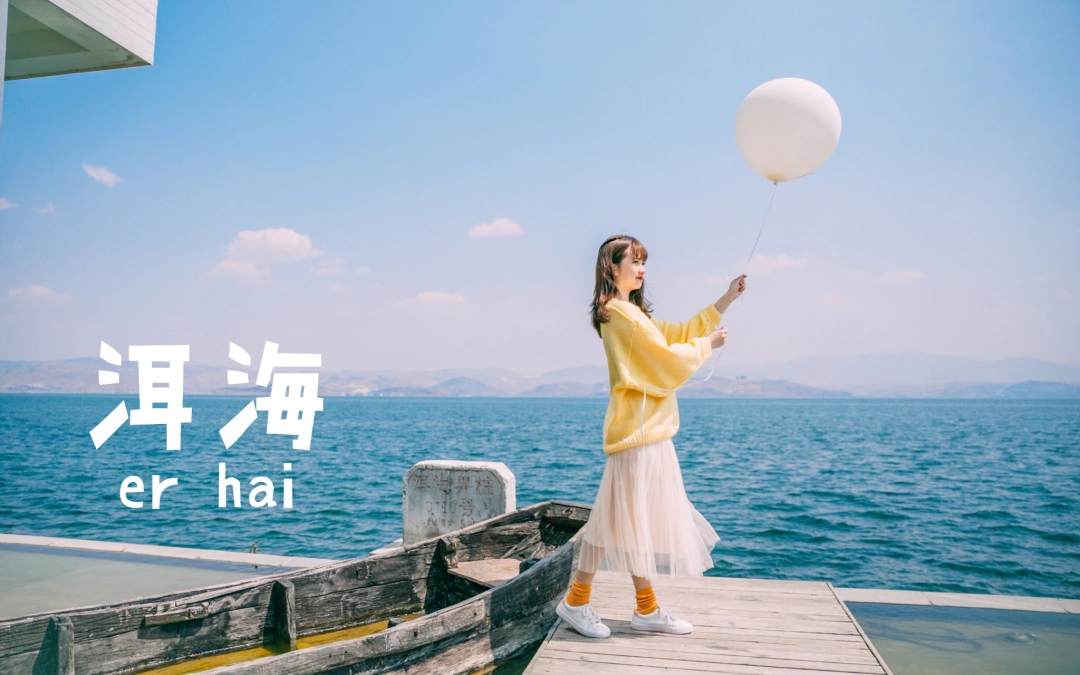
The next morning, we rented bicycles and rode to Erhai Lake. While Lugu Lake feels wild and untamed, Erhai is more serene and domesticated. The lake is surrounded by farmland and villages, and the cycling path takes you through fields of rapeseed and lavender.
We stopped at a small pier where fishermen were mending their nets. An old man sat on a bench, smoking a pipe and watching the water. He told us he had been fishing on Erhai for over forty years. "The lake gives us everything," he said, gesturing toward the water. "We just have to be grateful."
We pedaled further, past a temple dedicated to the Goddess of Mercy. The air was filled with the sound of chanting and the clang of brass bells. A group of elderly women knelt before the altar, their faces peaceful and weathered.
The Cangshan Mountains: Hiking Above the Clouds
On our last day in Dali, we decided to hike the Cangshan Mountains. The cable car took us up to an elevation of nearly 4,000 meters. As we ascended, the air grew colder, and the view became more spectacular. Below us, Erhai Lake stretched out like a giant emerald, framed by the patchwork of fields and villages.
At the top, we walked along a trail that wound through alpine meadows. Wildflowers bloomed in every color imaginable—purple gentians, yellow asters, white edelweiss. In the distance, the peaks of the Himalayas were visible, their snow-capped summits gleaming in the sunlight.
We sat on a rock and shared a simple lunch of bread and cheese. The wind howled around us, but we were warm in our jackets. For a moment, the world felt infinite.
Reflections: The Wind That Stays With You

As we drove back to the airport, I thought about what makes a place truly unforgettable. It's not just the scenery, though Lugu Lake and Dali offer that in abundance. It's the feeling of being part of something larger—a landscape that has existed for millennia, a culture that has endured through time, a way of life that prioritizes connection over speed.
The wind in Yunnan is not just a meteorological phenomenon. It's a presence, a companion, a reminder to slow down and listen. It carries the prayers of the Mosuo people, the laughter of children, the songs of farmers, and the whispers of lovers.
We left Yunnan with sand in our shoes and dust on our clothes. But we also left with something intangible—a piece of that wind, tucked away in our hearts, waiting to be released when we need it most.
Until next time, Yunnan. Until the wind calls us back.
You should also read:

Two Girls' Graduation Trip: Dali and Shuanglang – A Poetic Farewell to Mountains and Sea
Two Girls' Graduation Trip: Dali and Shuanglang – A Poetic Farewell to Mountains and Sea Preface: Catching the Tail of Youth, Heading South During our senior year of college, my roommate and I – two girls studying in Beijing – decided to bid farewell to…
Continue reading...
Body in Hell, Heart in Heaven: A Pilgrimage Through Tiger Leaping Gorge — A Dialogue Between Heaven and Earth
Body in Hell, Heart in Heaven: A Pilgrimage Through Tiger Leaping Gorge — A Dialogue Between Heaven and Earth Introduction: When the Gorge Splits Open Beneath Your Feet Some say Tiger Leaping Gorge is the closest place on Earth to the border between "hell" and…
Continue reading...
Cloud Travelogue · Dali of Wind, Flowers, Snow, and Moon: A Three-Day, Two-Night Journey of a Free Spirit
Cloud Travelogue · Dali of Wind, Flowers, Snow, and Moon: A Three-Day, Two-Night Journey of a Free Spirit I am a cultured female foodie with a touch of rogue charm. I slung on my backpack, took my lover's hand, and set off on a spontaneous…
Continue reading...