Dreaming of Shangri-La: Finding the Soul's Homeland in a Place Where Gods Dwell
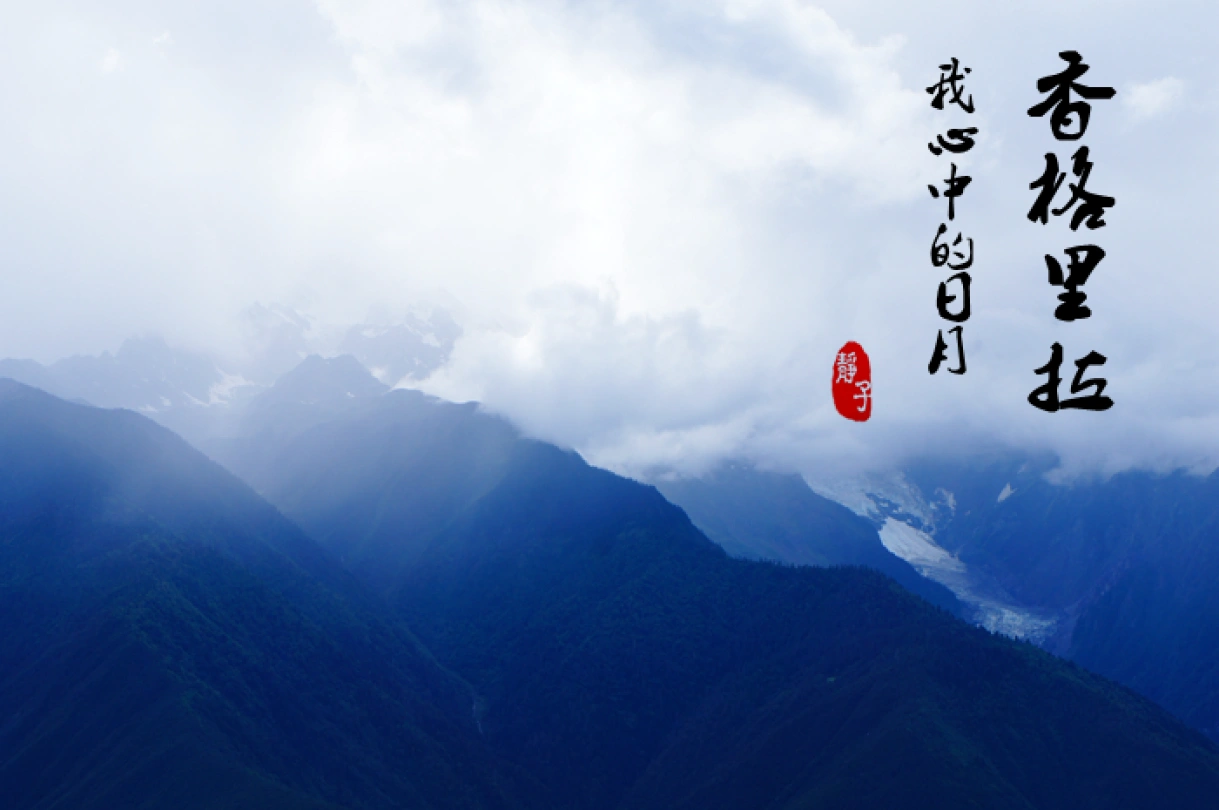
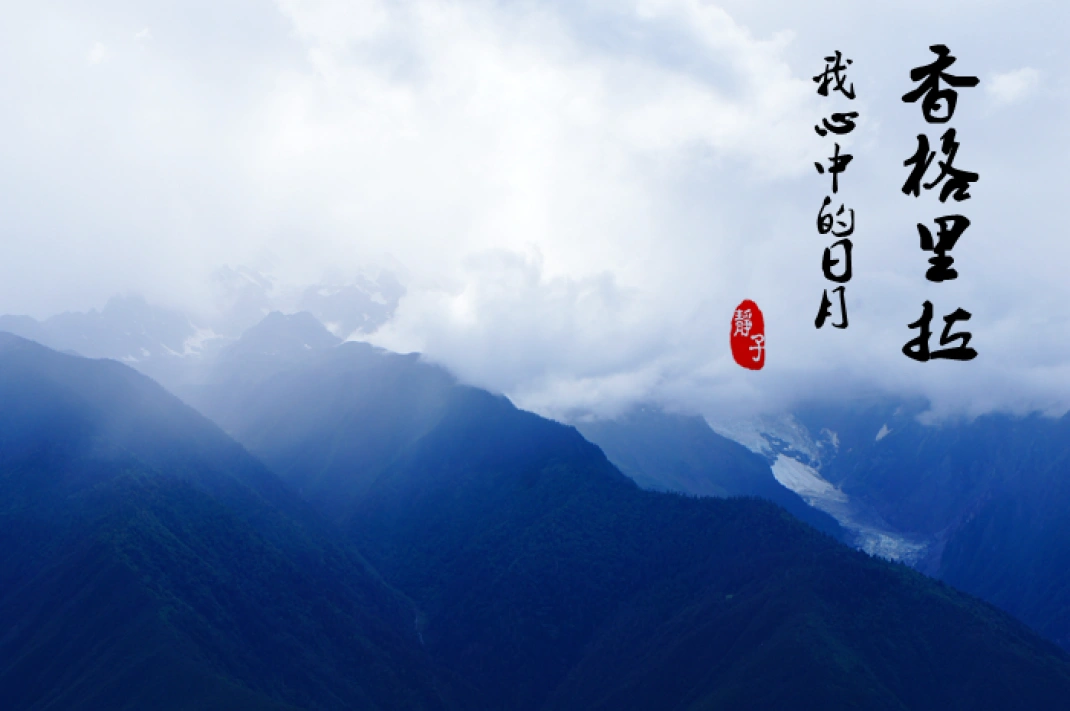
Dreaming of Shangri-La: Finding the Soul's Homeland in a Place Where Gods Dwell
An Unexpected Volunteer Journey That Became the Most Vivid Chapter of My Life
In 2005, Yunnan was my honeymoon destination. The rushed, superficial tour group experience, combined with a fever during the trip, left me with no more than a lukewarm "it was okay" verdict. It wasn't until 2012, when I was driving back to Chengdu along National Highway 318 and took a detour onto National Highway 214, that I caught a fleeting glimpse of Meili Snow Mountain. In that instant, a voice deep inside me whispered: perhaps I had never truly seen Yunnan at all.
In May 2013, my workplace announced volunteer assignments: either Diqing in Yunnan, or Xinjiang. Without hesitation, I chose Xinjiang—a place I had long dreamed of visiting. But my supervisor insisted on sending me to Diqing, with its average altitude of 3,300 meters, simply because I had experience on the plateau from the previous year. With some reluctance, I agreed.
Who could have guessed that this "forced" choice would become the most beautiful accident of my life?
From the hesitation of signing up on May 27, to the nervousness of flying into Shangri-La on June 4, to the tear-filled eyes as I boarded the plane back to Shanghai on July 4—for thirty full days, I surrendered myself completely to this land, and it generously gave me back a homeland for my soul.
A City, a People, and Time That Slowed Down

Dukezong Ancient Town: The Moonlight in My Heart
Dukezong, meaning "white stone city" in Tibetan, is also known as the Moonlight Ancient Town. Built during the Tang Dynasty over 1,300 years ago, it was an important hub on the Ancient Tea Horse Road and remains the best-preserved and largest cluster of traditional Tibetan dwellings in China. When I heard that a fire in January 2014 had burned down half the town, the pain I felt is still vivid to this day.
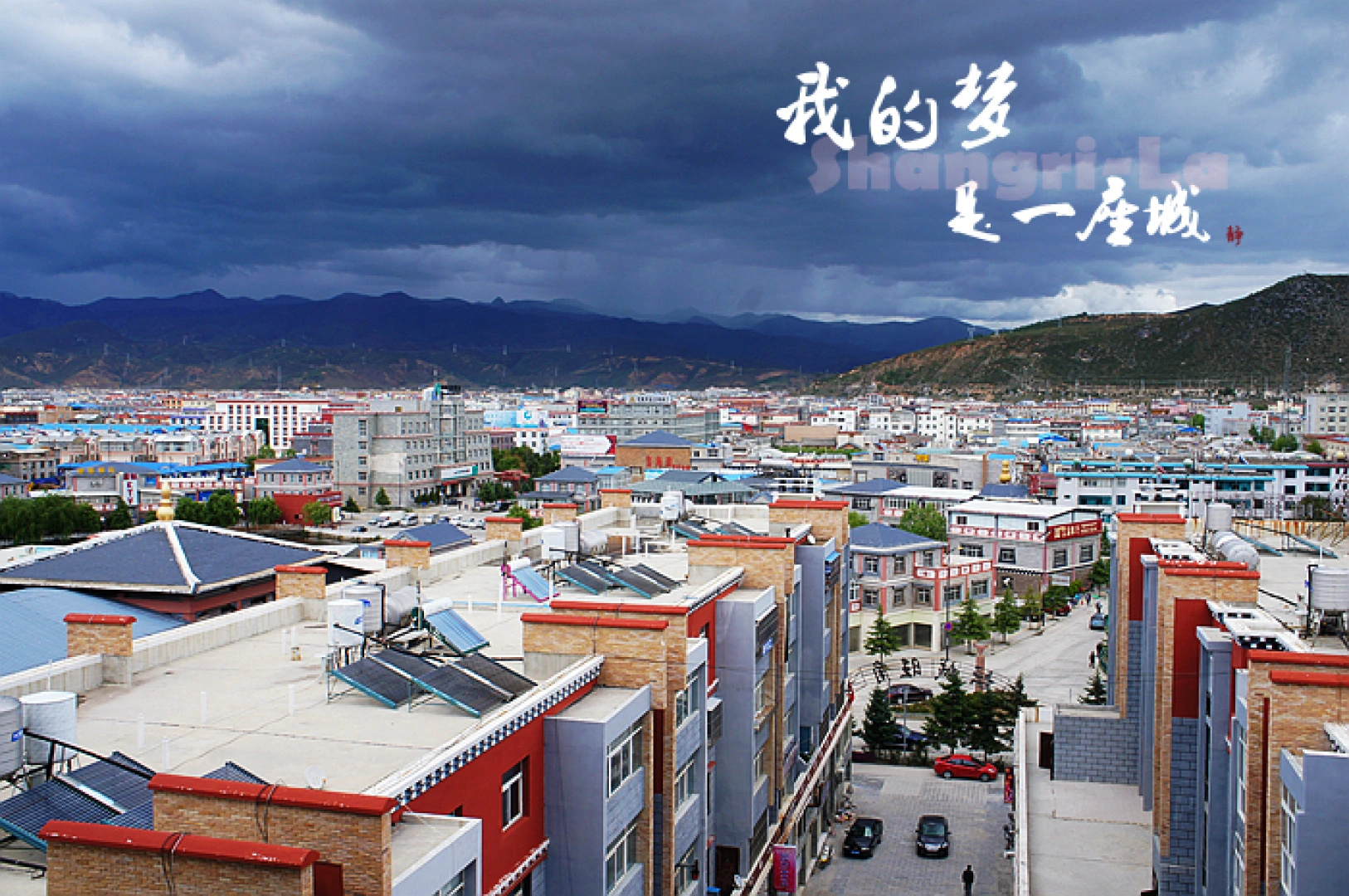
I visited Dukezong three times. Strolling alone in the afternoon, the entire ancient town was steeped in a lazy, languid atmosphere. I slowed my pace, browsing from shop to shop, haggling with the owners and exchanging a few words of small talk. In the evening, I would walk under the moonlight to the square, join the locals in their circle dance, and spin clumsily to the rhythm. I climbed up to Guishan Temple and turned the world's largest prayer wheel—21 meters high and weighing 60 tons, requiring many people to push it together. Standing on the hilltop overlooking the town, there was none of Lijiang's noisy crowds or the relentless thrum of bar music. It was quiet and serene, like a beam of pure moonlight gently illuminating the softest corner of my heart.
My first dinner was at the "Potala Wooden Tower." That was when I first experienced Shangri-La's table culture—every meal comes with singing, songs are used to toast, and liquor flows like water. The locals' natural warmth and their deeply moving voices left me in awe. Later, at countless dinners, I too would clumsily sing Tibetan songs.
Sadly, the Potala Wooden Tower was destroyed in the fire. But there are still several branch restaurants in the county town, retaining the distinctive architecture and interior decor of the original wooden buildings. Low, coffee-table-style dining surfaces, alcoves adorned with a blend of Chinese and Western, Han and Tibetan ornaments—eating here is almost secondary. The real essence lies in sitting around the table, drinking, chatting, and singing.
Napahai Lake: A Speck of Dust Between Heaven and Earth
Napahai Nature Reserve, eight kilometers from the county seat, covers an area of 31.25 square kilometers at an altitude of 3,266 meters. It is a seasonal plateau lake: in late summer and early autumn, with frequent rainfall, the lake expands; from late autumn to early summer the following year, the water level drops.
We visited in June, before the rainy season had begun, but wildflowers were already blooming everywhere. Driving around the lake is the best way to see it, though locals also enjoy cycling the loop, which takes about three to five hours. On both my trips to Shangri-La, I never managed to cycle around the lake—a small regret that lingers.
Standing by the shores of Napahai, surrounded by mountains on three sides, with more than a dozen rivers like the Naqu and Naizi winding through the grasslands into the lake, I felt like a speck of dust between heaven and earth—tiny, yet free.
To See the Real Shangri-La, You Must Immerse Yourself
The Horse Racing Festival: Lying on the Grass, Listening to the Wind's Call
The Horse Racing Festival in May is Shangri-La's grandest celebration. Locals don their most magnificent Tibetan attire and race their steeds across the grasslands. I put on their clothes, blended into the crowd, and cheered, sang, and danced along with them. By the end, more than one person told me I already looked like a true Shangri-La native.
Tibetan Cuisine and Highland Barley Wine: A Table Culture of Fiery Hospitality
In Shangri-La, I joined the locals in hot springs, barbecues, and Tibetan feasts, getting happily tipsy on their fiery highland barley wine and "Da Zang Mi" (locally brewed barley liquor). We sang their songs, danced their dances, and wore their clothes. This feeling of settling into a place, taking time to experience and integrate, intoxicated me completely.
Most unforgettable of all, I celebrated my birthday in Shangri-La, surrounded by the blessings of my teammates and local friends. In that moment, I felt I was no longer a passerby, but a part of this land.
From Shangri-La to Deqin and Weixi: A Stunning Reunion
Meili Snow Mountain: Who Plays the Zither in the Clouds and Mist?
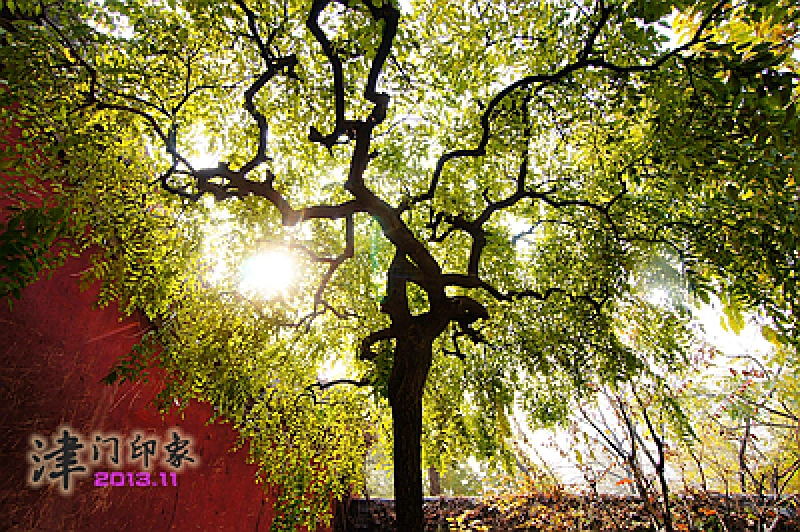
In Deqin, I retraced the road I had traveled the year before and had a breathtaking reunion with Meili Snow Mountain. This time, I stayed at the CITIC Capital Royal Court Boutique Hotel in Feilai Temple. A friend had specially booked me a third-floor mountain-view room, where I could lie in bed and face Meili Snow Mountain directly.
At dawn, when the first rays of sunlight touched the snowy peaks, a golden glow pierced through the clouds. In that moment, I understood what it meant to "practice, revere, and make pilgrimage."
Weixi: Homes Hidden Deep in the Mountains
In Tacheng, Weixi, after a strenuous climb, we finally caught sight of the elusive Yunnan golden monkeys. Those red-lipped, enchanting creatures leaped through the trees like guardian spirits of the deep mountains.
Bishui Heavenly Lake: When the Mountains Are Abloom
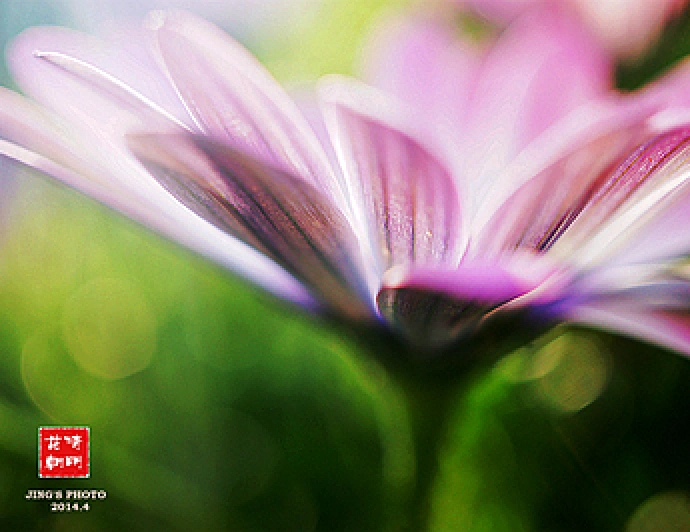
In June of this year, I returned to Shangri-La once more. With friends, I revisited Napahai, then went to Bishui Heavenly Lake and Tiger Leaping Gorge. The wildflowers at Bishui Heavenly Lake were so breathtakingly beautiful they made me want to cry.
Tiger Leaping Gorge: Walking Alone Until the End of Time
The hike through Tiger Leaping Gorge truly taught me what it means to "walk alone until the end of time." The vastness of the canyon, set against my own insignificance, created a stark contrast. Every step was both a physical challenge and a dialogue with myself.
Feasting in Shangri-La: A Culinary Banquet Not to Be Missed
As a food lover, enjoying great scenery and indulging in delicious food are equally important to me on any trip. In Shangri-La, I practically ate my fill of Tibetan cuisine.
Tibetan Food Recommendations: - Yak meat hotpot: tender meat, rich broth - Butter tea: may take some getting used to at first, but you'll become addicted after a few cups - Highland barley flatbread: simple yet crispy - Tsampa (roasted barley flour): a Tibetan staple, best eaten with butter tea - Yogurt: tangy and sweet, perfect for cutting through rich flavors
Other Specialties: - Matsutake mushrooms: Shangri-La's matsutake are of exceptional quality, divine in soups or grilled - Cured pork ribs: a Lijiang specialty, but the Shangri-La version has its own unique flavor - Da Zang Mi (local barley liquor): potent, with a deceptive kick - Haishao fish (sour-spicy fish): tangy, spicy, and refreshing—great with rice - Golden trout and rainbow trout: cold-water fish from the plateau, with firm, dense flesh
Recommended Dining Spots: - Potala Wooden Tower (branch locations): experience authentic Tibetan cuisine and table culture - Juyue Valley Manor: eat and drink like a true Shangri-La local - Small eateries around the ancient town: many unassuming places hide delightful surprises
Practical Tips: What to Know Before Going to Shangri-La
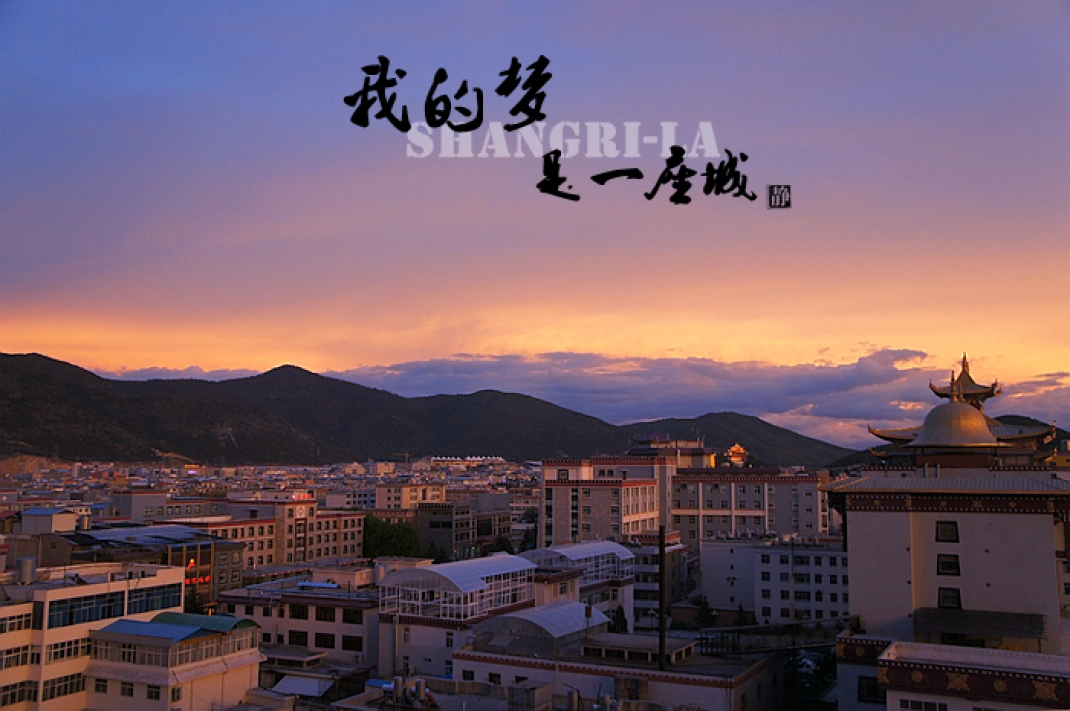
Accommodation Recommendations
Shangri-La County: - Mingmao Business Hotel: standard room 160 RMB/night, three-star standard. The owner is from Shanghai and can cook hometown-style dishes. - Jilaiden Hotel: 298 RMB/night, with European-style or Tibetan-style rooms available. Comfortable bedding.
Deqin County: - Kawagebo Hotel: standard room 200 RMB/night, exceeding expectations for its price. - Royal Court Boutique Hotel: upscale, with mountain-view rooms facing Meili Snow Mountain.
Weixi County: - Asia Pacific Century Hotel: 180 RMB/night, spacious rooms.
Lijiang, Lugu Lake, Dali: - Tianle Hotel: four-star, 220 RMB/night, warm and attentive service. - Ruheng Hotel: 250 RMB/night, lake-view rooms overlooking Lugu Lake. - Xianghe Hotel: 250 RMB/night, with luck you may be upgraded to a suite.
Dealing with Altitude Sickness
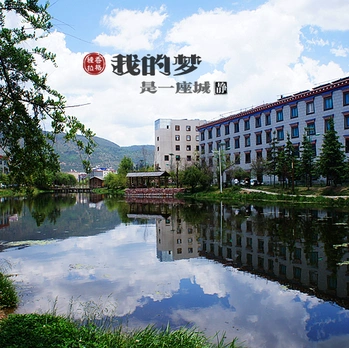
Shangri-La's average altitude of 3,300 meters is not extremely high. Most people arrive by bus from Lijiang (over 2,400 meters), which allows for gradual acclimatization. I flew in both times without any issues. The key is: get enough sleep and maintain a positive mindset. If possible, take some Rhodiola rosea in advance. If altitude sickness becomes severe, seek treatment promptly at the Shangri-La People's Hospital.
Sun Protection and Moisturizing
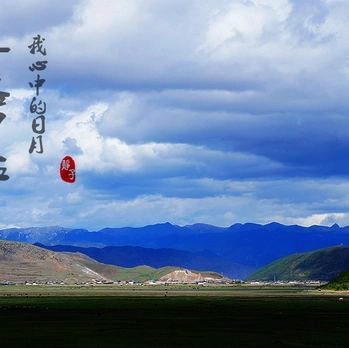
The plateau has intense sunlight and long daylight hours—it doesn't get dark until after 8 PM. Even in summer, the high temperature rarely exceeds 20°C (68°F), but the sun beats down fiercely. Don't skip sunscreen (SPF 50 or higher) just because it doesn't feel hot—otherwise, you'll be shockingly dark after a month. The climate is very dry, so use moisturizing face masks regularly. Avoid overly greasy or spicy food, as it can easily cause internal heat.
Respecting Minority Cultures
Diqing Prefecture is home to 16 ethnic minorities. As a visitor, approach their cultures with respect and friendliness. Never engage in voyeuristic or insulting behavior.
- Tibetans do not eat fish; Hui Muslims do not eat pork or drink alcohol. Be mindful of this in their presence.
- At Lugu Lake, don't stare at Mosuo people or pester them with questions about their "walking marriage" traditions.
- When dining with hearty ethnic minority friends, who enthusiastically sing and toast, don't be shy—sing along and drink freely.
- Respect their beliefs. Do not desecrate sacred mountains or lakes: point with an open palm, not a single finger; do not wash your feet or throw trash into sacred lakes.
Transportation
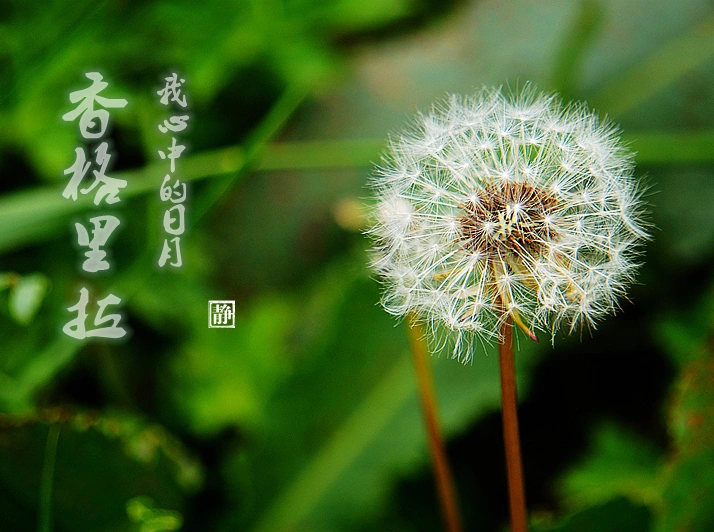
Shangri-La has an airport just five kilometers from the county seat, with daily flights to and from Kunming, Chengdu, and other cities. More people arrive by bus from Lijiang or Dali. Taxis within the county do not use meters; the fare is a flat 7 RMB to anywhere. To reach various attractions, you can find private car drivers at the ancient town gate, visit travel agency day-trip counters, or ask the hotel front desk to arrange a car.
Epilogue: I Have Never Left
From June 4 to July 4, 2013—thirty full days. I worked, wandered, immersed myself, and felt everything in Shangri-La. Afterwards, I traveled to Deqin and Weixi, and on the way back passed through Lijiang, Lugu Lake, and Dali, drawing a perfect close to this Yunnan journey.
On June 30 of this year, I returned to Shangri-La after a year away. Over eight days, I revisited Napahai, went to Bishui Heavenly Lake and Tiger Leaping Gorge, and finally completed the long-awaited trek to Yubeng Village. When it was time to leave again, my heart ached with unbearable reluctance. A week after returning home, I was haunted by dreams every night.
In my dreams, that city, those people, those mountains and waters—all are etched deeply into my mind. I feel as though I have never left.
I firmly believe that I will return to Shangri-La again—the homeland of my soul.
Postscript: I've noticed that in most travelogues about Yunnan, Shangri-La is rarely the star. Even when it's included in the itinerary, visitors only rush through Songzanlin Monastery, Potatso National Park, and Dukezong Ancient Town. But this is a place truly worth slowing down for, relaxing your mind, and savoring slowly.
A friend told me: you can never get enough of Shangri-La. Each season has its own highlights. Every time, I'm deliberately left with a little regret—so that, still wanting more, I'll keep coming back.
Perhaps that is Shangri-La's true charm—it always gives you a reason to return.
You should also read:
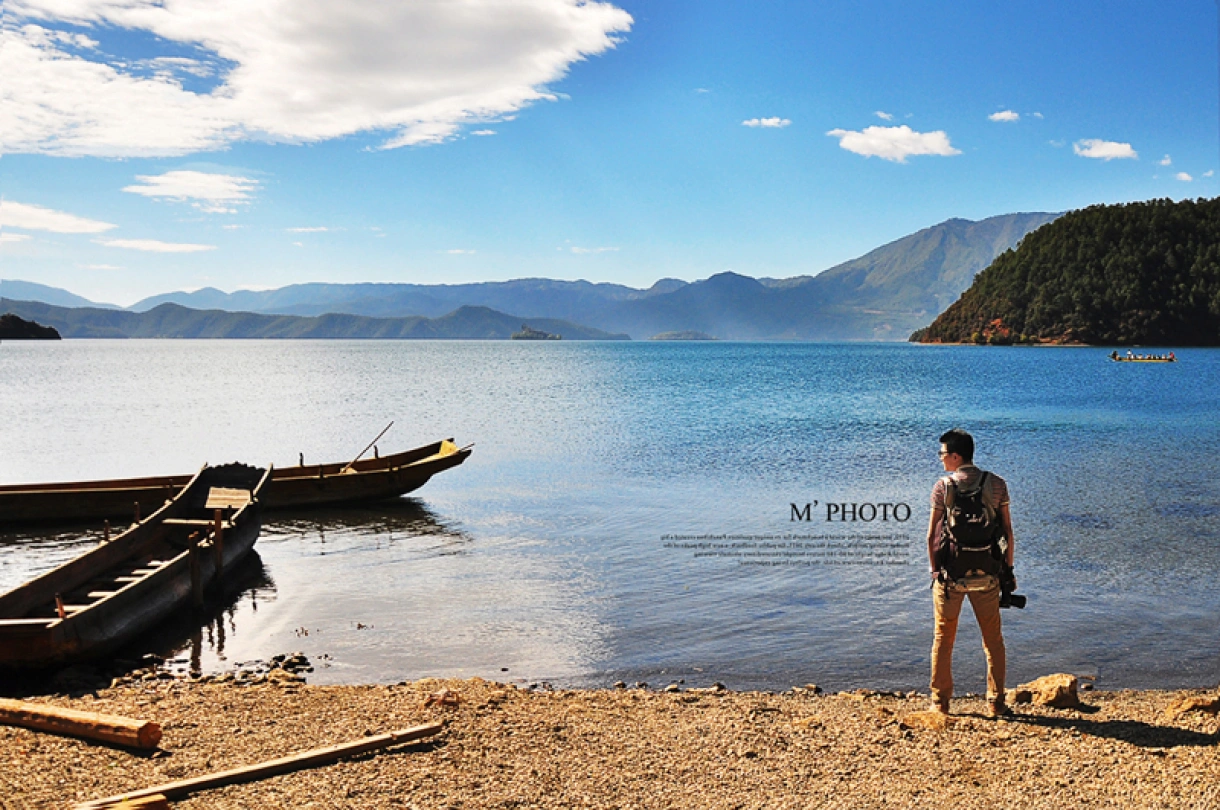
Lugu Lake: A Place Beyond Words
Lugu Lake: A Place Beyond Words Weibo: @CallMeXiaoMiao | WeChat: miaophoto This piece of writing stems from a trip I took during the May Day holiday in 2012. To be honest, when I first published this travelogue on Mafengwo, my attention to the craft of…
Continue reading...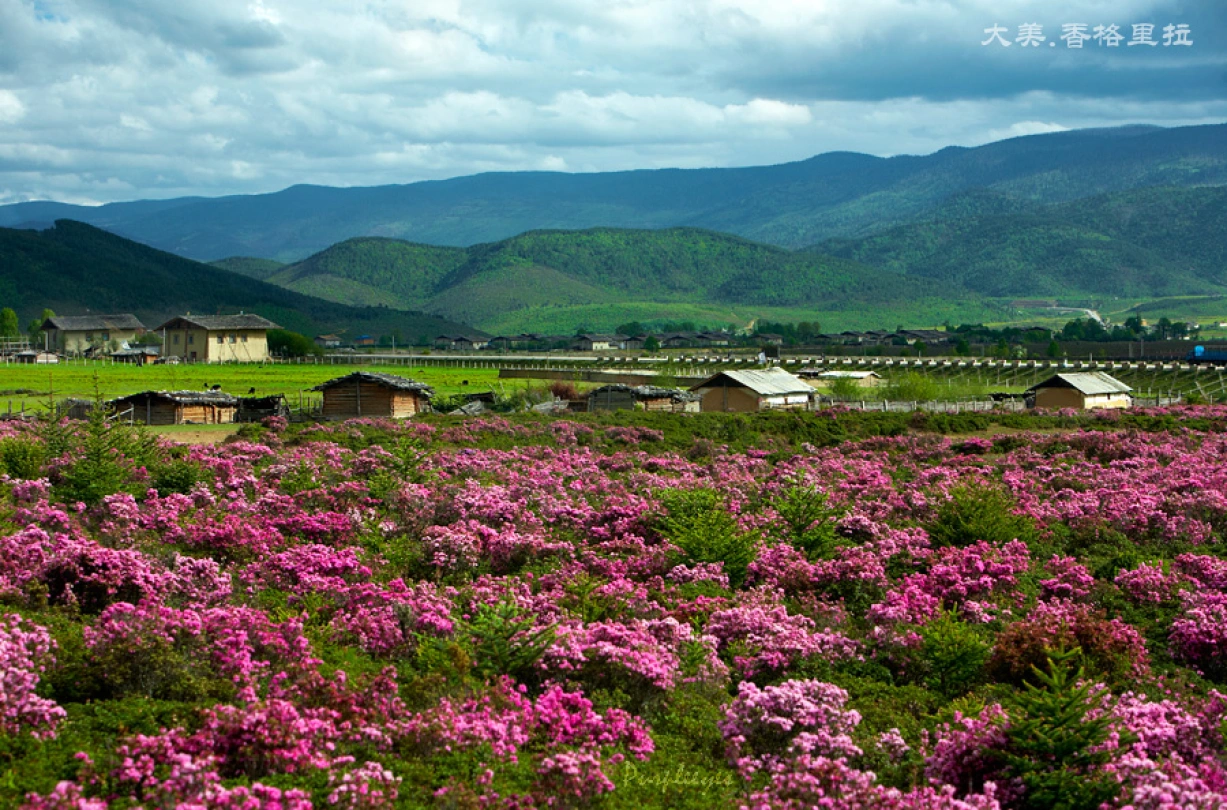
Drunk in Shangri-La: The Ultimate Guide to the May Azalea Sea
Drunk in Shangri-La: The Ultimate Guide to the May Azalea Sea Prologue: When Spring Arrives Late on the Plateau If you ask me what the most beautiful season in Shangri-La is, I'll answer without hesitation: from late May to early June. That's when the bitter…
Continue reading...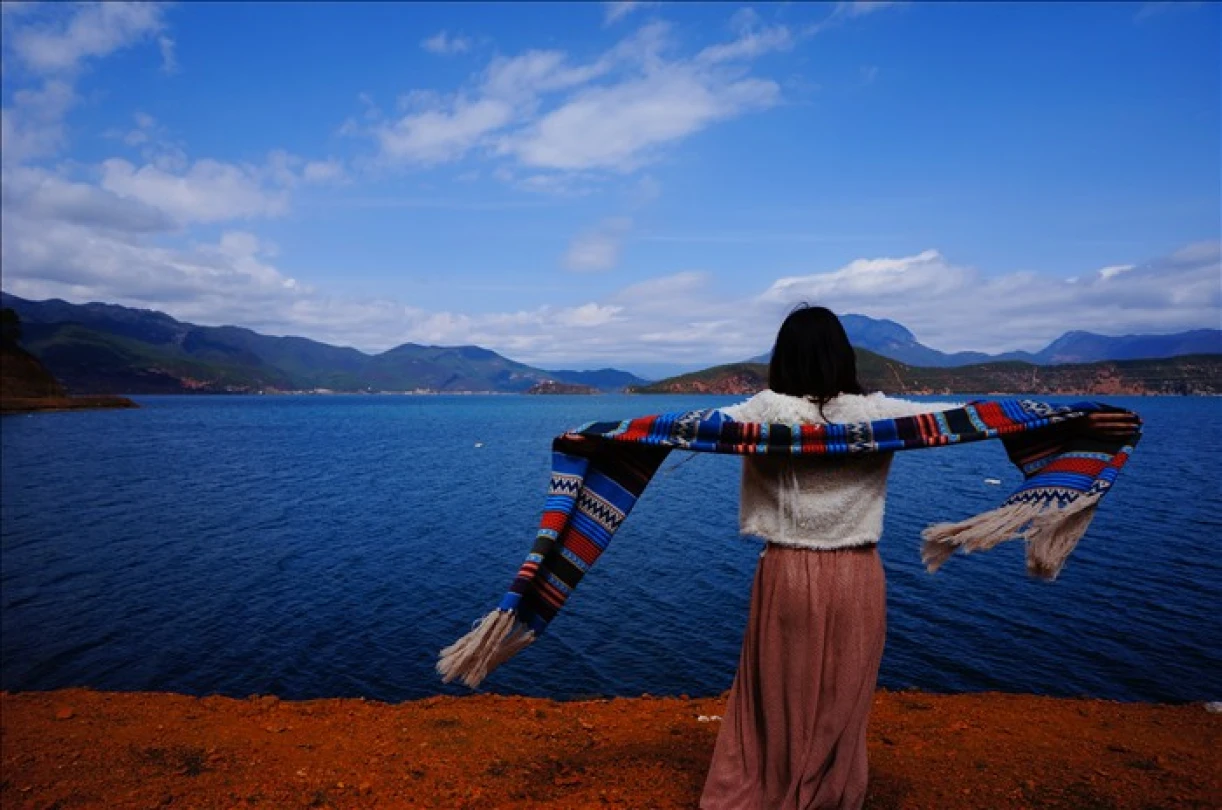
Setting Off Alone: Finding the Meaning of Travel in Lijiang
Setting Off Alone: Finding the Meaning of Travel in Lijiang Every woman should have at least two things in her life worth braving: one is cutting off her long hair without hesitation, and the other is embarking on a journey alone. In the spring of…
Continue reading...