Drunk in Shangri-La: The Ultimate Guide to the May Azalea Sea
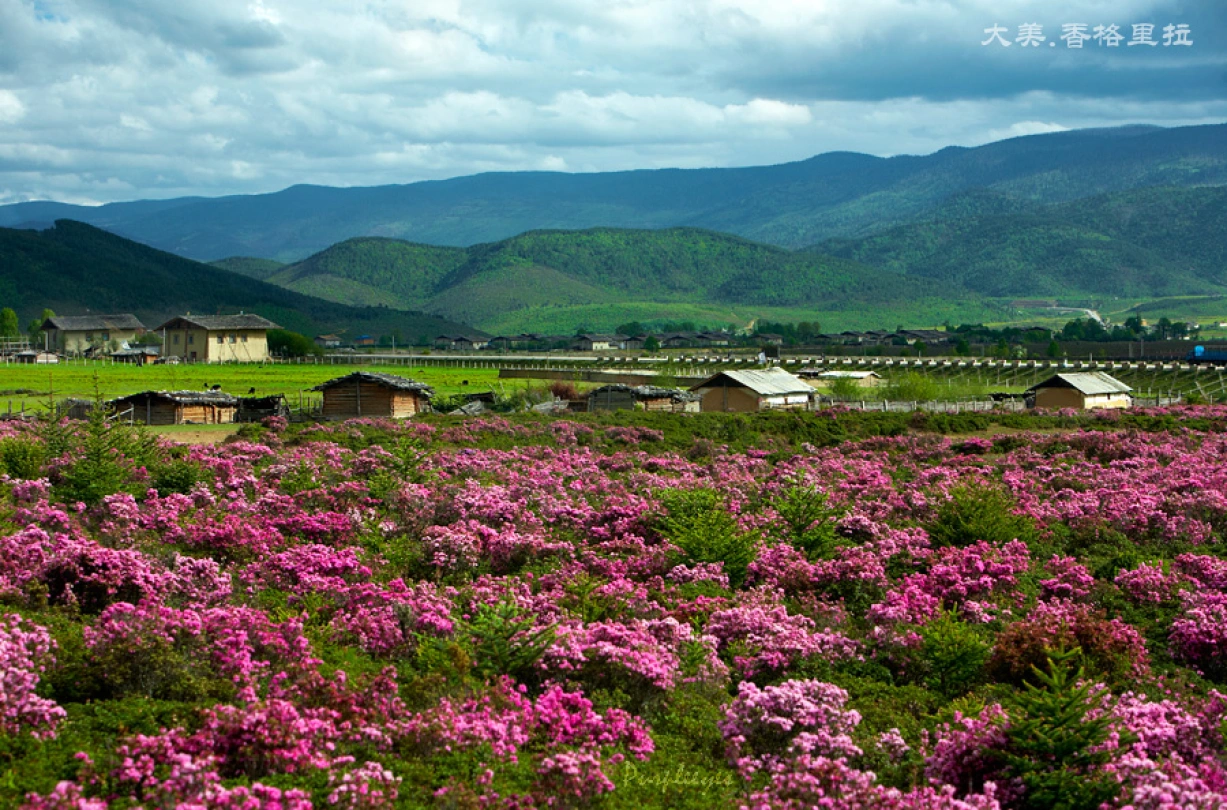
Drunk in Shangri-La: The Ultimate Guide to the May Azalea Sea
Prologue: When Spring Arrives Late on the Plateau
If you ask me what the most beautiful season in Shangri-La is, I'll answer without hesitation: from late May to early June. That's when the bitter winds of the Tibetan Plateau finally retreat, melting snow nourishes the earth, and—most intoxicating of all—the azaleas blanket the mountainsides in a sea of color, like a grand and silent declaration of love.
In the spring of 2010, I set foot on this land for the second time, spending 15 days capturing the plateau's spring through my lens. This article is not just a travelogue; it's a practical guide for everyone who dreams of witnessing the highland flower seas.
Part One: Preparation—Know Before You Go
The Secret of Seasons and Blooms
Shangri-La's beauty arrives in orderly waves, month by month:
- March–April: The plateau is still asleep; barely any flowers in sight
- Late May–Early June: Peak azalea season, though exact timing fluctuates with weather
- Mid-June: Wildflowers take over; irises begin to appear
- July–August: A riot of competing wildflowers
- September–October: Autumn's intoxicating colors; wolfbane turns the hills red
- Early November: First snow falls, purifying the world
- December: Spectacular snowscapes; wintering black-necked cranes can be spotted
Packing List: Don't Let Details Ruin Your Trip
Highland weather is fickle, with temperatures ranging from 5–20°C (41–68°F). Here's what I packed:
Clothing: - Waterproof jacket and pants, hiking boots (waterproof—say it three times!) - Fleece jacket, quick-dry tops and bottoms - Long-sleeve and short-sleeve shirts, jeans - Sandals, pajamas, underwear - Extra socks—bring more than you think you'll need
Camping Gear (if you plan to overnight at Bigu Lake): - Sleeping bag, air mattress - Flashlight or headlamp - Camping stove, pot, metal bucket
Medicine & Toiletries: - Tiger balm, insect repellent (the plateau's bugs are no joke) - Wet wipes, toilet paper - Extra batteries, chargers - Umbrella, sunglasses, sunscreen
Photography Gear (if you're a photography enthusiast): - Camera: Canon EOS 5D - Tripod, cable release - Filters: 77mm CPL and graduated ND, 58mm CPL - Lenses: 17–40mm f/4L (most used), 70–200mm f/2.8L (frequently used), 100mm f/2.8 (for flowers), 35mm f/1.4L (barely touched)
Where to Stay: Tianlu Hostel in Dukezong Old Town
I stayed at Tianlu Hostel (Tianlu Ju) all three times I visited Shangri-La. The owner, Mr. Zhou, is an experienced trekker. The accommodation is cozy, and he offers invaluable advice for your outings. The cobblestone streets of Dukezong Old Town still carry their weathered charm, and the town isn't crowded—perfect for slow, aimless wandering.
Part Two: Itinerary—A 15-Day Deep Dive

First Half (May 29–June 5): Exploring the Unknown with an Old Friend
- May 29: Beijing → Lijiang → Shangri-La, stay in Dukezong Old Town
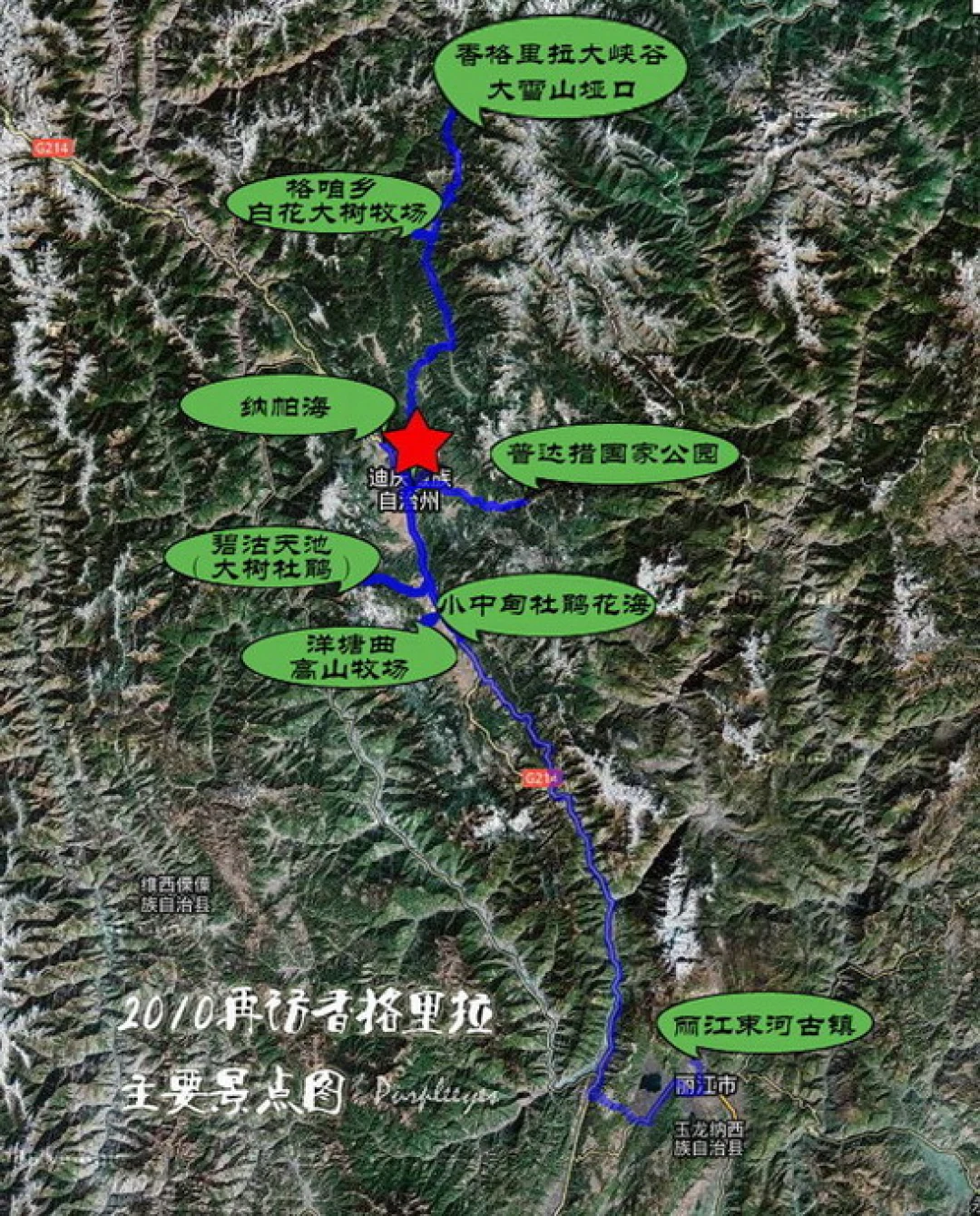
- May 30–June 5: In-depth exploration of Shangri-La
- Birang Gorge (Shangri-La Grand Canyon)
- Xiaozhongdian Azalea Flower Sea
- Alpine pastures
- Bigu Lake (Bigu Tianchi)—the highlight!
Second Half (June 6–June 11): Classic Sights with New Companions
- June 6–June 11: Shangri-La's classic attractions
- Potatso National Park
- Unnamed alpine gorge
- Napahai Lake
Big Snow Mountain Pass
June 11: Shangri-La → Lijiang → Beijing
Part Three: Chasing the Light in the Azalea Sea
Day One: Waiting for Divine Light
On May 29, the bus from Lijiang to Shangri-La arrived smoothly at 5:30 PM. The next morning, I dashed out at 7 AM to shoot, but the weather didn't cooperate—I only managed to capture a rainbow.
The afternoon improved slightly, but it was still a "sunshine in the east, rain in the west" kind of day. Sunlight pierced through the clouds intermittently, forcing me to seize every moment. Even without ideal lighting, I couldn't resist snapping photos of the Tibetan earthen houses nestled among the flowers.
Just as we were about to give up, a sliver of "divine light" appeared on the horizon! Mr. Zhou quickly drove to a high slope. I grabbed my camera and fired off two shots—just in time to realize my graduated filter was crooked. I twisted it back into place and kept shooting!
Day Two: An Unexpected Surprise at Birang Gorge
On the third day, we headed to Shangri-La Grand Canyon (also called Birang Gorge). The drive took three hours, crossing two mountain passes. The weather was still poor—no chance to photograph the azaleas blanketing the hillsides.
But when we reached the canyon, we discovered the old ticket booth had been abandoned! We lucked out and saved 30 yuan. The canyon was utterly pristine. Right at the entrance, I found a giant pinecone about 20 centimeters (8 inches) long. The river rushed through the gorge, and the plant life was incredibly diverse. I photographed over a dozen species of small flowers, including the wild medicinal herb ban xia (Pinellia ternata).
Day Three: Blue Skies at Last
This day, the heavens finally smiled on us. I went out early to find a perfect blue sky dotted with clouds. We reached an azalea sea even denser than the first day's, and I even caught wisps of cooking smoke rising from a nearby house.
The locals here live at an unhurried pace—it was past 10 AM before anyone stirred. As the sun climbed higher, the sky grew more brilliant. Faced with a valley overflowing with azaleas, I found myself at a loss for how to compose a shot.
While I was photographing, a Tibetan woman emerged from the smoke-wreathed house and invited us in for butter tea. We politely declined, but she happily posed for photos. However, after the shoot, she asked for money—five yuan. I couldn't help feeling that many Tibetans today have lost some of their old innocence.
But later, a Tibetan family we met in the fields proved wonderfully genuine. The grandfather and father were plowing, while the women and children stood at the field's edge, watching. I took a group photo, and Mr. Zhou promised to print it and deliver it to their village.
Day Four: A Calf and a Sunset
At 4 PM, we headed back to the azalea sea. The clouds had thickened, and after a long wait, I'd barely gotten a decent shot.
But luck has a way of finding you—just as I was about to give up, a herd of cattle ambled into view, including several newborn calves. One was especially tiny, with a neat patch of white fur on its forehead, like bangs. Mr. Zhou and I crept toward it in a zigzag pattern, like spies, pausing every few steps. The sun even decided to cooperate!
When the calf got spooked and ran off, I managed to capture a mother-and-child shot. Clearly, the baby's "good looks" came from its father!
Part Four: Bigu Lake—Solitude and Majesty at Altitude
A Bone-Rattling Ride into the Mountains
Bigu Lake (Bigu Tianchi) was the highlight I'd been most anticipating on this trip. It's one of the filming locations for the movie The Promise. At an altitude of about 3,800 meters (12,500 feet), it's an uninhabited alpine lake and pasture.
The road in was atrocious—originally a logging track, it was nothing but ruts carved by trucks and tractors. After three-plus hours of being jostled around in the car like coal in a shaker, we finally arrived.
The "Luxury Suite" at the Summit
We stayed in a wooden hut used by local Tibetan herders during summer grazing. The conditions were rough, but Mr. Zhou had set it up impressively:
- Sleeping bag, air mattress
- Camping stove, pot, metal bucket
- Insecticide, broom
- Bread, flatbreads, cucumbers, tomatoes
- Raw potatoes (for roasting)
- Newspaper (for starting fires)
Once Mr. Zhou got the fire going, the weather finally cleared. Blue skies, white clouds, clear water, green trees, yellow flowers everywhere—I shot a bunch of what photographers call "sugar water" (sweet, pretty, and uncomplicated).
The Island of Regret and the Peaceful Horses
Bigu Lake is actually a series of pools of varying sizes. The largest lake has a small island in the middle—the very spot where the The Promise crew built their set. Unfortunately, most of the large rhododendron trees hadn't bloomed yet; only a few had opened.
But we spotted a mare and her foal grazing by the lakeshore. The peaceful scene will stay with me for a long time.
A Consolation Prize at Sunset
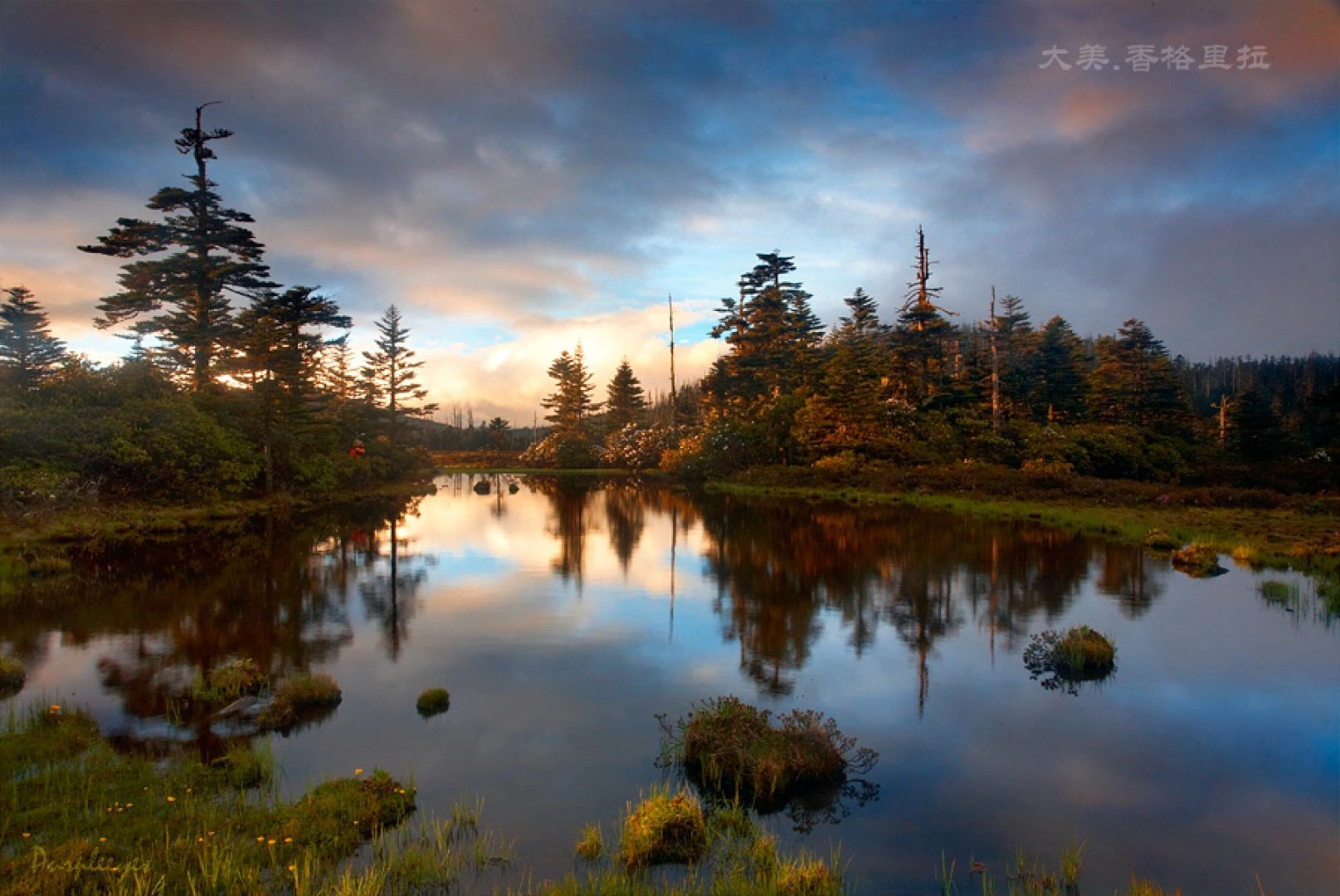
At sunset, the sun never fully broke free from the clouds, but it still gifted us a "consolation prize" of radiant beams.
Sleep that night was miserable—my first time camping outdoors. A wide gap in the wooden wall let the wind whistle through, and when the fire died in the early hours, the cold became unbearable. I woke up frozen at 5:30 AM.
Morning's Reward
When I got up, the clouds were still thick. But the heavens finally took pity on us—after waiting over an hour, the sun slowly emerged from behind the clouds. I framed a shot in front of a pool of water, and the reflection was stunning!
Part Five: Practical Q&A—Everything You Want to Know
Where to Photograph the Azaleas?
The easiest spot is along the highway from Lijiang to Shangri-La, near Xiaozhongdian, about a 30–40 minute drive from Shangri-La. More beautiful locations are in the wild, requiring a car to reach—and exact addresses are hard to pin down.
What Are the Must-Visit Spots in Shangri-La?
Songzanlin Monastery (Ganden Sumtseling Monastery): Reachable by bus; allow about half a day for a visit.
Potatso National Park: You'll need a rental car; it's best to save the driver's number. A half-day visit is possible by car, but a full day if you walk the boardwalks.
Yangtangqu River: Recommended for summer visits; you can raft from the source. Wildflowers bloom everywhere in summer, and wolfbane turns the hills red in autumn. Requires a rental car; about a 30-minute drive from Shangri-La.
Napahai Lake: Requires a rental car; about a 20-minute drive. There's a ring road around the lake, great for sunrise views. It seems they're now charging admission.
Thousand Lake Mountain (Qianhu Shan): Requires a rental car plus hiking; horses can be rented but need to be booked in advance. Allow at least a full day.
Bigu Lake (Bigu Tianchi): Requires a rental car; an uninhabited alpine pasture. Overnight stays require camping gear; a day trip is possible, but the drive is about 4 hours each way.
Shangri-La Grand Canyon (Birang Gorge): Requires a rental car; about 3 hours each way. Allow at least a full day for the visit.
Meili Snow Mountain + Yubeng Village: Requires a rental car and overnight stay; about a 7-hour drive.
Epilogue: Drunk in Shangri-La—More Than Just a Trip
Fifteen days. I experienced the anxiety of waiting for divine light, the joy of stumbling upon a newborn calf, the bone-chilling cold of a mountain night, and the overwhelming emotion of a sunrise. Shangri-La's beauty is never handed to you on a silver platter. It demands your time, your endurance, and your patience. And then, just when you least expect it, it rewards you with something breathtaking.
If you want to get drunk in the azalea seas of May, remember this: bring good luck, but also bring a good attitude. The plateau's weather is like a willful child—you never know if the next moment will bring sunshine or snow.
But it's precisely this uncertainty that makes every encounter precious.
Finally, thank you to Mr. Zhou for his unwavering companionship, and to my two travel companions for their understanding and patience. The story of Shangri-La continues—I've already written about autumn in Shangri-La in another article. And the journey from Shangri-La to Namtso Lake is an even longer tale waiting to be told.
May everyone who dreams of the plateau find their own sea of flowers in Shangri-La.
You should also read:
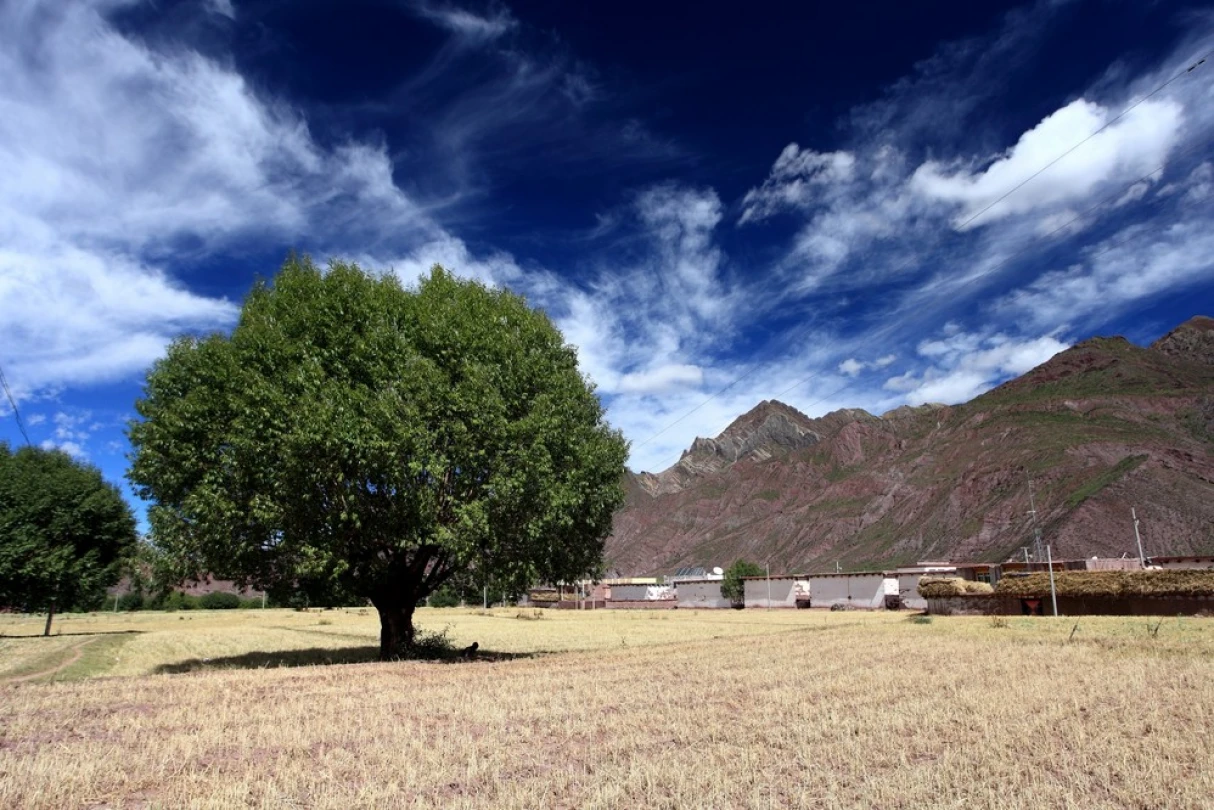
Big Bear and Little Cat Explore China: [A Self-Guided Tour of the Shangri-La Region: That Sky, So Blue It Feels Unreal!]
Big Bear and Little Cat Explore China: [A Self-Guided Tour of the Shangri-La Region: That Sky, So Blue It Feels Unreal!] Prologue: Why Shangri-La? In September 2011, my friend and I followed the Yunnan-Tibet Highway into the Greater Shangri-La region. Six days of travel, without…
Continue reading...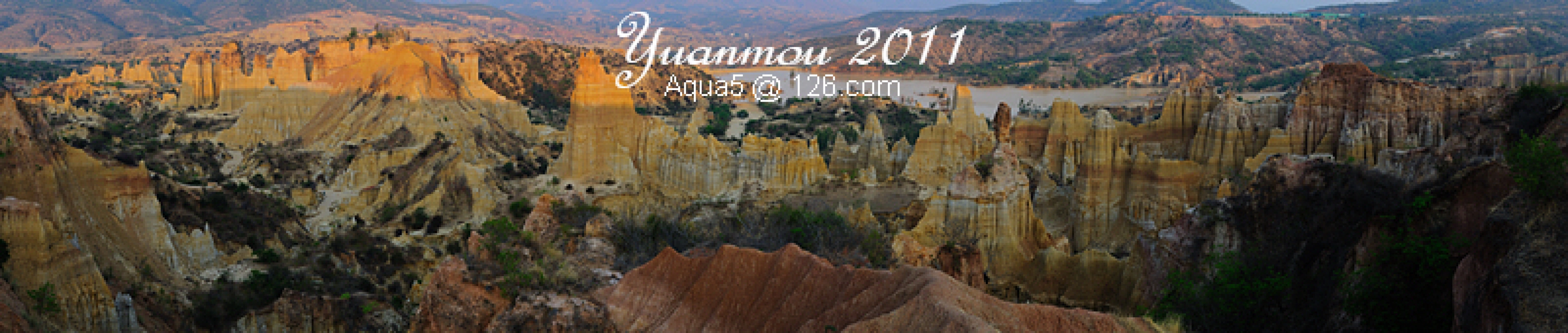
A Journey Through Time: The Earthen Forest of Yuanmou — April 2011 Chuxiong & Yuanmou Self-Drive Guide
A Journey Through Time: The Earthen Forest of Yuanmou — April 2011 Chuxiong & Yuanmou Self-Drive Guide Some journeys are destined to take root in your memory. In April 2011, I set out from Shuhe in Yunnan, heading north toward the Chuxiong Yi Autonomous Prefecture,…
Continue reading...
Dreaming of Lijiang, Dreaming of Shangri-La: A Journey That Lets Your Soul Breathe Deeply
Dreaming of Lijiang, Dreaming of Shangri-La: A Journey That Lets Your Soul Breathe Deeply Life is like a long trek. We're always rushing through the concrete jungle, searching for a glimmer of light in the monotony of our days. Then one autumn, I heard the…
Continue reading...