Drunken Dreams Amidst the Clouds: A 12-Day Self-Guided Tour of Kunming, Dali, and Lijiang

Drunken Dreams Amidst the Clouds: A 12-Day Self-Guided Tour of Kunming, Dali, and Lijiang
A youthful journey is a treasure for a lifetime…
My Yunnan adventure began with an invitation from a friend at the end of last year. At the time, I was tied up with trivial matters and couldn't go, but the thought lingered on—"body not yet moving, but heart already far away." This August, I gave myself a long vacation, packed my bags, and eagerly set off on this journey to chase the clouds. The itinerary was the classic route: Kunming, Dali, Lijiang.
As usual, let me start with some stunning photos to set the mood!
The elegant and picturesque Wuhua Tower (Five Phoenix Tower) in Dali's Ancient City.
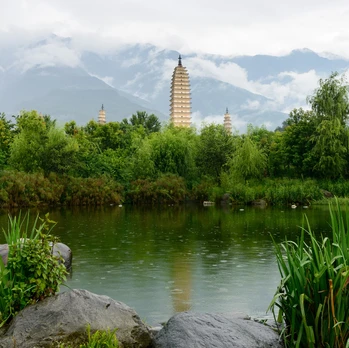
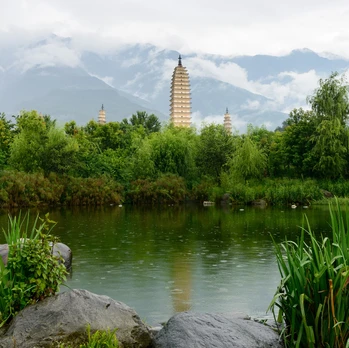
The Three Pagodas of Chongsheng Temple shrouded in mist and rain.
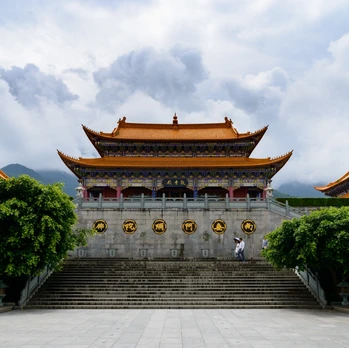
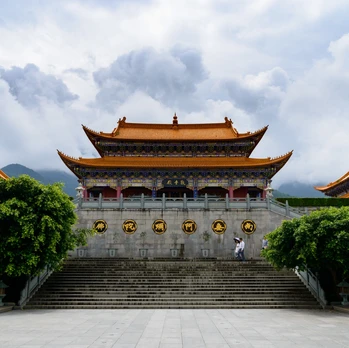
The Guanyin Hall of Chongsheng Temple, where swirling clouds create a celestial atmosphere.
"Little White" and "Little Green," two dogs I met by chance on the shores of Erhai Lake.
Seeing those flowers, seeing the sunset glow over Erhai Lake.
The Yuyin Tower of Lijiang's Mu Palace, which from the side looks like five phoenixes about to take flight.
The Jade Dragon Snow Mountain faintly visible behind the Deyue Tower in Lijiang's Black Dragon Pool Park.
Morning heavenly light spilling over Lugu Lake.
Lige Peninsula on Lugu Lake, known as "The Tear of Goddess Gemu."
Lise Island on Lugu Lake, like an emerald set in the turquoise waters.
The "Number One Magpie Bridge in the World," the Mosuo people's "Walking Marriage Bridge," winding across the grassy sea.
A couple leaning on each other at dawn, waiting for the sunrise over Lugu Lake.
Trip Overview
Train Schedule

- Day 01–Day 02: Nanjing → Kunming
- Day 03: Kunming – Cuihu Park (Green Lake Park) – Yunnan Military Academy (Yunnan Army Military Academy) – Yunnan University – Jinma Biji Archway (Golden Horse and Jade Rooster Archways)
- Day 04: Kunming → Dali – Dali Ancient City
- Day 05: Dali Ancient City – Chongsheng Temple (Three Pagodas Temple)
- Day 06: Dali → Shuanglang – Shuanglang Town – Yuji Island (Jade Ji Island) – Nanzhao Customs Island – Dajian Village
- Day 07: Shuanglang Town – Wase Town – Xiaoputuo Island (Little Putuo) – Shuanglang → Lijiang
- Day 08: Lijiang Ancient City – Black Dragon Pool Park – Shuhe Ancient Town
- Day 09: Lijiang → Lugu Lake
- Day 10: Daluoshui Village – Lige Peninsula – Xiaoluoshui Village – Goddess Bay – Walking Marriage Bridge – Daluoshui Village
- Day 11: Lugu Lake → Lijiang – Lijiang → Kunming
- Day 12: Kunming → Nanjing
Pre-Trip Preparation
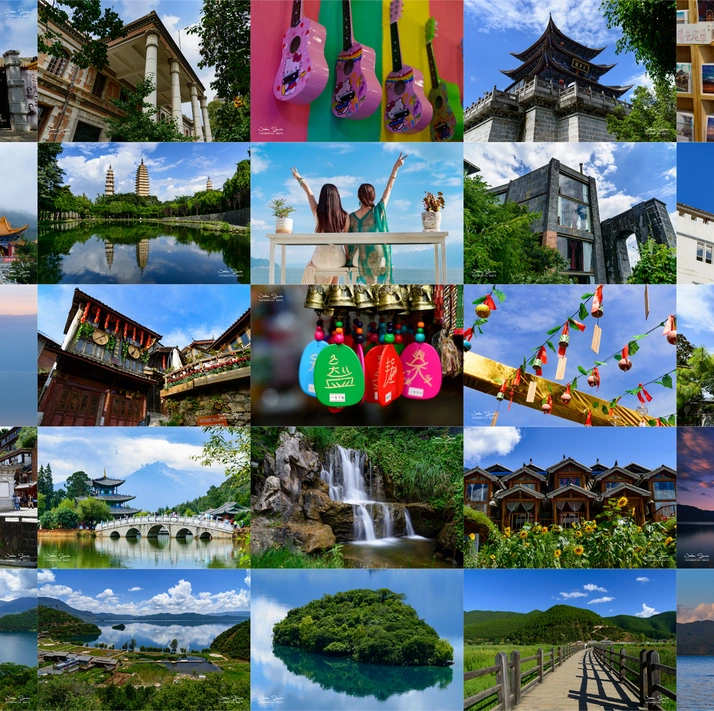
1. Sun Protection Essentials: Sun Hat, Sunscreen, Sunglasses
Yunnan has generally high altitudes and extremely strong UV rays, so thorough sun protection throughout the trip is essential.
***On Day 11, I cycled around Lugu Lake for a full day without applying sunscreen to the back of my hands. By evening, they were red and swollen, and a week after returning home, the skin started peeling.
2. Rain Protection Essentials: Umbrella, Raincoat, Waterproof Shoe Covers (Choose as needed)
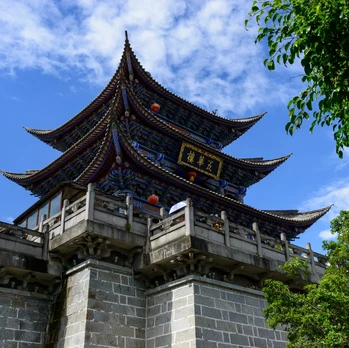 Affected by the southwest monsoon, Yunnan's rainy season runs from June to September, with almost daily rainfall. However, most showers are brief and won't disrupt your itinerary.
3. Warm Clothing: Long-Sleeved Shirts and a Jacket
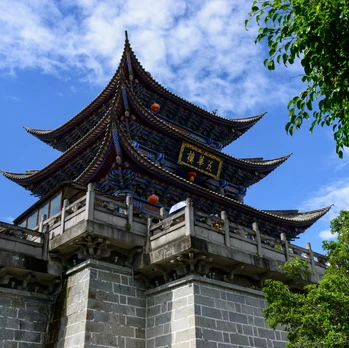 Although I traveled in summer, the temperature difference between day and night in high-altitude areas is significant. Bringing a set of long-sleeved clothing and a jacket is necessary.
4. Digital Camera: Yunnan's scenery is like a painting, so of course, I wanted to capture it well. My camera gear for this trip included:
- Sony A6000 + E1670F4 – The ultimate travel companion; about 80% of the photos in this trip were taken with it.
- Sony A7 + FE55F1.8 – Used for night scenes, indoor shots, portraits, and other situations requiring a large aperture.
- FE720F4 – A telephoto lens originally planned for shooting the Jade Dragon Snow Mountain, but not used due to itinerary changes.
- Tripod – Essential for night scenes, sunrises, and sunsets, so I carried it despite the weight.
5. Tip: Pack in a Backpack Instead of a Suitcase
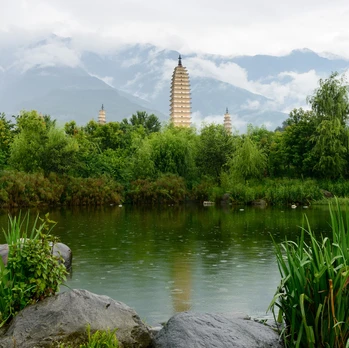 The ancient towns of Dali, Shuanglang, and Lijiang feature mostly cobblestone streets, which are bumpy and sometimes under repair. Combined with the muddy conditions during the rainy season, a backpack is much more practical.
Cost Breakdown
- Transportation: ¥2,499.70 – Since this was peak season and I hadn't planned ahead, I had to take cheaper trains on the way there and pay more for the return flight.
- Accommodation: ¥1,348.00 – Even during peak season, booking a guesthouse 1–2 days in advance via mobile app was easy; rooms weren't hard to find.
- Food & Drinks: ¥814.00
- Entrance Fees: ¥402.00 – Tickets for Jade Dragon Snow Mountain were in high demand and required booking at least 3 days in advance; other attractions had plenty of availability.
- Souvenirs: ¥130.00
- Total: ¥5,193.70
Tip: ATMs are scarce along the route, so bring enough cash. That said, Alipay and WeChat Pay are widely accepted.
Day 03: One Day in Kunming
A solo train journey; a solo trip.
They say if you've never taken a train to a distant place in your life, your life is incomplete.
So, on August 8th, I resolutely boarded the regular express train from Nanjing to Kunming.
Then came a grueling 41 hours. After suffering through insomnia and delays, I finally arrived in the Kunming I had been longing for at 10:00 a.m. on the 10th.
So, my story begins with Day 03: A One-Day Tour of Kunming…
Day's Itinerary:
 Kunming Railway Station → Cuihu Park (Green Lake Park) → Yunnan Military Academy → Yunnan University → Jinma Biji Archway
Accommodation:
 Sleeper berth – that night, I took the train from Kunming to Dali, spending my third consecutive night on a sleeper.
Main Expenses:
- Nanjing–Kunming K155 train ticket: ¥488.50 (excluding onboard meals)
- City bus tickets: ¥4.00 (generally ¥1–2 per ride)
- Food, snacks, and drinks: ¥72.00 – The food near the train station was terrible, so I recommend eating in the city center.
Tip: Large luggage can be stored at the left-luggage office at Kunming Railway Station for ¥5.00, as long as you pick it up before 11:00 p.m. that day.
Cuihu Park (Green Lake Park)
Since my Kunming itinerary was only one day, I chose Cuihu Park, which is closer to the railway station, over Dianchi Lake. From the station, I took Bus No. 2 to Wuyi Road Talent Market and walked 609 meters to the park's south gate.
Cuihu Park was originally a bay of Dianchi Lake, covering 21 hectares, near the Yunnan Military Academy and Yunnan University. Inside the park, Ruan Embankment runs north-south, and Tang Embankment runs east-west. The central island features Qing Dynasty structures like the Central Pavilion and Fish-Watching Tower. The park is named "Cuihu" (Green Lake) for its weeping willows and clear waters. Every winter, thousands of red-beaked gulls migrate here from the north, but unfortunately, I visited in summer and missed them.
From the shore outside the park, the lake shimmered, trees cast green shade, and lotuses bloomed—a pleasant surprise.
The Gull-Watching Pavilion Tea Restaurant by the south gate made me long for the beautiful scene of "wings fluttering, coming and going" and "chirping sounds."
At the park entrance stood a sculpture of Zhou Dunyi's "Love of the Lotus," featuring the famous line: "Emerging from muddy water yet unstained, bathed in clear ripples yet not seductive." It perfectly described the park's abundant lotuses.
The south gate of Cuihu Park was bustling with visitors on that sunny day. The park has four gates: the east gate near Yunnan University and the west gate near the Yunnan Military Academy.
Inside, lotuses bloomed gracefully, their petals delicate and vibrant. Many local photographers were capturing the scene.
The park boasts nearly a hundred varieties of lotus, and every summer, it presents the splendid sight of "ten acres of lotus, a world of fish; half the city of willows, Buddhist towers."
The fragrance of lotuses attracted bees and butterflies, tirelessly fluttering among the flowers.
A tranquil paradise, with pavilions reflected in the water—truly deserving the name "Jade in the City."
A statue of Nie Er, a native of Yuxi, Yunnan, who adapted the Kunming Dongjing music into the folk orchestral piece "Cuihu Spring Dawn."
The "Release Life Pond" on the west side of the Central Pavilion is a famous spot for "watching fish from the moat."
The Lotus Zen Temple, also west of the Central Pavilion, has been converted into an amusement area, resembling a small temple fair. Crowds of people gathered, and it's open until 10:00 p.m., making it a great place to relax and cool off. The area includes cafes, a food court, and several boutique shops.
A display window at a Pu'er tea shop inside the temple.
A Heqing tile cat sculpture at a ethnic handicraft shop. In the Bai ethnic area of Heqing, tile cats are auspicious beasts used to ward off evil and disasters. Their exaggerated forms, wide mouths, and tiger-like crouching postures are full of character.
Yunnan Army Military Academy
The Yunnan Army Military Academy was a famous modern military school in China, established in 1909. Along with the Tianjin Military Academy and the Fengtian Military Academy, it was known as one of the three major military academies. Located at Chenghua Pu on the west bank of Cuihu Lake in Kunming, it's just 80 meters from the west gate of Cuihu Park. The surviving site is a large-scale traditional Chinese "horse-turning corridor" building made of earth, wood, and stone. It's square-shaped, with the east, west, south, and north wings each about 120 meters long and 10 meters wide, symmetrically connected around a central drill ground. The academy trained many outstanding military leaders and revolutionaries, including founding marshals Zhu De and Ye Jianying, as well as North Korean Vice Marshal Choi Yong-kun and Vietnamese General Vo Nguyen Giap.
The main gate is a Gothic-style archway, while the entrance building is beige with a Chinese-style pitched roof covered in black tiles, accented with Western arched window decorations—a blend of Chinese and Western architecture.
A wooden catwalk inside the school, used for daily military training.
The north and south wings served as student dormitories. The south wing has a raised central section, the reviewing stand.

A glimpse of the school's drill ground.
During my visit, the south wing hosted an exhibition on the Chinese Expeditionary Force. This wax figure display shows Chinese forces accepting the Japanese surrender.
The school's successive principals—the only familiar name to me was "King of Yunnan," Long Yun.
The academy offered five branches: infantry, artillery, cavalry, engineers, and logistics. This is a restored classroom corner, with a lesson on "incendiary shells" (firebombs), which seemed quite advanced.
Textbooks like "Military Etiquette" for drill exercises, displayed on a mobile electronic screen for viewing details.
An artillery piece displayed in the site museum, its weathered surface and bullet holes vividly telling its storied past.
Yunnan University
Founded in December 1922, Yunnan University is one of the earliest comprehensive universities on China's western frontier. Located in Kunming, with its pleasant climate and spring-like weather year-round, the campus is "scenic everywhere and blooming every season," making it one of China's ten most beautiful universities. From Cuihu Park's north gate to Yunnan University's south gate is about 350 meters, a 5-minute walk.
The "Tengjiao" (Soaring Dragon) and "Qifeng" (Rising Phoenix) arches were originally the gates of the Ming and Qing Dynasty Yunnan Examination Hall, imbuing the place with auspicious hopes.
Huize Hall, the university's iconic building, was completed in 1924. Its name means "gathering the wisdom of a hundred schools." It's a classic French-style building, "adopting both Chinese and Western styles, preserving tradition without being rigid, and embracing modernity without being frivolous."
For nearly 80 years, Huize Hall has witnessed the university's development. Many "literary young women" and cosplayers take photos in front of the building.
East of Huize Hall stands a two-story wooden-and-earth building, the former residence of Xiong Qinglai. Xiong served as Yunnan University's president from 1937 to 1949, tirelessly building it into a comprehensive university with a full range of disciplines, ranking among the country's top universities.
The lawn behind Huize Hall is very flat, with tender green grass often visited by birds and even small squirrels.
On the west side of the lawn stands a water tower built in 1955, also serving as a bell tower. The tower has seven floors, is 26 meters tall, and reaches 30 meters including the steel frame. "Bell Tower in Sunset Glow" is a famous campus scene, but a sudden rain shower prevented me from seeing it.
Jinma Biji Archway (Golden Horse and Jade Rooster Archways)
The Jinma Biji Archway was first built during the Xuande era of the Ming Dynasty. The east arch, facing Jinma Mountain, is called Jinma Arch (Golden Horse), and the west arch, facing Biji Mountain, is called Biji Arch (Jade Rooster). With their intricate carvings and vibrant colors, they embody Kunming's folk characteristics and are a symbol of the city. Their unique feature is that, at a specific moment, the "golden and jade glow" phenomenon occurs, creating a spectacular sight that is said to happen only once every 60 years. From Yunnan University to the archways is about 3 kilometers, reachable by bus or taxi.
To the north of the two archways is a pedestrian street, and to the south is a tourist souvenir market, including ethnic clothing stores, tea shops, silverware shops, and many restaurants and snack stalls—a great place for shopping.
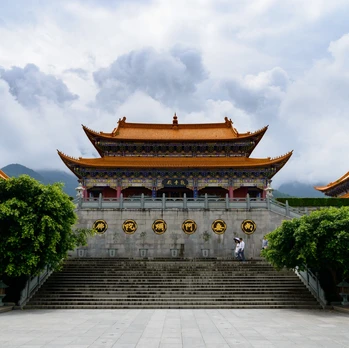
A giant Pu'er tea cake displayed at the entrance of a tea shop.
Many clothing stores in the market are very refined and feature strong ethnic characteristics.
As night fell, the lights on the Jinma and Biji archways lit up, making them even more dazzling and resplendent.
After exploring the night market near the archways, I took Bus K12 back to Kunming Railway Station. Suddenly, the weather changed dramatically, and torrential rain poured down—my first day in Kunming had already shown me the city's fickle weather. After waiting over an hour, the rain eased, and I successfully retrieved my stored luggage. I boarded the 23:15 K9692 train from Kunming to Dali, beginning a brand new day's journey.
Day 04: Dali Ancient City

My love for Dali began with the movie Heart Road Let Go. On a warm afternoon, sitting quietly by Erhai Lake, with sunlight spilling freely over the water and the misty Cangshan Mountains faintly visible in the distance—this, I thought, must be the poetry and the faraway place.
Due to rain, my train was delayed again—the original 6-hour journey took nearly 8 hours.
Around 9:00 a.m., after another nearly sleepless night, I finally set foot in Dali, the land of wind, flowers, snow, and moonlight.
Day's Itinerary:
Kunming Railway Station → Dali Railway Station → Dali Ancient City (Fuxing Road, Yangren Street (Foreigner Street), Renmin Road (People's Road))
Accommodation:
 Dali Love This Time Guesthouse, standard double room. Even during peak season, booking a guesthouse 1–2 days in advance was still possible.
Main Expenses:
- Kunming–Dali K9692 train ticket: ¥102.50
- City bus ticket: ¥2.00
- Accommodation: ¥196.00
- Food, snacks, and drinks: ¥55.00
Tip: Dali Railway Station is in the new city, about 17 km from the ancient city. Take the Chongsheng Temple Three Pagodas shuttle bus to Yita Road and walk to the south gate.
I actually arrived at Dali Ancient City around 10:40 a.m., exhausted and weighed down by luggage. My only comfort was that I'm not directionally challenged—I found my booked guesthouse without any trouble. When I checked in, I was told my room was still being cleaned. Fortunately, the guesthouse had a nice courtyard, and the owner offered me tea for half an hour before I finally got settled.

I charged my devices, showered, did laundry, and rested for an hour. After a bowl of smooth and delicious rice noodles at a shop across from the guesthouse, I set out for the ancient city. Three minutes later, I reached the south gate, where the sky was bright with sunshine and dotted with white clouds.
Dali Ancient City sits at the foot of Cangshan Mountain and on the shores of Erhai Lake. Its history dates back to the Tianbao era of the Tang Dynasty, when the Nanzhao King Geluofeng built Yangjumie City. Over the 500-plus years of the Tang and Song Dynasties, it was Yunnan's political, economic, and cultural center. The current city was first built in the 15th year of the Ming Dynasty's Hongwu reign (1382), covering an area of 3 square kilometers.
The south gate is the foremost of the city's four gates and its oldest and most majestic structure. The characters "大理" (Dali) on the gate were personally inscribed by Guo Moruo during his visit in 1961. "Dali" means "great order and great governance, enriching the country and revitalizing the state." The city sits at an altitude of 2,052 meters, and UV rays are strong—many visitors carry umbrellas for shade.
From the south gate tower, looking north, you can see the entire ancient city and even the Three Pagodas of Chongsheng Temple at the foot of Cangshan Mountain in the northwest. Under the blue sky, white clouds swirl—a breathtaking view. The prominent building in the center is the famous Wuhua Tower (Five Phoenix Tower).
Under the blue sky and white clouds, the south gate tower stood majestic and solemn, with intricate carvings and exquisite details.
Fuxing Road
Descending from the south gate and stepping into the ancient city, I was immediately engulfed by a sea of people. The bustling crowds evoked the city's past prosperity. Directly facing the gate is Fuxing Road, which runs north-south through the city. Wuhua Tower, the President and Marshal's Mansion, and the Confucian Temple are all located along this street.
Fuxing Road is the main north-south thoroughfare of Dali Ancient City. From its construction during the Ming Dynasty through the Qing Dynasty and the Republican era, the street's layout and residential architecture have remained largely unchanged. Both sides are lined with shops selling local specialties like tie-dye clothing, Heqing silver jewelry, Dali marble crafts, Burmese jade, Pu'er tea, and preserved fruits.
Along the roadside, there are many stalls selling rushan (milk fans), a cheese eaten by the Bai and other ethnic groups in northwestern Yunnan. It's typically grilled or fried, costing ¥5 per skewer. It has a faint cheese flavor, but I wasn't particularly fond of it.
Xianhua bing (flower cakes) are another local snack. These are crispy pastries filled with edible roses unique to Yunnan. Golden and crunchy on the outside, they have a strong rose fragrance. At ¥2 each, they're truly delicious and affordable.
Almost every few dozen meters, there's a shop selling African drums, often paired with ukuleles and original music CDs. And the drummers? Always handsome men and beautiful women—or, as they say in Dali, Apeng and Jinhua.
A display of ethnic-style shoulder bags and cloth shoes outside a shop, with intricate patterns.
Bai ethnic earrings in vibrant colors. There are also many stalls offering braided hair accessories, priced at about ¥10 for six strands, with colors to choose from.
I passed by the highly rated "Ding Ding & Dang Dang" dessert shop and ordered a plain yogurt. It was pure and delicious.
Following Fuxing Road, I soon arrived at Du Wenxiu's President and Marshal's Mansion. Originally the Yunnan Governor's Mansion, it was built during the Kangxi reign of the Qing Dynasty. During the Xianfeng era, Du Wenxiu led a rebellion of the western Yunnan ethnic groups, captured Dali, and converted the governor's mansion into his marshal's residence. It now houses the Dali City Museum.
The museum's stele forest contains numerous stone inscriptions, a significant symbol of Dali's long history and rich cultural heritage.
Leaving the museum and continuing straight, following the signs on Fuxing Road, I reached Wuhua Tower.
Wuhua Tower was historically used for official banquets and entertaining guests. Five stories high, it's a simple and elegant building with grey tiles, surrounded by clear streams flowing down from Cangshan Mountain. Supported by four pavilions, it has become one of Dali Ancient City's iconic landmarks.
Viewed from the surrounding pavilions, Wuhua Tower appears even more elegant and striking.
About 20 meters past Wuhua Tower, on the left side of the street, I found a postcard shop called "Three Lives Have Letters." It offers a wide selection of postcards featuring Dali's famous sights: Xiaguan Wind, Shangguan Flowers, Cangshan Snow, and Erhai Moon. Many of the photos are beautifully taken. The shop also offers a mailing service—a great way to pick a few for yourself or send them to friends.
It's not just the postcard shop; even the city's post office has absorbed the ancient city's literary and artistic vibe.
Can you guess what these cute little things are? If you have time, go explore the ancient city and find out for yourself.
Dali's local leather goods also have strong ethnic characteristics, ranging from toys like rattles to animal-shaped decorations and practical items like wallets and backpacks.
Hand-painted T-shirt shops are also common in the ancient city. You can have a custom portrait painted on a white T-shirt, and the artists are generally quite skilled. Many of the T-shirts with text are also quite unique.
Bai ethnic houses typically feature white walls and grey tiles, with ink-wash paintings decorating the gables and corners, giving them an elegant and dignified look. The Bai people also love flowers, so many murals feature floral themes.
Walking along Fuxing Road to Lingquan Lane leads to the north gate of the ancient city. During my visit, the north gate was under renovation, so I couldn't climb it. The area around the north gate is a residential district, retaining more of the local daily life, unlike the tourist-heavy south gate. If you want to experience the everyday life of Dali Ancient City's residents, this is a good area to explore or even choose accommodation, as it's also closer to Chongsheng Temple's Three Pagodas.
Yangren Street (Foreigner Street)
After finishing the north-south main street of Fuxing Road, I headed back and visited the east-west "Foreigner Street."
Foreigner Street is 185.6 meters long and 5.4 meters wide, paved with bluestone slabs, intersecting with Bo'ai Road and Fuxing Road. It emerged in the 1980s when overseas tourists visiting Dali Ancient City mostly stayed at the Dali City No. 2 Guesthouse on former Huguo Road. Gradually, restaurants, bars, and shops catering to foreign visitors opened nearby, forming a distinctive tourist street with a high concentration of international visitors.
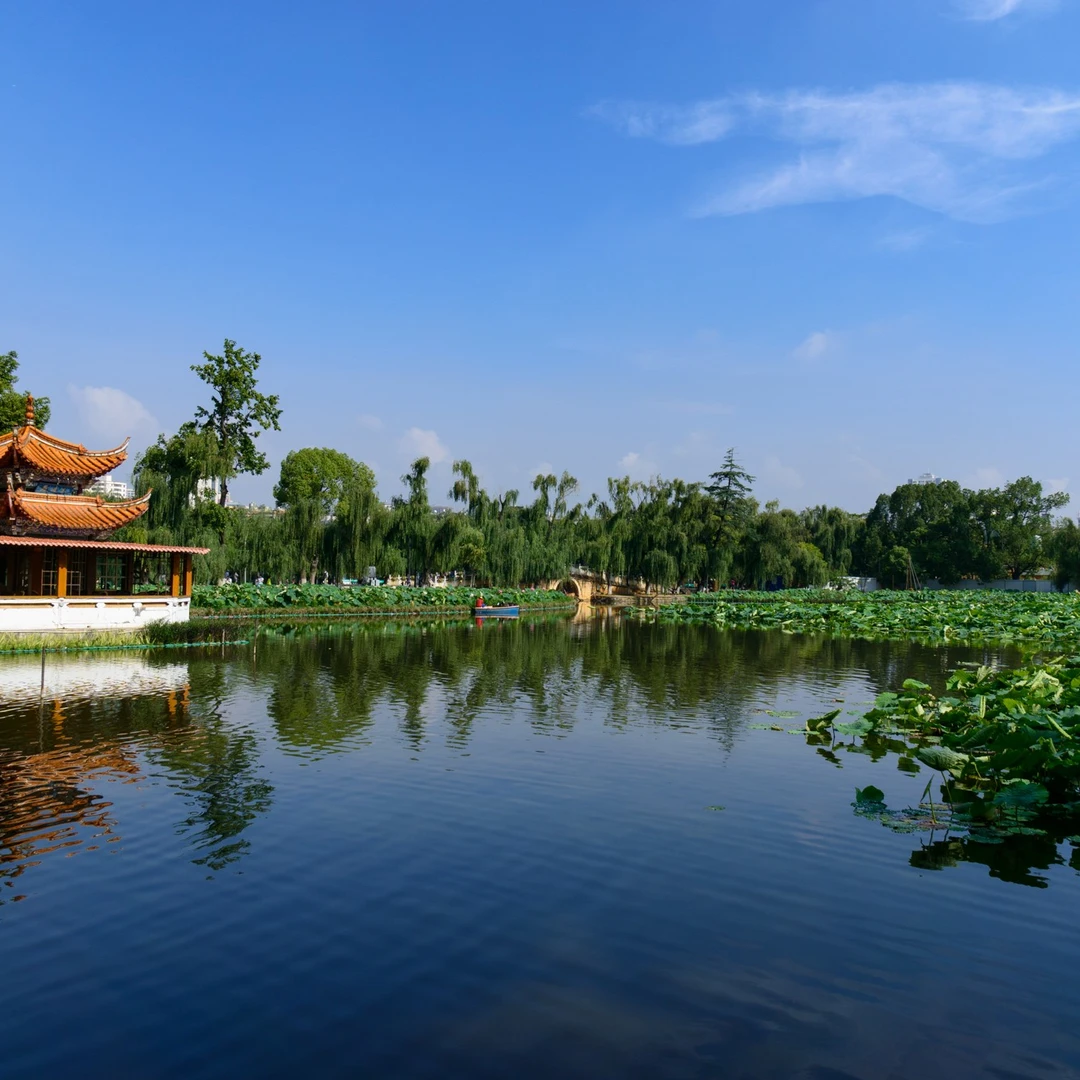
The street is lined with bars, Western restaurants, and cafes, most with highly individualistic decor. Shop signs and posters are often bilingual in Chinese and English. During the day, the bars are relatively quiet, but they come alive at night. Overall, the prices are not too high.
The slogans outside the bars were also very quirky—unfortunately, no one was there to drink with me until we both went crazy.
Foreigner Street also offers many handicraft shops and stores selling Yunnan specialties like tea and coffee.
In fact, the biggest surprises on Foreigner Street—or even the entire Dali Ancient City—often lie in the small alleys and side streets. If you patiently explore, you'll always find exquisite little shops: a guesthouse, a tea house, a wine shop, each with its own character. Compared to the noisy main streets like Fuxing Road, Foreigner Street, and Renmin Road, these alleys have fewer tourists, allowing you to experience the ancient city's quieter side and the serene beauty behind the hustle and bustle.
Renmin Road (People's Road)
From Foreigner Street, walking south through any alley for about 170 meters brings you to Renmin Road, another famous and busiest street in Dali Ancient City. Renmin Road is about 1.5 kilometers long, extending east to Erhai Gate. Both sides are lined with bars, cafes, restaurants, and various trendy shops, creating a lively atmosphere. In the evening, many interesting street stalls sell handicrafts, and independent musicians perform their original songs on the streets.
One courtyard bar had a doorway less than 1 meter wide, but after walking through a 7–8 meter corridor, it opened up into a spacious and unique space. I think the shop name was GALA Gala.
The Bai people love flowers, so the bars on Renmin Road also use flowers and greenery for decoration. This fragrant atmosphere makes it easy to let go of all burdens and enjoy comfort and leisure—or indulge in a bit of wild abandon.
The drinks at these bars also have local character. For example, this cocktail called "Cangshan Sunset" was reasonably priced.
Walking from Renmin Road through a quiet alley called Xinmin Road for about 100 meters, I came across a church that blends ancient charm with Bai architectural art—the Holy Trinity Church. With its upturned eaves, intricate brackets, and delicate paintings, it's famous both in China and abroad, attracting worshippers and tourists from around the world. However, when I visited, the churchyard was undergoing landscaping, and it wasn't a Sunday, so there were few people.
The interior decoration wasn't as lavish as Western churches, but with its carved beams and painted rafters, it had a strong Bai architectural style, creating a solemn and dignified atmosphere.
Leaving the church, I noticed a late-night eatery called "Everything House." It was probably before dinner time, so there were almost no customers. The owner sat leisurely at the door with his feet on the table—I envied his comfort and ease.
Back on Renmin Road, feeling a bit thirsty, I wandered into a coffee shop and ordered a drink to recharge.
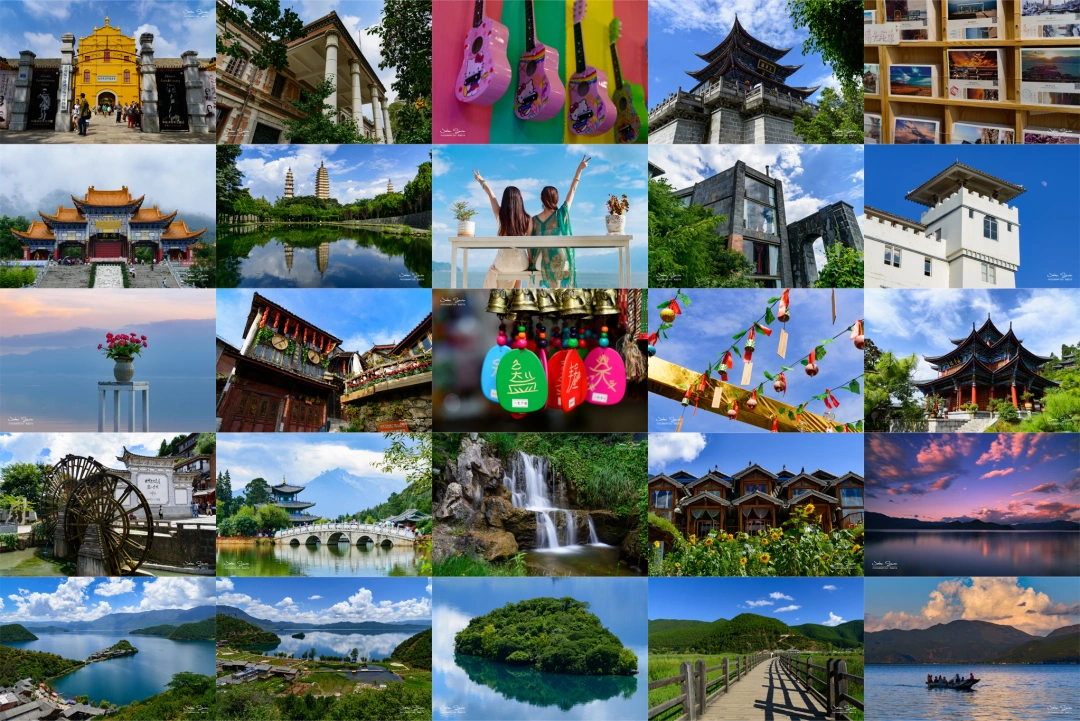
After a short rest, I resumed shopping. Renmin Road has many ethnic handicraft shops, perfect for treasure hunting. This small shop selling horn combs had huge horn decorations hanging from the ceiling, with a variety of combs and scraping tools in different sizes.
An oil-paper umbrella displayed in the window of a creative handicraft shop. The umbrella's surface featured floral patterns, full of classical charm. I was told it's also a national intangible cultural heritage item.
Due to its proximity to Lijiang, Dali Ancient City also has many shops selling Naxi ethnic products. This Dongba paper shop mainly sold Dongba paper lamps, shaped like fans, circles, or squares—simple and elegant, perfect for home decoration.
Chatting with the owner, I learned that Dongba culture is an important part of Naxi ancient culture, preserved through the Dongba religion. Dongba paper is a special paper used by Dongba priests to record Dongba scriptures and paint Dongba paintings. It's made from a rare wild plant found only in Naxi areas, Wikstroemia lichiangensis, using pure handcrafting methods. The tools are ancient and simple, but the process is complex. The magic of Dongba paper is that books written on it can last for a thousand years without decaying, with the writing remaining as fresh as new.
A small shop making dried flower crafts.
Another handmade leather goods store—the shop name was quite amusing.
By the time I finished exploring Renmin Road, it was past 9:00 p.m. I turned onto Fuxing Road and headed back to my guesthouse via the south gate. Passing Wuhua Tower again, I saw it illuminated by lights, looking even more resplendent and dazzling.
Oh, one more thing: a unique feature of Dali Ancient City is its water channel system that winds through the entire city, with water flowing along every street. The water comes from clear springs on Cangshan Mountain and is exceptionally pure. Many households still use it for washing vegetables.
I ended my day's journey with a photo of the south gate tower under the night sky. Finally, I could get a good night's sleep.
P.S. Note that although this tower also bears the characters "文献名邦" (Land of Culture), it is not the Wenxian Tower (Culture Tower), which is 1 kilometer south of the south gate.
Day 05: The Three Pagodas of Chongsheng Temple
I had long been captivated by beautiful photos of the Three Pagodas' reflections on Mafengwo and Lofter, making this a must-visit spot on my itinerary.
The night before, I booked a direct bus ticket to Chongsheng Temple on Tongcheng. The pickup point was at the tourist service center near the south gate. After a quick breakfast, I arrived at the pickup point at 8:30 a.m. and set off on my pilgrimage!
Day's Itinerary:
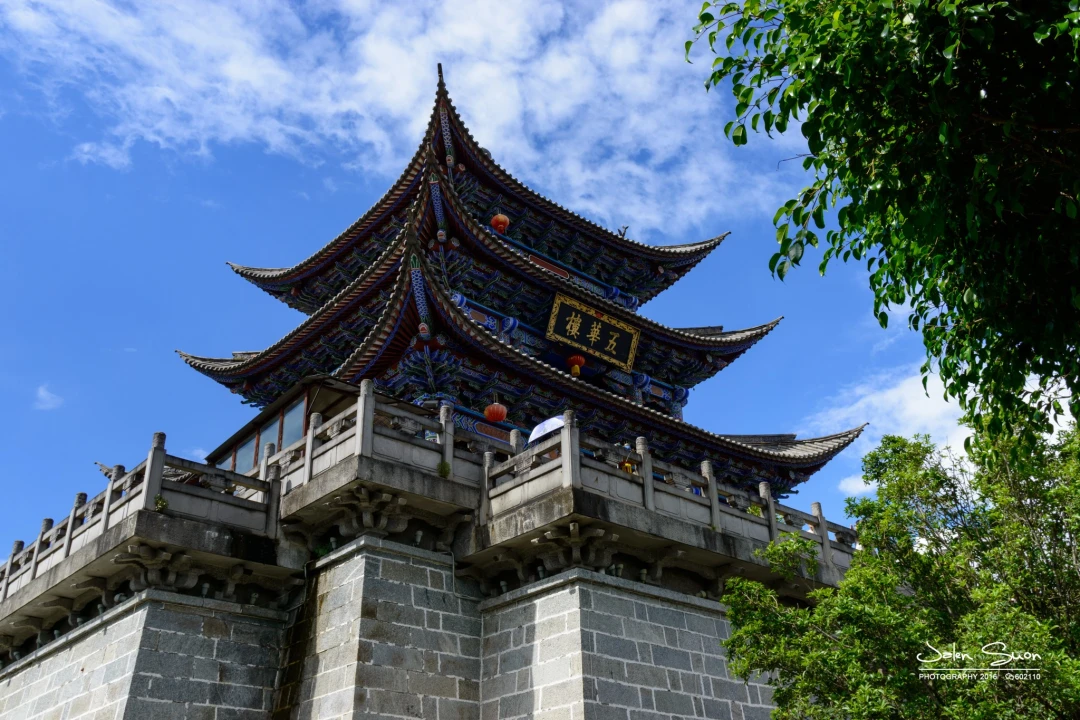 Dali Ancient City South Gate Tourist Service Center → Chongsheng Temple Three Pagodas Scenic Area → Dali Ancient City
Accommodation:
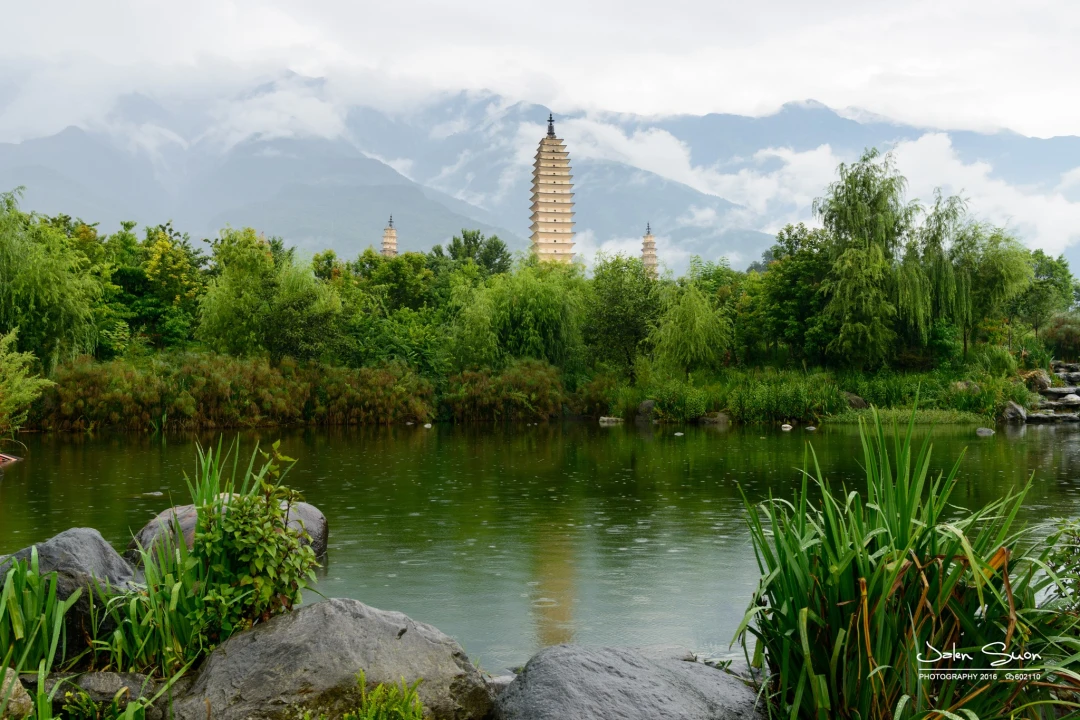 Dali Love This Time Guesthouse, standard double room.
Main Expenses:
- Chongsheng Temple ticket + direct bus: ¥97.00
- Accommodation: ¥186.00
- Food, snacks, and drinks: ¥71.00
Tip: The full-price ticket for Chongsheng Temple is ¥121.00, but online tickets are generally around ¥90.00. After purchasing, exchange for a paper ticket at the Chongsheng Temple tourist center.
Chongsheng Temple, also known as the Three Pagodas Temple, is located 1.5 kilometers north of Dali Ancient City, with Erhai Lake to the east and the Yingle Peak of Cangshan Mountain to the west. The temple was founded in the late Nanzhao Kingdom period and, after its completion, became the royal temple of both the Nanzhao and Dali Kingdoms...
You should also read:
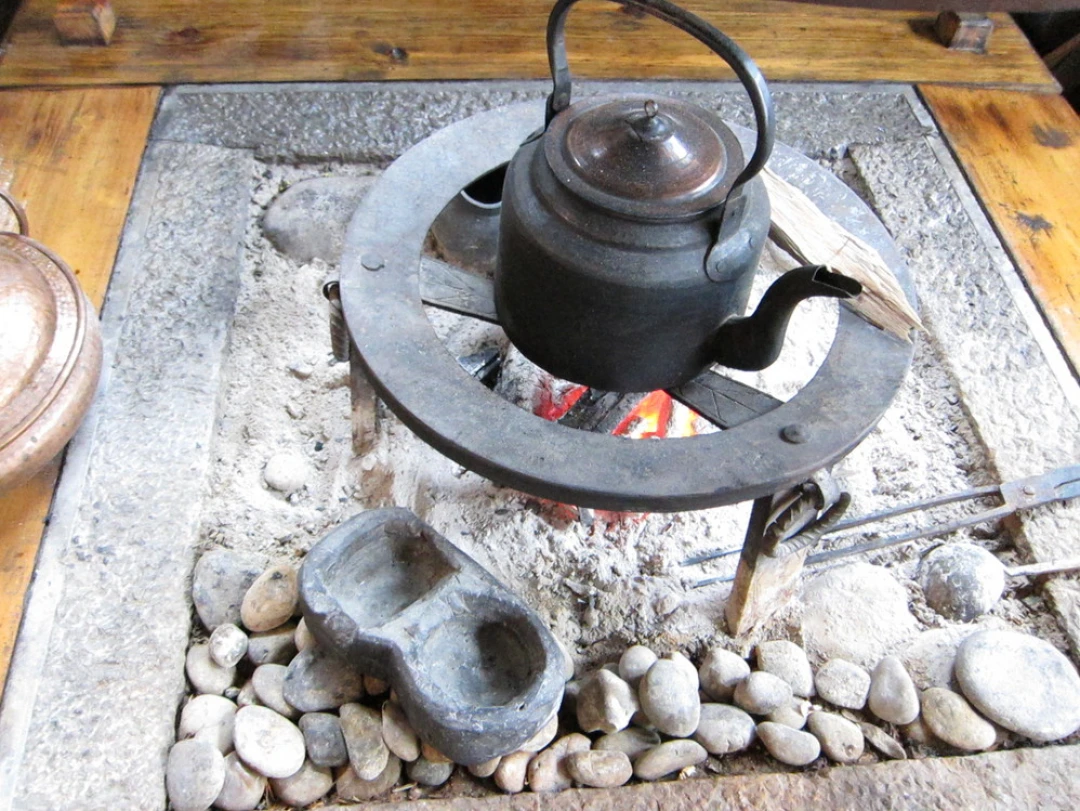
Dreaming of Lijiang, Dreaming of Shangri-La: A Journey That Lets Your Soul Breathe Deeply
Dreaming of Lijiang, Dreaming of Shangri-La: A Journey That Lets Your Soul Breathe Deeply Life is like a long trek. We're always rushing through the concrete jungle, searching for a glimmer of light in the monotony of our days. Then one autumn, I heard the…
Continue reading...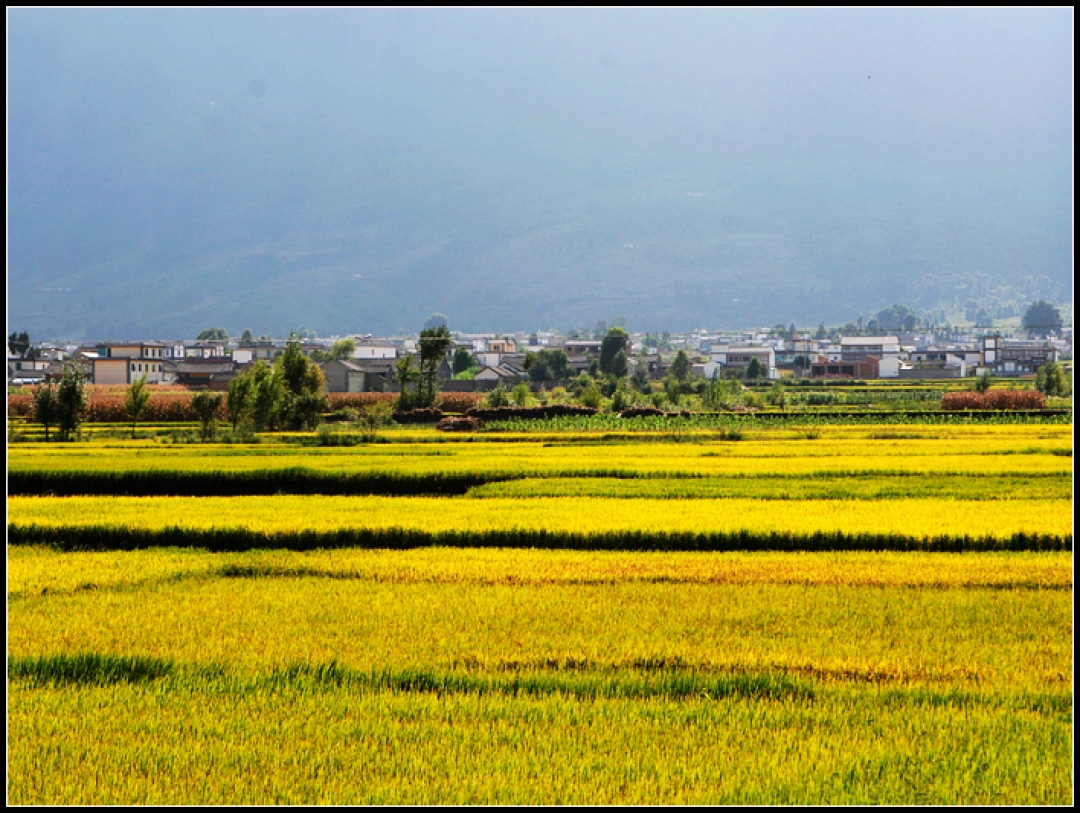
A 9-Day Yunnan Journey: From Lijiang to Dali to Tengchong – A Trip Toward Self-Reconciliation
A 9-Day Yunnan Journey: From Lijiang to Dali to Tengchong – A Trip Toward Self-Reconciliation Some say travel is simply going from a place you're tired of to a place other people are tired of. It stings to hear, but it's painfully true. Yet there's…
Continue reading...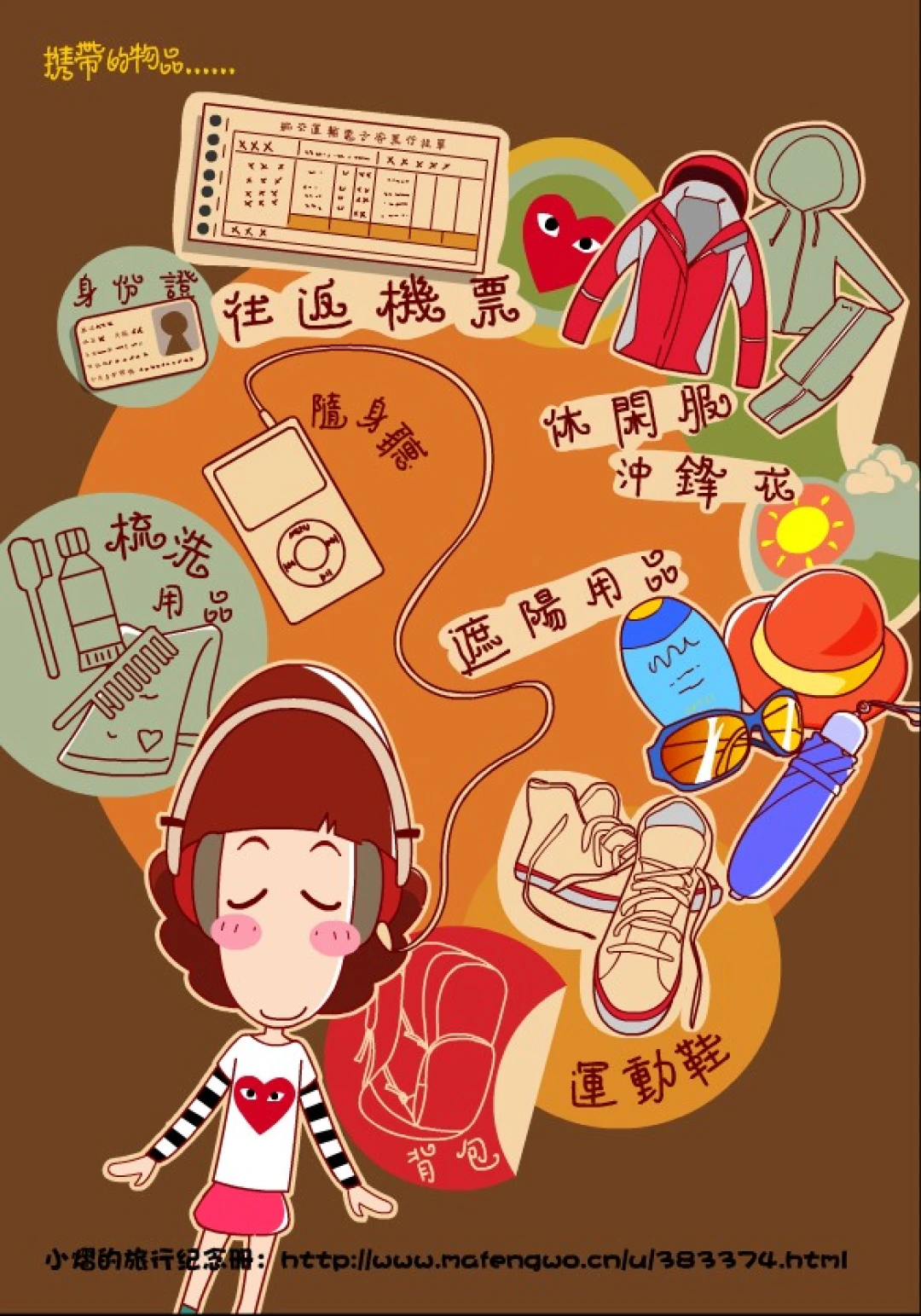
Dreamland – Lijiang: A Talking Comic Travel Guide
Dreamland – Lijiang: A Talking Comic Travel Guide Prologue: When Lijiang Takes Root in Your Heart Some places leave a mark on you forever. They're like an old song on repeat, suddenly playing in your mind on an ordinary afternoon. For me, Lijiang is that…
Continue reading...