Dulong River: At the Edge of Clouds and Mountains, Searching for the Last Hidden Land
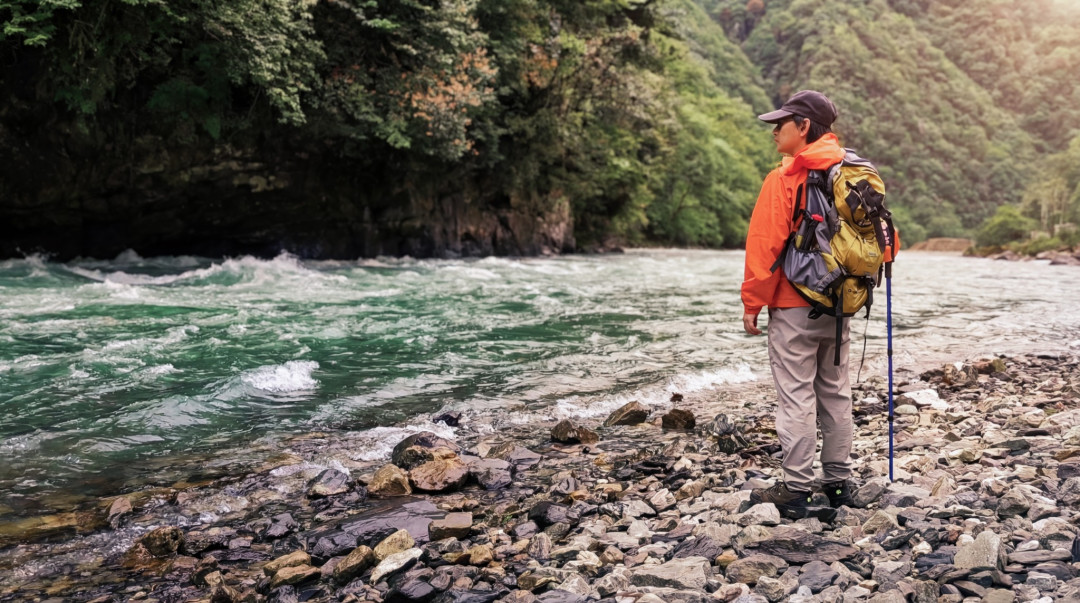
Dulong River: At the Edge of Clouds and Mountains, Searching for the Last Hidden Land
The morning mist has yet to lift, but the sound of the Dulong River has already pierced through the valley, like an ancient whisper awakening the slumbering mountains. This is the northernmost corner of Yunnan, a name almost forgotten on the map—the Dulong River. Just when you think you've explored every corner of Yunnan, the Dulong River still lies quietly at the far side of clouds and mountains, waiting for those truly willing to travel over mountains and rivers.
A River, a People, a Legend
The Dulong River originates in Zayü County, Tibet, flows through Gongshan Dulong and Nu Autonomous County in Yunnan, and eventually joins the N'Mai Hka River in Myanmar. Stretching about 250 kilometers in total, only 170 kilometers of it flow through China, yet it has nurtured one of China's smallest ethnic groups—the Dulong people.
This ethnic group, numbering just over 7,000 people, has lived for generations among the towering peaks of the Dulong River Valley. Until the 1950s, they still maintained a way of life reminiscent of the late primitive society, surviving through slash-and-burn agriculture, hunting, and gathering. What is most astonishing is the unique "facial tattooing" custom once practiced by Dulong women—using bamboo sticks dipped in soot to tattoo patterns on their faces. Some say it was to avoid being captured by other tribes, while others believe it was an expression of aesthetics and faith. Today, with social progress, the practice of facial tattooing has disappeared, and the last generation of tattooed elders is gradually passing away. The facial tattoo culture of the Dulong River is becoming a swan song of history.
The Road to the Dulong River: A Race Against Time
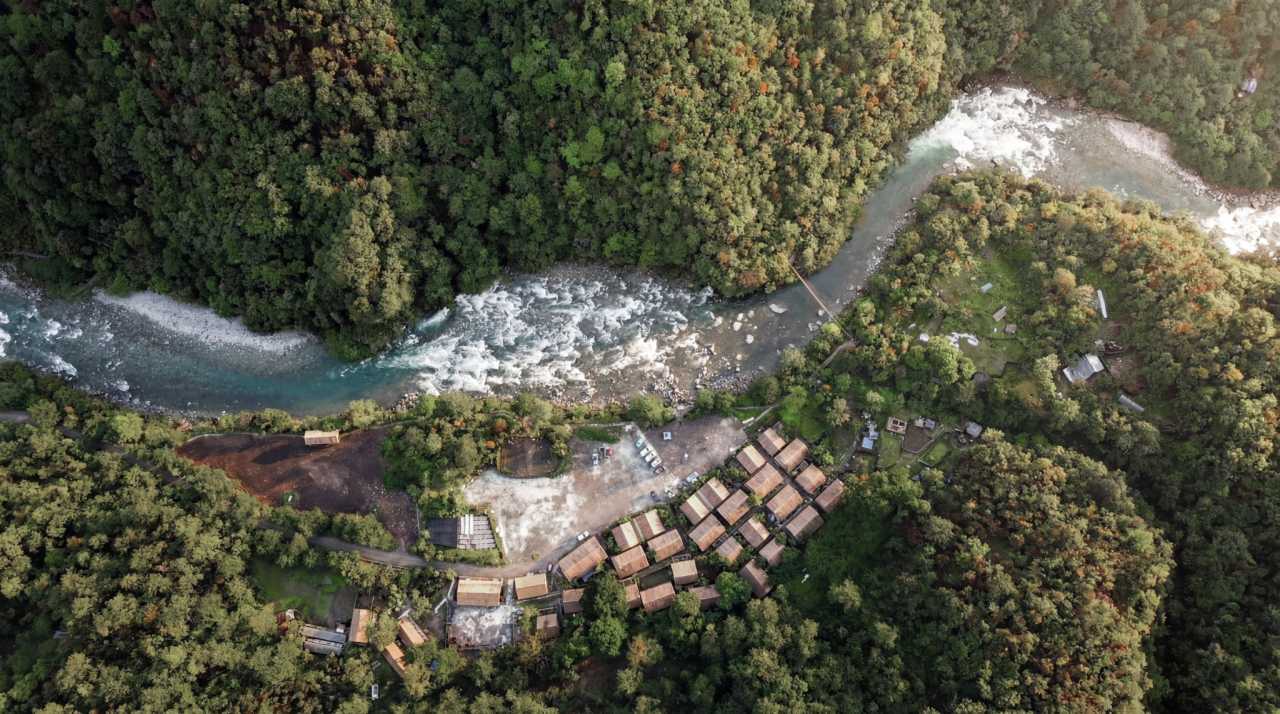
If you think the Dulong River is just an ordinary river, you are mistaken. What truly inspires awe is the road that leads there.
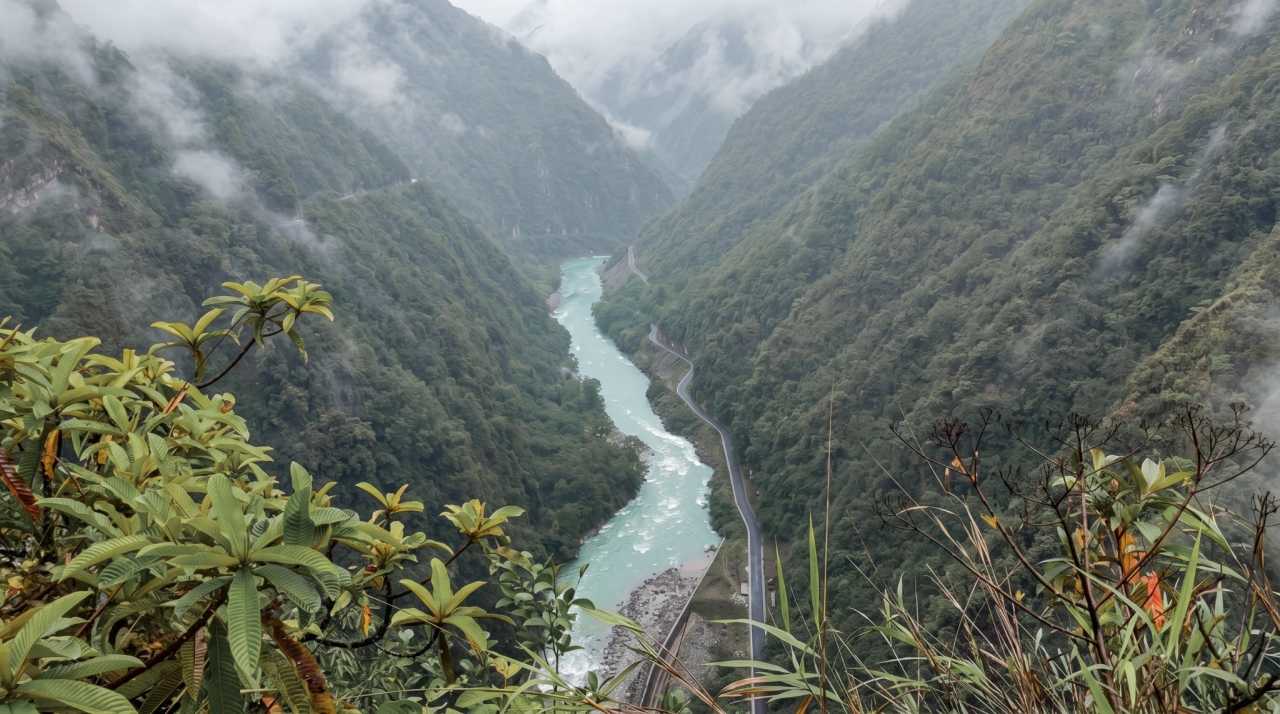
Starting from Gongshan county town, the Dulong River Highway winds its way forward. This road, less than 80 kilometers long, feels like a ribbon wrapped around cliffs, rising and falling repeatedly between 2,000 and 4,000 meters above sea level. From November to May each year, heavy snow blocks the mountain passes, cutting off the Dulong River from the outside world. Even during the months when the road is open, landslides and mudslides are a common occurrence.
In 2014, the Dulong River Highway Tunnel was completed, shortening the winter closure period from six months to three. But even so, truly entering the Dulong River still requires courage and patience. On the winding mountain road, every bend makes your heart race, and every cliff edge takes your breath away. Yet when you see the roaring river in the valley and the mist-shrouded peaks, all fatigue vanishes into thin air.
The Four Seasons of the Dulong River: Every Frame a Wallpaper
The beauty of the Dulong River is wild, unpolished. There are no tourist buses here, no noisy shops—only the most pristine nature.
Spring on the Dulong River is a grand floral spectacle. Rhododendrons blanket the mountains from base to summit—reds, pinks, whites—like an overturned palette. The river sheds its winter murkiness, becoming crystal clear, reflecting the lush greenery and blossoms on both banks.
Summer on the Dulong River is a paradise for escaping the heat. While other parts of Yunnan are scorched by high temperatures, the temperature here hovers around 20 degrees Celsius (68°F). Rainfall is abundant, the roar of the river echoes through the valley, and waterfalls cascade down cliffs like white silk ribbons.
Autumn on the Dulong River is the most colorful season. The layered forests are dyed in gold, deep red, and ink green, interwoven like an oil painting. This is also the harvest season for the Dulong people—corn, buckwheat, and potatoes are their staple foods.
Winter on the Dulong River is a silent snow country. Heavy snow blocks the passes, all living things lie dormant, yet the rushing sound of the river remains clearly audible. If you are fortunate enough to enter the Dulong River in winter, you will see an entirely different world—a vast expanse of silver-white, heaven and earth merged in boundless white.
Into the Dulong Tribe: The Last Tattooed Clan
What draws people to the Dulong River is not just its natural scenery, but its human culture. The Dulong people are one of China's smallest ethnic minorities, and their way of life, beliefs, and customs carry a primitive mystique.
The tattooed elders are the most precious "living fossils" of the Dulong River. Today, fewer than 20 tattooed elders remain alive. Their faces are covered in blue patterns, like wordless books recording the history of the Dulong people. If you have the chance to meet them, please show respect—do not take photos casually, and do not stare at them with curiosity.
Dulong houses are a type of wooden structure called "thousand-leg houses" (qianjiao luodi). Built on slopes, they are supported by dozens of wooden pillars to keep out dampness and wild animals. The interior is simple, with the hearth as the center of life—the family gathers around it to warm themselves, cook, and chat.
Dulong cuisine is based on corn, buckwheat, and potatoes, occasionally supplemented by river fish and game. Their liquor, called "corn liquor" (baogu jiu), is brewed from corn. It is not strong in alcohol content but has a surprising kick. If you visit a Dulong home, the host will enthusiastically offer you a drink—this is their way of expressing friendship.
Practical Guide: How to Reach the Dulong River
Best time to travel: May to October, when the weather is mild and roads are open. From November to April, heavy snow blocks the passes, so travel is not recommended.
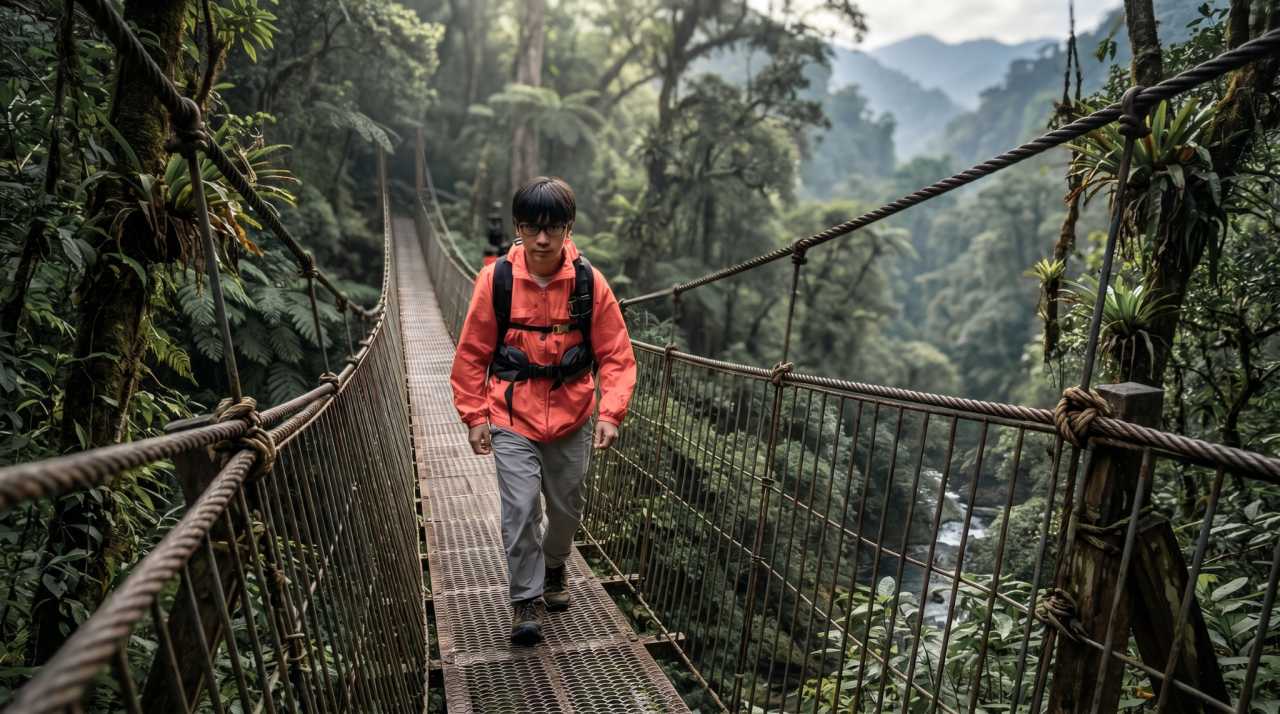
Transportation: From Kunming, Yunnan, take a flight or bus to Baoshan or Dali, then transfer to Gongshan county town. From Gongshan to Dulong River Township, there are buses and private car options, with a travel time of about 3–4 hours.
Accommodation recommendations: Dulong River Township has simple guesthouses and homestays—basic but clean. If you want to experience Dulong life, you can stay with a local family, but you need to arrange this in advance.
Important notes: - The Dulong River is a border area; you need to apply for a border permit in advance. - Mobile signal is poor in the mountains; download offline maps beforehand. - Respect local customs; do not photograph the tattooed elders casually. - Be environmentally conscious; do not litter.
The Future of the Dulong River: Balancing Protection and Development

The tourism development of the Dulong River has always been a sensitive topic. On one hand, its beauty and culture deserve to be seen by more people; on the other hand, overdevelopment could destroy its pristine ecology and the Dulong people's way of life.
In recent years, local authorities have been exploring paths of sustainable development. For example, limiting the number of tourists, promoting ecotourism, and encouraging the Dulong people to participate in tourism services so they can protect their culture while also gaining economic benefits.
For visitors, going to the Dulong River is not about ticking a box—it is about experiencing. Experiencing the grandeur of nature, the depth of culture, and the resilience of life. When you stand by the Dulong River and watch its surging waters, you will understand why this place is called "the far side of clouds and mountains."
Final Thoughts
The Dulong River is not a destination for everyone. It is not for those seeking luxury or those who only want to check off popular attractions. It is for those willing to spend time on the journey, those willing to feel with their hearts.
Here, you will see the most primitive landscapes, hear the oldest stories, and experience the purest way of life. Every inch of land in the Dulong River tells a story of survival, of perseverance, of hope.
If you are ready, then set out. Go to the Dulong River, to the far side of clouds and mountains, to search for that last hidden land. Remember: take only photos, leave only footprints. Let the Dulong River forever remain as it was in the beginning.
You should also read:
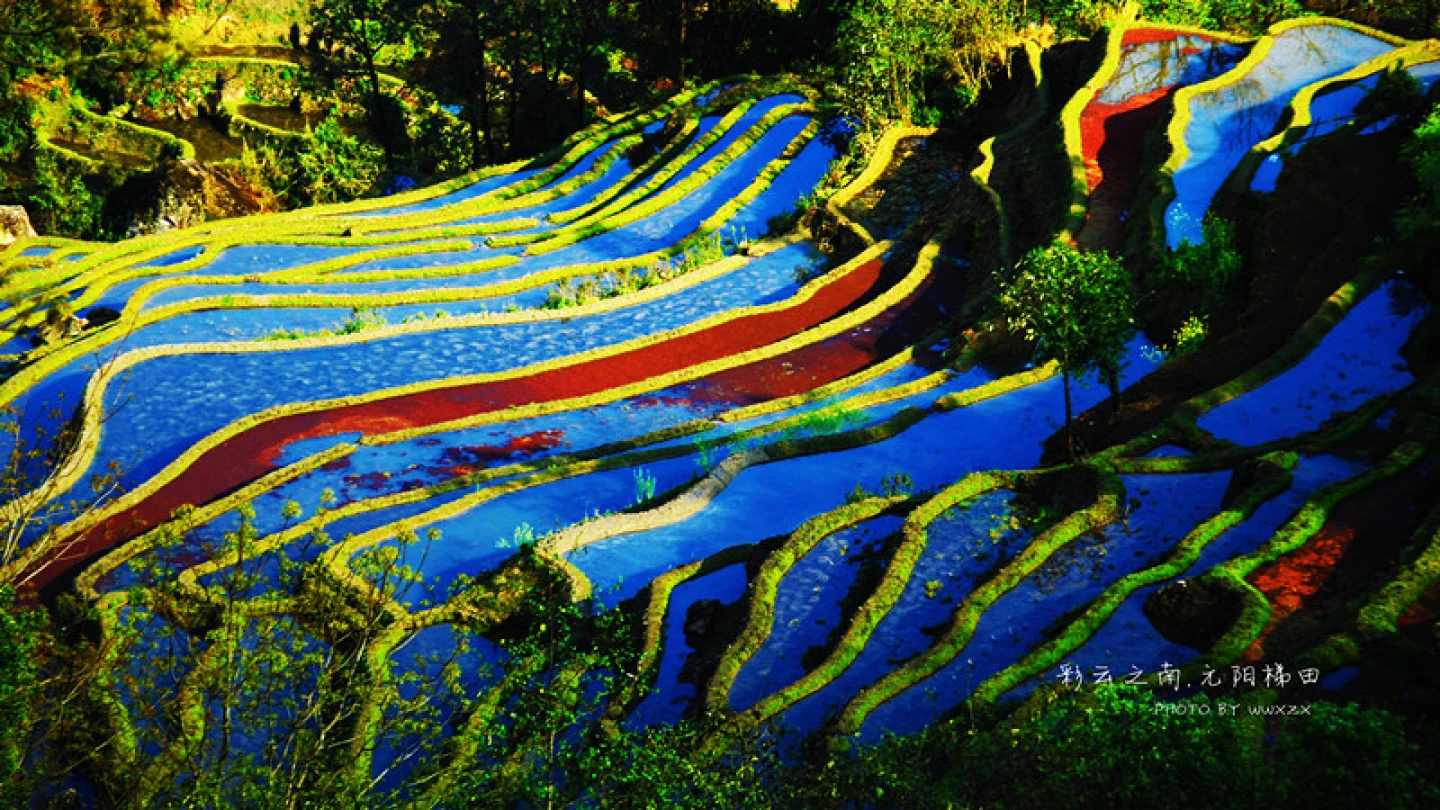
The Grand Beauty of Yuanyang: A Land Carved by Cultivation
The Grand Beauty of Yuanyang: A Land Carved by Cultivation A Belated Journey Chengdu has finally cleared up. After several consecutive days of rain, the sunset gently pours through the window. I sit in front of my computer, staring blankly at over three thousand photos.
Continue reading...
Xishuangbanna Self-Drive Tour: Into the Tropical Wonderland at the Edge of the Sky (Complete Guide)
Xishuangbanna Self-Drive Tour: Into the Tropical Wonderland at the Edge of the Sky (Complete Guide) Introduction: A Dream Fulfilled Thirty Years Early Some journeys are destined to happen at a specific moment in time. For me, a self-drive trip to Xishuangbanna was originally the first…
Continue reading...
South of the Clouds: A Spontaneous Lijiang Wanderlust
South of the Clouds: A Spontaneous Lijiang Wanderlust Prologue: When the Soul Meets Freedom Some places have names that alone stir the heart with longing. Lijiang is one such place. It exists like an unfinished poem, a melody left hanging in the air, echoing softly…
Continue reading...