South of the Clouds: A Spontaneous Lijiang Wanderlust
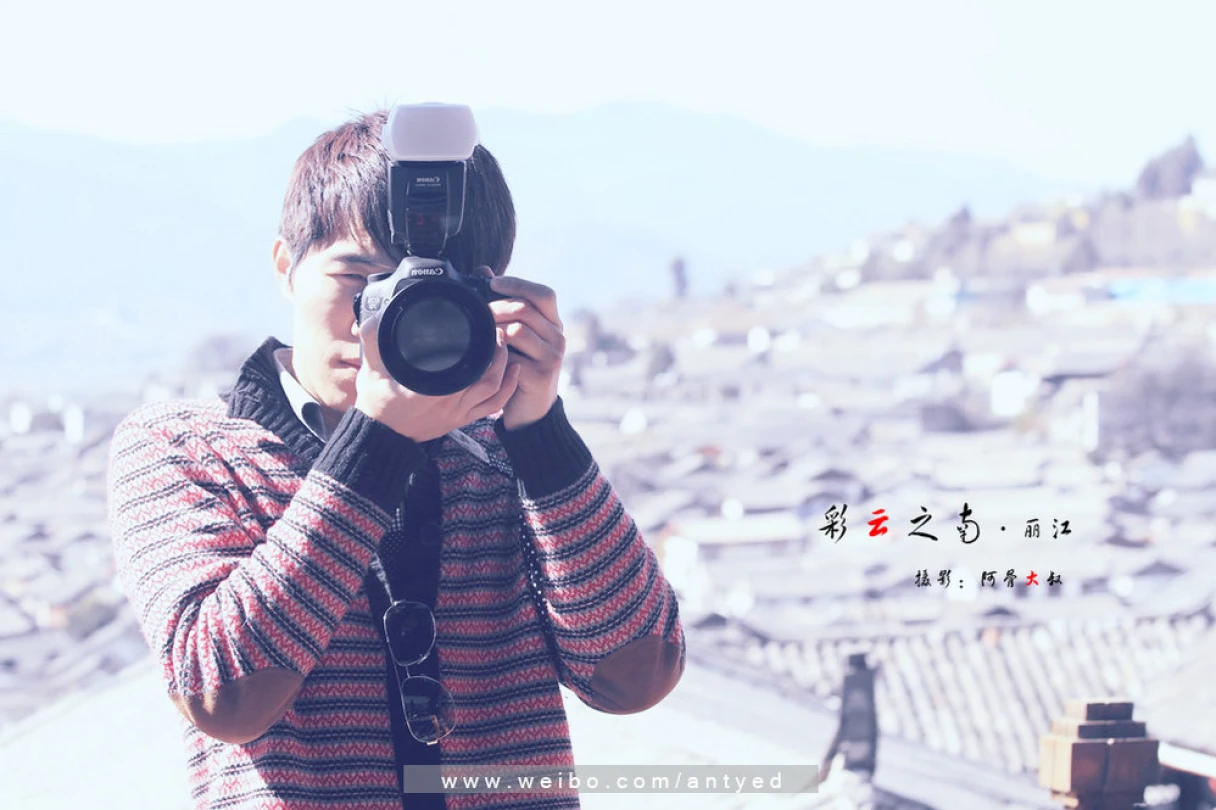
South of the Clouds: A Spontaneous Lijiang Wanderlust
Prologue: When the Soul Meets Freedom
Some places have names that alone stir the heart with longing. Lijiang is one such place. It exists like an unfinished poem, a melody left hanging in the air, echoing softly through the dreams of countless travelers.
I had walked through the misty rains of Fenghuang, the karst landscapes of Yangshuo, the little bridges of Wuzhen, and the flowing waters of Zhouzhuang. Yet I always kept Lijiang—this pristine land—in the softest corner of my heart. Until one morning after the Spring Festival, when sunlight streamed through the curtain gap into my room, I suddenly realized: some dreams need to be awakened; some roads need to be walked.
So, without much hesitation, I rallied four friends, booked our tickets, and set off on this six-day, five-night journey to the land "South of the Clouds."
Pre-Trip Preparations: The Devil's in the Details
Timing & Itinerary
Our trip fell on the 9th to 14th day of the first lunar month (around February 20, 2011), just as the Spring Festival peak was winding down. We spent four nights in Lijiang and one night in Shangri-La—compact but not rushed.
Daily Itinerary at a Glance: - Day 1: Arrive in Lijiang Old Town, night stroll through Sifang Street - Day 2: Lashihai Lake—horseback riding on the Ancient Tea Horse Road + boating - Day 3: Liming Laojun Mountain Scenic Area, summit Thousand Turtle Mountain - Day 4: Tiger Leaping Gorge, Baishui Terrace, overnight in Shangri-La - Day 5: Shika Snow Mountain, Songzanlin Monastery, return to Lijiang - Day 6: Leisurely wander through the Old Town, departure
Packing List: Essential Lessons for Highland Travel

Lijiang's sunshine is almost aggressively warm, and the temperature swings between day and night can catch you off guard. These items are non-negotiable:
- Hat: Preferably one that covers your ears—the highland wind is fierce
- Gloves: Serve double duty for horseback riding and keeping warm
- Sunglasses: UV protection is a must; Lijiang's sun is no joke
- Large scarf: Perfect for photos and a lifesaver against the cold
- Lightweight backpack: Frees your hands for easy exploration
- Comfortable, warm shoes: The cobblestone streets of the Old Town are no place for high heels
- Sunscreen + face masks + basic skincare: The highland UV will teach you what "aging ten years in a day" really means
- Sturdy suitcase: Cobblestones are a nightmare for wheels—this is not an exaggeration
Photography Gear
Camera body: Canon EOS 7D
Lens Trinity: - EF 17-40mm F4 L: My go-to wide-angle for capturing Old Town architecture and sweeping landscapes - EF 70-200mm F4 IS USM L: Telephoto powerhouse—perfect for birds, snow-capped peaks, and candid street photography (some spots charge for photo-taking; a telephoto lets you capture moments "silently") - Sigma 50mm F1.4: A portrait lens with a dreamy aperture, but since my travel buddies were all guys, it ended up as a dedicated food close-up lens
Cost Breakdown: Spending for Experience—You Decide If It's Worth It
Transportation (approx. ¥20,180): - Round-trip flights from Xiamen to Lijiang: ¥3,560/person × 4 + ¥4,240 for the last ticket - Chartered van from Quanzhou to Xiamen Airport: ¥600 - Chartered van to Shangri-La: ¥1,100 (¥550/day × 2 days)
Accommodation (approx. ¥2,952): - Night 1: Seclusion Life Inn (¥218 + ¥388) - Nights 2 & 3: Zhenmei·Lion Mountain Branch (two rooms, total ~¥496/night) - Night 4: Shangri-La Hongfeng Business Hotel (¥340) - Night 5: Zhenmei·Lion Mountain Branch (¥538)
Entrance Fees (approx. ¥4,300): - Old Town maintenance fee: ¥80/person - Lashihai Lake: ¥200/person - Laojun Mountain Scenic Area: ¥280/person (includes electric cart) - Tiger Leaping Gorge: ¥50/person - Baishui Terrace: ¥30/person - Shika Snow Mountain: ¥220/person
Food & Drinks (approx. ¥2,854): - 10 main meals, including two covered by entrance fees - Average cost per meal: ~¥285 (for five people)
Entertainment (approx. ¥1,555): - Two nights at bars: ¥400 + ¥780 - Fuqiao Foot Massage: ¥375
Shopping (approx. ¥9,022): - Pangjinmei yak jerky: ¥1,782 - Fox fur pelt: ¥4,600 - Yunnan small-grain coffee: ¥120 - Sakura-themed music CD: ¥300 - Scarves: ¥220 - Down jacket: ¥2,000+
Total Cost: approx. ¥40,863 (for five people)
Important Note: Prices during the Spring Festival period are generally inflated. Please don't take this as a value-for-money reference—consider it a "luxury edition" travel guide for entertainment purposes only.
First Arrival in Lijiang: An Encounter with Slow Time
First Impressions from the Plane
We took off from Xiamen at 11:30 AM, made a stopover in Chongqing, and landed at Lijiang Sanyi Airport around 5:00 PM. The moment the cabin door opened, a wave of fresh air—unlike anything I'd ever breathed—rushed in. It was that unique highland air, carrying the scent of grass and earth, instantly dissolving the fatigue of travel.
I had arranged for the innkeeper to pick us up (about ¥80, a 30-minute drive). Since vehicles are banned inside the Old Town, we got off at the South Gate parking lot and dragged our luggage into the ancient streets on foot.
Seclusion Life Inn: Truly Living Up to Its Name
For our first night, we booked the "Seclusion Life Inn" through Ctrip. The name was brilliantly fitting—every other inn on the street had a signboard, but this one's entrance was completely bare, embodying the philosophy of "the greatest hermit hides in the bustling city."
The courtyard had tea tables set up, and the owner, Brother Guo, warmly offered us some pu'er tea. During peak season, a standard room goes for about ¥300/night. We booked two rooms for five people, with an extra ¥50 surcharge for the headcount.
One thing worth mentioning: the bathroom—completely glass-walled, with no遮挡. The shower area and toilet were in full view. Five grown men looked at each other, feeling the pressure.
Sakura Restaurant: The Worst Value Meal
After settling in, we wandered down Qiyi Street in search of food and ended up at Sakura Restaurant. It sat along the canal, surrounded by greenery, with a live singer performing—the atmosphere was perfect.
But when the dishes arrived, our smiles froze:
- 雪山鱼片 (Snow Mountain Fish Slices) (market price ¥198): Utterly ordinary, with fewer than ten slices total—that's about ¥20 per slice! For that price, you could buy a dozen eggs.
- 野山菌汤 (Wild Mushroom Soup) (~¥128): A decent variety of mushrooms, tasted okay
- 炒三脆 (Stir-fried Trio: Tripe, Wood Ear Mushrooms, Bamboo Shoots) (¥48): The only dish that felt reasonably priced
- Plus two vegetable dishes and one portion of cured pork ribs
Five dishes and one soup: ¥504 total. The taste was passable, but the portions were laughable. Being new in town, we took the hit—consider it a tuition fee for the road.
Night Stroll Through the Old Town: The Glow of Lanterns and the Scent of Life
After dinner, we wandered aimlessly through the Old Town. Lijiang at night sheds its daytime bustle and takes on a different charm.
- The trees around Sifang Square were outlined in soft, warm light
- Food stalls wafted the aroma of roast suckling pig and fried tofu
- Scarf shops exploded with color, prices ranging from ¥15 to hundreds
- Wishing lanterns floated slowly on the water, carrying countless hopes
- In front of the Big Waterwheel, the corridor was covered with prayer plaques

What left the deepest impression was Bar Street. Lijiang's bars generally fall into three categories:
- Performance Bars: Relaxed atmosphere, great for chatting and listening to music
- Club-style Bars: Similar to city bars—personally, I found these the least distinctive
- 火塘 (Fire Pit) Bars (like "江湖" (Jianghu) or "班布" (Banbu)): The most authentic Lijiang experience—highly recommended
We chose "Myth" Bar—simply because it looked the liveliest. A bucket of Heineken cost ¥400. The stage featured singing, dancing, cocktail tricks, and even a Guinness World Record balloon artist. The host cracked a few risqué jokes that had the crowd roaring. Overall, though, it was just average—nothing truly memorable.
Lashihai & the Ancient Tea Horse Road: Playing Bandit for a Day
Horseback Riding Over the Mountain: Pain and Pleasure
The next morning, as sunlight just began to pour into the courtyard, we set off for Lashihai. The tour was booked through our innkeeper. The original price was ¥560/person, but after some shameless bargaining (playing the "poor student" card), we got it down to ¥200/person (though the rock-bottom price is probably around ¥180).
For breakfast, we grabbed local flatbreads—one sweet with red bean paste, one savory with meat filling. At a friend's price, ¥2 each; for tourists, ¥3. Fresh off the griddle, they were soft and fragrant.
The horseback ride lasted about three hours, crossing a mountain over 2,900 meters high. The first half was filled with chatter and laughter with my buddies; the second half, I popped in my earbuds and let the music take over. The feeling was incredible—like I was a mountain king, patrolling my domain with my brothers.
Friendly Advice: Guys might enjoy this "bandit trail," but I'd recommend ladies opt for the lake-loop route instead. Riding up and down the mountain takes a serious toll on your body—bruised bums the next day are practically guaranteed (two out of five of us fell victim).
Summit Views: Sniffling in the Cold
After about two hours of riding, we reached the summit. The temperature plummeted, and my nose started running uncontrollably. Standing at the Jujing Tower lookout, the Jinsha River wound through the valley like a silver ribbon, while Lashihai Lake sparkled like a sapphire embedded in the mountains.
The wind howled at the top. Three layers of clothing weren't enough. We snapped a few quick photos and started heading back down.
Boating on Lashihai: Dancing with Migratory Birds
After descending, we rode through a field of blooming rapeseed flowers to reach the shores of Lashihai. The golden blossoms stretched to meet the blue sky and white clouds. Naxi women, baskets on their backs, worked the fields with quiet diligence—in Lijiang, it's the women who till the land, carrying their families on their shoulders.
By the lake stood a lonely little shack—a barbecue stall specializing in fresh-grilled fish, ¥20 each. We ordered a few, then boarded a little blue boat for a bird-watching tour on the lake.
The best times to visit Lashihai are January–February (for birdwatching) or May–June (for flowers). Every year, about 30,000 migratory birds winter here, including mandarin ducks, seagulls, and many other species. As our boat drifted across the water, we watched flocks take off, land, and play. The lake was so clear you could see the bottom, and sunlight danced on the rippling surface. In that moment, all fatigue melted away.
When we came ashore, the grilled fish were ready. Crispy on the outside, tender within—delicious. Our horse guide, Brother Pangjin, had stayed with us the whole day. Their stamina is truly remarkable.
Zhenmei·Lion Mountain Inn: A Home Away from Home
The Great Inn-Switching Feat
We returned from Lashihai around 5:00 PM, nursing sore posteriors, and began the painful process of switching inns. Our new home was Zhenmei·Lion Mountain Branch, located on Lion Mountain near the North Gate—while our old inn was at the South Gate. Dragging heavy luggage along that route is a memory I still shudder to recall.
Love at First Sight: Slow Living on the Viewing Terrace
Zhenmei is a resort-style inn chain with four locations in Lijiang. The Lion Mountain branch sits just below Wangu Tower, commanding the best view of the Old Town and only a two-minute walk from Sifang Square.
The inn has a two-courtyard layout. The front yard features a small bridge over flowing water, bathed in sunlight. The back yard offers a panoramic view of the entire Old Town—the cover photo of this article was taken from that very terrace.
We stayed here for three nights, and we all agreed without hesitation: "Next time we come, we're staying here again."
Why Zhenmei?
1. Service That Feels Like Family
The front desk girls were warm as family. When one of us needed a packing bag and the inn didn't have one, they asked a driver to pick one up on his way back. When someone felt feverish and the inn had no thermometer, they borrowed one from a guest and brought it to us.
2. The Kitchen Was a Revelation
After that disastrous first meal, we'd almost lost faith in Lijiang's food scene. But Zhenmei's private kitchen completely revived our taste buds.
Recommended dishes: - 烧茄子 (Braised Eggplant): The ultimate rice companion—vanished seconds after hitting the table - 腊肉炒莲花白 (Cured Pork Stir-fried with Cabbage): Simple home cooking, but utterly addictive - 纳西烤鱼 (Naxi-style Grilled Fish): Crispy outside, tender inside, fragrant beyond belief - 薄荷叶油脯 (Mint Leaf with Preserved Pork), 糖醋里脊 (Sweet and Sour Pork Tenderloin), 干培洋芋丝 (Crispy Fried Potato Shreds), 洋芋鸡 (Potato Chicken Stew): Every single one worth trying
For five people, we'd usually order six dishes and two soups, averaging about ¥250 per meal—incredible value. The inn also offered free breakfast (available until 1:00 PM), free fruit, free laundry service, and even free airport transfers.
Laojun Mountain & Thousand Turtle Mountain: A Danxia Wonderland
The Red Miracle of Liming Village

On the third day, we joined a group tour to the Liming Laojun Mountain Scenic Area, costing ¥200/person (including lunch). We departed at 7:30 AM, and the drive took about two and a half hours, passing the First Bend of the Yangtze River and Stone Drum Town.
At the First Bend viewing platform, there was a white yak available for photos—¥10 per shot. In Stone Drum Town, we made a brief stop and grabbed some breakfast. A group of people huddled around a fire pit next to a stall selling grilled Lijiang flatbreads—a cozy scene.
Electric Cart Tour: First Glimpse of Danxia Landscapes
Upon arrival at the scenic area, we first took an electric cart for a loop tour (¥60/person) to appreciate the Danxia landform. We passed rustic houses, clear streams, blooming peach blossoms, and the legendary "Laojun's Alchemy Furnace." Lijiang's sky is always that impossibly deep blue—a blue that intoxicates the soul.
Summiting Thousand Turtle Mountain: A Hiker's Victory
After lunch came the main event: climbing Thousand Turtle Mountain!
Located southwest of Liming Village, this mountain's red sandstone surface has weathered into a beautiful turtle-shell pattern. The entire slope resembles thousands of tiny turtles forming one giant turtle, all crawling eastward—a true wonder of Danxia landscape.
There are two ways to reach the summit: - Full hike: About 2 hours, divided into stone steps, wooden boardwalk, and turtle-back rock sections - Horseback: Up to the middle of the boardwalk, ¥120/person one-way
Three of us chose to hike (including me), while two opted for horses. In hindsight, hiking was the right call—while the initial stone steps were steep and exhausting, the horse trail was far more treacherous. Both of our horseback-riding companions chose to walk down, admitting they were "scared out of their wits."
Final Thoughts: Lijiang, Until We Meet Again
It's been several days since I left Lijiang, but the images remain vivid: the migratory birds soaring over Lashihai, the surreal Danxia formations on Thousand Turtle Mountain, the nighttime view of the Old Town from Zhenmei's terrace, and the inn staff who treated us like family.
Lijiang isn't a place—it's a state of being. Here, time slows down. Slow enough that you can sit in a courtyard drinking tea all afternoon, watching clouds drift by. Slow enough that you can wander aimlessly through小巷, greeting a cat lounging by the roadside. Slow enough that you can forget all your worries and simply focus on the beauty of the present moment.
A few tips for those about to embark:
- Don't obsess over value for money: Travel is about experience, not saving every yuan. Some expenses are worth it.
- Learn to haggle: In Lijiang, bargaining is both an art and a survival skill.
- Choose your accommodation wisely: A good inn can make you feel at home.
- Bring a good mood: Lijiang's beauty needs to be felt with an open heart.
Let me end this travelogue with one sentence:
"Ideals are丰满, reality is骨感"—but Lijiang is where ideals and reality make peace with each other.
PS: If you enjoy travel writing, stay tuned for more of my adventures. A ten-day Thailand itinerary guide is in the works—coming soon.
You should also read:
A 9-Day Yunnan Journey: From Lijiang to Dali to Tengchong – A Trip Toward Self-Reconciliation
A 9-Day Yunnan Journey: From Lijiang to Dali to Tengchong – A Trip Toward Self-Reconciliation Some say travel is simply going from a place you're tired of to a place other people are tired of. It stings to hear, but it's painfully true. Yet there's…
Continue reading...
Dreamland – Lijiang: A Talking Comic Travel Guide
Dreamland – Lijiang: A Talking Comic Travel Guide Prologue: When Lijiang Takes Root in Your Heart Some places leave a mark on you forever. They're like an old song on repeat, suddenly playing in your mind on an ordinary afternoon. For me, Lijiang is that…
Continue reading...
Escaping Nanning, Falling Under Lijiang's Spell: Our Four-Person, Ten-Day Yunnan Dream
Escaping Nanning, Falling Under Lijiang's Spell: Our Four-Person, Ten-Day Yunnan Dream Before We Set Off: No Pain, No Obsession Have you ever had that impulse—suddenly tired of the office fluorescent lights, the crush of the subway, the endless parade of identical takeout boxes, and just…
Continue reading...