Escape the Winter Chill, Embrace a Summer Rendezvous in Xishuangbanna (Ultimate Travel Guide)
Escape the Winter Chill, Embrace a Summer Rendezvous in Xishuangbanna (Ultimate Travel Guide)
I've always harbored an almost obsessive love for summer. That feeling of scorching sunlight, thick, humid air, and everything bursting with life never fails to make me feel free from the bottom of my heart. In January 2021, wrapped in a down jacket and shivering on the streets of Guangzhou, I stared at the plummeting temperature curve on my phone's weather app. Without a moment's hesitation, I knew—I had to go somewhere truly warm.
At first, Sanya came to mind. But when I arrived on that subtropical coastline, I was greeted by relentless drizzle and a sudden drop in temperature. I even started to wonder if I was the "Rain God" incarnate. So, I quickly opened a map, my gaze sweeping over the mountains of Yunnan and locking onto a city on the northern edge of the tropics—Xishuangbanna.
This wasn't my first time setting foot in Yunnan. I had wandered the ancient alleyways of Lijiang, lost myself in the beauty of Dali's Cangshan Mountain and Erhai Lake, and savored Kunming's eternal spring. But Xishuangbanna—this Dai Autonomous Prefecture bordering Laos and Myanmar—had always been an unlit corner on my travel map. This time, I packed my bags, used the last voucher from China Southern Airlines' "Happy Fly" program, and embarked on a journey to this "Kingdom of Plants."
First Impressions of Xishuangbanna: More Than Just the Tropics, a Way of Life
Xishuangbanna Dai Autonomous Prefecture, with its capital Jinghong City, sits on the northern edge of the tropics and enjoys a tropical monsoon climate. It is home to China's only tropical rainforest nature reserve, with a forest coverage rate of 80.8%. It hosts one-sixth of the country's plant species and one-quarter of its animal species. Not only is it a member of the UNESCO Biosphere Reserve network, but it's also the birthplace of Pu'er tea and China's second-largest natural rubber production base.

But for me, these statistics were far less impactful than experiencing it firsthand. As the plane descended, I peered through the window at rolling mountains blanketed in dense green, like a giant emerald embedded in the earth. The moment I stepped out of the cabin, a wave of heat hit me, instantly enveloping me in that familiar yet foreign summer atmosphere. The streets were lined with Buddhist-style buildings and bamboo stilt houses, their pointed roofs, golden trim, and colorful paintings creating an illusion that I had already crossed the border.
Pre-Trip Preparations: The Details That Make or Break Your Experience
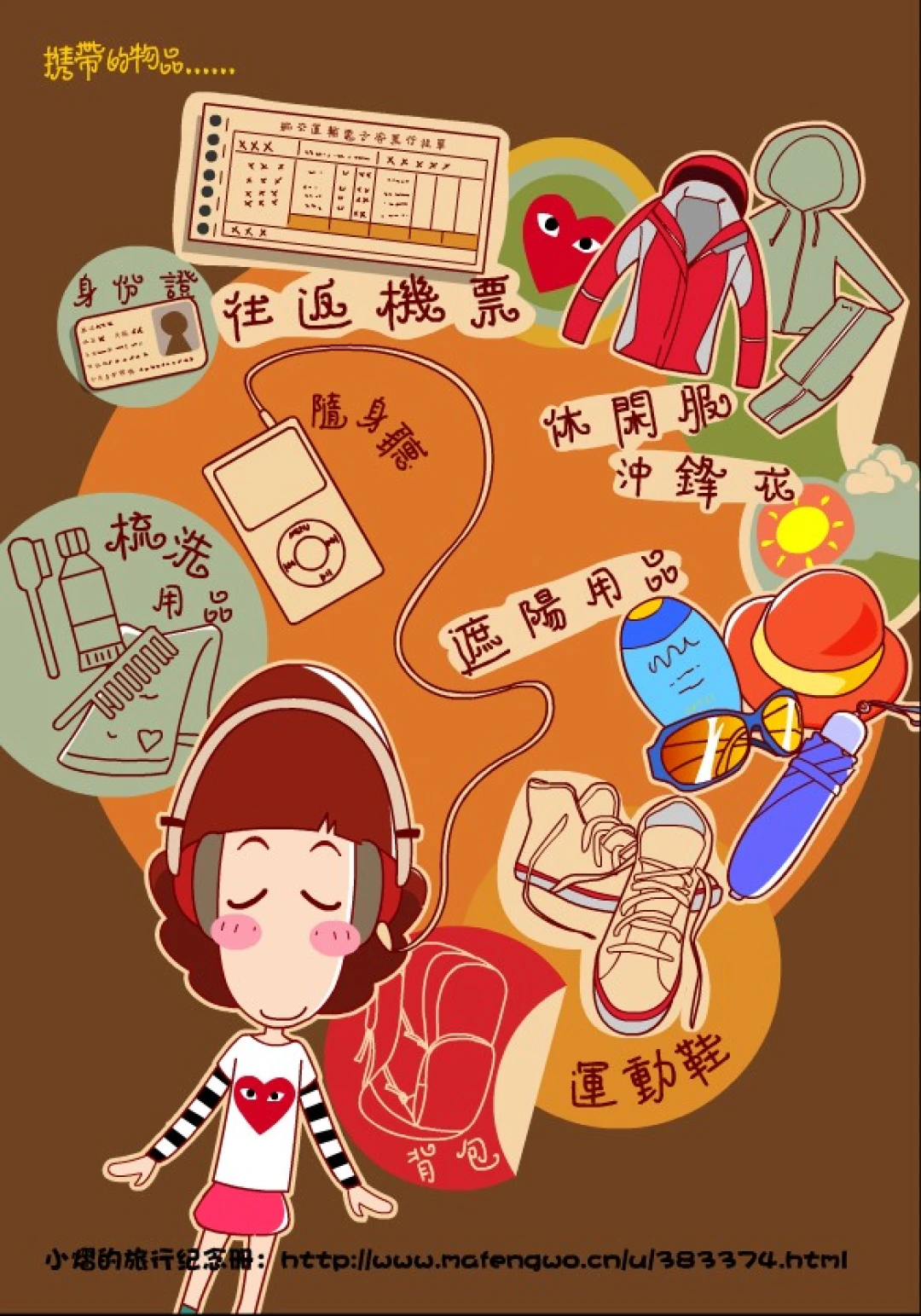
Before leaving, I made a checklist of essentials, and everything proved crucial:
- Sunscreen: The UV rays in Xishuangbanna are relentless. Even in winter, make sure to protect your skin.
- Health Code & ID Card: You'll scan a code upon arrival at the airport. For most places like scenic spots and hotels, your ID card will handle everything else.
- Insect Repellent: The mosquitoes in the tropical rainforest are no joke, especially at natural attractions. It's your best line of defense.
Itinerary Planning: How to Make the Most of 5 Days and 4 Nights
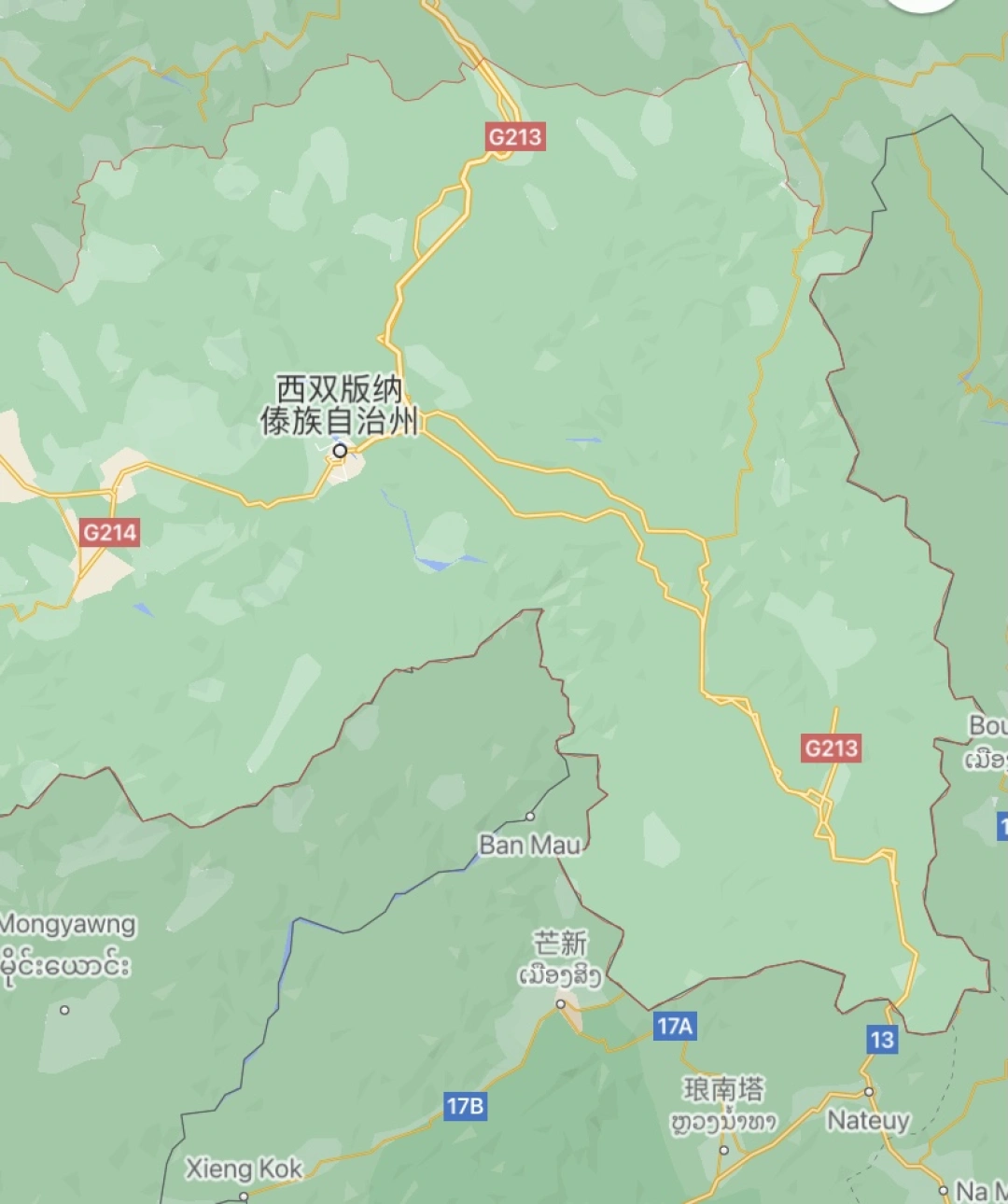
Xishuangbanna's attractions are spread across four main routes. Planning your itinerary wisely is key to an efficient trip. Here's my schedule:
- Day 1: Wangtianshu (Sky Tree) one-day tour (Eastern Route)
- Day 2: City tour—Mantin Park & General Buddhist Temple, night visit to the "One River Linking Six Countries" area, and a Dai costume photoshoot
- Day 3: Primitive Forest Park to see the peacock release, watch the "Dai Show"
- Day 4: Full-day tour of the Xishuangbanna Tropical Botanical Garden, Chinese Academy of Sciences
- Day 5: Departure
Getting Around: Private Car, Group Tour, or Shuttle Bus?
The distances between attractions are significant, so your choice of transportation directly affects your efficiency.
- Eastern Route: Botanical Garden, Dai Ethnic Garden, Rainforest Valley, Wangtianshu (Sky Tree)
- Western Route: Single Tree Forest, Border Gate, Mengjinglai, Hani Cultural Park
- Northern Route: Wild Elephant Valley, Jinuo Mountain Village, Primitive Forest Park, Dai Village
- City Area: Menghua Grand Buddha Temple, Flower Garden, Mantin Park, Wanda Theme Park
My advice: - For far-flung attractions (like Wangtianshu), booking a one-day tour is the most hassle-free option. I booked the Wangtianshu tour on Mafengwo (230 RMB/person), which included round-trip bus from the city, entrance fee, a boat ride on the Nanla River, and access to the canopy walkway/glass bridge—great value. - For city attractions (like Mantin Park and the General Buddhist Temple), simply take a taxi. It's only about 10 minutes from Gaozhuang. - If you prefer flexibility, follow the "Xishuangbanna Scenic Spot Shuttle Bus" WeChat public account. You can catch the bus from the north gate of Gaozhuang Xishuang Scenic Area, choosing either a round-trip ticket or a combo of ticket plus entrance fee.
Must-Experience Xishuangbanna Moments: From Rainforest Adventures to the Starry Night Market
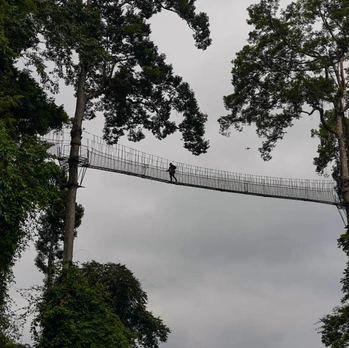
Wangtianshu Adventure: A Conversation with the Tropical Rainforest, 36 Meters High
Before I left, I heard plenty of skeptics say, "Wangtianshu is too far, there's nothing much to see, it's not worth it." But the moment I stood beneath that 36-meter-tall Wangtianshu tree, gazing up at its crown piercing the sky, all my doubts vanished.
The round trip from the city to Wangtianshu takes about five hours. The scenery along the way is a treat in itself. After arriving, we took a boat along the Nanla River. This "Oriental Amazon" has water so clear you can see fish swimming beneath the surface. Our guide told us that with luck, you might spot the rare "peach blossom jellyfish," which requires exceptionally clean water.
For lunch, we had a Dai-style bamboo tray meal (48 RMB/person). Served on a woven bamboo tray, it featured grilled fish, grilled meat, sticky rice, and vegetables. It was surprisingly delicious—the most generous and affordable meal I've ever had at a scenic spot.
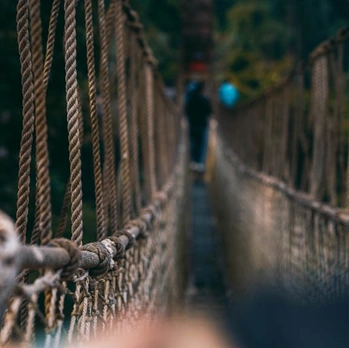
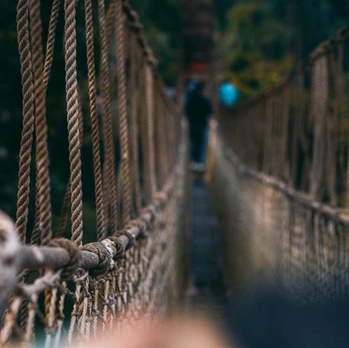
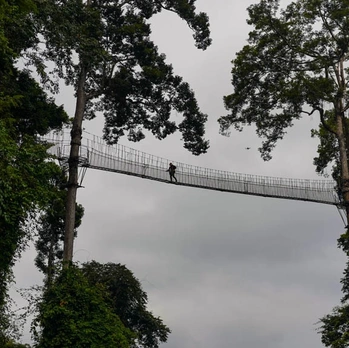
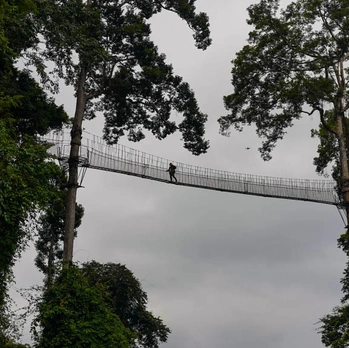
The real heart-pounding moment was the Wangtianshu Canopy Walkway. This 500-meter-long walkway, suspended 36 meters above the ground, is made of thick nylon ropes, steel cables, and aluminum alloy planks, so narrow it only fits one person at a time. As I stood below looking up, my legs went weak. My friend asked, "Didn't you do the Yalong Bay plank walk? What's the big deal?" I replied seriously, "This is different." Walking on it, every step came with a slight sway. When a large group of tourists crossed together, the trembling sensation was magnified tenfold. I didn't dare look around—I just wanted to get to the end. My friend barely managed to pull me aside for a photo, and in it, I look like a frantic market vendor.
Beyond the thrilling walkway, the Phillip Trail (a 2.5-kilometer hiking path) inside the park was equally unforgettable. Rich in negative oxygen ions, the air felt sweet and fresh with every step. Along the trail, you can witness the five wonders of the tropical rainforest: strangulation, parasitism and epiphytism, drip tips, buttress roots, and cauliflory. Watching a strangler fig slowly engulf another tree, from its early stages to the end, hollowing it out and taking over—this brutal yet magnificent survival tactic is a testament to nature's incredible craftsmanship.
Mantin Park and the General Buddhist Temple: A Day as a Dai Girl
If Wangtianshu represents Xishuangbanna's natural beauty, then Mantin Park and the General Buddhist Temple showcase its cultural charm.
Mantin Park is the oldest park in Xishuangbanna, once the royal garden of the Dai kings. Legend has it that the Dai queen was so captivated by its beauty that she couldn't bear to leave, earning it the name "Garden of the Soul." Entrance is 40 RMB (cheaper on travel apps), open from 8:00 AM to 5:00 PM. Inside, you'll find a statue of Premier Zhou Enlai, exquisite Dai-style architecture, the shimmering Peacock Lake, and adorable royal elephant shows. You can get up close to peacocks in full display, interact with elephants, and soak in that lazy, opulent Dai lifestyle.
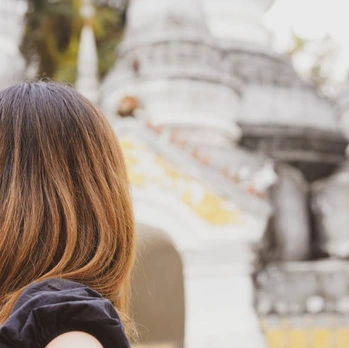
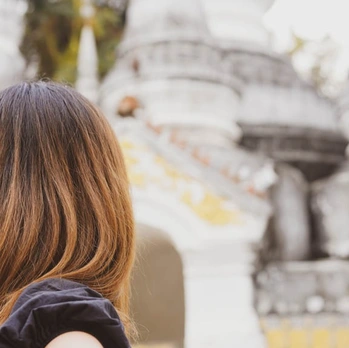
The back gate of Mantin Park leads directly to the General Buddhist Temple. The architecture here is even more vibrant, with dazzling golden pagodas, intricate murals, and solemn Buddha statues, making you feel like you've stepped into an ancient Southeast Asian temple. I lit a stick of incense here, made a silent wish, and savored the peace and devotion.
Starry Night Market: The Bustling Energy of Asia's Largest Night Market
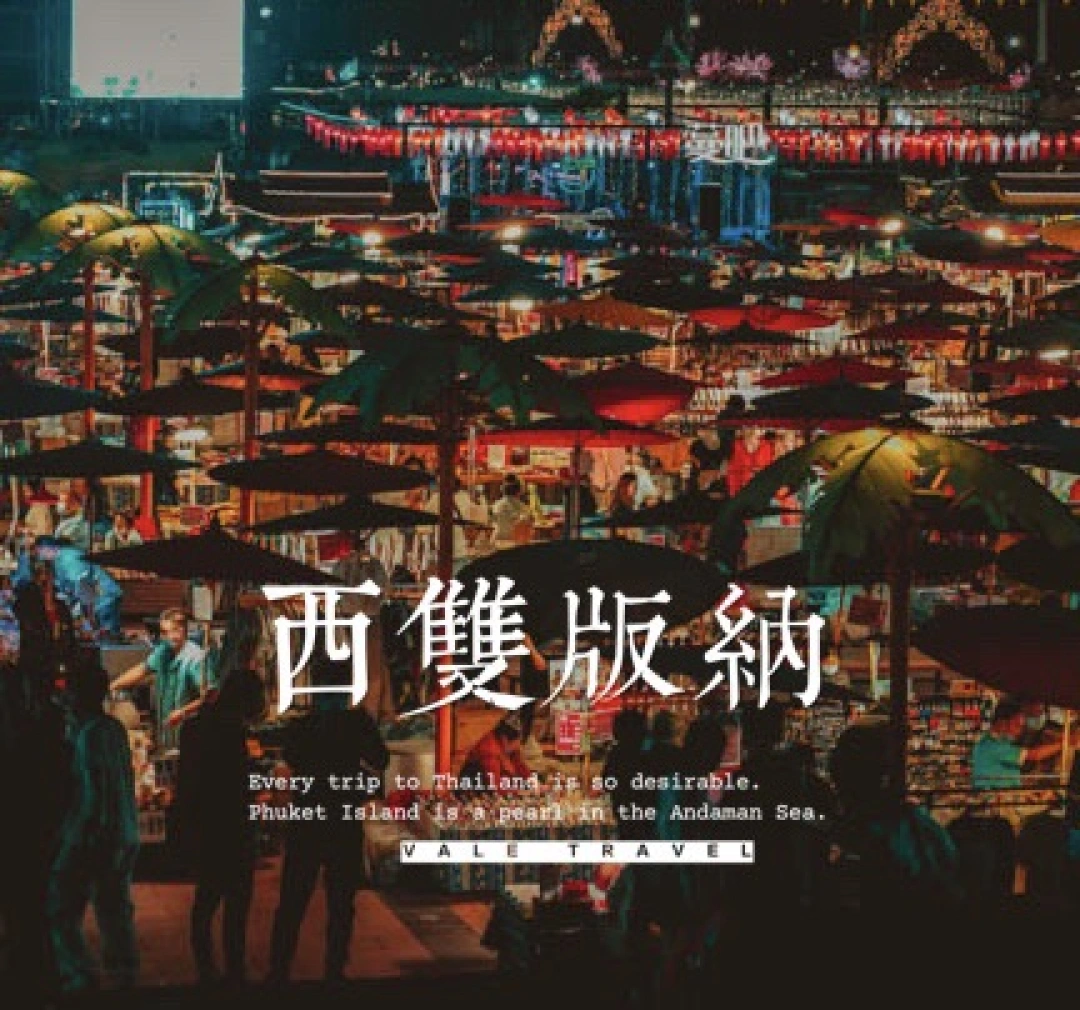
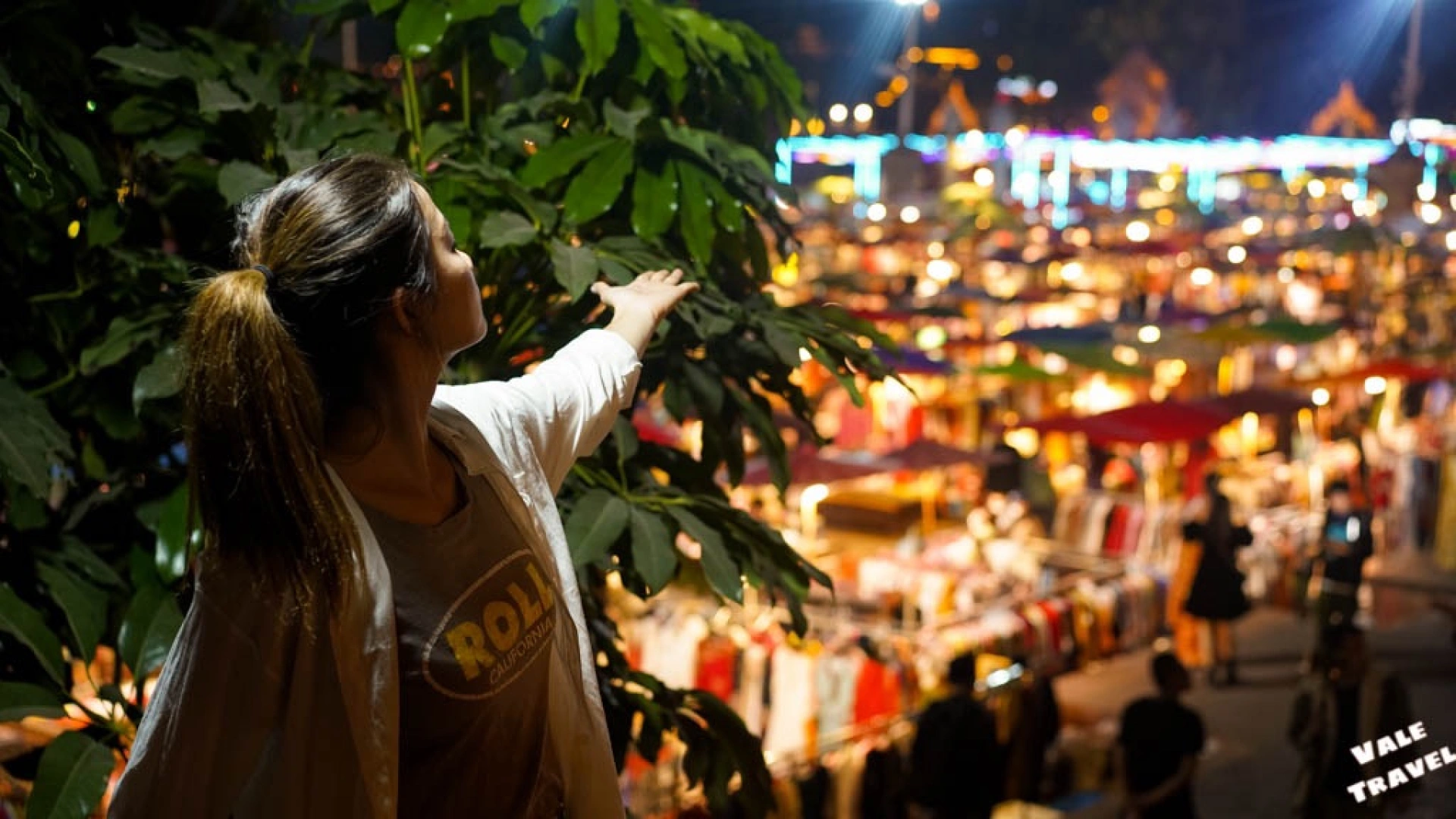
As night falls, Xishuangbanna's nightlife just begins. The Starry Night Market—Asia's largest—nestles behind Jinghong City's Grand Golden Pagoda, boasting over 2,000 stalls. When the stalls, shaded by colorful umbrellas, light up one by one, the spectacular sea of lights is enough to bring tears to your eyes.
The market sells everything you can imagine: Dai-style barbecue, Lao milk tea, handmade jewelry, Dai clothing... But a word of caution: Xishuangbanna's food is predominantly sour and spicy. If you have a sensitive stomach, pace yourself. I ate from the market for several nights in a row and ended up with an upset stomach each time.
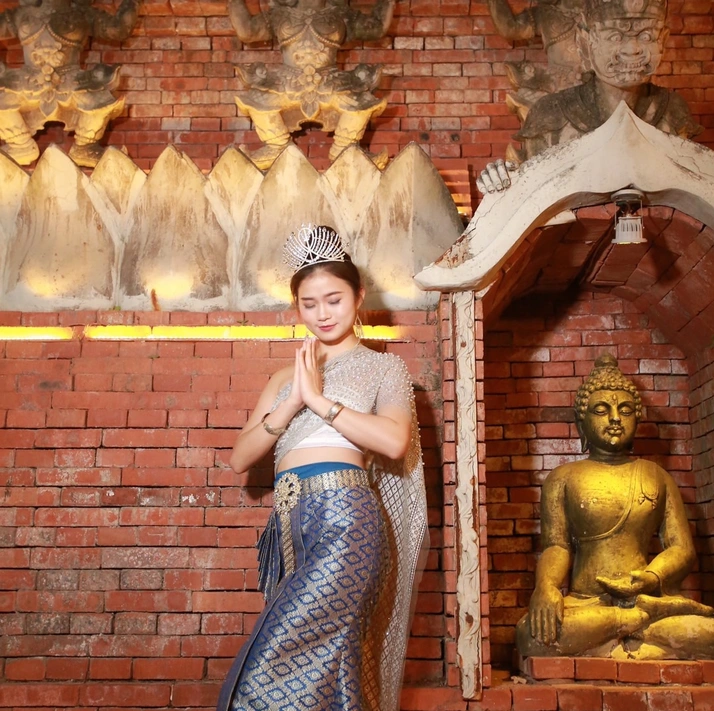
The one thing you absolutely cannot miss is a Dai costume photoshoot. In the Gaozhuang Xishuang Scenic Area, countless photography studios offer packages at a uniform price of 199 RMB per set, including costume, hair styling and makeup, and 30 photos (10 retouched). I chose a silver-white Dai outfit. While the final results weren't as stunning as I'd hoped, in that atmosphere—dressed in gorgeous Dai attire, with the Lancang River behind me and the Grand Golden Pagoda before me—I couldn't help but feel like a Dai girl.
Primitive Forest Park and the Dai Show: Peacocks and Light Intertwined
On the third day, we visited the Primitive Forest Park, the closest attraction to the city. Entrance is 45 RMB (cheaper on apps), and the scenic shuttle bus costs 50 RMB round trip. The main event here is the "Peacock Release." As dozens of peacocks flew across the river, fluttering down to land in front of the audience, the spectacle was indescribable. Though their wings weren't fully developed and the flight wasn't as grand as I'd imagined, the sheer scale and momentum were still breathtaking.
That evening, we watched the Dai Show. Directed by Frank Dragone—the creator of the Las Vegas "O" show and Macau's "House of Dancing Water," and a key figure behind Cirque du Soleil—the performance tells the story of a young man's journey through love, temptation, and rebirth. With its surreal stage effects, dazzling costumes, and awe-inspiring acrobatics, the show was so immersive that I didn't want to leave.
Final Thoughts: The Meaning of Travel Lies in Meeting a Different Version of Yourself
Since returning from Xishuangbanna, I often think back to those moments—breathing deeply in the rainforest, getting lost in the Starry Night Market, praying quietly in the General Buddhist Temple. Every trip is a conversation with yourself. When you step out of your familiar surroundings and go somewhere completely different, you realize how vast the world can be, how diverse life can be.
Xishuangbanna—this magical land of tropical rainforest, Dai culture, and Buddhist heritage—taught me in its own way that winter can be warm, and life can be vibrant.
If you, too, want to escape the winter chill and go somewhere bathed in sunshine, then Xishuangbanna will not disappoint.
About the author: A traveler who has visited 23 countries and 147 cities, passionate about exploring and sharing. If you enjoyed this article, feel free to like, bookmark, and share. Your support fuels my creativity.
You should also read:
Dreamland – Lijiang: A Talking Comic Travel Guide
Dreamland – Lijiang: A Talking Comic Travel Guide Prologue: When Lijiang Takes Root in Your Heart Some places leave a mark on you forever. They're like an old song on repeat, suddenly playing in your mind on an ordinary afternoon. For me, Lijiang is that…
Continue reading...
Yunnan Travel Mastery: From Beginner to Pro-Level Player – A Complete Guide
Yunnan Travel Mastery: From Beginner to Pro-Level Player – A Complete Guide "Either travel or read, but your body and soul must be on the road." This quote has been repeated countless times, but very few people truly manage to be "on the road" and…
Continue reading...
Cloud Travelogue · Dali of Wind, Flowers, Snow, and Moon: A Three-Day, Two-Night Journey of a Free Spirit
Cloud Travelogue · Dali of Wind, Flowers, Snow, and Moon: A Three-Day, Two-Night Journey of a Free Spirit I am a cultured female foodie with a touch of rogue charm. I slung on my backpack, took my lover's hand, and set off on a spontaneous…
Continue reading...