Escaping the Heat in the Spring City: A Family Road Trip Through Kunming's Small Loop — Four Generations, One Slow Journey
Escaping the Heat in the Spring City: A Family Road Trip Through Kunming's Small Loop — Four Generations, One Slow Journey
When the thermometers in southern cities keep breaking records, air-conditioned rooms become the only refuge in summer. Adults feel listless and drained, let alone energetic children who need to run, sweat, and play freely in nature. So every July and August, finding a cool, uncrowded, budget-friendly destination has become our family's summer ritual.
This year, we set our sights on Yunnan. Not Lijiang, and not Dali — those two names have long been flooded with tourist noise. We chose Kunming as our base camp, then linked up the small towns of Mile and Jianshui, sketching out a less-crowded small loop. As it turned out, this decision was spot on. During Yunnan's peak tourist season — when other spots were making headlines for being overrun — we were leisurely strolling with our kids, enjoying a true summer escape.
Day 1: Slow Rhythm by Dianchi Lake
Arriving in the Spring City, Catching Our Breath
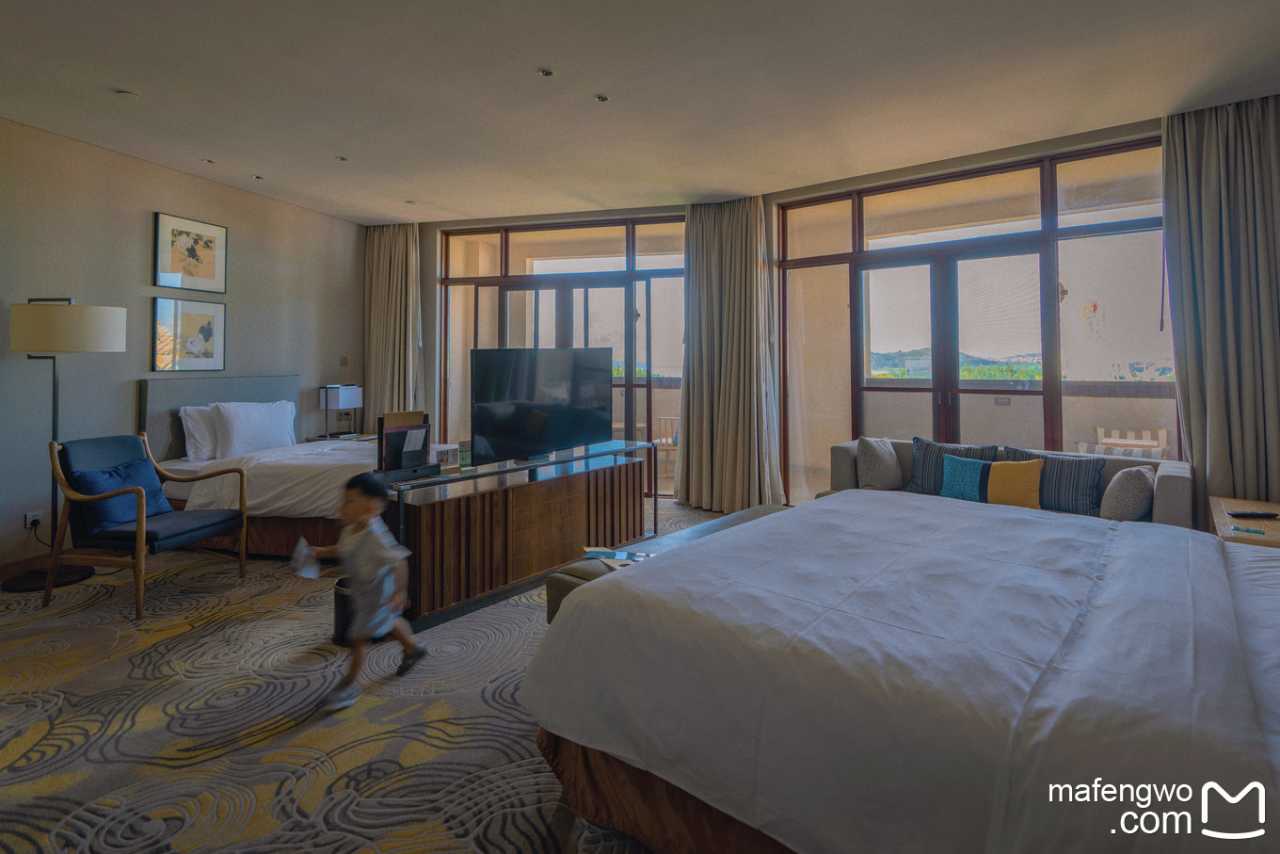
Seven of us traveled together — four generations, from our 85-year-old grandmother to our one-year-old baby. Such a lineup meant this trip couldn't be rushed. We rented a GL8 in Kunming and drove straight from the airport to our hotel: the Crowne Plaza Kunming Ancient Dian Town.
The beauty of Kunming hit us the moment we stepped off the plane. A cool breeze brushed our faces — not sticky like the south, not dry like the north, just that perfect, comfortable freshness. Even walking in the sun, our foreheads only beaded with a thin layer of sweat, like a spring afternoon.

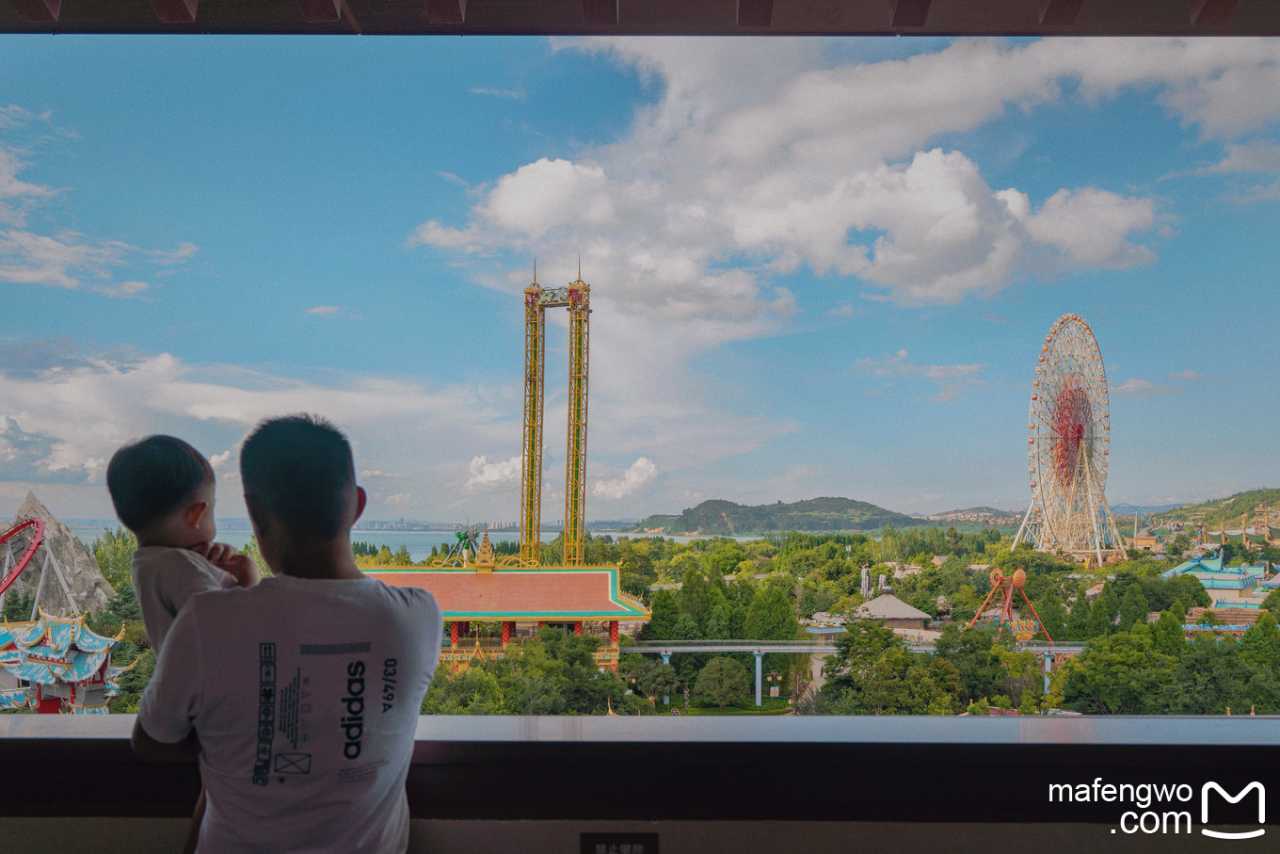
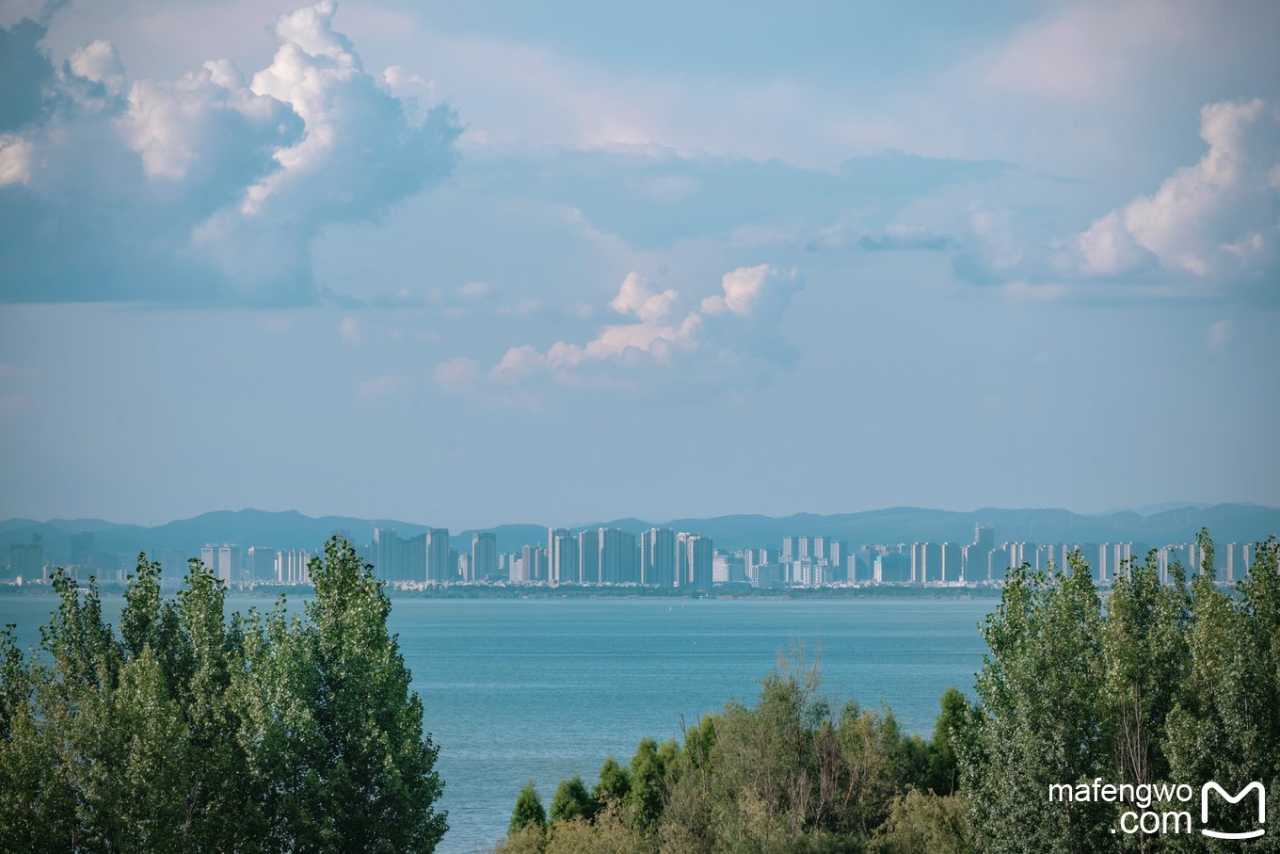
Our hotel balcony faced Dianchi Lake and the amusement park. The three of us sat there, watching others try the thrilling rides suspended over the lake, as if we could feel their excitement vicariously. We spent over an hour like this, too comfortable to move.
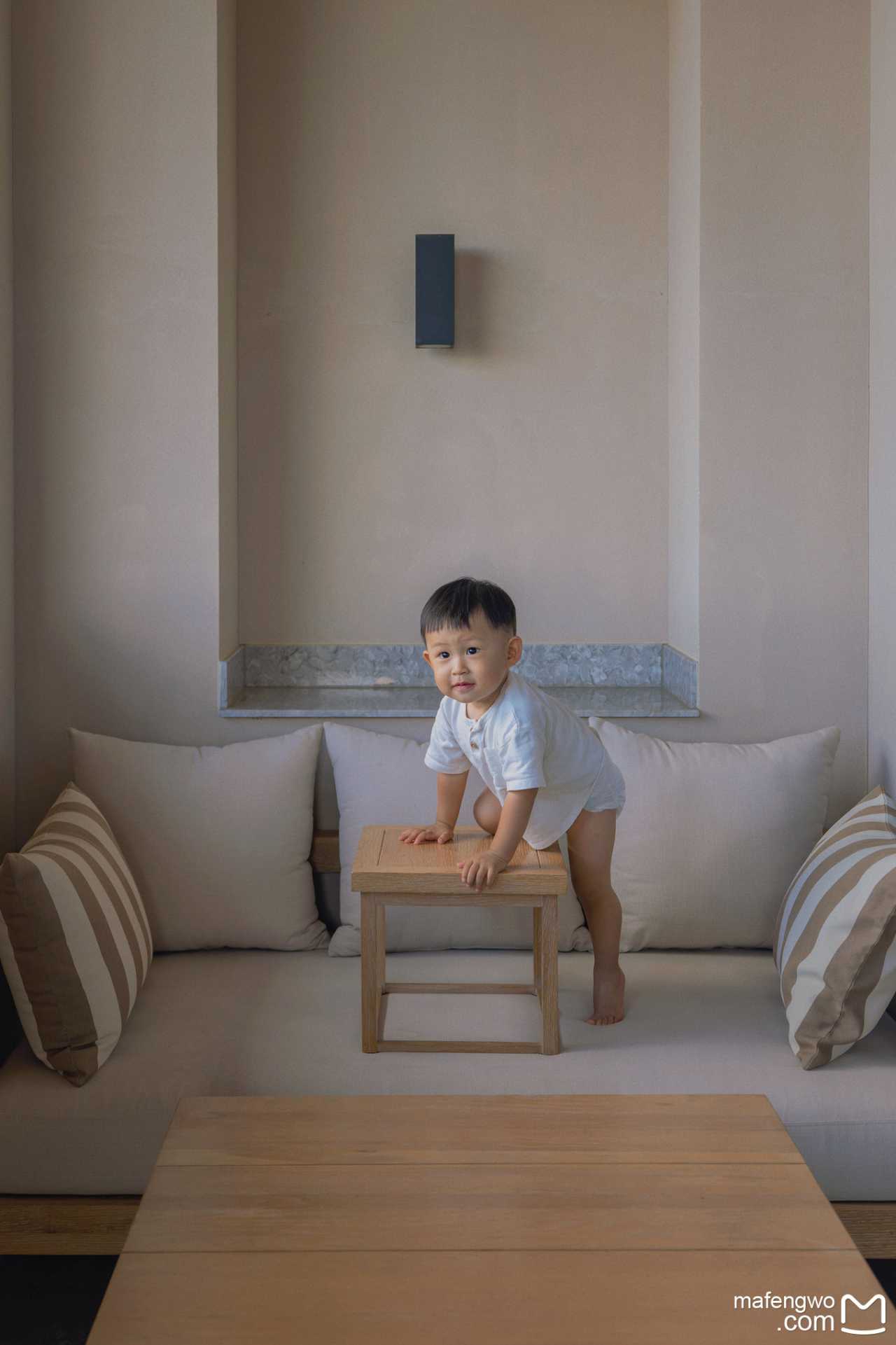
Why we recommend it: This hotel is perfect for families with kids. The ethnic-style exterior is beautiful, the interior has plenty of "Instagram-worthy" spots, and there's a sizable outdoor children's playground with a sandpit. The biggest surprise was the free four-person bicycle you can ride around the property — at other parks, renting one of these isn't cheap, and you have to keep track of return times. Our little one sat in front, with grandma, dad, and great-grandma in the back, cruising through the hotel grounds. That was the moment we truly felt like we were on vacation.
A small downside: There aren't many good restaurants nearby. We had our first dinner at the hotel's all-day dining restaurant, which was decent but nothing special. One interesting observation: even the fusion Chinese dishes at the Western restaurant had chili peppers in them. Yunnan people really love their spice.
Day 2: A Taste Adventure in the Land of Purple Pottery
Jianshui BBQ: Not Just Eating, But Experiencing
It took less than two hours to drive from Ancient Dian Town to Jianshui's old city. But the traffic in the ancient town was a headache — narrow roads, heavy congestion, and long central dividers that made it a pain to turn around if you missed your turn. The worst part was parking. We spent half an hour just looking for a spot in the old town, and didn't walk into our pre-selected BBQ restaurant until 1:30 PM.
Even after lunch rush, the place was packed. Our large family basically "booked" an entire grill table — honestly, the atmosphere felt a bit dull without sharing a table with strangers and grabbing tofu from the same grill. On the bright side, no one laughed at us for being clueless — we didn't even know how to order or pick up our food, and had to rely on a patient young staff member to explain everything. She was a student helping out during her school break, which shows how crazy Yunnan's tourism is right now.
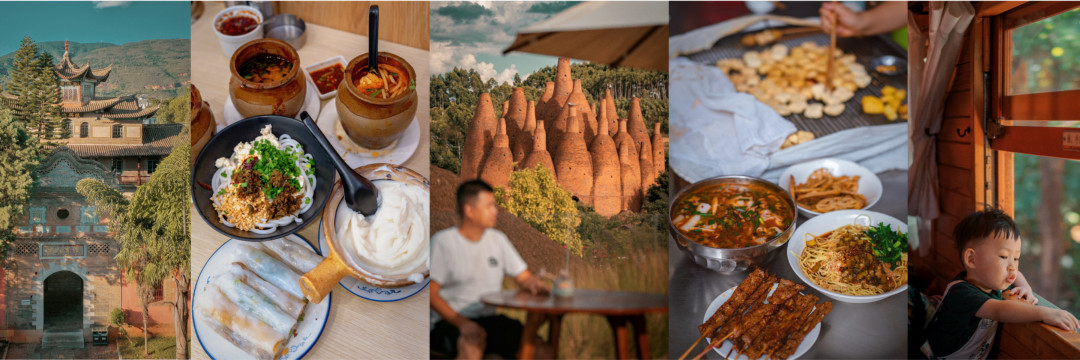
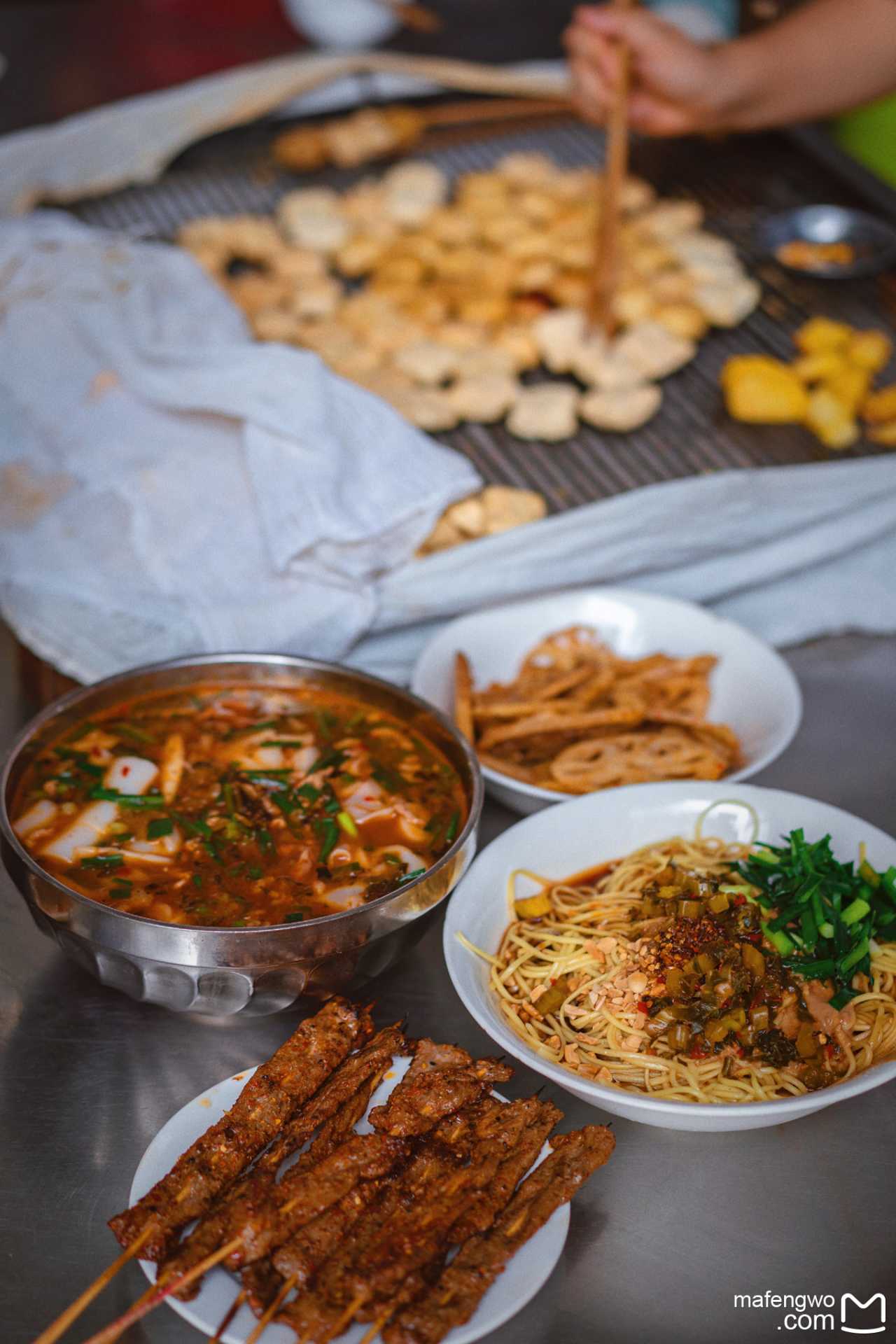
The soul of Jianshui BBQ: The grilled tofu and potatoes are self-service — you pick them off the griddle yourself, drop corn kernels into a bowl in front of you, and pay by counting the kernels at the end. There are two types of tofu: the ones that puff up in the middle are naturally sun-dried "dry wrapped" tofu, with a texture completely different from fresh tofu.
The charcoal grill sits at a slight angle in front of you, sending up fragrant wisps of white smoke. The tofu starts as small, flat, pale pieces, slowly swelling and turning golden brown, finally trembling on the griddle with the sizzle of oil and the crackle of charcoal — there's no more appetite-stimulating sight than this. This style of eating alone puts Jianshui BBQ at the top of China's barbecue map.
Skewers are grilled by a dedicated chef on the side, and the offerings are very local. I highly recommend 烤牛膘 (grilled beef fat) — bite-sized pieces of marbled beef, with the fat grilled to a golden, translucent crispness. Fragrant and crunchy, the beef inside gets more flavorful the more you chew. We ordered several rounds.
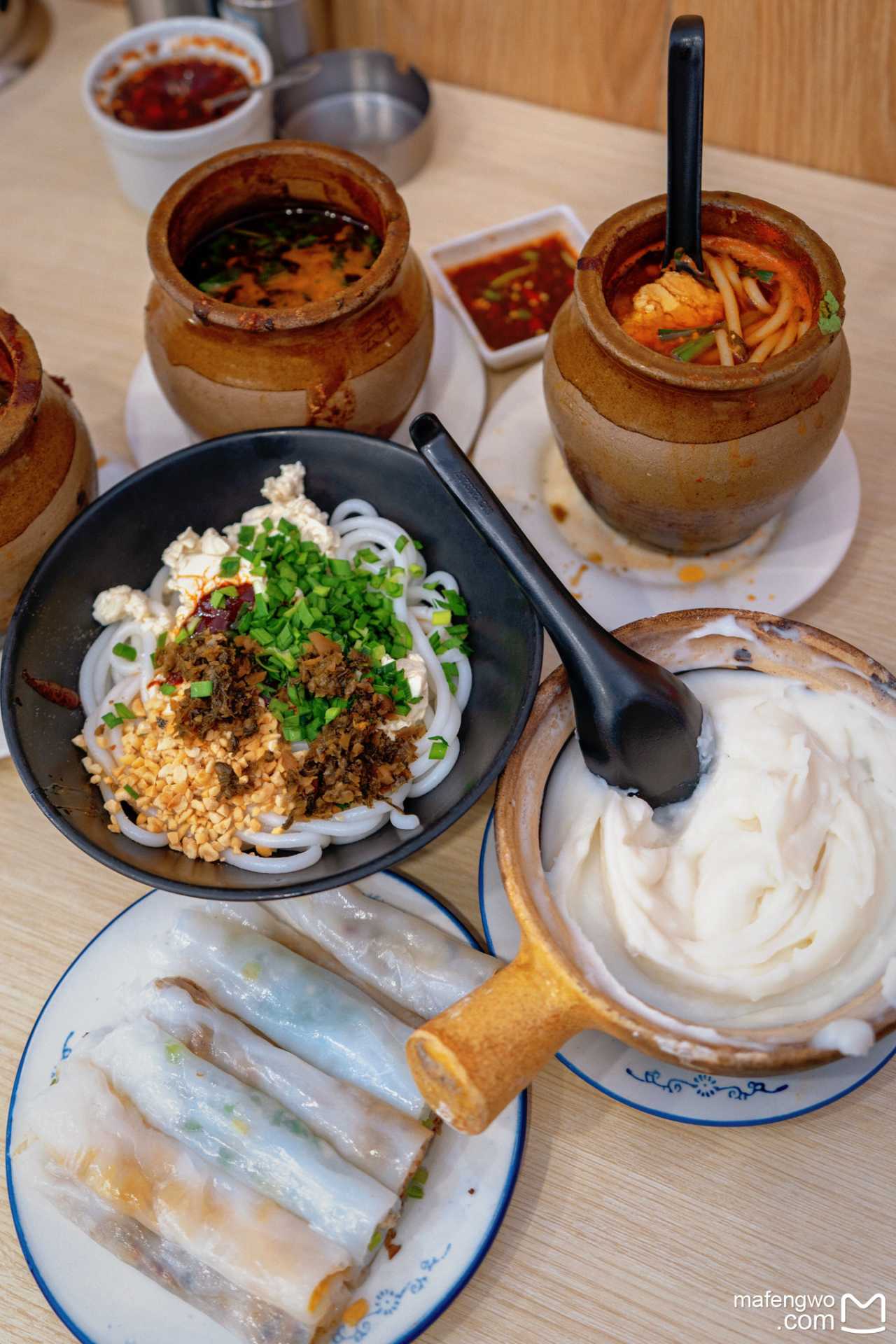
Must-try vegetable: 草芽 (grass shoots). This is Jianshui's most famous vegetable — a herbaceous plant that grows in ponds, looking like white ivory. Its texture is similar to water celery, which people in Jiangsu and Zhejiang love — crisp and refreshing. Apparently, this plant is very delicate, requiring specific geographic and climate conditions, making it hard to cultivate artificially. It's a true treasure of Jianshui. 草芽米线 (grass shoot rice noodles) holds an irreplaceable spot on the breakfast table of every Jianshui local. You can also swap the rice noodles for 卷粉 (rolled rice noodles) — in Yunnan, a rice-producing region, the variety of rice-based foods is endless.
The restaurant also has a dessert counter filled with tubs of Yunnan-style sweets: 木瓜水 (papaya water — actually a jelly-like dessert similar to Sichuan's ice jelly, a classic summer coolant on Yunnan's streets), 冰粥 (iced porridge), and 拉拉粉 (pulled jelly noodles).
The Ant Workshop: Uselessness as Art
Jianshui has a long history of pottery-making. Archaeological discoveries show that primitive pottery appeared here over 3,500 years ago. During the Yuan and Ming dynasties, it produced blue-and-white porcelain and coarse ceramics, second only to Jingdezhen in influence. After the Qing dynasty, purple pottery (紫陶) became Jianshui's calling card. Jianshui purple pottery and Yixing purple clay pottery from Jiangsu are known as two of the "Four Great Pottery Traditions." The key difference is that Jianshui purple pottery uses local five-colored clay mixed in specific proportions, which, after multiple processes and unglazed polishing, takes on a jade-like luster, earning it the nickname "Southern Yunnan's Jade."
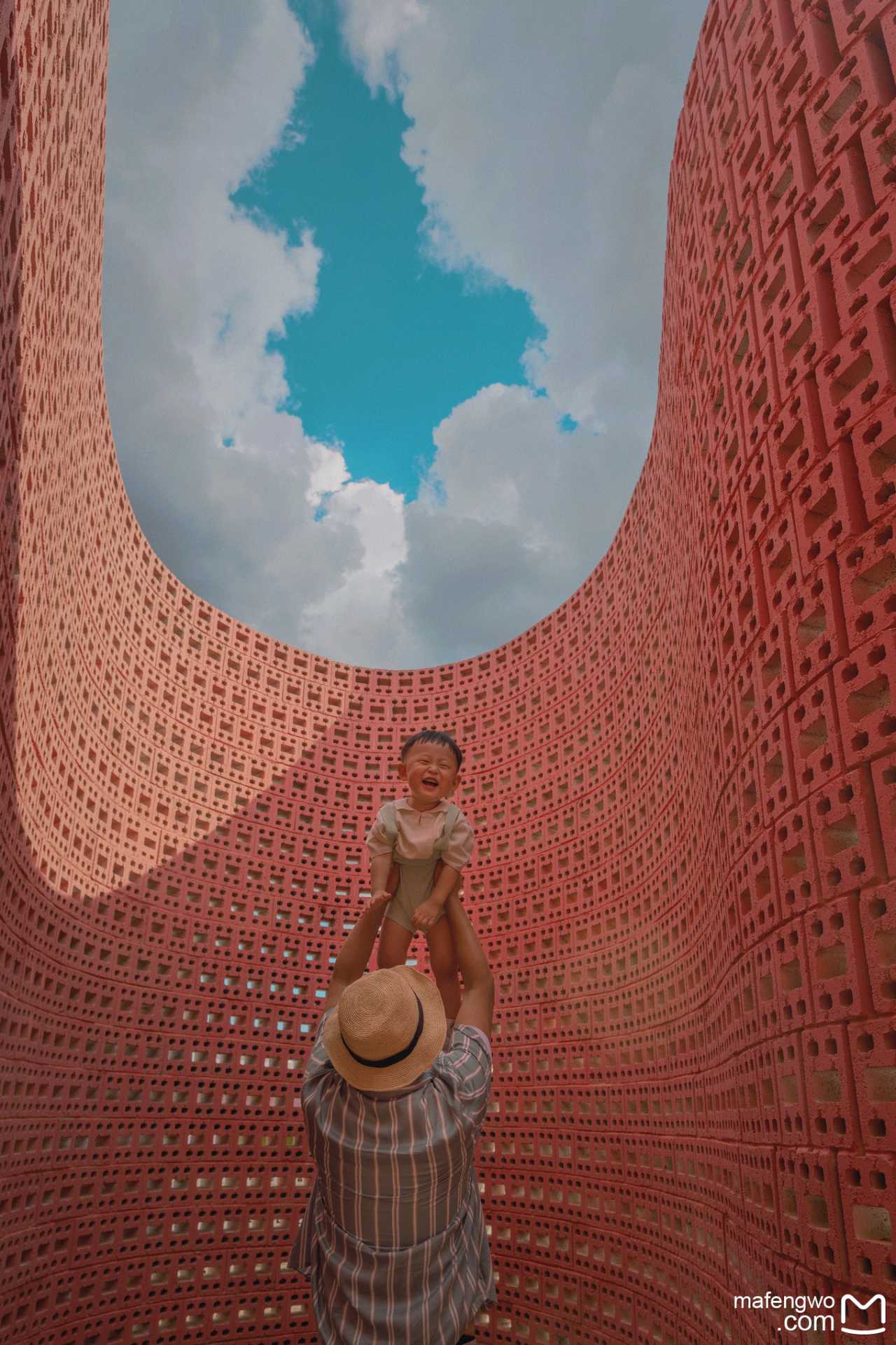
The first attraction I wanted to visit in Jianshui was the Ant Workshop (蚁工坊). The orderly beauty of stacked bricks, combined with the designer's whimsical curved forms, made it a paradise for photography enthusiasts. I had already drafted titles in my head: "How to Shoot Like a Pro" and "How to Get Crowd-Free Shots at a Viral Spot," just waiting for my nine-grid photo layout.
The designer of the Ant Workshop is Luo Xu, a local Yunnan artist. Baidu Encyclopedia calls him a "maverick" — his architectural clusters, his astonishingly prolific body of work, and his unconventional personality often draw mixed reactions. I'd seen him on a music travel show called "China So Beautiful," where, when asked about the deeper meaning of his creations, he simply replied: "Useless."
Armed with this understanding, we drove through the entrance. The little booth at the gate looked like a ticket office, or maybe a security guard's hut. We paid 10 yuan and received a stone — that was our ticket, which we could later use as credit inside.
These "cave dwellings" are not only photogenic from the outside but also hide secrets within. Walking through different areas, the photo opportunities changed completely. We used the small holes in the walls for some fun shots and even took a four-generation family photo.
Across the bridge, there were two places to spend money: a restaurant and a coffee shop inside a cave. More accurately, the shop was in a "cell" — you could only order and pick up items through the bars. We ordered a mung bean latte, a surprisingly good combination that rivaled the trendy coconut latte. They also had alcoholic coffee — if we hadn't been driving, this would have been the perfect place to enjoy a tipsy afternoon.
Further in, we discovered they even have guesthouses here.
The Steam Pot Feast: A Thousand Years of Flavor in One Pot
Since Jianshui purple pottery is so special, we had to try a steam pot feast (汽锅宴) while we were here. Apparently, the steam pots made from local Jianshui purple clay differ slightly in shape, wall thickness, and other details from those made elsewhere. And an old pot that has been used for years, infused with trace elements through countless steamings, interacts more readily with chicken, producing that incomparable umami flavor.
Knowing this, I preferred trying an old, established restaurant in the ancient streets over a trendy new spot. I called a day in advance to book a steam pot feast at Lin'an Restaurant (临安饭店) — most places offering steam pot feasts only serve fixed sets, and you can't order them if your group is too small.
I suspect many directors share my taste — this restaurant is beloved by media, featured in countless documentaries and variety shows, and visited by celebrities. In short: anything can go into a steam pot! The set meal also came with rice noodles for ten, fine cold dishes, and fried bees.
Day 3: Two Ancient Cities, Two Flavors
The Examination Hall: The Past and Present of Scholars
During the Ming dynasty alone, Lin'an Prefecture produced 52 imperial scholars (进士). Sometimes, when the imperial exam results were announced, Lin'an students would make up half the list — hence the nickname "Lin'an Half List" (临半榜). As we explored the ancient city of Lin'an, these historical stories gradually unfolded.
The county-level exam at the Jianshui Examination Hall (学政考棚) was the preparatory test before the imperial exams. Those who passed received generous treatment and entered the path to becoming imperial officials. After that, they could take the provincial exam to become provincial graduates, and then the metropolitan and palace exams to become imperial scholars and enter government service.
The first room was spacious, filled with desks and chairs, recreating the scene of children studying. Many exhibition halls preserved precious historical materials on China's imperial examination system and education — from启蒙读物 (beginner books) for four-year-olds to past exam questions, including rubbings and bamboo slips. These things, which we usually only experience through TV and literature, appeared vividly before our eyes.
Most of us have gone through the transition from elementary to middle school, the high school entrance exam, and the college entrance exam. Many of us are tired of the rat race, anxious about school choices... Standing in this examination hall, I realized how lucky we are. Reading has never been easy, not since ancient times. These children spent the first half of their lives in endless, mechanical study, and most families had to spend their entire savings and travel great distances just for one exam.
Ironically, it was also Yunnan that broke the imperial examination system and China's feudal education model, successfully achieving modern education and producing a wealth of outstanding scholars. If I hadn't come to Jianshui, I wouldn't have had such a profound appreciation for Southwest Associated University when I later visited Kunming.
Jianshui Confucius Temple: China's Second Largest
Located in the ancient city, Jianshui Confucius Temple is modeled after the Qufu Confucius Temple in Shandong. But this massive complex wasn't built all at once — it's connected to the region's scholarly achievements mentioned earlier. You could say this temple was their "source."
In the backyard of the main hall, two ancestors from Zhejiang are enshrined: Wang Jing and Han Yike. Both were outspoken officials who didn't fear the powerful and were exiled to Yunnan for their honesty. Once in Yunnan, they did something as great as what teacher Zhang Guimei does today. At that time, Yunnan had just been pacified and was in ruins. They traveled across mountains and rivers, entering villages of various ethnic groups to promote education, and opened lecture halls at the Lin'an Confucius Temple. According to the "Yunnan General Gazetteer": "At first, the people of Lin'an did not know learning. Since the arrival of these two gentlemen, they have been discussing and debating, and the youth of the prefecture have flocked to them. Thus, culture and education began to flourish, and they are still revered to this day."
It was thanks to their efforts that we saw so many Lin'an scholars in the examination hall. The people of southern Yunnan not only enshrined the two ancestors for generations but also expanded and renovated the Confucius Temple over 50 times across centuries, resulting in the 114-acre complex that is now China's second-largest Confucius Temple.
The temple has a lake, symbolizing the saying "The sea of learning has no bounds; only hard work is the boat" — a rare feature among Confucius temples in China.
The Zhu Family Garden: A Real-Life Grand View Garden

"Richest man in southern Yunnan," "Gang boss of Lin'an who walked both sides of the law," "The gunshots of the Lin'an Uprising in the Xinhai Revolution," "A couplet personally inscribed by Cai E: 'Work requires courage; be a man worthy of your mustache'" — these are the labels you'll find online for Zhu Chaoying. From the late Qing dynasty to the Republic of China, amid turmoil and gunpowder, the Zhu family's story is too long to tell. This family mansion and ancestral hall is described as a real-life Grand View Garden, making you feel like you've stepped into the world of "Dream of the Red Chamber."
According to the guide, the garden's construction, layout, and carvings are highly skilled, with great artistic value. The architectural style incorporates local residential and borderland features. Beyond that, you can learn about the business model of Qing dynasty wealthy merchant families — on one side of the residential garden, there are the original accounting rooms and shops.
This is the kind of house a fabulously wealthy young lady in a historical novel would live in. Look up, and you see ancestral family mottos. Even after three raids and the destruction of that turbulent era, you can still feel the Zhu family's influence in these details.
Shiping: An Underrated Gem
After the afternoon nap, my husband spontaneously booked a trip to the neighboring county of Shiping. We had a car, so we just went — there were no trains to take anyway.
After about an hour's drive, we arrived in Shiping from Jianshui. First, we went to the train station to check out the meter-gauge train parked there. Honestly, many online bloggers mislead people — everyone rushes to ride the Jianshui little train, but the existing meter-gauge railway isn't just one line; there are three! The other two are in Shiping. Shiping Station was an important stop on China's first private railway, the Ge-Bi-Shi Railway.
Compared to Jianshui Station, which is more commercialized and trendy, Shiping's station features several elegant, brightly colored French-style villas, green wooden window frames, and palm trees along the tracks, giving it a Southeast Asian vibe. There's a railway museum nearby, but unfortunately, it was closed when we visited.
Shiping's Old Street isn't as grand as Jianshui's; it's more down-to-earth. The old buildings are mostly residential, with a few scattered museums. They're hard to find — the maps are rarely accurate — so I'd recommend asking a local for directions instead of relying on navigation.
For example, Shiping No. 1 High School, considered the most beautiful middle school — the gate on the map is the school's main entrance; to see the old buildings, you have to take a side road around the back. The green-tiled roofs and flying eaves have a unique beauty. To see all the buildings, you'd probably need a drone.
Yilong Lake — go at sunset. The wooden boardwalk built over the lake is easy to walk on, and almost everyone there is a local relaxing. You can also rent a bike to ride around the lake's outer ring; in summer, there are large lotus ponds.
Dinner recommendation: Fish hotpot. We didn't eat tofu again in Shiping; instead, we chose a fisherman's restaurant by the lake and had paddlefish. I confirmed our dinner order over the phone and specifically asked about this fish. When we arrived, the owner asked, "You're the one who wanted the paddlefish, right?" My tourist look — loaded with camera bags — gave me away as an out-of-towner. The owner specifically told the fish butcher to turn on the light so I could take good photos of the fish — it's funny-looking enough, and when it's cooking in the pot, I kept feeling like it was shouting "Koda Koda" in Thai.
The fish hotpot was straightforward — just order a fish, and the price was only for the fish; the vegetables were provided by the owner. The plate of seaweed at the end was a surprise — it tasted similar to kelp sprouts and was delicious. I later saw it again at a market in Kunming.
Day 4: The Little Train and the Kaleidoscope
Jianshui Little Train: A Time Machine
When I was planning the trip, I thought the Jianshui little train would be our first stop in Yunnan, but we didn't board it until the fourth day. The unpredictability of travel became part of the fun.
In 19th-century China, there was a world-class engineering feat comparable to the Panama Canal: the Yunnan-Vietnam Railway. Designed and built by the French, the Vietnamese section started in 1901, the Yunnan section in 1904, and the entire line opened in 1910. But during the war, it was repeatedly bombed by the Japanese and the Nationalists, and wasn't gradually restored until 1957. It was Yunnan's first railway and one of the few "meter-gauge railways" in China.
The current Jianshui meter-gauge little train is a sightseeing line from Lin'an Station to Tuanshan, running two round trips daily, connecting several key Jianshui attractions. There are four stops along the way, each with time to get off and explore. At the final stop, Tuanshan Station, you have 1.5 hours to hike up the hill and visit the Tuanshan folk houses.
Tip: Don't rush to photograph the train carriages when you first board. Everyone is excited at departure, and it's too crowded for good photos. Wait until the final stop at Tuanshan — almost everyone gets off to take the shuttle bus. You can stay behind to photograph the empty carriages, then walk up the hill yourself. It takes about ten minutes.
Tuanshan Folk Houses: Yunnan's Loulan
If the Jianshui little train journey is a time-travel experience, then Tuanshan Folk Houses freeze time in that moment. It felt like we were on a train heading to a hidden past, opening a family history book at the final stop, entering a mysterious ancient city.
According to records, Tuanshan has 15 well-preserved traditional residences and 6 ancient temples, shrines, and ancestral halls. Their construction quality, preservation, and cultural value are considered unmatched among ancient Chinese residential architecture. Over 600 years have passed, and while the calligraphy and paintings on the doors have faded and the outer walls are mottled and leaning, you can still get a complete picture of late Qing dynasty southern Yunnan village life. Some call it Yunnan's Loulan.
Tuanshan was once a Yi ethnic settlement. "Tuanshan" in the Yi language is "Tusher," meaning "a place of gold and silver." The architecture here blends Yi and Central Plains cultures, creating a unique style. The existing ancient buildings consist of three types: traditional Han Chinese blue-brick quadrangles, Yi-style flat-roofed earth houses, and a hybrid of Han and Yi with tiled roofs and earth walls. The Zhang Family Garden is the main representative of Tuanshan folk houses, and descendants of the Zhang family still live there.
When we came down the hill, it was the hottest time of a summer day — even on the Yunnan plateau, the direct sun was unbearable. The old men of Tuanshan had spotted this business opportunity and started driving their own cars to take tourists down the hill. The price was low and popular, keeping the old men very busy.
Mile Dongfengyun: A Kaleidoscope Without Steel
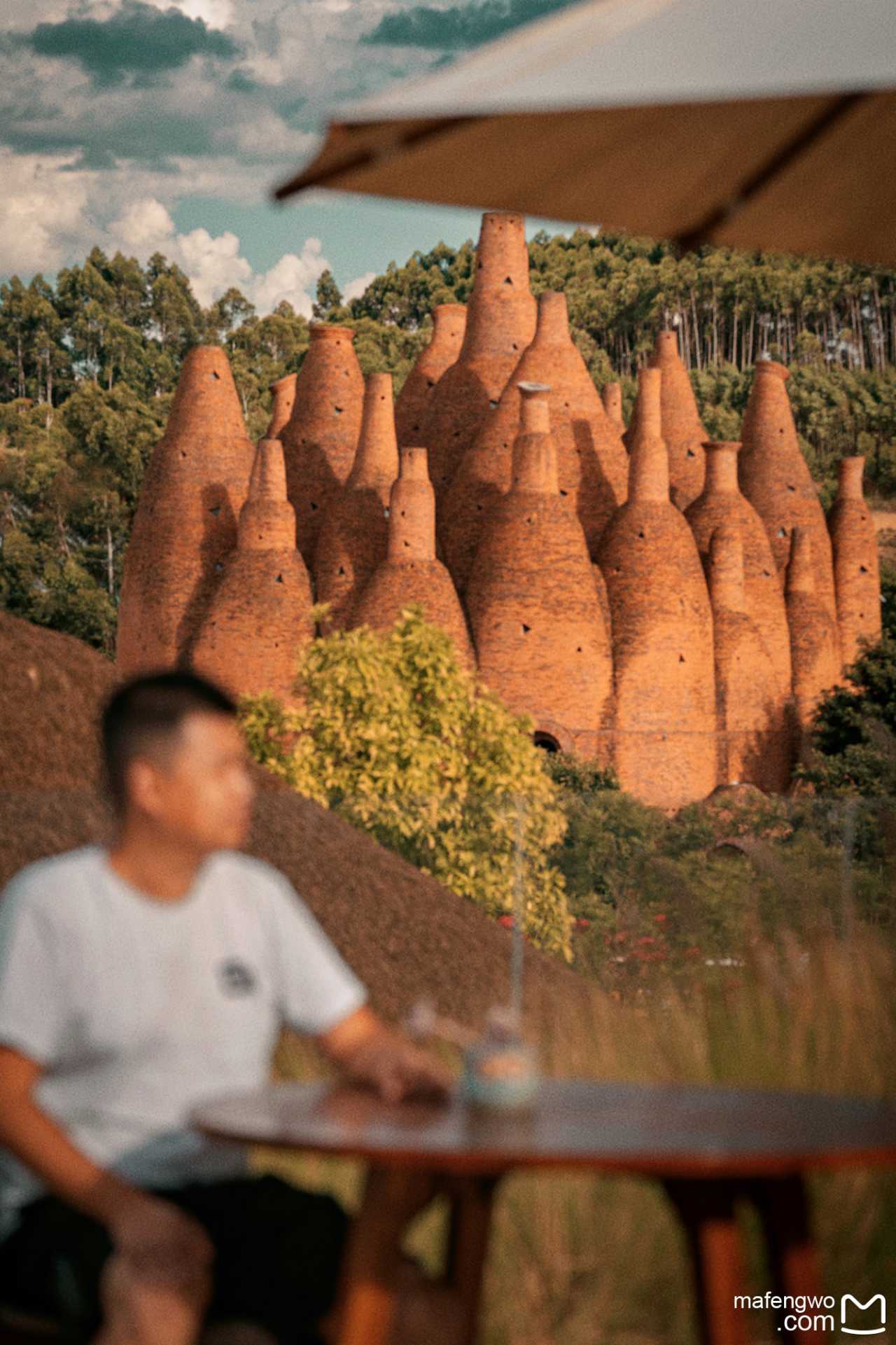
If you've ever searched for Yunnan travel online, you've definitely seen Mile — a cluster of differently sized cylinders, crowded together without any pattern, like a kingdom of earthen kilns. It reminds me of Barcelona, which also has a master of curves.
Mile Dongfengyun was created by the same artist as the Jianshui Ant Workshop, but on a much larger scale. If you want to take good photos, staying overnight is essential.

These kaleidoscopes in Dongfengyun don't use a single steel bar. They use bricks as tubes and windows as mirrors, and as the sunlight angle changes with the seasons, the light inside shifts and creates different光影之美 (beautiful light and shadow effects). Seen from across the river, they look like wine bottles stuck in the red earth; standing beneath them and looking up, the casual, lazy curves stretch to the sky, full of exotic charm, yet you can't quite pin down which country or ethnic group they belong to. They spark endless imagination, taking you on a whimsical journey while making you feel incredibly relaxed and cheerful — this is probably the charm of Yunnan, the land of colorful clouds.
Accommodation recommendation: The Meijingge Hotel, a high-end boutique hotel under the Accor group, known for integrating local culture and art. The interior was designed by Hong Kong's CCD, with many artistic touches and countless photo-worthy spots. For example, the echo dome at the lobby entrance, the chimney in the hotel's central courtyard, and one of the guest buildings (Building 5) featuring a chessboard-themed garden. The area in front of the hotel pool and the open-air restaurant above the pool are also excellent photo spots for capturing panoramic views of Dongfengyun.
Photo tip: The scenic area opens to the public after 8 AM, but hotel guests can go anytime. Once 8 AM hits, lots of people will come for photos, so if you want crowd-free shots, get up and take your pictures first, then come back for breakfast.
Day 5: Back to Kunming
Stone Forest: Regret Not Going, Regret Going?
After our photo session in Mile, we checked out and headed back to Kunming. But before that, we made a detour to the Stone Forest (石林) scenic area. It's about 70 kilometers from Kunming, conveniently located between Mile and Kunming. As Yunnan's most famous classic attraction, with the halo of countless classic films and TV shows, even people with only a passing interest in natural scenery can't resist seeing the legendary masterpiece of nature.
The Stone Forest is one of China's most famous old-school attractions, the kind people describe as "regret not going, regret going." The reason for this mixed reputation is the chaotic management — despite several rounds of major reforms, many unreasonable practices remain, leading to constant minor conflicts.
The Stone Forest is a karst landscape, and this type of terrain actually covers a huge area. Some parts are still undeveloped and unprotected — "wild stone forests." Choosing which to visit depends on your needs. If, like us, you're traveling with elderly and children, it's clearly not the time for self-exploration. Just go straight to the official entrance and ask about ticket prices at the window.
Almost everyone hires a local guide (阿诗玛, or "Ashima"). They act more like your personal concierge: who buys the tickets, who queues, where the elderly and children wait... It's an all-inclusive service that saves a lot of hassle. When it's crowded, their experience helps you save time, avoid unnecessary detours, and shorten wait times. Especially for photo ops — they have "connections" inside. For example, getting a clear shot under the "Stone Forest" sign without a guide's help is nearly impossible; you'd have no idea how long you'd have to wait for a crowd-free moment. Also, I highly recommend renting local ethnic costumes before taking photos — they're only 10 yuan per set.
The 50-yuan guide fee is absolutely worth it. Oh, and you rely entirely on their commentary to make sense of the place — without their well-rehearsed spiel, you wouldn't know what you're looking at. They even know where "Journey to the West" was filmed and exactly where Sun Wukong stood.
The fastest route takes about an hour, with two sections that require walking (no way around it) — so wear comfortable shoes.
Our Last Night in Kunming
Since we had a car, we didn't choose a hotel in Kunming's popular old town. With the same budget, we traded location for better comfort.
We stayed at the Kunming Delta Hotel, located in Guandu District — it's a bit like an economic development zone, but close to Guandu Ancient Town and the Provincial Museum, and not far from the Dounan Flower Market. The surrounding dining and entertainment options are plentiful, and there's a large shopping mall right across the street. This brand is part of Marriott's portfolio, with only two locations in China — Shanghai and Kunming. According to official descriptions, it's on the same level as Sheraton and Renaissance, classified as an upscale business hotel (no kids' facilities). By the way, the Kunming Delta and Kunming Sheraton are connected — their rooms are in two adjacent high-rise buildings, with lower floors linked, and they currently share breakfast.
Final dinner recommendation: Old Yunnan Mountain Village (老滇山寨) — Yunnan ethnic specialty cuisine. Have you noticed that in every city, there's always a chain restaurant that covers the main local specialties at great value? It feels tailor-made for travelers in a hurry — with just one meal, you can taste dishes from across the entire city or even the whole province.
Final Thoughts: Key Takeaways from This Small Loop
Looking back on this trip, here are a few insights I'd like to share:
Renting a car is essential. With elderly and children, self-driving is the most comfortable option. A seven-seater like the GL8 offers plenty of space, so no one gets tired.
Don't let influencers lead you astray. The Jianshui little train is worth riding, but the meter-gauge railway isn't just one line — Shiping's routes are equally fascinating and far less crowded.
Eating is the best way to understand a city. Jianshui's BBQ, steam pot feast, and grass shoot rice noodles; Mile's fish hotpot; Kunming's Old Yunnan Mountain Village — every meal left us wanting more.
Slow down. The core of this small loop isn't about checking off sights; it's about enjoying the moment. Riding a bike by Dianchi Lake, taking photos at the Ant Workshop, watching the sunset at Yilong Lake — these "useless" moments are what travel is all about.
Yunnan is worth visiting again and again. Even during peak tourist season, if you choose the right route, you can still find peace and quiet.
So, if you're also struggling with where to go this summer, consider this small loop. Bring your family, bring a good mood, and go enjoy the breeze in the Spring City.
You should also read:

Two Girls' Graduation Trip: Dali and Shuanglang – A Poetic Farewell to Mountains and Sea
Two Girls' Graduation Trip: Dali and Shuanglang – A Poetic Farewell to Mountains and Sea Preface: Catching the Tail of Youth, Heading South During our senior year of college, my roommate and I – two girls studying in Beijing – decided to bid farewell to…
Continue reading...
Body in Hell, Heart in Heaven: A Pilgrimage Through Tiger Leaping Gorge — A Dialogue Between Heaven and Earth
Body in Hell, Heart in Heaven: A Pilgrimage Through Tiger Leaping Gorge — A Dialogue Between Heaven and Earth Introduction: When the Gorge Splits Open Beneath Your Feet Some say Tiger Leaping Gorge is the closest place on Earth to the border between "hell" and…
Continue reading...
Cloud Travelogue · Dali of Wind, Flowers, Snow, and Moon: A Three-Day, Two-Night Journey of a Free Spirit
Cloud Travelogue · Dali of Wind, Flowers, Snow, and Moon: A Three-Day, Two-Night Journey of a Free Spirit I am a cultured female foodie with a touch of rogue charm. I slung on my backpack, took my lover's hand, and set off on a spontaneous…
Continue reading...