Escaping the Smog, Heading to Xishuangbanna: A Spontaneous Road Trip
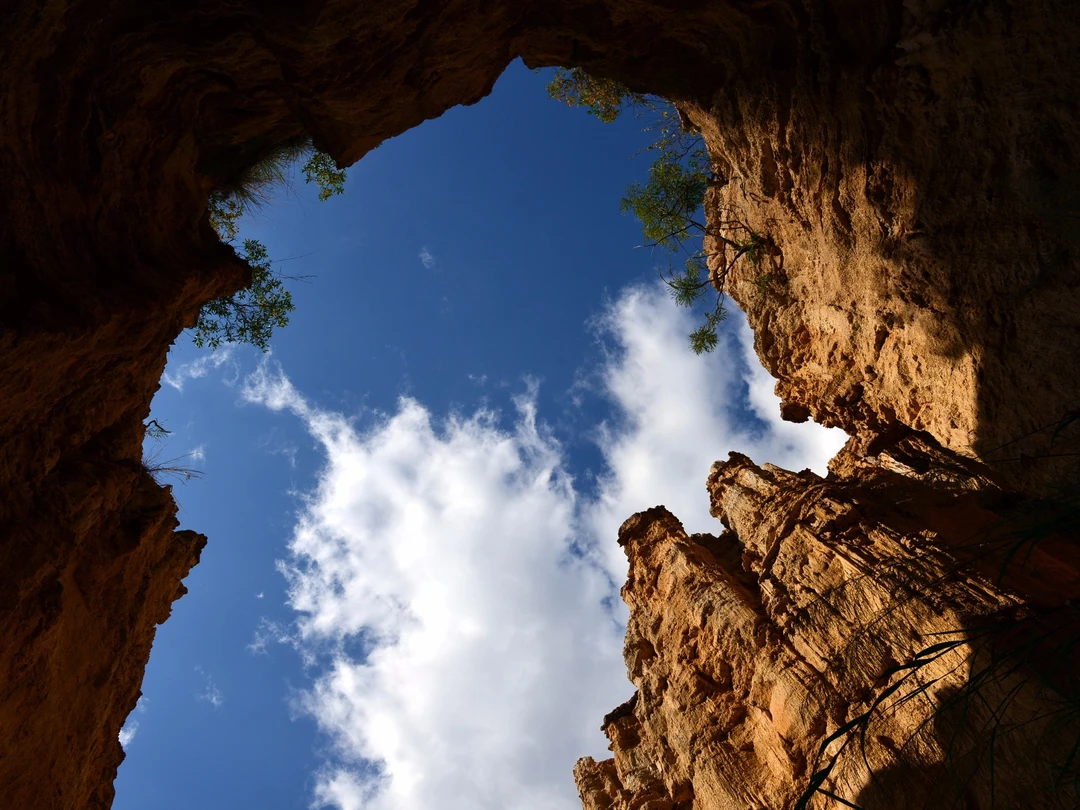
Escaping the Smog, Heading to Xishuangbanna: A Spontaneous Road Trip
Foreword: When Breathing Becomes a Luxury
Have you ever had that moment? Waking up one morning, looking out at the gray haze beyond the window, and suddenly feeling that even breathing has become a burden. It's not melodrama—it's that feeling in smoggy weather when your lungs genuinely ache. It was on just such a morning that I made a decision: escape.

No advance planning. No detailed itinerary. Even two days before departure, I didn't know I was about to embark on a journey. The urge came suddenly, as irrational as the smog hanging over Chengdu. But the destination was crystal clear—Xishuangbanna, that place of sunshine and fresh air.
This trip, more than sightseeing, was a "redemption of breath."
I. Trip Overview: 9 Days, 3,600 Kilometers of Spontaneity
Route Map
Starting from Chengdu, passing through Panzhihua, Yuanmou, Heijing Town, and Pu'er, heading all the way south to Xishuangbanna, then looping back through Zhaotong to Chengdu. The entire route avoids backtracking, stringing together the scenery along the way into a perfect arc.
Time and Distance
- Dates: December 14–22, 2016 (9 days total)
- Total mileage: 3,635 km
- Travelers: 2 people
- Vehicle: Hyundai Santa Fe
- Photography gear: Nikon D800 and D200 bodies, "Big Three" zoom lenses, tripod, smartphone
Daily Itinerary at a Glance
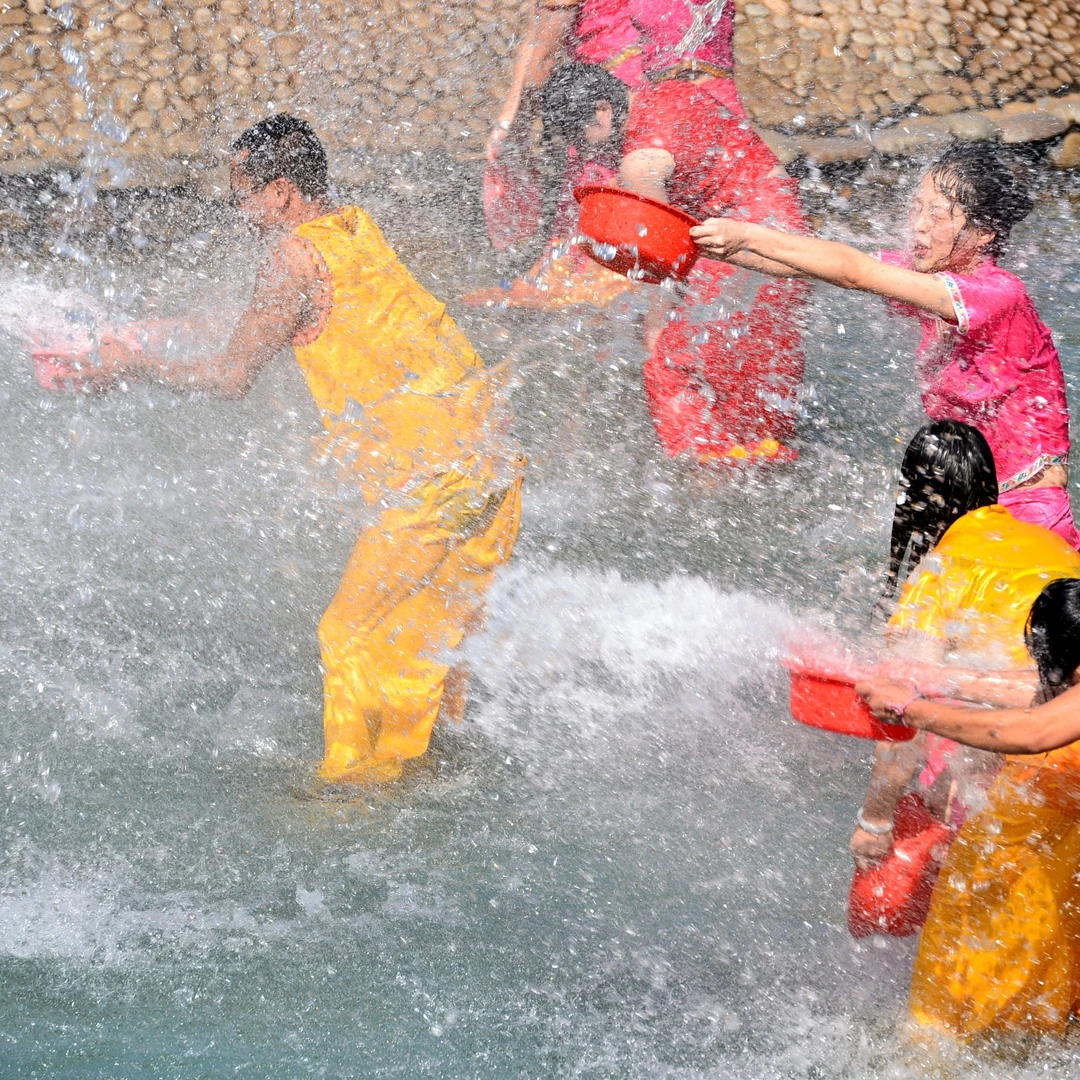
| Date | Route | Mileage |
|---|---|---|
| D1 | Chengdu → Panzhihua | 657 km |
| D2 | Panzhihua → Yuanmou Earth Forest → Heijing Town | 231 km |
| D3 | Heijing Town → Pu'er City | 563 km |
| D4 | Pu'er → Wild Elephant Valley → Jinghong | 214 km |
| D5 | Jinghong → Xishuangbanna Tropical Botanical Garden → Wangtianshu | 150 km |
| D6 | Wangtianshu → Jinghong | 150 km |
| D7 | Jinghong → Ganlanba → Yuxi | 548 km |
| D8 | Yuxi → Dashanbao (Zhaotong) | 502 km |
| D9 | Dashanbao → Chengdu | 619 km |
II. Day One: Chengdu to Panzhihua—From Smog to Sunshine
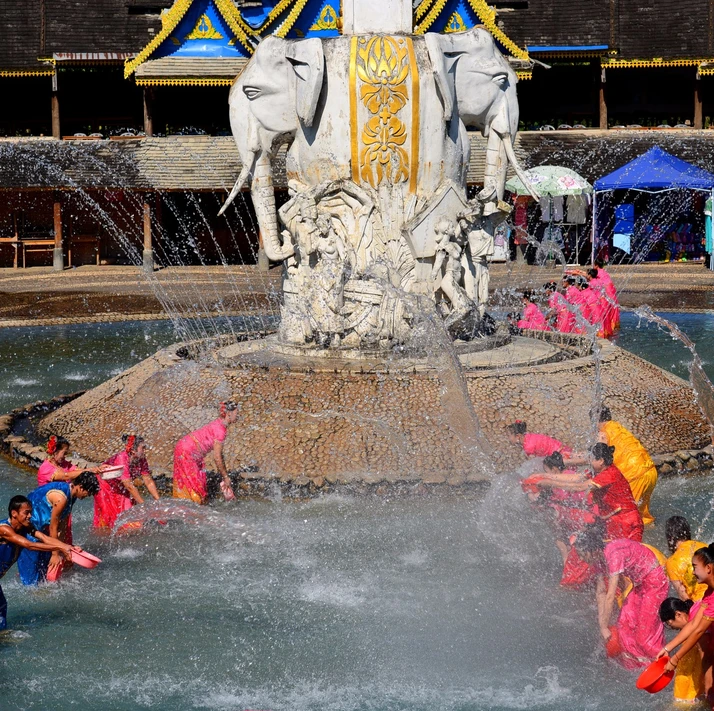
Departure: An Escape Without Excitement
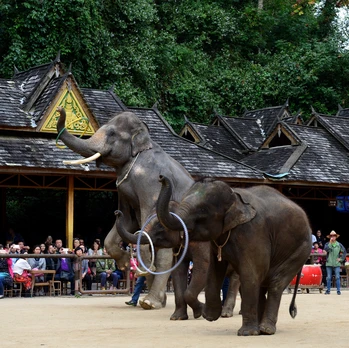
We set off at 9:30 AM, later than heading to work. There was none of the usual thrill or pre-trip excitement—it felt as ordinary as going for a walk after dinner. But deep down, I knew this was about escaping something invisible yet suffocating.
From the Chengdu-Ya'an Expressway to Ya'an, then onto the Ya'an-Panzhihua Expressway through Hanyuan, Shimian, Xichang, and Miyi, heading west all the way. The weather shifted from overcast to clear, and our spirits lifted along with it. Our lungs seemed to relax the moment they breathed that first gulp of clean air.
The Ya'an-Panzhihua Expressway: A Cliffside Spectacle
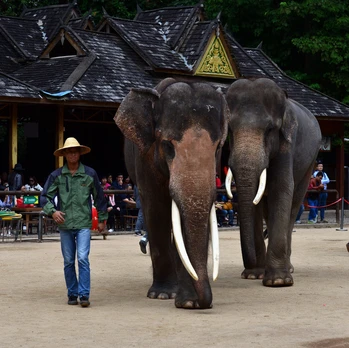
I've driven this road dozens of times, yet it never loses its charm. The expressway weaves through towering mountains, with bridges and tunnels alternating to create a unique landscape. Mountains, villages, and swirling mist formed a flowing ink-wash painting. I usually want to stop and photograph, but I hold back for safety. This time, entering the Liangshan region, with mist-shrouded villages and sparse traffic, I finally couldn't resist pulling over. I snapped a few shots of the village scene—it looked like a fairyland.
Panzhihua: Surprises and Ironies
We arrived in Panzhihua at 6 PM, but our navigation system failed us—both the car's GPS and our phone's maps led us to a dead end along the Jinsha River. A middle-aged couple standing in a field watched us reverse and said calmly, "Cars often end up here." Apparently, we weren't the first to make that mistake.
Panzhihua itself is an interesting city:
- Name: The only city in China named after a flower (the bougainvillea). It was once called "Dukou" (ferry crossing) due to its proximity to the Jinsha River.
- Terrain: More hilly than Chongqing—walking here means climbing.
- Weather: Warm in winter, with no rain, snow, or cold dew.
- Population: Almost entirely outsiders—the migrant ratio is higher than Shenzhen's.
- Food: A melting pot of cuisines from all over China. The "clay pot tofu with beef" (沙锅豆花牛肉) we tried was itself a "melting pot" of flavors.
- Traffic: Steep slopes and narrow roads. City buses groan loudly climbing hills, belching thick black exhaust.
And one more "pain point": Panzhihua is known as the "Vanadium and Titanium Capital of China." Six years ago, I bought shares of "Panzhihua Vanadium & Titanium" at 13 yuan per share. Now they're worth just over 2 yuan. I'll be waiting forever to break even.
III. Day Two: Yuanmou Earth Forest and Heijing Ancient Town—Unexpected Surprises
Yuanmou Earth Forest: Sculptures Carved by the Earth
Departing from Panzhihua, we followed the S214 highway along the Jinsha River, then entered Yunnan via the Panzhihua-Tianchang Expressway. After 114 kilometers and a 2-hour drive, we reached Yuanmou Wumao Earth Forest.
An "earth forest" is a columnar terrain formed from soil deposits, looking like a forest from a distance. Each "column" has a unique shape: some resemble ancient castles or pagodas, others giant swords thrusting skyward or knife ridges lying across the ground; some look like eagles spreading their wings or galloping horses, others like helmeted warriors or scholars waving fans. It's a masterpiece of nature, breathtaking to behold. Mica and quartz scattered across the columns shimmer in the sunlight, adding a brilliant splash of color.
The scenic area is laid out in a loop, so no backtracking is needed. We chose to take a sightseeing cart to the top for a panoramic view, then hiked down to experience it up close. We wandered leisurely through the earth forest for over three hours, with fewer than a hundred other visitors. It was so quiet you could hear the wind.
Heijing Ancient Town: The "Salt Capital" Hidden in the Mountains
I discovered Heijing Town the night before while researching. It's known as one of Yunnan's "Four Great Ancient Towns," on par with Shaxi Ancient Town. Shaxi is a place I adore, so by extension, Heijing was a must-visit.
From the Earth Forest to Heijing, we first took the expressway, then a dirt road. The navigation system led us onto a 69-kilometer unpaved road, which took a bone-rattling three hours to complete. The villages we passed along the way all had animal-themed names—Yangjie Town (Sheep Street Town), Niujie Village (Ox Street Village). All that was missing was Mazhe Tun (Horse Street Village) and Zhujie Zhai (Pig Street Village).
We arrived at dusk. Heijing Town sits wedged between two mountains, so nightfall came even earlier. The ancient town had very few tourists—almost all locals—and none of the noise you'd find in other historic towns. The shops along the street were quietly going about their business, unhurried and self-sufficient.
For dinner, we tried local specialties: "灰豆腐" (gray tofu, also known as pocket tofu), "盐焖肉" (salt-braised pork), and "核桃花" (walnut flower). The gray tofu was the most memorable—white tofu cut into cubes, deep-fried, then soaked in alkaline water to form little "pockets." Cooked with pickled vegetables and other seasonings, it was tender, smooth, and utterly delicious.
IV. Day Three: Slow Living in Heijing Ancient Town
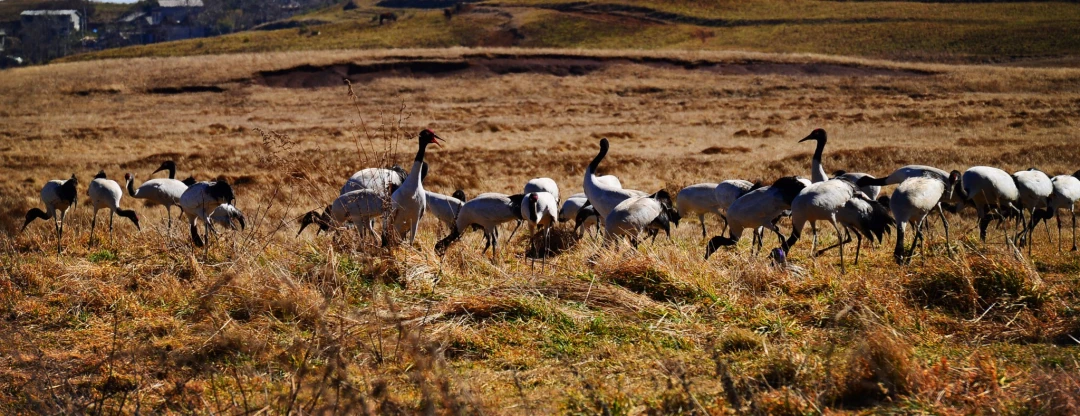
Morning in the Ancient Town
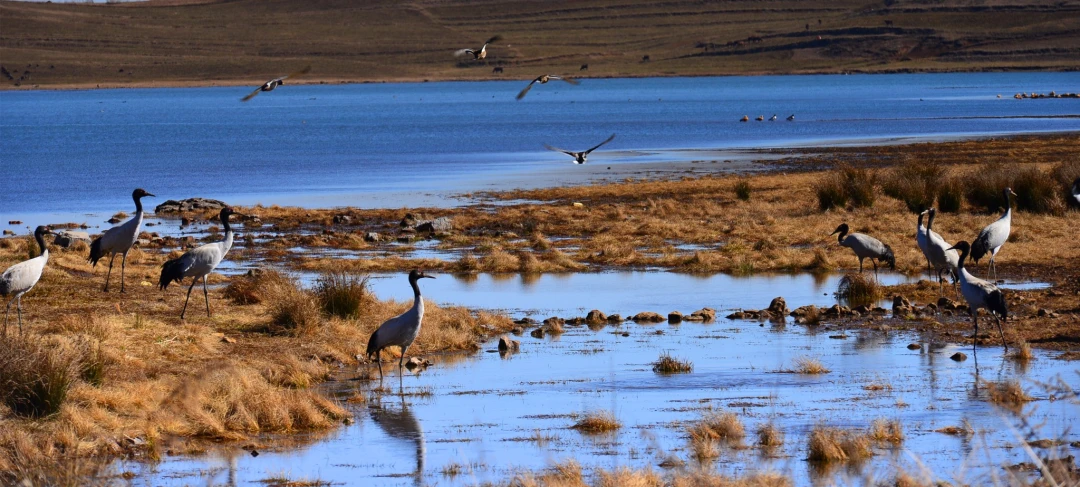
We woke up early, and the town was even more serene. We had soy milk, fried dough sticks, and "饵块" (erkuai, a chewy rice cake) at a restaurant across from the Wang Family Courtyard, then wandered through the old streets.
Heijing Town is located in Lufeng County, part of the Chuxiong Yi Autonomous Prefecture. Since ancient times, it has been a place that produced tribute salt. According to the Heijing Salt Well Records, a local herder named Li Azhao was grazing cattle in the mountains when one ox grew exceptionally fat and glossy. Later, the ox went missing, and when the herder tracked it down, he found the animal licking the ground at a spot where salt emerged. To commemorate that black ox, the place was named "Black Ox Salt Well," later shortened to "Heijing" (Black Well).
The town has endured for a millennium, its character still intact. There are 21 cultural heritage sites, including ancient archways, salt wells, stone carvings, dragon temples, courtyards, monasteries, streets, and residences. Time has passed, and the "Salt City" has long lost its former glory, yet it retains the style of Tang and Song dynasty lanes, Ming and Qing dynasty homes, and weathered inscriptions, stone carvings, and pagodas bearing the marks of time.
The Unique Character of the Ancient Town
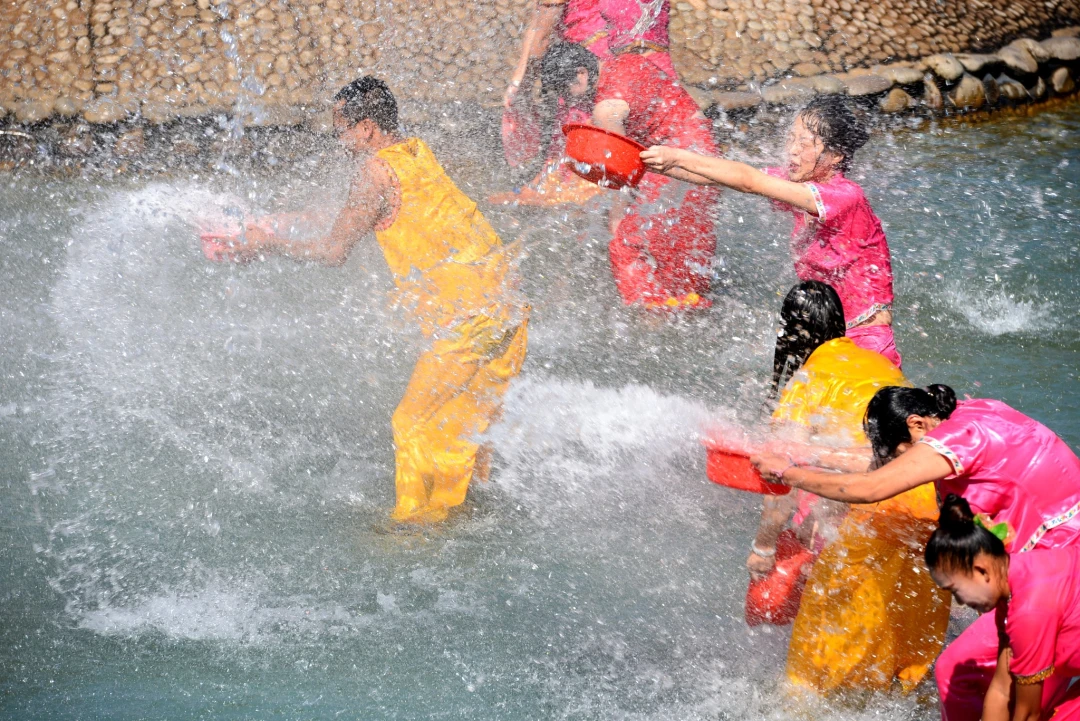
Heijing Town is small—no more than a mile long, with two bridges, one stone road, one railway line, dozens of small mule-drawn carts, and about a hundred or so households. If you just skim the surface, half an hour is enough. But visiting an ancient town is about savoring—savoring its ancient charm, its rich flavor.
What's most precious is that the town still maintains a relatively primitive ecosystem, free from over-commercialization. The locals continue to live self-sufficiently among these mountains and rivers. This kind of calm is rare in other ancient towns these days—even Shaxi has lost some of that serenity.
V. Day Four: Wild Elephant Valley and Gaozhuang—First Encounter with Xishuangbanna
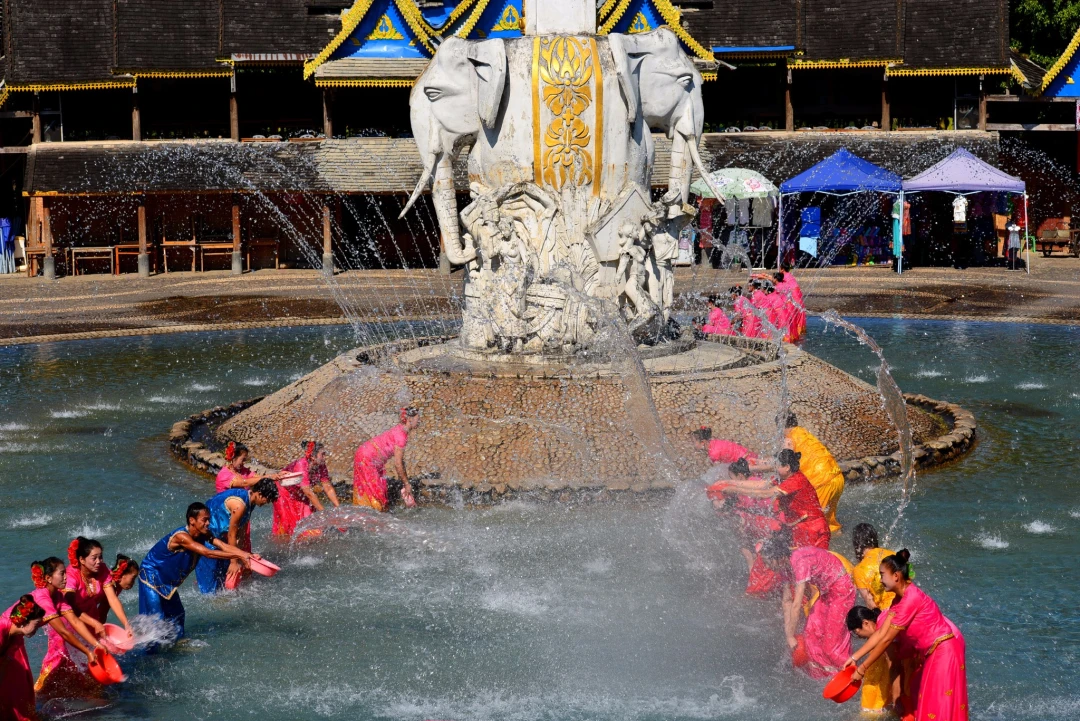
Morning in Pu'er
Before leaving Pu'er, we searched on Meituan for a rice noodle shop. A girl from Yibin was also eating there and said, "I've been in Pu'er for ten years, and I've been eating at this place for ten years." Indeed, the noodles were amazingly good. Especially the pickled radish and salted vegetables—absolutely not to be missed.
Driving south from Chengdu, the temperature gradually rose. By the time we reached Pu'er, we had shed our winter clothes and changed into autumn wear. Beautiful weather all the way, and a light-hearted mood to match.
Wild Elephant Valley: Encountering Asian Elephants
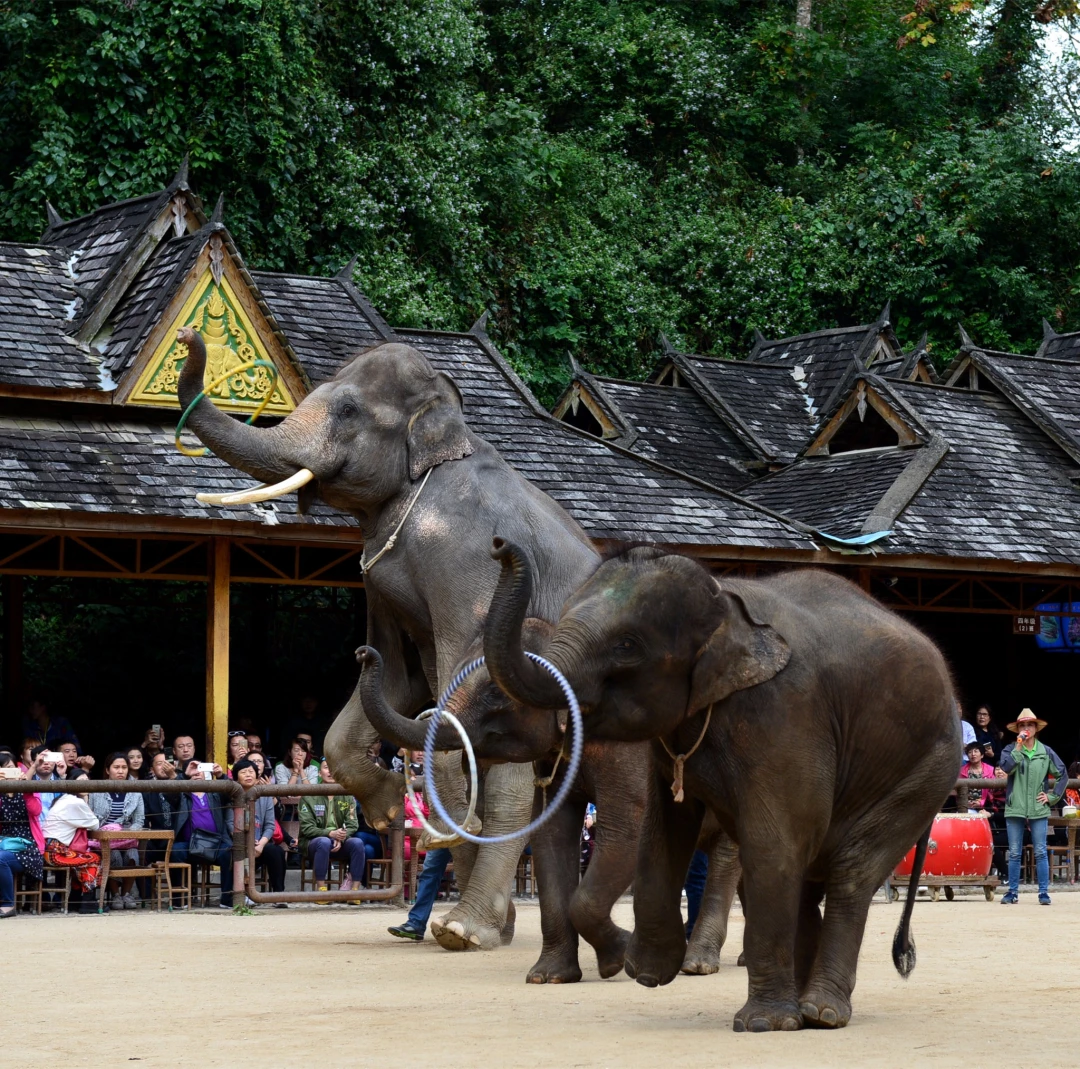
Wild Elephant Valley is located within the Mengyang Nature Reserve of the Xishuangbanna National Nature Reserve, 22 kilometers from Jinghong City. It's China's first national park focused on animal protection and environmental conservation.
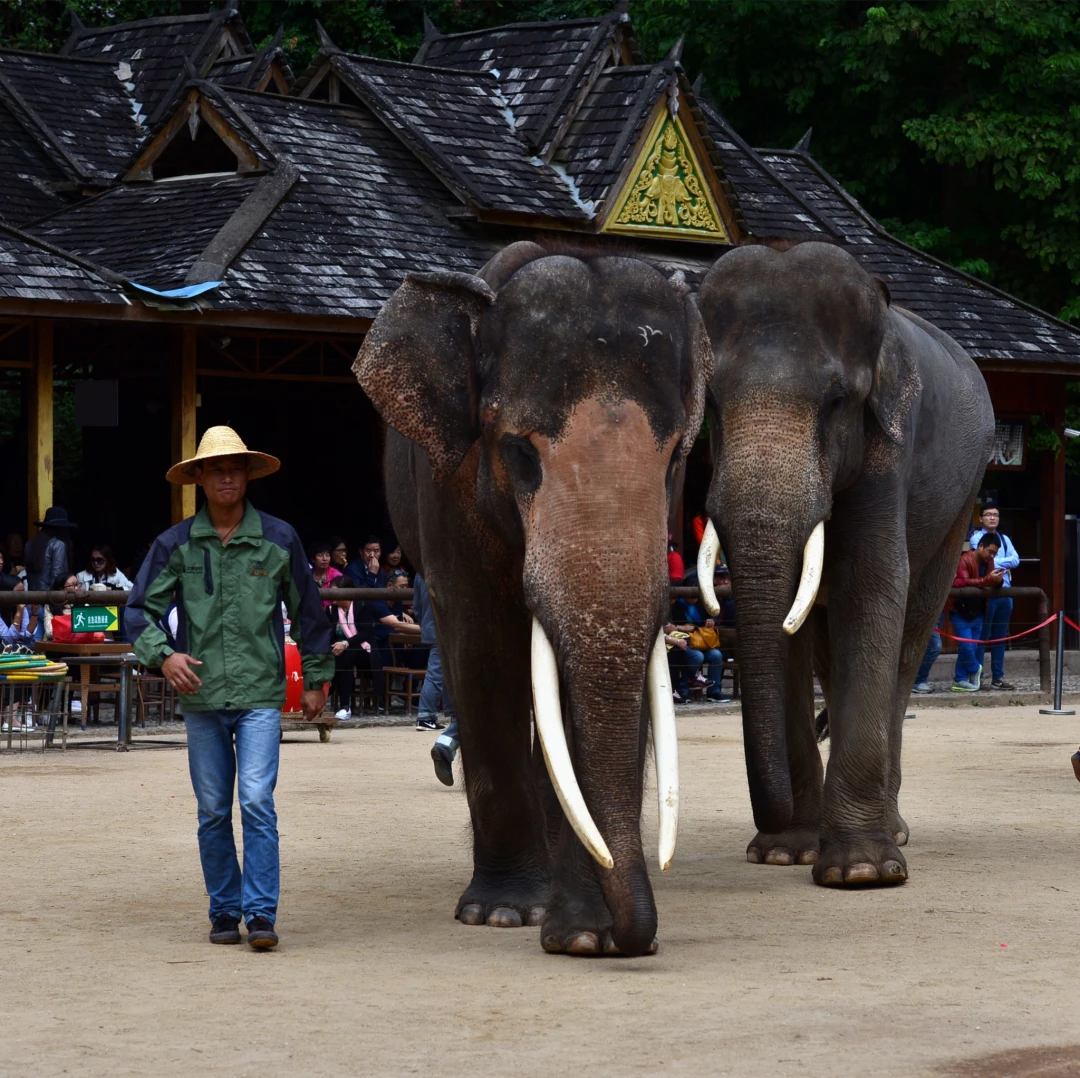
Asian elephants once roamed widely across the Yangtze River basin, Guangdong, Guangxi, and Guizhou, even reaching the Yellow River region. As climate and environmental conditions deteriorated, they were forced to migrate south. Today, Xishuangbanna is the only habitat for Asian elephants in China.
Beyond elephants, the valley is home to a variety of exotic flowers and fruits—"美蕊花" (beautiful stamen flower), "大花五桠果" (large-flowered Dillenia, one of the Asian elephants' favorite fruits), gorgeous water lilies, and fluttering butterflies, including the dead-leaf butterfly that mimics a dried leaf.
Our luckiest sighting was the white-cheeked gibbon. According to data, there are fewer than 350 of this species left in the entire world—extremely rare. To encounter one here was extraordinary fortune.
Afterword: The Meaning of Travel
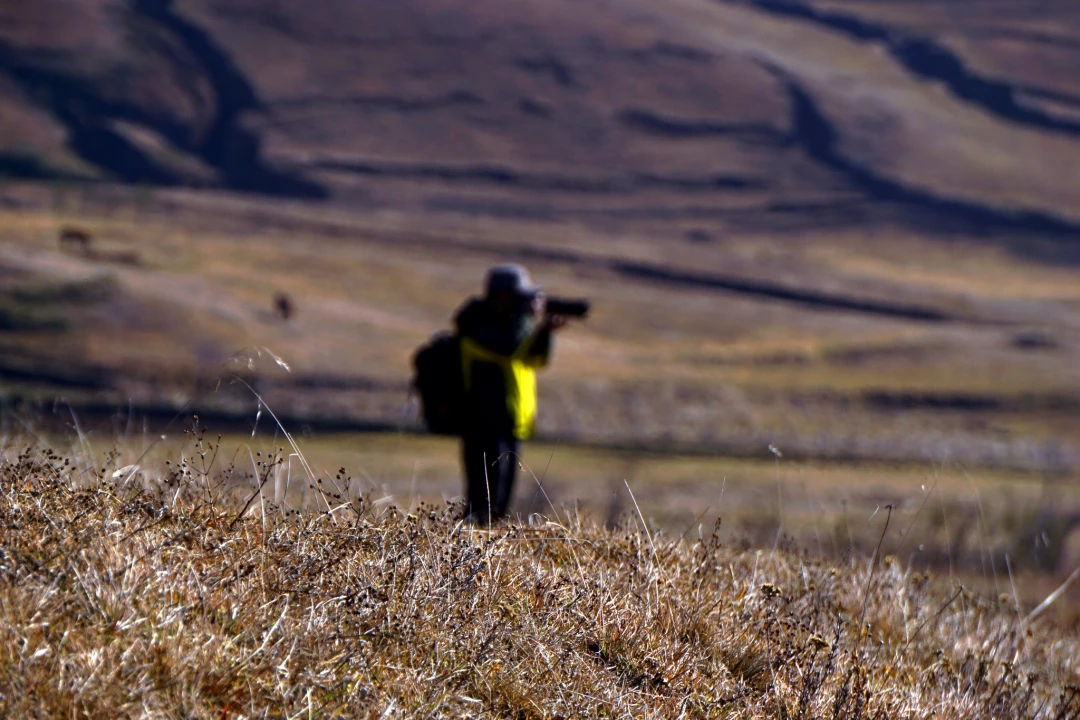
This journey began as an escape and ended as a harvest. We escaped the smog and gained sunshine; escaped the noise and gained tranquility; escaped the routine and gained surprise.
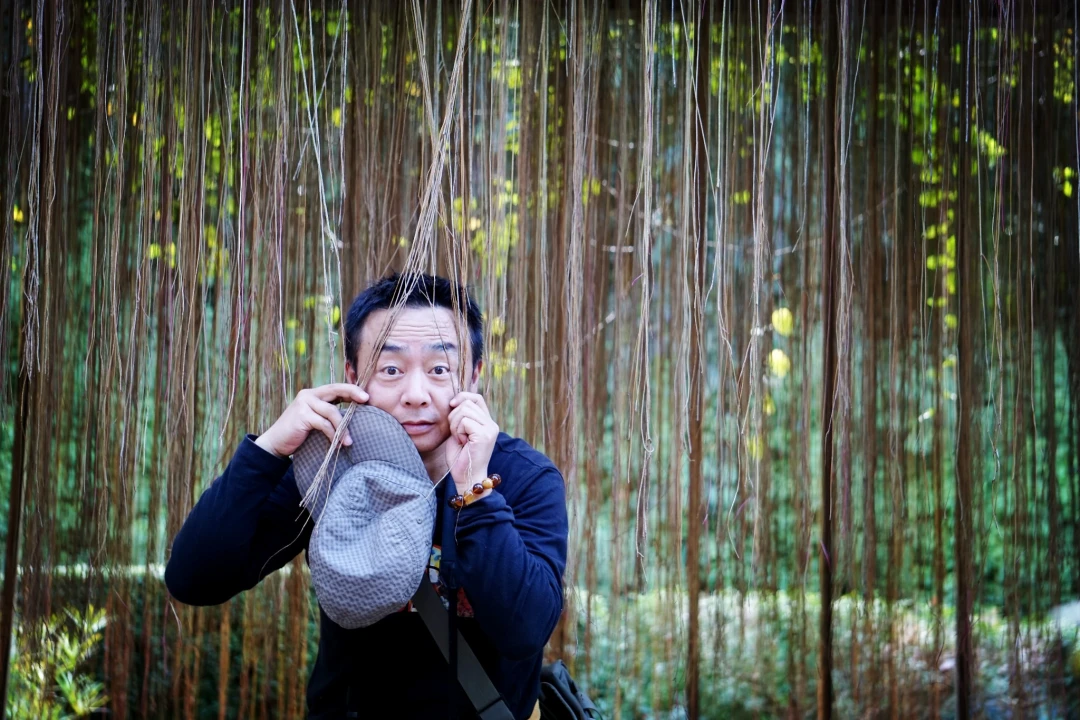
The breathtaking artistry of the Yuanmou Earth Forest, the thousand-year charm of Heijing Ancient Town, the vibrant life of Wild Elephant Valley—each place left a unique memory. But the most precious thing was the courage to "just go" and the ease of "going with the flow."
If you're also troubled by smog, if you also want to escape, why not embark on a spontaneous road trip? You don't need a perfect plan or a detailed itinerary. All you need is a heart that wants to breathe.
After all, the best journeys often begin with a sudden impulse.
You should also read:
Happiness, on the Road: Someday, You'll Miss Today
Happiness, on the Road: Someday, You'll Miss Today Travel is never about reaching a destination—it's about rediscovering yourself along the way. The moment you truly take that step, your heart becomes free. Even a wildflower by the roadside or a worn cobblestone can feel fresh…
Continue reading...
South of the Clouds: A Spontaneous Lijiang Wanderlust
South of the Clouds: A Spontaneous Lijiang Wanderlust Prologue: When the Soul Meets Freedom Some places have names that alone stir the heart with longing. Lijiang is one such place. It exists like an unfinished poem, a melody left hanging in the air, echoing softly…
Continue reading...
A 9-Day Yunnan Journey: From Lijiang to Dali to Tengchong – A Trip Toward Self-Reconciliation
A 9-Day Yunnan Journey: From Lijiang to Dali to Tengchong – A Trip Toward Self-Reconciliation Some say travel is simply going from a place you're tired of to a place other people are tired of. It stings to hear, but it's painfully true. Yet there's…
Continue reading...