Five-Day Lijiang Independent Travel: A Journey of Spiritual Cultivation Through the Mortal World
Five-Day Lijiang Independent Travel: A Journey of Spiritual Cultivation Through the Mortal World
Introduction: Meeting Is Fulfillment Itself
I once asked myself: Is a meeting destined for separation merely futile? Later, I came to understand that a journey shared, even briefly, leaves a lifetime imprint. Meeting is fulfillment itself—why insist on forever? True companionship resides not in physical presence but in the heart; wordless, never distant. Life is fundamentally a solitary journey; others are but fellow travelers who accompany you for a stretch, aiding your cultivation, while the remaining storms must be weathered alone.
With this mindset, I embarked on a five-day independent trip to Lijiang. This was no ordinary vacation, but a dialogue with myself—a practice of spiritual cultivation.
Day One: Arrival in Lijiang, Night Tour of the Old Town
From Tianjin to Lijiang: A Three-Thousand-Kilometer Journey
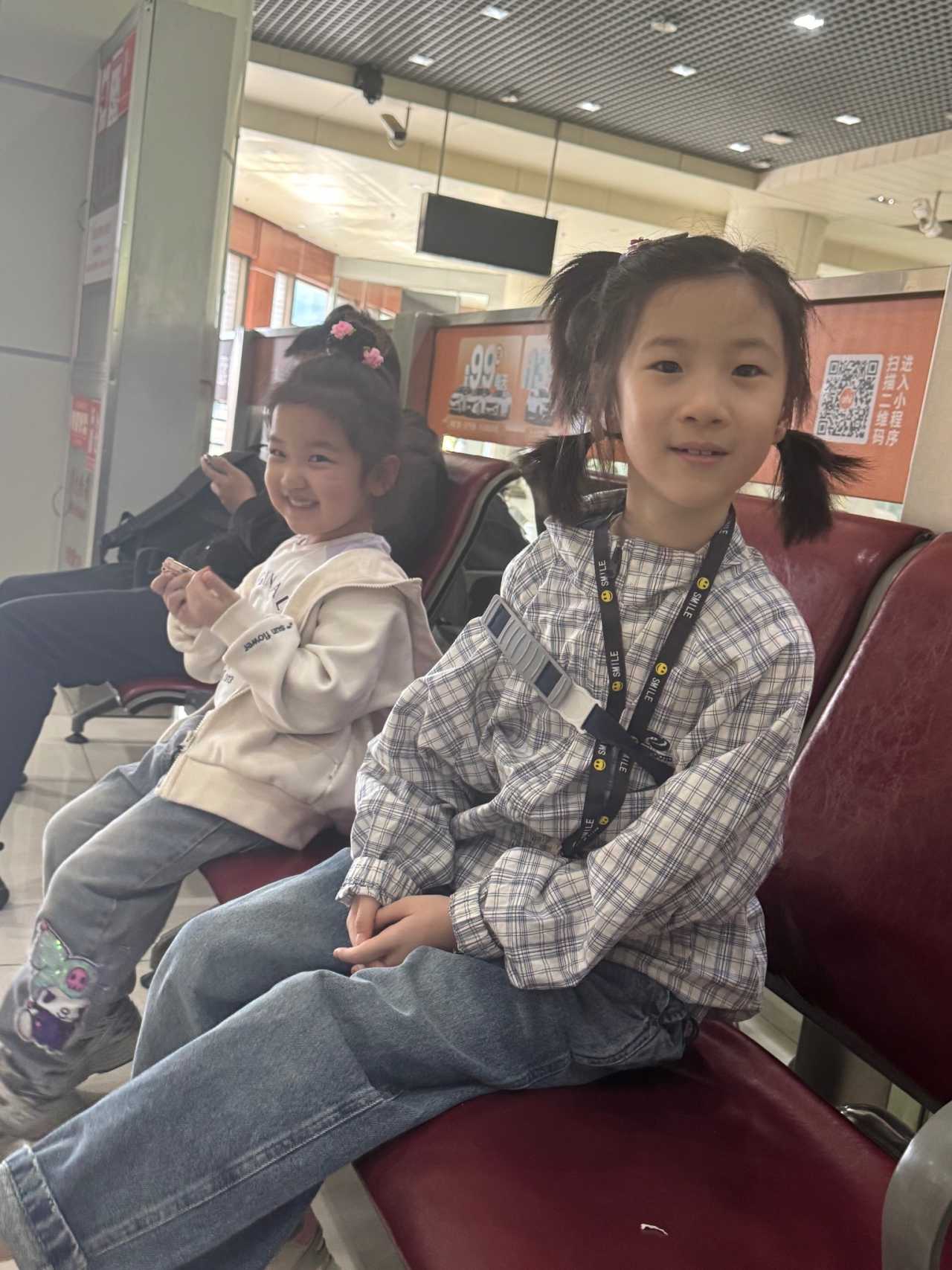
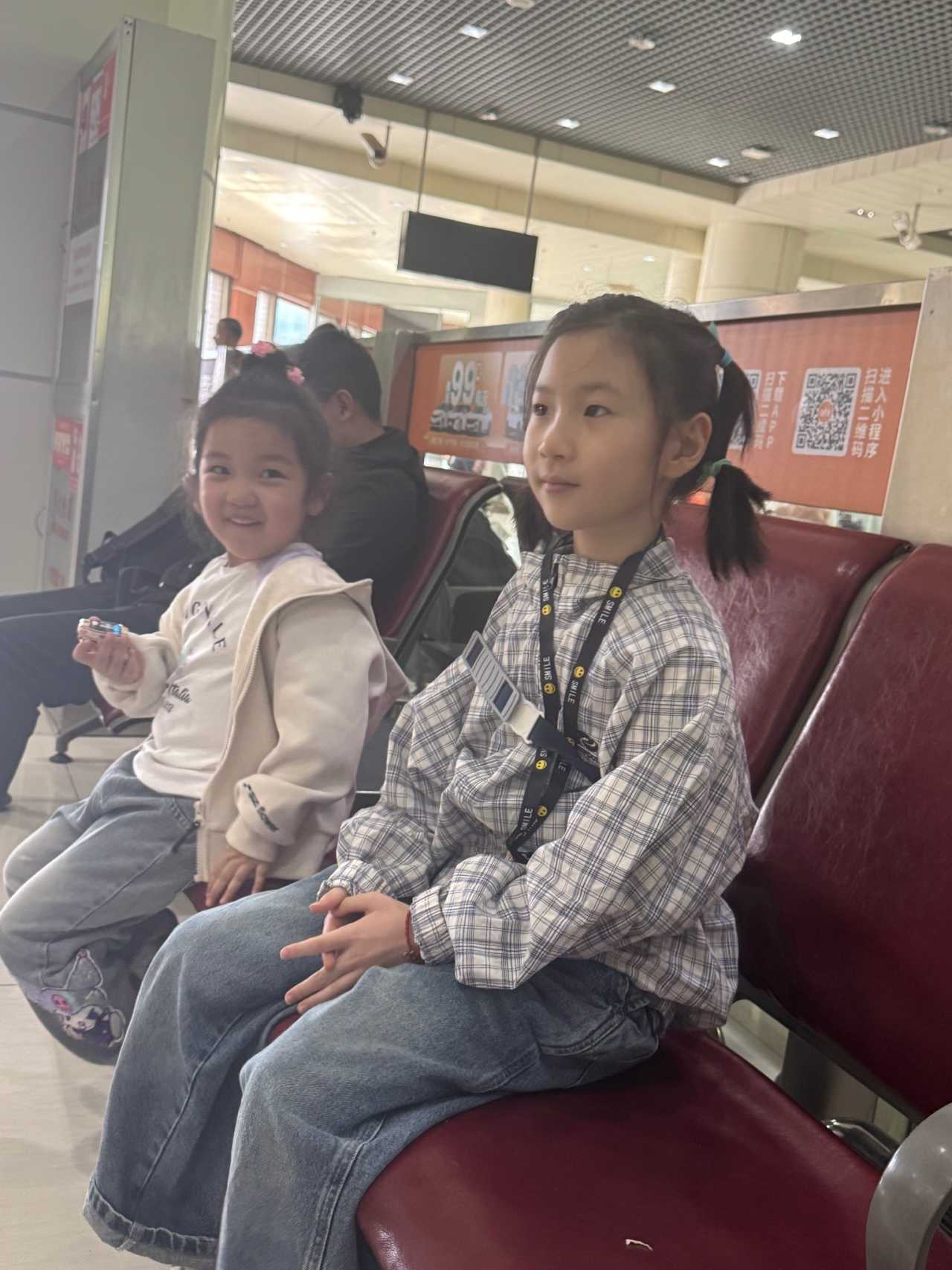
Early morning, departing from Tianjin Binhai International Airport. After taking the subway to the terminal and resting briefly in the VIP lounge, we boarded the noon flight. At 3:30 PM, we landed punctually at Lijiang Sanyi Airport. While collecting luggage, our socially fearless child made a new friend—children's world is always so pure; a glance, a smile, and friendship begins.
A half-hour taxi ride brought us to our first stop: the Lijiang Hotel Indigo. After dropping off our bags, it was already dusk. Hungry and weary, we headed straight to "菌自由火锅 (Mushroom Freedom Hotpot)," a highly rated spot on Dianping. When the platter of nine mushroom varieties arrived, I couldn't resist joking, "This is the gout nine-piece set!" The combination of fresh-cut beef and mushrooms was indeed stunning, and the ambiance was elegant. As my uncle from Beijing would say, "This meal really hits the spot."
Night Tour of the Old Town: Millennia of Time in Light and Shadow
Well-fed and content, we began our night tour of the old town. The route roughly followed: Snow Mountain Academy → Fifth Street → Dayan Flower Lane → Lijiang Eye Observation Deck → Big Waterwheel → Bar Street → Big Stone Bridge → Sakura Restaurant → back to the hotel.
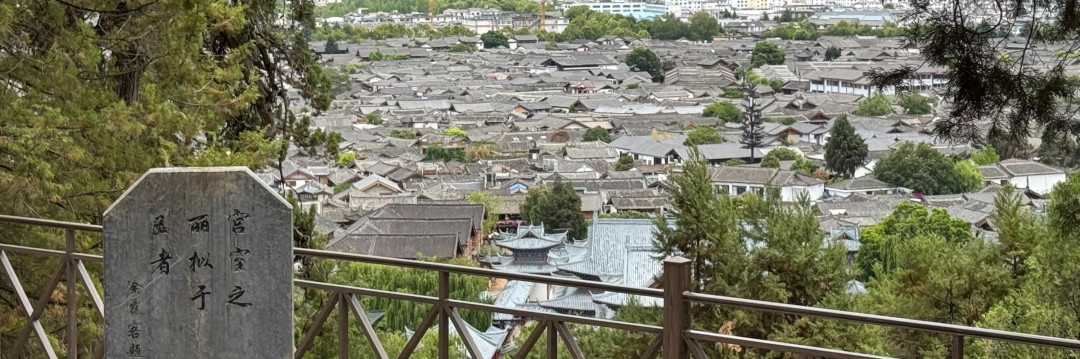
Standing at the Lijiang Eye Observation Deck, overlooking the old town's twinkling lights, I felt as if separated from the world by a lifetime. A five-minute walk brought us to Lijiang's visual icon—the Big Waterwheel. There's an excellent photo spot here: in the alley to the right of the Big Waterwheel, near Jiang Zemin's inscription, a crooked tree frames the perfect composition of Snow Mountain and the old town.
As night fell, Bar Street came alive. A bonfire party in the square drew tourists into a circle. Sakura Restaurant dazzled with lights, crowded with visitors. But our child, still recovering from a cold, was growing tired. We bought eight oxygen canisters just in case, passed by the Three-Eyed Well, and returned to the hotel to rest.
Day Two: Deep Exploration of the Old Town, Enlightenment at Mu Palace
Zhongyi Market and Mu Palace: The Hearth of Daily Life and the Weight of History
Waking at 9 AM, we enjoyed breakfast at the Hotel Indigo. The tomato-minced pork rice noodle pot and the chicken soup rice noodles were the stars—rich, savory, and the perfect start to an energetic day.

A seven-to-eight-minute walk brought us to Zhongyi Market. This sprawling farmers' market, frequented by locals, had blueberries of astonishing size. I bought some fruit, then we split up—my wife took the child back to the hotel's kids' club, while I continued exploring the old town alone.
First stop: Mu Palace. This official residence of the Naxi Mu chieftains, known as the "Forbidden City of Lijiang," was first built in the Yuan Dynasty and flourished during the Ming Dynasty, blending Han, Tibetan, Bai, and Naxi architectural styles. After purchasing a ticket via self-service, I felt as though I had traveled back 600 years.
The Council Hall, where the Mu chieftains handled government affairs, features a bold dragon motif in its central caisson ceiling. Legend has it this was a "Water Dragon"—in the Five Elements, water nourishes wood, and the Mu clan's surname means "wood," cleverly avoiding any implication of imperial overreach. The Dharma Protection Hall enshrines tablets for "Heaven, Earth, Monarch, Parents, and Teachers." The tiger-skin throne, crane-and-tortoise candlesticks, and official rank plaques are all physical embodiments of Confucian hierarchy.
The Ten-Thousand-Volume Tower was Mu Palace's library. The most awe-inspiring artifact was the Tibetan Buddhist canon Gangyur, written in gold and silver ink—a national treasure completed under the patronage of Mu Zeng, the Lijiang chieftain, taking about 15 years. The Naxi "Six-Combination Door" carved wooden screens displayed exquisite craftsmanship, and the Guanyin willow trees were in full bloom, covered in blossoms.
Wearing the Stars and Moon: A Silent Tribute to Naxi Women
The Naxi women's seven-star sheepskin cape features two large embroidered circles representing the sun and moon, with seven smaller circles below symbolizing the Big Dipper. The white tassels signify "wearing the stars and the moon." The sheepskin provides both wind protection and warmth, while also cushioning the shoulders—a symbol of Naxi women's tireless diligence, rising early and returning late.
Mu Palace's most famous design is "the phoenix above, the dragon below"—a testament to the palace's claim of being "as splendid as a royal residence" while still reflecting Naxi cultural identity. Historically, Naxi women held high status, bearing the brunt of productive labor and family responsibilities. This design is a silent tribute to them.
Enlightenment at the Sanqing Hall
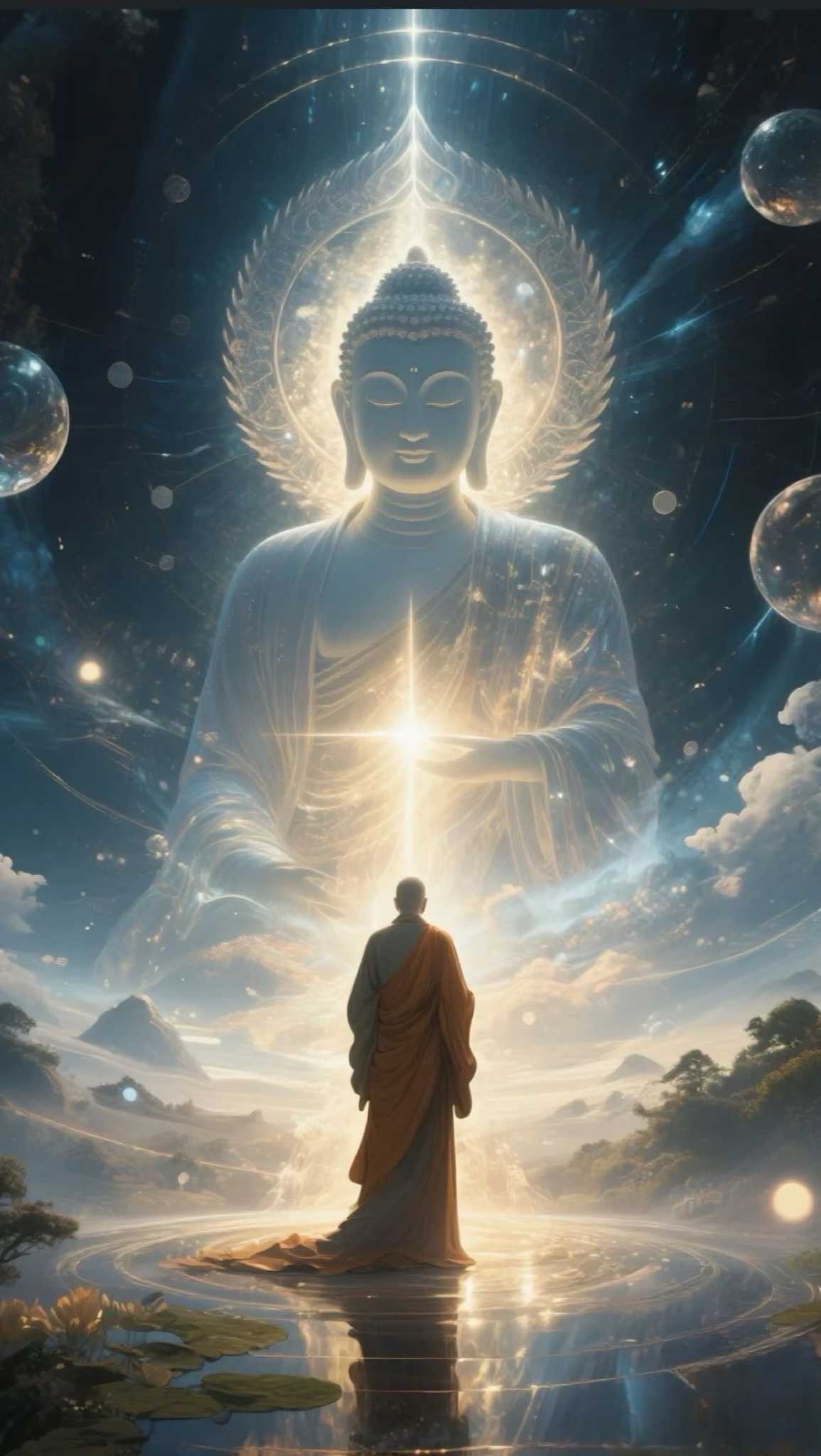
The Sanqing Hall enshrines the highest deities of Taoism, coexisting with the Dharma Protection Hall (Tibetan Buddhism) and the Council Hall (Confucian ritual)—a unique landscape of three religions in harmony. Standing under the eaves, watching a millennium of wind and clouds pass by, I suddenly understood the great vow of Kshitigarbha Bodhisattva: "Only when hell is empty will I become a Buddha."
On the path of cultivation, repetition is the norm. True awakening is not the complete stillness of the heart, but allowing emotions to ebb and flow like the tides. As long as, amid the dynamic fluctuations, the overall trend still points toward the light, there is no need for anxiety. The best time to plant a tree was ten years ago; the second best time is now. The best moment to cultivate the heart is always the present.
Lion Hill and the Ten-Thousand-Ancient Tower: Dissolving a Myriad of Sorrows
Continuing uphill from Mu Palace, I reached Lion Hill. From the observation deck, I gazed over the old town. A five-minute walk brought me to the Ten-Thousand-Ancient Tower. At the summit, I silently recited the Diamond Sutra: "The past mind is unattainable; the present mind is unattainable; the future mind is unattainable."
The past mind is unattainable—if I once made mistakes, it was due to the limitations of my understanding at the time; if others once erred, they too were constrained by their own limitations. Understanding these limitations gives rise to the deepest compassion.
The present mind is unattainable—this moment flows like water, thoughts shifting ceaselessly. Joy and pain are both impermanent. We can take away not a single moment of time, yet every thought in the present shapes the self of the next instant.
The future mind is unattainable—deep love does not endure; great intelligence often wounds. The doctrine of the mean is "do your best and leave the rest to fate." Do your best in every present moment; leave the outcome to time.
A First Glimpse of Shuhe Ancient Town
Descending from the other side of Lion Hill, I picked up the car and drove to Banyan Tree Lijiang. We checked into a massage-pool villa with a king bed—over 300 square meters of space, the highlight being a private, heated pool in the courtyard. Unfortunately, the weather was poor, and Snow Mountain was hidden behind clouds.
In the evening, we walked to Shuhe Ancient Town. At "浮娴小锅饭 (Fuxian Small Pot Rice)," we tried Snow Mountain fish and Pu'er tea shrimp. The food was decent, but after the meal, the rain cleared, and the light falling on Shuhe Ancient Town was truly breathtaking. Our route: Flying Flowers Touching Water → Three-Eyed Well → Square of Listening to Sound → Horse Mail Post Office → South Gate. We rode two shared bikes back to the hotel, spotting the Big Dipper in the night sky.
Day Three: Wandering in the Rain, the Bonds of Time and Love
A Rainy Stroll Through Shuhe Ancient Town
The weather forecast predicted rain all day. In the morning, my wife and child rested at the hotel while I braved the rain to explore the remaining parts of Shuhe Ancient Town. My route: Dongba Paper Workshop → Longquan Temple → Nine-Ding Dragon Pool → Treasure Mountain → Stone Lotus Temple → Green Dragon Bridge → Square of Four Directions → Tea Horse Road Museum → North Gate.
At the Dongba Paper Workshop, an inheritor of this intangible cultural heritage demonstrated traditional papermaking. The rainy streets were quiet. Longquan Temple enshrines Guanyin, the Dragon King, and Sun Bin—a small temple with a unique charm. The Nine-Ding Dragon Pool is the dragon vein of Shuhe; legend says nine clear springs from Jade Dragon Snow Mountain converge here. The stone slabs of Green Dragon Bridge bear hoof prints left by horse caravans, witnesses to the vicissitudes of the Ancient Tea Horse Road.
The Tea Horse Road Museum was the highlight: the murals at Dajue Temple were stunning, the Naxi tradition of love-suicide was deeply moving, and Shuhe's leatherworking craft has been passed down through the centuries—it turns out the Red Valley brand traces its origins to this 600-year-old leatherworking heritage.
The Loneliness of Lashi Lake and the Awe of the Eternal Love Show
Exiting the ancient town through the North Gate, I checked out and drove to Lashi Lake. The rain was heavy, and our child was freezing. The wooden boardwalk was nearly empty—a solitary tree, a solitary silhouette, truly "too lonely." I walked for an hour in the rain, but Lashi Lake on a rainy day held little appeal.
At 5 PM, I drove to the Lijiang Eternal Love Scenic Area. I had pre-booked tickets on Xianyu for the 7:30 PM show. The VIP section B had an excellent view. The performance had six acts: Naxi Genesis, Lugu Lake's Matriarchal Kingdom, Legend of the Horse Caravan, Ancient Roads Today, The Third Kingdom of Jade Dragon, and Searching for Shangri-La. The overall quality was good—the Eternal Love series maintains a solid baseline.
The Diamond Sutra says, "All phenomena are illusory appearances." Rain is an appearance; sunshine is an appearance. A beautiful scene is an appearance; an ugly scene is also an appearance. If the mind does not cling to appearances, how can anything be bad? The present moment is the destination itself.
Day Four: Freedom at Club Med
The Pleasure of an All-Inclusive Package
Waking at 9 AM, another overcast day. After breakfast at the Jingxi Hilton, we checked out and drove half an hour to Club Med Lijiang. The lobby had a prime photo spot for Snow Mountain, but it remained shrouded in clouds.
I had booked the all-inclusive package, covering breakfast, lunch, dinner, afternoon tea, and drinks. The restaurant was full of foreigners, making me feel as if I had left the country. In Yunnan, eating rice noodles every meal is never tiresome.
The Poetry and Distance of Ameize Campground
In the afternoon, I tried archery. I did four or five rounds, each with five arrows. I hit the target on about four, occasionally hitting the bullseye. At 3 PM, I took an electric cart to Ameize Campground for afternoon tea—this was the essence of Lijiang. The area at the foot of Jade Dragon Snow Mountain was as beautiful as a poem or painting.
The Diamond Sutra says, "No self, no other, no sentient being, no eternal soul." Much loneliness stems from attachment to the self. When you stop clinging to companionship, you are more likely to encounter genuine connections. True relationships are between two people who are their own light, voluntarily drawing near, sharing the vastness of the world and the tenderness of the heart from a place of independence.
Day Five: Return Journey and Reflections
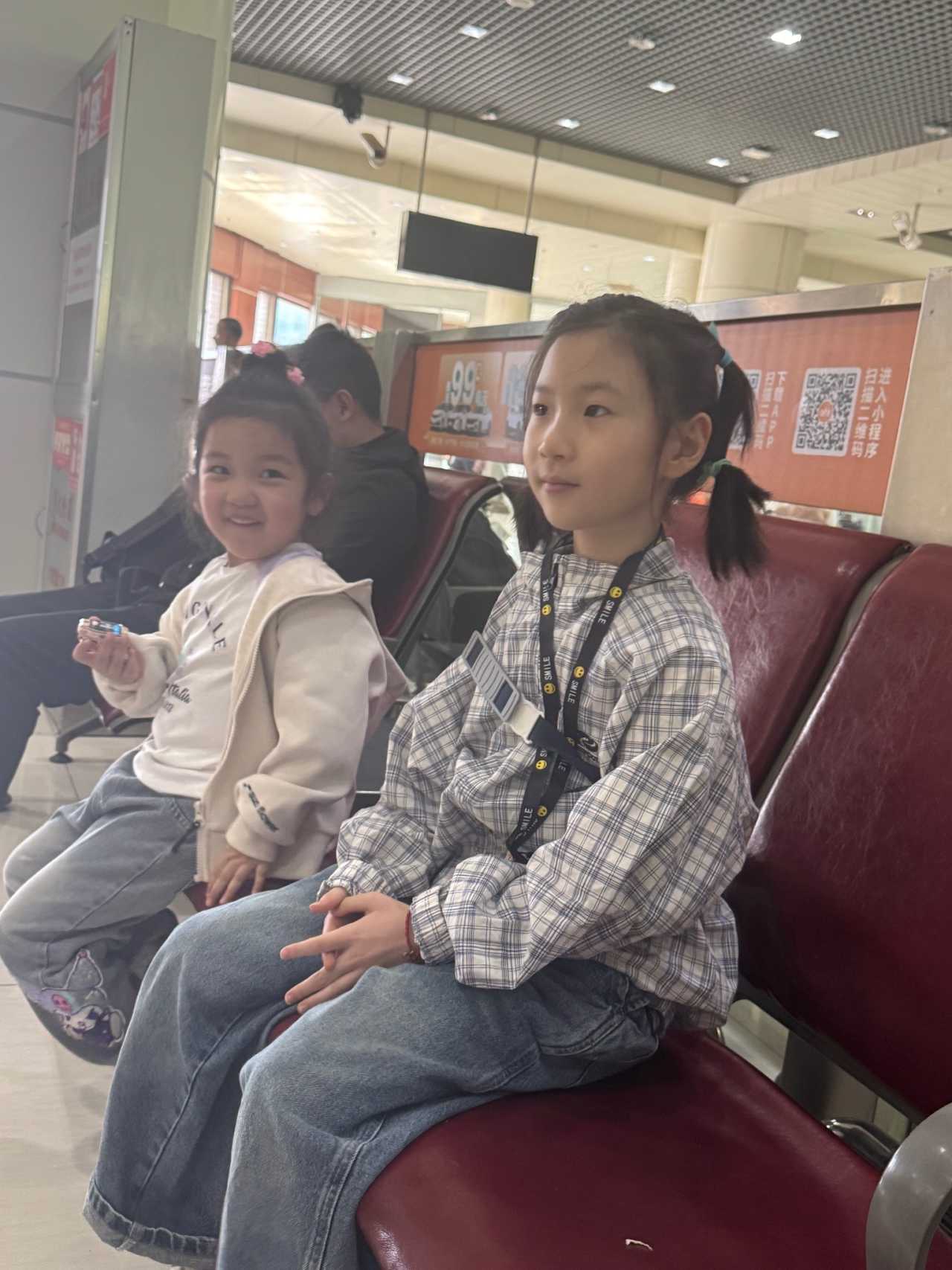
(Note: The original article did not include Day Five content. This conclusion is naturally drawn from the logic of the preceding four days.)
In the early morning, after our final breakfast at Club Med, we packed our bags and began the journey home. Looking back at Jade Dragon Snow Mountain, the clouds were still thick, but there was no regret in my heart.
Conclusion: What This Trip Taught Me
My five days in Lijiang brought me not only beautiful scenery and delicious food, but also a reconciliation with myself.
On Meeting and Separation: A journey shared, a lifetime imprint. Meeting is fulfillment itself—why insist on forever?
On Cultivation: Practice does not lie deep in the mountains, but in the smoke and fire of everyday life. Allowing everything to happen as it does is the highest form of compassion.
On Loneliness: Being alone is not frightening; what is frightening is the constant need for others to fill the void within. When you stop seeking validation and support from outside, your heart becomes like a clear, still mirror.
On the Present Moment: Flowing water does not compete to be first; it competes to be ceaseless. The best moment to cultivate the heart is always the present.
Practical Tips: - Accommodation Recommendations: Hotel Indigo (heart of the old town), Banyan Tree (private hot spring experience), Club Med (all-inclusive) - Must-See Attractions: Mu Palace, Ten-Thousand-Ancient Tower, Tea Horse Road Museum - Food Recommendations: Mushroom Freedom Hotpot, Hotel Indigo rice noodles, Fuxian Small Pot Rice - Transportation Advice: Walk within the old town; renting a car is most convenient for surrounding areas - Weather Reminder: Lijiang's weather is changeable; bring rain gear and warm clothing
Finally, a closing thought from the Diamond Sutra: "Give rise to a mind that does not dwell anywhere." Do not dwell on any person; do not surrender your heart. When you are no longer afraid of being alone, you are truly free.
This is what Lijiang taught me.
You should also read:
Into the Hidden Valley: A Solo Journey Through the Mysterious Dulong River
Into the Hidden Valley: A Solo Journey Through the Mysterious Dulong River Deep in the northwestern corner of Yunnan Province, tucked away from the modern world, lies a place that feels like a secret whispered among mountains. The Dulong River Valley is not just a…
Continue reading...
Body in Hell, Heart in Heaven: A Pilgrimage Through Tiger Leaping Gorge — A Dialogue Between Heaven and Earth
Body in Hell, Heart in Heaven: A Pilgrimage Through Tiger Leaping Gorge — A Dialogue Between Heaven and Earth Introduction: When the Gorge Splits Open Beneath Your Feet Some say Tiger Leaping Gorge is the closest place on Earth to the border between "hell" and…
Continue reading...
Cloud Travelogue · Dali of Wind, Flowers, Snow, and Moon: A Three-Day, Two-Night Journey of a Free Spirit
Cloud Travelogue · Dali of Wind, Flowers, Snow, and Moon: A Three-Day, Two-Night Journey of a Free Spirit I am a cultured female foodie with a touch of rogue charm. I slung on my backpack, took my lover's hand, and set off on a spontaneous…
Continue reading...