Following the Footsteps of Heroes: A Ten-Day Deep Journey Through Four Cities in Western Yunnan
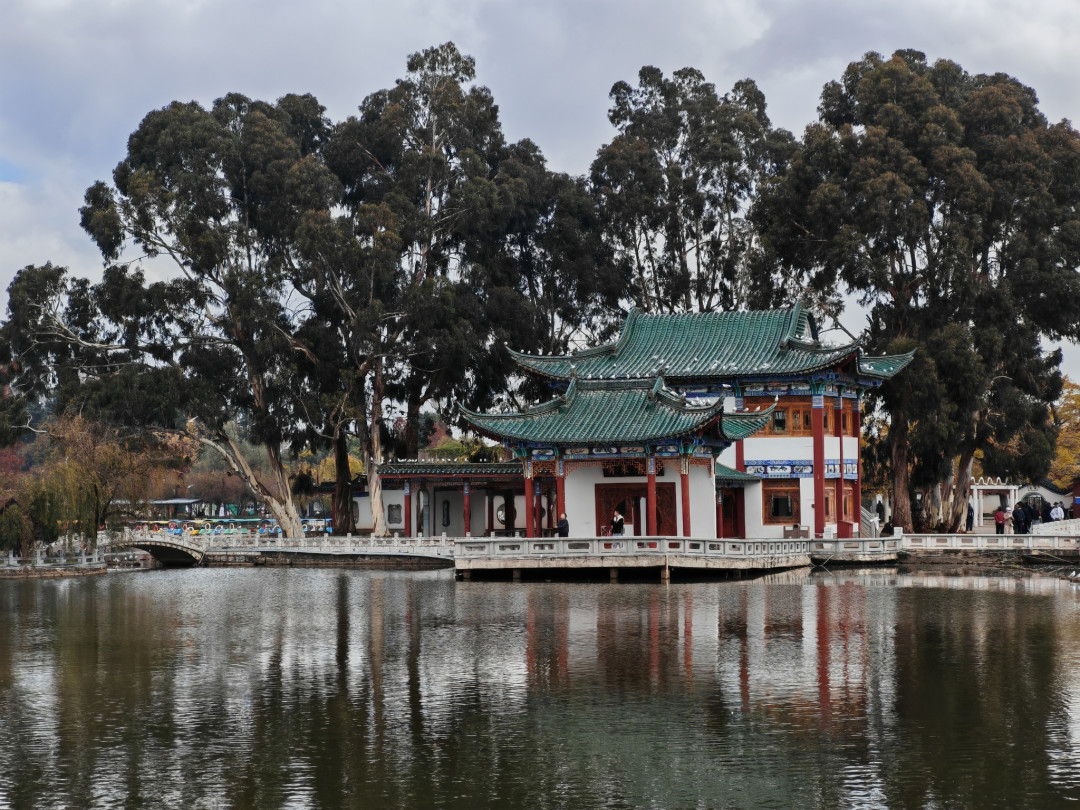
Following the Footsteps of Heroes: A Ten-Day Deep Journey Through Four Cities in Western Yunnan
Yunnan, this magical land, we had already set foot on it three times before. This time, I traveled with three companions—A Run and Old Hu—departing from Changsha to embark on a journey weaving history and nature through Kunming, Baoshan, Tengchong, and Mangshi. This was not merely a trip; it was a heartfelt look back at history, a profound tribute to heroes.
First Stop: Kunming—The Warmth and Depth of the Spring City
Arrival in the Spring City: A Surprise at the Railway Museum
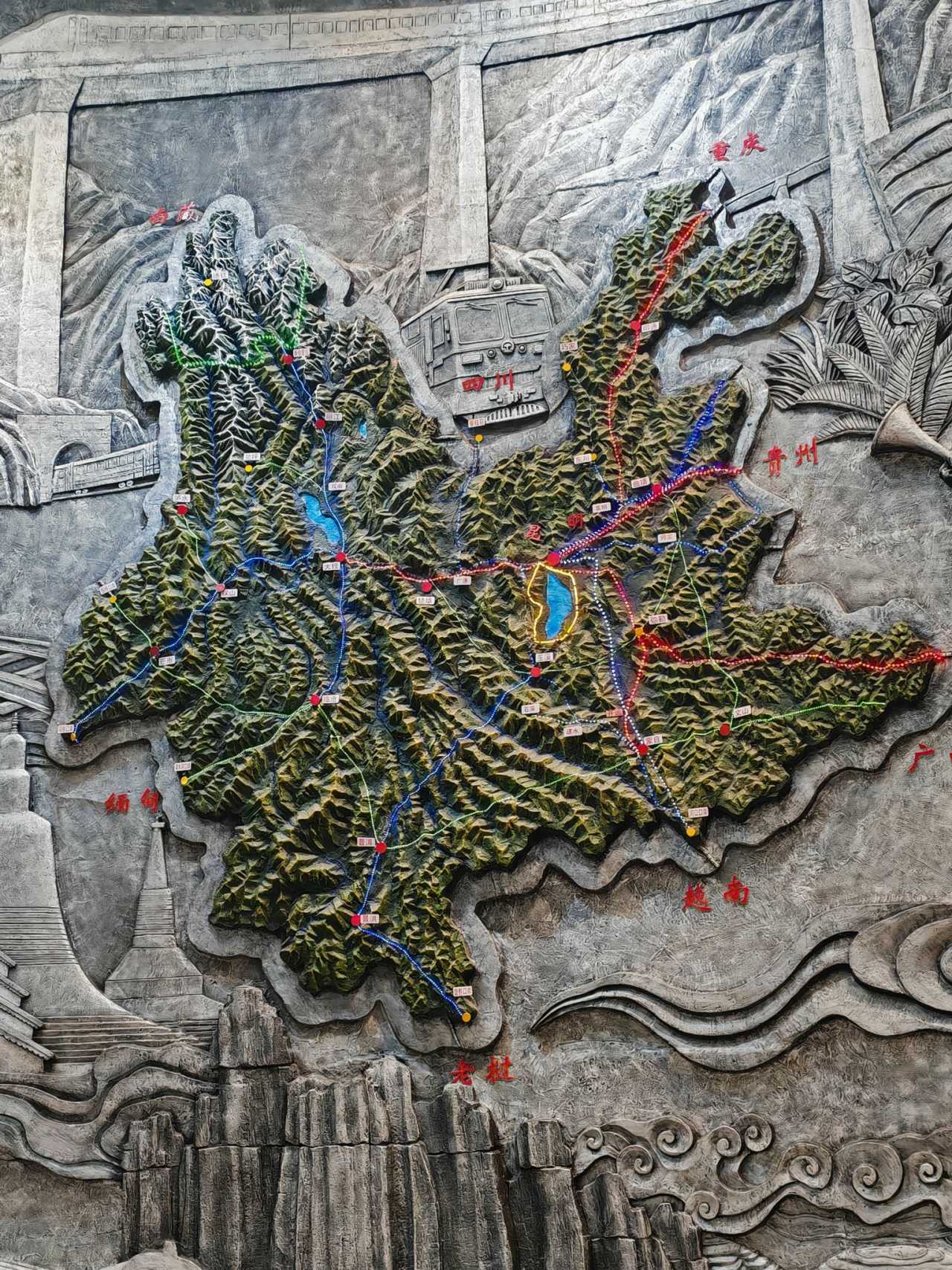
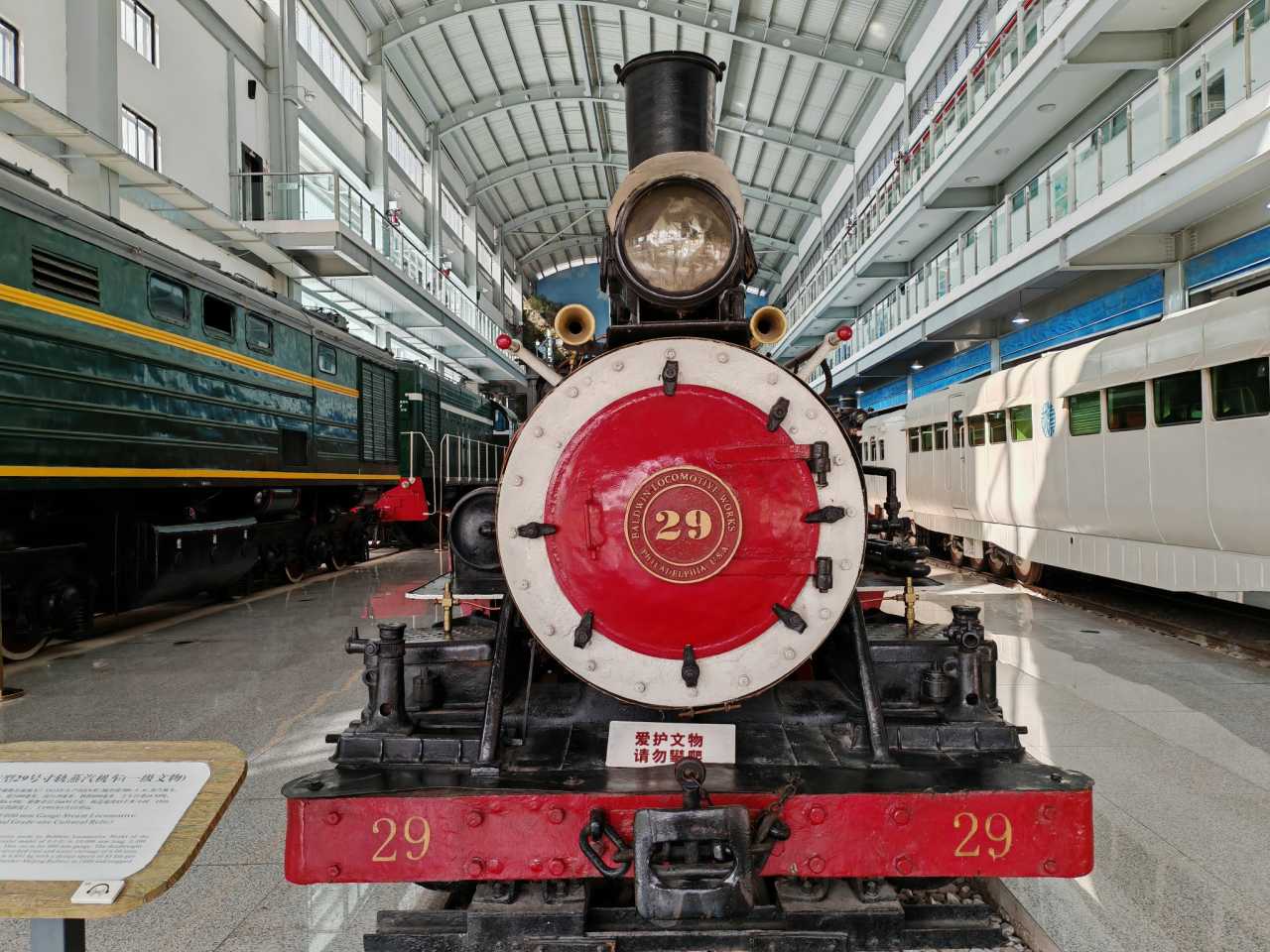
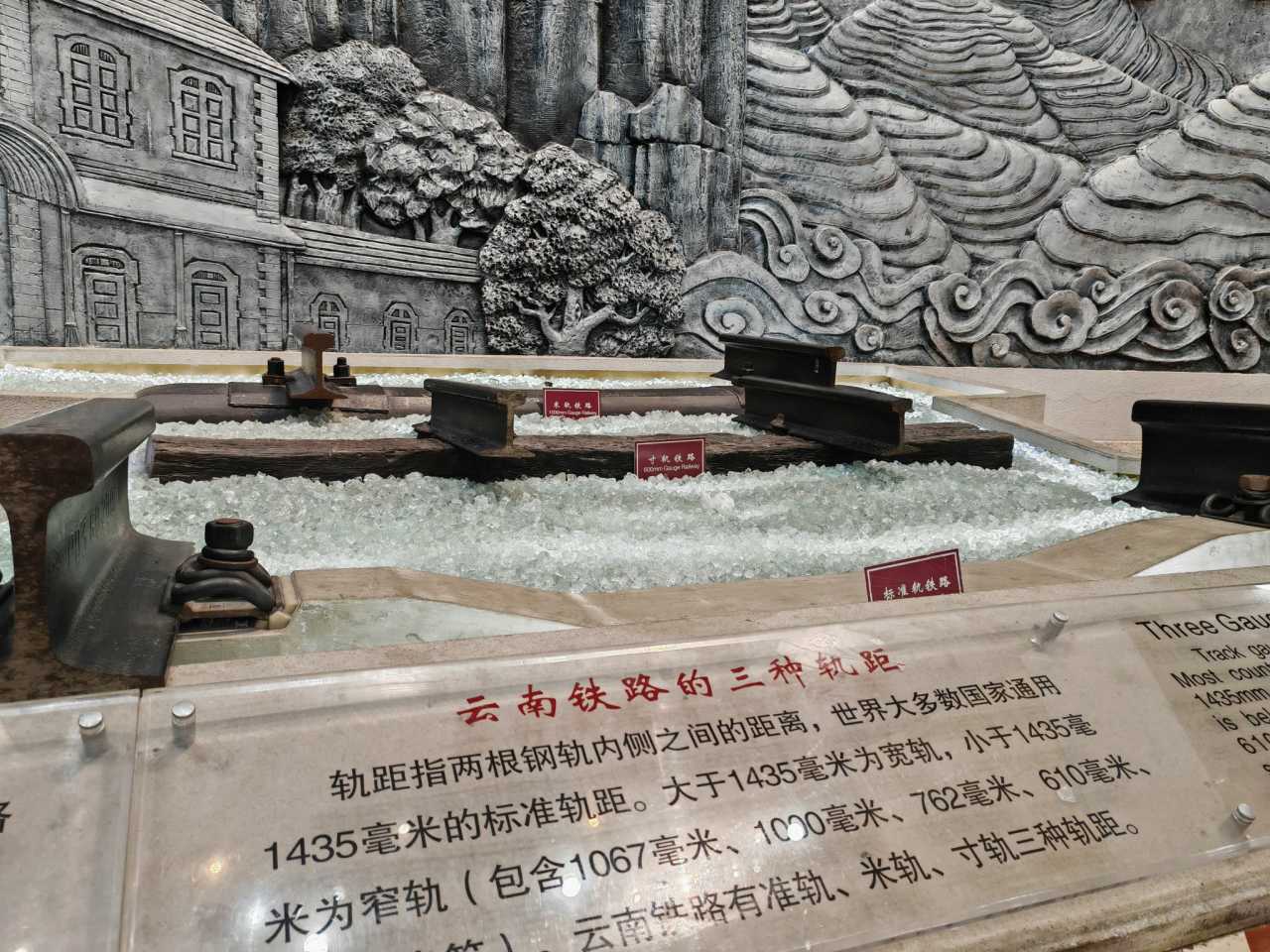
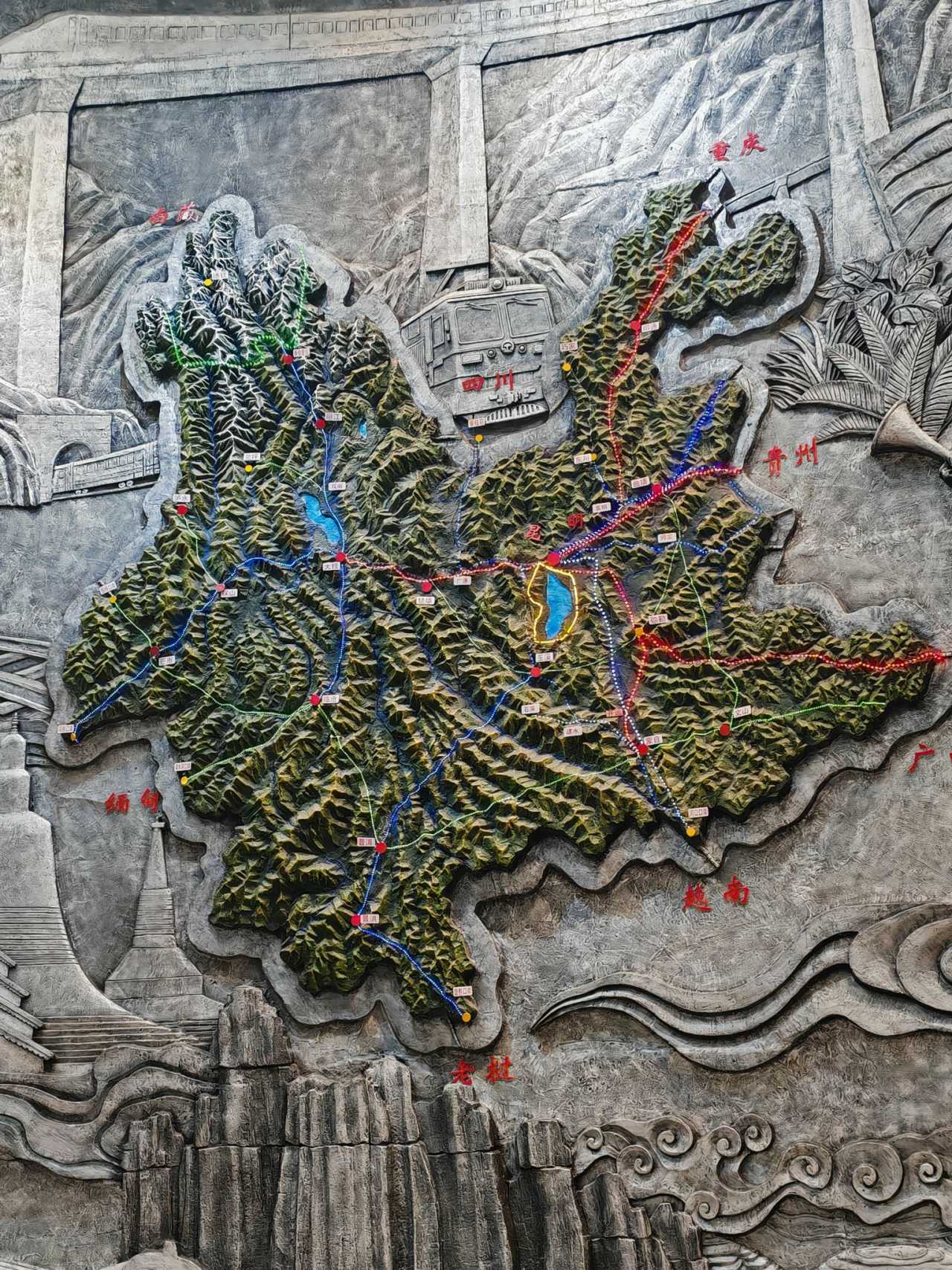
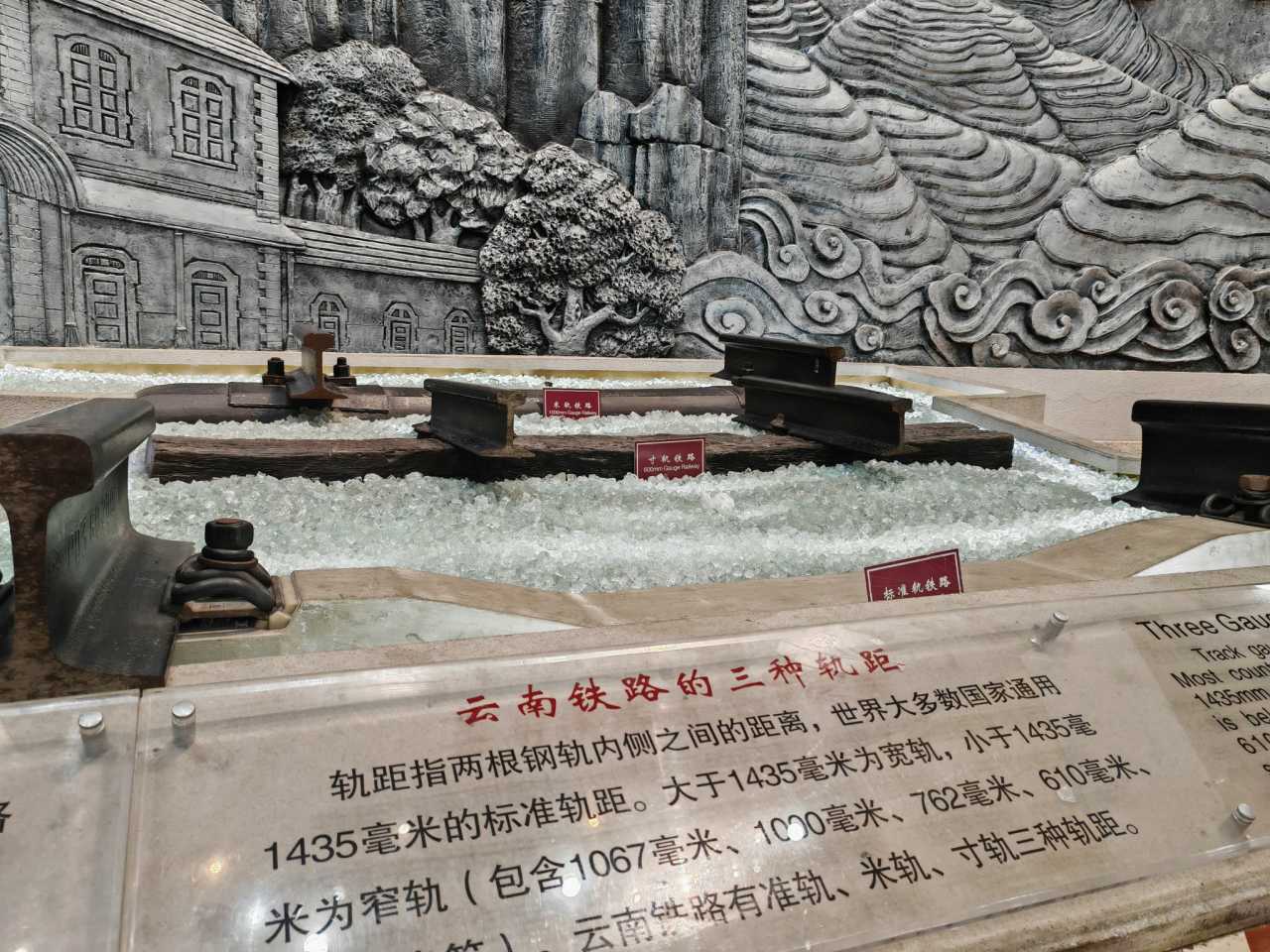
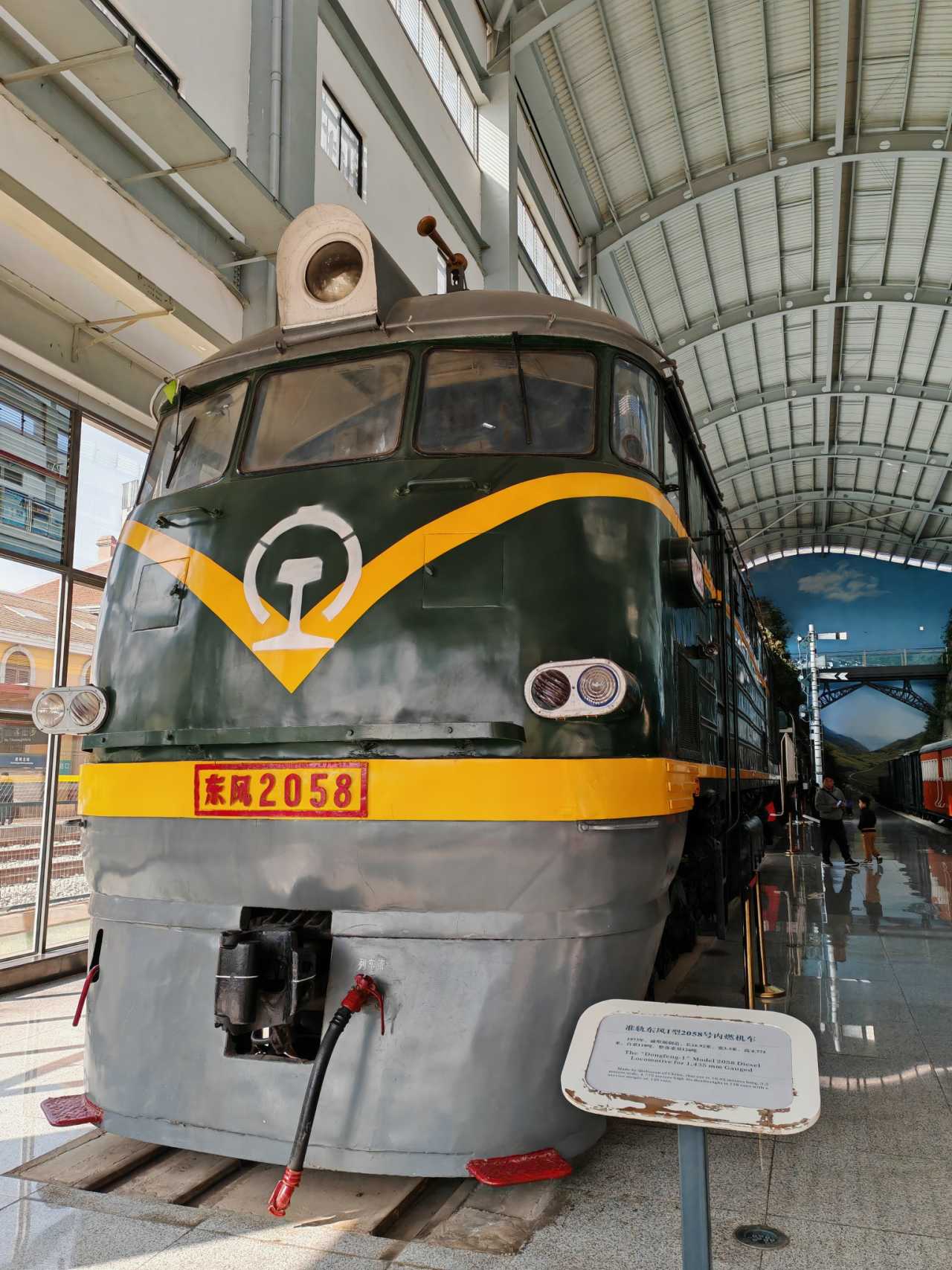
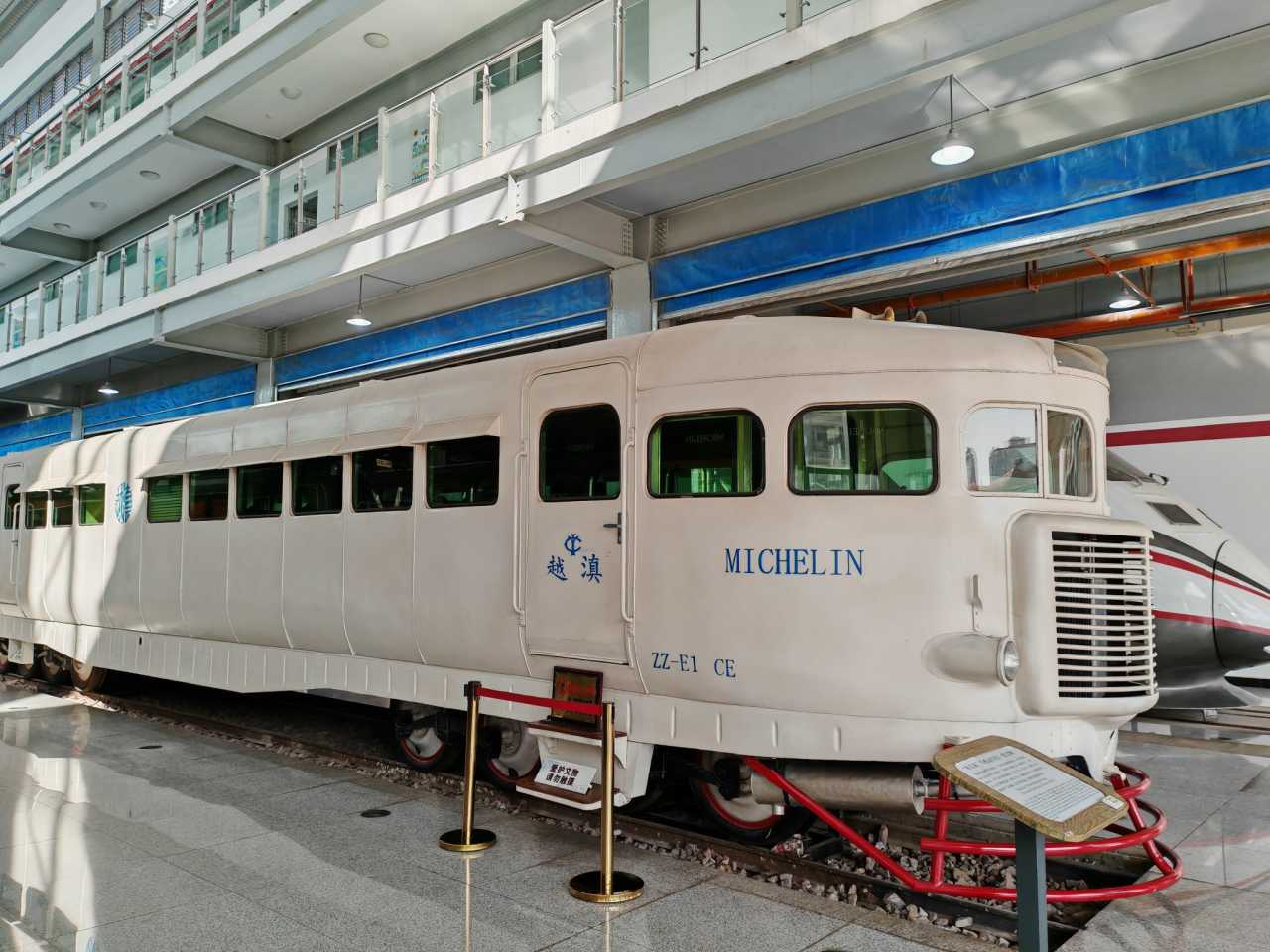
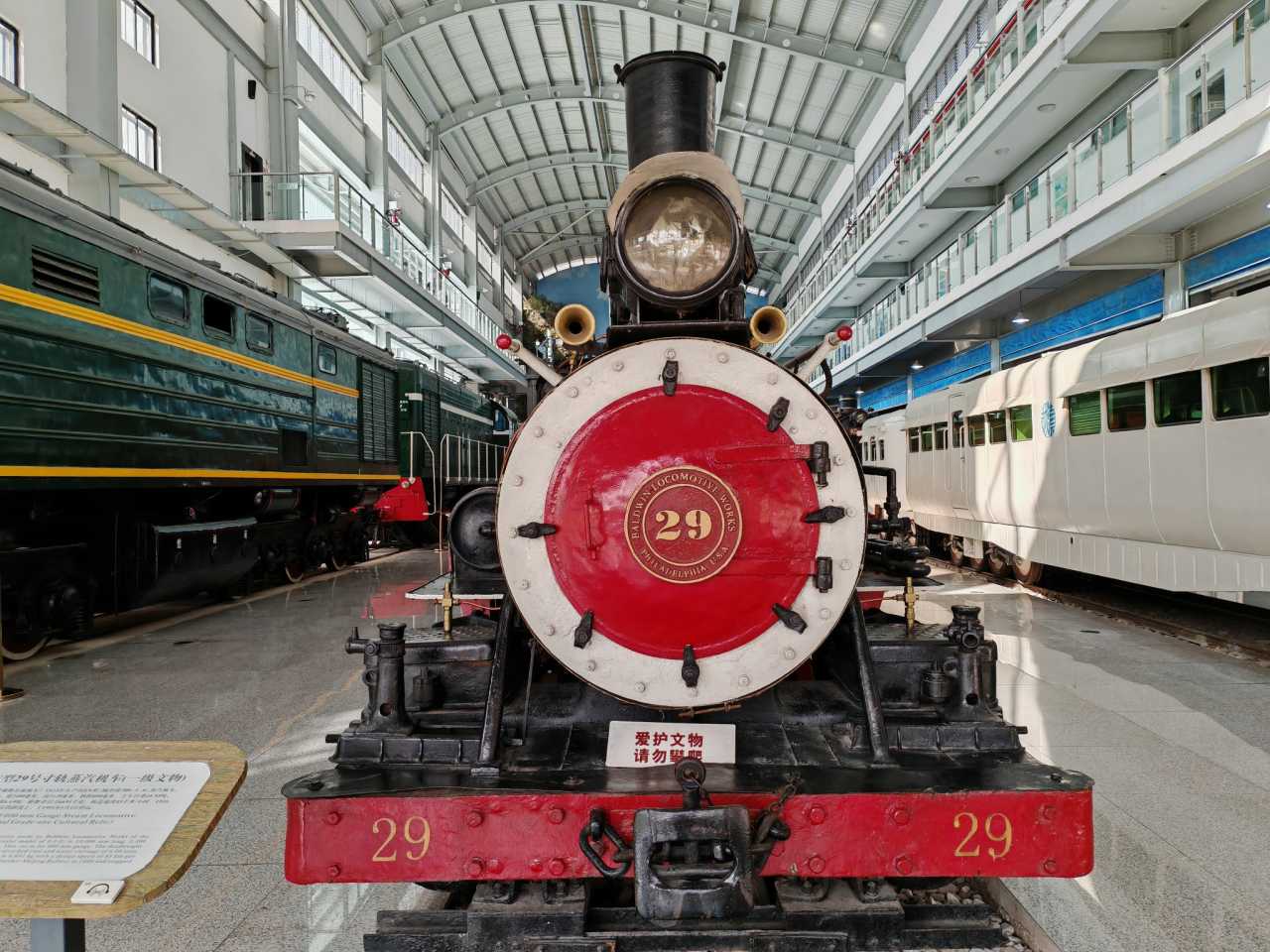
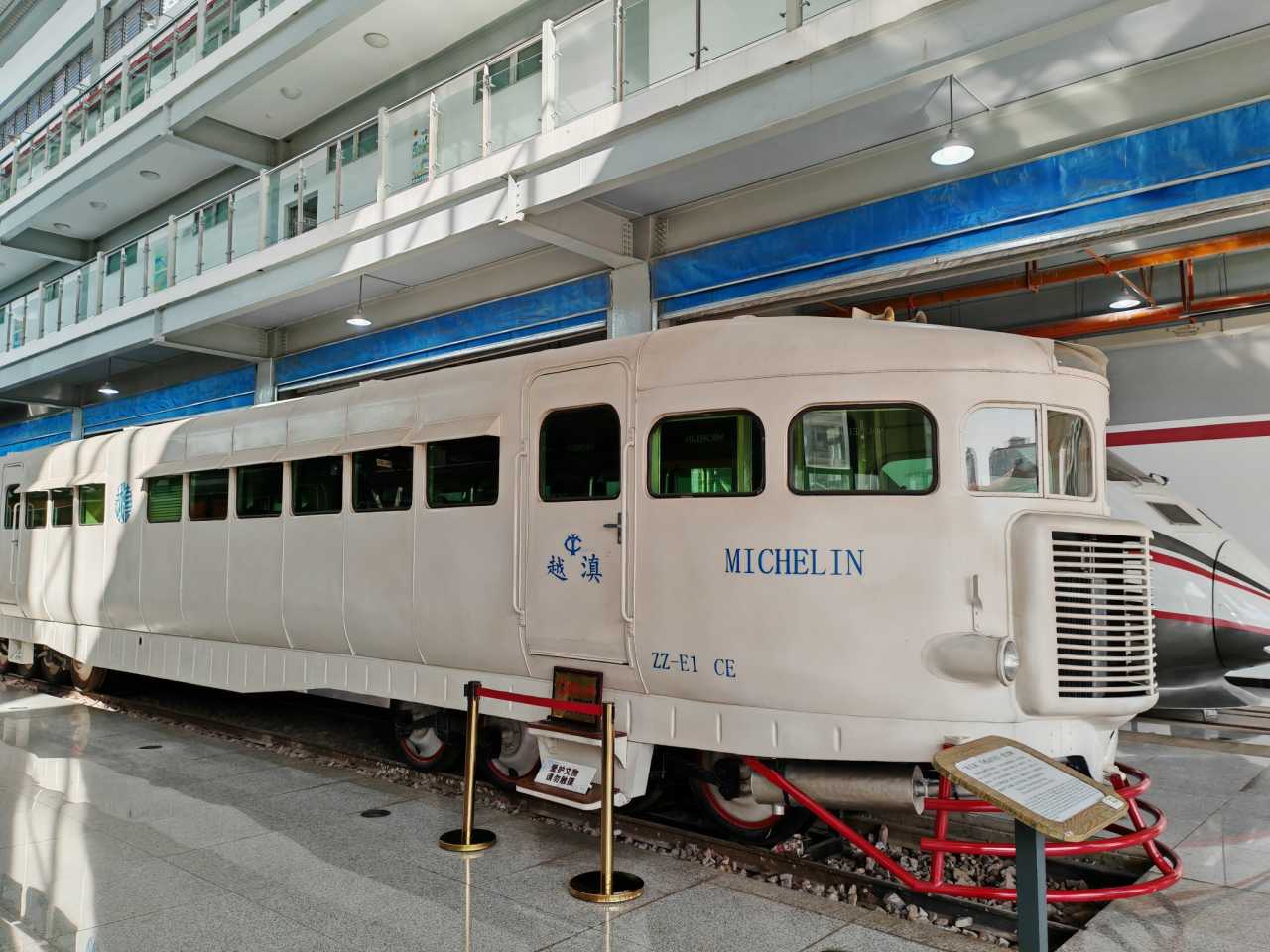
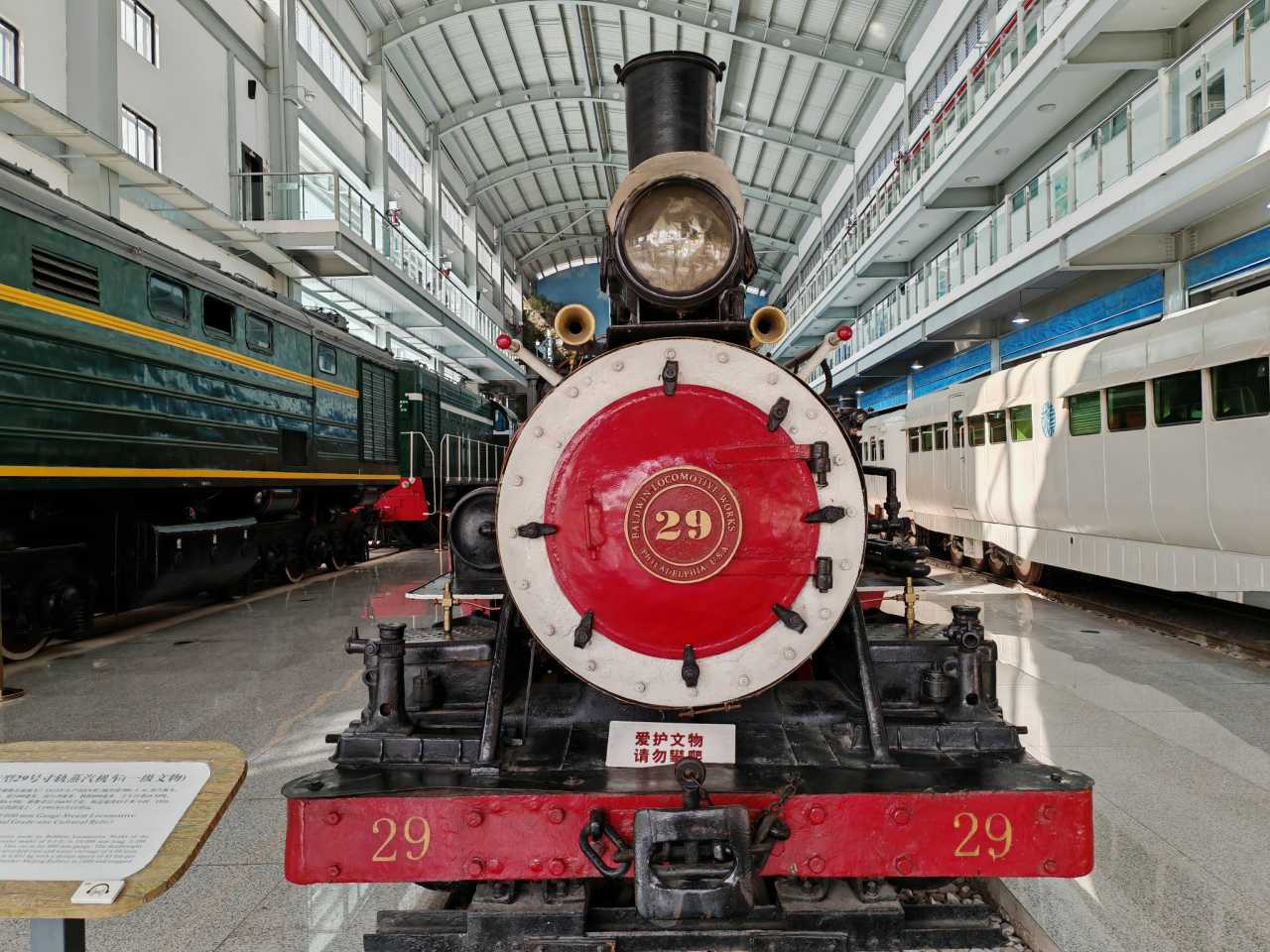
At nine in the morning, our plane landed at Kunming Changshui Airport. Dragging our luggage, we headed straight for the Yunnan Railway Museum. This museum is a paradise for railway enthusiasts—on the first floor, various locomotives are neatly lined up, as if stepping into a classic map scene from a CS game. The most amusing part was the blooming firecracker flowers by the roadside; locals told us they were actually edible—a real eye-opener.
Exploring the Provincial Museum: Exotic Flavors in Bronze Ware
Leaving the Railway Museum, we had a quick meal and then headed to the Yunnan Provincial Museum. A word of warning here: Kunming’s traffic congestion is far worse than you might imagine. Taking a taxi often takes forty minutes to an hour, and I almost fell asleep in the car every time, waking up to find we hadn’t even reached our destination. Local drivers also complain bitterly about this, so if you plan to visit Kunming, make sure to leave plenty of time.
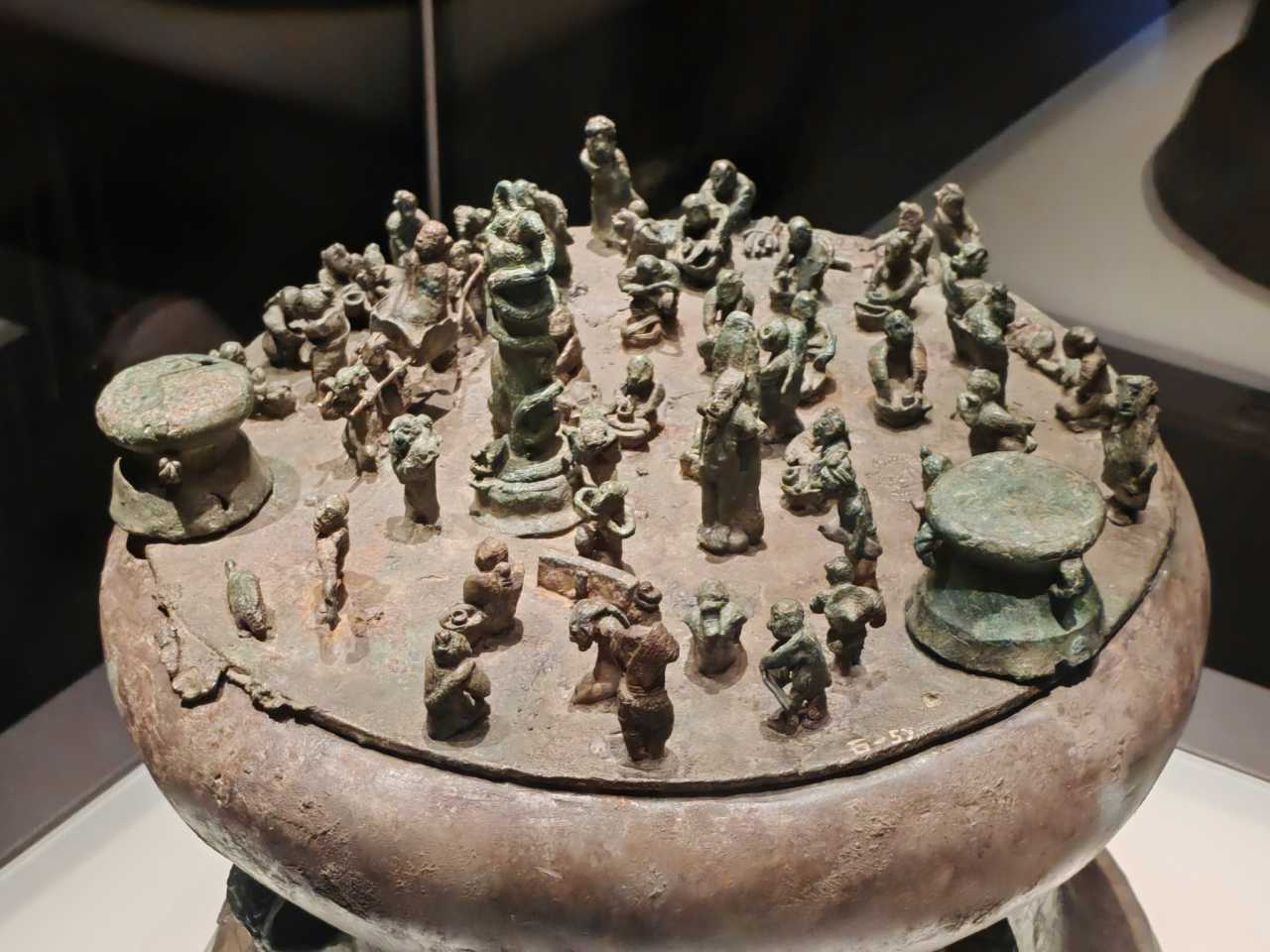
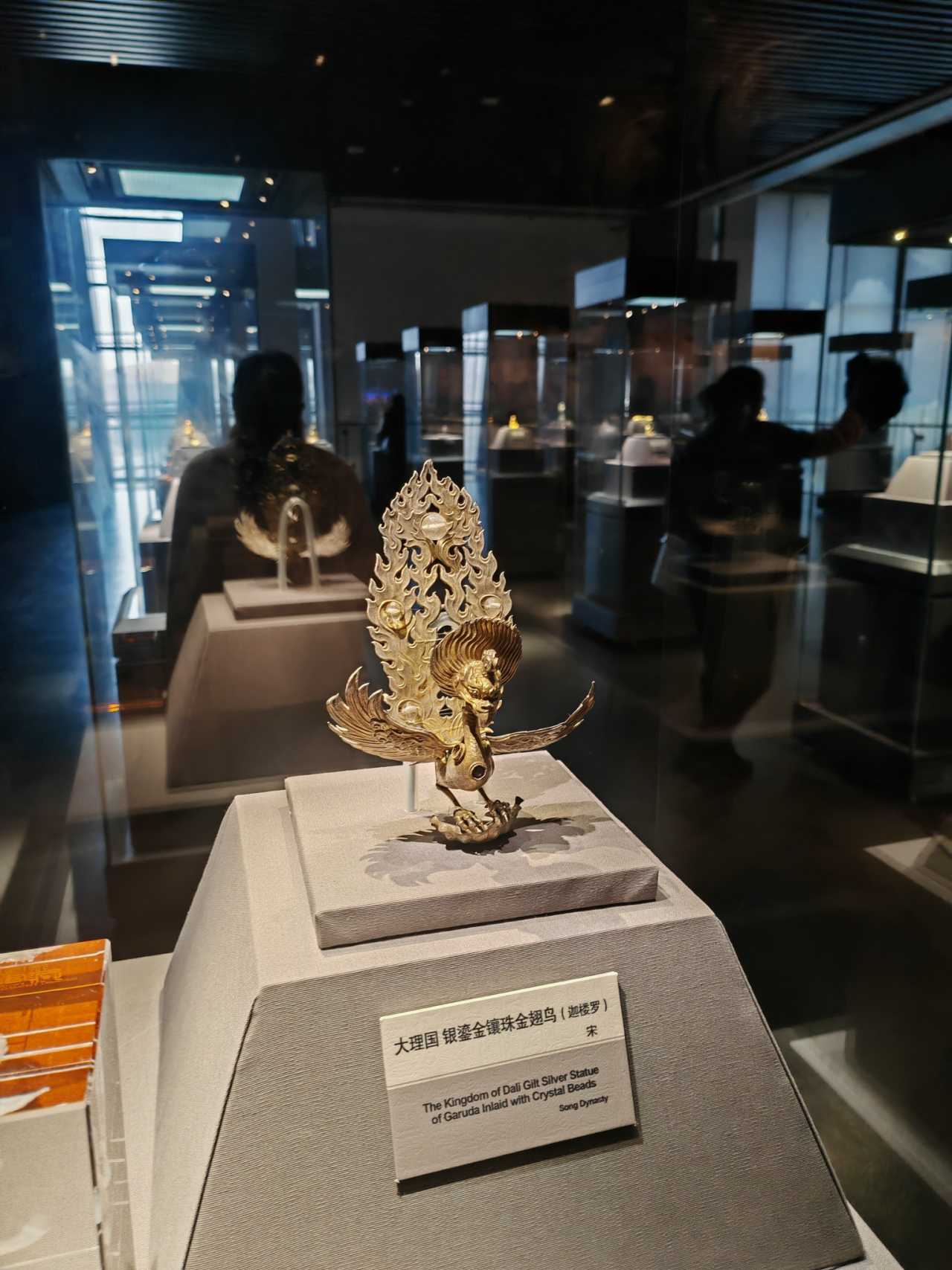
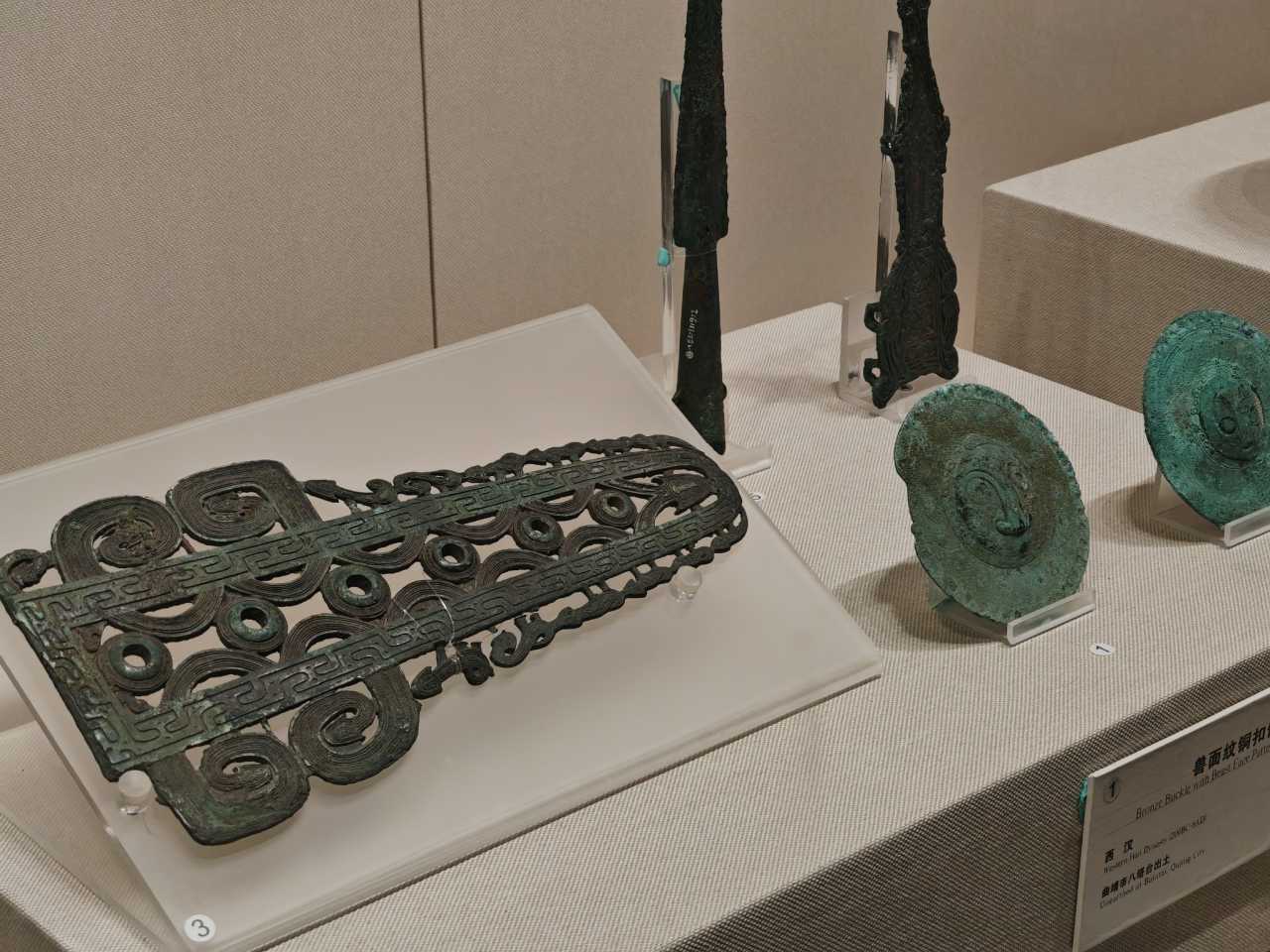
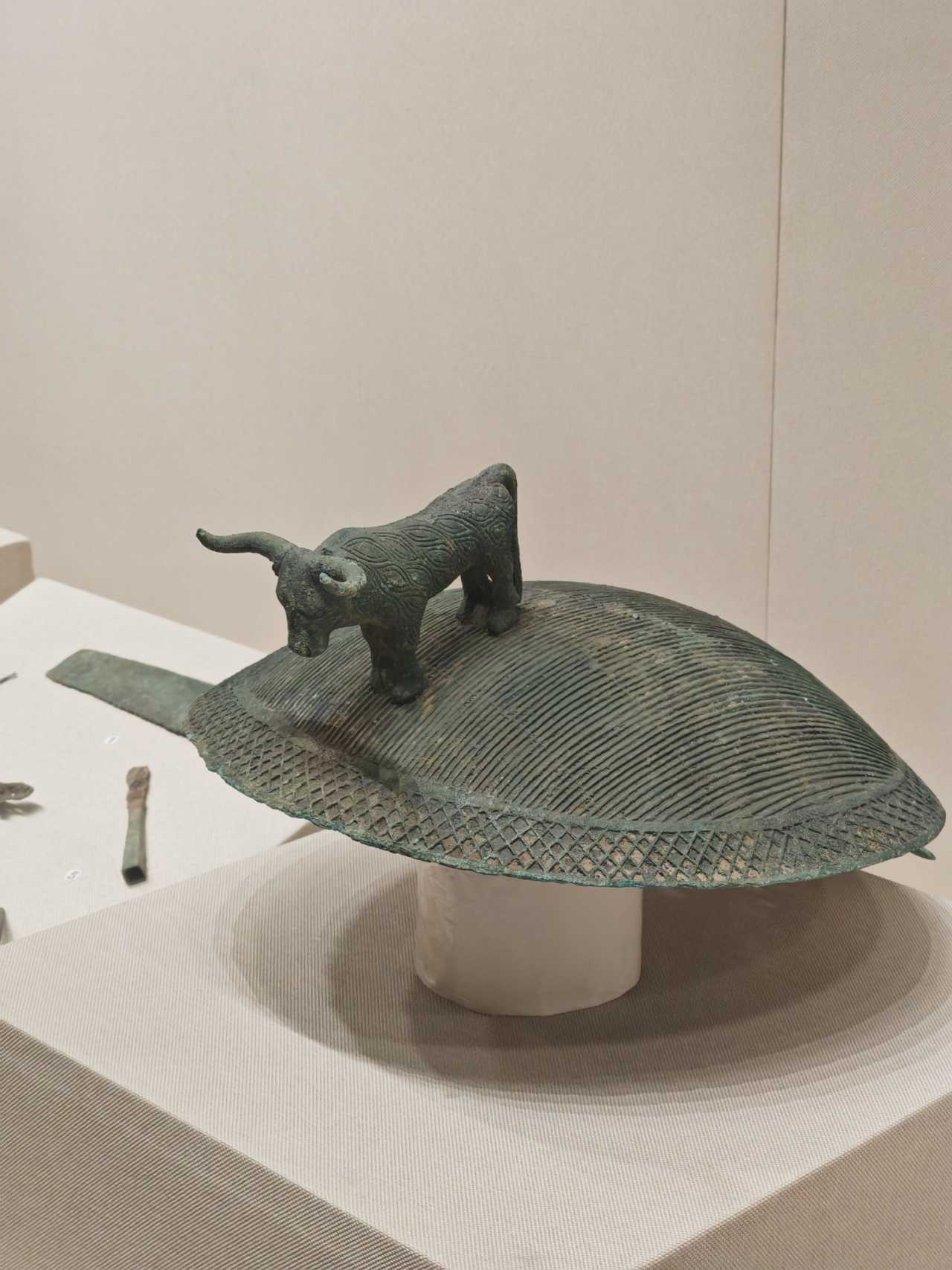
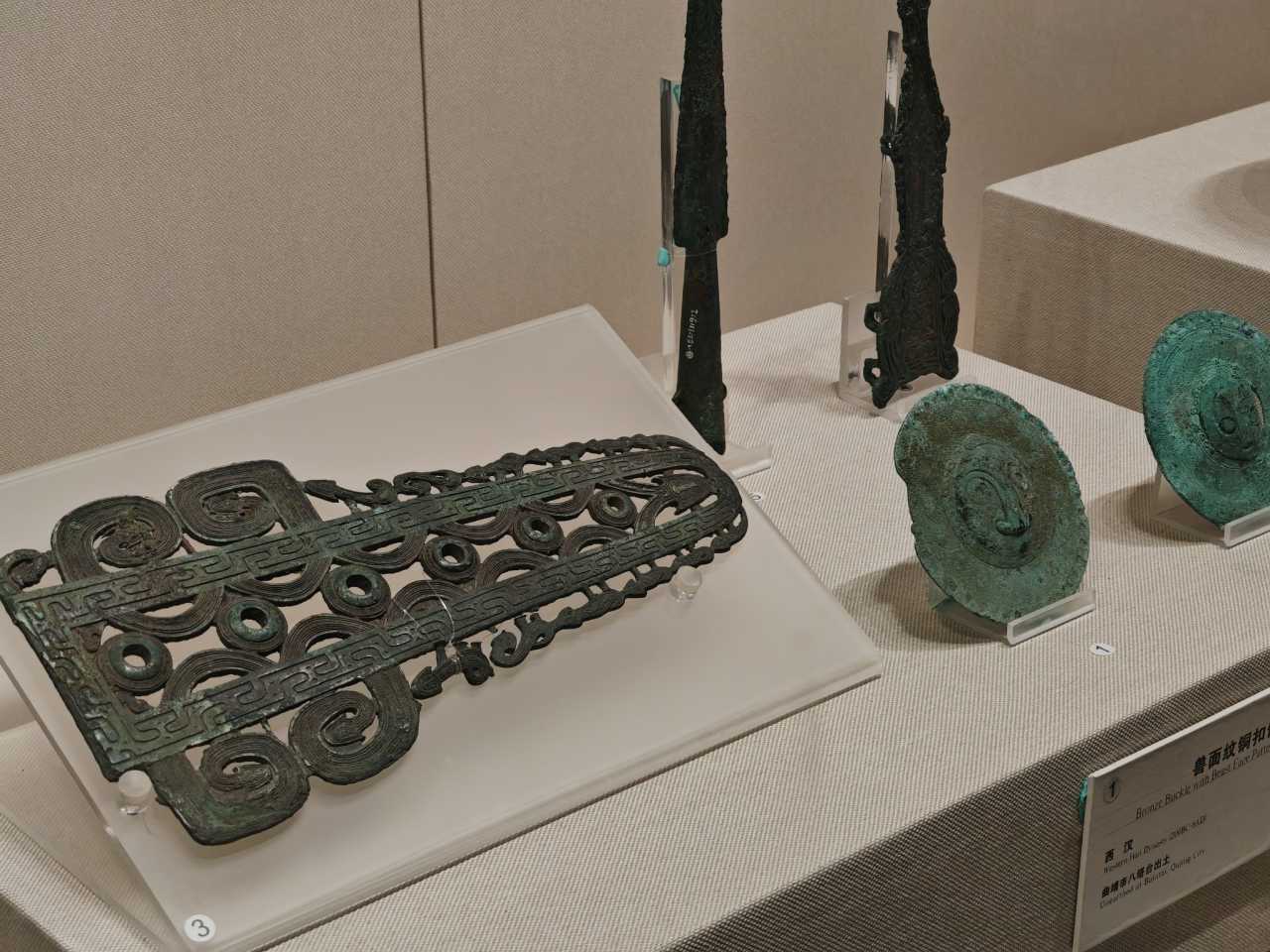
The museum’s collection is stunning. Yunnan’s bronze artifacts have a unique style, completely different from those in the Central Plains. One piece depicting a sacrificial scene was particularly striking—it vividly recreated an ancient ritual: people being beheaded, others trading, some carrying sedan chairs. The museum’s crown jewel kept us lingering for a long time. These bronzes often feature cattle and sheep, with an abundance of horns, resulting in artifacts covered in sharp, pointed decorations—truly distinctive.
Zhuanxin Farmers' Market: A Taste of Yunnan
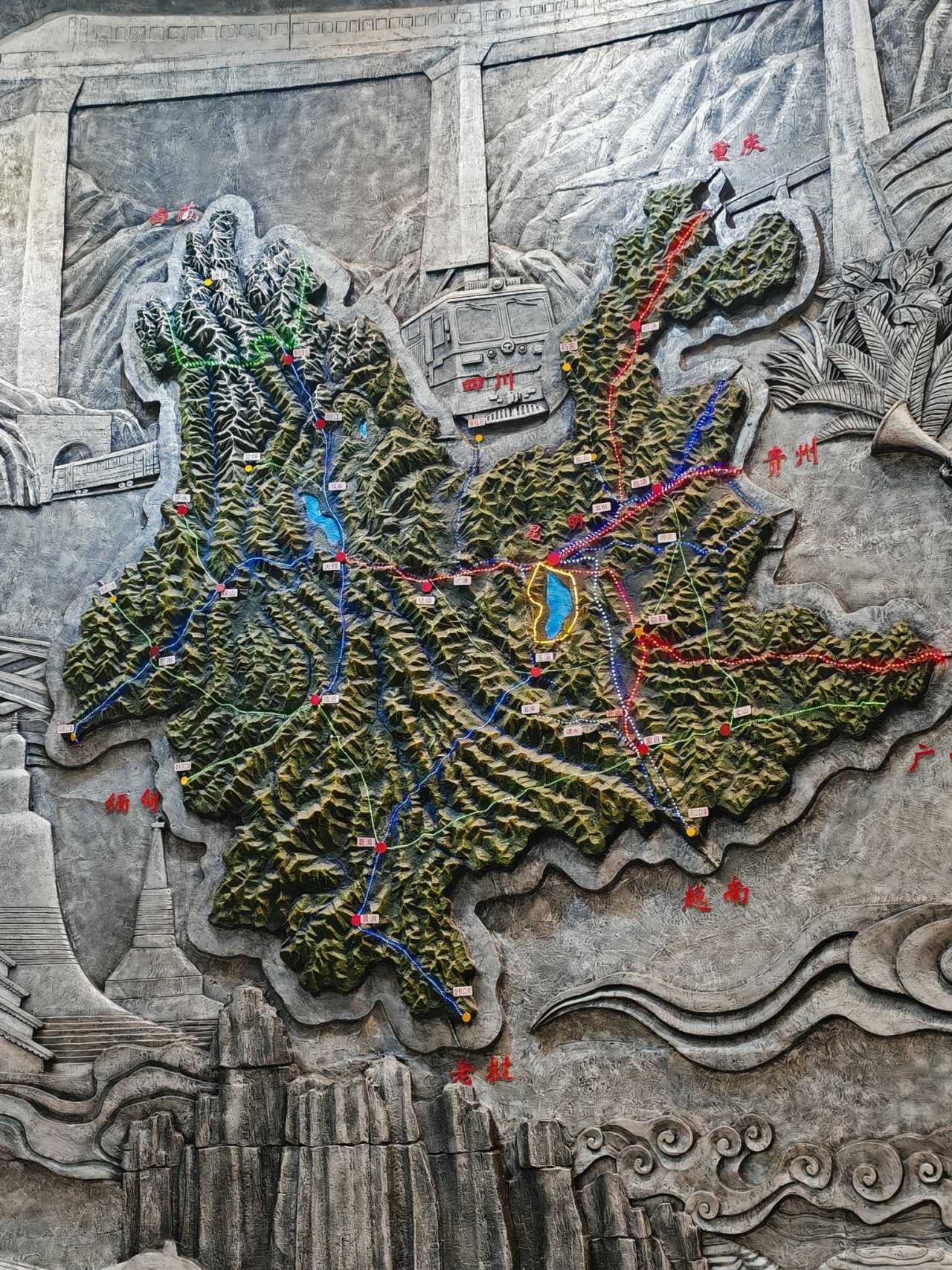
The next morning, we visited Zhuanxin Farmers' Market. The market was clean and tidy, with everything from cooked foods to fresh produce. We had breakfast there and bought some meat to share. But to be honest, the prices weren’t cheap. Many ingredients were unfamiliar to us; some vendors enthusiastically explained them, while others were rather cool. What impressed me most was that Yunnan is truly a paradise for succulents—various shapes and sizes were everywhere.
Daguan Park and Western Mountain: Seagulls and Dianchi Lake Romance
Daguan Park had plenty of seagulls; it’s a good spot if you want to feed them. In front of Daguan Tower, there’s an extraordinarily long couplet—reading it felt like a diary crammed into a couplet, quite amusing.
For our trip to Western Mountain, we chose a unique route: we took a taxi to the South Gate, which is at a higher elevation, requiring only a twenty-minute climb to reach Lingxu Pavilion at the summit. When the driver learned we didn’t get carsick, he started whipping the steering wheel on the winding mountain roads, and A Run ended up vomiting—his lunch was wasted.
Entering through the South Gate, we climbed about sixty meters to reach Lingxu Pavilion. The view from the top was vast, with Dianchi Lake spread out below. We descended from Lingxu Pavilion, strolling and playing along the way; the hour-long walk wasn’t tiring. Near Dragon Gate, the mountain path was perilous, with sheer drops and nearly vertical cliffs—looking down made our legs weak. Interestingly, General Joseph Stilwell had once visited and taken photos here, so we snapped a picture at the same spot; the security guard turned out to be quite a good photographer.
Haigang Dam and Catch Fish River: A Symphony of Sunset and Seagulls
The number of seagulls at Haigang Dam was astonishing. The long promenade was packed with livestreamers, each with their own fixed spot. If you weren’t feeding the seagulls, watching them quickly became monotonous, so we didn’t stay long.
Catch Fish River Park was farther away—over twenty kilometers took more than an hour. We fell asleep and woke up repeatedly in the car, and by the time we got out, we were hungry. The park had a sandy beach, an excellent spot for watching the sunset. But the wind was strong and the weather cold; still, many young women in dresses stood in the water taking photos for twenty minutes at a time—their cold tolerance was astonishing.
Dounan Flower Market and Nanqiang Night Market: Nightlife Excitement
After sunset, we grabbed a quick bite at McDonald’s and headed to Dounan Flower Market. The market didn’t open until 8:40 PM, so we wandered nearby waiting. The flowers at night were indeed fresh, but the prices weren’t cheaper than online livestreams; buying them on-site was more about the lively atmosphere than great value.
After a full day, we had walked over 20,000 steps. My friend "Rich Woman" and I made a decision and headed to Nanqiang Night Market. We ate some skewers, tried a portion of "舂鸡脚" (pounded chicken feet), and finally walked back to the hotel. Along the way, we noticed a street with five or six fortune-telling and name-choosing shops—quite amusing.
Second Stop: Baoshan—A Slow-Paced Cultural Journey
Southwest Associated University: An Academic Sanctuary in Wartime
On the third morning, we visited Yunnan Normal University to see the旧址 (former site) of Southwest Associated University. A statue of Mr. Wen Yiduo stood silently, and traces of Yang Zhenning were everywhere. We happened upon a free guided tour, after which we could explore freely. At noon, hearing students discuss going to the cafeteria, we decided to have lunch there—two meat dishes, two vegetable dishes, and a soup for just fifteen yuan—excellent value.
Yunnan University was not far from Southwest Associated University. It was late autumn, and the ginkgo leaves were golden, incredibly beautiful. Green Lake was right outside Yunnan University’s main gate. We were fooled by a Xiaohongshu recommendation for cycling—the area around Green Lake was too congested for biking; walking was much more convenient. Around Green Lake, there were many historical sites and former residences of famous figures, mostly hidden in alleyways, best explored on foot.
Baoshan: Yongzi Chess Academy and Banqiao Ancient Town
After finishing our time in Kunming, we took a hard sleeper train to Baoshan. Yongzi Chess Academy showcased Baoshan’s intangible cultural heritage—Go pieces. Some pieces were quite expensive, showing different colors under light; Go enthusiasts would find it worth a visit.

The Western Yunnan Granary Grand View Garden was a former granary. The underground part remained original, while the ground floor displayed the owner’s collection of old artifacts. On the basement level, there was a tea master brewing tea, and nearby you could try "甲马" (ritual paper prints) and拓印 (rubbing). We spent a leisurely afternoon there.
Banqiao Ancient Town’s Green Dragon Street was an unexpected delight. It offered a better experience than Heshun Ancient Town, which we visited later. The streets were relatively flat, and there were few tourists, making it very comfortable. The "甲马" (ritual paper print) shop on the street was particularly special. The owner was an elderly man who had spent his whole life making these prints. The shop had many of his original works, but remember: you can take photos of the storefront outside, but never photograph the works inside—they are copyrighted. The old man would watch you delete them, even from the "recently deleted" folder. He was very tech-savvy, so don’t try to fool him. We chatted with him for a long time; he showed us many complex carving boards, and we ended up buying a few pieces, which he stamped on the spot. The old man was talkative and had a strong personality—very kind, but if you crossed his boundaries, he could be tough. Later, we added him on WeChat, and he said we were good friends.
Third Stop: Lujiangba—History Over Coffee
Double Rainbow Bridge and Coffee: Thirty Yuan for Pure Bliss
From Baoshan, we hired a car to Lujiangba, arriving in Tengchong in the evening. Our driver, Sister Hu, took us for rice noodles first, then to the northernmost Double Rainbow Bridge. Recently, the coffee at Double Rainbow Bridge had become very popular. The owner, an older man, was busy attending events everywhere, leaving only his two apprentices to run the roadside coffee stall. But the coffee was still excellent—thirty yuan for a pot, which the five of us shared, utterly content.
The Great Banyan Tree and Coffee Estate: A Forest Surprise
Searching for the great banyan tree felt like an adventure. It was hidden in a village, not a tourist attraction—perhaps such trees are too common here. The Brian Coffee Estate was beautiful, like a forest by the roadside. Huku Coffee was perched on a mountaintop, reachable by winding roads, offering a panoramic view of coffee trees covering the hillsides.
The Huiren Bridge ruins were a key point on the Burma Road, playing a crucial role during the war. Now, only remnants remain, visited by few. The Gaosheng Coffee Industrial Park was a three-generation coffee factory. As we drove in, the rich aroma of coffee filled the air. The staff gave us a tour, patiently explaining everything. Interestingly, Luckin Coffee also had a procurement point in Baoshan—I wondered if there was a Mixue Bingcheng nearby too.
After drinking coffee all day, I slept soundly that night. Normally, so much coffee would have kept me awake, so I seriously suspect that city cafés add something to their coffee to keep people from sleeping. I’d recommend buying Baoshan coffee beans online and brewing them yourself—you might not have such severe insomnia.
Important Safety Warning
For those visiting Lujiangba and Tengchong: drainage ditches line both sides of most roads, without covers or guardrails—completely exposed. Some areas have no streetlights, only shop lights. Be extremely careful at night not to fall in—and I was the one who did. Luckily, there was no water and it wasn’t deep, so I wasn’t hurt. But looking back, it was still dangerous, especially for children and the elderly. Please keep this in mind!
Fourth Stop: Tengchong—A Symphony of History and Nature
Maomaoqiu Forest Hike: Exploring the Primeval Forest
Sister Hu dropped us off in Tengchong in the evening. On the highway, traffic police checked seatbelts—rear passengers must wear them, or face a fifty-yuan fine. Our three rear passengers scrambled frantically: A Run’s seatbelt had been taken by Old Hu, so A Run pretended to be buckled, placing his left hand on his right shoulder. The officer shone a flashlight and immediately saw through it, pointing at Old Hu: "You’re wearing hers." We all put on an act for a while, and the officer just laughed: "Be more careful next time." He probably thought we weren’t too bright and let us off.
My friend "Rich Woman" and I had always wanted to experience a primeval forest hike, and we found Maomaoqiu Forest Hike on Xiaohongshu. There were three-, six-, and nine-kilometer routes; we chose six kilometers. The trails were simple paths laid by the club, while everything else remained in its original state. Private entry was prohibited, with checkpoints.
The hike had a guide who kept the group together. He explained a lot about plants and animals—very interesting. The trees were covered in moss, looking like fluffy balls from a distance; ferns were everywhere; some leaves felt like suede. There were signs warning of bears nearby, but as long as you didn’t wander off, you’d be fine. We saw tree trunks growing at right angles, roots like copper pipes (the guide said they could be used for flooring), and even permafrost for the first time—soil with ice crystals in it.
After the hike, the guide took us to soak in hot springs. Soaking our feet gave our calves and feet a thorough rest. In the evening, we had barbecue at the campsite—meat and vegetables could be refilled, but wasting wasn’t allowed. It turned out to be very affordable. All three activities were high quality; highly recommended.
Qiluo Ancient Town and the Western Yunnan Anti-Japanese War Memorial Hall
In the early morning, we went to Qiluo Ancient Town to find food. My friend and I had a bowl of "烧肉米线" (rice noodles with roasted pork) at a roadside stall, then bought buckwheat cakes, strawberries, dried beef, and "破酥包子" (flaky steamed buns), eating our way through.
At the Western Yunnan Anti-Japanese War Memorial Hall, we happened to coincide with the National Memorial Day for the Nanjing Massacre. Recently, the Japanese have been stirring things up again, so we must remain vigilant against the resurgence of militarism. "Every inch of mountain and river, every inch of blood"—the figures of Stilwell, Du Yuming, and Chennault came to mind. Outside the museum was the National Cemetery, where the remains of fallen soldiers could no longer be identified, so a single burial site held a handful of ashes.
What infuriated me most was the倭塚 (Japanese officer grave), which held three Japanese officers. The Japanese had once tried to repatriate their remains under the guise of investment, but the people of Tengchong firmly refused—here, they were war criminals and devils; if moved back, they would become heroes. Let them atone here forever, never to be reborn. Three uncles from Guangdong once tried to urinate on it but were stopped by security. In the past, people would step on it; now, with civilized tourism, it’s generally discouraged. The heads of the Japanese statues had been polished smooth by visitors’ feet.
The statues of child soldiers on the Western Yunnan battlefield were heartbreaking. One of them is still alive today, from Guizhou. At an age when they should have been studying and playing, they were sent to war. They gave their lives so that today’s children could have the chance to study and play.
Heshun Ancient Town: A Pilgrimage for Film Fans
After lunch (rice noodles again), we headed straight for Heshun Ancient Town. The entrance fee was fifty-five yuan per person; all the old methods of sneaking in had been blocked. The town’s terrain was hilly, requiring a lot of climbing—quite tiring. The environment was nice, but also commercialized. The central area was residential, and in this vast residential zone, there were almost no trash cans; you had to go into shops to throw things away, and public restrooms were hard to find. I couldn’t understand the logic—there were so many shops hoping for tourists, yet so few basic facilities. Perhaps it’s better for long-term stays than for day-trippers.
We randomly stumbled upon a barbecue stall that was delicious; only later when we paid did we realize it was the second-ranked "Little Couple’s Barbecue" in the area. The普洱茶酒 (Pu’er tea wine) was worth trying. The town’s library was still in use, with recent newspapers on the tables. The ancient tree grove was a filming location for "My Chief and My Regiment." Many spots in Heshun were used as filming locations—film fans can explore on their own.
Fifth Stop: Songshan—A Monument to Heroes
Chinese Expeditionary Force Sculpture Group: An Eternal Memorial
Today, we headed to the Songshan Anti-Japanese War Site, arriving in Mangshi in the evening. The Chinese Expeditionary Force sculpture group was震撼 (stunning). The child soldier statues were heartbreaking—at an age for school and play, they were sent to war. Of the female soldiers in the Expeditionary Force, only one survived the "Wild Man Mountain," inspiring profound respect. The veteran sculpture square was modeled after veterans who were still alive at the time; some of them passed away shortly after the statues were erected.
At the entrance to the site, there was a restaurant where a 101-year-old anti-Japanese war veteran lived. He had joined the Songshan campaign as a young man, serving as a radioman. He was wounded in the spine by a bomb fragment and, after recovering, found the Battle of Songshan already over. He came to live here last year and plans to be buried with his commander and comrades. This was the first time in my life I had a photo taken with a real anti-Japanese war veteran—a great honor. I am grateful to the defenders of the Republic.
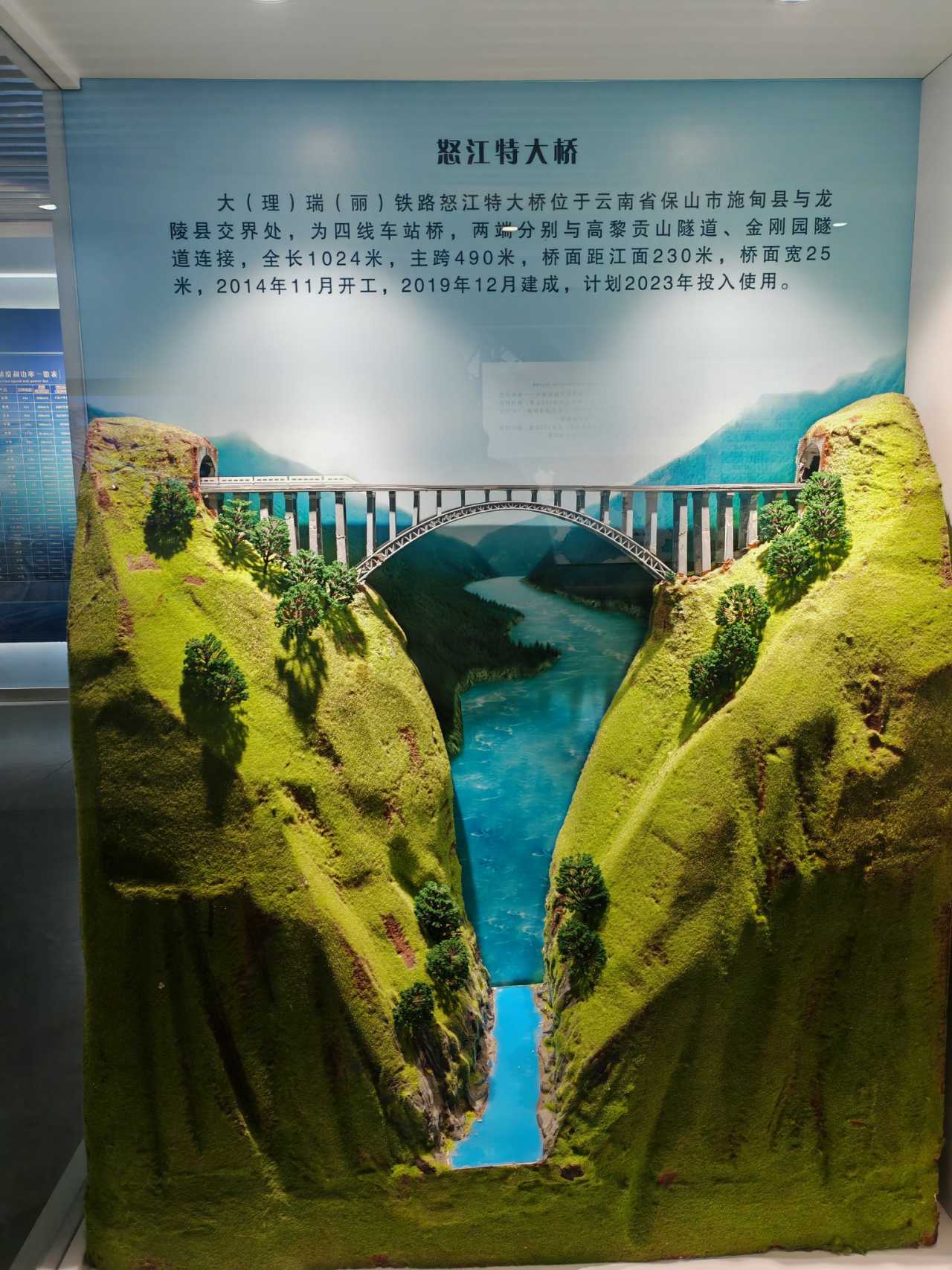
The Huitong Bridge was a vital structure on the Burma Road, blown up and repaired many times. Now it lies abandoned. A new bridge is about to be completed—a tribute to the Republic’s bridge builders.
Sixth Stop: Mangshi—Slow Living with Southeast Asian Flair
Self-Driving in Mangshi: Pottery and Ancient Villages
Today, we rented a car for self-driving. Our first stop was pottery making; my friend had found a workshop. The two aunties running it didn’t speak much Mandarin and couldn’t arrange shipping, so after finishing, we asked a nearby convenience store owner to help send our pieces. The De’ang ancient village in Chudonggua Village was up in the mountains. There was a De’ang household that served food and offered handicrafts, so we got everything done in one place. My friend and I even made "love eyes" for each other.
The Great Golden Pagoda wasn’t worth paying to enter; just drive up to the gate for a photo. At Xinwanchang Snack Street, the stir-fried crab was good—the blue crabs had plenty of meat. My friend also bought a木姜子根 (litsea root) there.
Pocaiba Hike: The Joy of Camping
Our hired driver was a local with plenty of experience, telling us many stories. In Shangjingkan Village, there was a massive banyan tree forming a single-tree forest—as the saying goes, "a single tree cannot make a forest," but in Yunnan, that doesn’t hold true. Pocaiba was relatively flat, and there were very few people when we visited. We had prepared leaf-wrapped rice in advance, ate our fill, and completed a simple camping trip.
Dehong Prefecture Museum: An Unexpected Find
On the last morning, we visited the Dehong Prefecture Museum. It wasn’t large, but it had character. It was the first time I learned that elephants could be domesticated for plowing. The Jingpo people’s bags were very distinctive, reminding me of the various backpacks in "Red Dead Redemption 2"—to be honest, these bags were even more interesting than the game’s. That bear paw hunting bag was incredibly cool.
The Tree-Wrapped Pagoda was also fascinating; without the tree, the pagoda would probably have collapsed long ago. With nothing planned for the afternoon, we went to Big Tree Coffee to sit for a while. There was a little incident: the "love eyes" my friend made for me in Chudonggua Village went missing, and I only noticed at the airport. After reviewing surveillance footage and contacting Big Tree Coffee, the staff found it, packed it up, and sent it to me. I’m very grateful to them.
Around six in the evening, we flew from Mangshi back to Changsha, ending this unforgettable journey.
Conclusion: The Footsteps of Heroes, Forever Remembered
Ten days of travel, from Kunming to Baoshan, from Lujiangba to Tengchong, and then to Mangshi—we followed the footsteps of the Chinese Expeditionary Force, feeling the weight of history and the beauty of nature. Those soldiers who sacrificed in the flames of war, those veterans who still held fast in times of peace—their stories deserve to be remembered forever.
This trip deeply impressed upon me: peace is hard-won, and heroes should never be forgotten. Every city, every historical site, tells the story of those turbulent years. I hope more people will set foot on this land, feel its history, pay tribute to its heroes, and cherish the present.
Practical Tips: - Kunming has severe traffic congestion; leave plenty of time in your schedule - Drainage ditches in Lujiangba and Tengchong have no covers; be extremely careful at night - Rear passengers must wear seatbelts, or face a 50-yuan fine - Baoshan coffee beans are worth trying; they might not cause insomnia like city café coffee - Heshun Ancient Town is better for long-term stays; day trips offer a mediocre experience - At Mangshi’s Great Golden Pagoda, just take a photo at the gate; no need to buy a ticket to enter
You should also read:

Body in Hell, Heart in Heaven: A Pilgrimage Through Tiger Leaping Gorge — A Dialogue Between Heaven and Earth
Body in Hell, Heart in Heaven: A Pilgrimage Through Tiger Leaping Gorge — A Dialogue Between Heaven and Earth Introduction: When the Gorge Splits Open Beneath Your Feet Some say Tiger Leaping Gorge is the closest place on Earth to the border between "hell" and…
Continue reading...
Cloud Travelogue · Dali of Wind, Flowers, Snow, and Moon: A Three-Day, Two-Night Journey of a Free Spirit
Cloud Travelogue · Dali of Wind, Flowers, Snow, and Moon: A Three-Day, Two-Night Journey of a Free Spirit I am a cultured female foodie with a touch of rogue charm. I slung on my backpack, took my lover's hand, and set off on a spontaneous…
Continue reading...
The Meaning of Travel – A Tengchong Story: A Journey of the Heart and Personal Growth
The Meaning of Travel – A Tengchong Story: A Journey of the Heart and Personal Growth Setting Out, Only to Return a Better Self Some say travel is nothing more than leaving a place you're tired of, only to go to a place where others…
Continue reading...