Four Seasons of Beauty, Endless Joy in Tengchong: A Five-Day Deep Dive into Food, Fun, and Exploration
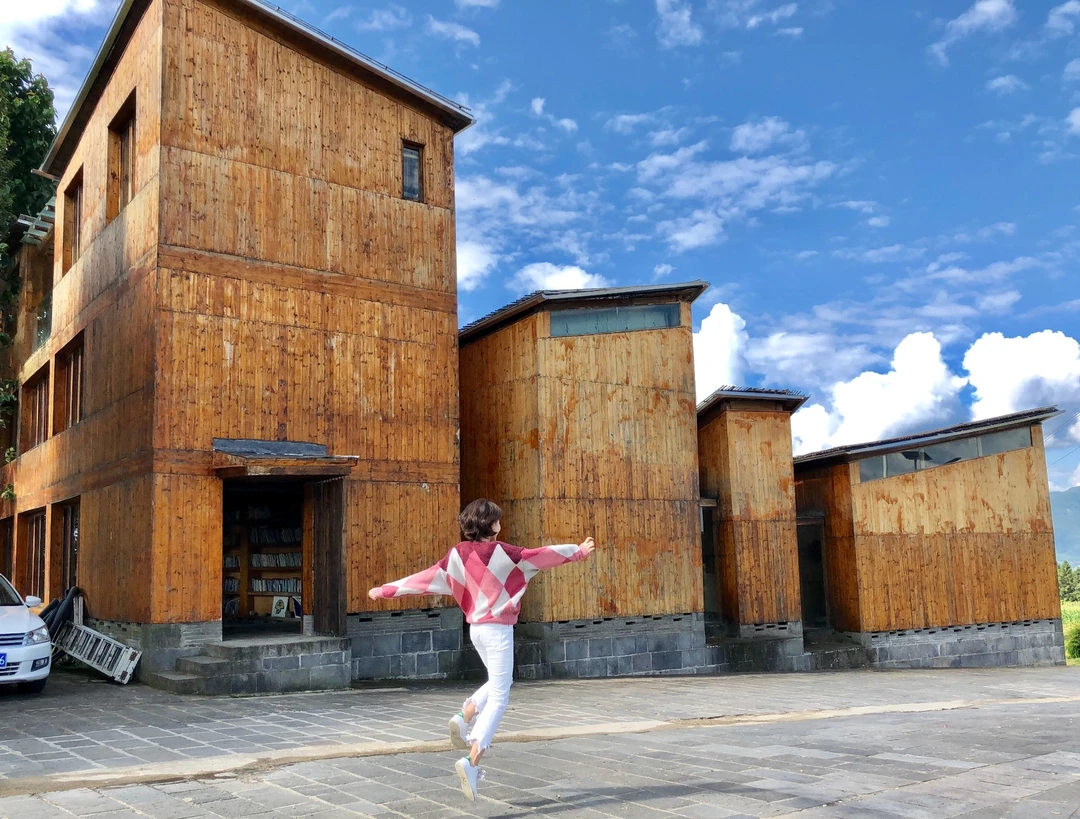
Four Seasons of Beauty, Endless Joy in Tengchong: A Five-Day Deep Dive into Food, Fun, and Exploration
My plan to visit Tengchong during the National Day holiday was made back in March. At the time, my friend Ergou wanted to go to Yunnan, but I had already traveled extensively through Lijiang, Dali, and the Yunnan-Tibet route. So I chose this border town with volcanoes, hot springs, ancient towns, and beautiful guesthouses. When Ergou's friends heard about it, they shook their heads, saying Tengchong was boring and that you'd be tired of it after a day or two. Ergou shot me a skeptical look, doubtful about me staking our entire National Day holiday on this town.
How did it turn out? We had an absolutely fantastic time in Tengchong, and after five days, we still wanted more. This was the first time I'd stayed in one place for five days and still felt it wasn't enough—we didn't even make it to the Ginkgo Village, Yunfeng Mountain, or the Jietou Flower Sea. Tengchong's tourism resources are surprisingly abundant, and this place isn't for rushing. It's for slowing down, relaxing, and savoring every moment.
Itinerary Overview: Balancing Relaxation and Fulfillment
Day 1: Beijing → Tengchong

There's only one direct China Eastern flight from Beijing to Tengchong daily, with a stopover in Kunming. It takes off at noon and arrives around 8 PM. Almost all guesthouses and hotels offer free airport transfers. After landing, we took a ride straight to our accommodation in the center of the ancient town, checked in, found some food nearby, and settled in for the night.
Day 2: A Full Day Tour of Heshun Ancient Town
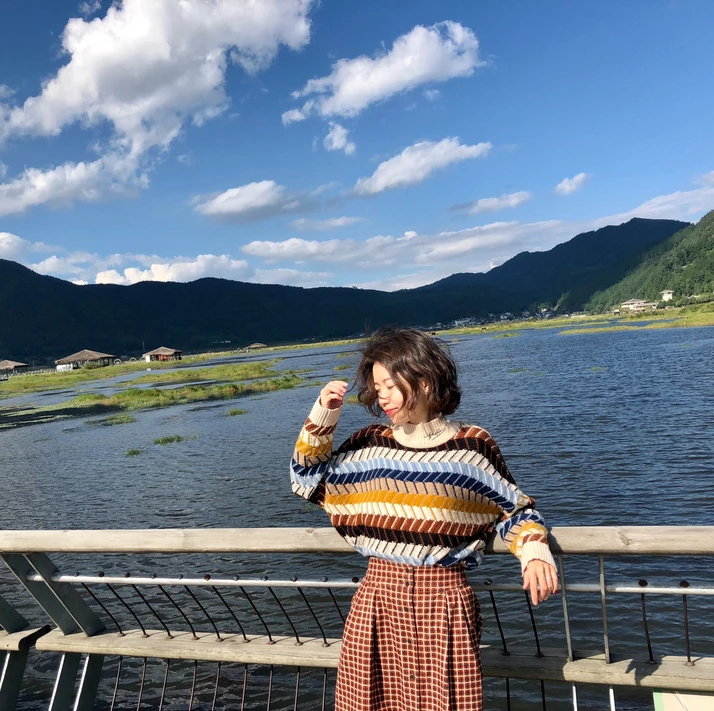
Following the map provided by our guesthouse owner, we spent the entire day wandering through the ancient town, barely retracing our steps. Our route: Zhongtian Temple → God of Wealth Temple → Thousand-Armed Guanyin Ancient Trees and the Ancient Tea Horse Road → Ancestral Halls → Heshun Library → Bar Street → Wild Duck Lake → Ai Siqi Memorial Hall. This route can easily take a full day—the Thousand-Armed Guanyin Ancient Trees are quite far from the core area. We only circled the outer perimeter of the ancient town, leaving many alleys unexplored and only entering one of the many ancestral halls. We started our eight-hour walking marathon at 10 AM, including lunchtime. If you wake up early, the Century Vegetable Street is worth a visit first—it's where locals buy their groceries. We ended up going there separately twice to buy fruit and mushrooms.
Day 3: Volcanic Geopark → Beihai Wetland → Change Guesthouses
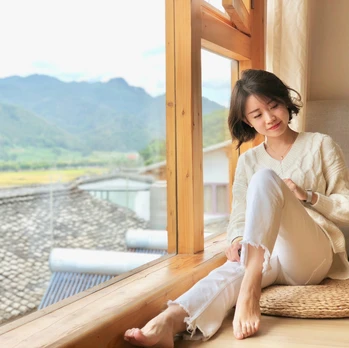
The volcanic area has two climbable peaks: Dakong Mountain and Xiaokong Mountain. Just pick one. Dakong is higher and more tiring to climb, and you can't see the bottom of the crater. Xiaokong is easier to climb, and you can see into the crater. Before 11 AM, if the weather is good, you can take a hot air balloon ride, though the value for money is average. We waited until the balloon flights stopped and then flew our drone for a while. The columnar jointing now has only a shabby viewing platform overlooking the pit-like rock walls—the valley floor boardwalk is closed. Heiyu River requires some up-and-down walking from the scenic area entrance to the underground spring outlet. Round trip, including grilling black fish by the spring, takes about an hour. For Beihai Wetland, I recommend eating at a farmhouse restaurant near the scenic area—the food is incredibly delicious. After eating, stroll through the wetland to digest. Perfect. The wetland isn't huge, but the scenery is nice. I recommend buying a boat ticket, which includes one electric cart ride and one boat ride, forming a circular tour.
Practical Tips: I recommend hiring a private car. The three attractions in the volcanic geological area require some driving time between them, and I didn't find any public transportation. We climbed Dakong Mountain, which took a long time—we treated it as exercise. The columnar jointing is just a stop for photos on the way to Heiyu River; five minutes is enough. Heiyu (black fish) is worth eating, but I don't recommend having lunch at the stalls—when customer traffic is low, it's hard to guarantee the freshness of ingredients. Whether Beihai Wetland is fun depends on personal preference. When we went, it was cloudy with occasional sunshine. Walking on the wetland boardwalk and feeling the breeze made us not want to go home—it reminded me of the Golden Grassland Wetland in Taxian County. I suggest going in the afternoon for better lighting.
Day 4: Selfies and Lounging at the Guesthouse → Coffee in the Ancient Town → Strolling Around the Ancient Town's Outskirts
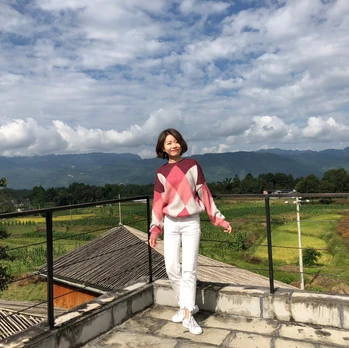
We chose a guesthouse with character and spent time taking selfies in our room. If you're not into photography, you can brew tea or soak up the sun. For coffee in the ancient town, we chose Yunli Coffee Shop No. 2. The first floor was ordinary, the second floor was fresh and bright, and the third floor had a terrace with umbrellas overlooking a stretch of green wetland. Order a cup of Yunnan small-grain coffee—it's not wasting time; it's cherishing life. The rice fields on the outskirts of the ancient town were a brilliant gold, creating a picturesque contrast with the white walls, black tiles, and lush green hills. I wanted to find a laundry pavilion by the small river in the rice fields, but I ended up walking all the way from the Sunken River Wetland to the Cuns' Ancestral Hall.
Practical Tips: It may seem like a lazy day, but it wasn't wasted. It's perfect for those with leisure time and no strong agenda.
Day 5: Century Vegetable Street → Yue Chun Hot Spring → Change Guesthouses and Lounge
Century Vegetable Street is the morning market in the center of the ancient town, with a pharmacy, post office, supermarket, and Gu Yue Xuan flower cake shop. We bought dried mushrooms to take home. Yue Chun Hot Spring offered average value for money. Apart from the well-designed shower rooms, it couldn't compare to Yu Gu Hot Spring. We got bored after two hours of soaking. Finally, we switched to another guesthouse with large floor-to-ceiling windows and a balcony. Ergou sat outside and refused to move. For the two nights we stayed there, we didn't close the curtains, sitting with our feet up and gazing at the distant ancient town, rice fields, and highway.
Practical Tips: If you're only going to Yue Chun Hot Spring, you don't need a private car. Find a regular taxi at the entrance to the ancient town scenic area—round trip costs 100 RMB. Save the driver's phone number and call ahead for the return trip. There are no waiting taxis at the Yue Chun entrance.
Day 6: Gaoligong Mountain Handmade Paper Museum → Yuanxiang Villa Area → Rehai Scenic Area
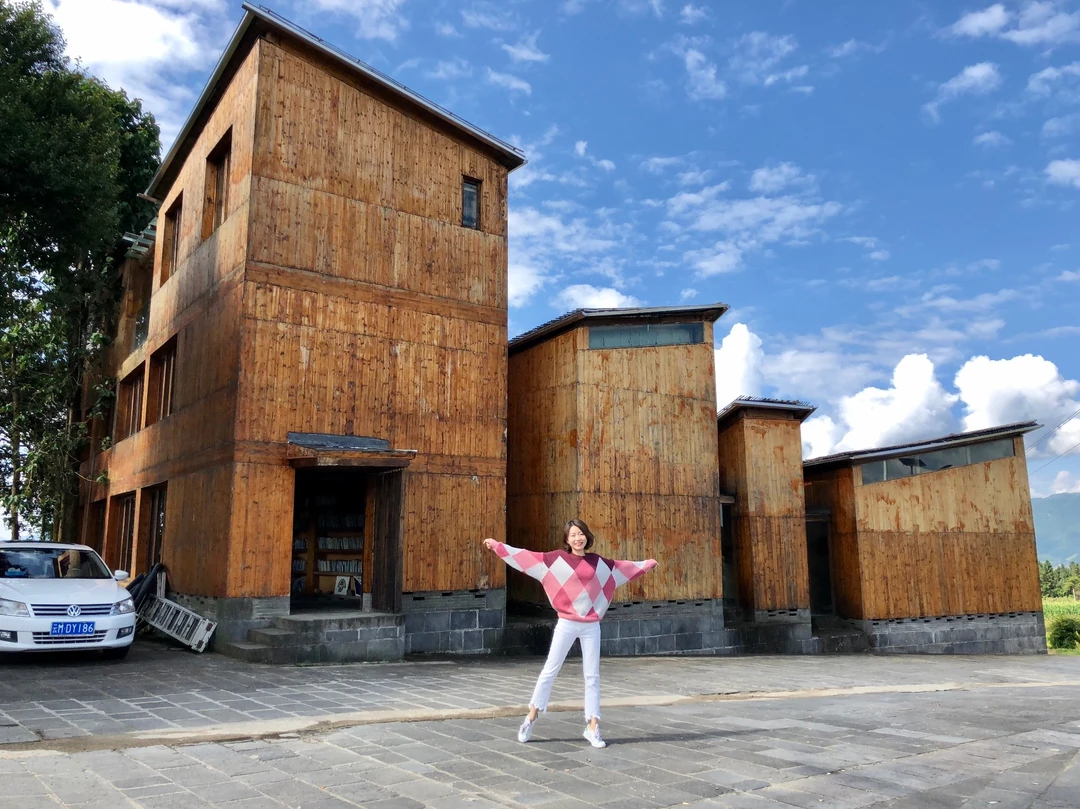
We went to the Handmade Paper Museum for its unique architecture, but the scenery along the drive past Jietou Town at the foot of Gaoligong Mountain was even more breathtaking. Along the way, you pass the Jietou Flower Sea and the Longchuan River—the dramatic elevation changes create an unreal beauty. The Yuanxiang Villa Area was a spontaneous addition by our driver—a massive residential development built by the developer in Jietou, where many people go specifically to hang out. The Rehai Scenic Area was my favorite stop on this trip. The area isn't large, but it has a complete range of hot springs and geothermal landscapes, more interesting than Noboribetsu in Hokkaido. The entire valley is warm and steamy. The Yu Gu Hot Spring was especially fantastic, with both carbonated and sulfur spring pools, plus deliciously refreshing sour papaya water available everywhere. I really didn't want to leave.
Practical Tips: The best arrangement is to combine the museum trip with Yue Chun Hot Spring, avoiding our situation of rushing from 8:30 AM to 8:30 PM. The Rehai Scenic Area, especially Yu Gu Hot Spring, is worth spending half a day. I recommend hiring a private car. The museum is at the entrance of a small village at the foot of Gaoligong Mountain in Jietou Village. The drive takes two hours, but the scenery along the way is beautiful, and you can stop anytime.
Day 7: Tengchong → Beijing
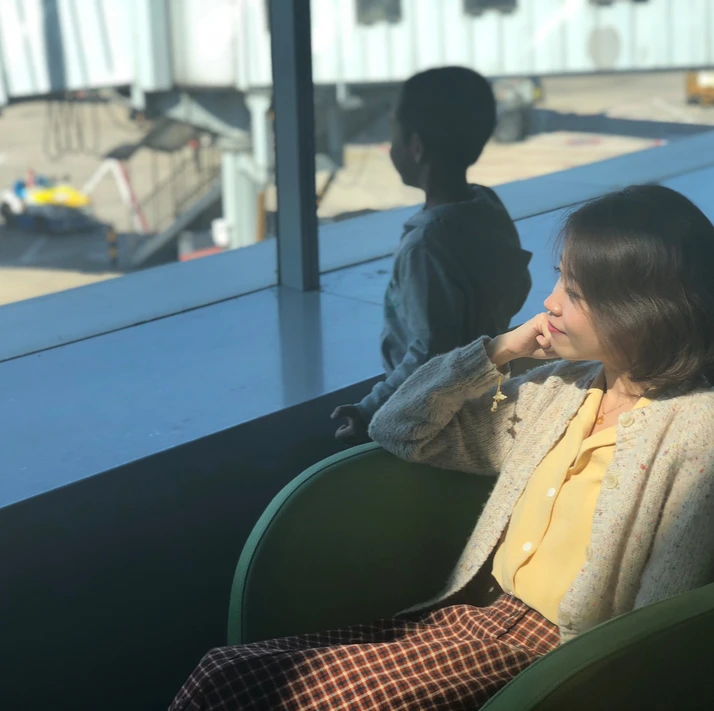
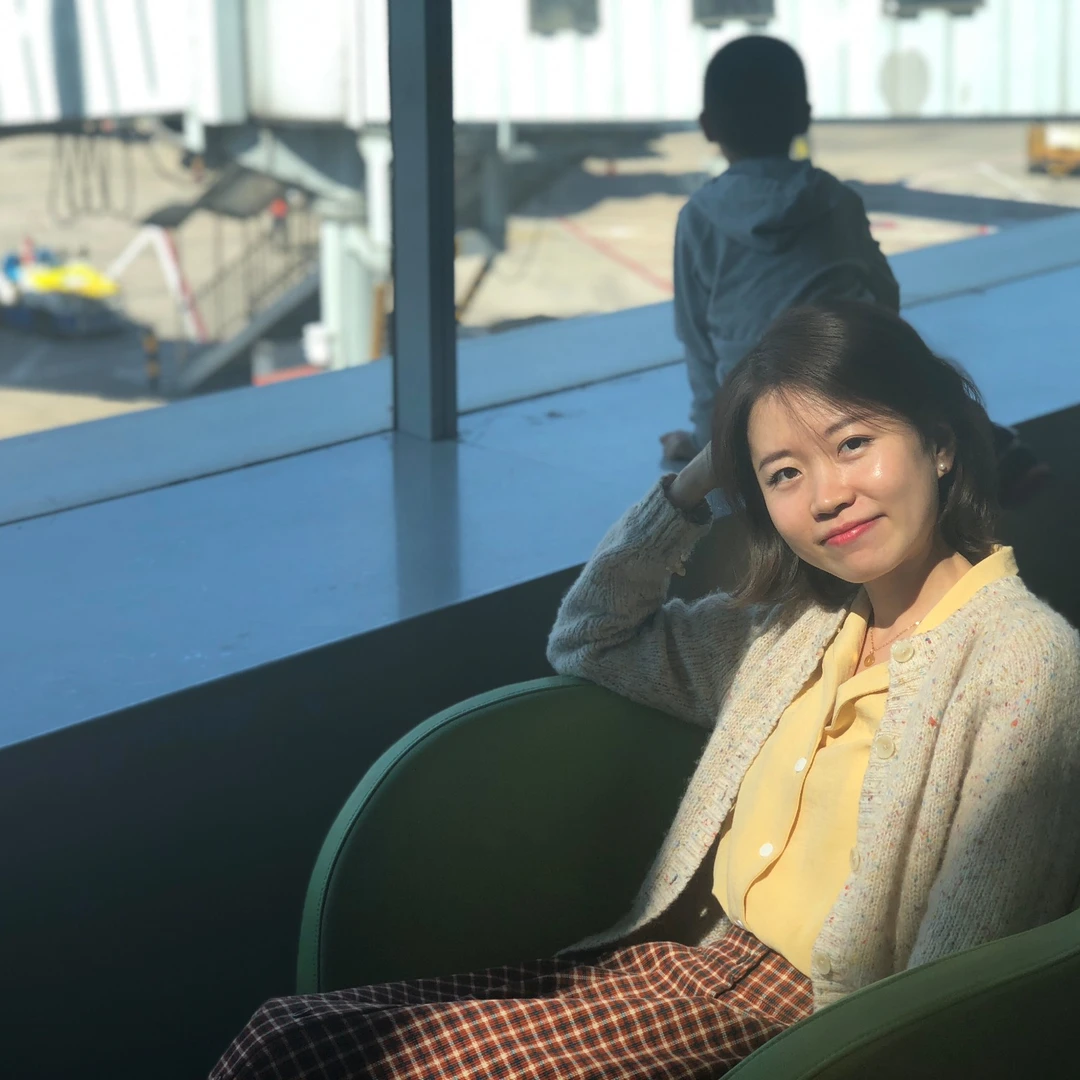
Our flight was at noon. We slept in, had a big meal at Yingyi Restaurant, packed up various meats from Tianyi Xiang Lu, and headed to the airport.
My Top 3 Attractions
My List: Rehai Scenic Area, Beihai Wetland, Handmade Paper Museum
Ergou's List: The foot of Gaoligong Mountain (the roadside scenery near the museum), Rehai Scenic Area, Beihai Wetland
Rehai Scenic Area was truly the most fun and the best. Hot springs are densely packed, each with its own character. The sulfur and carbonated spring pools at Yu Gu Hot Spring are endlessly enjoyable. A patch of bumps on my back before departure disappeared without a trace after soaking—the effect was remarkable. If I go to Tengchong again, Rehai Scenic Area and the foot of Gaoligong Mountain are must-return destinations.
The Places We Missed
Tengchong is rich in tourism resources, with major attractions all within a day's round trip. Due to weather, interest, or other reasons, we didn't visit these places:
- Ginkgo Village: The ginkgo leaves turn yellow in November; the timing wasn't right.
- Yunfeng Mountain: The photos of the scenery looked average, and it required climbing or taking a cable car—not interested.
- Dieshuihe Waterfall: Close to the city, but the attraction is singular and the waterfall isn't grand enough.
- Bólián Hot Spring: We chose Yue Chun over Bólián based on slightly better reviews.
- Hehua (Lotus) and Huangguacao Hot Springs: The infrastructure is somewhat lacking, but Huangguacao is a popular, affordable natural spring among locals.
- Jietou Rapeseed Flower Sea: Rapeseed flowers bloom in February and March; the timing wasn't right.
- Longchuan River Bamboo Rafting: Located in Jietou, we passed by on the way to the museum—beautiful scenery, few tourists, but no time.
- Radar Station: Recommended by our guesthouse—a grassy depression on the mountaintop with small ponds during the rainy season, undeveloped.
- Kangteng·Gaoligong Tent Camp: Felt like a trendy new spot. Ergou said it wasn't comfortable to stay in, but photos there would probably dominate your social media feed.
Food Map: Restaurants We Can't Forget
Dali and Lijiang both have satisfying local cuisines. Yunnan food is generally bold in flavor, which suits my palate—I love sour and spicy dishes and can't get enough of meat. In the first few days, we ate at a few places in the ancient town, and the flavors were light. I briefly thought this was what Tengchong cuisine was all about. Then we ate at a farmhouse restaurant near Beihai Wetland, and the food finally delivered the authentic local taste—it was unforgettable.
Over five days, we had nearly seventeen meals, almost never repeating ourselves. Only three places we visited more than once:
Yingyi Restaurant (Five-Star Recommendation)
This was my favorite restaurant; I went there twice voluntarily. Located at the end of an uphill alley not far from the entrance of Bar Street, it's a local family's converted courtyard with a farmhouse-style environment. The TV personality Meng Fei has been here. Originally run by the grandmother, now the daughter-in-law is the head chef, and her skills are superb.
My favorite dish was 大薄片 (Dà Bó Piàn, "Big Thin Slices")—a cold dish from the Baoshan region. It's big and thin, with meat slices as large as paper. The key is in the knife work. Specially prepared pig head meat is sliced into large, paper-thin pieces. The meat is tender and crispy, the skin and tendons are chewy—perfect with alcohol. The flavor combines sour, salty, spicy, numbing, and aromatic elements in a unique way. Their version truly lives up to the name "thin as a cicada's wing"—it's crispy, tender, and not greasy. The dipping sauce is even more authentic, with spicier and more fragrant chili. We ordered it twice.
Another dish we ordered twice was 蒸腊肠 (Zhēng Là Cháng, steamed cured sausage). It was savory, slightly sweet, with a perfect balance of fat and lean. The lean meat was rosy red, the fat translucent—endlessly enjoyable. Ergou wanted to buy some to take home, but the owner said the warm weather might cause spoilage. She took our number and said we could order delivery in winter. The 柠檬鱼 (Níng Méng Yú, lemon fish) was made differently from other places—the fish was delicate, the sour soup was thickened, and there were plenty of diced chili and tomatoes. The grandmother said the sour soup mixed with rice was the best part, and we ended up finishing the entire dish. The 炒鸡枞 (Chǎo Jī Zōng, stir-fried termite mushrooms) was incredibly fresh—the mushrooms were smooth and tender, sweet and savory, with shredded green peppers and meat as accents. The umami was far superior to MSG. During matsutake season, they also sell fresh matsutake. Ergou said we bought shiitake mushrooms instead, but the grandmother said locals don't eat those much—they're no match for real fresh matsutake. We didn't get to try their other signature dishes like 土锅子 (Tǔ Guō Zi, clay pot stew), 黄焖鸡 (Huáng Mèn Jī, braised chicken), or 大救驾 (Dà Jiù Jià, "Great Rescue" stir-fried rice cakes), but I'm sure they're good. Perhaps due to lack of promotion and its slightly remote location, there weren't many diners. I sincerely hope their business thrives and that this wonderful taste is passed down.
Tianyi Xiang Lu (Four and a Half Stars)
A small shop selling braised and grilled braised meats, right next to Yingyi Restaurant. They've converted the front of their courtyard home into a storefront, with a refrigerated display case and an electric grill. The first time we bought from them, an elderly woman was grilling. We ordered grilled braised pig trotters, grilled chicken feet, and grilled duck gizzards. The kids ahead of us packed up several portions of sour-spicy noodles and grilled pig trotters. The grandmother grilled everything very carefully. If you're in a hurry, you can order first, take a stroll, and come back—we waited over twenty minutes. She was very kind, speaking slowly but clearly.
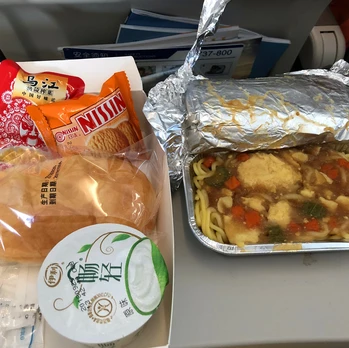
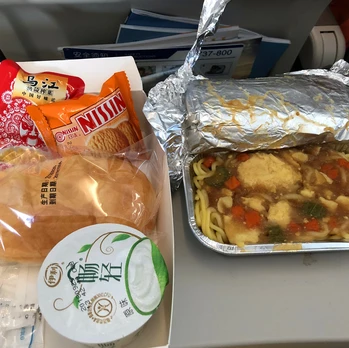
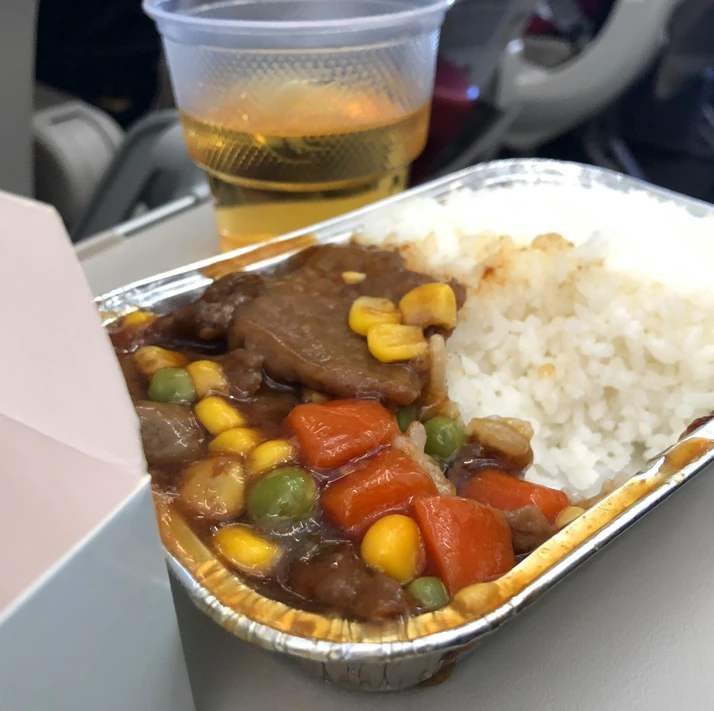
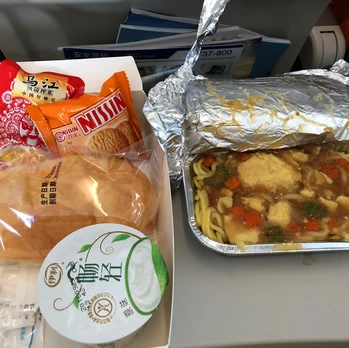
The grilled pig trotters were cut into pieces along the joints for easy eating. The skin was crispy and chewy, covered in chili, cumin, and local spices. The fat under the skin was half-melted, combining with the soft, gelatinous texture—one bite and your lips practically stuck together. The trotters were well-braised; after eating, you could suck the bone crevices and still taste the savory, slightly spicy broth. I packed some to take to a bar, eating and drinking like a carefree immortal. The grilled chicken feet were probably from local free-range chickens—about two sizes smaller than Beijing grilled chicken feet, quite lean. The fun was more in the nibbling than in the meat itself. The grilled duck gizzards must be eaten hot; they become dry and tough when cold. On the day we left, we rushed to Yingyi Restaurant for lunch and also grilled two trotters, six chicken feet, five duck gizzards, and two duck necks to take on the plane. High above the clouds, the chicken feet and pig trotters tasted wonderfully sweet, making the terrible airplane meal bearable.
Cheese Sister (Four Stars)
There are two locations in the ancient town: one in the center on the upper section of Lijia Alley, and another on the street not far past Wenchang Pavilion. Some say the owner is from Beijing, which I'm inclined to believe because the cheese tasted similar to Cheese Wei in Beijing's Niujie Street. The cheese and yogurt are a bit pricey—they claim everything is made from water buffalo milk. A serving of Cheese Wei's palace-style cheese costs 14 RMB, while their large serving is 22 RMB. But our driver said there are many water buffalo in Tengchong and few dairy cows, so locals mostly drink water buffalo milk—it's not a rare commodity, so the price logic doesn't quite add up. Still, the cheese is delicious—cold, slightly sweet, like a divine nectar, on par with Cheese Wei. A bowl is satisfying without being cloying; you'll just want more. We later bought yogurt and double-skin milk pudding. Neither was too sweet, and both were refreshing. The yogurt wasn't as sour as Tibetan-style yogurt—lighter and smoother. The double-skin milk pudding was better than the yogurt but not as delightful as the cheese—a middle ground. If you prefer lighter flavors, try a serving of cheese.
Other Restaurants Worth Trying
Beihai Yipinyuan Farmhouse Restaurant (Five Stars): Located on the main road at the entrance to Beihai Wetland Scenic Area. It's large-scale, and the flavors are well-tested.
Mom's Taste (Four and a Half Stars): Internet-famous places are famous for a reason—the food is really good. Throughout the National Day holiday, the ancient town had few tourists, but this was the only place where you needed to take a number and wait. Its location was particularly remote. That evening, I thought I might be catching a cold and had no appetite. I didn't order their specialty, copper pot beef. Instead, I ordered lemon fish, pot sticker dumplings, and minced pork with eggplant—all delicious. The lemon fish was like regular steamed fish, but with a refreshing lemon aroma. The fish was tender, and one bite revived my spirits. Paired with a glass of wild berry wine, it was especially satisfying.
Tengchong Shunyuan Farmhouse Restaurant (Four Stars): Located in Tengchong city proper—no need to go out of your way, but if you're passing through the city during a private car day trip, you can ask your driver to take you. Many local drivers know this place. We ordered seasonal stir-fried zucchini, stir-fried palm heart with shredded pork, "Great Rescue" rice cakes, and farm-style stir-fried pork. They use pickled vegetables as a seasoning, making the zucchini and palm heart particularly fragrant and great with rice. Ergou said after eating there that his appetite had increased significantly in Yunnan.
Boss Ji's Firepit (Four Stars): We arrived right at dinner time; any later and there would have been a wait. The specialty is a volcanic stone grill lined with oiled paper. The seasonings included traditional chili powder, peanut powder, and a local specialty sour sauce. Both Ergou and I were obsessed with the sour sauce plus chili powder—one bowl wasn't enough; we had two. The grilled meat portions weren't large. We ordered beef tongue, black pepper beef, spicy pork belly, stuffed tofu, sliced steamed bread, plus wild berry wine, braised chicken feet, and cucumber salad. The best was the stuffed tofu—it was delicious no matter how long you grilled it, with no beany taste at all. The grilled steamed bread was a revelation—it had the aroma and texture of the fried bread slices my mom used to make: crispy on the outside, with a subtle sweetness when chewed slowly. The braised chicken feet were tiny—we later realized all the chicken feet here are this small. The cucumber salad was refreshing and home-style.
Three Palm Trees Farmhouse Courtyard (Four Stars): Moved from the ancient town to the wetland area. Both guesthouses we stayed at recommended this place. We only had dinner there once because Ergou had a stomach ache and didn't order any specialty dishes. We ordered scrambled eggs with chives, stir-fried cured pork with green peppers, and two glasses of lemon water. Even these simple dishes were well-prepared—fresh and home-style. The cured pork portion was especially generous, sliced thin, savory and great with rice. The autumn chives were tender and not as pungent as northern varieties. They have a row of seats overlooking the wetland—a scenic spot. If you're staying near the wetland, this place is highly recommended.
Epilogue: Tengchong, Until We Meet Again
In five days, we didn't see the golden ginkgo leaves at Ginkgo Village, didn't climb Yunfeng Mountain, didn't visit the flower sea at Jietou. But Tengchong gave us so many surprises. From the grandeur of the Volcanic Geopark to the tranquility of Beihai Wetland; from the comfort of Rehai Hot Springs to the awe-inspiring foot of Gaoligong Mountain; from the paper-thin slices at Yingyi Restaurant to the grilled pig trotters at Tianyi Xiang Lu—every moment was worth cherishing.
Tengchong is not a place for hurried check-ins. It's a small town that invites you to slow down and savor life. Its volcanic hot springs, ancient towns, rice fields, and culinary delights all remind you: life can be slow, and it can be beautiful.
If you're thinking of coming, I recommend planning at least five days. Don't rush, don't over-plan, just go with the flow. You'll find that the joy of Tengchong lies in every unexpected moment.
You should also read:

Clouds Over the Rainbow: A Five-Day Soul Journey Through Kunming, Dali, and Lijiang
Clouds Over the Rainbow: A Five-Day Soul Journey Through Kunming, Dali, and Lijiang Prologue: The Decision to Fly into the Clouds In February, the chill of the North still lingered. A single discounted airfare sparked this spontaneous trip. Round-trip from Beijing to Kunming—1,700 yuan made…
Continue reading...
Xishuangbanna Self-Drive Tour: Into the Tropical Wonderland at the Edge of the Sky (Complete Guide)
Xishuangbanna Self-Drive Tour: Into the Tropical Wonderland at the Edge of the Sky (Complete Guide) Introduction: A Dream Fulfilled Thirty Years Early Some journeys are destined to happen at a specific moment in time. For me, a self-drive trip to Xishuangbanna was originally the first…
Continue reading...
Dreaming of Lijiang, Dreaming of Shangri-La: A Journey That Lets Your Soul Breathe Deeply
Dreaming of Lijiang, Dreaming of Shangri-La: A Journey That Lets Your Soul Breathe Deeply Life is like a long trek. We're always rushing through the concrete jungle, searching for a glimmer of light in the monotony of our days. Then one autumn, I heard the…
Continue reading...