Fragments of a Hometown of Overseas Chinese – Tengchong's Hidden Gems: A 7-Day In-Depth Travel Guide
Fragments of a Hometown of Overseas Chinese – Tengchong's Hidden Gems: A 7-Day In-Depth Travel Guide
In the southwestern corner of Yunnan, there lies a small town forgotten by time. It lacks the clamor of Dali and the glitter of Lijiang, yet it holds the misty clouds of the Gaoligong Mountains, the golden waves of rapeseed flower fields, and the warm memories of a century-old hometown of overseas Chinese. This is Tengchong – a place that makes travelers willingly slow down their pace.
When Spring Festival flight prices sting, and popular attractions are packed to the brim, I decided to take a different path. With five days in hand, I ventured deep into the unremarkable corners of the map. As it turned out, the beauty of hidden gems often touches the heart the most.
Why Skip the "Must-See" Spots?
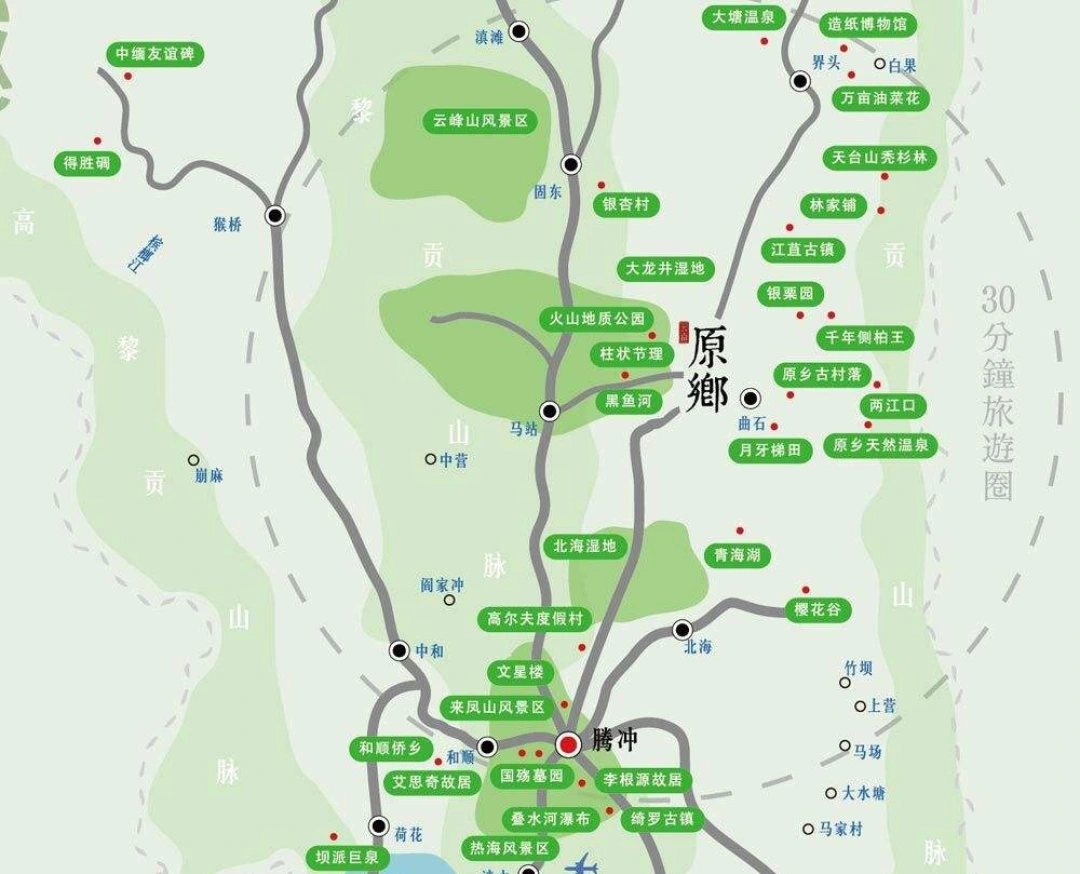
Before departing, I made a bold decision: forgo the Volcano Park, the National Martyrs' Cemetery, Dieshui Waterfall, Yunfeng Mountain, and Laifeng Mountain – all the hot-list landmarks. Not because they aren't worth visiting, but because I wanted to encounter something more unique in early spring.
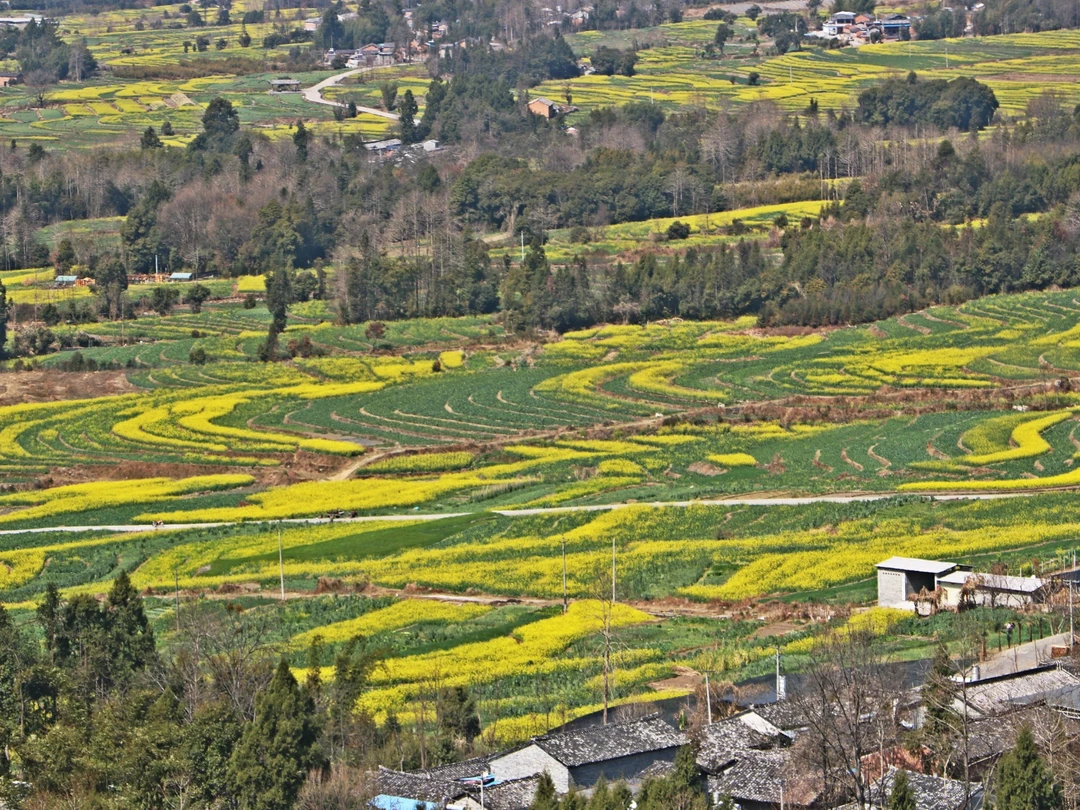
In Mazhan Township, the camellias were blooming with fiery passion; in Jietou, hundreds of acres of rapeseed flowers cascaded like golden staircases. The Qiluo Wenchang Palace, though not yet open to the public, held the most rustic charm. The Li Family Courtyard, a century-old private residence, seemed to echo with whispers of history. And the Gaoligong Mountains – just the name stirred a longing within me. A misty, cloud-shrouded peak profile on Mafengwo, coupled with the record of only 15 visitors, instantly ignited my explorer's spirit.
As it turned out, these choices were spot-on. Five days, one small town, yet I left with lingering regrets – the vistas of Dongshan Grassland (Radar Station) and the paradise of Dazhu Dam would have to wait for another trip. But then again, regret is another kind of beauty in travel, isn't it?
Pre-Trip Essentials: Practical Tips

Getting There: Fly, and That's Final
Tengchong has no train station – only an airport and bus terminals. I once agonized over "fly from Tianjin to Kunming, then take a bus," but the eight-hour road trip was daunting. I also considered "fly from Tianjin to Baoshan," but Baoshan to Tengchong still takes two hours. For a soft-hearted girl who just wants to look good in photos, the hassle factor had to be weighed.
In the end, I chose to fly the whole way. Even with a layover, even during Spring Festival, China Eastern Airlines tickets started at over 2,000 RMB per person per one-way trip (including transfer), and round trips cost over 4,000 RMB per person. It hurt the wallet, but the time and energy saved were absolutely worth the price.
Getting Around: DiDi + Private Car, Flexible Pairing
Tengchong has no subway. Buses only cover standard attractions and are time-consuming. Locals often use DiDi's carpool service – about 20 to 30 RMB for 20 kilometers. For farther spots, you'll need a private car: 260 to 300 RMB per day during Spring Festival, around 200 RMB normally. It's best to contact a local driver in advance for transparent pricing.
Accommodation: Ancient Town or County Town? Mix It Up for the Win
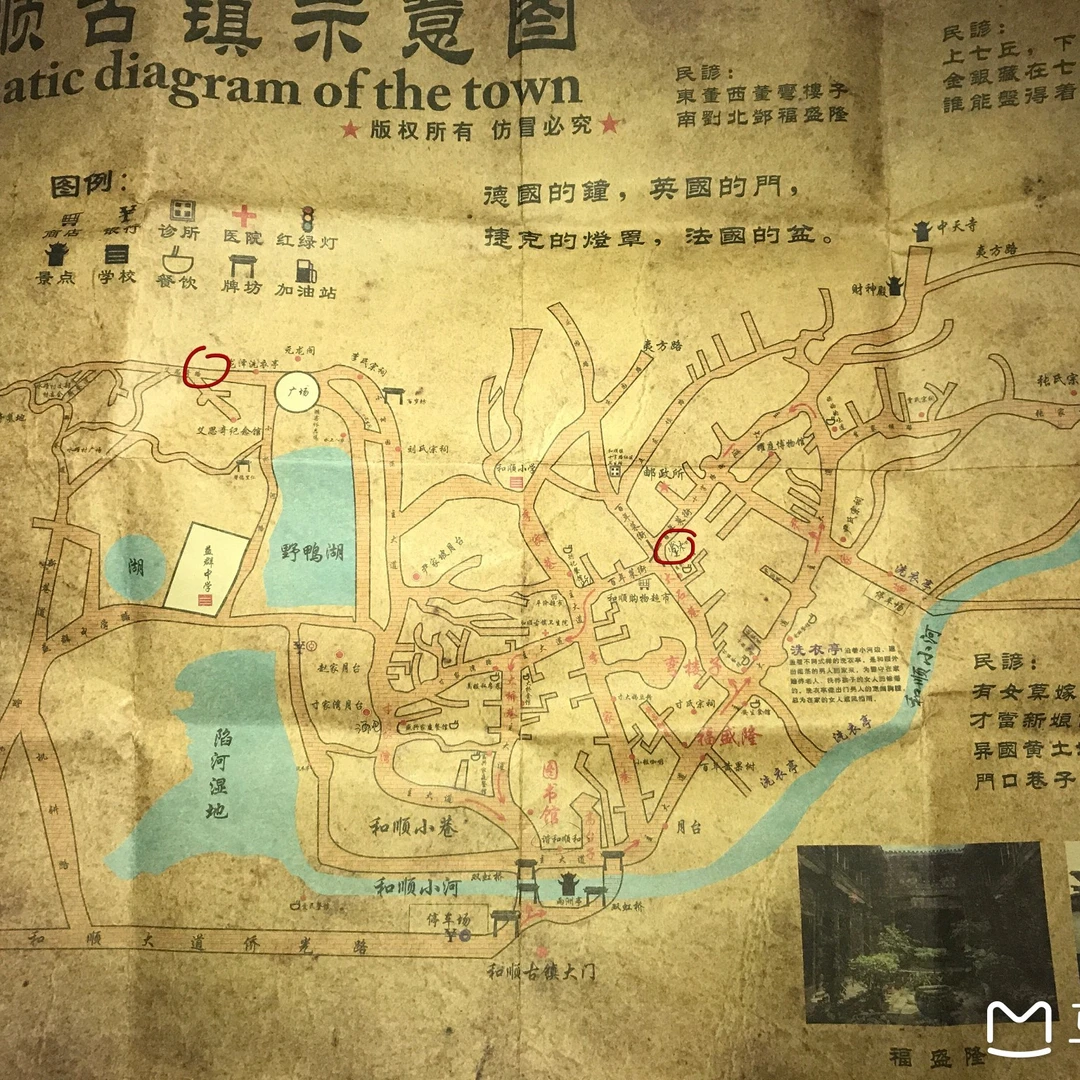
Eighty percent of tourists stay in Heshun Ancient Town, but my advice is: county town first, ancient town later. The county town has buses to major attractions, convenient for daytime outings; the ancient town is perfect for evening strolls and listening to bar singers. On a budget, this mix maximizes value.
Here's a key tip! If you choose to stay in the ancient town, don't try to save money by staying near Wild Duck Lake! The lively areas (bar street, shops) cluster around the library side, while Wild Duck Lake is about 2 kilometers away – a 20- to 25-minute walk. With at least two round trips a day, your legs will give out. I spent my first three nights at the "Jianhe Inn" in the town center – perfect location, with barbecue and a supermarket right outside. The owner, Cun Danlin, a descendant of the Cun family, was incredibly kind; when I switched inns, he even drove me to the next place on his electric scooter. Brother Cun's WeChat: CDL801785, phone: 13887813263. Mention me for a discount!
Weather and Gear
In mid-to-late February, Tengchong has huge temperature swings between morning and evening. Early and late, you'll need thermal pants and a windbreaker (below 10°C). After 10 a.m., temperatures rise, and by noon, a single layer is fine. UV is strong – sunscreen and sunglasses are a must.
Main Text: 7-Day In-Depth Itinerary
Day 1: Tianjin → Kunming → Tengchong, First Taste of Heshun
Tianjin has no direct flights to Tengchong, so a transfer is needed. Departed from Binhai Airport at 8:30 a.m., with a layover of less than two hours, landed in Tengchong at 4:25 p.m. Booked an airport pickup on Taobao – only 20 RMB during Spring Festival (though drop-off was 60 RMB, puzzling).
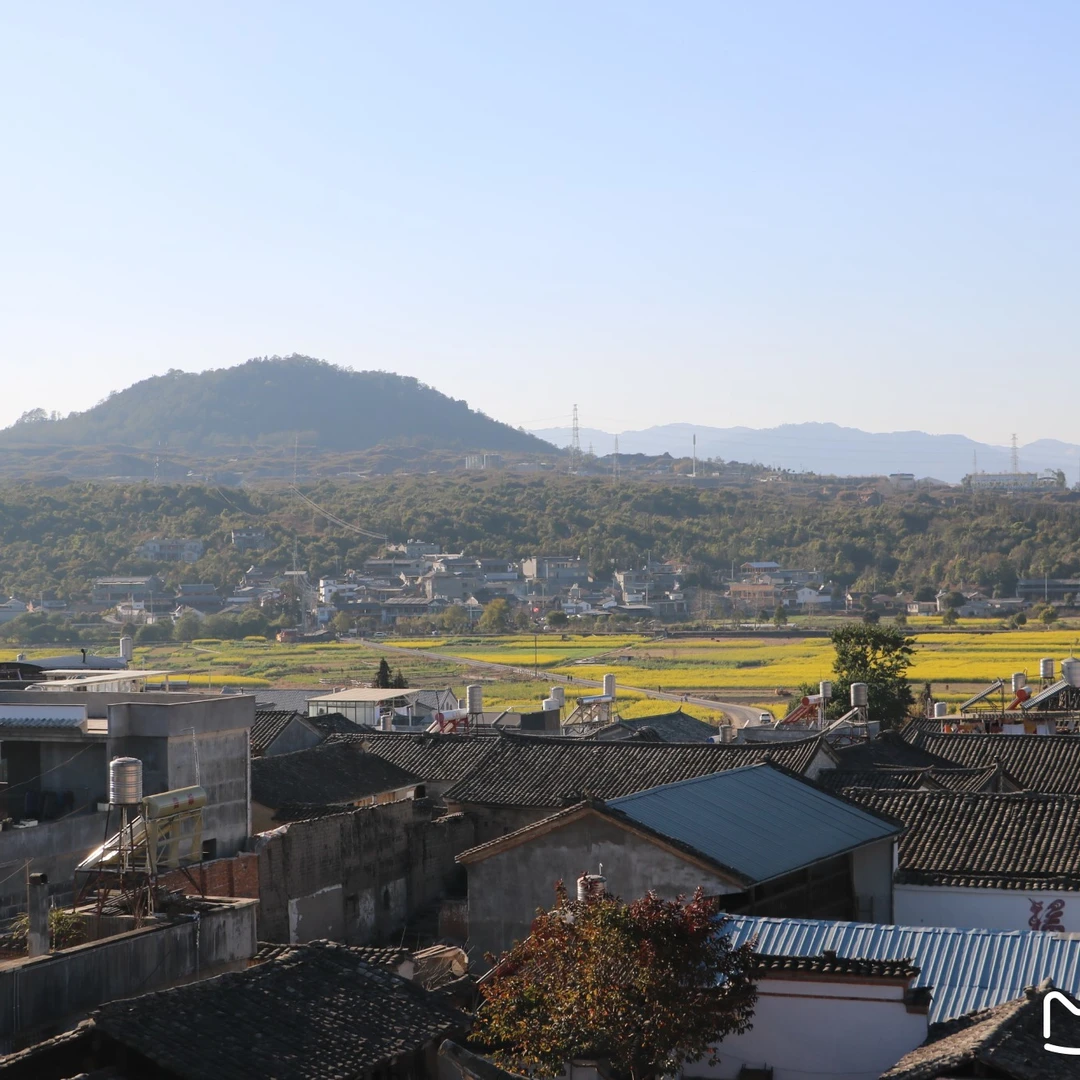
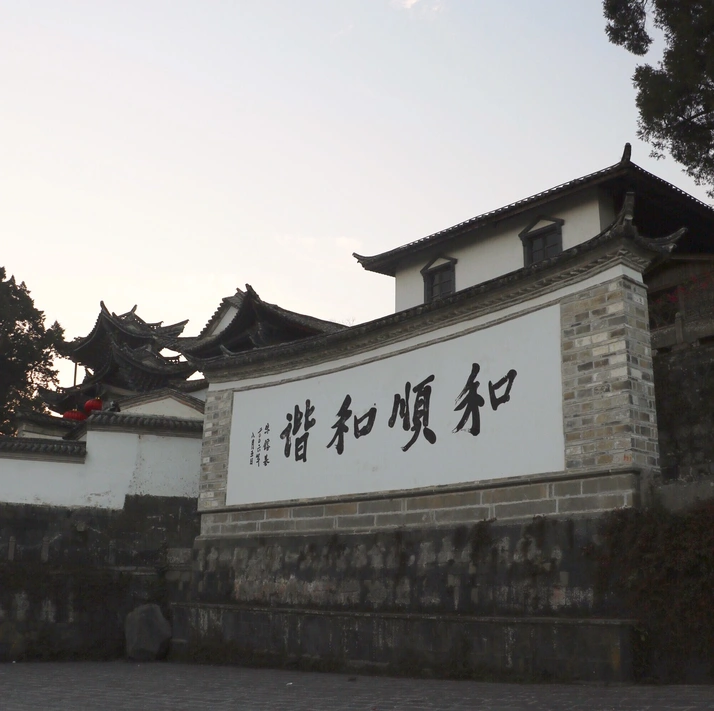
The driver took us to the back gate of the ancient town, where inn owner Brother Cun came to meet us. The back gate has a hidden perk: you can skip the entrance fee. Heshun Ancient Town charges tickets from 8:00 a.m. to 7:00 p.m.; at other times, no one checks. Tourists are identified by their clothes and luggage? A kind inn owner can always help you out.
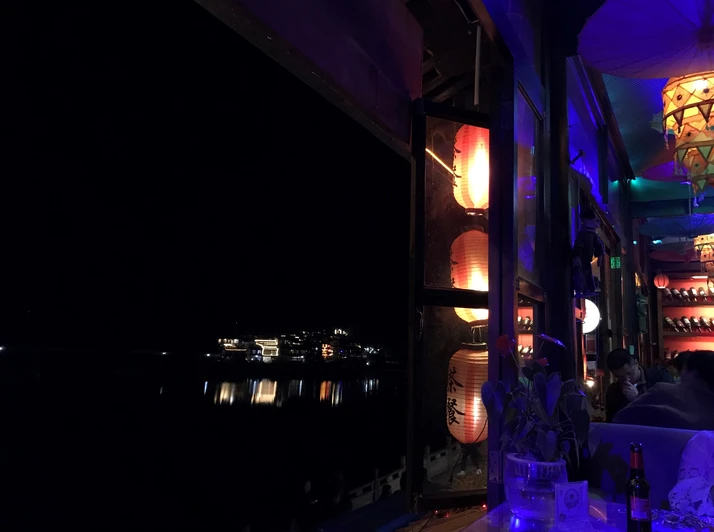
Around 6 p.m., I took my first stroll through the ancient town. The setting sun, the sparse crowd, the simple local vibe – it all felt welcoming. Strawberries that evening were only 8 RMB per catty, edible without washing. I tried the local specialties of clay pot stew (tu guo zi) and thin-sliced pork (da bo pian). After dinner, I went to Mipu Bar to listen to music and feel the breeze – isn't that why you come to Tengchong, to escape the crowds and find some peace?
Day 2: Gaoligong Mountains Baihualing Hike – Dream Meets Reality
The name "Gaoligong" carries an air of ethnic mystery and awe-inspiring inaccessibility. The mere 15 visitors recorded on Mafengwo, plus the allure of primeval forest, drove me forward without hesitation. While the two-day crossing route requires nine hours of continuous hiking, luckily, there's a milder option: the "Baihualing Experience." But it requires at least four people, costing 480 RMB per person.
I almost missed out, but fortune smiled – we gathered five people, including an international couple. The Indian guy was a yoga instructor with incredible stamina, while I was always the one lagging behind…
The Gaoligong Mountains are home to China's highest-altitude tropical rainforest. Currently free of charge, it's said to officially open within five years. Baihualing is just a small part of the crossing route. If you want to experience the raw jungle of tangled vines, moss-covered ground, and ancient trees, I recommend hiking deeper. Along the way, we crossed the Longjiang Bridge, with mountain-and-river scenery so beautiful I wanted to jump out of the car for photos.
The most thrilling section: climbing over from the opposite side, with nothing to grip on the wall, loose bricks underfoot, and a cliff to the right… Even now, typing this, my palms are sweating. We were the only five tourists the whole way. On the return, we soaked our feet in the Yinyang Valley wild hot spring, finally easing the exhaustion.
Day 3: Hemu Village Camellias → Jietou Rapeseed Flowers → Heiyu River → Beihai Wetland
Yunnan's flower seasons vary: Tengchong's rapeseed blooms during Spring Festival, Wuyuan's in April, and Qinghai's Menyuan in July. Today's theme: Jietou's rapeseed flowers.
Hired a private car for the day – 60 kilometers one way, 260 RMB per day. Besides rapeseed, camellias are also in season. Laifengshan Park has many camellias but is crowded; I chose Hemu Village's wild camellias instead, and it was the right call – only a handful of visitors, and no entrance fee.
First stop: Hemu Village. The camellias were breathtaking. To the left, occasional stone coffins – a bit eerie – but in the distance, curling cooking smoke, sunlight filtering through the trees, and moss that seemed to come alive.
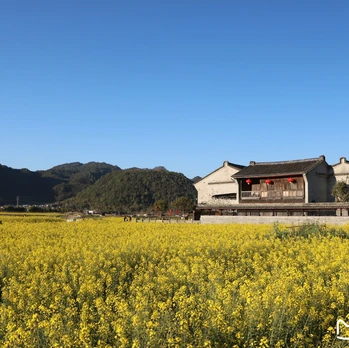
Second stop: Jietou, with its thousands of acres of rapeseed flowers. I took off my shoes, went barefoot for photos, and got stung by a bee for the first time in my life. All for a few pictures, I was really committed.
Heiyu River and Volcano Park share a combined ticket. Hearing that Volcano Park wasn't much fun, I skipped it and sneaked into Heiyu River. The water rushed over the riverbed, aquatic plants swayed with the current – clear water, visible greenery, decent scenery.
At 5 p.m., I arrived at Beihai Wetland just before closing. Ticket plus boat ride: 108 RMB per person, 10 RMB more than the electronic ticket on Dianping. In Spring Festival, the grass was withered and yellow, with no irises in bloom, but my heart was set on it, so it was still worth a visit.
Day 4: Qiluo Wenchang Palace → Li Family Courtyard → Rehai Big Boiling Pot
Qiluo Ancient Town had long been on my wishlist. Wenchang Palace is closed to the public, so I only planned to take a photo at the gate. But sincerity worked – the caretaker was "outsmarted" by us, and a 20 RMB bribe got us in.
Inside Qiluo Ancient Town, the Li Family Courtyard is a century-old private residence. The solemn main hall, the dilapidated catalpa wood screen, the weathered murals on the walls – it instantly transported you back a hundred years. The 10 RMB entrance fee was worth more than many big-name attractions.
Rehai is Tengchong's iconic spot. Everyone carries a string of eggs, but they never actually cook through. The steaming pool was packed with people; if you weren't careful, your string of eggs would get stolen. Soaking your feet in the Big Boiling Pot's water was a satisfying way to end the visit.
Day 5: Heshun Ancient Town – Slow Down, That's the Point
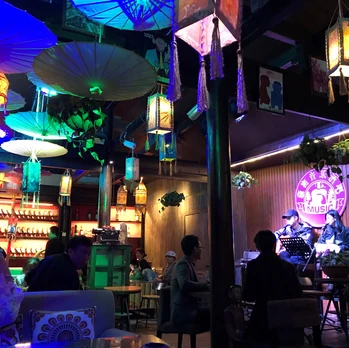
I originally planned to just drink tea and bask in the sun in the ancient town, but the itinerary turned out tighter than expected. Still, I had to leave a full day for the ancient town. Don't forget your original intention, and you'll reach your goal.
At 7 a.m., Tengchong was still asleep. Even the breakfast stalls didn't open until 7:30. Only we tourists were stumbling around in the dark.
Day 6: Lotus Forest Hot Spring – Soak Away the Fatigue
Tengchong is famous for its hot springs. Among the four major ones, Rehai has sulfur springs, Yue Chun is more modern, and I chose Lotus – the best service, closest to nature, and the most expensive. Got my ticket from Brother Cun: 190 RMB per person for unlimited soaking, including自助 tea and snacks. The first workday after Spring Festival, and the crowds had thinned significantly.
Day 7: Kunming → Tianjin, Returning with Full Hands
Food Specialties: A Taste of Tengchong
- 稀豆粉 (Thin Pea Flour Porridge): Peas ground into powder, made into a paste. Dip grilled rice cakes into it while hot – absolutely divine. In the ancient town, Aunt Cun's pea flour is the most authentic; ask at the bustling cross street.
- 土锅子 (Clay Pot Stew): A mixed hotpot with various ingredients served together, dipped in sauce. The translucent, honeycomb-like ingredient inside is pig skin – not greasy, with a texture like tofu skin.
- 大薄片 (Thin-Sliced Pork): Slices of meat as thin as paper, mixed with homemade spicy sauce. A local famous snack.
- 饵丝 (Er Si Rice Noodles): Similar to rice noodles, a breakfast staple.
- 大救驾 (The Great Rescue – Stir-Fried Rice Cakes): Actually a main dish, with a bold name.
- 蔺大妈松花糕 (Aunt Lin's Pine Pollen Cake): 2 RMB per piece, not sweet but fragrant. The authentic one is by the big waterwheel at Wild Duck Lake – featured on CCTV!
- 小油菜 (Young Rapeseed Greens): The tender tips of rapeseed plants, stir-fried with garlic slices – light, fresh, and tender. Five-star recommendation.
- 铜瓢牛肉 (Copper Pot Beef): Not much meat, average value for money.
- 树毛衣 (Tree Moss – a Wild Plant): Tastes like a plant, similar to corn silk in texture.
Conclusion: Tengchong, Worth Slowing Down For
This trip to Tengchong far exceeded my expectations.
If you want to stay in an authentic ancient town, come to Tengchong. If you love artistic travel photography, bring your pretty clothes and come to Tengchong. If you're a jade enthusiast looking for your lucky find, come to Tengchong.
Tengchong's beauty isn't in the crowded attractions, but in those overlooked corners – the stillness of camellias, the brilliance of rapeseed fields, the weathered charm of old courtyards, the cozy comfort of steaming hot springs. It's like a book you can never finish, with surprises on every page.
Take this guide, and go meet your Tengchong.
You should also read:
Dreamland – Lijiang: A Talking Comic Travel Guide
Dreamland – Lijiang: A Talking Comic Travel Guide Prologue: When Lijiang Takes Root in Your Heart Some places leave a mark on you forever. They're like an old song on repeat, suddenly playing in your mind on an ordinary afternoon. For me, Lijiang is that…
Continue reading...
Yunnan Travel Mastery: From Beginner to Pro-Level Player – A Complete Guide
Yunnan Travel Mastery: From Beginner to Pro-Level Player – A Complete Guide "Either travel or read, but your body and soul must be on the road." This quote has been repeated countless times, but very few people truly manage to be "on the road" and…
Continue reading...
Solo in Yunnan: A Wanderer’s Guide to the Land of Eternal Spring
Solo in Yunnan: A Wanderer’s Guide to the Land of Eternal Spring There’s something magical about traveling alone. No compromises, no schedules to keep, no one to please but yourself. I’ve been on the road for nearly three months now, and not once have I…
Continue reading...