From Lijiang to Tiger Leaping Gorge: A Journey of Sky, Mountains, and Self-Discovery
From Lijiang to Tiger Leaping Gorge: A Journey of Sky, Mountains, and Self-Discovery
Prologue: When the Drone Plunged into the Gorge
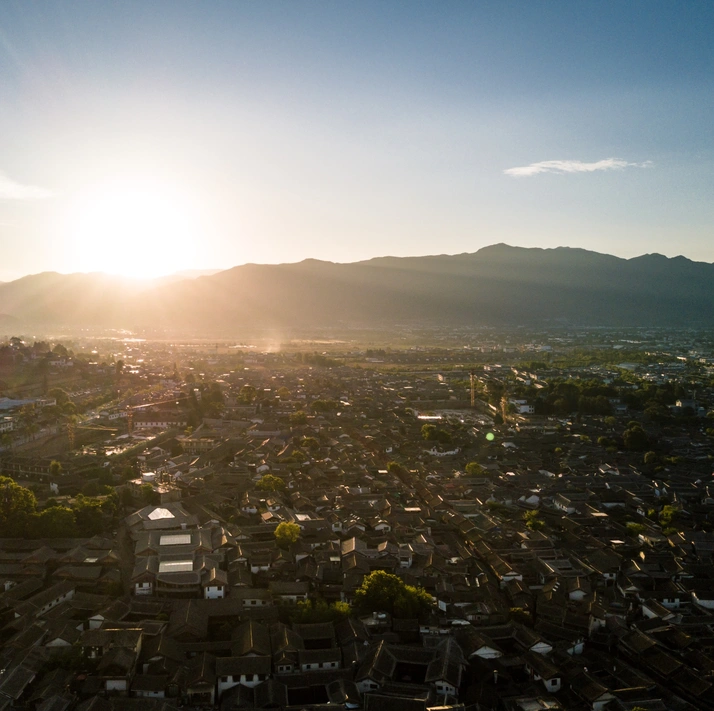
The April wind swept over the peaks of Jade Dragon Snow Mountain, carrying that crisp, high-altitude chill straight into the rotors of my brand-new Mavic Pro. Through the lens, Lijiang's old town looked like an ink-wash painting steeped in time—gray tiles, white walls, weeping willows brushing the water, sparse morning light on the cobblestones. I was lost in the thrill of that bird's-eye view, never imagining that in a few hours, that drone would spiral out of control in the fierce winds of Tiger Leaping Gorge, becoming a silent scrap of metal at the bottom of the Jinsha River.

That's the metaphor of travel, I suppose—you never know what you'll lose in the next second, but that very uncertainty makes you cherish every inch of scenery you're seeing right now.
Lijiang: A Misunderstood Ancient Town
Four Years Later: From Kid to Grown-Up
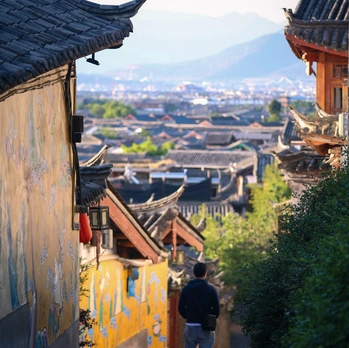
To me, Lijiang was never just about those tired labels—"City of Romance" or "Healing Sanctuary." Four years ago, I was a clueless junior in college, backpack slung over one shoulder, setting foot here alone for the first time in my life. Back then, I was curious about everything and fearless about the unknown. Four years later, standing again on the old town's cobblestones, I'd become a weary "corporate drone"—dark circles darker than any eyeshadow, hairline higher than my ambitions.
Lijiang had changed, and yet it hadn't. The earworm songs on the street had swapped from "That One Moment" to "Little Darling," but the rhythm remained the same—sunbathing by day, bar-hopping by night. The wooden windows still bore the shadows of weeping willows, and that carefully curated "timeless serenity," though clichéd, was still addictive.
The City from Above: A Drone's Perspective
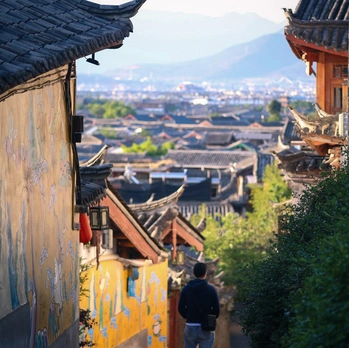
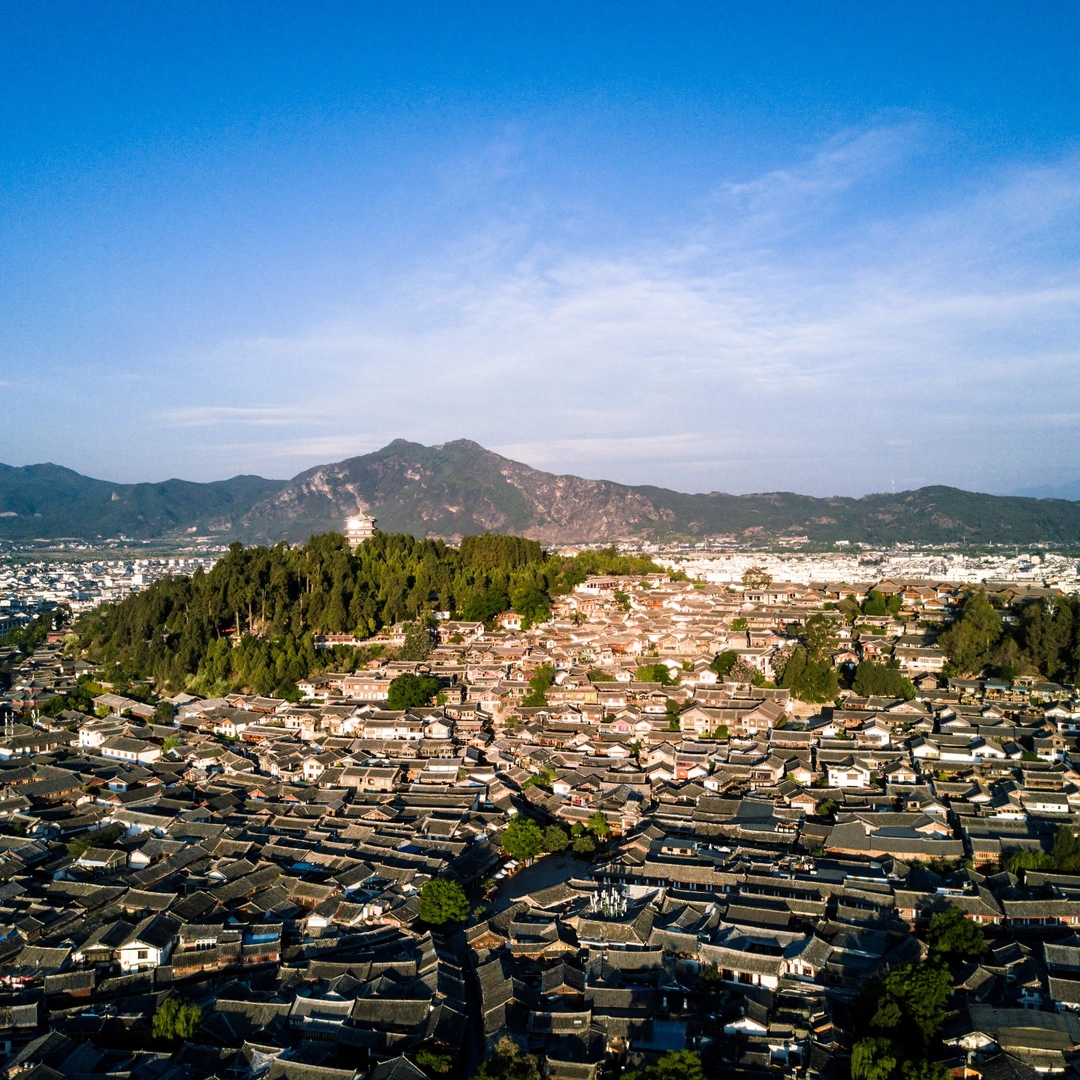
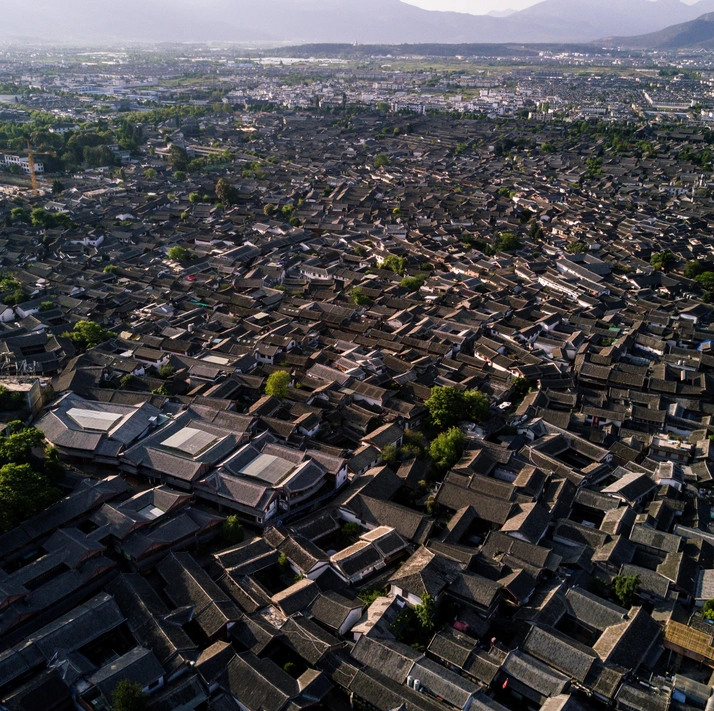
Most travelogues are shot from ground level—Lijiang through a lens is crowded, noisy, swamped with tourists. But this time, I decided to put my eyes in the sky.
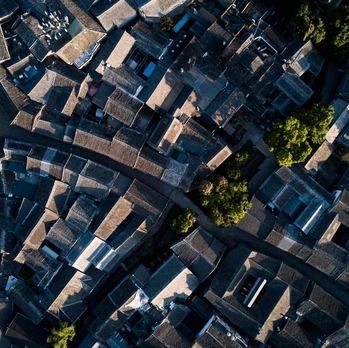
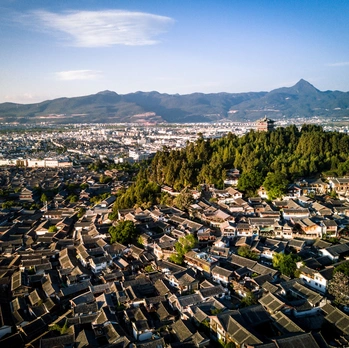
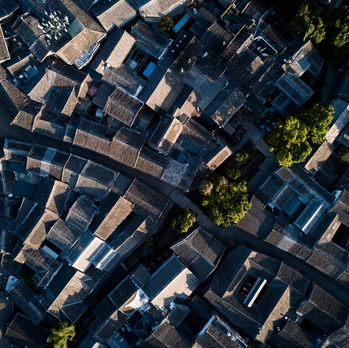
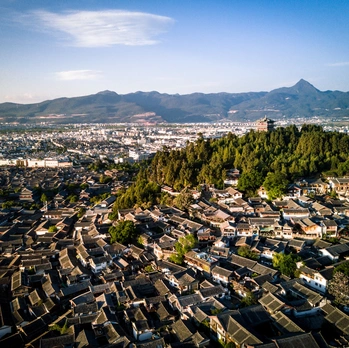
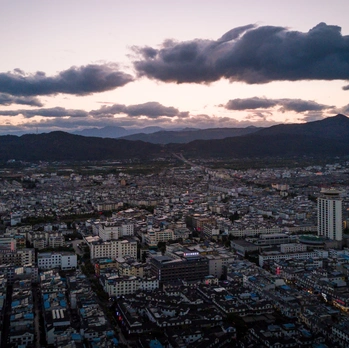
From above, the old town's traditional wooden houses stretched out like a meticulously arranged set of building blocks—dense yet orderly. The new city was just one street away, and while it didn't have the glass skyscrapers of Beijing or Shanghai, the low-rise buildings looked almost charming against the backdrop of the snowy peaks. Turns out, all it takes is a different angle to turn the ordinary into something beautiful.
Lijiang at Dawn: The Real Lijiang
The old town at night is a flashy temptress—neon lights from the bars stain the cobblestones an ambiguous purple, cheap alcohol fumes mingling with hormones in the alleys. On every single traveler's checklist, "find a hookup" is written in bold, and even the hostel vending machines are thoughtfully stocked with condoms—fair price, no tricks.
But that's not the Lijiang I love.
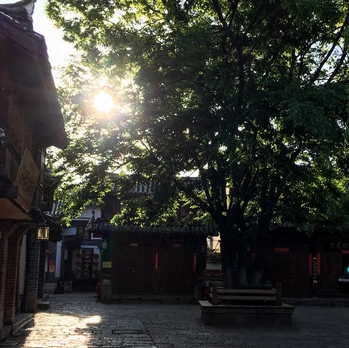
The Lijiang I love appears at sunrise. That's when the cobblestones have only a handful of people, the shops are still shuttered, and even the street vendors' calls are still dreaming. Sunlight slips through your fingers, warmth lingers in your palm, heat settles into your eyes. At this hour, the old town is like a lady just waking up—quiet, gentle, a world apart from the gaudy temptress of the night before.
As the saying goes, if you're going to pose, do it early. Want great photos? Early rising is mandatory—fewer tourists, better light, that magical "golden hour" right there. Lean against a wooden door and look contemplative, stand on a bridge and look artsy, sit under a willow and look melancholic—pose however you want, no one's competing for the spot.
Qingxi Reservoir: An Unexpected Gem
If the old town gets old, head to Qingxi Reservoir. This little spot, frequented mostly by locals, isn't spectacular, but when the water is calm, it turns into a mirror, perfectly reflecting the snow mountains. Even if you miss the reflection, there's "Jesus light"—sunbeams piercing through the clouds like golden pillars, as if a miracle is unfolding. A causeway cuts through the reservoir, lined with willows swaying in the breeze, rustling softly, making you slow down without thinking.
Tiger Leaping Gorge: A Conversation with the Wild
A Hiker's United Nations
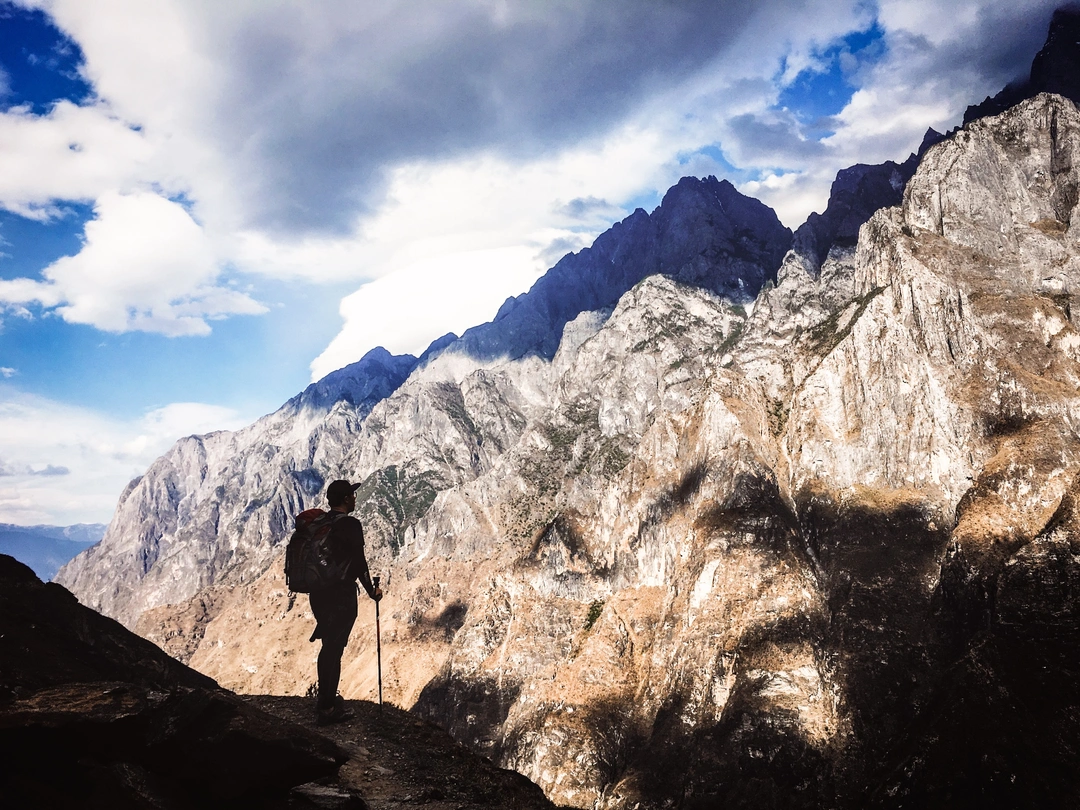
The Tiger Leaping Gorge high trail is often called one of China's top ten hiking routes, but the most interesting thing was that over two days on that trail, I heard more English than Chinese. I could count the Chinese hikers I met on one hand; the rest were Europeans, Americans, Koreans, Japanese. Even the aunties selling water on the mountain could fluently say "hello" in three languages—English, Japanese, and Korean. This wasn't a hiking trail; it was the United Nations.
The trail starts near the bridge in Tiger Leaping Gorge town and ends at Tina's (Tina's International Youth Hostel) in Middle Tiger Leaping. It takes two days, with one overnight stay. If you're average fitness, you'll reach Tea Horse Guesthouse by around 4 PM; if you've got more legs in you, push another three hours to Halfway Guesthouse—a favorite among foreign hikers, highly recommended.
The route is well-marked with guesthouse ads, signposts, and colorful ribbons—no chance of getting lost. But don't trust the distances and times written on those ads—when you see "F***ing exhausting" scrawled in marker, you'll know what I mean.
The Uphill: Hell on the Body, Heaven for the Eyes
The early part of the hike unfolds along a road—farmland, villages, cooking smoke, peaceful as a painting. But when the road ends, the real test begins. High-altitude hiking hits hardest with shortness of breath. My hiking buddy started vomiting after just ten minutes of climbing and took half a day to adjust.
Cross one mountain, and there's another. Most of the day was spent with head down, climbing. The guidebook warned that the "Naxi 28 Bends" was the toughest section. It wasn't as brutal as advertised, but when I saw the little stall marking the end of those 28 bends, I couldn't help but cheer.
After the bends, the trail flattened out along the mountainside. To the left, the endless Haba Snow Mountain; to the right, the towering Jade Dragon Snow Mountain. The wind sometimes howled, pushing you toward the cliff. In that moment, I understood what "the universe has great beauty but speaks not a word" really means—standing between two snow mountains, you feel as tiny as a speck of dust, yet your heart can hold the whole world.
Halfway Guesthouse: The "Die Happy" Terrace
After nearly nine hours of trekking, I finally reached Halfway Guesthouse. This place has a viewing platform facing Jade Dragon Snow Mountain, with a name that's as crude as it is memorable—"Die Happy Terrace." But the view is anything but crude. Sitting on the terrace, the snow mountain is right in front of you, sunset painting the sky in gradients of orange and red, wind blowing up from the valley carrying the scent of pine and earth. In that moment, every ounce of exhaustion was worth it.
Day Two: Waterfalls, Rainbows, and the Gorge's Roar
After a good night's rest, we set off at 9 AM. Day two was much easier—mostly downhill, though hard on the toes and knees. Not far from Halfway, we came across a small waterfall crossing the trail. The water wasn't rushing, but one side was a bottomless cliff. My heart skipped a beat as I carefully stepped across the slick rocks. Looking back, the light caught the droplets and formed a rainbow.
Three hours later, we reached Tina's. But don't think it's over—the real essence of Tiger Leaping Gorge isn't just the high trail; you have to go down into the gorge and stand by the Jinsha River to feel its raw, terrifying beauty.
From Tina's, take the "Thread of Sky" path down to the Middle Tiger Leaping Rock (entrance fee: 15 yuan), then climb back up via the "Heavenly Ladder" (another 15 yuan). The whole loop takes 3 to 4 hours. Important: the bus back to Lijiang or Shangri-La leaves at 3:30 PM sharp—don't be late.
As you descend through the narrow "Thread of Sky" path, the roar of the water grows louder. The Middle Tiger Leaping Rock sits defiantly in the raging Jinsha River, water pounding it day and night, yet the rock seems never to move. Standing on that smooth stone, one slip and the river could sweep you away—the thrill is more real than any roller coaster.
Climbing the Heavenly Ladder, stepping up the steep stairs, I finally reached the gorge road two hours later. I bought an ice-cold beer, sat by the roadside, and drank it slowly. After all that climbing, that one sip tasted better than any Michelin-star meal.
Shuhe: The Final Tenderness
Back in Lijiang, I had one day left. Too exhausted to face the chaos of Dayan Old Town again, I booked a guesthouse on the edge of Shuhe Ancient Town. Unexpectedly, I struck gold—a small courtyard house, radiating pure, bone-deep tranquility.
The landlord was incredibly nice, telling us where to eat and what to see. Staying there wasn't just about having a bed for the night; it was about experiencing genuine warmth and hospitality.
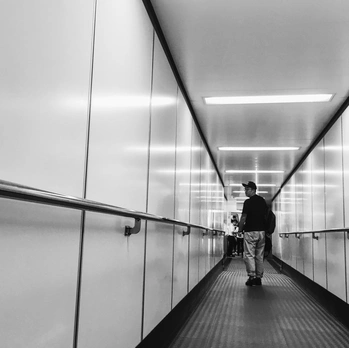
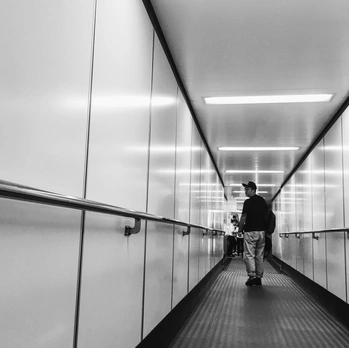
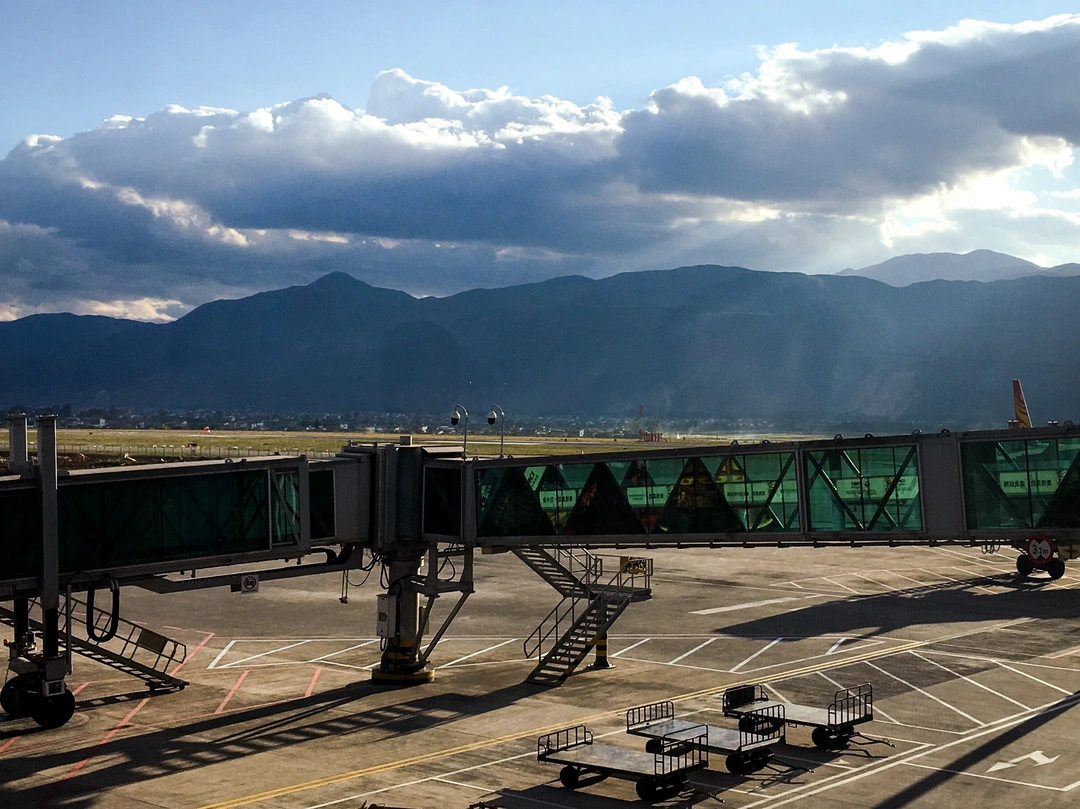
Shuhe differs from Dayan in many ways, but what touched me most was the everyday life—locals sitting in their doorways, sunbathing, chatting, drinking tea. Fewer tourists, slower pace. On the fifth day, I packed my feelings, endured a five-hour flight delay, and went home.
Epilogue: Next Time, I'll Go Again
This time, my drone fell into the Jinsha River, but I brought back memories more precious than any photo. Lijiang's dawn light, Tiger Leaping Gorge's roar, Shuhe's tranquility—they're like three imprints carved into my life.
Some say travel is about escape. But I think travel is about coming back better. Every departure is a chance to rediscover yourself; every return is a chance to fall in love with life again.
Next time, I'll strap on my backpack again, cross the mountains, wear out my shoes, and wade through rivers and seas.
Practical Tips: - Suggested Itinerary: Day 1-2 Lijiang Dayan Old Town → Day 3-4 Tiger Leaping Gorge High Trail → Day 5 Shuhe Ancient Town - Cost Reference: Round-trip flight 1,200 yuan, total expenses approximately 2,800 yuan - Hiking Gear: Non-slip shoes, trekking poles, water, snacks, sunscreen, windbreaker - Accommodation: Halfway Guesthouse (Tiger Leaping Gorge), Shuhe Ancient Town guesthouses - Important Notes: Be careful on the Tiger Leaping Gorge trail, especially the "Thread of Sky" and "Heavenly Ladder" sections; return buses are limited, so be on time
You should also read:

God’s Abandoned Palette: A Self-Drive Journey Through Yunnan’s Dongchuan Red Land
God’s Abandoned Palette: A Self-Drive Journey Through Yunnan’s Dongchuan Red Land Travel has never been about reaching some distant geographic coordinate. It’s about encountering, along the way, the version of yourself buried beneath the rubble of daily routine. During this May Day holiday, I finally…
Continue reading...
Body in Hell, Heart in Heaven: A Pilgrimage Through Tiger Leaping Gorge — A Dialogue Between Heaven and Earth
Body in Hell, Heart in Heaven: A Pilgrimage Through Tiger Leaping Gorge — A Dialogue Between Heaven and Earth Introduction: When the Gorge Splits Open Beneath Your Feet Some say Tiger Leaping Gorge is the closest place on Earth to the border between "hell" and…
Continue reading...
Cloud Travelogue · Dali of Wind, Flowers, Snow, and Moon: A Three-Day, Two-Night Journey of a Free Spirit
Cloud Travelogue · Dali of Wind, Flowers, Snow, and Moon: A Three-Day, Two-Night Journey of a Free Spirit I am a cultured female foodie with a touch of rogue charm. I slung on my backpack, took my lover's hand, and set off on a spontaneous…
Continue reading...