From Shanghai to the Land of Colorful Clouds: A 9-Day Journey Through Lijiang, Lugu Lake, and Dali – An Encounter with Poetry and the Horizon
From Shanghai to the Land of Colorful Clouds: A 9-Day Journey Through Lijiang, Lugu Lake, and Dali – An Encounter with Poetry and the Horizon
Life occasionally demands a moment of recklessness. When the city's relentless noise and the monotony of daily routines become suffocating, I decided to grant myself a reprieve—to head to Yunnan, to that land so often hailed as "poetry and the horizon." Over nine days, I traversed from the vibrant, smoky charm of Lijiang to the secluded, deep-blue mystery of Lugu Lake, and onward to the romantic allure of Dali's winds, flowers, snow, and moon. Every step felt like treading through the folds of time; every glance was a masterpiece gifted by nature.
This is not a dry itinerary, but a travelogue infused with genuine warmth. If you, too, are planning a trip from Shanghai and wish to deeply experience the essence of Yunnan within a limited timeframe, this article might offer some practical insights.
Pre-Trip Preparation: Smart Strategies for Flights, Accommodation, and Transport
✈️ Flights: Securing Round-Trip Tickets at a Bargain
Before departure, I dedicated considerable time to researching airfares. My goal was clear: avoid red-eye flights and opt for departures between 10 AM and 3 PM, with noon being the sweet spot. I didn't want to rush for an early flight or arrive late at night, as travel fatigue can ruin the very first day's mood.
My strategy was straightforward: I first noted the initial prices on Ctrip (a major Chinese travel platform), then activated the low-price alert feature. I conceived the idea of visiting Yunnan in late April, planned for a mid-June departure, and began monitoring prices in May.
On May 1st, a pleasant surprise emerged—the fare from Shanghai to Lijiang dropped from around 600 RMB to 420 RMB. Noticing it was Spring Airlines, I immediately opened their app, found it 10 RMB cheaper than Ctrip, and booked without hesitation. Budget airlines don't offer refunds, so I continued to track flights from Dali back to Shanghai.
A word of caution: Spring Airlines charges extra for checked baggage. For long-distance travel, a large suitcase is essential. I paid over a hundred RMB for a baggage allowance, only to find at the airport that my suitcase was 2.5 kilograms (about 5.5 pounds) overweight, incurring an additional 92 RMB fee. Weighing my options, I removed some items from the suitcase and carried them onboard, saving the extra cost.
For the return leg from Dali, prices remained stubbornly high, fluctuating between 1,200 and 2,500 RMB. I even considered a connecting flight via Kunming—a one-hour layover before flying to Shanghai, costing about 980 RMB, slightly longer but acceptable. Just as I was about to book, a direct flight from Dali to Shanghai appeared at the same price. I promptly chose China Eastern Airlines, and booking directly through their app saved me an additional 10 RMB.
Total round-trip cost for two: - Shanghai → Lijiang: 520 RMB/person, total 1,176 RMB - Dali → Shanghai: 1,020 RMB/person, total 2,030 RMB
🏠 Accommodation: From Ancient Town to Lakeside, Every Night is a Scenic View
Lijiang: A Wooden Cottage Within the Old Town
Accommodation in Lijiang is primarily concentrated in three areas: Lijiang Old Town, Baisha Ancient Town, and Shuhe Ancient Town. The Old Town offers the most lodging options, ideal for those who enjoy a lively atmosphere. Baisha Ancient Town, nestled at the foot of Jade Dragon Snow Mountain, suits those seeking tranquility and mountain views.
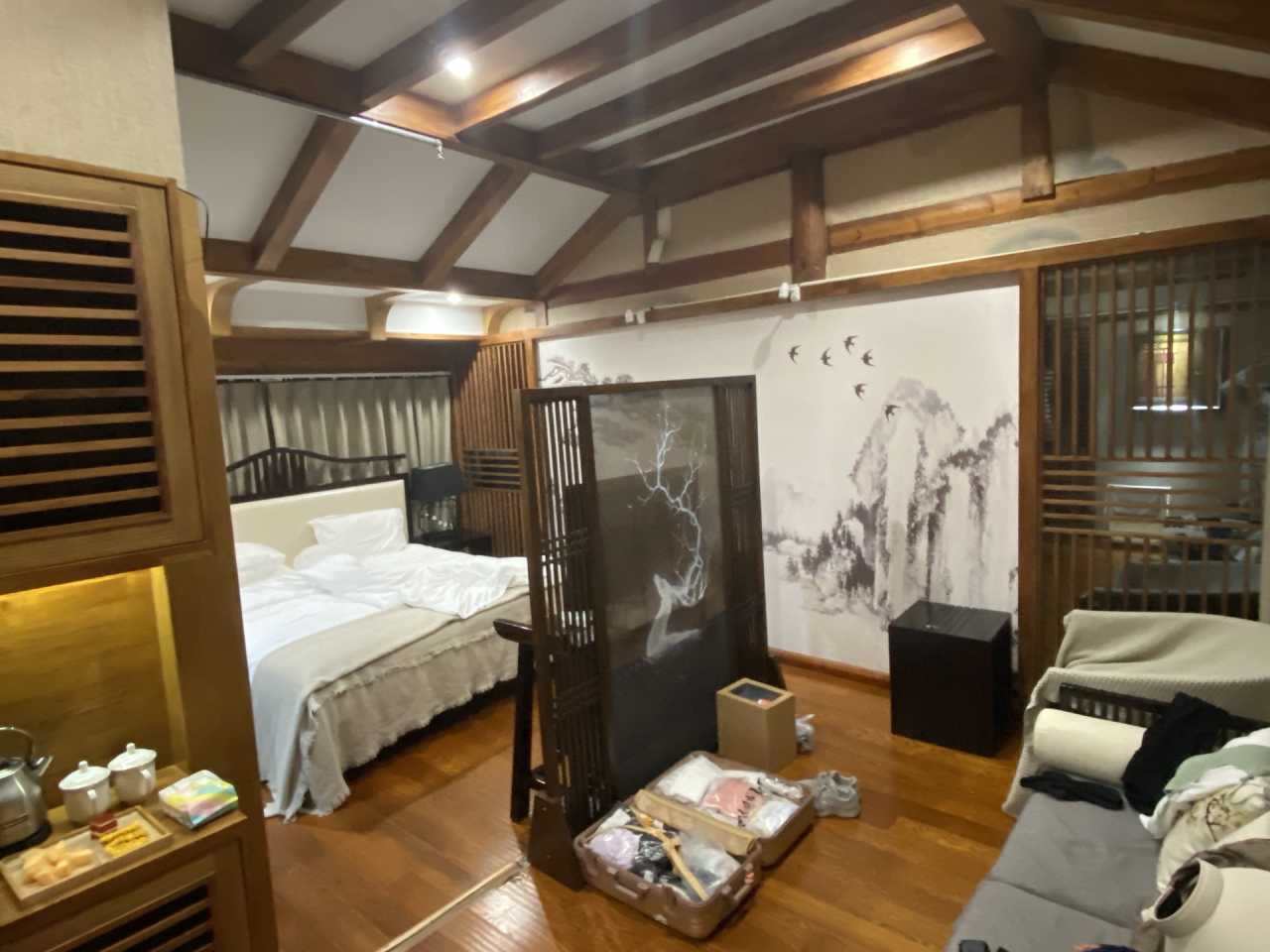
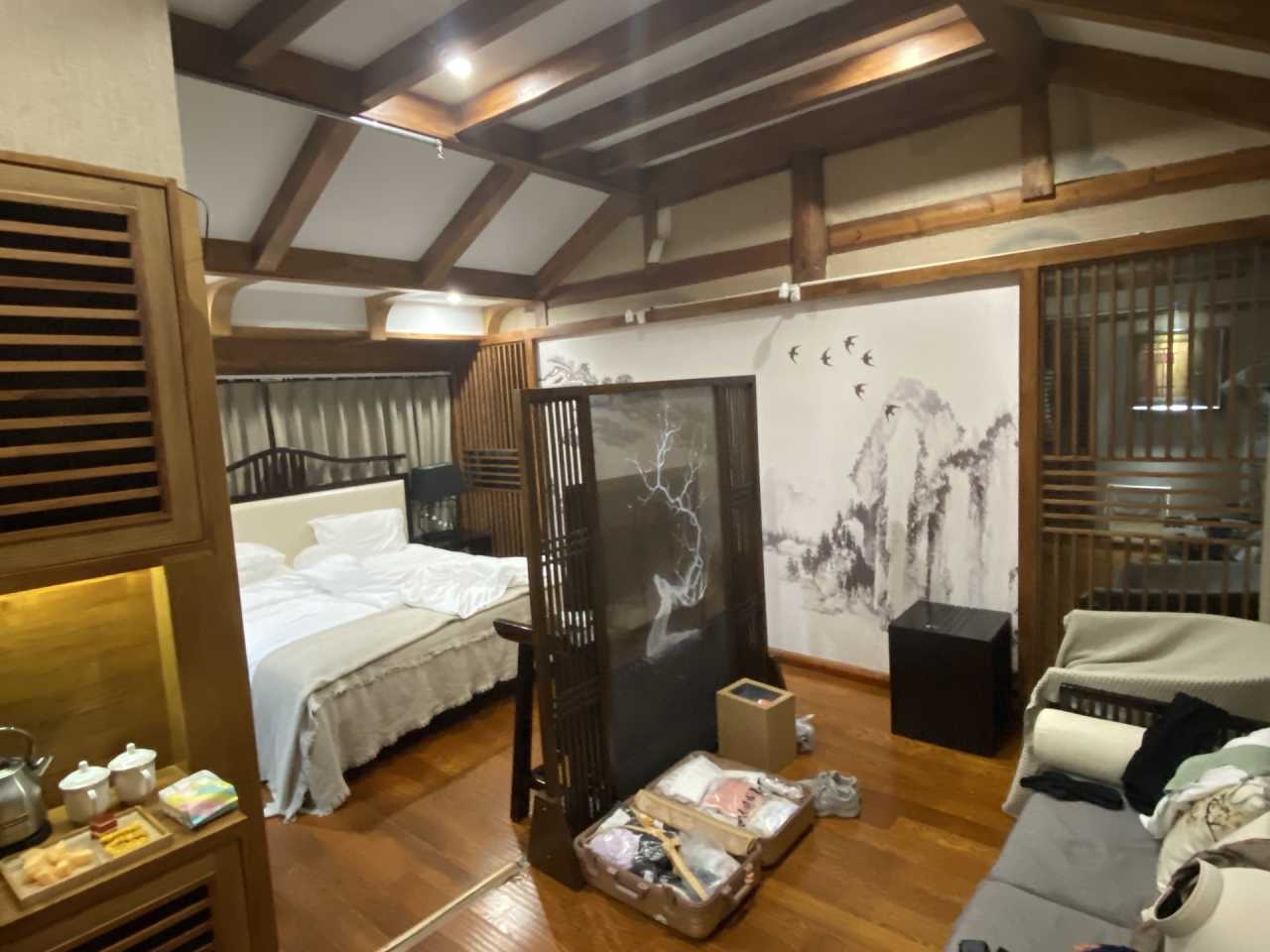
I chose the Yijian Yishan Guesthouse (一见一山民宿) within the Old Town, centrally located with equal distance to various entrances. The guesthouse featured wooden architecture, with compact yet cozy rooms, though the facilities were somewhat dated. Upon check-in, the owner suggested we cancel our two-night booking of 606 RMB on the app and pay him 600 RMB directly. Without much thought, I agreed. However, upon reflection, this maneuver likely served two purposes: the app allowed payment after checkout, whereas this became payment upon arrival; and by canceling the order, we lost the ability to leave a review, thus shielding the hotel from potential negative feedback.

Lugu Lake: The Newly Opened "Zaojian" Hotel
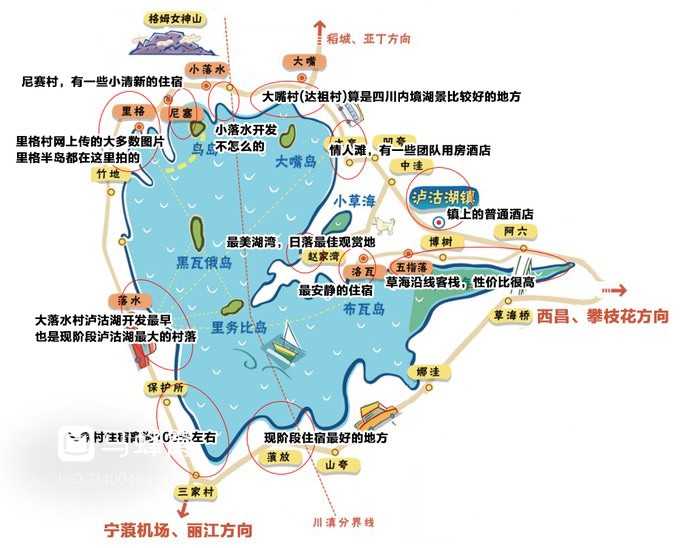
Lugu Lake has several villages. Daluoshui Village (大落水村) is the most developed, with guesthouses truly lakeside—mere 5 meters from the water—and convenient transport, being close to the bus station. "Lake-view rooms" in other villages are either halfway up a hill or at a significant distance.
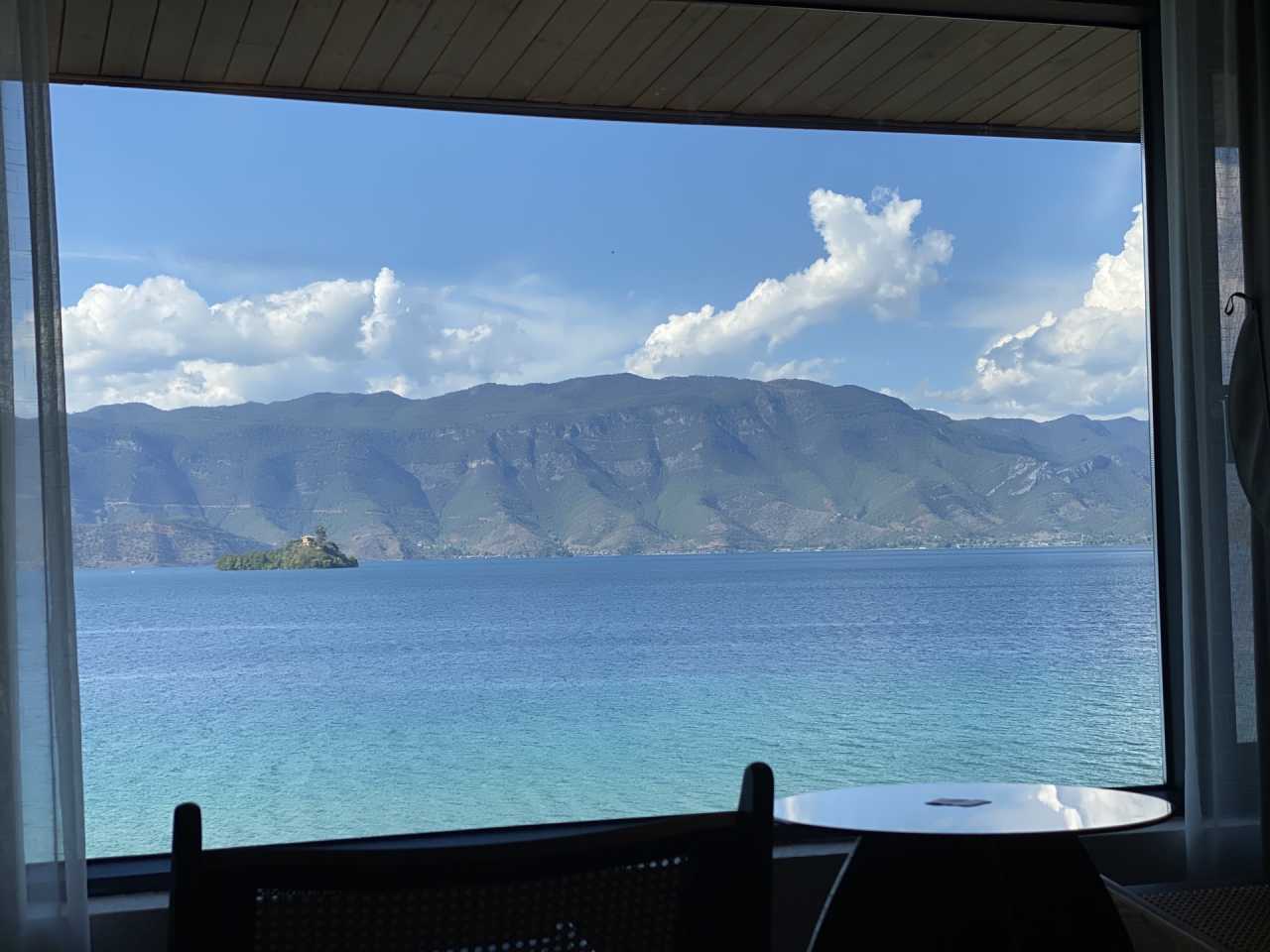
I initially noticed the popular guesthouse "Sanse Yunhe" (三色云河), which was indeed beautiful, with every room featuring a terrace, but lake-view rooms started at over 600 RMB. Later, I discovered a hotel newly opened in 2025 called "Zaojian" (凿见). The name is a bit tongue-twisting, but the facilities were new. Most rooms had large windows instead of terraces, and the price was just over 400 RMB. Upon check-in, the experience was seamless—free pickup within 3 kilometers, luggage assistance, standardized service, and they even upgraded our room. I could see the lake from my bed, and after checking out, I voluntarily left a positive review.
Dali: The Cost-Effective "Mr. Lu" Guesthouse
Accommodation in Dali is clustered in three areas: Dali Old Town, Caicun Village (才村), and Shuanglang Ancient Town (双廊). Caicun and Shuanglang offer sea views. Waterfront rooms in Shuanglang (where you can almost touch the water from your balcony) cost over 1,000 RMB. However, many lakeside guesthouses have average facilities, their high prices justified solely by the Erhai Lake view, making them significantly more expensive than those in the Old Town.
The "Mr. Lu" Guesthouse (鹿先生民宿) I booked offered excellent value for money. A one-bedroom apartment cost only 200 RMB per night during the off-season, was fully equipped, clean, and tidy, located in a small alley off Yuer Road (玉洱路), making dining very convenient. When exploring Dali Old Town, stick to the main streets; venturing into the narrow back alleys can leave you wandering until dusk.
🚌 Local Transport: From Lijiang to Lugu Lake, Then to Dali
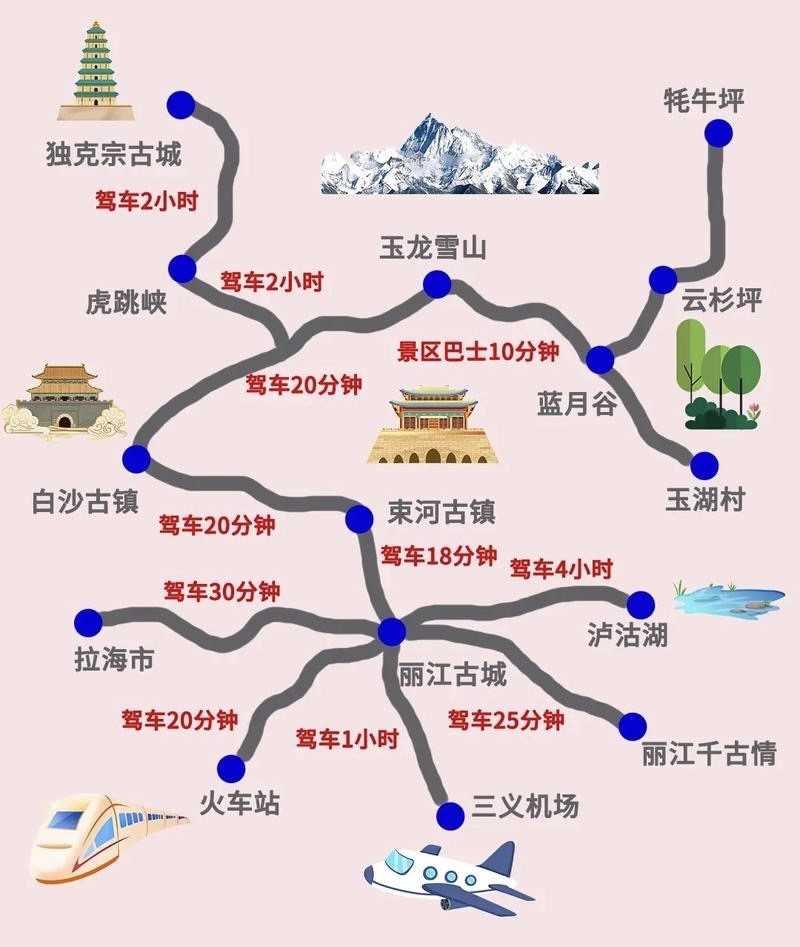
The distances from Lijiang to Lugu Lake, and then from Lugu Lake to Dali, are considerable. I booked the bus from Lijiang to Lugu Lake on Ctrip—select "Train Tickets" on the homepage, then "Bus Tickets." Lugu Lake is under Lijiang's administration, so there are many daily departures, with the large coach being the most comfortable and affordable option.
For the journey from Lugu Lake to Dali, I initially planned to book via Ctrip. However, since the outbound trip was with Lijiang Transportation Group, I discovered their official WeChat account allowed direct booking of minibus tickets from Lijiang to Dali. These were 8-seater vehicles with airline-style seats, priced the same as Ctrip. I chose this option without hesitation.
Note: Buses to/from Lugu Lake typically depart from Lugu Lake Bus Station. In Lijiang, the pickup point is usually referred to as "Lijiang Old Town," but the Old Town is vast, so you need to confirm the exact location—typically the South Gate. Similarly, in Dali Old Town, drop-off points are usually near the South Gate, but this might still be 2 kilometers from your accommodation, requiring a taxi.
Taxis are readily available in Lijiang and Dali, though in Dali you might occasionally wait for a driver to accept your ride. In Lugu Lake, however, ride-hailing apps like Didi and food delivery services are virtually non-existent.
A Culinary Journey: From Lijiang to Dali, Every Meal is a Delight
Yunnan cuisine is renowned for its wild mushrooms (菌子, jūnzi) and rice noodles (米线, mǐxiàn). It's not spicy, which suited my palate perfectly. I didn't follow any specific food guide; I simply ate wherever I happened to be when hunger struck, and not a single meal disappointed.
Lijiang: - A local restaurant at the entrance of Baisha Ancient Town: We tried "汽锅鸡" (qìguō jī, steam pot chicken) and "水性杨花" (shuǐxìng yánghuā, a local aquatic vegetable, literally "watery and frivolous"—a poetic name for a tender, delicious green). The total was 113 RMB. - Licheng Restaurant (丽程餐厅), Heilongtan (Black Dragon Pool) branch: Recommended by our taxi driver, a favorite among locals. We ordered 油炸排骨 (yóuzhá páigǔ, deep-fried pork ribs), 洋芋奶奶 (yángyù nǎinai, a creative potato dish—the name means "potato grandma"), and 豌豆尖 (wāndòu jiān, pea shoots). The potato dish was a revelation—generous portions, and we couldn't finish all three dishes as a duo. Total: 87 RMB.
Lugu Lake: - Zaojian Hotel: The menu prices were comparable to outside eateries. I ordered a serving of egg fried rice (蛋炒饭, dàn chǎo fàn) delivered to my room. The staff thoughtfully included two small bowls and spoons. Most Yunnan rice is short-grain, making for perfectly separated grains in fried rice. - Steam Stone Pot Fish (蒸汽石锅鱼, zhēngqì shíguō yú): Our taxi driver took us there. Lugu Lake's specialties are steam stone pot fish and wood-fired chicken (柴火鸡, cháihuǒ jī). The fish was 68 RMB per 500 grams (about 1.1 pounds). The pot base, dipping sauce, rice, and side dishes were charged separately, bringing the total to 225 RMB—the most expensive meal of this Yunnan trip, but delicious nonetheless.
Dali: - Zui Liuli (醉琉璃): Recommended by our guesthouse owner. We had lemon chicken (柠檬鸡, níngméng jī) and crab roe tofu (蟹黄豆腐, xièhuáng dòufu). Two dishes were just right for two people, costing 92 RMB. The owner rounded it down to 90 RMB. - Shuxia Xiaoguan (树下小馆): Located on Yeyu Road (叶瑜路) in Dali Old Town. We sat on the second-floor balcony, surrounded by a row of green trees, with a gentle breeze blowing. A set meal for two from Dianping (a Chinese review app) cost 108 RMB, including 过桥米线 (guòqiáo mǐxiàn, "Crossing-the-Bridge" rice noodles), 卷粉 (juǎn fěn, rice rolls), 包浆豆腐 (bāojiāng dòufu, stuffed tofu), and steamed buns—a table full of food. - Yujilou Shifu (玉几楼食府): Located around the corner from Yuji Island (玉几岛). They offered a clearly priced set meal. A mushroom hotpot (菌菇火锅, jūngū huǒguō) for 138 RMB included a platter of preserved pork and chicken ribs, a platter of mixed mushrooms, and a platter of vegetables. The portions were astonishingly large. The server advised us to wait 12 minutes before eating. - Yun Xueli (云雪丽): On Yuer Road (玉洱路), I came specifically for Yunnan cuisine. We ordered jasmine flower stir-fried with Erhai shrimp (茉莉花炒洱海虾, mòlìhuā chǎo ěrhǎi xiā), 水性杨花 (shuǐxìng yánghuā, the aquatic vegetable), and wild mushroom fried rice (野生菌炒饭, yěshēng jūn chǎo fàn). By posting a note on Xiaohongshu (a Chinese social media platform), I received an 8.8折 (12% discount). The final bill for three dishes was 98 RMB. The service was excellent, and they even provided free takeaway containers.
Clothing and Photography: Practical Tips for Highland Travel
Lijiang sits at an altitude of 2,400 meters (about 7,900 feet), Lugu Lake at 2,800 meters (about 9,200 feet), and Dali at 2,000 meters (about 6,600 feet). People from lowland areas should be aware: in Lijiang, and especially Lugu Lake, the perceived temperature can vary dramatically depending on whether you're indoors or outdoors, in the sun or shade, or in the wind. It's a prime location for catching a cold or heatstroke. Be sure to pack both short sleeves and thick long sleeves. Dali is more straightforward—if it's hot, it's hot, without sudden temperature fluctuations. The UV rays are intense, so sun protection is essential.
Whether at Lugu Lake or Erhai Lake, the scenery is dominated by blue tones. Bright-colored clothing looks best against this backdrop—white, yellow, or dresses will make your photos pop.
For this trip, I rented a DJI Pocket 3 camera on Taobao for 9 days at a cost of 209 RMB. After leaving a positive review, the return shipping fee was refunded. It's a great tool for shooting video, though for selfies and group photos, I mostly used my phone with a selfie stick.
Itinerary: A 9-Day Deep Dive
DAY 1: Shanghai → Lijiang
Spring Airlines delayed our departure by 2 hours due to weather, which meant our non-meal-time flight conveniently coincided with dinner. Don't harbor any illusions about Spring Airlines—not only is there no meal service, they don't even provide water (it's available for purchase). But hey, you can't complain when the ticket is so cheap.
Upon arriving in Lijiang, the guesthouse provided airport pickup. The butler was waiting at the Old Town drop-off point, carried our luggage, and led us through a winding 15-20 minute walk. At high altitude, especially when walking uphill, remember to take it slow. My Yunnan culinary adventure kicked off with a delivery order of beef and sour vegetable rice noodles (牛肉酸汤米线, niúròu suāntāng mǐxiàn).
DAY 2: Lijiang → Jade Dragon Snow Mountain → Baisha Ancient Town
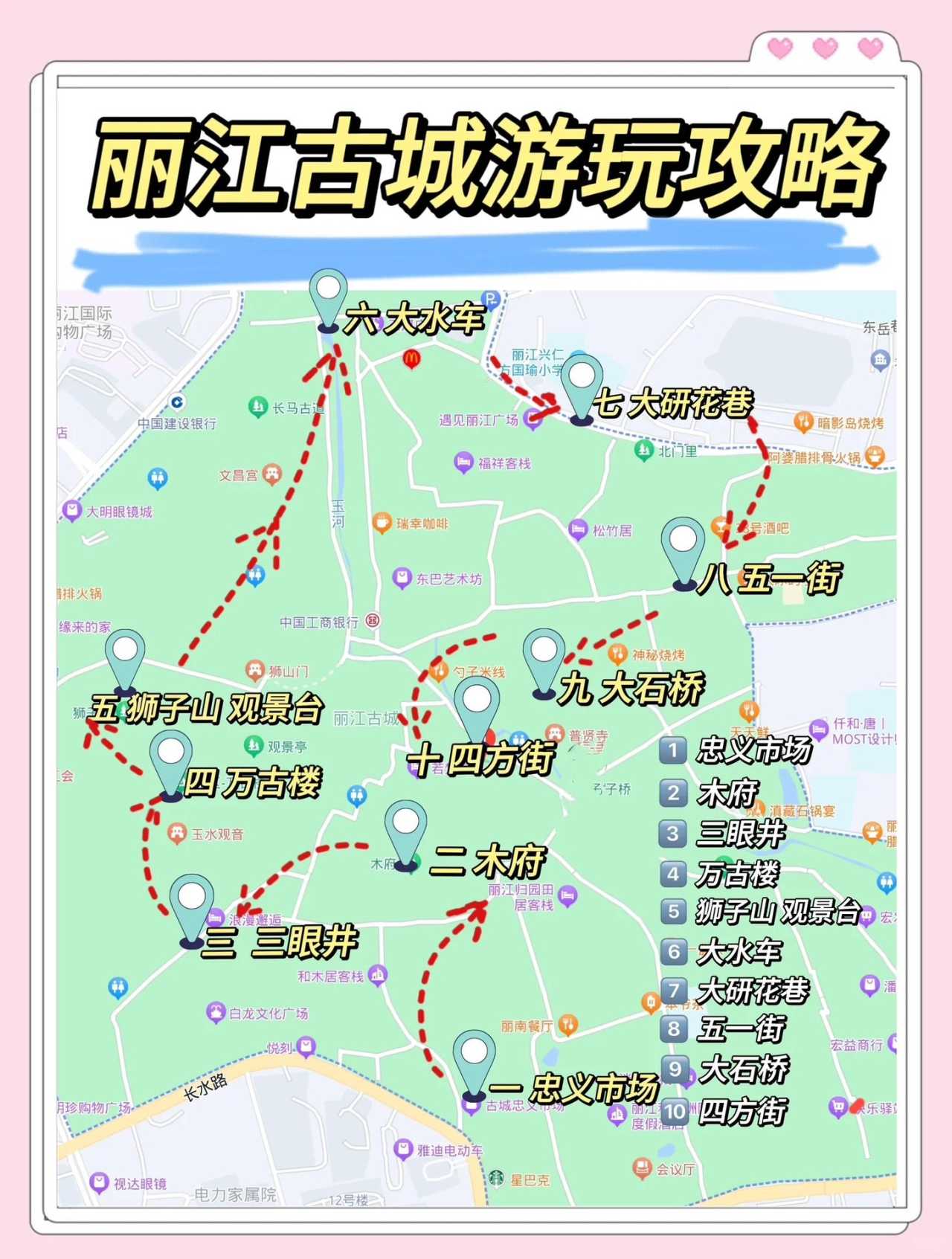
I woke up early the next day. Pushing open the wooden window, the连绵 (continuous, rolling) grey-tiled roofs of the Old Town whispered tales of bygone eras. Following online guides, I planned to take the bus from Zhongyi Market to Jade Dragon Snow Mountain, but we were intercepted by a tout and ended up taking a taxi for 20 RMB per person. The female driver was constantly on the phone. When we passed a rental area for padded jackets, she asked if we wanted to stop. We rented two jackets (55 RMB/day each) and a canister of oxygen (39 RMB, while it costs only 10-15 RMB in town).
Jade Dragon Snow Mountain has three cable car routes. We skipped the high-altitude Glacier Park entirely and only visited Blue Moon Valley (蓝月谷, Lán Yuè Gǔ). By the time we reached the scenic area, the sun was out, and we felt like anomalies in our thick padded jackets—such gear is really only necessary for the cable car or in rainy/windy weather.
The water in Blue Moon Valley was like a sapphire embedded in the mountains, a pure, unrestrained blue. A gentle breeze created ripples on the surface, and the sunlight scattered like falling stars across the shimmering waves. The distant Jade Dragon Snow Mountain stood majestically, contrasting with the blue below, a beauty so captivating it was hard to look away.
In the afternoon, we went to Baisha Ancient Town and ate 水性杨花 (shuǐxìng yánghuā, aquatic vegetable) and 汽锅鸡 (qìguō jī, steam pot chicken) at an entrance restaurant. Baisha Ancient Town is compact, with dense shops. Under the archway, a farmer was doing business with his pet lamb, which had become a local celebrity, wearing a hat and a little apron. Refrigerator magnets were 9.8 RMB each, but deeper into the town, I found the same ones for 6 RMB.
In the evening, we ate at Licheng Restaurant, then strolled slowly back to our accommodation. Passing a flower tea shop, I bought two bottles of wild rose tea for 30 RMB.
DAY 3: Lijiang → Lugu Lake
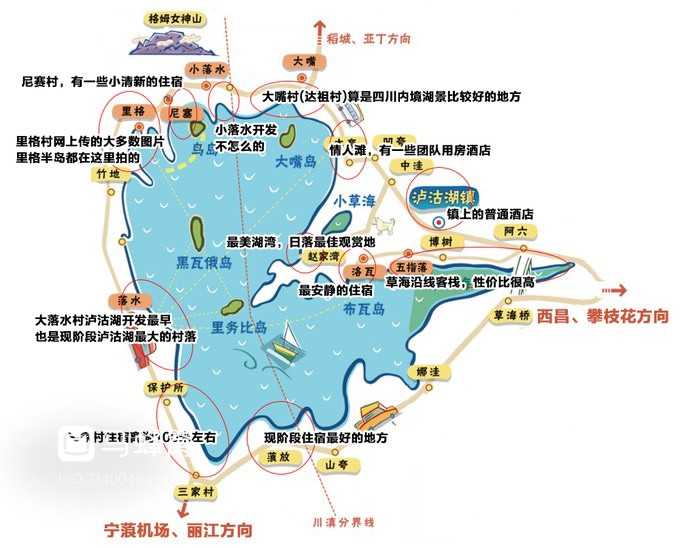
The day before, I booked a bus ticket from Lijiang to Lugu Lake on Ctrip for 59 RMB per person. The driver was a local from Lugu Lake and very responsible. Along the way, we encountered the Jinsha River Grand Canyon (金沙江大峡谷, Jīnshā Jiāng Dà Xiágǔ). The river surged like a flowing green silk ribbon, while the exposed rock layers on the canyon walls recorded the wild traces of geological movement.
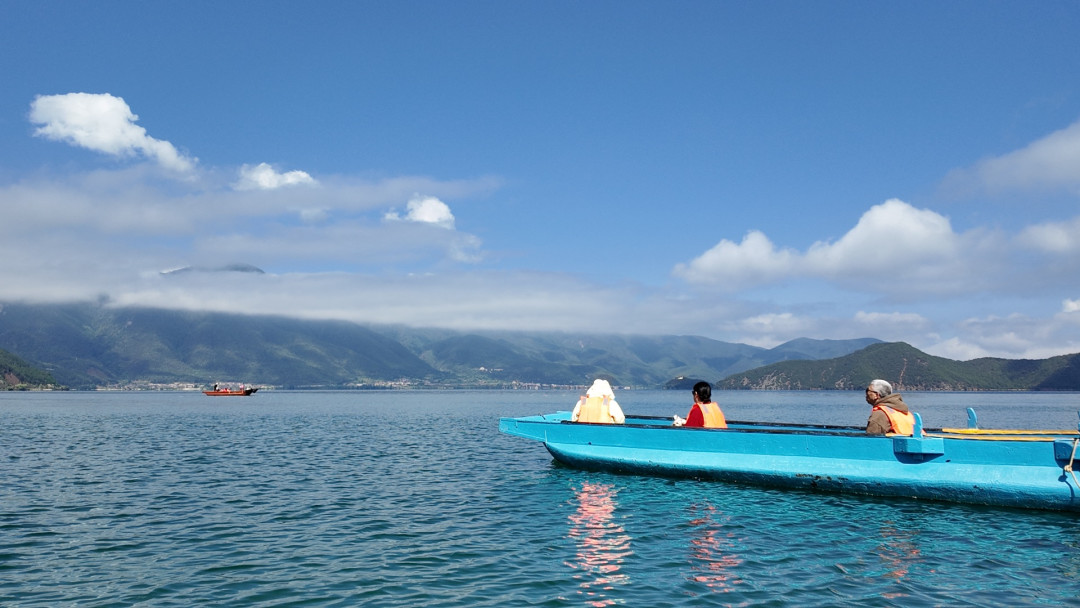
The bus stopped at the entrance to Lugu Lake Scenic Area. Everyone got off, purchased tickets (70 RMB per person), and then entered. After checking into the Zaojian Hotel, I ordered egg fried rice, and in the evening, we went out for steam stone pot fish.
Final Thoughts: The Gentle Code of Yunnan
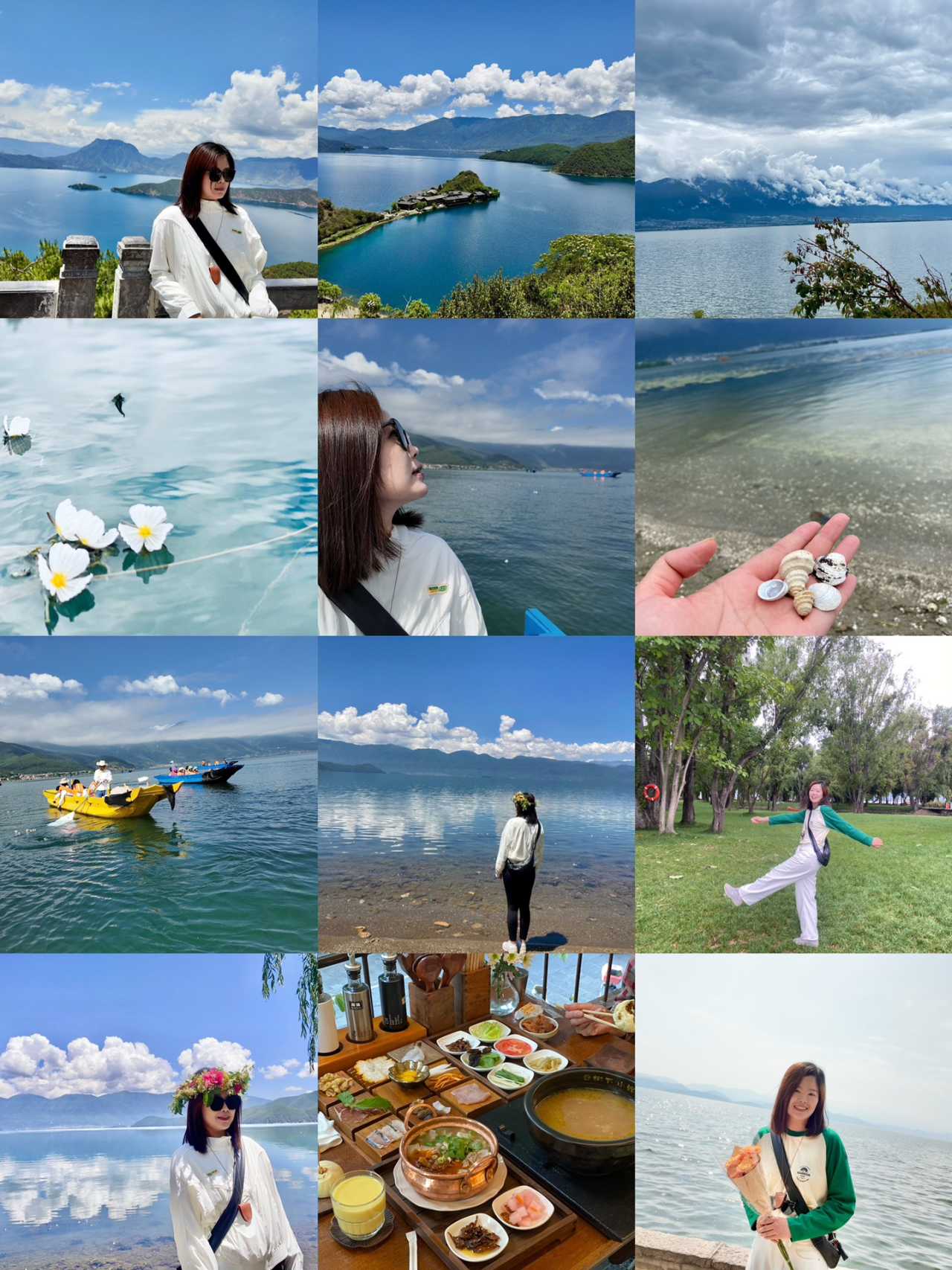
Over nine days, from the vibrant, smoky charm of Lijiang to the secluded, deep-blue mystery of Lugu Lake, and on to the romantic allure of Dali's winds, flowers, snow, and moon, every step felt like treading through the folds of time. Yunnan's gentle code is hidden in the mottled bluestone slabs of Lijiang Old Town, in the fine, silvery light of Lugu Lake's morning mist as it drifts over the boats, and in the wind of Cangshan Mountain and Erhai Lake, which carries the scent of tea to your ears.
If you're planning to go, remember a few key points: monitor airfare prices early and use low-price alert tools; be specific about the area and exact location when choosing accommodation; book transport in advance and note the precise pickup/drop-off addresses; dress in layers and prioritize sun protection; and don't overthink food—just eat wherever you find yourself. Yunnan's cuisine won't let you down.
Finally, travel is not about escape, but about returning better than you left. When life becomes too orderly, the occasional act of recklessness is the truest tribute to living.
You should also read:

Cloud Travelogue · Dali of Wind, Flowers, Snow, and Moon: A Three-Day, Two-Night Journey of a Free Spirit
Cloud Travelogue · Dali of Wind, Flowers, Snow, and Moon: A Three-Day, Two-Night Journey of a Free Spirit I am a cultured female foodie with a touch of rogue charm. I slung on my backpack, took my lover's hand, and set off on a spontaneous…
Continue reading...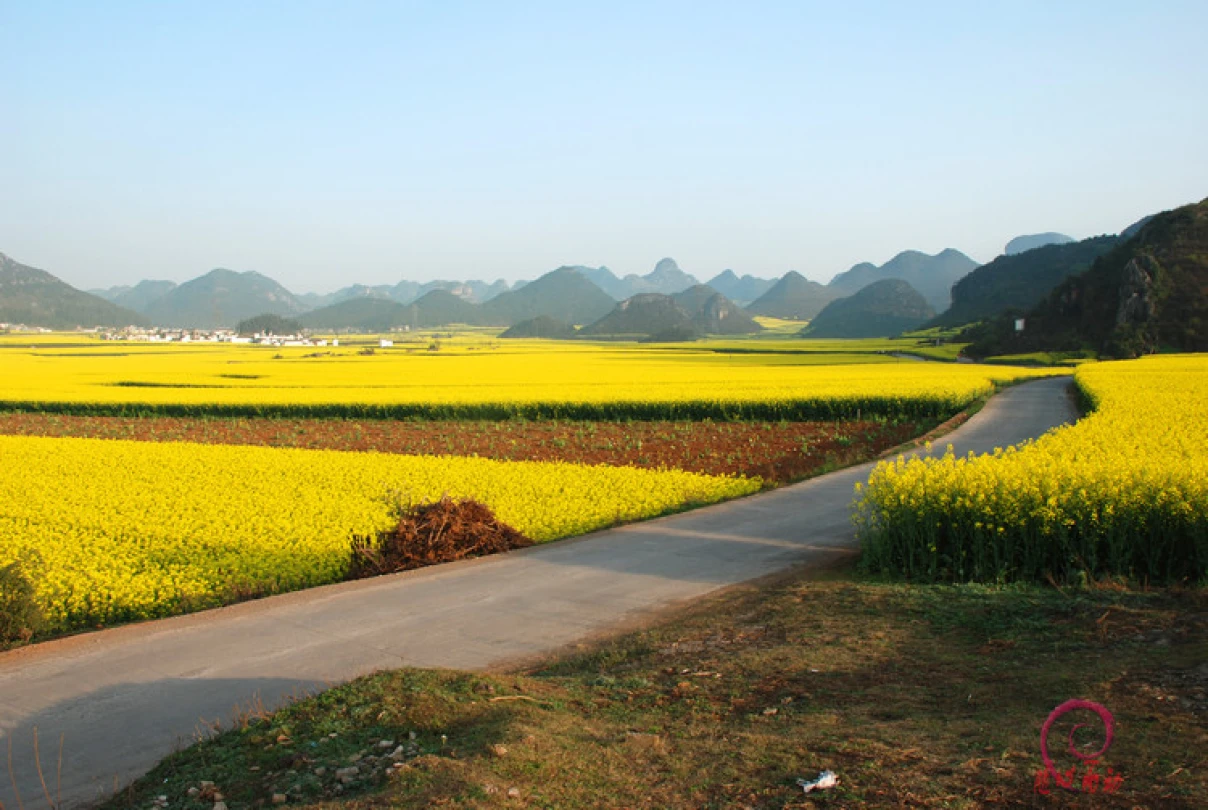
Golden Luoping: A Romantic Encounter with Sunshine and Seas of Flowers
Golden Luoping: A Romantic Encounter with Sunshine and Seas of Flowers Introduction: The Third Time's the Charm Some landscapes are destined to be seen at the right moment. For me, that was exactly the case with Luoping's rapeseed flowers. On February 22, 2011, the Luoping…
Continue reading...
The Meaning of Travel – A Tengchong Story: A Journey of the Heart and Personal Growth
The Meaning of Travel – A Tengchong Story: A Journey of the Heart and Personal Growth Setting Out, Only to Return a Better Self Some say travel is nothing more than leaving a place you're tired of, only to go to a place where others…
Continue reading...