From Wall Street to Wandering: Finding Love and Light in Yunnan's Enchanted Landscapes
From Wall Street to Wandering: Finding Love and Light in Yunnan's Enchanted Landscapes
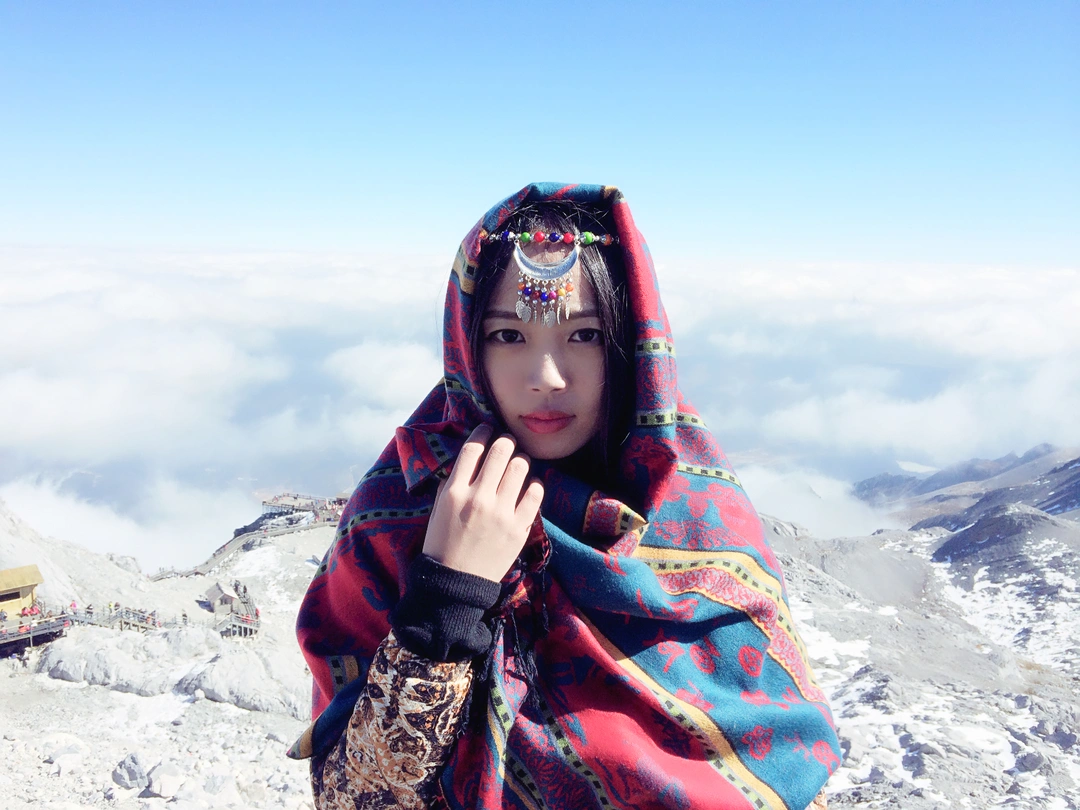
There's something about the ancient cobblestone streets of Lijiang, the ethereal blue of Lugu Lake, and the snow-capped majesty of Jade Dragon Snow Mountain that makes even the most pragmatic hearts believe in magic. When you've spent years trading stocks on Wall Street and navigating the corporate jungles of New York, the last thing you expect is to find yourself tearfully accepting a marriage proposal at 30,000 feet somewhere over Yunnan Province. But life, as I've learned, has a delicious way of surprising you when you least expect it.
This isn't going to be one of those travelogues that waxes poetic about "soul-searching journeys" and "spiritual awakenings." Let's be honest—you're here for the stunning photographs and practical advice. And I'm here to deliver both, along with a story that proves sometimes the best adventures are the ones you never planned.
The Journey That Almost Didn't Happen
Our nine-day odyssey began with a spreadsheet. Yes, you read that correctly. Before any romance or breathtaking vistas, there was the cold, hard reality of airline pricing. Here's a travel hack that will save you money: flying from Nanjing to Kunming, then catching a separate flight to Lijiang, cost us significantly less than a direct flight to Lijiang. Go figure. Sometimes the universe rewards you for being frugal.

The Route: Nanjing → Kunming → Lijiang → Lugu Lake → Lijiang → Dali → Kunming → Shanghai
We originally planned to visit Shangri-La, but locals advised us that November wasn't the ideal season. So we pivoted to Dali, chasing the cinematic vibes of "Heart Going on a Road Trip." Note to self: spring is the time for those legendary Gesang flowers in Shangri-La.
What to Pack When You're Fashionable but Freezing
Let's talk about the elephant in the room—or rather, the puffy jacket in the photo. Yunnan's climate is a study in contradictions. The sun blazes during the day (think 10-15°C), but temperatures plummet to near freezing at night. And here's the kicker: most accommodations don't have central heating.
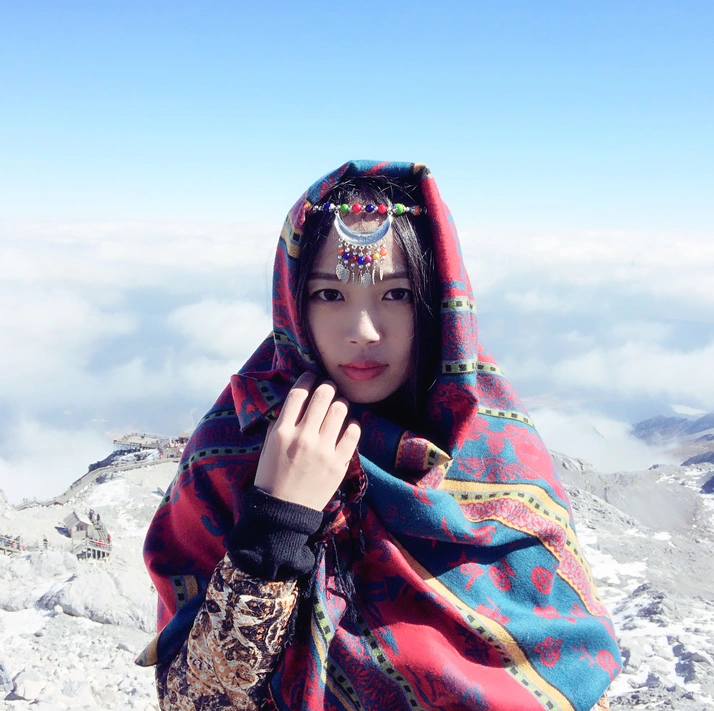
Temperature hierarchy: Dali (warmest) → Lijiang → Lugu Lake (coldest)
For my fellow fashionistas who refuse to sacrifice style for warmth, here are my secret weapons:
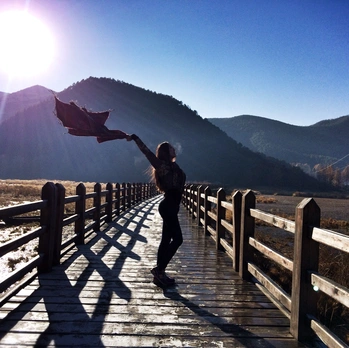
Ethnic-print quilted jacket from H&M: This was my MVP. Everyone thought I bought it locally because it blended so seamlessly with the surroundings. It's lightweight, warm, and doesn't look out of place in your everyday wardrobe.
Floral maxi dress from Free People: Yes, it's pricey. Yes, it's worth it. The free-spirited, bohemian aesthetic was made for Dali's dreamy landscapes.
Local scarves and headpieces: Buy these in the old town for a fraction of what you'd pay online. Just don't tell anyone they're probably from Yiwu wholesale market.
Where to Rest Your Head
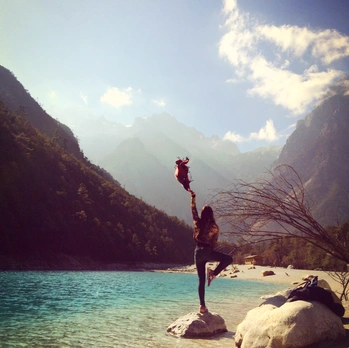
Lijiang's old town boasts thousands of guesthouses, and the market is surprisingly mature. We stayed at two properties:
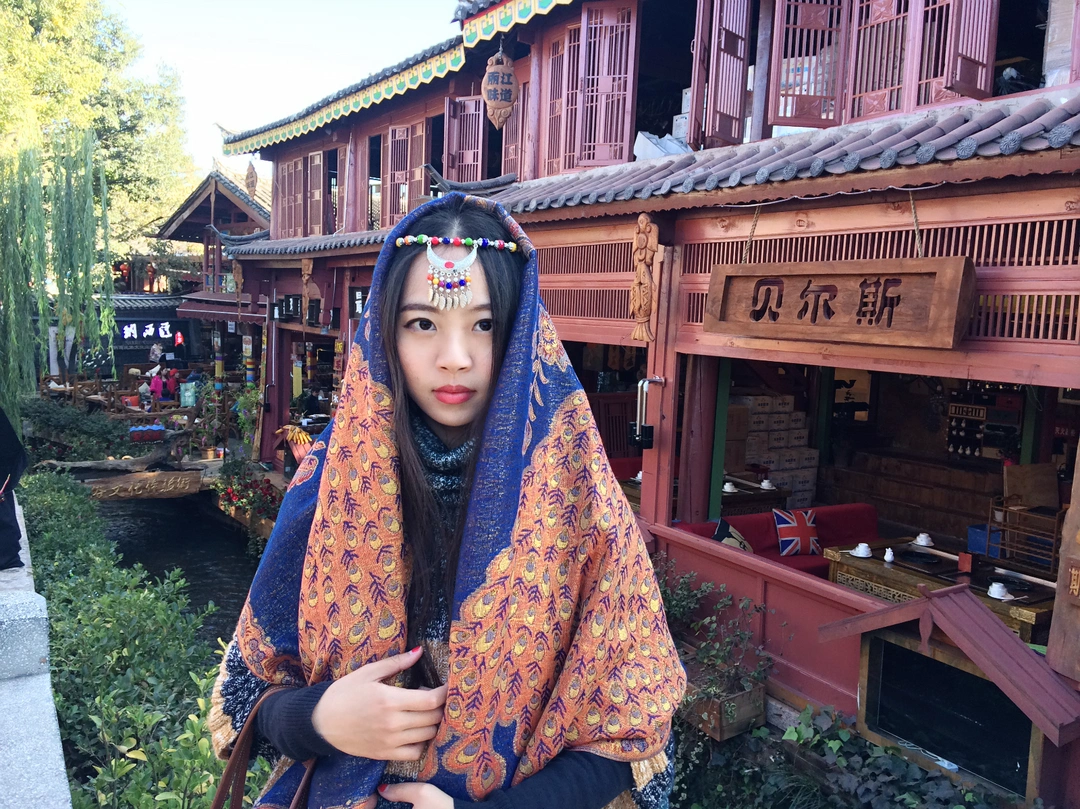
Zhima Huakai Inn (Qiyi Street): Charming but basic. No air conditioning—just electric blankets. The location was convenient but could get noisy near the bar district.
Shangshui Inn (Yishang Street): This was our saving grace. Quiet location, free parking (no dragging luggage over cobblestones), and—miracle of miracles—actual air conditioning. In November, this felt like luxury.
Pro tip: Don't book too far in advance during off-season. Prices often drop within a week of your intended stay. We paid 100-200 RMB per night for decent rooms, 300+ for exceptional ones.
Dining Like a Local
Skip the tourist-trap restaurants in the old town. They're overpriced and forgettable. Instead, venture outside the city walls where locals eat. Look for restaurants with long queues—that's your guarantee of quality.
Can't-miss recommendation: Tuojiang Fish House on Huama Street. Their three-ways salmon preparation (sashimi, hot pot, and fried) costs half of what you'd pay inside the old town. Breakfast is easy—grab some baba (local flatbread) and rice noodles from any street-side stall.
The Proposal That Changed Everything

Our flight from Kunming to Lijiang was supposed to be unremarkable. A budget airline, early morning, tired eyes. But my boyfriend had other plans. As he walked down the aisle with a bouquet, I felt like I'd stepped into a Korean drama. Three years of dating, from Cornell to Wall Street to building a life together in New York—all of it led to this moment at 35,000 feet.
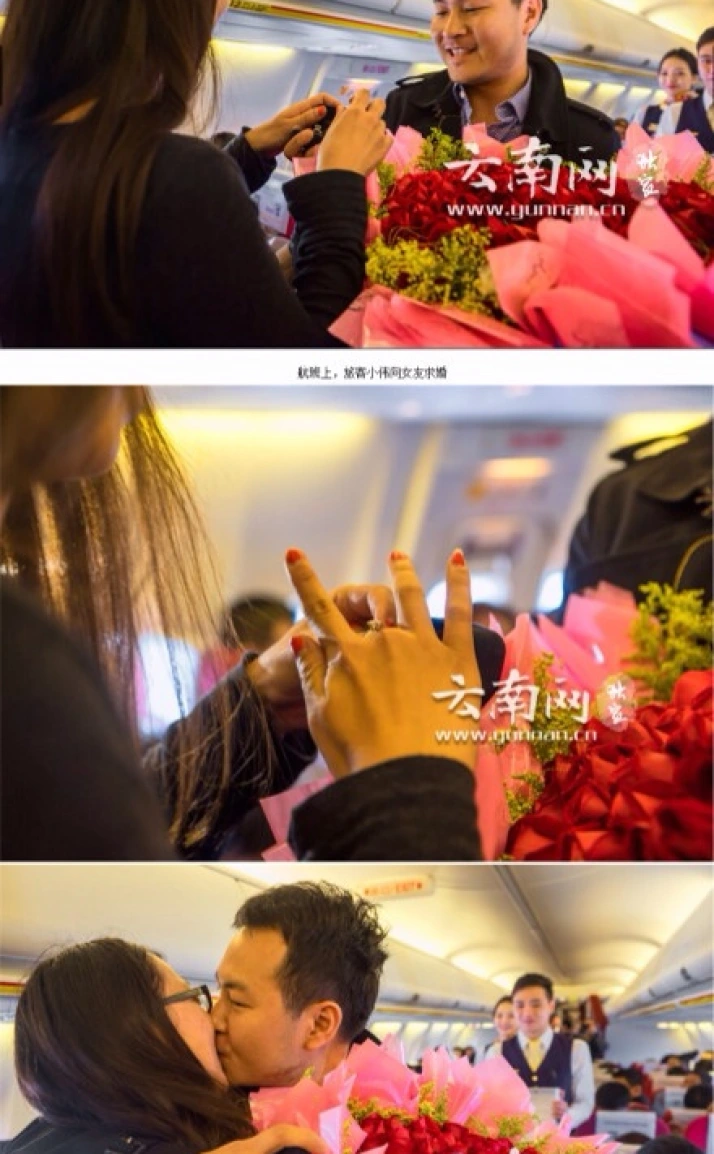
The crew from Lucky Air coordinated everything. Strangers cheered. I cried. And Lijiang, a place I'd always dreamed of visiting, suddenly became hallowed ground.
Lijiang: The City That Never Sleeps (And That's the Problem)

Let's be real: Lijiang's old town is commercialized. Loud. Overwhelming. The shops blur together, selling the same trinkets and "handicrafts." But if you dig deeper—find a quiet alley, a cozy café, a shop where you can write postcards—there's still magic here.
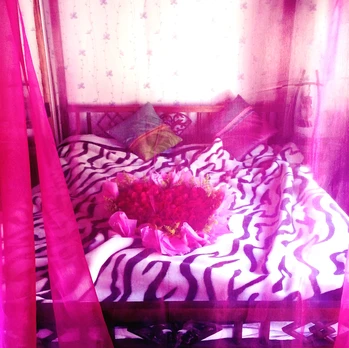
By night, the city transforms. The bars along "Bar Street" pulse with ambiguous romance, and the famous Big Water Wheel becomes a backdrop for countless selfies. It's touristy, yes. But it's also undeniably atmospheric.
Lugu Lake: Worth Every Bumpy Kilometer
Everyone told us we were crazy. Seven hours of winding mountain roads, each way, just to see a lake? "No one else wants to go," the tour operators said. But Jinsha Travel said yes, sending a guide and driver just for us two—even if it meant losing money.
The verdict: Absolutely worth it.
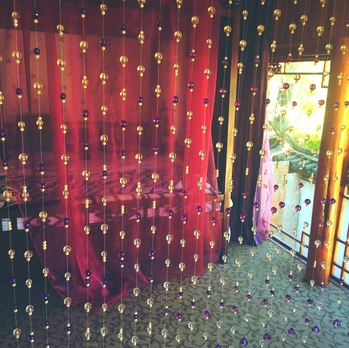
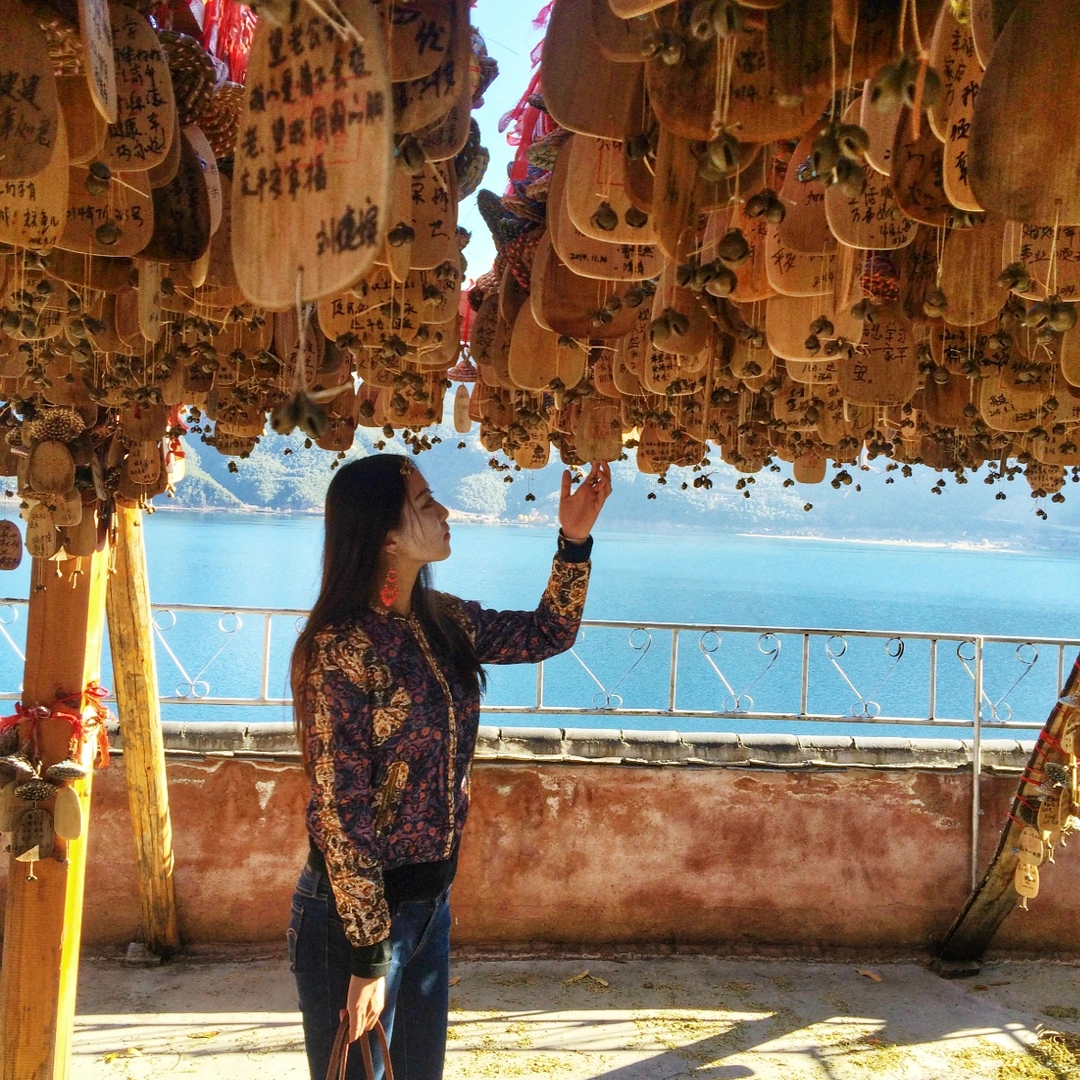
Lugu Lake in autumn is a masterpiece. The water mirrors the sky in shades of sapphire and cerulean. The surrounding mountains are carpeted in gold and green. And because it's still relatively remote, you'll have stretches of shoreline entirely to yourself.
Highlights: - Lover's Beach: A ten-mile stretch of sand that feels like the edge of the world. - Boat ride from Luoshui Village: Seagulls perch on your boat. The boatman sings folk songs. Time stops. - Liwubi Island: Home to a Tibetan Buddhist temple with panoramic lake views. - Grass Sea and the Walking Marriage Bridge: A 300-meter wooden bridge where, legend has it, lovers must carry each other across for eternal happiness.
We stayed at Huashijian Hotel in Luoshui Village—a modern, clean property with air conditioning and lake views for just 100-200 RMB per night. Watching sunset over the lake from our window remains one of the most peaceful moments of my life.
Cultural note: The Mosuo people practice China's last matriarchal society. "Walking marriages" mean women choose their partners, and children are raised by their mother's brother (the "uncle"). It's a fascinating, refreshingly progressive system.
Jade Dragon Snow Mountain: A Battle of Wills
This is where things got complicated. We booked a day tour with Dianma Travel—a decision I'd advise you to reconsider. They "sold" us to another company called Bailu, and the morning of our tour descended into chaos. Our 9 AM pickup never arrived. When we called, the guide claimed they'd already passed our location and wouldn't turn back. We ended up taking a taxi to catch up with the group.
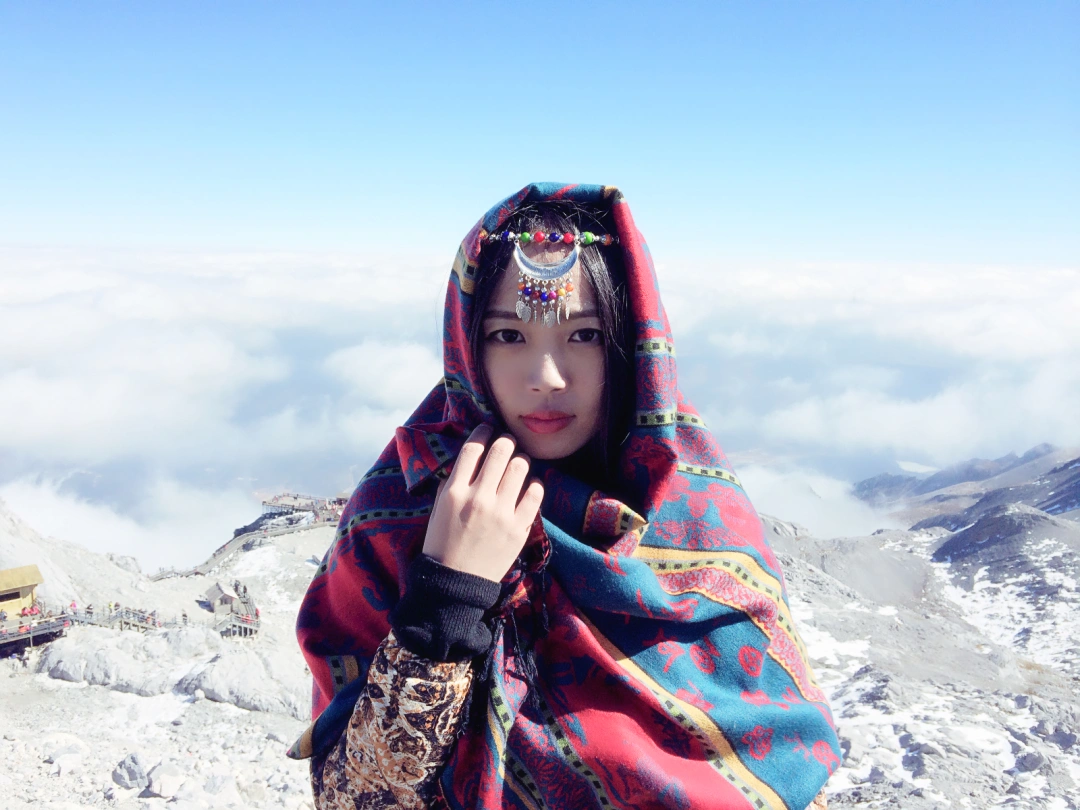
Lesson learned: Read reviews carefully. Avoid companies with a history of subcontracting.
Despite the rocky start, the mountain itself was breathtaking. The cable car takes you to 4,506 meters. From there, it's just 100+ meters of climbing to the summit at 4,680 meters. If I—someone with significant lung capacity and severe altitude sickness—can make it, so can you. Bring oxygen canisters and red ginseng tea.
Blue Moon Valley was our second stop—a turquoise lake formed by melted snow. They call it "Little Jiuzhaigou," and while it doesn't quite reach those heights, the contrast of jade water against the stark mountain is undeniably photogenic.
Dali: Where Nature Trumps Hype
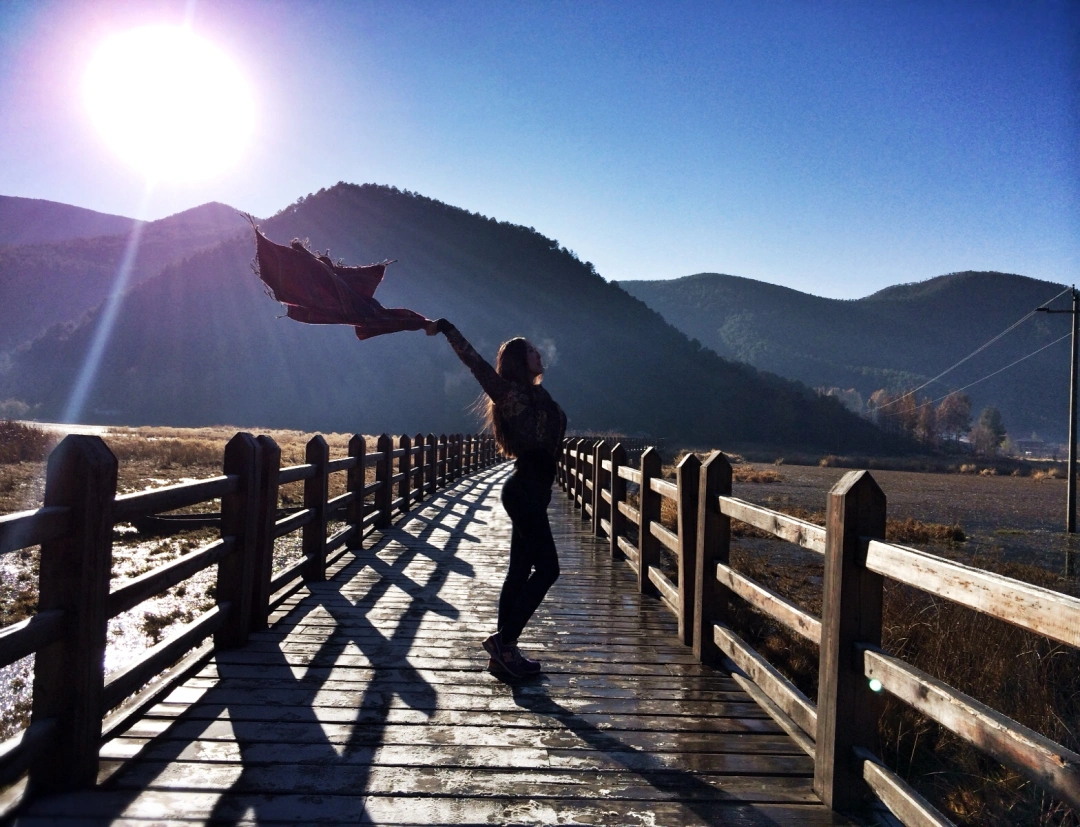
Thanks to the film "Heart Going on a Road Trip," Dali has become a pilgrimage site for dreamers. But unlike Lijiang, Dali feels more authentic. The Erhai Lake cycling route is a must—rent an electric scooter or bicycle and cruise past ancient fishing villages, golden rice paddies, and the iconic Three Pagodas.
Our Dali highlights: - Erhai Lake sunrise: The mist rising off the water is pure poetry. - Xizhou Old Town: Less crowded than Dali's main old town, with stunning Bai architecture. - Shuanglang Village: A photographer's paradise with lakeside cafes and art galleries.
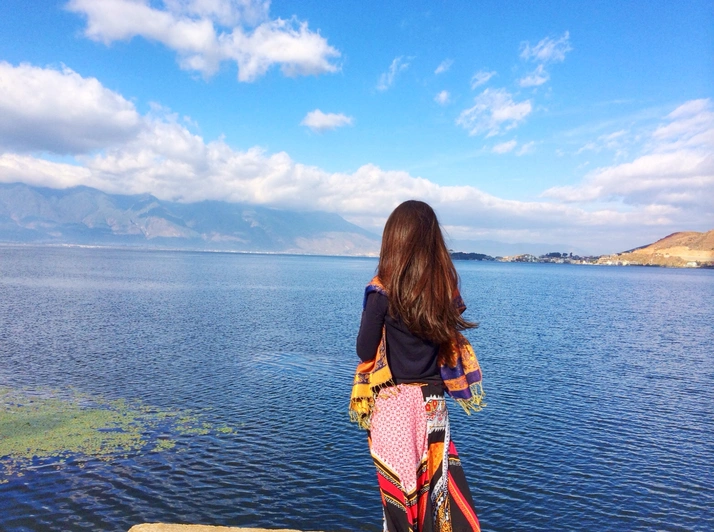
We skipped the overpriced "sky mirrors" and "glass balls" photo spots. Instead, we found a hidden pier near our guesthouse where the locals fish. That's where I got my favorite photo of the trip.
Final Thoughts: The Light You Find
Yunnan isn't just a destination—it's a state of mind. It's the moment you stop checking your phone and start watching the clouds drift over Lugu Lake. It's the taste of freshly made baba from a street vendor. It's the realization that the best proposal doesn't need a fancy restaurant or a ring box—it just needs a boy who loves you enough to plan a surprise at 35,000 feet.
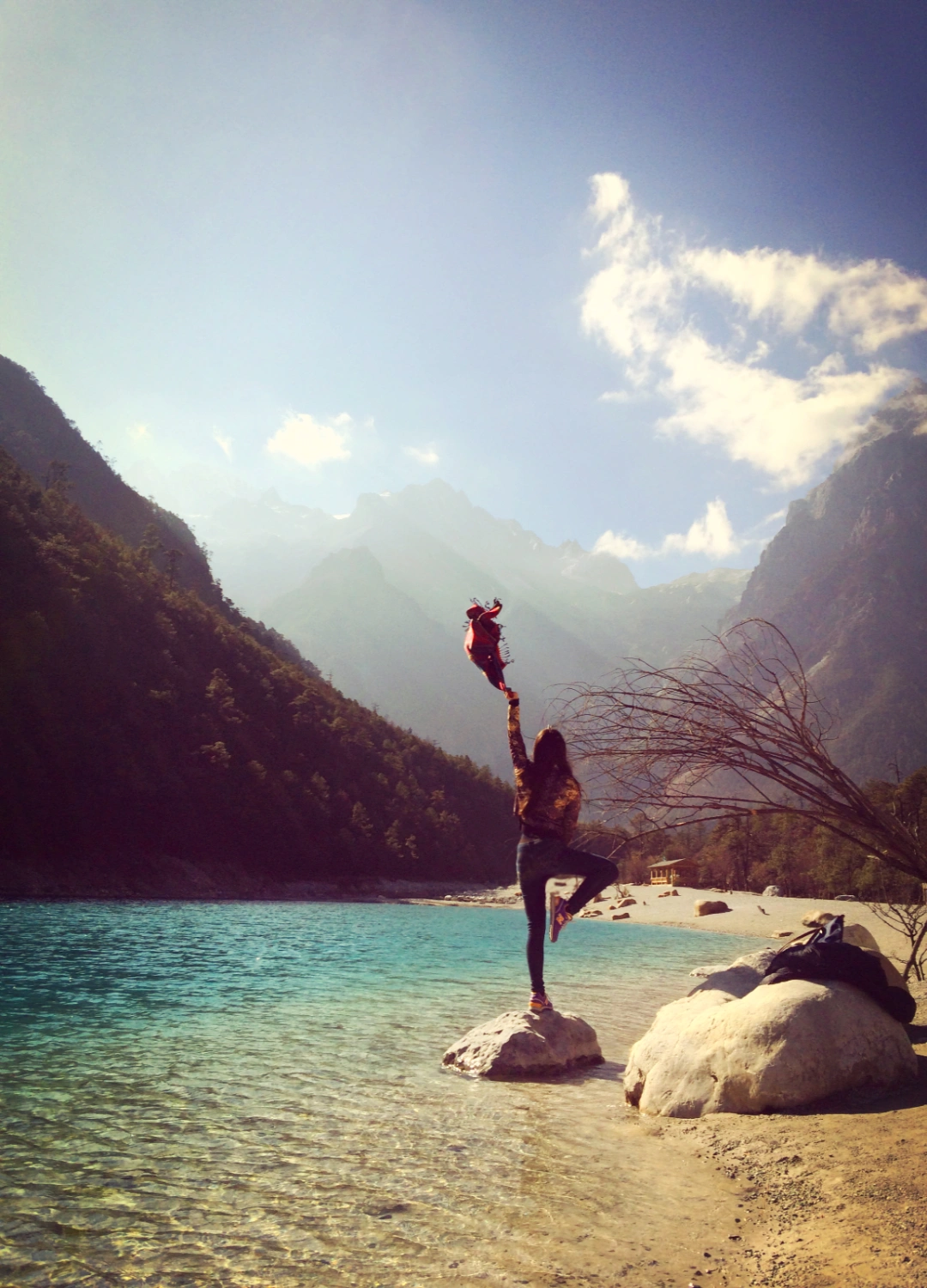
They say there's a place called "One Meter of Sunshine" in Lijiang—a bar where, according to legend, if the sun hits you just right, you'll find love. I don't know if I believe that. But I do know that sometimes, when you stop searching and start wandering, the light finds you.
Packing list recap: Layers, comfortable shoes, a good camera, and an open heart.
Budget tip: 5,000-6,000 RMB per person for 9 days (excluding flights), and you'll live like royalty.
Final advice: Go in spring or autumn. Avoid Chinese national holidays. And if someone offers to take you to Lugu Lake, say yes—even if it means seven hours of mountain roads. Some journeys are worth every bump.
You should also read:
A Journey Through Shuanglang's Guesthouses: Finding Life as It Should Be on the Shores of Erhai Lake
A Journey Through Shuanglang's Guesthouses: Finding Life as It Should Be on the Shores of Erhai Lake Prologue: When Life Hits the Pause Button Have you ever had one of those moments? When the city's towering buildings press down on your chest, when you're swept…
Continue reading...
September: Finding Unexpected Warmth in Yunnan (Kunming, Dali, Shuanglang, Lijiang, Lugu Lake)
September: Finding Unexpected Warmth in Yunnan (Kunming, Dali, Shuanglang, Lijiang, Lugu Lake) Foreword: One Person's Journey, A Crowd's Story Before I set off, like every first-time solo traveler, I printed out a thick stack of travel guides and rehearsed countless possible scenarios in my head—getting…
Continue reading...
A 9-Day Yunnan Journey: From Lijiang to Dali to Tengchong – A Trip Toward Self-Reconciliation
A 9-Day Yunnan Journey: From Lijiang to Dali to Tengchong – A Trip Toward Self-Reconciliation Some say travel is simply going from a place you're tired of to a place other people are tired of. It stings to hear, but it's painfully true. Yet there's…
Continue reading...