From Xishuangbanna to Pu'er: A Smoky Journey Through Tropical Rainforests and Millennia-Old Tea Aromas
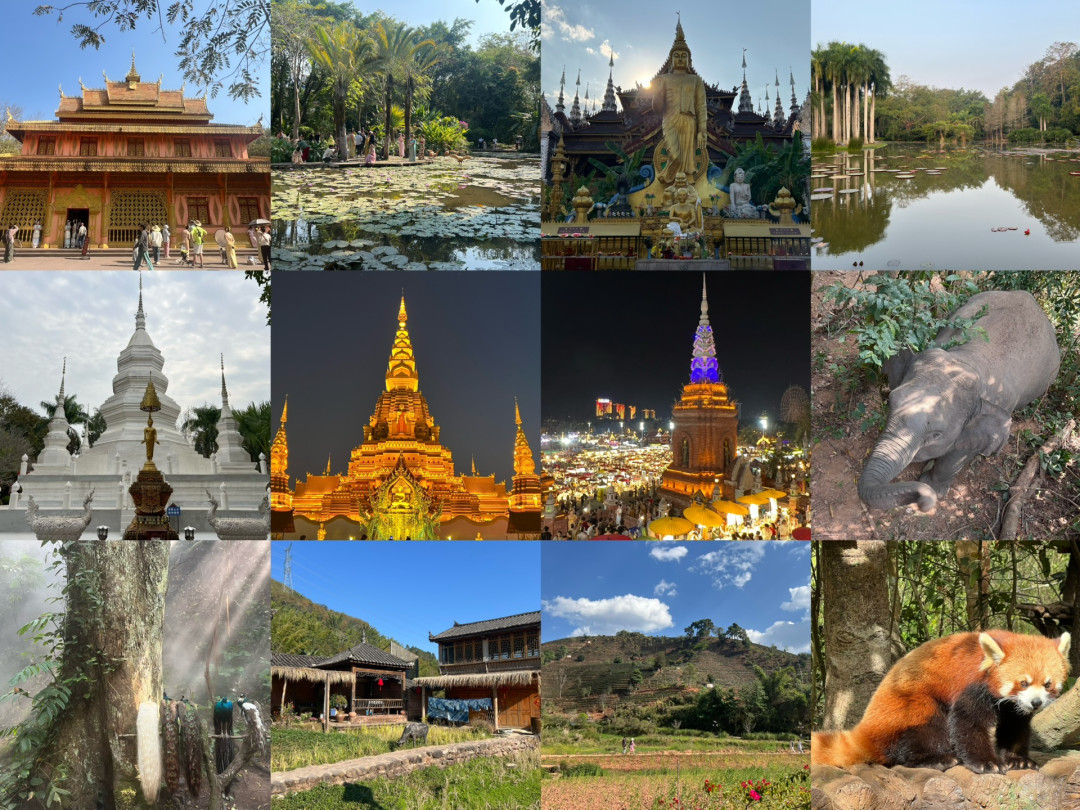
From Xishuangbanna to Pu'er: A Smoky Journey Through Tropical Rainforests and Millennia-Old Tea Aromas
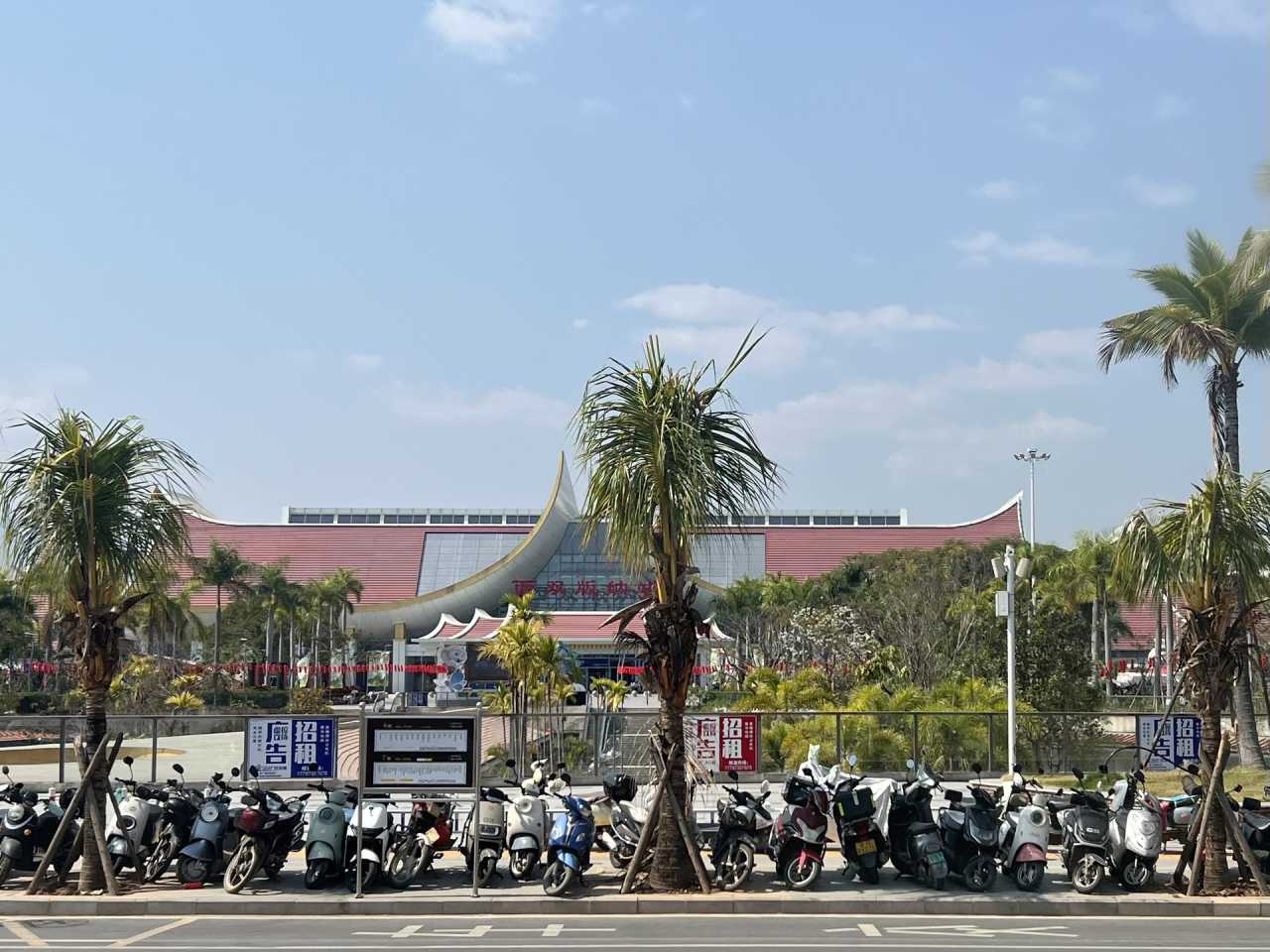
Thirteen years had passed since I last set foot in Xishuangbanna. Back then, I was a travel novice, following a tour group in a blur, leaving behind memories as hazy as rain-streaked glass. It wasn't until a few years ago, when I scrolled past a video of the dazzling Starry Night Market on my phone, that a seed was planted—I had to come back. This Spring Festival, that wish finally came true. As the doors of the high-speed rail station slid open, the humid, tropical air hit me like a warm embrace from an old friend, instantly reawakening all my senses.
Chapter One: Xishuangbanna — A Soulful Encounter with Tropical Exoticism
The First Taste Upon Arrival: Dongli Thai Restaurant

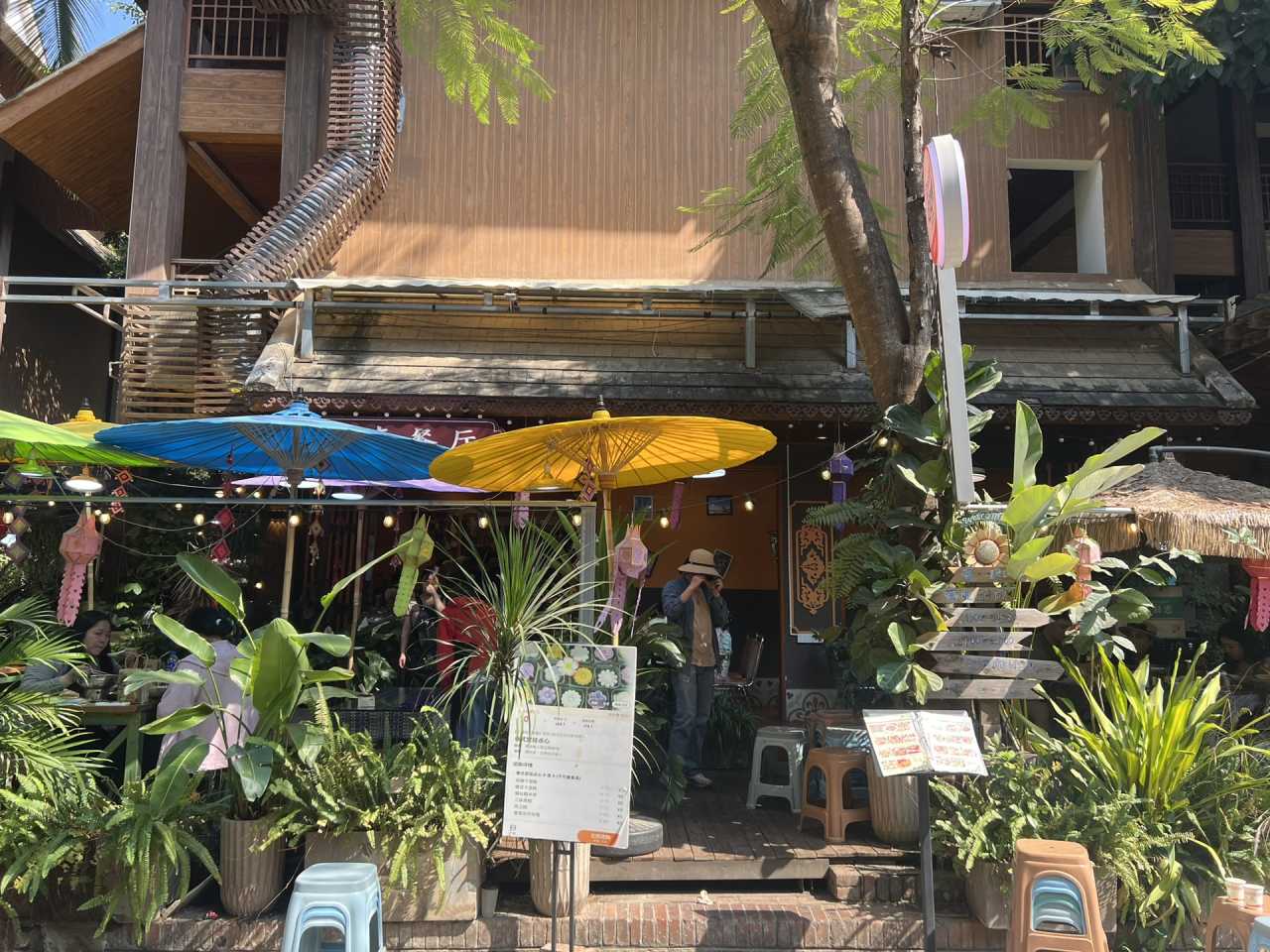
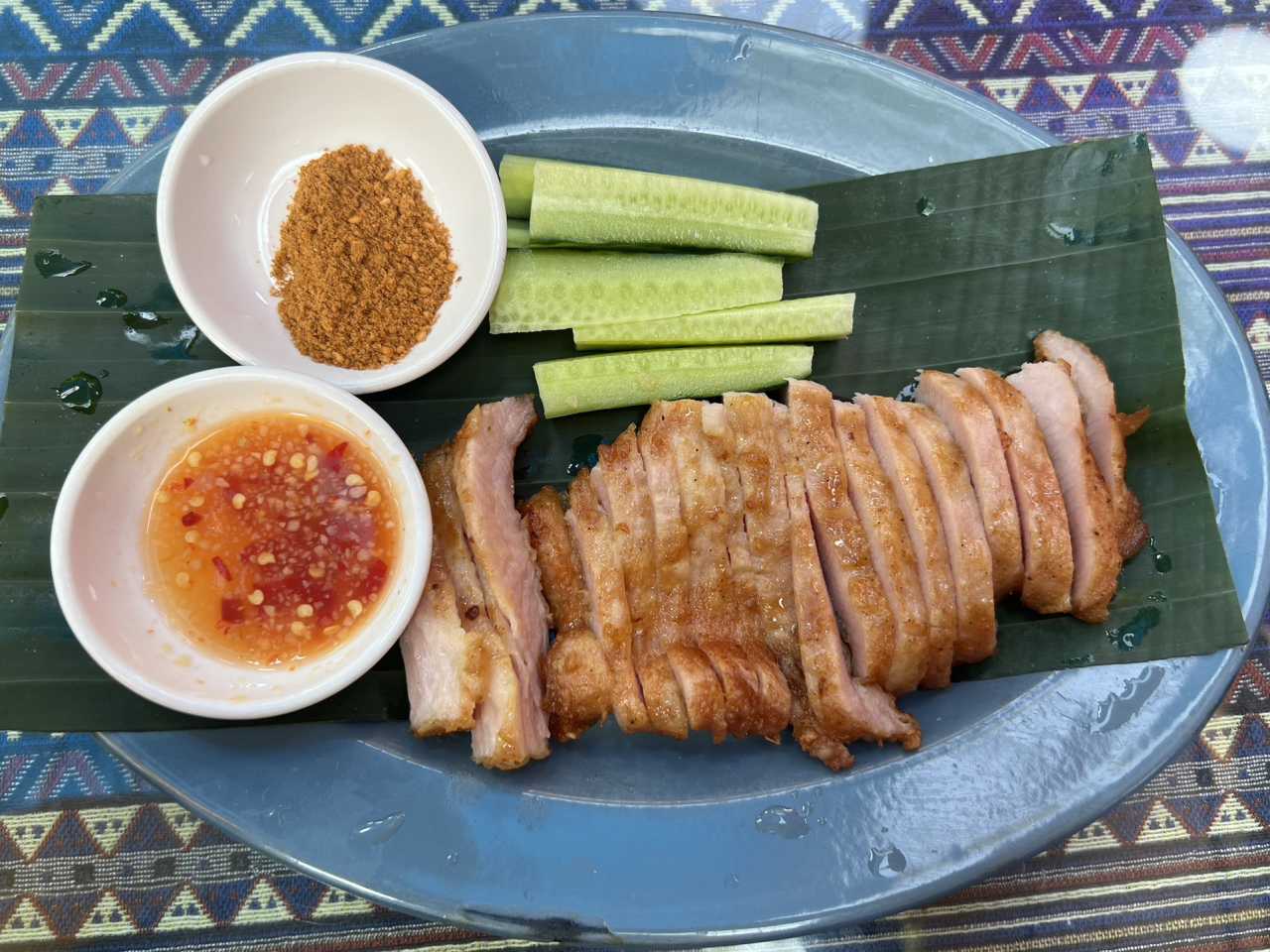
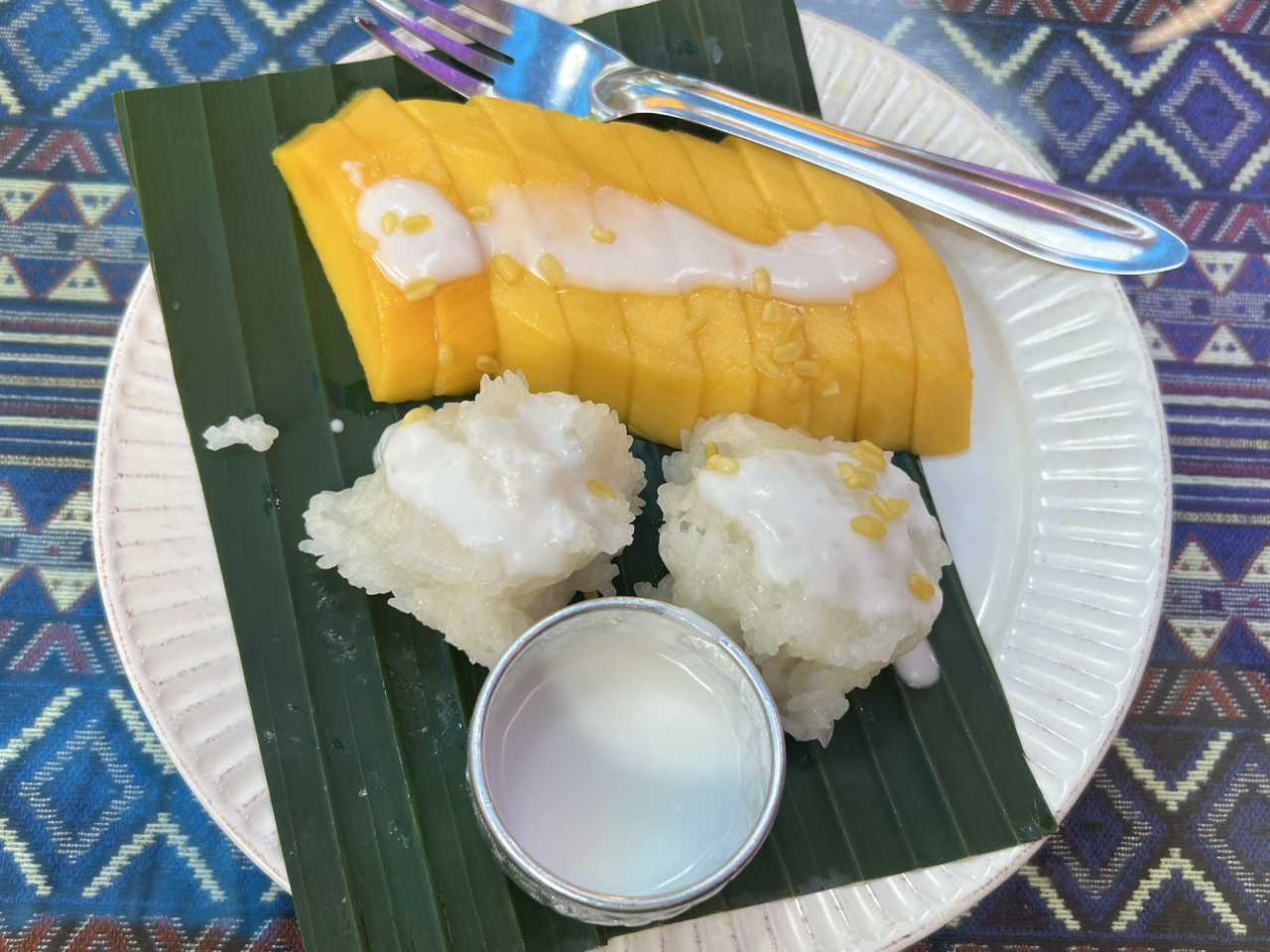
After dropping off our luggage, our stomachs were growling. Our first stop was Dongli Thai Restaurant, a must-visit on every foodie list. We waited over half an hour for a table, but the flavors proved it was worth every minute.
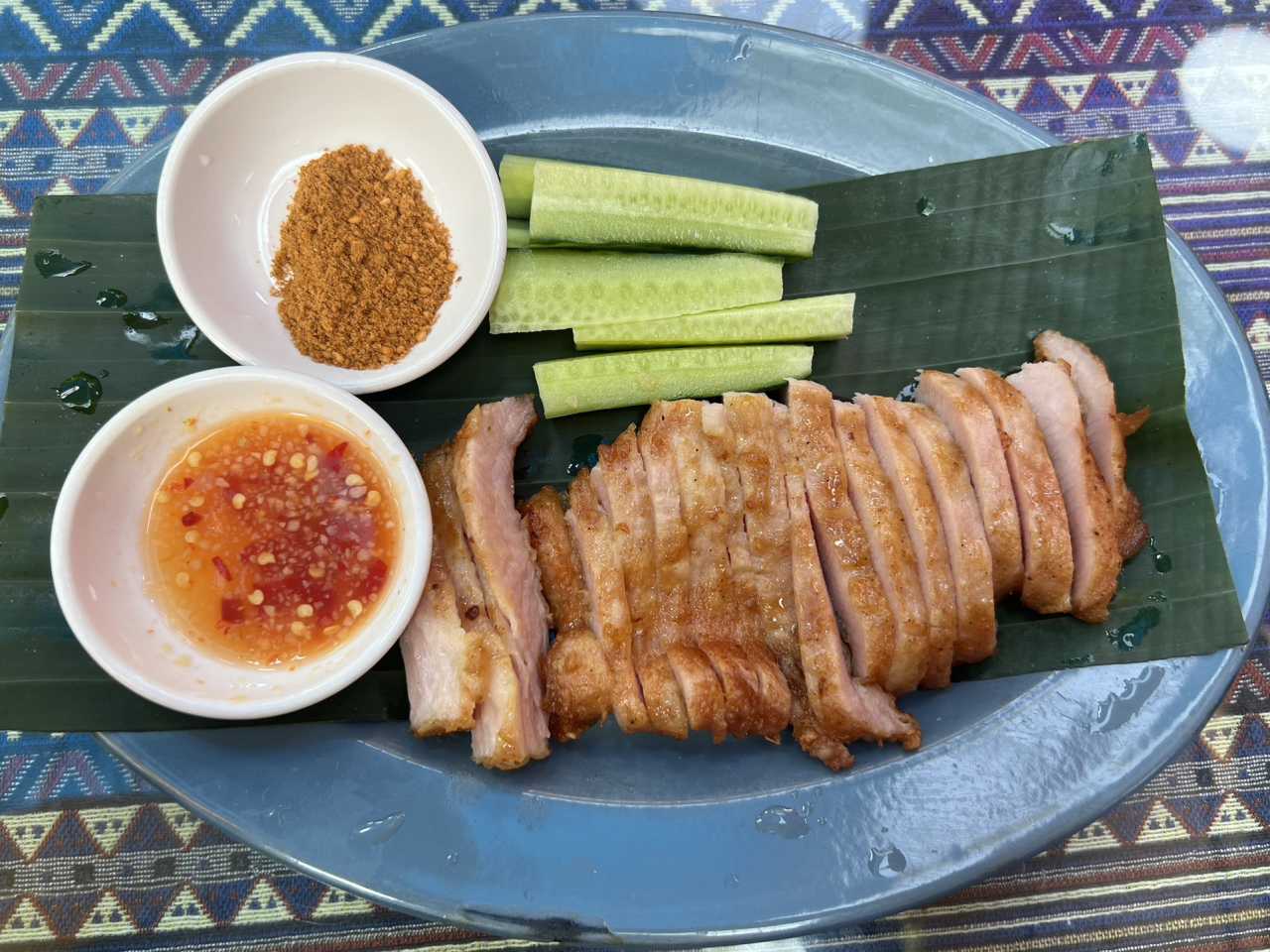
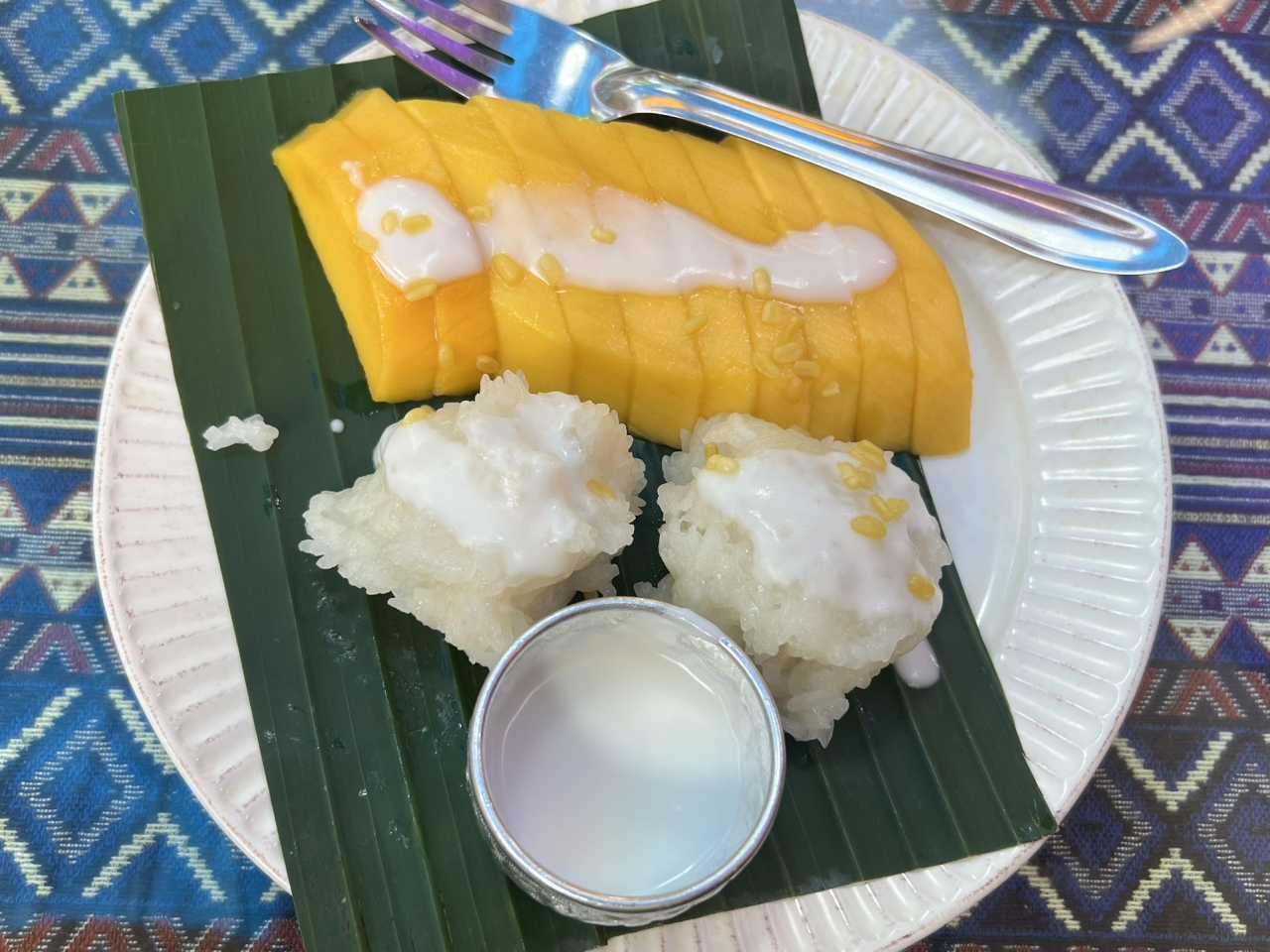
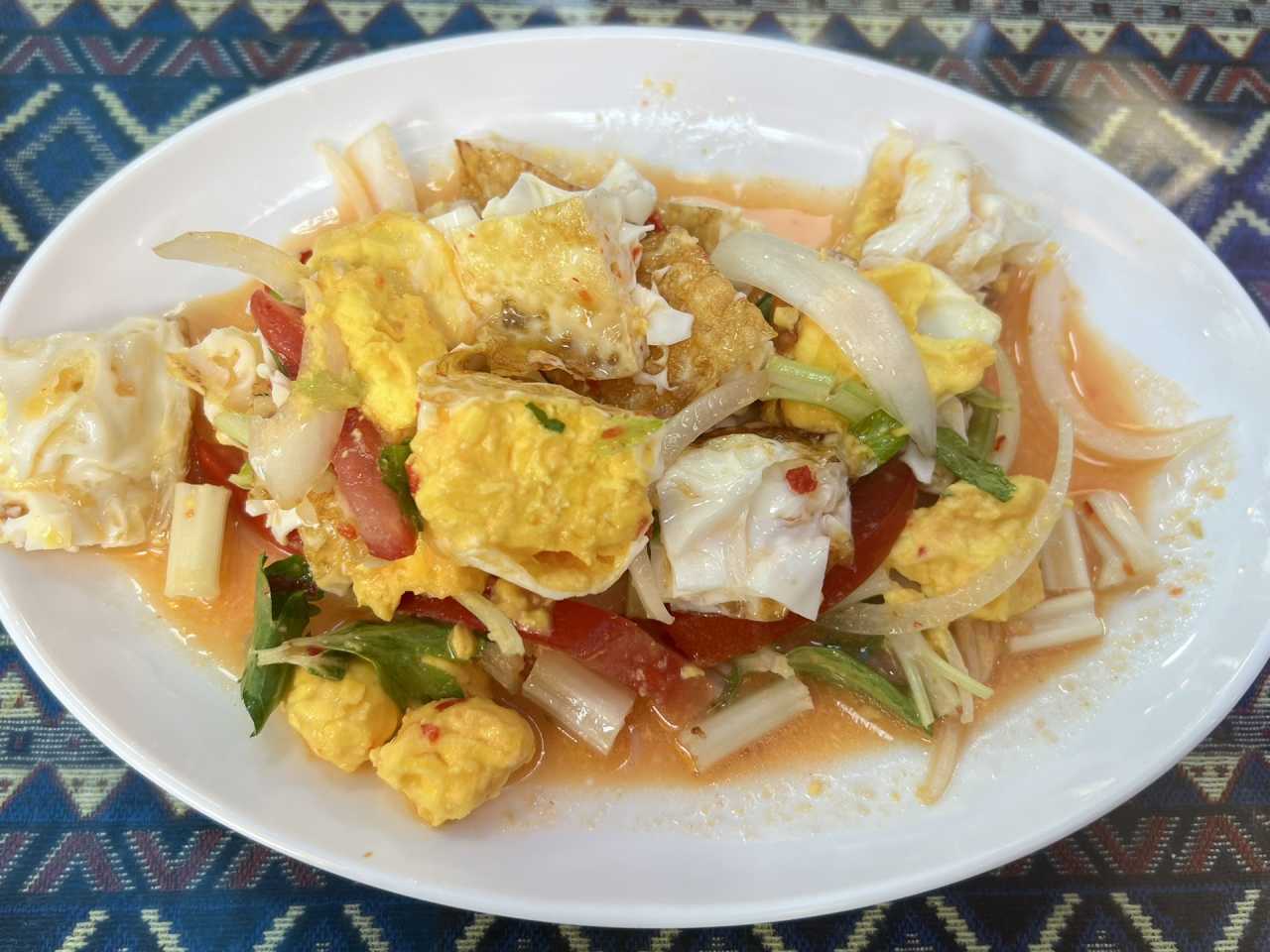
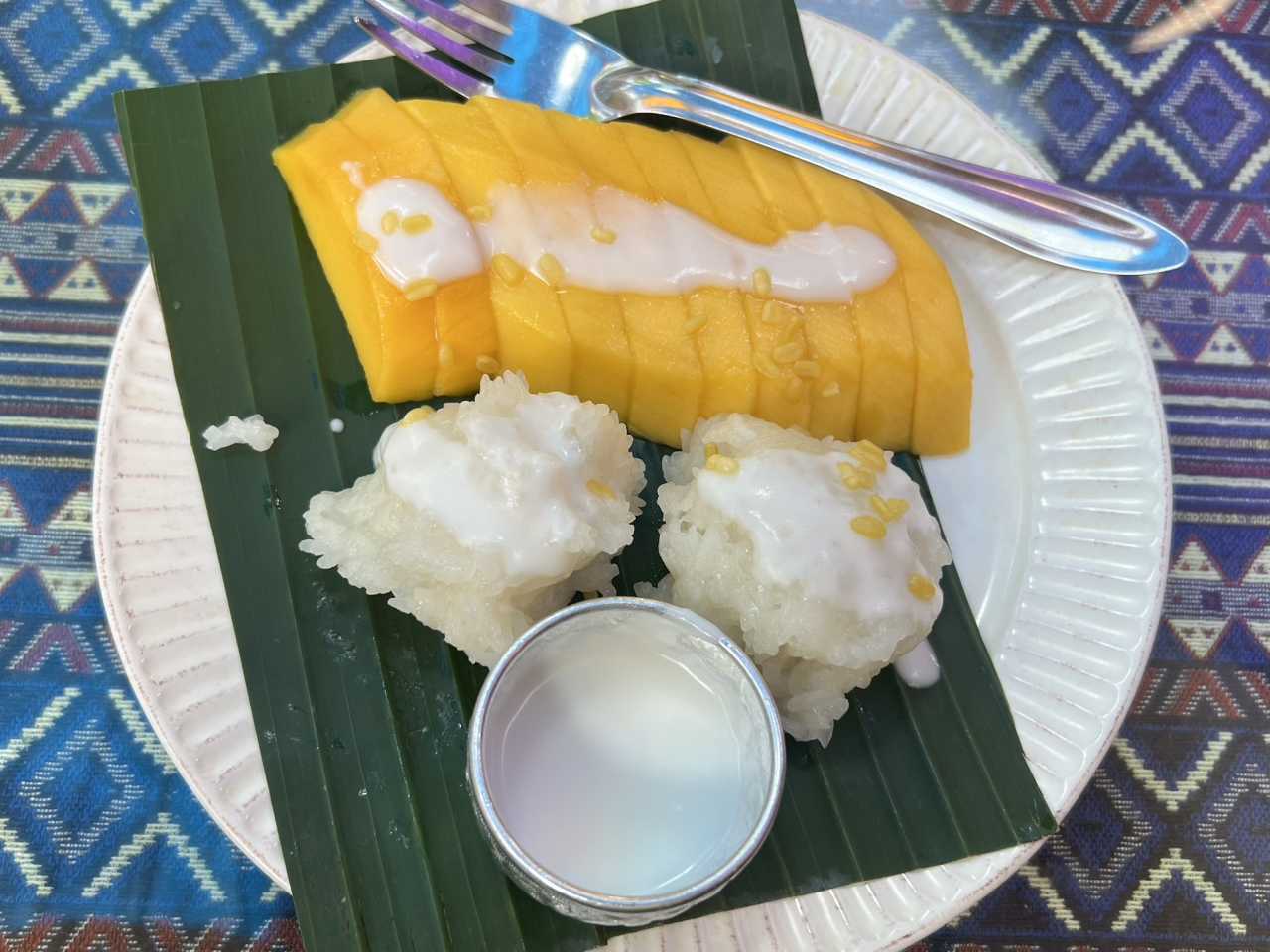
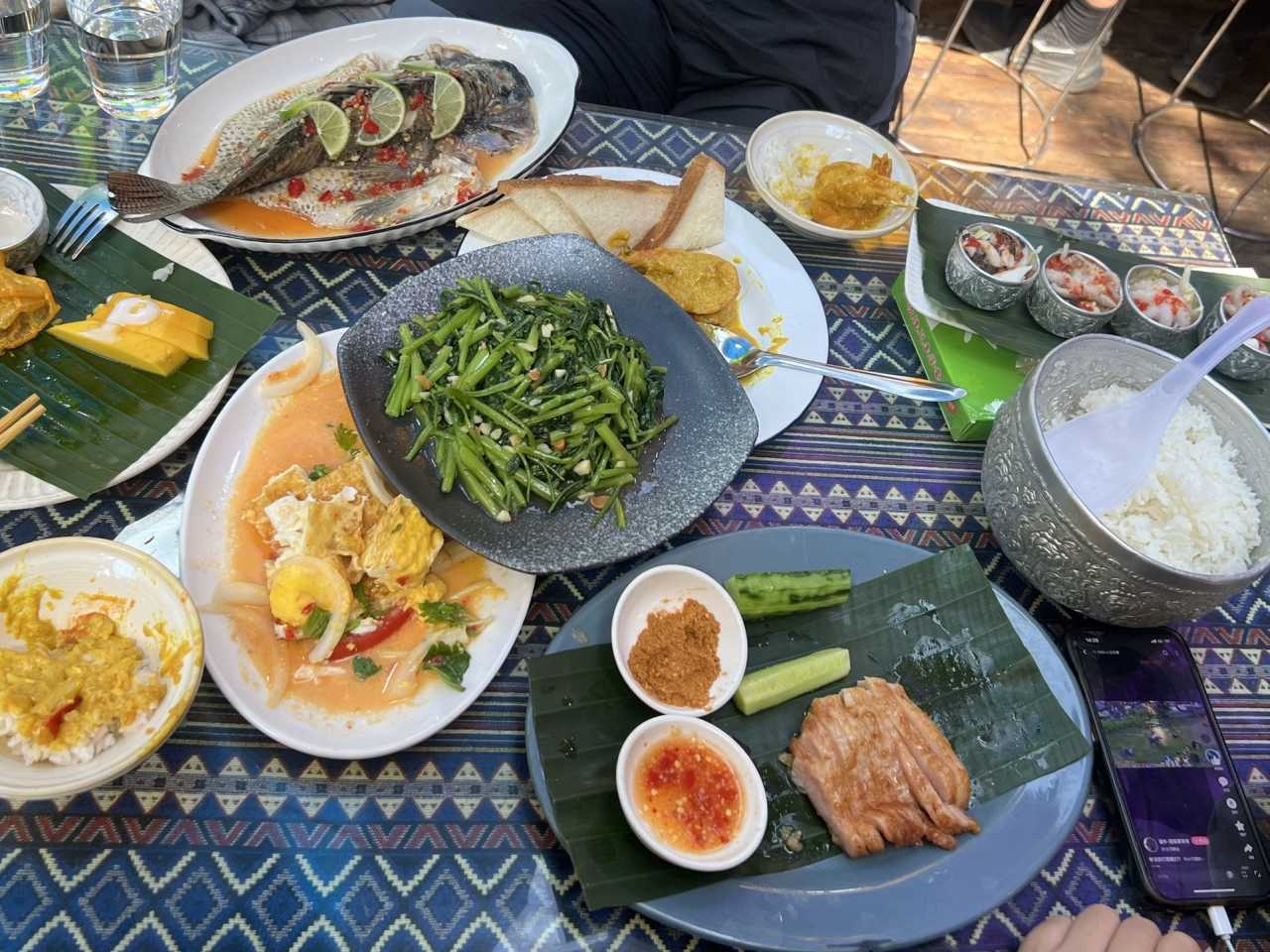
The crispy pork neck was perfectly charred on the outside and tender within—a classic order for any Thai meal. The mango sticky rice was just the right balance of sweet and chewy, every grain wrapped in the gentle creaminess of coconut milk. The biggest surprise was the pounded poached egg—its tangy-sweet dressing was refreshing and light, a new flavor I'd unlocked. The traditional curry shrimp mixed with rice was simply divine. The 泡鲁达 (coconut toast with sago and condensed milk) was a bit too sweet, but it still worked as a dessert finale. The steamed lemon fish was impossibly tender, and the marinated baby octopus was equally refreshing. Even the morning glory (water spinach) served as a crisp, clean accent to the entire meal.
Manting Park: The Soul Garden's Dai Royal Legacy
Full and satisfied, we took a taxi to Manting Park, arriving around 4 p.m. This park, with a history of over 1,300 years, is the oldest garden in Xishuangbanna and was once the royal garden of the Dai kings. The Dai people call it "Chunhuan," meaning "Garden of the Soul"—legend has it that a Dai princess was so captivated by its beauty that her soul was lost here, giving the garden its name.
As we entered, the first thing that caught our eye was a bronze statue of Premier Zhou Enlai celebrating the Water-Splashing Festival with people of all ethnicities. The statue stands 4.5 meters tall, with Zhou dressed in Dai clothing, holding a water bowl in his left hand and an olive branch in his right. On either side, six white marble screens depict scenes of various ethnic minorities beating drums and dancing joyfully. This monument was built to commemorate Zhou's participation in the 1961 Xishuangbanna Water-Splashing Festival, and the warmth of history still seems to linger in the air.
The Dai King's Palace was built during the reign of the eighth Mengle king, over 800 years ago. The palace is dominated by yellow and red tones, with golden patterns on the outer walls and inner halls glinting in the sunlight. Its triangular roof, shaped like a peacock spreading its tail, is adorned with phoenixes, peacocks, and lions—auspicious symbols that speak of royal dignity and good fortune.
The City Heart Pagoda is the center of festival worship, its body covered in "golden water" paintings, with layers of eaves stacked like mountains. Around the main pillar stand 12 smaller pillars, symbolizing the 12 villages that support the Banna region. Four guardian deities stand at the base, while murals around them depict scenes of the Dai people celebrating festivals, praying, and hoping for a bountiful harvest.
The White Pagoda is a replica of the Manfeilong White Pagoda, pure white like snow. The main pagoda, together with eight smaller ones, resembles a cluster of bamboo shoots breaking through the ground, which the Dai language calls "Tanu" (bamboo shoot pagoda). At the Earth Goddess Fountain, an octagonal base features eight dragon heads pouring holy water into a golden basin. Visitors can "wash their hands in the golden basin" to cleanse themselves of impurities. In the center, eight guardian deities stand with palms together, while the Earth Goddess at the top, like a mother, watches over the safety of all her children.
The General Buddhist Temple and the Great Golden Pagoda: A Golden Dream of Ancient Temples
The Xishuangbanna General Buddhist Temple is the largest and most influential temple in the Dai regions of Yunnan's borderlands. It is said to have been built over a thousand years ago by two monks who came from Myanmar to spread Theravada Buddhism. The main structures include the grand hall, the ordination hall, the pagoda, the drum tower, and the bell tower, each reflecting the exquisite craftsmanship and solemnity of Dai traditional culture.
The Jinghong Great Golden Pagoda is a Thai-style stupa, standing 66.6 meters tall, symbolizing "one river connecting six countries." Surrounding the main pagoda are four solid smaller pagodas, representing Kengtung (Myanmar), Chiang Rai (Thailand), Chiang Mai (Thailand), and Luang Prabang (Laos). Standing at its base and looking up, the golden pagoda shines brilliantly against the blue sky, as if stepping into a Buddhist paradise.
Starry Night Market: Lights Imitating Falling Stars
Leaving the Great Golden Pagoda, we headed straight for the Starry Night Market. The platform behind the pagoda offers a panoramic view of the market, but the best photo spot is from the market entrance. The market was packed with people, and the lights were dazzling, as if the stars had fallen to earth. We tried a few snacks—they were average in taste, but the atmosphere was unbeatable.
Later that night, we went out for a late supper. A restaurant called Nan Princess, recommended by our hotel owner, was a local favorite. We ordered grilled fish with lemongrass, curry crab, and a refreshing cold papaya salad with shrimp. Every bite was satisfying.
Xishuangbanna Tropical Botanical Garden: A Plant Trip Ruined by a "One-Day Tour"
We set out before dawn the next day because we'd signed up for a one-day tour. The guide walked briskly ahead, and we had to jog to keep up, with no time even for photos. I couldn't remember a single plant species—all I recalled were towering palm trees and strange vegetation I'd never seen before. The famous Victoria water lily photo spot was skipped without a moment to stop. It was a terrible experience.
This 5A-rated scenic area was founded in 1958 by botanist Cai Xitao. Covering 1,125 hectares, it preserves over 14,000 living plant species, including 250 hectares of primary tropical rainforest. The garden has 39 specialized plant zones, featuring unique species like the Victoria water lily, dancing grass, and miracle fruit. Unfortunately, we could only rush through, leaving behind a trail of regret.
Dai Ethnic Village: Freedom After Ditching the Guide
In the afternoon, we arrived at the Dai Ethnic Village. The guide first took us shopping, and we decisively abandoned him. The village consists of five well-preserved natural Dai hamlets. The Manting Buddhist Pagoda, built in 538 AD, has a history of over 1,400 years. The peacock garden was more breathtaking than the peacocks themselves. The Manchunman Temple is a classic example of Theravada Buddhist architecture. We ordered a few random dishes from the street food stalls at the market—they were all delicious. Restaurants can never replicate the taste of street food.
The Border Pier, a filming location for the movie Operation Mekong, offers photo ops with landmarks from six countries. At the Water-Splashing Square, we experienced a grand water-splashing event. The upstairs seating area cost 198 or 298 yuan per person, but standing below was fine for watching. Around 11 p.m., fireworks lit up the night sky, making up for the ban on fireworks in Beijing.
Wild Elephant Valley: Lucky Enough to Chase a Herd Under the Scorching Sun
Day three took us to Wild Elephant Valley. Located within the Xishuangbanna National Nature Reserve, this is a national-level eco-tourism demonstration area focused on protecting Asian elephants. The Asian elephant is listed under Appendix I of the Convention on International Trade in Endangered Species of Wild Fauna and Flora (CITES). Once widespread across the Yangtze River basin, Guangdong, Guangxi, and Guizhou, they now only inhabit Yunnan's Xishuangbanna, Pu'er, and Lincang regions.
Aside from the elephant science show, the highlight of Wild Elephant Valley is the elevated boardwalk. The first section was short, and we saw no wild elephants. The second section, about 1.5 kilometers long, was tiring, but we pushed through. And we got lucky—we spotted a herd! If you're exhausted, you can take the cable car back.
Primitive Forest Park: Rainforest Memories of Peacocks
After leaving Wild Elephant Valley, everyone was too tired to lift their feet. By the time we reached the Primitive Forest Park, it was past 3 p.m., and many shows had already ended. We saw some peacocks at the entrance but missed the release. Then we took a short walk through the rainforest, where artificial mist made for nice photos. There are two hiking routes: Route A takes 20 minutes, and Route B takes 40. We were too tired for the longer one.
Chapter Two: Pu'er — The Smoky Hearth and Artistic Soul of a Millennia-Old Tea City
Arriving in Pu'er: Night Market Smoke and Grilled Tofu
We arrived in Pu'er around 8 p.m. and went out to find food. On the way, we stumbled upon the Shiping Guild Hall. Following a driver's recommendation, we tried 米干 (rice noodle sheets). The place was packed, and everyone was eating with gusto, but we couldn't quite get used to the taste. The streets of Pu'er at night were full of smoky, lively energy, lined with barbecue stalls. We picked one at random and, for the first time, grilled tofu ourselves—truly, "a watched pot never boils," or in this case, "impatience won't get you hot tofu."
Nakeli Tea Horse Relay Station: Time, Please Forget Me
The next morning, we visited the Nakeli Tea Horse Relay Station, an important stop on the ancient Tea Horse Road from Pu'er. Well-preserved ruins of the ancient road, the century-old Rongfa Old Shop, horse lanterns, and stone troughs for watering horses—every detail tells the story of the caravan trade. The Thousand-Year Bridge, the Saddle Plank Road, the Saddle Suspension Bridge, the North Village Gate, the local products street, the Horse Jumping Stone, the Rongfa Horse Inn, the Wind and Rain Bridge, the Horseshoe Forge, the Mill House, the Stone Heart Tree, the Heart-Linking Bridge—each name is a piece of history.
Following the ancient road uphill, we found a deep-forest café. I ordered a cup of Lao-style iced coffee, and it was good. Sitting there, I could almost hear the jingle of caravan bells in the wind.
Tea Horse Road Heritage Park: When Wind Chimes Drift into the Forest
Our second stop was the Tea Horse Road Heritage Park. Built around well-preserved ancient road ruins and historical scenes of the tea-horse trade, the park systematically recreates tea culture exhibition halls from the Tang, Song, Yuan, Ming, and Qing dynasties. The Rainbow Cable Car, stretching 5,174 meters, offers panoramic views of the primeval forest and the ancient road.
After entering, we took the cable car to Dingbo Lake to watch the Horse Caravan Love Song water dance show and a cormorant fishing performance. Then we rode another cable car up the mountain, passing large tea plantations along the way. After getting off, we reached Zhongyi Relay Station (the Horse Caravan Museum) to learn about caravan culture. On the way down, we passed the Tang Tea Hall, tracing the origins of trading tea for horses. The well-preserved Bangujiu section of the Tea Horse Road is the longest and most intact remaining stretch. The Lookback Pavilion, the Suspension Bridge, the Earth God Altar, the Song Tea Pavilion—every step felt like walking through history.
Daijia Alley and Simao Old Street: The Artistic Colors of Qing Dynasty Mansions
Daijia Alley is one of Pu'er's most representative historical districts, featuring nine surviving Qing Dynasty brick-and-wood structures. Across from it lies Simao Old Street, whose history dates back to the Yongzheng reign of the Qing Dynasty. It flourished through the Tea Horse Road trade, earning the saying, "Gold in Tengchong, silver in Simao."
Wuqi Old Pu'er Cuisine: Surprises and Accidental Delights on the Palate
That evening, we dined at Wuqi Old Pu'er Cuisine and ordered a huge spread. The stir-fried minced beef with mint was honestly hard to get used to, but the stir-fried deer antler mushroom with pork was fantastic—the mushrooms were incredibly savory. I also tried the rice steamed with ripe tea. The honey chili chicken had a strong chili aroma but wasn't spicy. The 牛叭呼 (beef offal stew) was delicious with the dipping sauce, and there was a sweet-and-sour poached egg dish that I forgot the name of but was delightful.
Sun River National Forest Park: A Close Encounter with Red Pandas
On our last day, we visited Sun River National Forest Park, primarily to see red pandas. I really wanted to stay overnight at the nearby Red Panda Lodge, but my wallet said no.
At an altitude of 1,707 meters, the park boasts a forest coverage rate of 97.8%, with 2,104 species of higher plants (including ferns), 102 species of mammals, and 222 species of birds. The tour route follows the park's designated path: Rhino Retreat, Slow Loris, Deer Family, Binturong, Macaque Paradise, Fish Shadow Stream, Cycad Trail, Gibbon Peninsula, Jiaogua Pond Wetland, Raccoon (missed it—unfortunately), Bear Territory, Butterfly Creek Valley, Wandering Red Pandas, and Bird Paradise.
The red pandas were adorable—round bodies, fluffy tails, making you want to hug them.
Epilogue: Regrets and Anticipations from the Journey
This trip to Pu'er left me with two regrets: first, I misremembered the time and missed out on a famous mango sticky rice shop; second, I didn't make it to Jingmai Mountain. I hope to make up for it someday.
From the tropical exoticism of Xishuangbanna to the millennia-old tea aroma and smoky hearth of Pu'er, this journey took us through rainforests, ancient temples, night markets, old roads, and tea plantations. Every departure is a meeting with the unknown; every return is filled with memories and anticipation.
The most enchanting part of travel isn't how many places you visit, but the unexpected surprises along the way—like being lucky enough to see a herd of wild elephants at Wild Elephant Valley, like grilling tofu for the first time on a Pu'er street, like sitting in a deep-forest café, listening to wind chimes and daydreaming.
Next time, I'll set out again, carrying these regrets with me.
You should also read:

God’s Abandoned Palette: A Self-Drive Journey Through Yunnan’s Dongchuan Red Land
God’s Abandoned Palette: A Self-Drive Journey Through Yunnan’s Dongchuan Red Land Travel has never been about reaching some distant geographic coordinate. It’s about encountering, along the way, the version of yourself buried beneath the rubble of daily routine. During this May Day holiday, I finally…
Continue reading...
Body in Hell, Heart in Heaven: A Pilgrimage Through Tiger Leaping Gorge — A Dialogue Between Heaven and Earth
Body in Hell, Heart in Heaven: A Pilgrimage Through Tiger Leaping Gorge — A Dialogue Between Heaven and Earth Introduction: When the Gorge Splits Open Beneath Your Feet Some say Tiger Leaping Gorge is the closest place on Earth to the border between "hell" and…
Continue reading...
Cloud Travelogue · Dali of Wind, Flowers, Snow, and Moon: A Three-Day, Two-Night Journey of a Free Spirit
Cloud Travelogue · Dali of Wind, Flowers, Snow, and Moon: A Three-Day, Two-Night Journey of a Free Spirit I am a cultured female foodie with a touch of rogue charm. I slung on my backpack, took my lover's hand, and set off on a spontaneous…
Continue reading...