Go Where the Wind Takes You: A Complete Guide to a 4-Day Deep Dive in Dali
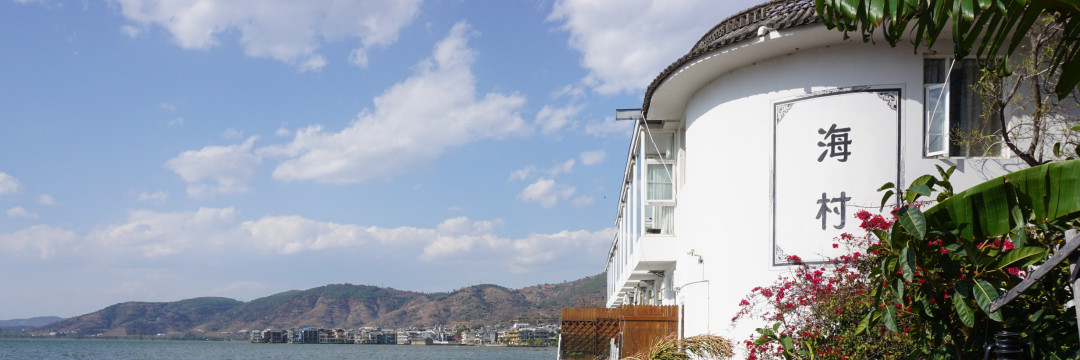
Go Where the Wind Takes You: A Complete Guide to a 4-Day Deep Dive in Dali
Foreword: A Long-Overdue Yunnan Date
My first impression of Yunnan was frozen in time on a bitterly cold night after the 2017 Spring Festival. I was transiting through Kunming on my way to Chiang Mai when a thick fog forced our plane to make an emergency landing, rescheduling our connecting flight for the next day. We cobbled together a night at Dabanqiao Town near the airport, and that night, Kunming was even colder than Tianjin. I shivered under the covers, unable to remember when I finally fell asleep.

Back then, travel hadn't yet become the necessity it is today, and there weren't many travel blogs floating around online. My knowledge of Yunnan was embarrassingly thin. Everyone says Kunming enjoys spring-like weather year-round, but all I remembered was the cold—nothing else.
So when did the idea of visiting Yunnan first pop into my head? Probably around Chinese New Year 2024. Someone mentioned Tengchong was amazing and I wanted to soak in the hot springs, but the flight tickets were too expensive, so I gave up. Then a colleague recommended Dali—she's someone who can't sleep in unfamiliar beds, and every trip with her kids leaves her grimacing. Dali was the only city she ever praised. If even someone who hates traveling speaks so highly of Dali, then I, a travel enthusiast, absolutely had to go. Plus, my parents had visited Yunnan on a guided tour a few years back, and they couldn't stop talking about Dali either. So we decided on the spot: a family trip for three to Dali.
It wasn't until I got back that I learned Yunnan is home to ten of China's sunniest cities. My earlier encounter with a cold snap was just bad luck. But honestly, Yunnan is the kind of place you visit once and want to return to endlessly. Next time, I'm staying longer.
Itinerary Overview: Four Days, Three Nights, from Ancient City to Erhai Lake

DAY 1 (March 15) Fly Tianjin to Kunming → High-speed rail Kunming to Dali → Evening stroll through Dali Old Town
Stay: Luoguishan Guesthouse
DAY 2 (March 16) Full-day tour around Erhai Lake: Xingsheng Bridge → Ideal Land → Wencun Village → Xiaoputuo → Xizhou Ancient Town → Corridor Bridge → "I Have a Field by Erhai" → Panxi S-Curve
Stay: Luoguishan Guesthouse
DAY 3 (March 17) Dali Old Town North Gate Market → Three Pagodas of Chongsheng Temple → Half-day tour of Shuanglang Ancient Town
Stay: Aurora | Guyu·Banshan Seaview Designer Hotel
DAY 4 (March 18) Return trip: High-speed rail Dali to Kunming → Fly Kunming to Tianjin
Transportation Tips: Fly Direct If You Can
We chose to fly to Kunming first, then take the high-speed rail to Dali. One-way from home to the hotel took about 12 hours. If your budget allows, I strongly recommend flying directly to Dali—as beautiful as it is, the transportation infrastructure isn't the most convenient.
Getting around Dali, taxis or ride-hailing are your best bets. Public transit is underdeveloped, and I gave up on it during the planning stage. I highly recommend ride-hailing apps! On the day we switched hotels, a taxi was estimated at over 120 yuan, but when I tried a ride-hailing service, it was only 60 yuan—half the price. There was a minor hiccup: the original driver canceled, but someone else picked up the order instantly. Chatting with the driver, I learned that many people in Dali drive ride-hailing full-time. If you find taxis expensive, book a day in advance, and you'll likely get a ride. We even used ride-hailing to get to the train station on our last day.
Accommodation Recommendations: Choose Your Location Wisely, and Your Trip Is Half-Won
We booked two hotels in Dali: one in the Old Town and one in Shuanglang. Staying in the Old Town makes everything accessible, but if you want to truly see Erhai Lake, you have to stay in Shuanglang. Plenty of other spots offer lake views, but dining and transportation are incredibly inconvenient. Lock your accommodation choices around the Old Town and Shuanglang—remember this.
Also, ask your hotel owner in advance for the exact drop-off location for taxis. Hotels in the Old Town are almost always tucked away in narrow alleys, while many in Shuanglang are perched on hillsides or inside pedestrian streets where cars can't enter. Good hotels will contact you beforehand with the right spot. Photos online can be a bit misleading, so lower your expectations when you check in—it'll make the experience much more pleasant.
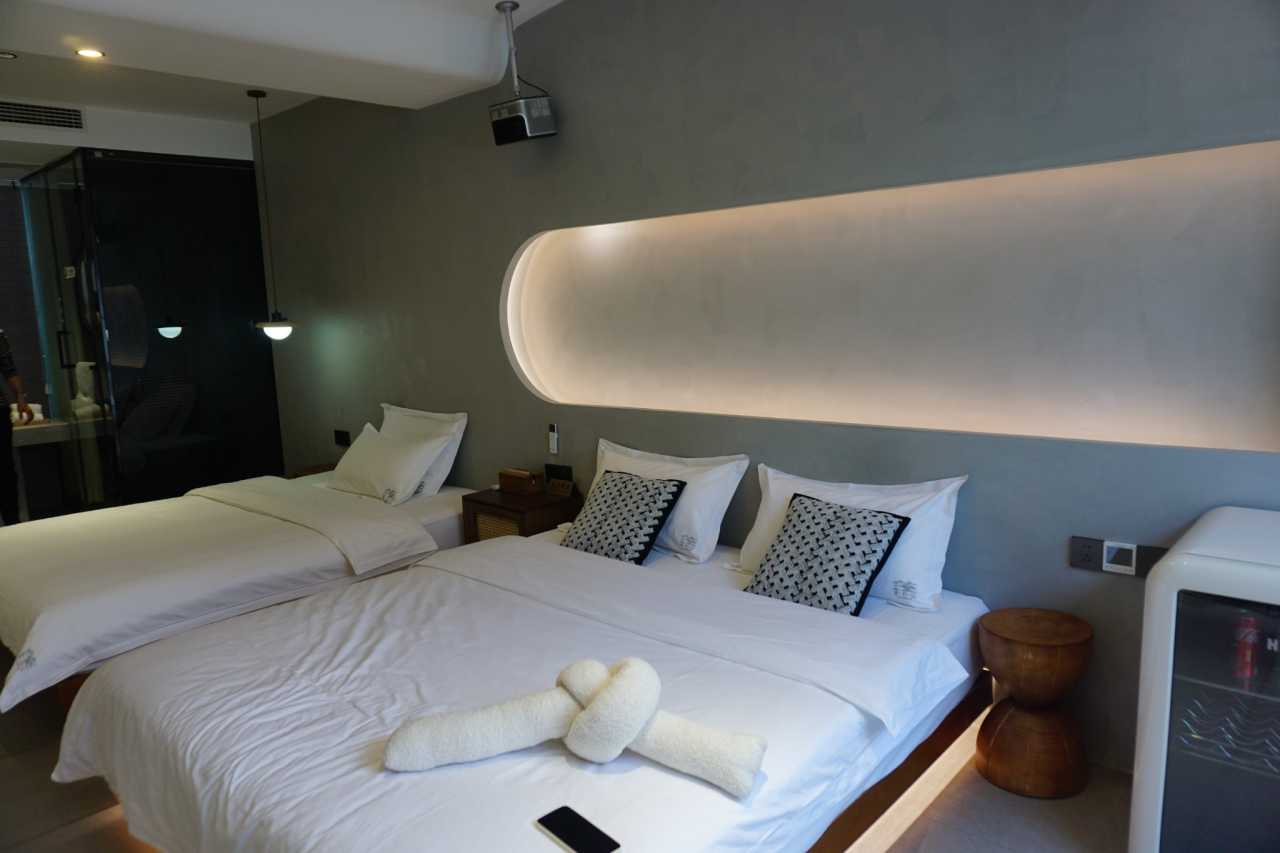
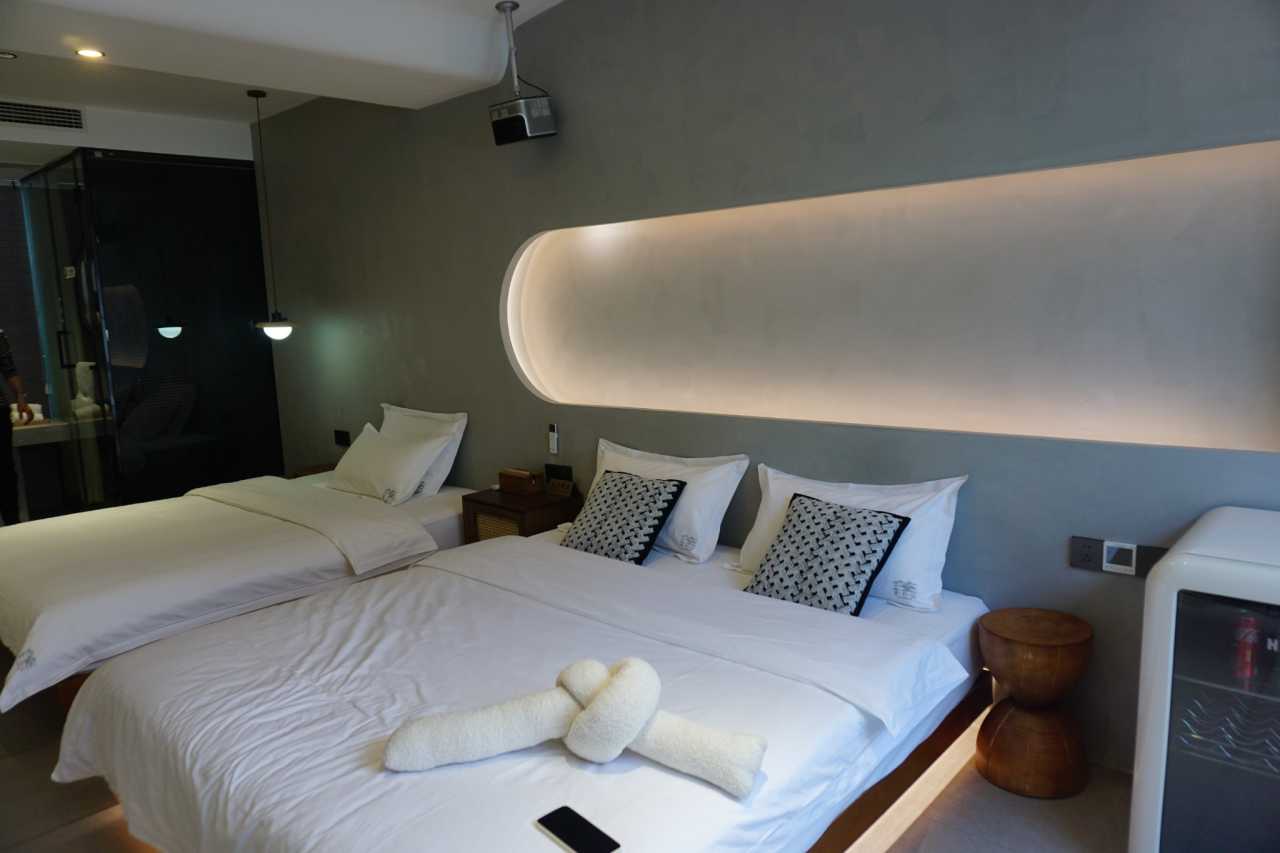
Luoguishan·Designer Extreme Space Luxurious View Art Villa (Old Town)
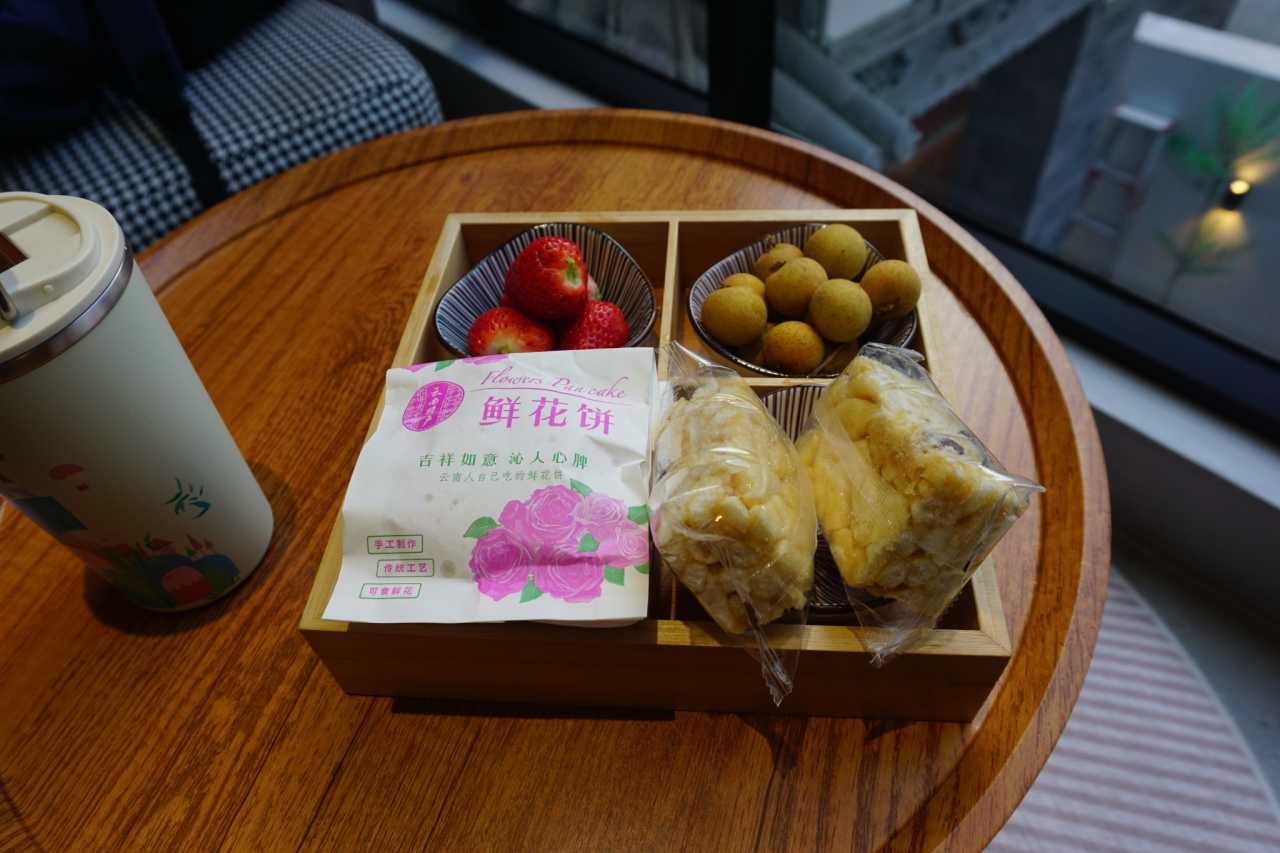
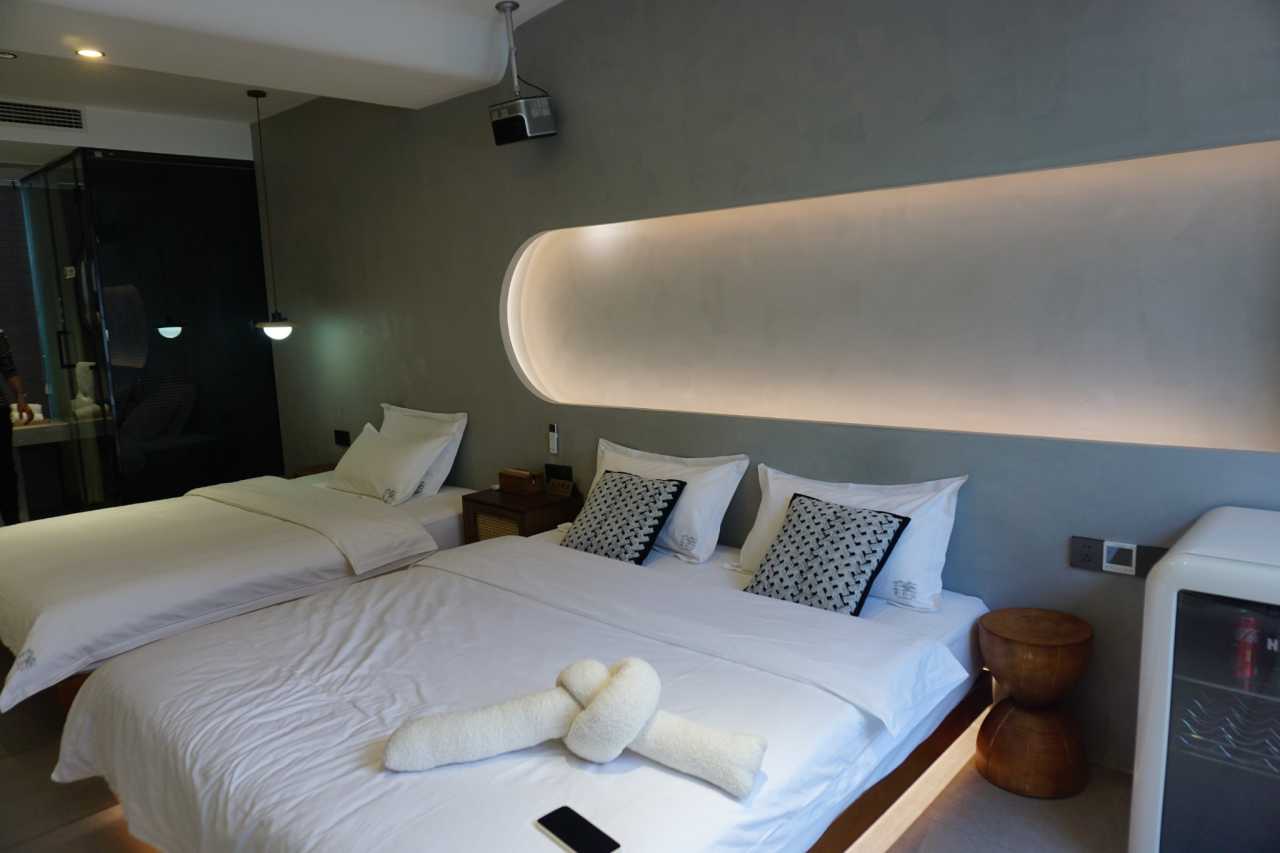
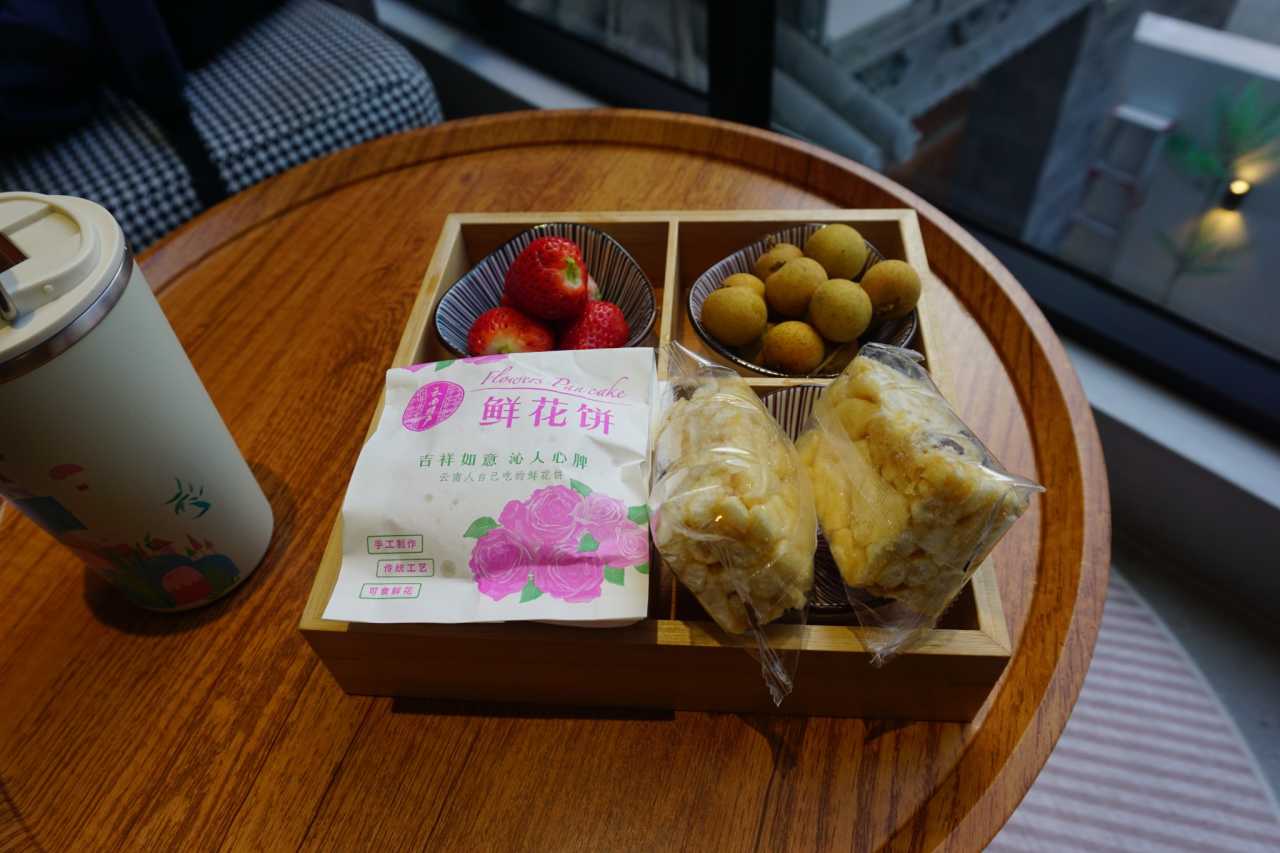
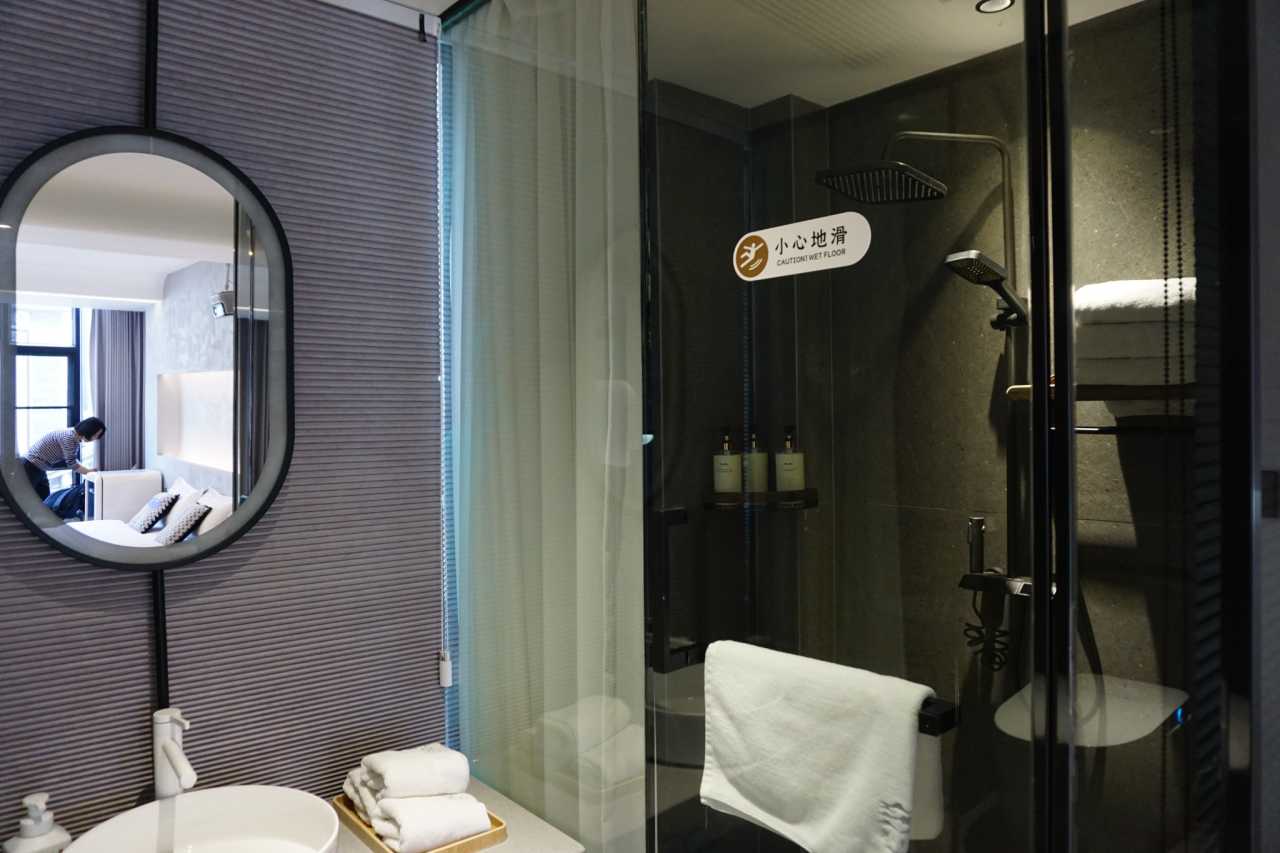
The location is unbeatable—step out the door and you're in the Old Town. Someone came to pick us up at check-in, and they offered afternoon tea: warm flower cakes and sweet fruit. At checkout, they even gave us a box of flower cakes as a souvenir. The room was spacious, with a projector (no membership, so not much to watch), and the fridge drinks were free. The bathroom had a separate wet and dry area, and the toilet was fully automatic. Breakfast was served at a nearby restaurant, with a choice of xiaolongbao (soup dumplings), wontons, or rice noodles—all delicious. The xiaolongbao were quite authentic. They also had fried dough sticks, crispy and satisfying. Even a northern Chinese person who loves rice noodles can't resist the temptation of youtiao.
Aurora | Guyu·Half-Mountain Full-Seaview Designer Resort Hotel (Shuanglang)
This one is on a hillside, carved out of the earth. Getting around requires an electric cart pick-up and drop-off—the slopes are steep and the roads are dusty. I originally wanted to book a 270° sea-view room, but I'm glad I didn't—Dali's scenery is way too dependent on the weather. When the weather's bad, the view is honestly unimpressive. The room had smart home features, and the bathroom was separate wet and dry, but some areas weren't cleaned thoroughly. Breakfast was on the first floor, with a choice of ersi (rice noodles) or rice noodles, plus a buffet of grains, eggs, pickles, and porridge—pretty good. There's a 270° observation deck nearby with a distant view of Nanzhao Island, but right next to it is a barren hillside. The contrast between wealth and poverty is stark—it's a case of "the scenery makes it, and the scenery breaks it."
DAY 1: First Glimpse of Dali, Cherry Blossoms and Bustle in the Ancient City
As soon as we landed, I felt the spring-like clarity of Kunming. This trip was booked hastily, but luckily, it coincided with a late cold snap in Tianjin, so we successfully escaped the chill. Leaving work worries behind, my first Yunnan adventure began.
Stepping off the high-speed rail, I finally felt the reality of "arriving in Dali." We left home at 5 a.m. and reached the hotel at 5 p.m. Even in the off-season, the road from the train station to the Old Town was bumper-to-bumper. I can't imagine what it's like during peak season.
After resting at the hotel, we headed into the Old Town to find food. In my book, there are three must-eats in Yunnan: rice noodles, various mushrooms, and tofu. For our first meal, it had to be cross-bridge rice noodles. We found a restaurant on the "must-try" list—Tree House Xiaoguan Cross-Bridge Rice Noodles—and ordered the classic mushroom soup cross-bridge rice noodles, their signature mushroom buns, and Yunnan stuffed tofu.
The mushroom buns arrived first, and the owner urged us to eat them while hot. The mushroom filling was fragrant and delicious. Then came the star of the show: the cross-bridge rice noodles. The server brought a bubbling hot pot and quickly added the ingredients one by one. There was also a condiment station with free pickles. The server asked if I wanted to take a photo, so I snapped the picture below. The rice noodle toppings were far more abundant than anything I'd had before—enough for three people. Good rice noodles depend on a great broth, and we savored every sip. The stuffed tofu was crispy on the outside and tender inside, even better with the spicy sauce.

What really drew me to this place was the semi-open window. Unfortunately, I didn't snag that seat. I can only imagine how joyful it would be to eat a beautiful meal while gazing out at the street. For views like that, I'd come to Dali a thousand times.
After dinner, we wandered through the Old Town. Dali is full of flowers, and I asked—they're cherry blossoms. Yunnan's cherry blossoms are stunning, with shades ranging from deep to light, rich but not garish. They're far prettier than Japan's cherry blossoms, and way more affordable. I had originally planned a cherry blossom trip to Japan at the end of March, but the flight prices scared me off. Yunnan's cherry blossoms have a long bloom season, so don't miss them if you visit in spring. You won't find them outside Yunnan, so I clicked away frantically with my camera.
We continued aimlessly. Passing by "Up the Mountain for Tea," I bought a cup and waited in line. This is a Yunnan specialty, unavailable outside the province. After drinking it, I was thoroughly disillusioned—the taste was too ordinary. You could find a cheaper alternative at any other bubble tea shop. The only unique thing was the cup holder.
Every ancient town in China is commercialized, with shopkeepers shouting from both sides. The only thing that earns my forgiveness is a flower cake shop—freshly baked flower cakes smell heavenly, and free samples essentially count as an extra meal.
We stumbled into a night market that felt a bit like the "Tang Dynasty Never Sleeps" district. Lots of people were taking photos, so I struck a random pose, and everyone said it was cute. Wuhua Tower is the drum tower at the south gate of the Old Town, and you can go up for free to see a 360° night view of the ancient city. Since this was our first family trip for three, we had to take a photo in front of a landmark. There was also an event going on, so we got to experience the lively Torch Festival of the ethnic minorities.
On the way back to the hotel, we passed Bar Street. Every bar was packed. The live singers weren't exceptional, but the song choices were popular, and the atmosphere was great. If you drink here, watch the prices carefully—some places are "drink刺客" (price traps).
DAY 2: Around Erhai Lake, a Game of Weather Roulette
Day two kicked off with a full-day tour around Erhai Lake. I'd arranged a private driver in advance—280 yuan for the off-season, 9 hours, with parking and meals included. That's a good deal. The driver was fantastic: drove an SUV, kept the car clean, picked us up early, and didn't charge extra when we ran over time. Most importantly, he didn't take us to any shopping stops—we were in charge the whole way. But his sightseeing advice was pretty terrible.
Some friends suggested only visiting the west side of Erhai and skipping the east. Since it was my first time, I wanted to see everything. The driver recommended starting with the east side and then the west, saying we'd cover it all. In reality, the west side is impossible to finish—it's all about natural scenery, with tons of places to explore. The east side isn't worth the time. My honest advice: change your private tour to just the west side of Erhai, and save Shuanglang on the east for a separate day.
Dali's scenery is hugely dependent on the weather. That morning, it was sunny for five seconds, then overcast for half an hour—everything looked gray and dull. And don't trust the weather forecast; it's never accurate. Rain comes out of nowhere, doesn't last long, and it's like "ten different skies within ten miles."
We reached Xingsheng Bridge, I took one look, found it boring, and left. I told the driver to skip Ideal Land entirely—it's a knockoff of Santorini in Greece, and the good spots all cost money and require queuing for photos. So my Erhai tour diary starts at Wencun Village.
Wencun Village has lots of man-made attractions that cost money to photograph. The only free spot that's fairly photogenic is Rainbow Road. If you have time and don't mind paying for a terrible drink while waiting in a long line for a photo, then come here.
Xiaoputuo is a temple perched on a small island in Erhai Lake. You need to buy a ticket to go ashore, and someone rows you over. We just admired it from a distance. There were plenty of seagulls on the shore, and many people were feeding them. I didn't—I was afraid of getting pooped on. We took our second family-of-three photo here.
Leaving Xiaoputuo, we headed straight for Xizhou Ancient Town, finally arriving at the much-anticipated west side of Erhai. The sky began to clear. Xizhou is enormous—you need to set aside plenty of time. At the entrance, there are little yellow carts that can take you around with commentary for a small fee. We hadn't walked much that morning, so we decided to explore on foot.
Xizhou means "Island of Joy"—I love that name. The traditional Bai architecture is well-preserved, with over a thousand years of history. There are many walls in the town inscribed with "Island of Joy," so don't fixate on just one. The Hanlin (Scholar) Residence is a century-old mansion turned into a restaurant. Without the crowds of tourists, this corner is the most authentic version of the ancient town.
By the time we reached Xizhou, it was after 1 p.m., and we were too hungry to think clearly. We just picked a beautiful restaurant at first sight. I loved it so much that I ran to the entrance and asked my mom to take a photo. The decor was right up my alley, and the bathroom was spotless. Maybe my criteria for choosing a restaurant is having nice windows—unfortunately, I didn't get a window seat again. But the cross-breeze was so comfortable, I didn't want to leave. This felt like the window of my dreams. I hadn't encountered a place that matched my aesthetic so perfectly in a long time.
Without even looking at the menu, I quickly ordered a three-person set meal for just over 180 yuan. It was pretty tasty. The "Cangshan Snow Ribs" were presented with a misty effect, Jiangsu-Zhejiang style, but the meat was a bit tough. The "Mountain Treasure Mushroom Fried Rice" was fragrant, and the sauce on the side made it even better. The "Oil Mushroom with Tendrils" was surprisingly good—I usually don't eat loofah. The "Morel Mushroom Braised Sea Bass" had a fresh lemon flavor, but the fish wasn't very seasoned; the morels were better than the fish. The "Yunnan Bamboo Pith Chicken Soup in Clay Pot" was incredibly savory.
The restaurant was close to the Corner Tower, just a short walk away. Even in the off-season, the foot traffic in Dali was heavy. If you come to Xizhou in mid-March, don't expect to see wheat fields—they haven't grown yet, and they look like haystacks in photos. The best way to tour the wheat fields is by little train. Once the wheat is fully grown, there'll be no shortage of riders. We took our third family-of-three photo in the wheat field, then forgot to take any more.
We ended our Xizhou visit at the Gate of Justice. This was the place we spent the most time at, and it still didn't feel like enough—we only covered about 30% of the town. I recommend setting aside at least half a day.
Leaving Xizhou, we hit traffic again. Dali's charm is overwhelming. Corridor Bridge is really run-down. You can only park nearby and walk in. A bunch of people were hiring photographers to take endless shots at the bridge's archway, each person taking forever. Isn't the Erhai Lake right next to it a million times more beautiful than that archway?
"I Have a Field by Erhai" is on the way to Corridor Bridge. The wheat field was thriving, but it started charging admission a few days ago. Right next to the paid area, there was an unmanaged wheat field, so we snapped away. Just as we finished, the staff shooed us away, but we'd already gotten our shots. I suspect this spot will be fenced off or turned into a paid area soon.
Look, the Tyndall effect! As we left, the traffic jam was at its worst—stuck in a no-win situation. The driver said that during peak season, it's like this everywhere, and visiting three places in a day is already a feat. There were several more spots I wanted to see, but we ran out of time. Oh well, go with the flow. On the road, we spotted a huge field of rapeseed flowers and got out for photos. It was my first time seeing such a vast expanse, and I was genuinely thrilled.
By the time we reached Panxi S-Curve, our rental time was almost up, and the wind was being a real nuisance. We just took a few photos at the entrance and stayed for about fifteen minutes. The scenery was nice, but we had no time left. Online, people say it's usually crowded, but when we arrived, there were hardly any people—maybe because it was getting late. Late afternoon is the best time to come: beautiful views, few crowds. I took the photos during a lull in the wind; when it picked up, you could barely stand.
That evening, we went to a highly recommended place called "Fly to the Moon." The Western food was mediocre, and service was painfully slow. Dali doesn't have fully enclosed restaurants—they're all semi-open. We sat on the second floor, far from the open-air section, but we could still feel the wind's power: eating while tasting dust. In this kind of open restaurant, even dogs would turn up their noses when the wind blows.
DAY 3: From the Market to Shuanglang, Dali's Everyday Life
After breakfast, I saw the cherry blossoms again. I'd come back to Yunnan just for these flowers. Today's plan was to visit the North Gate Market in the Old Town first, then head to Shuanglang. Before coming to the North Gate Market, I didn't realize how big the Old Town was. When we got there, it felt so far from the hotel—the Old Town is truly enormous.
The streets near the North Gate Market have shops that open early, so if you have time, you can explore them all together. The fruit at the market is incredibly fresh—you can tell it was just picked, still with dew on it. In Dali, you must buy lots of fruit. Blueberries and strawberries are ridiculously cheap—I've never seen such low prices anywhere. Definitely buy from the mobile vendors; their prices are unbeatable. I planned to buy more in Kunming, but it ended up being outrageously expensive. I regretted not stocking up in Dali.
My dad was fixated on the Three Pagodas, so we dropped him off at the entrance. My mom and I turned back to the hotel to pack our bags. By 10 a.m., the market was a bit quieter. Every vegetable stall had something I didn't recognize, and an old lady teased me, saying if I took a photo, I'd have to buy some. A hat shop inexplicably became a hit on Xiaohongshu (Little Red Book), with a queue stretching almost to the opposite side of the street. The owner knew how to do business: buy a hat, and you can take photos at the door.
Remember the freshly squeezed corn juice—it was so good. I finished one bottle in a few sips, then bought two more to take to Shuanglang. Back home, I couldn't replicate the taste at all. The stall is across from Weishan Pa (I can't type that character) Meat Ersi. That rice noodle shop is quite famous, packed with customers.
One last look at the lively Dali Old Town, then off to Shuanglang. Yingfeng Fresh Milk Shop—if you haven't been, you don't need to go. I ordered a rose yogurt with purple rice drink, but you could just buy plain yogurt and mix in rose jam yourself—probably tastes the same. The bag they gave me was covered in dust, and I immediately lost interest.
Arriving in Shuanglang, we went straight to the lakeside promenade. It's long and bustling, lined with trendy hotels, cafés, and restaurants. Walking the entire length is nearly impossible—it's a pedestrian street, so cars can't enter. To get around, you hail electric tricycles on the roadside and haggle.

Gazing at Nanzhao Island from afar—you have to pay to go ashore, so I passed. Shuanglang is full of colorful little flowers, so pretty. One hotel had a very Santorini-style entrance, and the wind chimes at the door made such a lovely sound. Finally, I saw the Dali scenery I'd been longing for—isn't this the vastness and freedom I'd dreamed of? The area near the Nanzhao Island pier is great for photos. It used to be accessible, but by the time I went, they'd put up barriers.
The beauty of Shuanglang in Dali can make you want to cry. In this place where the wind blows, I felt the magic of Xu Hongdou (a character from a popular drama). At that moment, I was Xu Hongdou.
Yang Liping's Sun Palace is a must-see if you get the chance. Every corner is full of spirit. I didn't know about this place before I came; I only learned about it from our driver. I tried to snag a free tour slot on their official account, but you have to book at midnight, and I was too sleepy to bother. If you miss out, you can still enter by ordering afternoon tea, but it's expensive. I just took a quick look from the entrance.
Tired from walking, I found a café to rest. PANPAN's sea view is top-notch in Shuanglang. I ordered a drink and a slice of cake. The wind was free, and so was I. The cake was delicious, and the prices were similar to Tianjin. Spending the same money here, I could also enjoy the view—why not? The best part was no minimum spend—many scenic spots in Dali have minimums, which I absolutely hate.
I sat for an hour and must have taken 800 photos. I couldn't bear to miss a single beautiful moment. I'm someone who can't walk past a refrigerated display case, and the little cakes made me so happy. The view near Kuixing Pavilion is also nice, but you have to order a drink to enter.
Exhausted, I hailed an electric tricycle on the roadside and headed back the way we came. For dinner, I found another beautifully decorated restaurant. In Dali, every meal was a "pretty meal." This one I stumbled upon by chance on the way to Erhai—nice facade, plenty of diners. I didn't do much research on food in Dali—every place I researched turned out to be a letdown, while the ones I chose randomly were great.
Scallion Oil Water Yunnan Green (liangban cai, cold dish): You should try this in Yunnan. Great texture, also good in hot pot. Mint Fried Ribs: The fried mint loses its minty flavor—just think of it as fried pork crackling. Dai-Style Hand-Grabbed Rice: Our driver strongly recommended this, so we ordered it. The sides included meat and vegetables, cold and hot dishes, plus three dipping sauces—sweet, spicy, and dry. It was decent, but eventually, it just turned into sticky rice mixed with everything. Braised Minced Pork Small Pot Rice Noodles: Don't be fooled by the small pot—there's plenty of rice noodles and meat, and the chicken mushroom oil on top was delicious.
After dinner, we went back to the hotel and crashed. My Dali trip was over. Tomorrow, I'd go home, while my parents would stay in Kunming for a few more days. The weather improved a lot by evening, and with good weather, the hotel's view instantly became more valuable.
DAY 4: Farewell to Dali, a Surprise at Kunming Airport
I woke up not exactly naturally, but close. At the hotel, I tried ersi (rice noodles) for the first time—the texture was sticky and chewy, like mochi. Many people don't like it, but I found it okay. After breakfast, I took one last look from the hotel's "priceless" 270° observation deck. On a clear day, this view is worth a fortune.
Dali, until we meet again.
Since I titled this section DAY 4, the travel diary couldn't end on a dull note. So here's a bonus—a food and shopping guide for Kunming Changshui Airport.
Long time no see, Kunming Changshui Airport. I'm back. Last time, on my way to Chiang Mai, my first impression was that it had a nice Dai ethnic vibe, but the international departure duty-free shops were bare, and I thought it was a bit shabby. I was wrong—I just hadn't discovered its beauty.
This time, I found that Kunming Changshui Airport is great for eating and shopping. You can get all your souvenirs in one go. Arriving three hours early doesn't feel boring at all. But be warned: the domestic departure terminal is huge, and some gates are really far. Make sure you get there early.
Final Thoughts: What Dali Taught Me
Four days and three nights in Dali—not too long, not too short. But it was enough to understand why so many people can't stop thinking about this place.

Dali's beauty isn't the kind that hits you with instant dazzle. It seeps into your heart slowly, gently. It's hidden in the cherry blossoms of the Old Town, in the shimmer of Erhai Lake, in the wheat fields of Xizhou, in the cafés of Shuanglang. It requires you to slow down and feel it with your whole being.
If you ask me, "What's the most worthwhile place in Dali?" I'd say there's no standard answer. Because everyone has their own Dali in their heart. But if you ask me, "What's the best souvenir to take from Dali?" I'd say it's not flower cakes or mushrooms. It's that attitude of "go with the flow."
In Dali, the weather changes on a dime, and plans never go as expected. But that's okay—just go with it. Miss a sight? There's another beautiful scene waiting for you on the road. Stuck in traffic? Look at the clouds outside. Raining? Find a café and daydream. What Dali taught me isn't how to travel more efficiently, but how to live more loosely.
So go where the wind takes you. Go to Dali, go to Yunnan, go anywhere that makes you slow down. And then you'll realize—life can be this beautiful.
You should also read:
Dreamland – Lijiang: A Talking Comic Travel Guide
Dreamland – Lijiang: A Talking Comic Travel Guide Prologue: When Lijiang Takes Root in Your Heart Some places leave a mark on you forever. They're like an old song on repeat, suddenly playing in your mind on an ordinary afternoon. For me, Lijiang is that…
Continue reading...
Solo in Yunnan: A Wanderer’s Guide to the Land of Eternal Spring
Solo in Yunnan: A Wanderer’s Guide to the Land of Eternal Spring There’s something magical about traveling alone. No compromises, no schedules to keep, no one to please but yourself. I’ve been on the road for nearly three months now, and not once have I…
Continue reading...
Tengchong·Heshun: Finding Life as It Should Be in a Border Town Where Time Stands Still
Tengchong·Heshun: Finding Life as It Should Be in a Border Town Where Time Stands Still The long journey of over twenty days was over. On my first day back at the office, I was still in a daze. My fingers couldn't find the keys on…
Continue reading...