Go Where There's No Ceiling! A Complete Record of Our Family Trip to Tengchong, Ruili, and Mangshi
Go Where There's No Ceiling! A Complete Record of Our Family Trip to Tengchong, Ruili, and Mangshi
Why Western Yunnan?
In the winter of 2025, Yunnan's popularity was like a wildfire, spreading across the entire country. On my mom's travel list, the word "Tengchong" was circled repeatedly — this small town, wrapped in volcanoes, ginkgo trees, and hot springs, became our family's escape from the chaos of city life.
Tired of work? Take a break. Sick of the city? Just go.
So our family of three set off from Harbin, heading all the way south, passing through Mangshi, Tengchong, and Ruili, finally ending our journey in Kunming. In November, the temperature differences in western Yunnan caught us off guard, but every stop held its own surprises. This travelogue is not just a guide — it's a warm memory about "going where there's no ceiling."
Trip Overview: An 8-Day, 7-Night Western Yunnan Loop
- Nov 21-22: Harbin → Mangshi → Tengchong
- Nov 22: Strolling through downtown Tengchong
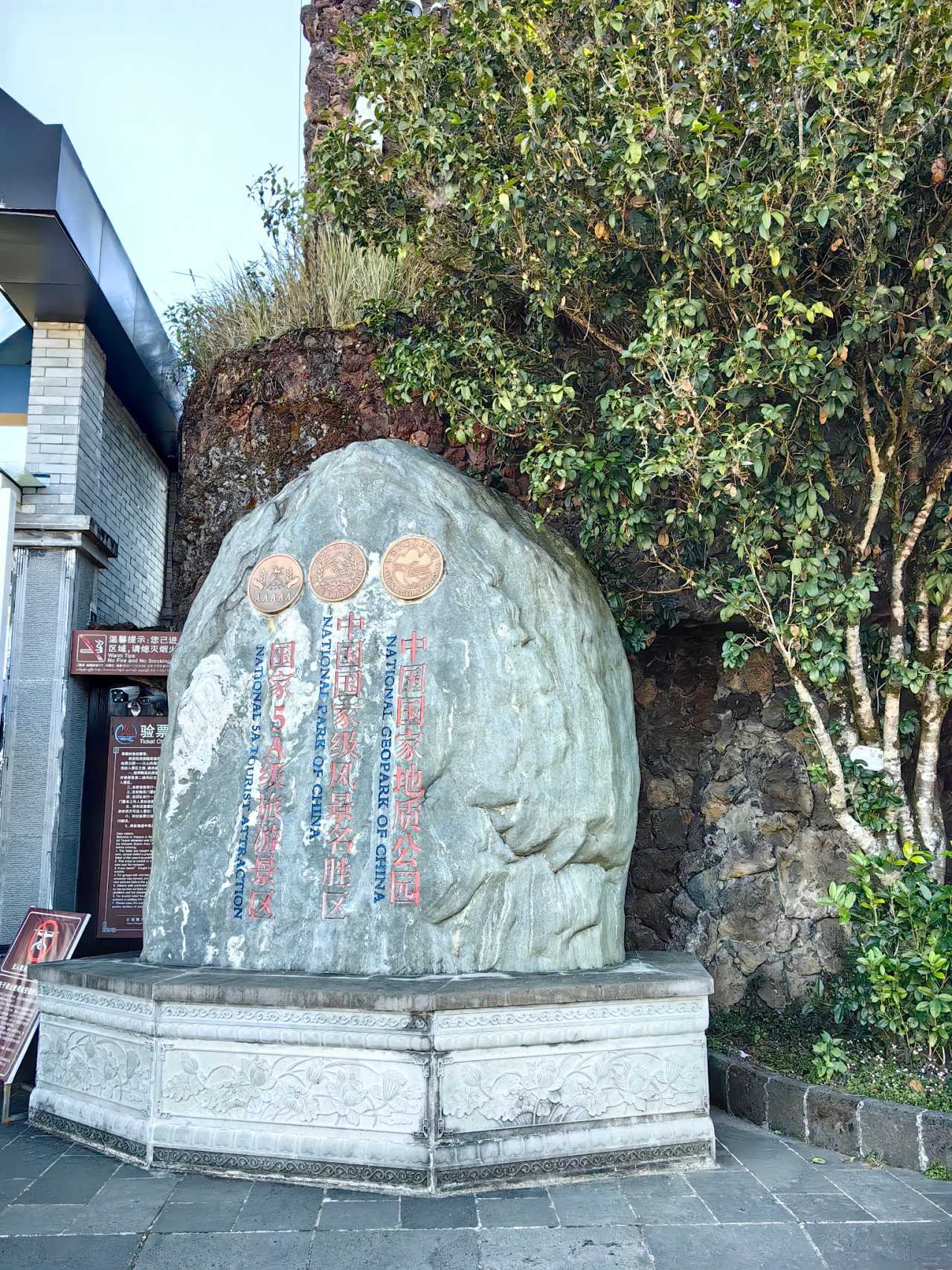
- Nov 23: Tengchong Volcano Geopark → Ginkgo Village → Beihai Wetland
- Nov 24: Gaoligong Mountain hike
- Nov 25: Rehai Grand Boiling Pot → Simola Village → Heshun Ancient Town
- Nov 26: Tengchong → Ruili → Mangshi
- Nov 27: Golden Pagoda & Silver Pagoda → Leiyarang Bookstore → Dai Ethnic Ancient Town
- Nov 28: Bingwu Street → Best Food Court → Ahe Coffee → New Factory Night Market
Day 1: First Impressions of Tengchong — A Border Town of Hot and Cold
Tengchong's Weather: Four Seasons in One Day
The temperature swings in Tengchong are the kind that make you question, "Where am I?" Wearing a padded jacket in the morning is no exaggeration, while by noon a single layer is enough. The wind is strong, the sun isn't harsh, but you still feel cold when sitting still. As a northerner who hates the cold, my honest advice: dress warmly and don't try to tough it out.
Coconut Fragrance Café (椰香缘): The Gentleness of an Avocado Smoothie
This place is repeatedly recommended on Xiaohongshu and Dianping. Located next to a school, the prices are heartwarmingly affordable. The avocado smoothie is rich and creamy, slightly sweet without being cloying. The original "Paoluda" (泡鲁达) — a Yunnan-style coconut drink with crunchy bread chunks and assorted toppings — keeps you reaching for more. The only small downside: when it's busy, orders take a while, so you'll need some patience.
Little Brother Yang's Dry Pot Beef Hotpot (小杨哥干锅铜瓢牛肉): A Rice-Devouring Wonder
When the dry pot beef hotpot arrived, the salty-spicy aroma hit my nose immediately — it was an absolute rice killer! The beef was tender and smooth, the "ershi" (饵丝, a type of rice noodle) delightfully chewy, and the tofu skin thick and satisfying. The set meal for two was astonishingly generous — we couldn't finish it. Adding broth to cook side dishes at the end gave it a whole new flavor.
Day 2: Volcanoes, Ginkgo Trees, and Wetlands — Three Faces of Tengchong
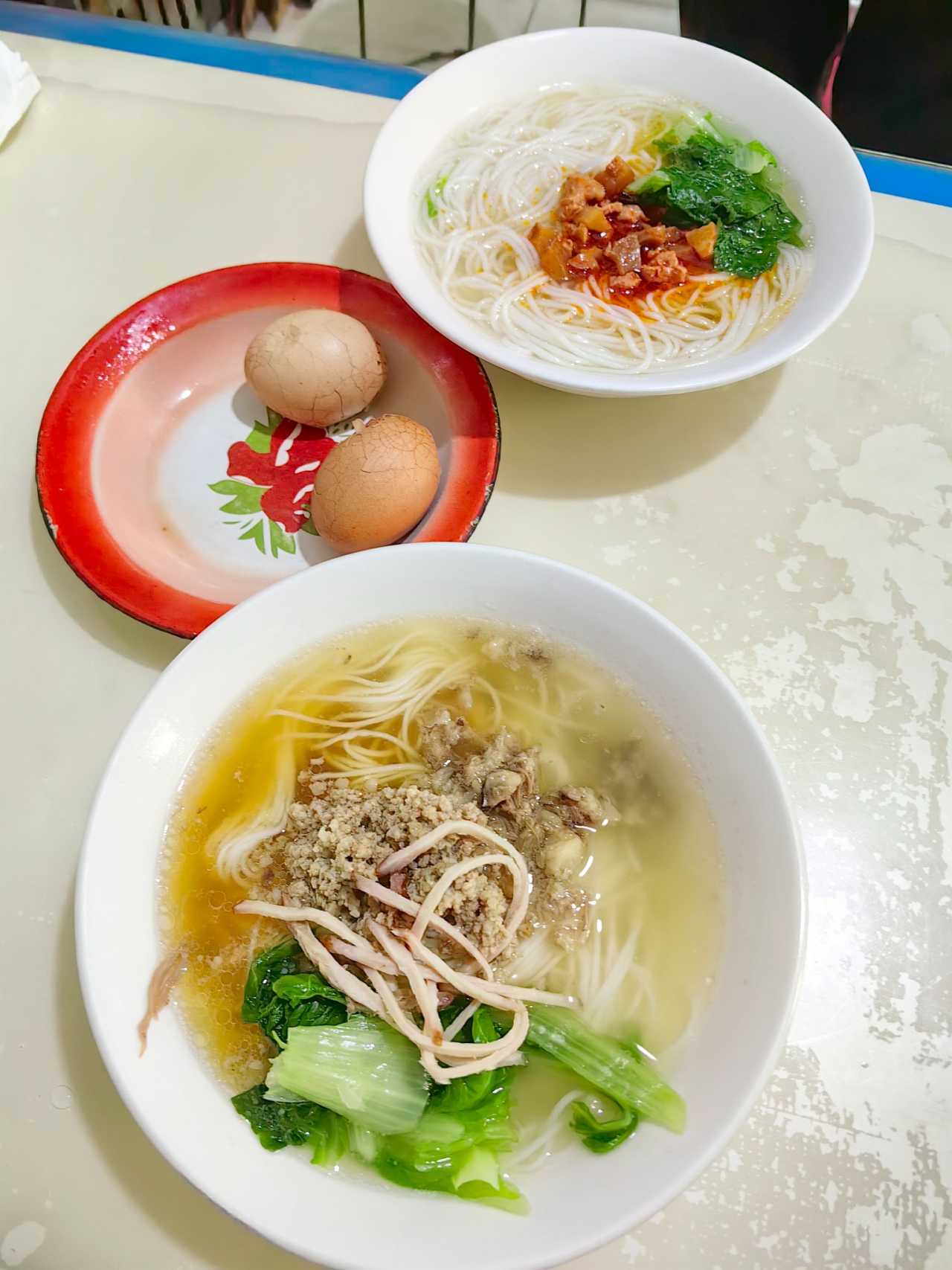
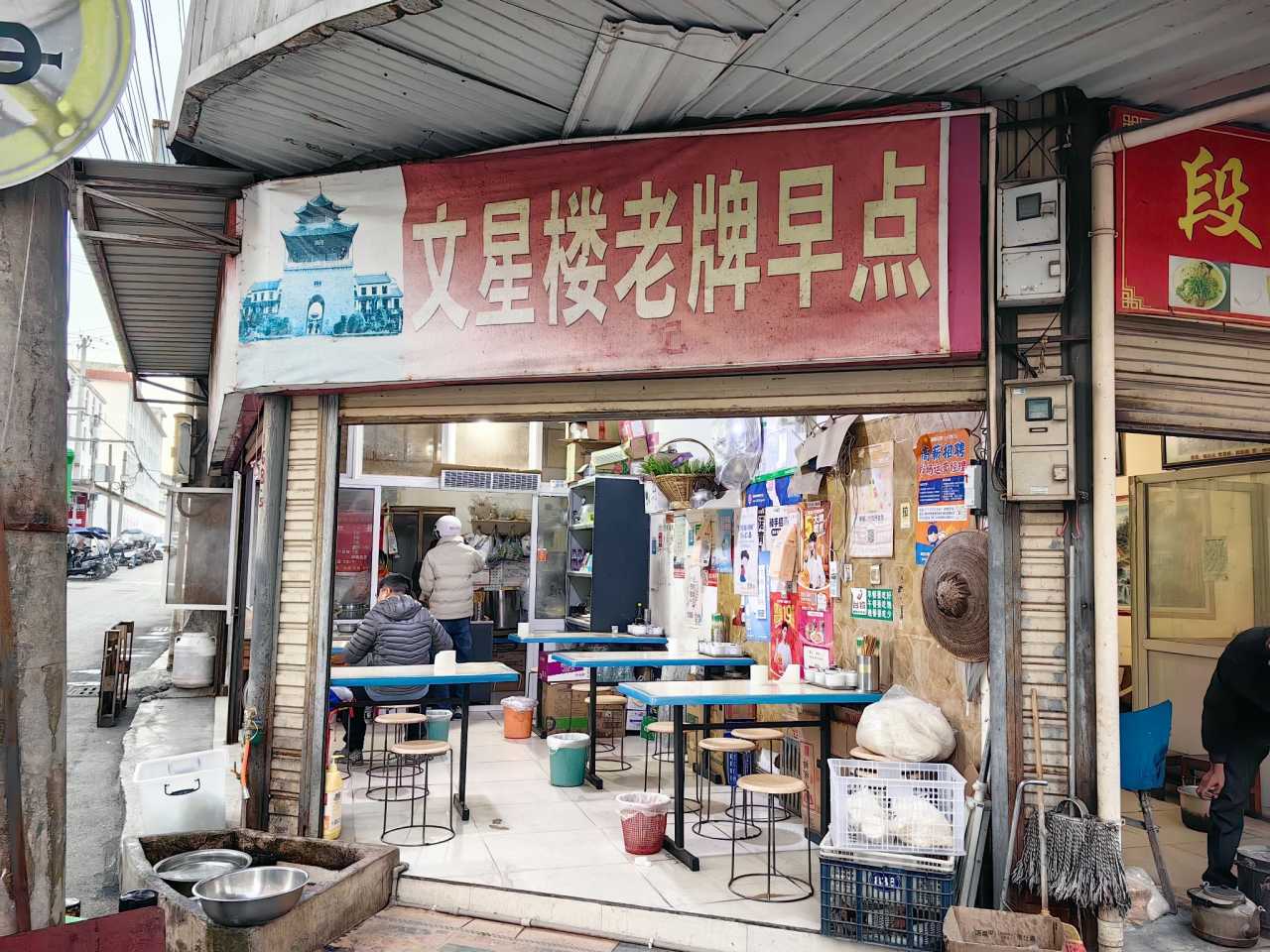
Wenxinglou Old-School Breakfast Shop (文兴楼老牌早餐店): Morning Warmth
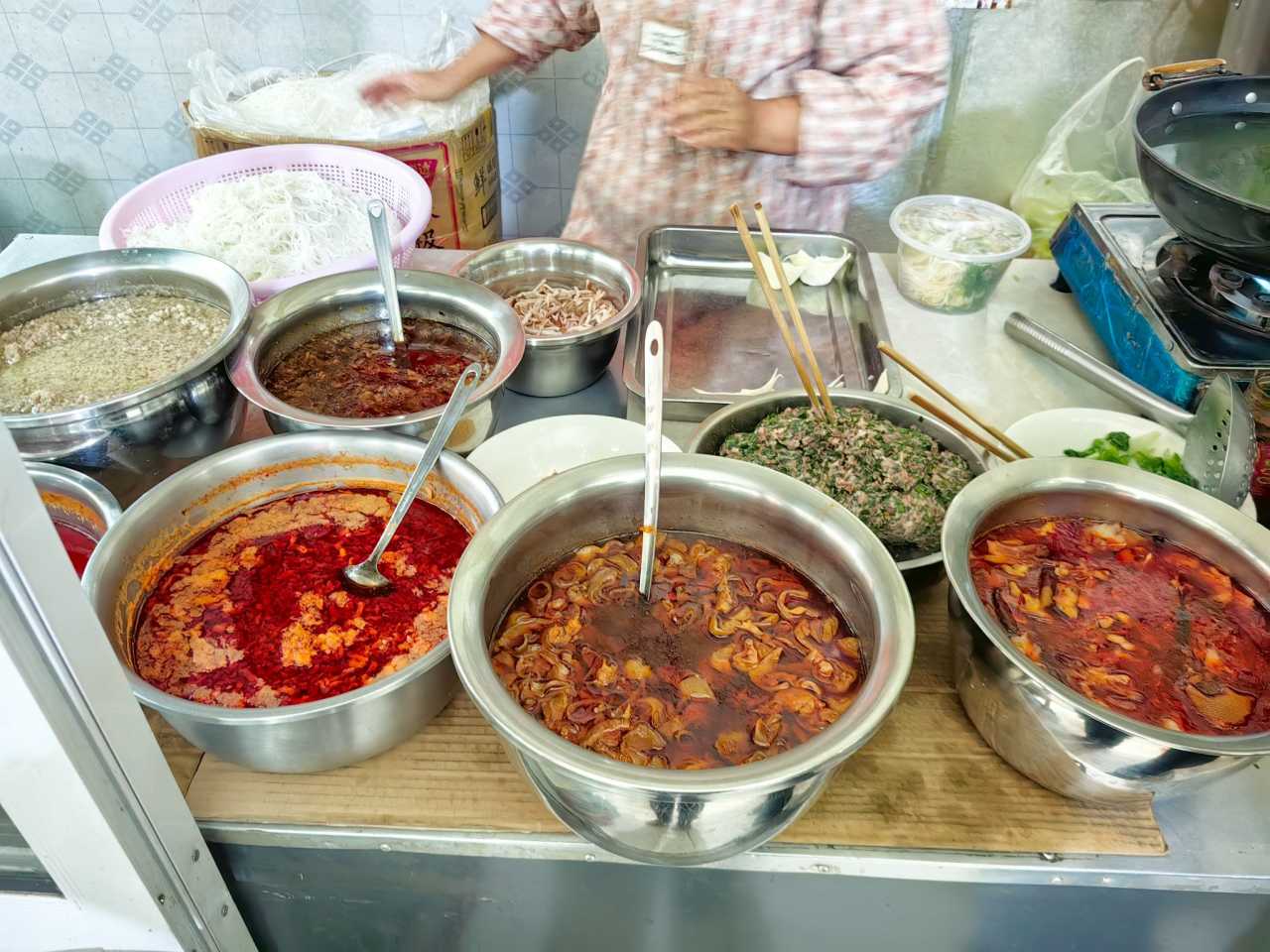
The shop is tiny, and it opens ridiculously early (6:30 or 7:00 AM). Rice noodles and "ershi" are the specialties — the clear broth is savory, while the braised version is rich and hearty. Add a bit of pickled vegetables to adjust the flavor, and one bite wakes you right up. A reminder: it's cold in the morning, so dress warmly before heading out.
Tengchong Volcano Geopark: A Sea of Clouds from a Hot Air Balloon
This is the only place in China where you can ride a hot air balloon, and it's absolutely worth the ticket price. The ticket costs 330 RMB — your driver might be able to get it a bit cheaper. The balloon rises steadily, reaching a maximum height of 200 meters. Looking down at Big Empty Mountain (大空山), Little Empty Mountain (小空山), and the sea of clouds in the distance, the view is like a painting. There are six balloons in total, and the best photos come when they're flying at different heights. Go early in the morning for fewer crowds and better scenery.
Ginkgo Village (银杏村): Yellow Leaves Haven't Arrived, But the Crowds Have
This year had too much rain, so the ginkgo leaves barely turned yellow. The commercialization is heavy, but the freedom is a plus — buy a ticket, wander around, and find spots you like for photos. There's a photographer charging 10 RMB per photo, editing on the spot and delivering polished images — great value.
Ginkgo cookies are worth trying, available in sweet and savory varieties, with the lightly sweet ones being the best. No preservatives, short shelf life — if you're giving them as gifts, buy the boxed set. The little pine nuts are wonderfully fragrant, and snacking your way through the village can kill half a day.
Ginkgo Chicken Stew: The Satisfaction of a Farmhouse Meal
We found a farmhouse restaurant in Ginkgo Village with a great deal on a set meal. The ginkgo chicken stew had a savory broth and tender meat — the portion for two was so big we couldn't finish it. The fried ribs were salty, spicy, and aromatic, the greens were refreshing, and the chayote (佛手瓜)... well, it wasn't really my thing.
Beihai Wetland: A Missed Opportunity, But You Still Want to Go
The wetland is vast with abundant vegetation, but not many birds. All nine activities are charged separately, and the package deals are confusing. I recommend the bamboo raft — it's relaxing. The grass raft? You have to paddle yourself, and it's tiring. The "Mirror of the Sky" photo spot? It's a man-made setup — totally unnecessary.
The sun is harshest in the afternoon around 3 or 4 PM, and you'll be exhausted from walking. I suggest going in the evening, when the water shimmers under the setting sun — much more pleasant.
Wenxing Tower (文星楼): A Free City Gate and a Hit-or-Miss Pedestrian Street
Wenxing Tower is free to enter — you can go up and have a look. The pedestrian street in front only gets lively at night, mostly with vegetable vendors and not many food stalls. It's not worth a special trip, but it's fine to pass through if you're in the area.
Alley Tea House (巷子茶铺): A Surprise from Yunnan's Local Tea Brand
This is a local Yunnan milk tea brand with a fresh, modern setup and fast service. I tried a drink that tasted like a refreshing version of sour plum soup — the combination of preserved plums and lemon was both palate-cleansing and appetite-stimulating.
Zheng's Bean Jelly (郑记豆粉): 5 RMB of Pure Happiness
It opens at 6:30 PM. Small bowl for 5 RMB, large for 6 RMB, with 2 RMB for extra toppings. The bean jelly is rich and creamy — a bit heavy toward the end — but adding fried dough sticks made me fall in love with it. If you like mashed potatoes, you'll probably love this too.
Day 3: Gaoligong Mountain Hike — My First Time in a Pristine Forest
A Hiking First: 5 Kilometers of Freshness
For someone like me who had never hiked before, Gaoligong Mountain was the perfect definition of "pristine forest." The 5-kilometer route is very manageable for those with average fitness — just push through and you'll finish. Our guide took us to buy "liberation shoes" (解放鞋, traditional canvas sneakers) — optional but highly recommended. They're slip-resistant and durable, and you can throw them away after without regret. The jungle is all mud and branches — wearing your own shoes would truly hurt.
We spotted some little furry creatures (small animals) — not many, but cute. The whole hike took about 3 hours. No bugs, no leeches. It was a bit cold at the start, but afterward, everything was great.
Farmhouse Lunch: Roasted Pork Ribs That Were Out of This World
After the hike, we ate at a farmhouse restaurant at the foot of the mountain. The roasted pork ribs were so fragrant they sent my soul to heaven! Stir-fried porcini mushrooms (炒牛肝菌) were savory and perfect with rice. The chicken soup warmed the body, fried potatoes dipped in chili powder were incredibly aromatic, and the cold salad with "zhe'ergen" (折耳根, houttuynia cordata) and cucumber was refreshing — the thing about zhe'ergen is that if you don't chew it thoroughly, it has no taste. Strange but fascinating.
Hot Spring Foot Soak: The Perfect Ending
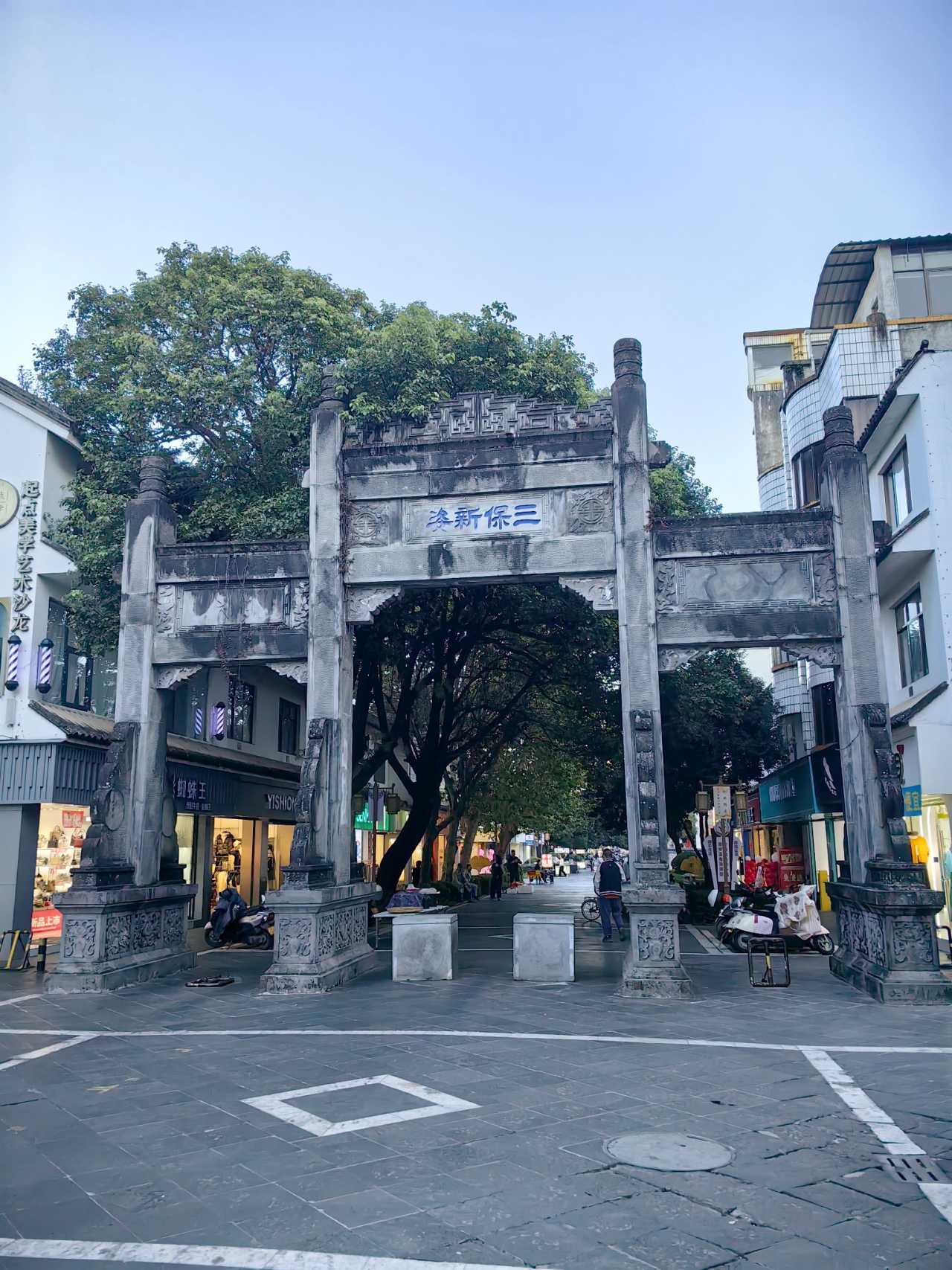
After eating and drinking our fill, we went to the hot springs at the foot of the mountain for a foot soak. Pure bliss.
Day 4: Rehai, Simola, and Heshun — The Lively Charm of Tengchong
Sister Zhao's Pot Rice Noodles (赵姐罐罐米线): Is 80 RMB for Yellow Beef Worth It?
The breakfast shop was bustling — if you arrive late, there's no place to sit. The pot rice noodles are the signature dish. The regular version is 20 RMB, while the one with yellow beef is 80 RMB (half a catty of beef). The broth was fresh, the rice noodles were thin and delicate — one bowl in the early morning warms you to the core. The fried dough sticks and steamed buns were average, so don't expect much.
Rehai Grand Boiling Pot (热海大滚锅): Steaming Eggs
Eggs cost 5 RMB for four at the entrance, or 2 RMB each on the mountain — they'll steam them for free. The ticket includes the electric cart ride. You can walk if you want, or ride to the second stop and only climb the short section to the Grand Boiling Pot. The water is clear with massive steam clouds and extremely hot — just look, don't touch.
Simola Village (司莫拉): A Village with No Entry Fee
The village isn't big. If you drive yourself, you can go straight to the viewing platform without buying an electric cart ticket. It's fully commercialized, with fruit stalls — the quality is decent. You can check out the folk culture displays. No entry fee.
Heshun Ancient Town (和顺古镇): Ancestral Halls, a Library, and Coffee Shops
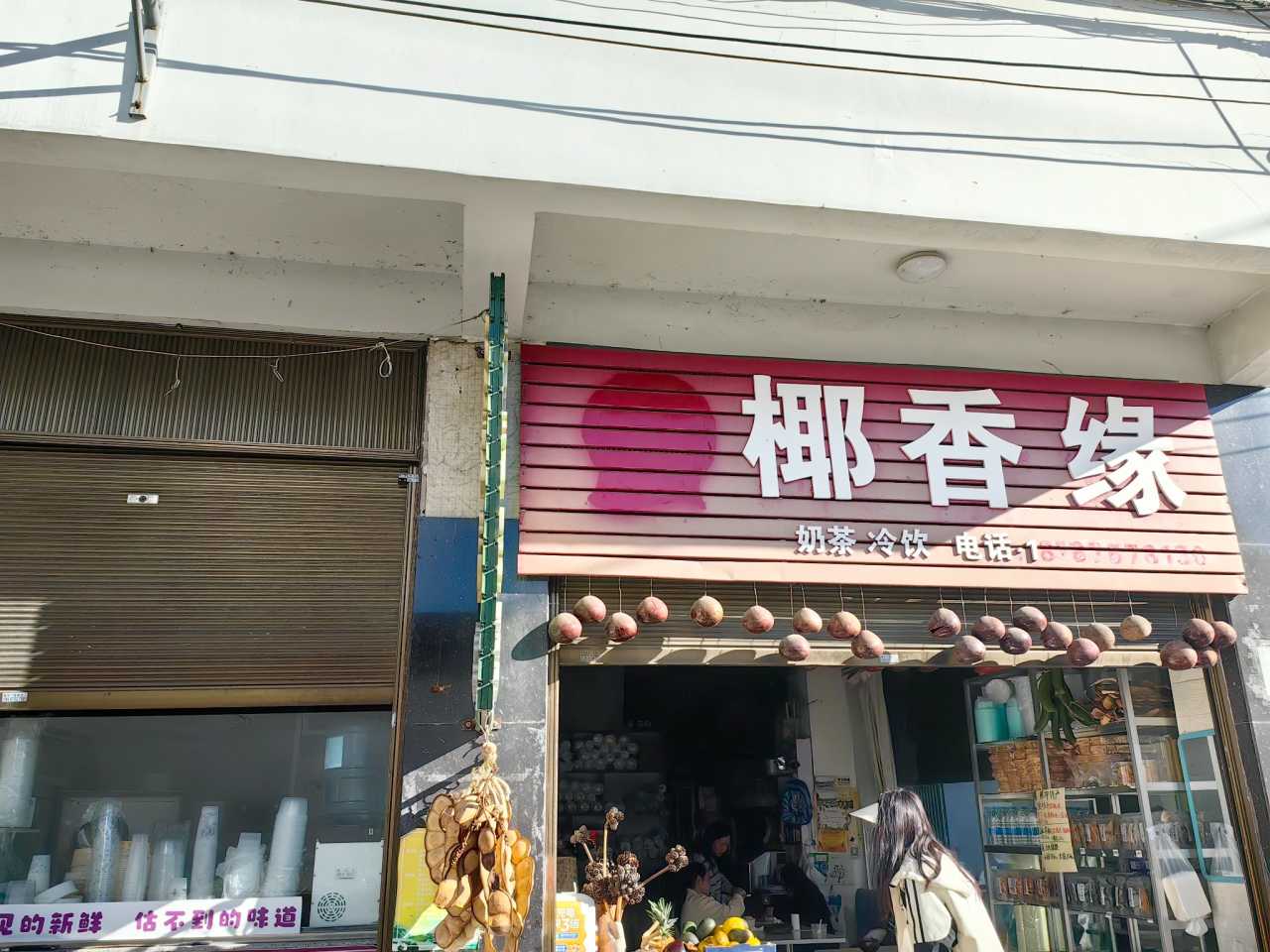
The ancient town is large, with scattered attractions — if you're walking, you'll have to pick and choose. Visiting one or two ancestral halls is enough; they're all pretty similar. The library only opens its outer newspaper and magazine area — you can finish in 5 minutes. Most attractions need a guide's explanation; otherwise, you're just skimming the surface.
Dao Yi Coffee (道壹咖啡): Yuzu Latte and Wild Duck Lake
This coffee shop is set inside a Taoist temple. The yuzu latte was unexpectedly delicious. From the courtyard, you can overlook Wild Duck Lake (野鸭湖) — on a nice day, you could sit there all afternoon.
Jun Heshun (菌和顺): The Moment When Mushroom Hotpot and Fried Rice Became Legendary
How can you visit Yunnan without eating mushrooms? This restaurant is at the entrance of the ancient town. Eating on the second floor, a cool breeze flows through. The mushroom hotpot was tender and fresh — cooking vegetables in it added a unique flavor. The mushroom fried rice — special mention here! It looked dry, but tasted amazing. Not greasy, not heavy — we finished an entire small pot. The service was excellent. Highly recommended!
Uncle Beef (姑爷牛肉): 150 RMB per Catty of Fresh Beef Jerky
Fresh beef jerky at 150 RMB per catty — you can try it before buying. It's wonderfully fragrant. Back home, it sells for 180 RMB, so this is a fair price.
Street-Side BBQ: Grilled Fish and Zucchini Were Surprisingly Good
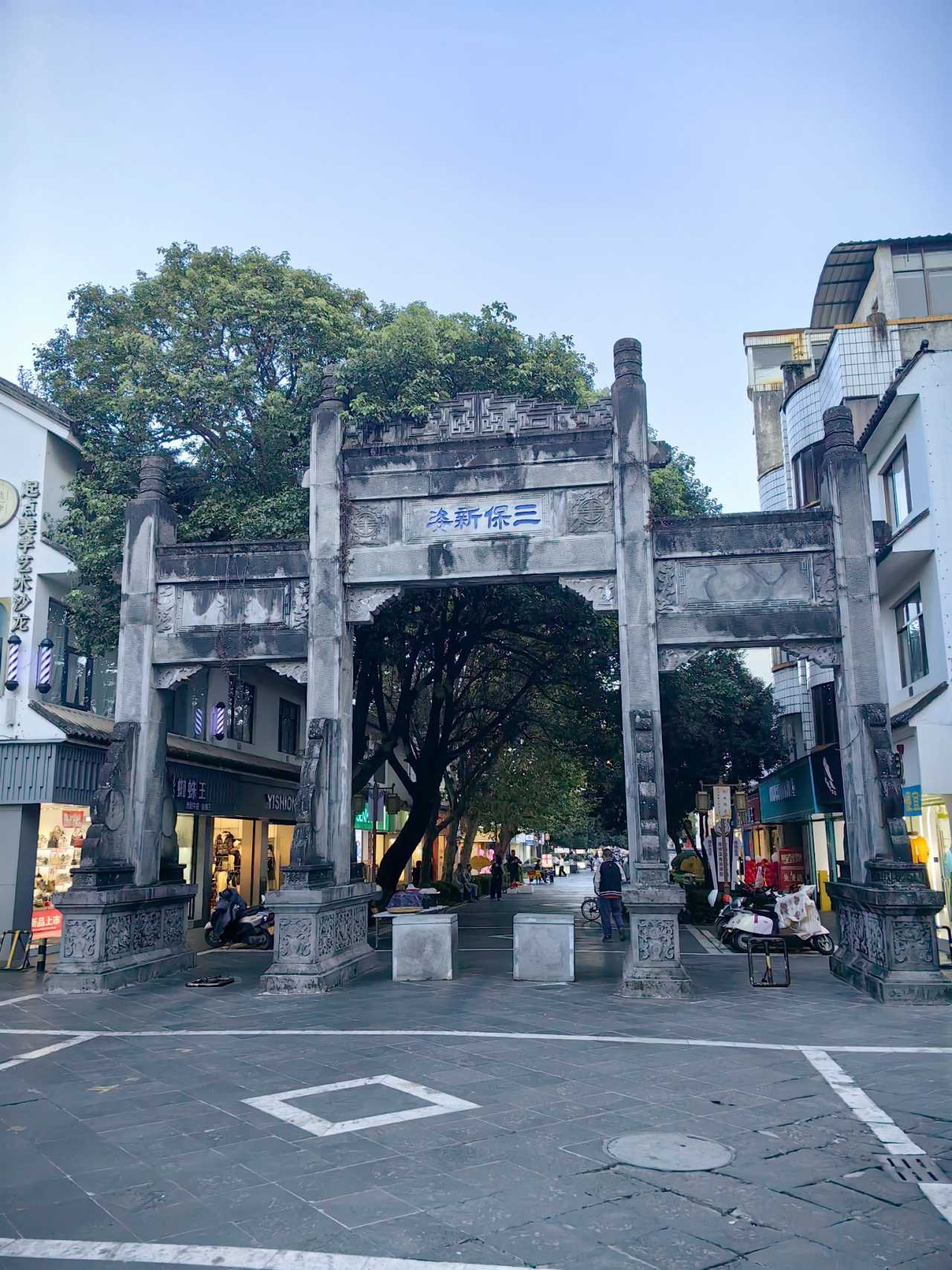
We found a small BBQ stall in the evening. The grilled fish and grilled zucchini stood out, and the tofu and beef were decent. The rice cakes were average, and the grilled stuffed lotus root was just okay.
Stuffed Tofu (包浆豆腐): 10 RMB for Savory Goodness
The flavor was good, but a bit too salty. The mixed platter was actually milder, but the potatoes were undercooked, and the beans and zucchini were half-raw — not my thing.
Day 5: Tengchong → Ruili → Mangshi — The Surreal Reality of the Border
Ruili: A Border Town You Can See in a Day
There's no need to stay overnight in Ruili — the main attractions can be done in a single day. The "One Village, Two Countries" (一寨两国) and "Single Tree Forest" (独树成林) have a combined ticket that's more affordable. One Village, Two Countries takes half an hour to explore — there are Burmese people selling things from behind the fence, which feels surreal. Single Tree Forest is even smaller, but the giant banyan tree is awe-inspiring. At Jiegao Port (姐告口岸), just take a photo from a distance — nearby shops sell Thai and Burmese products, worth a browse.
Hougu Coffee Base (后谷咖啡基地): Free Tasting
The base is large, with staff on hand to assist. You can try any beans you're interested in. The roasts tend to be on the darker side, with many acidic flavor profiles. I couldn't compare prices, but it's a good place for gifts or coffee enthusiasts.
Menghuan Dai Family Restaurant (勐焕傣家): A Mix of Guesthouse and Restaurant

Dinner starts at 5:30 PM — arriving early still works. The service was average, but the set meal was good value. The lemongrass grilled fish was ordinary, the stir-fried meat with lemongrass was mildly spicy and great with rice, and the "old lady's fried potatoes" (老奶炸洋芋, mashed potato fritters) were my personal favorite.
Tree-Wrapped Pagoda, Bodhi Temple, and Bodhi Street (树包塔、菩提寺、菩提街): A Leisurely Stroll
These spots are close to each other. The Tree-Wrapped Pagoda, with its incredible resilience, is truly awe-inspiring.
Hongli Market (宏利市场): The Lively Charm of a Wet Market
Buy some fruit and seasonings here — just a quick stop to look around.
Day 6: Golden Pagoda, Silver Pagoda, Leiyarang Bookstore, and Dai Ancient Town — The Soul of Mangshi
Golden Pagoda and Silver Pagoda (金塔银塔): Faith and Photo Opportunities
The Golden Pagoda and Silver Pagoda have separate tickets, but they're not far apart. The Silver Pagoda is more photogenic, with a mirror platform for photos — expect to queue. The Golden Pagoda allows you to enter and pray — remove your shoes. The surrounding small Buddha statues are quite dusty.
Leiyarang Bookstore (雷牙让书店): Wind Chimes and Words
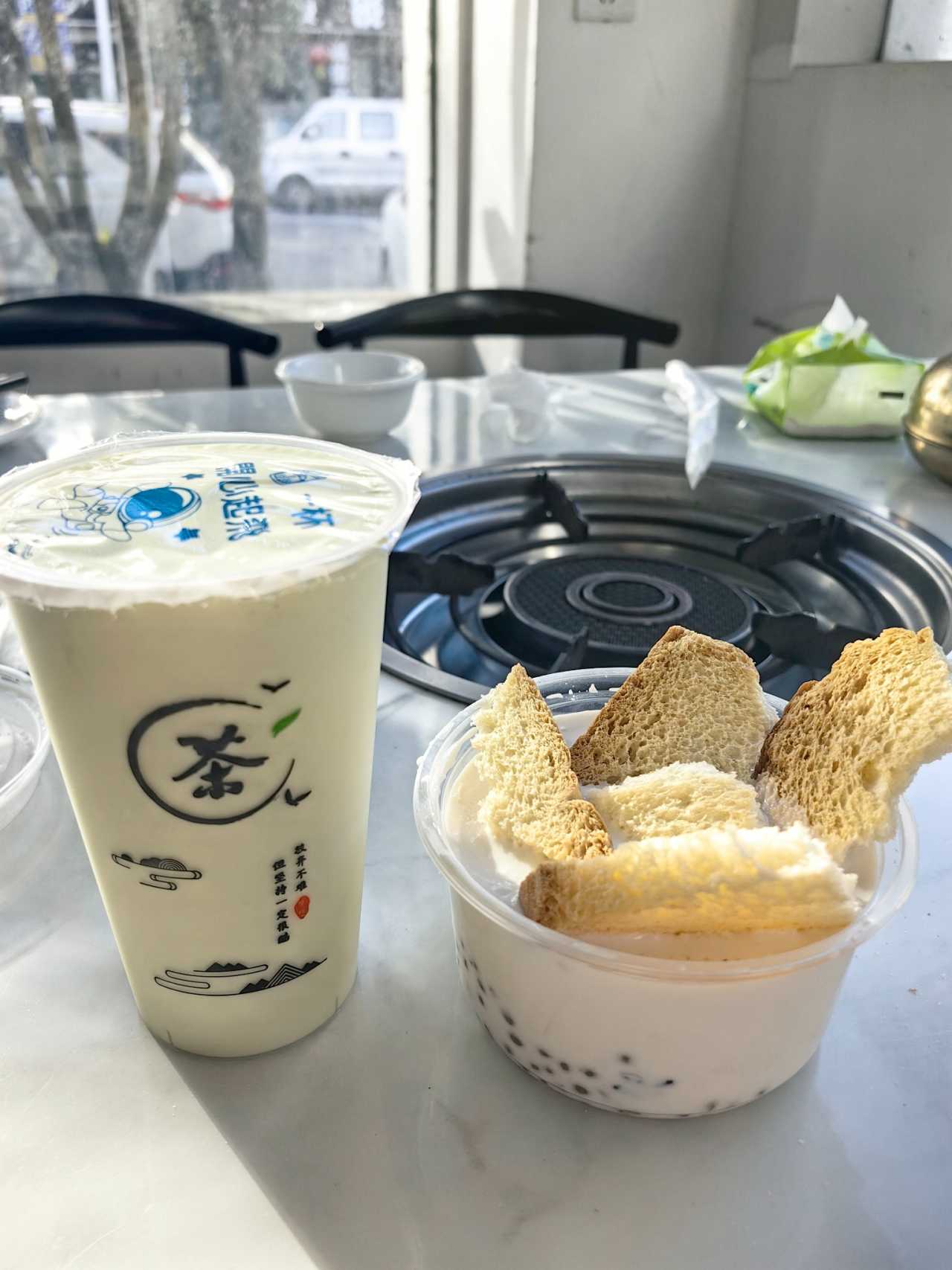
The bookstore has three floors: the first for photos, the second for reading in a loft (remove shoes), and the third for a viewing terrace. The loft windows and floor-to-ceiling windows offer different views. On the central table, there's a notebook for visitors to leave their thoughts. Flipping through the fragments of others' words, with wind chimes tinkling in the background, my heart suddenly felt still — it brought tears to my eyes. I tried the De'ang sour tea (德昂酸茶) — refreshing and not bitter.
Zhang Bian Fruit Drinks (张变果饮): A Reunion with Avocado Smoothie
I had it again in Dai Ancient Town. The avocado smoothie and mango juice were thick and not overly sweet — and very filling.
Half Dai, Not Dai (半傣不傣): Warm Host, Amazing Clay Pot Fish
The clay pot fish (catfish) is from the owner's own farm — fresh, mildly spicy, and perfect with rice. There were plenty of spicy vegetable dishes, and the Burmese-style fried pancake (缅甸甩粑粑) was warm and delicious!
Dai Ancient Town (傣族古镇): Bustling After Dark
It's a purely commercial street. It looks great after dark when the lights come on, but it's deserted during the day. You can eat here, but it's not great for shopping. In the evening, there are plenty of stalls, and restaurants have performances — it's lively.
New Factory Night Market (新玩厂夜市): Mangshi's Biggest Night Market
Lots of stalls, heavy foot traffic, tasty and affordable — perfect for photos and check-ins.
Day 7: Bingwu Street, Best Food Court, and Ahe Coffee — Our Last Day in Mangshi
Bingwu Street Clothing Market (丙午街服装市场): A Treasure Hunt for Dai Clothing
This market sells clothes and shoes — prices are reasonable, but quality is average. It's good for buying Dai ethnic clothing for photos or if you enjoy treasure hunting. The bamboo-woven shops are easy to find, and the bags are decent quality — great for photos, but hard to bring home.
Best Food Court (百思特美食城): A Gathering of Old Names
It's not big — about a dozen stalls, half of which are drink shops. Old names like Gan Ying Chicken Feet (甘英鸡爪) and Gan Lao Nai (甘老奶) let you sample multiple classics in one go. The lemongrass lemon tea was delicious!
Ahe Coffee (阿喝咖啡): The Gentleness of a Buffalo Milk Dirty
Great atmosphere, plenty of seating, and a wide variety of coffee. The buffalo milk dirty was excellent. It was fairly busy but not noisy. They also sell文创 products (cultural creative items) and ethnic accessories — quite interesting.
Second Visit to New Factory Night Market: Come on an Empty Stomach
The "han tofu" (憨豆腐) was average, the BBQ was ordinary, the sour pickled fruits (酸嘢) were too sour (sour papaya and green mango made my teeth ache), and the glutinous rice cakes (糯叽叽) were mildly sweet.
The Fried Pancake Stall (甩粑粑摊子): A Perfect Ending
A young man's fried pancake stall at the street corner opposite Dai Ancient Town was exceptionally delicious! Ending our Mangshi trip with this perfect pancake was... well, perfect.
Bonus: The Kunming Airport Trio
Netizens recommend a "Kunming Airport Trio": milk tea + ice cream + Kunming Traditional Chinese Medicine (昆中药). Changshui Airport has fast security checks, but if you're boarding from the satellite terminal, arrive early. We were short on time, so we only managed to grab a drink from "Shangshan Hecha" (上山喝茶, near the security checkpoint). The Dianhong (Yunnan black tea) latte had a light tea fragrance and was delicious. The toffee nut flavor had a five out of ten sweetness level.
Accommodation Recommendations: From Guesthouses to Atour
- Nanjing Lukou Airport Guesthouse: Cheap and clean, with airport transfers. Soundproofing is average, but great value.
- Tengchong Pingqi Boutique Hotel (腾冲平旗精品酒店): Clean, fast air conditioning, but noisy hallways. Small parking lot.
- Heshun Ancient Town Shuxi Inn (和顺古镇蜀禧客栈): Great location, but wooden construction means poor soundproofing. Friendly staff, but there were bugs.
- Mangshi Linying Lanshe (芒市林影岚舍): Remote location, noisy due to proximity to the road. The smart home features weren't very smart. Not recommended.
- Fanyin Smart Beauty Stay (梵隐智能美宿): Great location, clean and comfortable. Recommended.
- Kunming Atour Hotel (昆明亚朵): New, close to the airport, with convenient shuttle service. The pillows were very comfortable.
Conclusion: Live Well in the Last Month of 2025
After the trip, 2025 is nearing its end. This year has been busy — chased by life, with no time to think. But the days have still passed normally.
So, what's another day?
In the last month of 2025, let's live well, as always. After all, we all need a place "without a ceiling" to let our hearts breathe.
You should also read:
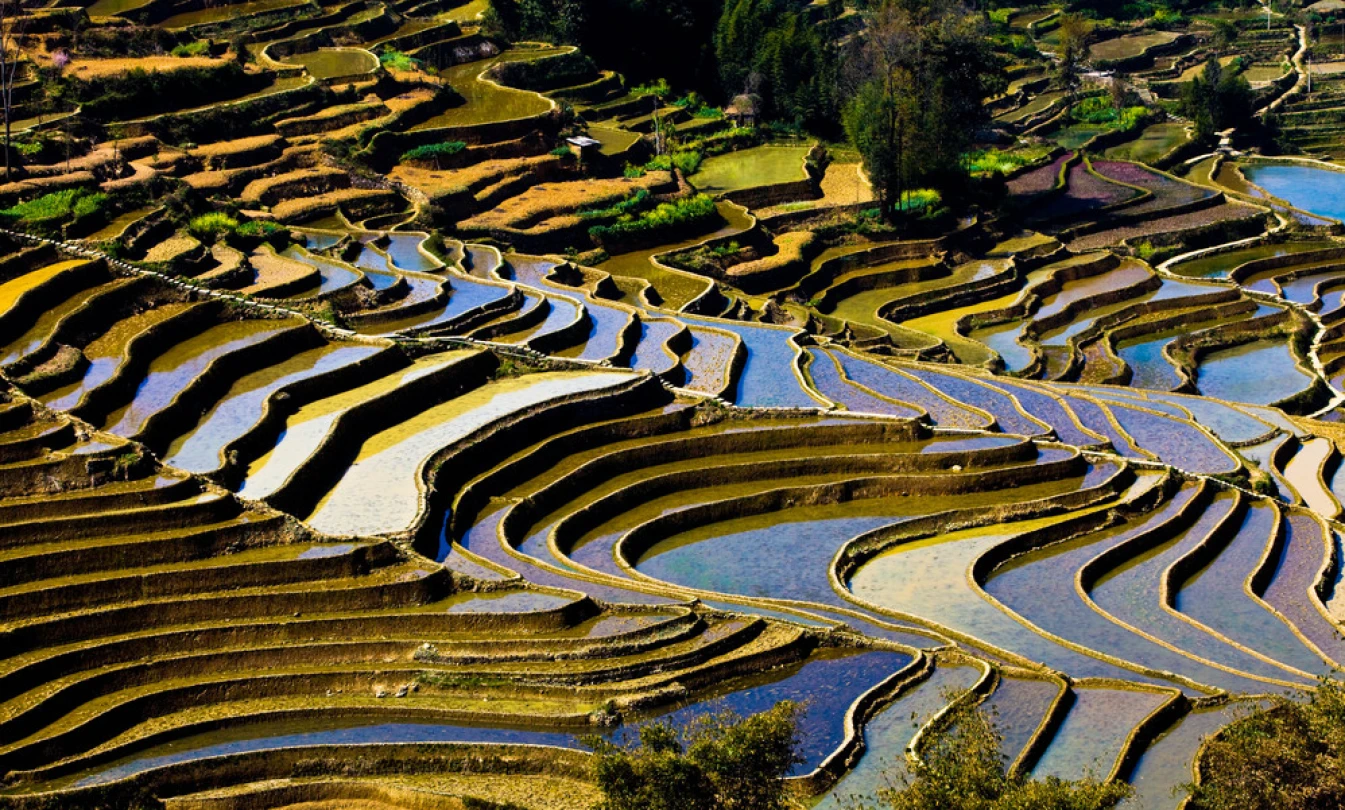
Fly to Yuanyang! — A Complete Photography Guide
Fly to Yuanyang! — A Complete Photography Guide A Spontaneous Photography Journey Every year after the Spring Festival, airfare to Kunming hits its lowest point. This year, the holiday came unusually early, and February is precisely the most captivating season for the Yuanyang rice terraces.
Continue reading...
Xishuangbanna Self-Drive Tour: Into the Tropical Wonderland at the Edge of the Sky (Complete Guide)
Xishuangbanna Self-Drive Tour: Into the Tropical Wonderland at the Edge of the Sky (Complete Guide) Introduction: A Dream Fulfilled Thirty Years Early Some journeys are destined to happen at a specific moment in time. For me, a self-drive trip to Xishuangbanna was originally the first…
Continue reading...
A 9-Day Yunnan Journey: From Lijiang to Dali to Tengchong – A Trip Toward Self-Reconciliation
A 9-Day Yunnan Journey: From Lijiang to Dali to Tengchong – A Trip Toward Self-Reconciliation Some say travel is simply going from a place you're tired of to a place other people are tired of. It stings to hear, but it's painfully true. Yet there's…
Continue reading...