Going to Dali: From the Ancient City to Erhai Lake, May Warmth Remain as Before

Going to Dali: From the Ancient City to Erhai Lake, May Warmth Remain as Before
Everyone has a Dali hidden in their heart. Some come for the wind, flowers, snow, and moon; others linger for the Cangshan Mountains and Erhai Lake. But for me, I keep returning, as if keeping an appointment with old times.
Over the years, I've traveled to many places, but Dali has always been an exception. It's not as delicate as Lijiang, where you feel the need to tiptoe around, nor as remote as Shangri-La, requiring a certain courage to reach. Dali is gentle, like a perfectly brewed cup of tea—neither too hot nor too cold to the heart. From the first time I set foot on this land in 2015, I knew my story with Dali would never be just a one-time affair.
Wind Rises in the Ancient City: Dali's Tenderness and Tenacity
Playing with Light and Shadow in the Ancient City

Dali Ancient City, once the political, economic, and cultural center of Yunnan during the Tang and Song dynasties, still retains its unique charm today. People say the scenery in Dali during March is the finest, and they're not wrong. Every March and April, cherry blossoms bloom all the way from Dali University into the ancient city, as if the entire town has been painted with a soft, pink tenderness.
That cherry blossom tree in front of Wuhua Tower is something I always pause to admire. By day, Fuxing Road bustles with people; when night falls, the blossoms glow enchantingly under the lights. The ancient city has four gates: South Gate, North Gate, Cangshan Gate, and Erhai Gate. South Gate holds special meaning for me—it was where I first stepped into Dali.
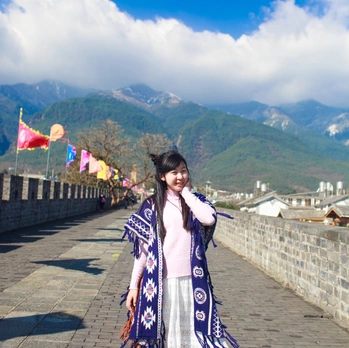
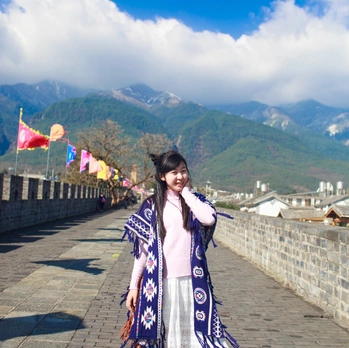
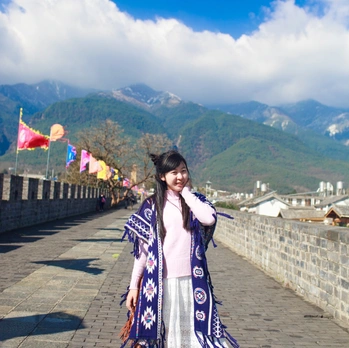
At dawn, the South Gate city wall is nearly empty. Spring is Dali's windy season, and the morning gusts can knock you sideways. In March 2017, my friend Belle and I got up early and ran up to the wall to take photos. The light was soft and perfect; the wind messed up our hair, but we laughed with pure joy. In that moment, I finally understood those words: the refreshing wind in the mountains, the warm light in the ancient city.
The Lively Charm of Renmin Road
Compared to Lijiang, Dali feels more like a living, breathing place. Among all the streets in the ancient city, Renmin Road is my favorite. It's lined with shops and cafés run by passionate owners, each with its own story. Walking along, you might spot students in uniforms cycling by—a scene that inevitably stirs memories of your own youth.
On Renmin Road, there's also a unique Catholic church, first built in 1927. The first time I saw it, I was amazed to find it incorporates Bai ethnic architectural style. Taking a photo in front of this church, with its strong local character, has become a ritual every time I visit Dali.
Down the alleyways, Bai grandmothers slowly pedal their tricycles past, while blue-and-white tie-dye fabrics hang from the walls. These seemingly ordinary scenes are, to me, the most authentic Dali.
Staying in a Bai Courtyard

My first stay in Dali Ancient City was in a guesthouse converted from a traditional Bai courtyard. It rained for days, and Belle and I had nothing to do but take photos in the yard. Looking back at those pictures now, although my face was rounder than today, it was full of youthful glow—a state I can't help but miss.
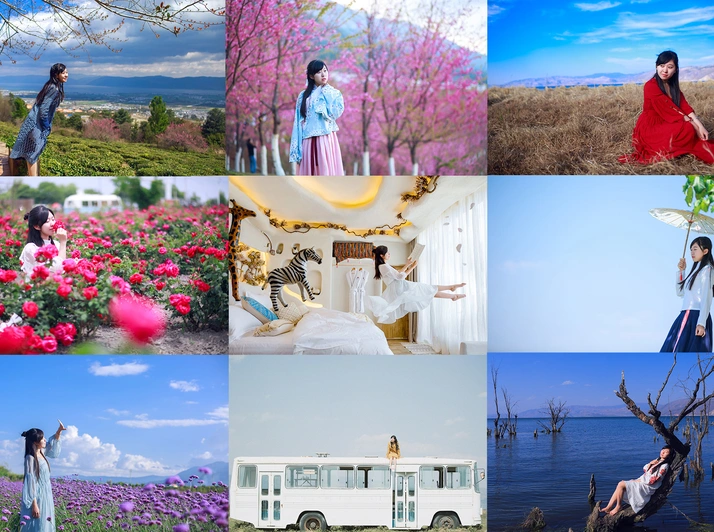
I've stayed in many inns and guesthouses in Dali since, but my favorite remains one in the ancient city called "Tinghuatang Dali Fengxue Gucheng" (Listening to Flowers, Wind, Snow, and Ancient City). It has a large garden and a signature wooden rocking horse. In the morning, I'd sway on the swing, surrounded by purple roses in full bloom, and my heart would instantly relax. Once, I even tried floating photography—since the hotel had a cave-like design, I came up with the idea on the spot, and the results were surprisingly stunning.
Flowers Never End: An Obsession from Cherry Blossoms to Roses
Cherry Blossom Season at Dali University
In March 2015, a week after I left Dali, my social media feed exploded with photos of cherry blossoms at Dali University. I silently regretted missing them. Later, sitting by the Aegean Sea in Turkey, someone asked me what I wanted to do in the future. I said I wanted to be a teacher at Dali University. He laughed and said the cherry blossoms there in March were incredibly beautiful.

That comment planted a seed in my heart. Finally, in March 2017, I embarked on that cherry blossom journey.
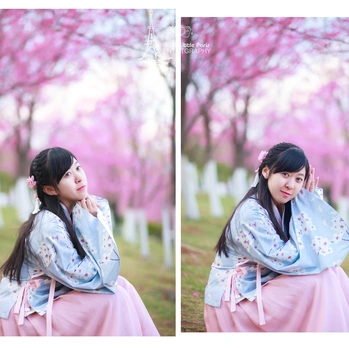
The cherry blossoms at Dali University belong to the rose family and are exceptionally vibrant. On my first visit, I deliberately wore a backpack, pretending I was still a student. Later, on a sunny day, I wore a pink Hanfu (traditional Chinese dress) for a cherry blossom photoshoot. On campus that day, we ran into two local photographers, who later became my good friends in Dali.
On my second visit, we stayed until dark. Sitting on the hillside, listening to a guitarist playing on campus, feeling the wind from Cangshan, and gazing at Erhai Lake in the distance—I thought to myself, Dali University is truly beautiful.
In early April, I went again, catching the tail end of the blooming season. The sun was so strong that an afternoon was enough to get you tanned. I wore a biker jacket and took photos under the cherry trees. A friend called it "Cherry Blossom Biker Girl Professor Paris." The clouds that day were especially lovely, and the cherry blossoms glowed red under the sunlight. Some petals had already fallen, but those still blooming were so beautiful I couldn't bear to leave.
Flower Fields in Caicun Village
Caicun Village, located along the West Erhai Ring Road, is the closest spot on the western shore to the ancient city. There are many flower fields here, and you can enter for just 10 yuan. My first visit was in September 2017, and the weather was unbelievably good. Purple verbena swayed in the sunlight, with the Tyndall effect over Cangshan Mountains creating a scene like a painting.
I went again in May and found another flower field. It wasn't as breathtaking as the first, but it still lifted my spirits.
Rose Garden Afternoon Tea
In Majiuyi Village on the West Erhai Ring Road, there's a rose estate called "Huaban Yisheng Rose Life Museum" (Flowers Accompany a Lifetime). Every May, the roses are at their peak. I happened to arrive on an afternoon when they were in full bloom—lucky timing.
The garden features an orange Jeep. Although my outfit that day didn't quite match, and I didn't climb on for a photo, just sitting in the garden sipping cold-brew tea and eating flower cakes made me feel blissfully happy. The owner lent me a flower basket as a prop, and with Cangshan as the backdrop, the photographer captured a set of photos I still adore.
Above Cangshan: When There's Nothing on Your Mind
The Mo Cui Teahouse on Sunny and Rainy Days
Hidden in Taoxi Valley on Cangshan is a teahouse called "Mo Cui" (Don't Rush). The first time I went, it was a cloudy, rainy day. We drank tea inside, listened to the rain, and gazed at distant Erhai Lake and the Three Pagodas. This, I thought, is what real Dali life feels like. Later, we bought raincoats and ran into the tea plantation to shoot short videos. Looking back now, I was so full of enthusiasm back then.
I liked it so much that I decided to return on a sunny day. The Mo Cui in sunshine is my favorite version of itself. Sitting in a rocking chair, soaking up the sun, watching the scenery, doing nothing at all—that's the best time. The saying "When there's nothing troubling your mind, that's the best season of life" captures that feeling perfectly.
On my third visit, I joined a half-day tour and tried my hand at tea picking. Even though I'm a "middle-aged Zen girl," I still managed to look the part. A foreign friend on the trip experienced tea processing, while I sat nearby drinking tea and taking photos. A year had passed, and the tree had grown noticeably bigger. I sat on the swing and had a photo taken from behind. Even on a cloudy day, there was beauty to be found.
Jizhao Nunnery: Most Beautiful in the Rain
Jizhao Nunnery is less a nunnery and more a garden filled with birdsong and flowers. The entire courtyard is covered in succulents, making it a paradise for succulent lovers.
I've been to Jizhao Nunnery three times—on rainy, sunny, and cloudy days. Strangely enough, I loved it most on a rainy day. In March 2017, Dali was drenched in rain, and a friend recommended I visit. The first time I saw all those succulents, I was stunned. Even holding an umbrella, I couldn't stop taking photos. Raindrops glistened on the fleshy leaves, making them look especially glossy.
That rainy day in Dali was freezing cold. I wore a cloak to keep warm and carried a yellow umbrella. Despite the chill, I managed a few photos, and surprisingly, my outfit matched the scene perfectly. Wind chimes, pinecones, raindrops—every detail captivated me.
On later visits, I never encountered rain again, but the vegetarian meal at Jizhao Nunnery remains the best I've ever had. Our guide booked ahead, so we didn't have to wait in line—saving us a lot of time.
Erhai Is Not the Sea: Scenery from the West to the East Shore
Surprises Along the West Erhai Ring Road
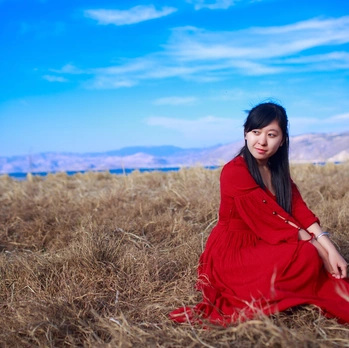
In the past, whenever I came to Dali, I'd head straight to Shuanglang. Later, when travel photography became popular here, I realized I'd been visiting a "fake Dali." The photographers I met at Dali University's cherry blossom shoot took me to a famous photo spot on the west shore—the "crooked tree."
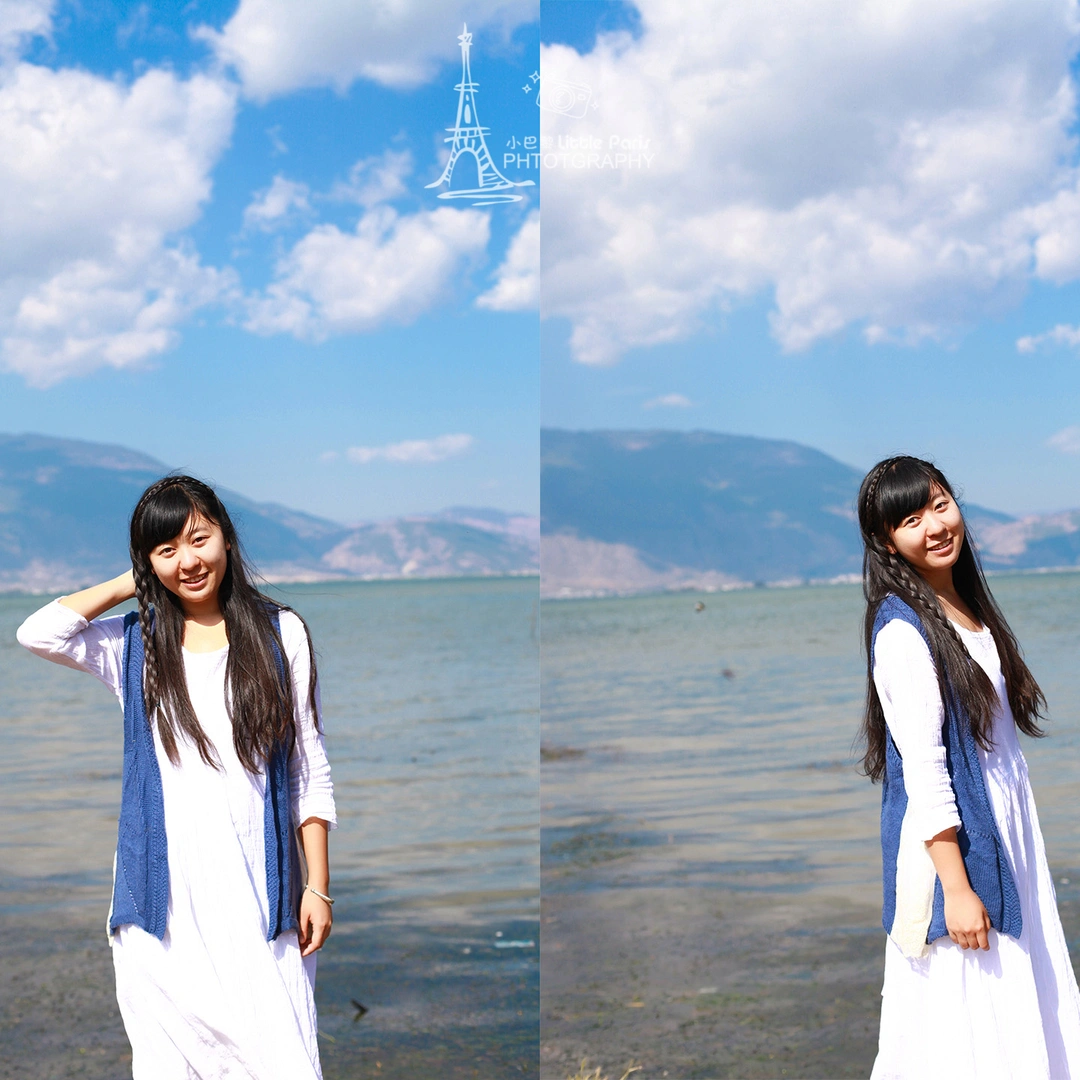
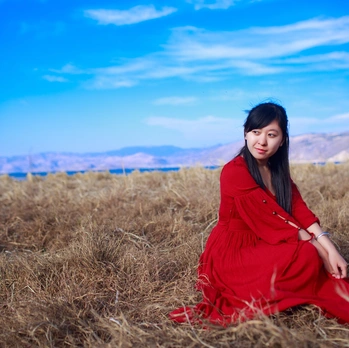
That day, the weather was unexpectedly perfect. The scenery on the west shore varies between the dry and wet seasons. In March, during the dry season, more landscape features are exposed. The photographer took me to several spots he knew, and each one surprised me. It's rare to see me not smiling in photos, but that set remains my all-time favorite.
I've been back several times since, but I've never again encountered such crystal-clear weather. Some landscapes truly require a combination of fate and luck.
Two Faces of Haishe Park
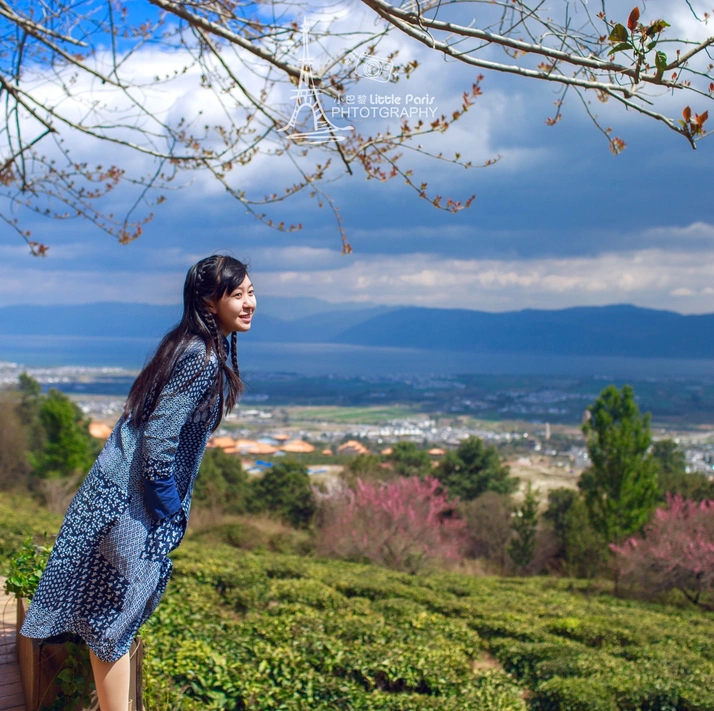
Haishe (Tongue of the Sea) Park is near Xizhou, also on the west shore. My first visit was in March. I wore Hanfu, and the midday sun was so bright it hurt my eyes. But the photographer found great angles, and that day, Erhai Lake actually displayed two different colors—unbelievably beautiful.
The second time, during the wet season, I took a 3-yuan horse cart to the park entrance and walked in, only to find many of the landmarks submerged. I searched but couldn't find the spots I'd visited before. Eventually, I stopped worrying. What lies before you is the scenery. Enjoying every moment of the journey is what truly matters.
Final Thoughts
From 2015 to 2017, I visited Dali too many times to count. From an awkward young girl, to my prime years full of youthful glow, to today's Zen middle-aged woman, Dali has witnessed my growth and transformation.
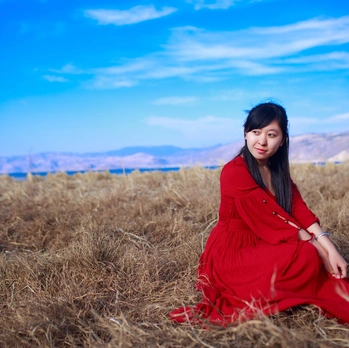
People ask me why I always go back to the same place. I think it's because Dali has a kind of magic—every visit brings new surprises. Whether it's the cherry blossoms in the ancient city, the teahouse on Cangshan, or the crooked tree by Erhai, each encounter is a new story.
If you're planning to go to Dali, my advice is this: Don't rush to check off the sights. Slow down. Feel the wind, the flowers, the snow, the moon. Stroll along Renmin Road in the ancient city, sip tea on Cangshan, and let your mind wander by Erhai Lake. You'll discover that what moves you most in Dali is never the famous attractions, but the warmth you stumble upon unexpectedly.
May your journey to Dali also remain warm, as if it were your first time.
You should also read:
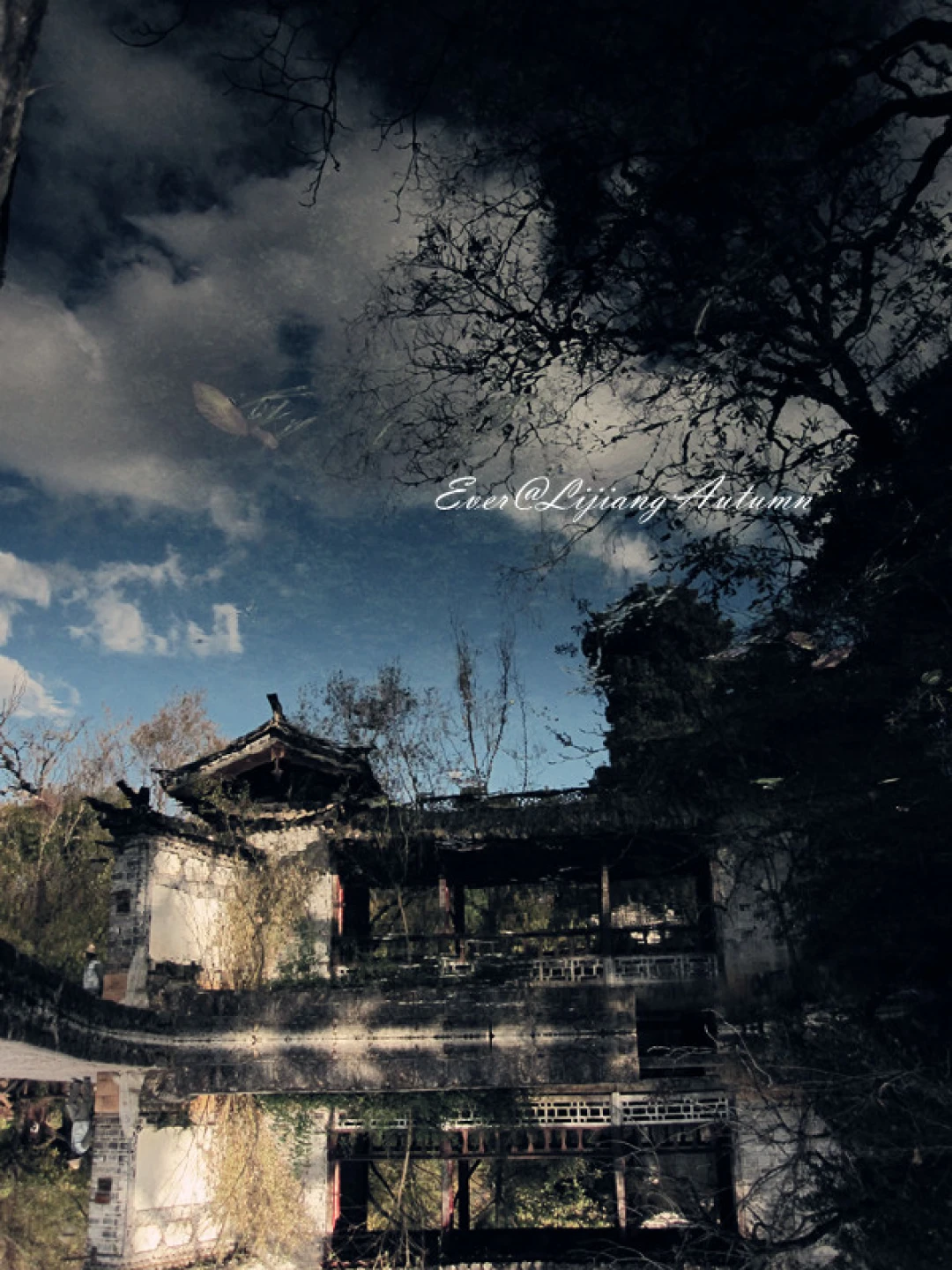
Idle Clouds in Autumn, a Moonlit City: A Slow Travelogue Through Lijiang and Shuhe
Idle Clouds in Autumn, a Moonlit City: A Slow Travelogue Through Lijiang and Shuhe When the autumn wind brushes across the ancient city's eaves, when sunlight spills onto the mottled cobblestone streets, when the melodies of folk songs mingle with the aroma of plum wine…
Continue reading...
A Journey Through Shuanglang's Guesthouses: Finding Life as It Should Be on the Shores of Erhai Lake
A Journey Through Shuanglang's Guesthouses: Finding Life as It Should Be on the Shores of Erhai Lake Prologue: When Life Hits the Pause Button Have you ever had one of those moments? When the city's towering buildings press down on your chest, when you're swept…
Continue reading...
September: Finding Unexpected Warmth in Yunnan (Kunming, Dali, Shuanglang, Lijiang, Lugu Lake)
September: Finding Unexpected Warmth in Yunnan (Kunming, Dali, Shuanglang, Lijiang, Lugu Lake) Foreword: One Person's Journey, A Crowd's Story Before I set off, like every first-time solo traveler, I printed out a thick stack of travel guides and rehearsed countless possible scenarios in my head—getting…
Continue reading...