Growing Up Together | Mangshi → Ruili → Tengchong: A Family New Year's Eve Journey Through Western Yunnan at the End of 2025
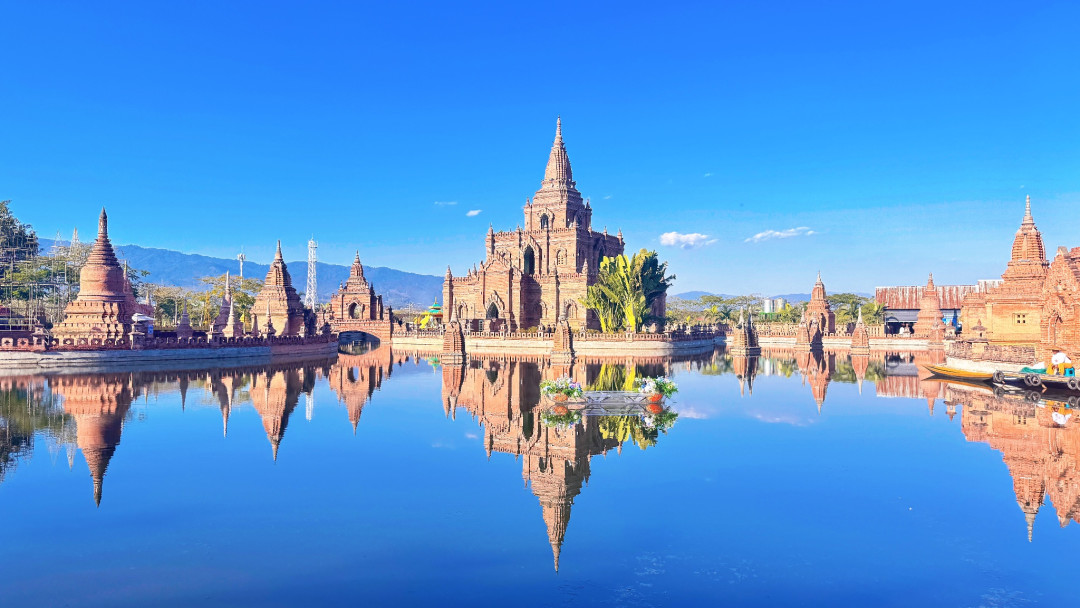
Growing Up Together | Mangshi → Ruili → Tengchong: A Family New Year's Eve Journey Through Western Yunnan at the End of 2025
The sun lazily warms your face, the scent of tropical plants fills the air, and children's laughter echoes along the ancient town's cobblestone streets—this, perhaps, is what travel looks like at its finest. In the final days of 2025, we brought our children on a journey through Western Yunnan, crossing Mangshi, Ruili, and Tengchong. Eight days—not too long, not too short—but enough for a family to welcome the new year together in the warmth of a foreign land.
This wasn't a rushed, check-list sightseeing trip. It was a slow, immersive family adventure into the borderlands. From the morning light of a Dai-style ancient town, to the exotic atmosphere of the Ruili port, to the misty steam of Tengchong's hot springs—every step was filled with stories of companionship and growth.
Why Western Yunnan?
At the end of 2025, with annual leave about to expire and this corner of Yunnan still unexplored by us, a spontaneous New Year's Eve trip was born.
Mangshi, known in the Dai language as "Meng Huan" (City of Dawn), sits at an altitude of under 1,000 meters. Unlike the high-altitude climates of Dali and Lijiang, Mangshi enjoys a southern subtropical monsoon climate, with dense rainforests and spring-like weather year-round. There are no crowds of tourists—only lazy sunshine and a slow-paced lifestyle.
Ruili is China's largest inland port in the southwest, bordering Myanmar. This border town exudes exotic charm. The collision of frontier culture and ethnic traditions makes it a one-of-a-kind destination.
Tengchong is a place you never want to leave. The Gaoligong Mountains, subtropical climate, and moderate altitude create a land that is warm in winter, cool in summer, with just the right balance of humidity. Hot springs, ancient towns, volcanoes, wetlands—everything here invites you to linger.
These three cities are geographically close, with driving times of around 1.5 hours between them, forming a perfect loop through Western Yunnan.
Itinerary Overview: How to Spend Eight Days
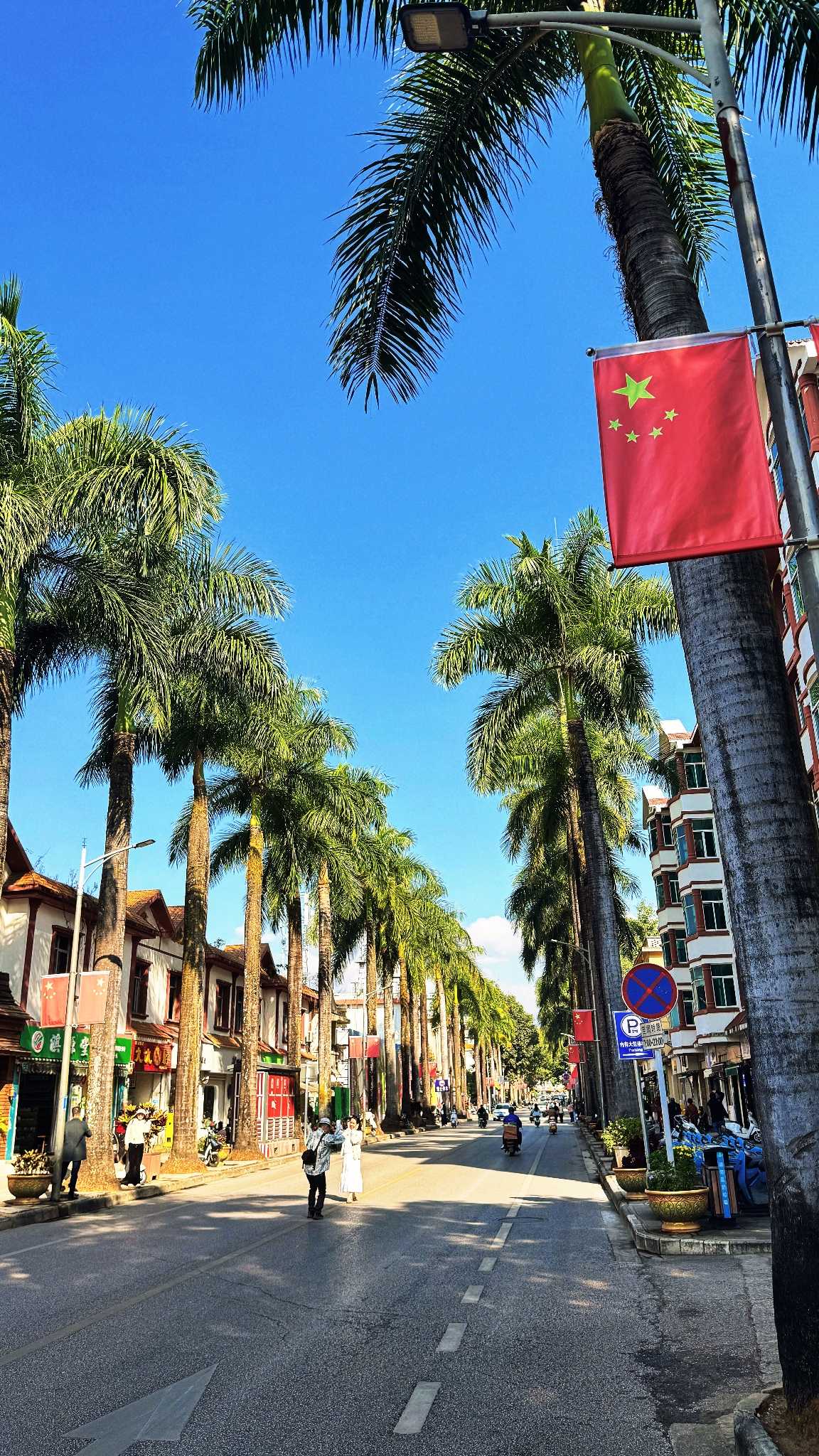
December 25: Shanghai → Mangshi
Flights from Shanghai to Mangshi are all evening departures. To avoid spending an entire day traveling, we arrived a day early. We took a night flight, checked into our guesthouse, and rested up for the adventures ahead.
December 26: Classic Mangshi Day Tour
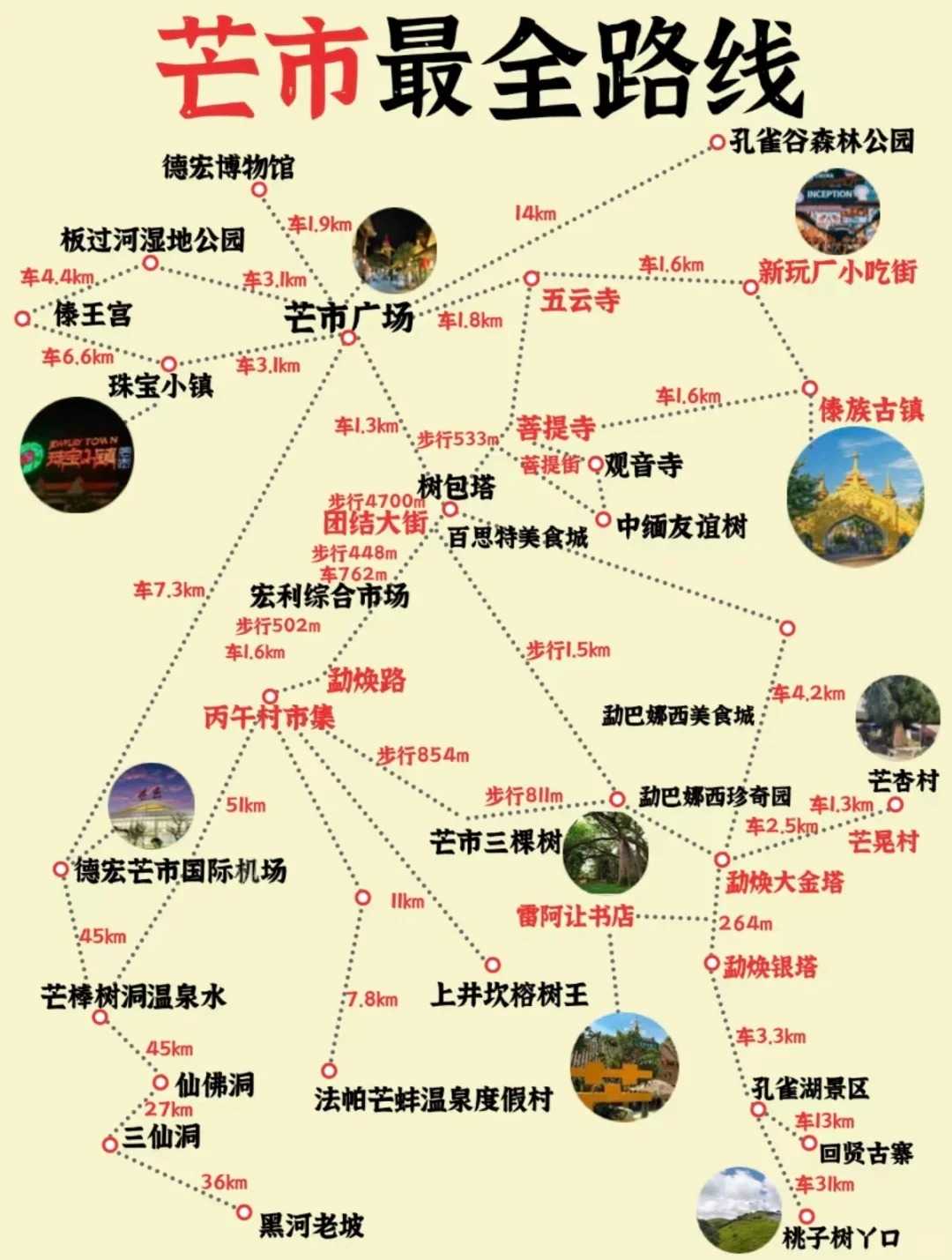
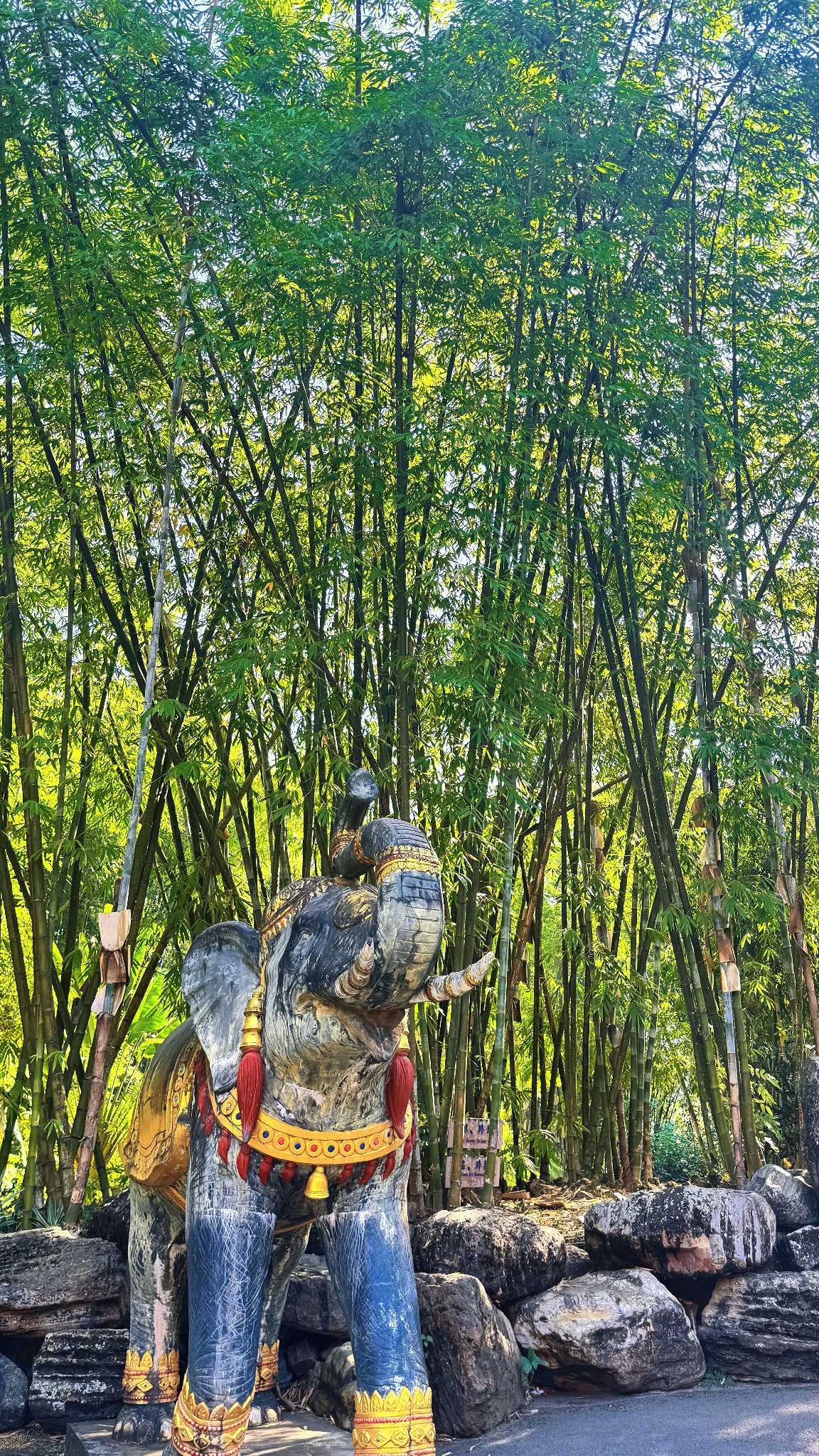 Tree-Wrapped Pagoda → Bodhi Street → Bodhi Temple → Mengbanaxi Rare Garden → Meng Huan Golden Pagoda → Lei Ya Rang Bookstore → Ruili Live Crabs
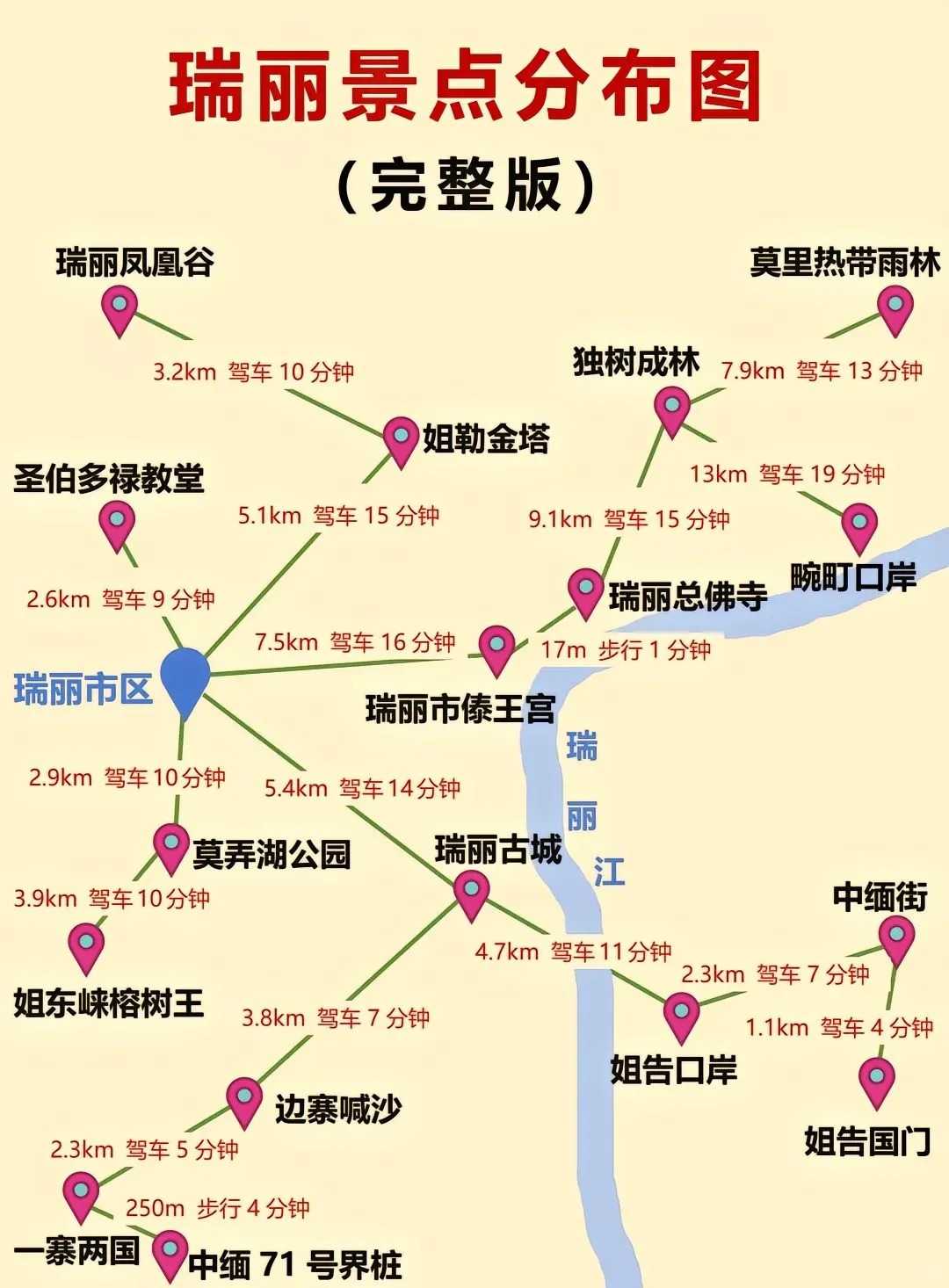
December 27: Ruili Day Tour (Private Car, 9 Stops)
 Hu Men Tree-Wrapped Buddha → Moli Waterfall → One Village Two Countries → Jiegao Border Gate → Jiele Golden Pagoda → Border Village Han Sha → Dai King's Palace → Jiedonglai Banyan King → Wanding Port
December 28: Mangshi Food & Fun
Bingwu Street Market → Burmese-Style Hair Wash → Manghuang BBQ Village → Xin Wan Chang Night Market
December 29: Mangshi → Tengchong → Heshun Ancient Town
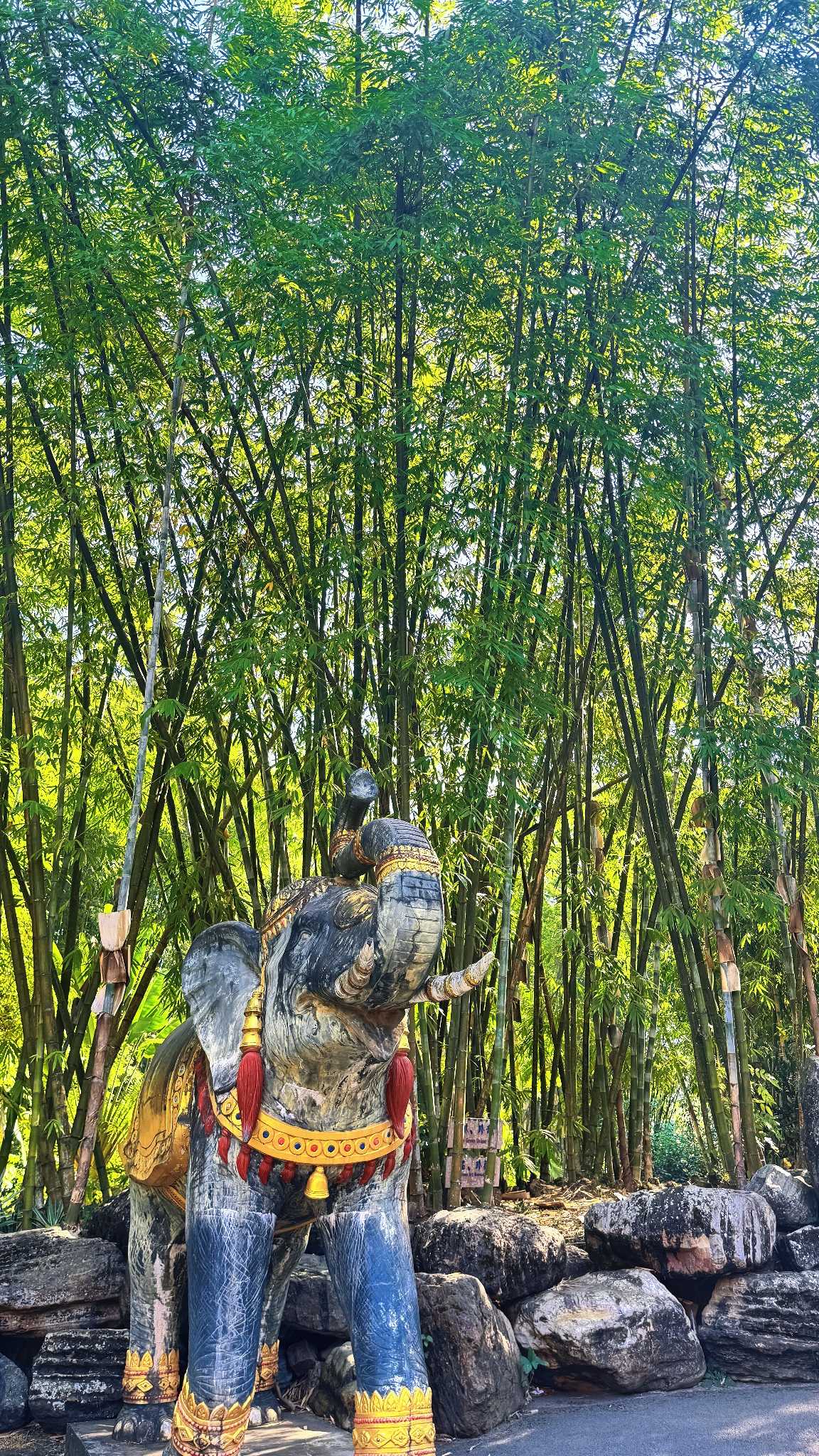 Longjiang Bridge Photo Stop → Check into Heshun Ancient Town
December 30: Classic Tengchong Day Tour
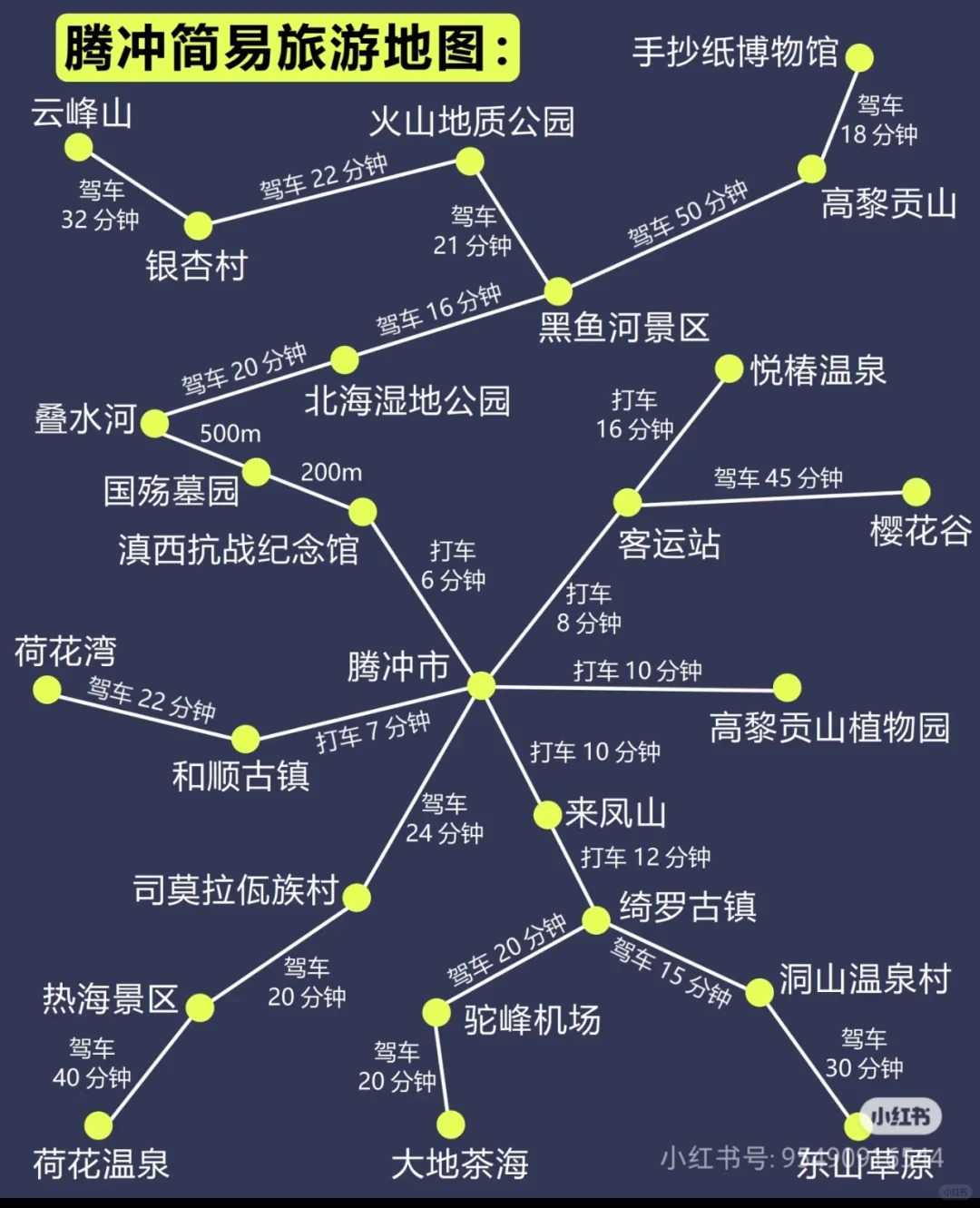
 Rehai (Hot Sea) Park → Qiluo Tea Estate → Simola Wa Village → Beihai Wetland
December 31: Gaoligong Deep Dive
Gaoligong Papermaking Museum → Gaoligong Wilderness Kitchen
January 1: Cultural Journey
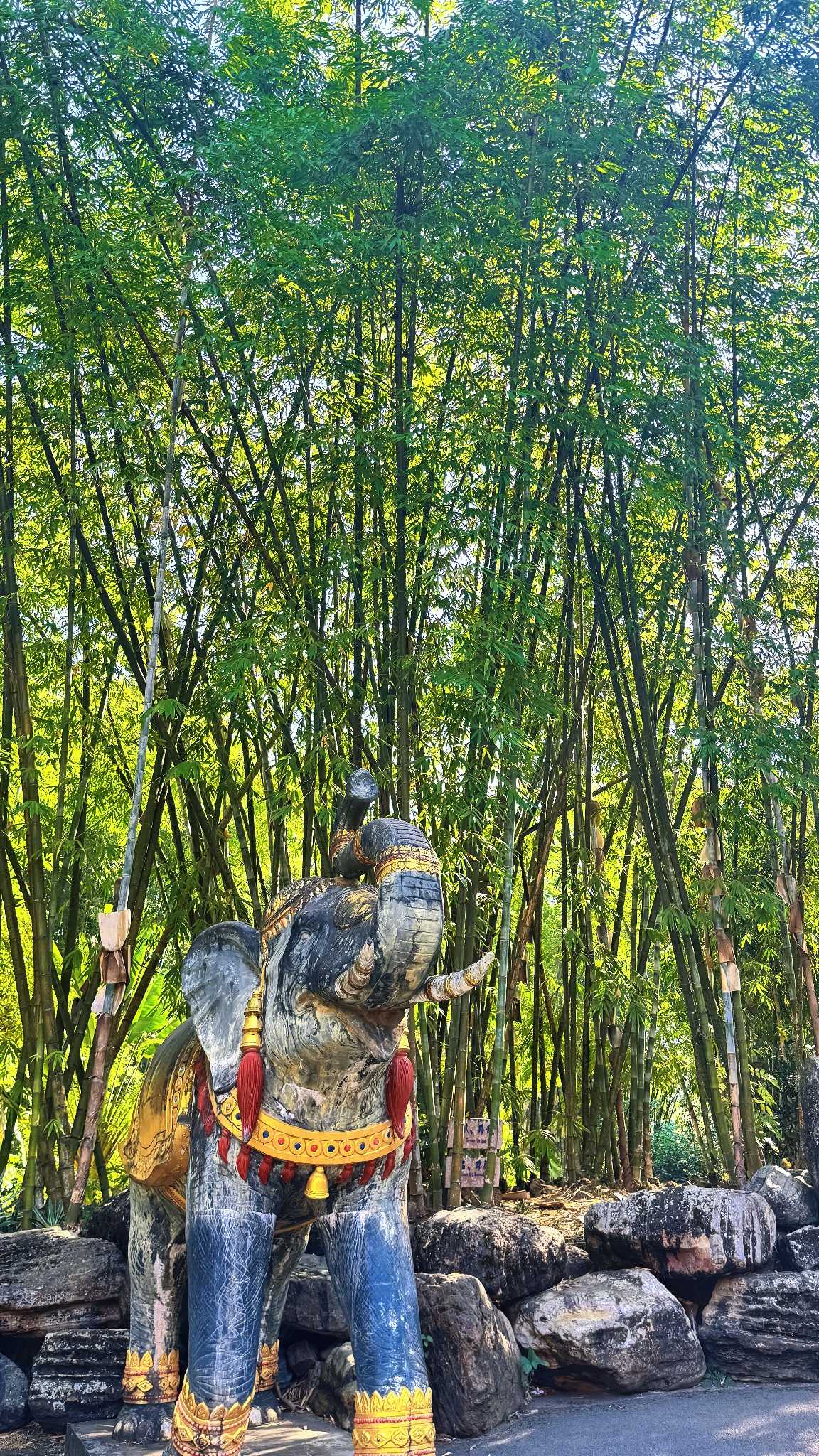 Western Yunnan Memorial Hall of National Heroes → Dongtian Hot Spring Guesthouse
January 2: Departure
Qiluo Ancient Town Morning Market → Tengchong Tuofeng Airport → Kunming Transfer → Shanghai Pudong
Transportation Tips: How to Get Around Efficiently
Getting There and Back: Fly In, Fly Out

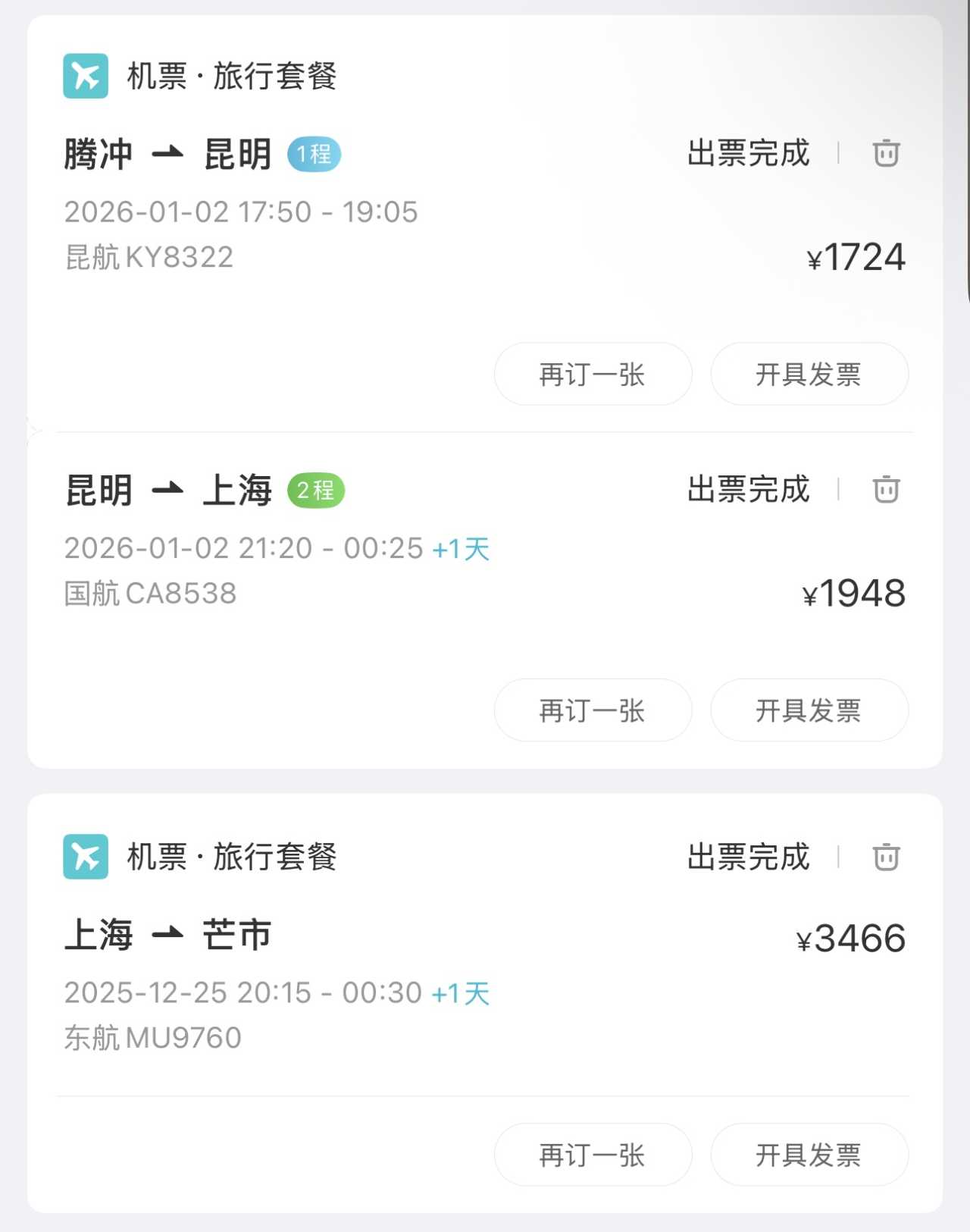
Our initial plan was to fly into Tengchong and out of Mangshi, but Mangshi's Dehong Airport is a military airfield with very few flights. Shanghai has only two direct flights daily, both in the evening. Tengchong has no direct flights from Shanghai at all. After weighing our options, we chose to fly directly into Mangshi and return via Kunming. Kunming Airport is great for a layover—two hours is plenty of time.
Getting Around Mangshi: Didi + E-Bikes
Mangshi is small. Most places are reachable by Didi (ride-hailing), with many attractions just a short ride away. E-bikes are also available for rent near guesthouses and scenic spots. If you're driving, the road from Mangshi to Tengchong is in excellent condition.
Getting Around Ruili: Private Car Day Trip
Ruili's attractions are scattered and mostly photo-stop type spots, so a private car is the best option. We found a local driver, Xiao Yang, online. He was professional and patient, taking us to nine spots in one day without rushing—truly a relaxed experience.
Mangshi → Tengchong: Bus or Private Car
- Bus: Search for "Bao Jiao Xing" on WeChat. Buses cost 57 RMB per person, mid-size coaches 78 RMB per person. Seats are spacious, and the trip takes about 1.5 hours. Pros: affordable. Cons: you need to get to the bus station yourself, and arrange transport upon arrival.
- Private Car: Door-to-door service from guesthouse to guesthouse, around 300+ RMB. Better for families with elderly or children—hassle-free.
Getting Around Tengchong: Private Car or Self-Drive
Tengchong's attractions are spread out, so a private car or self-driving is ideal. Most guesthouses offer airport or bus station pickup, which is very convenient.
Accommodation: Stay Well, Play Well
Mangshi: Guesthouse Near Dai Ancient Town
We chose a guesthouse in a residential complex next to the Dai Ancient Town. The location was perfect—a back gate led directly to the town's food street, making evening strolls for snacks super easy. Quiet yet convenient, with easy access to food delivery and ride-hailing. The only downside: no elevator, and our room was on the third floor. After a long day of walking, climbing those stairs was a workout. The host was thoughtful, sending a brochure in advance and helping us receive packages.
Tengchong: Two Unique Guesthouses
First: A Quiet Guesthouse Inside Heshun Ancient Town Located on the edge of the ancient town, next to the Bolian Hot Springs, it was quiet with a unique design. The host was great—he sent us the location in advance and helped carry our luggage (the ancient town's roads are really tough for luggage). Toiletries were Shiseido, toothpaste was Yunnan Baiyao, and we received fresh strawberries as a welcome gift. Upon checkout, we got a small souvenir. The only issue: the air conditioning was unstable. On two out of three nights, it blew cold air, waking us up several times.
Second: A Hillside Guesthouse Near Dongtian Hot Springs This guesthouse draws hot spring water directly from underground, so you can soak without the crowds of public hot spring parks. It had a media room, pool table, infinity pool, outdoor hot spring pools, and a bar—perfect for families or groups. The downside: after dark, the area feels a bit desolate, not ideal for wandering. We booked a private outdoor pool (one pool per room). Just let the host know in advance, and they'll prepare the water.
Mangshi: A Food Lover's Paradise
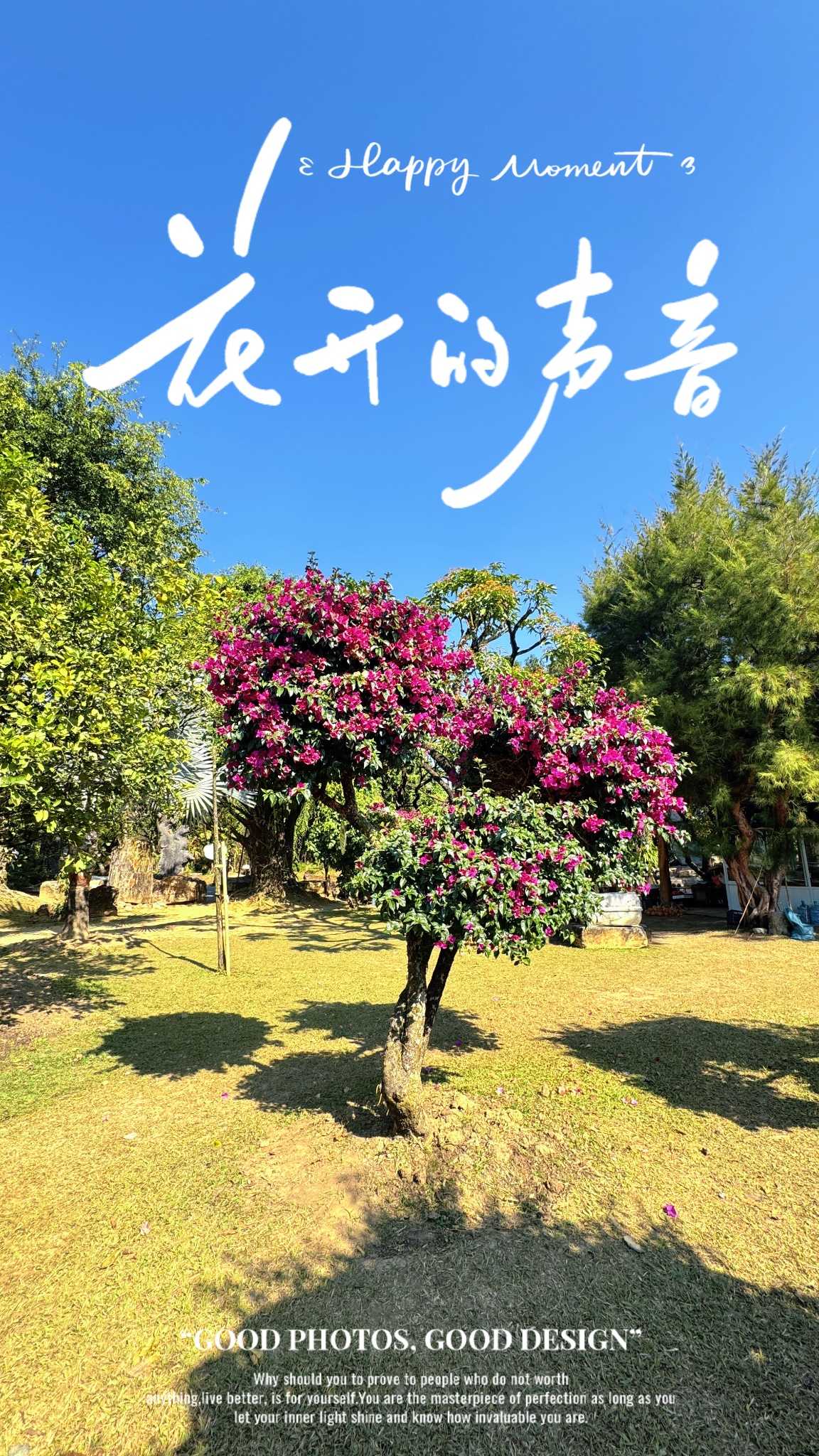
Tree-Wrapped Pagoda and Bodhi Street
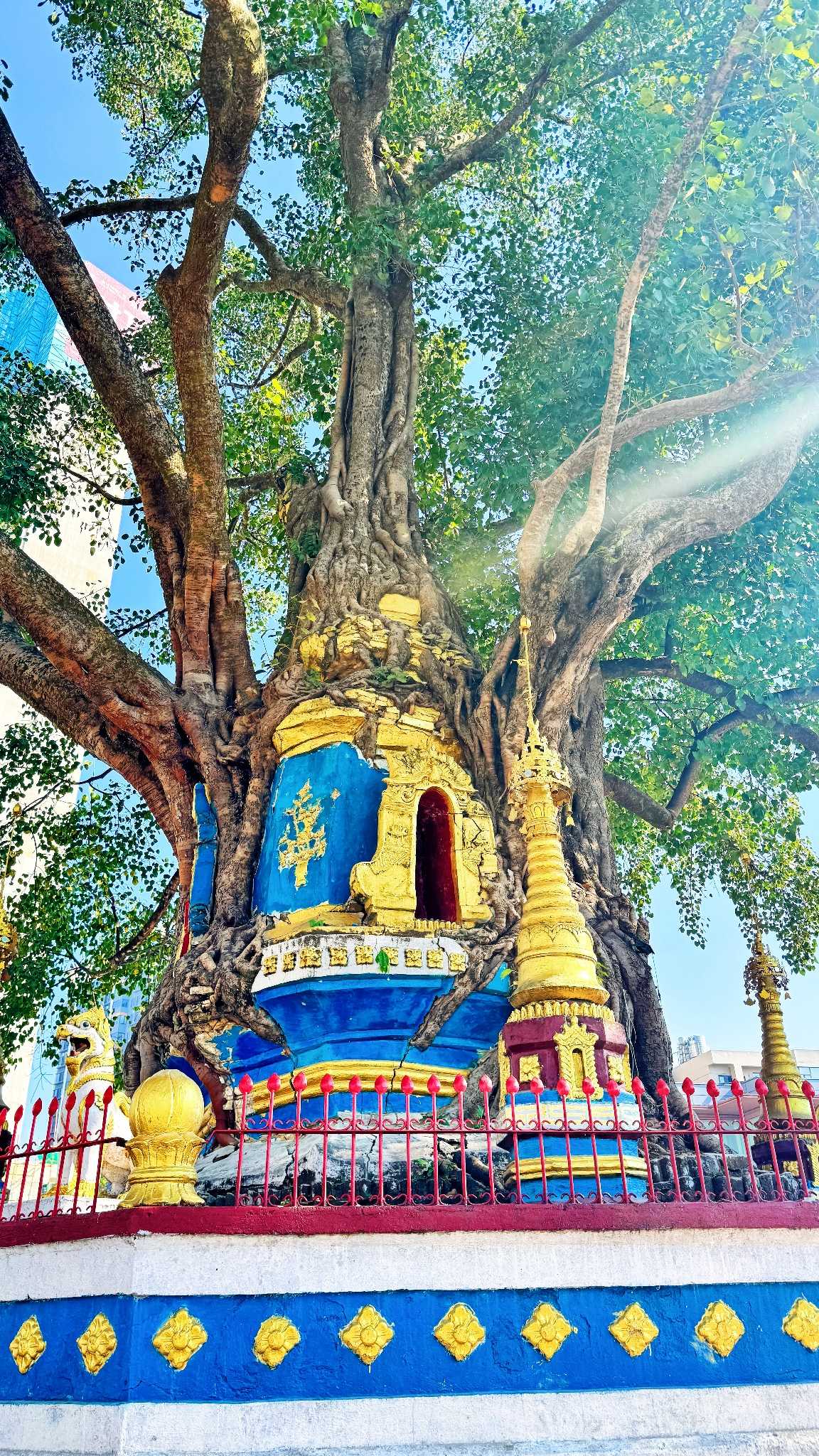
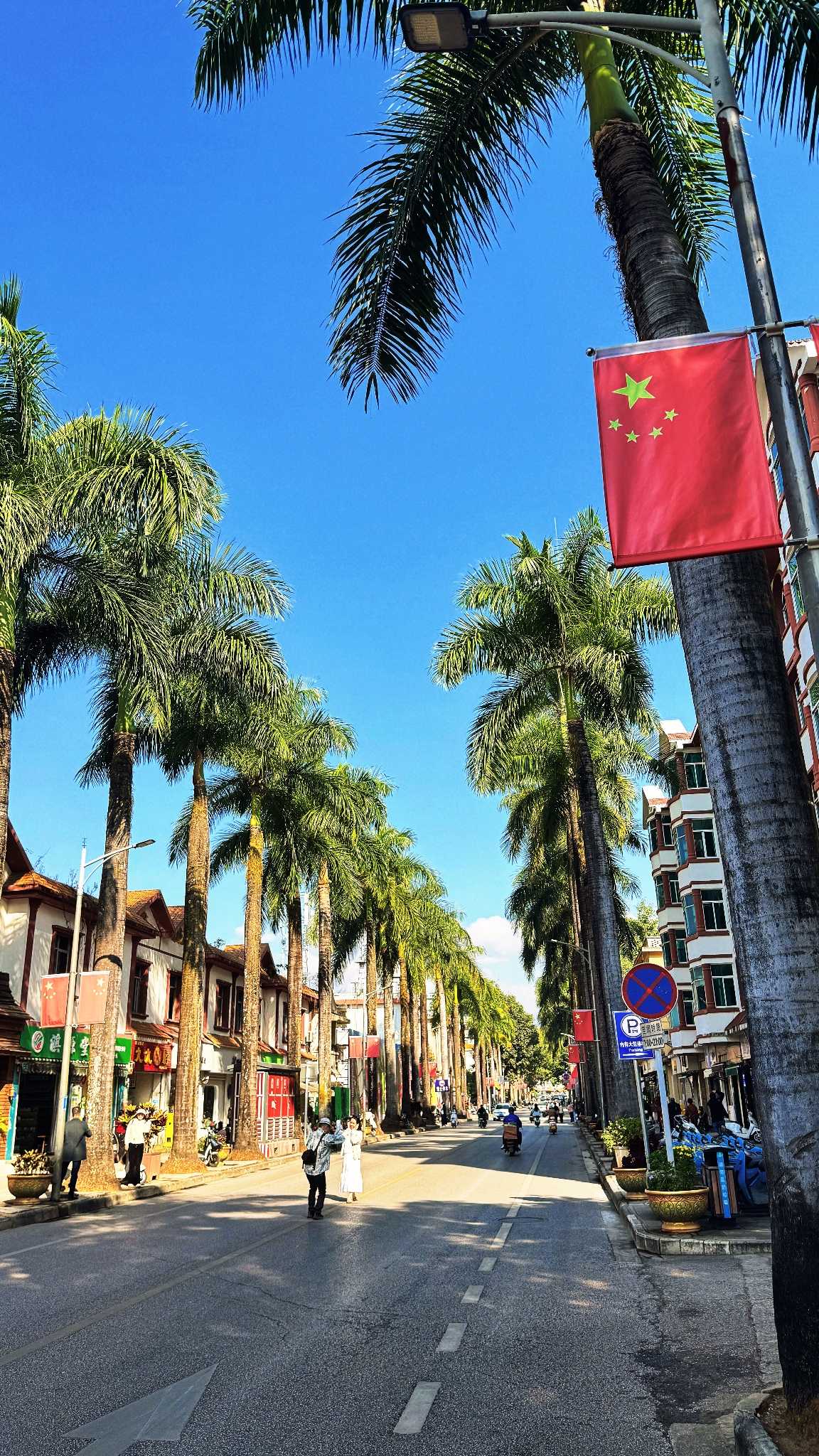
The Tree-Wrapped Pagoda is one of Mangshi's landmarks—a giant banyan tree enveloping a pagoda. A quick walk around is all it takes. Bodhi Street's zebra crossing is a popular photo spot, but be careful—when the traffic light changes, cars and e-bikes whiz past.
Mengbanaxi Rare Garden
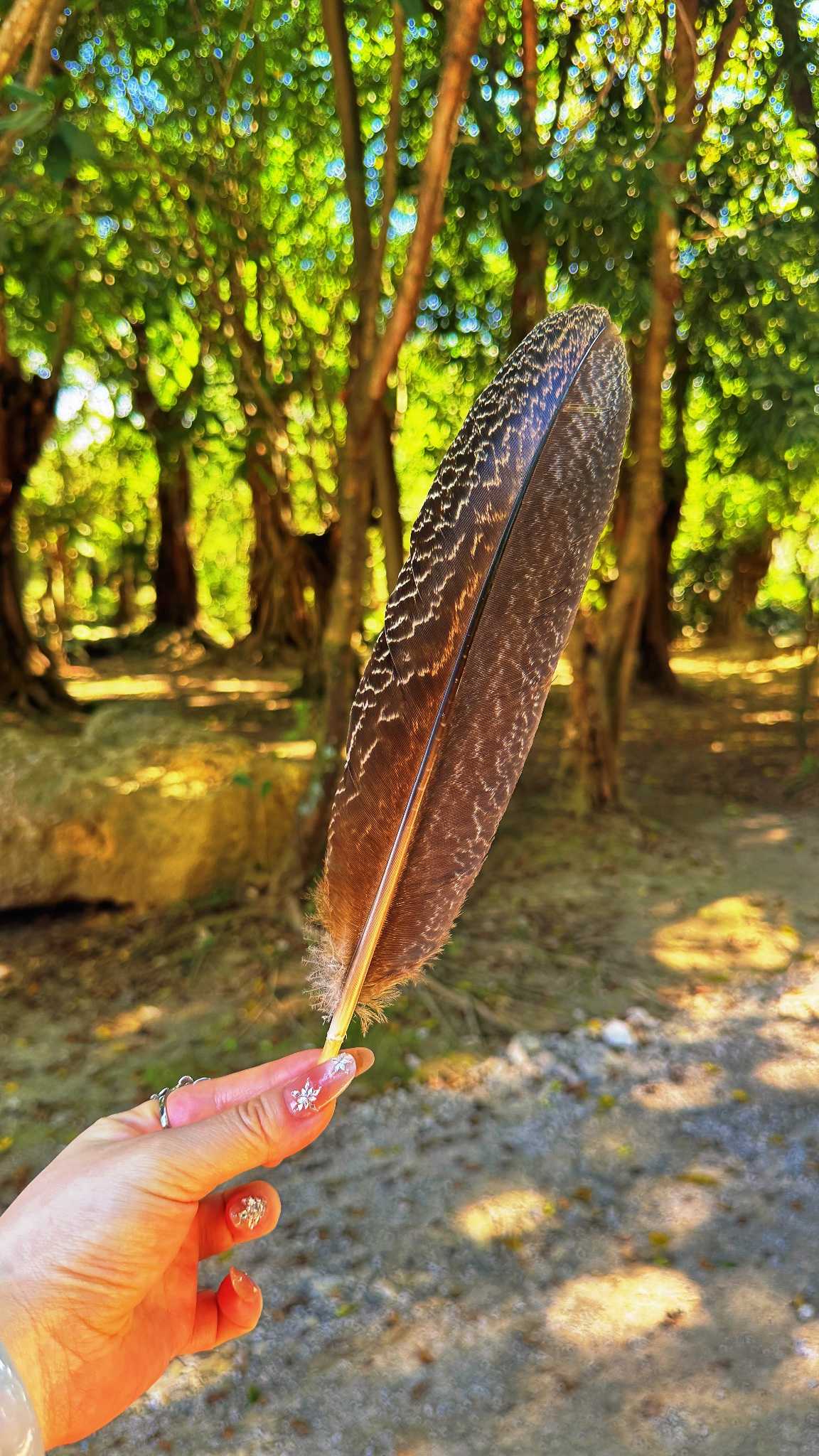
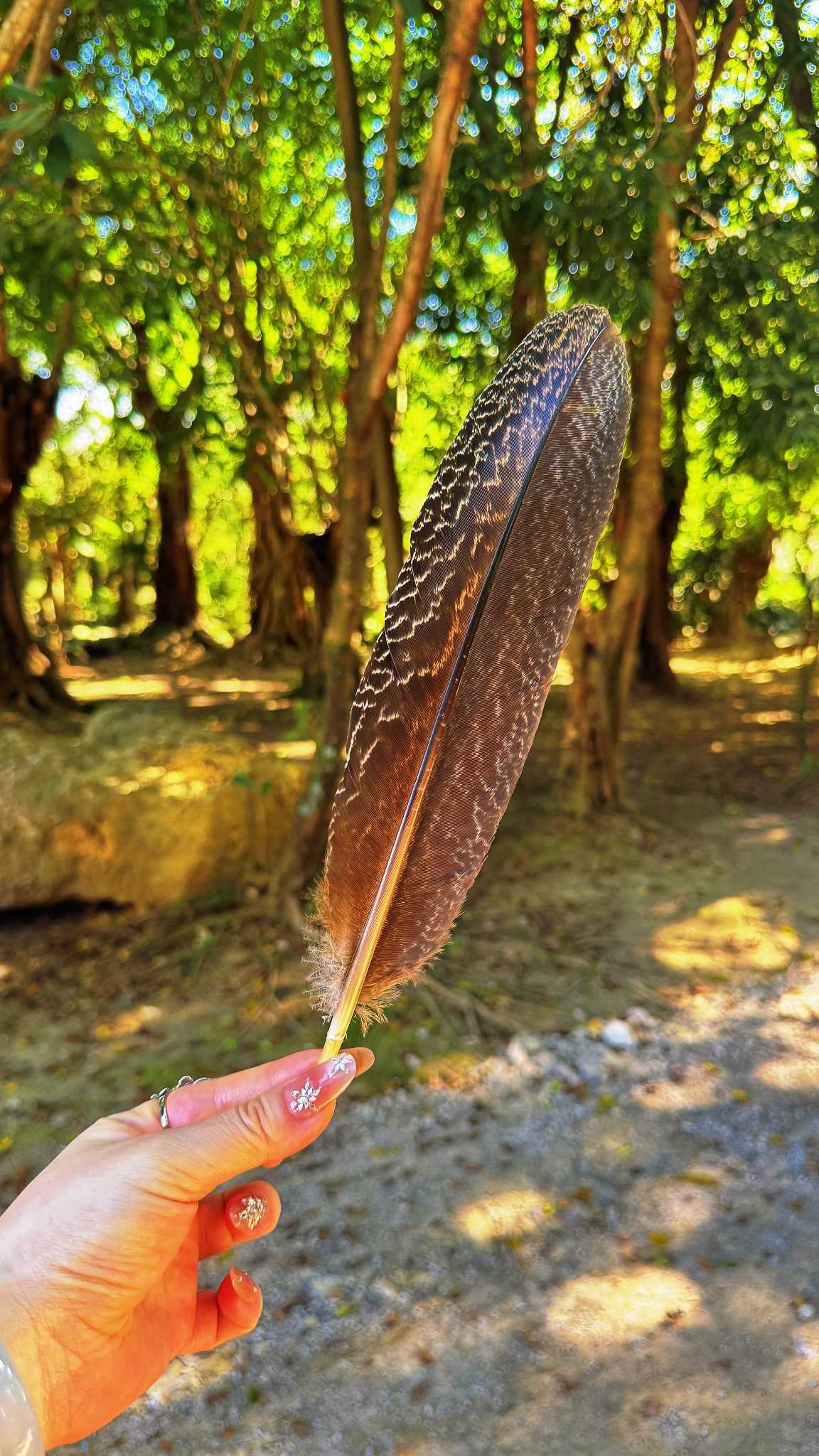 This place feels like a botanical garden, with rare plants and open displays of gemstones, jade, and root carvings—very educational. The biggest surprise: peacocks roaming freely everywhere. They went from "Wow, beautiful!" to "Oh, another peacock." The garden wasn't crowded, making it great for photos.
Meng Huan Golden Pagoda: Be a Dai Princess for a Day
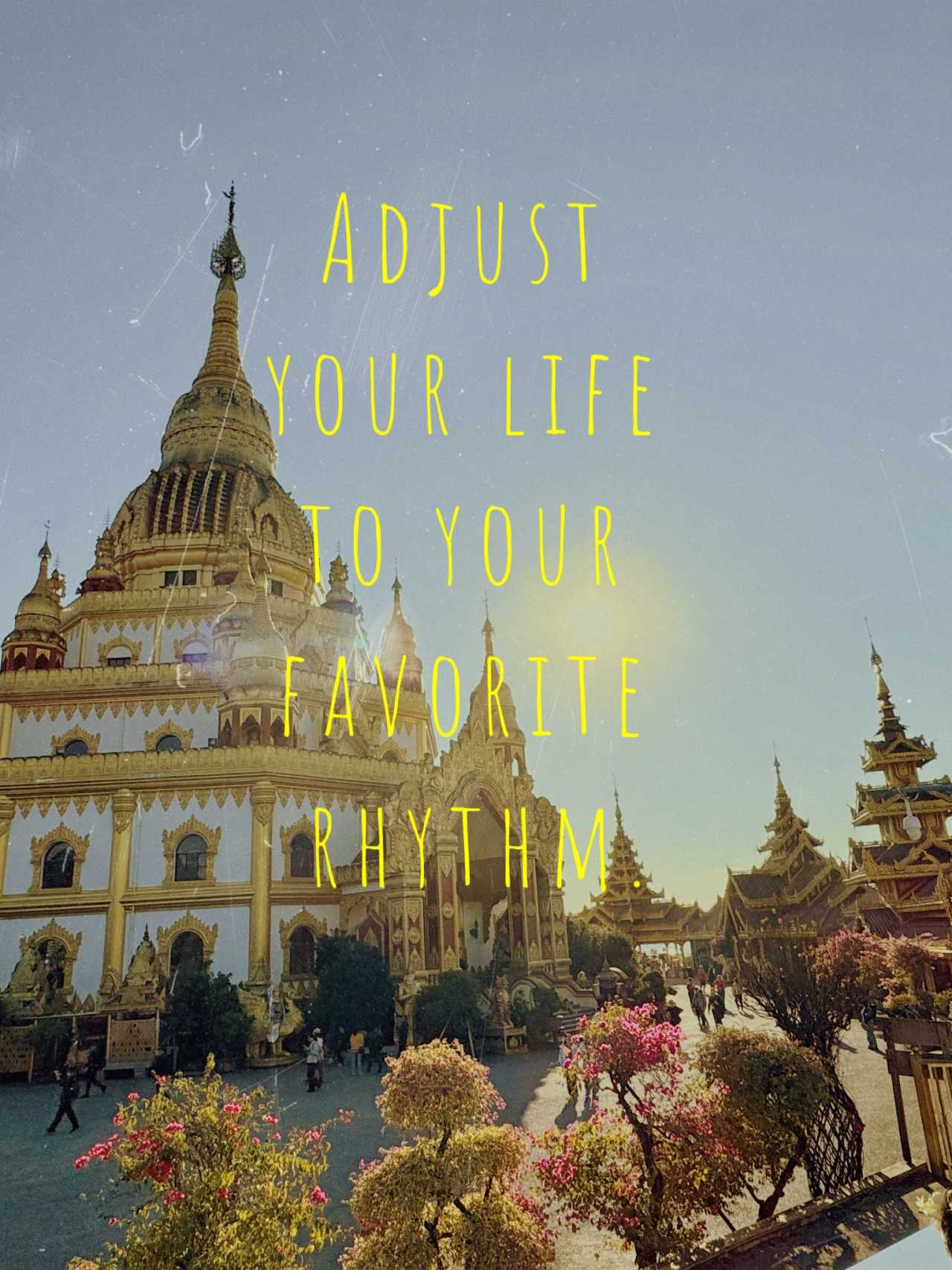
Since we were here, why not dress up as a Dai princess for a day? We took photos from high noon to sunset. The Golden Pagoda's opulence and the Silver Pagoda's minimalist charm each have their appeal. A note: the Golden and Silver Pagodas charge separate entry fees—one is state-owned, the other private.
Lei Ya Rang Bookstore: Best View in Town
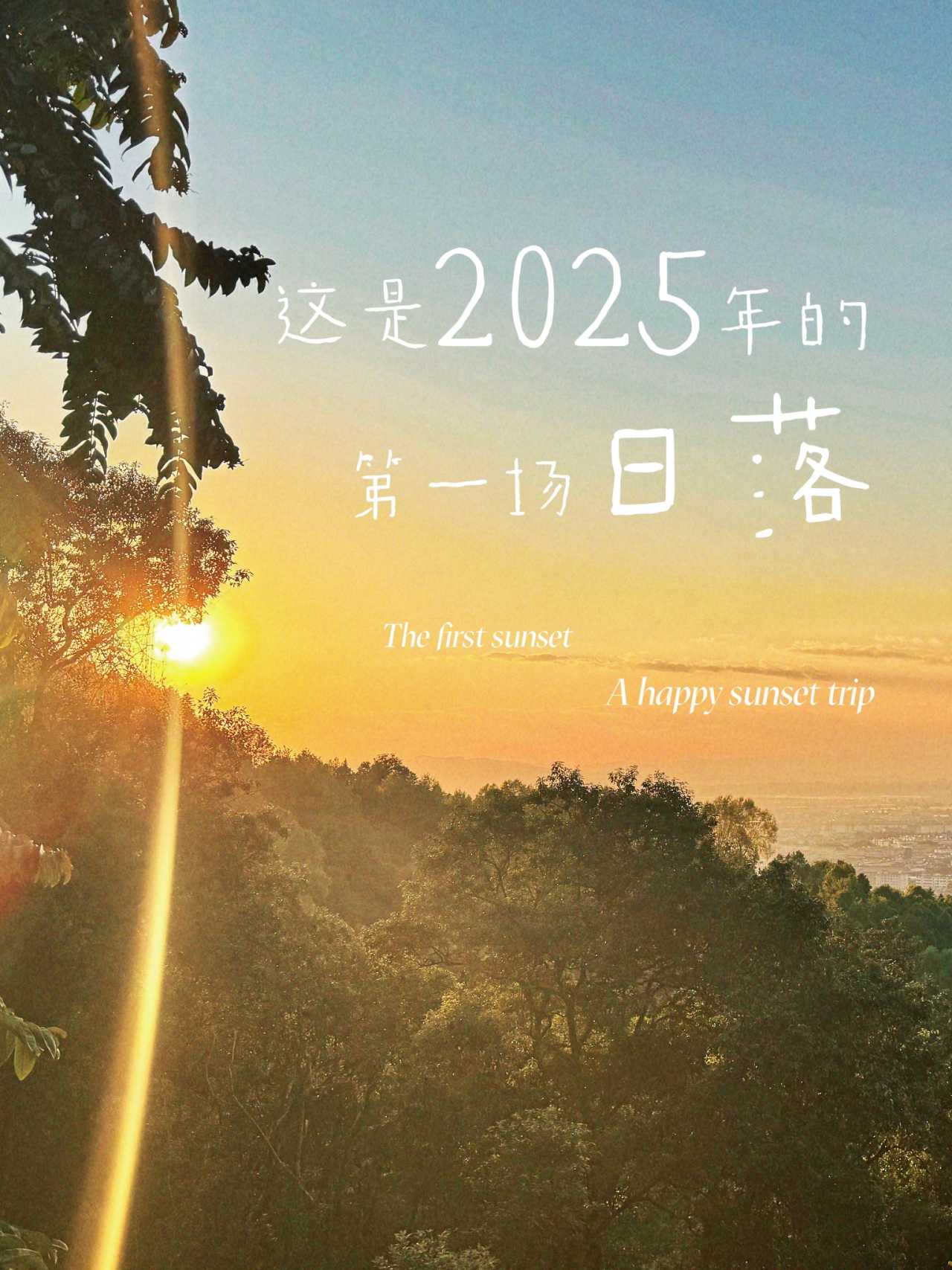
Located between the Golden and Silver Pagodas, this bookstore has floor-to-ceiling windows with stunning views. Its文创 (cultural creative products) are unique. The owner is very laid-back—we browsed for ages without anyone coming to ring us up. A sign prominently displays the day's sunset time. As dusk approached, the window area was packed with people taking photos.
Food Recommendations
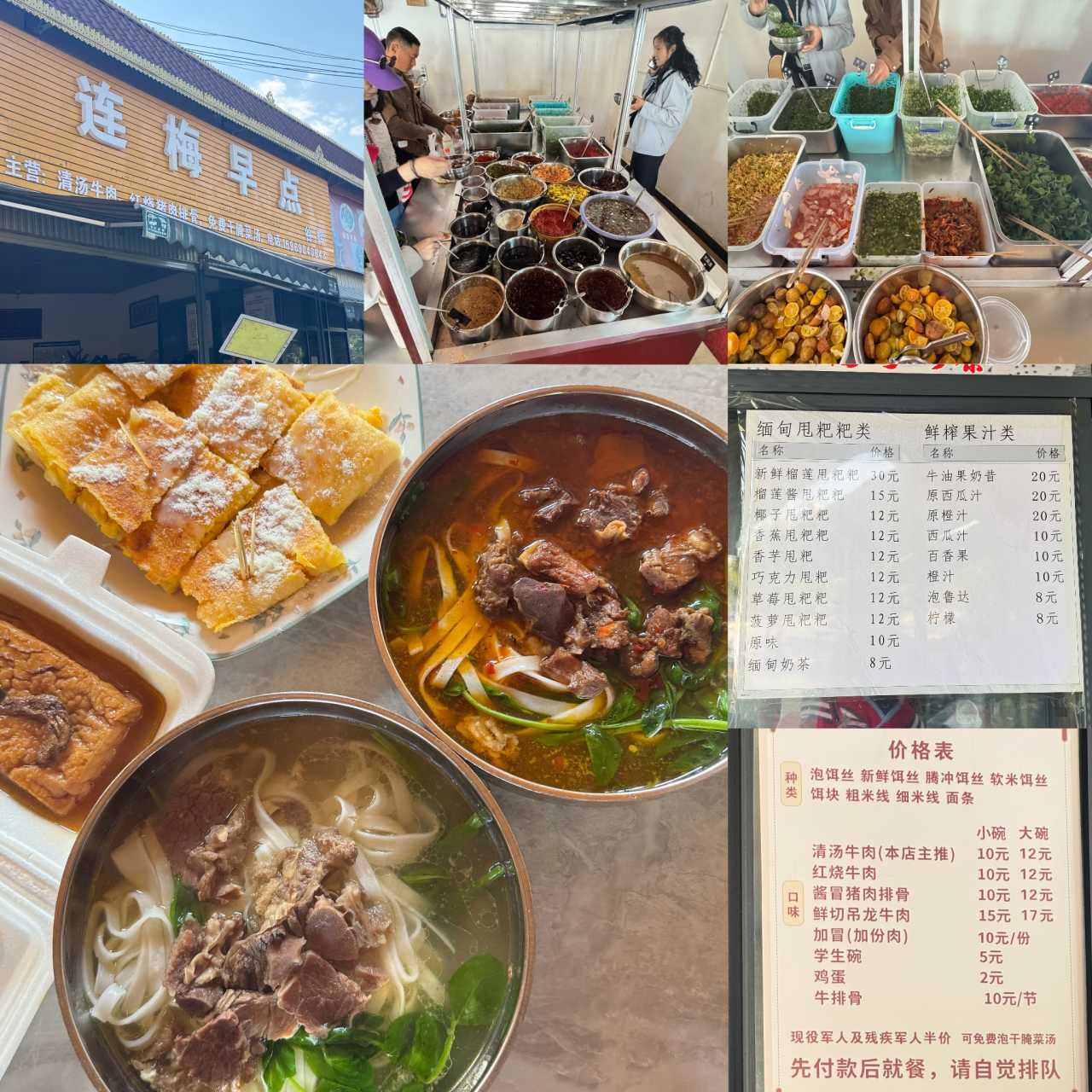
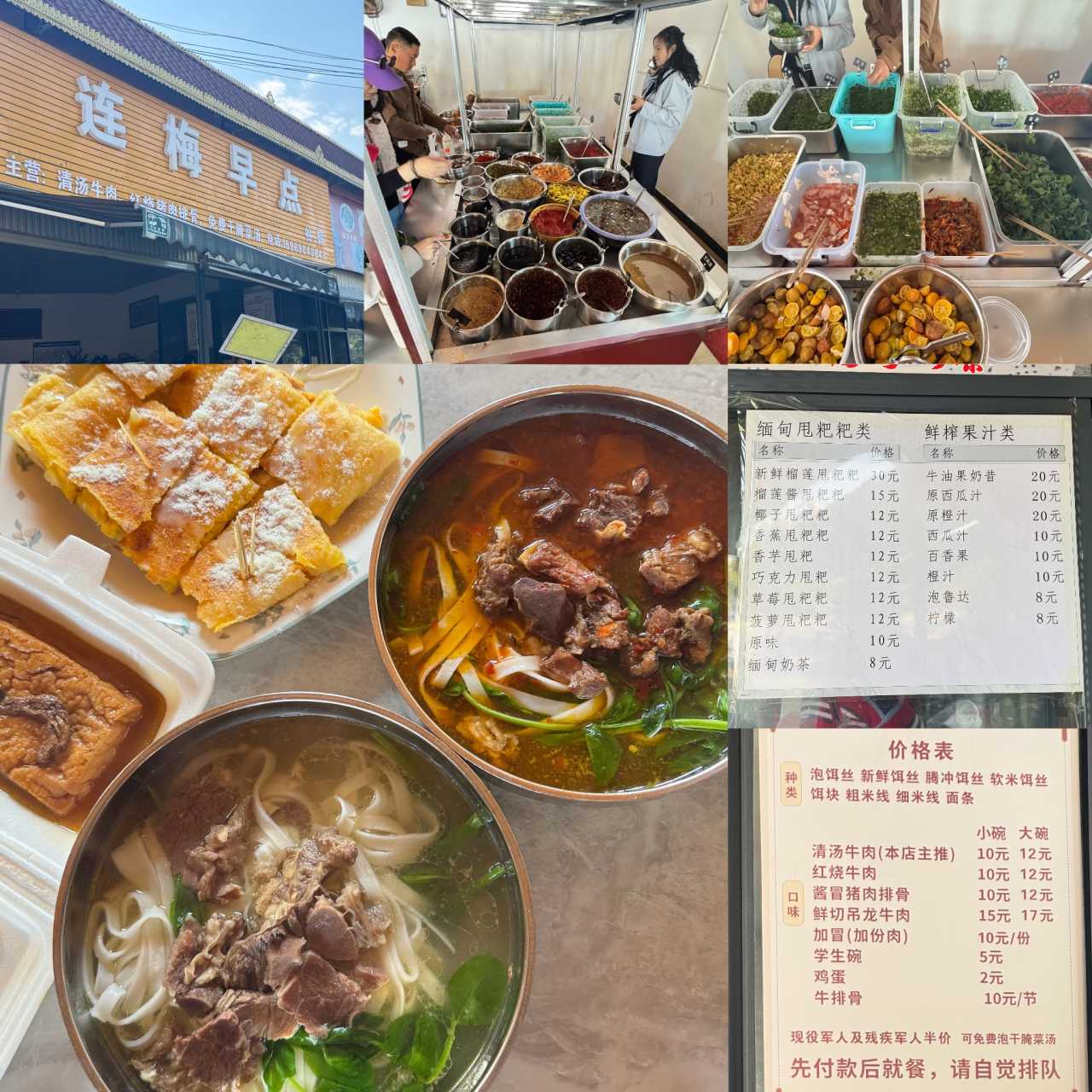
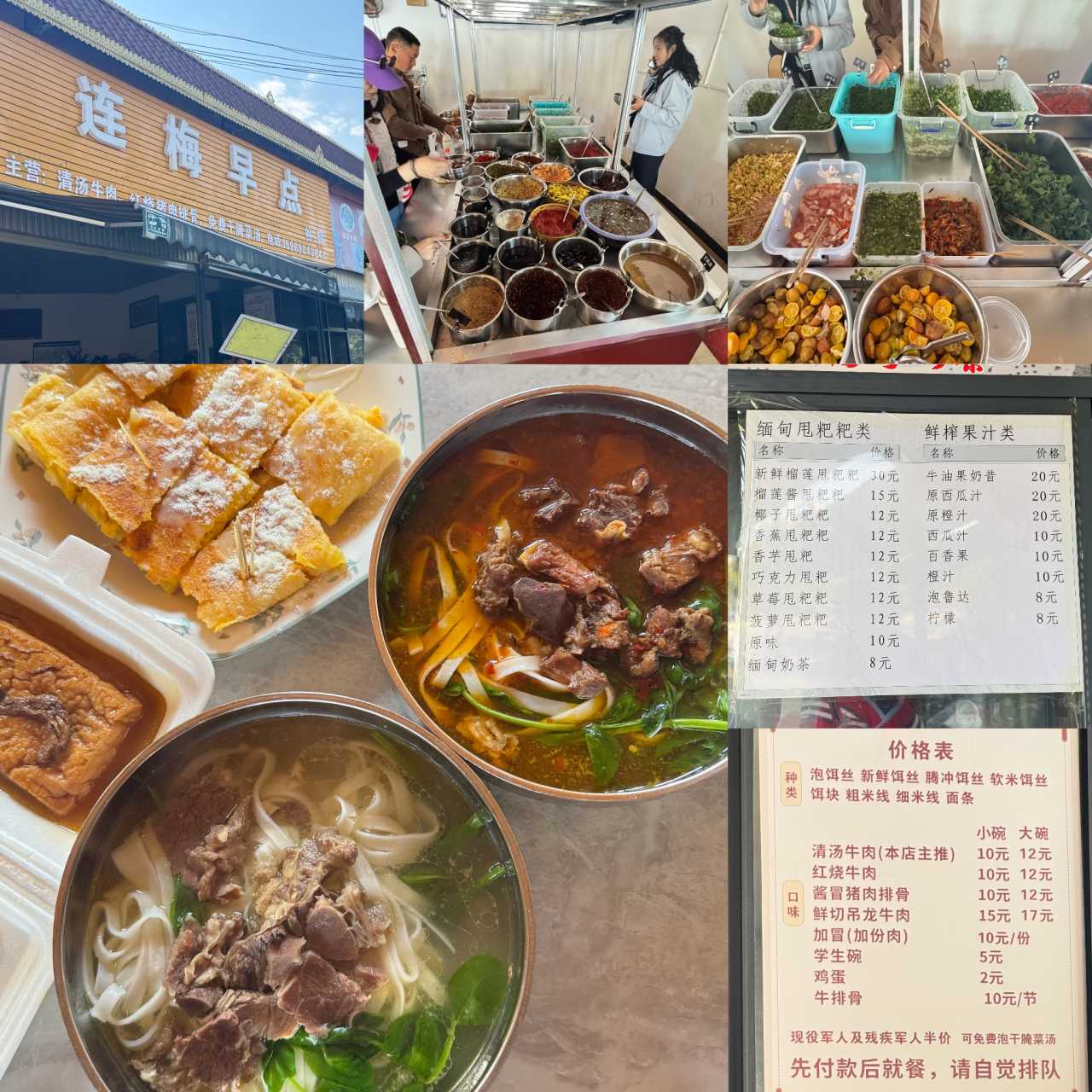
- Shua Ba Ba (甩粑粑): Made with fresh durian, crispy on the outside and soft inside. Our child finished a whole plate by himself.
- Clear Broth Beef Er Si (清汤牛肉饵丝): Lighter and more refreshing than the braised version. I personally prefer this.
- Ruili Live Crabs (瑞丽活螃蟹): Fresh crabs, but the flavor depends more on the ingredients than the cooking technique.
- Avocado Juice (牛油果汁): Mangshi Bu Mang's version is like a smoothie; Zhang Bian Fruit Drink's is richer. Both are worth trying.
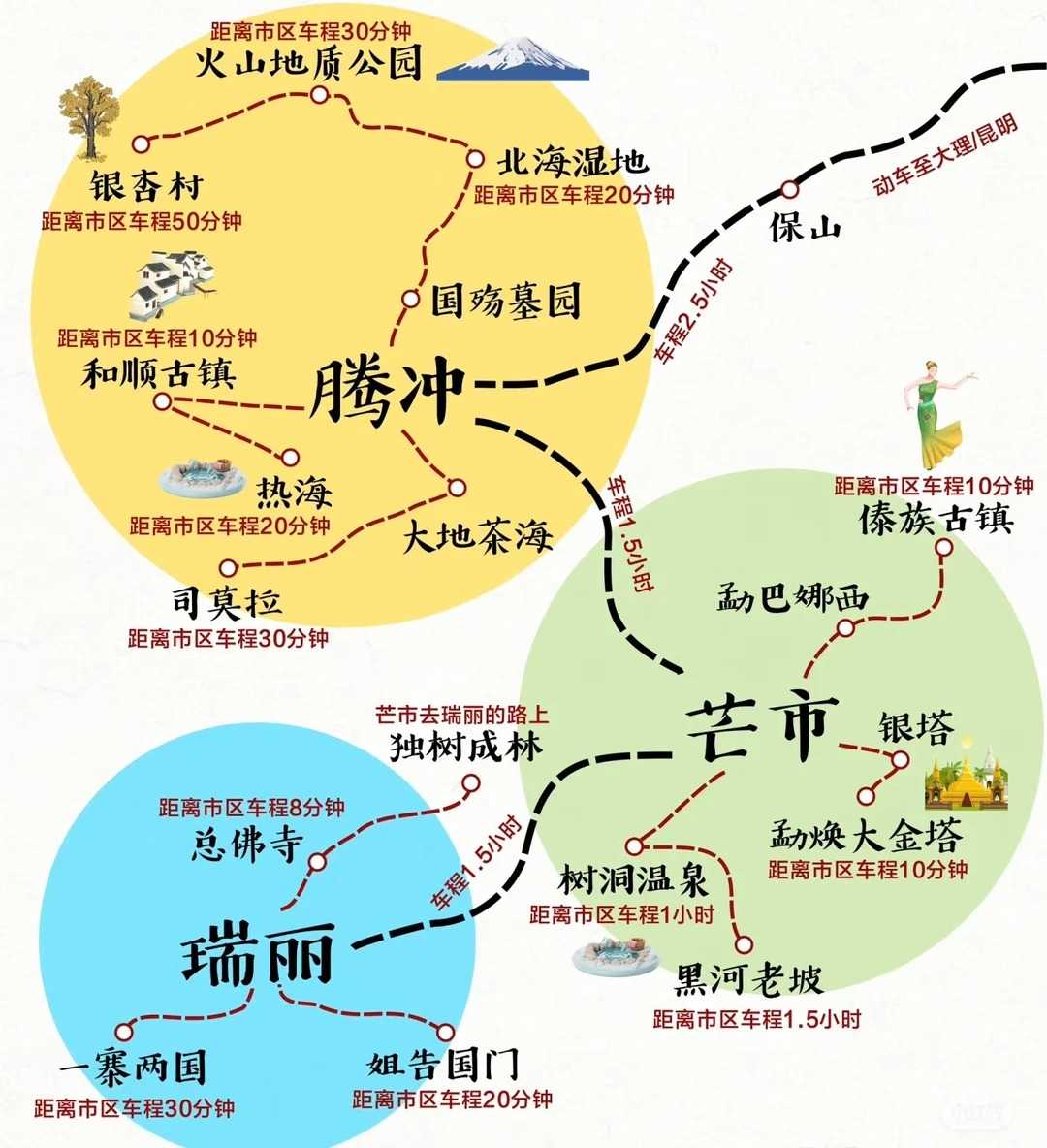
Ruili: 9 Stops in One Day
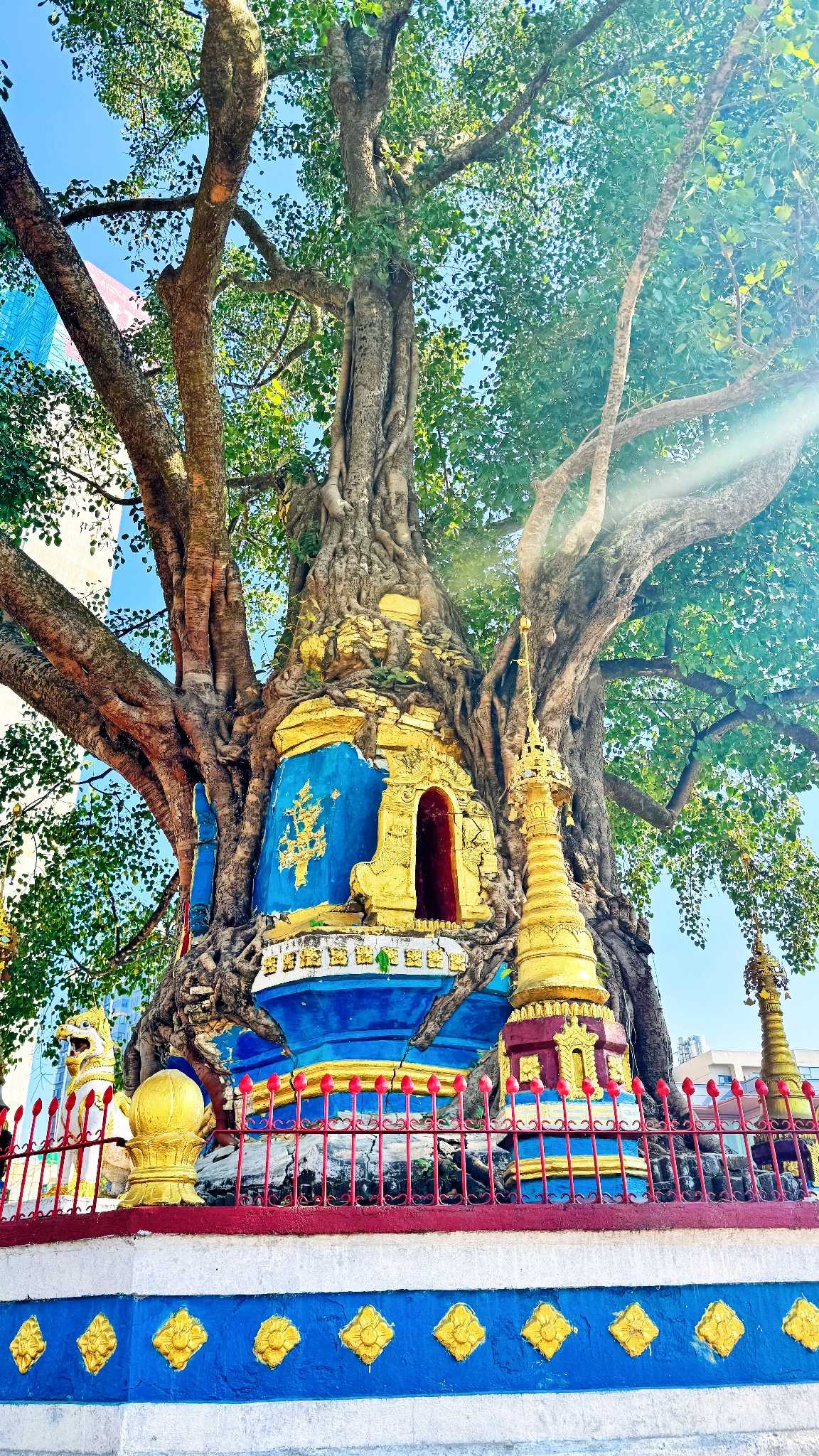
Hu Men Tree-Wrapped Buddha
Similar to the Tree-Wrapped Pagoda—a Buddha statue wedged inside a tree. Essentially a tree by the roadside.
Moli Waterfall
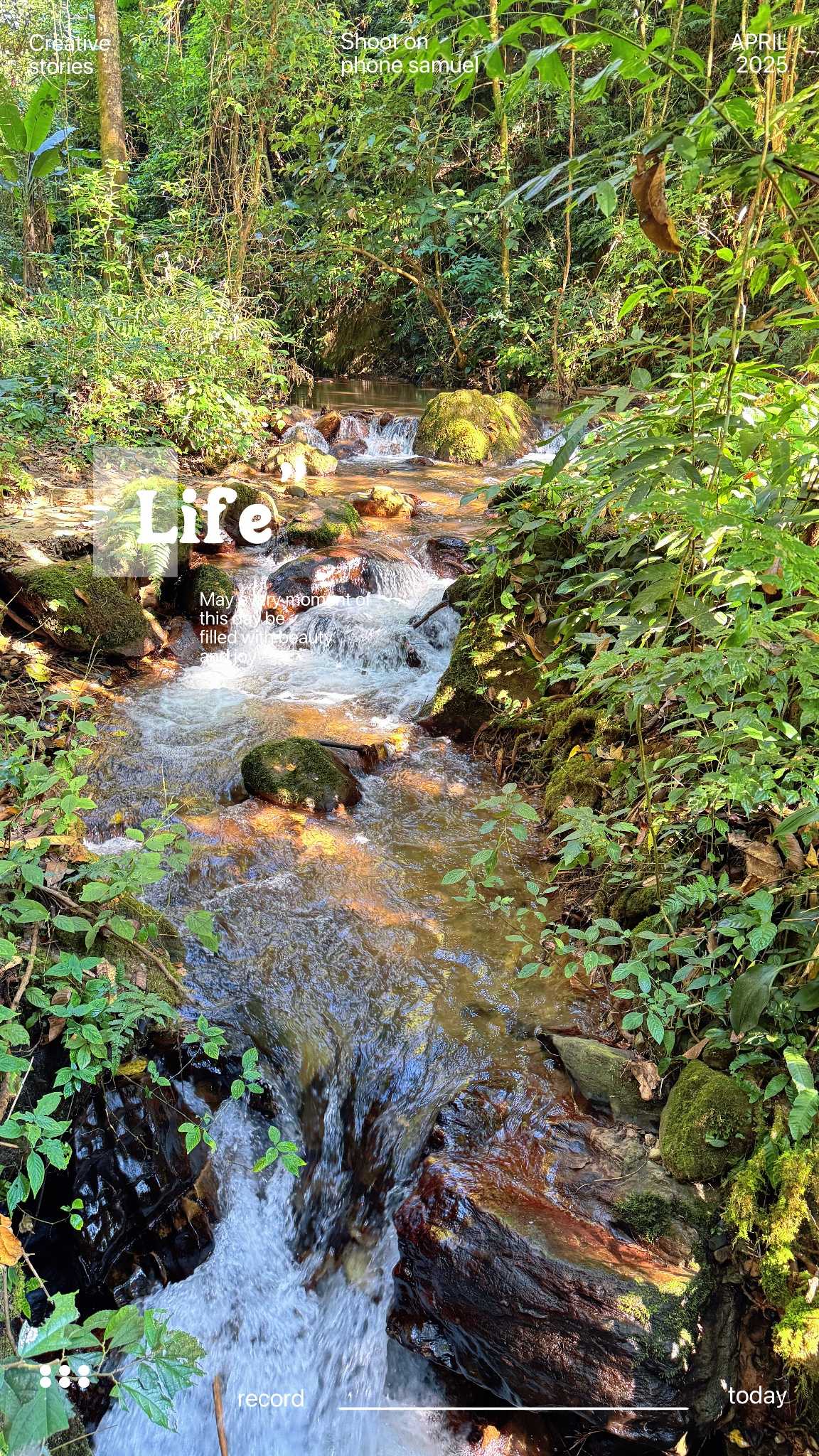
Entry fee: 35 RMB per person. Friendly for elderly and children, with mostly flat terrain and few uphill sections. It's about 1.4 km from the parking lot to the waterfall, with plenty of tropical plants along the way—almost like a mini botanical garden. The waterfall drops 60 meters, quite spectacular. "Jesus light" (sunbeams) appears everywhere, perfect for photos.
One Village Two Countries (一寨两国)
Across a green fence, the entire border is lined with Myanmar people selling cigarettes. Friendly reminder: each person is limited to two cartons. Buy more, and they'll be confiscated. Before the pandemic, you could "swing across two countries" here. Now, you can only look through the fence.
Jiegao Border Gate and China-Myanmar Street
Your iPhone might have trouble with GPS and signal here. It'll be fine once you leave the area.
Dai King's Palace and Grand Buddhist Temple
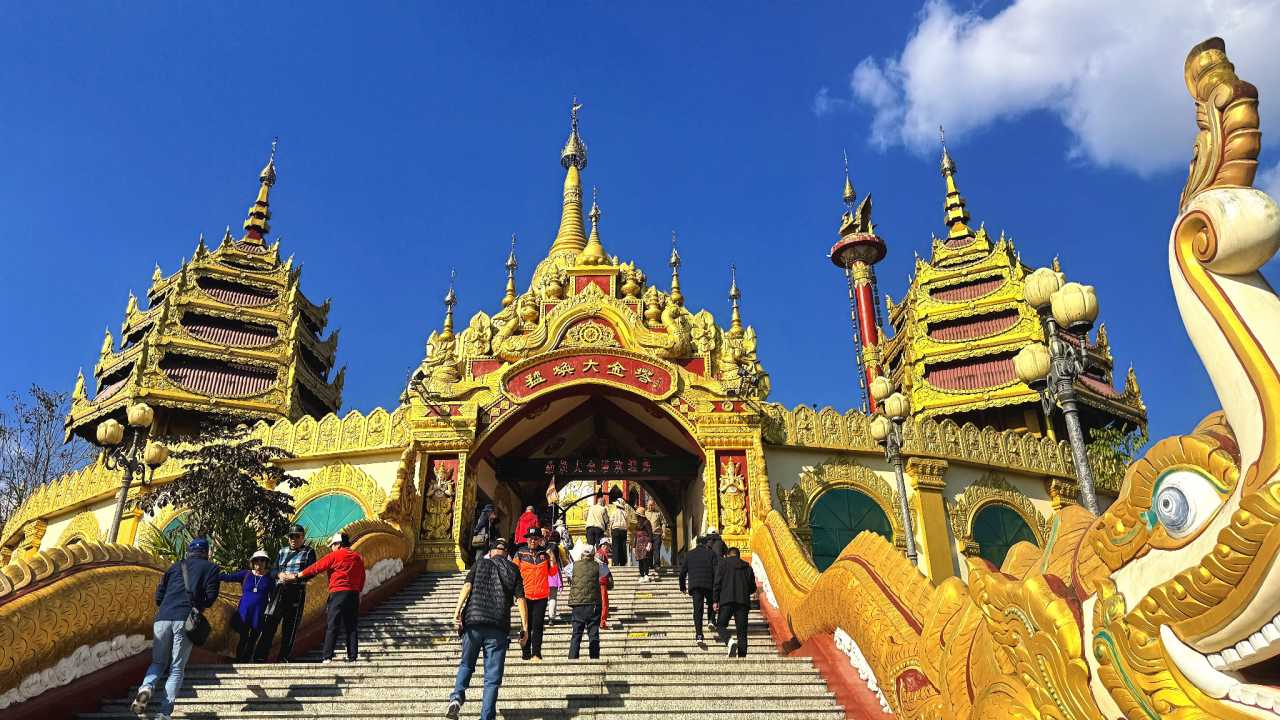
 The Dai King's Palace is half-abandoned, but from its platform, you can photograph the rainbow staircase of the Grand Buddhist Temple—very photogenic.
Wanding Port
Our last stop. We were too tired to go out for food, so we ordered delivery. The胭脂果 (a type of pickled fruit) was very spicy. Avocado is still the best.
Mangshi Fun: Market and Hair Wash
Bingwu Street Market
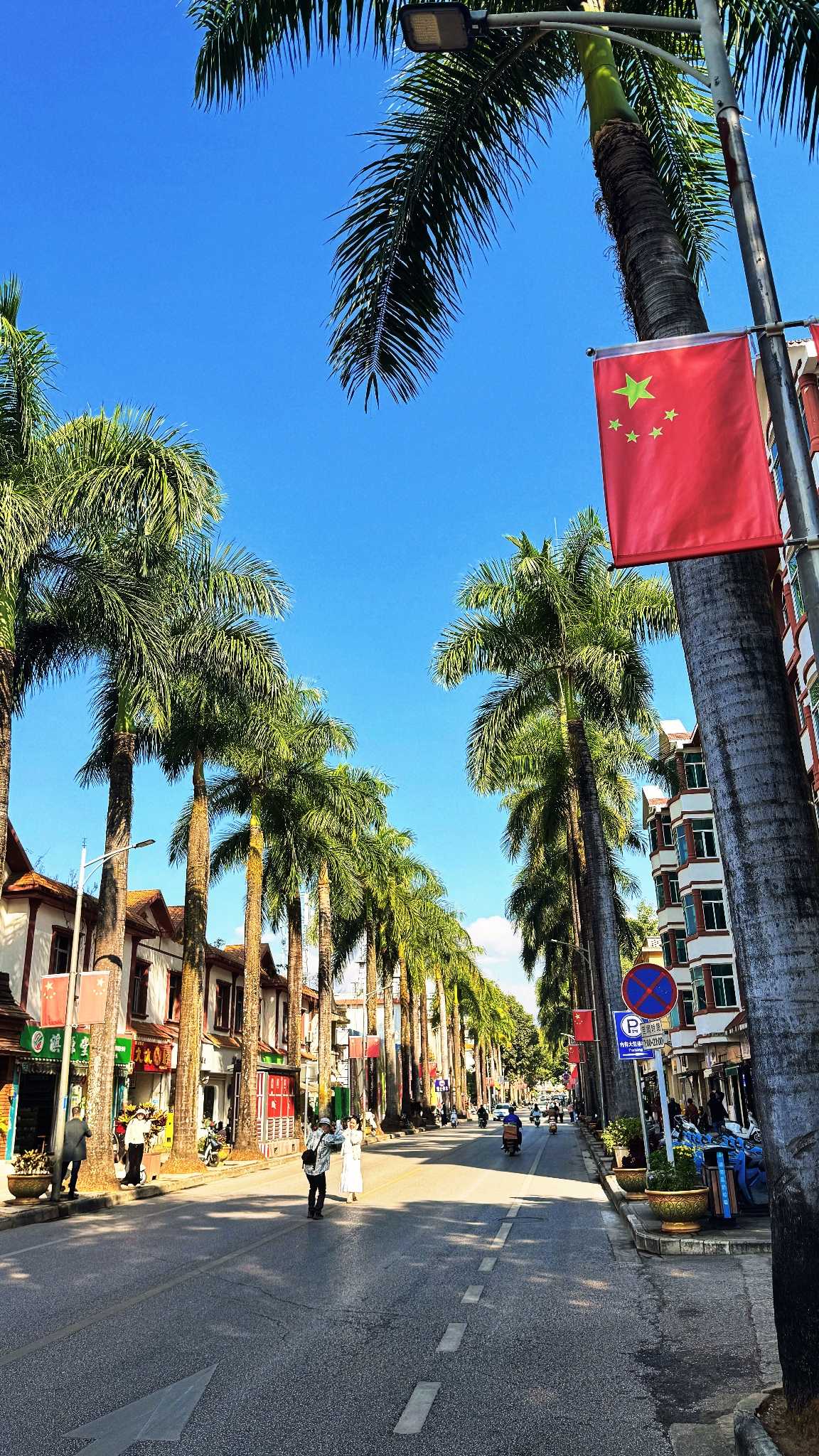 Arrive around 10 AM. It's crowded, but that's the charm of a market. After 11 AM, many locals pack up and leave. Strawberries average 12 RMB per jin (0.5 kg)—the cheapest we found on this trip. Crispy pork skin is a must-try; the chili powder is fragrant, not too spicy. Half-ripe custard apples (sugar apples) cost 8 RMB per jin, ripe ones 10 RMB. Ask the vendor to pick them for you.
Burmese-Style Hair Wash
Great value for money. The setting is basic, but the technique is excellent—your hair will be silky smooth afterward. The full package is very relaxing. Highly recommended.
Manghuang BBQ Village
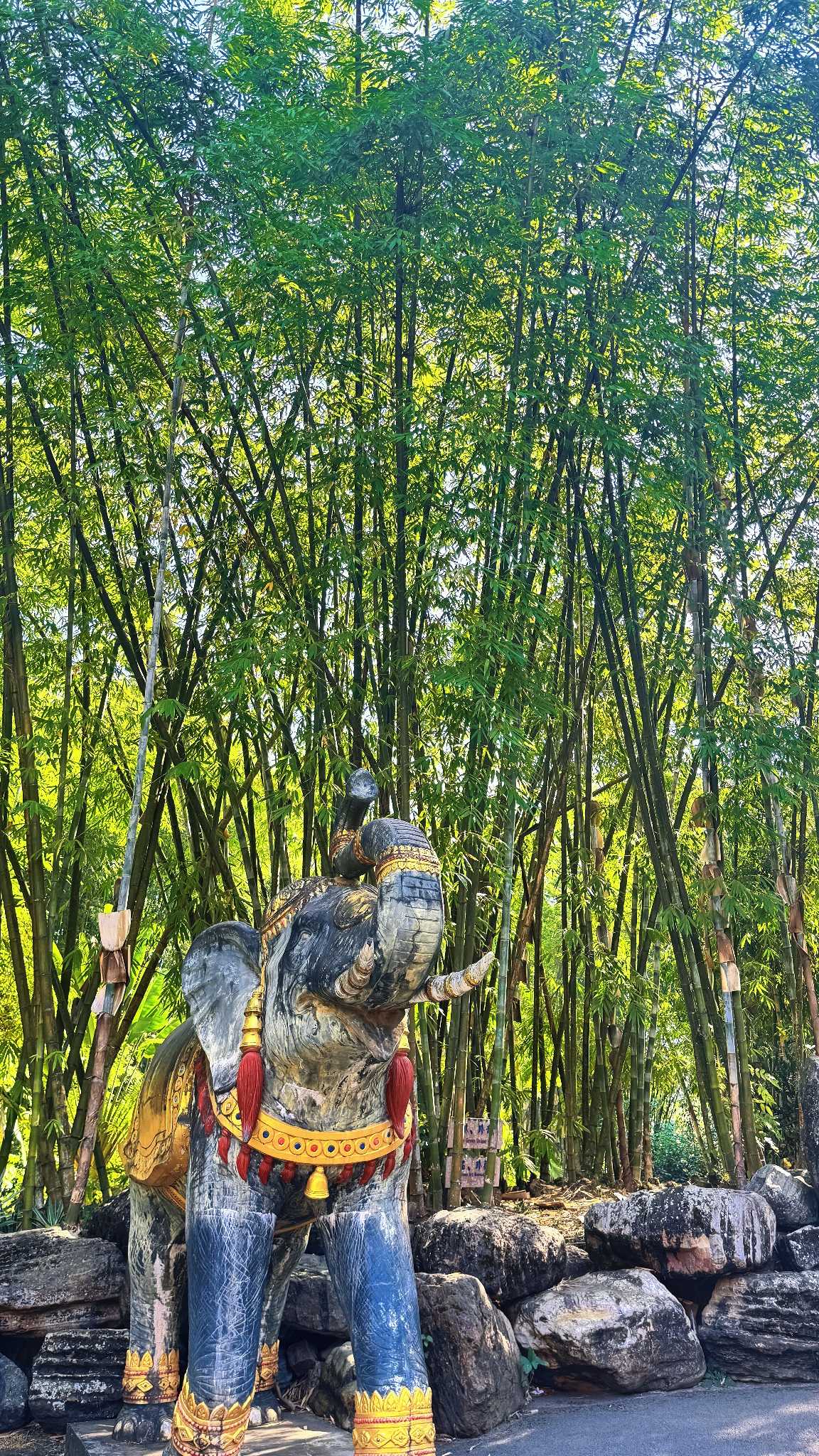 About 1 RMB per skewer. Fresh ingredients, perfectly grilled. Amazing flavor. I personally loved the beef skewers.
Xin Wan Chang Night Market
Smaller than expected. Standard street food, plus some rides and souvenirs. I still couldn't bring myself to eat the insects.
Tengchong: Slow Time in Heshun Ancient Town
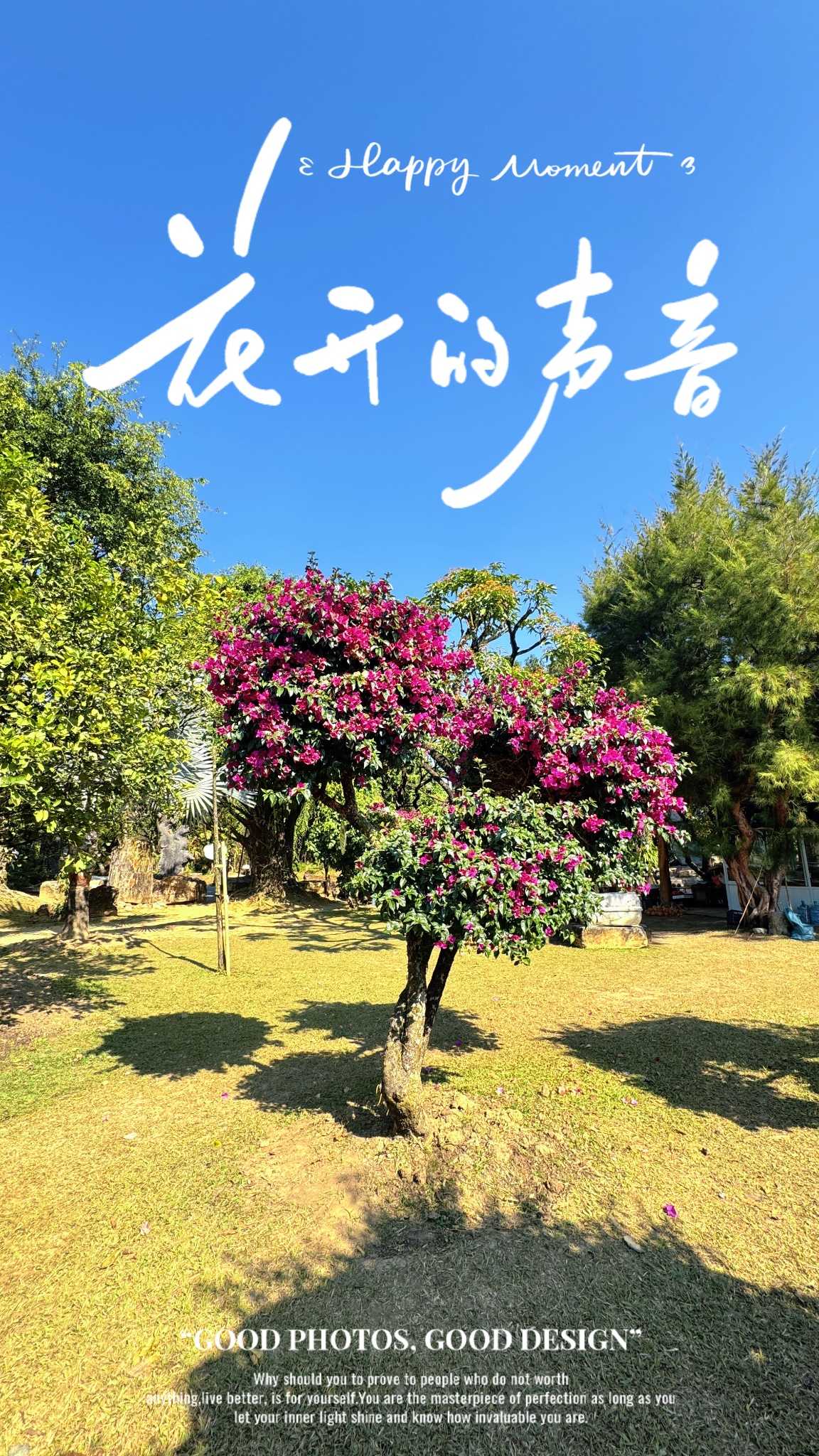
Heshun Ancient Town
 A paid attraction. Once you buy a ticket, you can enter and exit freely for 7 days. I recommend buying the ticket + boat ride combo—the water forest is great for kids. The ancient town is full of cafes. Sitting on a rooftop terrace in the sun, with a gentle breeze, listening to the quiet—it's pure peace.
Rehai (Hot Sea) Park
Compare prices across platforms before buying tickets. A combo with a shuttle bus is more cost-effective. Red-bellied birds (a Class II protected species) are everywhere. One of Yunnan's "Eight Oddities" is "eggs sold on a string." Carry them all the way to the Big Boiling Pot to cook—expect a 40-minute wait. If you don't want to carry eggs, you can buy ready-made hot spring eggs.
Simola Wa Village
 Free entry, but you need to buy a 3-kilometer shuttle bus ticket. The village offers DIY flower cakes (鲜花饼), which kids love. The activity isn't charged separately, but you need to make 20 at once. Baking takes 20 minutes, so you can explore the village in the meantime. The shop is very photogenic.
Beihai Wetland
 The sun makes you feel lazy, but it's windy over the water—bring a jacket. Locals get discounted tickets.
Gaoligong Papermaking Museum
A private museum with guided tours. You can try papermaking. Flower paper takes a long time to dry and will be shipped to your home.
Wilderness Kitchen
A popular experience on Xiaohongshu (Little Red Book). Grilled meat, steamed dishes, and vegetables—all you can eat. The record for pork belly is said to be 31 skewers per person. There's a herbal foot bath at the entrance. After eating your fill, soak your feet in the sun—pure bliss.
Conclusion: Companionship Is the Longest Confession of Love
The eight-day journey through Western Yunnan ended with our children's laughter and family time. From Mangshi's lazy sunshine, to Ruili's exotic charm, to Tengchong's misty hot springs—every stop left unforgettable memories.
The greatest meaning of travel isn't how many places you've been or how many photos you've taken. It's the time spent together as a family. Watching your child's eyes widen at new wonders, bravely explore unfamiliar places, and laugh joyfully in the warm sun—these moments are the most precious gifts of any trip.
Our last New Year's Eve of 2025 was spent in Western Yunnan. In 2026, we look forward to more companionship, more growth.
Practical Tips: - Yunnan is warm during the day but cool in the morning and evening—bring a jacket - Dehong Airport is a military airfield; do not take photos before landing - Cigarette purchases at the Ruili border are limited to 2 cartons per person - Heshun Ancient Town tickets are valid for 7 days; consider the combo with a boat ride - Hot spring eggs at Rehai Park require a 40-minute wait; take photos first, then queue - Mangshi's avocado juice is the most unforgettable food of this trip—nothing else comes close
You should also read:

Body in Hell, Heart in Heaven: A Pilgrimage Through Tiger Leaping Gorge — A Dialogue Between Heaven and Earth
Body in Hell, Heart in Heaven: A Pilgrimage Through Tiger Leaping Gorge — A Dialogue Between Heaven and Earth Introduction: When the Gorge Splits Open Beneath Your Feet Some say Tiger Leaping Gorge is the closest place on Earth to the border between "hell" and…
Continue reading...
Cloud Travelogue · Dali of Wind, Flowers, Snow, and Moon: A Three-Day, Two-Night Journey of a Free Spirit
Cloud Travelogue · Dali of Wind, Flowers, Snow, and Moon: A Three-Day, Two-Night Journey of a Free Spirit I am a cultured female foodie with a touch of rogue charm. I slung on my backpack, took my lover's hand, and set off on a spontaneous…
Continue reading...
The Meaning of Travel – A Tengchong Story: A Journey of the Heart and Personal Growth
The Meaning of Travel – A Tengchong Story: A Journey of the Heart and Personal Growth Setting Out, Only to Return a Better Self Some say travel is nothing more than leaving a place you're tired of, only to go to a place where others…
Continue reading...