Half a Summer, a Lifetime of Memories: Turning Corners and Finding Love in Lijiang
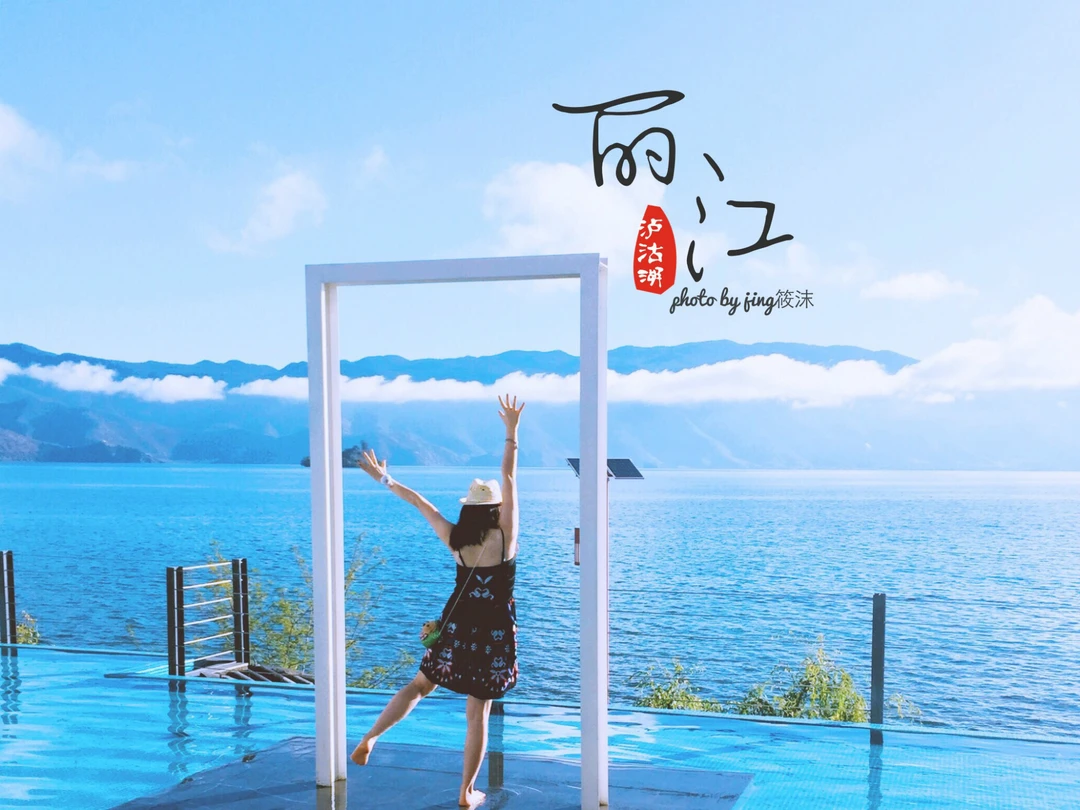
Half a Summer, a Lifetime of Memories: Turning Corners and Finding Love in Lijiang
What is love? Some say it's a feeling. Others say it's a choice. For me, it's the memory of a summer afternoon in Lijiang, when the sun painted the ancient rooftops gold, and every winding alley whispered a story of serendipity.
Introduction: The Color of Yunnan
If I had to describe Yunnan in a single hue, blue would win without contest. Not just the blue of the sky—though that is impossibly vast and clear—but the blue of Lake Lugu's waters, the indigo shadows of the Jade Dragon Snow Mountain, and the deep azure that settles over the old town after sunset.
In June 2017, a friend and I set off on a six-day journey through this corner of southwest China. We had no grand itinerary, no rigid plans—just a desire to wander, to eat, to photograph, and to let the road guide us.
Getting There: The Journey Begins

Day 1 – Arrival in Lijiang
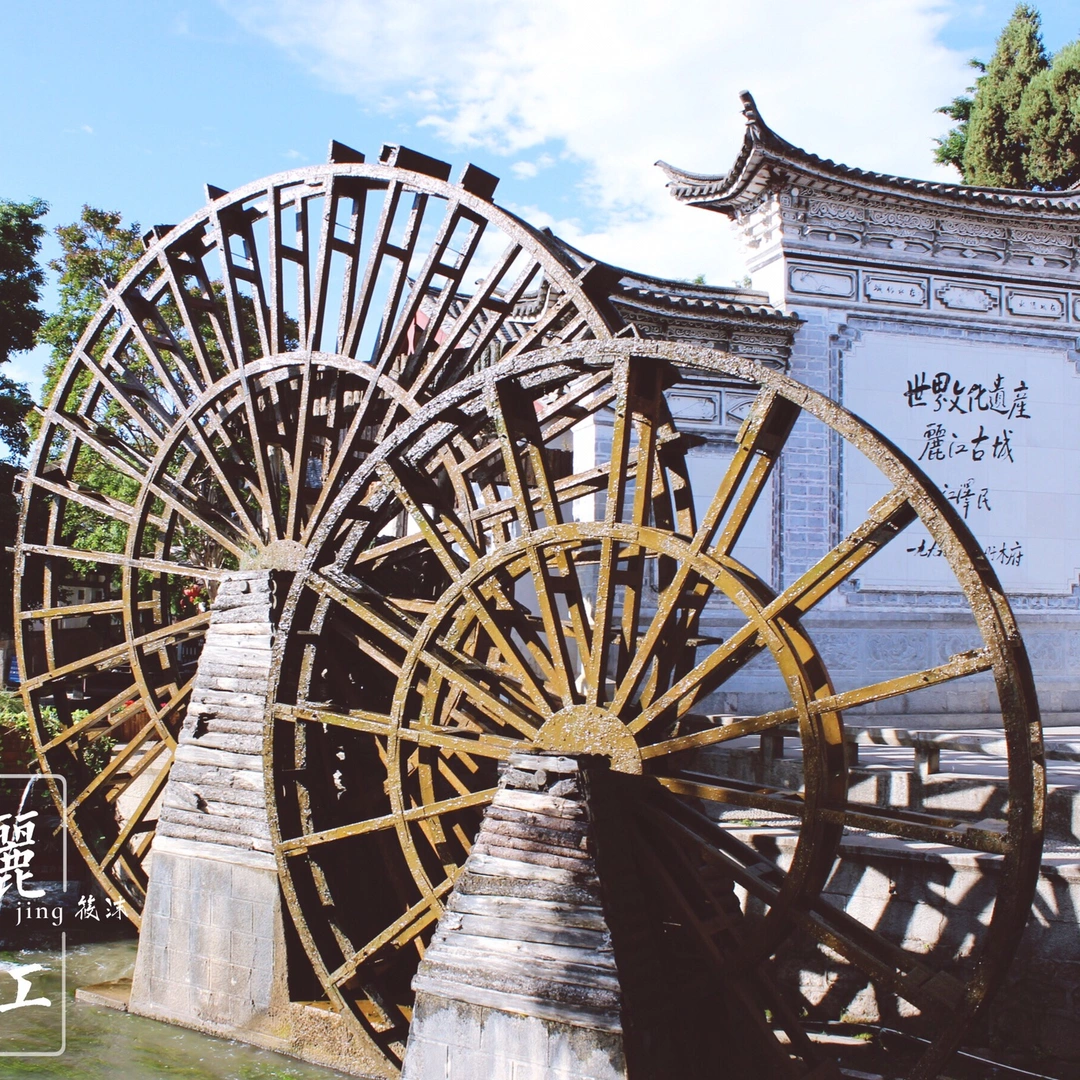
Our flight from Changsha touched down in Lijiang around 6 PM. To my surprise, the sky was still bright—a soft, endless blue streaked with white clouds that seemed to hang just above the tiled rooftops.
We took the airport shuttle to Blue Sky Hotel for ¥20 per person, then hailed a ride-sharing car to our guesthouse for ¥20. (A local later told us we could have reached the Old Town's Big Waterwheel for just ¥10, but live and learn.)
We stayed at the Yadeng Inn in Dayan Old Town, which we'd booked through a travel app for ¥185 per night. The innkeeper, a warm-hearted man from Anhui, handed us a hand-drawn map and circled all the best eateries and sights. He even poured us tea before sending us off to explore.
Pro tip: The Old Town charges a ¥80 per person conservation fee, collected daily from 8 AM to 7 PM. Keep your receipt handy—you'll need it.
First Bites
Dinner was at Grandma A's Spare Ribs (a local institution), a restaurant famous for its pork ribs. We ordered the signature spicy pork rib hotpot, plus a vegetable called "water mimosa" and chicken bean jelly. Total: ¥110. The broth was rich, the ribs tender, and the atmosphere buzzing.
For dessert, we grabbed a cup of yogurt from A'an Desserts (¥10). The owner had recommended it, and one spoonful explained why—creamy, tangy, and perfectly sweet.
Nightlife: A Toast to the Moon
After dinner, we wandered toward the "Meet" Bar, only to find their cocktails sold out. So we followed the sound of a live guitar to Sunshine in the City, a quiet bar tucked away at 146 Wenyi Alley.
Two cocktails cost ¥80 each, and a fruit platter was ¥88. The singer's voice was haunting—but she stopped at midnight. If you go, arrive early.
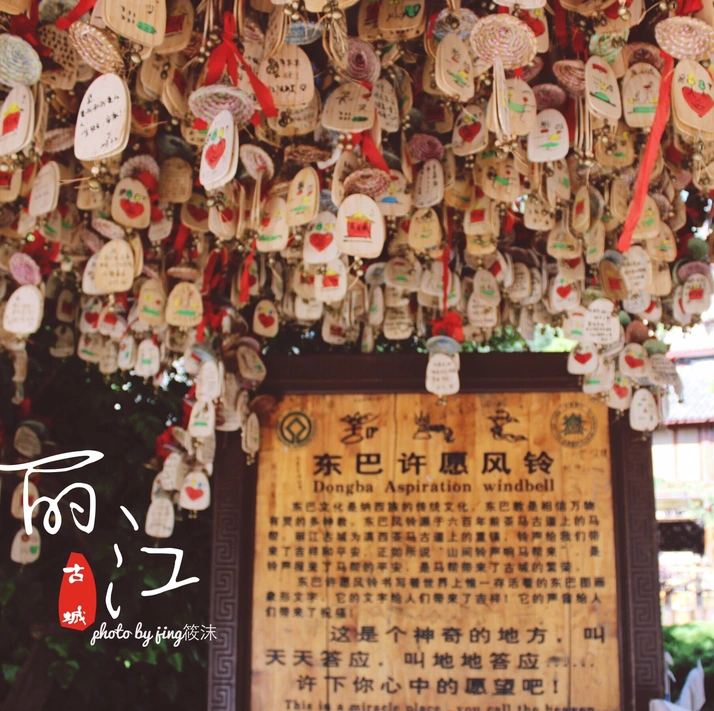
The Old Town at night is a different creature. Lanterns glow, cobblestones gleam, and the crowds thin to a gentle murmur. Every turn reveals a new courtyard, a hidden café, a stray cat lounging on a step.
Lake Lugu: Where Water Meets Heaven
Day 2 – The Road to Lugu
We booked a ride-sharing carpool to Lake Lugu the next morning. The drive took about three to four hours, winding through mountains and valleys. I'd skipped breakfast and felt dizzy—probably a touch of altitude sickness—but the driver, a chatty local, kept me distracted with stories.
The entrance fee was ¥100 per person.
Why endure the winding road? Because Lake Lugu is worth every hairpin turn.
We stayed at Yijiang Heterogeneous Life Inn in Daluoshui Village for ¥362 per night. The highlight? A stunning photo platform that blends seamlessly with the lake. (Lakeside rooms here cost ¥500–1,000+, but even the standard rooms are lovely. Breakfast is included.)
Day 3 – Circumnavigating the Lake
Everyone says you must visit Lige Island. I agonized over whether to stay in Lige or Daluoshui—but Daluoshui proved perfect.
We hired a private SUV for ¥300 to circle the entire lake. Key tip: Ask specifically for an SUV, not a minivan. The local fleet gathers at the dock; your innkeeper can point you there.
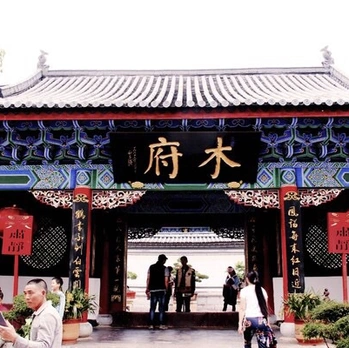
Our route included:
- Lover's Beach – A stretch of pebbled shore with a tragic love story. Legend says the goddess Gemu and a mortal named Houlong were turned into mountains and could only meet on the seventh day of the seventh month—here, at this beach.
- Lige Island – A crescent-shaped peninsula that looks like a heart from above. The best photo spot is on the ring road, but locals charge ¥20 for the privilege.
- The Walking Marriage Bridge – A wooden bridge over the reedy wetlands. It's… underwhelming, to be honest. (We're from Hunan, where bridges are plentiful.) But the surrounding Grass Sea—a vast marsh of reeds—is genuinely beautiful.
- Goddess Bay – I skipped it due to time, but a friend later sent me photos of the sunset there. It looks like a painting.
Dinner: We found "Greedy Mouth" Restaurant near the parking lot. A set meal of chicken with mochi, scrambled eggs with tree bark, traditional fried rice, and tofu soup cost ¥68—a steal.
Tiger Leaping Gorge & Shangri-La: Into the Mountains
Day 4 – The Gorge and Beyond
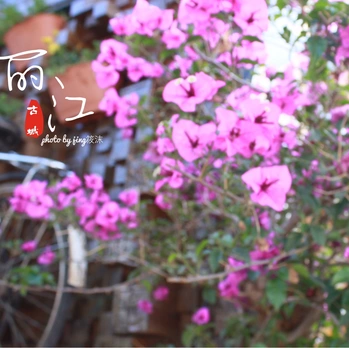
Tiger Leaping Gorge is one of the deepest in the world. The "Tiger Leaping Rock" sits at the narrowest point—just 20 meters wide—where a tiger supposedly leaped across. The roar of the river is deafening, the spray cooling your face.
Entrance: ¥65 per person.
We stopped at the First Bend of the Yangtze River on the way. A vendor sold us two oxygen canisters for ¥168—a total rip-off. (You can buy them at any supermarket for ¥20.)
Songzanlin Monastery & Dukezong
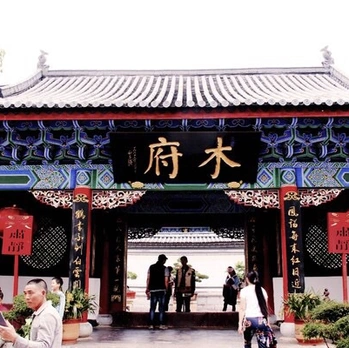
Songzanlin Monastery (¥100 per person via group-buy app; ¥110 at the gate) is often called the "Little Potala Palace." Its golden roofs and crimson walls glow against the blue sky. Inside, the silence is profound. I felt my urban anxieties dissolve.
Dukezong Old Town means "Moonlight City" in Tibetan. Much of it burned in a devastating fire in 2014, but the surviving streets still whisper of ancient caravans. It's haunting and beautiful.
Day 5 – Potatso National Park
Potatso is China's first national park, a wonderland of alpine lakes, meadows, and forests. We hiked the 3.3km boardwalk around Shudu Lake (took about an hour), then took a boat for ¥50 per person.
The "Militang" Meadow (Fog-Eyed Meadow) is a sea of wildflowers in summer. At Bita Lake (elevation 3,538 meters), we walked another 1.5 hours, wrapped in scarves against the chill. The air smells of pine and damp earth.
Lunch: A "highland burger" made with yak meat and barley—¥56 for two. Tasted like a fancy fast-food burger.
Tibetan Home Banquet
That evening, we attended a Tibetan family feast (¥160 per person). The host served yak hotpot, roasted pork, barley wine, and butter tea. The family sang and danced, their voices filling the timber hall. It was warm, chaotic, and unforgettable.
Farewell to Lijiang: Slow Days & Sweet Endings
Day 6 – The Last Morning
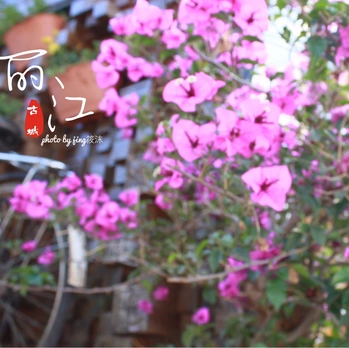
Our final day was pure laziness. We strolled through Dayan Old Town, ducked into A'an Desserts again (red bean yogurt ¥10, mixed fruit bowl ¥13), and discovered Dayan Flower Lane—a riot of blossoms cascading from balconies.
Must-try restaurants: - Ama Yi Naxi Restaurant – Yak meat hotpot, tofu. - Small Pot Naxi Food – Grilled fish, pickled vegetables, plum wine. (Expect queues.)
The Heart of Lugu
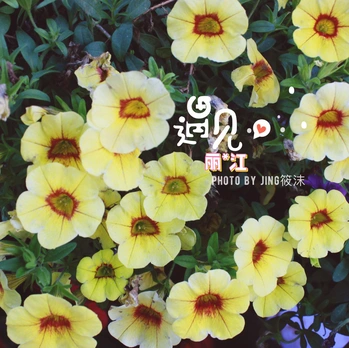
On our last afternoon, we found a photo spot on Lige Island where the lake forms a perfect heart shape. The locals charge ¥20 for a photo, but it's worth it. They say that if two lovers walk the entire Walking Marriage Bridge together, their love will last forever.
Practical Tips for Your Trip
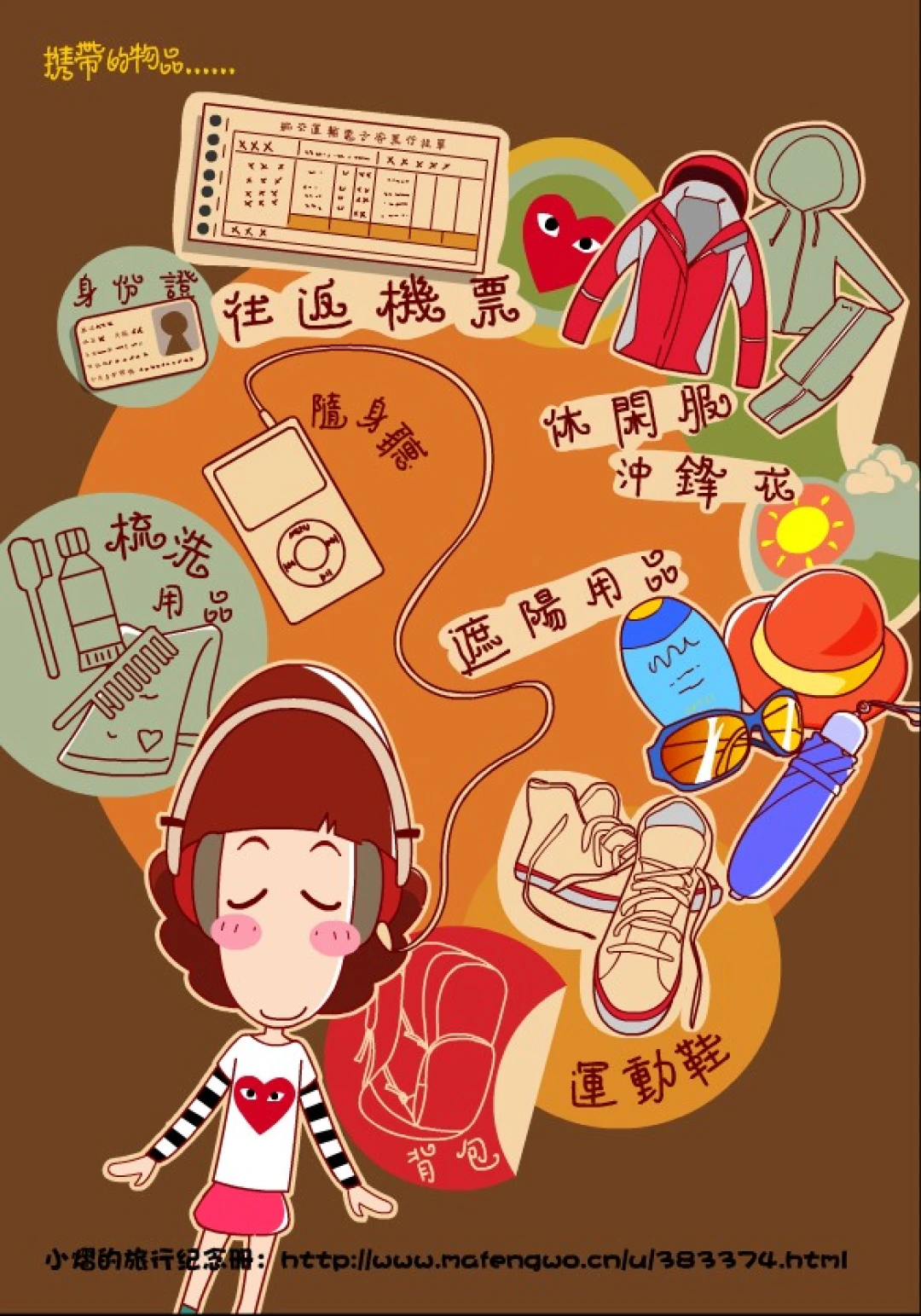
- Sun protection – The UV is brutal. Bring sunscreen, a hat, and lip balm.
- Altitude – Avoid alcohol and heavy exercise on the first day. Carry oxygen if you're prone to altitude sickness.
- Layered clothing – Temperatures swing wildly. Even in summer, pack a jacket.
- Respect local customs – Especially in Tibetan and Mosuo communities.
- Water – Drink plenty of bottled water; tap water is not safe.
- Cash – Many small vendors and remote areas don't accept cards or mobile payments.
- Booking – Reserve accommodations and transport in advance during peak season (June–October).
- Photography – Ask permission before photographing locals, especially in monasteries.
Epilogue: Love in the Details
What is love? In Lijiang, I found it in the smallest moments—the innkeeper's hand-drawn map, the creamy tang of yogurt on a warm evening, the roar of the gorge drowning out all thought, and the heart-shaped curve of a lake that seemed to hold the sky.
Love is not a grand declaration. It's the way the light falls on ancient rooftops, the taste of yak meat shared with strangers who become friends, the quiet understanding that some places change you forever.
Half a summer in Lijiang. A lifetime of memories. And in every turn, the possibility of finding love—not just with another person, but with the world itself.
What is love? Love is you and me.
You should also read:
Dreamland – Lijiang: A Talking Comic Travel Guide
Dreamland – Lijiang: A Talking Comic Travel Guide Prologue: When Lijiang Takes Root in Your Heart Some places leave a mark on you forever. They're like an old song on repeat, suddenly playing in your mind on an ordinary afternoon. For me, Lijiang is that…
Continue reading...
Escaping Nanning, Falling Under Lijiang's Spell: Our Four-Person, Ten-Day Yunnan Dream
Escaping Nanning, Falling Under Lijiang's Spell: Our Four-Person, Ten-Day Yunnan Dream Before We Set Off: No Pain, No Obsession Have you ever had that impulse—suddenly tired of the office fluorescent lights, the crush of the subway, the endless parade of identical takeout boxes, and just…
Continue reading...
Tengchong·Heshun: Finding Life as It Should Be in a Border Town Where Time Stands Still
Tengchong·Heshun: Finding Life as It Should Be in a Border Town Where Time Stands Still The long journey of over twenty days was over. On my first day back at the office, I was still in a daze. My fingers couldn't find the keys on…
Continue reading...