Half the Smoke of Daily Life, Half the Fragrance of Cloud-Shrouded Tea — A Complete Record of a Seven-Day Self-Drive Tour Through Xishuangbanna and Jingmai Mountain
Half the Smoke of Daily Life, Half the Fragrance of Cloud-Shrouded Tea — A Complete Record of a Seven-Day Self-Drive Tour Through Xishuangbanna and Jingmai Mountain
Foreword: Why Southern Yunnan?
Some journeys are for seeing scenery. Others are for living a different life. This time, our family of three set out from the lingering chill of early spring in western Zhejiang, heading south. Seven days, six nights — we packed two completely different ways of living into a single trip.
Xishuangbanna is fervent — the夜市 (night market) lights, the cooking smoke rising from傣楼 (Dai-style stilt houses), the water-splashing狂欢 (carnival). It's the most vivid, living pulse of human life. Jingmai Mountain is serene — thousand-year-old ancient tea forests, sunrises over seas of clouds, the fire pit of the Bulang people. That's the longest-lasting fragrance of tea above the clouds. Half is vibrant, half is tranquil. This journey found the most comfortable balance between two extremes.
Prologue: From Cold to Heat
On the fifth day of the first lunar month in the Year of the Horse (2026), at six in the morning, the air in Changhua, Zhejiang, still held a biting chill. We dragged our suitcases, drove 150 kilometers to Hangzhou Xiaoshan Airport, and took a three-hour flight with a stopover in Xingyi. The moment we landed at Xishuangbanna Gasa Airport, a wave of heat, thick with the humid breath of the tropical rainforest, washed over us. Our heavy down jackets instantly felt superfluous; the short-sleeved shirts we changed into felt wonderfully light in the warm breeze.
This journey began as a crossing — from winter to summer.
Part One: The World of Mortal Smoke and Fire
Night One: The Soul of Gaozhuang Comes Alive at Night
Stay: Queyu Xiamian Meisu, Peacock City, Gaozhuang Xishuangjing
Our first stop after landing in Jinghong was Gaozhuang Xishuangjing. In the Dai language, "Gao" means nine, "Zhuang" means pagoda, "Xishuang" means twelve, and "Jing" means village — together, it means "Nine Pagodas and Twelve Villages." We stayed on the 18th floor of the Jingdai Village Peacock City building. Opening the window, the golden spire of the Grand Golden Pagoda gleamed in the sunlight. The room wasn't cheap, but the view was worth every yuan.
At six in the evening, the shimmering light on the Lancang River began to soften. We strolled along the riverbank. The Starry Night Market spread out before us like a brilliant river, stretching as far as the eye could see. Young women in traditional Dai attire swirled their long skirts; the aroma of Dai-style barbecue flowed through the air; the sour-spicy kick of舂鸡脚 (pounded chicken feet with herbs) hit your nose; the sweet stickiness of菠萝饭 (pineapple fried rice) melted on your tongue. Holding a cup of Lao-style iced coffee, we walked slowly along the Mekong River. The evening breeze, the murmur of the crowd, the lights — all woven together. This was the most vivid world of mortal life.
Practical Tip: There are many accommodation options in Gaozhuang. I recommend a high-floor room with a river view for an excellent night view. The Starry Night Market is busiest after 7 PM, but it's very crowded, so keep an eye on your belongings.
Day Two: From the Plant Kingdom to the Skywalk
Route: Gaozhuang → Xishuangbanna Tropical Botanical Garden, Chinese Academy of Sciences → Wangtianshu Scenic Area → Gaozhuang (approx. 160 km)
At nine in the morning, we drove to the Xishuangbanna Tropical Botanical Garden, Chinese Academy of Sciences. Founded in 1959 by botanist Cai Xitao, this botanical kingdom sits on葫芦岛 (Gourd Island), encircled by the Luosuo River in Menglun Town, Mengla County. It's a national 5A-level scenic area.
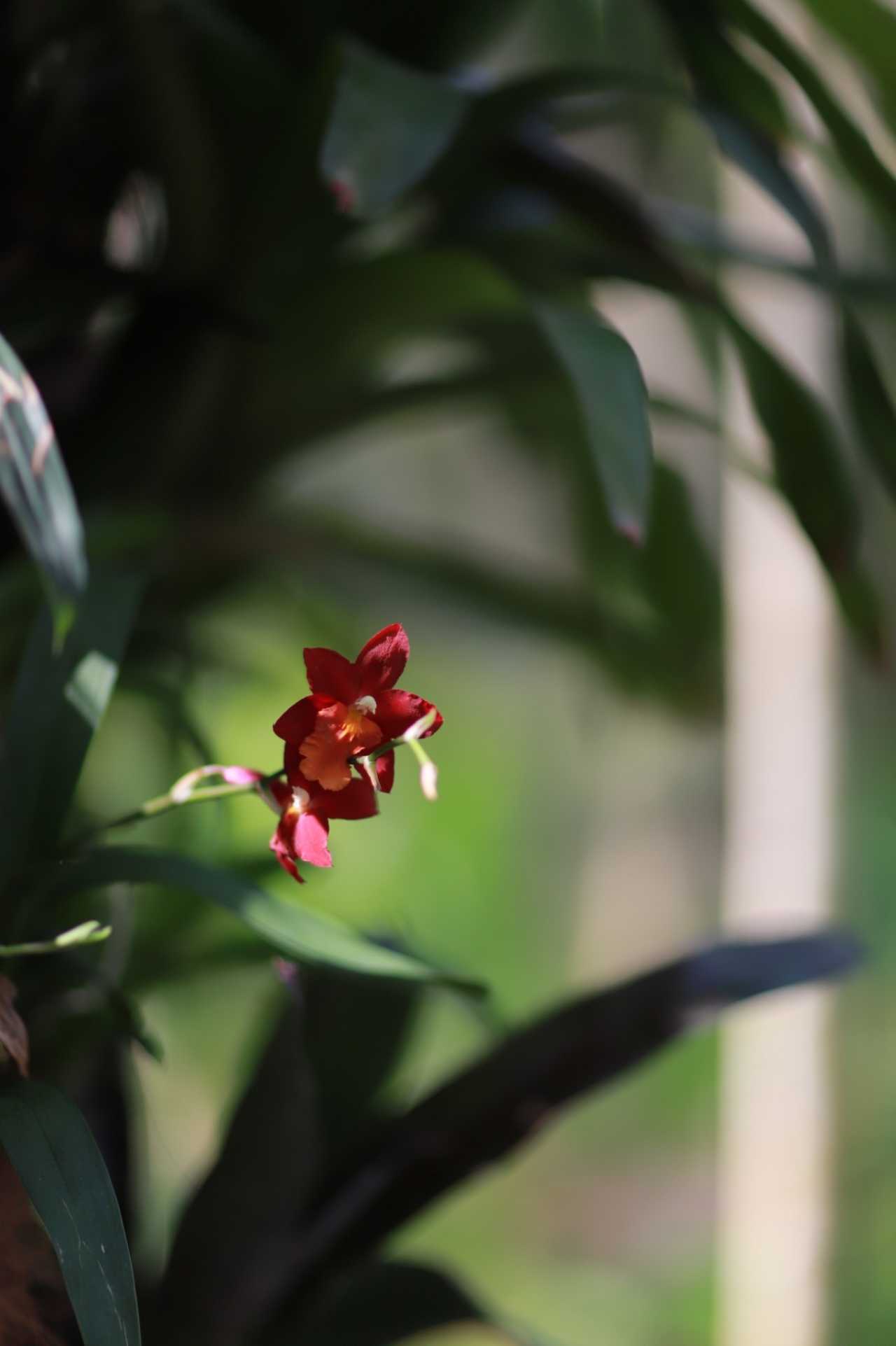
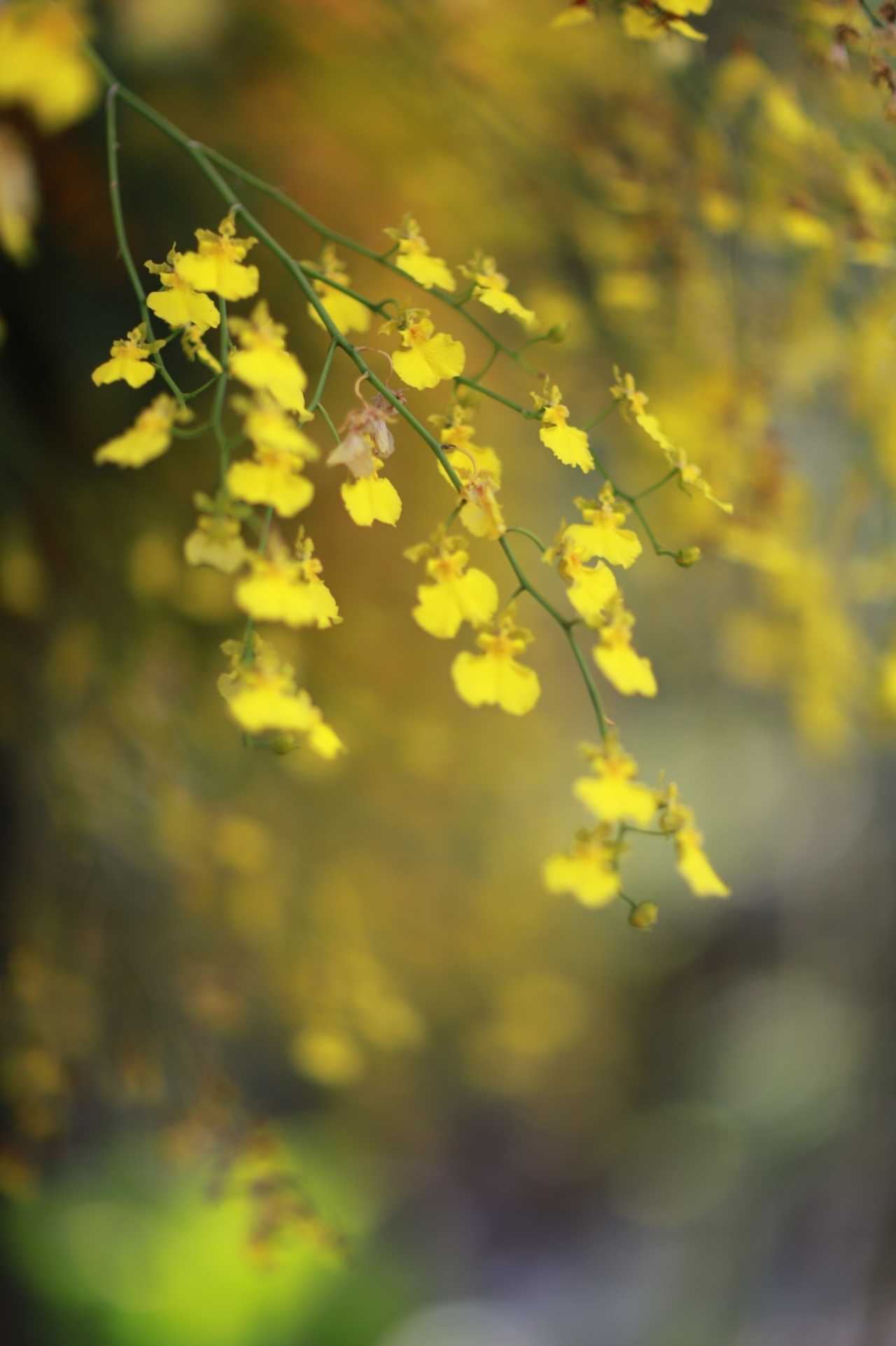
The garden is divided into east and west zones. The west zone is a meticulously designed plant area. The palm-lined avenue stretches straight ahead. In the Hundred Flowers Garden, bougainvillea, poinciana, and tropical orchids bloom in succession. The most stunning feature was the Victoria water lily pond — giant leaves floating on the water like jade-green plates, dotted with red and white water lilies. A random snapshot instantly looks like a Southeast Asian blockbuster.

The east zone is a rainforest hiking area; we didn't venture deep, as we had a more thrilling destination in the afternoon.
At 3:30 PM, we plunged into the Wangtianshu Scenic Area. The望天树 (Wangtianshu, Parashorea chinensis), a national first-class protected wild plant, was discovered by Cai Xitao's team in Mengla County in 1975. This discovery ended the international academic assertion that "China has no tropical rainforest."
The must-do experience is the "空中树冠走廊" (Canopy Skywalk) — a 500-meter-long iron-chain bridge suspended 36 meters high between the Wangtianshu trees, with steel cables and nylon net railings. It sways slightly as you walk. Beneath your feet lies the entire rainforest; above you, the tree trunks pierce the clouds. Honestly, walking the middle section, my legs did feel a bit weak. But the sheer thrill of hovering mid-air, looking down over the rainforest, was worth every second of tension.
Practical Tip: The two scenic areas are quite far apart (about 80 km). I suggest starting early in the morning. Those afraid of heights should be cautious on the canopy walkway at Wangtianshu, but the experience is incredibly powerful.
Day Three: The Dai King's Back Garden and Tropical Fruit Fragrance
Route: Gaozhuang → Manting Park → Tropical Flower Garden → Gaozhuang (approx. 12 km)
In the morning, Manting Park. This garden, located at the confluence of the Lancang River and the Liusha River, was once the royal garden of the Dai king, Zhao Pianling. In the Dai language, it's called "Chun Huan," meaning "Garden of the Soul" — legend has it that when the Dai princess visited the garden, her soul was captivated by its beauty and refused to leave.
The park isn't large, but every corner is a scene. Dai-style architecture is arranged in pleasing disorder, with red walls and golden spires hidden among the green trees. The Royal Elephant Lake ripples with clear, blue-green water, and the White Pagoda stands solemn and serene. We changed into light Dai clothing, the long tube skirts swaying as we strolled under the shade of the trees, sunlight dappling our shoulders — it was incredibly gentle and beautiful.
Connected to the park is the Zongfo Temple (General Buddha Temple), the highest-ranking Buddhist temple in Xishuangbanna. The main hall was resplendent, with incense smoke curling gently. Unfortunately, our young daughter was wearing a sleeveless top and, according to regulations, couldn't enter. We only looked from outside, leaving it as a memory for another time.
The afternoon visit to the Tropical Flower Garden (a 4A-level scenic area) was just average. The entrance fee was 45 yuan, and the internal sightseeing car was 40 yuan. The park features specialized gardens like the Leaf Garden and the Egg Flower Garden, along with fruit-picking and nighttime insect observation activities. It's suitable for taking children for an educational visit, but for time-limited tourists like us, the value wasn't great.
At five in the evening, we rented an electric scooter (60 yuan/day) to visit the Jinghong Farmer's Market. Rambutan, mangosteen, passion fruit, snake fruit, wax apple, milk fruit... the array of tropical fruits was dazzling, and the prices were much cheaper than in Gaozhuang. We bought a big bag and sat by the roadside, eating to our hearts' content.
Practical Tip: Visit Manting Park in the morning for good light and fewer crowds. Fruits at the farmer's market are at least 30% cheaper than in the scenic area, making a dedicated trip worthwhile.
Day Four: A Day as a Rainforest Savage
Route: Gaozhuang → Pawa Old Village → Dai Ethnic Garden → Gaozhuang (approx. 80 km)
This was the wildest day of the entire trip.
We set off at eight in the morning. After an hour's drive, we arrived at Pawa Old Village, hidden deep in the mountains. There were no crowds here, only the cooking smoke of the Hani village and the refreshingly clean air.
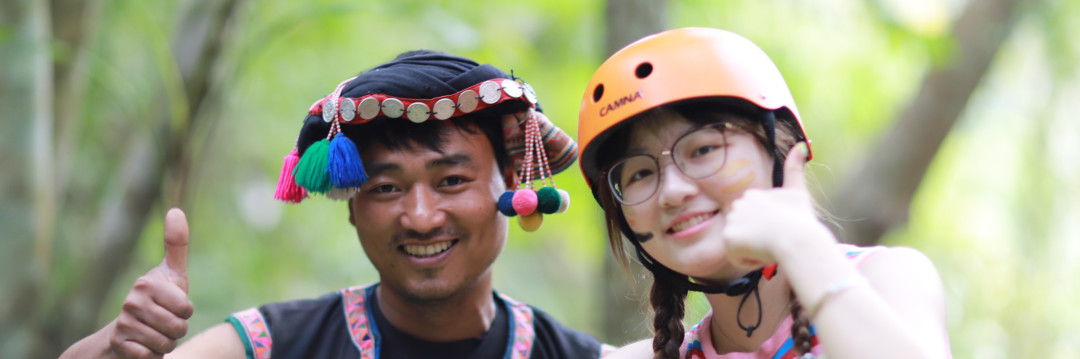
Our guide, "Digua" (Sweet Potato), was a young Hani man, not very tall, but quite talkative. He wore an indigo, front-buttoned jacket, and the silver ornaments on its front clinked softly with his steps. He stumbled a little over his words, but his voice was sweet, echoing through the mountain forest.
Our first stop was the high-altitude swing on a hundred-year-old kapok tree. The ancient tree was sturdy, the swing hanging from its branches. A gentle push, and the wind rushed past our ears. Swinging out, there was the vastness of the mountains; swinging back, our worries scattered with the wind.
Next was stream trekking. We changed into rain boots, shouldered our backpacks, and followed "Digua" deep into the rainforest. For 80% of the journey, we walked right in the stream. Clear water swirled around our ankles, cool and refreshing. Towering ancient trees blocked out the sun. Buttress roots stood like walls. Strangler figs intertwined with old stories. Vines hung like half-drawn curtains. Sunlight struggled through the layers of leaves, shattering into golden spots on the ground.
"Digua" led us, opening "blind boxes" hidden by the rainforest: wild fruits so sour they made you squint; soapberry pods that foamed when rubbed (natural "soap"); crisp banana hearts... The cold, printed words from textbooks suddenly had warmth and fragrance. The wildest bite — eyes closed, I put a sour ant in my mouth. First, a mild, prickly sourness, then a slow spread, a lemon-like fragrance rising straight to my nose. Wildness was etched into our journey, bit by bit.
The most thrilling activity was "tree descent on a strangler fig." We put on helmets and harnesses. The moment my fingers touched the climbing rope, my palms were already damp with sweat. Climbing slowly up the tree ladder and rope, my fingers stiffened, knuckles turning white. My legs began to tremble. "Don't look down! Look at the rope! Look at the tree!" "Digua's" voice floated up from far away. Reaching the canopy platform, I took a deep breath, slowly leaned back, and released the lock — descending. My body hung in the air, like a bird freely flitting through the forest. The moment I landed, my knees were a little weak, but a surge of achievement rushed through me.
In the afternoon, we continued trekking upstream, through a rubber plantation, until the view suddenly opened up — a series of layered, calcified pools burst into sight. Spring water flowed over the shallow banks, crystal clear, with patches of blue and green. It was called the "Little Jiuzhaigou of the Rainforest." Further on, we reached the waterfall group. The rocks were slippery, the stone steps steep. We had to use our hands and feet to keep our balance. Reaching the top, the wind suddenly rushed in, blowing away all our fatigue.
The end point was a camp hidden in the forest. Banana leaves were spread on a wooden platform, laden with a full table of Hani rainforest feast — fragrant chicken porridge, fresh fish grilled over charcoal, wild mountain vegetables with a hint of earthy sweetness, and tender, sweet banana heart stir-fried with meat. Sitting on the platform, eating this delicious food, listening to the sound of the flowing water, we felt an overwhelming sense of happiness.
At five in the evening, we rushed to the Dai Ethnic Garden for the water-splashing carnival. "Get completely wet, gain lifelong happiness" — hundreds of people surged into the pool. Water basins, water guns, water balloons traced silver arcs through the air. Under our soaked clothes, there were no tourists or hosts, no strangers or acquaintances. Only a group of people who had temporarily shed their identities, returning to primal innocence in the embrace of the water.
Practical Tip: The rainforest hike in Pawa Old Village needs to be booked in advance. Guide "Digua" is very reliable. I recommend wearing quick-dry clothes and non-slip shoes, and bringing a change of clothes. The Dai Ethnic Garden has water-splashing activities every afternoon; remember to bring a waterproof bag.
Part Two: Tea Affairs in the Clouds
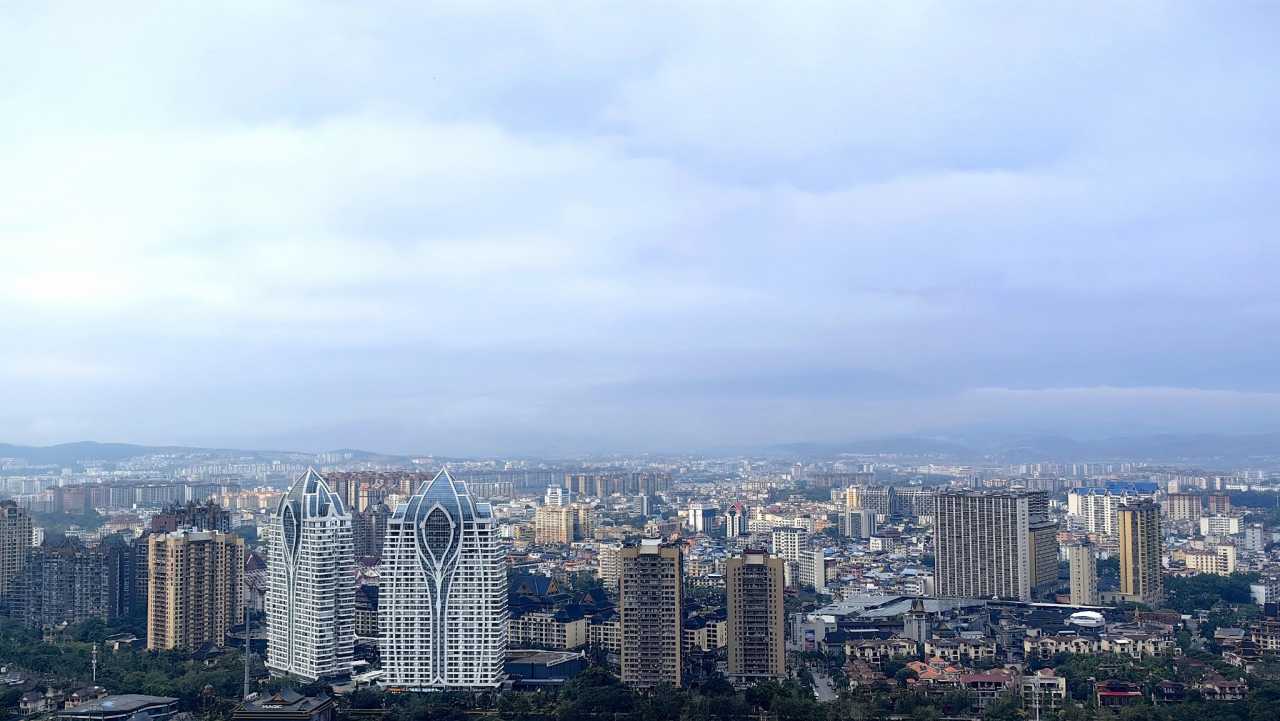
Day Five: Entering the Mountains, Entering the Forest, Entering the Tea
Route: Gaozhuang → Huimin Town → Jingmai Mountain (approx. 150 km)
Past Huimin Town, the smooth asphalt road abruptly ended. Replacing it was the unique gravel road of Jingmai Mountain — twenty kilometers of mountain road, winding from the foothills to the summit at Manghong. The road wasn't wide, nor was it even. The greyish-blue stones were embedded, forming the most primitive texture of the mountain wilderness. As the wheels rolled over them, a "clunk-clunk" sound echoed through the valley, as if saying: slower, slower still.
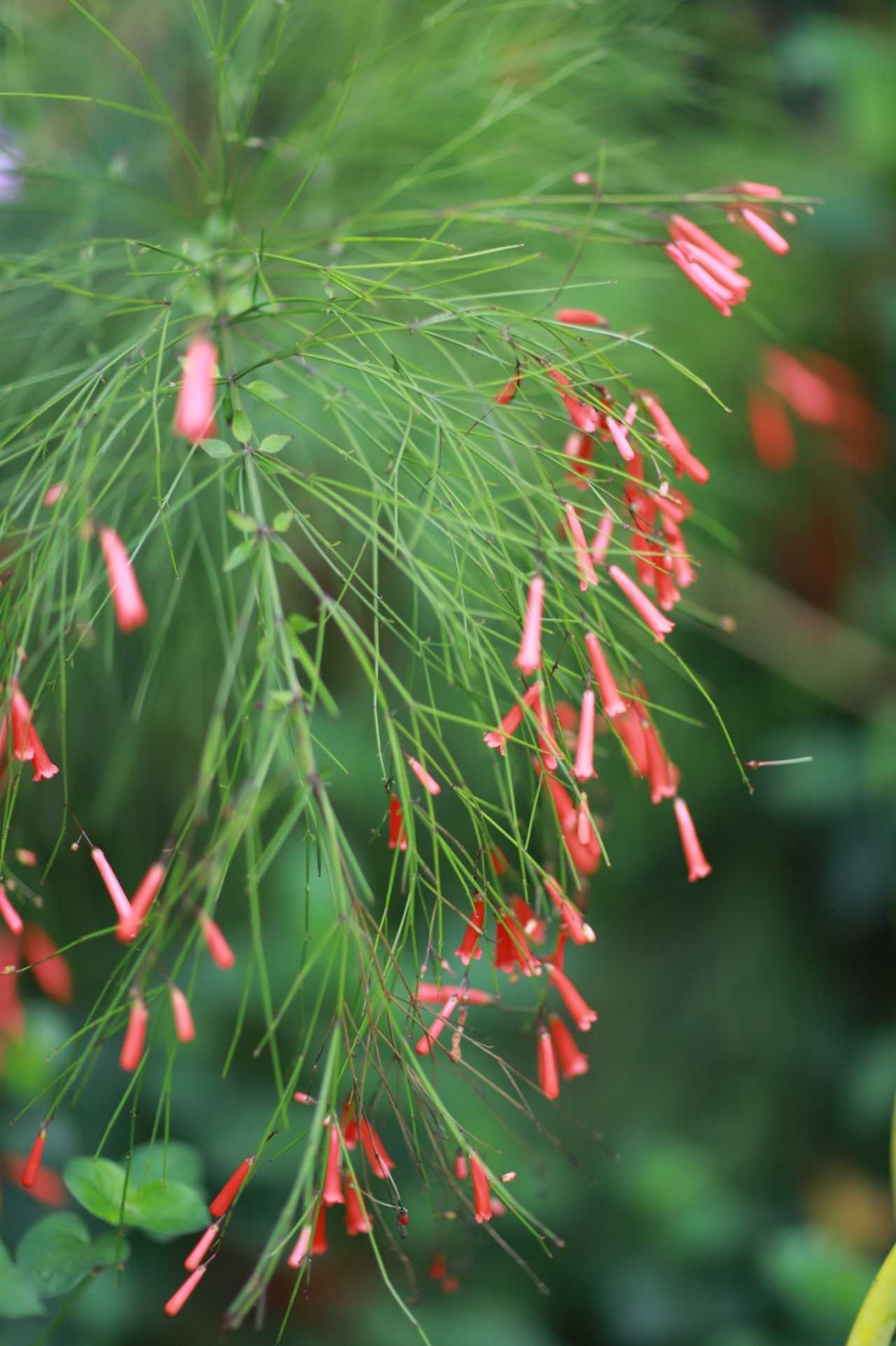
Jingmai Mountain, located in Huimin Township, Lancang Lahu Autonomous County, Pu'er City, borders Menghai County in Xishuangbanna to the east and Myanmar to the west. On September 17, 2023, the "Cultural Landscape of Old Tea Forests of the Jingmai Mountain in Pu'er" was successfully inscribed on the World Heritage List, becoming China's 57th World Heritage site. According to research, tea has been cultivated here for nearly 2,000 years. The ancient tea mountain consists of 14 Bulang, Dai, and Hani villages, covering an area of 28,000 mu (approx. 4,600 acres).
Entering the mountain means entering the forest. Jingmai Mountain has an altitude of 1,400-1,600 meters, abundant clouds and mist, and plenty of sunshine, making it highly suitable for tea tree growth. This is not a neatly arranged tea plantation, but a three-dimensional, ancient symbiotic forest. Tall dogwood and schima trees form a natural "canopy," under which the ancient tea trees grow quietly. The ancestors already understood that tea trees prefer shade, moisture, and humidity, and that the forest could provide all of this. They didn't cut down trees, didn't over-fertilize, and didn't deliberately eliminate insects. Fallen leaves and branches were fertilizer; birds and insects were friends; the fresh air of the orchids seeped into the very bones of the tea, nurturing the unique "honey-orchid fragrance" of Jingmai tea.
We stayed at the Rongju Guesthouse in the upper village of Mangjing. Nestled against a thousand-year-old banyan tree, it was a secret haven converted from a traditional Bulang wooden stilt house. Opening the window, the fragrance of ancient tea and vegetation rushed in. Entering the courtyard, tea from ancient trees was boiling on the stove, and the stories of the village slowly unfolded by the fire pit.
Practical Tip: The road conditions on Jingmai Mountain are average, so I recommend driving an SUV. Accommodation on the mountain is basic, but the experience is excellent. The Rongju Guesthouse needs to be booked in advance; prices range from 500-800 yuan/night.
Day Six: Sea of Clouds, Ancient Villages, and Sunset
Route: Mangjing → Manghong → Nuogan → Wengji → Mangjing (approx. 25 km)
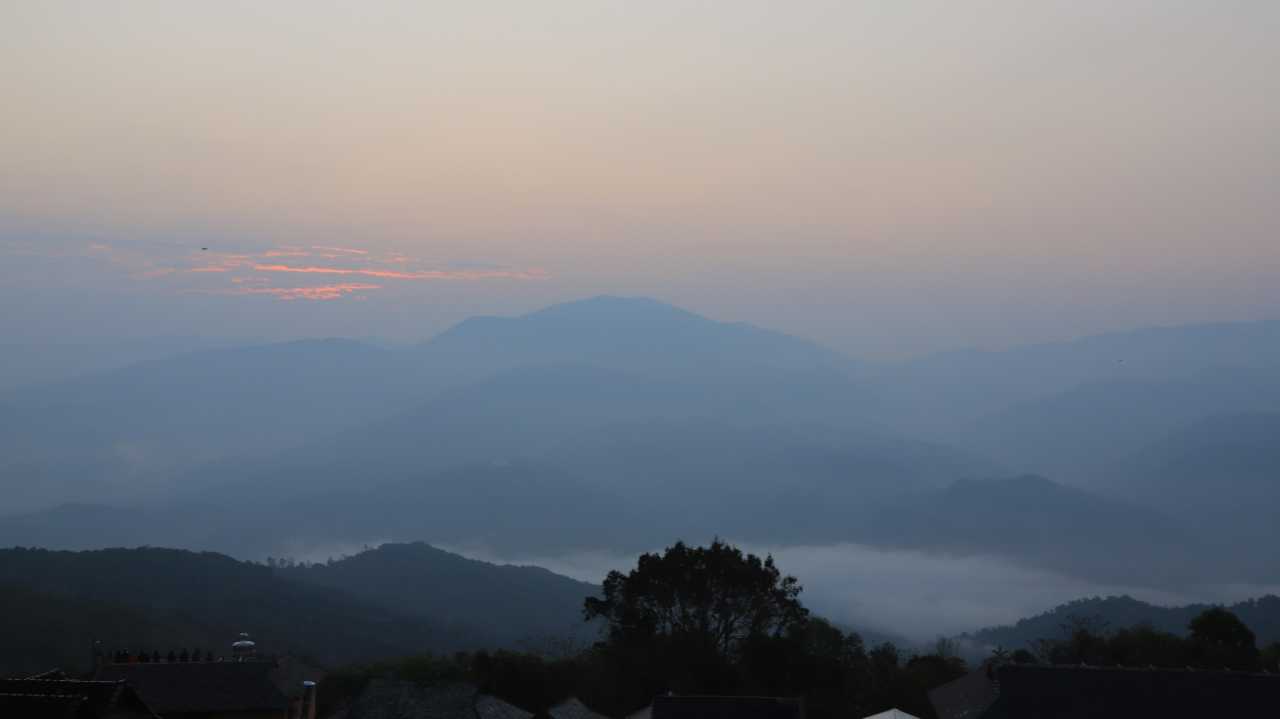
Woken by roosters at six in the morning, I opened the window. A sea of clouds surged and rolled in the valley, like a thick quilt, holding the entire ancient village in its embrace.
The soul of Jingmai Mountain lies in its fourteen ancient villages. The two brightest pearls are undoubtedly Nuogan and Wengji.
Nuogan is nestled in a mountain hollow. In the Dai language, its name means "the place where deer come to drink water." Stone-paved paths wind upwards, flanked by perfectly preserved Dai stilt houses with black tiles and wooden walls, their roofs adorned with ox-horn decorations. This was the filming location for the movie "Little Red Flowers." The alleys are quiet; occasionally, a Dai grandmother sits on her porch weaving or drying tea. Chickens crow, dogs bark, and cooking smoke rises gently.
Crossing a mountain ridge, you arrive at Wengji — a thousand-year-old Bulang village. Wooden houses are built along the hillside. Ancient cypress trees guard the old temple. The rooftops are carved with the tea totem of "one bud, two leaves." Fire pits are everywhere in the village. Tea farmers warmly invite you to sit down: the roasted tea is scalding hot, slightly bitter on the tongue, but the sweetness comes in an instant.
In the evening, we went to "Mixia Fengwu Ji" (Honey-Down Breeze Collection) in the upper village of Mangjing — a viewing restaurant and bar facing the tea mountain and the ancient village. With no obstructions, it's the perfect place to watch the sea of clouds and wait for the sunset. Holding a cup of Jingmai ancient tree tea, we watched the sunset slowly sink into the tea mountains. The sky was dyed successively in orange-red, pink-purple, and warm gold. The sea of clouds embraced the sunset; the ancient village reflected the twilight.
The sunset was slow. The tea was warm. The heart was at peace.
Practical Tip: Nuogan and Wengji are about 5 km apart. I recommend walking or riding an electric bike. "Xiaoyue Tea Shop" in Nuogan and "Er de Coffee" in Wengji are both worth a visit. The best spot for watching the sunset is "Mixia Fengwu Ji" in the upper village of Mangjing.
Day Seven: Where the Heart Finds Peace
Route: Jingmai Mountain → Gaozhuang → Manzhang Village → Gasa Airport → Hangzhou (approx. 210 km)
On the day we left Jingmai Mountain, we drove that gravel road again. The wheels went "clunk-clunk," like the mountain was saying goodbye.
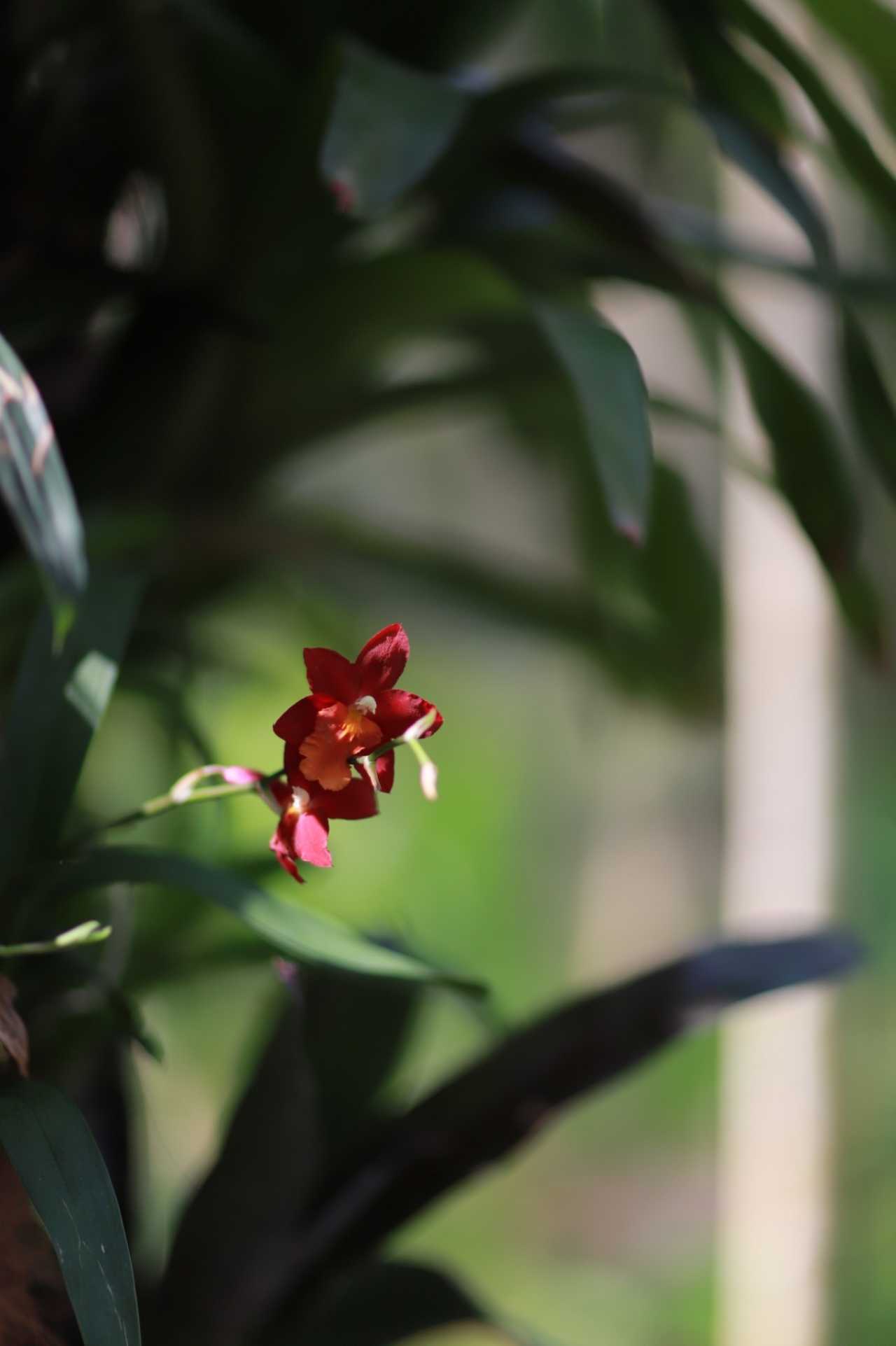
On the way back, we made a detour to Manzhang Village (in Dai, "Elephant Village"). This traditional Dai village in Mengyang Town, Jinghong City, has a history of over 500 years and preserves its complete stilt-house architecture. As the final stop of our trip, the experience was average, but not disappointing.
In the evening, we arrived at Gasa Airport. Before boarding, we had our last meal at "Jinghong Qiaoshou Sasa Snack Garden" in Gaozhuang — a bowl of authentic Dai-style rice noodles, sour, spicy, and fragrant, leaving the taste of Xishuangbanna on our tongues.
The plane took off. The lights outside the window grew smaller and smaller. I suddenly remembered a line I saw on Jingmai Mountain: "A person among plants and trees is the best place to be."
Epilogue: Half and Half is Perfection
Seven days is very short, just enough time to turn the days of "half and half" into a complete perfection.
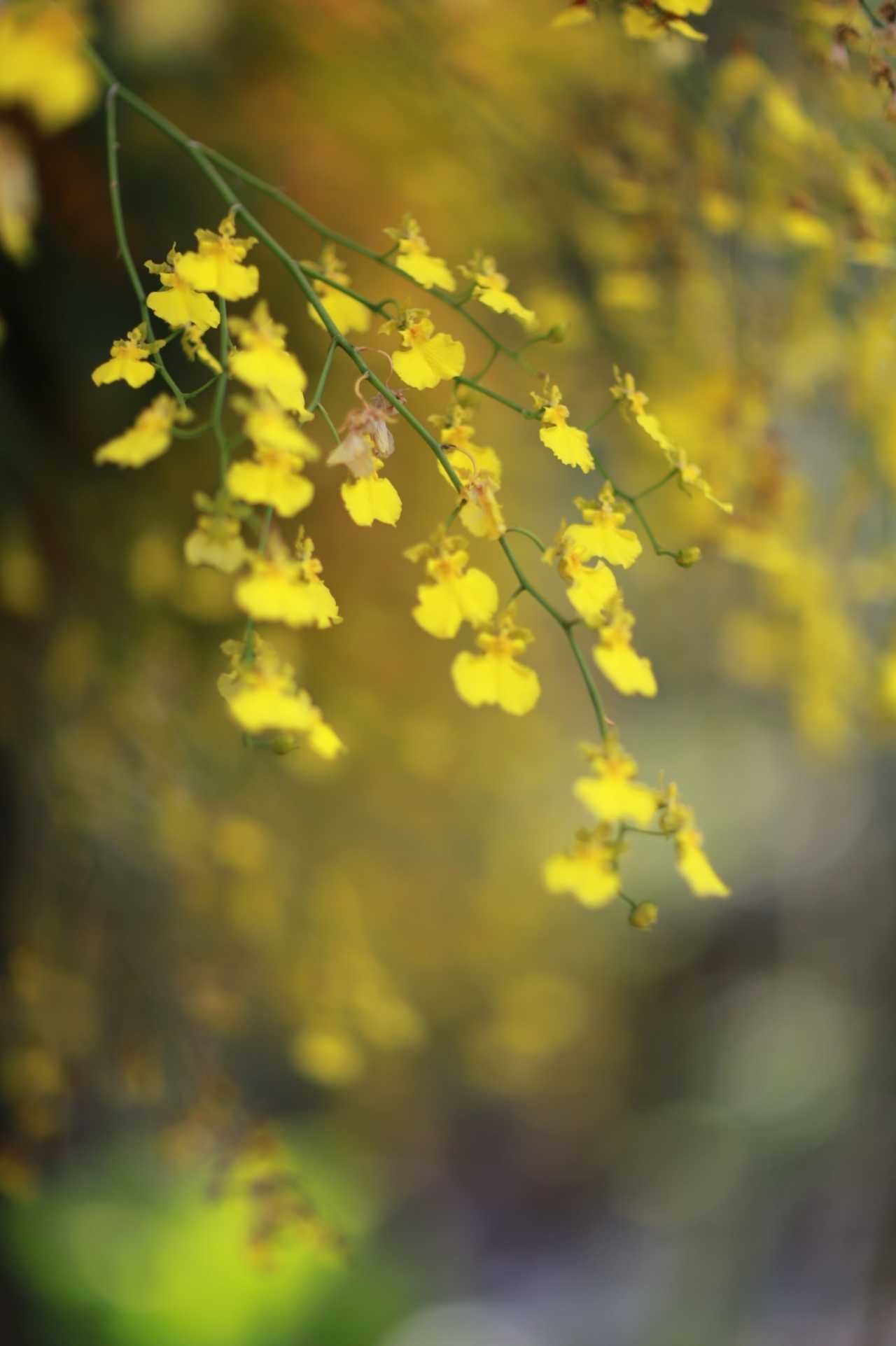
The fervor of Xishuangbanna is still burning in our blood — the noise of the night market, the spray of the water festival, the chirping of rainforest insects. That is the most vivid life of the mortal world. The fragrance of Jingmai tea has already settled into our daily lives — the tranquility of the sea of clouds, the cooking smoke of the ancient villages, the warmth of the fire pit. That is the most lasting peace above the clouds.
Perhaps this is the meaning of travel — not to escape, but to return to the human world better, carrying the ordinary smoke of daily life and the vastness of the mountains.
Half the smoke of daily life, half the fragrance of tea. Where the heart finds peace, there is home.
Quick Reference Information
Best Season: November to April (dry season), avoiding the rainy season and holiday peaks
Transportation Advice: Self-drive (SUV is best). Xishuangbanna to Jingmai Mountain is about 150 km, a 3-hour drive.
Suggested Itinerary: - D1: Arrive in Gaozhuang, visit the Starry Night Market - D2: Xishuangbanna Tropical Botanical Garden + Wangtianshu Scenic Area - D3: Manting Park + Tropical Flower Garden + Farmer's Market - D4: Pawa Old Village Rainforest Hike + Dai Ethnic Garden Water Splashing - D5: Jingmai Mountain, check into ancient village guesthouse - D6: Nuogan + Wengji ancient villages, watch the sea of clouds and sunset - D7: Return trip
Must-Eat List: Dai-style barbecue,舂鸡脚 (pounded chicken feet),菠萝饭 (pineapple fried rice), Lao-style iced coffee, tea leaf scrambled eggs,凉拌茶尖 (cold tea tips salad),古树茶焖肉 (braised pork with ancient tree tea)
Essential Items: Sunscreen, mosquito repellent, quick-dry clothes, non-slip shoes, waterproof bags, light jacket (large temperature difference on the mountain)
Recorded in Changhua, March 2, 2026
You should also read:

God’s Abandoned Palette: A Self-Drive Journey Through Yunnan’s Dongchuan Red Land
God’s Abandoned Palette: A Self-Drive Journey Through Yunnan’s Dongchuan Red Land Travel has never been about reaching some distant geographic coordinate. It’s about encountering, along the way, the version of yourself buried beneath the rubble of daily routine. During this May Day holiday, I finally…
Continue reading...
Two Girls' Graduation Trip: Dali and Shuanglang – A Poetic Farewell to Mountains and Sea
Two Girls' Graduation Trip: Dali and Shuanglang – A Poetic Farewell to Mountains and Sea Preface: Catching the Tail of Youth, Heading South During our senior year of college, my roommate and I – two girls studying in Beijing – decided to bid farewell to…
Continue reading...
Body in Hell, Heart in Heaven: A Pilgrimage Through Tiger Leaping Gorge — A Dialogue Between Heaven and Earth
Body in Hell, Heart in Heaven: A Pilgrimage Through Tiger Leaping Gorge — A Dialogue Between Heaven and Earth Introduction: When the Gorge Splits Open Beneath Your Feet Some say Tiger Leaping Gorge is the closest place on Earth to the border between "hell" and…
Continue reading...