Heading West: A Solo 13-Day Journey Through Western Yunnan
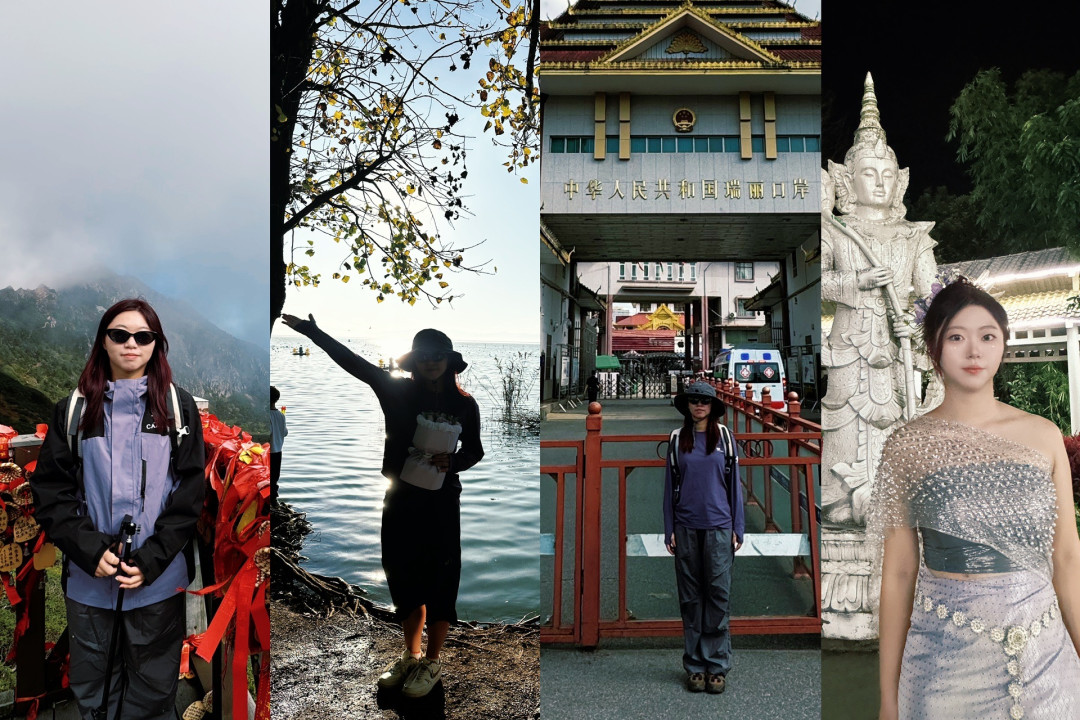
Heading West: A Solo 13-Day Journey Through Western Yunnan
The Reason for Setting Off: One Drama, One City, One Long-Overdue Promise
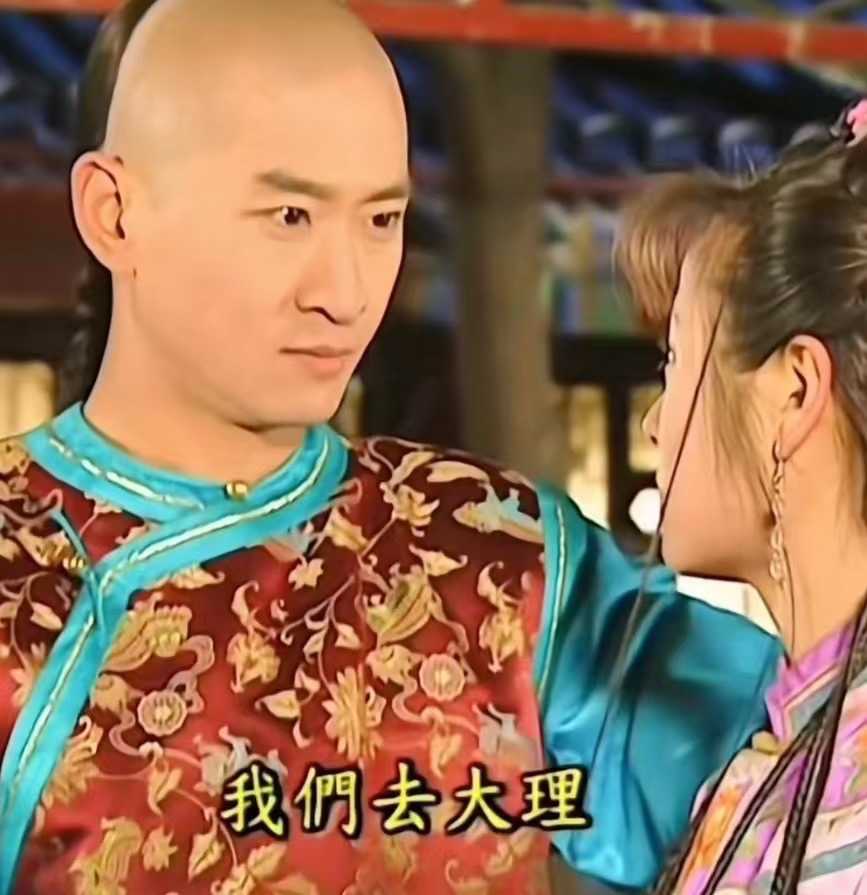
In the deep autumn of 2024, I finally quieted down and watched the entire series of My Chief and My Regiment, a drama originally aired in 2009. Fifteen years had passed—from a primary school student to an adult capable of traveling alone—and this show had been like a seed buried in my heart, nurturing a longing for western Yunnan. Names like Long Wenzhang, Meng Fanle, and Milong had been opened and closed again every autumn. But this autumn, I finally understood their stories, and I finally made up my mind—it was time to go to Chanda (the fictional name for Tengchong in the drama).
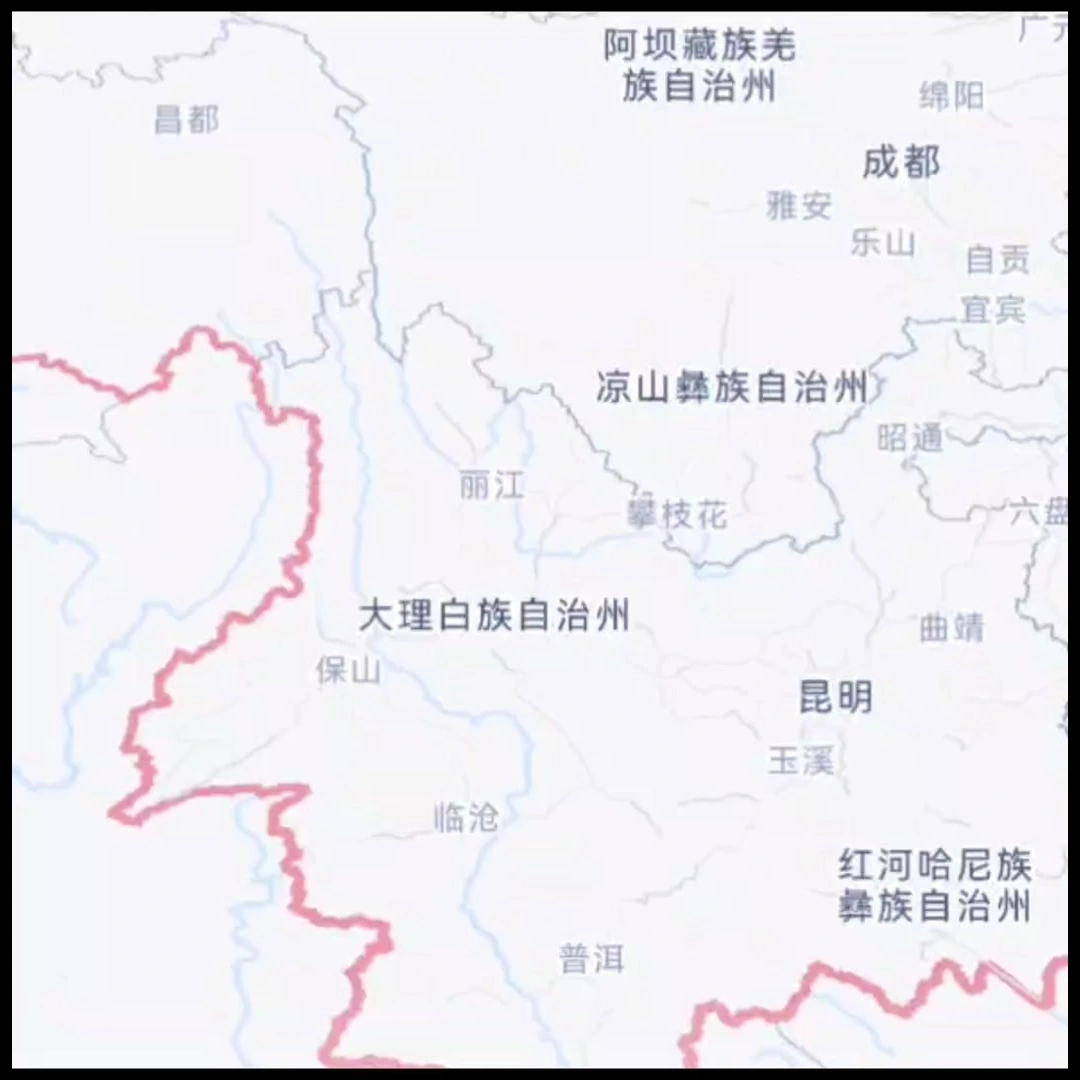
So I packed my bags, set off from Guangzhou, and headed west: Kunming, Dali, Tengchong, Mangshi, Ruili. Thirteen days, traveling solo, with one suitcase and one large backpack, to keep an appointment with history, with landscapes, and with myself.
Pre-Trip Preparation: Practical Tips You Must Know
Route Planning
My journey began and ended in Kunming. Dali and Mangshi were included out of curiosity for tourist cities, while Tengchong and Ruili carried deeper significance—Tengchong was the first city recaptured during the War of Resistance against Japan, and Wanding in Ruili marked the Chinese terminus of the Burma Road, where the Chinese Expeditionary Force bid farewell to their homeland before entering Burma to fight the Japanese.
Kunming bookended the trip, like a gentle period, bringing the entire journey to a satisfying close.
Luggage and Clothing
From late October to November, the UV rays in western Yunnan are extremely strong, and the perceived temperature is completely different from the weather forecast. On sunny days, you can wear short sleeves and shorts during the day, but you'll need an extra layer in the morning and evening. On rainy days, it gets noticeably cold—when it rained in Mangshi, I wore a windbreaker jacket over a long-sleeved shirt and still felt a bit chilly. Kunming's temperature is lower than that of western Yunnan; you can dress lightly during the day, but you must add more layers when it rains or at night.
Travel Guide Recommendations
Before departing, I borrowed the Yunnan volume of the Lonely Planet guide from the city library. I have to admit, this series is impressive. Although some information may be time-sensitive, it remains invaluable as a route reference. I also consulted Xiaohongshu (Little Red Book) for tips on Dai ethnic makeup and styling, while major attraction information came from Mafengwo—I created a dedicated collection folder for each city so I could check details anytime.
Best Time to Travel
Yunnan is beautiful in all four seasons, but traveling during the off-season offers the best experience—fewer crowds, better service, and more affordable prices. If you're interested in ethnic minority cultures, I recommend visiting during festivals. For example, the Jingpo people's Munao Zongge Festival—although there are tourist-oriented experiences available at other times, the ritual atmosphere and vibe during the actual festival are incomparable.
Dali: Slow Time Between Cangshan and Erhai
From Guangzhou to Dali: A Night of Travel, a Journey of Surprises

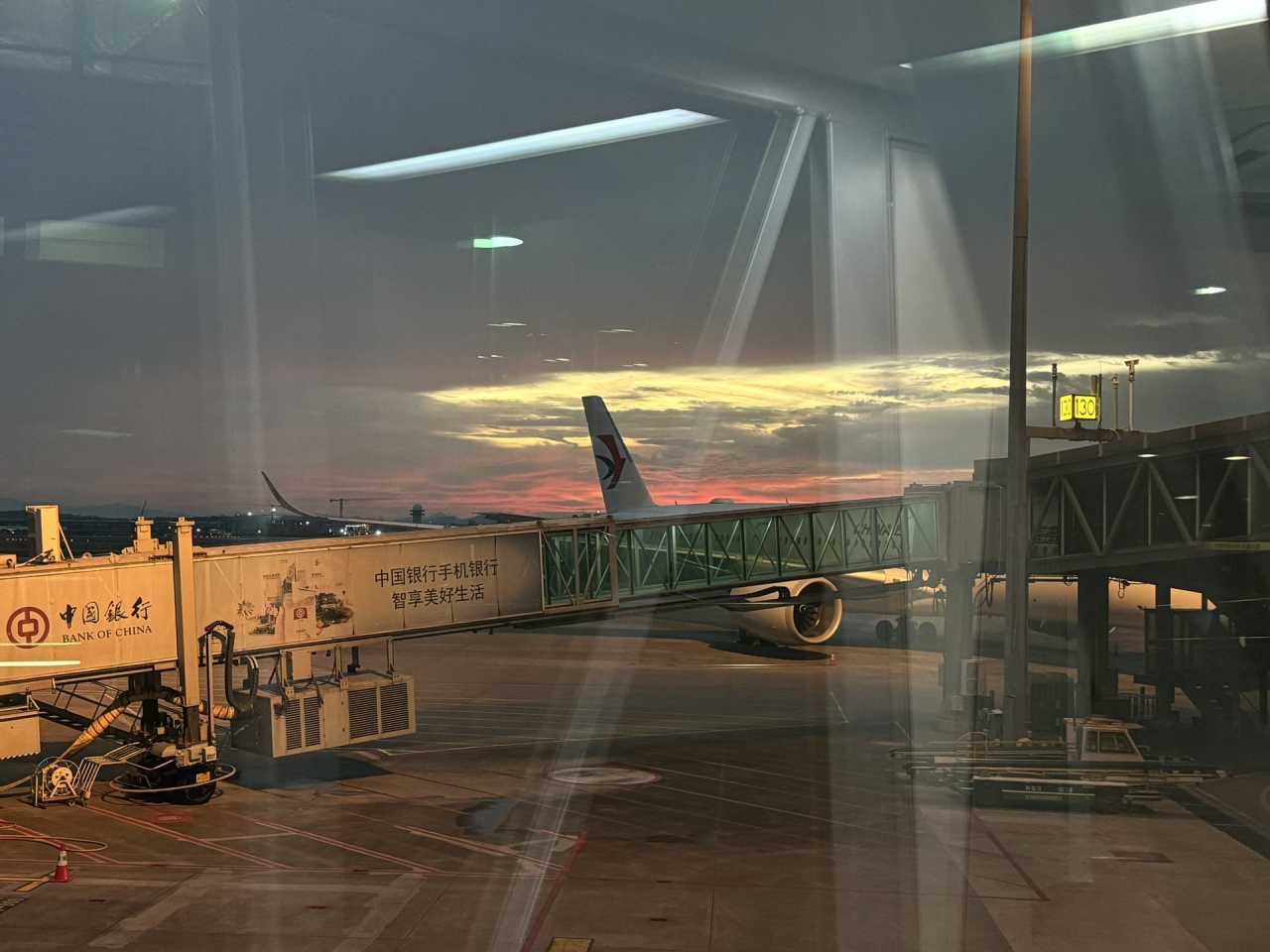
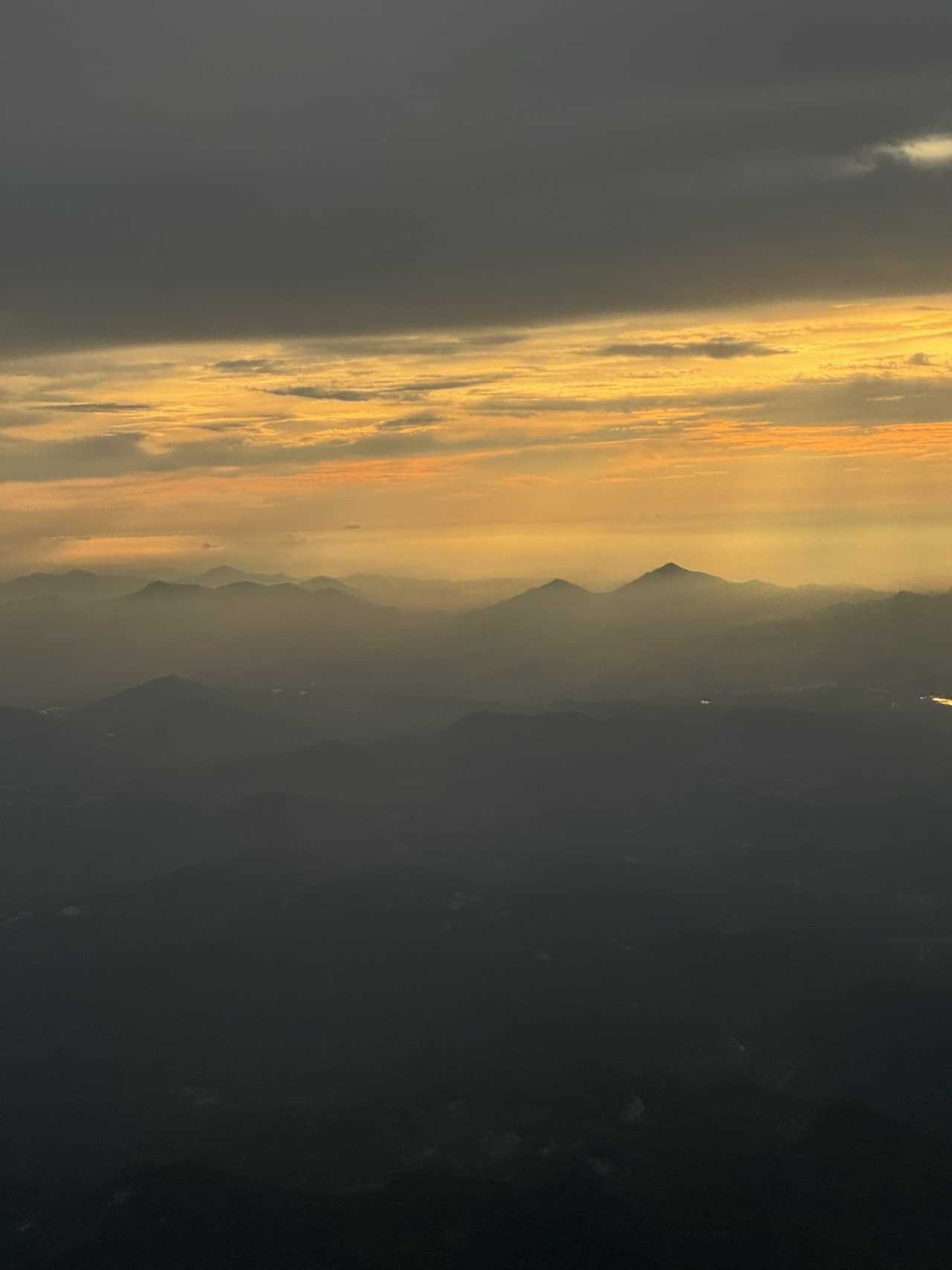
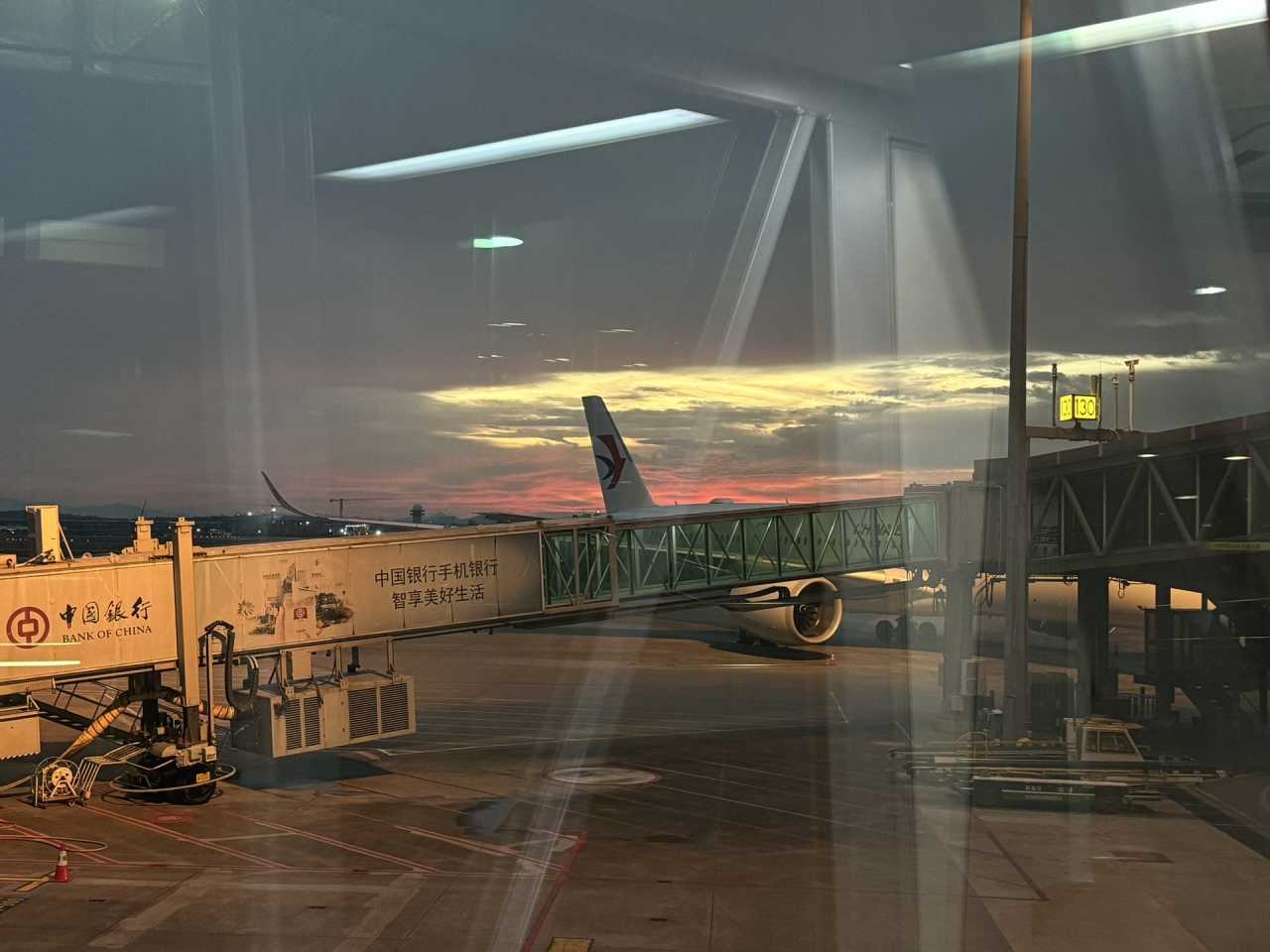
At six in the morning, the sunrise at Guangzhou Baiyun Airport took my breath away. I had spent the night at Terminal 1—arriving at midnight but unable to check my luggage until 4 a.m., so I lay on a massage chair for over an hour, scanning the code for a massage while resting. If you ever need to spend the night at Baiyun Airport, here are a few options: a timed rest room (around 179 RMB per night on Meituan), a hotel near the airport with shuttle service, a designated overnight rest area on the second floor, or 24-hour food shops.
During boarding, I sat next to a Hani ethnic auntie in traditional attire and a foreign guy who spoke fluent Chinese. The auntie chatted with her daughter in their "encrypted language" but spoke Mandarin to her granddaughter. It made me think—dialects are fading among the younger generation. Perhaps one day, dialect will no longer be a primary marker of identity, but as a cultural bond, its decline will inevitably affect the cultural heritage built upon it.
First Impressions of Dali: Ancient Town, Hair Dye, and Wild Mushroom Hotpot
I arrived at Dali Ancient Town at 3 p.m., and my first task was to dye my hair—I picked a random shop, and the result turned out pretty good. For my first dinner in Dali, I went to Qinghong Private Kitchen, a Bai-style courtyard restaurant tucked away in a residential area. It operates on a reservation system; I called at 2 p.m. that day and luckily got a spot. I ordered the small-pot free-range chicken and wild mushroom hotpot (98 RMB) and a side of 牛肝菌 (porcini mushroom) dipping sauce (5 RMB). Eating wild mushrooms came with strict rules—we had to wait for the timer to go off and for the staff to confirm the broth was safe before we could dig in. The 竹荪 (bamboo fungus) was crisp and refreshing, 见手青 (a famous toxic mushroom variety) was the "internet celebrity," and the mix of 一窝菌 (a local nest mushroom), 红乳菌 (red milk mushroom), 虫草花 (cordyceps flower), and porcini each brought their own flavors. I also tried the restaurant's rose wine—fragrant and lovely.
After dinner, I strolled to Renmin Road. At night, Dali Ancient Town shed its daytime calm, with lights and street stalls revealing another face. I passed the Du Wenxiu Marshal's Mansion, across from which stood the People's Heroes Monument. A bonfire party was happening in the square. I joined in, dancing with aunties in Bai ethnic costumes—every night from 8 to 9 p.m., rain or shine.
A Day on Cangshan: Xima Pond, Jade Belt Road, and a Dog That "Begged for Alms"
The next day, I decided to devote the entire day to Cangshan. The Ximatang Cable Car was operating at full capacity, so I bought a full-ticket package (slightly cheaper than buying on-site, and refundable if the weather turned bad). While queuing, an auntie sold me an oxygen canister, dropping the price from 20 to 10 RMB—only later did I learn that many tourists buy fake oxygen canisters that are useless when altitude sickness strikes.
The upper station of the cable car sits at 3,900 meters above sea level, and the walk to the Ximatang (Horse-Washing Pond) observation deck at 3,966 meters is the highest point open to the public on Cangshan. Ximatang is a glacial lake at the summit, where, according to legend, Kublai Khan washed his horses during his conquest of Dali. Standing by the pond, surrounded only by the sound of wind and the swaying of prayer bells, the silence was so profound it left me speechless.
From Ximatang, I returned to the mid-station and walked to Jade Belt Road (Yudai Lu), covering 7 kilometers to the Zhonghe Cable Car upper station. Jade Belt Road was breathtaking—autumn scenery everywhere, with rocks and mountains forming natural paintings. I could see the full panorama of Erhai Lake in the distance and look down on the Dali basin. I even spotted a net glowing sky blue in the sunlight. Along the way, I encountered a horse grazing and two mushrooms growing out of the ground—the first time I'd ever seen wild mushrooms.
Finally, I reached Zhonghe Temple. Outside the temple's vegetarian canteen, three large thermos flasks offered free hot water, with paper cups provided. I found a stone table to eat my bread when a big dog named "Duobao" sat down next to me, staring with hopeful eyes. I gave it a small cake, and after finishing, it went off to "beg for alms" elsewhere—just sitting quietly beside people, neither barking nor nudging, only looking at them with big eyes. The two sisters with blue hair joked, "Have the monks taught the animals not to kill?"
Around 3 p.m., I took the Zhonghe Cable Car down with the blue-haired sisters. The open-air chairlift made me a bit nervous at first, but I gradually relaxed as Erhai Lake came into view. Two little ladybugs landed on the chairlift, and one crawled into my windbreaker—I didn't discover it until later when I was tidying my jacket, realizing I had "brought" it down the mountain.
Circling Erhai Lake: A Hasty Yet Authentic Experience
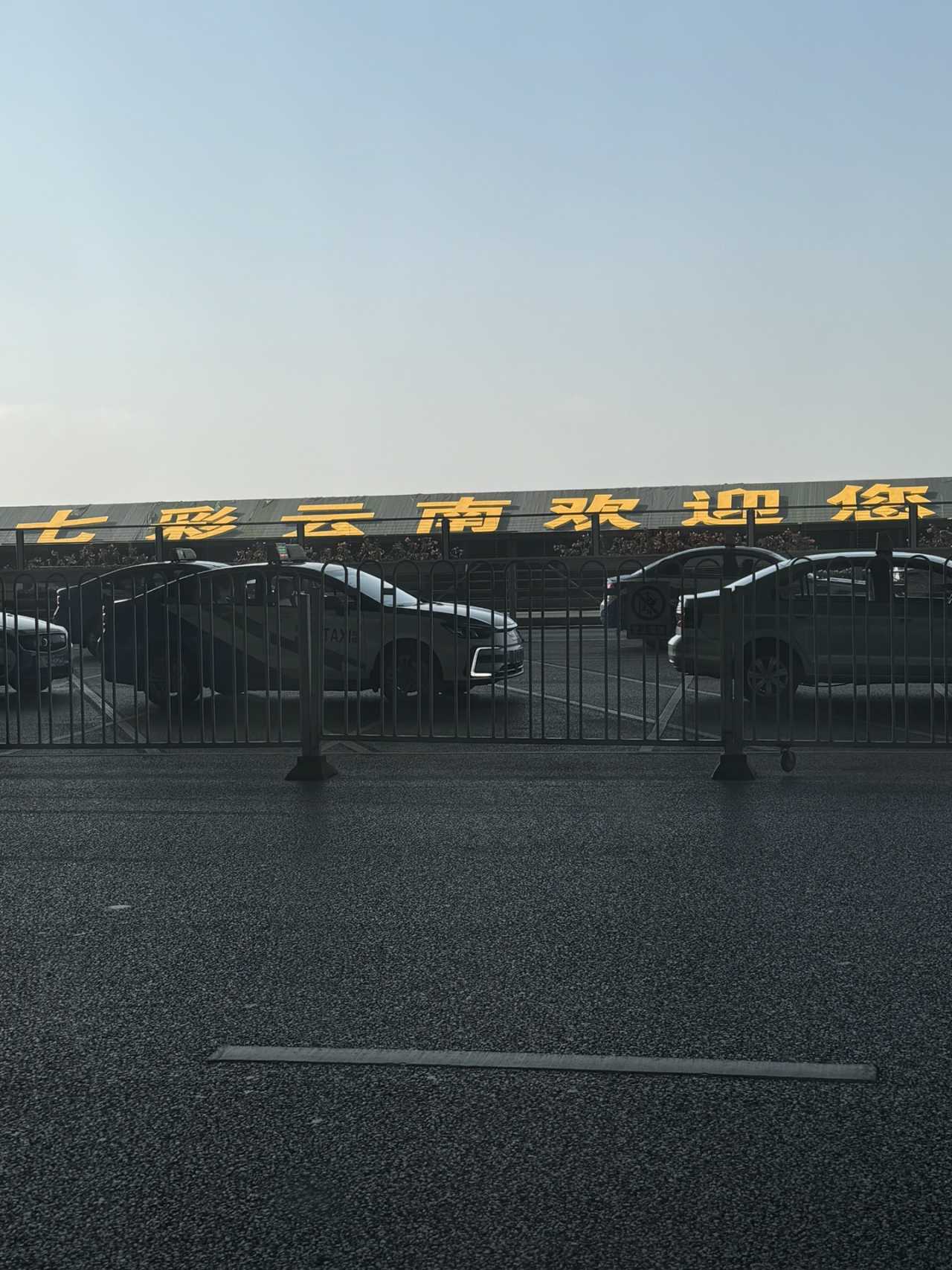
I bought a double-decker bus ticket to circle Erhai Lake. First, I took the eastern route, passing Santorini Island, Lixiang Island, Wencun Village, and arriving at Shuanglang Ancient Town, then returned via the western route. Along the way, I listened to Xu Wei's song Warmth: "The sunshine is always so brilliant, the Cangshan Mountains forever green, I love the blue Erhai Lake..." Unfortunately, I didn't see any white sails, and I ended up getting carsick from low blood sugar. I only recovered after drinking two cups of hot water at Shuanglang Ancient Town, so my tour of Erhai was rather hasty.
If you're not particularly drawn to lakes, circling Erhai might not blow your mind. But if you want to fully experience it, I recommend setting aside one to two days.
Weishan Ancient Town: Time Slows Down Here
I got up early and took a minibus to Weishan Ancient Town. Buses from Xiaguan to Weishan run every 5 to 15 minutes, taking about an hour one way—more convenient than the high-speed rail, since the Weishan bus station is very close to the ancient town and walkable.
My first meal was at Zhuji Yimian (Zhu's One-Noodle Shop), where I ordered a small bowl with 𖼞肉 (braised pork belly) and a fried egg. Braised pork belly is a Weishan specialty, slow-cooked until fragrant and tender. Then I wandered through winding alleys to the Nanzhao Chess Academy, where I ordered a cup of roasted chrysanthemum tea for five RMB. It came with a large thermos of hot water and a full covered bowl of tea. The uncle making the tea had such a heavy accent that another uncle drinking tea acted as my "translator." I sat in the courtyard for an hour, surrounded only by the aroma of tea and the clinking of bowls and lids. Outside the gate, elderly men hung their birdcages on tree branches, sipping tea leisurely.
At the Weishan Confucian Temple, the four characters "万仞宫墙" (Ten-Thousand-Ren Palace Wall) made me pause for a long time. This ancient Nanzhao kingdom, with so few tourists, hides the most authentic Dali.
The Meaning of the Journey: On the Road, Meeting Yourself
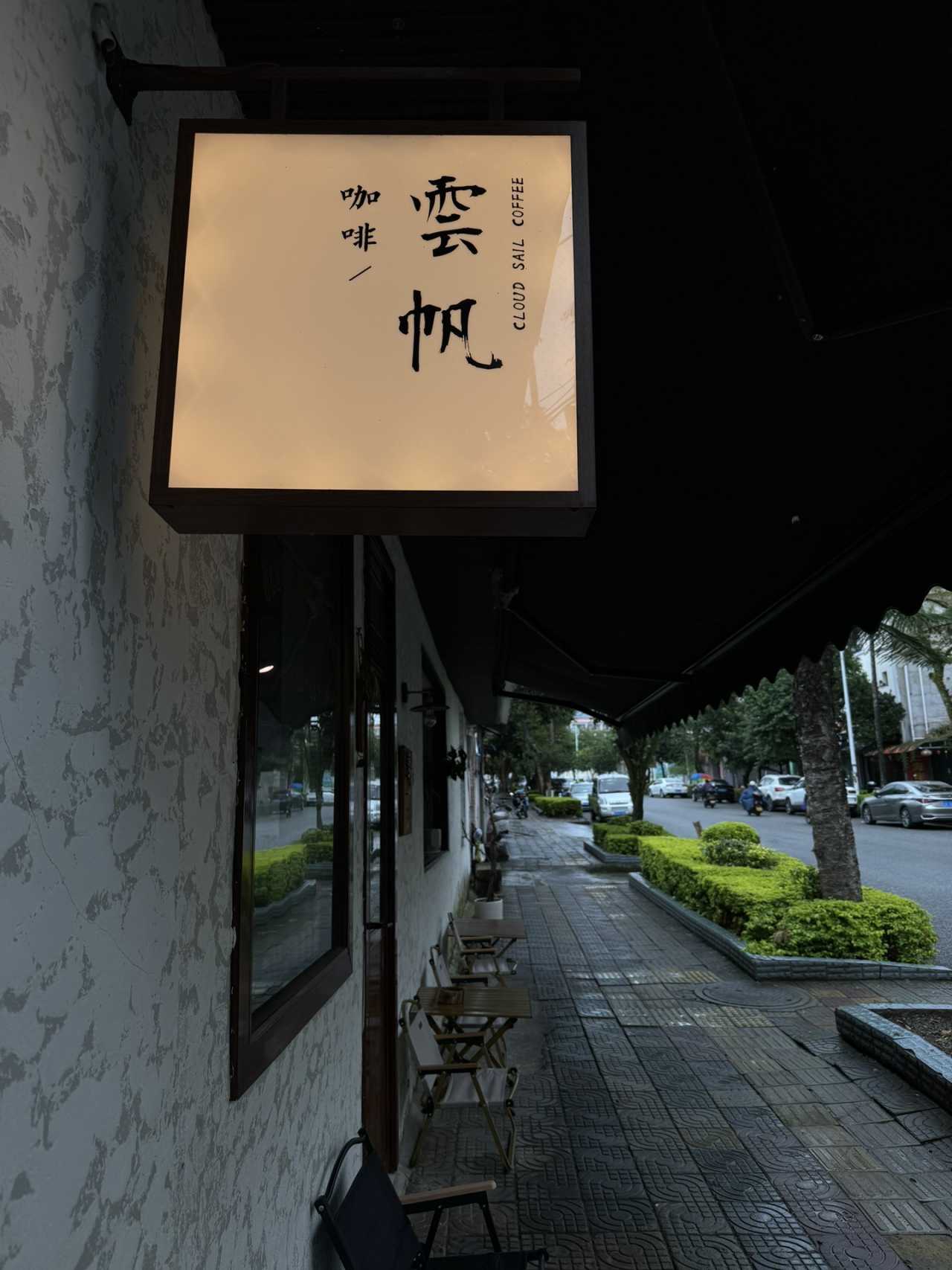
Thirteen days in western Yunnan, starting from Dali and ending in Kunming. I visited Cangshan, Erhai Lake, and Weishan Ancient Town, as well as Tengchong, Mangshi, and Ruili—the places that appeared in My Chief and My Regiment. On a rainy day in Mangshi, I sat at Yunfan Coffee, ordered a Dirty, and began writing this travelogue.
The meaning of a journey, perhaps, lies not in how many places you've been, but in those moments: listening to the wind by Ximatang, being "begged for alms" by a dog at Zhonghe Temple, drinking a five-RMB cup of tea at the Weishan Chess Academy, dancing with aunties around a bonfire... These moments make up all my memories of western Yunnan.
If you too want to go to western Yunnan, remember a few things: - Travel in the off-season for fewer crowds and a better experience - Dress in layers and don't skimp on sunscreen - Prepare a rough itinerary, but leave room for surprises - You can set off alone—you'll always meet interesting people on the road
Read ten thousand books, travel ten thousand miles. This time, I finally turned the stories in books into the road beneath my feet.
You should also read:

Body in Hell, Heart in Heaven: A Pilgrimage Through Tiger Leaping Gorge — A Dialogue Between Heaven and Earth
Body in Hell, Heart in Heaven: A Pilgrimage Through Tiger Leaping Gorge — A Dialogue Between Heaven and Earth Introduction: When the Gorge Splits Open Beneath Your Feet Some say Tiger Leaping Gorge is the closest place on Earth to the border between "hell" and…
Continue reading...
Cloud Travelogue · Dali of Wind, Flowers, Snow, and Moon: A Three-Day, Two-Night Journey of a Free Spirit
Cloud Travelogue · Dali of Wind, Flowers, Snow, and Moon: A Three-Day, Two-Night Journey of a Free Spirit I am a cultured female foodie with a touch of rogue charm. I slung on my backpack, took my lover's hand, and set off on a spontaneous…
Continue reading...
The Meaning of Travel – A Tengchong Story: A Journey of the Heart and Personal Growth
The Meaning of Travel – A Tengchong Story: A Journey of the Heart and Personal Growth Setting Out, Only to Return a Better Self Some say travel is nothing more than leaving a place you're tired of, only to go to a place where others…
Continue reading...