Heading West to Yunnan: The Revelry of Lijiang, the Leisure of Dali, the Strolls of Kunming, and the Exotic Flavor of Xishuangbanna
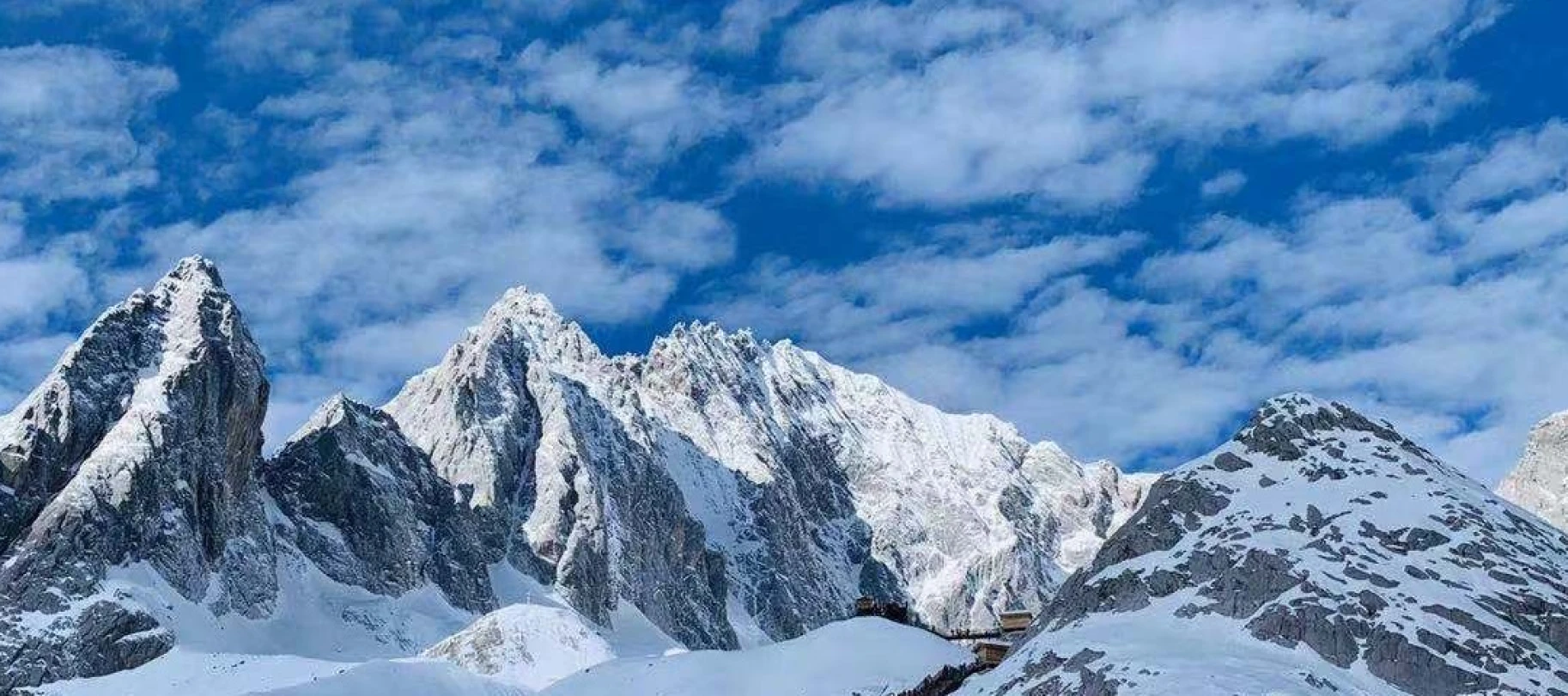
Heading West to Yunnan: The Revelry of Lijiang, the Leisure of Dali, the Strolls of Kunming, and the Exotic Flavor of Xishuangbanna
If there's one place in China where you can encounter snow-capped mountains, ancient towns, Erhai Lake, and tropical rainforests all at once, it's Yunnan. This land, favored by the heavens, offers new wonders with every visit. In the spring of 2023, I took my parents on a 12-day journey along the classic "Kunming–Dali–Lijiang–Xishuangbanna" route, completing a traverse from the highlands to the tropics.
This wasn't a rushed sightseeing trip but a true immersive travel experience. In Lijiang, we soaked in the bustle of the old town and the majesty of the snow mountains; in Dali, we learned the true meaning of "lying flat" (taking it easy); in Kunming, we measured the gentleness of the Spring City on foot; and in Xishuangbanna, we fell into a dream of Southeast Asian charm.
Why Yunnan?
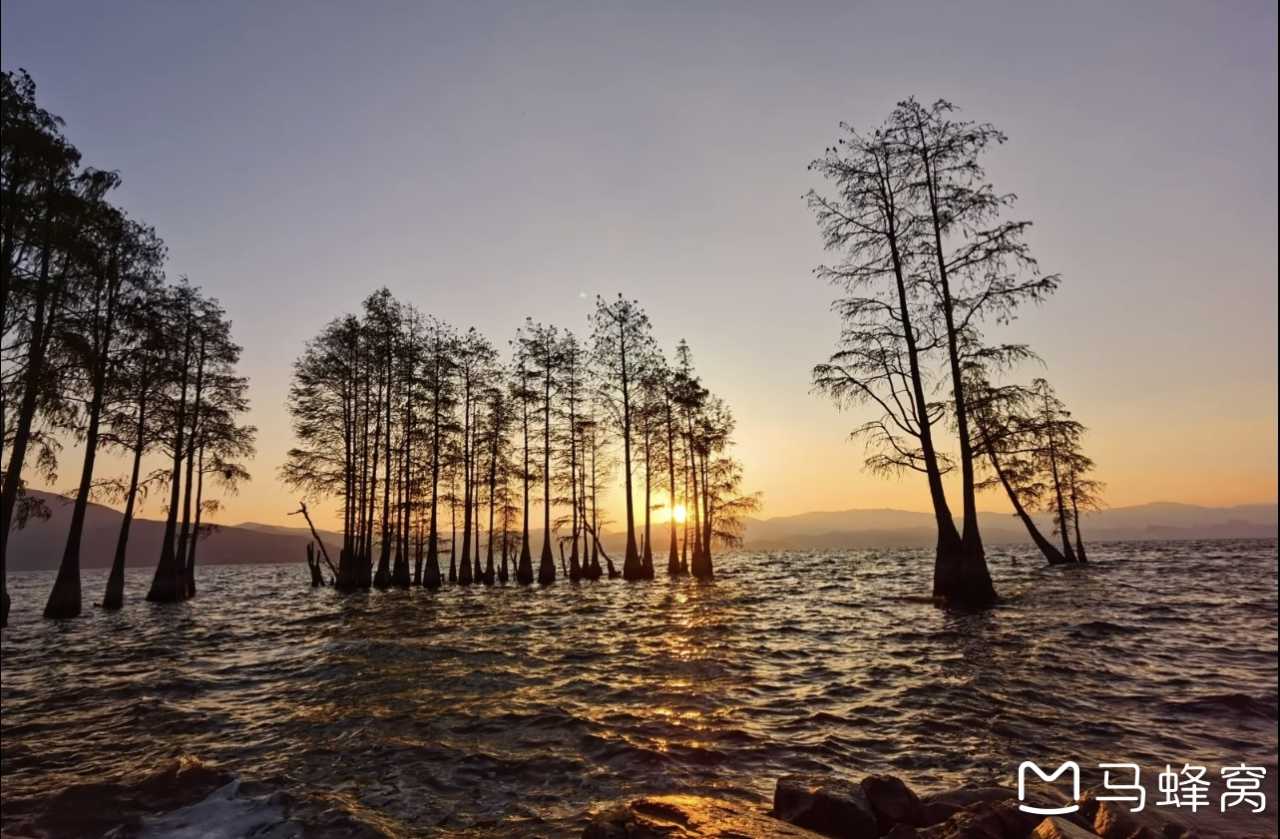
The beauty of Yunnan is addictive. The sky here is always impossibly blue, and the clouds hang so low you feel you could touch them. Waking up in the morning, opening the window brings the scent of grass and earth; in the evening, sitting at the foot of Cangshan Mountain watching Erhai Lake gradually darken with twilight, time seems to stretch out, slow like an afternoon in a childhood village.
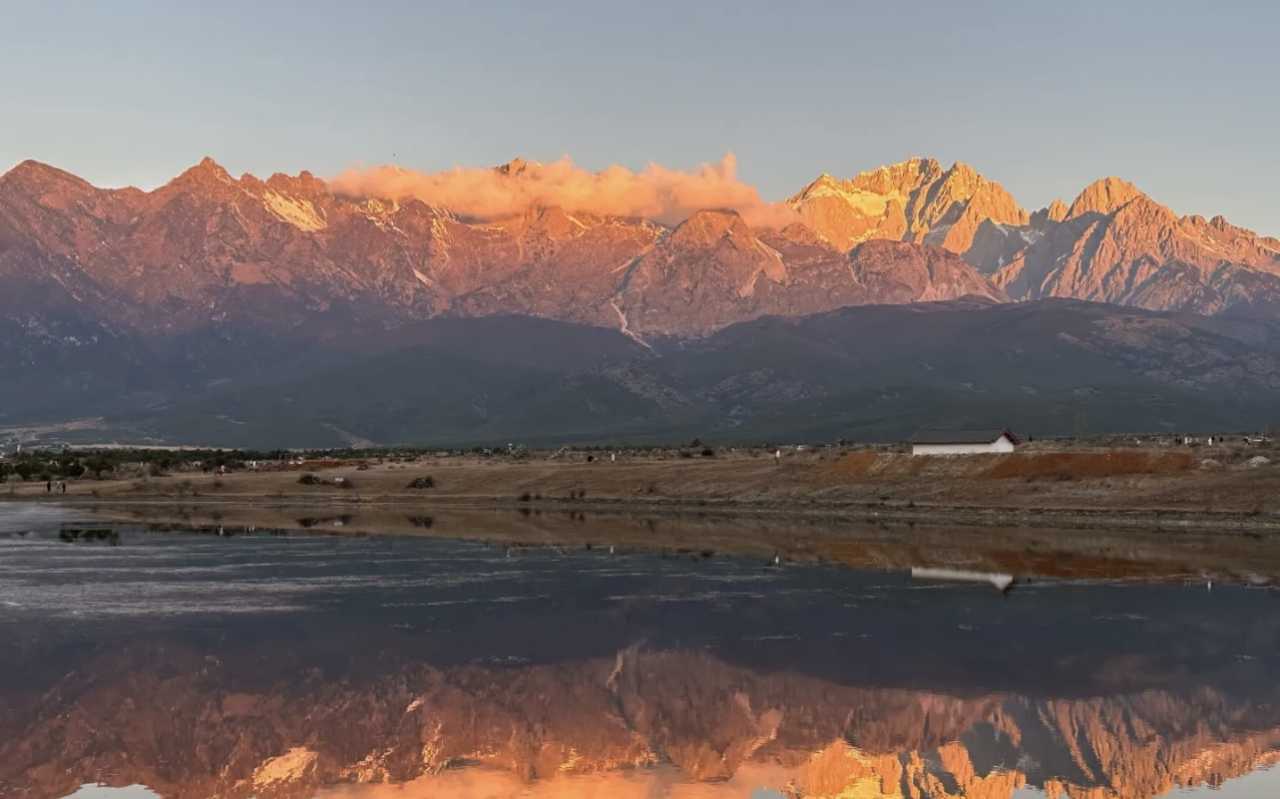
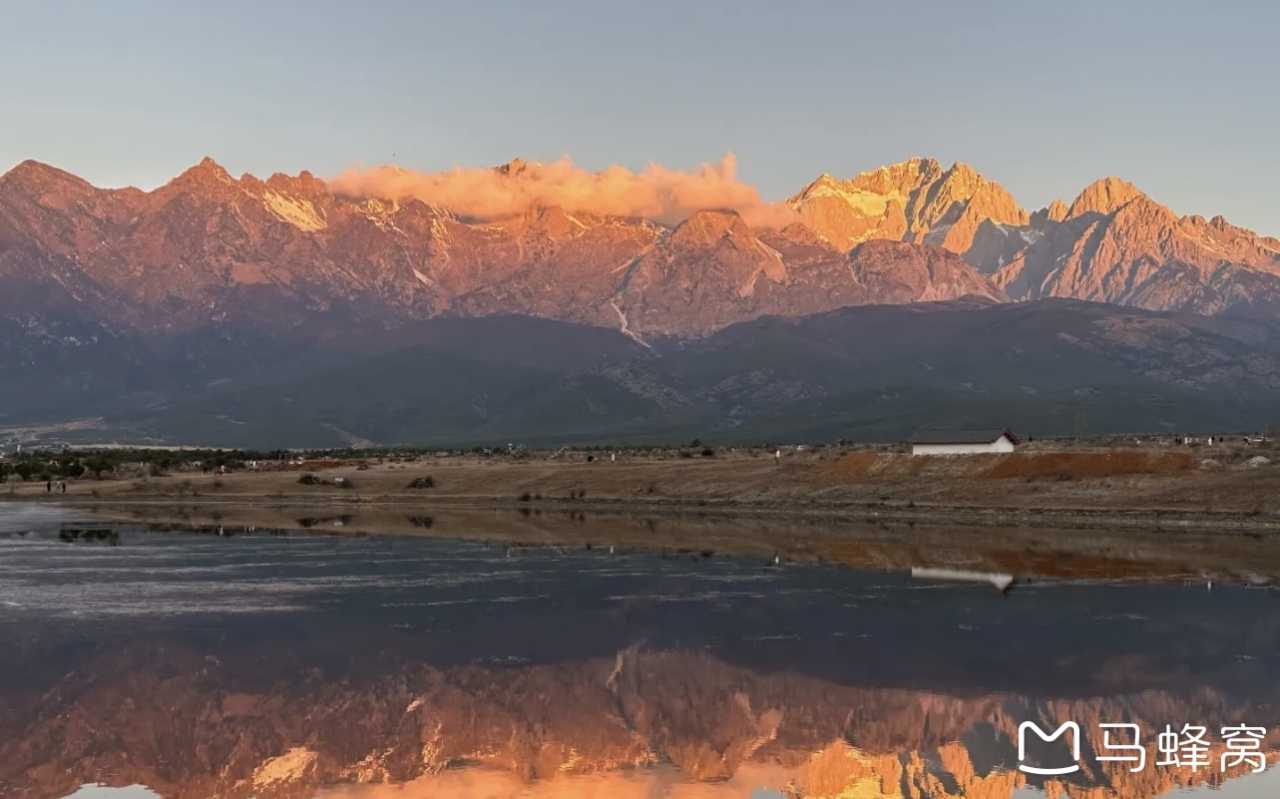
Some say Yunnan is China's most beautiful province. I don't argue, because its beauty never repeats—the golden sunrise over Jade Dragon Snow Mountain at Dongba Valley, the sea of clouds swirling around the peaks, the sunrises and sunsets over Erhai Lake, the first lights along the Lancang River… every encounter is unique.
Itinerary Overview: 12 Days from Snow Mountains to Tropics
Yunnan is vast, and cities are far apart. The most classic route is "Kunming–Dali–Lijiang," each about two hours' drive apart, with convenient transport. Xishuangbanna, however, is like a southern gem that requires a bit more effort to reach.
Our route was: Chongqing → Lijiang → Dali → Kunming → Xishuangbanna → Chongqing, without backtracking, to save time and energy.
Daily Schedule
- Day 1: Shaxi Ancient Town → Shuhe Ancient Town → Lijiang Old Town
- Day 2: Lijiang → Dali → Dali Old Town / March Street
- Day 3: Dali University → Erhai Lake Ecological Corridor (Caicun / Longkan) → Dali Old Town
- Day 4: Fengyangyi Village → Three Pagodas of Chongsheng Temple
- Days 5–6: Two-day self-drive around Erhai Lake (Panxi S-Bend → Xizhou Ancient Town → Haitong Park → Shuanglang Ancient Town → Wase → Xiaoputuo Island → Ideal State → Xingsheng Bridge)
- Day 7: Dali → Kunming → Guandu Ancient Town → Kunming Old Street
- Day 8: Dianchi Lake Scenic Area → Nanping Pedestrian Street → Nanqiang Street Alley
- Day 9: Kunming → Xishuangbanna → Grand Golden Pagoda → Starry Night Market
- Day 10: Manting Park → General Buddha Temple → Riverside Night Market
- Day 11: Xishuangbanna Tropical Botanical Garden (Chinese Academy of Sciences) → Dai Ethnic Garden → Gaozhuang
- Day 12: Mandou Village → Mange Fruit Market → Jinghong Trade Market → Return
Playing in Lijiang: Ancient Town Revelry Beneath the Snow Mountains
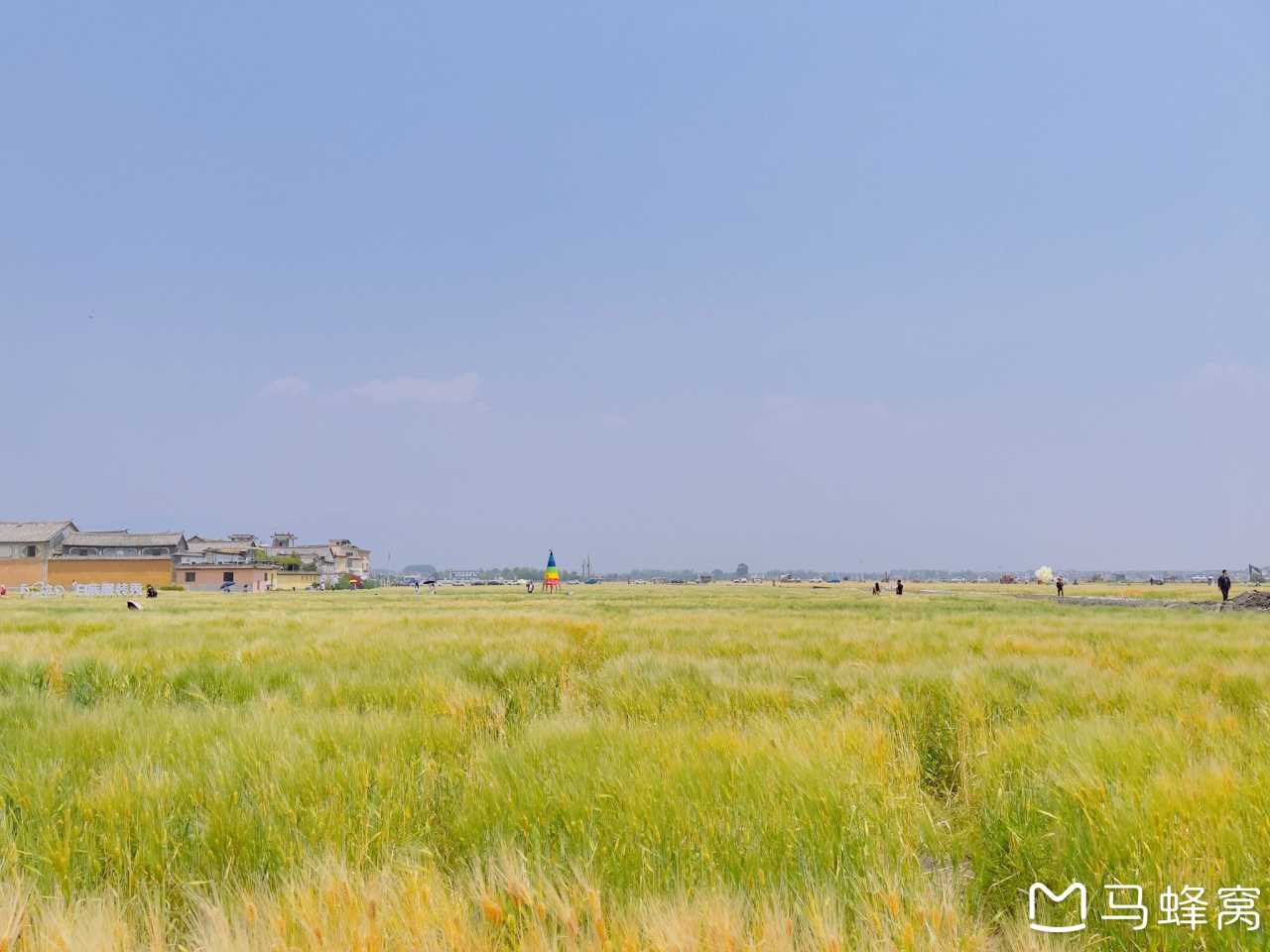
Lijiang Old Town: A Millennia-Old Naxi Charm
Lijiang Old Town, also known as Dayan Town, was first built in the late Song and early Yuan dynasties. Its streets follow the mountains and rivers, paved with red breccia stones polished smooth by time. Sifang Street (Square Street) is the heart of the old town. Legend has it that the Mu clan built it in the shape of a seal, and today it's a food street, with the aroma of rice noodles wafting from every restaurant.
The Mu Palace is a must-visit. This 46-acre (about 18.6 hectares) chieftain's mansion was once the center of the Mu family's power. Walking inside, you can almost hear the echoes of history—the solemnity of the council hall, the scent of books in the Wanjuan Tower, the morning bells and evening drums of the Sanqing Hall—all telling the rise and fall of a dynasty. The TV series "The Mu Clan" was filmed here.
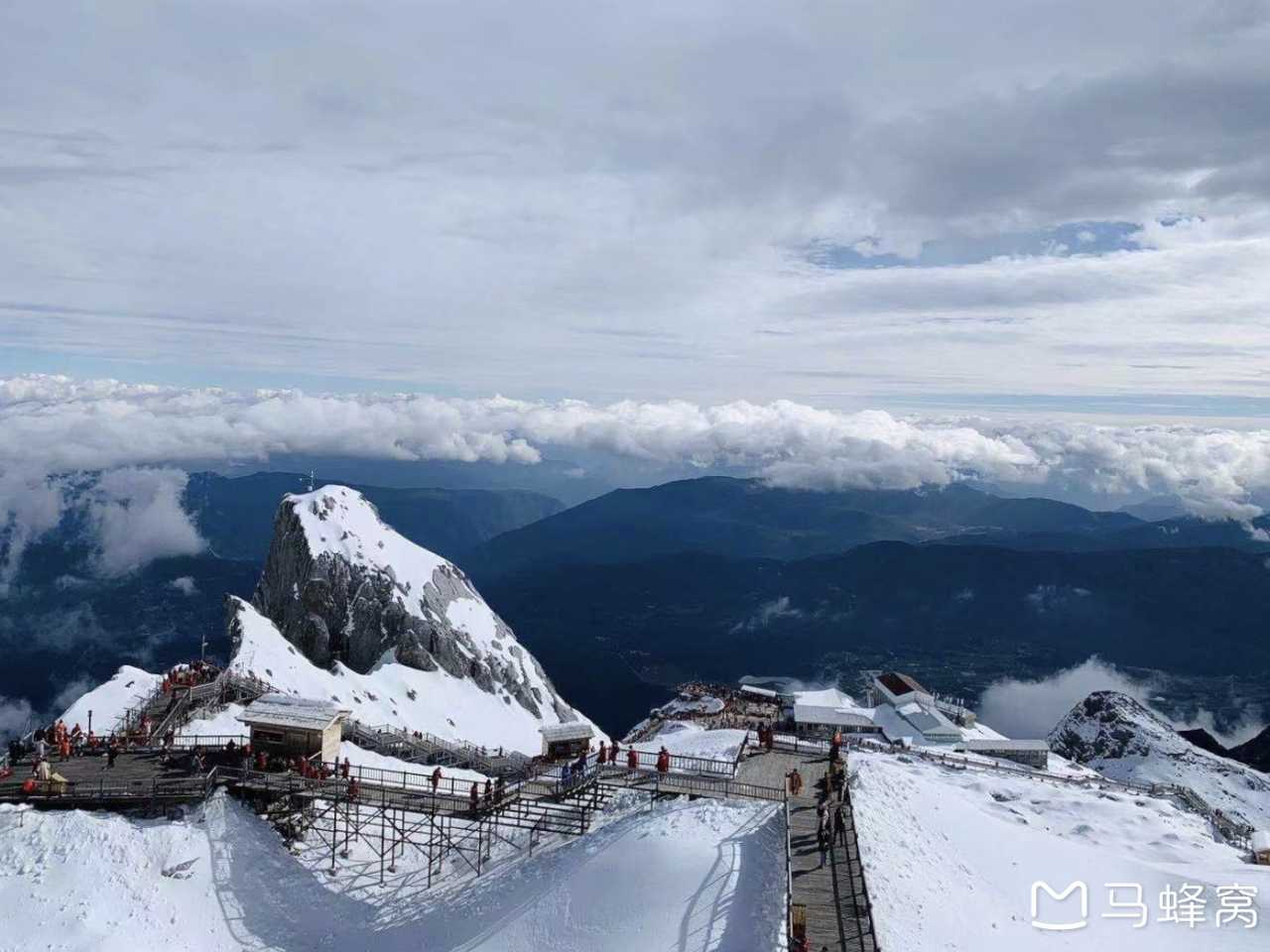
Wangu Tower on Lion Hill offers the best panoramic view of the old town. This 32.8-meter-tall all-wooden structure has 16 wooden pillars each 24 meters long, reaching straight to the top, and features 12,600 Naxi-style dragon heads—a world record. From the top, the entire old town unfolds before you, with Jade Dragon Snow Mountain looming in the distance through mist and clouds.
Jade Dragon Snow Mountain: A Fairyland Above the Clouds
In the Naxi language, Jade Dragon Snow Mountain is called "Oulu," meaning "Heavenly Mountain." Its thirteen peaks stretch continuously like a soaring dragon. It's a sacred mountain for the Naxi people, believed to be the incarnation of the protective god "Sanduo."
Blue Moon Valley (Lanyue Valley) is a sapphire at the foot of the mountain. Its lake is a deep, jade-like blue, and the valley is crescent-shaped, earning it the nickname "Little Jiuzhaigou." Legend has it that this was the prototype for the Blue Moon Valley in James Hilton's "Lost Horizon." Standing by the lake, watching the snow mountains reflected in the azure water, you'll understand why it's become a viral photo spot.
Dongba Valley: The Spectacle of Golden Sunrise on the Snow
Dongba Valley lies at the foot of Jade Dragon Snow Mountain and is one of the best spots to witness the "golden sunrise" on the peaks. At dawn, when the first rays of sunlight hit the snow, the entire peak instantly turns gold—a sight too breathtaking for words. Besides Dongba Valley, the Glacier Park, Ganhaizi Meadow, and Blue Moon Valley are also great places to see this phenomenon.
Lying Flat in Dali: Slow Life Between Cangshan and Erhai
Dali Old Town: Echoes of the Nanzhao Kingdom
Dali Old Town sits east of Erhai Lake and west of Cangshan Mountain, forming a layout described as "water surrounding the mountain, and the mountain embracing the town." Since King Yimouxun of Nanzhao moved the capital to Yangjumie City in 779 AD, this place has over 1,200 years of history. The old town has a grid layout, with five main streets running north-south and eight lanes crossing east-west.
Walking through the town, you can't help but slow down. Elderly Bai women weave cloth by the roadside, cafes in the alleys play lazy jazz, and street musicians strum guitars singing "Go to a Windy Place" (a popular Chinese song). This is what Dali should be.
Cangshan Mountain: Distant Mountains at Dusk
Cangshan, also known as Diancangshan, consists of 19 peaks, with the highest, Malong Peak, reaching 4,122 meters. Standing at its base, watching the misty peaks, you'll understand why ancient poets wrote, "The distant mountains grow dim at dusk, and the cold cottage seems poorer." If you're up for it, take the cable car up to over 3,000 meters to overlook Erhai Lake—the vastness will make all your worries disappear.
Erhai Lake: The Gentleness of a Highland Pearl
Erhai Lake, named for its ear-like shape, stretches 42 kilometers from north to south and 3.9 kilometers from east to west. Known as the "Pearl of the Highlands," it contains three islands—Jinsuo, Chiwen, and Yuji—and four sandbars along its shore—Malian, Yuanyang, Qingsha, and Daguangpeng. The lake also has nine bends: Lianhua, Dagu, Panji, Fengyi, Luoshi, Niujiao, Bozuo, Gaopin, and Hezhu.
Driving around Erhai is a must-do in Dali. We rented a car for two days and headed north along the lake. The viral photo spot at Panxi S-Bend, the Bai architecture in Xizhou Ancient Town, the wetlands of Haitong Park, the fishing village charm of Shuanglang Ancient Town—every stop was unforgettable.
Xizhou Ancient Town: Pillowed by Cangshan, Overlooking Erhai
Though close to Dali Old Town, Xizhou has a completely different character. It's a Bai ethnic enclave, with streets lined with traditional Bai architecture. At the town center stands the Inscription Archway, listing the names of about 30 imperial scholars from Xizhou's history, along with modern celebrities and famous businesses.
The four great families—Yan, Yang, Yin, and Dong—left behind numerous ancient buildings, including the Yan Family Courtyard, Yan Baocheng's Residence, and Yan Yushan's Residence, all centuries old and still well-preserved. Walking through Xizhou's alleys, you feel a timeless tranquility.
Shuanglang Ancient Town: The Premier Scenic Spot of Cang'er
Shuanglang Ancient Town sits on the northeast shore of Erhai Lake, surrounded by mountains on three sides and facing the water on one. It's often said, "The beauty of Dali lies in Cangshan and Erhai, and the beauty of Cang'er lies in Shuanglang." Yuji Island features the Sun Palace and Moon Palace of famed dancer Yang Liping, while Nanzhao Customs Island is surrounded by water and requires a boat to reach.
Strolling in Kunming: Leisurely Days in the Spring City

Dianchi Lake: The Grandeur of a Highland Pearl
Dianchi Lake, also known as Kunming Lake, is Yunnan's largest freshwater lake, hailed as the "Pearl of the Highlands." At an elevation of 1,886 meters, it covers over 250 square kilometers. Standing on the Haigeng Dam, watching the shimmering lake with the Western Hills stretching like a reclining Buddha on the far shore, you'll feel the charm of Kunming's "Spring City" title.
Guandu Ancient Town: Memories of Old Kunming
Guandu Ancient Town is an important carrier of Kunming's history and culture. Its streets retain Ming and Qing dynasty architecture, and the old lanes sell all kinds of Yunnan specialties. Local snacks like Guandu flatbread (Guandu baba), tofu rice noodles (douhua mixian), and grilled milk fan (kao rushan) each carry the taste of old Kunming.
Kunming Old Street: The City's Lively Pulse
Kunming Old Street, located in Wuhua District, is one of the city's busiest commercial areas. The night market on Nanqiang Street Alley is vibrant, with long lines at every food stall. Here, you can feel the most authentic pulse of Kunming's daily life.
Vacationing in Xishuangbanna: A Tropical Dream of Southeast Asian Flavor
Starry Night Market: A Glittering Exotic Bazaar
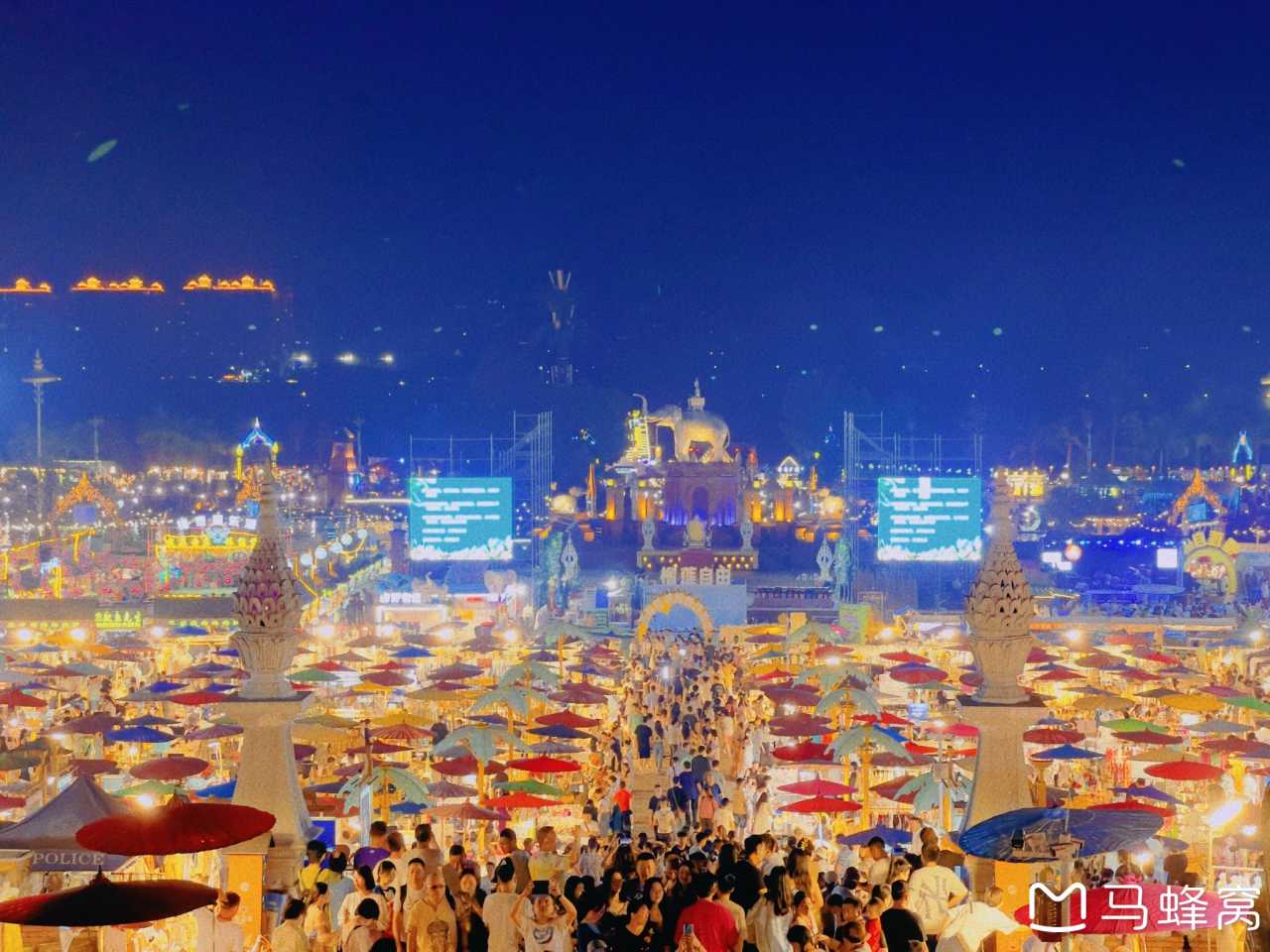
The Starry Night Market is located within Gaozhuang Xishuang Jing, adjacent to the Grand Golden Pagoda. As night falls, hundreds of temporary stalls light up simultaneously, turning the entire square into a sea of stars. Billed as Asia's largest night market, it offers a dazzling array of goods, from handicrafts to local delicacies.
Walking through the market, you might feel you've stumbled into Bangkok's Train Market. Dai-style barbecue, pineapple rice, coconut jelly, and Lao-style iced coffee—every treat is irresistible. Strolling along the Mekong River, watching the lights reflect on the water, the contentment is beyond words.
Grand Golden Pagoda: Where Solemnity Meets Bustle
The Grand Golden Pagoda in Jinghong, also called the Myanmar-style Golden Pagoda, serves as the city's main Buddhist temple. Standing over 60 meters tall, it's the tallest structure in Gaozhuang Xishuang Jing. By day, it's solemn and majestic; by night, it takes on a different, lively aura. Standing in the square before it, looking out at the Starry Night Market, you feel a strange but wonderful harmony.
Xishuangbanna Tropical Botanical Garden: A Journey into the Rainforest
The Xishuangbanna Tropical Botanical Garden, operated by the Chinese Academy of Sciences, is located in Menglun Town, Mengla County, and is locally known as Menglun Botanical Garden. It's divided into an east and west section. The west section is the main tourist area, composed of several smaller themed gardens; the east section is a pristine tropical rainforest, ideal for hiking.
The "Garden of Exotic Flowers and Plants" in the west section is the most popular. Here, you'll find flowers that change color, "clock flowers" that bloom at set times, "dancing grass" that moves to music, "bachelor trees" with trunks but no leaves, and the deadly "arrow poison tree" (Antiaris toxicaria). Every plant is an eye-opener.
Practical Tips: Making Your Trip Easier
Transportation Guide
Lijiang: Sanyi Airport is about 20 km from the old town—a 30-minute taxi ride. The train station is 8 km away, also a short taxi ride.
Dali: Fengyi Airport is 20 km from the old town. The train station is about 10 km away, reachable by bus in about 40 minutes.
Kunming: Changshui Airport is 30 km from Kunming Old Street—a 40–50 minute drive. Kunming Station (in Wuhua District) is closest to the city center; Kunming South Station (in Chenggong District) is farther out.
Xishuangbanna: Gasa Airport is 10 km from Gaozhuang Xishuang Jing—a 30-minute taxi ride. The train station is right next to the airport, with shuttle buses or public buses to Gaozhuang.
Accommodation Recommendations
Lijiang: Near the north gate of the old town, Red Sun Square, or Zhongyi Square—convenient transport, lots of food, and close to the old town. Avoid staying inside the old town itself; the cobblestone streets are hard on luggage, rooms are small, and prices are high.
Dali: Near the south gate of the old town, Wenxian Road, March Street, Erhai Gate, or Caicun. Wenxian Road is a night market street with bus access; Caicun is great for sunrise views but has limited transport and pricier accommodation.
Kunming: Kunming Old Street and Nanqiang Street Alley near Wuhua District.
Xishuangbanna: The area around Splashing Water Square is quieter with cheaper guesthouses; Gaozhuang Xishuang Jing is concentrated with dining, lodging, and entertainment but more expensive.
Cost Reference
Transport: Chongqing to Lijiang flight: 500 yuan/person; Lijiang to Dali high-speed rail: 23.5 yuan/person; Dali to Kunming high-speed rail: 145 yuan/person; Kunming to Xishuangbanna high-speed rail: 178 yuan/person; Xishuangbanna to Chongqing flight: 650 yuan/person.
Accommodation: Lijiang: 200 yuan/night; Dali: 200 yuan/night; Xishuangbanna: 220 yuan/night.
Tickets: Jade Dragon Snow Mountain day tour: 400 yuan/person (small group of 8); Tiger Leaping Gorge: 40 yuan/person; Three Pagodas of Chongsheng Temple: 75 yuan/person; Xiaoputuo Island: 15 yuan/person; Xishuangbanna Tropical Botanical Garden: 110 yuan/person; Manting Park: 40 yuan/person.
Total: Transport + accommodation: about 8,600 yuan; Food + activities + souvenirs: about 5,000 yuan.
Final Thoughts: Traveling with Parents
The greatest meaning of this trip was bringing my parents along. They've worked hard most of their lives and aren't familiar with many things—booking tickets on a phone, checking transport routes, planning itineraries—all require patient explanation. People often say online, "There's no need to join a tour group in China," but for parents who aren't tech-savvy, without their children around, they can only join tours, knowing they might get ripped off but having no choice.
So, if you have time, be sure to take your family out to see the world. Over 12 days, we rarely went to trendy restaurants; street food was enough, and the taste was mostly similar. We never chatted up strangers, and if we had questions, we asked景区 staff—that way, we avoided being scammed.
Prices in Yunnan aren't cheap, but they're lower than in Sanya or first-tier cities. After all, this is a tourist destination, so prices at scenic spots are naturally high, especially in Xishuangbanna. But when you see your parents' delight at the golden sunrise over Dongba Valley, their contentment strolling by Erhai Lake, or their childlike excitement at the Starry Night Market, you'll know it was all worth it.
Yunnan is the most beautiful place I've ever seen. Every visit reveals something new. If you're planning to go, remember to bring your family—or just bring your heart—and head west to meet your own colorful clouds in Yunnan.
You should also read:
Xishuangbanna Self-Drive Tour: Into the Tropical Wonderland at the Edge of the Sky (Complete Guide)
Xishuangbanna Self-Drive Tour: Into the Tropical Wonderland at the Edge of the Sky (Complete Guide) Introduction: A Dream Fulfilled Thirty Years Early Some journeys are destined to happen at a specific moment in time. For me, a self-drive trip to Xishuangbanna was originally the first…
Continue reading...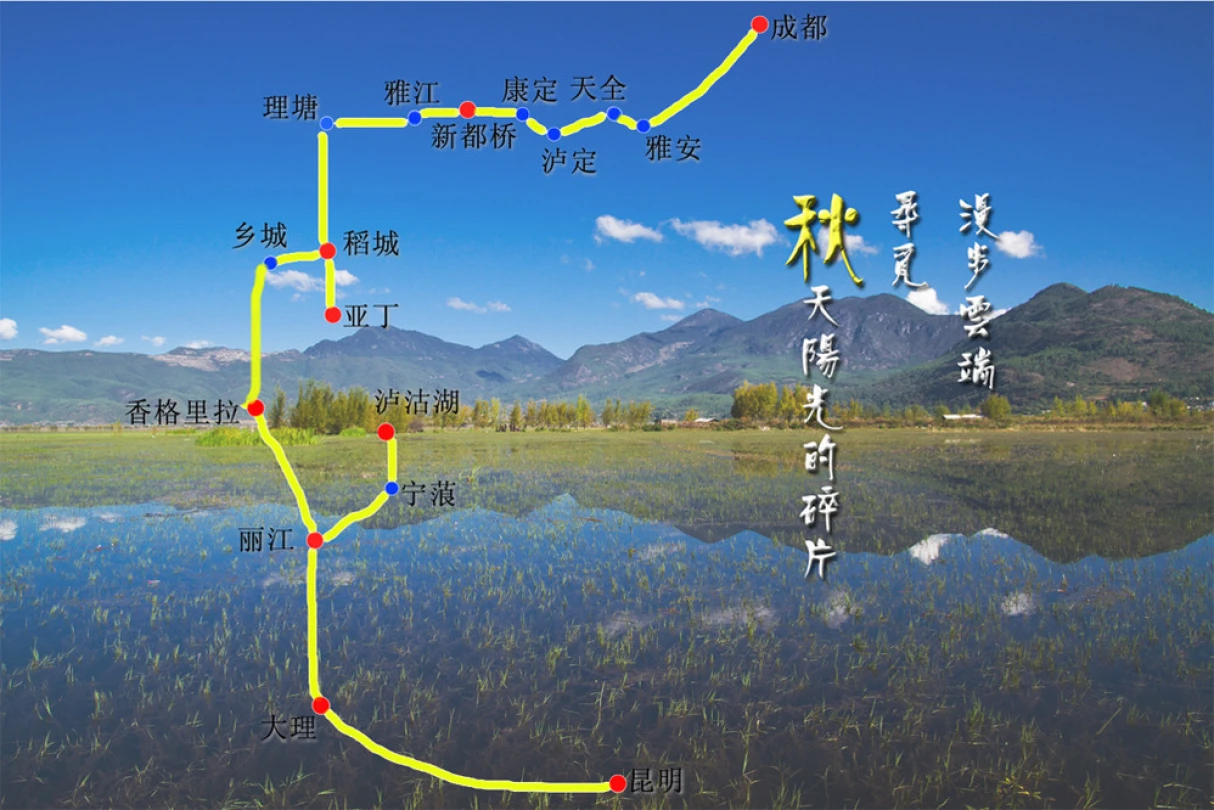
Strolling Among the Clouds: Gathering Autumn's Light on the Western Sichuan Plateau
Strolling Among the Clouds: Gathering Autumn's Light on the Western Sichuan Plateau Prologue: A Sun Chaser's Journey Autumn sunlight is like a gentle painter, using golden brushstrokes to smear the last traces of warmth across the earth. It slips through the gaps between your fingers,…
Continue reading...
September: Finding Unexpected Warmth in Yunnan (Kunming, Dali, Shuanglang, Lijiang, Lugu Lake)
September: Finding Unexpected Warmth in Yunnan (Kunming, Dali, Shuanglang, Lijiang, Lugu Lake) Foreword: One Person's Journey, A Crowd's Story Before I set off, like every first-time solo traveler, I printed out a thick stack of travel guides and rehearsed countless possible scenarios in my head—getting…
Continue reading...