I Pressed the Shutter in Lijiang: Moments That Made My Soul Take a Deep Breath
I Pressed the Shutter in Lijiang: Moments That Made My Soul Take a Deep Breath
Some people say Lijiang is a collective illusion about slow living. But when I finally stood on the cobblestone streets of Shuhe, saw the snow-capped mountains reflected in the turquoise waters of Blue Moon Valley, and heard the hand-drum beats drifting through the ancient town's alleyways, I understood—this isn't an illusion. This is the closest thing to poetry in the real world. Today, I want to share with you the real stories and practical travel secrets behind the photos I took in Lijiang.
Shuhe Ancient Town: A Feast for the Senses
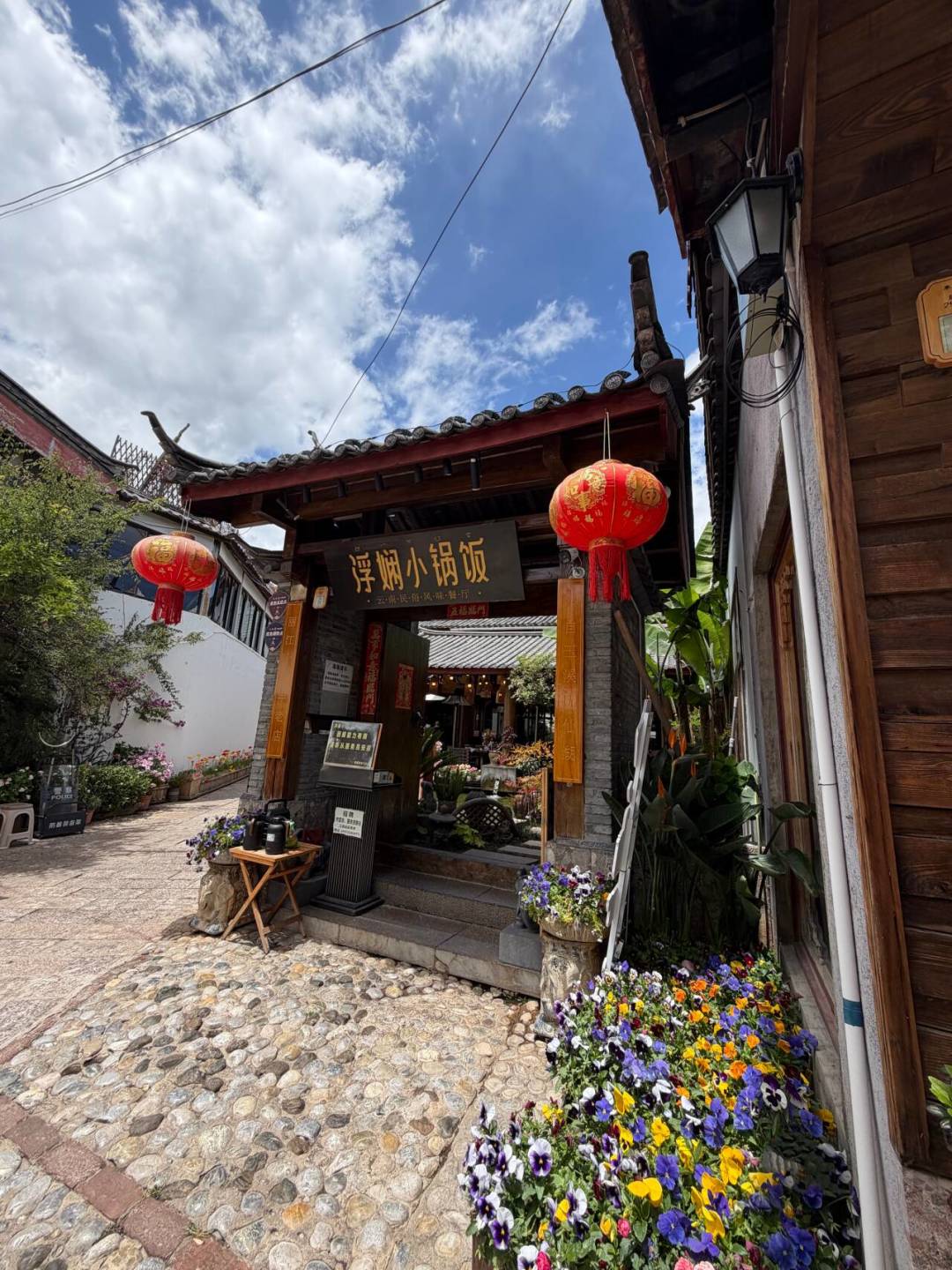
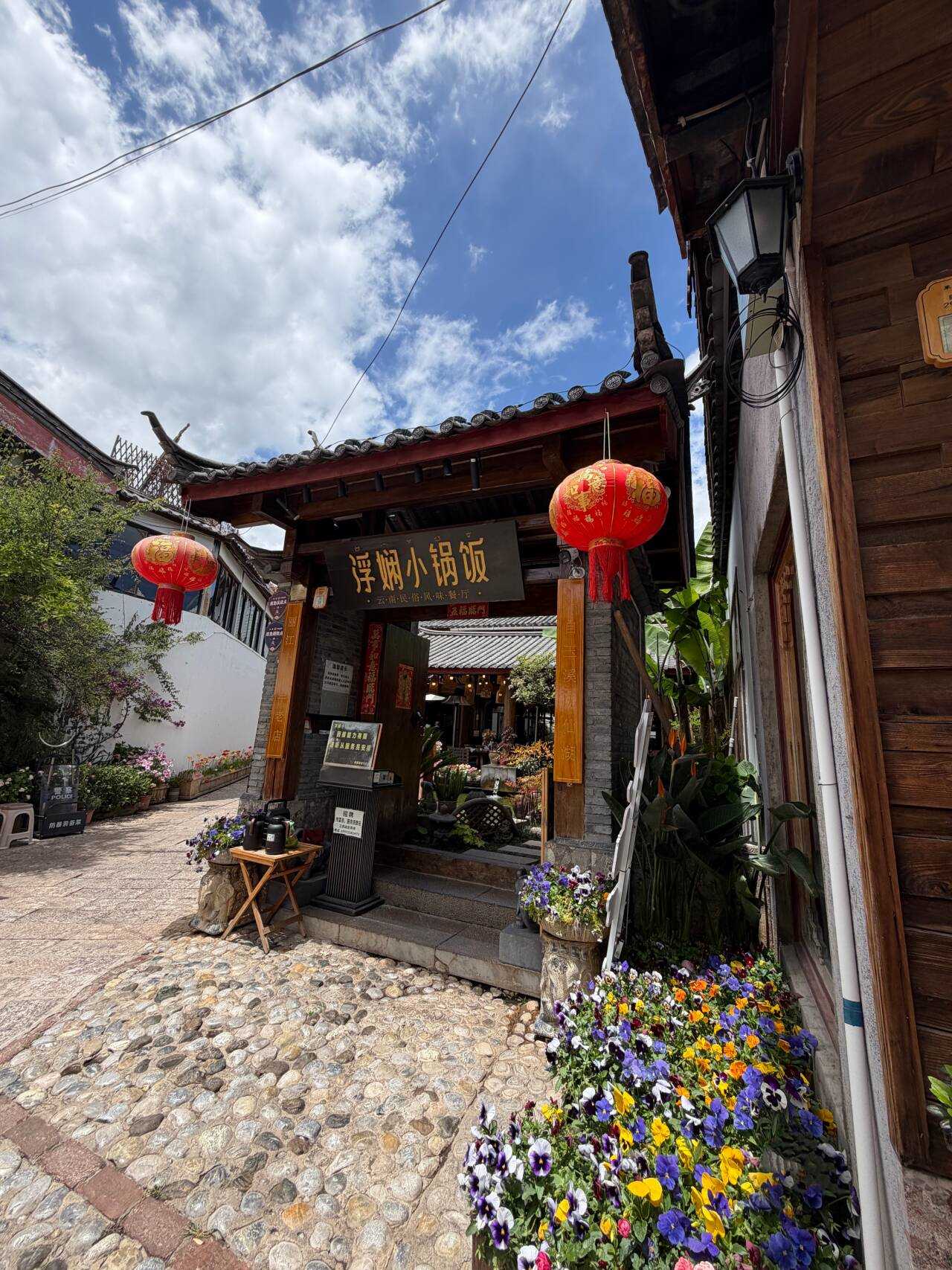
If you think Lijiang is only about crossing-the-bridge rice noodles (过桥米线, a Yunnan specialty where raw ingredients are cooked in boiling broth at the table) and smoked pork ribs (腊排骨), you've missed out on a true food paradise. Shuhe Ancient Town—quieter and more local than the bustling Dayan Old Town—is the hidden "canteen" that locals keep to themselves.
The Treasure Restaurant Worth Waiting In Line For
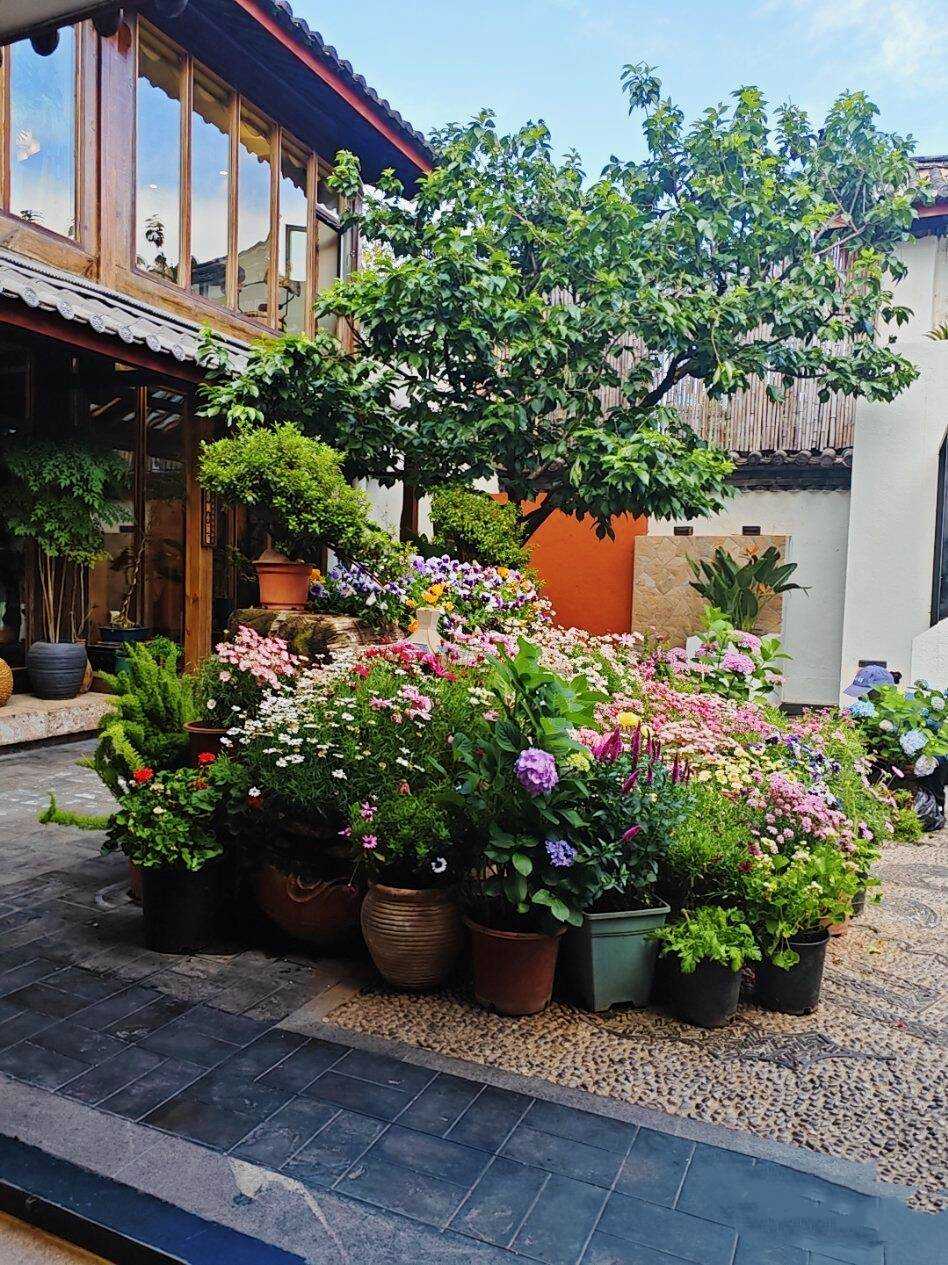
A friend who's a local took me straight to a modest-looking restaurant in Shuhe with a long queue out front. "We come here on weekends too," he said, casually grabbing a number ticket. "The turnover is fast, don't worry."
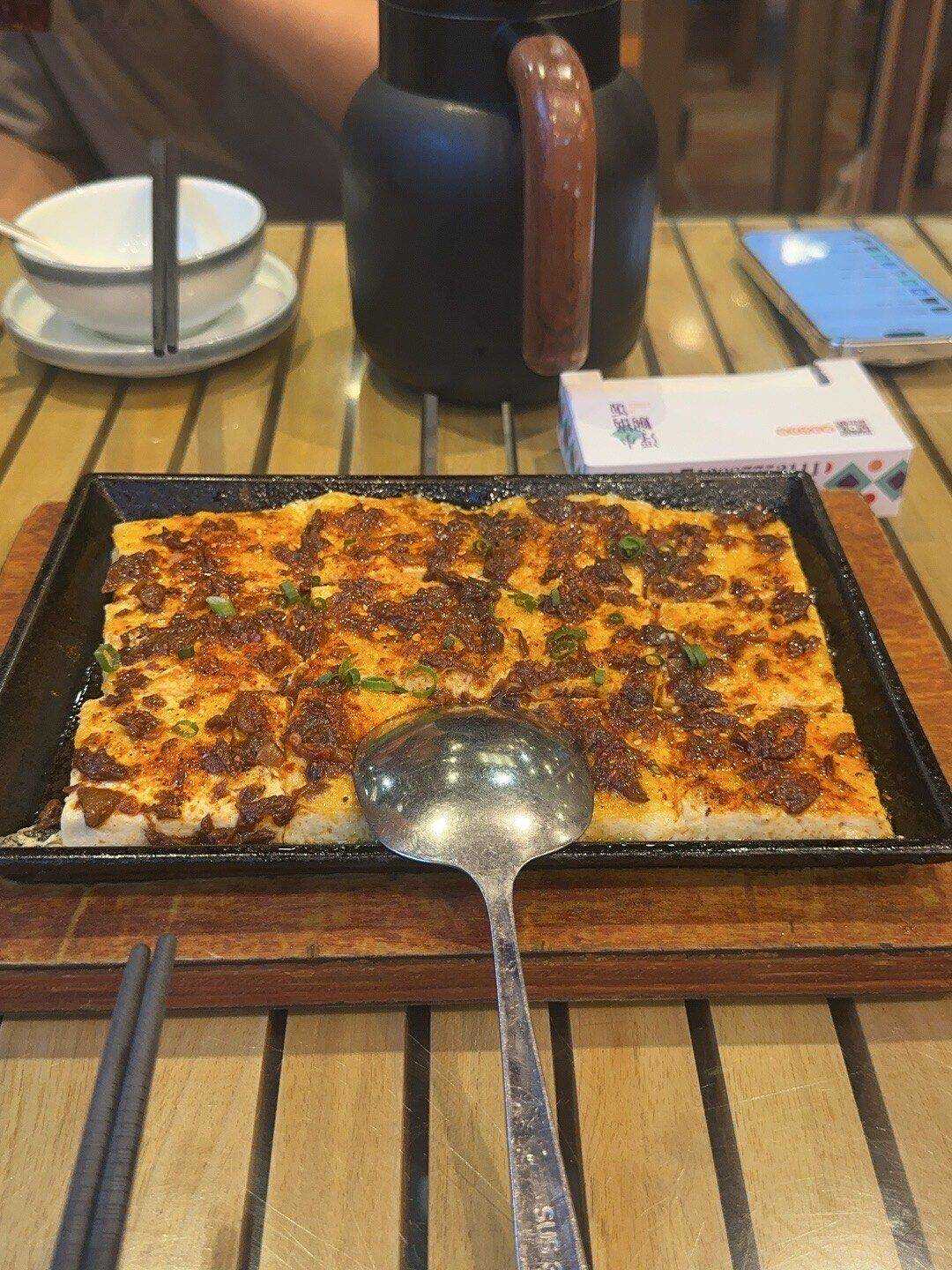
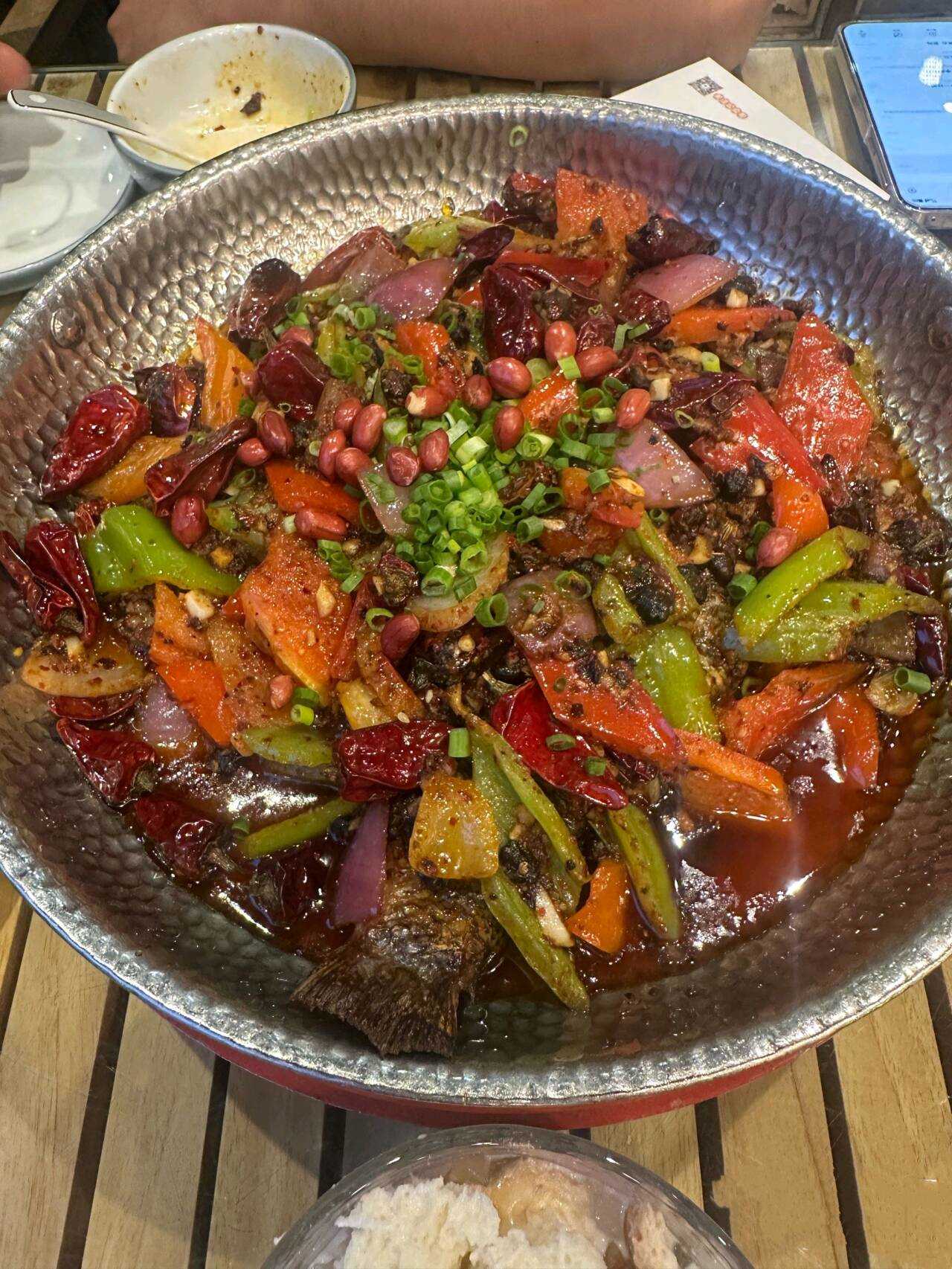
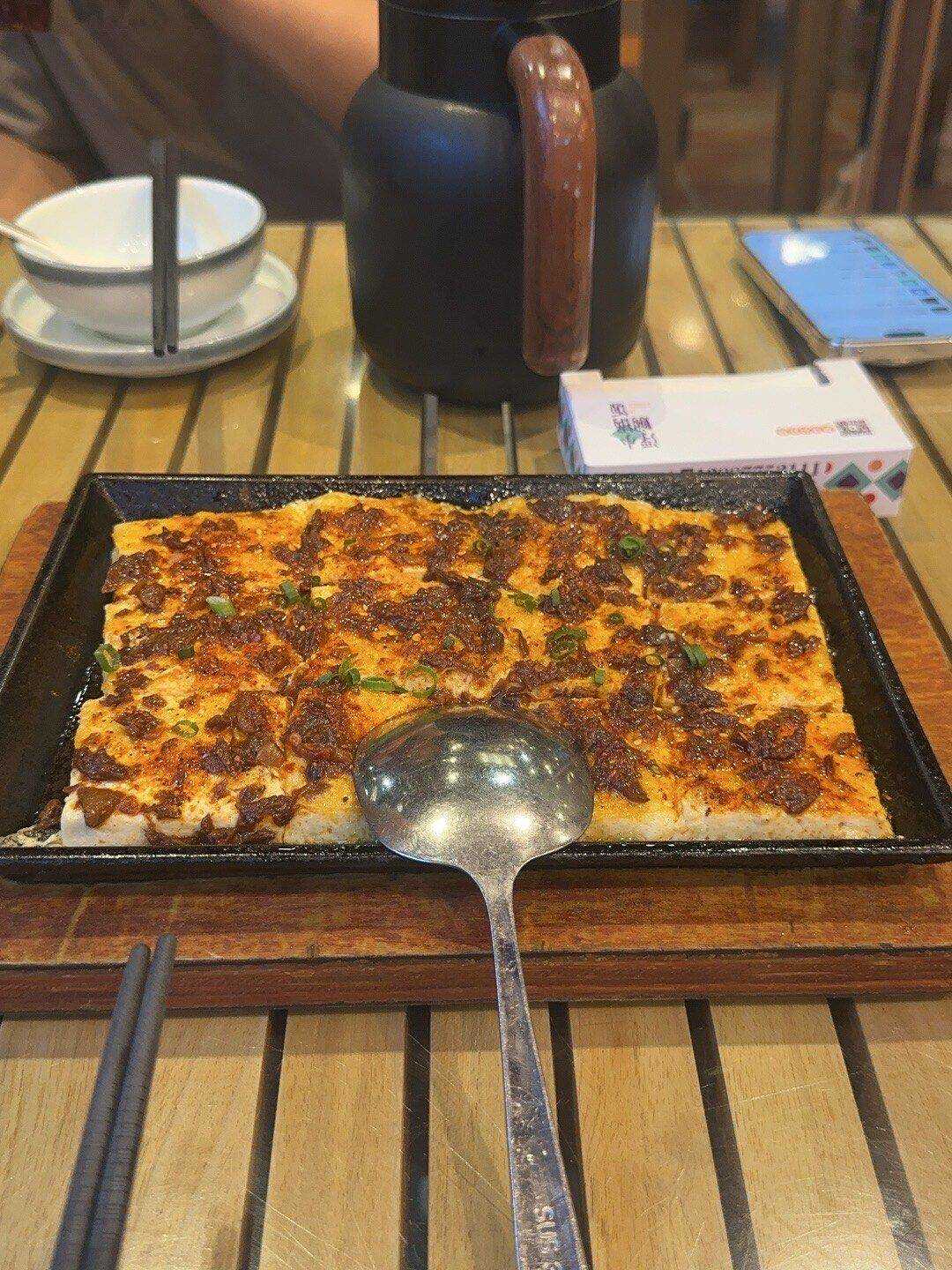
Sure enough, we were seated in under twenty minutes. Every dish carried the wild, aromatic essence of Yunnan—a chicken soup slow-cooked with wild mushrooms, golden in color and rich with earthy fragrance; grilled milk fan (烤乳扇, a crispy, cheesy Yunnan dairy snack) that was crunchy on the outside and soft inside, dipped in rose petal jam for a sweetness that wasn't cloying; and the unforgettable chicken bean jelly (鸡豆凉粉, a tangy, spicy cold jelly made from local chickpeas) that was a lifesaver in the mild May heat—sour, spicy, and utterly refreshing.
The service was heartwarming. When we asked if they could turn a mildly spicy dish into medium spice, they took it back to the kitchen without a second thought. When we mentioned wanting to try the local flower tea, they brought us a complimentary pot, saying, "Try it—if you like it, you can buy some from the shop next door." That genuine hospitality turned a simple meal into a warm memory.
Practical Tip: Restaurants in Shuhe Ancient Town are generally about 30% cheaper than those in Dayan Old Town, and the food is more authentic. To avoid the queue, go before 11:00 AM or after 2:00 PM to skip the rush.
Jade Dragon Snow Mountain: Obsession and Regret at 4,680 Meters
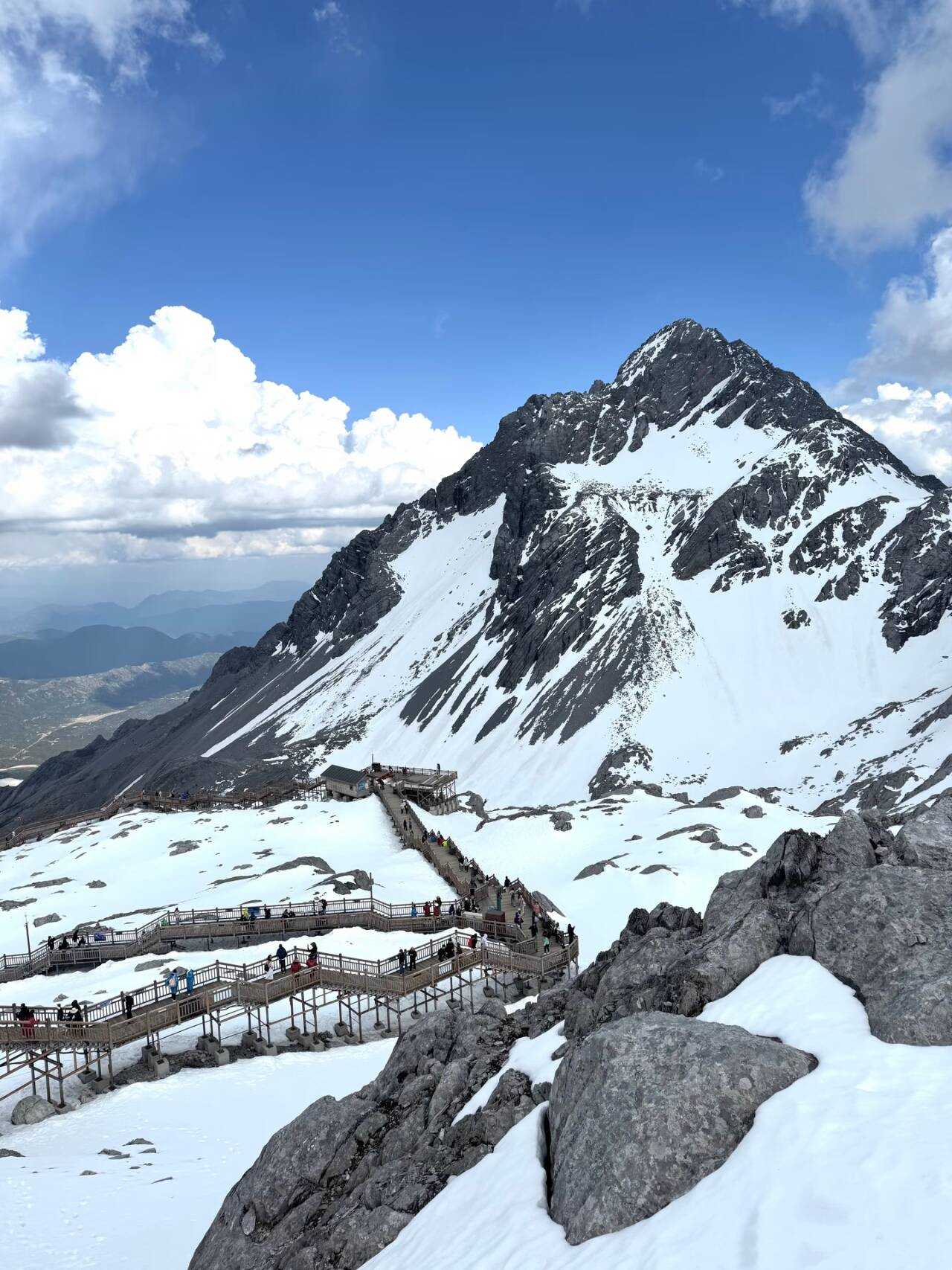
Who can resist the call of Jade Dragon Snow Mountain when visiting Lijiang? But honestly, climbing to the "stone tablet" at 4,680 meters (15,354 feet) was far harder than I imagined.
Why I Never Got That Photo of the Stone Tablet
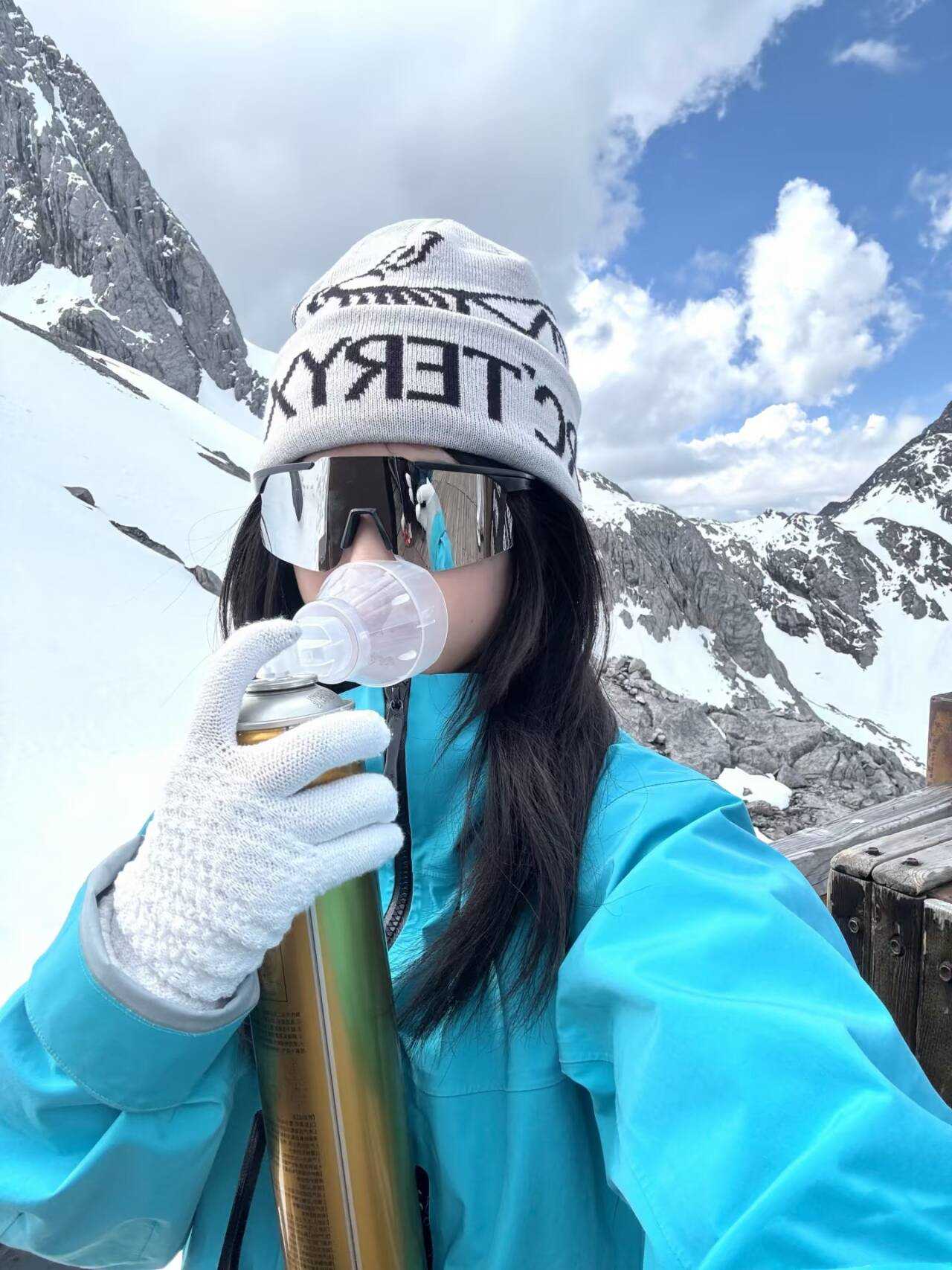
May is peak season for Jade Dragon Snow Mountain. By 6:00 AM, the cable car entrance was already a sea of people. When I finally rode the gondola through the clouds and stood on the glacier park at 4,506 meters (14,783 feet), the sight took my breath away—the boardwalk leading to the 4,680-meter stone tablet was packed with people, moving like a slow, colorful caterpillar.
I held up my camera for forty minutes, but the crowd showed no sign of thinning. People were cutting in line, arguing loudly, and some were sitting by the roadside, pale-faced from altitude sickness. In the end, I gave up on the obsession of getting a photo with that stone tablet. It wasn't that I didn't want to—it was that I'd rather feel the ancient glacier's breath beneath my feet than fight the crowd in frustration.
Important Reminder: If you want a clean shot of the 4,680-meter stone tablet: - Avoid the Labor Day (May 1st) and National Day (October 1st) golden weeks - Take the first cable car of the day (7:30–8:00 AM) - Book your ticket in advance on the "Lijiang Tourism Group" (丽江旅游集团) WeChat official account - Bring your own oxygen canister (60 yuan/$8.50 on the mountain, 25 yuan/$3.50 at the supermarket downhill)
Blue Moon Valley: Yunnan's Mini Jiuzhaigou

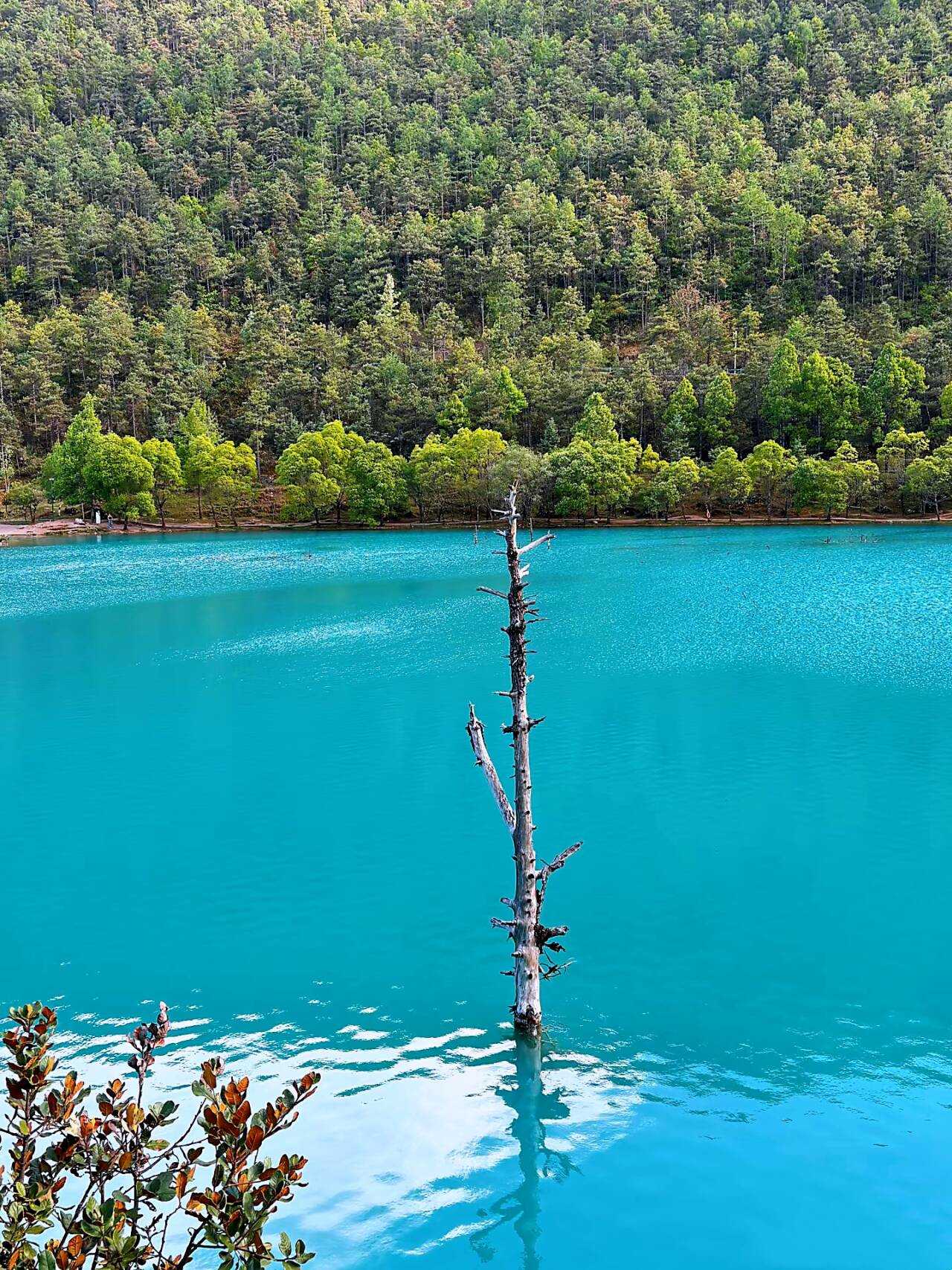
If Jade Dragon Snow Mountain is a rugged eagle, then Blue Moon Valley is a gentle peacock. In May, the water here is so blue it looks like the most saturated shade from a paint palette—so beautiful it's hard to believe it's natural.
Blue Moon Valley on May 18th
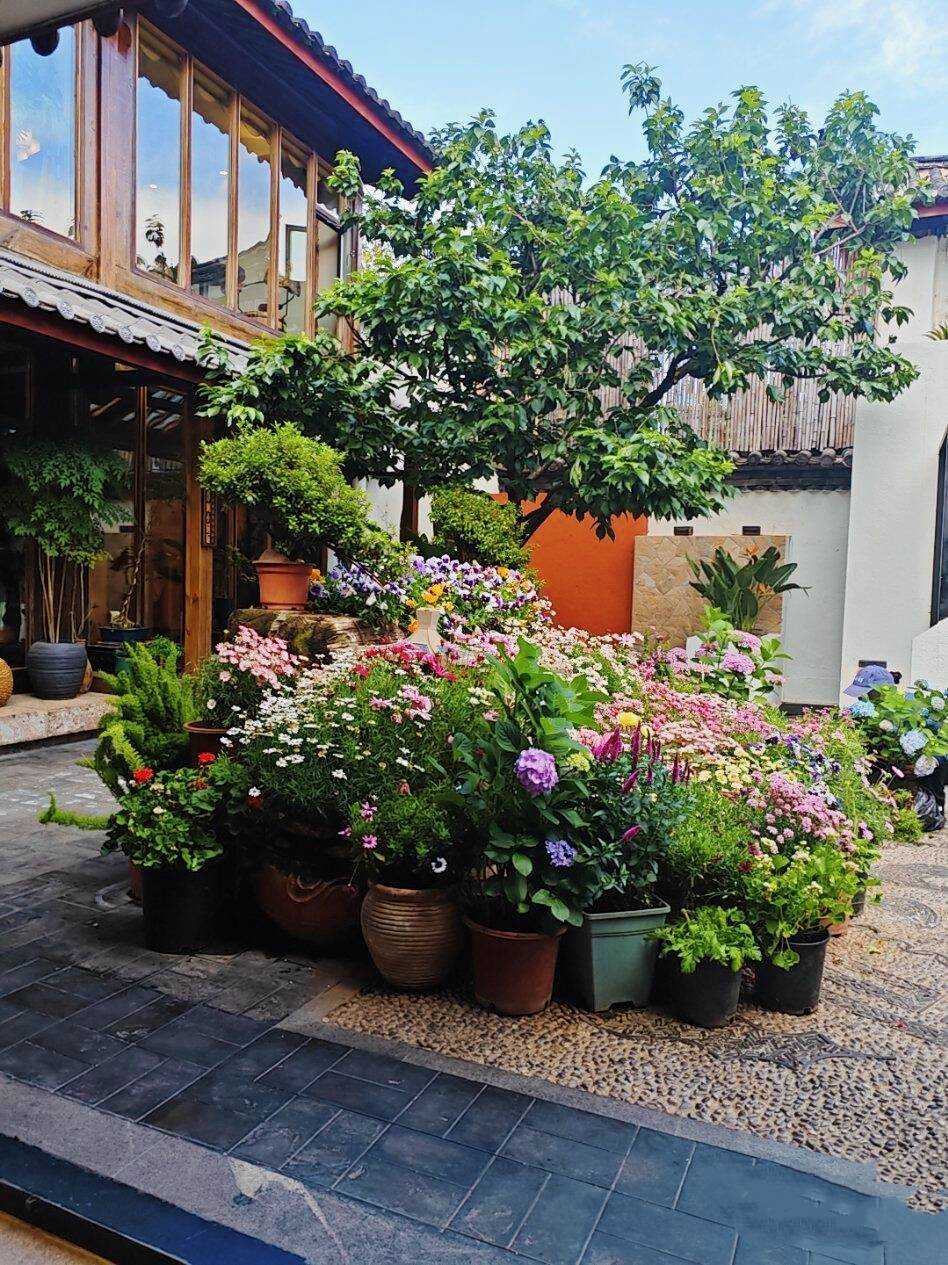
The sun was perfect that day. Standing at White Water Terrace (白水台) and looking down, the lake displayed a gradient from pale blue to deep green. Minerals on the lakebed sparkled in the sunlight, and the water was so clear I could see fish swimming beneath the surface. No wonder people call it "Yunnan's Mini Jiuzhaigou"—this shade of blue truly rivals only Jiuzhaigou Valley.
But I have to warn you about an important detail: In the second half of the month, upstream river maintenance begins in Blue Moon Valley. During this period, silt from upstream gets washed down, turning the lake water murky. If you're planning to visit in late May or June, it's best to confirm the maintenance schedule in advance. A friend of mine went just a week after I left, and the photos she sent showed the water had turned a grayish-green, completely losing that crystal-clear blue.
Practical Advice: - Best viewing times: April–May and October–November each year - The walking trail inside the scenic area is about 3 kilometers (1.9 miles)—wear comfortable shoes - Bring your own water and snacks; prices inside the scenic area are high - The light is best for photos after 2:00 PM
Lijiang Old Town: Every Shot Is a Masterpiece
If Lijiang during the day is lazy, Lijiang at night is enchanting. When the sun sets, the ancient town's lanterns light up one by one, and the cobblestone streets are bathed in warm amber light. The whole town seems to come alive.
The Moments That Made My Heart Skip
I stayed in a guesthouse on the edge of the old town, with a window that opened to a view of the distant snow-capped mountains. At 6:00 AM, I grabbed my camera and wandered through empty alleyways. Morning mist still hung in the air, the bluestone paths were damp, and the breeze carried the scent of flowers and the aroma of fresh bread from a bakery. An orange cat sat on a doorstep, washing its face. When it saw me raise my camera, it actually looked up and posed for a second—I pressed the shutter at that exact moment.
In the late afternoon, I arrived at Sifang Street (Square Street). Tourists sat in waterside bars listening to folk music; a singer strummed a guitar and performed "Chengdu" (a popular Chinese folk song), and even though we were in Lijiang, the lazy atmosphere made time feel like it was moving in slow motion. I captured an elderly woman weaving flower crowns at her doorstep. Her fingers moved swiftly, turning a few fresh blooms into an exquisite headpiece. When she noticed me taking photos, she smiled and said, "Little girl, you'll look even better wearing a flower crown."
Photo Tips: - Best shooting times: 6:00–8:00 AM and 5:00–7:00 PM - Recommended spots: The Big Waterwheel (大水车), Sifang Street, Lion Hill Observation Deck (狮子山观景台), and Mu's Residence (木府) - Wear red or white clothes—they pop beautifully against the old town's brick-red backdrop - Don't just shoot wide angles; look for details like door knockers, window lattices, and moss on the corners—they tell a more interesting story
In the End: What Lijiang Taught Me
On the day I left Lijiang, I sat at the airport scrolling through the photos on my phone. There was no perfect shot of the 4,680-meter stone tablet, no artfully arranged dishes from trendy restaurants. But every image captured a real moment—the pot of flower tea the waiter brought at the Shuhe restaurant, the sunlight dancing on Blue Moon Valley's surface, the lazy gaze of that orange cat in the old town alley.
What Lijiang taught me wasn't how to take the perfect photo. It was how to let go of obsessions during a journey. You can wait in line for two hours for a photo spot, or you can do what I did—choose to let go and discover a different kind of scenery. The meaning of travel has never been about how many places you've been or how many photos you've taken. It's about whether those heart-stirring moments truly touched your soul.
If you're planning a trip to Lijiang, my advice is this: don't let travel guides chain you down. Leave room for the unexpected. Go to Shuhe and eat at a restaurant recommended by locals. Spend half an hour just staring at Blue Moon Valley. Sit in a corner of the old town and listen to a song. You'll find that those unplanned moments often become the most precious memories.
Final Tips: - Lijiang sits at 2,400 meters (7,874 feet) above sea level—avoid strenuous activity when you first arrive - May has big temperature swings between day and night—bring a light jacket - Sunscreen! Sunscreen! Sunscreen! The UV rays at high altitude are no joke - Respect local culture—don't take photos of elderly people or children without permission
May your Lijiang trip also capture the photos that become the story of your life.
You should also read:
Dreamland – Lijiang: A Talking Comic Travel Guide
Dreamland – Lijiang: A Talking Comic Travel Guide Prologue: When Lijiang Takes Root in Your Heart Some places leave a mark on you forever. They're like an old song on repeat, suddenly playing in your mind on an ordinary afternoon. For me, Lijiang is that…
Continue reading...
Yunnan! Paradise on Earth – The Yubeng Chapter: A Soul-Cleansing Journey into Seclusion
Yunnan! Paradise on Earth – The Yubeng Chapter: A Soul-Cleansing Journey into Seclusion Prologue: Why Yubeng? If you ask me which place in Yunnan is most worth hiking to, I would answer without hesitation: Yubeng. This is not an answer I give lightly. As a…
Continue reading...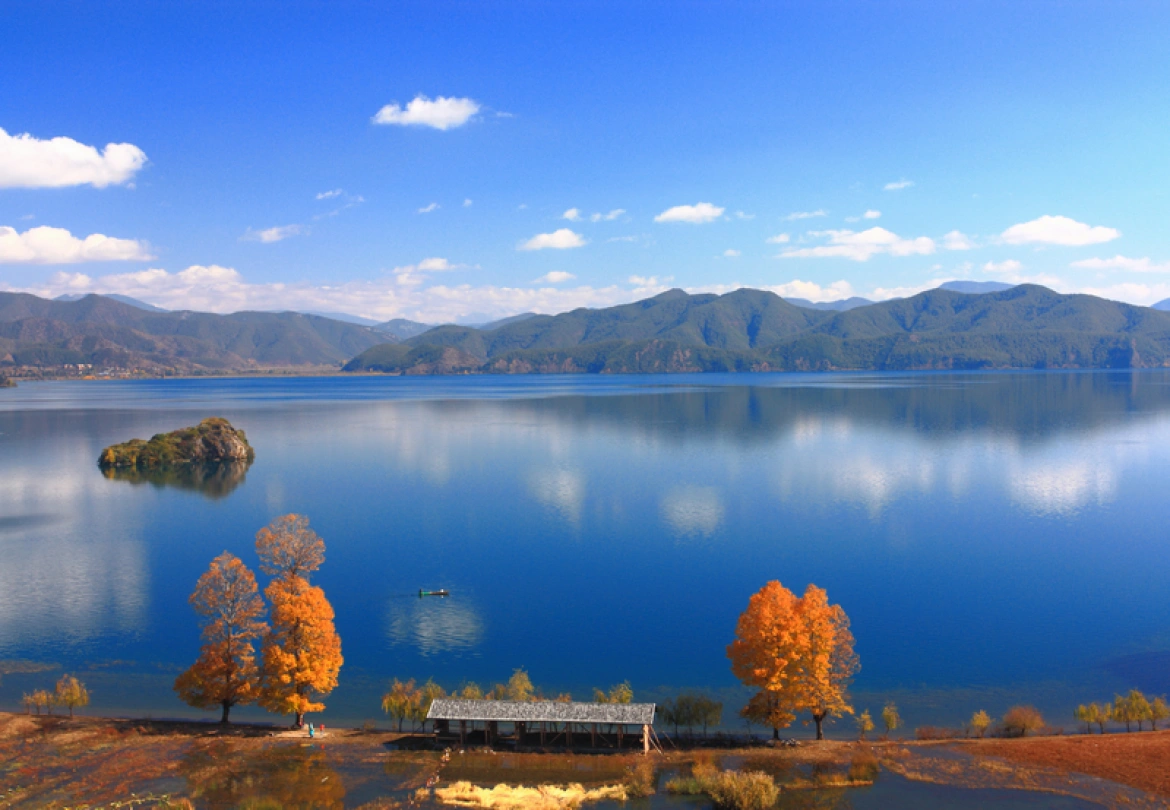
A Spiritual Journey to Lugu Lake in Lijiang: Experiencing the Legend of the Kingdom of Women! (Reproduction and Hotlinking Prohibited)
A Spiritual Journey to Lugu Lake in Lijiang: Experiencing the Legend of the Kingdom of Women! (Reproduction and Hotlinking Prohibited) Off-road自驾, food, hotel and民宿 reviews, Featured Traveler, Tank 300 owner, 200,000 km of self-driving experience. WeChat: y01294987 Ninglang Yi Autonomous County 2010.11.08 · 7 days…
Continue reading...