If Life Were Only as Sweet as First Encounter – Immersed in Lijiang’s Gentle Time
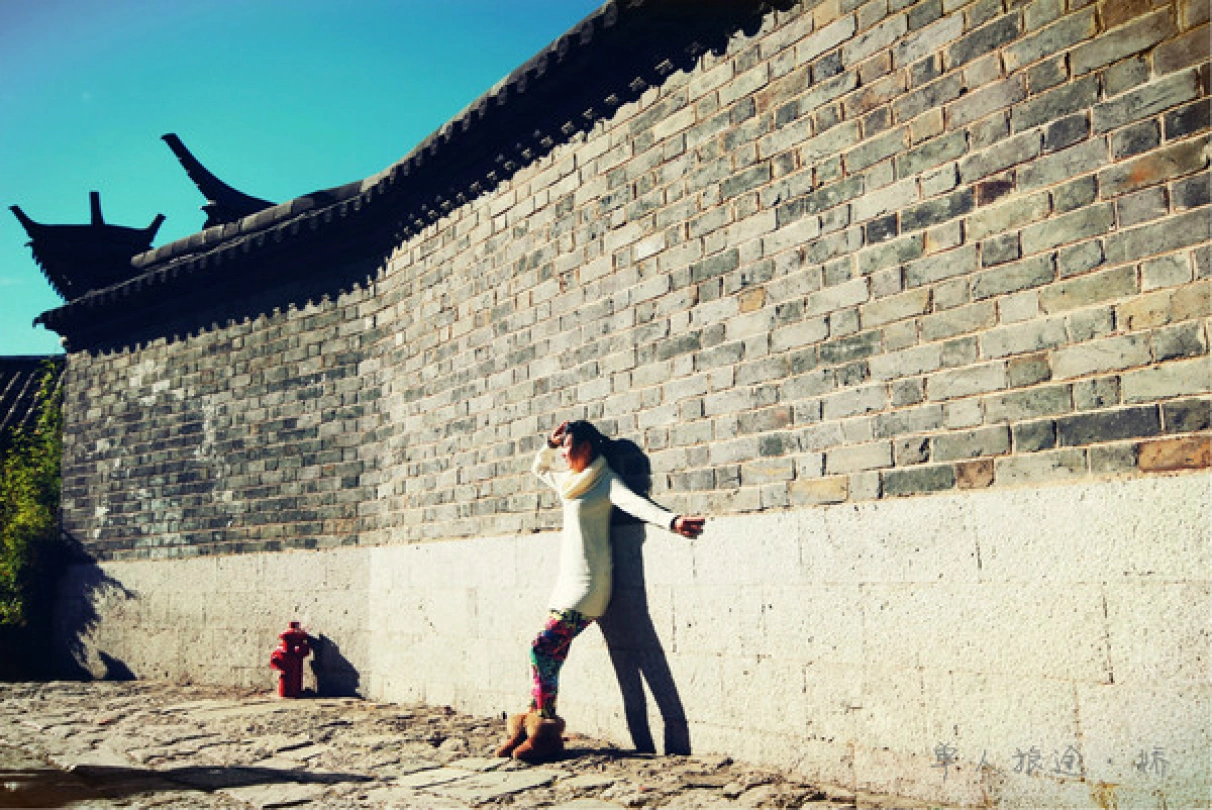
If Life Were Only as Sweet as First Encounter – Immersed in Lijiang’s Gentle Time
Never forget the things you promised yourself you would do. Never forget the places you promised yourself you would go. No matter how difficult or how far, as long as your heart is still beating, your steps will never stop.
Foreword: A Spontaneous Escape
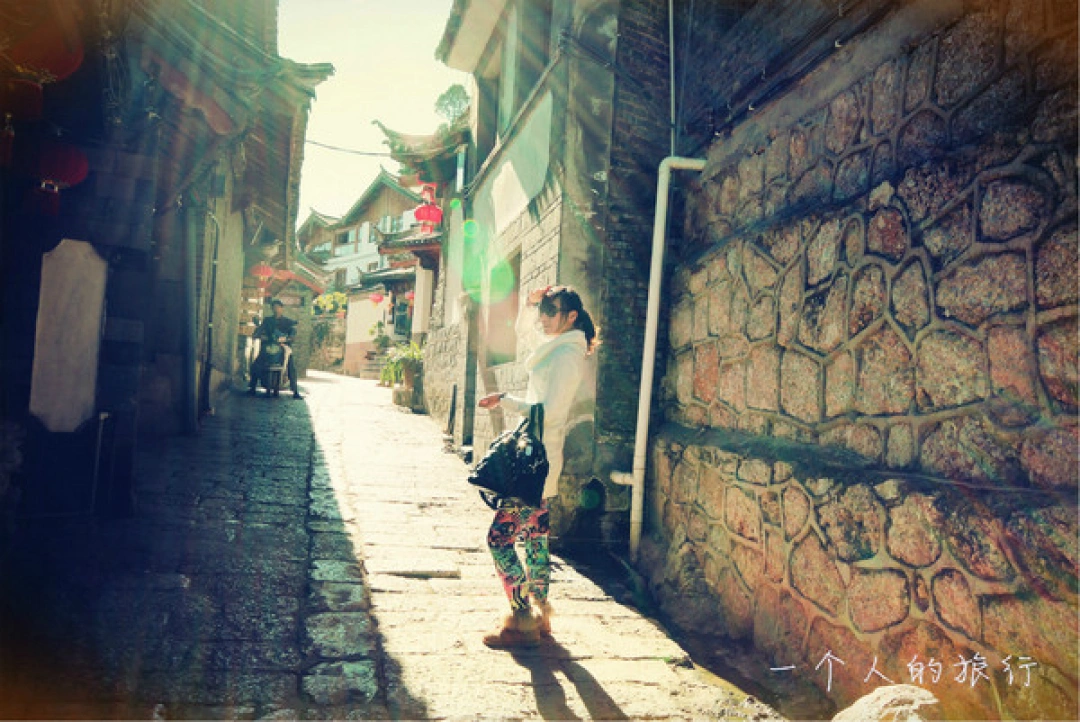
Lijiang is a city steeped in color. Red lanterns, gray-blue stone paths, azure skies, golden sunlight… every shade tells a different story. It is a city that understands you—knowing when you’re tired and need a hug, knowing when you’re lost and need an answer. More than that, it’s a city that makes you willingly slow down, letting you sit back in a rattan chair, tilt your head toward the sun, and hand all your worries over to time.
I had long dreamed of the day I could come to this place that haunts so many hearts—just to zone out, soak up the sun, and enjoy a life without constraints. Countless times I imagined myself sitting in a rattan chair, head tilted back, bathing in the sunlight. But the pressures of reality felt like an invisible net, slowly wearing away my passion for life. A month after quitting my job, my restless heart finally found its rhythm again. Quietly examining the bits and pieces of life, I realized—life can actually be this simple.
In my view, “youth” should be spent on roads that never end. I love that feeling of being on the move, following my own heartbeat, touching every emotion deep inside. The moment I clicked the mouse and paid for the Xi’an–Kunming ticket, my heart was already on the journey. Maybe I was too excited—even my dreams were filled with itinerary planning.
Day 1: First Impressions of Kunming
November 18th—an auspicious day. Having acted first and asked for permission later, we landed smoothly at Kunming Changshui International Airport. Lucky for us, not only was the weather sunny and bright, but we also met a warm-hearted local woman who gave us a ride from the airport to the city center. Along the way, she enthusiastically recommended places to eat and have fun.
After checking into the hotel and resting a bit, we started figuring out where to have dinner. By unanimous vote, we headed to the Golden Horse and Jade Rooster Square (Jinma Biji Fang) to try “Bridge Aroma Garden” (Qiaoxiangyuan) Yunnan cross-bridge rice noodles. This place is a time-honored brand. We ordered two bowls of their signature rice noodles and some papaya juice. Maybe it was because we were hungry, but it tasted especially good. After eating, we strolled around aimlessly. I had assumed the Golden Horse and Jade Rooster Square would be a bustling commercial street like Beijing Road, but we finished walking it in just a few steps. There were plenty of large shopping malls nearby—this seemed to be a relatively prosperous part of the city center. Not knowing where else to go late at night, we wandered through a department store supermarket and bought some snacks for the train the next day.
It was still early, so we walked back to the hotel. The street was dimly lit, with very few pedestrians. I couldn’t tell if Kunming residents just don’t like strolling the streets or if we hadn’t found the right spot, but we couldn’t feel any of the lively, bustling city atmosphere. Back at the hotel, we decided to turn in early since we had a 10 AM train to Dali the next day. A small disaster struck during my shower—right after I lathered up with soap, the hot water ran out. Since it was an electric water heater, without continuous heating, it just turned cold. With no choice, I had to grit my teeth and rinse off with cold water, shivering the whole time. Luckily, I didn’t catch a cold! A word of advice to everyone: don’t make the same mistake.
Practical Tip: For accommodation in Kunming, it’s best to stay in the city center for easy access to the Golden Horse and Jade Rooster Square and surrounding shopping areas. Be mindful of electric water heater heating times to avoid running out of hot water mid-shower.
Day 2: Dali – First Glimpse of Erhai Lake
We woke up naturally in the morning, packed our bags, and took a 15-yuan taxi to the train station. At 10:00 AM, the train from Kunming to Dali slowly pulled out, moving step by step toward our long-awaited destination. The weather was beautiful—warm sunlight streamed in, making us feel lazy and content. Classic old songs played in my ears, and the more I listened, the more I appreciated them. The scenery outside the window kept changing, and my excitement grew. For the first time, I realized that time on a train doesn’t have to be long and boring. Maybe it was all in my head, but in the blink of an eye, the destination was no longer far away.
The train arrived on time. The hotel we had booked online was at Caicun Pier—Wanghaiting Inn (Sea View Pavilion), a standard room for 150 yuan per night. It was a bit far from the train station; the taxi cost 50 yuan. The driver was a kind auntie, and we ended up hiring her car the next day for our lakeside tour. It took about 20 minutes to reach the hotel. By the time we checked in, the sun had already set. The pier had a stunning view—overlooking Cangshan Mountain, Erhai Lake, the blue sky, and white clouds. The wide vista lifted my spirits. Thick clouds floated in the sky, starting out a warm orange, like cotton candy. I quickly clicked the shutter, trying to capture that beautiful moment. Then the colors gradually faded, layer by layer, until they turned brown. I had witnessed a magical moment of nature in real time.

As darkness fell, we decided to explore the old town. From Caicun Pier, we took a bus for 1 yuan to the old town gate. The ancient town felt a bit quiet at night—maybe because the weather had turned cold, there weren’t many people around. We bought a map and slowly figured out our way. We hadn’t eaten a proper meal all day, and hunger was setting in. Walking along the main street, we found plenty of delicious-looking food. We picked a random restaurant and ordered a few local specialties to reward our stomachs. Only after eating and drinking our fill did we have the energy to wander aimlessly!
There were only a few lively streets in the old town, and the layout was relatively easy to navigate. We weaved through the alleys like treasure hunters, dazzled by the countless small shops. The bar street was quieter than usual, with only the occasional sound of a guitar and a clear voice singing, lingering in the wind. The night breeze picked up, and the signs of street stalls flapped noisily. People wandered the streets without purpose, as if they never tired.
By this time, there were no more buses, so we took a taxi back to the hotel. We planned the next day’s route, then showered and went to bed. Lying in bed, I tossed and turned, unable to sleep—was it insomnia, or was I just too excited? I spent almost the entire night holding my phone, watching the minutes tick by. Dali’s dawn comes late; at 7 AM, it was still pitch black outside. Staring at the ceiling, I waited for the sky to lighten, anticipating the sunrise.
Practical Tip: Accommodation at Caicun Pier offers great value, with lake-view rooms providing excellent scenery. Buses in Dali old town stop running early, so plan your transportation in advance.
Day 3: A Day Trip Around Erhai Lake
Pulling back the curtains, Cangshan Mountain was shrouded in layers of dark clouds. A few boats rested quietly on the calm lake. Standing on the rooftop, I felt the magical moment of everything coming to life, quietly watching the ever-changing clouds. The sun broke through layer after layer, bursting forth with brilliant light, casting a striking golden glow along the ridge of Cangshan. The tranquil Erhai Lake stretched endlessly before me. The warm sunlight reflected off the shimmering water, and the small boats looked like a drop in the ocean—tiny but still full of color. Everything before me felt like a series of magnificent masterpieces, each second bringing a new surprise. The sun rose little by little, bathing the earth in light. A new day had begun.
We chose to hire a car for the lakeside tour—200 yuan per day. At 9:00 AM, we set off from Caicun Pier, circling Erhai Lake, and planned to stay in the old town that night. The driver, “Old Jinhua” (a Bai ethnic term for an auntie), was very kind and funny. We chatted and laughed the whole way, like old friends.
Chongsheng Temple
Our first stop was Chongsheng Temple. Jinhua said there was no need to go inside—just take some photos. She also warned us not to take photos with the “birds” in the square, jokingly calling them “bird people.” But tourists came and went without a care, happily snapping away. After all, having wings doesn’t necessarily make you a “bird person”—you could be an “angel”!
Xizhou
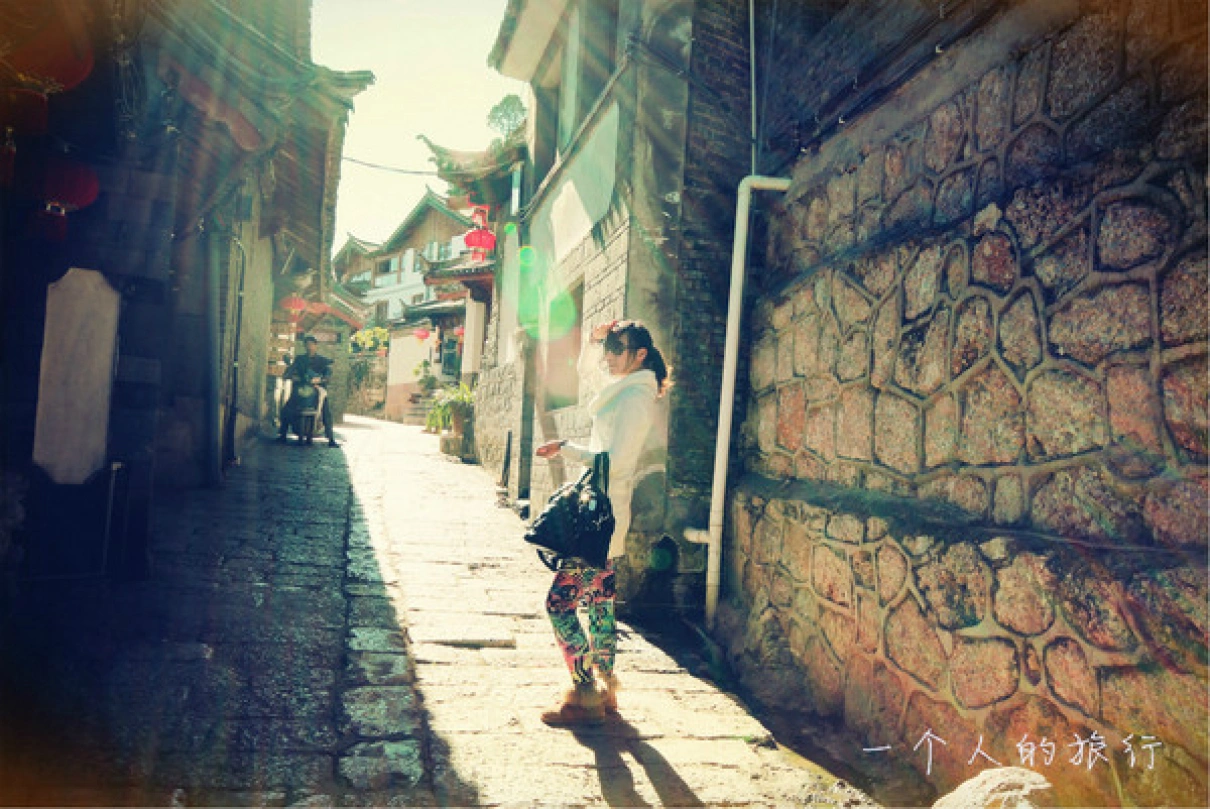
The second stop was Xizhou, a Bai ethnic folk culture village. Admission was 60 yuan, with no discounts for any IDs. Visitors were divided into groups led by guides. First, we watched a performance and tasted the “Three-Course Tea” (San Dao Cha)—“first bitter, second sweet, third回味 (lingering aftertaste).” This is a signature Bai tea culture tradition. Relatively speaking, we found the first “bitter tea” the most palatable. Life is like tea, and tea is like life: bitterness first, sweetness later—the bitter and sweet known only to oneself, with an endless aftertaste.
After touring the old residence, we tasted the “Wind, Flower, Snow, Moon” (Feng Hua Xue Yue) four teas, each with a different flavor. “Xiaguan Wind” (Xia Guan Feng) had a slightly bitter entrance with a floral aroma; “Shanguan Flower” (Shang Guan Hua), interplanted with jasmine and roses, was rich and sweet with a lingering fragrance; “Cangshan Snow” (Cang Shan Xue) had a bright yellow color, a fresh taste, and a slight bitterness that turned sweet; “Erhai Moon” (Er Hai Yue) was a medicinal herb that aids digestion, with a light, refreshing flavor that soothes the heart. Based on our taste preferences, we bought a set of “Wind, Flower, Snow, Moon” as a souvenir.
Practical Tip: Xizhou tickets offer no discounts; if time is tight, you can skip it. Tea tasting is free, but buy rationally.
Shangguan Village
The third stop was Shangguan Village. Student tickets were 55 yuan; military officer tickets were 40 yuan (including cable car). Two people per cable car, and at the top was “Tianlong Cave” (Tianlong Dong), said to be a filming location for the TV series The Demi-Gods and Semi-Devils (Tian Long Ba Bu). The entrance was grand, but the cave was a bit chilly—luckily, we were dressed warmly. We happened to run into a tour guide giving a讲解 (commentary), so we followed along, listening and looking. To reach “Tongtian Wangyue” (Moon Gazing Through Heaven), we had to climb several hundred steps. We went on our own to explore. Sure enough, there was an opening where we could see sunlight and the sky—so the legend was true. After touring the cave, we took the cable car back down from the exit and had another tea tasting—this time, the three-course tea, which tasted similar. After a short rest, we continued on.
Shuanglang
The fourth stop was Shuanglang. One word: “beautiful.” Two words: “very beautiful.” Three words: “extremely beautiful”!
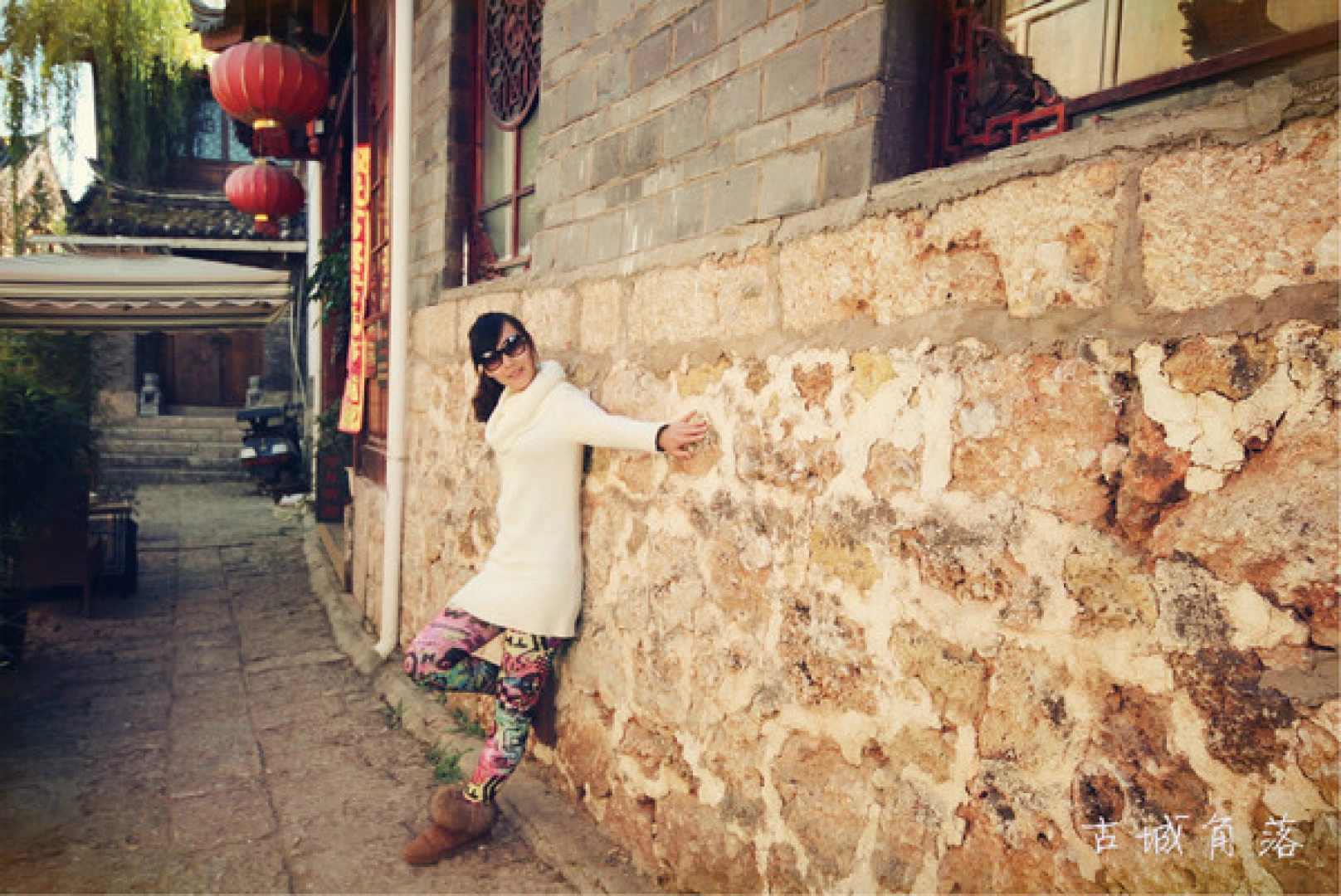
The moment I got out of the car, I was captivated by the scene before me. Walking down the small path, I saw lush water plants thriving on the lake surface. A few fishing boats docked at the shore swayed with the waves, as if welcoming us. Parasols and rattan chairs gleamed brightly in the sun. Blue sky, white clouds, green mountains, clear water—it was a true “Shangri-La.” If I had a house here, facing the sea with spring blossoms, soaking up the sun and sipping tea, it would be a heavenly life.
It was past lunchtime, and our stomachs were loudly protesting. We found a busy little restaurant and ordered a few recommended local dishes. They were delicious. After eating, we strolled leisurely, fully enjoying the feeling of complete relaxation. Seeing everything before me, the little melancholy in my heart vanished instantly. My mind was completely emptied. If time could stop right here, this moment would become eternal.
Practical Tip: Shuanglang is a must-stop on the lakeside tour—leave plenty of time to relax and take photos. Lunch can be had here; try the local specialties.
Tianjing Pavilion
The fifth stop was Tianjing Pavilion. Reluctantly leaving the enchanting Shuanglang, we moved on. Passing “Xiao Putuo” (Little Putuo), the car didn’t stop. I could see a small pavilion on the lake in the distance, but it gradually faded from view. Soon we arrived at Tianjing Pavilion. Jinhua said there were many fake monks inside who trick people into burning incense, praying, and fortune-telling—basically a scam. We weren’t particularly interested in temples anyway, so we got out, took a few photos, and headed back to the old town.
A Night in Dali Old Town
We returned to the old town at 5:30 PM, checked into our accommodation, and continued wandering. It was still early, so we browsed through small shops and bought some gifts for friends. We shopped until our eyes were dizzy, only stopping when we couldn’t think of anything else to buy. The wind was especially strong that night—our hats were almost blown off. That’s the winter season for you. In this weather, the old town felt even more serene. Restaurants were empty. We found a relatively sheltered spot and sat down to slowly enjoy a hearty dinner.
We wanted to check out a bar and soak up the lively atmosphere. After comparing a few, we found “Bad Monkey” to be the most popular. This bar was run by a foreigner and was almost full. We shared a table and ordered a dark beer and a latte. A woman was performing belly dance—she was also a traveler, earning money here to fund her continued journey. I admired her courage—relying on her own strength to chase her dreams. Where there’s a dream, there’s hope. If the direction is right, the destination isn’t far away.
Day 4: From Dali to Lijiang
We had planned to take the 8:50 AM train from Dali to Lijiang, but because of severe insomnia the night before, we overslept. The driver called saying he was already waiting downstairs. We jumped up, got dressed, brushed our teeth, washed our faces, and packed our bags—all in ten minutes flat, setting a new personal record. At that moment, I wished I had the three heads and six arms of the Calabash Brothers. In the car, I was wiping my face with one hand and organizing scattered items with the other. Maybe it was fate that we would miss the train—the driver mistook us for going to Kunming. As time ticked away, we had to give up. Luckily, the bus saved us—and it was even more convenient. The bus dropped us right at the north gate of the old town, a short walk to the Big Waterwheel, saving us the taxi fare from the train station.
We arrived in Lijiang at noon. We hadn’t booked a hotel in advance, planning to find one when we got there. Dragging our luggage, we wandered through the old town without a clue. We looked at a few places but weren’t satisfied. Then we met an auntie soliciting customers. We checked out her place—the overall environment was okay, the room was quite large, though the courtyard was a bit small. The auntie was very nice. I said we’d be staying for several nights, and she gave us a discount: 90 yuan per night. We settled in.
From here on, it was all about eating, chatting, drinking tea, sunbathing, daydreaming, flirting, and bar-hopping… shoulder to shoulder.
First, we met a fellow traveler named Han Ye, who was almost done with her trip—she only had two days left with us. On the auntie’s recommendation, we had lunch at “Laodao Fang” (Nagging Kitchen). We ordered the signature “Naxi Grilled Fish,” “Blown Liver” (Chui Gan), and “Water-Borne Flower” (Shui Xing Yang Hua). Maybe it wasn’t to our taste, or maybe we weren’t hungry, but we barely touched the food—mostly wasted.
After lunch, we strolled through the old town. Following the snack street to the palace gate, we drifted along with the crowd and unexpectedly arrived at “Mu Mansion” (Mu Fu). Student tickets were half price at 30 yuan per person; military officer tickets were free. Passing through the gate of Mu Mansion, the first thing we saw was a grand palace. In the bustling crowd at the entrance, a film crew was shooting. We looked curiously but didn’t spot any celebrities. Many actors in professional costumes waited for their cues. We took a photo with a friendly “eunuch” who was very cooperative—truly professional.
From the observation deck, we could see the entire old town. Dense rows of distinctive ancient buildings, row after row of wooden houses, stood like a permanent landmark, telling the story of the old town’s history.
During afternoon tea time, we sat in a café on the second floor of Sifang Street (Square Street), watching the crowds below. We felt like an audience watching a series of精彩 (brilliant) performances. Lijiang’s old town was always lively, with an endless stream of people. We followed Wuyi Street (May Day Street) all the way down, without any destination, until we got tired. We found a hotpot restaurant and ordered Lijiang’s specialty, “Smoked Pork Ribs” (La Pai Gu). I had expected it to be dark, blackish meat, but it looked similar to regular ribs. The taste was acceptable, though a bit salty.
Lijiang and Dali were worlds apart—there was no sense of quiet here. Everyone seemed to prefer nighttime activities; night and day felt the same. The snack street was especially lively, with loud hawking from afar: “Grilled Rice Cakes!” “Lijiang Baba!” and other local treats. I wasn’t particularly interested in most of them. I tried a few, but they weren’t as amazing as I’d imagined. That evening, we met two locals working at a bar. We chatted about everything under the sun and had a great time. When the bar closed, we realized we couldn’t find our way back to the guesthouse. We called the number on the wall signs, but it turned out we had the wrong guesthouse. In this cold weather, sleeping on the street would have been miserable. Luckily, the auntie came out and let us in—she was our savior!
Practical Tip: The bus from Dali to Lijiang is more convenient than the train, dropping you near the old town. In Lijiang, you can find accommodation upon arrival and negotiate prices in the off-season. Mu Mansion offers half-price student tickets and is worth a visit.
Day 5: Black Dragon Pool and the City of Romance
We woke up naturally in the morning—a long-lost feeling that warmed us to the core. After breakfast, we sat in rattan chairs, drinking tea and soaking up the sun. Life could be this leisurely. Basking in the sunlight, a few good friends sat together, chatting and laughing, talking freely about food, drink, and fun.
Based on travel tips, we decided to try the legendary salmon. We took a taxi to the outskirts of town and found a decent-looking restaurant (can’t remember the name). We ordered salmon, rice blood sausage (Mi Guan Chang), yak meat, and highland barley cakes (Qing Ke Bing). Except for the rice blood sausage, which wasn’t very popular, everything else was good.
Back at the Big Waterwheel, Han Ye and I wanted to try some “ethnic style.” So we got ourselves a set of Bai ethnic costumes and had a great time dolling up. Wang Xi acted as our photographer. In the sunlight, the two of us posed in various ways, trying to freeze these beautiful moments forever.
Lijiang is famously known as the “City of Romance” (Yan Yu Zhi Du), and it certainly lived up to its reputation. Soon enough, everyone had new friends. WeChat, Momo, Wengweng—all were important channels for connecting. Wang Xi met Yao Yao, Han Ye met Fei Fei, and I met Jian Peng. The group kept growing, and things got more and more interesting.
In the afternoon, Jian Peng, Han Ye, and I went to Black Dragon Pool (Hei Long Tan). At the entrance, they asked for our Old Town Maintenance Fee tickets. We weren’t part of a tour group—who had those? The ticket seller said if we didn’t have them, we had to buy them, and there were no discounts! We were about to give up when a local auntie at the gate offered to take us in for 10 yuan each. We paid and got in. The sun was almost setting, and most tour groups had already finished visiting. Black Dragon Pool wasn’t very big, and the water had dried up this season, so the scenery wasn’t at its best—but it was still beautiful. From here, we could see Jade Dragon Snow Mountain (Yu Long Xue Shan), clearly spotting the white snow on the peak, looking even more pure and flawless against the blue sky.
For dinner, we found a restaurant in the new town. Six of us ate together for the first time—the atmosphere was great, our appetites were good, and we could order many dishes to share.
After dinner, a singer from one of the bars recommended we go to “Shui Bo Liang Shan” (Water Margin). The bar was very lively that night, almost full. We ordered a pot of “Three Bowls and You’re Over the Hill” (San Wan Bu Guo Gang)—green plum wine, said to be famous and strong. It tasted sweet and sour, but it went to your head quickly. We split into groups: some chatted, some listened to music, some daydreamed, some drank. Two friends and I played dice—the loser had to drink plain water. For someone like me who drinks water like a fish, that punishment felt more like a reward. We partied until the early hours, then it was time to head home. We had plans the next day, so it was best to get some rest. Han Ye was leaving the next day. She wanted to stay longer, but all good things must come to an end. We’d have to meet again if fate allowed. I hope the happy times we shared became beautiful memories for her.
Practical Tip: Black Dragon Pool requires the Old Town Maintenance Fee; you can find a local guide to take you in (around 10 yuan). Dining in the new town offers better value. The bar street is lively at night, but stay safe.
Day 6: Lashi Lake and the Ancient Tea Horse Road
The guesthouse auntie told us it was easy to get to Lashi Lake—10 yuan per person, with buses running frequently. As we were getting ready to leave, two new guests at the guesthouse wanted to join us—A Feng and Zhang Minwan. Jian Peng had already been there, so he didn’t come. There were five of us in total.
The bus drove along at a leisurely pace, chatting and laughing. Before we knew it, we had arrived. Jian Peng had told us he negotiated the price down to 150 yuan (horseback riding + boat ride) the day before, and urged me to haggle hard. But this guy seemed tough—he knew we’d go anyway and refused to budge. We had no choice but to compromise at 225 yuan per person. Everyone picked their horse and got ready to hit the road—the Ancient Tea Horse Road, riding horses and enjoying the scenery.
Every day was a sunny day. Golden sunlight filtered through the trees, warming us, and our riding shadows were clearly reflected on the ground. My horse was named “Xiao Li.” I think horses are intuitive animals—it seemed to understand what I was saying, and we worked well together. At the rest stop in the riding ground, everyone was feeding the horses. I put some beans in my palm and held it near its mouth. It ate happily. On that small riding ground, the groom led us on a gallop. It wasn’t very fast, but we still got a thrill from the ride.
After the ride, it was tea-tasting time. The Naxi tea wasn’t much different from the Bai tea—similar flavors. Back at the starting point, Zhang Minwan hadn’t had his fill of riding. He found another horse and continued, but then fell off—he must have been pretty banged up. He rested on the shore while the rest of us went for a boat ride. This season, Lashi Lake wasn’t bursting with color. The calm lake was occasionally disturbed by a few wild ducks playing. There weren’t many tourists, just a few scattered fishing boats floating on the water. It was windy on the lake, and cold. After a simple loop, we ended the trip.
It was past lunchtime, and everyone was hungry. We arrived at Shuhe Ancient Town (Shu He Gu Zhen) and found a random restaurant on the snack street to fill our stomachs. Shuhe was much quieter, not as lively. We followed a small path until we reached a little bridge, where someone was singing. We sat down, backs to the sun, soaking up the rays and listening to the music—what a life, so carefree!
Practical Tip: Horseback riding at Lashi Lake is negotiable; check the market rate beforehand. Shuhe Ancient Town is quieter than Lijiang Old Town, perfect for relaxing.
Days 7–9: Lugu Lake – A Hidden Paradise
We had pre-booked round-trip tickets for 130 yuan per person, departing at 7:40 AM. Everyone got up early and left their luggage at the guesthouse. It wasn’t fully light yet when the auntie led us to the waiting spot. This time, there were six of us—three men and three women.
The journey to Lugu Lake was long, about six hours, with stops for meals and rest. Some sections of the road were in terrible condition—bumpy and dusty, forcing us to wear masks. The road twisted and turned like eighteen bends. On the bus, we swayed and couldn’t sleep soundly, feeling like we might be thrown off at any moment. After what felt like forever, we finally reached the entrance to Lugu Lake. Student tickets were 50 yuan per person; military officer tickets were free.
First stop: a brief pause at the Lugu Lake observation deck. After the long ride, my head was spinning, but the stunning scenery quickly cleared my mind. We left behind a perfect photo of our smiling faces.
Second stop: the driver took us to a boat launch. He was in a bad mood, saying it cost 50 yuan per person—but when we got on the bus that morning, someone had said 30 yuan. He said if we didn’t want to go, we could get back on the bus. No one paid. Next, we arrived at Daluoshui (Big Falling Water). We didn’t plan to stay in Lige (Leech Village), so we got off here. It was the off-season, and the lake-view rooms at Daluoshui guesthouses were reasonably priced. We found the first one, Mosuo Inn. A king bed room was 110 yuan per night, and a suite was 220 yuan. The three women took the suite, and the three men each had a king bed room.
The view from a lake-view room was entirely different. Sitting on the balcony, we could see the lake right in front of us. Just sitting here, sunbathing and daydreaming, was a pleasure in itself. We made a spontaneous decision not to go back the next day. We called the driver to reschedule our return to Lijiang for the day after. The driver said if we changed the ticket, it would be void, so we’d have to waste another fare. But to see this beautiful place a little longer—it was worth it!
Practical Tip: The trip to Lugu Lake is long; bring snacks and water. During the off-season, accommodation prices are negotiable, and lake-view rooms offer great value. Confirm the ticket change policy for return trips in advance.
Conclusion: Immersed in Lijiang’s Gentle Time
From Kunming to Dali, from Dali to Lijiang, and then to Lugu Lake—every step of the way, I understood more and more: if only life were as sweet as first encounter. The thrill of first meeting, the purity of first sight, the unreservedness of first love—like Lijiang’s sunshine, warm and bright.
In Lijiang, you can do nothing at all—just sit in a rattan chair and soak up the sun. Or you can do everything—ride horses, go boating, hit the bars, meet new people. This city offers us so many possibilities, and so many moments of感动 (emotional resonance).
Travel Tips Summary: - Transportation: Kunming to Dali by train takes about 6 hours; Dali to Lijiang by bus takes about 3 hours; Lijiang to Lugu Lake by bus takes about 6 hours. - Accommodation: In the off-season, you can negotiate prices at the door; lake-view rooms are best booked in advance. - Tickets: Student and military officer IDs offer discounts; the Old Town Maintenance Fee is 80 yuan (Lijiang Old Town). - Dining: Try local specialties like smoked pork ribs, salmon, steam pot chicken, and water-borne flower. - Best Season: Autumn and winter offer clear, sunny weather, ideal for travel.
Finally, a message for myself and for everyone on the road: Never forget the things you promised yourself you would do. Never forget the places you promised yourself you would go. No matter how difficult or how far, as long as your heart is still beating, your steps will never stop.
May you, and may I, find our original selves on the journey.
You should also read:
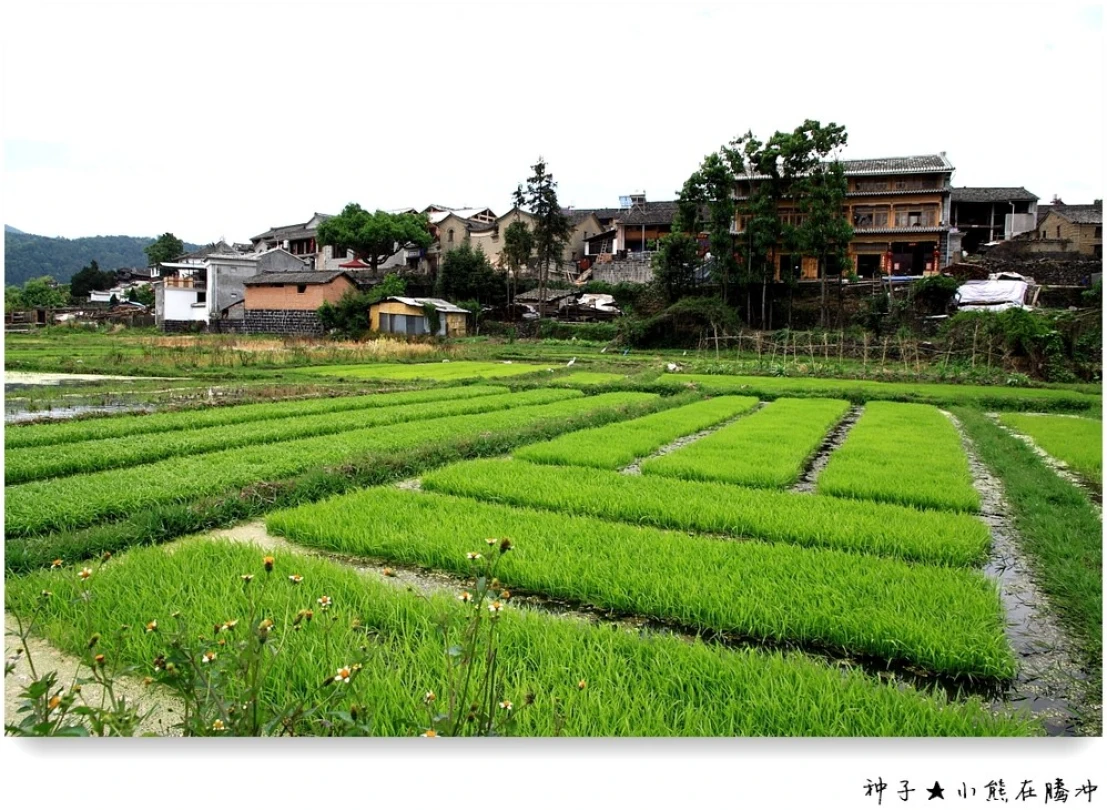
Tengchong·Heshun: Finding Life as It Should Be in a Border Town Where Time Stands Still
Tengchong·Heshun: Finding Life as It Should Be in a Border Town Where Time Stands Still The long journey of over twenty days was over. On my first day back at the office, I was still in a daze. My fingers couldn't find the keys on…
Continue reading...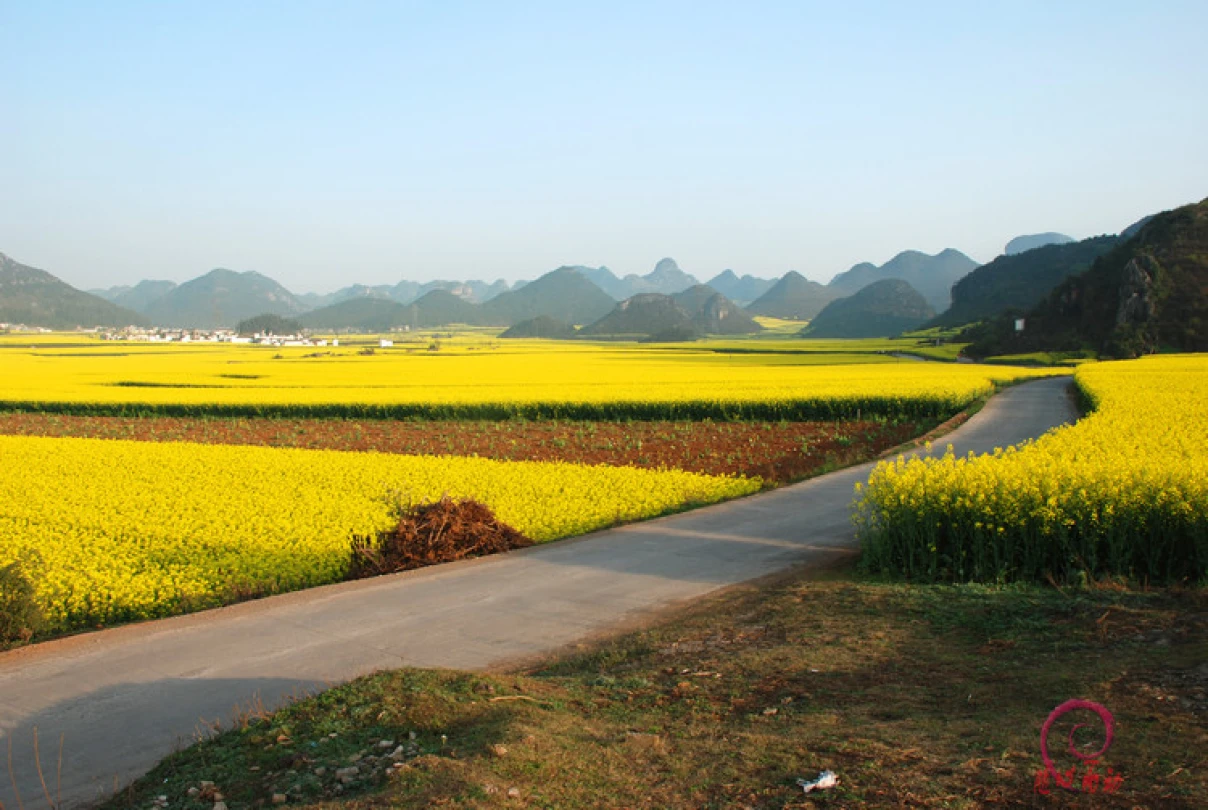
Golden Luoping: A Romantic Encounter with Sunshine and Seas of Flowers
Golden Luoping: A Romantic Encounter with Sunshine and Seas of Flowers Introduction: The Third Time's the Charm Some landscapes are destined to be seen at the right moment. For me, that was exactly the case with Luoping's rapeseed flowers. On February 22, 2011, the Luoping…
Continue reading...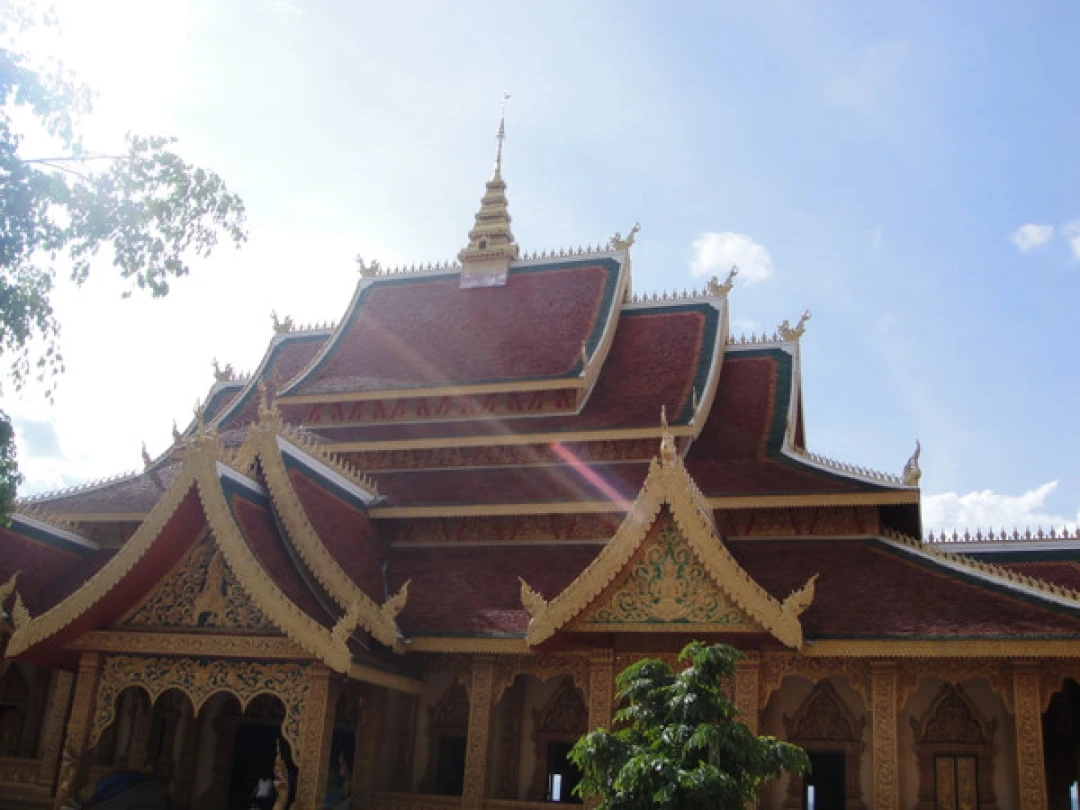
Xishuangbanna: Encountering an Ideal and Magical Paradise in the Green Wonderland at 21° North Latitude
Xishuangbanna: Encountering an Ideal and Magical Paradise in the Green Wonderland at 21° North Latitude If you ask me which place in China most resembles Southeast Asia, I would answer without hesitation: Xishuangbanna. This is not Thailand, yet it possesses an even richer Buddhist ambiance…
Continue reading...