Known for Its Peril: A Tiger Leaping Gorge Trekking Guide – Where Cliffs and River Meet the Most Breathtaking Views
Known for Its Peril: A Tiger Leaping Gorge Trekking Guide – Where Cliffs and River Meet the Most Breathtaking Views
"If you haven't been to Tiger Leaping Gorge, you haven't truly experienced Yunnan." This saying has long circulated among backpackers. When I finally set foot on the Tiger Leaping Gorge High Trail—one of the "World's Top Ten Classic Hiking Routes"—I understood: some landscapes aren't seen with the eyes, but measured by footsteps, felt with every breath, and remembered by the pounding of your heart.
It's been nearly six months since I returned from Yunnan. Among the fragments of my 24-day journey, only the sheer thrill and majesty of Tiger Leaping Gorge still roar in my mind. For two days, I walked narrow paths along cliffs, climbed the nearly vertical "Brave Ladder," and, amid the thunderous roar of the Jinsha River, truly understood for the first time what it means to "stand in awe of nature."
If you're craving a short trek that's thrilling yet safe, with stunning scenery at every turn, this detailed guide might help you avoid unnecessary detours and reap more rewards.
1. Why Is Tiger Leaping Gorge Known for Its Peril?
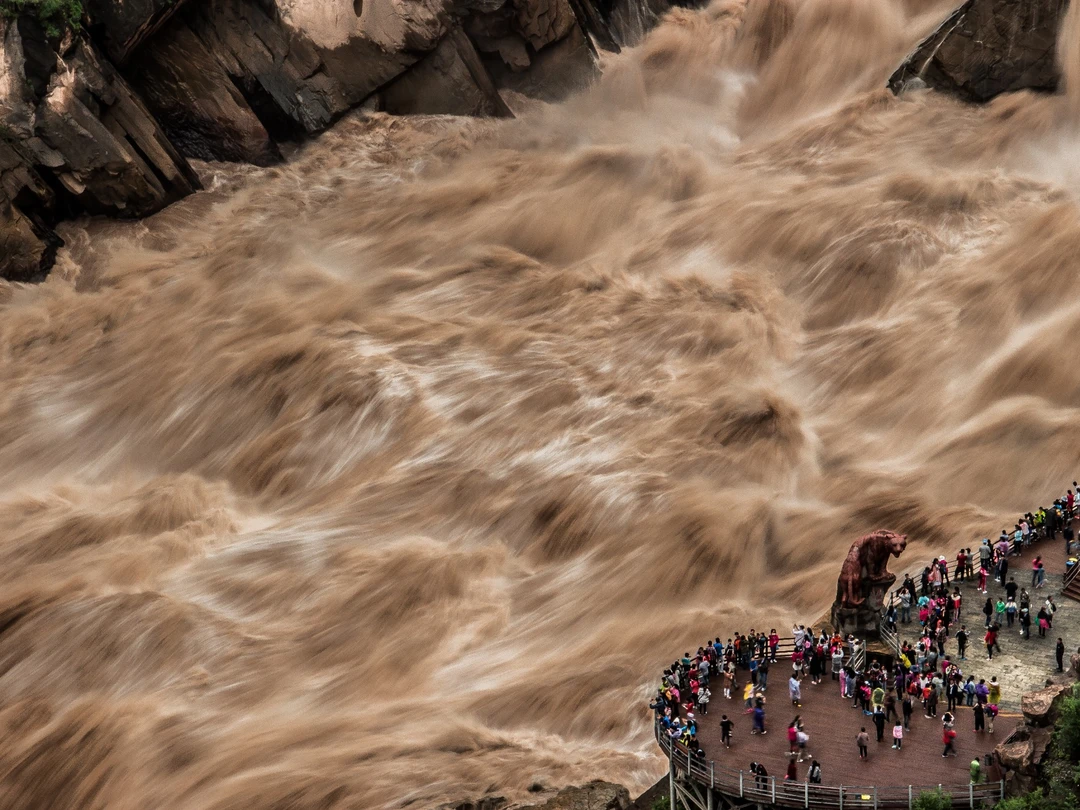
Tiger Leaping Gorge lies between the Jade Dragon Snow Mountain (Yulong Xueshan) and Haba Snow Mountain, making it one of the deepest gorges in the world. The gorge stretches about 16 kilometers (10 miles). On the south bank, the main peak of Jade Dragon Snow Mountain rises 5,596 meters (18,359 feet); on the north bank, Haba Snow Mountain stands at 5,396 meters (17,703 feet). Between them, the Jinsha River narrows to just 30 meters (98 feet) at its most constricted point. From the river surface to the mountain peaks, the vertical drop ranges from 2,500 to 3,000 meters (8,200 to 9,800 feet). The valley walls are steep and imposing.
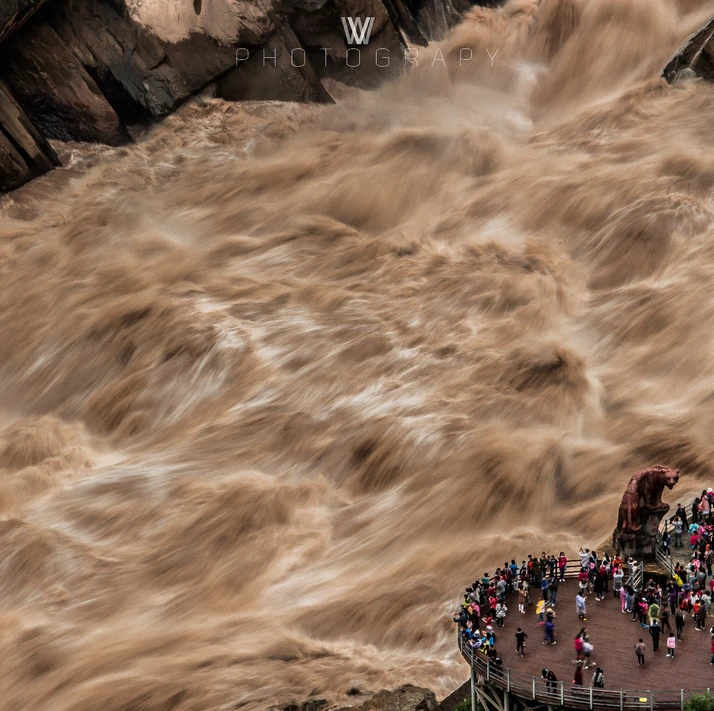
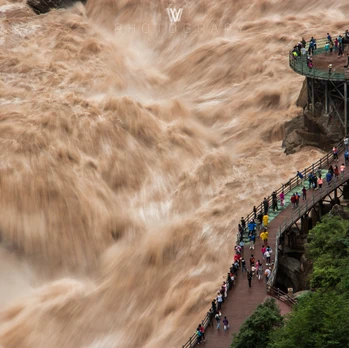
Even more breathtaking: the river cascades down seven steep drops within the gorge, with a total drop of 170 meters (558 feet). During the rainy season, the water surges like ten thousand horses galloping, its roar audible for miles. In the past, landslides have even blocked the river's flow, and remnants of debris are still visible in the gorge today.
Opening Hours: - Low Season (January–April, December): 07:30–18:00 - High Season (May–November): 07:00–19:00
Ticket Prices: - Full price: 65 RMB (about $9 USD) - Student ticket: 32.5 RMB (about $4.50 USD) - Online purchase: from 52 RMB (about $7 USD) (Note: there must be a 2-hour gap between ticket purchase and entry)
2. Route Options: Which Path, Which View?

The Tiger Leaping Gorge hiking routes are broadly divided into the High Trail (classic) and the Low Road (along the canyon highway). The High Trail is the classic route, winding along the mountainside with expansive views and spectacular scenery. The Low Road follows the canyon highway—convenient but lacking in immersive experience.
Recommended Route 1: Full Classic High Trail (2 Days)
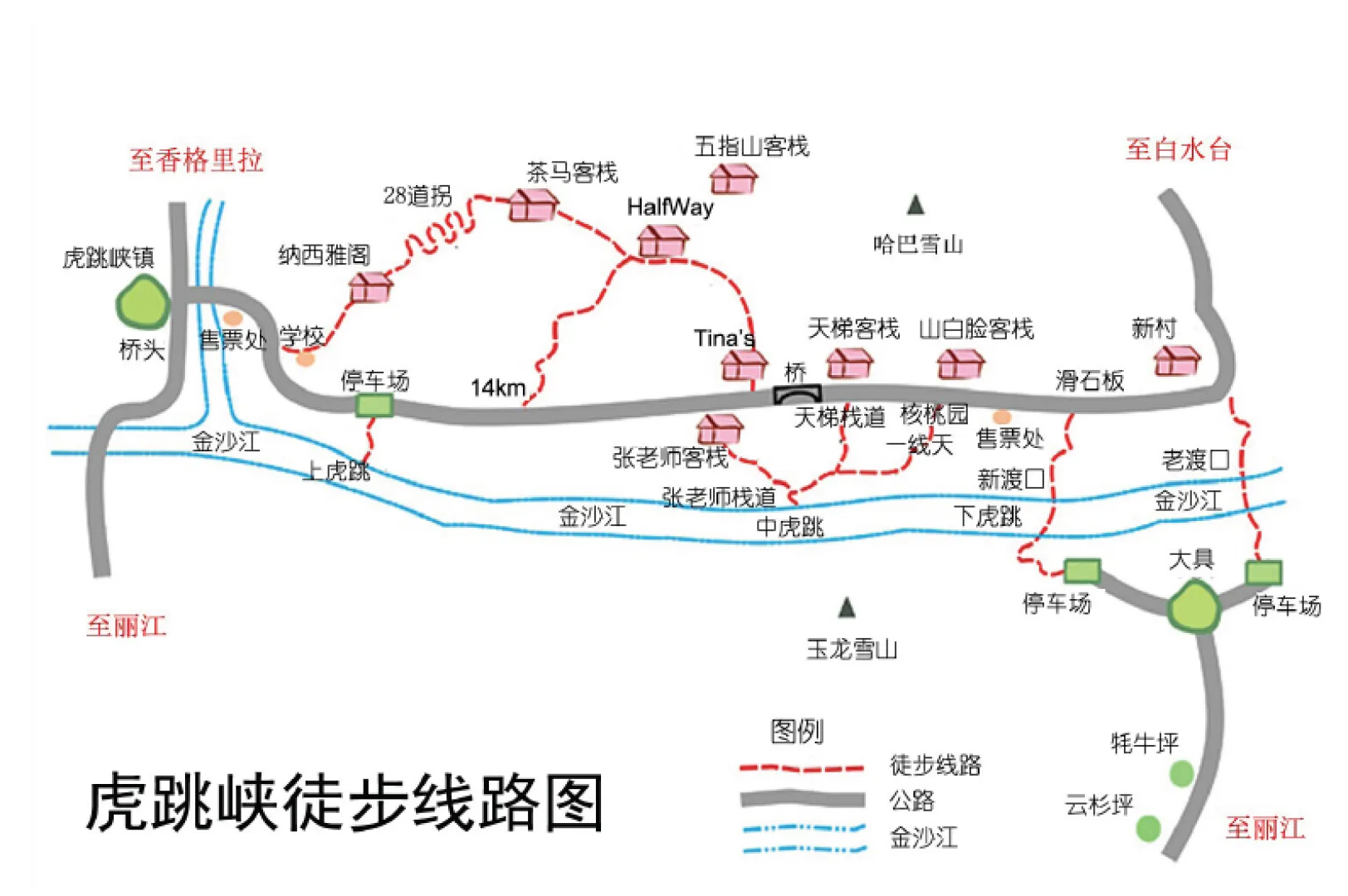
Qiaotou (Bridgehead) → Naxi Family Inn → 28 Bends → Halfway Guesthouse → Tina's Guesthouse → Heaven Ladder / Zhang's Family Inn → Middle Tiger Leaping Gorge → One-Line Sky (Yixiantian) → Walnut Garden → Old Ferry Crossing → Daju Village
- Pros: Complete experience; you can also visit Jade Dragon Snow Mountain along the way
- Cons: Daju may charge a 80 RMB (about $11 USD) scenic area management fee plus a Jade Dragon Snow Mountain entrance fee; takes longer
- Best for: Hikers with ample time who plan to visit Jade Dragon Snow Mountain
Recommended Route 2: High Trail Highlights Loop (2 Days, Most Recommended)
Qiaotou → Naxi Family Inn → 28 Bends → Halfway Guesthouse → Tina's Guesthouse → One-Line Sky / Heaven Ladder / Zhang's Family Inn → Canyon Highway to Upper Tiger Leaping Gorge → Qiaotou
- Pros: No backtracking; includes all the best parts; time-efficient
- Best for: Most hikers, especially those with limited time
Not Recommended Route: Low Road Round Trip
Qiaotou → Upper Tiger Leaping Gorge → Canyon Highway → Tina's Guesthouse → Return to Qiaotou
- Cons: You only see Upper Tiger Leaping Gorge; you miss the truly spectacular canyon scenery (especially the section past Tea Horse Inn)
- Best for: Only those with extremely tight schedules or limited physical ability
Important Note: If you encounter difficulties and can't continue, you can arrange transportation back to Qiaotou at guesthouses along the trail. Major guesthouses offer buses to Lijiang or Shangri-La at slightly higher prices, but safety comes first.
3. Getting There: How to Reach Tiger Leaping Gorge
By Bus (Most Recommended)
- Lijiang Bus Station → Qiaotou: About 35 RMB (about $5 USD), roughly 2 hours
- Shangri-La Bus Station → Qiaotou: About 35 RMB (about $5 USD), roughly 2 hours
- Note: Tell the driver to drop you at "Qiaotou" (Bridgehead), not the main scenic area entrance
By Private Car
- If no bus is available, you can hire a private car. Try to share with other travelers to split the cost
- Generally around 50 RMB (about $7 USD) per person
- There are plenty of minivans near the bus stations; ask around for the best price
4. Itinerary: Two Days, One Night – The Most Comfortable Way
Day 1: Over the Mountains, Straight to Halfway

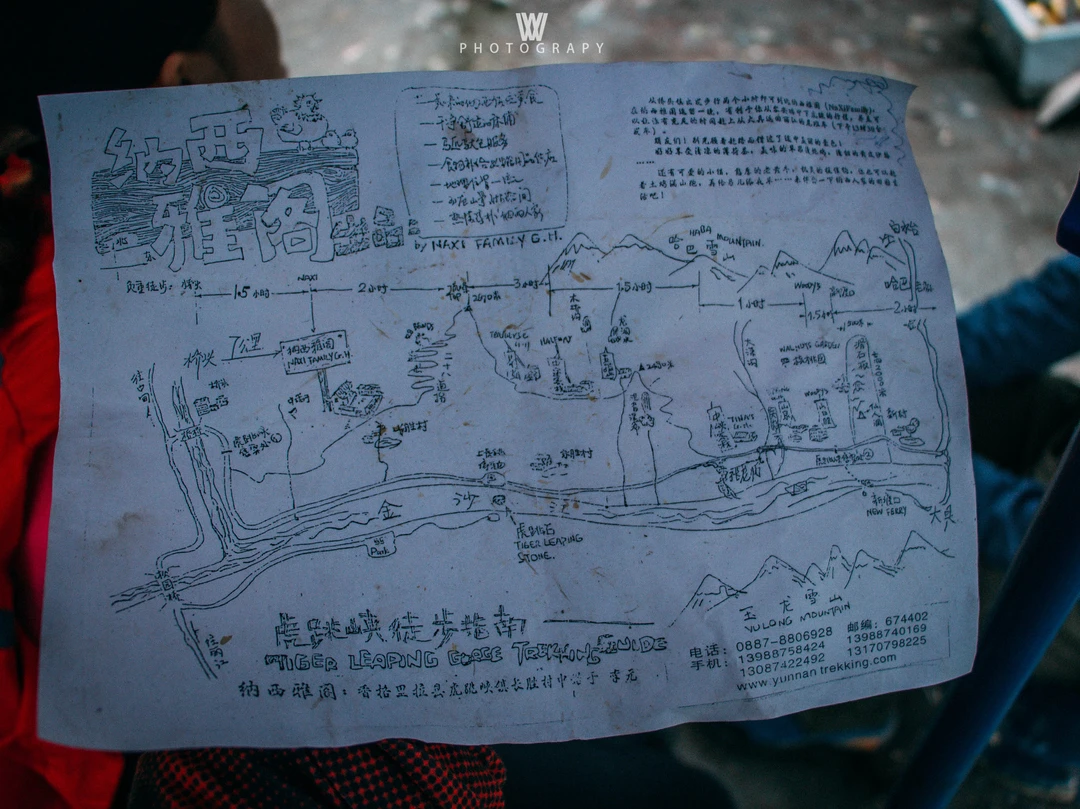
Route: Qiaotou → Naxi Family Inn (2 hours) → 28 Bends (about 1.5 hours) → Tea Horse Inn (1.5 hours) → Halfway Guesthouse for overnight (3 hours)
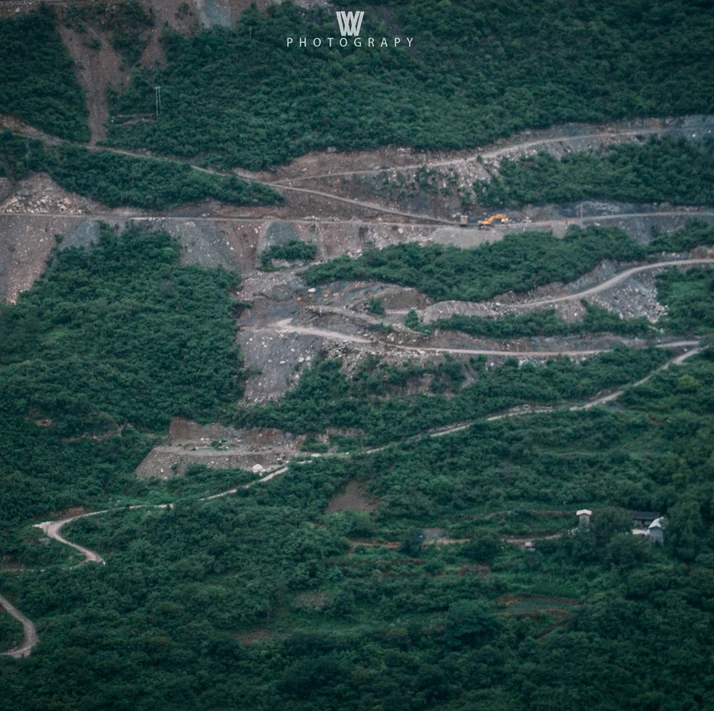
Key Points: - Starting from Qiaotou: After entering the scenic area, walk about 1 km (0.6 miles) along the road. You'll see a primary school and a sign—this is the first marker for the High Trail. Then follow the concrete path uphill to begin the real hike. - Naxi Family Inn: There's a pepper field here with a pungent aroma. Note: There's a fork in the road. The main road is for vehicles; hikers must take the upper flagstone path, or you'll end up taking a long detour. - 28 Bends: This is a strenuous uphill section at high altitude. Midway, you'll pass a viewing platform (privately built) offering a bird's-eye view of Upper Tiger Leaping Gorge. Note: Entering the platform is free, but taking photos costs 10 RMB (about $1.40 USD), or you can buy something from them (Red Bull for 8 RMB / about $1.10 USD). The angle isn't amazing, but that "God's perspective" is unique. - Tea Horse Inn: If you're exhausted, you can stay here, but it's better to push on to Halfway. Tea Horse Inn also has a balcony, but it's nowhere near as good as Halfway's famous "Kill-You-with-Pleasure Balcony." - Halfway Guesthouse (Zhongtu Kezhan): The best choice for the first night. Dorm beds start at 30 RMB (about $4 USD), private rooms from 80 RMB (about $11 USD). The food is good and affordable. The legendary "Kill-You-with-Pleasure Balcony" and the "Best Toilet in the World" (where you can gaze at Jade Dragon Snow Mountain while on the toilet) are both here.
Hiking Essentials: - Trekking poles (a lifesaver on the climbs) - Two quick-dry shirts (for sweat or rain) - Camera - High-energy snacks (chocolate, nuts, etc.) - Don't carry too much water; you can buy it along the trail at reasonable prices
Day 2: Middle Tiger Leaping Gorge – Feel the Power of Nature
Route: Halfway Guesthouse → Longdong Waterfall (1.2 hours) → Tina's Guesthouse (1 hour) → Middle Tiger Leaping Gorge (1.5 hours) → One-Line Sky / Heaven Ladder / Zhang's Family Inn → Canyon Highway → Upper Tiger Leaping Gorge → Qiaotou
Three Routes Down to the River at Middle Tiger Leaping Gorge (Choose One or Combine):
- Zhang's Family Inn Route: Toll fee 10 RMB (about $1.40 USD) per person (free if you stay there). If you continue to "Big Deep Ditch" (Dashengou) after reaching the river, you'll need to pay another 5 RMB (about $0.70 USD)
- Heaven Ladder Route: Toll fee 10 RMB (about $1.40 USD) per person. The path is narrow and dangerous, with basic safety measures. Not recommended for those afraid of heights
- One-Line Sky Route: Toll fee 10 RMB (about $1.40 USD) per person. Relatively gentle
Recommended Combination: Go down from Zhang's Family Inn. Explore the area near Zhang's first, then continue downstream past another family's route (additional 10 RMB / about $1.40 USD). The scenery is great. Finally, climb back up via the 168 Brave Ladder to Zhang's Family Inn. The whole loop takes about 3 hours.
Important Note: Middle Tiger Leaping Gorge is a privately developed adventure route, not managed by the official scenic area. The trail conditions are poor, especially in rainy weather. Assess your abilities carefully.
5. The "Thrills" and "Delights" Along the Way
Thrill: A Snake Encounter
After climbing the 28 Bends, I came across a small python right in the middle of the path. It wasn't venomous, but in that split second, my heart dropped into my stomach, and I quickly pulled down my shorts (I had been wearing hot pants). It silently disappeared into the grass before we dared to move on. From then on, every step was more cautious—"Don't walk while looking at the view; don't look at the view while walking" —this is the iron rule of Tiger Leaping Gorge.
Delight: Canyon Vibes
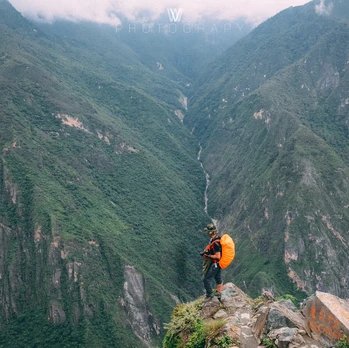
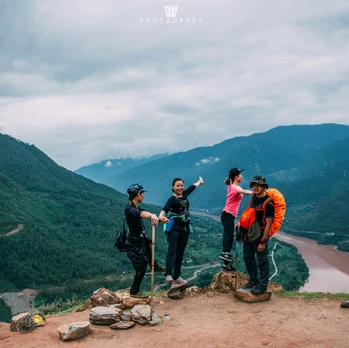
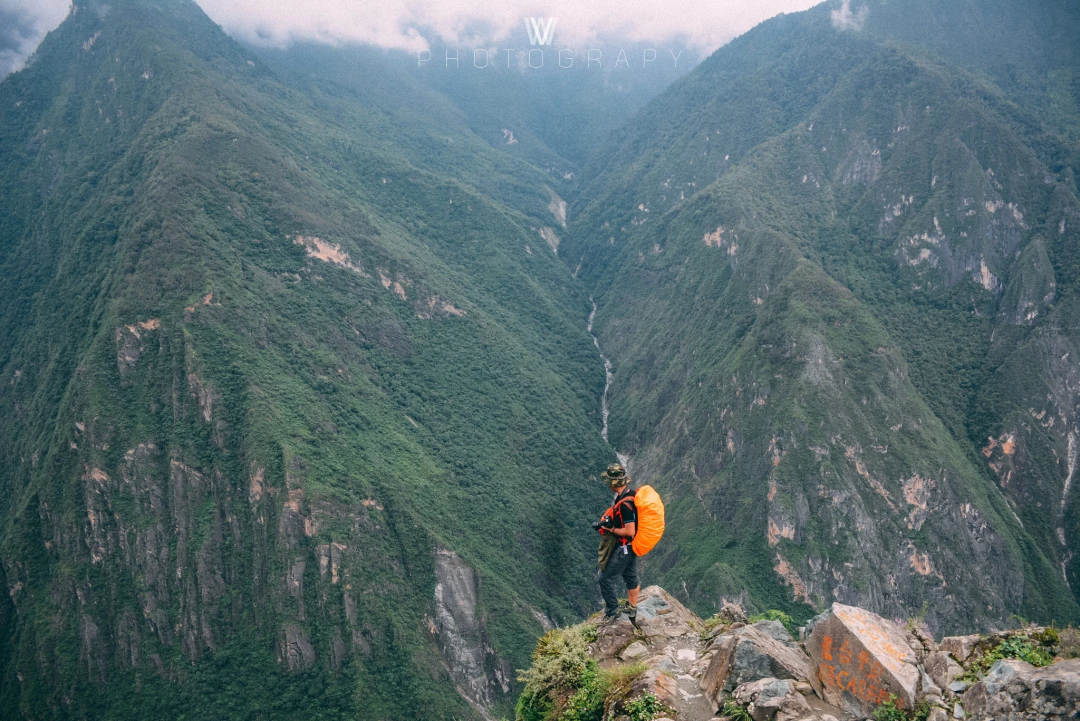
After passing Tea Horse Inn, you officially enter the canyon section. The path becomes "flatter" but also more dangerous—a cliff on one side, a steep wall on the other. But the scenery changes completely: the Thirteen Peaks of Jade Dragon Snow Mountain are right before your eyes, the Jinsha River roars below, a shepherd sits on the cliff's edge, legs crossed, smoking a pipe, and the goats know how to use overhanging rocks to shelter from the rain. These images remain some of the most treasured photos in my phone.
Serendipity: Rainy-Day Beauty
On the second day, a light rain fell, and my spirits sank at first. But there's no such thing as bad weather for photography—a misty Tiger Leaping Gorge has a dreamlike beauty all its own. The goats sheltering in the hills became the most vivid "youth hostel mascots" in my lens.
6. Middle Tiger Leaping Gorge: Miss This, Miss the Gorge
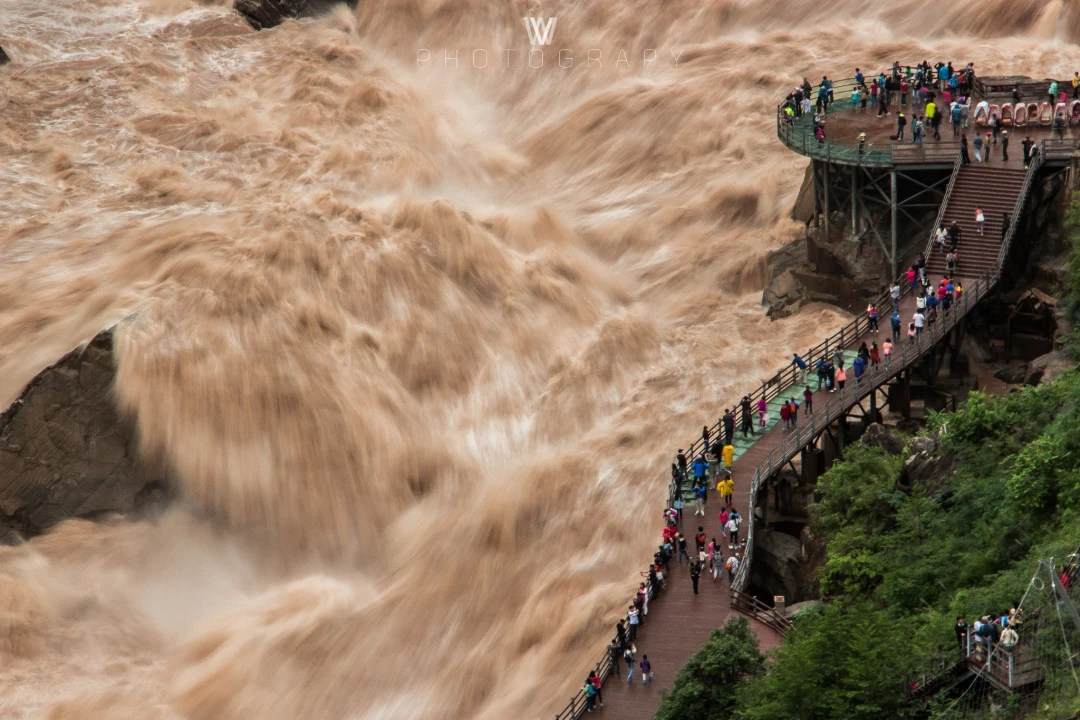
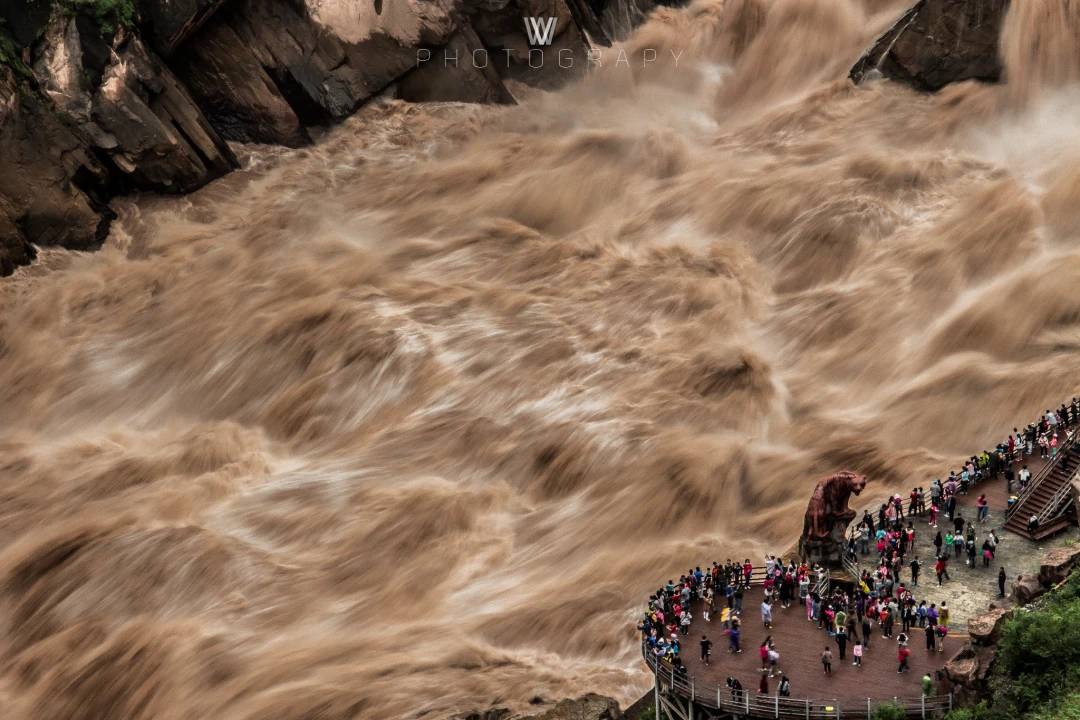
Middle Tiger Leaping Gorge is the climax of the entire route. Only by going down to the river can you truly feel the roar of the Jinsha. Standing on a massive boulder, the sound of the water is like thunder in your ears. Every step feels like a conversation with nature. During the rainy season, warning signs against climbing are everywhere, but that very "danger" holds an indescribable allure.
Photography Tip: Bring a tripod when you go down to the river. Even with a handheld shutter speed of 0.5 seconds, you can capture the powerful contrast between motion and stillness. If you don't have a tripod, use a stone tablet or railing to steady your camera.
7. The Return: From Canyon Back to Civilization
After leaving Zhang's Family Inn, we hired a private car back to Qiaotou (100 RMB / about $14 USD; may rise to 120 RMB / about $17 USD in bad weather). The driver drove cautiously, occasionally sticking his head out to check for falling rocks above—at that moment, I felt the 100 RMB was money well spent.
Back in Qiaotou, you can take a minivan back to Lijiang (50 RMB / about $7 USD per person) or continue on to Shangri-La. If time allows, ask your driver to stop for a moment on the way back to look down at the panoramic view of Upper Tiger Leaping Gorge—it's a different kind of awe.
8. Final Thoughts: The Best Scenery Is the One You Walk Through
Tiger Leaping Gorge is an "international trail." Along the way, you'll meet many South Koreans and Westerners who love to sit on the cliff's edge, chatting and drinking, enviably relaxed. Most Chinese tourists, on the other hand, take a bus to the scenic area for a quick look—and that's truly a shame.
Two days is enough time for you to walk through cliffs, past waterfalls, and beside the river, feeling the roar of nature with a friend or loved one. The scenery you walk through is the most beautiful.
A Few Final Reminders: 1. Safety first—don't take risks for a photo 2. Bring enough cash; some sections and guesthouses don't accept digital payments 3. Respect local fees (like viewing platforms and tolls)—those paths were built at considerable risk 4. If time allows, absolutely stay one night at Halfway Guesthouse and watch the sunset from the "Kill-You-with-Pleasure Balcony"
Tiger Leaping Gorge isn't just a hiking trail—it's a conversation with nature. When you stand on the edge of a cliff, listening to the river's roar, you'll understand: some landscapes are worth the journey on foot.
May you meet a better version of yourself on the road.
You should also read:

Dreamland – Lijiang: A Talking Comic Travel Guide
Dreamland – Lijiang: A Talking Comic Travel Guide Prologue: When Lijiang Takes Root in Your Heart Some places leave a mark on you forever. They're like an old song on repeat, suddenly playing in your mind on an ordinary afternoon. For me, Lijiang is that…
Continue reading...
Yunnan Travel Mastery: From Beginner to Pro-Level Player – A Complete Guide
Yunnan Travel Mastery: From Beginner to Pro-Level Player – A Complete Guide "Either travel or read, but your body and soul must be on the road." This quote has been repeated countless times, but very few people truly manage to be "on the road" and…
Continue reading...
Solo in Yunnan: A Wanderer’s Guide to the Land of Eternal Spring
Solo in Yunnan: A Wanderer’s Guide to the Land of Eternal Spring There’s something magical about traveling alone. No compromises, no schedules to keep, no one to please but yourself. I’ve been on the road for nearly three months now, and not once have I…
Continue reading...