Left Pineapple, Right Mango, and the Person Behind the Lens: My Four-Day Wandering Journey Through Xishuangbanna

Left Pineapple, Right Mango, and the Person Behind the Lens: My Four-Day Wandering Journey Through Xishuangbanna
Foreword: A Spontaneous "Lightning Bolt" Kind of Trip
Life sometimes calls for a bit of impulsiveness. After wrapping up work in Kunming, I was all excited about heading to Luoping to photograph canola flowers—until the guesthouse owner on the phone dropped the bombshell: "The flowers have already wilted." I stood there, frozen for a moment. After three seconds of disappointment, my inner Sagittarius kicked in with a classic dose of second-year-middle-school energy: Xishuangbanna—you're it!
Without much hesitation, I skimmed a few travel guides, threw some clothes into a bag, and set off on this four-day, three-night journey. Looking back, I realized that's the magic of travel: plans never survive reality, and those unexpected detours often bring the most delightful surprises.
About Xishuangbanna: More Than Just Peacocks and Elephants

When most people hear "Xishuangbanna," their minds jump to tropical rainforests, peacocks fanning their tails, and elephants strolling by. But did you know that in the Dai language, "Xishuangbanna" means "twelve thousand rice fields"—a name steeped in agricultural tradition? In ancient times, the area was divided into twelve tax units, with "banna" referring to the merged administrative regions for land taxation.
Located on China's southwestern border, Xishuangbanna sits just over 60 kilometers from Myanmar, with the Lancang River (Mekong) flowing right through it. The average annual temperature hovers around 28°C (82°F), and the fruit is astonishingly sweet—pineapples here have no eyes, so you can peel and eat them directly. But because it's close to the Golden Triangle, security checks at entry and exit points are extremely strict, even requiring bag inspections. Be prepared for that.
Itinerary Overview: What Can You Do in Four Days?

Day 1: Kunming → Pu'er → Jinghong (Stay in Pu'er)
Day 2: Wild Elephant Valley → Primitive Forest Park → Manting Park → Gaozhuang (Stay in Jinghong)
Day 3: Tropical Flower Garden → Dai Feast → Lancang River → Evening Show (Stay in Jinghong)
Day 4: Dai Village → Myanmar Food Shopping → Jinghong → Mojiang → Kunming (Stay in Kunming)
Short as it was, I didn't miss a single sight worth seeing, a dish worth tasting, or a cultural experience worth having.
Pre-Trip Preparation: Travel Light, but Don't Forget Sunscreen
For a four-day trip, I packed to the absolute minimum:
- Camera Gear: SONY Nex-7 + Sonnar T* E 24mm F1.8 ZA (black magic, you know the deal)
- Essentials: Mosquito repellent, sunscreen (this is a big one!), sunglasses, hat
- Clothing: Two short-sleeve shirts + one light jacket (hot during the day, cool at night)
- Accessories: Tripod, shutter release cable (Gaozhuang's night views depend on them)
- Snacks: Chocolate, chips, bread (Dai cuisine is sour and spicy—might not suit everyone's taste)
Cost Breakdown (per person): - Transportation: 428 yuan - Entrance fees: 200 yuan - Golf carts: 120 yuan - Meals: 289 yuan - Accommodation: 350 yuan (two nights) - Other: 607 yuan (taxis, barbecue, fruit, souvenirs, evening show) - Total: Approximately 2,104 yuan
Day 1: Being on the Road Is a Kind of Travel, Too
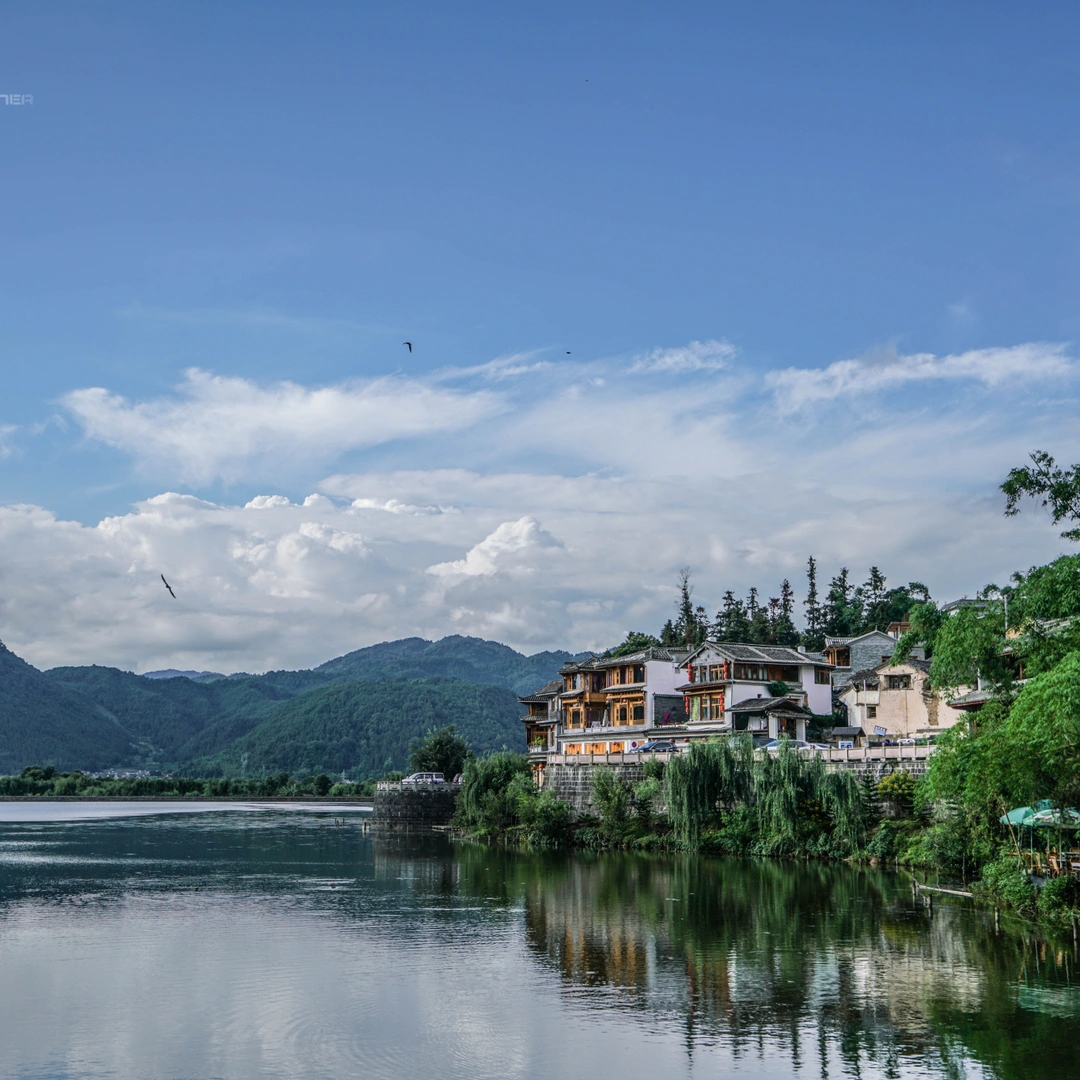
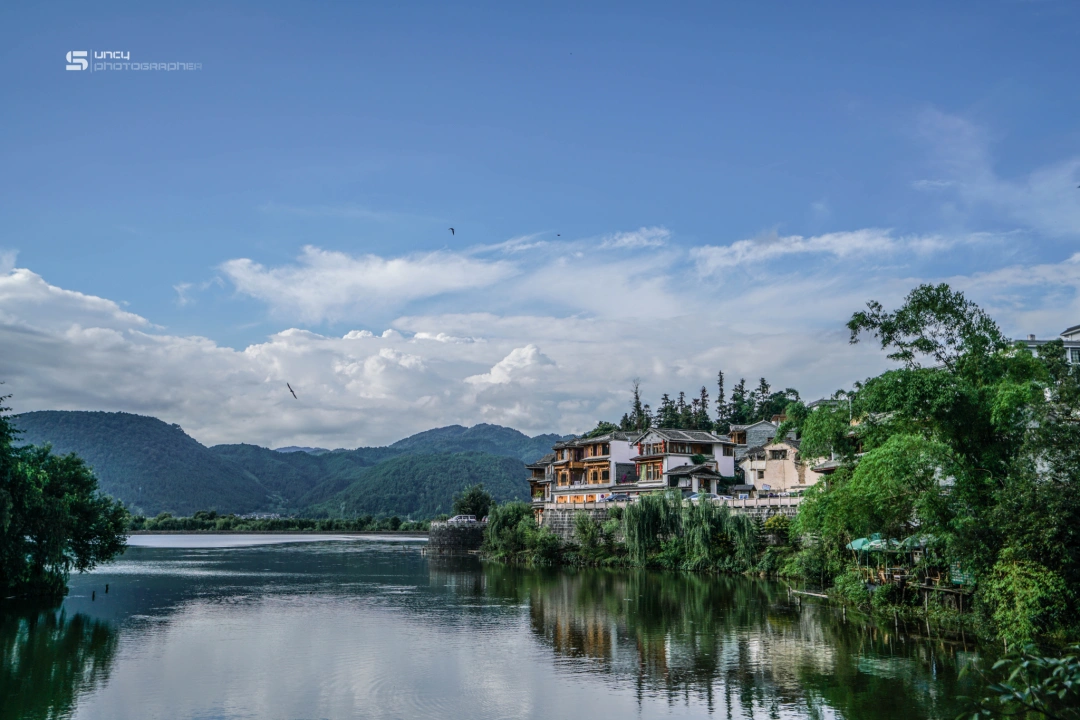
From Kunming's South Coach Station, I bought a ticket for 214 yuan—a 7-to-9-hour ride. With 24 buses running daily, there's no worry about missing one. The scenery outside the window gradually shifted from urban sprawl to lush mountain forests, and my mood eased along with the ever-changing greens.
By the time I reached Pu'er, it was already late. I settled in quickly and fell into a deep sleep—the real adventure would begin tomorrow.
Day 2: Wild Elephant Valley, Primitive Forest, and Manting Park

Wild Elephant Valley: 1% Luck and 99% Spectacle
Wild Elephant Valley lies within the Mengyang Nature Reserve, 47 kilometers north of Jinghong. They say your odds of spotting a wild elephant are only 1%—but the park itself is so captivating that the 1% hardly matters.
We entered through the back gate, skipping the cable car, and walked the wooden boardwalk through the rainforest. We passed the Elephant Museum, Bird Garden, Butterfly Garden, and Snake Garden in sequence. The elevated walkways offer both safety and panoramic views. Locals joke that an "patriotic elephant" once trampled a Japanese tourist—a story that's become a bit of a local legend.
The Butterfly Garden was a delightful surprise. Hundreds of butterflies fluttered among the flowers, and I sprinted around with my 24mm prime lens, trying to capture them. Missed focus was common—the butterflies would get spooked by the sudden black lens and dart away, leaving only a blurry ghost on the sensor. But when you finally nail that shot of one perched on a petal, it's all worth it.
The elephant show was the grand finale. The trained elephants twirled hula hoops and used their trunks to hold baskets, begging for money—you could trade coins for bananas to feed them and snap a photo. One small suggestion: swap out the elephants' current headscarves for something more superhero-themed. The current ones are a bit too "rustic."
- Entrance fee: 60 yuan/person
- Cable car: 40 yuan one-way, 60 yuan round-trip (usually not necessary)
- Opening hours: Summer 8:00-18:30, Winter 9:00-17:00
Primitive Forest Park: The Stunning Spectacle of Peacocks Flying Southeast
Just 8 kilometers from Jinghong, the Primitive Forest Park preserves the most intact tropical valley rainforest. Buttress roots, strangler figs, cauliflory—these tropical marvels I'd only seen in textbooks were now right before my eyes.
The Aini Village was our first stop. The Aini people live on the second floor—to stay dry and safe from wild animals, with square pillars that prevent snakes from climbing up. They pick tea leaves, brew tea, weave cloth, and sing mountain songs while performing bamboo pole dances (the rhythm goes "open-close-open-close-open-open-close").
But the real jaw-dropper was Peacocks Flying Southeast. At the keeper's whistle, hundreds of peacooks swooped down from the hilltop—not just a handful, but hundreds! As they swept across the sky in unison, I stood there, mouth agape, alongside everyone else. Peacocks really can fly, and they do it with breathtaking grace.
- Entrance fee: 60 yuan/person
- Golf cart: 40 yuan/person (highly recommended)
- Opening hours: 7:30-18:00
Manting Park: A 1,300-Year-Old Imperial Garden
Manting Park is Xishuangbanna's oldest park, with a history spanning over 1,300 years. In the Dai language, it's called "Chunhuan," meaning "Garden of the Soul"—legend has it that a Dai princess was so captivated by its beauty that her spirit lingered here forever.
Inside the park, the General Buddhist Temple is the spiritual heart of Xishuangbanna's Buddhist community, built by monks from Myanmar in the 7th century. The gilded halls, the 2.5-meter-tall golden statue of Shakyamuni, the lotus-topped pavilions—every detail exudes the grandeur and elegance of Southeast Asian Buddhist architecture. A friend said, "It feels like being in Thailand," and I couldn't agree more.
One surprising find was pitcher plants—those legendary carnivorous plants are actually much smaller and cuter than I'd imagined. I even spotted a tiny insect trapped inside one of their "bellies."
- Entrance fee: 40 yuan/person
- Recommended visit time: 6-8 hours
- Best season: October to June
Day 3: Flower Garden, Dai Cuisine, and a Night on the Lancang River
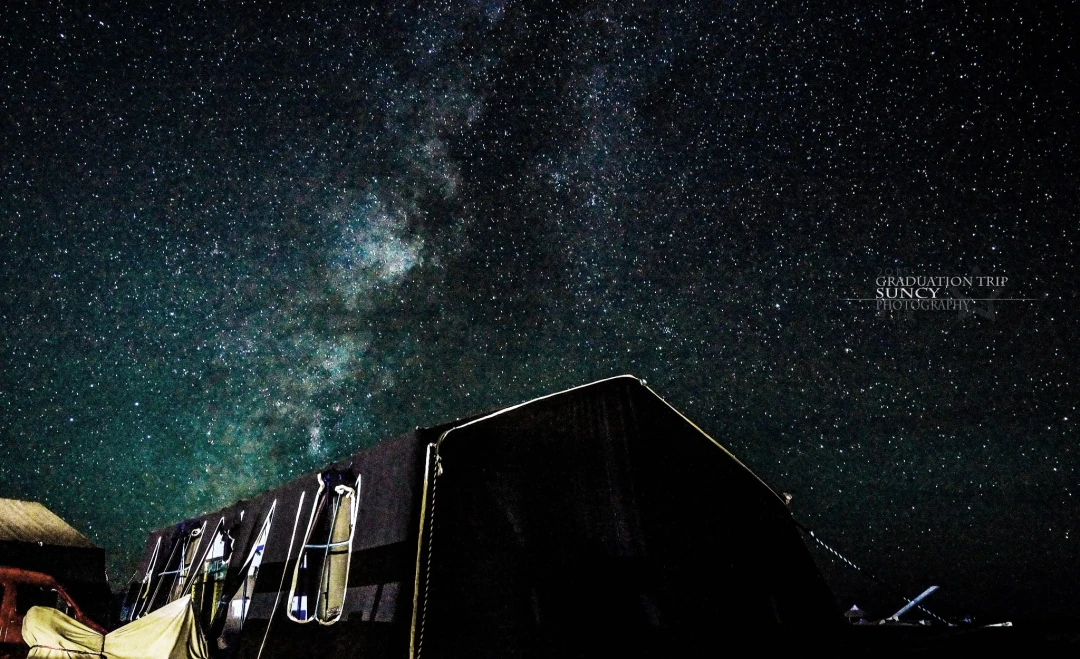
The Tropical Flower Garden is a paradise of plants. I stumbled upon a jackfruit tree heavy with fruit—though I wasn't sure if it was edible, a photo op was a must.
The highlight of the day was a Dai-style feast: purple sticky rice, pineapple sticky rice, lemongrass chicken, bamboo-tube rice... every bite was a tangy, spicy, aromatic adventure for the taste buds. For those who can't handle heat, I'd suggest keeping water and tissues handy.
That evening, the Lancang River Show featured performances by "red artists" (more commonly known as a ladyboy show). The ticket was 200 yuan—a unique cultural experience that's a hallmark of Xishuangbanna.
Day 4: A Dai Village and the Journey Home
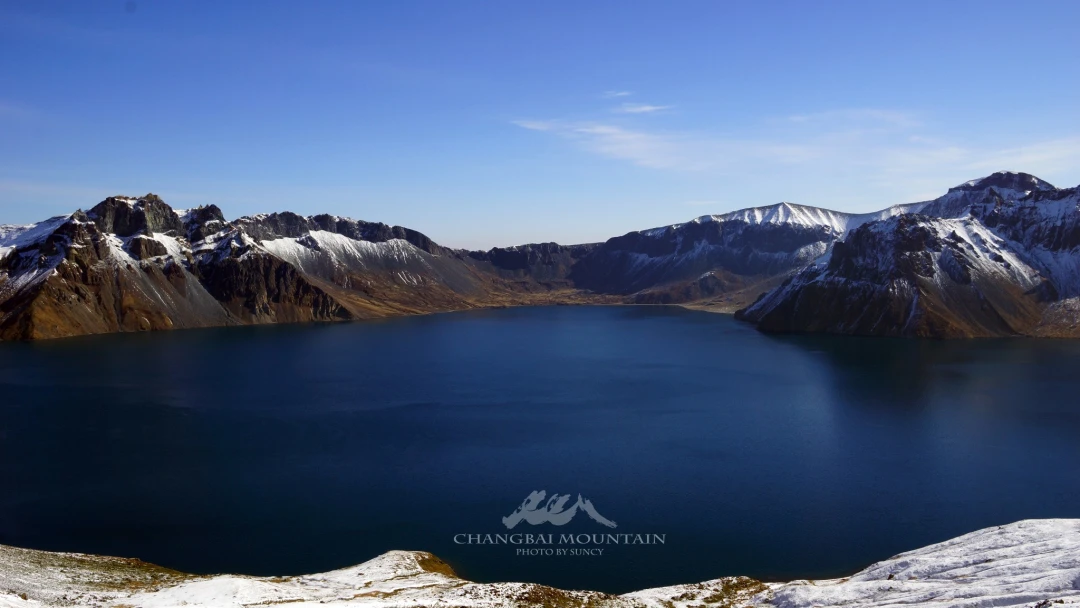
On the last day, I visited a Dai village to experience authentic local life. Stilt houses, handlooms, corn drying under the eaves—everything felt raw and real. Before leaving, I picked up some Myanmar food products and souvenirs. Red beans (also known as love beans or相思子) make a particularly romantic and meaningful gift.
The return trip passed through Mojiang, where I made a brief stop before heading back to Kunming, closing the chapter on this four-day journey.
Practical Tips: Make Your Trip Smoother
- Transportation: Taxis in Jinghong city don't use meters—drivers quote whatever they feel like. From Mangan to Gaozhuang, one driver asked for 25 yuan, another for 50 yuan, while the actual metered fare was just over 10 yuan. Negotiate the price upfront, or use a ride-hailing app.
- Car rental: Renting a car within the city costs about 150-200 yuan per day; going to the Wangtianshu Tree scenic area is around 450 yuan. More cost-effective if you're in a group.
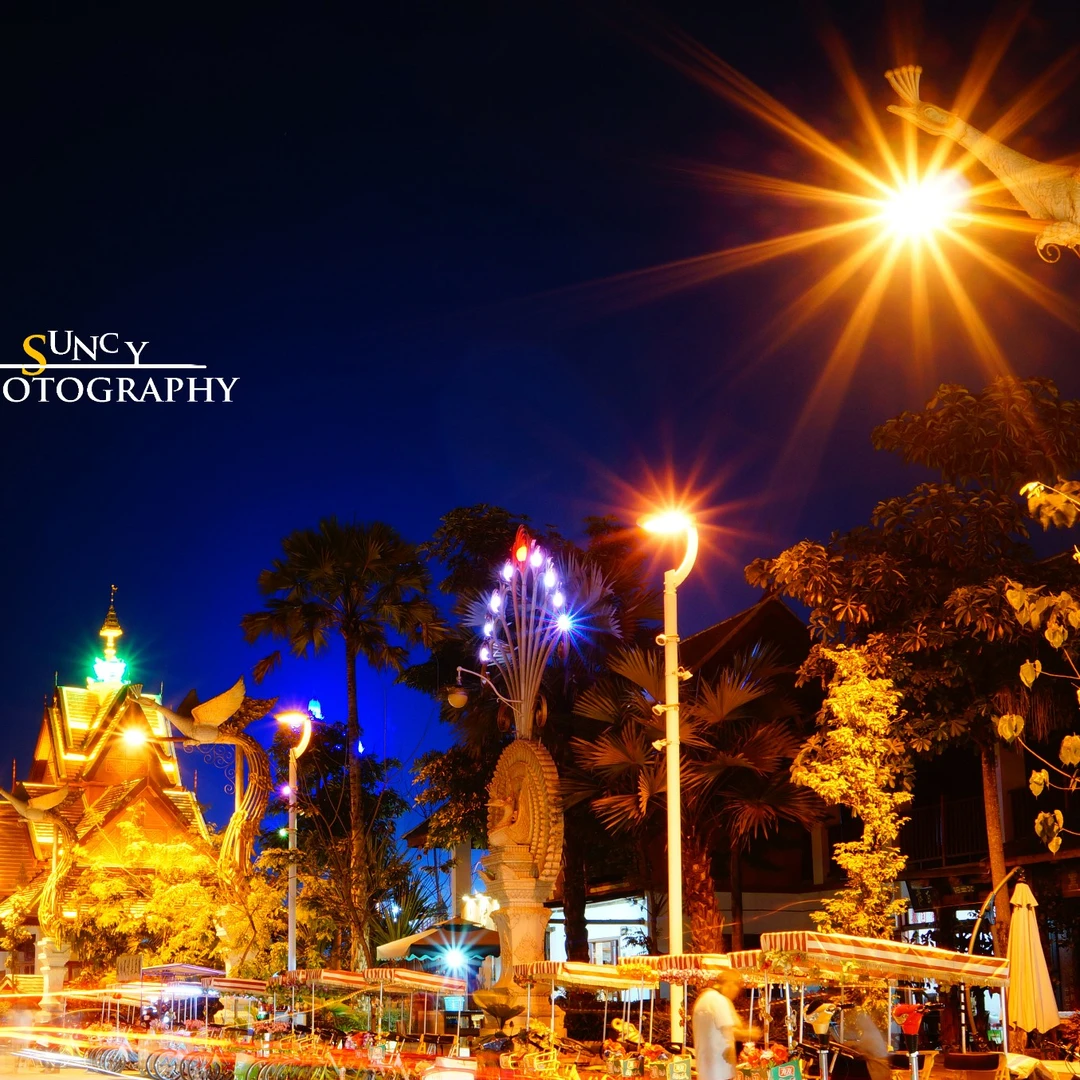
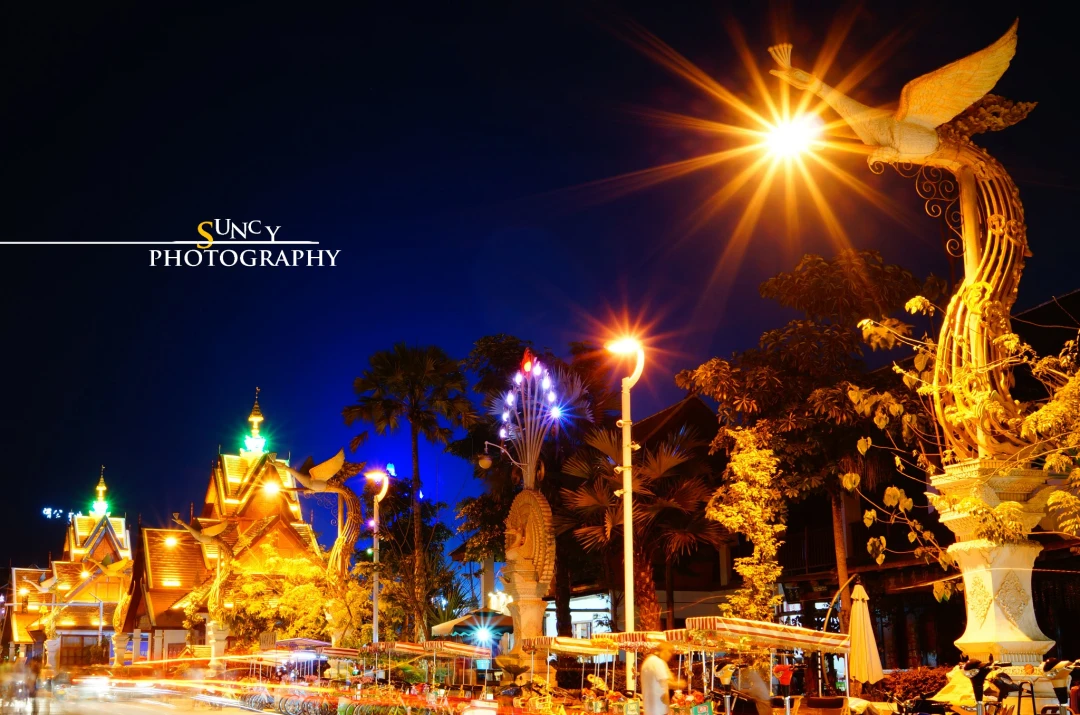
- Accommodation: I recommend staying in Gaozhuang Xishuang Jing—the night views are stunning, the night market is lively, and it's perfect for photography.
- Sunscreen: This isn't a suggestion—it's an order. The sun in Xishuangbanna does not mess around.
- Food: Dai cuisine is heavy on sour and spicy flavors. If you have a sensitive stomach, bring some medication just in case.
Final Thoughts: The Meaning of Travel
From this Xishuangbanna trip, I came back with over 900 photos, 100 of which made the cut. Behind each one is a story—from the butterflies of Wild Elephant Valley to the breathtaking flight of peacocks, from the temples of Manting Park to the neon-lit nights of Gaozhuang. This tropical border town, with its warmth and vibrant colors, healed a "monster" worn down by graduation projects.
Some say travel is about going from a place you're tired of to a place others are tired of. But I think the meaning of travel isn't about where you go—it's about the mindset you carry when you set out. Beauty is everywhere. You don't need to go far to find happiness—sometimes, just looking at the ordinary from a different angle can reveal new scenery.
So if you're feeling tired, lost, or just need an escape, come take a stroll through Xishuangbanna. Left pineapple, right mango—and don't forget, the person behind the camera is me.
About the Author: Freelance illustrator/designer, owner of two guesthouses—one in Kashgar, one in Dali. Travel, photography, painting—living life the way I want to.
If you're also planning a trip to Xishuangbanna, feel free to reach out with any questions.
You should also read:
Into the Hidden Valley: A Solo Journey Through the Mysterious Dulong River
Into the Hidden Valley: A Solo Journey Through the Mysterious Dulong River Deep in the northwestern corner of Yunnan Province, tucked away from the modern world, lies a place that feels like a secret whispered among mountains. The Dulong River Valley is not just a…
Continue reading...
God’s Abandoned Palette: A Self-Drive Journey Through Yunnan’s Dongchuan Red Land
God’s Abandoned Palette: A Self-Drive Journey Through Yunnan’s Dongchuan Red Land Travel has never been about reaching some distant geographic coordinate. It’s about encountering, along the way, the version of yourself buried beneath the rubble of daily routine. During this May Day holiday, I finally…
Continue reading...
Body in Hell, Heart in Heaven: A Pilgrimage Through Tiger Leaping Gorge — A Dialogue Between Heaven and Earth
Body in Hell, Heart in Heaven: A Pilgrimage Through Tiger Leaping Gorge — A Dialogue Between Heaven and Earth Introduction: When the Gorge Splits Open Beneath Your Feet Some say Tiger Leaping Gorge is the closest place on Earth to the border between "hell" and…
Continue reading...