Light and Shadow at Lugu Lake, a Dream Within a Dream: A Soul’s Wandering and Rebirth
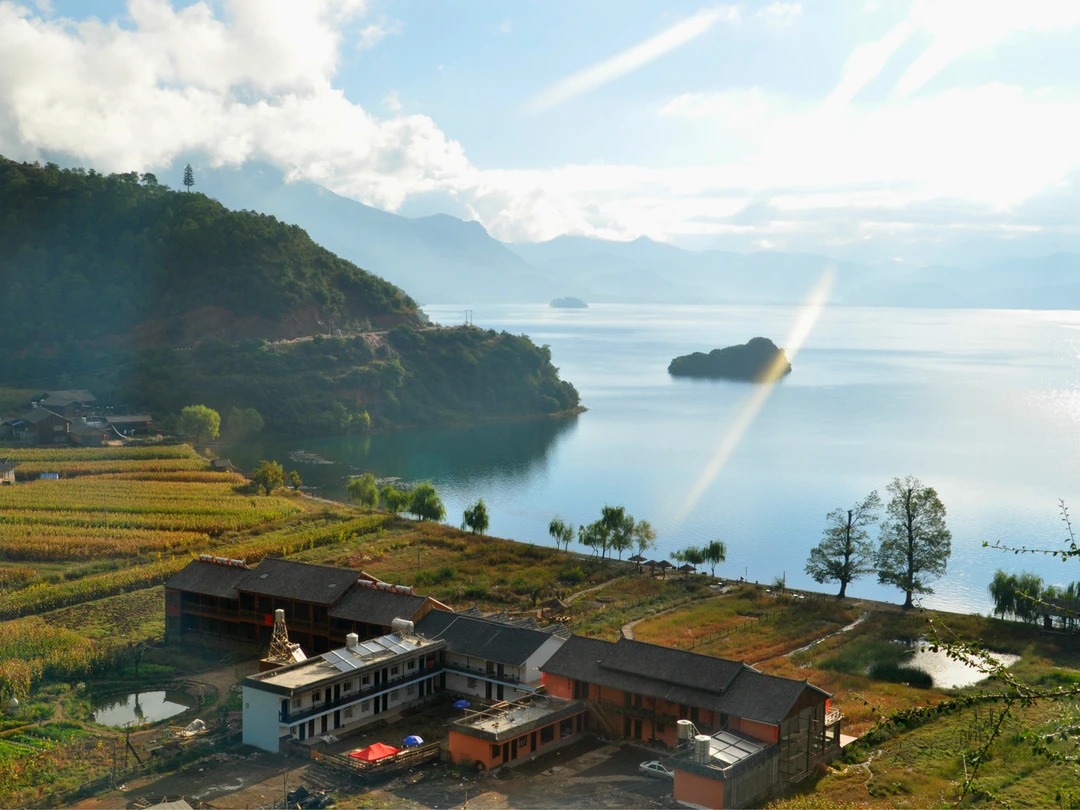
Light and Shadow at Lugu Lake, a Dream Within a Dream: A Soul’s Wandering and Rebirth
Prologue: The Dreamer’s Backpack Will Eventually Reach the Horizon
Deep in everyone’s heart lie small dreams. They are like stars twinkling in the night sky—faint yet steadfast, guiding us toward unknown horizons. I have always wanted to pack these dreams into a heavy backpack, to set foot on unfamiliar roads, and to encounter unfamiliar landscapes. The meaning of travel lies not in reaching the destination, but in every step along the way—those moments where exhaustion and freedom intertwine, those instants when the soul is cleansed and regains its clarity.
The idea of visiting Lugu Lake took root in my mind without my even noticing when. It sounds a bit cliché—it happened before I had read Walden. I came across a book review describing it as an exceptionally “quiet” work, one that requires the perfect setting of time, place, and mood to truly appreciate. So I began to fantasize about opening the book in a lakeside landscape as serene as Walden Pond. Thoreau once said that the morning air of Walden is a life-giving element that makes one healthy, peaceful, and content. Walden itself may be out of reach, but life goes on, and dreams shift. If that’s the case, why not pack my bags and go? To Lugu Lake—where the same tranquility and peace that Thoreau wrote about can be found.
Day 1: Departing from Chengdu, a Poetic Stopover in Slow Time
The story begins in Chengdu. This city, famous for its bāshì (laid-back, comfortable vibe), has long been my ideal transit point for travel. This year, I even brought along a foodie companion, and the streets of Chengdu—lined with snacks and humble eateries—kept him endlessly delighted. In the parks, a cup of tea, a game of dòudìzhǔ (Chinese poker) or mahjong—that’s how Chengdu people spend a slow afternoon. Heading west from here, you encounter nothing but the magnificent landscapes of our motherland—in two words, bāshì dé hěn (absolutely wonderful).
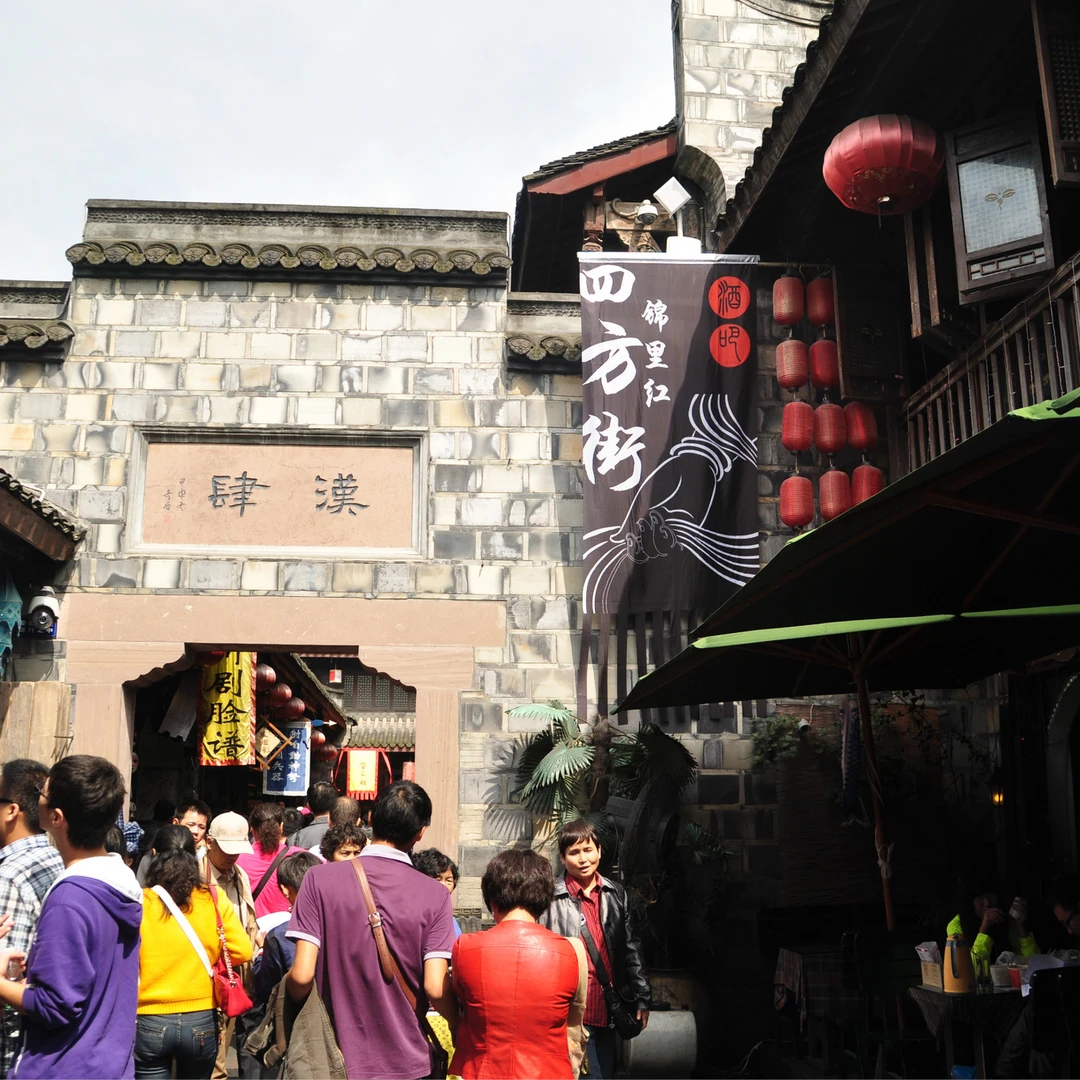
During the National Day holiday, Chengdu was as crowded as expected. But since we were there, even amid the sea of people, we had to squeeze through Wuhou Shrine, Jinli Ancient Street, and Kuanzhai Alley to experience the sheer power of domestic consumption. Unfortunately, the much-anticipated dàmiào hotpot and lóngchāoshǒu (dragon wonton soup) had to be abandoned due to absurdly long queues. Fortunately, we stumbled upon a small alley brimming with artistic charm—Xiaotong Alley.
Adjacent to Kuanzhai Alley, Xiaotong Alley offers a peaceful retreat amidst the bustle. The entire lane exudes a subtle, bohemian vibe. It’s a gathering place for Chengdu’s young creatives, hipsters, and dreamers. There, we came across a hostel called “Milk Bookstore” (Weibo: @牛奶书铺), where travelers from all walks of life gathered to chat. We spent a lazy afternoon there—drinking a glass of milk, flipping through an old book, and listening to the stories of strangers. A map on the wall was covered in cute doodles, each stroke like a traveler’s confession to the world.
By evening, we were energized and boarded the train to Xichang. At 9:57 PM, the train slowly pulled out of Chengdu Station. Sleeping overnight on the train meant we could catch the bus to Lugu Lake early the next morning—the most time-efficient arrangement.
Day 2: First Glimpse of Lugu Lake, a Peaceful Night at Nisei Manor
At 7:00 AM, the train arrived punctually in Xichang. To be safe, we had booked tickets online in advance for the 8:50 AM bus to Lugu Lake. The ticket delivery lady was right on time, handing us the tickets at 7:30 AM, with seats 1 and 2—what a stroke of luck. The morning in Xichang was rainy, and the muddy mountain roads added a layer of hardship to our journey. But the road conditions were better than expected. After a bumpy nine-hour ride, we finally arrived safely at Lugu Lake Town.
For the first two nights, we stayed at Nisei Manor, nestled at the foot of Mount Gemu. The owner, Sister Rufeng, was gentle and elegant, with a soft, refined manner of speaking. No wonder my partner vowed to become a woman like her—graceful, understated, and poised. Nisei Manor faces the Lover’s Trees and is built right by the lake. It’s a uniquely charming inn. The rooms are named after months, mostly in European country style—elegant, distinctive, and refreshingly simple. We stayed in the “February Room,” and opening the window revealed the lake right in front of us—a breathtaking view.
From a distance, Nisei Manor looks like a fairy-tale cottage floating on the water. The two Lover’s Trees at the entrance stand intertwined, having endured five hundred years of wind, five hundred years of sun, and five hundred years of rain, yet still standing tall, inseparable. The night at the manor was exceptionally quiet. Exhausted from the first day’s journey, we had no energy left to join the bonfire party organized by the inn. As I lay in bed, familiar childhood lullabies echoed in my ears, and I slowly drifted into sleep.
Day 3: The Lake Circuit—A Symphony of Hiking, Riding, and Boating

The next morning, we enjoyed a hearty breakfast in the inn’s lobby—homemade kǔqiáo bābā (bitter buckwheat cakes) and wild greens picked by the owner themselves. Simple, yet full of rustic flavor. After eating our fill, we set off on our lake circuit tour.
Since it was the National Day holiday and the crowds were overwhelming, we gave up on cycling and opted for a combination of hiking, taking buses, and riding boats. It was a tough journey, but the scenery of Lugu Lake made us reluctant to leave.
Gesang Flowers and the Azure Lake
Looking back at Nisei Manor, the path was lined with blooming gésānghuā (Russian sage flowers), symbols of happiness and peace. When we reached Dazu Village, a ray of sunlight finally broke through the clouds and fell upon the road—sunshine, at long last! The lake began to reveal its deep blue color. Standing by the shore, I was completely mesmerized; the water blurred my vision.
Anna Island and Frolicking Wild Ducks
Anna Island, shaped like a crown, lay quietly on the lake. In the misty waters, a group of wild ducks was playing—a classic scene of “spring river water warm, ducks know first.” On this early autumn morning, Lugu Lake was still full of life.
Lugu Cliff: The Mysterious Source
Lugu Cliff can also be called the Source of Lugu. Beneath the rock lies the outlet of Lugu Lake—its very origin. All the mystery begins here: deep below the visible lakebed, a clear spring bubbles upward, sending water to this paradise on earth. Two dead trees stand at the foot of the cliff, enduring summer heat and winter cold, storms and rain, standing resolutely like soldiers guarding this sacred land. If even trees can do this, what excuse do we have?
From the high vantage point of Lugu Cliff, the emerald-green lake holds all that the Mosuo people cherish. The fluttering prayer flags and the white stupa blend seamlessly with the water and the sky. Sometimes, faith can be so magnificent.
The Innocent Eyes of Dazu Village
A little girl from Dazu Village looked into my camera with pure, innocent eyes—gazing at the world with sincerity. I hope this world of vanity never takes away her innocence and simplicity.
The Sea of Grass and Zhaojia Bay
The yellowing Sea of Grass rustled in the cool breeze. Holding my partner’s hand, every step we took became a beautiful painting. The lakeside scenery of Zhaojia Bay was as tranquil and serene as a paradise. I sat on a boat by the shore, basking in the sunlight, listening to the water lapping against the bank and the wind rustling through the yellowing leaves—that was the symphony of Zhaojia Bay.
Clouds lingered around the mountaintops, constantly changing the shape of the peaks, occasionally brushing against our hair. Playfully, they hid the peaks, leaving us to imagine their forms, adding a layer of mystery to Mount Gemu. I was deeply captivated by everything in Zhaojia Bay, intoxicated by that shade of blue where sky and water merge. Sitting by the lake, letting time slip by slowly, I just wanted to keep gazing, reluctant to disturb.
It was here that I understood—mountains can be so colorful; water can be so crystal clear. Travel is nothing less than immersing yourself in nature’s enchanting canvas, a paradise on earth. When the autumn wind sweeps through the forest, the leaves gradually turn the mountains into a vibrant painting—brilliant in my eyes, warm in my heart. We stayed overnight in Zhaojia Bay, and that night, I saw a sky full of stars. When I woke up, I was reluctant to leave, but everything I encountered here was etched deep in my heart. Forgive the intrusion, Zhaojia Bay.
Day 4: From Bustle to Stillness, a Final Glimpse of Lugu Lake
Compared to the tranquility of Zhaojia Bay, Daluoshui and Lige Peninsula felt noisy and commercialized. Daluoshui boasts the widest expanse of water on Lugu Lake; Lige is the only peninsula on the lake, surrounded by water on three sides, and also the most developed area. Shops lined the streets, tourists crowded everywhere, and the lake’s quiet serenity was replaced by the hustle and bustle of human activity.
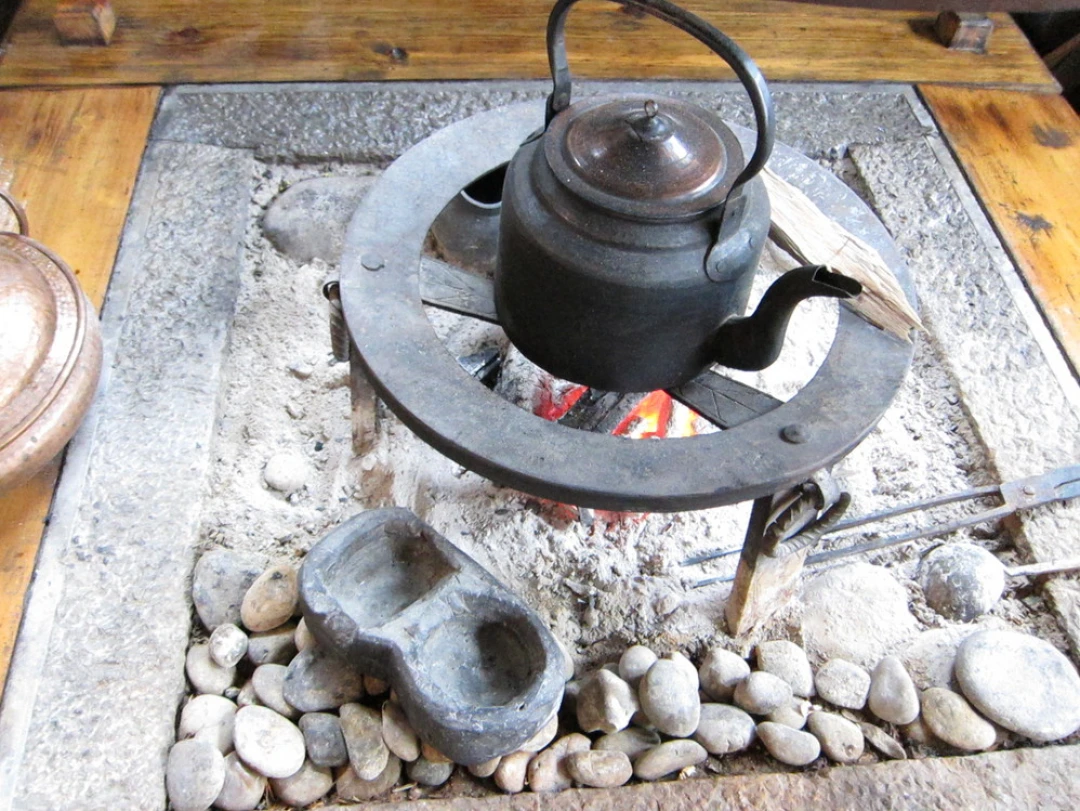
But regardless, I am grateful to the heavens for letting me see the intoxicating waters of Lugu Lake. I am grateful for every beautiful sight I encountered along the way, for every person I met, and for the warm hospitality of Uncle Zhao’s family. Listening to their stories and eating their delicious sōngróng jī (pine mushroom chicken), I want to say—this journey was the most beautiful I have ever taken. Beautiful in its simplicity, beautiful in its sincerity. And thank you, my companion, for being there. This was the first journey we took together. Everything we saw, didn’t see, gained, lost—it will all become beautiful memories.
Goodbye, Lugu Lake.
Day 5: Shuhe in Lijiang, a Slow Ending
After four intense days at Lugu Lake, the seven-day holiday was drawing to a close. The ancient city of Lijiang was still as bustling as ever, but we chose Shuhe instead—to relax, rest, and soak in the slow pace of Lijiang.
The weather in Lijiang was unexpectedly beautiful, with bright sunshine. We lazily wandered through the old town, soaking up the sun and browsing the little shops—that was our entire day. We stayed at 0328 Inn in Shuhe. The owner, a former soldier, was straightforward and honest, and had even funded the construction of a primary school. The inn also offered free sunset views over the snow mountains and visits to Lock’s former residence—well worth recommending.
Heavenly Time Bookstore in Shuhe Ancient Town was the place I lingered the longest. Every book, every postcard felt like a love letter from a traveler to the world. I picked up a postcard that read: “The landscapes you’ve seen and the dreams you’ve had during your travels are things no one can take from you, and you yourself can never forget.” So, while we are still young, let’s chase our dreams and travel. If you never step outside, you’ll think this is the whole world.
Epilogue: Light and Shadow at Lugu Lake, a Dream Within a Dream
Looking back on this journey, the light and shadow of Lugu Lake felt like a dream. Those azure waters, the fluttering prayer flags, the innocent eyes, the quiet Zhaojia Bay, the bustling Lige… all of it seemed like a dream I never wanted to wake from.
But I know it was not a dream. It was a distant horizon I measured with my own steps, a landscape I felt with my own heart. The meaning of travel is not about how far you’ve gone, but about the version of yourself you meet along the way. What Lugu Lake taught me was not how to escape reality, but how to find your own peace amid the noise of the world.
Thoreau said the morning air of Walden Pond makes one healthy, peaceful, and content. And the waters of Lugu Lake can also cleanse the soul, restoring its clarity. So, pack your bags and go—to Lugu Lake, to meet the better version of yourself.
Light and shadow at Lugu Lake, a dream within a dream. May you also find your own lake and mountain view.
You should also read:
Dreaming of Lijiang, Dreaming of Shangri-La: A Journey That Lets Your Soul Breathe Deeply
Dreaming of Lijiang, Dreaming of Shangri-La: A Journey That Lets Your Soul Breathe Deeply Life is like a long trek. We're always rushing through the concrete jungle, searching for a glimmer of light in the monotony of our days. Then one autumn, I heard the…
Continue reading...
Dreamland – Lijiang: A Talking Comic Travel Guide
Dreamland – Lijiang: A Talking Comic Travel Guide Prologue: When Lijiang Takes Root in Your Heart Some places leave a mark on you forever. They're like an old song on repeat, suddenly playing in your mind on an ordinary afternoon. For me, Lijiang is that…
Continue reading...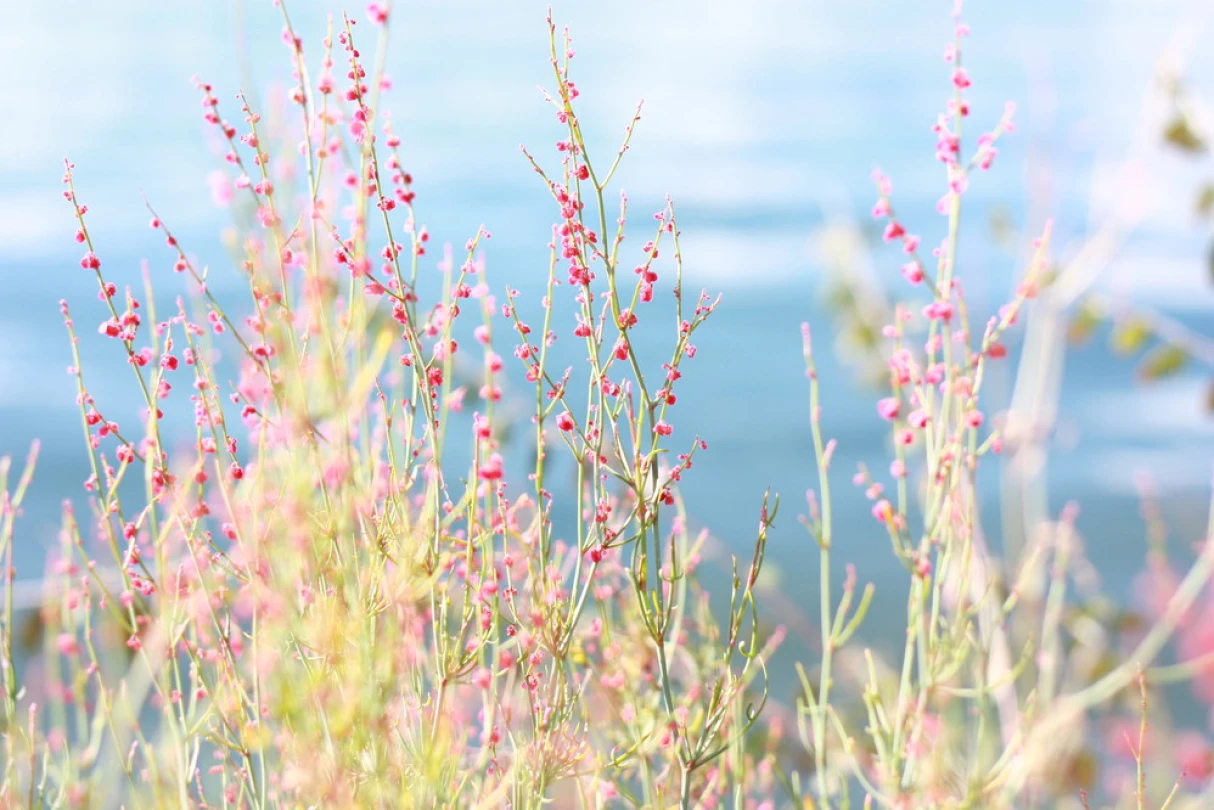
Escaping Nanning, Falling Under Lijiang's Spell: Our Four-Person, Ten-Day Yunnan Dream
Escaping Nanning, Falling Under Lijiang's Spell: Our Four-Person, Ten-Day Yunnan Dream Before We Set Off: No Pain, No Obsession Have you ever had that impulse—suddenly tired of the office fluorescent lights, the crush of the subway, the endless parade of identical takeout boxes, and just…
Continue reading...