Lijiang: A Feast for Both the Palate and the Eyes
Lijiang: A Feast for Both the Palate and the Eyes
If you ask me what I miss most about Yunnan, I'll tell you without hesitation—it's Lijiang. This ancient city not only holds the tenderness of time but also offers irresistible food and scenery. From a fall-off-the-bone 腊排骨火锅 (cured pork rib hotpot) to the spring snow falling at the foot of Jade Dragon Snow Mountain, and the breathtaking turquoise waters of Blue Moon Valley, every corner of Lijiang feels like a carefully painted scroll. Today, let me take you into this city of endless beauty and let you experience its unique charm.
A Taste of Lijiang: If You Skip the Cured Pork Ribs, You Haven't Been
Cured Pork Rib Hotpot: A Soul-Stirring Classic
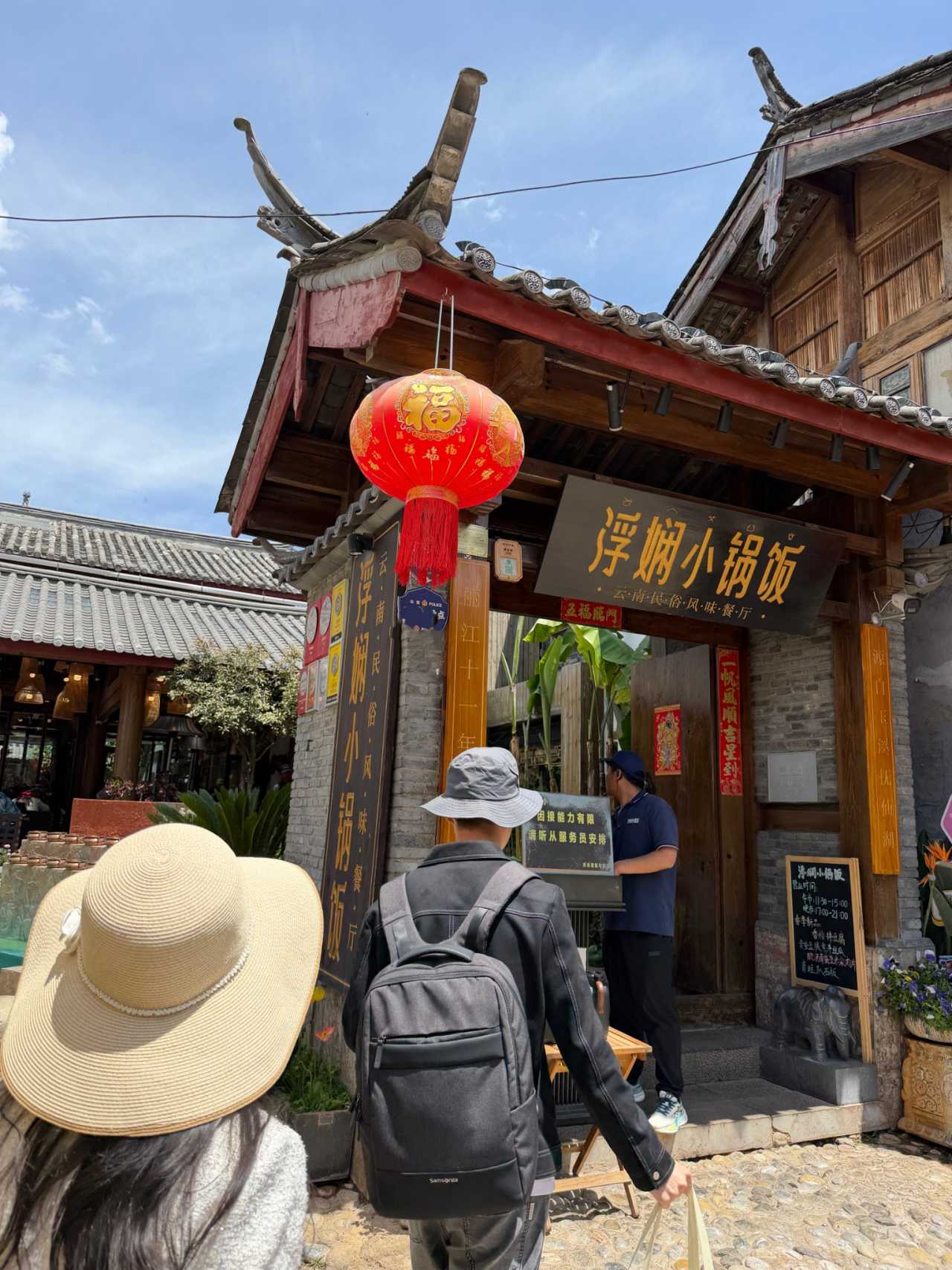
Before coming to Yunnan, I'd heard countless people say, "If you haven't eaten cured pork ribs, you haven't truly been to Lijiang." I was skeptical at first—until I took my first bite. That's when I understood the weight of those words. Lijiang's 腊排骨火锅 (cured pork rib hotpot) is the soul of local cuisine. I went to a small restaurant highly recommended by locals. It wasn't big, but the moment I walked in, the rich aroma of meat mixed with charcoal and spices hit me, instantly whetting my appetite.
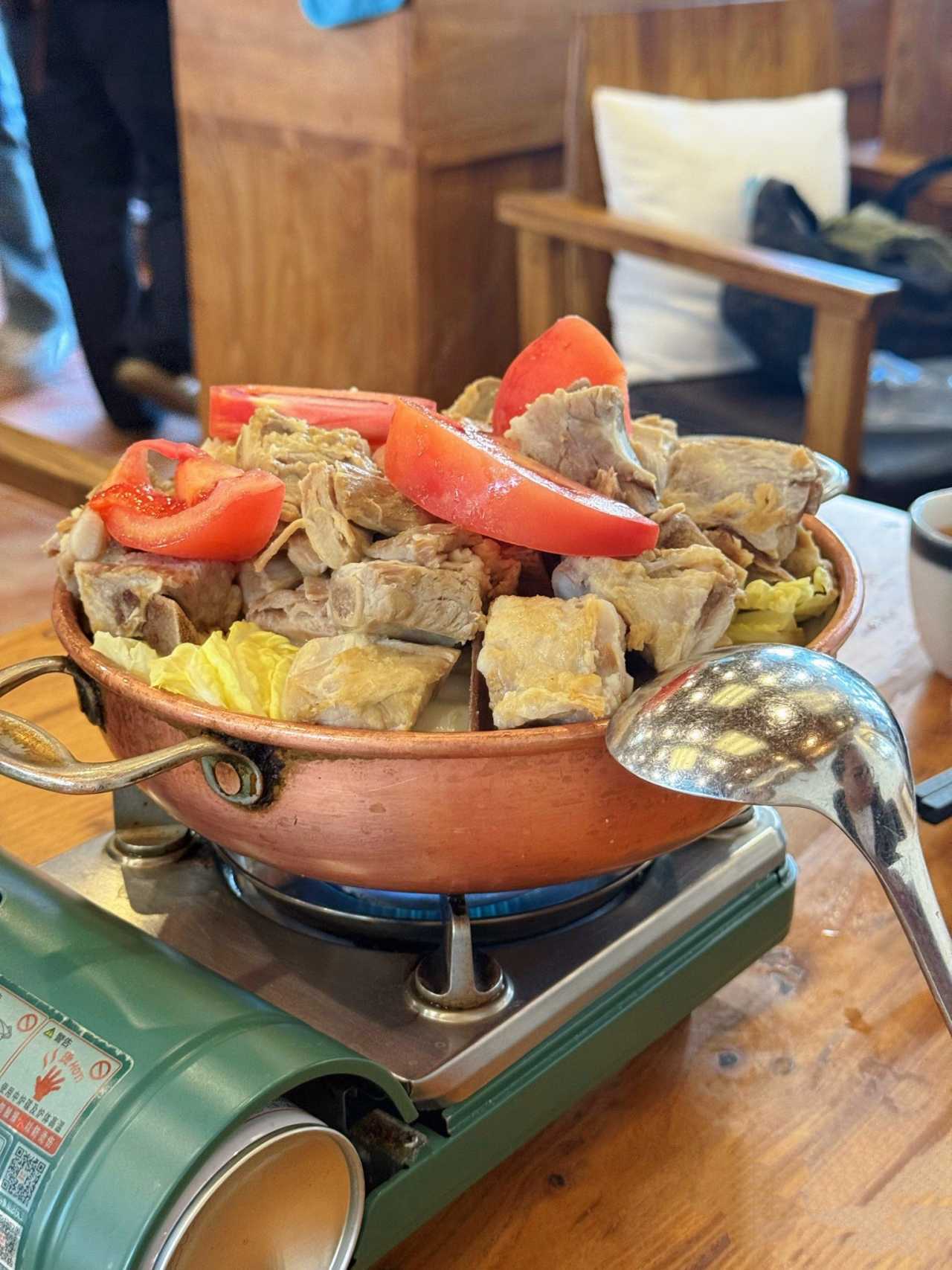
The hotpot at this place was incredibly authentic. When the pot arrived, the broth was golden and clear, with ribs piled so high they nearly spilled over the edge. I picked up a rib, gave it a gentle bite, and the meat fell right off the bone—so tender you'd swear it had been simmering all day. The meat was juicy and flavorful, with a slight chewiness, carrying a salty, savory taste and a hint of smokiness. Every bite was a pure reward for the palate. What surprised me even more was the portion size: two people sharing a small pot with a few side dishes was more than enough to leave you completely satisfied. If you're a meat lover, don't miss this dish—it will completely change how you think about cured meats.
Signature Little Pot Rice: Simple Ingredients, Extraordinary Flavor
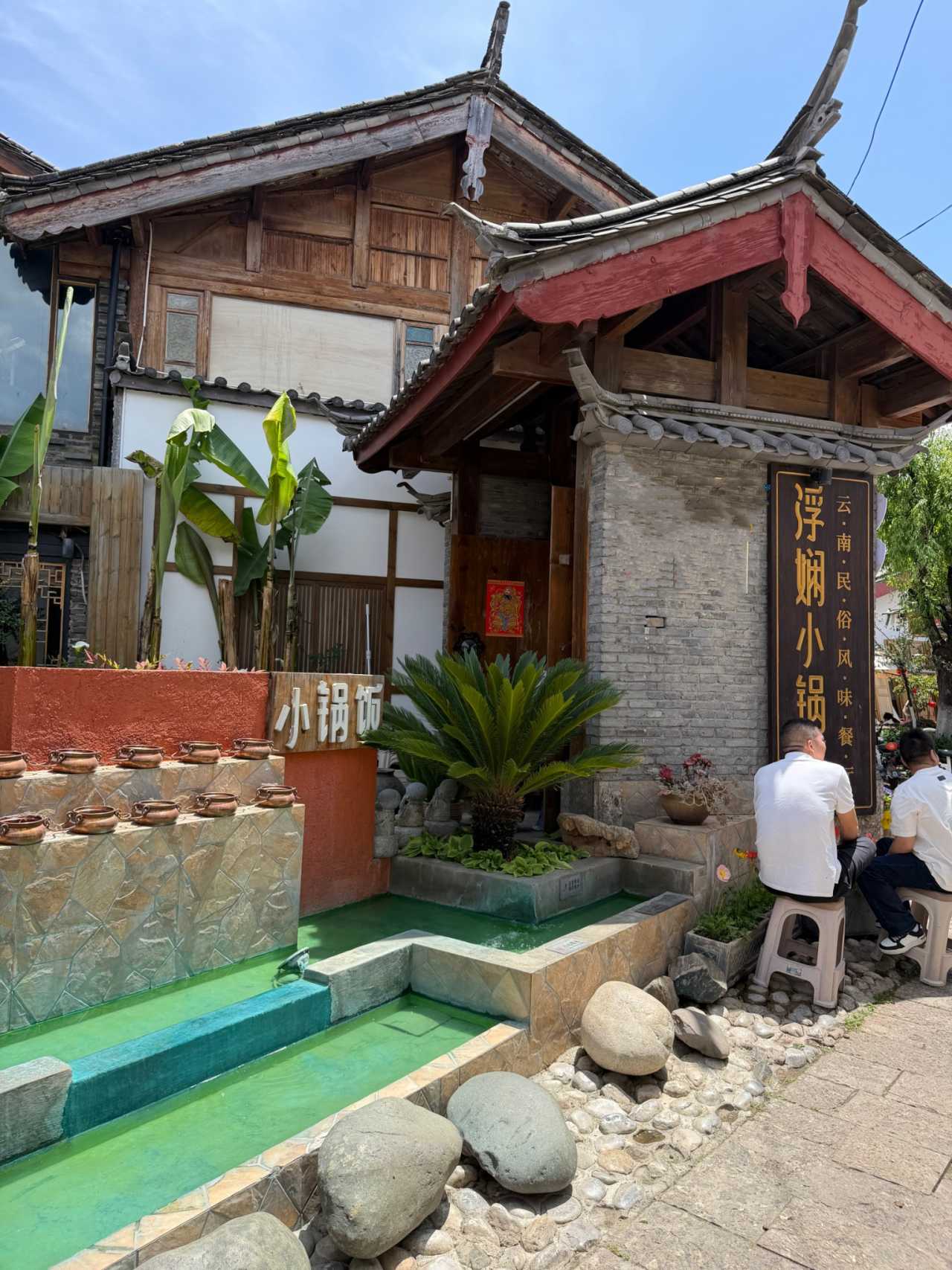
Beyond the hotpot, the restaurant's signature 小锅饭 (little pot rice) also left a lasting impression on me. The rice is cooked in a small copper pot, and when it arrives, it's still sizzling with steam. Lifting the lid, a wave of aroma—mingling cured pork and洋芋 (potato)—rushes up. The grains are distinct and separate, with a thin layer of crispy golden crust at the bottom. Bite into it, and you hear a satisfying crunch. The potatoes are soft and infused with flavor, while the saltiness of the cured pork seeps into every grain of rice without being greasy. I thought this would be just a simple side dish, but it turned out to be one of the highlights of the meal. If you're in Lijiang, make sure to order a pot of 小锅饭—it will show you that the simplest ingredients often create the most moving flavors.
Handmade Milk Rice Wine: The Most Surprising Drink of the Meal
As for drinks, I have to enthusiastically recommend this restaurant's 手工奶白酒 (handmade milk rice wine). It's not as cloyingly sweet as ordinary fermented rice drinks, nor as harsh as liquor. Instead, it strikes a perfect balance. The texture is smooth and silky: first, a gentle creaminess, followed by the subtle sweetness of fermented rice and a hint of tangy fermentation, finishing with a faint trace of alcohol at the back of the throat. The best part? You can still taste tiny bits of rice grain—a sign of the handmade process that gives the drink an earthy, rustic quality. I ordered it on a whim, but after one sip, I couldn't stop. I scraped the bottom of the cup clean, down to the last grain. If you visit this place, don't miss it—it will likely be the most unforgettable surprise of your entire meal.
The Host's Warmth and the Restaurant's Atmosphere
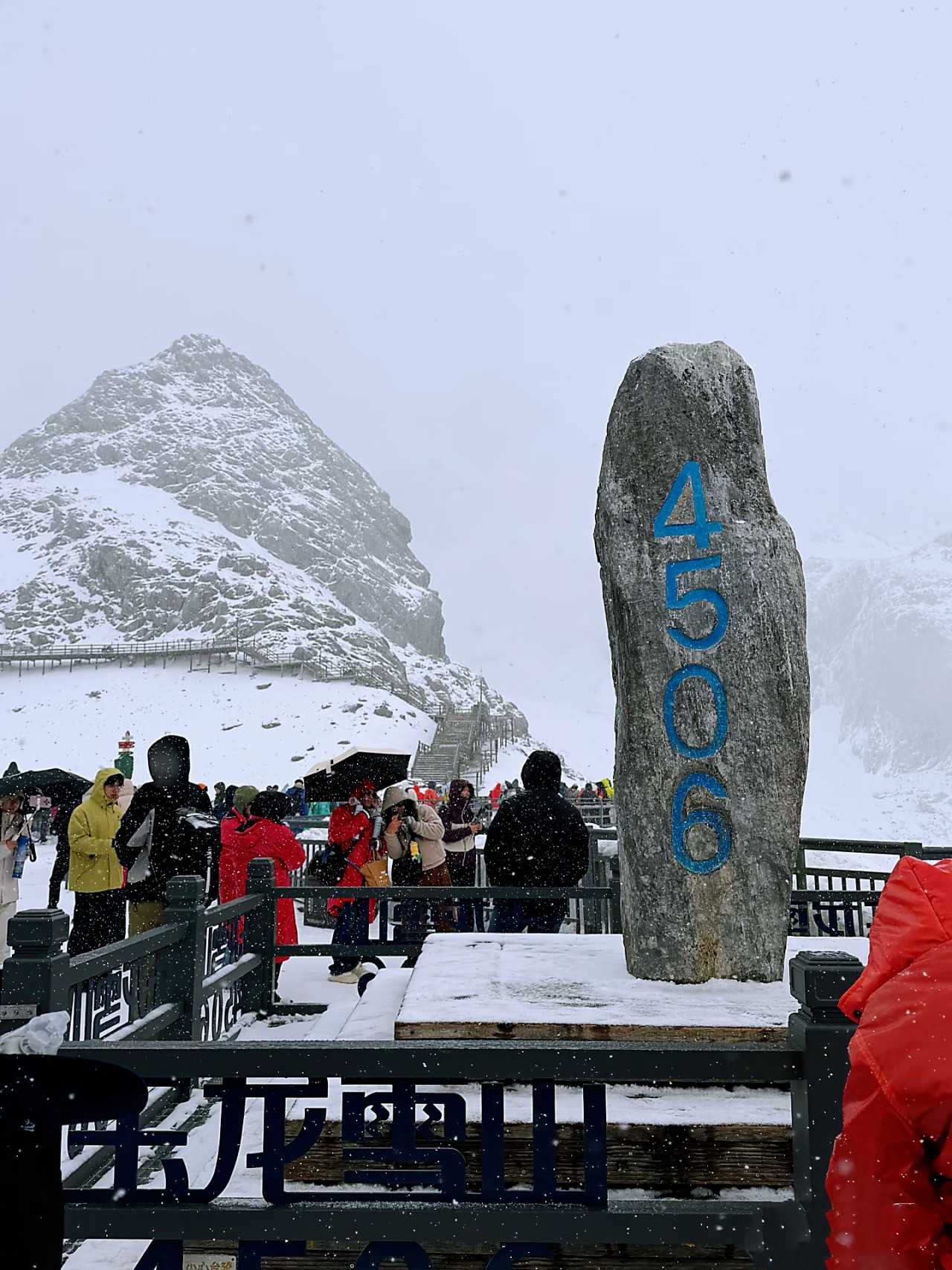
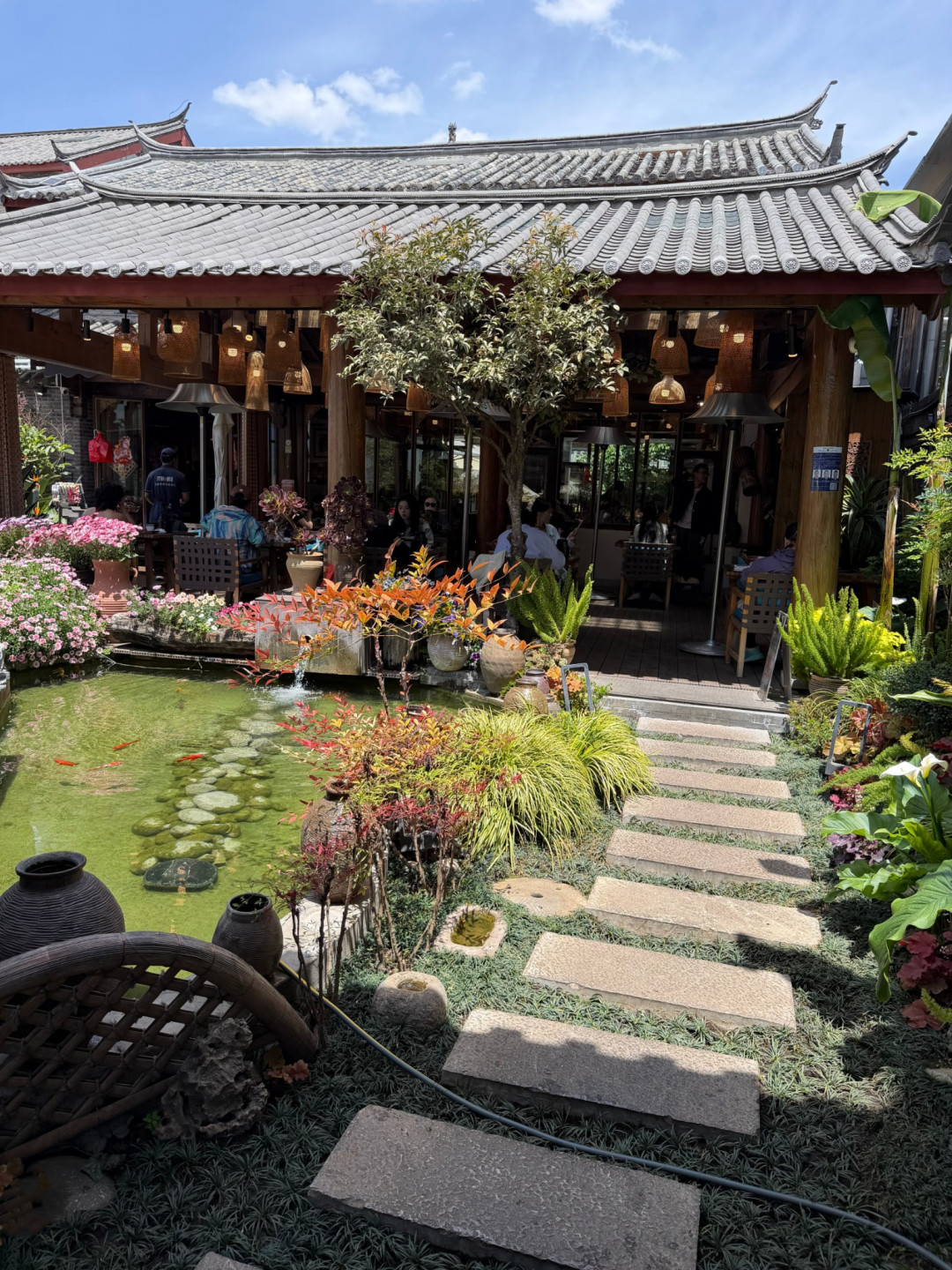
The owner of this restaurant is a warm and cheerful Lijiang local. Seeing that it was our first time, he came over to introduce the dishes and thoughtfully advised us on what to pair and which dishes were large enough to share, so we wouldn't overorder. The decor was also distinctive: traditional Naxi embroidery hung on the walls, wooden furniture bore the warmth of age, and a few potted plants in the corner made the space feel especially cozy. Sitting there, eating a steaming hotpot while listening to the owner's stories about Lijiang, was a rare pleasure.
Romance Under the Snow Mountain: April Snow on Jade Dragon Snow Mountain

Spring Snow Falling: An Unexpected Surprise
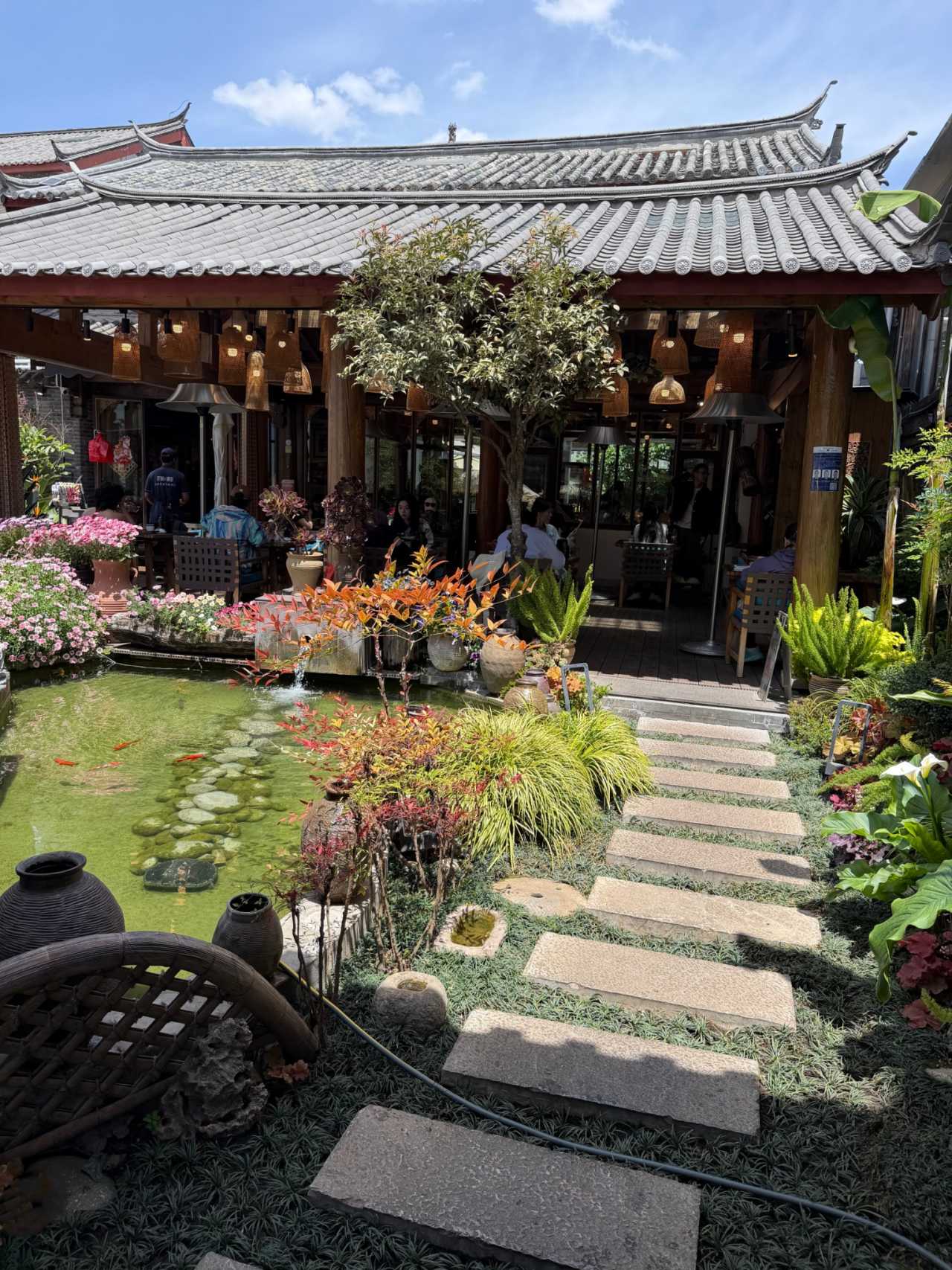
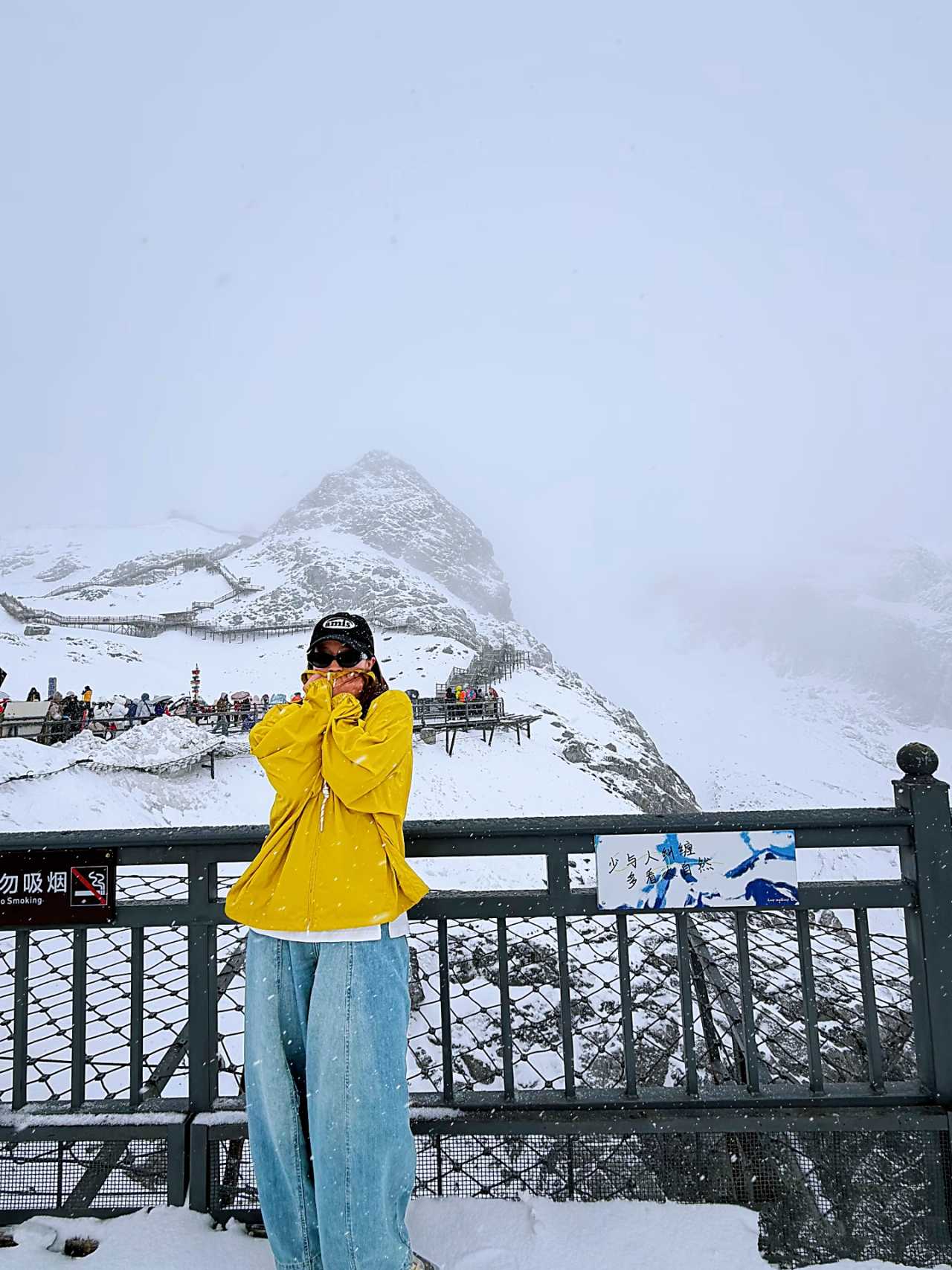
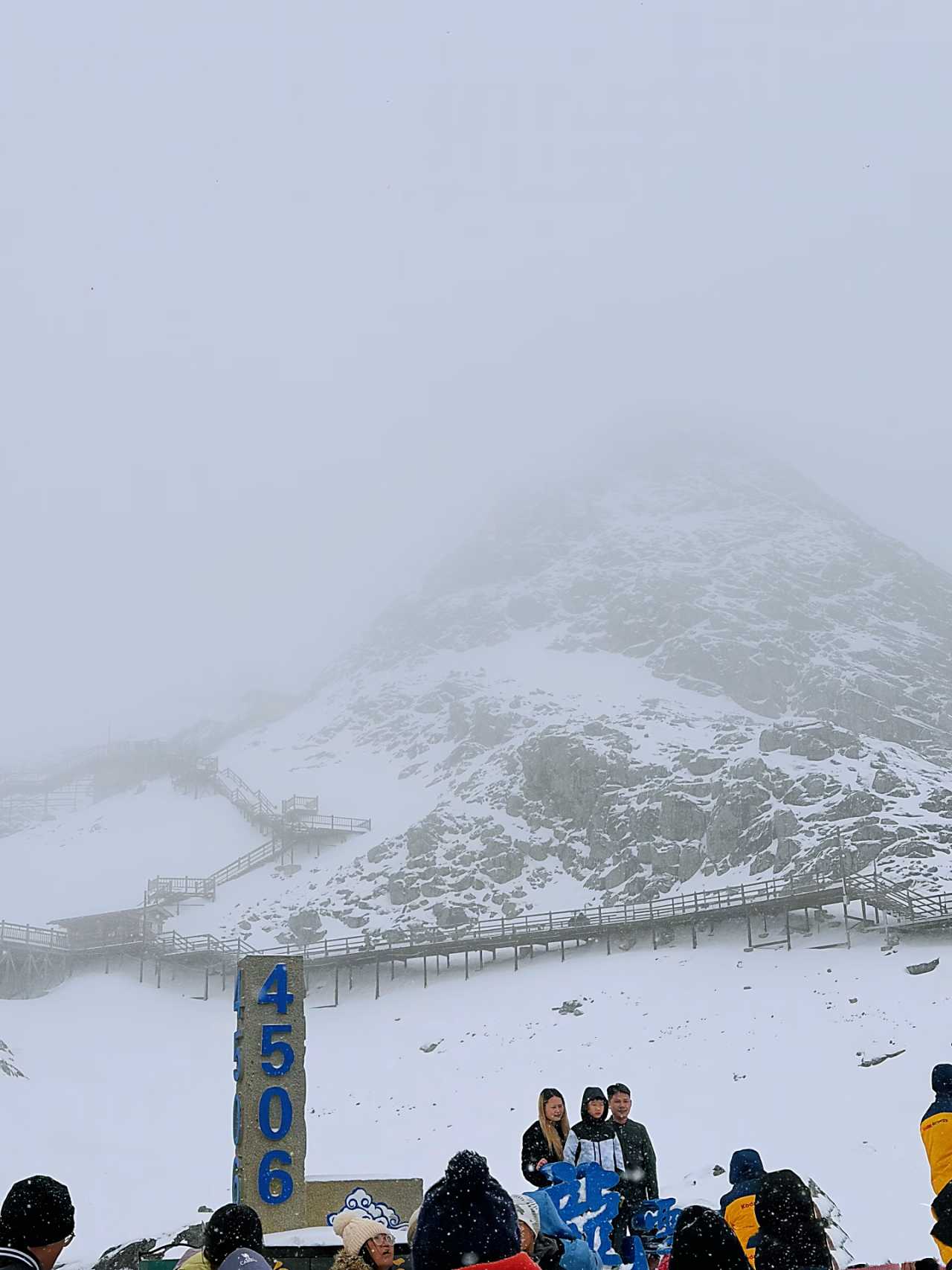
Leaving the food behind, we drove to Jade Dragon Snow Mountain. Before setting out, I worried that April in Lijiang might be too warm for snow. But on April 20th, the mountain was hit by a heavy snowfall. By the time we reached the base, snowflakes were already drifting down in flurries, like a gift from the sky. Standing at the cable car station, I watched the distant peaks wrapped in white, shrouded in mist and clouds—like a fairyland. Experiencing heavy snow in spring is a wonder you'll likely only find in Lijiang.
Snow Mountain Tips: How to Capture the Perfect Moment
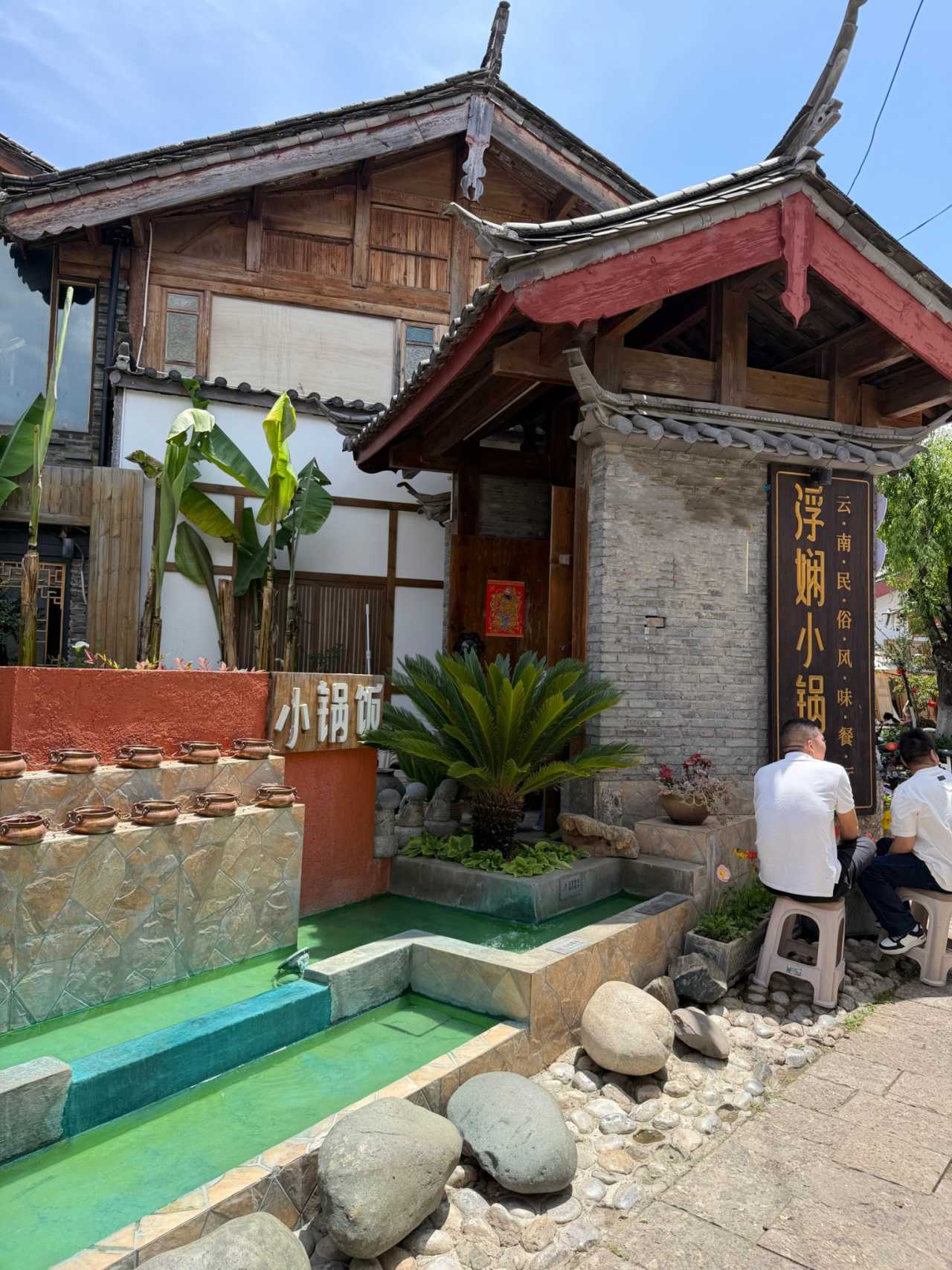
If you want to see snow on Jade Dragon Snow Mountain, here are a few tips: First, always check the weather forecast and park announcements. Although Lijiang is warm and blooming in April, the mountain's weather is unpredictable—sometimes clear in the morning, only to snow heavily in the afternoon. Second, go in the morning, when the snow quality is best and the light is softest, making for perfect photos. Finally, don't forget a thick coat—the temperature on the mountain is very low, even in April, possibly below freezing. I saw a few tourists in short sleeves shivering in the wind and snow—it was both funny and heartbreaking.
Blue Moon Valley: A Turquoise Paradise on Earth
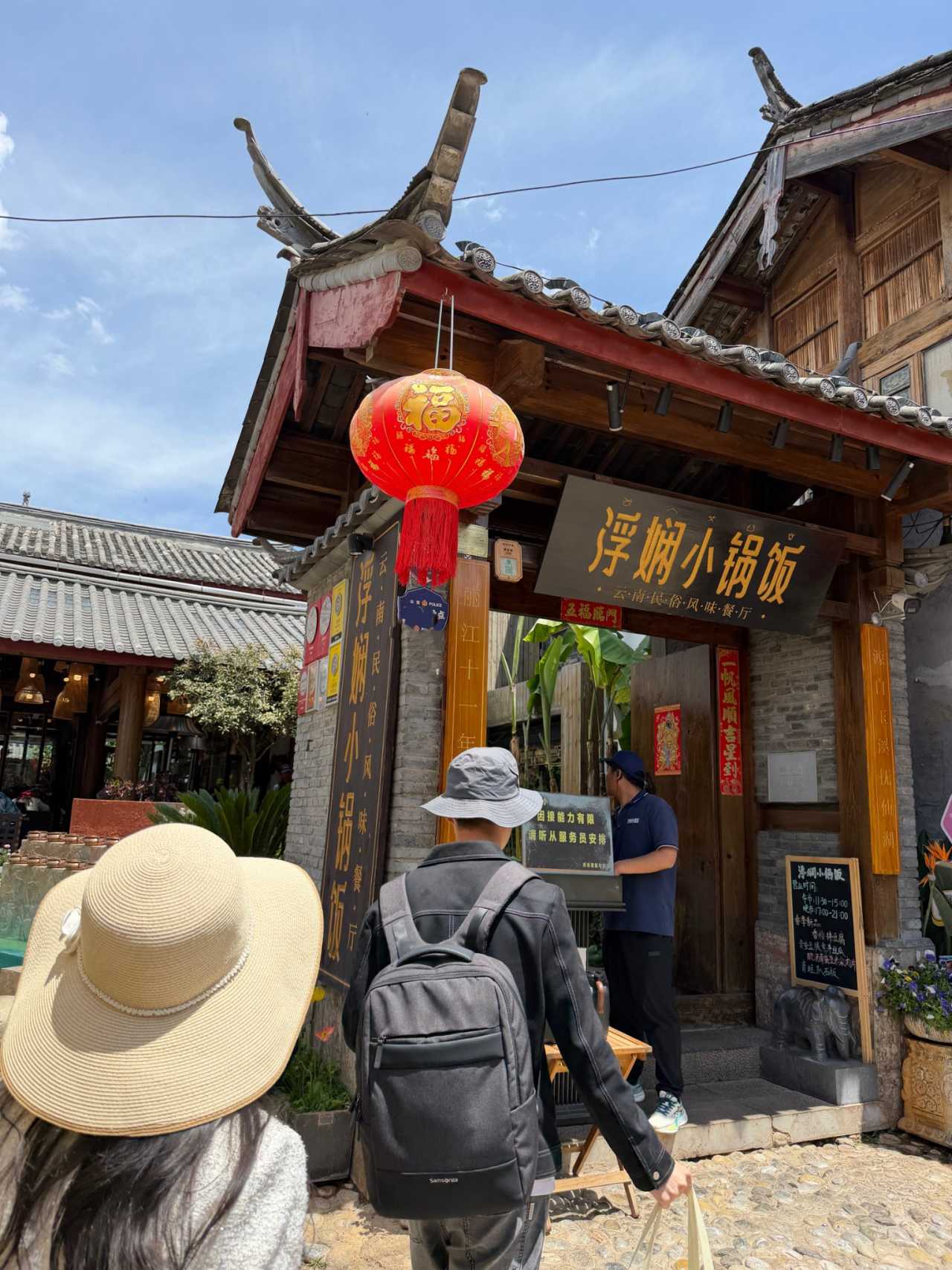
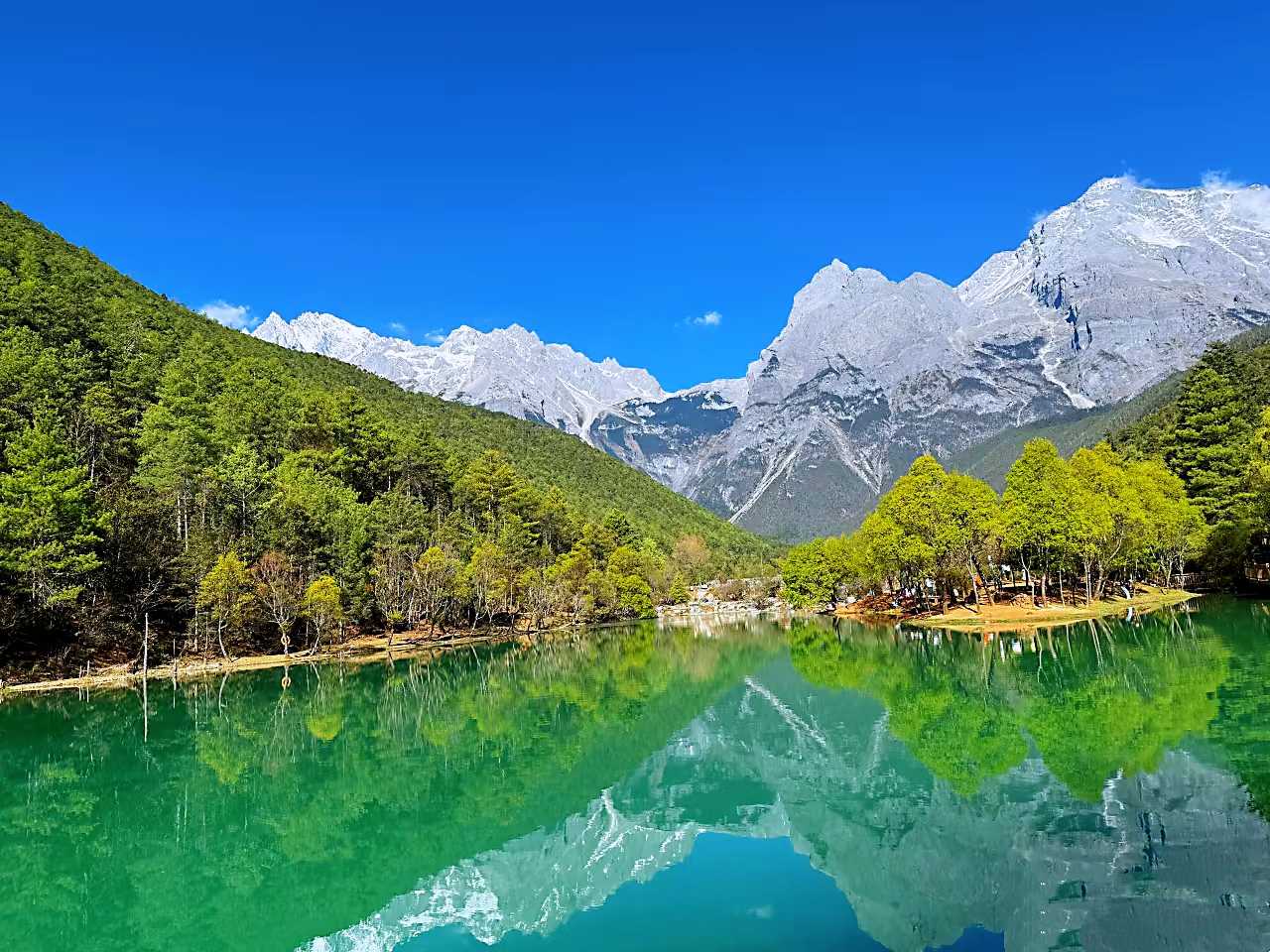
Coming down from the mountain, we visited Blue Moon Valley. Honestly, I've seen many lakes, but the beauty of Blue Moon Valley still made me hold my breath. The water is an unbelievable shade of turquoise, crystal clear. Standing by the shore, you can see the stones and small fish swimming below. The distant snow-capped mountains reflect on the lake's surface, blending with the blue sky and white clouds, creating a scene so beautiful it looks like a computer-generated wallpaper. I pulled out my phone and snapped a few photos, but I felt they couldn't fully capture the awe—that kind of beauty has to be experienced in person, seen with your own eyes, and felt in your heart. If you come to Lijiang, be sure to take a stroll through Blue Moon Valley—it will show you what "paradise on earth" truly means.
Slow Time in the Old Town: The Cozy Charm of Baisha Old Town
Why I Prefer Baisha Old Town
Lijiang has many old towns: Dayan is bustling and commercial, Shuhe is artistic and fresh, but my favorite is Baisha. It's not as commercialized as Dayan, nor as crowded as Shuhe. Instead, it retains a raw, rustic way of life. Walking along Baisha's stone-paved streets, flanked by low earthen walls and wooden doors, you'll occasionally spot a few elderly Naxi women sitting in the sun or painters setting up easels by the roadside to sketch. The pace here is slow—so slow it makes you feel like time has stopped.
A Leisurely Life in the Old Town
I spent an entire afternoon in Baisha, doing nothing but wandering aimlessly. I passed a shop selling handmade silver jewelry. The owner, a young Naxi man, hammered away at a silver sheet while chatting with me, explaining that his silver pieces were made using ancestral techniques, each pattern carrying a special meaning. I then went to a café and ordered a cup of 云南小粒咖啡 (Yunnan small-bean coffee). Sitting on the second-floor terrace, looking out at the distant snow mountain and the rooftops below, a profound sense of calm washed over me. At that moment, I realized that the meaning of travel isn't about how many attractions you check off—it's about finding a place where your heart feels at home.
Conclusion: Lijiang Is Worth Your Stay
From the rich flavors of 腊排骨火锅 (cured pork rib hotpot), to the purity of Jade Dragon Snow Mountain, to the easygoing charm of Baisha Old Town—every scene and every bite in Lijiang feels like a carefully wrapped gift, waiting for you to open it. It won't disappoint you; it will only make you long for more.
If you're planning a trip to Lijiang, my advice is: don't rush, don't try to do too much. Leave enough time to taste a tender cured pork rib, sip a heartwarming cup of 手工奶白酒 (handmade milk rice wine), watch spring snow fall at the foot of the mountain, spend a moment daydreaming by Blue Moon Valley, and take a leisurely walk along Baisha's stone streets. You'll discover that Lijiang's appeal isn't about how "trendy" it is—it's about how real and gentle it is.
So, the next time someone asks me, "Is Lijiang worth visiting?" I'll answer without hesitation: "Yes." Because here, you don't just see beautiful scenery—you taste the flavor of life itself. And that flavor is worth stopping for.
You should also read:

Lijiang: The Unfading Portrait in the Depths of My Heart
Lijiang: The Unfading Portrait in the Depths of My Heart Prologue: An Obsession with the Faraway In everyone's youth, there are certain places that, like seeds soaked in moonlight, quietly take root and sprout in the depths of the heart. For me, Lijiang is exactly…
Continue reading...
Hiking Tiger Leaping Gorge: A Visual Feast of Yunnan, Measured in Footsteps
Hiking Tiger Leaping Gorge: A Visual Feast of Yunnan, Measured in Footsteps A Spontaneous Adventure Some trips are planned. Others are written in the stars. When I stood at the Lijiang bus station, watching the last ticket to Lugu Lake sell out before my eyes,…
Continue reading...
2012, Conquering Lugu Lake and Lijiang: A World of Azure and a City of Splendor
2012, Conquering Lugu Lake and Lijiang: A World of Azure and a City of Splendor Prologue: Three Guys on a Youthful Expedition Just after the May Day holiday in 2012, my buddies Hui Ge, Xiao Chen, and I—three strapping young men—shouldered our backpacks and set…
Continue reading...