Lijiang: A Gentle Encounter with Time
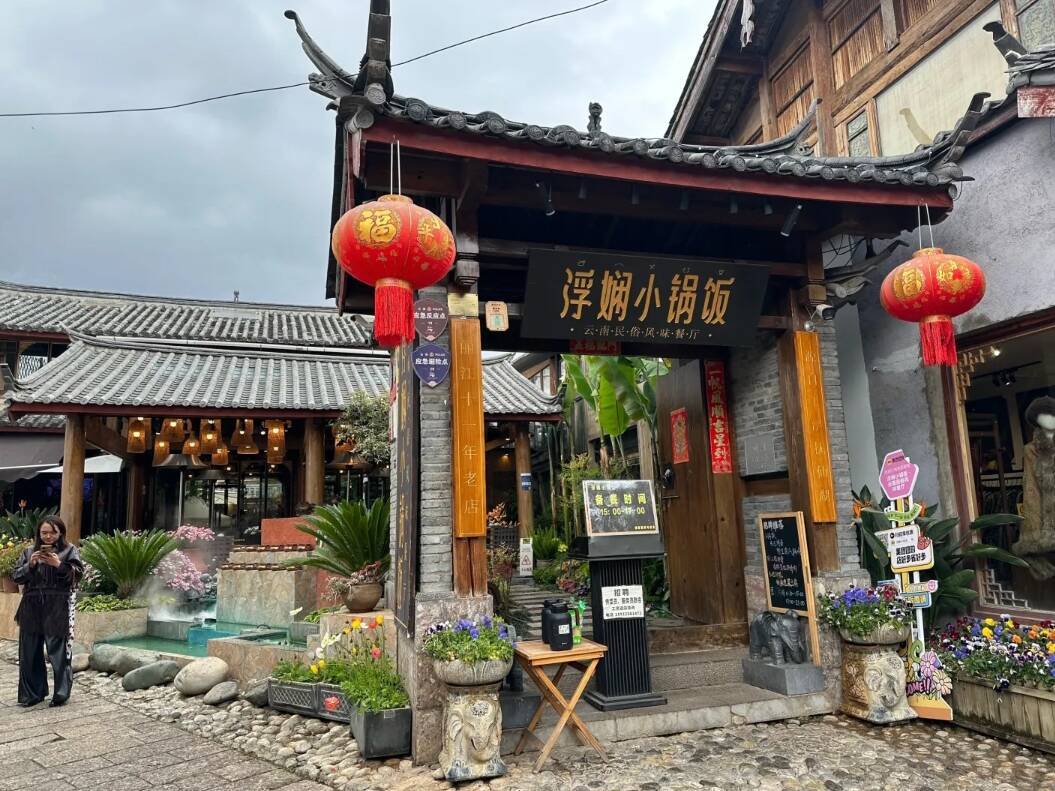
Lijiang: A Gentle Encounter with Time
As the plane slowly descended into Lijiang Sanyi Airport, I caught my first glimpse through the window of the distant, dark-green mountains. This ancient city, written into countless poems and sung about in countless songs, was no longer just a landscape on a screen. Some say Lijiang is healing; others claim it has been drowned in commercialism. But when I finally set foot on this land, I realized—none of the labels matter. What matters is who you discover yourself to be here.
Shuhe Ancient Town: Quietness Is Its True Color
If you think Lijiang is all about the noise and bustle of Dayan Old Town, then you've never been to Shuhe. Just a twenty-minute drive from Dayan, it feels like stepping through a time portal—from a lively city into a serene pastoral scene.
The Warmth of Everyday Life Hidden in Alleys
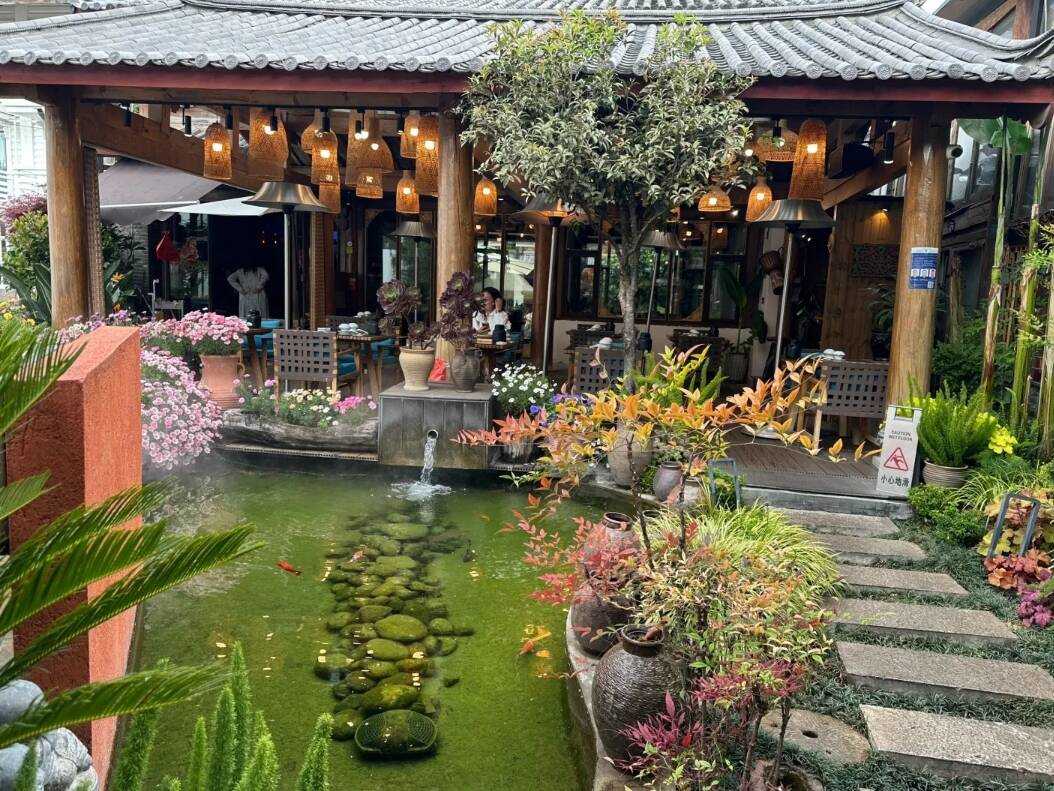
The streets of Shuhe Ancient Town are much wider than those in Dayan. The blue-stone paths have been polished smooth as mirrors by time. There are no crowds jostling shoulders, no endless hawking cries—just small bridges over flowing water, weeping willows swaying in the breeze, and the occasional aroma of home-cooked meals drifting from some courtyard.
The guesthouse I stayed at was tucked away in an unremarkable alley. Pushing open the wooden door, I found a delicate little yard. A few bougainvillea plants were blooming vibrantly, and an orange cat lounged lazily on a rattan chair. The owner, a warm-hearted Naxi woman, greeted me with a smile and handed me a cup of Pu'er tea. "Here," she said, "this place is perfect for just zoning out."
A Food Map: From Iron-Plate Tofu to Small-Pot Rice
How could I miss the food in Shuhe? The guesthouse owner recommended a few local eateries, and I tried them all—they lived up to their reputation.
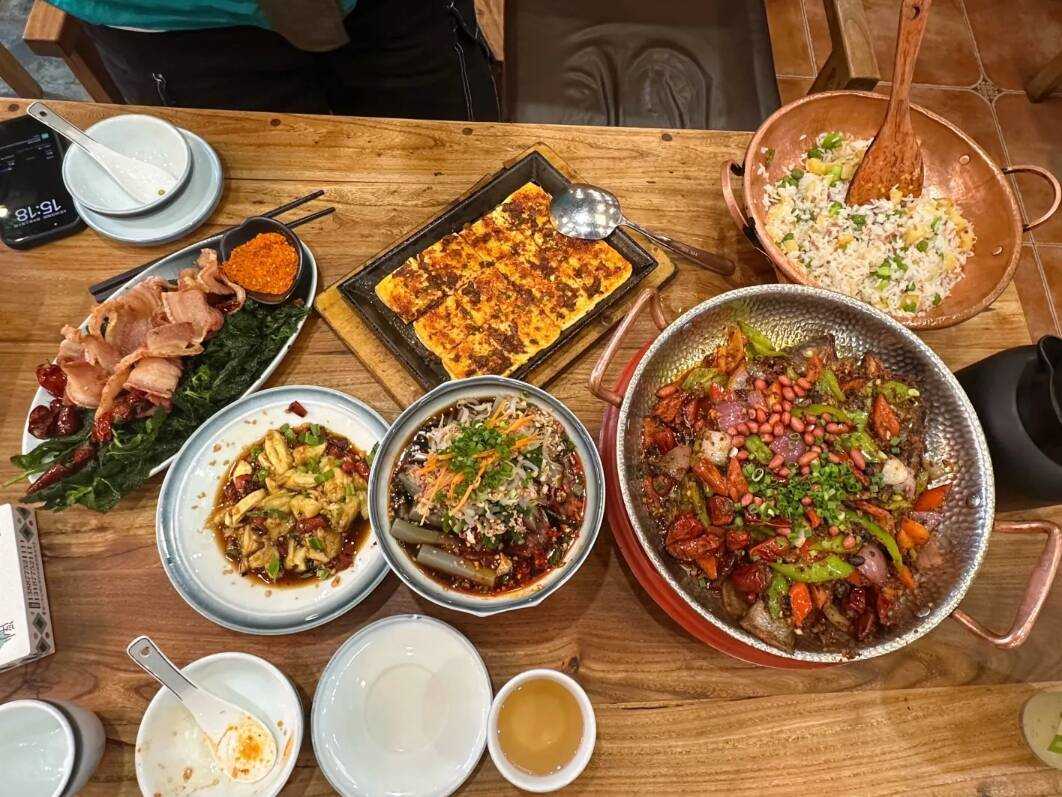
小锅饭 (small-pot rice) is a must-order. The rice is slow-cooked in a copper pot, forming a golden, crispy crust at the bottom, topped with diced ham, green beans, and potato chunks. When you scoop it with a wooden spoon, the crust cracks with a satisfying "crunch," releasing an irresistible aroma. The grains are distinct, and the salty savoriness of the ham blends perfectly with the softness of the potatoes—I couldn't stop myself from having three bowls.
铁板豆腐 (iron-plate tofu) was just okay. The tofu wasn't seared thoroughly enough—the skin wasn't crispy, and the inside lacked the silky texture I'd hoped for. However, the restaurant's 纳西烤鱼 (Naxi grilled fish) and 鸡豆凉粉 (chickpea jelly noodles) were delightful surprises. The fish was crispy on the outside and tender inside, paired with a special chili powder—one bite, and the spicy, numbing flavors exploded on my tongue. The chickpea jelly noodles were smooth and refreshing, drizzled with a tangy and spicy sauce—the perfect appetizer for a summer day.
What touched me most was that after my meal, I left in a hurry and forgot my camera at the restaurant. Two streets away, I suddenly got a call from the owner: "Miss, you left your camera. I'll bring it to you." At that moment, I realized that Shuhe's warmth lies in these small, thoughtful kindnesses.
Jade Dragon Snow Mountain: A Conversation with Heaven and Earth at 4,680 Meters
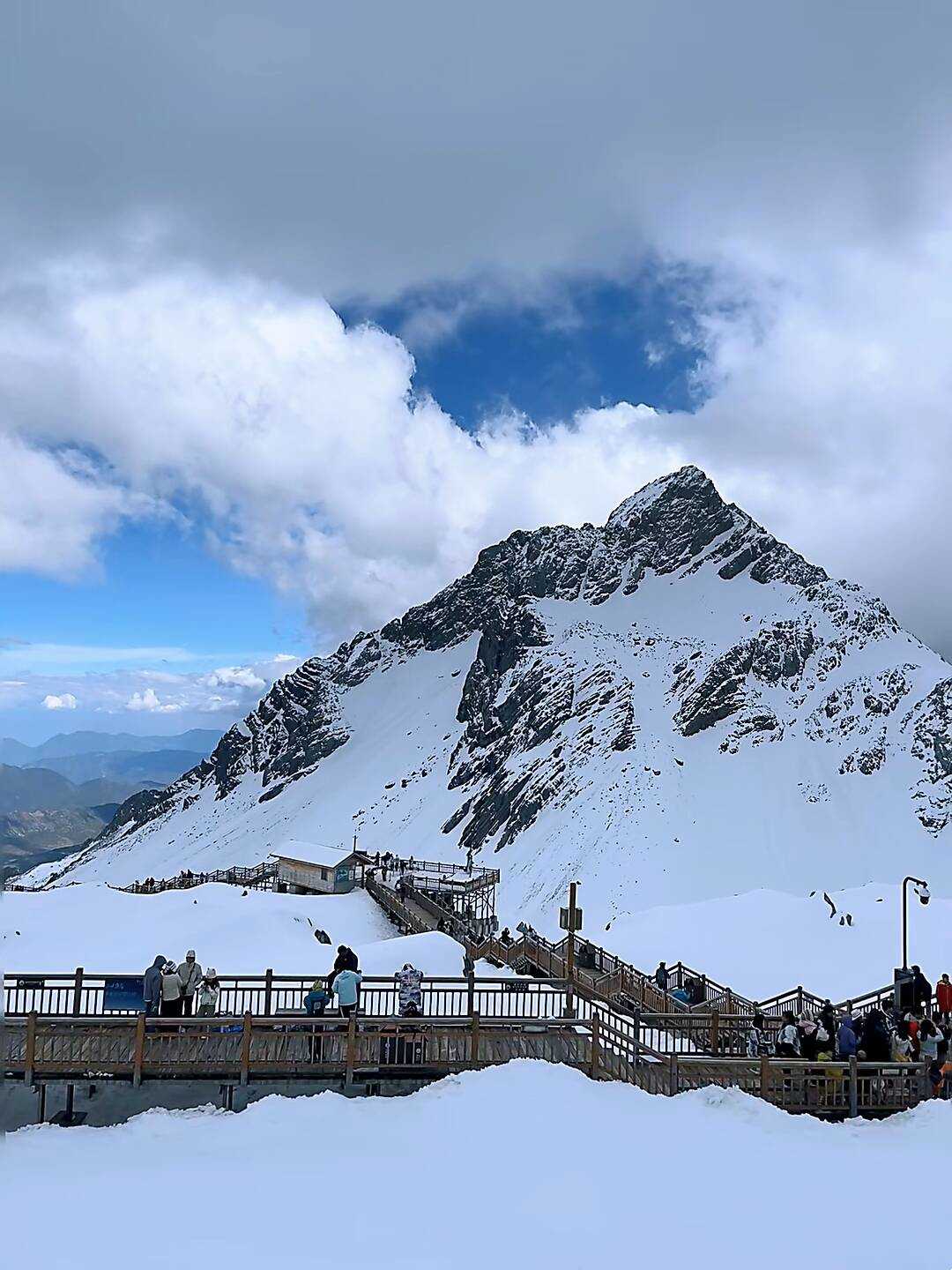
If Shuhe is Lijiang's gentleness, then Jade Dragon Snow Mountain is its grandeur.
First Glimpse of the Mountain: A Misty, Ethereal Beauty
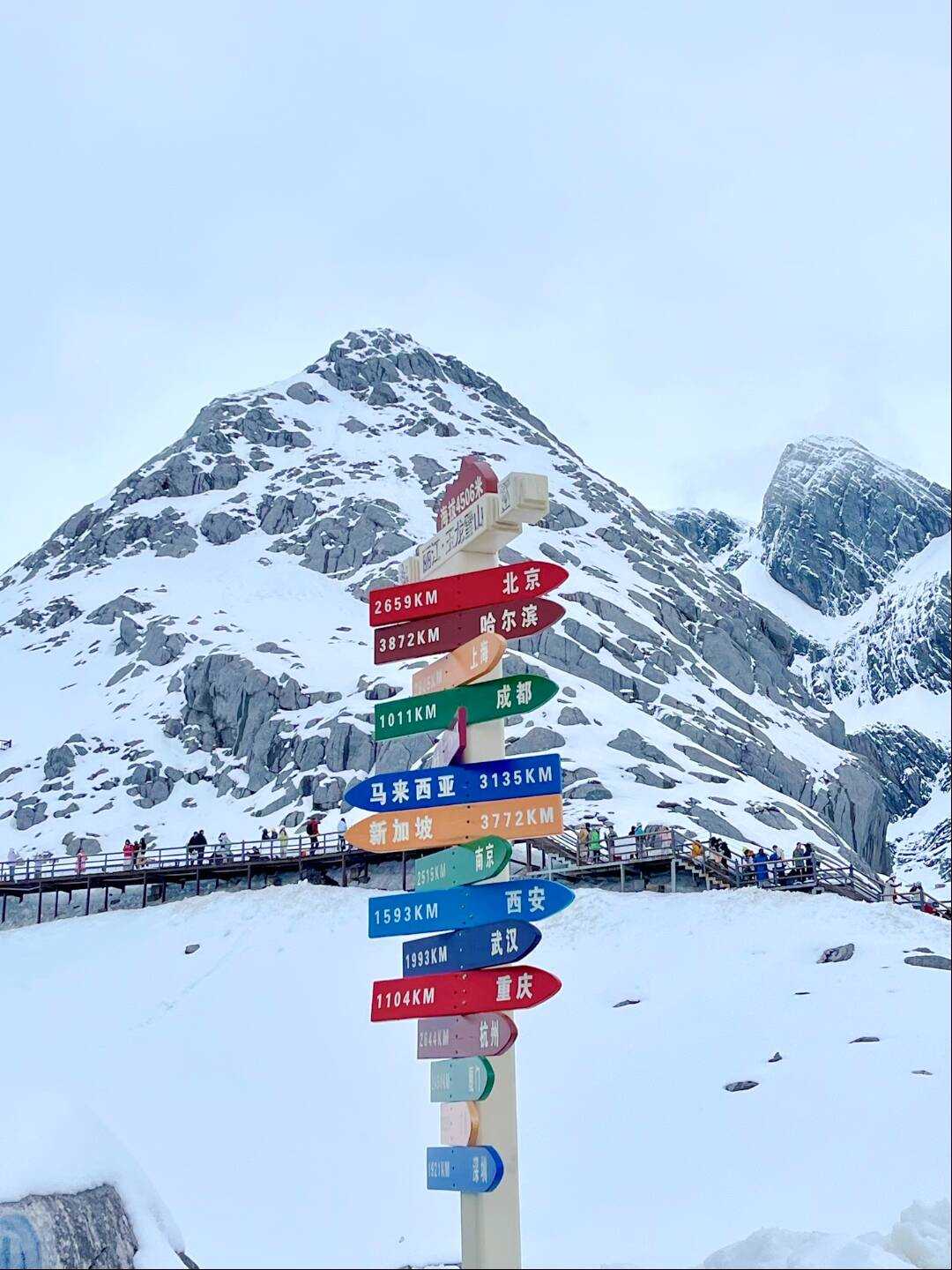
At six in the morning, before dawn, I got into the car heading for Jade Dragon Snow Mountain. Outside the window, the sky gradually lightened, and the distant mountain appeared faintly. When the car entered the scenic area, the first rays of sunlight happened to hit the peak, and the snow reflected a dazzling light. At that moment, I almost held my breath.
The cable car rose slowly. Below, the vegetation changed from broadleaf forest to coniferous forest, then to low shrubs, and finally to bare rock and snow. The altitude climbed higher, my breathing grew急促, but the scenery became more and more breathtaking.
Standing on the Summit: Problems Shrink into Insignificance
Finally, I stood on the observation deck at 4,680 meters. The wind howled, nearly knocking people off their feet, but no one wanted to leave. Endless snow-covered peaks stretched beneath us, the year-round snow glowing with a blue-white light under the sun. When mist swirled, the entire mountain seemed draped in a veil of ethereal beauty; when the sky cleared, every crease of the mountain was sharply visible, revealing its majestic grandeur.
I stood by the railing, watching the sea of clouds roll in the distance. Suddenly, all those trivial worries that had been gnawing at me felt utterly insignificant. The vastness of the snow mountain taught me what awe truly means.
Blue Moon Valley: A Miracle on Nature's Palette
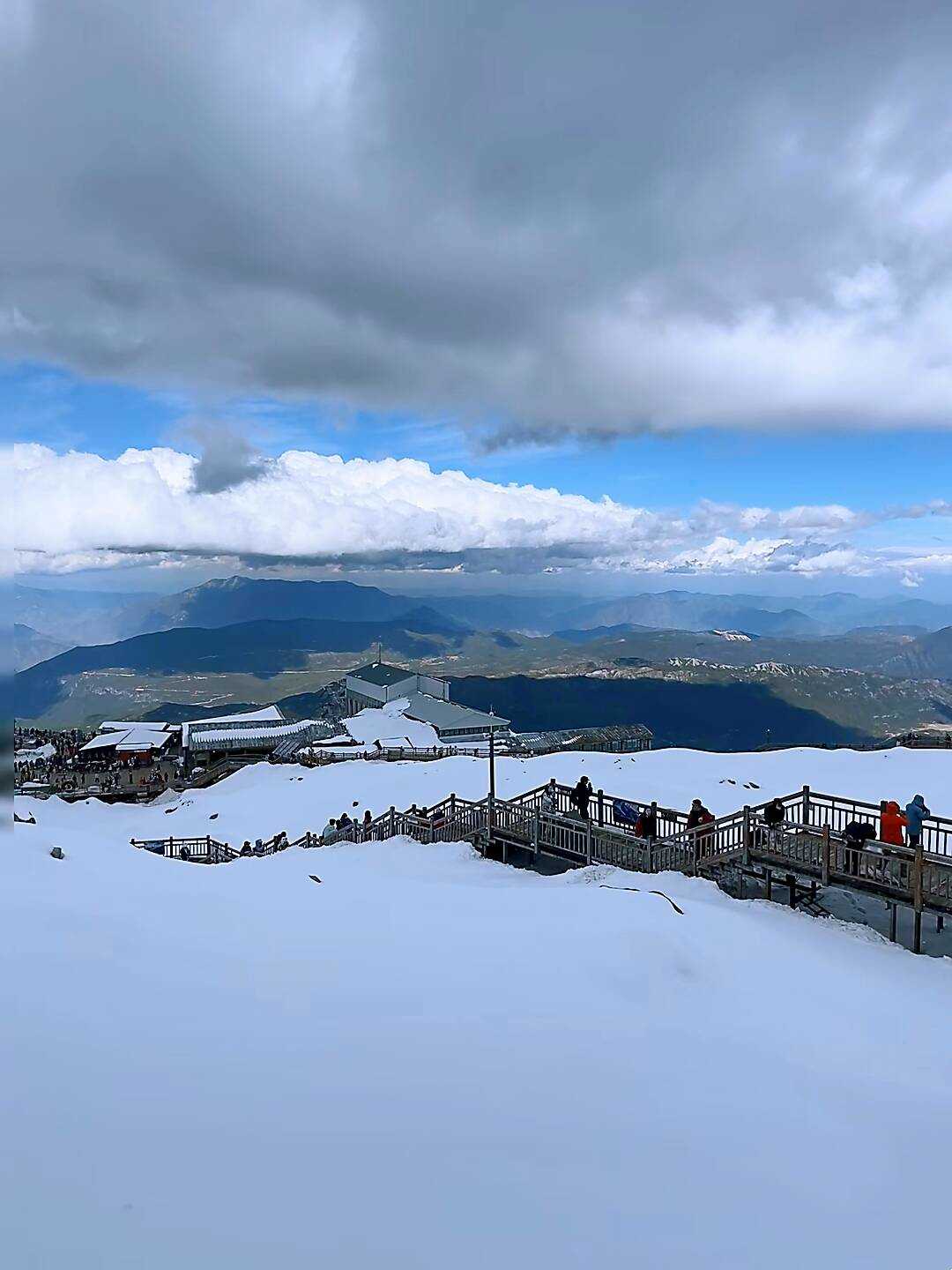
Coming down from the mountain, I arrived at Blue Moon Valley. The name is perfect—the lake is as blue as a crescent moon, lying quietly in the valley.
听涛湖 (Listening to Waves Lake) is shallow, with a gentle green hue, like a piece of emerald soaked in water. 玉液湖 (Jade Liquid Lake), on the other hand, is deeper, showing a dreamy blue-green. Locals say the water is green when shallow and blue when deep—and it's true. But the sunlight plays an even bigger role: where the sun hits, the lake sparkles as if sprinkled with crushed gold, so beautiful it feels unreal.
I walked slowly along the boardwalk, watching the lake's color shift with the light. Sometimes it was emerald, sometimes azure, and sometimes it shimmered with faint purple. The stones at the bottom were clearly visible, and occasionally a few small fish swam by, stirring up gentle ripples. I thought to myself: this must be nature's most exquisite palette.
Strolling Through the Old Town: A Passing Traveler in Time
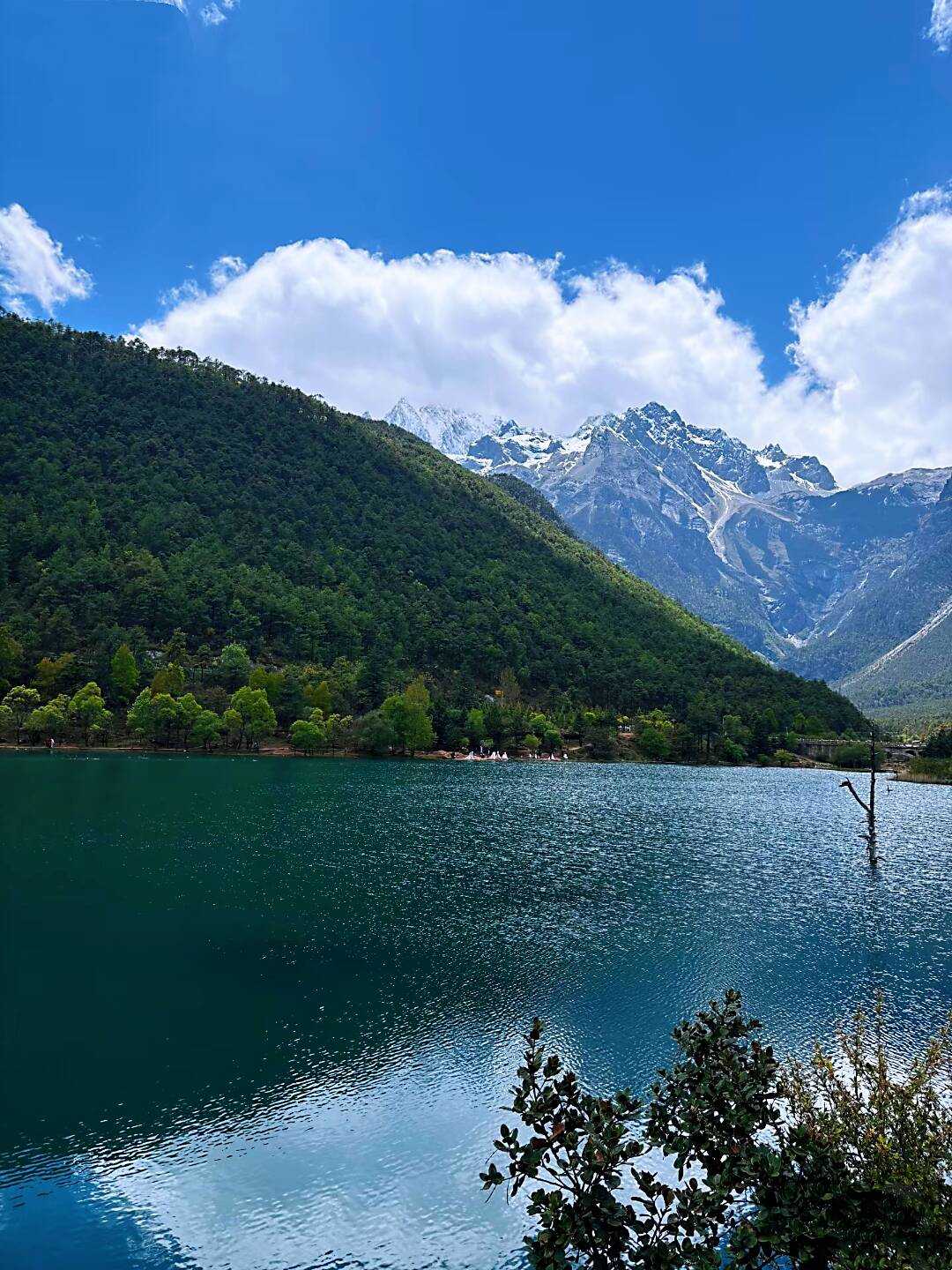
Lijiang Old Town was the last stop on my trip. Honestly, before I came, I didn't have high expectations. After all, there's so much debate online—some say it's too commercial, others say it's too crowded. But when I actually walked into it, I realized that all the noise is just the surface. The heart of the old town is still gentle.
The Meaning of Checking In: Proof That I Was Here

Walking along the old town's stone paths, I saw tourists everywhere in Hanfu or ethnic costumes, snapping photos at every corner. I couldn't resist either. At Sifang Street, the Big Waterwheel, and the front of Mu Mansion, I left my own footprints. When I posted on social media, I wrote: "Proof that I've been to Lijiang." A friend commented, "I wish I could stay here forever!"
Who wouldn't want to stay? Every alley in the old town has its own unique scenery. Some are filled with blooming flowers, some are hung with wish plaques, and some hide tiny cafés that release the aroma of freshly brewed coffee. You can wander aimlessly, or stop at a corner to listen to a wandering street musician's guitar.
The Beauty of the Old Town Lies in the Details
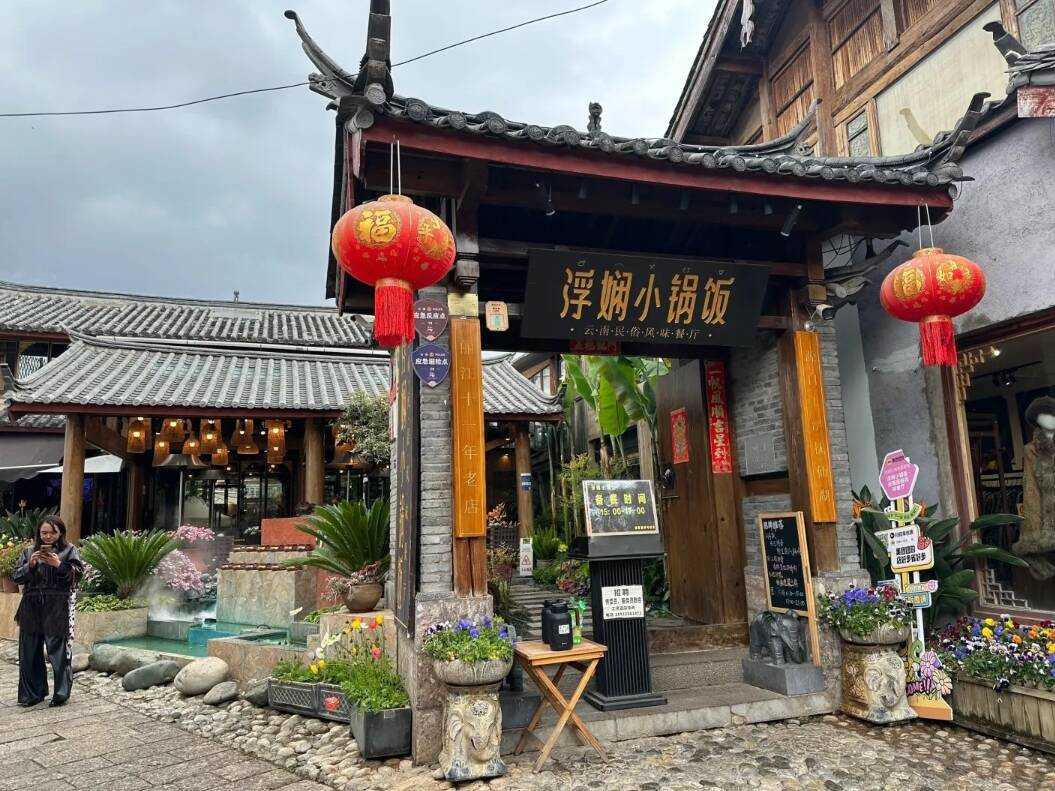
But what I loved most were the unplanned moments. In the early morning, before the tourists flooded in, the old town was quiet. On the stone paths, only a few locals with bamboo baskets on their backs passed by. An elderly vegetable seller sat by the roadside, her fresh greens and fruits laid out in front of her. The shop doors hadn't been taken down yet, and only a few cats napped under the eaves.
In the evening, the sunset painted the old town in gold, and the distant snow mountain was bathed in a warm glow. I sat on the second floor of a small tavern, watching the crowds come and go below. Suddenly, I realized that Lijiang's beauty isn't about how bustling it is—it's about how包容 (inclusive) it is. It can accommodate noise and quiet; it can handle the rush of tourists and the calm of locals.
Final Thoughts: Lijiang, Until We Meet Again
The day I left Lijiang, the weather was especially beautiful. Sitting in the car on the way to the airport, I turned back to look at the distant snow mountain, and a wave of reluctance surged in my heart. In just a few days, I had visited Shuhe Ancient Town, climbed Jade Dragon Snow Mountain, and walked through the old town countless times. I had eaten small-pot rice, seen Blue Moon Valley, and taken countless photos. But I knew—none of this was the whole of Lijiang.
Lijiang is a city that needs to be savored slowly. Its beauty isn't in the attractions, but in the details; not in checking in, but in feeling. It's like a well-aged Pu'er tea—slightly bitter at first, but with a lingering sweetness that fills your mouth.
If you're planning to come to Lijiang, here are a few small suggestions:
- Don't just go to Dayan Old Town—Shuhe Ancient Town is quieter and better for zoning out.
- Climb the snow mountain early—in the early morning, there are fewer people and better scenery, and you might see the golden glow on the peaks.
- Visit Blue Moon Valley when the sun is out—the color of the lake will make you gasp.
- Reserve your small-pot rice in advance—some restaurants require queuing.
- Most importantly—slow down. Don't rush through the journey; feel the road.
Lijiang, until we meet again. Next time, I want to spend an entire day in a small courtyard in Shuhe, soaking up the sun, watching the clouds drift by.
This travelogue is original content. For reprints, please contact the author.
You should also read:
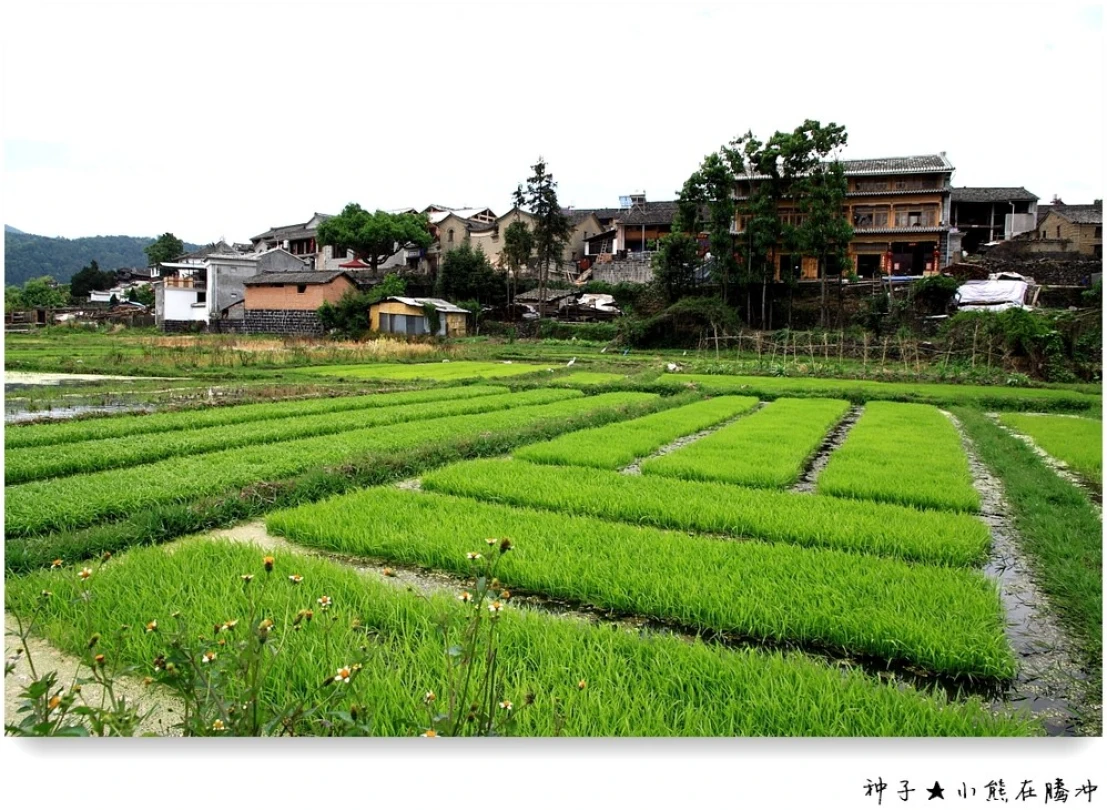
Tengchong·Heshun: Finding Life as It Should Be in a Border Town Where Time Stands Still
Tengchong·Heshun: Finding Life as It Should Be in a Border Town Where Time Stands Still The long journey of over twenty days was over. On my first day back at the office, I was still in a daze. My fingers couldn't find the keys on…
Continue reading...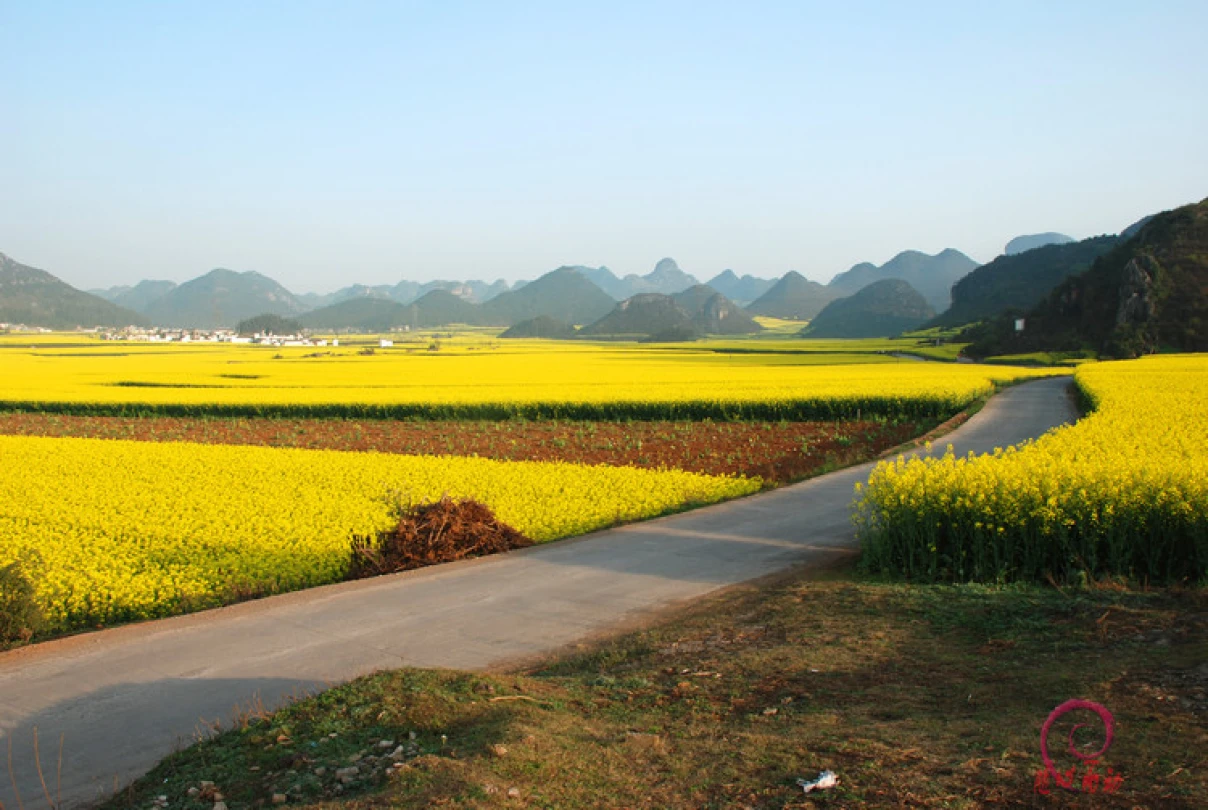
Golden Luoping: A Romantic Encounter with Sunshine and Seas of Flowers
Golden Luoping: A Romantic Encounter with Sunshine and Seas of Flowers Introduction: The Third Time's the Charm Some landscapes are destined to be seen at the right moment. For me, that was exactly the case with Luoping's rapeseed flowers. On February 22, 2011, the Luoping…
Continue reading...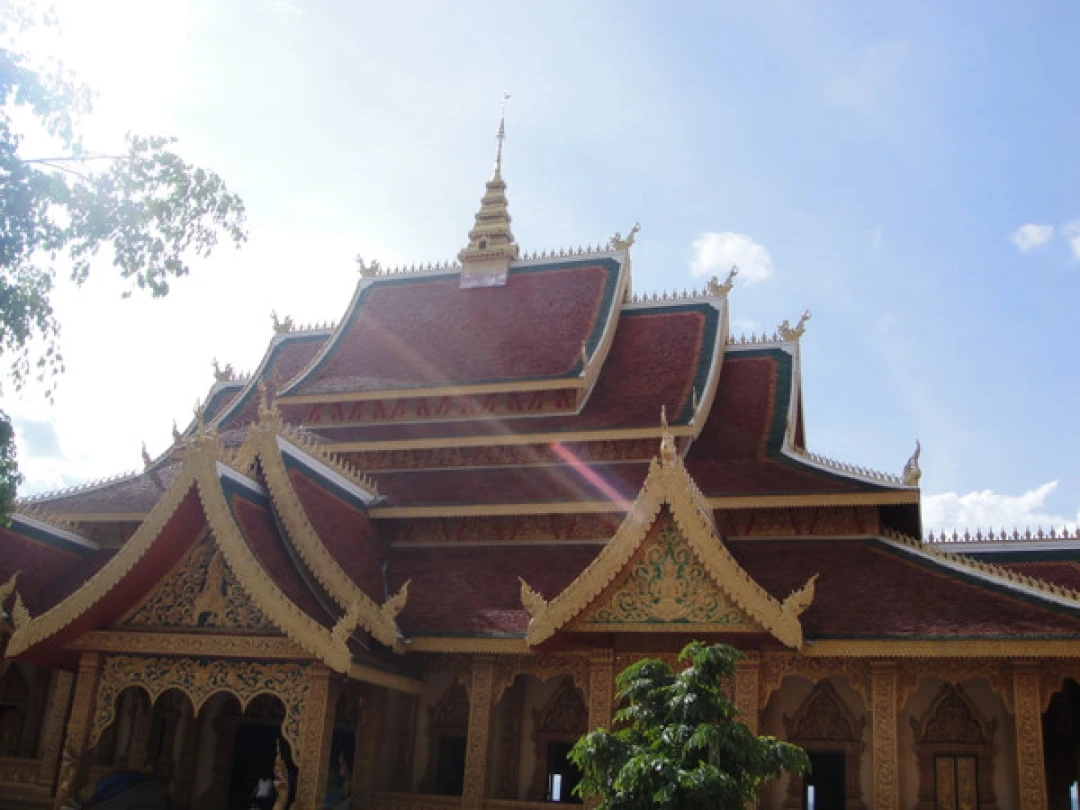
Xishuangbanna: Encountering an Ideal and Magical Paradise in the Green Wonderland at 21° North Latitude
Xishuangbanna: Encountering an Ideal and Magical Paradise in the Green Wonderland at 21° North Latitude If you ask me which place in China most resembles Southeast Asia, I would answer without hesitation: Xishuangbanna. This is not Thailand, yet it possesses an even richer Buddhist ambiance…
Continue reading...